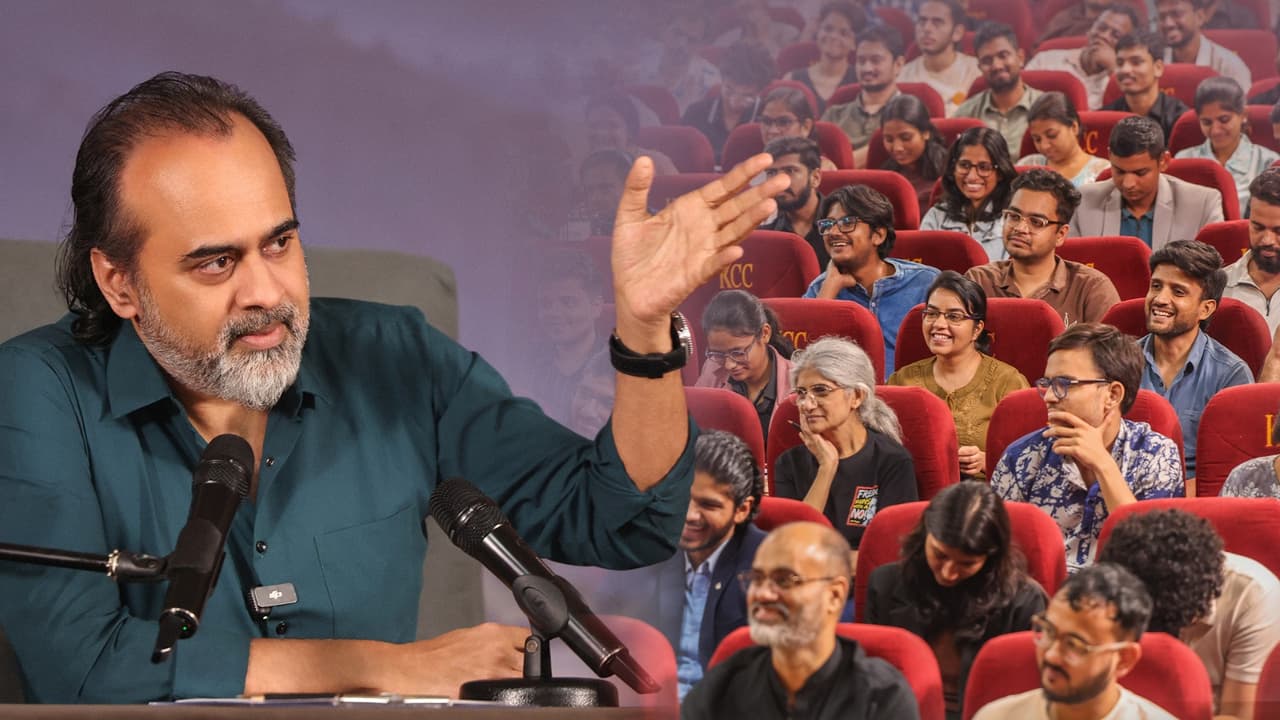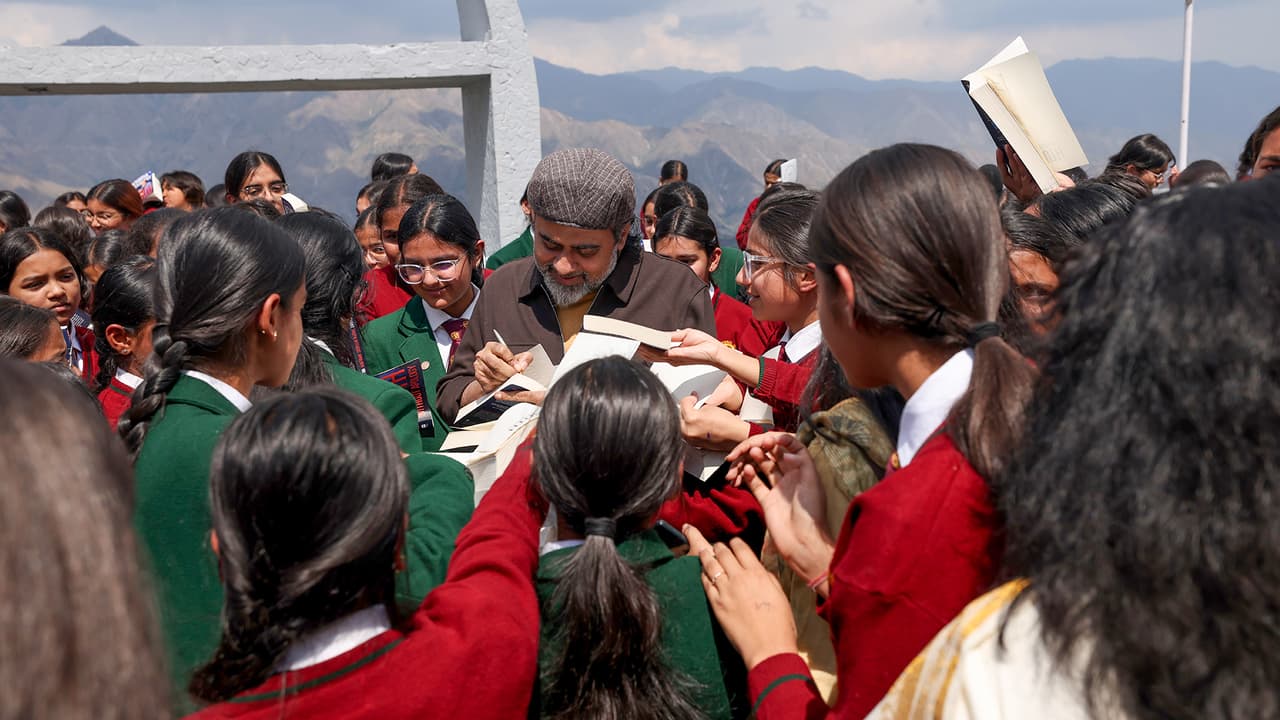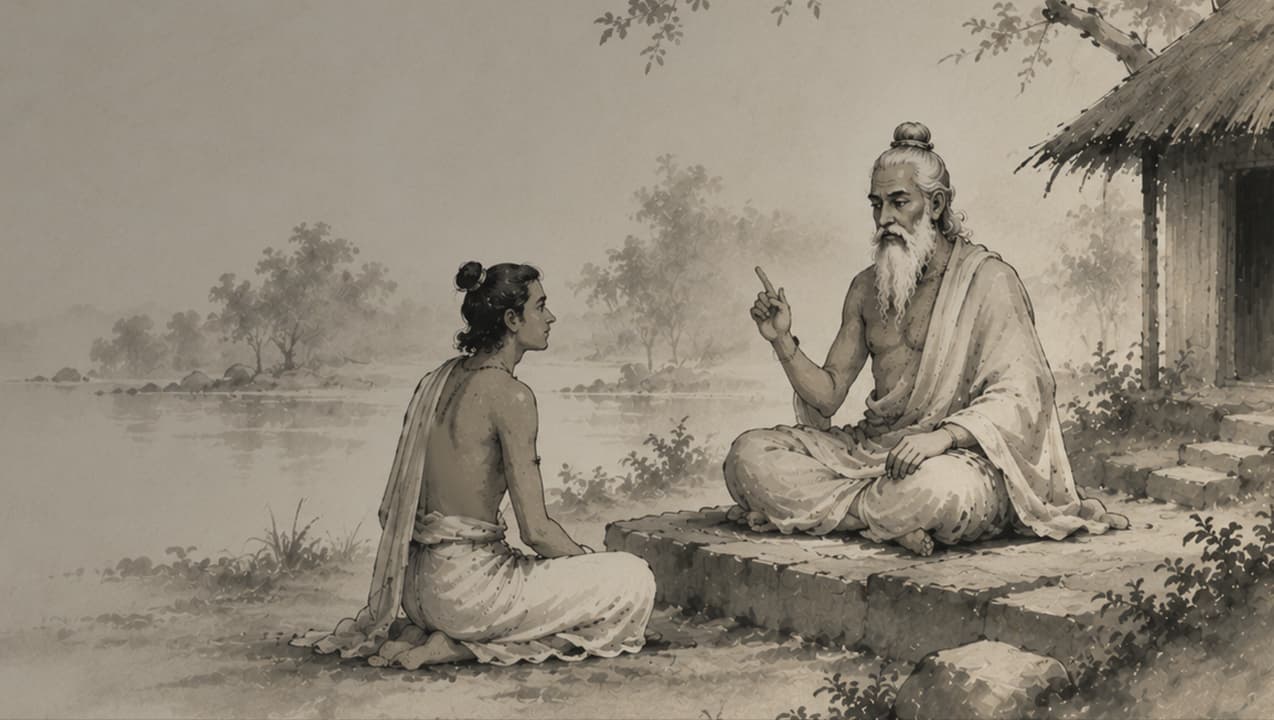
जब तक ये प्रश्न शेष है कि “कब तक उठते रहें?” तब तक उठते रहो। जब ये प्रश्न ही मौन हो जाए कि “कब तक उठते रहें?” तब उठना-गिरना, ये सब अप्रासंगिक हो जाएगा। जब तक उठने के लिए कोई बचा है, तब तक उठते रहो। यही पुनर्जन्म है। उठते रहो, उठते रहो।
आचार्य प्रशांत: सातवीं-आठवीं की बात होगी, तो हमारे साथ एक पढ़ा करता था, और उसका आठवीं में ही नाम पड़ गया था क्लास में — बुढ़ऊ। क्यों पड़ गया था? क्योंकि वो कक्षा के औसत विद्यार्थी से उम्र में लगभग दो साल बड़ा था। और इतना ही नहीं था, कुछ
प्रश्नकर्ता: और गहरा समझना चाहूँगा कि जब धर्म की बात होती है तो पुनर्जन्म की बात तो होती ही होती है। तो इनके बीच का क्या सम्बन्ध है?
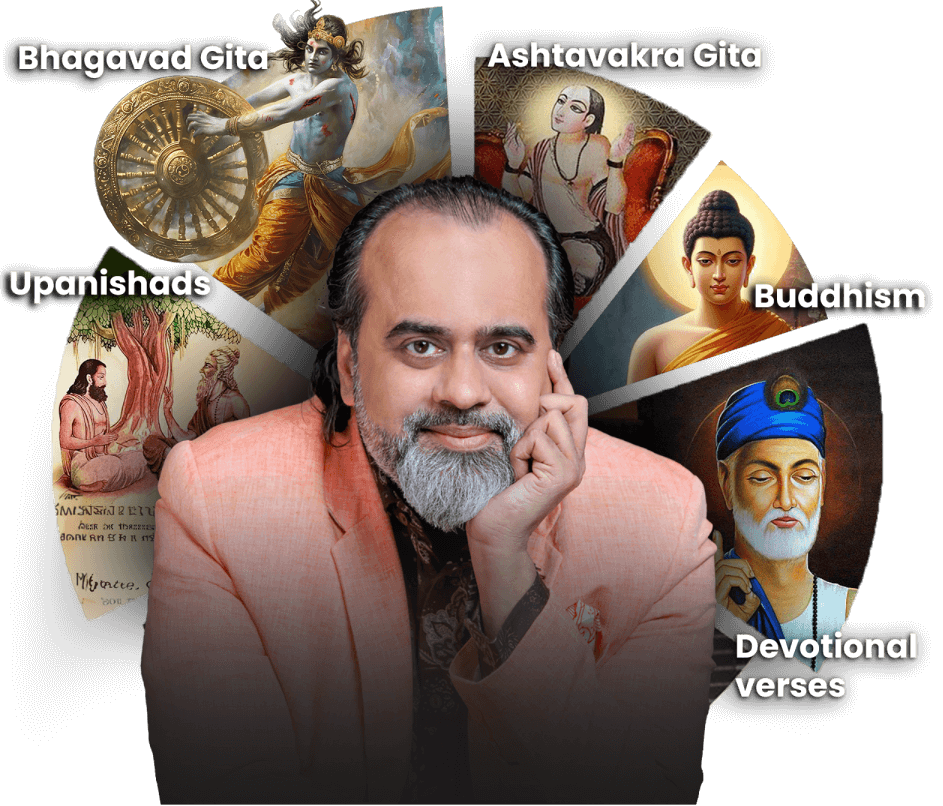
ऐसा नहीं कि पुनर्जन्म झूठी बात है, लेकिन पुनर्जन्म को जैसे समझा है लोगों ने, वो बिल्कुल झूठी बात है, वो श्रुति-विरुद्ध है। पुनर्जन्म होता है, निश्चित रूप से, पर उसका नहीं जिसका आप सोचते हो। और किसी भी पुराण में या किसी भी और किताब में अगर कोई ऐसी बात लिखी है जो सीधे-सीधे भगवद्गीता, उपनिषदों और अष्टावक्र गीता के विरुद्ध जाती है, तो हम क्यों पूछें कि किसने लिख दी? जिसने भी लिख दी, उससे हमें कोई लेना-देना नहीं।
Struggling to choose between a secure job and the path you actually feel drawn to? This isn't really a question about careers. It's about why other people's opinions have so much power over you in the first place. Real clarity doesn't come from finding the 'right' choice. It comes from honestly looking at your own fear, again and again, until it stops running the decision for you.

Climate change is more than an environmental crisis—it is a crisis of human choices. Our patterns of consumption, consumerism and endless pursuit of more are putting increasing pressure on the planet. But meaningful change does not necessarily begin with new technology or stricter policies. It begins with a deeper question: what are we willing to change within ourselves?

Science can examine material claims, but Advaita Vedanta deals with the subjective self, ego, suffering, bondage, and liberation—areas outside science’s objective framework. Vedanta need not be accepted because of one’s religion or tradition; its value lies in whether its insights can be personally verified and help free one from suffering. The ultimate responsibility is not toward any philosophy, but toward oneself: to live a truly free life.

Superhero films appeal to our desire to escape inner inadequacy through external power. The fantasy of an ordinary, fearful person becoming extraordinary reinforces the ego’s belief that more strength, money, possessions, or status will bring happiness. Consumerism follows the same pattern, endlessly adding objects to fill an inner void. Real freedom does not come from becoming more powerful or acquiring more, but from honestly seeing and understanding the ego that feels incomplete.

कई तरह के डर—अकेले पड़ने, छवि खोने या छोटा समझे जाने—की जड़ अक्सर अतीत में बनी पहचान और कहानियों में होती है। शरीर की हाइट जैसी चीज़ों को समस्या मानकर उनसे जूझने के बजाय उनकी अप्रासंगिकता को समझकर आगे बढ़ना चाहिए। अतीत को दबाने से मुक्ति नहीं मिलती; उसके करीब जाकर अपनी स्मृतियों, धारणाओं और पुराने पैटर्न को निष्पक्षता से देखना ज़रूरी है।

भूतों का डर अक्सर किसी वास्तविक भूत से नहीं, बल्कि हमारी कल्पना, डर और सस्ते रोमांच की चाह से पैदा होता है। भूतिया फ़िल्में और कहानियाँ मन में ऐसी धारणाएँ बना देती हैं कि साधारण चीज़ें भी डरावनी लगने लगती हैं। डर से भागने के बजाय उसके आधार पर प्रश्न करना चाहिए। सस्ते रोमांच के बजाय ज्ञान, इतिहास और सार्थक चुनौतियों में वास्तविक आनंद और उत्साह खोजना अधिक उपयोगी है।

Spirituality does not replace the fear of ghosts with belief in God. It asks us to question the mind that creates both fear and belief. Ghosts, gods, and stories can all become projections of imagination. The spiritual path begins by dropping assumptions, investigating “Who am I?” and understanding the source of suffering. With attention, right knowledge, and self-inquiry, fear loses its power and one becomes inwardly free.

A true relationship is not built on need, possession, or emotional dependence, but on a shared commitment to Truth and inner growth. A worthy companion reflects your reality like a mirror rather than performing a role to please you. Real love is effortless, rooted in one's nature, not expectations. When your highest commitment is to excellence and Truth, relationships become a natural outcome—not the purpose of life itself.

डर वास्तविकता से नहीं, बल्कि अस्पष्टता और कल्पना से ताक़त पाता है। वह कभी स्पष्ट नहीं बताता कि किस बात का भय है, बल्कि धुंधले संकेतों से मन को विचलित करता रहता है। डर से भागने के बजाय उसे सामने बुलाकर उसके हर दावे से स्पष्टता माँगनी चाहिए। जैसे ही भय को सटीक होने के लिए मजबूर किया जाता है, उसकी शक्ति समाप्त होने लगती है, क्योंकि उसका पूरा अस्तित्व भ्रम और धुंध पर टिका होता है।

Victory is not decided by the trophy you hold but by the battle you choose to fight. Real strength lies in making the right decisions, staying true to your deepest values, and refusing to be ruled by fear or circumstances. When your actions arise from clarity rather than ambition, the outcome loses its power over you. The moment you choose the right path, you have already won.

डर बोलने से नहीं, बल्कि दूसरों की राय और अपनी छवि खोने के भय से पैदा होता है। जब हम अपनी पहचान को लोगों की स्वीकृति पर टिका देते हैं, तब साधारण काम भी कठिन लगने लगता है। गलती करना गलत होना नहीं है; गलती सीखने का अवसर है, पहचान नहीं। आत्मनिर्भरता, आत्मसम्मान और दूसरों की राय से मुक्त होकर ही व्यक्ति निडर होकर बोल सकता है और आत्मविश्वास के साथ जीवन जी सकता है।

अज्ञान भय पैदा करता है, जबकि ज्ञान से आनंद और मस्ती जन्म लेते हैं। सच्ची मित्रता, प्रेम और शांति किसी को पकड़ने से नहीं, बल्कि स्वतंत्रता देने से मिलते हैं। मन स्वयं चंचल नहीं होता; उसमें क्या भरा जाए, यह हमारी सजगता तय करती है। जीवन का उद्देश्य केवल जानकारी जुटाना नहीं, बल्कि ज्ञान से प्रेम करना, प्रश्न करना, आत्मावलोकन करना और अपने भ्रमों को पहचानकर भीतर की स्वतंत्रता की ओर बढ़ना है।

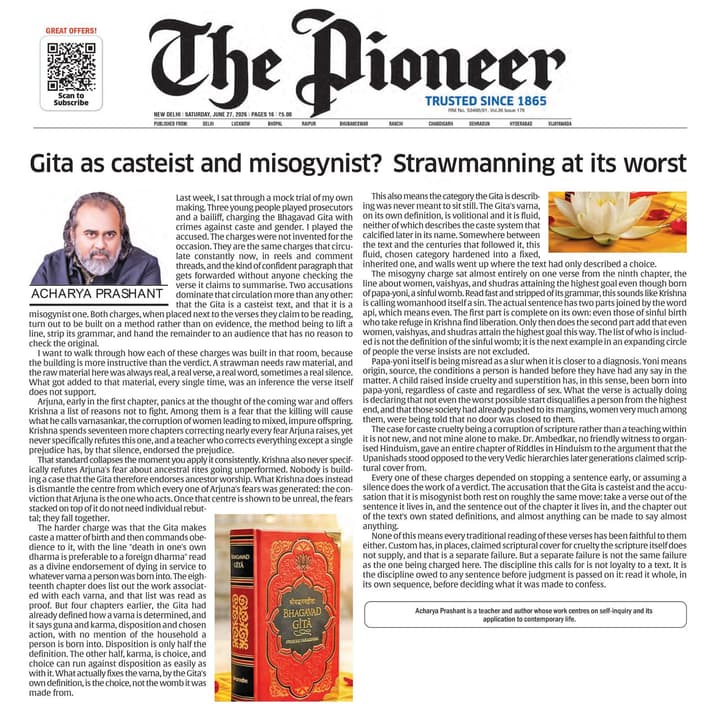
The Bhagavad Gita is often accused of supporting caste and misogyny through selective quotations that ignore context, grammar, and the text's central teachings. A closer reading shows that its emphasis is on inner qualities, conscious action, and spiritual equality rather than birth-based hierarchy or gender discrimination. Misinterpretations arise when isolated verses are detached from their broader meaning, while the Gita consistently points toward self-knowledge, freedom from ego, and the universal possibility of liberation for every human being.

काम का मूल्य जीत, पुरस्कार या दूसरों से आगे निकलने में नहीं, बल्कि उसके प्रति प्रेम और समझ में है। जब कोई कार्य केवल प्रतियोगिता या प्रशंसा के लिए किया जाता है, तो वह बोझ बन जाता है। सच्चा आनंद उसी काम में है जिसे व्यक्ति स्वाभाविक रूप से करना चाहता है। इसी तरह डर कोई समस्या नहीं है; समस्या तब है जब डर हमें सही काम करने से रोक दे। जो सही और आवश्यक है, उसे डर, असफलता या संकोच के बावजूद करते रहना चाहिए।

Science and philosophy arise from different kinds of inquiry. Matter seeks continuity of state, while the ego seeks continuity of existence and constantly changes identities to preserve itself. Fear, danger, and suffering are rooted in the ego’s sense of “I,” not in material reality itself. Questions are valuable because they expose hidden beliefs, and genuine learning requires challenging assumptions through inquiry, dialogue, and self-examination.

Sixty million followers do not necessarily indicate a transformation in consciousness. Large numbers may reflect persistent outreach rather than deep commitment. Truth is often avoided not through opposition but through indifference, convenience, and self-deception. Real change requires sustained effort, inner honesty, testing one's understanding, and the courage to face uncomfortable truths instead of seeking comfort, validation, or easy inspiration.

Fear, social conditioning, and painful memories often shape how people live and make choices. True growth begins by questioning inherited beliefs, refusing to remain trapped by past wounds, and acting from understanding rather than conformity. What appears to be sacrifice is often just the abandonment of conditioned habits. Freedom comes not from external systems, but from the courage to see clearly, learn, and move beyond fear.

मुक्त कर्म वही है जिसमें आनंद किसी भविष्य के परिणाम में नहीं, बल्कि कर्म करने में ही होता है। बच्चा खेलते समय किसी पुरस्कार की अपेक्षा नहीं करता; खेल ही उसका सुख है। इसके विपरीत, बंधन और लालच से किए गए कर्म हमेशा हिसाब, मुआवज़े और भविष्य की आशा से भरे होते हैं। निष्काम कर्म वही है जहाँ कर्म स्वयं ही अपना पुरस्कार बन जाता है, और जीवन गणना नहीं बल्कि सहज उल्लास में बदल जाता है।

The climate crisis is not merely an external environmental problem but a reflection of inner human greed, desire, and psychological disorder. Drawing from the Gita’s idea of yagya as desireless action, it says real ecological healing requires inner transformation. Outer pollution, exploitation, and destruction mirror the ego’s inner confusion, making personal consciousness and planetary health deeply inseparable.

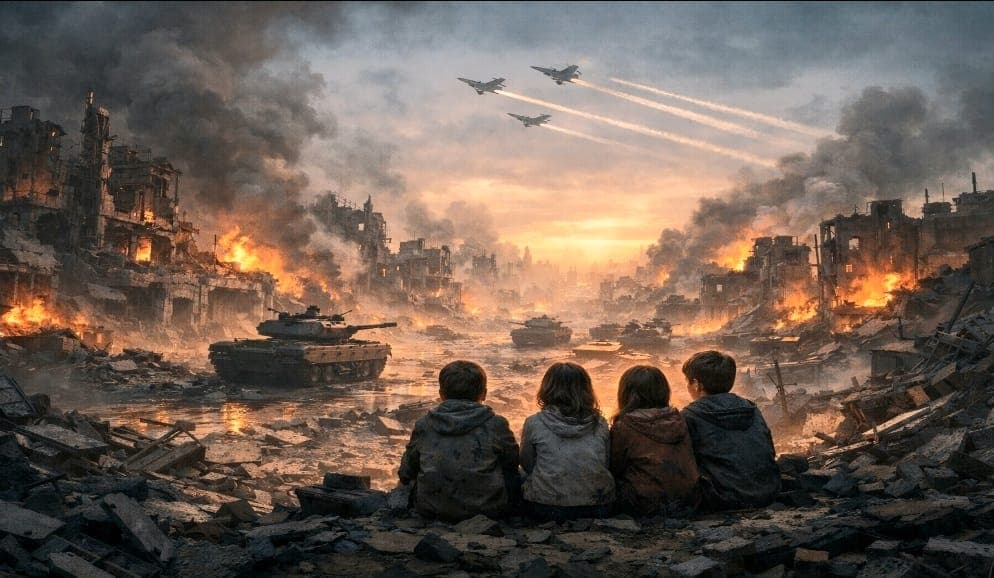
युद्ध, मुनाफाखोरी और हिंसा का मूल कारण अहंकार है, जो अपने स्वार्थ के लिए दूसरों ही नहीं, स्वयं को भी नष्ट कर सकता है। समाज अपनी बुराई को स्वीकार नहीं करता और खुद को अच्छा मानकर धोखे में जीता है। इसी अज्ञान से शोषण, युद्ध और अन्याय चलते रहते हैं। समाधान केवल आत्म-अवलोकन और भीतर की सच्चाई को ईमानदारी से देखने में है।

Global conflicts stem not from geopolitical interests but from the ego's fundamental incompleteness. Nations are merely expressions of collective egoic consciousness. Leaders represent humanity's worst tendencies, not its average. The ego requires duality and boundaries to survive. True disarmament means detoxifying the ego itself. External wars reflect internal disturbance. No diplomatic solution addresses the root cause, only wisdom and self-knowledge can dissolve the ego's need for conflict and separation.

Overthinking trivial matters stems from inner emptiness. Fill your life with something genuinely important, a worthy cause, a meaningful pursuit. When you're truly immersed in what matters, random anxieties lose power. Develop strong inner immunity through purpose, not by fighting thoughts. Like Bhagat Singh, marry yourself to something noble. Immersion in the essential is the best meditation and antidote to mental suffering. Without importance, life becomes scattered doing nothing in particular.

निर्वाण षट्कम को स्वयं तक पहुँचने का आख़िरी सूत्र भी माना जाता है। निर्वाण षट्कम के सब के सब श्लोक मात्र नकार में हैं। सब बस ये बता रहे हैं कि किसको ज़िंदगी में अहमियत नहीं देनी है। वो सब, जो मैं नहीं हूँ, जो मुझे बाँध कर रखता है, उसका नकार ही शिवत्व है। मन, बुद्धि, चित्त, अहंकार, इनको बहुत महत्त्व नहीं देना है। इन सबका उपयोग कर लेना, उधर बढ़ने को, जिधर शुद्धता हो। हम में उस शुद्धता से प्रेम रहे। जहाँ कहीं भी कोई व्यक्ति अपनी सीमाओं को चुनौती दे रहा है, शिवत्व वहीं है।

The only principle that truly runs this world, created by all of us, is the principle of greed and power. What do you think that fellow has earned his billions for? He didn't become a politician to be noble. The only thing that separates us from animals is the intellect, not the center the intellect is operated from. Don't locate the problem and the responsibility somewhere out there. We change ourselves; the world changes.

Superficiality offers pleasures. Superficiality offers cheap salvation. Therefore, it is easy to be attracted to superficiality. On the other hand, true spirituality challenges you to pay a heavy price. So, you see, all this knowledge has existed since antiquity. Yet there are people who do not want to read the Gita.

Ignorance is not about not having some particular knowledge. Ignorance is not an absence; ignorance is having knowledge. That which your mind is full of is ignorance. Ignorance is your basic sustenance. In such a situation, this utterance, “In reality, you are the One,” I repeat, must not be taken as the Truth in the sense of an affirmation. It is a method to help you drop that which fills you up. All it is telling you is this: “You are an entire universe sitting in your mind; you are not that.”

गीता का सबसे प्रसिद्ध श्लोक है, “कर्मण्येवाधिकारस्ते मा फलेषु कदाचन।” कर्म पर ही अधिकार है, फल पर कतई नहीं है। एक सच्चे ईमानदार आदमी की स्थिति यह होती है, “सही काम चुनूँगा, और आगे जो कुछ होगा, उससे कोई लेना-देना नहीं। अच्छा हुआ तो अच्छी बात है, और बुरा हो गया तो भी हम पर कोई फ़र्क़ नहीं पड़ेगा।” सफलता तो संयोग होती है। एकदम दो कौड़ी के आदमी को भी आप पाएँगे कि सफलता मिल सकती है। महत्त्व प्रयास का होता है, सफलता का नहीं। सही काम चुनो, अधिकतम प्रयास करो।

शुरुआत होगी प्रेम से; प्रेम माने, संवेदनशीलता; संवेदनशीलता माने, दुख। दुख का उदय नहीं, दुख का अनुभव। दुख तो है ही, पर असंवेदन बनकर हम उस दुख से किसी तरह बच लेते हैं। किसी चीज़ का होना और उसका अनुभव होना, दो अलग-अलग बातें हैं। दुख है, पर हम उसके अनुभव से बच जाते हैं। कैसे? सुन्न पड़कर। असंवेदनशील होकर हम दुख के अनुभव से कन्नी काट लेते हैं।

जो जितना ज़्यादा दूसरों की नज़रों में अपनी झूठी छवि बनाकर रखना चाहता है, उस पर तानों का उतना ज़्यादा असर होता है। अगर तानों से बचना है, तो दूसरों की नज़रों में अपनी छवि की परवाह करना छोड़ो। आपको इसलिए बुरा नहीं लगता कि किसी ने आपको कुछ ग़लत बोल दिया, आपको इसलिए बुरा लगता है कि जो सच आपने छुपा रखा था, उसने वह खोल दिया। इतने बेहतर हो जाओ कि छुपाने के लिए कम-से-कम रहे। और बेहतर होने के बाद भी जो कमज़ोरियाँ बची रहें, उनको उद्घाटित रखो, प्रकट रखो।

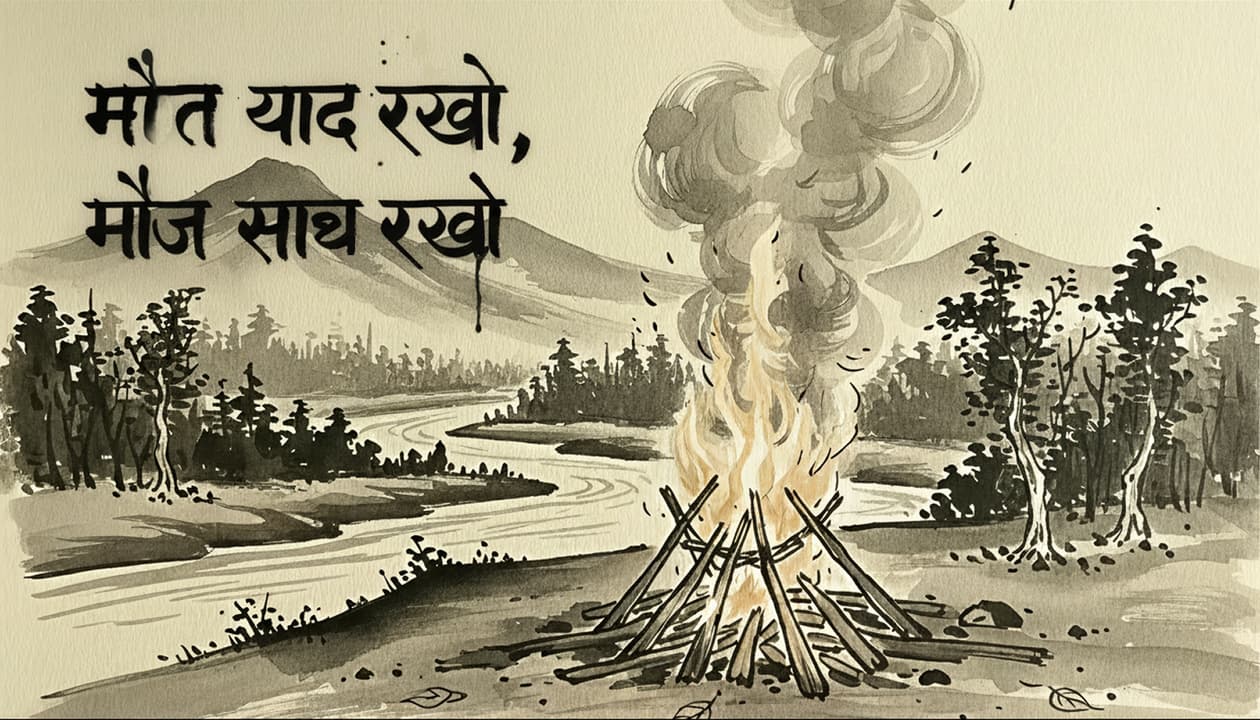
दुनिया में मुझे बताना, कौन-सी चीज़ है जो कभी नष्ट नहीं हुई? सभ्यताएँ मिट गईं, संस्कृतियाँ बह गईं, धर्म ख़ाक हो गए; आदमी का बनाया कुछ भी नहीं बचता। जो चीज़ हमें पता है कि मरण-धर्मा है, वह मिट ही जाएगी; उससे पहले उसका उपयोग चेतना को बढ़ाने के लिए कर डालो। हर पल में ऐसे सतर्क रहो, जैसे यही बस एक पल हो। जिसने मृत्यु और मृत्यु की अनिवार्यता को स्वीकार कर लिया, जो मौत के होश में जीने लगा, उससे ज़्यादा मस्त कोई नहीं जीता। मौत को लगातार याद रखो, तब मौज आएगी!

यह जो अलग-अलग दिखाई देता है, यह वास्तव में कुछ है क्या? यह जो अलग-अलग दिखाई देता है, यह संसार है, प्रकृति। प्रकृति में बस विविधताएँ होती हैं, अनेकताएँ होती हैं। उसमें वास्तव में कुछ अलग-अलग है क्या? अलग-अलग जो दृष्टा होते हैं, उन्हीं के कारण यह संसार सबके लिए अलग-अलग हो जाता है। तो अद्वैत कहता है, हम दृष्टा की पहले जाँच-पड़ताल करेंगे, दृश्य की बाद में बात करेंगे।

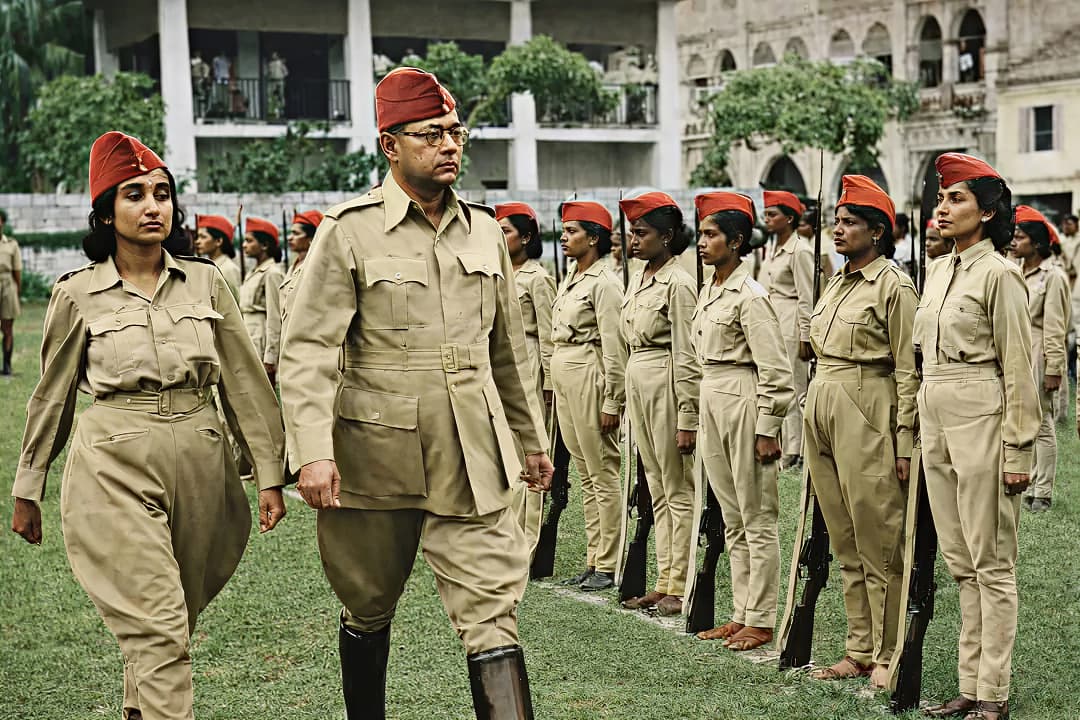
There is no revolution possible without the Gita. That’s the reason why even those who are not remembered particularly for their spiritual inclination, people like Subhash Chandra Bose, even they founded their core on Gita. What kind of revolution can you do if it’s the body that’s always at the top of your mind? You require a Gita to tell you that this body is perishable and would anyway go. Gita only teaches you, "Endure and fight."

हमारे लिए धर्म का मतलब ही यही हो गया है कि ठीक-ठीक उसमें लिखा हो कि मेरा क्या कर्त्तव्य है। जीवन इतना बदलाव वाला है कि कोई आकर कैसे बता सकता है कि इस पल में क्या करना है? जब आँखें दी गई हैं तो सहारे की क्या ज़रूरत है? किसने बता दिया कि ‘यह करने योग्य है’? कर्त्तव्य क्या है? नासमझों की सज़ा! जिस दिन समझ जागेगी उस दिन तुम कर्तव्यों से मुक्त हो।

There can be no self-respect without self-knowledge. And we have been repeatedly saying that the ego survives only in lack of self-knowledge. The less you know yourself, the denser and more crystallized your ego is. Self-respect is nothing but self-awareness. The more you know yourself, the more you realize who you are not, and that brings you to who you are. That is real self-respect, knowing oneself.

कभी स्कूल गए हो वहाँ कभी किसी तीसरी क्लास के लड़के को पहली क्लास के लड़के को धुनते देखा है? देखा है? तो वही है ये। तीसरी क्लास वाले ने पहली क्लास वाले को पकड़ के पटापट- पटापट- धुन दिया, और यही है। इसका कुछ नहीं है।

Shri Krishna is saying: the mind is conditioned to move towards objects and perceive only their surface, periphery, or form. Develop the practice of penetrating further. Let Truth be your practice. The moment you would look at something, and you are in no position not to look at things being embodied, you would look at things. Nobody said that you have to practice lust. Lust just comes. You might be a total fool, an utter retard, and still you will find yourself getting sexually excited once you reach a particular age. Did you need some practice? No, you didn’t. It just happened. But if you are to understand lust, if you are to cross over, if you are to be a master of your body, then it will require a lot of practice, and that will necessarily and obviously tell you about your predicament.

एक जगह धोखा खाया। अच्छा, वहाँ गए क्यों थे? धोखा खाने तो नहीं गए थे। वहाँ पर कुछ आशा थी, कुछ कामना थी, कुछ अच्छा-अच्छा सा लगा होगा। क्या फ़र्क़ पड़ता है कि सामने जलेबी आई या कचौड़ी आई; लार तो वही की वही थी न। ये सब लोकधर्म है कि आपका किसी ने बुरा करा है, तो उसका कार्मिक बैलेंस ख़राब हो जाएगा। बाहर जो कुछ हो रहा है, सब रैंडम है। आपके पास एक ही चीज़ है: चॉइस, जिसको आप कह सकते हो कि आपकी है। उसके अलावा मत सोचिए कि आसमानों पर कहानियाँ लिखी गई हैं; मिट्टी हैं हम, धूल हैं हम।

That’s what the entire spiritual process is about, collecting the airfare. So that you can rise up, otherwise, you stay crawling on the highway. Life is not so that you just remain a crawler, a creeper. Life is so that you can take off.

अगर एक कमरा खाली है, उसमें मुझे घुसने से डर लग रहा है, तो इसका मतलब ये है कि कमरा अज्ञात नहीं छोड़ा मैंने। मैंने उसके ऊपर अपनी ज्ञात कल्पनाएँ डाल दीं, और अब मैं कह रहा हूँ कि इस कमरे के भीतर शेर है, या चोर है, या भूत है, या कुछ है। अगर आप भविष्य को अज्ञात का अज्ञात ही रहने दें, तो डर कहाँ से आएगा? ये होता है आत्म-अवलोकन, कि पीछे जाकर देखना कि ये जो एंड प्रॉडक्ट निकला है, फियर नाम का, ये किन-किन चीज़ों के कॉम्बिनेशन से आ रहा है। और आप जैसे ही ये देख लेते हो, आज़ाद हो जाते हो।

यह जो ‘मैं’ है, जिसे सेल्फ कहते हैं, यह अपने आप में बहुत तपती हुई और अशांत चीज़ है। यह निरुद्देश्य हो कैसे सकती है? जैसे किसी आदमी को एक-सौ-चार डिग्री बुखार हो और वो कहे कि मैं डिज़ीज़लेस हूँ। एक-सौ-चार डिग्री बुखार हो तो आपके पास एक धधकता हुआ उद्देश्य होना चाहिए। क्या? बुखार उतारना है भाई! इसी तरह से जब तक ‘मैं’ है, उद्देश्य होना चाहिए। और वो उद्देश्य होगा उस ‘मैं’ की शांति।

Every living being, from humans to the smallest species, is trying to change the world to suit its own needs. But this is not intended to do any good to the world, it is just coming from the little ego. And the ego will not say, “I'm not all right;” it will try to change the world. So, if your idea of ‘good’ is only relative to your personal self, is it right to impose it on others? You must be clear about why you aspire to change the world, and whether you have brought about any change in yourself first.

गिरोगे, मिट्टी लगेगी चेहरे पर, क्रोध भी आएगा, हारते हुए भी प्रतीत होओगे। ये सब अनुभव होंगे, और जब अनुभव हों तो ये मत सोच लेना कि प्रक्रिया टूट गई। होता है भाई। बल्कि हार रहे थे हारते-हारते जीत गए, तब तो और मज़ा है।

Karma is a reflection of who you are. You are the doer. Karma means action. You are the actor. The principle of karma is: do not focus on karma; focus on karta, the doer, the actor. That is karma, that’s all. There is nothing mystical about it.

Can you go to the past and choose something or unchoose something? And life is happening right now. So your power to respond to life is right now. But the moment you say it is happening due to the past, then you have surrendered your power to choose, because you cannot do anything with the past. You cannot change the past. You can’t choose the past. You can’t unchoose the past. You can’t modify it. You can do nothing.

Drop the center of confusion, come to the center of clarity. Drop what the masses practice, come to the direct route of self-realization. That’s what it means.

जब 'मोह-माया' कहते हैं, तो मोह से आशय होता है कि भीतर एकदम कोहरा फैल गया है, और माया से आशय होता है कि बाहर अब कुछ साफ़ दिखाई नहीं दे रहा। मोह माने जादू, जैसे किसी ने आपकी बुद्धि पर पर्दा डाल दिया हो। और जब बाहर सब धुंधला दिखाई देने लगता है, तो उसको कहते हैं — माया। आमतौर पर बाहरी चीज़ों को माया माना गया है, इसीलिए भीतर वाली माया को मोह कह दिया गया; नहीं तो मोह भी माया ही है।