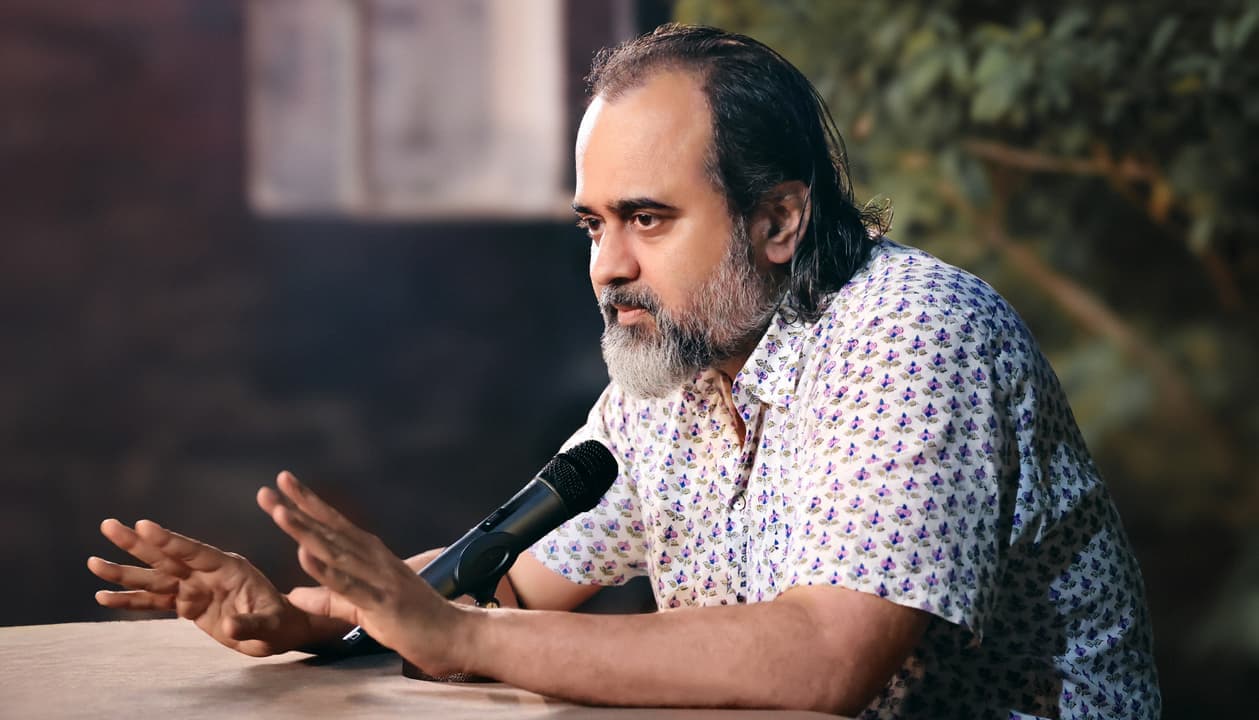
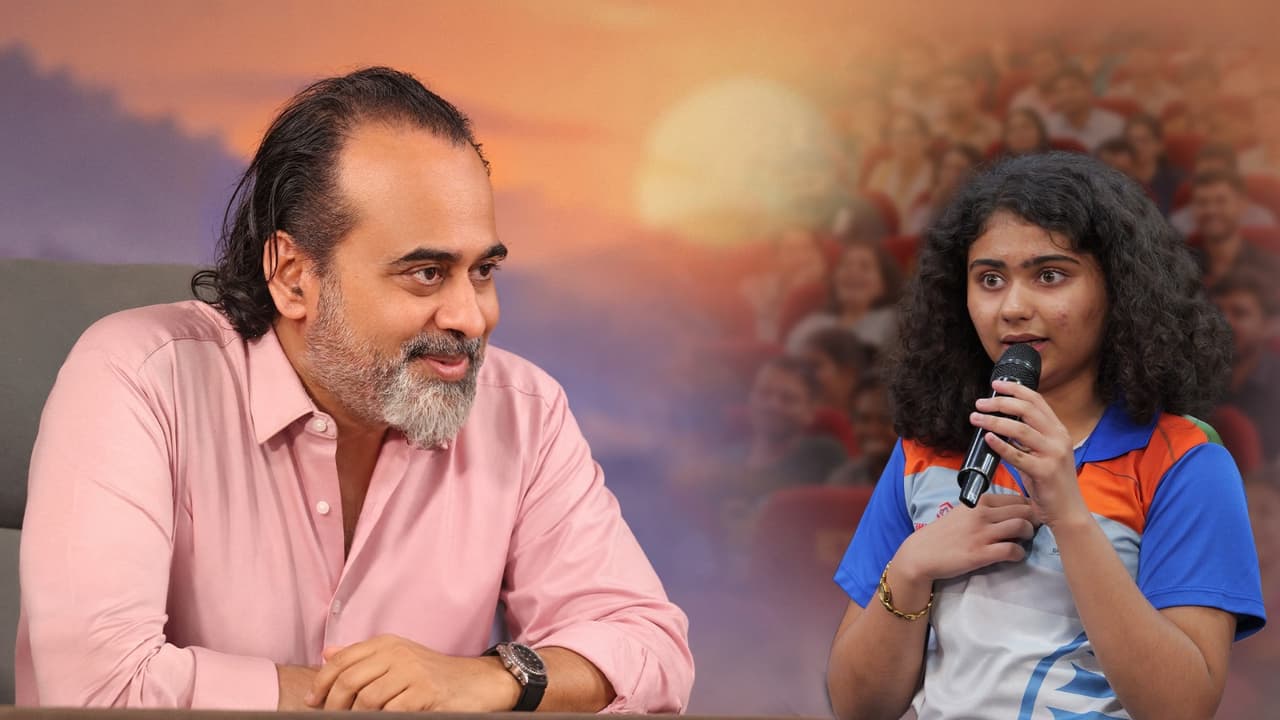
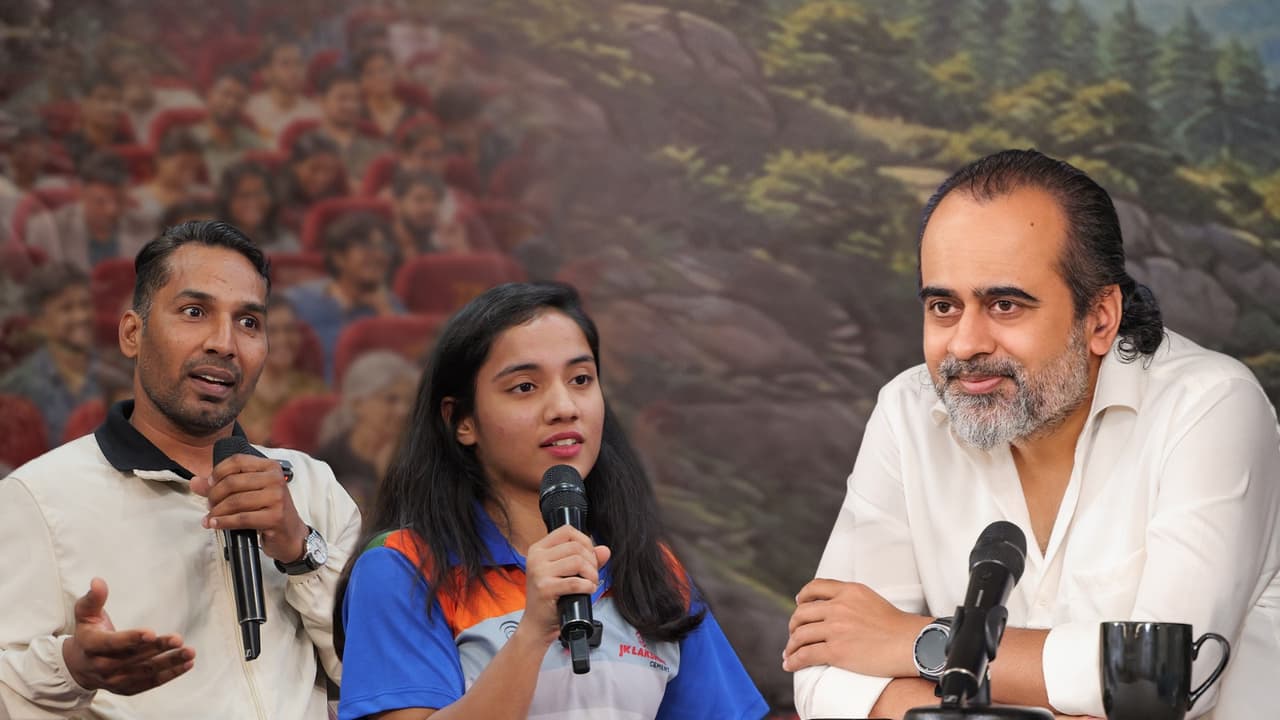
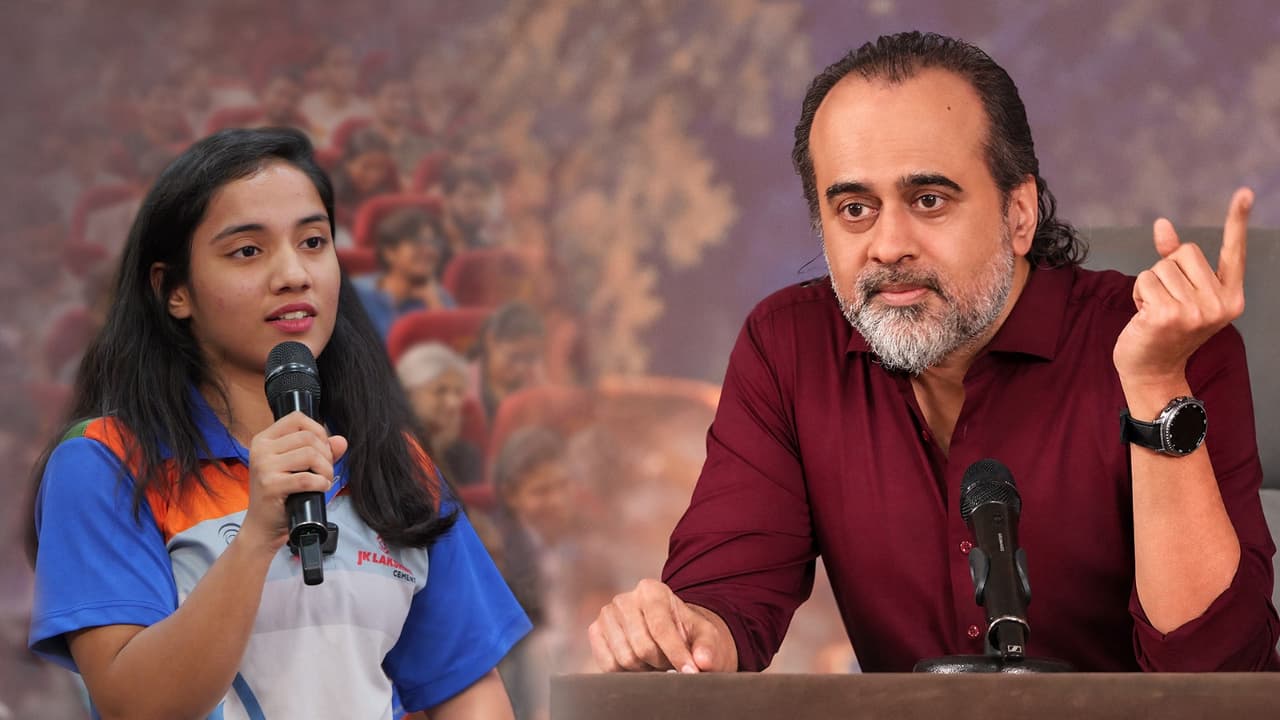
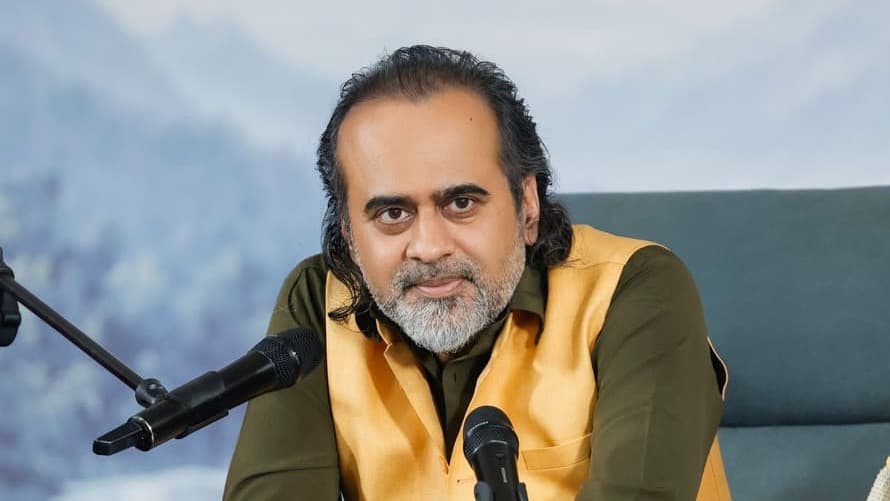
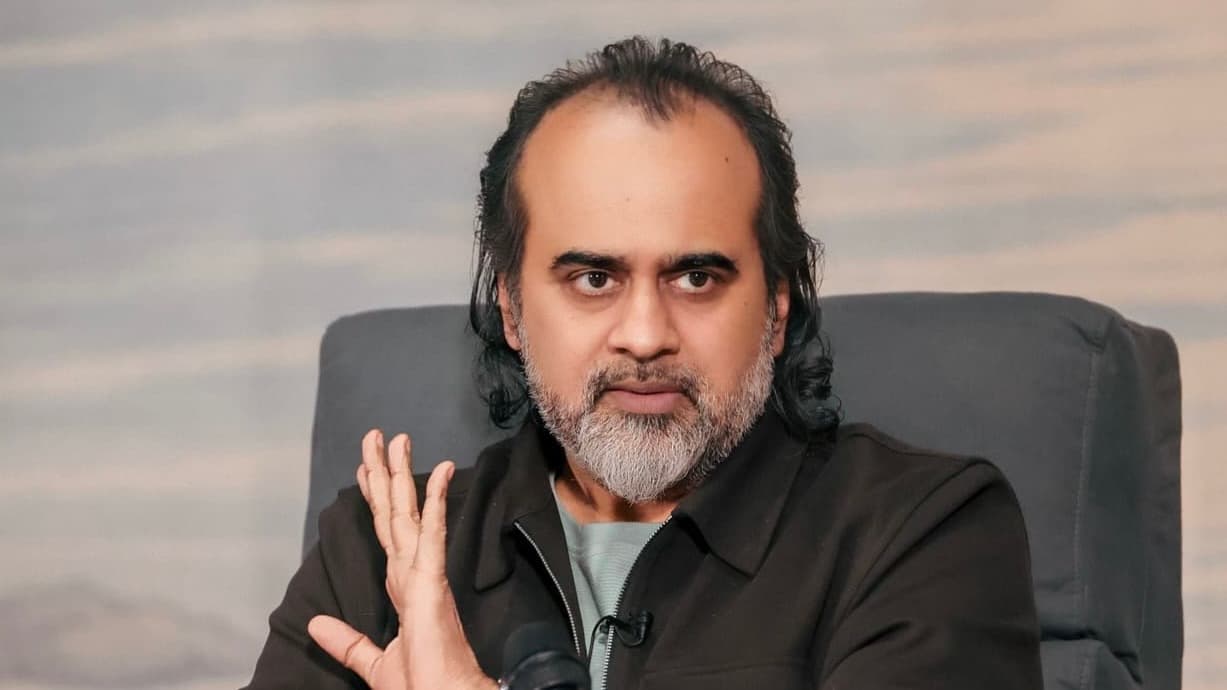
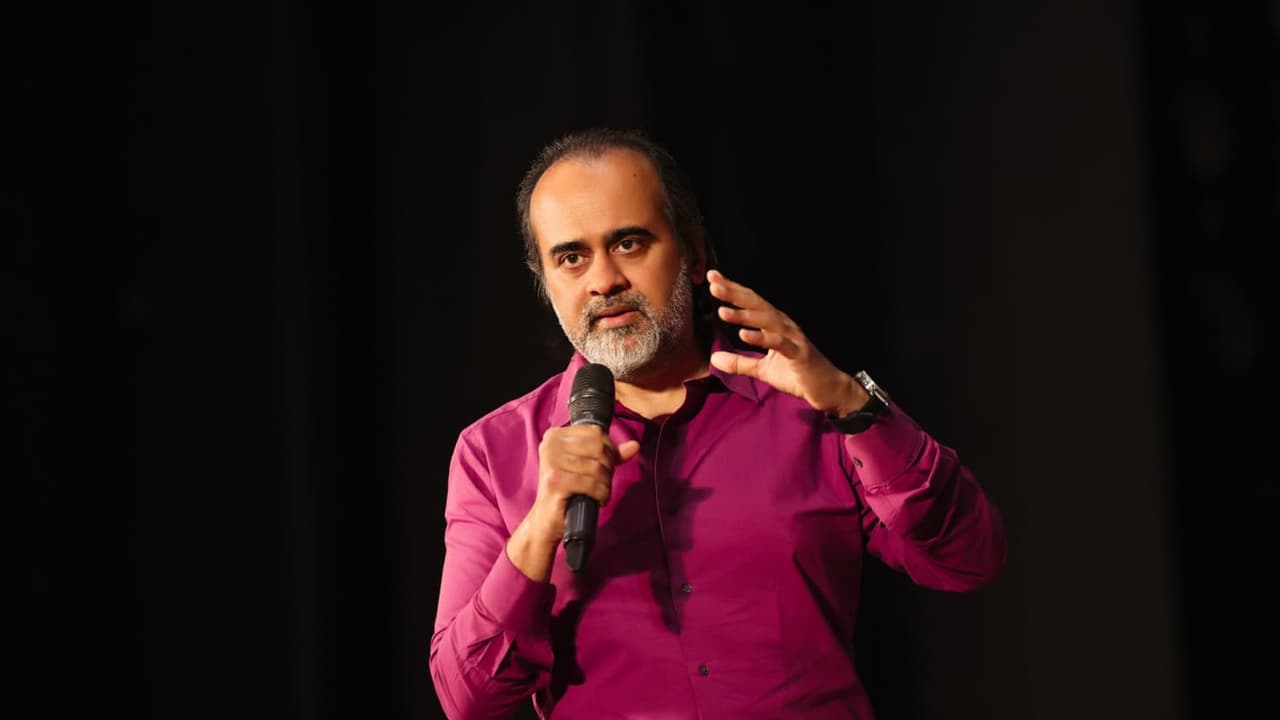
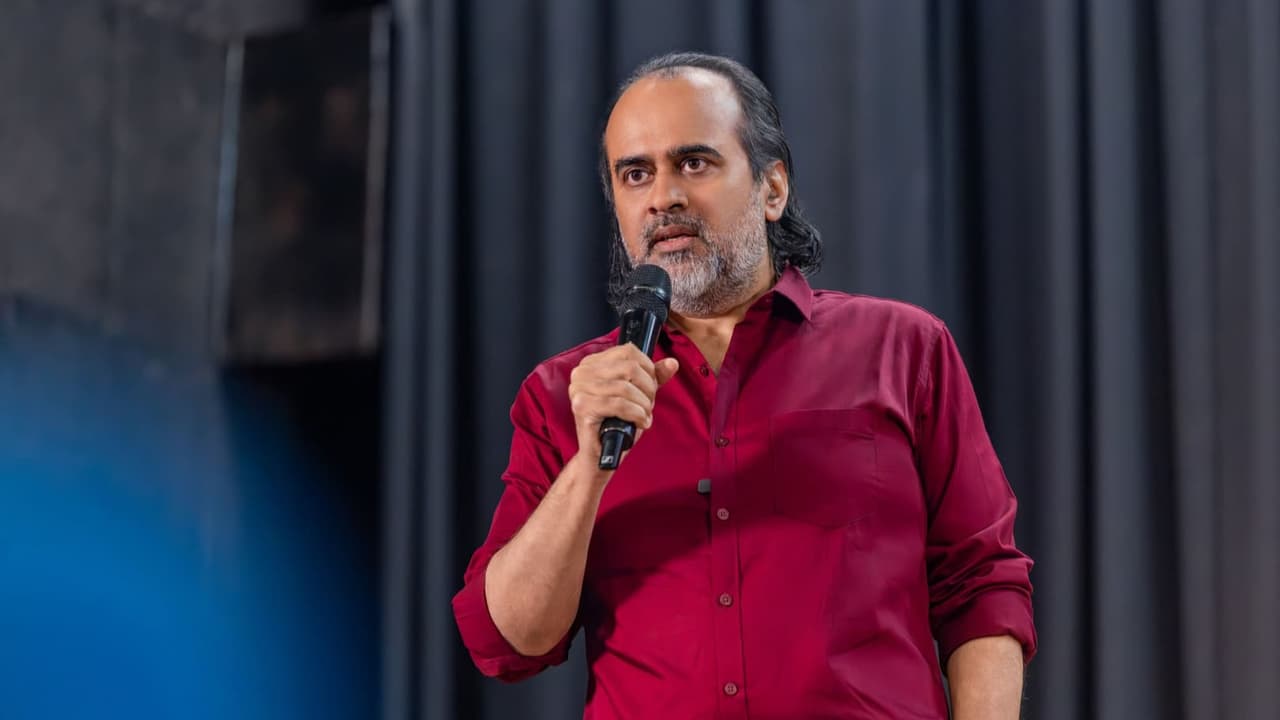
जब अपनी ज़िंदगी का पता होता है तो दूसरों से ईर्ष्या नहीं होती। दूसरों से आप बहुत तुलना करना ही नहीं चाहते क्योंकि अब ‘me versus you’ नहीं होता, अब ‘me versus me’ होता है। दूसरे को देखकर आप एक प्रेरणा ले सकते हो, लेकिन उसकी जो तरक़्क़ी देखोगे, वो उसकी तुलना में देखोगे। हम गड़बड़ ये कर देते हैं कि उसकी तुलना अपने आप से करने लगते हैं, जबकि हर व्यक्ति की स्थिति और स्थान बिल्कुल विशिष्ट होता है।
The difference between your intellectual position and your evolutionary position is increasing day by day. So, technology is giving you great stuff, but you are responding to it in a chimpanzee way. So, here you have these cameras, wonderful things, but what do you do with this? What do you do with this technology? You do all the monkey stuff with this technology. Read more.....
The first thing to be known is, where do I stand? Only when I clearly see that I stand at a point of tension, confusion, inner conflict, jealousy, hatred, lovelessness, do I realize that I want to reach a point where I would be free of all these things. If
Questioner (Q): Jealousy stops us from achieving our own goal, instead we try to think that what others are achieving, that’s not us. What about that jealousy?
Man must observe animals, and whatever you see the animal exhibiting is something that you should be very cautious of. Whatsoever it is that you find common between yourself and animals is the stuff that you should be very cautious of.
तुम्हें ईर्ष्या इसलिए होती है, ताकि तुम छोटे बने रहो। ईर्ष्या के केन्द्र में तुलना होती है। तुम तुलना कर रहे हो और कह रहे हो, ‘दूसरा बड़ा है और मैं छोटा हूँ।’ तुम वो नहीं हो जो तुम अपने आप को सोचते हो। इसलिए ऐसी संगत से दूर रहना जहाँ तुम्हें छोटा बनाया जा रहा हो, भले ही वो सहायता के नाम पर हो। फिर नहीं होगी ईर्ष्या।
Jealousy comes from dependency. The person who is not dependent cannot feel jealousy. The one who is his own master has no reason to be jealous. To be jealous implies that someone has been accepted as a master, and there is a desire for that master to stay with them. If the master goes elsewhere, a certain pain arises, and this pain is what is called jealousy.
6
Comparison is not the problem; the problem is when it affects your self-worth. If your marks are lower, it doesn’t mean you are lowly. Remember, 'Your performance is bad, your potential is not bad.' None of us perform to our full potential most of the time. Acknowledge that your friend has done better. You can look at them to see where your performance stands, but beyond that, others are not a benchmark.
Excerpts from Articles
अंधविश्वास असल में झूठ को स्वीकृति पाने की चाह है
एक पुजारी जो रोज़ भूत-प्रेत, तंत्र-मंत्र और वशीकरण के नाम पर आए लोगों से मिलता है, आचार्य प्रशांत से पूछता है: जब वो ख़ुद जानता है कि कुछ भूत-चुड़ैल नहीं होता, तो लोग बार-बार इसी झूठ की शरण में क्यों जाते हैं? जवाब अंधविश्वास से कहीं गहरा निकलता है — यह हमारे भीतर के उस झूठ की कहानी है, जिसे हम हर कीमत पर बचाना चाहते हैं।
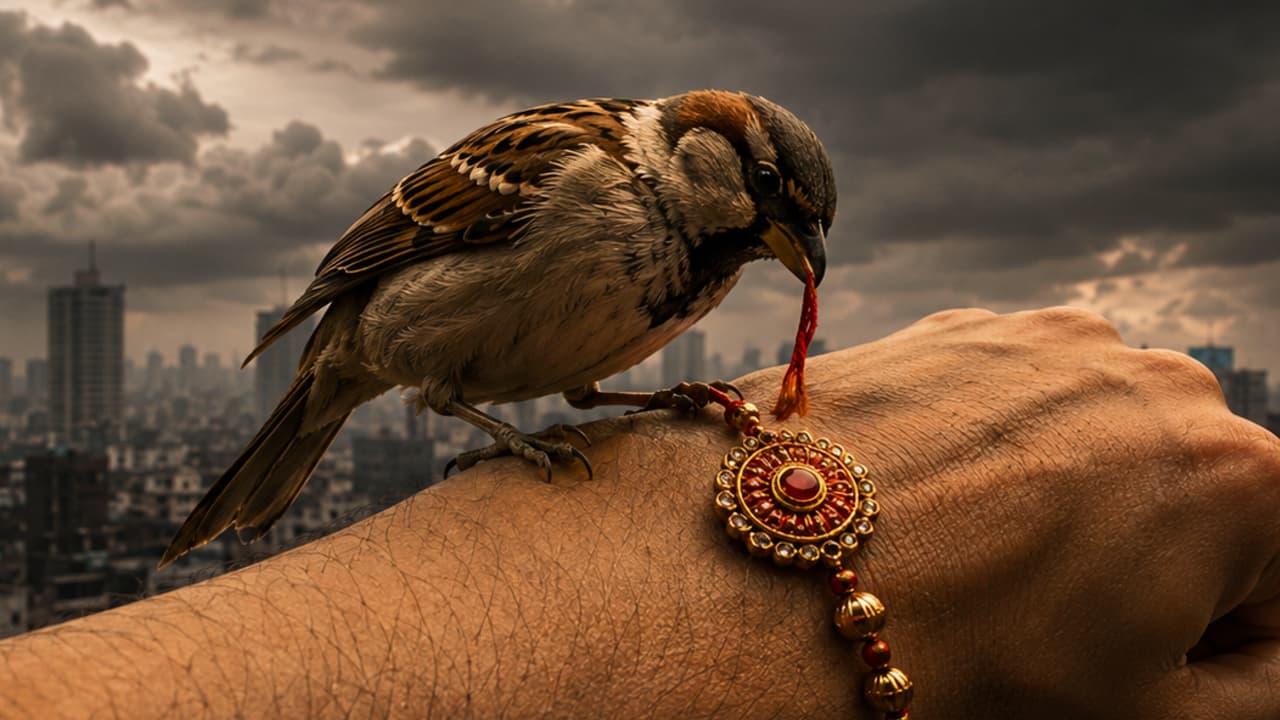
रक्षाबंधन केवल भाई-बहन के रिश्ते और सुरक्षा की रस्म तक सीमित नहीं होना चाहिए। आज असली रक्षा उन चीज़ों की ज़रूरत है जो कमज़ोर और संकट में हैं—गौरैया, नदियाँ, पहाड़, पेड़, महासागर और पृथ्वी। साथ ही ईमानदारी, आत्मज्ञान और मानवीय मूल्यों की भी रक्षा जरूरी है। धर्म कर्मकांड नहीं, अपनी शक्ति और उससे जुड़ी व्यापक ज़िम्मेदारी को समझना है।
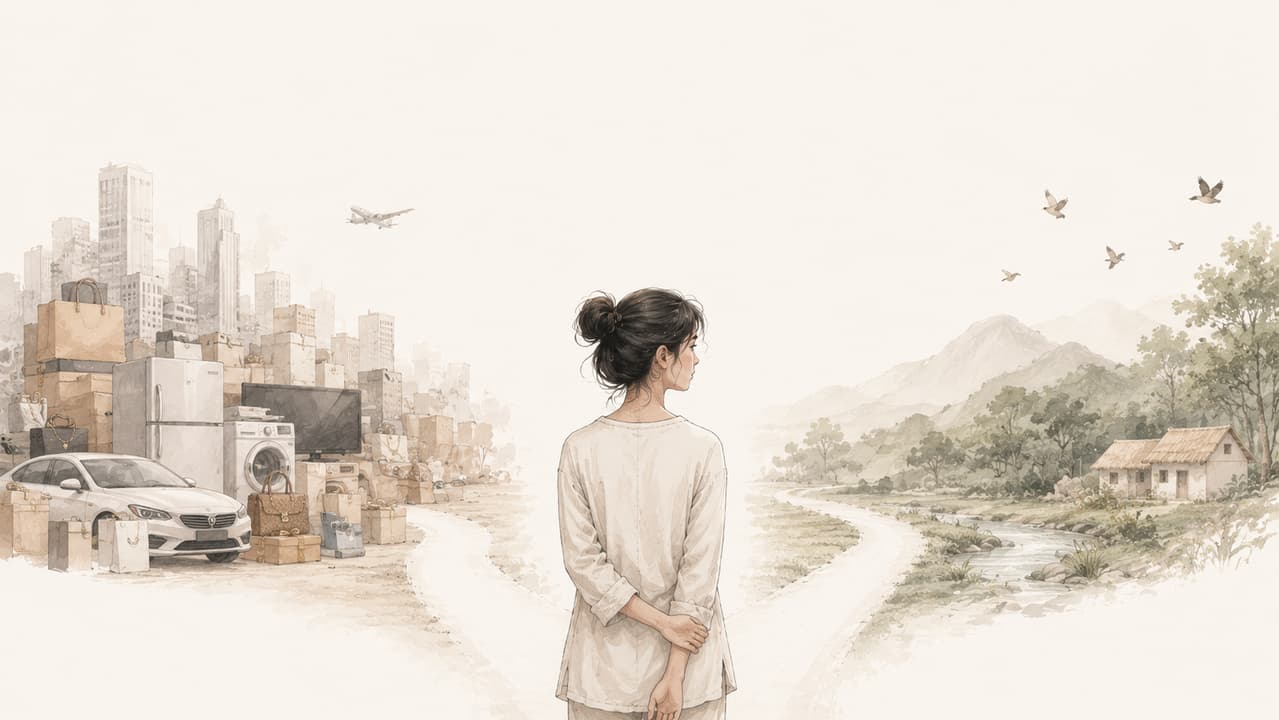
Climate change is more than an environmental crisis—it is a crisis of human choices. Our patterns of consumption, consumerism and endless pursuit of more are putting increasing pressure on the planet. But meaningful change does not necessarily begin with new technology or stricter policies. It begins with a deeper question: what are we willing to change within ourselves?
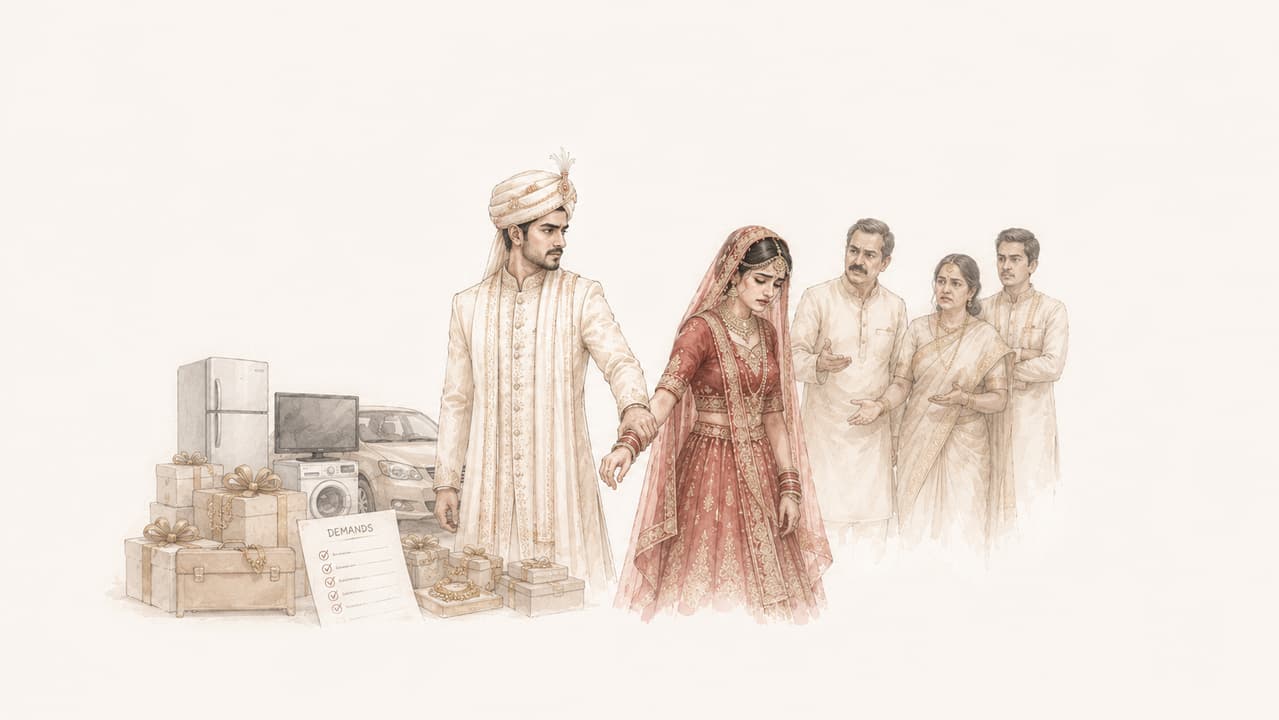
फ़ालतू खर्च छोड़िए, अपनी ज़िंदगी पर खर्च करना सीखिए
आचार्य प्रशांत बताते हैं कि क्यों हम सही खान-पान, स्वास्थ्य और अपने ऊपर ज़रूरी खर्च से बचते हैं, लेकिन दिखावे और फ़ालतू सामाजिक परंपराओं पर पैसा बहा देते हैं। अधिकांश लोगों के लिए समस्या सिर्फ़ पैसों की कमी नहीं, बल्कि विवेक और सही प्राथमिकताओं की कमी भी है।
Justice Without Boundaries: Why Compassion Cannot Stop at Species
Oppression should not see caste, gender, creed or colour, and it should not see species either. The moral threshold is sentience, not intelligence. An animal feels pain as fully as a human does, whether or not it can explain its suffering.
Struggling to choose between a secure job and the path you actually feel drawn to? This isn't really a question about careers. It's about why other people's opinions have so much power over you in the first place. Real clarity doesn't come from finding the 'right' choice. It comes from honestly looking at your own fear, again and again, until it stops running the decision for you.
ज्योतिष कितना सच है? कुंडली, ग्रह-नक्षत्र: इनका क्या अर्थ है?
वेदांत को केवल इसलिए सही या श्रेष्ठ नहीं माना जा सकता कि वह किसी विशेष परंपरा से आता है। विज्ञान जहाँ भौतिक जगत की वस्तुनिष्ठ जाँच करता है, वहीं अद्वैत वेदांत सीधे मनुष्य के ‘मैं’, उसके दुख, बंधन और मुक्ति की पड़ताल करता है। इसकी कसौटी वैज्ञानिक प्रमाण नहीं, बल्कि अपने जीवन में इसकी सच्चाई को देख पाना है। किसी दर्शन को मान लेना नहीं, बल्कि उससे स्वयं को मुक्त करना ही उसका वास्तविक उद्देश्य है।
By deleting the word, ‘we’ from this. Why could not you ask, “How should ‘I’ get rid of jealousy and anger?”
Questioner: Yes, Sir.
Acharya Prashant: Why this plurality? Why does ‘me’ become ‘we’? That is why the…
Acharya Prashant
: It is simple. If we look at it, it is very simple.
What is Ego? It is your sense of yourself, which has been borrowed from the others.
So, I do not know myself directly. I am depending upon…
1
प्रश्नकर्ता: मेरे पति एक ऐड इंडस्ट्री (विज्ञापन उद्योग) में काम करते हैं। तो उनका पूरा समय जवान और सुन्दर महिलाओं के साथ बीतता है। जिसके वजह से मैं बहुत स्ट्रेस (तनाव) में रहती हूँ, पजेसिव (अधिकारात्मक) हो जाती हूँ, इनसिक्योर (असुरक्षित) हो जाती हूँ। तो मैं सारे हथकंडे अपना चुकी…
…
Sir, when two people are at the same level and if one of the two moves ahead, the other is mostly not comfortable with this fact. Whereas, had the same person not been known to him, the second fellow would have been comfortable. Why is it so that
…
Acharya Prashant (AP): What’s your name?
Q: Nikhil.
AP: Nikhil has spoken about jealousy. Very honestly , how many of us have experienced…
Feminists who didn’t like men and envied the power and the pelf and the position held by men, soon became so much like men. And what did they get? They started doing everything that is the bane and curse of manhood. They started wearing like men; they started smoking like…
Animals have a lot of jealousy. Jealousy is a…
जिस प्रकार कछुआ अपने अंगों को अपने भीतर सिकोड़ लेता है
उसी प्रकार, जब ज्ञानी अपनी इन्द्रियों को अपने भीतर सिकोड़ लेता है, तब उसकी बुद्धि सत्य में प्रतिष्ठित हो जाती है।
~ श्रीमद्भगवद्गीता (अध्याय २, श्लोक ५८)
प्रश्नकर्ता: प्रणाम आचार्य जी।…
आचार्य प्रशांत जी:
कभी किसी से बड़ी नफ़रत उठे, तो एक सूत्र बताए देता हूँ। अपनी नफ़रत को, और अपने अहंकार को थोड़ी देर किनारे रखकर उससे एक घण्टे बात कर लेना। फिर नफ़रत कर नहीं पाओगे और…
1
When someone calls us ugly or dumb, it can feel as if our confidence has been taken away. But others are outsiders; they cannot know us as well as we can know ourselves. The trouble begins when we do not know ourselves, so we start looking at ourselves through others’ eyes. Self-knowledge here simply means being honest with ourselves about where our likes, fears and desires come from. What would change if we looked at ourselves directly, and not through others’ opinions?
बड़े मैच में उतरते ही हाथ बेड़ियों में जकड़े लगते हैं, और हम घबराहट सँभालने की कोई तरकीब खोजते हैं। पर मैदान बदल जाता है, भीतर का केंद्र नहीं बदलता। जो रोज़ की ज़िंदगी में हर काम से मनचाहा नतीजा माँगता है, वह बड़े दिन भी वही माँग लेकर उतरता है। मेडल पक्का होते ही दबाव उतर जाना भी यही बताता है, और जो जीत पर इतराता है, वही हार से घबराता है। ज़िंदगी की ऊँचाई हमेशा मेडल के रूप में सामने नहीं आती। क्या हम देख पाएँगे कि हम नतीजे को कितना पकड़े हुए हैं?
Physical weakness does not stay physical. It becomes mental weakness, and the ego, which turns everything into an identity, starts saying “I am weak” because that line brings support and spares it responsibility. Visible strength works even unused: it keeps the opponent outside wary and silences the one within, who can no longer claim to be helpless. Keeping the body strong is therefore a spiritual matter, not vanity. Are we holding on to weakness because it is convenient?
सच की राह पकड़ते ही अक्सर अपने ही लोग बदल जाते हैं, और हम मान लेते हैं कि शायद हम ठीक से समझा नहीं पा रहे। पर सामने वाला समझ तो रहा होता है, उसे बस सौदा नहीं जँचता। अहंकार लेन-देन से चलता है, इसलिए अकेले तर्क उसे नहीं हिलाते। हमारा अपना अहंकार भी यही करता है: थोड़े-से स्वार्थ के लिए हम झूठे रिश्तों में मिठास का स्वांग करते हैं, मजबूरियाँ गिनाते हैं और पीछे हट जाते हैं। जिसे हम मजबूरी कहते हैं, क्या वह सच में मजबूरी है?
A young athlete says she knows she should not be attached to winning, yet she is, because her coach, family and country are invested in it. Wanting to win on the court is fine; that is what a contest is for. But we never know who the next opponent will be, and the one opponent always present is ourselves. She also fears that starting at 14 was too late. The past is fixed, so what is left is to play the cards we are dealt. Where does our real contest lie?
Many Indian parents keep their children, and especially their daughters, away from sport, even where coaches and facilities exist. The barrier is often not outside but in the parent’s own ideas: poor returns, uncertainty, and fixed notions of what a girl’s life must be. Blaming our own parents does not help either; our life is now our responsibility. Parenting is a decision of the greatest responsibility, and it begins with self-love. Can we love a child if we cannot love ourselves?
A world champion asks why she cannot sleep when a teammate outperforms her, and why even big wins leave her restless. The restlessness is not a problem but unspent energy, a sign that we have more to give. When every bit of our time and attention goes to what we have chosen, there is no surplus left to worry with. The right fight is never only against an opponent; it is against the ego within. What would it mean to fight so fully that nothing is left to celebrate or mourn?
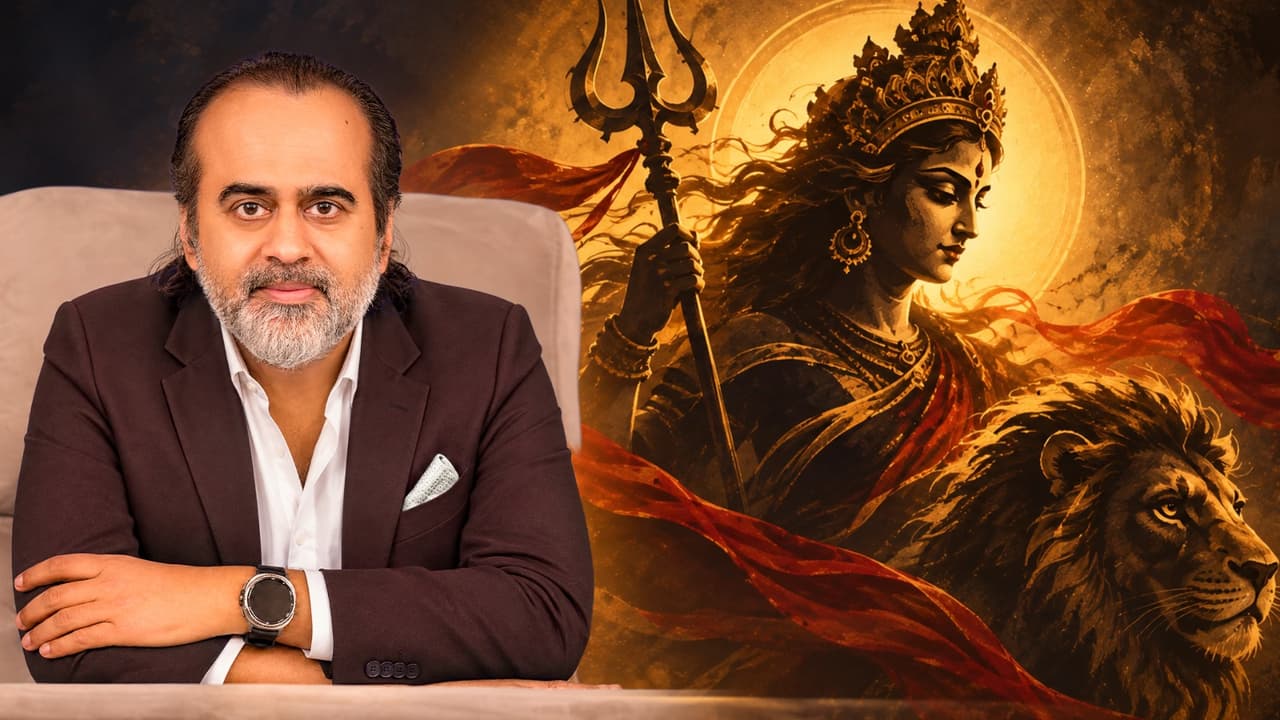
नवरात्रि आते ही हम सोचने लगते हैं कि क्या खाना है, क्या नहीं खाना, कौन-सा हवन करना है। पर व्रत का अर्थ है संकल्प, और शुभ संकल्प एक ही है: हम जैसे हैं, वैसे न रहें। इसीलिए ये नौ दिन दुर्गा सप्तशती को समझने के लिए हैं, केवल रस्मों के लिए नहीं। जिसे हम माँ कहते हैं, वह यह पूरी प्रकृति है, और उसके ही बच्चों को चोट पहुँचाकर उसका पर्व नहीं मनाया जा सकता। क्या इस बार हम नौ दिन अपने ही जीवन को ईमानदारी से देख पाएँगे?
We often defend a bad choice by pointing to a worse one: stay dishonest or starve, keep the wrong grip or stop playing. But the real trouble is not the option we picked. It is the option we never let ourselves see. Action does not need greed or attachment to find its energy. The third way begins by rejecting both false choices, without knowing what comes next. Which of our everyday choices are really false dilemmas?
35 की उम्र आते ही खिलाड़ी महिला से कहा जाने लगता है कि अब खेल छोड़ो, बच्चों को मौका दो। हम मान लेते हैं कि यह उम्र और शरीर की मजबूरी है। पर ध्यान से देखें तो शरीर का तर्क टिकता ही नहीं। असल दबाव उस सिखाई गई मान्यता का है जो महिला को उसके शरीर और उससे जुड़ी भूमिकाओं से ही तौलती है, और जिसे हम अपनी ही सोच मान बैठे हैं। जो आवाज़ें हमें बताती हैं कि हमारी ज़िंदगी का क्या करना है, क्या हम ईमानदारी से देख पाएँगे कि वे आवाज़ें किसकी हैं?
प्रेम की गहराई हमेशा प्रेमी की अपनी चेतना जितनी होती है — जो जैसा है, उसका प्रेम भी वैसा ही होगा, चाहे उसे कितना भी पावन या अनोखा क्यों न मान लिया जाए। जिस चेतना ने खुद को कभी गहराई से नहीं जाना, वह प्रेम में भी सतह से आगे नहीं जा सकती। जो कोई अपने प्रेम को गहराई से परखने से बचता है, वह असल में खुद को परखने से बच रहा होता है — और यही बचाव, प्रेम के नाम पर पाला गया एक और भ्रम है।
आचार्य प्रशांत बताते हैं कि क्यों हम सही खान-पान, स्वास्थ्य और अपने ऊपर ज़रूरी खर्च से बचते हैं, लेकिन दिखावे और फ़ालतू सामाजिक परंपराओं पर पैसा बहा देते हैं। अधिकांश लोगों के लिए समस्या सिर्फ़ पैसों की कमी नहीं, बल्कि विवेक और सही प्राथमिकताओं की कमी भी है।
Climate change is more than an environmental crisis—it is a crisis of human choices. Our patterns of consumption, consumerism and endless pursuit of more are putting increasing pressure on the planet. But meaningful change does not necessarily begin with new technology or stricter policies. It begins with a deeper question: what are we willing to change within ourselves?
Science can examine material claims, but Advaita Vedanta deals with the subjective self, ego, suffering, bondage, and liberation—areas outside science’s objective framework. Vedanta need not be accepted because of one’s religion or tradition; its value lies in whether its insights can be personally verified and help free one from suffering. The ultimate responsibility is not toward any philosophy, but toward oneself: to live a truly free life.
We often call something “help” or “love” while secretly expecting something in return. When that return does not come, we feel hurt, revealing that the relationship was a trade, not genuine help. The ego, being unfulfilled, cannot truly love or share. Likewise, desperation to be loved makes us controllable. Real love emerges when we stop seeking validation, work on ourselves, and become so inwardly fulfilled that we no longer need to be loved.
रक्षाबंधन केवल भाई-बहन के रिश्ते और सुरक्षा की रस्म तक सीमित नहीं होना चाहिए। आज असली रक्षा उन चीज़ों की ज़रूरत है जो कमज़ोर और संकट में हैं—गौरैया, नदियाँ, पहाड़, पेड़, महासागर और पृथ्वी। साथ ही ईमानदारी, आत्मज्ञान और मानवीय मूल्यों की भी रक्षा जरूरी है। धर्म कर्मकांड नहीं, अपनी शक्ति और उससे जुड़ी व्यापक ज़िम्मेदारी को समझना है।
Superhero films appeal to our desire to escape inner inadequacy through external power. The fantasy of an ordinary, fearful person becoming extraordinary reinforces the ego’s belief that more strength, money, possessions, or status will bring happiness. Consumerism follows the same pattern, endlessly adding objects to fill an inner void. Real freedom does not come from becoming more powerful or acquiring more, but from honestly seeing and understanding the ego that feels incomplete.
Detachment and ambition are not opposites. Both arise from clear insight into what is truly valuable. Detachment means naturally dropping what is seen as false, futile, or harmful, while ambition means pursuing the highest and most meaningful truth with complete intensity. Spiritual surrender is continuous: as understanding deepens, false attachments are repeatedly abandoned, until renunciation becomes natural and almost choiceless.
एक-से-एक पिक्चरें रिलीज़ होती हैं; दो-सौ, चार-सौ, छः-सौ करोड़ जा रही हैं, वो तुम्हारी जेब से ही तो जा रहा है। वो छः-सौ करोड़ का बिज़नेस कैसे किया पिक्चर ने? पिक्चरें जो इतना पैसा बनाती हैं उनको देखने फोर्ब्स पाँच-सौ वाले तो आते नहीं, या आते हैं? रेस चार, गोलमाल…
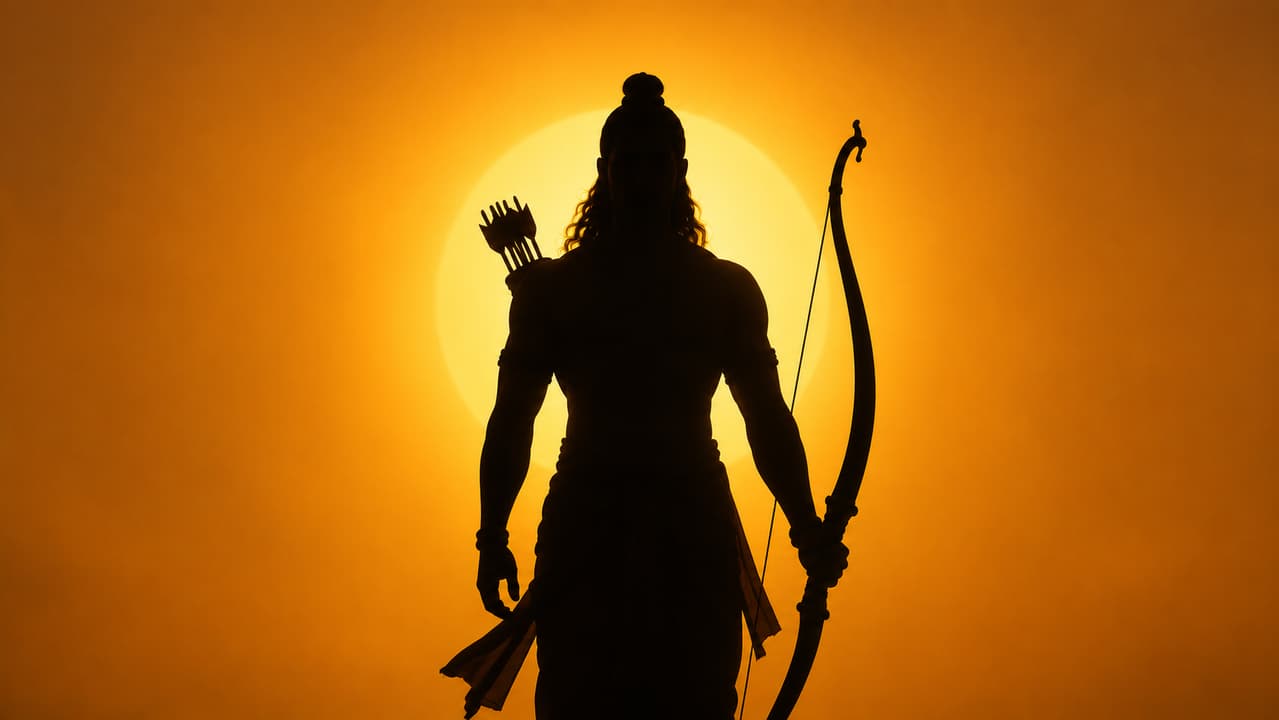
राम को किसी फ़िल्म, अभिनेता या ऐतिहासिक चरित्र की छवि तक सीमित करना उनके वास्तविक अर्थ को भूलना है। राम कोई व्यक्ति नहीं, बल्कि अहंकार के विगलन और सत्य की ओर बढ़ने की दिशा हैं। बाहर पर्दे पर राम को खोजने के बजाय अपने भीतर उस तड़प को पहचानना ज़रूरी है, जो अहंकार से मुक्त होना चाहती है। जब राम विषय नहीं, हृदय बनते हैं, तभी रामत्व का वास्तविक अर्थ समझ में आता है।
True love is not a biological instinct, emotional attachment, or social conditioning. Biology and science explain the body's drives, but they cannot explain the self that seeks freedom. Love is the inner restlessness to move from ignorance and bondage toward truth and liberation. Religion is not rituals or inherited beliefs but this personal journey of understanding. Freedom—not possession or conformity—is the essence of both love and religion.
प्रेम का मार्ग सुरक्षा नहीं, बल्कि घायल होने का साहस माँगता है। जो चोट, हार, पीड़ा और ठगे जाने से डरता है, वह सत्य और प्रेम तक नहीं पहुँच सकता। अहंकार हर कीमत पर जीत चाहता है, जबकि प्रेम हारना, झुकना और दर्द को स्वीकारना सिखाता है। जो छोटी-छोटी हारों का अभ्यास करता है, वही अंततः अहंकार हारकर हरि को पा सकता है। सच्ची शक्ति दूसरों को हराने में नहीं, बल्कि प्रेम के लिए स्वयं घायल होने में है।
Truth cannot be forced upon anyone, but neither should falsehood be entertained. Genuine love is not about preserving relationships at any cost; it is about helping oneself and others break free from illusion, even if that means risking the relationship itself. Spiritual growth begins by questioning conditioning, examining falsehood without bias, and choosing authenticity over comfort. Real relationships are built on the courage to seek freedom, not convenience.
The Bhagavad Gita is not a separate spiritual path or an escape from everyday life - it is a mirror that reveals the truth of your present life. Real spirituality begins with self-observation, not rituals or temporary practices. Lasting transformation comes when work, relationships, career, and personal growth become one integrated life driven by awareness, love, and freedom rather than ego, fear, money, or social pressure.
डर और जड़ता से बाहर निकलने का रास्ता किसी बड़े बदलाव से नहीं, बल्कि एक छोटे-से सही कदम से शुरू होता है। अपनी समस्याओं का बार-बार विश्लेषण और वर्णन करने के बजाय उनसे दूर जाने का निर्णय आवश्यक है। सत्य के प्रति प्रेम जागने पर भय अपने-आप पीछे छूट जाता है और साहस जुटाना नहीं पड़ता। सही संगति, अनुकूल वातावरण और आत्मिक विकास के अवसरों को अपनाने से परिवर्तन सहज होने लगता है। अपनी कमजोरियों से मोह रखने के बजाय उनके प्रति वैराग्य विकसित करना ज़रूरी है। शिकायत, बहाने और आत्म-दया में उलझे रहने से कुछ नहीं बदलता; निर्णायक कर्म, सत्य के प्रति प्रेम और वर्तमान स्थिति के विरुद्ध विद्रोह ही ऊँचे जीवन की वास्तविक शुरुआत हैं.
अज्ञान भय पैदा करता है, जबकि ज्ञान से आनंद और मस्ती जन्म लेते हैं। सच्ची मित्रता, प्रेम और शांति किसी को पकड़ने से नहीं, बल्कि स्वतंत्रता देने से मिलते हैं। मन स्वयं चंचल नहीं होता; उसमें क्या भरा जाए, यह हमारी सजगता तय करती है। जीवन का उद्देश्य केवल जानकारी जुटाना नहीं, बल्कि ज्ञान से प्रेम करना, प्रश्न करना, आत्मावलोकन करना और अपने भ्रमों को पहचानकर भीतर की स्वतंत्रता की ओर बढ़ना है।
प्रेम कोई सामाजिक स्वीकृति, विवाह या रोमांटिक आकर्षण नहीं, बल्कि अहंकार के मिटने की प्रक्रिया है। सच्चा प्रेम अनुमति नहीं मांगता और न ही हार्मोन या परंपरा से पैदा होता है; वह सत्य और मुक्ति की ओर भीतर की यात्रा है। इसी तरह अहंकार सफलता पाने के लिए खुद को नहीं मिटा सकता — क्योंकि जब तक "मैं" बना हुआ है, तब तक हर त्याग, चाहे परिवार का हो, मित्रों का हो या स्वास्थ्य का, अहंकार का ही एक रूप रहता है। सही कर्म योजना बनाकर नहीं, बल्कि झूठे प्रभावों और बंधनों से मुक्त होकर स्वतः प्रकट होता है।
Love is not a special emotion reserved for selected people or relationships but a way of relating free from self-interest, possession, and psychological dependence. Most relationships become transactions driven by insecurity, where the ego seeks completion through ownership and exchange. Genuine companionship arises without the urge to control or claim another, allowing affection to exist naturally, freely, and without conditions or expectations.
Science and philosophy arise from different kinds of inquiry. Matter seeks continuity of state, while the ego seeks continuity of existence and constantly changes identities to preserve itself. Fear, danger, and suffering are rooted in the ego’s sense of “I,” not in material reality itself. Questions are valuable because they expose hidden beliefs, and genuine learning requires challenging assumptions through inquiry, dialogue, and self-examination.
Modern relationships often create more insecurity, not less, because people are conditioned to seek completion, validation, and identity through another person. Social institutions, media, culture, and tradition continuously reinforce the idea that fulfillment lies in romantic attachment. As a result, relationships become driven by dependence rather than love. Real companionship becomes possible only when one is inwardly at peace and not using another person to fill an inner void.
डेटिंग ऐप, कुंडली मिलान और “मेरी पसंद” जैसी धारणाएँ अक्सर प्रेम नहीं, बल्कि डर, सामाजिक कंडीशनिंग और अहंकार से संचालित होती हैं। परंपरा के दबाव में किया गया चुनाव और केवल व्यक्तिगत पसंद पर आधारित चुनाव, दोनों ही भ्रमित हो सकते हैं। सच्चा प्रेम तब संभव होता है जब व्यक्ति स्वयं को जाने और ऐसा संबंध चुने जो उसके बंधनों, भय और अहंकार को चुनौती देकर उसे भीतर से मुक्त करे।
Love is not attraction, possession, dependency, or a transaction driven by personal gain. As long as relationships arise from insecurity, ownership, or the desire for psychological completion, they remain centered on the ego. Love is simple, natural, and free of self-interest, flowing without preference or exclusion. The ego seeks security, continuity, and suffering because they preserve its identity, while freedom and joy threaten its existence. A meaningful life begins when one stops repeating old patterns, accepts uncertainty, and chooses freedom over the comfort of familiar cages.
रिश्तों में प्रेम को अक्सर जन्म, परिवार या सामाजिक भूमिकाओं से जोड़ दिया जाता है, जबकि अधिकांश संबंध अपेक्षाओं, स्वामित्व और तयशुदा व्यवहारों पर टिके होते हैं। केवल माता-पिता या संतान का रिश्ता होने से प्रेम नहीं जन्मता। प्रेम कोई जैविक घटना नहीं, बल्कि सीखने और समझने की प्रक्रिया है। जहाँ “मेरा” और “मेरे लिए” का आग्रह घटता है, वहीं प्रेम सीमाओं को लाँघकर स्वतंत्रता, करुणा और वास्तविक संबंध का रूप लेता है।
Climate change, population policies, and social conflicts often arise from a common source: narrow love. People, communities, and nations justify actions that benefit their own group while overlooking broader consequences for humanity and the planet. True care is not exclusive or identity-based; it is expansive and inclusive. Even motherhood, patriotism, and family concern can become limiting when reduced to narrow self-interest rather than guided by wisdom, freedom, and universal responsibility.
रिश्तों में प्रेम अक्सर मान लिया जाता है, पर अधिकांश संबंध तय भूमिकाओं, अपेक्षाओं और सामाजिक ढाँचों पर चलते हैं। माता-पिता, पति-पत्नी या परिवार के रिश्ते भी कई बार समझ, स्वतंत्रता और संवेदनशीलता से नहीं, बल्कि आदत, अधिकार और “मेरापन” से संचालित होते हैं। सच्चा प्रेम सीमित नहीं होता; वह स्वामित्व नहीं, बल्कि समझ, स्वतंत्रता और विस्तार देता है। प्रेम जन्म से नहीं, जागरूकता से सीखा जाता है।