CO2 in the air has gone from 280 to about 440 parts per million in just 150 years, a change that once took thousands of years. Yet we keep hearing that the climate has always changed. It has, but never this fast, never because of us, and never with 850 crore people living by the coasts and on the plains. The facts are a search away, so ignorance is no longer the reason. What is it within us that keeps denying the obvious?
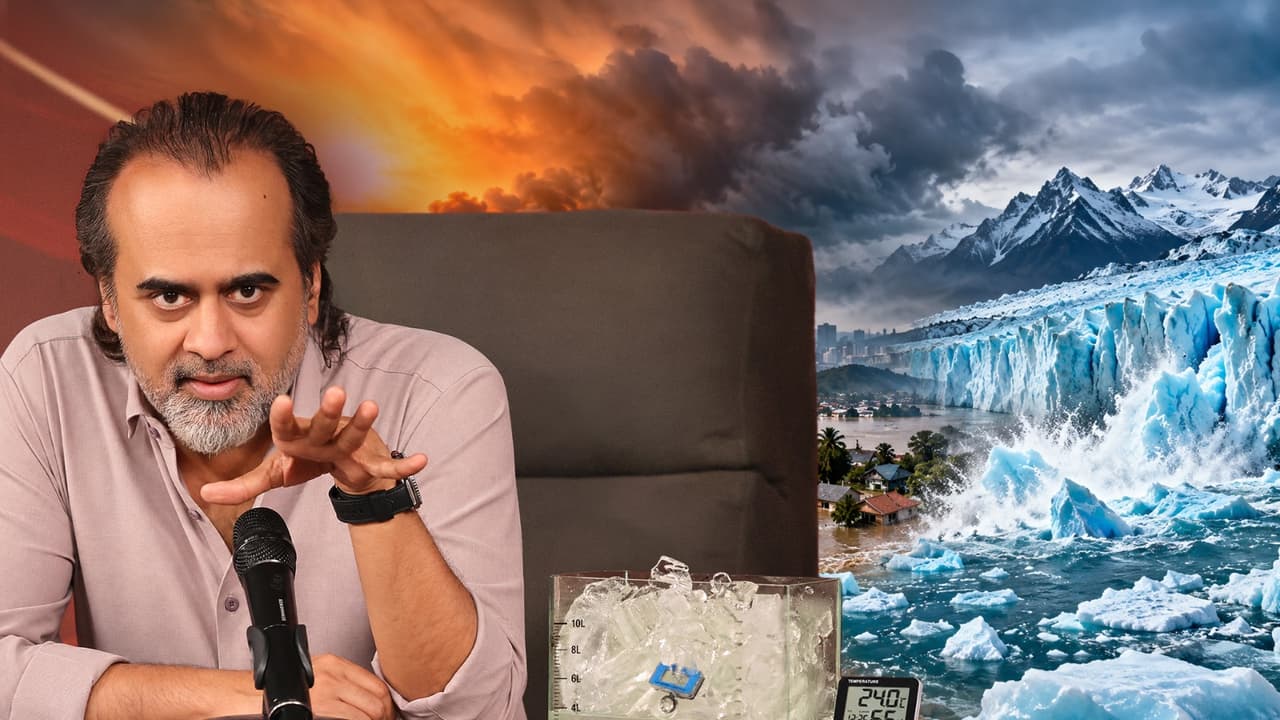
Clean energy is now cheaper than coal, and there is no direct link between carbon emission and GDP growth. Yet we keep hearing that a growing country must burn more. We also hear that extra CO2 feeds the plants, while the warming it brings is already shrinking our wheat, maize and rice. These arguments are so weak that even those who make them know it. So why do we keep believing them, and what are we really protecting?
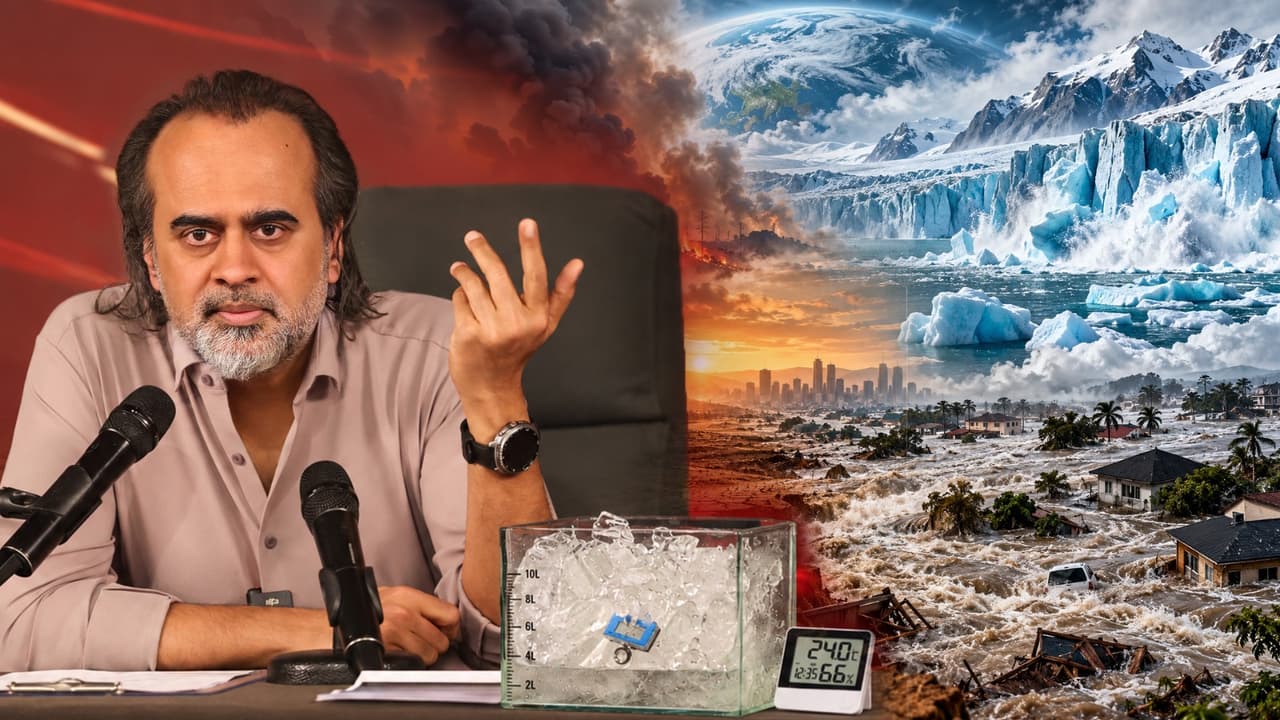



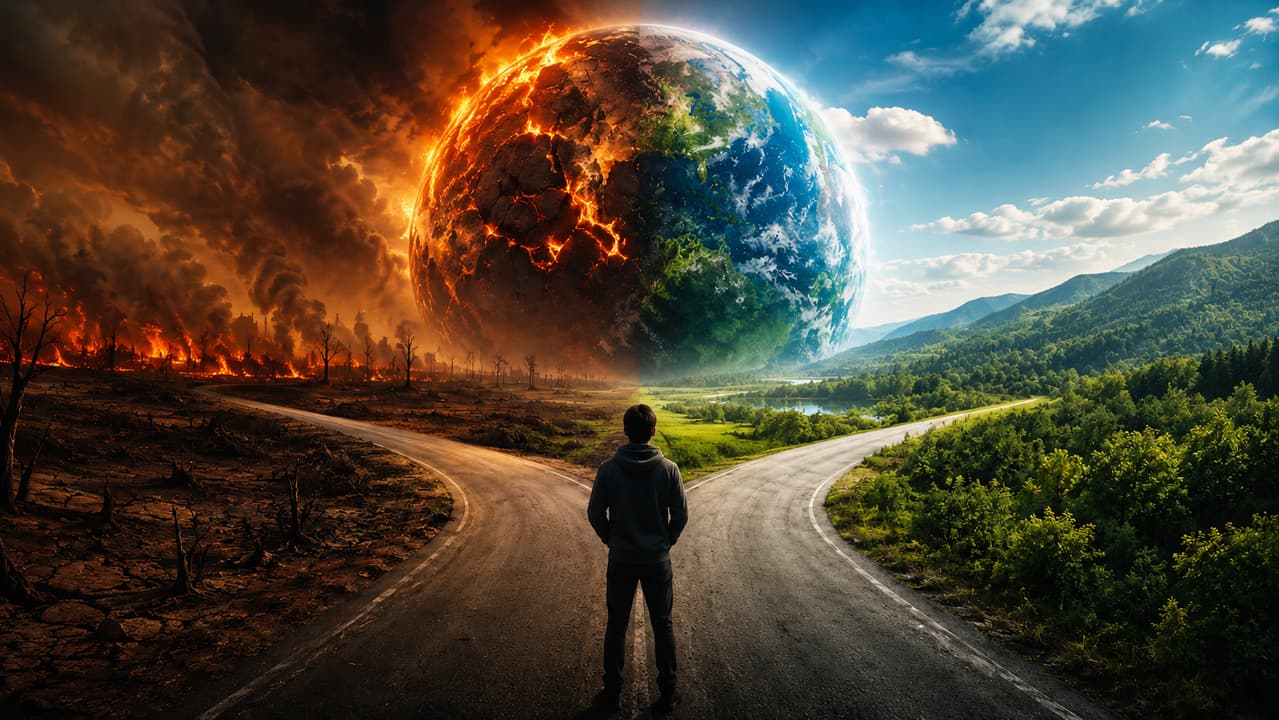
The climate crisis is not caused by nature but by human beings, their growing population and relentless consumption. The desire for greater comfort, wealth and consumption defines success, while increasing families multiply this impact. Green technology alone cannot offset such massive growth in consumption. Climate change also triggers feedback loops that worsen warming. Unless happiness is separated from endless consumption and unchecked desires, the planet will continue moving toward mass extinction.

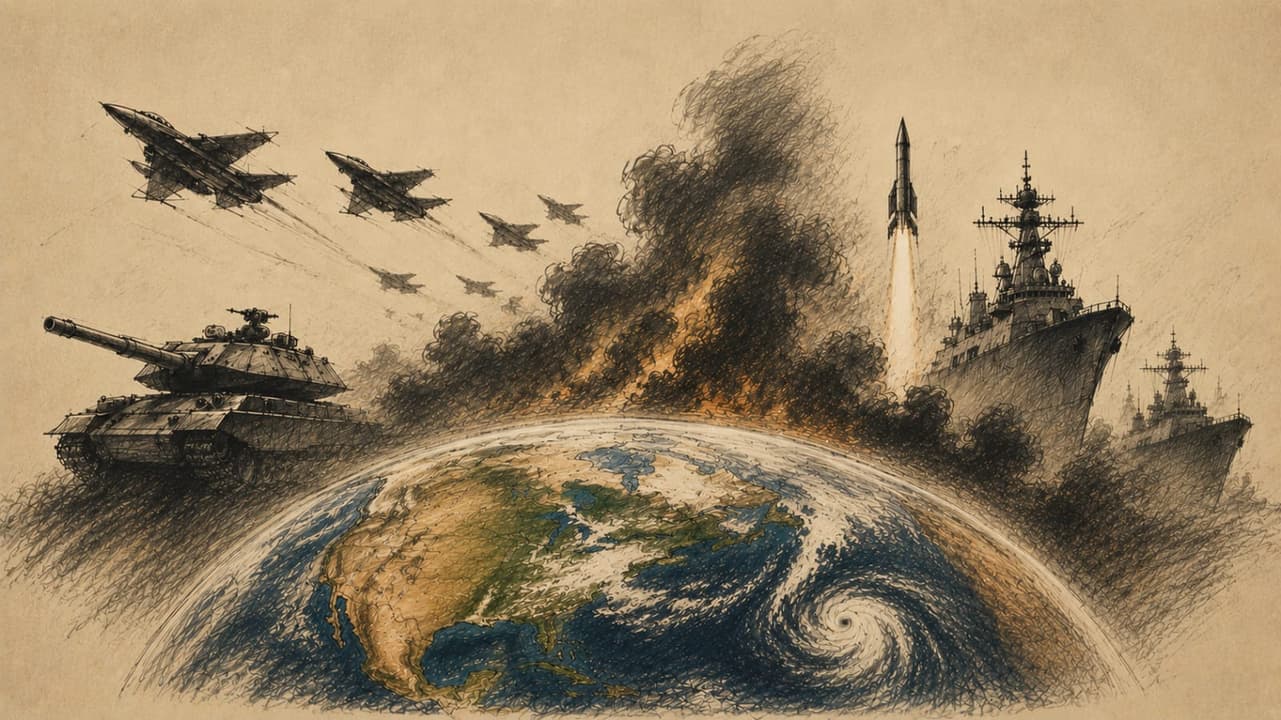
Climate change and global warming cannot be addressed honestly while the world's largest source of hidden carbon emissions—military activity—remains largely excluded from climate accountability. Wars, military expansion, and consumerism arise from the same psychological drive for domination and endless consumption. Unless the Paris Agreement includes military emissions and humanity addresses the inner causes of conflict, every effort to combat climate change will remain incomplete.
Humanity continues to increase emissions despite clear warnings about climate catastrophe. The crisis is not merely technological or political but rooted in endless human consumption and the belief that happiness comes from material accumulation. Development and basic needs are not the problem; blind pursuit of growth is. Lasting solutions require a deeper understanding of human desire, because environmental destruction begins in the mind before it appears in the atmosphere.
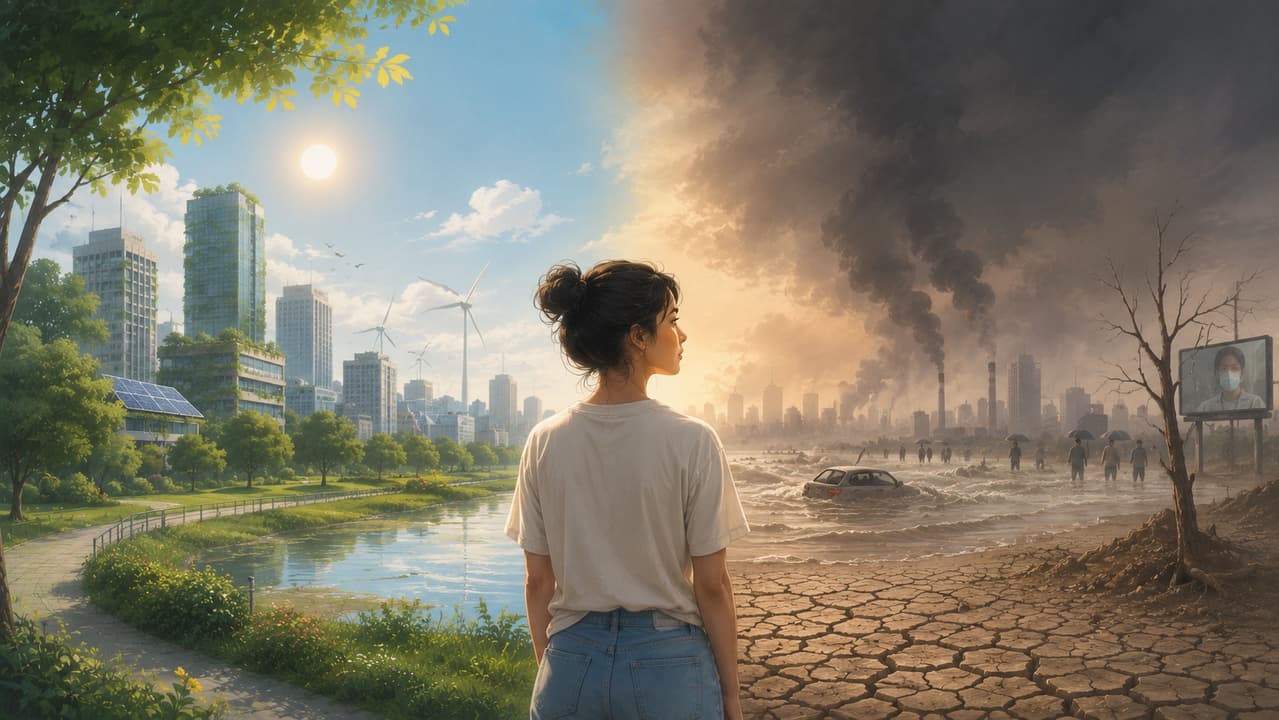
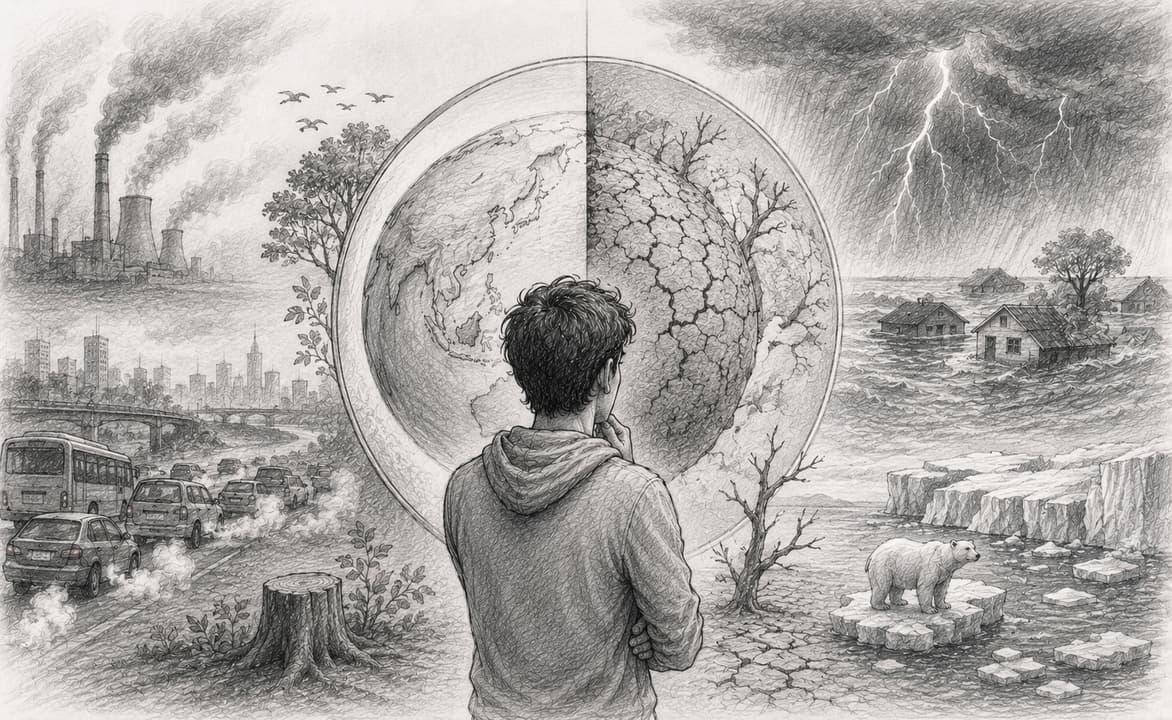
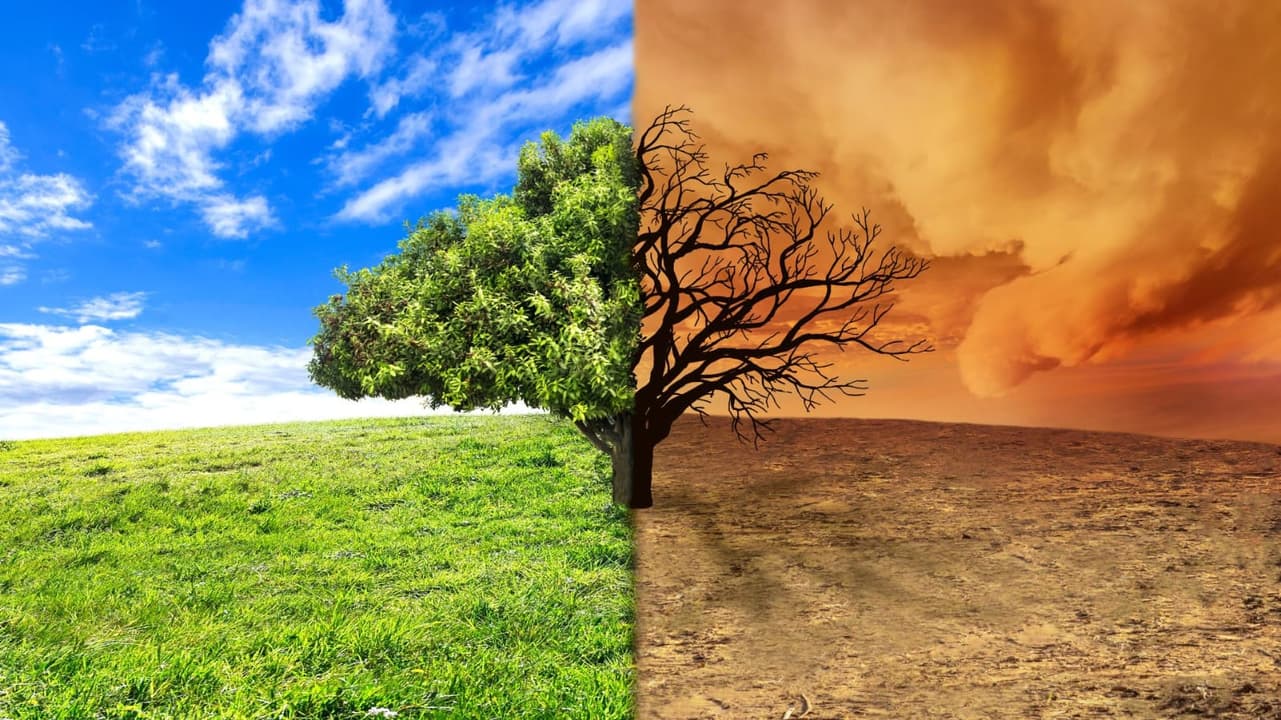
Climate denial is less about ignorance and more about refusing to face uncomfortable truths. Environmental destruction reflects narrow self-interest, collective confusion, and a failure to see the connection between inner values and outer consequences. The greatest burden falls on the poor, future generations, and other species. Lasting solutions require a change in human consciousness, not merely technological or political fixes.
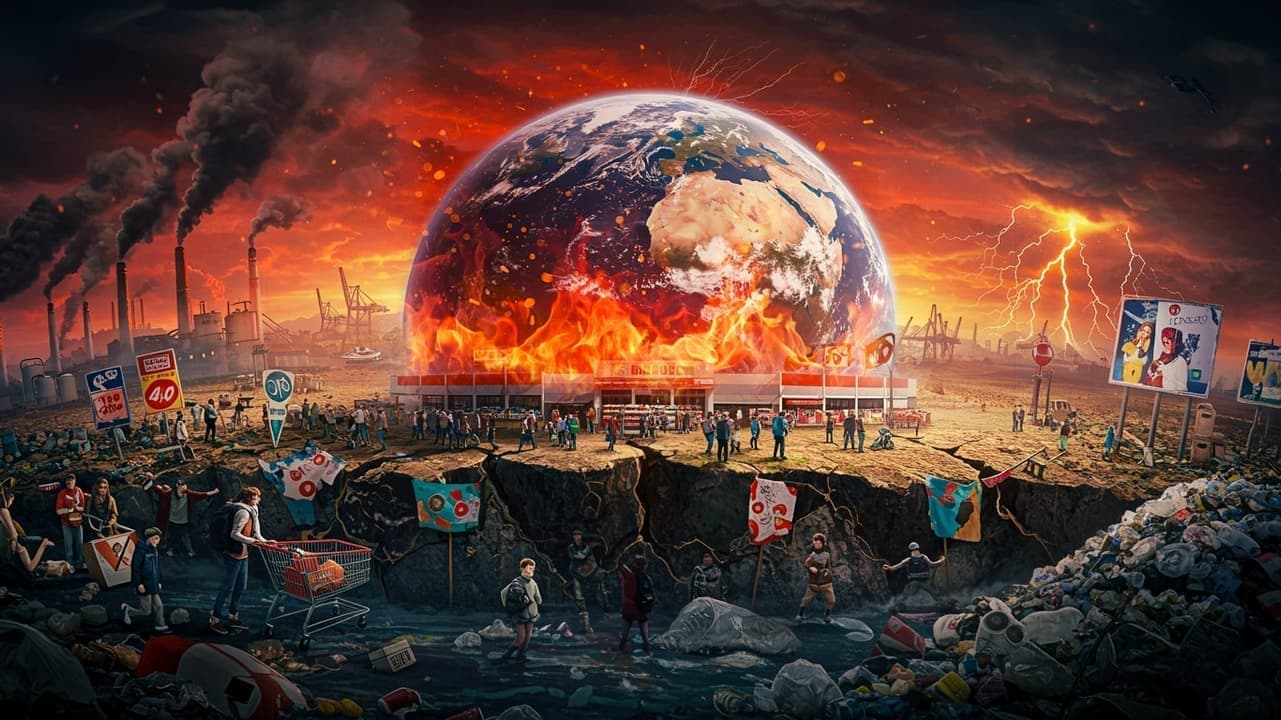

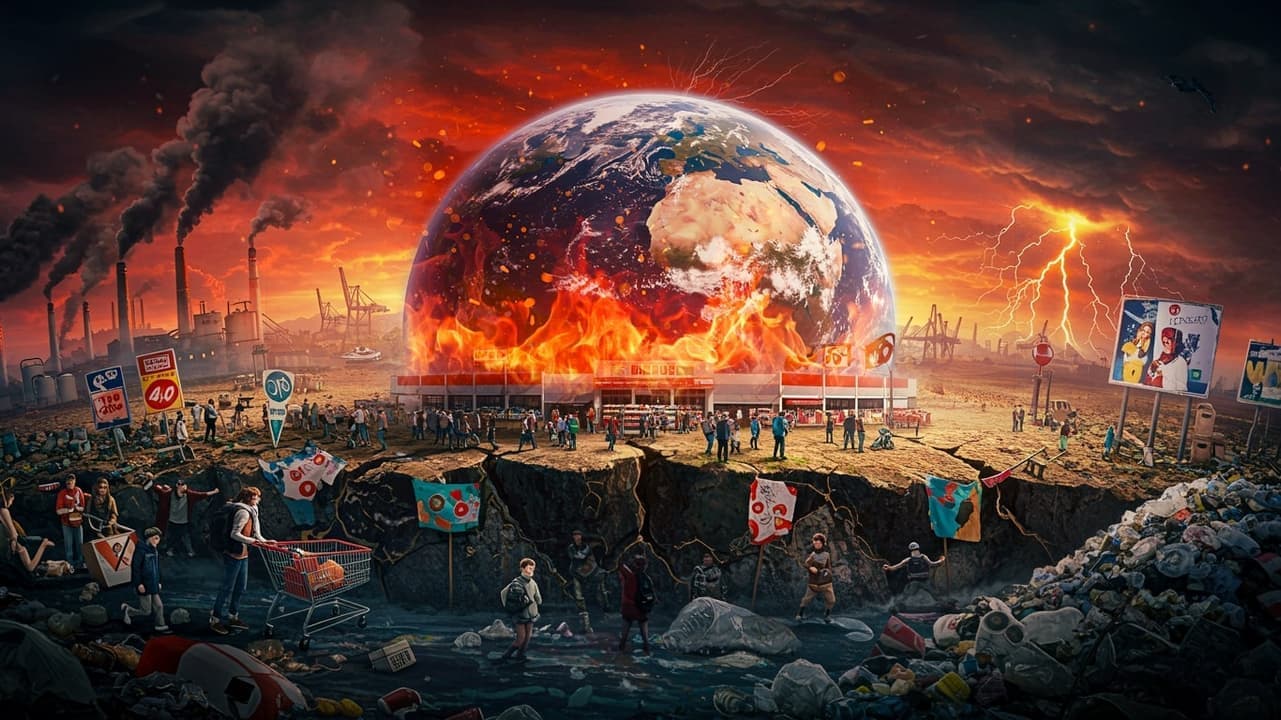

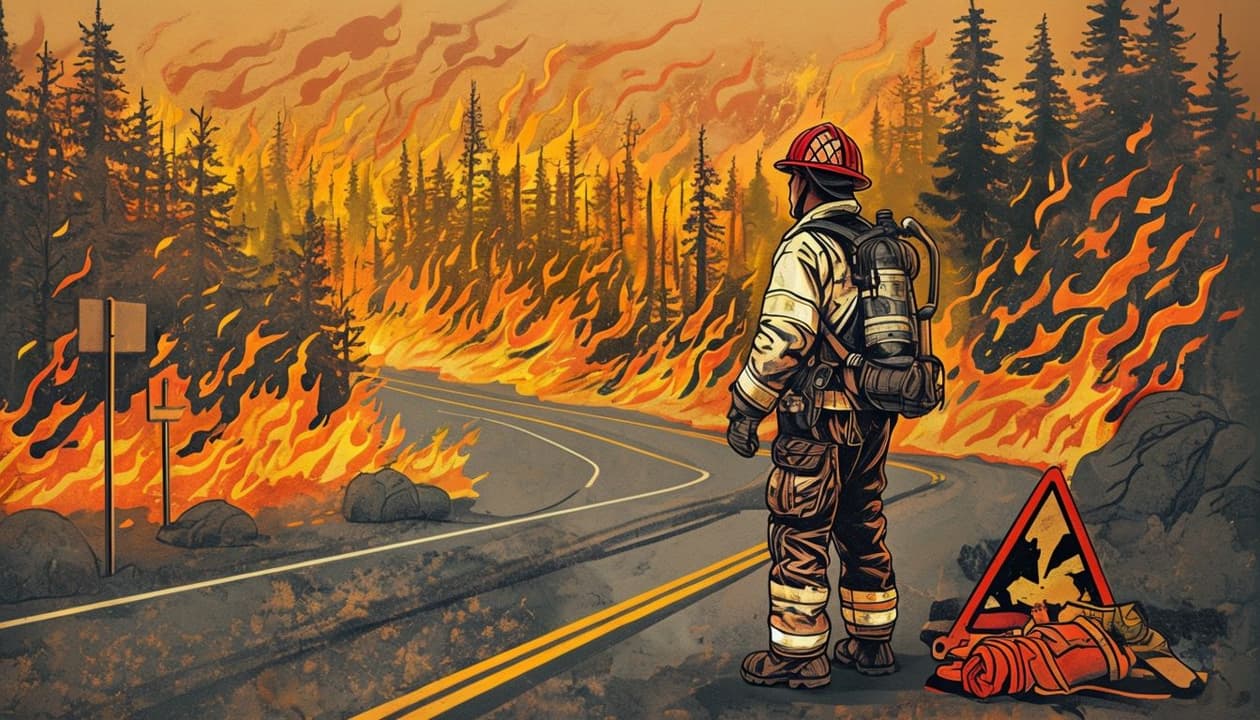

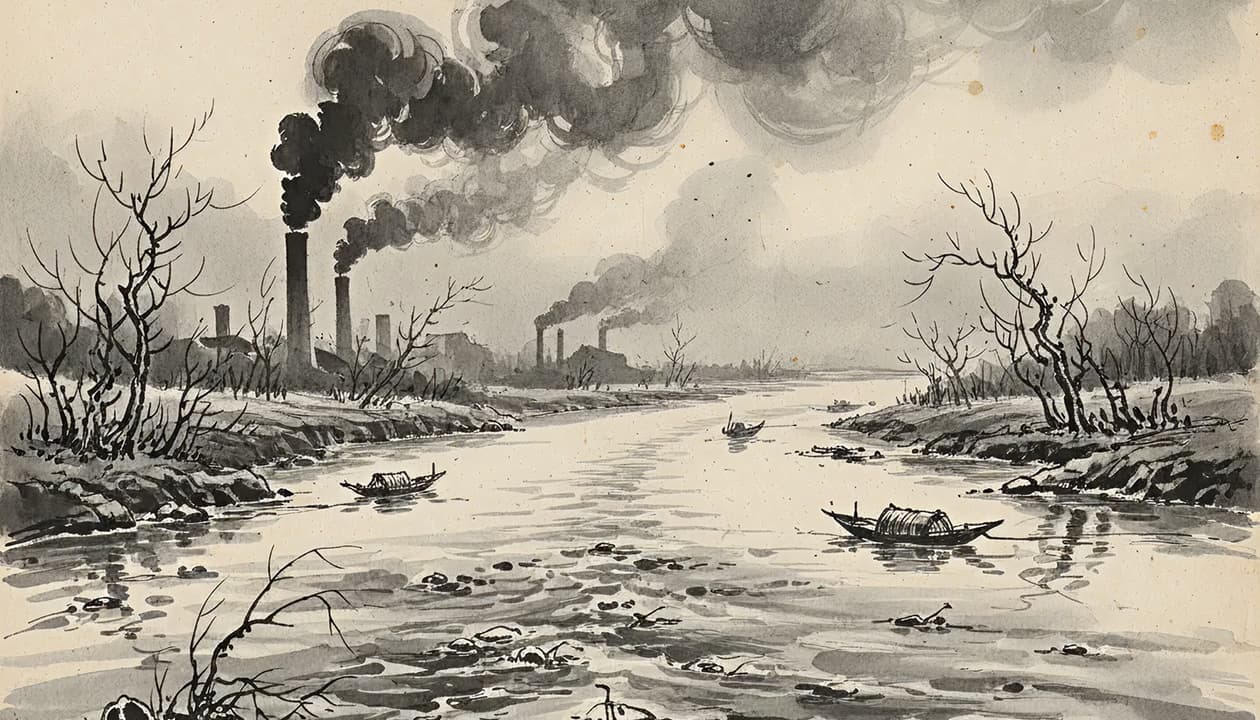
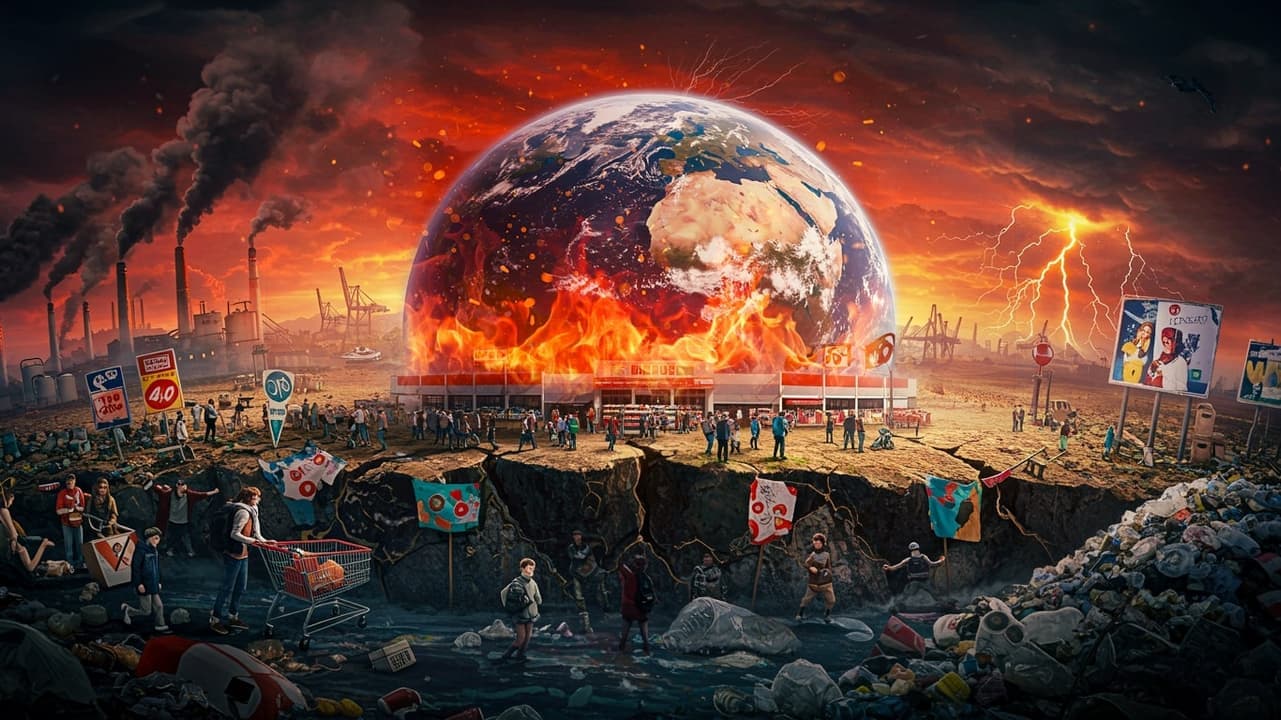




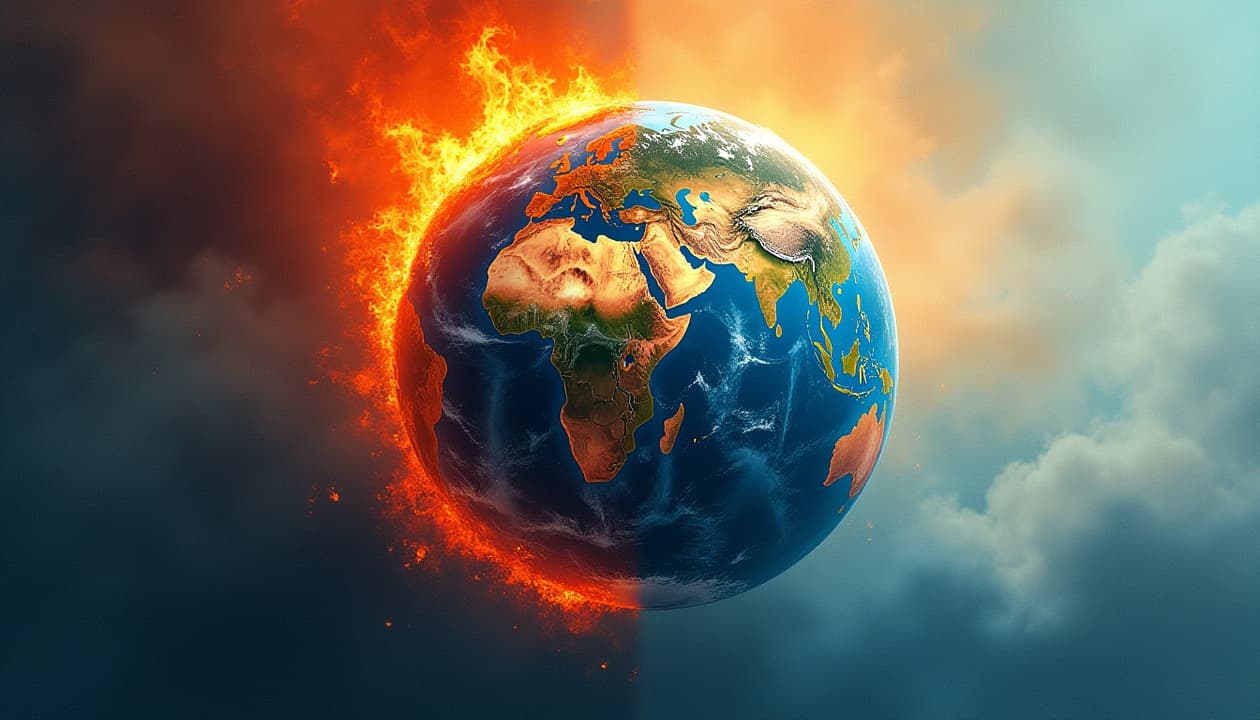
India's emissions are actually rising fast. In 2023, we released three billion tons of carbon dioxide, making us the third largest emitter in the world. And yet, look at our vulnerability. Heat waves last year hit twenty-three states. Floods now displace tens of millions every year. Agriculture, on which more than half of India still survives, is at the mercy of the climate. I ask you, is this a victory or rather a warning?

दुर्गा सप्तशती कहती है कि शुंभ के मरते ही आकाश स्वच्छ हो गया, नदियाँ ठीक मार्ग से बहने लगीं और पवित्र वायु बहने लगी। यानी असुर वो है जो आकाश को गंदा करे। आज वही काम वो करते हैं जो दिखाते हैं कि वो कितना भोगते हैं, और हम उन्हें अपना आदर्श बना लेते हैं। समस्या वो नहीं, हम हैं: हमें नहीं पता कि सम्मान किसे देना है। जब तक हम सत्य को सम्मान नहीं देंगे, तरह-तरह के झूठों को देते रहेंगे। तो हम किसे अपना आदर्श बनाए हुए हैं?
Oil companies’ own scientists predicted the warming in the 1970s. Carbon isotopes now prove the extra CO2 is ours. And still, in the country that has emitted the most, many call climate change unreal. This is not a gap in knowledge. Denial is a defence: every doubt we keep alive gives us a safe place to hide, because accepting the carbon means accepting that our own desire is heating the planet. What are we protecting when we refuse to know?
We are told that cleaner technology will solve the climate crisis. But emissions begin before any fuel is burnt, in a life that has no joy and so keeps reaching for the next lower pleasure: the party, the trip, the purchase. The demand for pleasure is not wrong. What matters is which pleasure we seek. Music, books, sport and real company cost the planet almost nothing. Can we look honestly at what our own consumption is trying to fill?
नवरात्रि में देवी और असुरों की कथा पढ़कर सवाल उठता है: जब दोनों ही प्रकृति हैं, तो लड़ाई किससे है? लड़ाई प्रकृति से नहीं, उस अधूरेपन से है जो मानता है कि दुनिया को भोगकर वो पूरा हो जाएगा। देवता और असुर दोनों यही चाहते हैं। अंतर बस इतना है कि चोट खाकर देवता देखते हैं और लौट आते हैं, असुर फिर वही दोहराते हैं। हम भी रोज़ भोजन, लोगों और चीज़ों से पूरा होने की उम्मीद करते हैं। और ‘सब ब्रह्म है’ कहकर विवेक छोड़ देना भी उसी अहंकार की चाल है। चोट हमें भी लगती है; क्या हम उससे सीखते हैं?
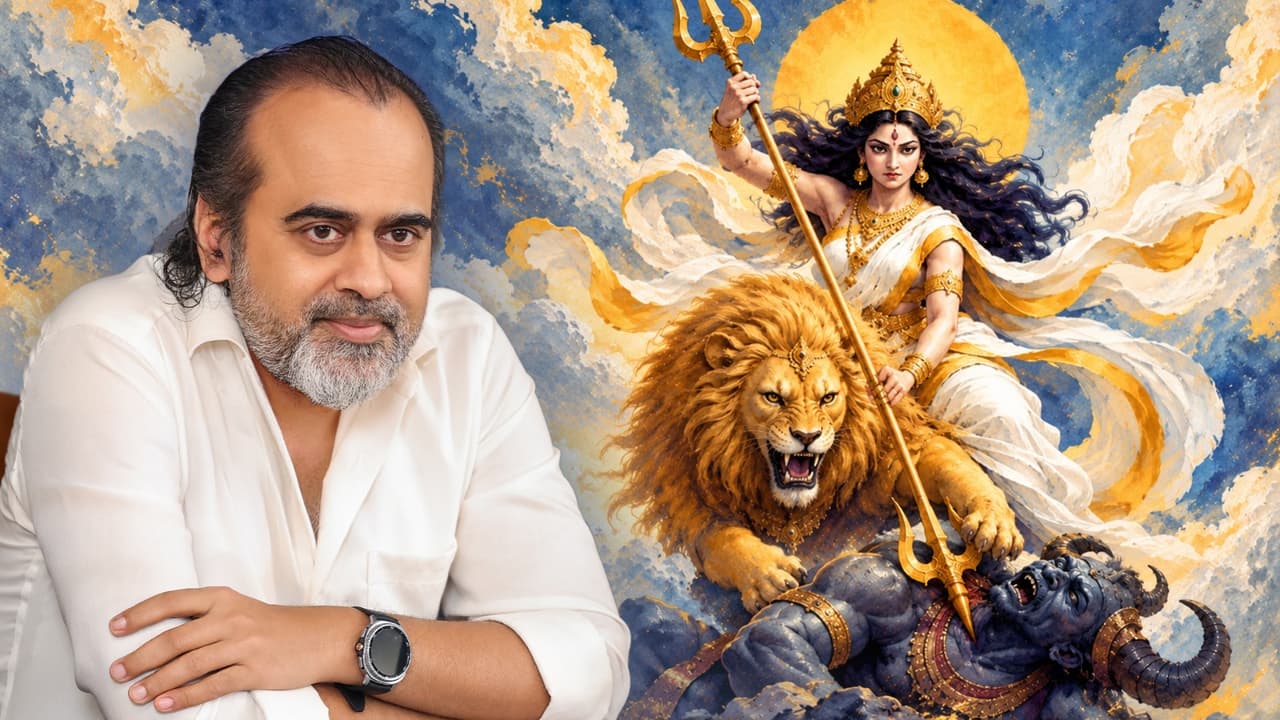
नवरात्रि में हम देवी की पूजा करते हैं और महिषासुर को बाहर का कोई दैत्य मान लेते हैं। पर दुर्गा सप्तशती का दूसरा चरित्र हमारी अपनी वृत्ति की कथा है। जो मन प्रकृति को केवल भोगने की वस्तु मानता है, जंगल काटता है, नदियाँ दूषित करता है, पशुओं को खाता है और कहता रहता है कि मुझे और चाहिए, वही महिषासुर है। त्यौहार उसी के वध के लिए है, उसे भोग लगाने के लिए नहीं। क्या इस नवरात्रि हम अपने भीतर के महिषासुर को पहचानेंगे?
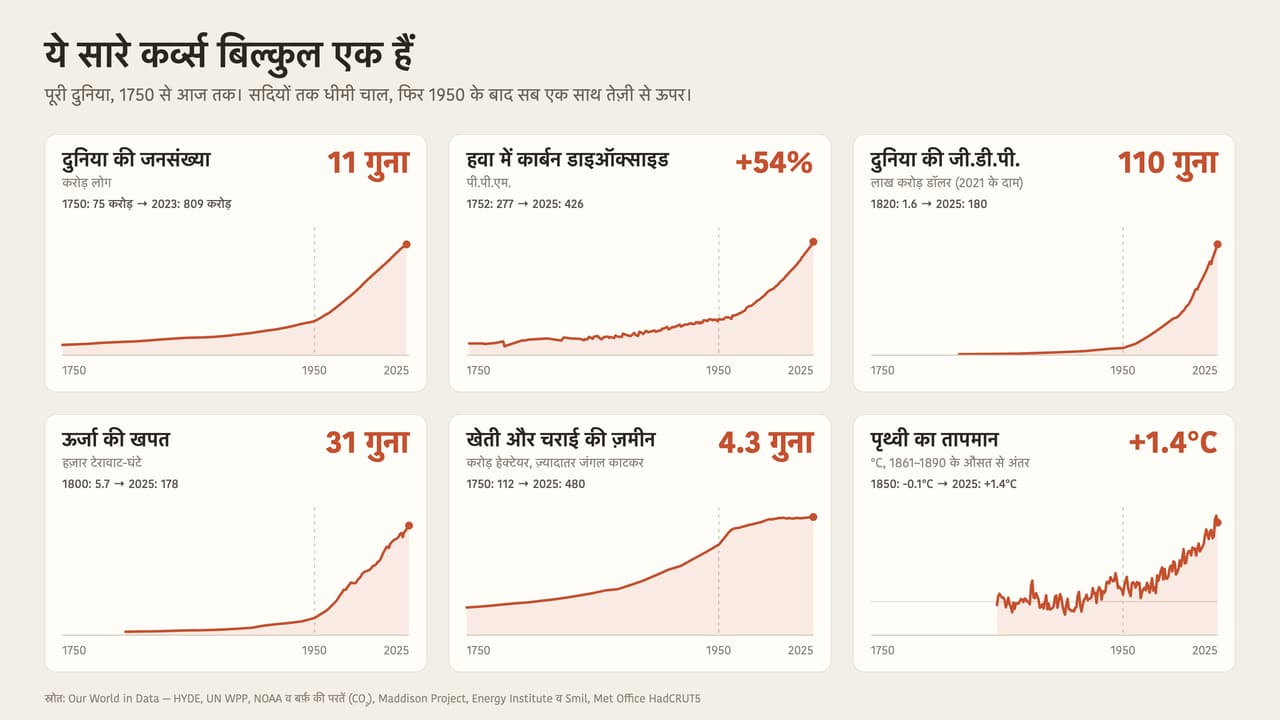
जलवायु संकट पर बहस अक्सर नीतियों और तकनीक तक सिमट जाती है, पर दुनिया की आबादी, उत्पादन, कार्बन और तापमान के ग्राफ़ साथ रखें तो एक ही रेखा दिखती है। धरती को दो चीज़ें मार रही हैं: बढ़ती जनसंख्या और बढ़ता उपभोग। दोनों एक ही वृत्ति से निकलते हैं, ख़ुद को न जानना और बाहर जाकर भोगना। जंगल घट रहे हैं, जीव-जंतु मिट रहे हैं। जब तक करने वाला नहीं बदलेगा, नीतियाँ कैसे बदलेंगी? क्या समाधान हमारे ही हाथ में है?
नवरात्रि आते ही हम सोचने लगते हैं कि क्या खाना है, क्या नहीं खाना, कौन-सा हवन करना है। पर व्रत का अर्थ है संकल्प, और शुभ संकल्प एक ही है: हम जैसे हैं, वैसे न रहें। इसीलिए ये नौ दिन दुर्गा सप्तशती को समझने के लिए हैं, केवल रस्मों के लिए नहीं। जिसे हम माँ कहते हैं, वह यह पूरी प्रकृति है, और उसके ही बच्चों को चोट पहुँचाकर उसका पर्व नहीं मनाया जा सकता। क्या इस बार हम नौ दिन अपने ही जीवन को ईमानदारी से देख पाएँगे?
Oppression should not see caste, gender, creed or colour, and it should not see species either. The moral threshold is sentience, not intelligence. An animal feels pain as fully as a human does, whether or not it can explain its suffering.
Climate change is more than an environmental crisis—it is a crisis of human choices. Our patterns of consumption, consumerism and endless pursuit of more are putting increasing pressure on the planet. But meaningful change does not necessarily begin with new technology or stricter policies. It begins with a deeper question: what are we willing to change within ourselves?
Rakshabandhan is not merely a festival celebrating the protection of a sister by her brother. Its deeper meaning is about recognizing vulnerability and taking responsibility for what needs protection. Today, that responsibility must extend to the environment—rivers, mountains, trees, oceans, wildlife, and the planet itself. True religion lies in self-knowledge, compassion, and understanding that greater power brings greater responsibility.
जलवायु परिवर्तन जैसी गंभीर समस्या का समाधान केवल अदालतों, सरकारों या अन्य संस्थाओं से उम्मीद करके नहीं हो सकता, क्योंकि ये सभी संस्थाएँ उसी समाज और चेतना से निकलती हैं, जिसने समस्या को जन्म दिया है। वास्तविक परिवर्तन के लिए मनुष्य को बदलना होगा। जब तक अज्ञान, conditioning और उदासीनता बनी रहेगी, संस्थाएँ भी व्यवस्था को ही बनाए रखेंगी। इसलिए तथ्यों को सीधे देखना, मिथकों से ऊपर उठना और जागरूकता विकसित करना ही मूल परिवर्तन का आधार है।
Mass extinction is accelerating due to human-driven climate change, resource consumption, and destruction of other species. The deeper problem is a worldview that equates happiness and development with endless consumption. Science itself is not the problem; without inner clarity, its immense power becomes destructive. Advaita points to a different relationship with the world, where it is not an object of exploitation but a means to deepen self-understanding and inner development.
Climate change is not merely an external crisis of emissions, technology, or policy. The deeper problem lies in the unchecked ego that seeks to fill inner emptiness through endless consumption. This psychological demand drives extraction, production, and environmental destruction while failing to resolve the underlying sense of incompleteness. Meaningful climate action therefore requires more than green technology and policy; it requires education that turns inward and examines the self.
जलवायु परिवर्तन केवल पर्यावरण का नहीं, बल्कि चेतना का संकट है। अंधाधुंध उपभोग, अनियंत्रित विकास, जनसंख्या वृद्धि और भविष्य के भ्रम ने पृथ्वी के सीमित संसाधनों पर असहनीय दबाव डाल दिया है। समाधान डर फैलाने या आदेश देने में नहीं, बल्कि स्पष्टता, जागरूकता और सही समझ में है। जब मनुष्य होश में जीना सीखता है, तभी उपभोग, विकास और जीवन के निर्णय प्रकृति के साथ संतुलित हो पाते हैं।
जानवर अपनी जैविक प्रवृत्तियों के अनुसार जीते हैं, जबकि मनुष्य के पास विवेक और चुनाव की क्षमता है। इसलिए अपने व्यवहार को सही ठहराने के लिए पशुओं का उदाहरण देना उचित नहीं है। जीवन में महत्वपूर्ण यह है कि हम सचेत होकर निर्णय लें। इसी तरह खेल में सफलता तब मिलती है जब ध्यान खेल पर हो, न कि जीत, प्रशंसा या दूसरों को प्रभावित करने पर। परिणाम की चिंता बढ़ते ही एकाग्रता टूटती है और प्रदर्शन प्रभावित होता है।
जलवायु संकट केवल किसानों, मज़दूरों या गरीबों की समस्या नहीं है; इसका प्रभाव समाज के हर वर्ग पर पड़ने वाला है। बढ़ती गर्मी, आर्द्रता, बाढ़, सूखा, प्रदूषण, खाद्य संकट, स्वास्थ्य समस्याएँ और सामाजिक अस्थिरता धीरे-धीरे जीवन के हर पहलू को प्रभावित करेंगी। तकनीकी सुविधाएँ और निजी आराम स्थायी सुरक्षा नहीं दे सकते। यह संकट भविष्य का नहीं, वर्तमान का है, और इससे बचाव के लिए सामूहिक जागरूकता व गंभीर कार्रवाई आवश्यक है।
जलवायु संकट कोई दूर का खतरा नहीं, बल्कि वर्तमान की वास्तविकता है। इसके बावजूद लोग, मीडिया और राजनीति उन मुद्दों को प्राथमिकता देते हैं जो अहंकार, मनोरंजन, पहचान और तात्कालिक भावनाओं को संतुष्ट करते हैं। पर्यावरण विनाश का मूल कारण बाहरी व्यवस्था से अधिक मानवीय लालच, उपभोग और सामूहिक बेहोशी है। प्रकृति का शोषण विकास नहीं, आत्मविनाश है; और जब तक व्यक्ति स्वयं नहीं बदलेगा, तब तक न राजनीति बदलेगी, न समाज, न पृथ्वी का भविष्य।
The climate crisis is not merely an external environmental problem but a reflection of inner human greed, desire, and psychological disorder. Drawing from the Gita’s idea of yagya as desireless action, it says real ecological healing requires inner transformation. Outer pollution, exploitation, and destruction mirror the ego’s inner confusion, making personal consciousness and planetary health deeply inseparable.
From 1945 to today, consumption drives war beneath peace globally. We have continued to be exactly the same as we were on the day of Hiroshima and Nagasaki. That war happened because the various powers wanted to consume. Have we changed internally? If not, how can there be peace? The problem is not in the structures of thought or governance. The problem is within.
हम जो एनिमल लवर भी बनते हैं, तो आमतौर पर क्या करते हैं, मुझे आसपास जो दिख रहा है, मैं उसका ख़्याल कर लूँगा। तो ये तो तुम्हारा बहुत संयोग से रिश्ता बना न, बोध की बात तो ये है कि मैं देखूँ कि पूरी पृथ्वी पर क्या चल रहा है और उसके लिए काम करूँगा। और बिल्कुल ये हो सकता है कि जितना समय आप चार जानवरों की सेवा में लगा रहे हो, उतना समय अगर आप जानवरों के लिए सही तरीक़े से लगा दो, तो आप 4 हज़ार जानवर बचा दो। तो बताओ, फिर ये चार जानवरों की सेवा करना प्रेम हुआ या हिंसा?
All consumption comes from this ecosystem, this planet and in the lust of our blind consumption, we destroy life for everybody. As technology progresses, you will probably be able to consume more with impunity.There is a consumption that is needed for basic physical sustenance and comfort,then there is consumption that happens for entirely different psychological reasons. It is the second type of consumption that I am always worried about.
खेत खाली जगह नहीं है; खेत एक ह्यूमन कॉलोनी है। खेत का मतलब होता है कि तुमने वहाँ की पूरी प्रकृति नष्ट कर दी है। 80% जो खेती होती है, वो सिर्फ़ इंसान को अन्न खिलाने के लिए नहीं, वो इंसान को मीट खिलाने के लिए होती है। तो जंगल काट के तुमने खेत बनाया, और वो खेती इसलिए कर रहे हो कि अब जानवर काटोगे। अगर हम में थोड़ी चेतना जगेगी, तो जैसे हम मनुष्यों को मारने को अपराध समझते हैं, वैसे ही हम जीवों को मारने को भी अपराध घोषित करेंगे, और पेड़ काटने को भी अपराध घोषित करेंगे।
Why the question of sustainability is relevant only to our species, out of the billions of species on this planet? Because we have a hollow inside us, and that hollow demands to be filled. So we want more and more manufactured products, more meat, more luxury, more money. And the sad part is, none of that really succeeds in fulfilling you. But you still want to consume endlessly. And that endless consumption, arising from a spiritual point, is what the sustainability crisis is today.
I am hungry, I am dissatisfied, I want to consume. And I do not know what it is that would appease me, make me happy, quench my thirst, so I will try out everything. If you have this big a hole in your heart, what else will you do? You will use the entire universe to plug this hole. That is what man has been doing. He wants to eat up everything. The very basis of climate change is the constitution of man himself. Man cannot help climate change; man is climate change.
यह मामला जो है, अरावली के नाश का नहीं है। यह मामला ग़रीबों के नाश का है। क्या होने वाला है? ड्रिलिंग-ब्लास्टिंग होगी, तो वहाँ पर उड़ेगी ज़बरदस्त क़िस्म की धूल। बिल्डर आएगा और वो वहाँ पर बनाएगा, अरावली ग्रीन्स। महँगी-महँगी रेज़िडेन्शियल प्रॉपर्टीज़ निकलेंगी। और अमीरों को कहा जाएगा, 'आओ, आओ, यहाँ पर इको-टूरिज़्म करो।' नुकसान किनका होने जा रहा है? आम आदमी का। पेड़-पौधों का, जानवरों का। एकदम जो ग़रीब लोग हैं, उनका। उनका, जो अभी पैदा भी नहीं हुए। यह चोरी सिर्फ़ ग़रीबों की जेब से नहीं की जा रही, यह चोरी अजन्मी पीढ़ियों की जेब से भी की जा रही है।
‘I’m not feeling well.’ Your feelings are carbon. No other species is responsible for the climate disaster. We are. Why? Because only the human being has a hollow in her heart. Climate change is the unfulfilled, dark interiors of this species, Homo sapiens. We are destroyers because we are unhappy and loveless within. There can be no scientific, no economic, no political, no technological solution to the climate disaster. Not at all. Because this is purely a spiritual crisis.
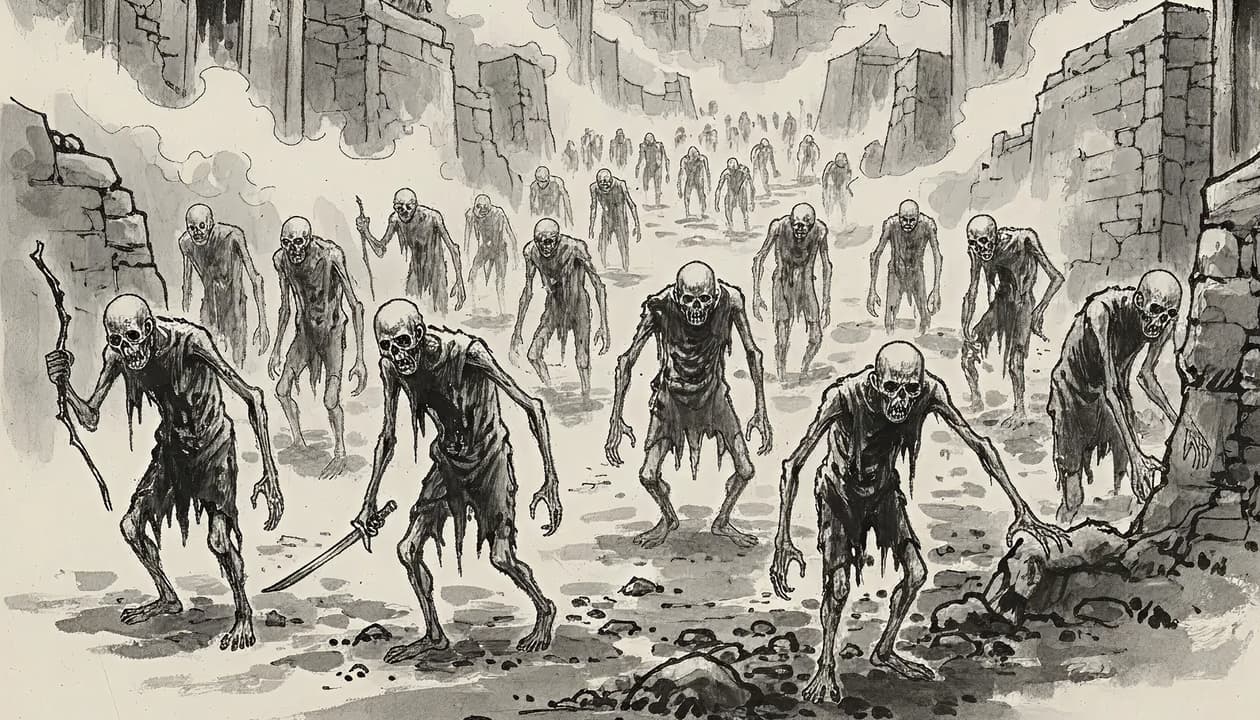
‘ज़ॉम्बी’ शब्द का मतलब समझते हैं? चलती-फिरती लाश। हम वो बन चुके हैं, बहुत हद तक। हम वैसे हो गए कि हमारे सामने अब कुछ भी चल रहा है, कोई फ़र्क़ नहीं पड़ता, तो हम मर गए। और जो मर गया, वो मरने से क्यों डरे? उसको तुम 2000 की AQI में डाल दो, उसे तब भी फ़र्क़ नहीं पड़ेगा; वो तो मर ही चुका है। ये समाज मृत्युधर्मा होता जा रहा है। हमारे भीतर ये मान्यता कूट-कूट कर भर दी गई है कि जो चल रहा है, ठीक ही चल रहा है, क्योंकि किसी और ने चला रखा है।
रेस्टोरेंट में जाकर बैठो, वहाँ मेन्यू आता है; उसमें लाल निशान वाले इतने सारे होते हैं; क्या बुरा नहीं लगता? सड़क पर गाड़ी लेकर निकलता हूँ, तो वहाँ पर झटका मीट, हलाल मीट। छोटे शहरों की ओर चले जाओ, तो वहाँ तो पूरे के पूरे बकरे लटक रहे हैं। जिस इंसान में थोड़ी भी जागृति है, वह जैसे-जैसे इस दुनिया को देखेगा, वैसे-वैसे बिल्कुल पगलाता जाएगा। कहेगा, "ये दुनिया है? ये जीने की जगह है? यहाँ क्यों जिए?" पर जीना है। दुनिया में आग लगी हुई है, तो आग बुझाने के लिए जीना है।
Let the Earth be destroyed. We have to save humanity. Wow! The human body is 70% water, and the Earth’s surface is also 70% water. Can’t you see that we are the Earth itself? Going to another planet means thinking of collective suicide. Just remember one thing: we don’t live on this planet, we are this planet. Either two of us live together or we go down together, because we are not two at all. We are one.
मनुष्य के शरीर में 70% पानी है और पृथ्वी की सतह पर भी 70% पानी है। आपको दिखाई नहीं दे रहा कि हम पृथ्वी ही हैं। और आप ऐसी जगह जा रहे हो जहाँ पानी की बूंद भी नहीं है, जहाँ अलग से प्लांट लगाकर बस किसी तरह से इतना पानी दिया जाएगा कि पीकर ज़िंदा रह लो। अगर प्लानेट बदल गया, तो आपने ये जितनी ग़ज़लें लिखी हैं, ये जितनी आर्ट फॉर्म्स हैं; ये सब आपके लिए बेकार हो जाएँगी क्योंकि माइंड बदल जाएगा। आप कुछ और हो जाओगे। किसी और ग्रह पर जाने का मतलब है सामूहिक आत्महत्या की सोचना।
आप साँस ले-लेके मर रहे हो। साँस लेके जिया जाता है। आपको मजबूर किया गया है कि आप साँस लेके मर जाओ, और आपके भीतर क्रोध नहीं उठ रहा। आप खड़े होकर के गर्जना नहीं कर रहे कि ये कैसे हो रहा है? कौन ज़िम्मेदार है? दुनिया की जो सबसे प्रदूषित राजधानी है, वो दिल्ली है। यह प्रदूषण विकास से नहीं हो रहा है। यह आंतरिक दूषण है, जो बाहरी प्रदूषण के रूप में दिखाई दे रहा है। छोटी सी बात ये है, कि इट ऑल स्टार्ट्स विदइन। और जो चीज भीतर से शुरू होनी है, आप बाहर, बाहर, उसमें लगे हुए हो। उससे क्या हो जाएगा?
Ours is a democratic system. You are the government. If you want to accelerate climate devastation, it will be accelerated. Who can stop it? A leader is just a poor person, typically an old man. How will he resist the combined might of the electorate? All real change can happen only at the level of the individual. Once it happens there, it takes no time for governments to toe the line.
दुनिया में किसी देश में उतनी खराब जलवायु नहीं है, जितनी भारत में है, और भारत में कहीं भी उतनी खराब नहीं, जितनी दिल्ली में है। यहाँ साँस नहीं ली जाती, यहाँ का पानी गंदा है, लेड, मर्करी सब मिले हुए हैं पानी में। जीना मुश्किल होने वाला है सबका, बस कुछ पर असर आज ही पड़ जाएगा, कुछ पर चार साल बाद पड़ेगा। जब तक आपको पता चलेगा कि यह असर इर्रिवर्सिबल है, तब तक बहुत देर हो चुकी होगी, आप कुछ नहीं कर पाओगे।
पृथ्वी नहीं गर्म हो रही है, हम भीतर से तप रहे हैं, अपनी कामनाओं में। आग लगी हुई है हमारे भीतर — और भोग लूँ, और भोग लूँ, मुझे और कंज़म्पशन करना है। ये जो हमारे भीतर आग लगी हुई है ना, ये ग्लोबल वार्मिंग के रूप में हमें दिखाई दे रही है। कचरा बाहर नहीं फैल रहा है, कचरा हमारे भीतर है। और जब तक इंसान के भीतर के कचरे को साफ़ नहीं करोगे, बाहर कचरे को रोकने का कोई तरीका नहीं है।
अरे होगा कोई आमरण अनशन कर रहा होगा, हमें क्या लेना-देना?” तुम्हें ये लेना-देना कि तुम भूखे मरने वाले हो क्लाइमेट चेंज से। खेतों में फसलें उगनी बंद होने वाली हैं, और जिनकी वजह से खेतों में फसलें उगनी बंद होंगी, उन्हें फ़र्क़ नहीं पड़ेगा। उनके पास बहुत पैसा है। अपनी आमदनी का वो खाने पर एक या दो प्रतिशत खर्च करते हैं बस, उनके पास इतना पैसा है। वो दो प्रतिशत पहले खाने पर खर्च करते थे, अब तीन प्रतिशत खर्च कर लेंगे, उन्हें कोई फ़र्क़ नहीं पड़ेगा।
अगर कोई NCR में रह रहा है लगातार, तो उसकी उम्र से दस–पंद्रह साल गए — निश्चित रूप से गए। हमको सिखाया नहीं गया है कि क्या कीमती है। गुड लाइफ़ इसमें नहीं है कि हवा साफ़ है, पानी साफ़ है, सेहत अच्छी है, लाइब्रेरी में जाकर पढ़ने को मिल रहा है। गुड लाइफ़ इसमें है कि तुम मेरा माल खरीदो। जब तक हम वो सीमा नहीं तय कर देते कि भाई, इससे ज़्यादा कंज़म्प्शन की किसी भी आदमी को ज़रूरत नहीं है, तब तक ये AQI वगैरह बढ़ता ही रहेगा। लोग बस ये कहते हैं कि “मैं तो नहीं मरा न, और अभी तो नहीं मरा न; आगे मरेंगे तो देखा जाएगा।
If you think you can do it at the policy level, that sounds very tempting but means nothing, because you are trying to defy the very law of existence. You are saying the minister will do it. Why will the minister do it? The ones in power have the least interest in any climate action because they are the ones with the minimum stakes there. You'll have to awaken the individual so that the one in power listens to you. Awaken the individuals. What else? There is no option.
तुम कैसे शुद्ध सात्त्विक ज़िंदगी जी लोगे? संभव ही नहीं है। सड़क पर चल रहे हो न? सड़क पर खून है। वो सड़क ऐसे ही नहीं बन गई। सड़क पर ही चलते हो न? भोजन ही खाते हो न? भोजन में खून है। तुम कैसी सात्त्विक ज़िंदगी जी रहे हो? झूठ! हवा में साँस ले रहे हो न? हवा में धुआँ है। और वो धुआँ किस चीज़ का है? वो लाशों का धुआँ है। तुम किस सात्त्विक ज़िंदगी की बात कर रहे हो? लेकिन हमें ये बर्दाश्त करना पड़ेगा, हम गुनाह में शरीक हैं।
जिसकी चेतना पूरे तरीके से उसकी देह से आबद्ध है, वह पशु है। पशुबलि का मतलब जानवर मारना नहीं है, पशुबलि का मतलब अपने भीतर के जानवर को मारना है। बकरे को नहीं मारना है, ये जो भीतर ‘मैं-मैं’ चलता रहता है, इसे मारना है। एक पशु को मारकर खाने से तुम्हें शांति कैसे मिल जाएगी? इससे कौन-सा देवता प्रसन्न हो जाएगा? ये क्रूरता और मूर्खता की बात है। वास्तविक धर्म कहता है — “भीतर वाले पशु को मारो।”
ज्ञान, विज्ञान, टेक्नोलॉजी बहुत श्रेष्ठ दर्जे की हो सकती है और साथ ही साथ यह भी हो सकता है कि प्रकृति के साथ आपका रिश्ता बड़े प्रेम का हो। ऐसी टेक्नोलॉजी जो प्रकृति का नाश करती हो, हमें नहीं चाहिए। प्रकृति के प्रति सम्मान रखना और टेक्नोलॉजिकल एडवांसमेंट — ये दोनों कोई आवश्यक रूप से विपरीत बातें नहीं हैं। अगर आपको उन्नति चाहिए और साथ ही साथ नाश नहीं चाहिए तो अध्यात्म ज़रूरी हो जाता है। सस्टेनेबल डेवलपमेंट का मतलब ही यही है कि विज्ञान, टेक्नोलॉजी चले और साथ ही साथ प्रकृति के प्रति आदर और प्रेम हो।
जो चीज़ तुम्हें सबसे प्यारी हो, प्यार से यहाँ पर अर्थ है मोह का, आसक्ति का। जिससे तुमने अपनी आसक्ति बैठा ली है, जिससे लिप्त हो गये हो व्यर्थ ही, उसको त्यागना ही बलि है और ये बात ग्रन्थ बार-बार ज़ोर-ज़ोर से, दोहरा-दोहराकर, चिल्लाकर कहते हैं कि बलि की सही परिभाषा ये है। लेकिन इंसान ने बलि के नाम पर जानवरों को काटना शुरू कर दिया, हमसे ज़्यादा बड़ा जानवर कोई है क्या?
Climate carbon dioxide is not a problem of technology. It is a problem of civilization. It is a spiritual problem.
आज वातावरण में कार्बन डाइऑक्साइड प्राकृतिक स्तर से 50% ज़्यादा हो गई है। ऐसा पाँचवें महाविनाश के बाद कभी नहीं हुआ। इसे छठा महाविनाश माना जा रहा है। सिर्फ़ तापमान नहीं बढ़ने वाला, तापमान की रेंज ज़बरदस्त तरीक़े से बढ़ने वाली है। यदि औसत तापमान 3 डिग्री है तो पीक 8–10 डिग्री बढ़ेगा। हर प्रजाति तापमान पर निर्भर होती है। तापमान बदल दोगे तो पूरी प्रजाति ही नष्ट हो जाएगी। यदि पूर्ण विध्वंस होगा तो वह आपने तय किया है और आप चाहो तो उसका समाधान भी हो सकता है।