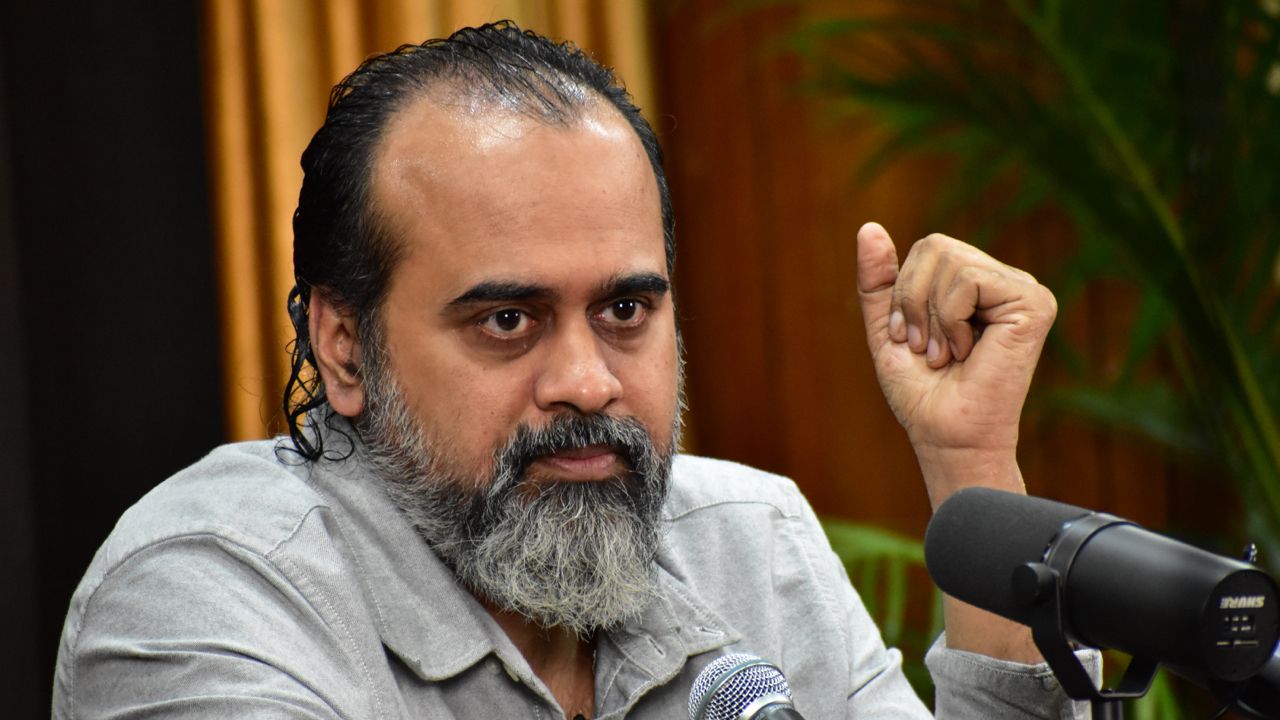
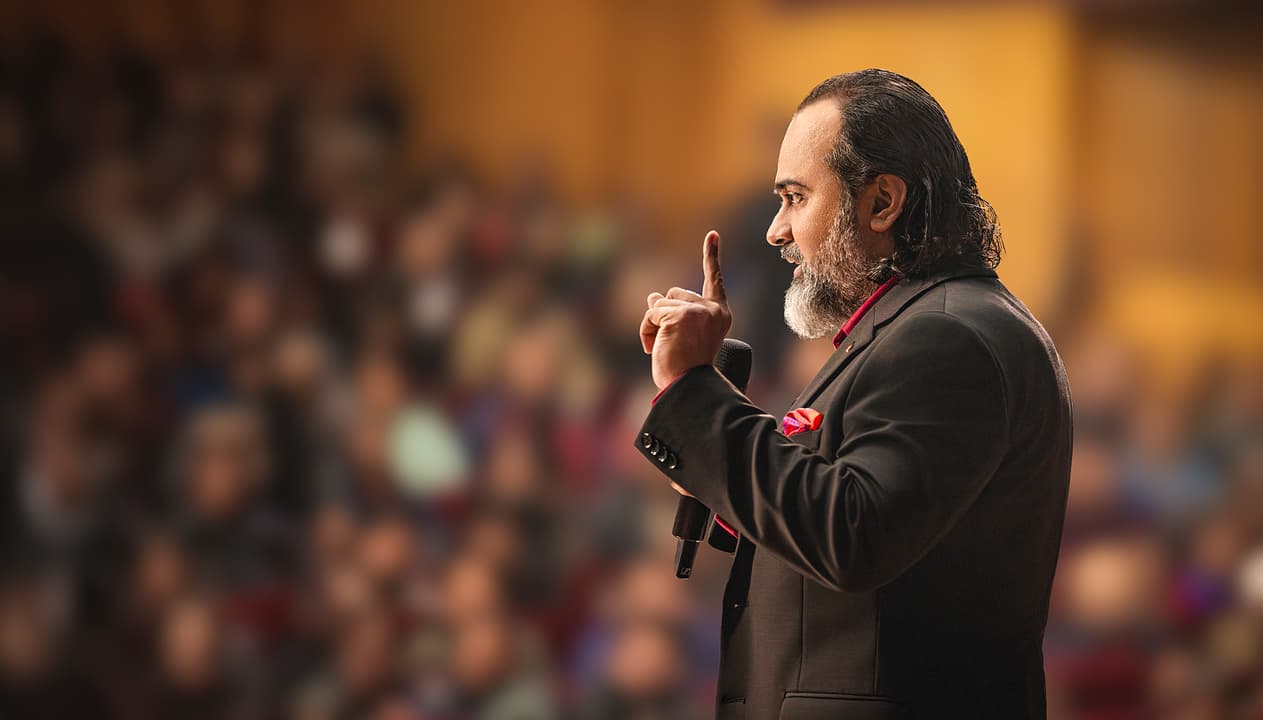
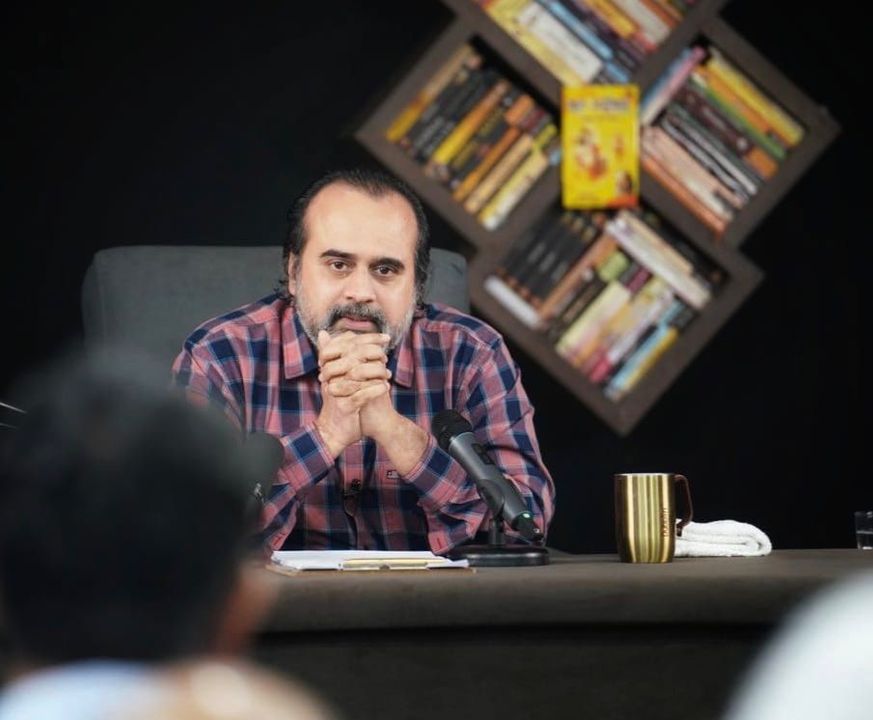
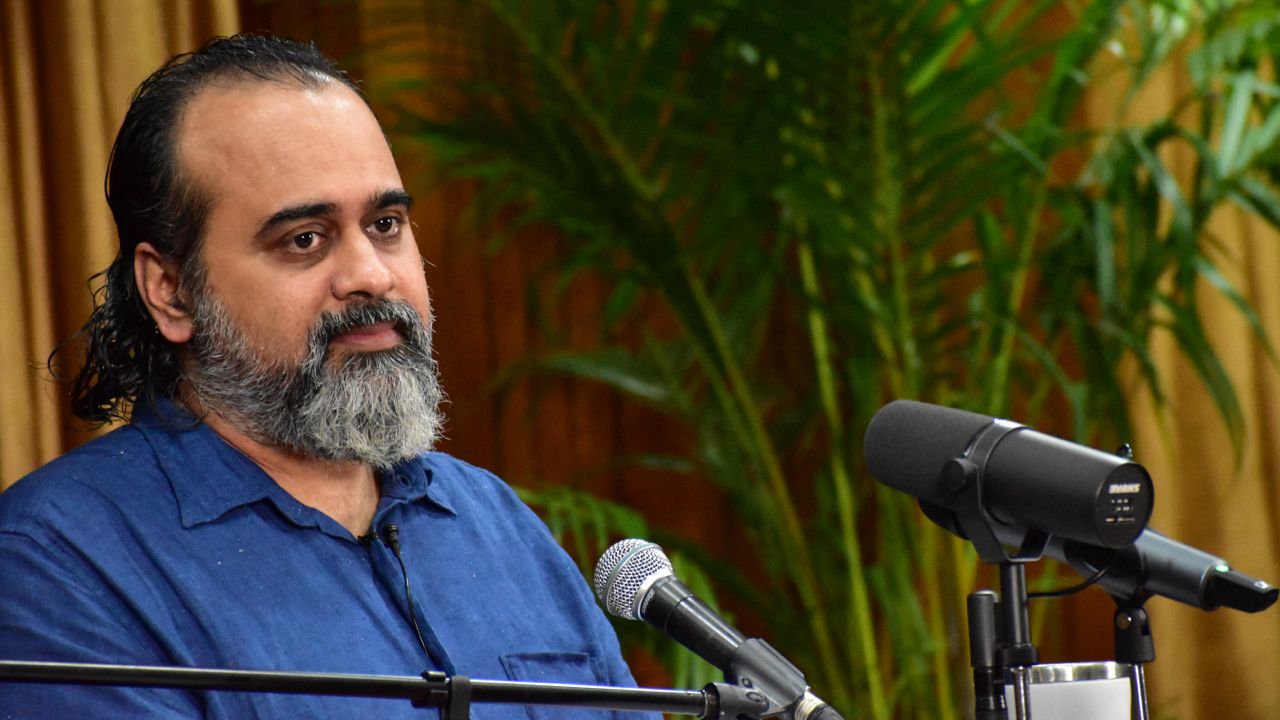
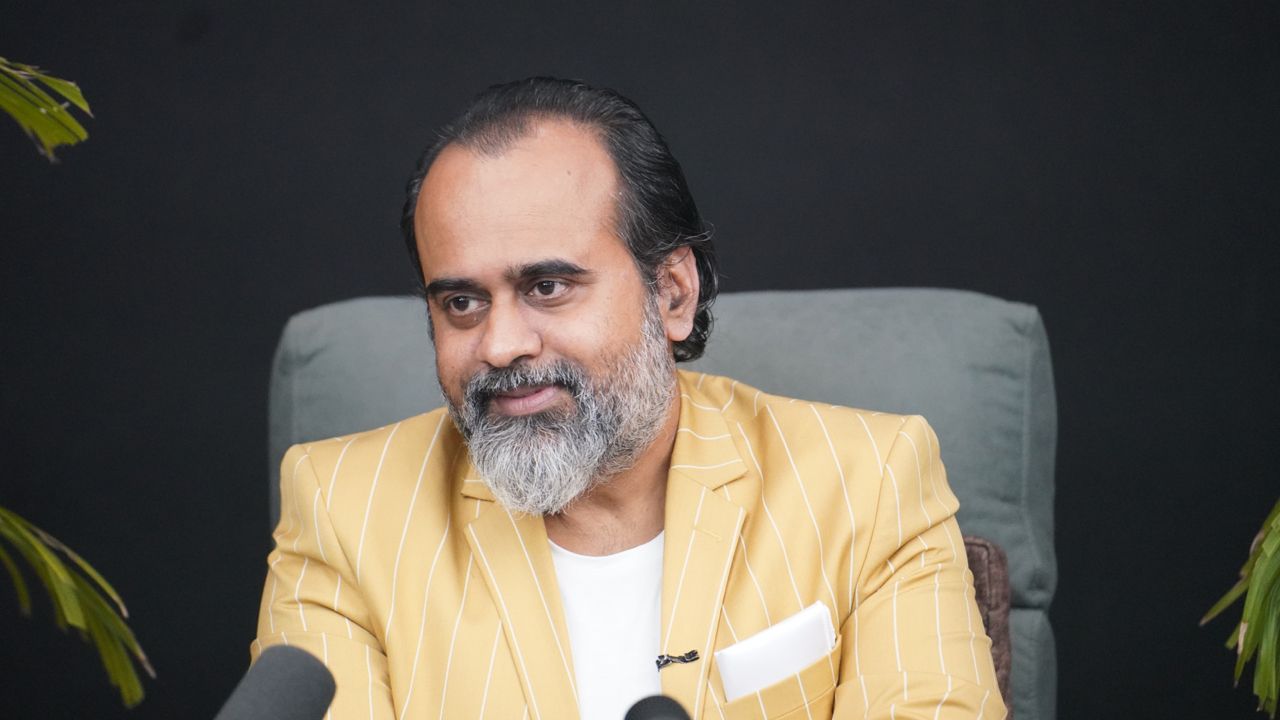
Victory is not decided by the trophy you hold but by the battle you choose to fight. Real strength lies in making the right decisions, staying true to your deepest values, and refusing to be ruled by fear or circumstances. When your actions arise from clarity rather than ambition, the outcome loses its power over you. The moment you choose the right path, you have already won.
Can you go to the past and choose something or unchoose something? And life is happening right now. So your power to respond to life is right now. But the moment you say it is happening due to the past, then you have surrendered your power to choose, because you cannot do anything with the past. You cannot change the past. You can’t choose the past. You can’t unchoose the past. You can’t modify it. You can do nothing.
First of all, we have to realize what our life is like. You know, I can’t change something without firstly understanding its processes and its actuality.
I must know what this thing called my life is. We keep living without knowing a thing about life. And we’re blinded by names and identities.
Vedanta does not talk of a personal past life, the person that you are or I am, we have no past or future life. Rebirth or reincarnation happens at a general, at a macro level, not at a personal level. It’s the “I” tendency that exists and keeps repeating its existence. Read more...
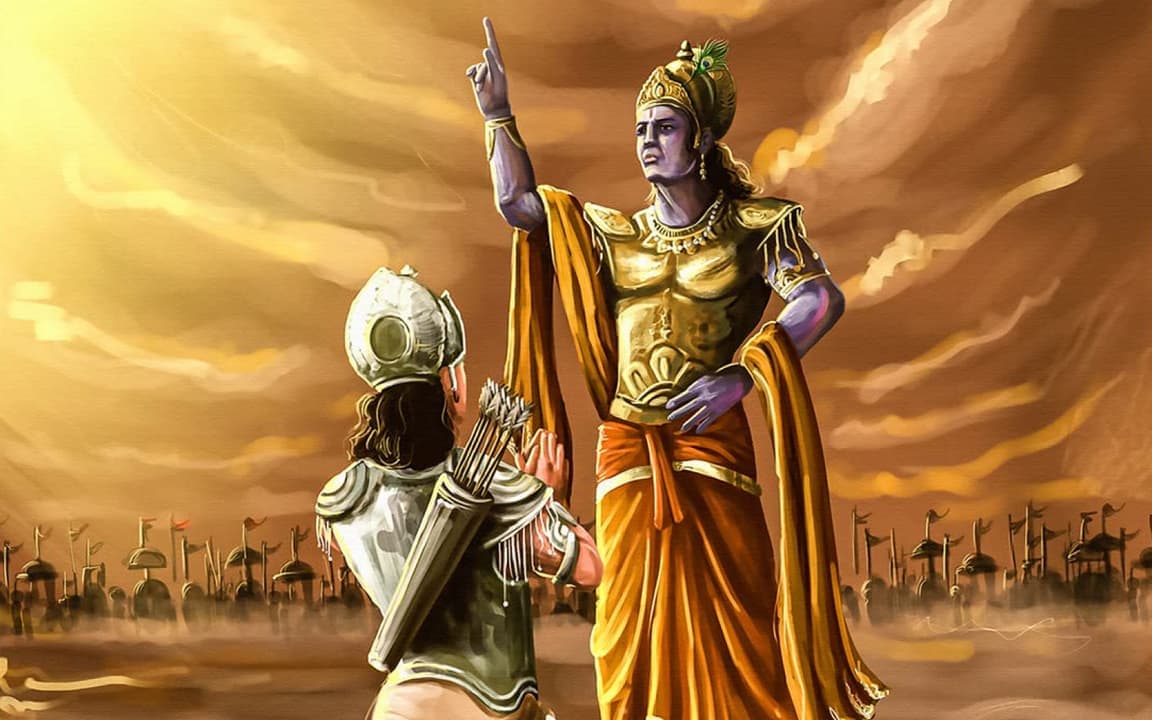
Acharya Prashant: Arjuna's hell was in his day-to-day activities, your hell too lies in your day-to-day activities. Arjuna could sense the evil in what appeared normal to the others, you must also be able to sense that there is something extremely fishy in what appears normal to others.
On one hand, Shri Krishna is says that in sāttvika action, you do not care for the results. On the other hand, the tāmsika person too has been defined as the one who does not care for the result. He continues in his self-destructive ways without caring for the results at all. So, what is this fine line that Shri Krishna seems to have drawn here?
Question: Life is almost like a tug-of-war. At one point we are averse to change, but at the other end, we love change so much. At least speaking about myself, I can say so. You don’t like change when it happens on its own, but you like to make changes
I have often said that animals are in many ways better than human beings. Man had the potential to either rise above the animal or fall way below it. Man has continuously been making the wrong choice.
Questioner (Q): Acharya Ji, we have talked about friends and how we have the freedom to choose our friends, and elaborating on that thought we don’t have the freedom to choose our family members, our relatives. And the way we are brought up, the way we are socialized, there is
Questioner (Q): We have often discussed that one should not go to somebody with a reason. But if we discuss this in the context of a student-teacher relationship, a student goes to his teacher thinking that going to the teacher, he will probably get rid of his diseases. So, there…
Questioner: You are holding a rabbit in your hands, what else is there except sensory perception? Why must there be anything beyond sensory perception? Just look at the creature, look into his eyes. Let the perception be total, and you will realize what is beyond perception. But that comes as…
Question (Q): Acharya Ji, on being asked, can Karma ever come to an end? Ramana Maharshi says, "Karmas carry the seed of their own destruction in themselves." Dear Acharya Ji, please help me understand, how Karmas carry the seed of their own destruction?
Nothing is preordained. Every moment you have the liberty to make a fresh choice. The principle of karma offers you great freedom; the principle of karma simply does not sit well with any kind of fatalistic argument. Nothing is preordained except your ultimate destiny, which is to be liberated. All
Questioner (Q): Acharya Ji, do you believe in past life?
Acharya Prashant (AP): That is irrelevant. Will I find you after your death? Will even you find yourself after your death?
Search
7
काम का मूल्य जीत, पुरस्कार या दूसरों से आगे निकलने में नहीं, बल्कि उसके प्रति प्रेम और समझ में है। जब कोई कार्य केवल प्रतियोगिता या प्रशंसा के लिए किया जाता है, तो वह बोझ बन जाता है। सच्चा आनंद उसी काम में है जिसे व्यक्ति स्वाभाविक रूप से करना चाहता है। इसी तरह डर कोई समस्या नहीं है; समस्या तब है जब डर हमें सही काम करने से रोक दे। जो सही और आवश्यक है, उसे डर, असफलता या संकोच के बावजूद करते रहना चाहिए।
मुक्त कर्म वही है जिसमें आनंद किसी भविष्य के परिणाम में नहीं, बल्कि कर्म करने में ही होता है। बच्चा खेलते समय किसी पुरस्कार की अपेक्षा नहीं करता; खेल ही उसका सुख है। इसके विपरीत, बंधन और लालच से किए गए कर्म हमेशा हिसाब, मुआवज़े और भविष्य की आशा से भरे होते हैं। निष्काम कर्म वही है जहाँ कर्म स्वयं ही अपना पुरस्कार बन जाता है, और जीवन गणना नहीं बल्कि सहज उल्लास में बदल जाता है।
गीता का सबसे प्रसिद्ध श्लोक है, “कर्मण्येवाधिकारस्ते मा फलेषु कदाचन।” कर्म पर ही अधिकार है, फल पर कतई नहीं है। एक सच्चे ईमानदार आदमी की स्थिति यह होती है, “सही काम चुनूँगा, और आगे जो कुछ होगा, उससे कोई लेना-देना नहीं। अच्छा हुआ तो अच्छी बात है, और बुरा हो गया तो भी हम पर कोई फ़र्क़ नहीं पड़ेगा।” सफलता तो संयोग होती है। एकदम दो कौड़ी के आदमी को भी आप पाएँगे कि सफलता मिल सकती है। महत्त्व प्रयास का होता है, सफलता का नहीं। सही काम चुनो, अधिकतम प्रयास करो।
एक जगह धोखा खाया। अच्छा, वहाँ गए क्यों थे? धोखा खाने तो नहीं गए थे। वहाँ पर कुछ आशा थी, कुछ कामना थी, कुछ अच्छा-अच्छा सा लगा होगा। क्या फ़र्क़ पड़ता है कि सामने जलेबी आई या कचौड़ी आई; लार तो वही की वही थी न। ये सब लोकधर्म है कि आपका किसी ने बुरा करा है, तो उसका कार्मिक बैलेंस ख़राब हो जाएगा। बाहर जो कुछ हो रहा है, सब रैंडम है। आपके पास एक ही चीज़ है: चॉइस, जिसको आप कह सकते हो कि आपकी है। उसके अलावा मत सोचिए कि आसमानों पर कहानियाँ लिखी गई हैं; मिट्टी हैं हम, धूल हैं हम।
Excerpts from Articles
ज्योतिष कितना सच है? कुंडली, ग्रह-नक्षत्र: इनका क्या अर्थ है?
वेदांत को केवल इसलिए सही या श्रेष्ठ नहीं माना जा सकता कि वह किसी विशेष परंपरा से आता है। विज्ञान जहाँ भौतिक जगत की वस्तुनिष्ठ जाँच करता है, वहीं अद्वैत वेदांत सीधे मनुष्य के ‘मैं’, उसके दुख, बंधन और मुक्ति की पड़ताल करता है। इसकी कसौटी वैज्ञानिक प्रमाण नहीं, बल्कि अपने जीवन में इसकी सच्चाई को देख पाना है। किसी दर्शन को मान लेना नहीं, बल्कि उससे स्वयं को मुक्त करना ही उसका वास्तविक उद्देश्य है।
फ़ालतू खर्च छोड़िए, अपनी ज़िंदगी पर खर्च करना सीखिए
आचार्य प्रशांत बताते हैं कि क्यों हम सही खान-पान, स्वास्थ्य और अपने ऊपर ज़रूरी खर्च से बचते हैं, लेकिन दिखावे और फ़ालतू सामाजिक परंपराओं पर पैसा बहा देते हैं। अधिकांश लोगों के लिए समस्या सिर्फ़ पैसों की कमी नहीं, बल्कि विवेक और सही प्राथमिकताओं की कमी भी है।
Struggling to choose between a secure job and the path you actually feel drawn to? This isn't really a question about careers. It's about why other people's opinions have so much power over you in the first place. Real clarity doesn't come from finding the 'right' choice. It comes from honestly looking at your own fear, again and again, until it stops running the decision for you.
एक पुजारी जो रोज़ भूत-प्रेत, तंत्र-मंत्र और वशीकरण के नाम पर आए लोगों से मिलता है, आचार्य प्रशांत से पूछता है: जब वो ख़ुद जानता है कि कुछ भूत-चुड़ैल नहीं होता, तो लोग बार-बार इसी झूठ की शरण में क्यों जाते हैं? जवाब अंधविश्वास से कहीं गहरा निकलता है — यह हमारे भीतर के उस झूठ की कहानी है, जिसे हम हर कीमत पर बचाना चाहते हैं।
Justice Without Boundaries: Why Compassion Cannot Stop at Species
Oppression should not see caste, gender, creed or colour, and it should not see species either. The moral threshold is sentience, not intelligence. An animal feels pain as fully as a human does, whether or not it can explain its suffering.
Climate change is more than an environmental crisis—it is a crisis of human choices. Our patterns of consumption, consumerism and endless pursuit of more are putting increasing pressure on the planet. But meaningful change does not necessarily begin with new technology or stricter policies. It begins with a deeper question: what are we willing to change within ourselves?
Karma is a reflection of who you are. You are the doer. Karma means action. You are the actor. The principle of karma is: do not focus on karma; focus on karta, the doer, the actor. That is karma, that’s all. There is nothing mystical about it.
7
प्रश्नकर्ता: सर, नमस्कार। सर, बारह तारीख को स्वामी विवेकानन्द जी की अभी जयंती आने वाली है। तो बचपन से काफ़ी उनको पढ़ा है, उनकी जीवनी के बारे में। हमेशा काफ़ी अट्रैक्टिव(आकर्षक) रहा है उनको पढ़ना, उनको जानना। हालाँकि जितना मैंने उनकी जीवनी पढ़ी तो उनके बारे में पता लगा…
Overview
Fighting Duryodhana is Dharma. Fight Duryodhana in the way you can, that is swadharma. Dharma is the same for everybody, but swadharma varies according to your physical, social, temporal conditions.
But remember that swadharma can never be in contradiction of Dharma; swadharma will always be something…
2
Human beings are in a peculiar situation. They can choose to side with their animalistic conditioning or they can choose something higher. They can choose freedom, joy, love, liberation, compassion. Therefore, humans have a responsibility. Animals don't have that responsibility.
27
गीता एक एलीट डॉक्यूमेंट है, उत्कृष्टता है इसमें। इससे प्यार वही कर पाएँगे, जिन्हें ऊँचाइयों से प्यार है, जिन्हें एक्सीलेंस चाहिए। और जिनको ऐसे ही बीच में पड़े रह जाना है — मिडियॉकर — उन्हें गीता रुचेगी ही नहीं। जीवन में जो भी ऊँचे-से-ऊँचा, श्रेष्ठ-से-श्रेष्ठतर हो सकता है, वो निष्काम कर्म से ही मिलेगा। घोर कर्म करना है, जज़्बे से खेलना है, दिल से चाहना है, डूबकर जीना है — ये श्रीकृष्ण का उपदेश है।
4
Desirelessness is not about not wanting anything. “The one who is preaching Nishkam Karma is right in the thick of action.” Nishkam Karma is not for absconders. Nishkam Karma means, I am a human being, I have discretion, and my desire will follow my discretion. I’m not an animal. I’ll not blindly run after instinct. Not that I won’t have desire, but my desire will be secondary to my discretion. That’s desirelessness.
Desirelessness is not when you do not have desire. Desirelessness is when you do not give desire the top position. When you do not put desire at the helm, when you do not make desire the master — that’s called desirelessness.
To qualify an entrance exam, and work towards it, without thinking of the results, that’s not what Karma Yoga is. Karma Yoga is not about setting tangible worldly targets and going after them. It’s a moment-to-moment thing in which you are very conscious whether the objective of your action is personal ingratiation or larger welfare. You are acting all the time, you are not acting merely when you act towards a distant and a larger cause.
In the name of yagya, if you continue to burn wood, you are doing no good to anybody. Yagya must be understood in its true spirit. Shri Krishna says, “Do not act for yourself or for your personal gain. Act for a higher cause; higher than yourself, beyond yourself. Do that action that takes you to your Niyati, which is your end. Yagya is that which dissolves you; that which reduces you.”
20
The Gita does not say that you must do whatever you do without caring for the result; it is also impossible to execute. That’s also the way so many popular gurus have sold the Gita. It’s very harmful. With false action, you will always have one eye on the result. The first thing is the right action; only right action can give you detachment from the result.
9
Every time you say you are helpless against something, you are just displaying Akarma. None of us is ever helpless. Never come up with an alibi, “What else could I have done?” There is always something else that you could have done. There is always the right thing that you could have done.
Understanding expresses itself through action. And understanding knows no other expression. Words are a very poor substitute for the right action and that is what Gibran is talking of here. He says that which is understood claim for its final expression as action in life. The poet often lets his understanding become his words. To that extent, there is a flow but if the words remain mere words and do not turn into life then there is no freedom yet. The imprisonment continues. Live what you love, otherwise, the punishment is tremendous.
Acharya Prashant: Yes.
Questioner: And I believe that I am dedicated to God. I believe that I try a lot of things, but you know some things happen,…
Acharya Prashant:
Yog is one. It's just that it is expressed in various ways; Yog is union, coming together of the many. So, when you
…
3
Acharya Prashant: The spiritual soldier, the religious warrior has to be extremely intelligent. You could go to the extent of saying that he has to be cunning in the service of Truth; I’m choosing this word with all deliberation.
He has to be cunning in the service of the Truth;…
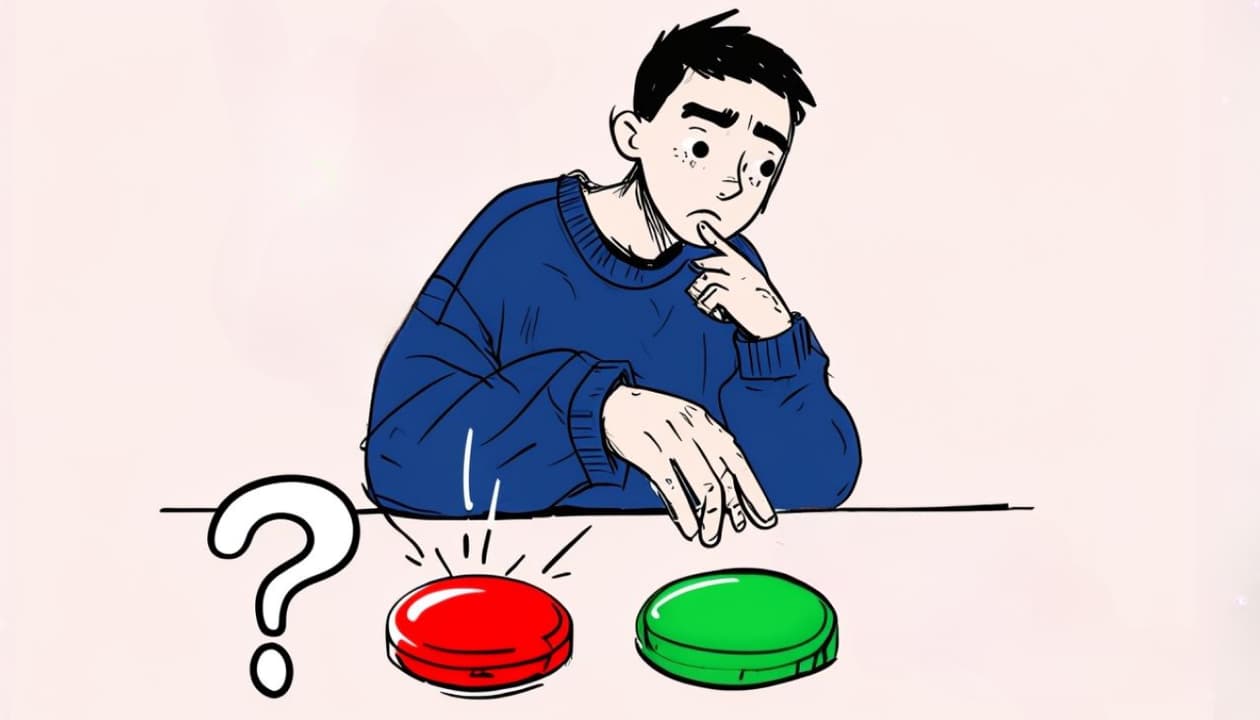
Do not focus on the decision. Rather, look at the decision-maker. The decision is not bad, humbly accept that the decision-maker is bad. Without this acceptance, the series of bad decisions will continue.
When one realizes that the decision-makers' mind has been full of beliefs, past, and fear, then there is radical transformation in one’s being. The old, frozen, conditioned decision-maker simply evaporates.
2
Acharya Prashant: We do not just act; we act with the intention of obtaining the fruit of the action.
So, the actor is there, and the actor acts as per his own personal intellect, desires, calculations, and projections. He speculates, calculates that his action will get him a particular result.…
The mind is fed up of its daily, boring, routine, fettered and frustrated life. But it has no faith or courage to break away from this life. It is very necessary for it to keep looking towards the future. Some special day must always lie ahead: New Year, Valentine’s, Holi, your birthday, Diwali and so on. This cycle keeps up the illusion that something great is coming.
Walking in the street, sitting in your office, driving your car, typing an e-mail, what are you waiting for? You are waiting just for those few moments when you can be Kabir. Is it not happening? Don’t we spend the entire day just in hope of those few moments of sanity? What are those few moments?
Let those moments not remain so rare, support them. When they call you, respond affirmatively.
Acharya Prashant: ‘Karma’ or doing, or action is easier to understand. That, with which you associate yourself as the doer is karma. Remember you are not the doer; you are associating yourself with the action. Where is the action happening? The action is happening in the domain of the senses.…
1
So, when you have to decide what to do, when you are in a mess like Arjun, respond to the call of love, respond to the call of freedom. Go in that direction where truth lies even if it costs you a lot, even if it seems unreasonable, even if it scares and terrifies you, even if you cannot explain to others or even yourself, “Why are you moving in such a way or in such a direction? Still move in that way. Read more....
Fulfillment of expectations does not give you fulfillment. Expectations might get fulfilled; you do not get fulfilled. Expectation is kamana, desire, and when you see that even the complete fulfillment of expectation gives you neither fulfillment nor completeness, then you say that expectation is junk, I do not want to chase it any further.
2
Questioner: Good Evening Sir. My name is Tarun Singh from IIM Nagpur. Sir my question is this, actually we understand this thing that in life everything is temporary. Be it my existence on this earth, or any relationship, or my friendship, or any environment around me, everything is temporary. So,…
Do not…
Share
4
karma and the subconscious exist, and they play their own game. Karma is the cause and effect chain: the ball goes up, it comes down. But whether the ball goes up or down, you remain free. The material world follows this cause-effect chain, but you are not material. For example, if you exercised hard yesterday, your body might ache today, which is karma in action. But let the body ache; you must not become mentally or spiritually sick. The physical consequences don’t affect your inner freedom. Let the fruits of karma be for the one who was the doer of the karma.
13
आचार्य प्रशांत: दुर्गा सप्तशती ले रहे हैं। उसका जो मध्यम चरित्र, दूसरा चरित्र है, तीन चरित्र हैं उसमें। तो जो दूसरा उसका चरित्र है, वो अध्याय दो-तीन-चार से आता है। इसमें प्रकृति माने देवी अपने रजोगुणी रूप में प्रकट होती हैं। ठीक है? यहाँ जो उनका नाम है, वो है…
2
Questioner: Karma is such a ubiquitous word. Everyone is using it. And the word ‘Karma’ is right now popular in the west, too. Even if you see Hollywood movies, they use the word Karma, maybe with some negative words between. What is Karma?
Acharya Prashant: You see, the entire Vedantic…
…
2
Question: Sir, as you said right now that when I am really here, then there is no opportunity for restlessness. But when I am really here, a restlessness, an inner thirst, is there. And this thirst is unbearable.
Shri Prashant: No, you call that restlessness. It is never there on…
2
आचार्य प्रशांत: कर्मसंन्यास और कर्मयोग क्या हैं? दोनों में अन्तर क्या है? आमतौर पर हम जिसे कर्म कहते हैं; वो कैसे होता है? वो ऐसे होता है कि जैविक रूप से और सामाजिक रूप से मन संस्कारित रहता है। फ़िज़िकल, सोशल दोनों तरह के संस्कार। तो मन में पहले…
1
प्रश्नकर्ता: ये प्रश्न आपके व्यक्तिगत जीवन से जुड़ा है। बहुत सारे लोगों को शायद ये उत्सुकता होगी, मुझे भी है कि हमने आपको हमेशा सत्र में देखा है और यहाँ पर कैंप में आते हैं, यहाँ पर देखा है, यूट्यूब पर देखा है लेकिन उसके बाद आप क्या करते हैं?…
1
अयति: श्रद्धयोपेतो योगाच्चलितमानस:।
अप्राप्य योगसंसिद्धिं कां गतिं कृष्ण गच्छति।।६.३७।।
अर्जुन बोले — हे श्रीकृष्ण! जो योग में श्रद्धा रखने वाला है, किन्तु संयमी नहीं है, इस कारण जिसका मन अन्तकाल में योग से विचलित हो गया है, ऐसा साधक योग की सिद्धि को अर्थात भगवत्साक्षात्कार को न प्राप्त होकर किस…
If you cannot build your cities and your social systems on spiritual foundations,…
…
There is one question on the ‘action’ that has been playing on my mind since you sent me the mail about the desireless action.
You said when there is no self, there is purity in being and hence the desireless action takes place. By this do you…
4
Questioner (Q): What is the exact meaning of ’Gahna Karmo Gati’? There are a lot of sayings about that.
Acharya Prashant (AP): You'll have to quote the entire shloka (verse); then you'll understand. Actually, these three words, ‘Gahna Karmo Gati’, have been quoted so variously and so frequently, even by…
Share
Share
Acharya Prashant (AP): Karma is action. We…
…
3
Questioner (Q) : The problem usually comes from the idea when one says that to attain a higher pleasure, you have to go through higher suffering. For a common mind, there is his suffering (common suffering), and then there is pleasure, which is a lower pleasure. Now, in Vedanta or…
Q:
I may be in a different body.
AP: In a different body, will you have the same psyche,…