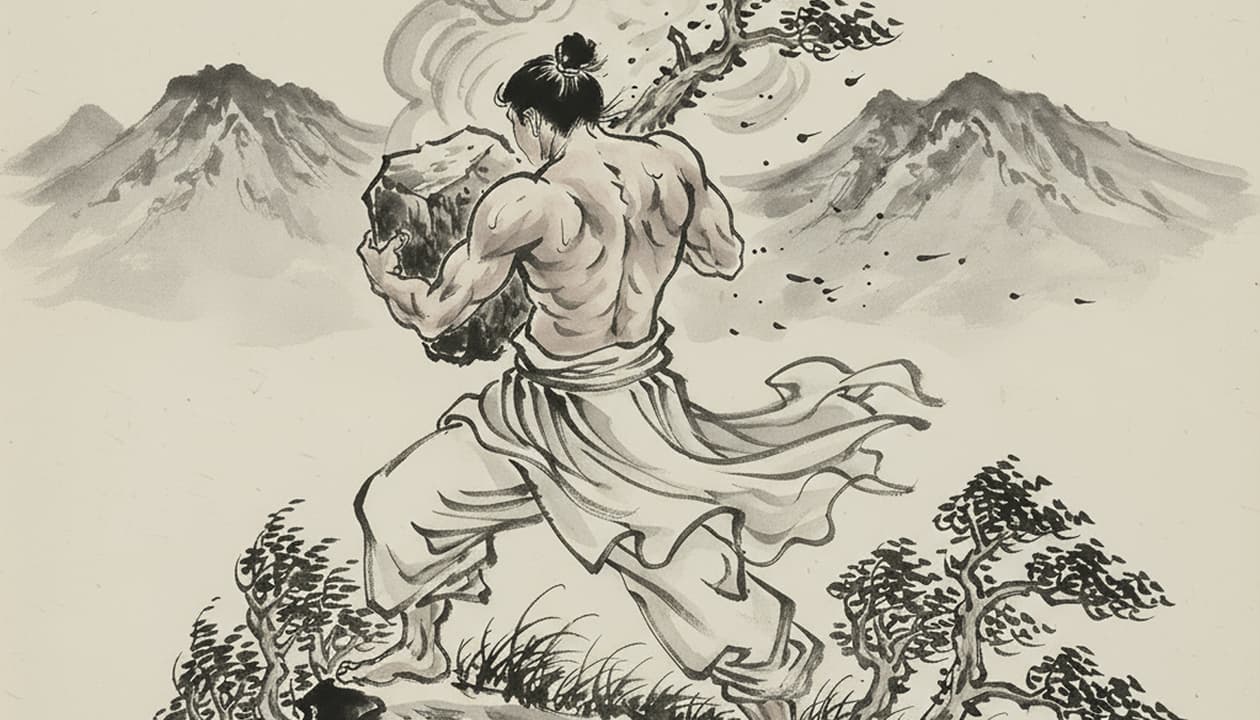
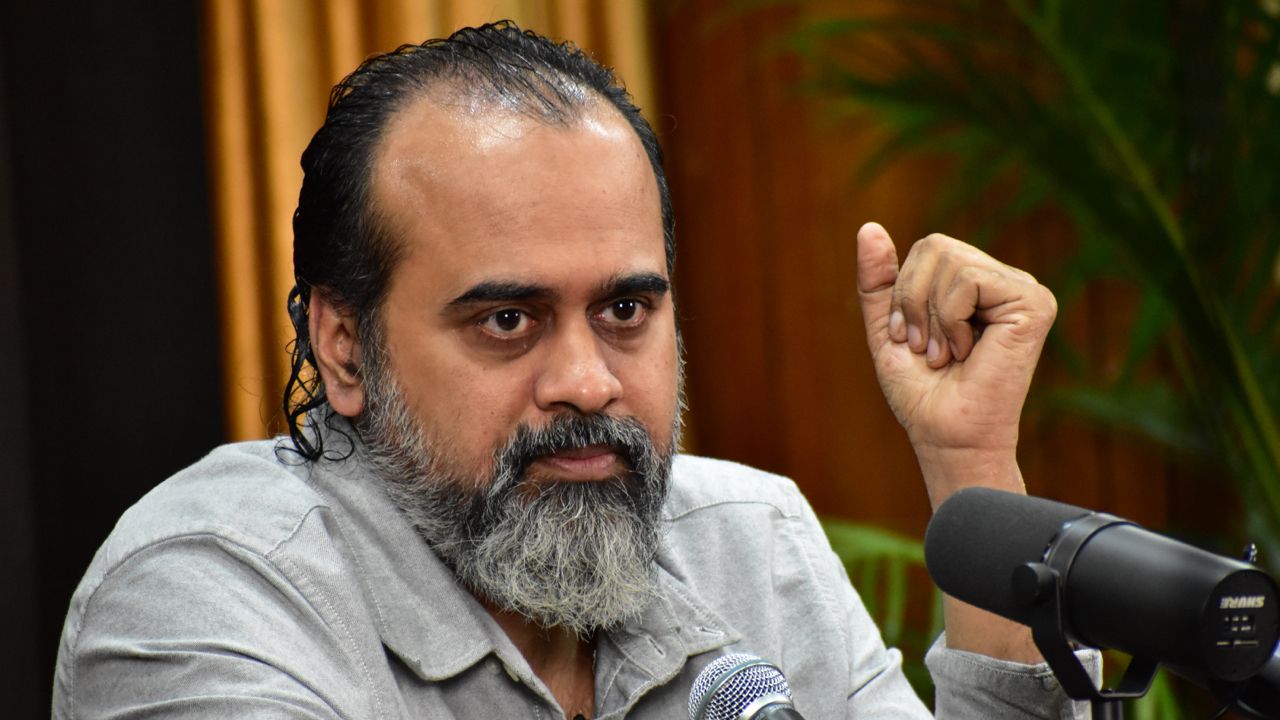
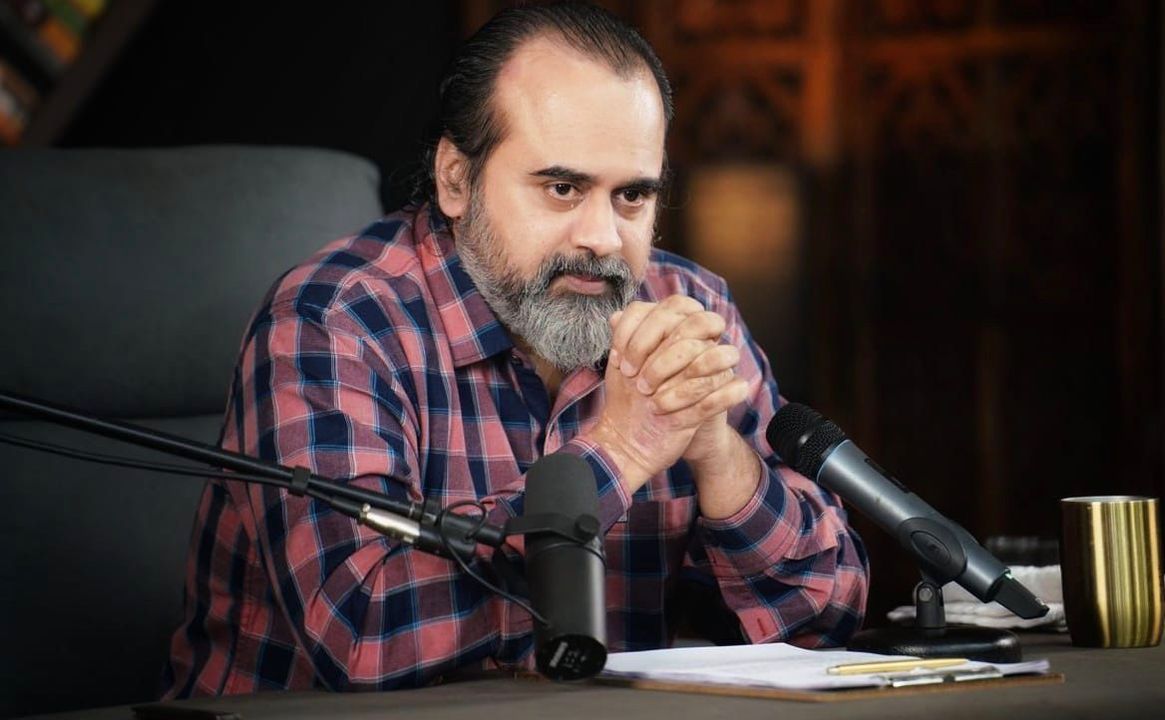
Physical weakness does not stay physical. It becomes mental weakness, and the ego, which turns everything into an identity, starts saying “I am weak” because that line brings support and spares it responsibility. Visible strength works even unused: it keeps the opponent outside wary and silences the one within, who can no longer claim to be helpless. Keeping the body strong is therefore a spiritual matter, not vanity. Are we holding on to weakness because it is convenient?
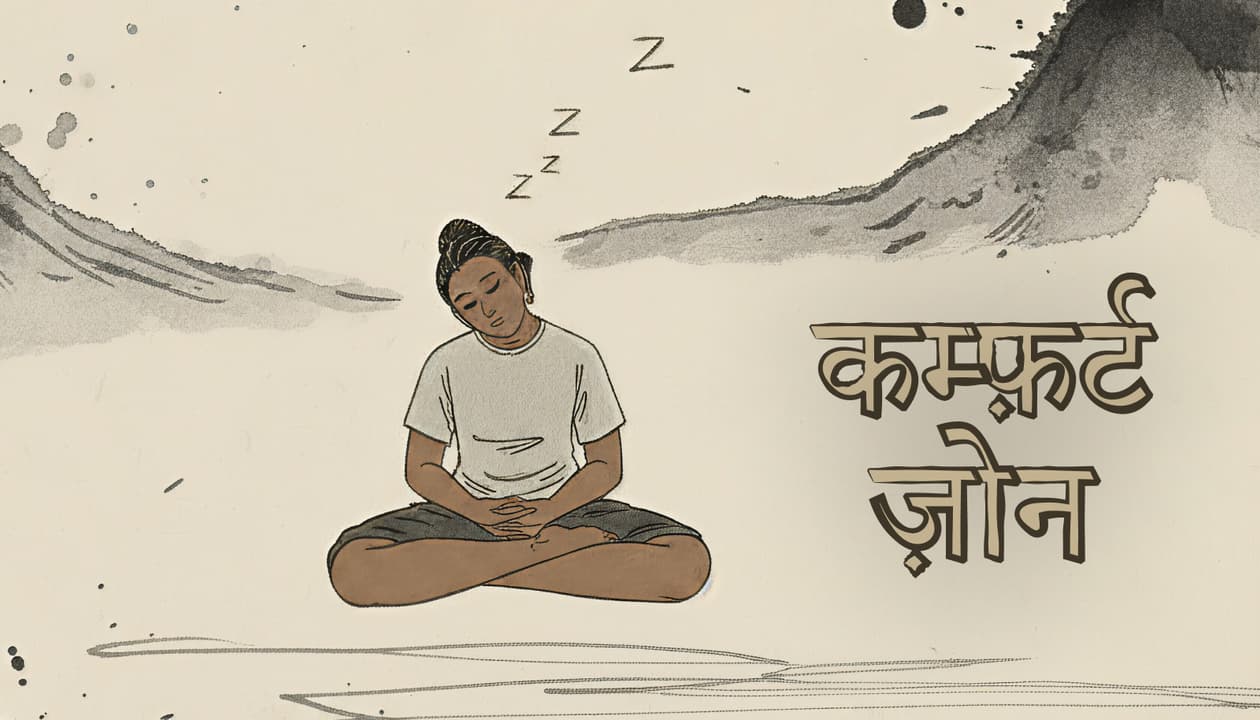
सच की राह पकड़ते ही अक्सर अपने ही लोग बदल जाते हैं, और हम मान लेते हैं कि शायद हम ठीक से समझा नहीं पा रहे। पर सामने वाला समझ तो रहा होता है, उसे बस सौदा नहीं जँचता। अहंकार लेन-देन से चलता है, इसलिए अकेले तर्क उसे नहीं हिलाते। हमारा अपना अहंकार भी यही करता है: थोड़े-से स्वार्थ के लिए हम झूठे रिश्तों में मिठास का स्वांग करते हैं, मजबूरियाँ गिनाते हैं और पीछे हट जाते हैं। जिसे हम मजबूरी कहते हैं, क्या वह सच में मजबूरी है?
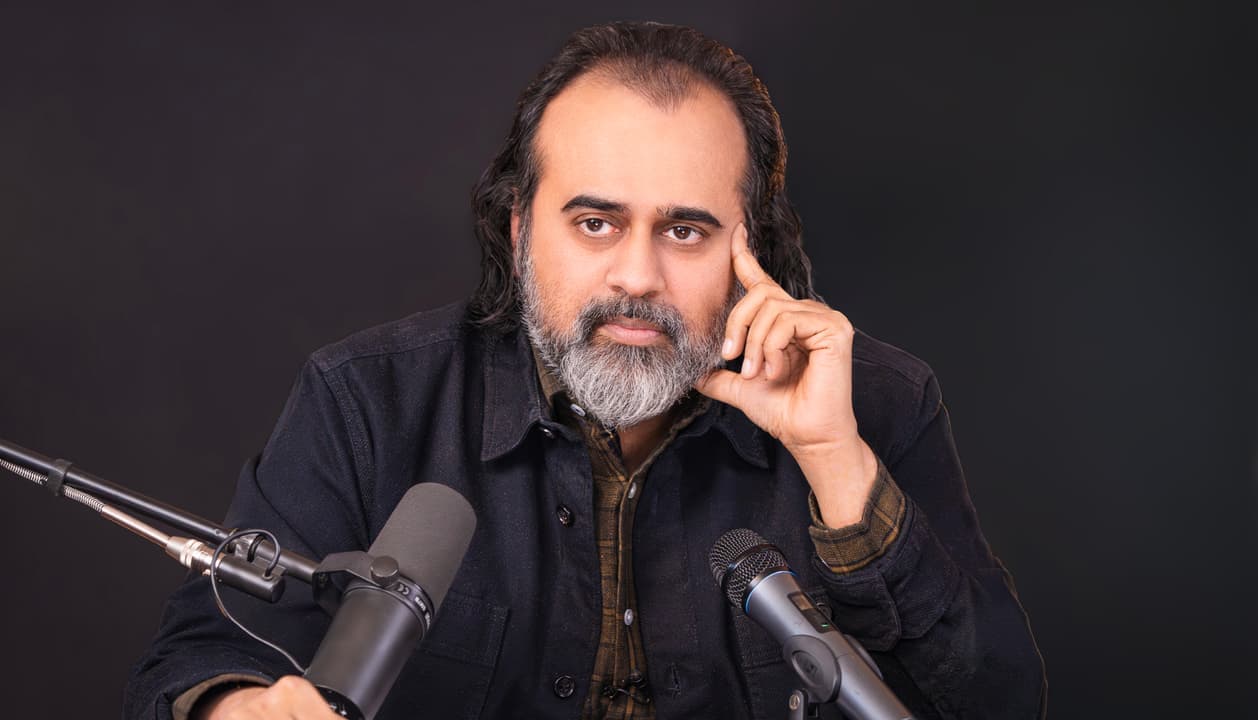
Superhero films appeal to our desire to escape inner inadequacy through external power. The fantasy of an ordinary, fearful person becoming extraordinary reinforces the ego’s belief that more strength, money, possessions, or status will bring happiness. Consumerism follows the same pattern, endlessly adding objects to fill an inner void. Real freedom does not come from becoming more powerful or acquiring more, but from honestly seeing and understanding the ego that feels incomplete.
अज्ञान भय पैदा करता है, जबकि ज्ञान से आनंद और मस्ती जन्म लेते हैं। सच्ची मित्रता, प्रेम और शांति किसी को पकड़ने से नहीं, बल्कि स्वतंत्रता देने से मिलते हैं। मन स्वयं चंचल नहीं होता; उसमें क्या भरा जाए, यह हमारी सजगता तय करती है। जीवन का उद्देश्य केवल जानकारी जुटाना नहीं, बल्कि ज्ञान से प्रेम करना, प्रश्न करना, आत्मावलोकन करना और अपने भ्रमों को पहचानकर भीतर की स्वतंत्रता की ओर बढ़ना है।
वो जो भीतर बैठ के ये भी कह रहा है कि "मैं बर्बाद हो गया," वो बस यही कह रहा है कि जो ऑब्जेक्ट मुझे अच्छा लगता था, मुझे वो नहीं मिला। लेकिन इसका मतलब ये नहीं कि उसके पास अब कोई ऑब्जेक्ट नहीं है। इसका मतलब ये है कि वो अभी भी कोई और ऑब्जेक्ट पकड़ कर बैठा ही हुआ है। तो सारे दुख की वजह ये नहीं होती कि ऑब्जेक्ट नहीं है। उसकी वजह होती है कि ईगो अभी भी है, डिज़ायर अभी भी है। और "मुझसे कुछ नहीं होगा" ये आईडिया अभी भी है।
So, if you can do away with the old object, you have done away with the old ego. It's not that straightforward, but I'm pointing at something—changing the objects that you have been habitually associated with is a necessary but not sufficient condition. It is quite possible that you change all the stuff around you, but the stuff inside you still remains the same. But if you refuse to change even the stuff around you, then it is almost guaranteed that the stuff inside will never change.
The ego does not need an entire purpose of life. It's so much in pain and so full of immediate distress that it's enough for it to pay attention to its immediate surroundings. And the most immediate to the ego is itself. So words like ultimate mean nothing to the ego. The ego is like a patient on a ventilator. That fellow is looking forward to the next hour. Will I see the next day? Will I survive the next hour? That's the ego so much in distress that even the next one hour is difficult to to predict or see through or navigate.
Search
1
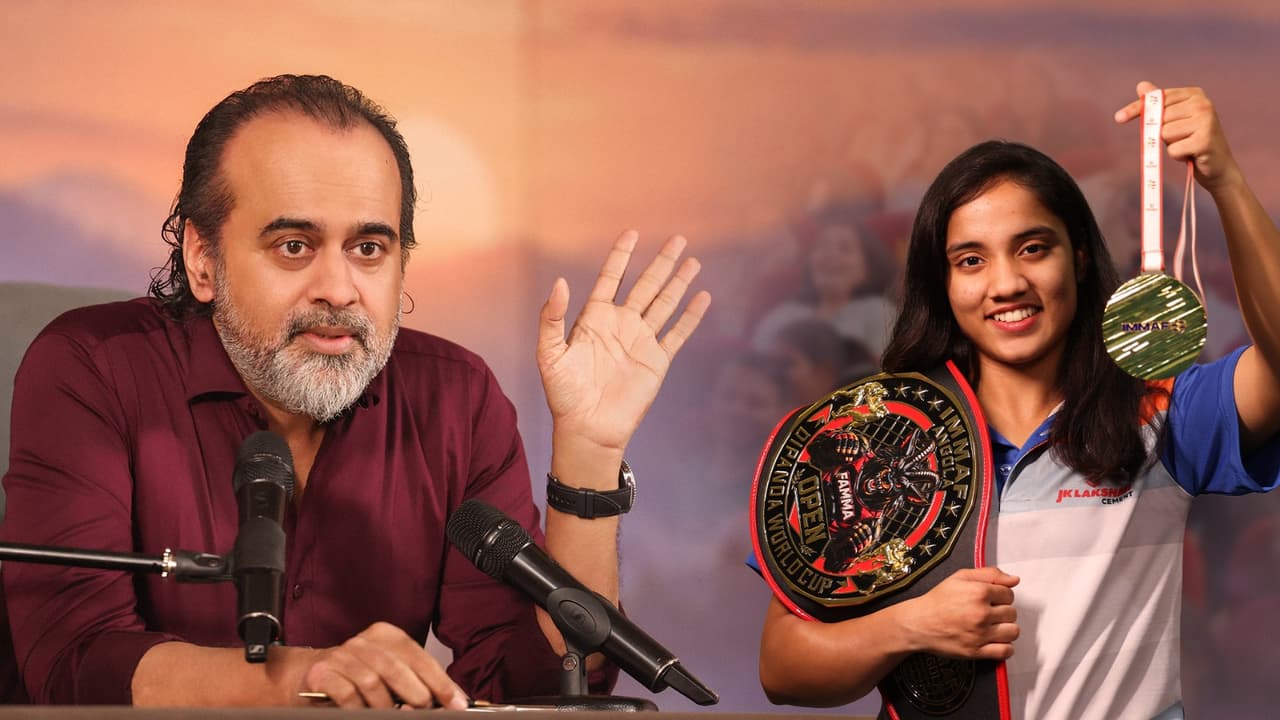
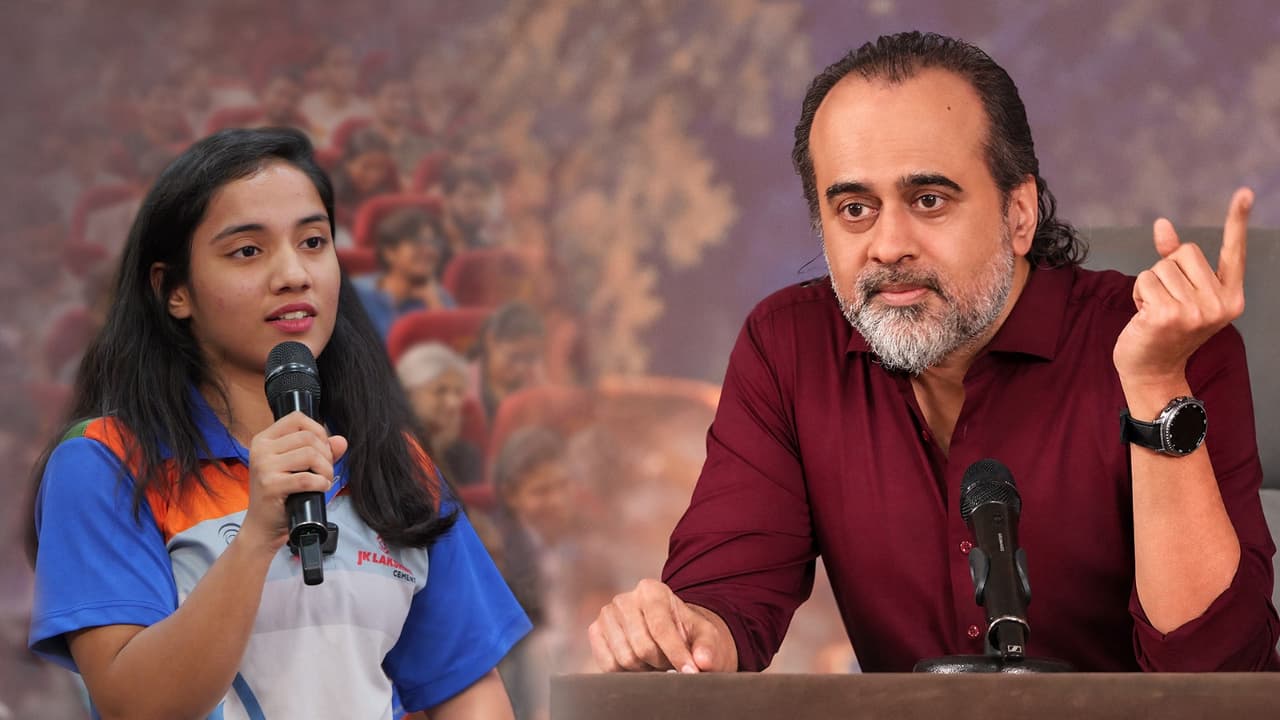
A world champion asks why she cannot sleep when a teammate outperforms her, and why even big wins leave her restless. The restlessness is not a problem but unspent energy, a sign that we have more to give. When every bit of our time and attention goes to what we have chosen, there is no surplus left to worry with. The right fight is never only against an opponent; it is against the ego within. What would it mean to fight so fully that nothing is left to celebrate or mourn?
1
We often defend a bad choice by pointing to a worse one: stay dishonest or starve, keep the wrong grip or stop playing. But the real trouble is not the option we picked. It is the option we never let ourselves see. Action does not need greed or attachment to find its energy. The third way begins by rejecting both false choices, without knowing what comes next. Which of our everyday choices are really false dilemmas?
1
Climate change is more than an environmental crisis—it is a crisis of human choices. Our patterns of consumption, consumerism and endless pursuit of more are putting increasing pressure on the planet. But meaningful change does not necessarily begin with new technology or stricter policies. It begins with a deeper question: what are we willing to change within ourselves?
Excerpts from Articles
अंधविश्वास असल में झूठ को स्वीकृति पाने की चाह है
एक पुजारी जो रोज़ भूत-प्रेत, तंत्र-मंत्र और वशीकरण के नाम पर आए लोगों से मिलता है, आचार्य प्रशांत से पूछता है: जब वो ख़ुद जानता है कि कुछ भूत-चुड़ैल नहीं होता, तो लोग बार-बार इसी झूठ की शरण में क्यों जाते हैं? जवाब अंधविश्वास से कहीं गहरा निकलता है — यह हमारे भीतर के उस झूठ की कहानी है, जिसे हम हर कीमत पर बचाना चाहते हैं।
ज्योतिष कितना सच है? कुंडली, ग्रह-नक्षत्र: इनका क्या अर्थ है?
वेदांत को केवल इसलिए सही या श्रेष्ठ नहीं माना जा सकता कि वह किसी विशेष परंपरा से आता है। विज्ञान जहाँ भौतिक जगत की वस्तुनिष्ठ जाँच करता है, वहीं अद्वैत वेदांत सीधे मनुष्य के ‘मैं’, उसके दुख, बंधन और मुक्ति की पड़ताल करता है। इसकी कसौटी वैज्ञानिक प्रमाण नहीं, बल्कि अपने जीवन में इसकी सच्चाई को देख पाना है। किसी दर्शन को मान लेना नहीं, बल्कि उससे स्वयं को मुक्त करना ही उसका वास्तविक उद्देश्य है।
Justice Without Boundaries: Why Compassion Cannot Stop at Species
Oppression should not see caste, gender, creed or colour, and it should not see species either. The moral threshold is sentience, not intelligence. An animal feels pain as fully as a human does, whether or not it can explain its suffering.
Struggling to choose between a secure job and the path you actually feel drawn to? This isn't really a question about careers. It's about why other people's opinions have so much power over you in the first place. Real clarity doesn't come from finding the 'right' choice. It comes from honestly looking at your own fear, again and again, until it stops running the decision for you.
फ़ालतू खर्च छोड़िए, अपनी ज़िंदगी पर खर्च करना सीखिए
आचार्य प्रशांत बताते हैं कि क्यों हम सही खान-पान, स्वास्थ्य और अपने ऊपर ज़रूरी खर्च से बचते हैं, लेकिन दिखावे और फ़ालतू सामाजिक परंपराओं पर पैसा बहा देते हैं। अधिकांश लोगों के लिए समस्या सिर्फ़ पैसों की कमी नहीं, बल्कि विवेक और सही प्राथमिकताओं की कमी भी है।
Climate change is more than an environmental crisis—it is a crisis of human choices. Our patterns of consumption, consumerism and endless pursuit of more are putting increasing pressure on the planet. But meaningful change does not necessarily begin with new technology or stricter policies. It begins with a deeper question: what are we willing to change within ourselves?
रक्षाबंधन केवल भाई-बहन के रिश्ते और सुरक्षा की रस्म तक सीमित नहीं होना चाहिए। आज असली रक्षा उन चीज़ों की ज़रूरत है जो कमज़ोर और संकट में हैं—गौरैया, नदियाँ, पहाड़, पेड़, महासागर और पृथ्वी। साथ ही ईमानदारी, आत्मज्ञान और मानवीय मूल्यों की भी रक्षा जरूरी है। धर्म कर्मकांड नहीं, अपनी शक्ति और उससे जुड़ी व्यापक ज़िम्मेदारी को समझना है।
Science can examine material claims, but Advaita Vedanta deals with the subjective self, ego, suffering, bondage, and liberation—areas outside science’s objective framework. Vedanta need not be accepted because of one’s religion or tradition; its value lies in whether its insights can be personally verified and help free one from suffering. The ultimate responsibility is not toward any philosophy, but toward oneself: to live a truly free life.
Science and philosophy arise from different kinds of inquiry. Matter seeks continuity of state, while the ego seeks continuity of existence and constantly changes identities to preserve itself. Fear, danger, and suffering are rooted in the ego’s sense of “I,” not in material reality itself. Questions are valuable because they expose hidden beliefs, and genuine learning requires challenging assumptions through inquiry, dialogue, and self-examination.
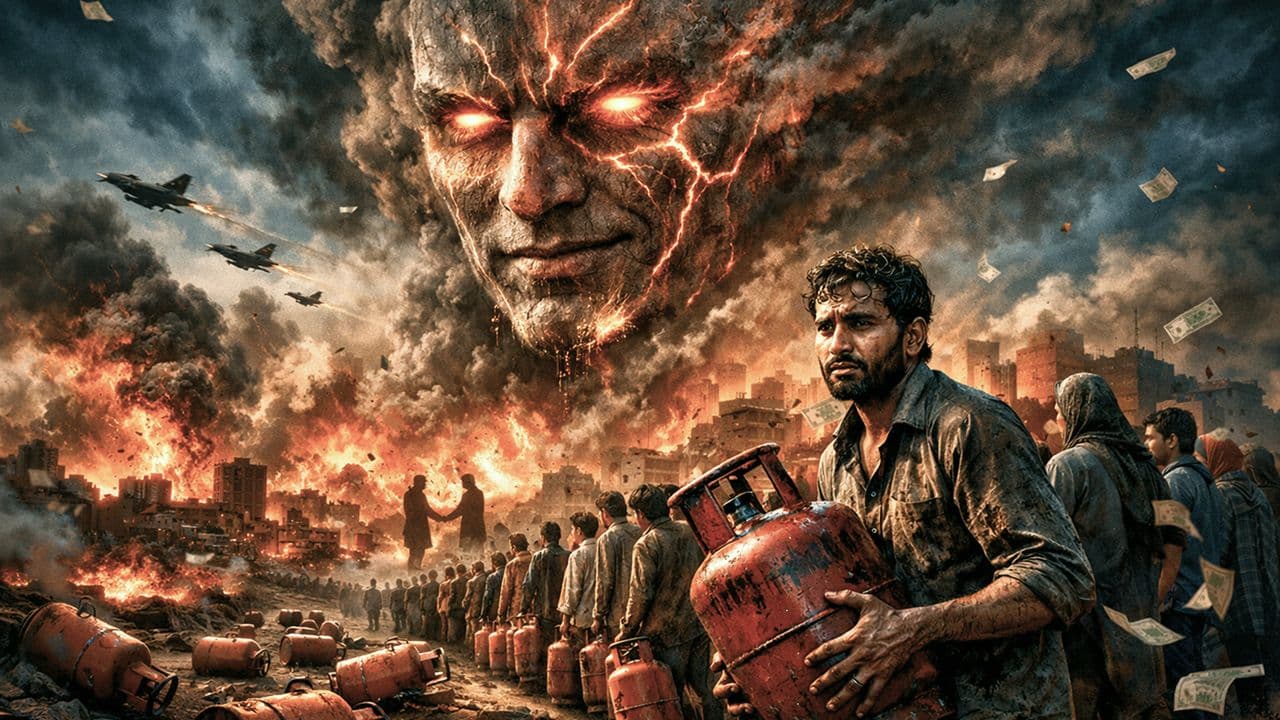
युद्ध, मुनाफाखोरी और हिंसा का मूल कारण अहंकार है, जो अपने स्वार्थ के लिए दूसरों ही नहीं, स्वयं को भी नष्ट कर सकता है। समाज अपनी बुराई को स्वीकार नहीं करता और खुद को अच्छा मानकर धोखे में जीता है। इसी अज्ञान से शोषण, युद्ध और अन्याय चलते रहते हैं। समाधान केवल आत्म-अवलोकन और भीतर की सच्चाई को ईमानदारी से देखने में है।
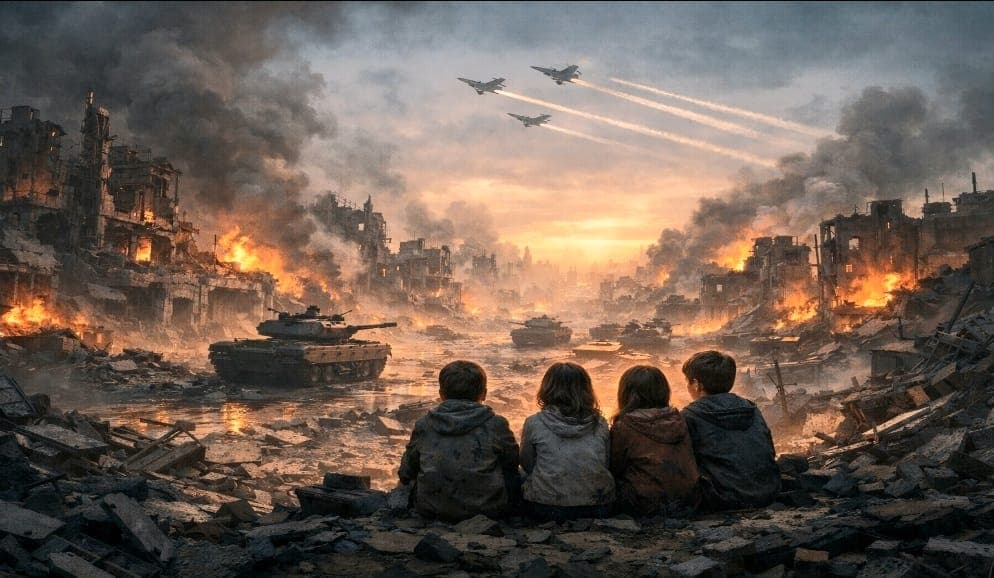
Global conflicts stem not from geopolitical interests but from the ego's fundamental incompleteness. Nations are merely expressions of collective egoic consciousness. Leaders represent humanity's worst tendencies, not its average. The ego requires duality and boundaries to survive. True disarmament means detoxifying the ego itself. External wars reflect internal disturbance. No diplomatic solution addresses the root cause, only wisdom and self-knowledge can dissolve the ego's need for conflict and separation.
1
The only principle that truly runs this world, created by all of us, is the principle of greed and power. What do you think that fellow has earned his billions for? He didn't become a politician to be noble. The only thing that separates us from animals is the intellect, not the center the intellect is operated from. Don't locate the problem and the responsibility somewhere out there. We change ourselves; the world changes.
जो जितना ज़्यादा दूसरों की नज़रों में अपनी झूठी छवि बनाकर रखना चाहता है, उस पर तानों का उतना ज़्यादा असर होता है। अगर तानों से बचना है, तो दूसरों की नज़रों में अपनी छवि की परवाह करना छोड़ो। आपको इसलिए बुरा नहीं लगता कि किसी ने आपको कुछ ग़लत बोल दिया, आपको इसलिए बुरा लगता है कि जो सच आपने छुपा रखा था, उसने वह खोल दिया। इतने बेहतर हो जाओ कि छुपाने के लिए कम-से-कम रहे। और बेहतर होने के बाद भी जो कमज़ोरियाँ बची रहें, उनको उद्घाटित रखो, प्रकट रखो।
There can be no self-respect without self-knowledge. And we have been repeatedly saying that the ego survives only in lack of self-knowledge. The less you know yourself, the denser and more crystallized your ego is. Self-respect is nothing but self-awareness. The more you know yourself, the more you realize who you are not, and that brings you to who you are. That is real self-respect, knowing oneself.
1
कभी स्कूल गए हो वहाँ कभी किसी तीसरी क्लास के लड़के को पहली क्लास के लड़के को धुनते देखा है? देखा है? तो वही है ये। तीसरी क्लास वाले ने पहली क्लास वाले को पकड़ के पटापट- पटापट- धुन दिया, और यही है। इसका कुछ नहीं है।
यह जो ‘मैं’ है, जिसे सेल्फ कहते हैं, यह अपने आप में बहुत तपती हुई और अशांत चीज़ है। यह निरुद्देश्य हो कैसे सकती है? जैसे किसी आदमी को एक-सौ-चार डिग्री बुखार हो और वो कहे कि मैं डिज़ीज़लेस हूँ। एक-सौ-चार डिग्री बुखार हो तो आपके पास एक धधकता हुआ उद्देश्य होना चाहिए। क्या? बुखार उतारना है भाई! इसी तरह से जब तक ‘मैं’ है, उद्देश्य होना चाहिए। और वो उद्देश्य होगा उस ‘मैं’ की शांति।
Every living being, from humans to the smallest species, is trying to change the world to suit its own needs. But this is not intended to do any good to the world, it is just coming from the little ego. And the ego will not say, “I'm not all right;” it will try to change the world. So, if your idea of ‘good’ is only relative to your personal self, is it right to impose it on others? You must be clear about why you aspire to change the world, and whether you have brought about any change in yourself first.
1
गिरोगे, मिट्टी लगेगी चेहरे पर, क्रोध भी आएगा, हारते हुए भी प्रतीत होओगे। ये सब अनुभव होंगे, और जब अनुभव हों तो ये मत सोच लेना कि प्रक्रिया टूट गई। होता है भाई। बल्कि हार रहे थे हारते-हारते जीत गए, तब तो और मज़ा है।
Joy is not a problem. Suffering is a problem. I am the sufferer. And if this ‘I’ is the problem, the sufferer, then firstly the ‘I’ itself has to be approached. And when I find that my efforts are getting saturated, I will have to go to a book that talks exclusively of the ‘I.’ The Upanishads are such books, because their subject matter is nothing but the ‘I.’ So, if you come across something that is dealing in stories, beliefs, and deviating from the self, you must know that it is not Vedanta at all.
2
The theoretical reply would be that if condemnation hurts you, then somewhere you are looking for praise. Even if it’s implicit praise or subtle praise, there is some hunger for praise. Or the inner condition that the ego has set is, don’t give me praise, but don’t condemn me either. So there is some condition that the ego is setting on the world. The fact is, the world has a movement, a flow of its own. You cannot set any condition on it. If you are getting hurt, it means there is an expectation, a condition.
अहंकार पूरी ज़िंदगी आत्मरक्षा के अलावा और कुछ नहीं कर रहा होता। 'मुझे अपने आप को बचाना है,' और अगर उसे अपने आप को बचाना है, तो वो अपने लिए कोई कठिन लक्ष्य चुनेगा क्या? यह मत कहो कि 'मुझे जो पसंद है, मैं वो काम करूँगा,' तुम वो काम करोगे तो फिर कुछ बदलेगा भी नहीं। जहाँ दिख रहा है कि कमज़ोरी है, वहाँ जाओ — भले ही वहाँ कुछ लाभ न हो रहा हो, भले ही वहाँ कोई पूछने वाला न हो। वहाँ पर ठीक है, पोल खुलेगी, थोड़ी बेइज़्ज़ती होगी, लेकिन कमज़ोरी टूटेगी।
At the level of the body, this world will have an influence on you, and there is no need to even contest that. Let it happen, because it is going to happen anyway. But inwardly, let there be a place so sacred that nobody is allowed to enter — not even you. And when that is there, you can freely participate in the world because you'll no longer be afraid. You'll say, “Come what may, I'm secure within.” Then you will live in deep security, and we all know how pleasing security is.
5
The self is a hollow, incomplete thing by its own admission. It has no free existence of its own; it is nothing but associations with the objects around it, absorbing its worth from the environment. To hide this absence of self-worth, you keep running after all kinds of things, yet the promise of fulfillment is never kept, and you are deceived. Therefore, to have any self-worth, you must have clarity about the self. All wisdom literature is about clearing away your false notions of the self.
5
Question: If love is death of ego, then how will we live? Man is made of only these things. So, the only thing left will be ‘soul’. So we can say that we have moksha (liberation).
Speaker: The question is: If love is death of ego, then a loving man…
1
Questioner: If love is death of ego, then loving man will be just soul. So, is love Moksha (Salvation)?
Acharya Prashant: Everything that you just said, is a concept in your mind. Ego lives on concepts; ego lives on thoughts—concepts are thoughts.
What is the definition of a concept? Where…
9
आचार्य प्रशांत: तो आज हम दुर्गा सप्तशती के तीसरे चरित्र में प्रवेश कर रहे हैं और पिछले चरित्र का और पिछले अध्याय का अन्त किसके वध पर हुआ था?
श्रोता: महिषासुर।
आचार्य प्रशांत: महिषासुर के वध पर हुआ था, तो महिषासुर का वध हो गया था और देवता लोग प्रसन्न…
You are the quality of your present action. You are, right now, attention itself, if you are indeed listening to me. Unfortunately, this identity won't last. Soon you will be distracted. You'll become somebody else. The discipline lies in holding on to the highest identity possible, that which you know to be the highest, given your limited capacity. That's who you should be. That's the answer to — ‘Who am I?’
5
आप मुक्त हो तो आपकी आँखें सुंदर, आपकी काया सुंदर, आपके कर्म सुंदर, आपके वचन सुंदर, आपका जीवन सुंदर। अगर आप मुक्त हो तो आपका जो कुछ है, सब सुंदर हो जाएगा। और अगर आप मुक्त नहीं हो तो आपका जो कुछ है, वो सब बहुत ही विकृत और कुरूप रहेगा। आप मुक्त हो जाओ, आपका घर भी सुंदर हो जाएगा। आप मुक्त हो जाओ, आपका ग्रह भी सुंदर हो जाएगा। ग्रह भी और गृह भी।
अपने ख़िलाफ़ जाना ही सबसे मुश्किल होता है। जो अपने ख़िलाफ़ जा सकता है, वही ‘अपने’ को पाता है। आमतौर पर हम एक संस्कारित मशीन की भाँति पुराने बहाव में बहे चले जाते हैं। लेकिन अपनी वृत्तियों और संस्कारों के बहाव को तोड़ा जा सकता है। संस्कारों का तूफ़ान आता है और तुम उसमें थोड़ी देर के लिए अडिग खड़े हो जाओ — यह तुम्हारा विद्रोह हुआ। इसी विद्रोह का नाम अध्यात्म है।
In the universe, there is no good, no evil. Ask instead, ‘To whom is good, and to whom is evil?’ The self, the ‘I,’ the ‘me,’ the one who wants to define good, the one who wants to define evil — he is evil, because he does not exist. Spirituality is giving the evil something right to do. If you do not give the evil the right thing to do, it will pick something else, making itself feel relevant, whereas the fact is that it has zero relevance. Work to remove yourself. That's your task.
2
अपना दृष्टा होने का मतलब ये होता है कि मैं बस देखूँगा कि मैं कितना बिगड़ा हुआ हूँ। सुधारने का मेरा कोई इरादा नहीं है, कोई इरादा नहीं है। इरादा लेकर के जो ख़ुद को देखेगा, वो फंस गया। परपज़लेस, पूरे तरीक़े से परपज़लेस होना चाहिए आत्म-दर्शन, आत्मवलोकन।
यूँ ही कुछ हो नहीं जाता, सब कुछ चुनाव है। बहुत समय तक तुम एक ही चुनाव को दोहराते रहे हो। अब तुम्हारे सिस्टम ने उस चुनाव को पकड़ लिया है और डिफ़ॉल्ट बना दिया है। लेकिन इसका मतलब यह नहीं है कि कभी भी तुमसे चुनने का अधिकार छीना जा सकता है। तुम्हारे ही चुनाव से तुम्हारी दुर्गति हुई है और तुम्हारा ही चुनाव तुम्हारा कल्याण करेगा। कोई बाहरी ताक़त आकर तुम्हारा उद्धार नहीं करने वाली। तुम्हारा जो कुछ भी है, वो बस तुमसे है।
1
यहाँ जिस प्रेम की बात हो रही है, वो वो प्रेम है जहाँ दूसरे के होने से आपका होना मिट जाता है, गाढ़ा नहीं हो जाता, बढ़ नहीं जाता। "तुम ही हो जिसमें सारी सत्यता है। और तुम यदि सामने हो, तो मैं पूरी तरह असत्य हो गया।" ग़ज़ब का प्रेम है ये। "सारी सत्यता तुम में है, तो फिर तुम्हारे सामने मैं क्या हो गया? मैं असत्य हो गया और असत्य माने, जो फिर है ही नहीं। नकली, मिथ्या।"
4
तुम्हारे पास सम्यक युद्ध नहीं है लड़ने को तो फिर तुम अपनी परेशानियों से लड़ोगे, क्योंकि युद्धरत तो सबको रहना है। कोई है जो असली लड़ाई लड़ रहा होता है, और जो असली लड़ाई में नही उतरेगा वो फिर नकली लड़ाई लड़ता है। नकली लड़ाई यही होती है, अरे मैं परेशान हूँ! अरे मुझे यह दुःख है!
जब भी विज्ञान और लोकधर्म आमने-सामने आएँगे, लोकधर्म मुँह की खाएगा, क्योंकि लोकधर्म किससे बना है? कल्पना और भावना से। और कल्पना और भावना, तथ्य से नीचे की बातें होती हैं, विज्ञान तथ्यों पर चलता है। लेकिन विज्ञान से भी ऊपर क्या है? अध्यात्म। क्योंकि विज्ञान, सब कुछ हटा देने के बाद भी कल्पना, भावना, इत्यादि कचरा हटा देने के बाद भी, एक द्वैत में तो विश्वास करता ही है न?
Doing or not doing — both are functions of the doer. The doer is the instrument. Is the instrument, first of all, reliable? Know who you are. Know what it is that you lack. Know what it is that you need to shed. And then the deed is right. Then you know the one right direction for you — choicelessly. It's not just about doing something. It's about knowing the doer.
शारीरिक रूप से तो परनिर्भरता रहेगी, लेकिन जब परनिर्भरता मानसिक बन जाती है, तो वह बहुत ख़तरनाक हो जाती है। अगर आप देह हैं, तो परनिर्भरता ठीक है, लेकिन आप देह भर नहीं हैं। जब हम स्वयं को देह ही समझ लेते हैं, तो देह का दर्द चेतना का दुख बन जाता है — यह बहुत बड़ी ग़ुलामी है। आपके भीतर कुछ ऐसा है जो आज़ादी के लिए फड़फड़ाता है। जब आपका होना किसी भी विषय के होने से आज़ाद हो जाता है, तब आपका होना सार्थक हो जाता है, और आप सही तरीक़े से जीने के लिए मुक्त हो जाते हो।
A common misconception that many of us have is that ‘ego is pride’, but it is far more pervasive than pride. It is the sum total of everything that we have taken from the outside and accepted as our beliefs and identities without applying intelligence. But we are not a sum total of external influences. Even if everything external is taken away, the pure existence still remains — we have an existence of our own. Ego is this forgetfulness of our pure existence.
1
Questioner (Q): I watched your recent video - “Loving your fake lifestyle.” In that video you talked about two things. One is abuse of consciousness and another was that corporates are dehumanizing the employees.
In that context I wanted to ask you, this dehumanization actually is not only happening in…
As long as one is alive, habits will remain. Nature gave us habits for the sake of efficiency. In habits, there is no decision-making involved. You just do it. So habit is not a problem, the problem is that we are habituated in the wrong things. Be habituated towards the Truth. Towards Freedom. Be habituated towards keeping it simple and straight. Let these be your habits.
And you can extend this observation to all the things in the world in the sense of our relationship with them. If we are highlighting something in this world, chances are we are going to destroy and distort it. We do not highlight things because they are virtuous or truthful. The ego does not want virtue. The ego has nothing for the truth. For the ego, its own security and preservation come first.
3
You know, the ego fights so many battles. The ego is always surrounded with problems, is it not? Every problem is a battle, right? The ego is always surrounded with problems. Do you know why we love problems? Because they secure us. There are so many problems, and that proves that I exist. And if the problems disappear, then the logic of my existence disappears.
Share
2
If all that the Ego wants is liberation from itself, which means coming to see its own non-existence, then the only way to see its non-existence is by paying attention to itself. The more the Ego pays attention to itself, it sees that it does not exist. The more the Ego remains attached to this and that, all the sensory inputs, the Ego feels that is real and this is real.
3
ये इलेक्ट्रॉन पोजिट्रॉन करके आपका दुख दूर होता हो तो कहिए मैं कुछ बोलूँ उसपे फिर। इन चीज़ों से बहुत अच्छा, आज मैंने ये सब कर दिया थोड़ा क़्वांटम थ्योरी वगैरह। इसलिए आप सक्रिय हो गए। मैं इन सबसे बहुत बचता हूँ जहाँ लगता भी है कि यहाँ पर विज्ञान का कोई उदाहरण एकदम समीचीन होगा तो भी उसको दबा देता हूँ थोड़ा। क्योंकि अहम को अपने अलावा किसी और तरफ देखने का बहाना चाहिए। मैं जैसे ही विज्ञान की बात करना शुरू करूँगा तो आप आत्म अवलोकन करने की जगह विज्ञान अवलोकन शुरू कर देंगे।
4
यह आदमी जो अपने ऊपर हंसना शुरू करता है, यह अकर्ता हो जाता है। नॉन-डूअर हो जाता है। नॉन-डूअर का मतलब यह नहीं कि अब नॉन-डूइंग हो गई। डूइंग तो बहुत होगी! ज़बरदस्त होगी! घनघोर होगी! कल्याणप्रद होगी! ऑसपिसियस होगी! डूइंग होगी, डूअर नहीं होगा। पर कर्ता नहीं होगा। और जो यह कर्ता-हीन कर्म होता है, "द डीड विदाउट डूअर", इसके क्या कहने! यह फिर अवतारों की लीला समान हो जाता है। यह जीवन को खेल बना देता है। यह पृथ्वी पर स्वर्ग उतार देता है। यह बहुत पुराना जो कैदी है, उसे आकाश की आज़ादी दे देता है।
2
मन रहेगा तो तन को खाने दौड़ेगा। वो तन को खाएगा और तन के माध्यम से खाएगा। मन जब तक अपने आप को तन से भिन्न समझेगा वो तन का एक ही उद्देश्य के लिए इस्तेमाल करेगा — तन को खा लूँ और तन के माध्यम से दूसरे तनों को खा लूँ। अहम् अपने आप को शरीर से भिन्न इसीलिए मानने के ज़िद करता है; कहता है, ‘मैं शरीर नहीं हूँ, मैं शरीर का स्वामी। शरीर का भोक्ता हूँ। अब मैं शरीर को भोगूँगा और शरीर के माध्यम से और कुछ भोगूँगा।’ जब दिख गया कि शरीर-ही-शरीर हूँ, तो अब क्या भोगूँ! मौज करो। शरीर सरिता है बह रही है, हम भी अपना बस ऐसे ही तिनके की नाई फ़्लोट कर रहे हैं।
2
मन नहीं चंचल होता, अहम् चंचल है और चंचल होना उसकी मजबूरी है, उसे चंचल होना पड़ेगा। रुककर, टिककर, थमकर तो वो बैठ सकता है न जिसको घर मिल गया हो, जिसको आश्वस्ति मिल गई हो। अहम् को न कोई घर है, न आश्वस्ति है। उसका तो यही है कि कहीं ज़रा सा कुछ खटका हुआ, उसकी नींद खुल जाती है, ‘मेरी चोरी पकड़ी तो नहीं गई? मेरी चोरी पकड़ी तो नहीं गई!’