Life Problems

Bhagavad Gita
6min72reads31
We gladly worship Krishna the cowherd of Mathura and Vrindavan, yet the Krishna of Kurukshetra, who speaks the Gita, is rarely welcome. Much of what we call religion is a request: we pick a favourite deity, place and ritual, then ask for a car, money or a cure. The Gita values rituals done for desire as little as a pond beside the ocean. Popular religion says, "I want, therefore I act." The Gita says, "Know who you are and then simply let things happen." Which of the two do our prayers come from?
Truth
6min1kreads179
वजाइया वाजा पउण नउ दुआरे परगट कीए दसवा गुपतु रखाइआ।। ~ नितनेम (अनंदु साहिब)
आचार्य प्रशांत: ‘आनन्द साहिब’ से है कि उसने शरीर के वाद्य यन्त्र में साँस फूँकी और नौ द्वार खोल दिये लेकिन दसवें को छुपाकर रखा। दसवाँ द्वार कौनसा है? कौनसा हो सकता है दसवाँ द्वार? मन…

Climate Change
16min226reads172
We are told that cleaner technology will solve the climate crisis. But emissions begin before any fuel is burnt, in a life that has no joy and so keeps reaching for the next lower pleasure: the party, the trip, the purchase. The demand for pleasure is not wrong. What matters is which pleasure we seek. Music, books, sport and real company cost the planet almost nothing. Can we look honestly at what our own consumption is trying to fill?

Self Enquiry
16min188reads112
When someone calls us ugly or dumb, it can feel as if our confidence has been taken away. But others are outsiders; they cannot know us as well as we can know ourselves. The trouble begins when we do not know ourselves, so we start looking at ourselves through others’ eyes. Self-knowledge here simply means being honest with ourselves about where our likes, fears and desires come from. What would change if we looked at ourselves directly, and not through others’ opinions?

Success
46min137reads32
बड़े मैच में उतरते ही हाथ बेड़ियों में जकड़े लगते हैं, और हम घबराहट सँभालने की कोई तरकीब खोजते हैं। पर मैदान बदल जाता है, भीतर का केंद्र नहीं बदलता। जो रोज़ की ज़िंदगी में हर काम से मनचाहा नतीजा माँगता है, वह बड़े दिन भी वही माँग लेकर उतरता है। मेडल पक्का होते ही दबाव उतर जाना भी यही बताता है, और जो जीत पर इतराता है, वही हार से घबराता है। ज़िंदगी की ऊँचाई हमेशा मेडल के रूप में सामने नहीं आती। क्या हम देख पाएँगे कि हम नतीजे को कितना पकड़े हुए हैं?
Excerpts from Articles
Justice Without Boundaries: Why Compassion Cannot Stop at Species
Oppression should not see caste, gender, creed or colour, and it should not see species either. The moral threshold is sentience, not intelligence. An animal feels pain as fully as a human does, whether or not it can explain its suffering.
Fear
13min141reads7
Many of us interrupt, rush to make our point, or change the topic when a conversation comes too close. We call it a lack of patience or discipline. But impatience in a conversation is often fear: when what we hold within is borrowed belief, every question could shatter it. The same confusion makes us take our instincts and feelings as ourselves, though they are only the body’s chemistry. If we looked honestly at what we hold, would a question still feel like an attack?

Truth
23min453reads1021
सच की राह पकड़ते ही अक्सर अपने ही लोग बदल जाते हैं, और हम मान लेते हैं कि शायद हम ठीक से समझा नहीं पा रहे। पर सामने वाला समझ तो रहा होता है, उसे बस सौदा नहीं जँचता। अहंकार लेन-देन से चलता है, इसलिए अकेले तर्क उसे नहीं हिलाते। हमारा अपना अहंकार भी यही करता है: थोड़े-से स्वार्थ के लिए हम झूठे रिश्तों में मिठास का स्वांग करते हैं, मजबूरियाँ गिनाते हैं और पीछे हट जाते हैं। जिसे हम मजबूरी कहते हैं, क्या वह सच में मजबूरी है?
Attachment
11min81reads61
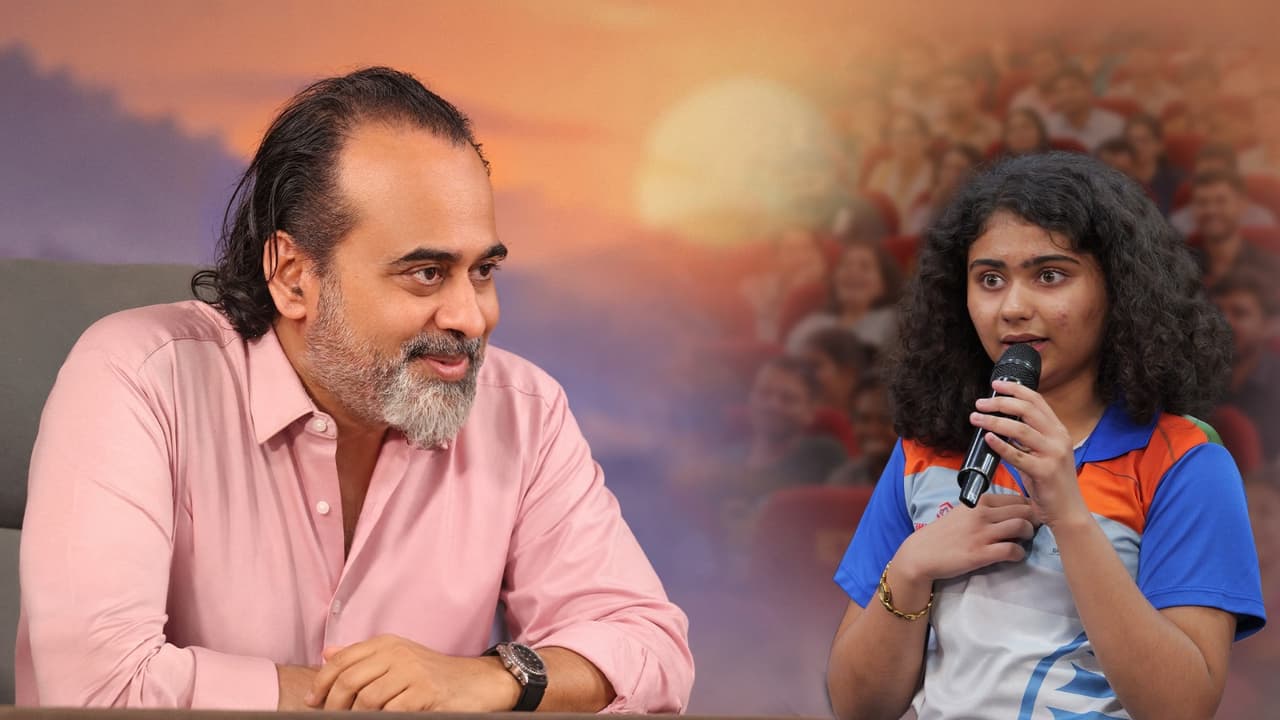
A young athlete says she knows she should not be attached to winning, yet she is, because her coach, family and country are invested in it. Wanting to win on the court is fine; that is what a contest is for. But we never know who the next opponent will be, and the one opponent always present is ourselves. She also fears that starting at 14 was too late. The past is fixed, so what is left is to play the cards we are dealt. Where does our real contest lie?
Fear
6min129reads2
Many of us promise our parents high marks, and when the result falls short, the guilt can feel heavier than the exam itself. But no one controls results; they depend on far too many things outside us. What is in our hands is our intent, our effort and our honesty with what we study. The Bhagavad Gita says the same: our right is to action alone, never to its fruit. What if the only promise we made was to study honestly and with love?
Bhagavad Gita
24min200reads71
We often defend a bad choice by pointing to a worse one: stay dishonest or starve, keep the wrong grip or stop playing. But the real trouble is not the option we picked. It is the option we never let ourselves see. Action does not need greed or attachment to find its energy. The third way begins by rejecting both false choices, without knowing what comes next. Which of our everyday choices are really false dilemmas?

Women Empowerment
8min467reads124
एक महिला खिलाड़ी वर्ल्ड चैंपियनशिप में मेडल जीतती है, लेकिन उसे ऑनलाइन हैरसमेंट, फ़ेक अकाउंट्स और आपत्तिजनक तस्वीरों का सामना करना पड़ता है। सदियों की वर्जनाओं ने हमें स्त्री को सिर्फ़ देह के तल पर देखने का आदी बना दिया है, उसकी काबिलियत या गहराई से कोई सरोकार नहीं रहता। यही पैटर्न गाड़ी, नौकरी और शादी जैसे रोज़मर्रा के फैसलों में भी दिखता है। यह कोई विकृति नहीं, बल्कि इन्हीं वर्जनाओं की स्वाभाविक परिणति है।

Suffering
9min179reads3
Sisyphus pushes a rock up a hill forever, knowing it will always roll back down. A regular workman does the same thing inside a job: he keeps pushing too, except he hopes it will eventually pay off, a promotion, a house, a better life. This hope is often just a comfortable lie. Sisyphus, who expects nothing and still keeps going, is actually more honest than we are. The real question is not whether the effort is worth it, but whether we can stop lying to ourselves about it.
Women Empowerment
5min1.3kreads637
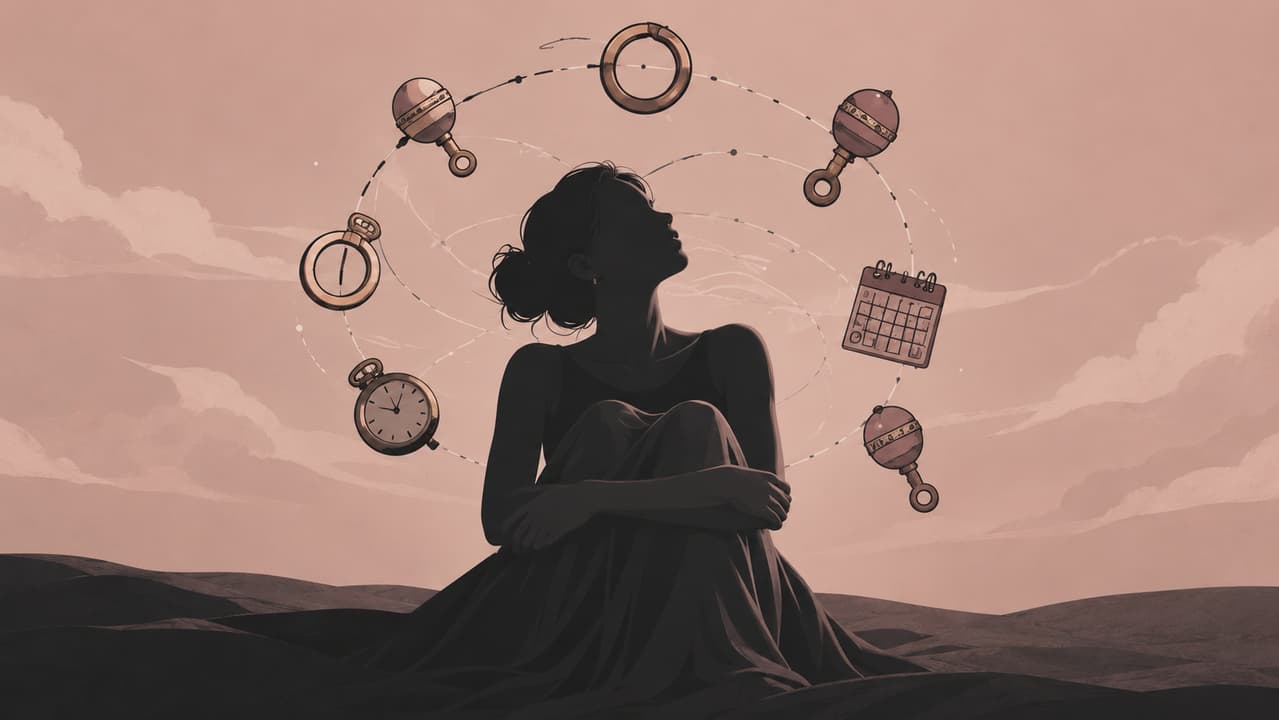
A modern woman calls herself liberated, yet lives anxious — anxious about age, desirability, marriage, motherhood. Acharya Prashant exposes this anxiety as proof that feminism never touched the real wound: centuries of conditioning that reduced women to bodies for pleasure and reproduction. External equality isn't enough. True freedom demands she reject the entire inheritance of tradition and simply become human — not woman, not wife, not mother by decree, but free.

Love
10min4kreads34641
प्रेम की गहराई हमेशा प्रेमी की अपनी चेतना जितनी होती है — जो जैसा है, उसका प्रेम भी वैसा ही होगा, चाहे उसे कितना भी पावन या अनोखा क्यों न मान लिया जाए। जिस चेतना ने खुद को कभी गहराई से नहीं जाना, वह प्रेम में भी सतह से आगे नहीं जा सकती। जो कोई अपने प्रेम को गहराई से परखने से बचता है, वह असल में खुद को परखने से बच रहा होता है — और यही बचाव, प्रेम के नाम पर पाला गया एक और भ्रम है।
Fear
7min801reads436
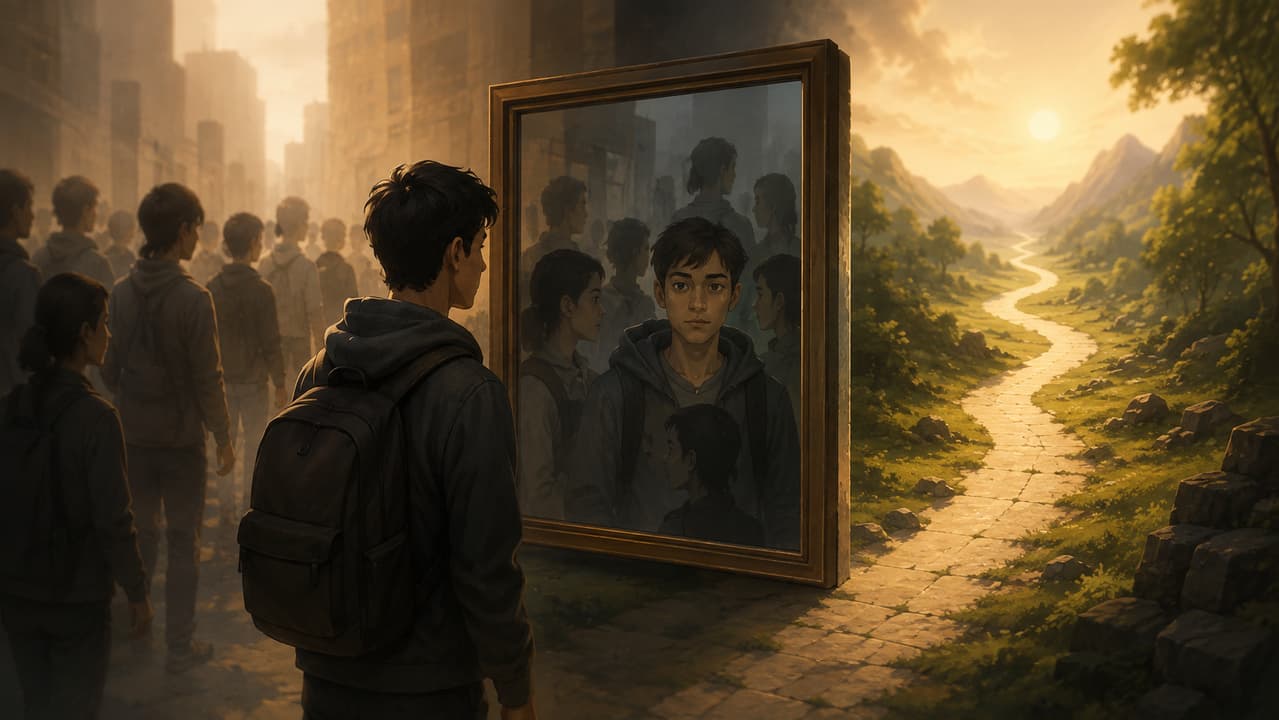
Struggling to choose between a secure job and the path you actually feel drawn to? This isn't really a question about careers. It's about why other people's opinions have so much power over you in the first place. Real clarity doesn't come from finding the 'right' choice. It comes from honestly looking at your own fear, again and again, until it stops running the decision for you.

Loneliness
6min467reads1215
Feeling lonely on campus after being disappointed by friends? Acharya Prashant explains why loneliness should not push you into accepting the wrong company or remaining attached to relationships that pull you away from what is right. One person’s wrongdoing does not justify condemning everyone, nor does friendship mean supporting a friend in what is wrong. Learn why the right company is the company that helps you move toward truth rather than merely giving you temporary relief from loneliness.

Values
48min1.2kreads2421
आचार्य प्रशांत बताते हैं कि क्यों हम सही खान-पान, स्वास्थ्य और अपने ऊपर ज़रूरी खर्च से बचते हैं, लेकिन दिखावे और फ़ालतू सामाजिक परंपराओं पर पैसा बहा देते हैं। अधिकांश लोगों के लिए समस्या सिर्फ़ पैसों की कमी नहीं, बल्कि विवेक और सही प्राथमिकताओं की कमी भी है।

Behaviour
10min388reads184
Reaction is an instinctive, unconscious response rooted in ancient survival mechanisms, while response arises from consciousness and understanding. Our biological instincts evolved for survival, but modern life demands that we move beyond them. Emotional reactivity makes us predictable and controllable, allowing others to manipulate our emotional triggers. True freedom lies in pausing before reacting, examining emotions, thinking deeply, and responding consciously rather than living as slaves to instinct.

Fear
20min736reads219
कई तरह के डर—अकेले पड़ने, छवि खोने या छोटा समझे जाने—की जड़ अक्सर अतीत में बनी पहचान और कहानियों में होती है। शरीर की हाइट जैसी चीज़ों को समस्या मानकर उनसे जूझने के बजाय उनकी अप्रासंगिकता को समझकर आगे बढ़ना चाहिए। अतीत को दबाने से मुक्ति नहीं मिलती; उसके करीब जाकर अपनी स्मृतियों, धारणाओं और पुराने पैटर्न को निष्पक्षता से देखना ज़रूरी है।

Fear
8min1.1kreads2410
भूतों का डर अक्सर किसी वास्तविक भूत से नहीं, बल्कि हमारी कल्पना, डर और सस्ते रोमांच की चाह से पैदा होता है। भूतिया फ़िल्में और कहानियाँ मन में ऐसी धारणाएँ बना देती हैं कि साधारण चीज़ें भी डरावनी लगने लगती हैं। डर से भागने के बजाय उसके आधार पर प्रश्न करना चाहिए। सस्ते रोमांच के बजाय ज्ञान, इतिहास और सार्थक चुनौतियों में वास्तविक आनंद और उत्साह खोजना अधिक उपयोगी है।

Fear
13min228reads3
Spirituality does not replace the fear of ghosts with belief in God. It asks us to question the mind that creates both fear and belief. Ghosts, gods, and stories can all become projections of imagination. The spiritual path begins by dropping assumptions, investigating “Who am I?” and understanding the source of suffering. With attention, right knowledge, and self-inquiry, fear loses its power and one becomes inwardly free.

Money
1min880reads183
एक-से-एक पिक्चरें रिलीज़ होती हैं; दो-सौ, चार-सौ, छः-सौ करोड़ जा रही हैं, वो तुम्हारी जेब से ही तो जा रहा है। वो छः-सौ करोड़ का बिज़नेस कैसे किया पिक्चर ने? पिक्चरें जो इतना पैसा बनाती हैं उनको देखने फोर्ब्स पाँच-सौ वाले तो आते नहीं, या आते हैं? रेस चार, गोलमाल…

Happiness
5min967reads445
सही काम आनंद पाने के लिए नहीं, बल्कि इसलिए किया जाता है क्योंकि वही सही है। सही काम करते समय सुख मिले या बोरियत, दोनों को समान रूप से स्वीकार करना ही आनंद है। पढ़ाई, विशेषकर गणित, केवल परीक्षा का विषय नहीं बल्कि प्रकृति और जीवन की भाषा है, जो दुनिया को समझने की क्षमता देती है. गलतियाँ स्वाभाविक हैं और उनसे सीखना चाहिए, लेकिन बेईमानी कभी स्वीकार्य नहीं हो सकती। सच्ची सफलता पूर्णता में नहीं, बल्कि ईमानदारी में है।
Fear
38min499reads121
A true relationship is not built on need, possession, or emotional dependence, but on a shared commitment to Truth and inner growth. A worthy companion reflects your reality like a mirror rather than performing a role to please you. Real love is effortless, rooted in one's nature, not expectations. When your highest commitment is to excellence and Truth, relationships become a natural outcome—not the purpose of life itself.
Fear
4min977reads2912
डर वास्तविकता से नहीं, बल्कि अस्पष्टता और कल्पना से ताक़त पाता है। वह कभी स्पष्ट नहीं बताता कि किस बात का भय है, बल्कि धुंधले संकेतों से मन को विचलित करता रहता है। डर से भागने के बजाय उसे सामने बुलाकर उसके हर दावे से स्पष्टता माँगनी चाहिए। जैसे ही भय को सटीक होने के लिए मजबूर किया जाता है, उसकी शक्ति समाप्त होने लगती है, क्योंकि उसका पूरा अस्तित्व भ्रम और धुंध पर टिका होता है।
Suffering
16min1.3kreads23911
समझदारी याददाश्त से नहीं, समझ से आती है। जीवन हर पल नए प्रश्न पूछता है, इसलिए रटे हुए उत्तर नहीं चलते। जानकारी बाहर से मिल सकती है, पर सही उत्तर तभी जन्म लेते हैं जब मन वर्तमान में पूरी तरह उपस्थित हो। जो समझ में न आए उसे रटने के बजाय प्रश्न करो, जिज्ञासु बने रहो। सीखने का सार स्मृति नहीं, जागरूकता, समझ और वर्तमान क्षण में जीने की क्षमता है।

Depression and Anxiety
7min603reads1256
युवाओं में बढ़ते नशे की समस्या का मूल कारण केवल ड्रग्स नहीं, बल्कि दिशाहीन और अशांत जीवन है। जब व्यक्ति अपने अस्तित्व, उद्देश्य और भीतर की बेचैनी का सामना नहीं कर पाता, तो वह किसी-न-किसी नशे में शरण खोजता है—चाहे वह शराब हो, सोशल मीडिया, मनोरंजन, भोजन या प्रसिद्धि। स्थायी समाधान बाहरी रोकथाम नहीं, बल्कि आत्म-शिक्षा, जीवन की सही दिशा और स्वयं को समझने वाली शिक्षा है, जिससे ऊर्जा सार्थक कार्यों में लगे और नशे की आवश्यकता ही समाप्त हो जाए।
Fear
4min1.2kreads3317
डर बोलने से नहीं, बल्कि दूसरों की राय और अपनी छवि खोने के भय से पैदा होता है। जब हम अपनी पहचान को लोगों की स्वीकृति पर टिका देते हैं, तब साधारण काम भी कठिन लगने लगता है। गलती करना गलत होना नहीं है; गलती सीखने का अवसर है, पहचान नहीं। आत्मनिर्भरता, आत्मसम्मान और दूसरों की राय से मुक्त होकर ही व्यक्ति निडर होकर बोल सकता है और आत्मविश्वास के साथ जीवन जी सकता है।

Happiness
14min451reads104
Modern culture often celebrates rebellion, travel, and endless experiences as symbols of freedom and happiness, but they can become just another form of conformity. Genuine personal development begins with mindfulness and creating the right mind space to understand oneself. Without inner clarity, changing places, trends, or identities only repeats old patterns. True freedom comes from self-understanding, not from chasing new experiences or fashionable rebellion.

Behaviour
13min542reads1205
Bullying hurts deeply only when it is allowed to define one's inner identity. External abuse may wound the body, but lasting psychological wounds require inner participation. While OCD, anxiety, depression, schizophrenia, and other mental health conditions deserve proper treatment through psychiatry, lasting freedom demands self-knowledge.

Attachment
8min1.2kreads3418
मन को संसार, लोगों और वस्तुओं से नहीं, सत्य में स्थिर रखना ही वास्तविक एकांत है। अकेलापन शरीर का नहीं, मन का होता है। जब मन दुनिया से पाने की आशा छोड़ देता है, तभी वह मुक्त होता है। वस्तुओं और रिश्तों का आकर्षण भी अंततः भोग की इच्छा से ही पैदा होता है, जबकि सच्चा प्रेम केवल सत्य, मुक्ति या श्रीकृष्ण के प्रति हो सकता है। संसार से आशा दुःख देती है, इसलिए मन को केवल सत्य की ओर लगाना ही योग है।

Depression and Anxiety
34min1.3kreads478
उच्च शिक्षा संस्थानों में विद्यार्थियों का तनाव केवल व्यक्तिगत समस्या नहीं, बल्कि इतिहास, सामाजिक भय, आर्थिक असुरक्षा और प्रतिस्पर्धी शिक्षा व्यवस्था का परिणाम है। परिवार, कोचिंग संस्कृति और सफलता की संकीर्ण परिभाषाएँ छात्रों पर भारी दबाव डालती हैं। समाधान केवल काउंसलिंग नहीं, बल्कि ऐसी समग्र शिक्षा है जो रचनात्मकता, खेल, कला, दर्शन, आत्मबोध और स्वतंत्र चुनाव को महत्व दे, ताकि विद्यार्थी केवल करियर नहीं, बल्कि संतुलित और सार्थक जीवन भी जी सकें।

Loneliness
10min1.3kreads6217
अकेलापन बाहर लोगों की कमी से नहीं, भीतर के अधूरेपन की मान्यता से पैदा होता है। जब व्यक्ति मान लेता है कि उसे पूरा होने के लिए किसी व्यक्ति, वस्तु या उपलब्धि की ज़रूरत है, तब वह लगातार खोज और निर्भरता में भटकता है। यह भावना सामाजिक मान्यताओं और बाज़ार द्वारा भी पोषित होती है। समाधान बाहर कुछ जोड़ने में नहीं, बल्कि इस झूठी धारणा को पहचानने में है कि हम मूलतः अधूरे हैं। आत्मज्ञान के साथ यह भ्रम टूटता है और अकेलापन स्वतः समाप्त होने लगता है।
Fear
37min395reads236
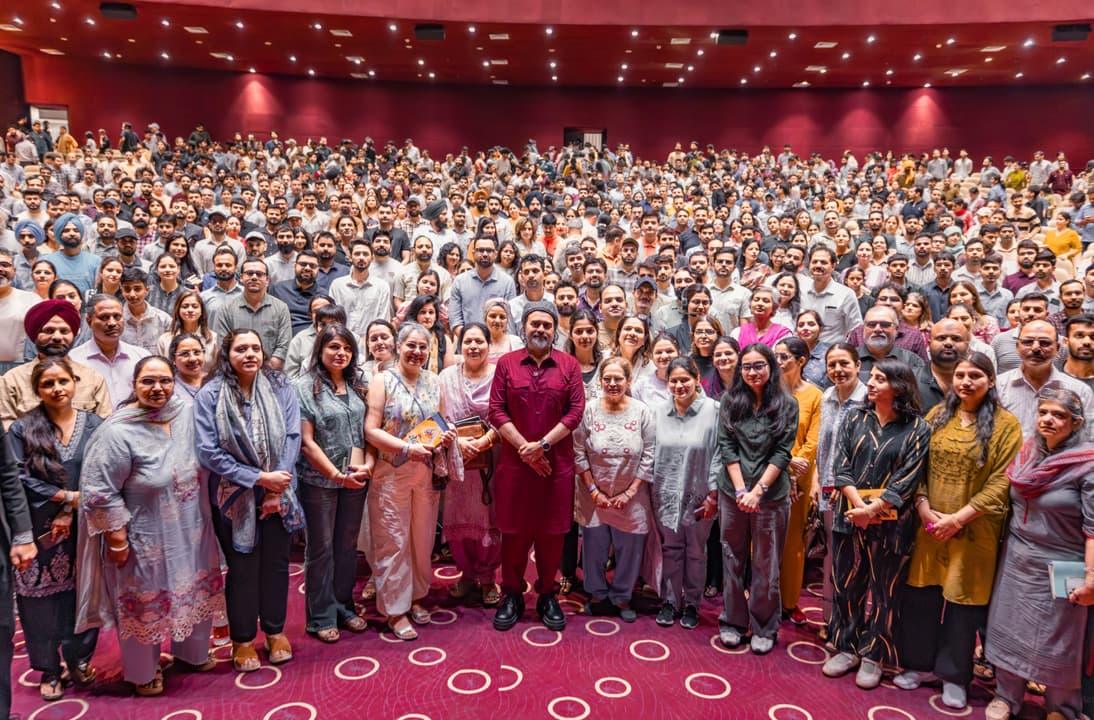
Sixty million followers do not necessarily indicate a transformation in consciousness. Large numbers may reflect persistent outreach rather than deep commitment. Truth is often avoided not through opposition but through indifference, convenience, and self-deception. Real change requires sustained effort, inner honesty, testing one's understanding, and the courage to face uncomfortable truths instead of seeking comfort, validation, or easy inspiration.
Behaviour
3min1.4kreads4114
प्रदूषण केवल जानकारी की कमी से नहीं, बल्कि गलत इरादों, सुविधा-प्रियता और गैर-जिम्मेदारी से पैदा होता है। लोग प्रदूषण के बारे में जानते हुए भी उसे बढ़ाते हैं क्योंकि ज्ञान अपने आप में पर्याप्त नहीं है। नदियों, हवा और पर्यावरण को सचमुच स्वच्छ बनाने के लिए पहले मन और नीयत को स्वच्छ करना आवश्यक है। बाहरी गंदगी अक्सर भीतर की अव्यवस्था और असंवेदनशीलता का ही विस्तार होती है।
Fear
18min799reads192
Fear, social conditioning, and painful memories often shape how people live and make choices. True growth begins by questioning inherited beliefs, refusing to remain trapped by past wounds, and acting from understanding rather than conformity. What appears to be sacrifice is often just the abandonment of conditioned habits. Freedom comes not from external systems, but from the courage to see clearly, learn, and move beyond fear.
Loneliness
8min2.3kreads5011
Is loneliness really the absence of people, or the crowd of images and ideas inside us telling us that we “need someone” to feel complete? Two incomplete people cannot create wholeness together. Relationships are beautiful, but only when they do not become substitutes for inner completeness. Relate to the world, connect deeply, but never use another person to fill your inner hollowness.
Inferiority
15min1.5kreads492
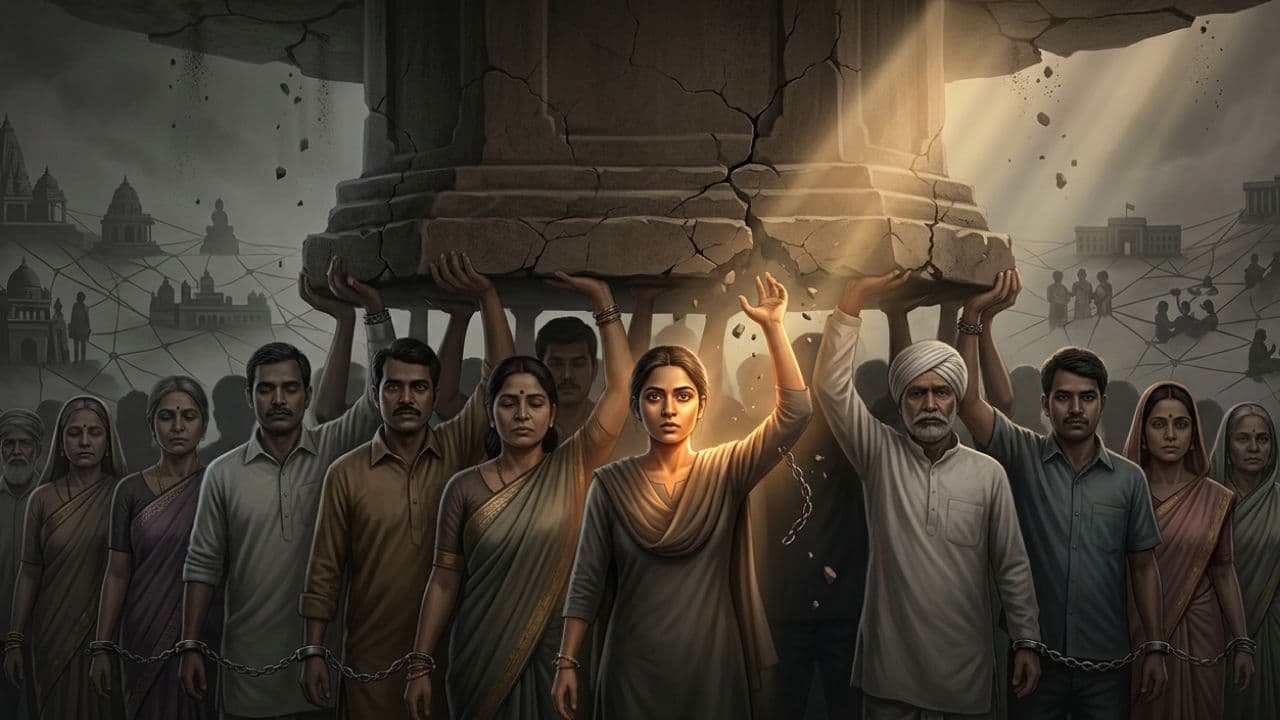
If most people are oppressed, why do unjust systems still survive? Because the oppressed themselves unknowingly support them through inner ignorance. No structure can sustain without the participation of those it exploits. Real change cannot begin outside; it must begin within. When individuals see clearly and refuse to remain complicit, the system collapses. Blaming the system is easy, but transformation demands responsibility for one’s own life.

Overthinking
11min3.3kreads81948
Overthinking trivial matters stems from inner emptiness. Fill your life with something genuinely important, a worthy cause, a meaningful pursuit. When you're truly immersed in what matters, random anxieties lose power. Develop strong inner immunity through purpose, not by fighting thoughts. Like Bhagat Singh, marry yourself to something noble. Immersion in the essential is the best meditation and antidote to mental suffering. Without importance, life becomes scattered doing nothing in particular.

Happiness
19min5.8kreads13823
Joy is not something that you can think of as something wonderful. You cannot go somewhere and say that, looking at a mountain, I experienced joy. Joy is something which is always there, obfuscated; hence, it is the absence of obfuscation. A complete absence of all rubbish is joy, and that rubbish includes both pleasure and pain.
Sex
6min25.9kreads2191248
तुम्हारे घर में कोई चीज़ अँधेरे में रखी थी, कोई आकर उस पर थोड़ी रोशनी डाल सकता है। उस पर थोड़ा प्रयोग करके बता सकता है कि ये चीज़ सड़ी हुई है। उसके आगे का काम तो तुम्हारी नीयत का है। उसको उठा के बाहर तुम्हें ही फेंकना पड़ेगा। नीयत, फ़ैसला, ईमानदारी, इनका कोई विकल्प नहीं होता। डूबे रहो इधर-उधर की चीज़ों में, वासना हो, डर हो। जिस दिन तुम जलोगे, उस दिन डर और वासना भी जल जाएँगे। कहानी कभी न कभी तो ख़त्म होनी है। या तो ख़ुद अभी ख़त्म कर लो, नहीं तो चिता पर ख़त्म हो जाएगी। मर्ज़ी है।
Desire
17min9.6kreads25968
अपने आप को लग्ज़री देने से पहले मैं क्या पूछूँगा? क्या मेरा काम इस लायक है? बस। और जितना मेरे काम का स्तर बढ़ता जाएगा, उतना मैं अपने आप से कहता जाऊँगा, “हाँ, काम अब माँग रहा है एक नया मोबाइल फ़ोन। काम अब माँग रहा है लैपटॉप। काम माँग रहा है कि मैं ऐसी जगह पर न रहूँ जहाँ बहुत भीड़-भड़ाका हो, क्योंकि भीड़-भड़ाके में काम नहीं हो पाता।” तो मैं उस हिसाब से फिर काम की ख़ातिर, काम के सेवक की तरह, काम के साधन की तरह, काम के निमित्त की तरह, मैं अपने आप को फिर सुविधाएँ देती चलूँगी। उससे पहले नहीं।
Desire
21min3.9kreads609
ये घटना है जो आपको परेशान कर रही है। मैं चाहता हूँ कि आप सिद्धांत की ओर जाएँ, और ये आपको एक बहुत बेहतर और गहरे तरीके से सुरक्षित करेगा। एक बात ये है कि कोई आपको बताता है, “ओह, यूरेनियम की गेंदों के साथ मत खेलो, कुछ बुरा हो सकता है।” एक बात ये है कि आप सिद्धांत जानते हैं। आप ठीक-ठीक जानते हैं कि *क्रिटिकल मास,* गेंद का *रेडियस,* और ऐसी चीज़ें कैसे गणना की जाती हैं। आप क्या चाहेंगे? आप सिद्धांत के बारे में जानना चाहेंगे, है न?

Confusion
5min6.4kreads34161
ज़्यादातर लोग बाहर जी-तोड़ मेहनत करते हैं। लेकिन उनकी भीतरी दुनिया खाली, खोखली, कुछ नहीं, क्योंकि वो सारी मेहनत भीतर के केन्द्र को बदलने के लिए नहीं की गई होती है। वो जो आप बाहर खूब सारी मेहनत करके खूब सारे पैसे कमा रहे हैं, वो सिर्फ़ इसलिए कमा रहे हैं, क्योंकि आप अपनी आन्तरिक असुरक्षा को बचाए रखना चाहते हैं। आप भीतरी तौर पर एक डरे हुए आदमी हैं, इसीलिए बाहरी तौर पर आप बहुत मेहनत करते हैं। तो करते रहो बाहर कितनी भी मेहनत, आन्तरिक प्रगति कुछ नहीं होगी।

Depression and Anxiety
4min7.1kreads7631
What do you call as ‘bipolar disorder’? Is this disorder fundamentally not present in everybody? Mind lives in dualities; that is what you call as the ‘poles’. Sitting on one pole you feel attracted to the other. There is always a need to change and become something else. Won’t it be great to firstly understand the mind itself–its urges, its actions? There has to be determination to go into the route of the swings, desires and urges, to be free and well. And it is quite possible that the right medication need not be a pill.

Desire
34min3.2kreads8819
तुम एक झूठी मान्यता में जीना चाहते हो कि इंसान बाय डिफॉल्ट होता तो अच्छा है, बस वो पावर उसको करप्ट कर देता है। पावर ने इंसान को नहीं करप्ट किया, इंसान पावर को करप्ट करता है। मौका देकर देखो, पूरी दुनिया की आबादी आ जाएगी एप्स्टीन फ़ाइल्स में। पर आप सारा दोष डाल दोगे व्यवस्थाओं पर, कुछ लोगों पर। बात उन व्यक्तियों की नहीं है। हमारी प्रजाति के मैन्युफैक्चरिंग डिफेक्ट की है — अहंकार। उसी डिफेक्ट को ठीक करने के लिए जो होता है, उसको बोलते हैं अध्यात्म, आत्मज्ञान।

Relationship
13min2.5kreads8434
एक आदर्श रहता है मन में कि ज़िंदगी ऐसी-ऐसी होनी चाहिए। और वो आदर्श लेकर आप पैदा नहीं हुए थे, वो आदर्श इधर-से-उधर-से आपके मन में आ गया। अब आपको ज़िंदगी नहीं चाहिए, अपने आदर्श जैसी ज़िंदगी चाहिए। उसमें ये भी शामिल है कि दोस्त ऐसे हों, पति ऐसा हो, जीवन ऐसा हो। और हमारे सारे आदर्श सामाजिक होते हैं। हमारा प्यार भी प्यार नहीं है, वो समाज का फ़रमान है, संस्कारों का आदेश है। इसके कारण जीवन जैसा सामने खड़ा होता है, वो हमें कभी-कभी दिखाई ही नहीं देता। हमारी ज़िंदगी बस एक तुलना बनकर रह जाती है।
Money
10min1.7kreads5910
If you do not understand spirituality, you will fail even in economics. Look at how common people live their daily lives. Do we inquire into what we are doing? We do things because others are doing the same things. Out of ignorance, you act; and out of greed, you keep acting. Economics does not address the problem of ignorance. Economics also does not address the problem of greed. It is the Upanishads and the Gita that address these problems.
Laziness
8min4kreads18437
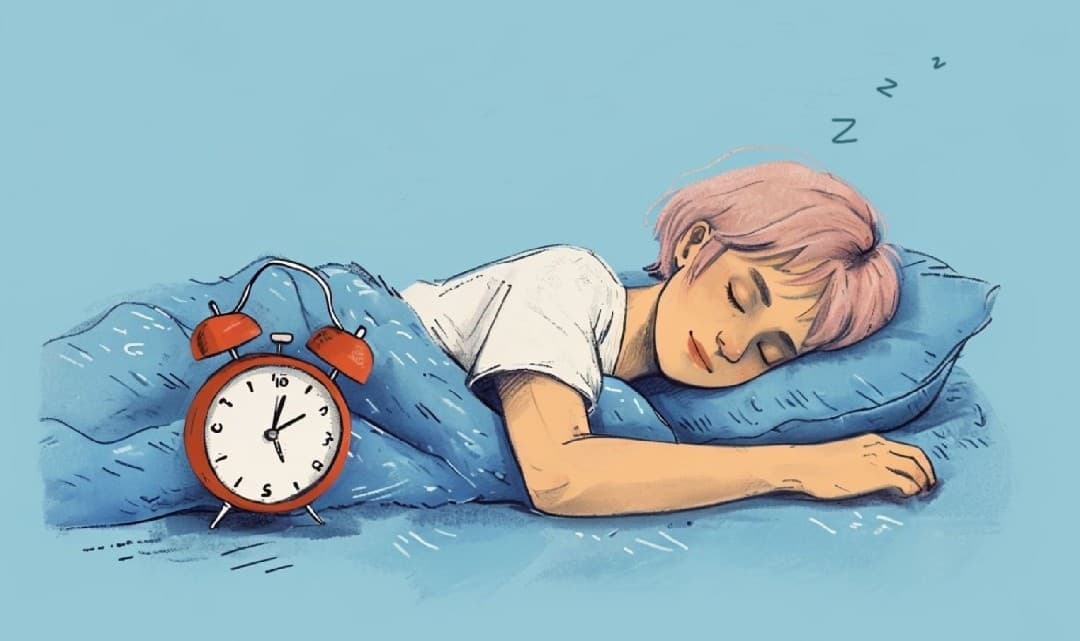
When you don’t want to do something, you feel lazy. All your wants emanate from your conditioning. Have a sharp look at what you call your ‘wants’. Our ‘wants’ are just an expression of how we have been programmed; they are not our ‘wants’ at all. Wanting and realizing are very, very different dimensions. Act on the basis of your intelligence, on the basis of your realization. Laziness is just a symptom of the effects of conditioning.

Relationship
26min7.8kreads18034
लड़का–लड़की का मिलन तो बहुत साधारण–सी बात होनी चाहिए; कुछ उसमें इतना विशेष नहीं कि उसका हव्वा बनाया जाए। आदमी है, औरत है, तो उनमें सेक्सुअलिटी भी होगी, वो ठीक है। लेकिन तुम उसको सेंटर बना देते हो कि यही सबसे बड़ी चीज़ है। हमारी परंपरा ने बीच में पर्दे डाल–डाल कर दोनों को इतना दूर कर दिया कि दोनों ने एक–दूसरे के बारे में फ़ैंटेसीज़ बना ली हैं। इंसान को इंसान की तरह देखो। ये सब जो तुमने कहानियाँ पाल ली हैं, ये तुम्हारा नासूर हैं। ये कहानियाँ हटा दो, देखो, जीवन कितना आसान हो जाता है।