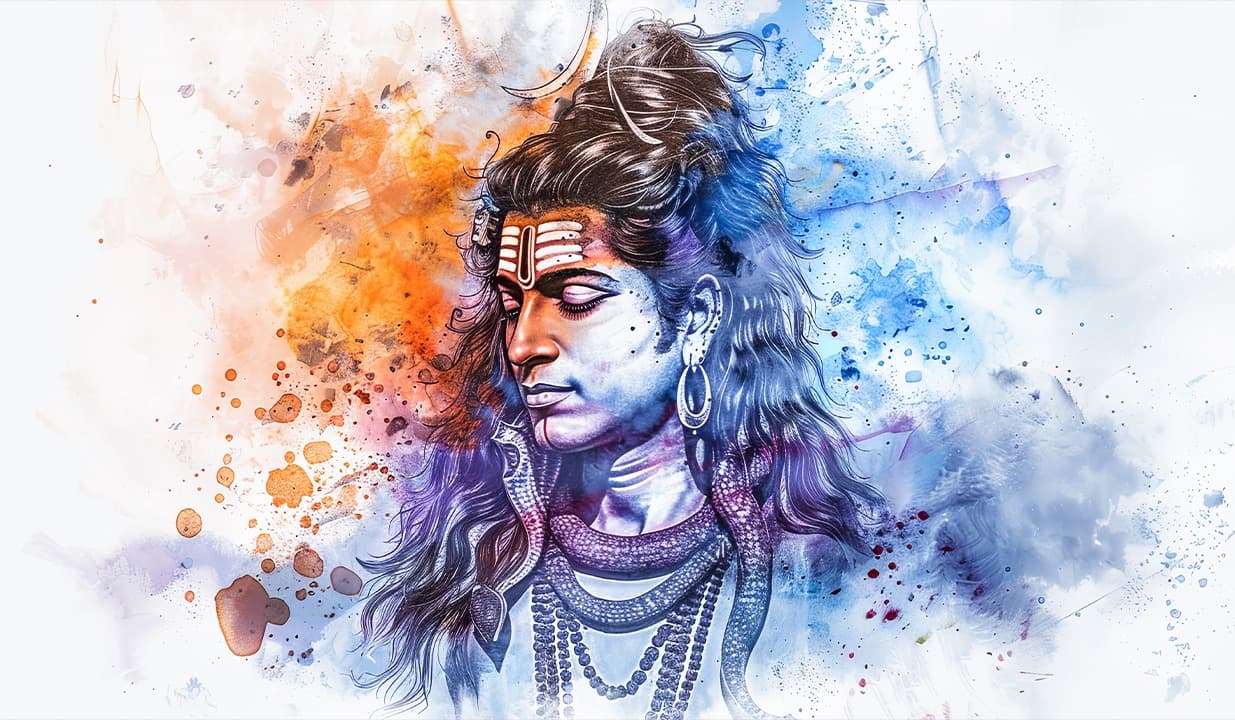
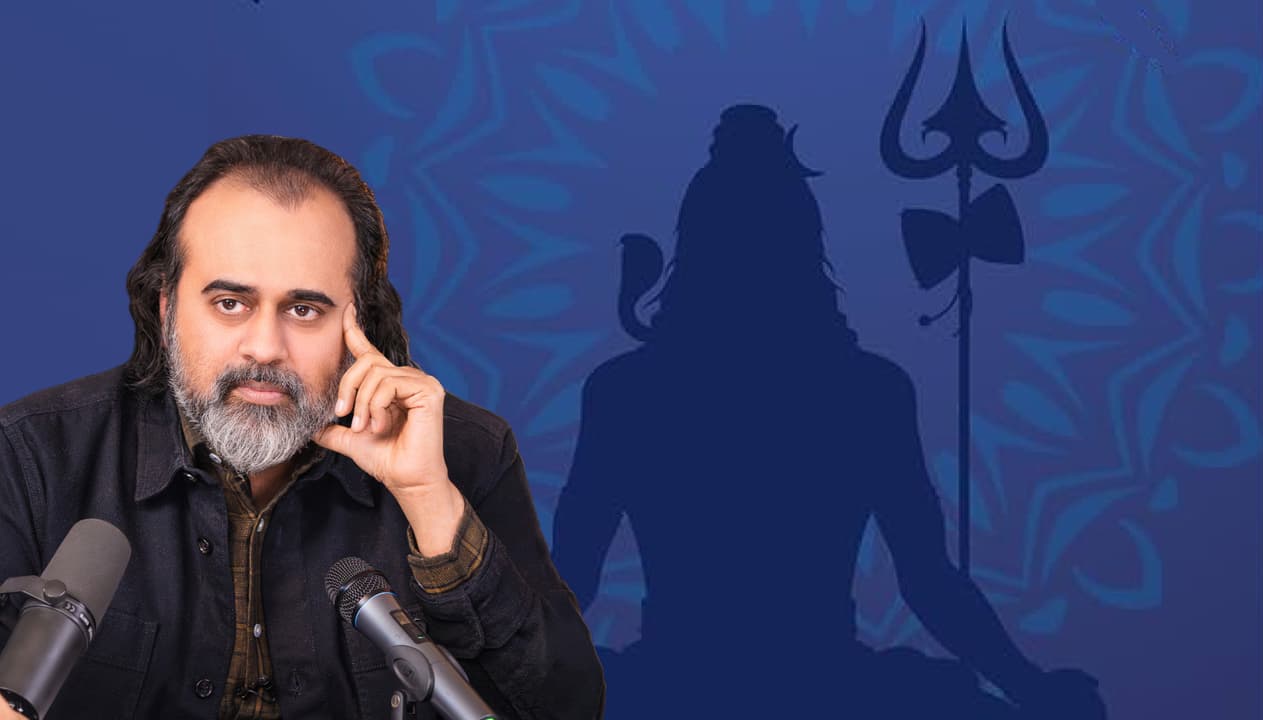
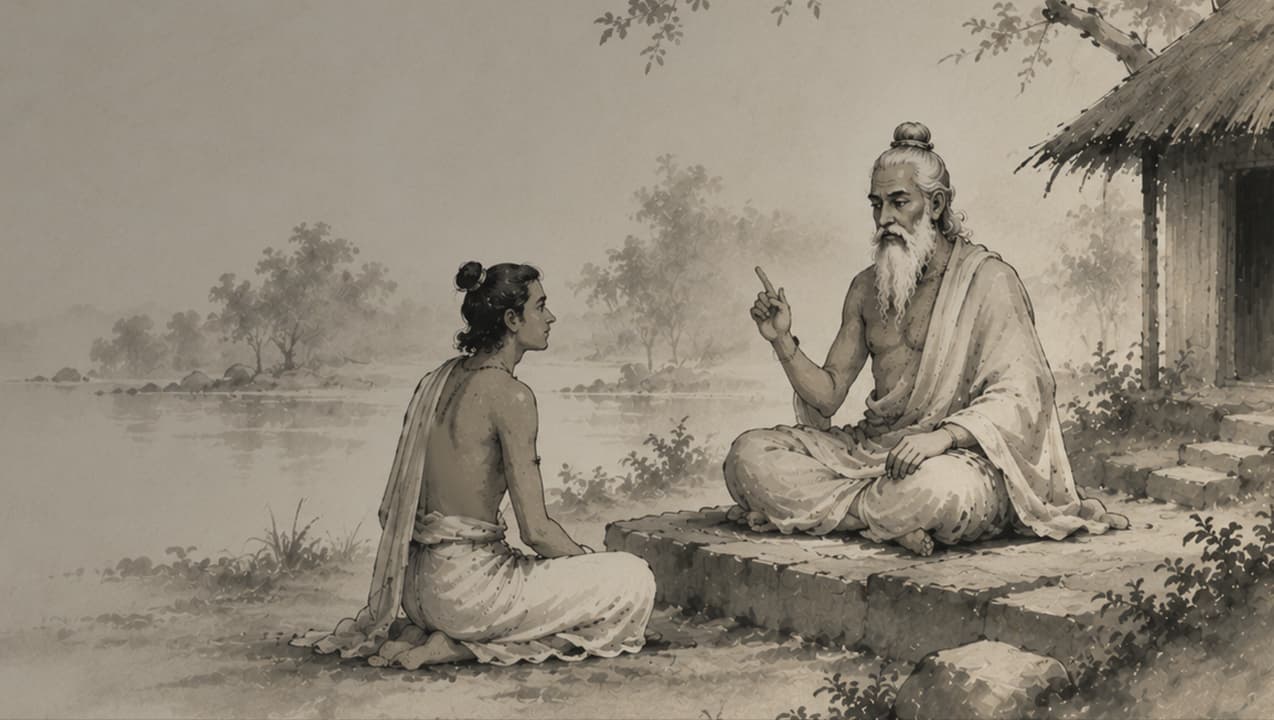
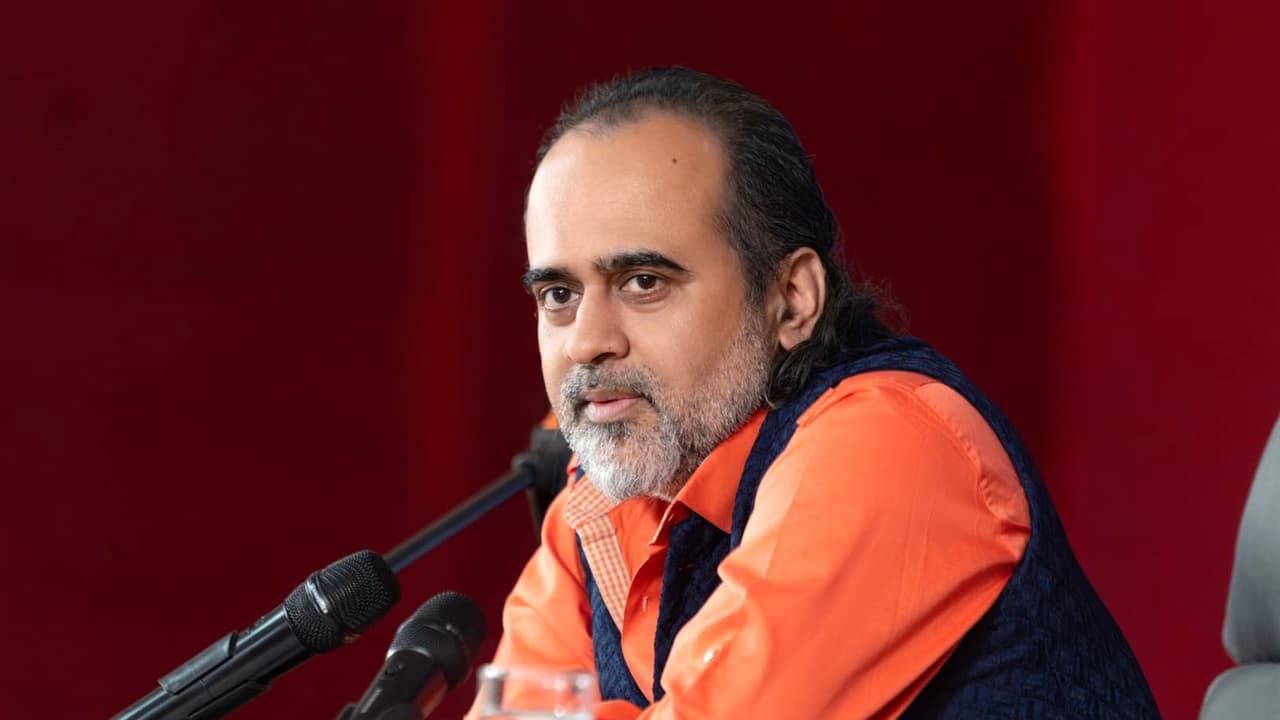
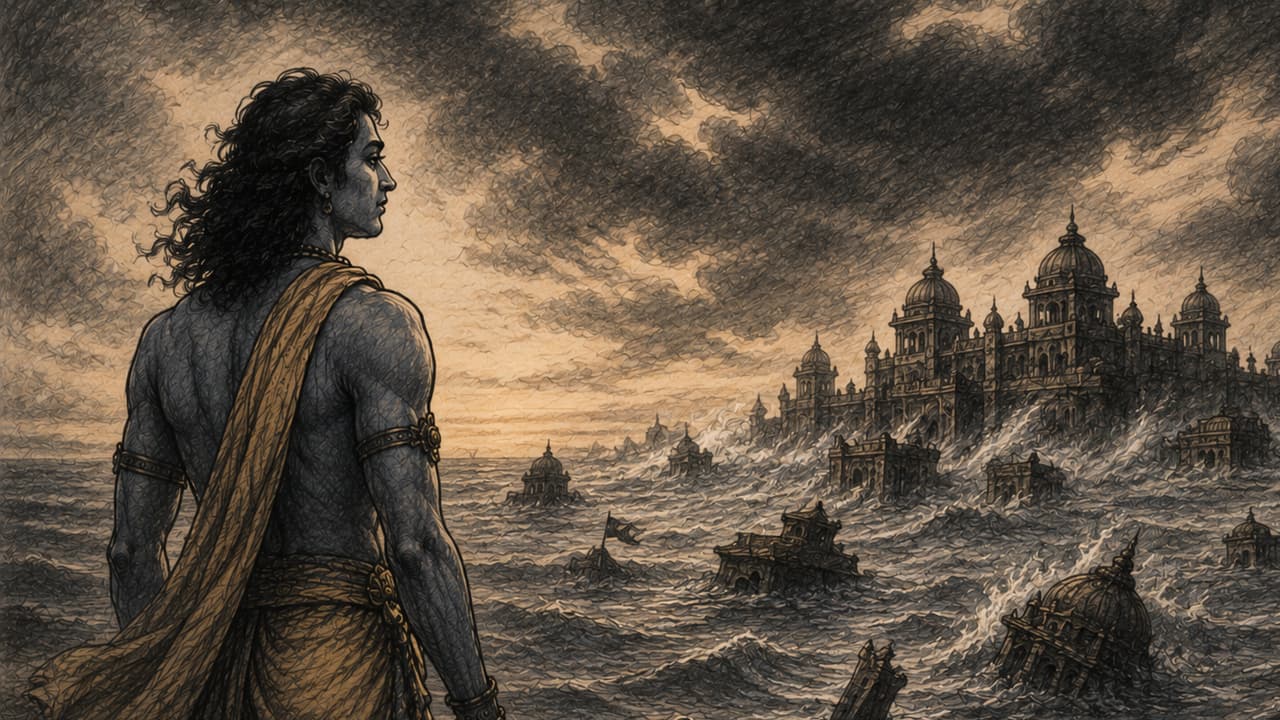
Shiv isn’t a person who existed at some point in time. Shiv isn’t confined to a specific place. Stories are sometimes useful pointers to the truth, but in our ignorance, we take the pointers themselves as history, facts or Truth. Shiv is the joy of pure consciousness. When false identifications and attachments are dropped in the light of self-knowledge, what remains is called the untainted essence of Shiv.
प्रश्नकर्ता: आचार्य जी, जो रुद्राक्ष होता है उसके बारे में जैसे बचपन में मैंने भी सुना था, घर में कहते थे कि रुद्राक्ष को मंदिर में रखते हैं तो उससे जीवन में एक सकारात्मकता आती है।
आचार्य प्रशांत: तुलसीदास उल्लेख करते हैं एक स्थान पर, वहीं से प्रश्नकर्ता ने ये सवाल रखा है: उल्लेख ये है कि ब्रह्मा जी पार्वती जी से शिकायत कर रहे हैं कि शिव आगा-पीछा देखे बिना, विचारे बिना, दान करते रहते हैं। इतना दान दे देते हैं कि उनके पास भी…
प्रश्नकर्ता १: आचार्य जी, प्रणाम। आज गुरु पूर्णिमा का पावन अवसर है। आपसे आज तक मिला तो नहीं हूंँ, लेकिन आपके वीडियोस व्याख्यान ही मेरे लिए गुरु समान हैं। सबसे पहले धन्यवाद!
Explore Books on Lord Shiv by Acharya Prashant, revealing deep Vedantic insights into Shiv’s true essence, symbols, and spiritual wisdom beyond misconceptions.
धर्म के साथ कई तरह की परंपराएँ जुड़ी हैं, जिनका उद्देश्य होता है — मन को भ्रम और दुख से मुक्ति देना। ‘शिव’ परम सत्य का दूसरा नाम है। यदि तीर्थाटन करने से मन साफ़ हो रहा है, आपके मन में सच्चाई दृढ़ता से स्थापित होती है, तो तीर्थयात्रा बहुत शुभ है — चाहे वह कावड़ यात्रा हो, अमरनाथ यात्रा हो, या केदार यात्रा। लेकिन यदि शिव का अर्थ बस मानसिक तल पर कुछ मान लिया है, उस पवित्रता से प्रेम ही नहीं, तो फिर क्या ही लाभ।
8
Shakti represents everything in motion, everything that can be experienced, everything in space-time. We move in search of a final destination. That point is symbolically represented by Shiva. Those who are inclined towards having the right kind of movement worship Shakti. Those who have fallen in love with the destination itself, worship Shiva. The fact is that the two are inseparable.
Now comes the deeper symbolism of Shivlinga. It says—look, if you have taken birth, then you are there in the body. But even while living in the body, you have to live as if you are without a body. So, the shape of the Yoni that you see in the Shivalinga is actually the world or the body, and this Lingam that you see in the middle of it is the Consciousness—the Consciousness which is located in the body.
Excerpts from Articles
Climate Change: The Solution Is a Choice
Climate change is more than an environmental crisis—it is a crisis of human choices. Our patterns of consumption, consumerism and endless pursuit of more are putting increasing pressure on the planet. But meaningful change does not necessarily begin with new technology or stricter policies. It begins with a deeper question: what are we willing to change within ourselves?
रक्षाबंधन केवल भाई-बहन के रिश्ते और सुरक्षा की रस्म तक सीमित नहीं होना चाहिए। आज असली रक्षा उन चीज़ों की ज़रूरत है जो कमज़ोर और संकट में हैं—गौरैया, नदियाँ, पहाड़, पेड़, महासागर और पृथ्वी। साथ ही ईमानदारी, आत्मज्ञान और मानवीय मूल्यों की भी रक्षा जरूरी है। धर्म कर्मकांड नहीं, अपनी शक्ति और उससे जुड़ी व्यापक ज़िम्मेदारी को समझना है।
फ़ालतू खर्च छोड़िए, अपनी ज़िंदगी पर खर्च करना सीखिए
आचार्य प्रशांत बताते हैं कि क्यों हम सही खान-पान, स्वास्थ्य और अपने ऊपर ज़रूरी खर्च से बचते हैं, लेकिन दिखावे और फ़ालतू सामाजिक परंपराओं पर पैसा बहा देते हैं। अधिकांश लोगों के लिए समस्या सिर्फ़ पैसों की कमी नहीं, बल्कि विवेक और सही प्राथमिकताओं की कमी भी है।
Struggling to choose between a secure job and the path you actually feel drawn to? This isn't really a question about careers. It's about why other people's opinions have so much power over you in the first place. Real clarity doesn't come from finding the 'right' choice. It comes from honestly looking at your own fear, again and again, until it stops running the decision for you.
एक पुजारी जो रोज़ भूत-प्रेत, तंत्र-मंत्र और वशीकरण के नाम पर आए लोगों से मिलता है, आचार्य प्रशांत से पूछता है: जब वो ख़ुद जानता है कि कुछ भूत-चुड़ैल नहीं होता, तो लोग बार-बार इसी झूठ की शरण में क्यों जाते हैं? जवाब अंधविश्वास से कहीं गहरा निकलता है — यह हमारे भीतर के उस झूठ की कहानी है, जिसे हम हर कीमत पर बचाना चाहते हैं।
Justice Without Boundaries: Why Compassion Cannot Stop at Species
Oppression should not see caste, gender, creed or colour, and it should not see species either. The moral threshold is sentience, not intelligence. An animal feels pain as fully as a human does, whether or not it can explain its suffering.
ज्योतिष कितना सच है? कुंडली, ग्रह-नक्षत्र: इनका क्या अर्थ है?
वेदांत को केवल इसलिए सही या श्रेष्ठ नहीं माना जा सकता कि वह किसी विशेष परंपरा से आता है। विज्ञान जहाँ भौतिक जगत की वस्तुनिष्ठ जाँच करता है, वहीं अद्वैत वेदांत सीधे मनुष्य के ‘मैं’, उसके दुख, बंधन और मुक्ति की पड़ताल करता है। इसकी कसौटी वैज्ञानिक प्रमाण नहीं, बल्कि अपने जीवन में इसकी सच्चाई को देख पाना है। किसी दर्शन को मान लेना नहीं, बल्कि उससे स्वयं को मुक्त करना ही उसका वास्तविक उद्देश्य है।
हम वहाँ से शुरुआत करेंगे जहाँ पर कोई तर्क हो ही नहीं सकता। हम वहाँ से शुरुआत करेंगे जहाँ कोई मान्यता हो नहीं सकती और कौन सी हैं वो जगह ‘मैं’। बिल्कुल हो सकता है कि ये दीवारे न हो, ये मेरी मान्यता हो, आँखों का धोखा हो, सब कुछ झूठ हो सकता है। लेकिन एक चीज तो है न, जो है और उसी की खातिर मैं बात कर रहा हूँ, मैं हूँ और मैं हूँ। मुझे मेरे होने का दुख नहीं पता चलता है। मैं दुखी हूँ। यहाँ से सारा अध्यात्म शुरू होता है। बाकी सब नकली हो सकता है। आपको सामने वाले से एक बात पूछनी है दुखी हो? और ‘हो’। दुखी हो। उसमें अस्तित्व भी आ गया तुम्हारा। अहम। हो, हो माने अस्तित्व है तुम्हारा। अहम और दुख है। हाँ यही है अध्यात्म सारा।
आम जनमानस में तो ये एक ही हैं, पर अध्यात्म की दुनिया में बाकी सारे नाम सिर्फ नाम हैं, और शिव सत्य हैं। शिव कोई चरित्र नहीं हैं; शंकर का चरित्र होता है। शंकर किसी पुराण के केंद्रीय पात्र हो सकते हैं, शिव नहीं। शंकर मन की जितनी अधिकतम ऊँचाई पर उड़ सकता है, वह हैं। और शिव हैं उस मन का आकाश में विलीन हो जाना। तो विचार का उच्चतम बिंदु हुए शंकर, और निर्विचार हुए शिव।
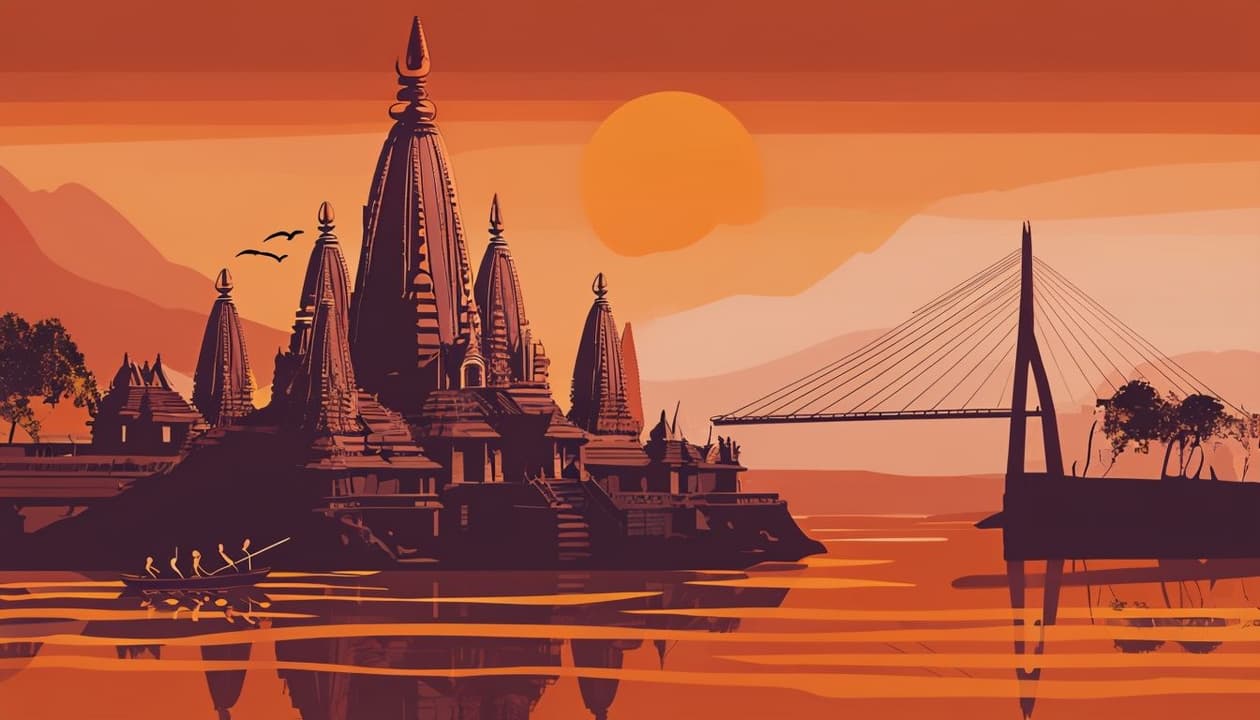
Rishikesh is the city of Shiva; it is the city of ending. While many cities mark beginnings, Rishikesh is where you come to stop. Haven’t we already had enough beginnings? Things must end somewhere. Having passed through Brahma and Vishnu, it is now time to meet Shiva. Shiva is annihilation—a full stop.
महाशिवरात्रि का उत्सव मनाने का सार भीतर के अंधकार को पहचानना और उसे कम करने का प्रयास करना है, यह मानते हुए कि यह त्योहार केवल एक दिन का नहीं, बल्कि आत्म-जागरूकता की निरंतर यात्रा है। यह रात महत्वपूर्ण है क्योंकि यह विनाश की एक धारा और नए आरंभ की दूसरी धारा के मिलन का प्रतीक है। किसी भी नए आरंभ के लिए, पहले पुराने, सड़े हुए और झूठे तत्वों को समाप्त करना आवश्यक है।
शिव कोई ऐसी इकाई नहीं हैं, जो अपना कोई निजी, पृथक या विशिष्ट व्यक्तित्व रखती हो। हम सब जहाँ पहुँचना चाहते हैं, हमारी एक-एक गतिविधि जिस अवस्था को हासिल करने के लिए है, उसका नाम है—शिव। सब समय, सब स्थान मन का विस्तार हैं और शिव मन का केन्द्र हैं। शिव इसलिए नहीं हैं कि उनके साथ और बहुत सारे किस्से जोड़ दो। शिव इसलिए हैं ताकि हम अपने किस्सों से मुक्ति पा सकें। शिव कोई देवता, भगवान या ईश्वर नहीं हैं, शिव सत्य मात्र हैं।
Shiv is unthinkable—beyond words, thought, and representation. He cannot be captured in pictures or idols. Yet, for most people, imagining truth without form feels impossible. This is where Shankar arrives. Shankar is the highest point a man’s imagination can reach. The maximum flight of the mind is Shankar, and Shiv is the disappearance of the mind into the sky.
2
So 'know', don’t try to know about Shiva. Shiva is not furniture. Shiva is not a tree. Shiva is not a cloud, not even the sky. How will you know Shiva? Do you know of anything that has no shape, no form, and is eternal? How will you know Shiva? But know, do know. What can you know? This world and yourself. Know that. That knowing is Shiva-ness. Shivatva.
दो आँखें सबके पास होती हैं, और ये सिर्फ़ दुनिया को देखती हैं, स्वयं को नहीं। शिव की तीसरी आँख एक प्रतीक है, जो बताती है कि आपकी ज़िंदगी में दुनिया से परे कुछ होना ज़रूरी है। क्योंकि जो केवल दुनिया को देखेगा, वह उसमें फँसकर दुख पाएगा। इसलिए दुनिया को और स्वयं को एकसाथ देखो। यही शिवत्व और शिव के तीसरे नेत्र का अर्थ है।
1
प्रश्नकर्ता: आचार्य जी, सपनों में या ध्यान में किसी भी भगवान के दर्शन हो जाने को बड़ा महत्व दिया गया है, लोगों को ध्यान में शिव दिखते हैं और ऐसी बहुत कहानियाँ और भी प्रचलित हैं, ये सब क्या है कृपया स्पष्ट करें?
आचार्य प्रशांत: और शिव का भी वही…
7
प्रश्नकर्ता: प्रणाम, आचार्य जी। 'निर्वाण षटकम्' की एक पंक्ति है —
'न धर्मो न चार्थो न कामो ना मोक्ष:
चिदानन्द रूप: शिवोऽहम् शिवोऽहम्।'
तो इसमें जो मोक्ष के विषय में कहा गया है कि मैं मोक्ष भी नहीं हूँ, तो क्या शिव को मोक्ष भी नहीं चाहिए?
आचार्य प्रशांत: हाँ,…
आचार्य प्रशांत: महाशिवरात्रि का समय है और आपकी बहुत-सी जिज्ञासाएँ आयी हैं। आपने कहा कि जैसे अभी पूरी बात समझायी आपने कि ईश्वर माने क्या, आत्मा माने क्या, माया माने क्या, चार राम कौन से होते हैं — और श्री कृष्ण की गीता पर तो लंबे और पूरे व्याख्यान होते…
1
आचार्य प्रशांत: आप मन का कोई विषय नहीं हैं। मन में कभी कोई विषय देखा है जो शाश्वत रहे कि अब आ गई मन में वो बात तो लगातार है, कोई भी ऐसी बात है? ज़िंदगी में आपको जो चीज़ सबसे प्यारी हो, वो भी क्या ऐसा होता है कि…
आचार्य प्रशांत:
हम भी बनारस से ही हैं।
(श्रोतागण हँसते हुए)
प्र: महर्षि वेदव्यास जी ने स्कन्द पुराण लिखा है जिसमें सात खंड हैं, जिसमें चौथा खंड काशी खंड है। और उसमें जो…
प्रश्नकर्ता: प्रणाम आचार्य जी। मैं आपको पिछले छः महीने से सुन रही हूँ और मेरा प्रश्न पहले सत्र से जुड़ा हुआ है। तब आपने कहा था और मैं मानती भी हूँ कि जो ब्रह्म है वही सत्य है। और जो निराकार है, जिसे हम ईश्वर भी कहते हैं, सामान्य भाषा…
आचार्य प्रशांत:
तो ऊर्जा का संबंध फिर किससे हुआ? शांति से। मैं उसको थोड़ा और साफ़ करके बोलूँ तो ऊर्जा का संबंध हुआ आत्मा से। जब कुछ भी आत्मिक होता है तो
…
Share
1
नवरात्रि में देवी और असुरों की कथा पढ़कर सवाल उठता है: जब दोनों ही प्रकृति हैं, तो लड़ाई किससे है? लड़ाई प्रकृति से नहीं, उस अधूरेपन से है जो मानता है कि दुनिया को भोगकर वो पूरा हो जाएगा। देवता और असुर दोनों यही चाहते हैं। अंतर बस इतना है कि चोट खाकर देवता देखते हैं और लौट आते हैं, असुर फिर वही दोहराते हैं। हम भी रोज़ भोजन, लोगों और चीज़ों से पूरा होने की उम्मीद करते हैं। और ‘सब ब्रह्म है’ कहकर विवेक छोड़ देना भी उसी अहंकार की चाल है। चोट हमें भी लगती है; क्या हम उससे सीखते हैं?
Many of us interrupt, rush to make our point, or change the topic when a conversation comes too close. We call it a lack of patience or discipline. But impatience in a conversation is often fear: when what we hold within is borrowed belief, every question could shatter it. The same confusion makes us take our instincts and feelings as ourselves, though they are only the body’s chemistry. If we looked honestly at what we hold, would a question still feel like an attack?
Physical weakness does not stay physical. It becomes mental weakness, and the ego, which turns everything into an identity, starts saying “I am weak” because that line brings support and spares it responsibility. Visible strength works even unused: it keeps the opponent outside wary and silences the one within, who can no longer claim to be helpless. Keeping the body strong is therefore a spiritual matter, not vanity. Are we holding on to weakness because it is convenient?
सच की राह पकड़ते ही अक्सर अपने ही लोग बदल जाते हैं, और हम मान लेते हैं कि शायद हम ठीक से समझा नहीं पा रहे। पर सामने वाला समझ तो रहा होता है, उसे बस सौदा नहीं जँचता। अहंकार लेन-देन से चलता है, इसलिए अकेले तर्क उसे नहीं हिलाते। हमारा अपना अहंकार भी यही करता है: थोड़े-से स्वार्थ के लिए हम झूठे रिश्तों में मिठास का स्वांग करते हैं, मजबूरियाँ गिनाते हैं और पीछे हट जाते हैं। जिसे हम मजबूरी कहते हैं, क्या वह सच में मजबूरी है?
A world champion asks why she cannot sleep when a teammate outperforms her, and why even big wins leave her restless. The restlessness is not a problem but unspent energy, a sign that we have more to give. When every bit of our time and attention goes to what we have chosen, there is no surplus left to worry with. The right fight is never only against an opponent; it is against the ego within. What would it mean to fight so fully that nothing is left to celebrate or mourn?
Many of us promise our parents high marks, and when the result falls short, the guilt can feel heavier than the exam itself. But no one controls results; they depend on far too many things outside us. What is in our hands is our intent, our effort and our honesty with what we study. The Bhagavad Gita says the same: our right is to action alone, never to its fruit. What if the only promise we made was to study honestly and with love?
We often defend a bad choice by pointing to a worse one: stay dishonest or starve, keep the wrong grip or stop playing. But the real trouble is not the option we picked. It is the option we never let ourselves see. Action does not need greed or attachment to find its energy. The third way begins by rejecting both false choices, without knowing what comes next. Which of our everyday choices are really false dilemmas?
Struggling to choose between a secure job and the path you actually feel drawn to? This isn't really a question about careers. It's about why other people's opinions have so much power over you in the first place. Real clarity doesn't come from finding the 'right' choice. It comes from honestly looking at your own fear, again and again, until it stops running the decision for you.
Climate change is more than an environmental crisis—it is a crisis of human choices. Our patterns of consumption, consumerism and endless pursuit of more are putting increasing pressure on the planet. But meaningful change does not necessarily begin with new technology or stricter policies. It begins with a deeper question: what are we willing to change within ourselves?
Science can examine material claims, but Advaita Vedanta deals with the subjective self, ego, suffering, bondage, and liberation—areas outside science’s objective framework. Vedanta need not be accepted because of one’s religion or tradition; its value lies in whether its insights can be personally verified and help free one from suffering. The ultimate responsibility is not toward any philosophy, but toward oneself: to live a truly free life.
Superhero films appeal to our desire to escape inner inadequacy through external power. The fantasy of an ordinary, fearful person becoming extraordinary reinforces the ego’s belief that more strength, money, possessions, or status will bring happiness. Consumerism follows the same pattern, endlessly adding objects to fill an inner void. Real freedom does not come from becoming more powerful or acquiring more, but from honestly seeing and understanding the ego that feels incomplete.
कई तरह के डर—अकेले पड़ने, छवि खोने या छोटा समझे जाने—की जड़ अक्सर अतीत में बनी पहचान और कहानियों में होती है। शरीर की हाइट जैसी चीज़ों को समस्या मानकर उनसे जूझने के बजाय उनकी अप्रासंगिकता को समझकर आगे बढ़ना चाहिए। अतीत को दबाने से मुक्ति नहीं मिलती; उसके करीब जाकर अपनी स्मृतियों, धारणाओं और पुराने पैटर्न को निष्पक्षता से देखना ज़रूरी है।
भूतों का डर अक्सर किसी वास्तविक भूत से नहीं, बल्कि हमारी कल्पना, डर और सस्ते रोमांच की चाह से पैदा होता है। भूतिया फ़िल्में और कहानियाँ मन में ऐसी धारणाएँ बना देती हैं कि साधारण चीज़ें भी डरावनी लगने लगती हैं। डर से भागने के बजाय उसके आधार पर प्रश्न करना चाहिए। सस्ते रोमांच के बजाय ज्ञान, इतिहास और सार्थक चुनौतियों में वास्तविक आनंद और उत्साह खोजना अधिक उपयोगी है।
Spirituality does not replace the fear of ghosts with belief in God. It asks us to question the mind that creates both fear and belief. Ghosts, gods, and stories can all become projections of imagination. The spiritual path begins by dropping assumptions, investigating “Who am I?” and understanding the source of suffering. With attention, right knowledge, and self-inquiry, fear loses its power and one becomes inwardly free.
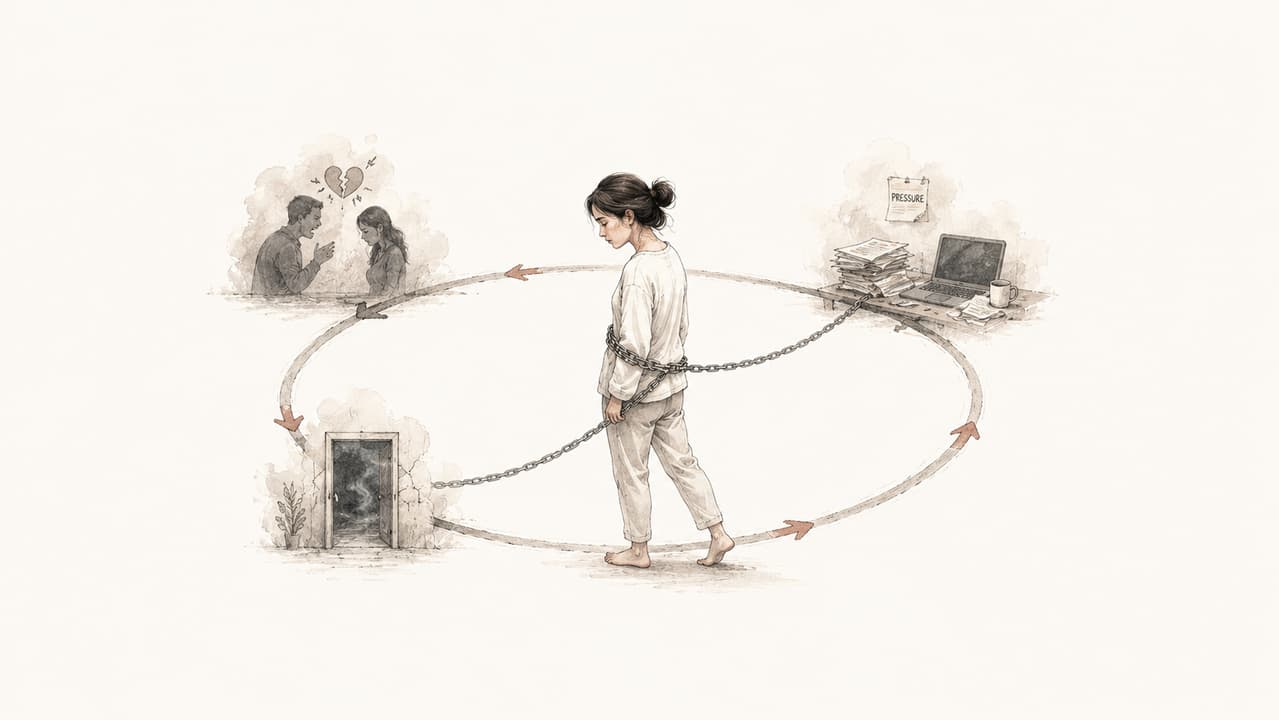
A true relationship is not built on need, possession, or emotional dependence, but on a shared commitment to Truth and inner growth. A worthy companion reflects your reality like a mirror rather than performing a role to please you. Real love is effortless, rooted in one's nature, not expectations. When your highest commitment is to excellence and Truth, relationships become a natural outcome—not the purpose of life itself.
डर वास्तविकता से नहीं, बल्कि अस्पष्टता और कल्पना से ताक़त पाता है। वह कभी स्पष्ट नहीं बताता कि किस बात का भय है, बल्कि धुंधले संकेतों से मन को विचलित करता रहता है। डर से भागने के बजाय उसे सामने बुलाकर उसके हर दावे से स्पष्टता माँगनी चाहिए। जैसे ही भय को सटीक होने के लिए मजबूर किया जाता है, उसकी शक्ति समाप्त होने लगती है, क्योंकि उसका पूरा अस्तित्व भ्रम और धुंध पर टिका होता है।
डर बोलने से नहीं, बल्कि दूसरों की राय और अपनी छवि खोने के भय से पैदा होता है। जब हम अपनी पहचान को लोगों की स्वीकृति पर टिका देते हैं, तब साधारण काम भी कठिन लगने लगता है। गलती करना गलत होना नहीं है; गलती सीखने का अवसर है, पहचान नहीं। आत्मनिर्भरता, आत्मसम्मान और दूसरों की राय से मुक्त होकर ही व्यक्ति निडर होकर बोल सकता है और आत्मविश्वास के साथ जीवन जी सकता है।
श्रीकृष्ण, श्रीराम और अन्य अवतारों को केवल उनके मानवीय जीवन से समझना भ्रम पैदा करता है। साकार रूप सीमित होता है, जबकि उसका उद्देश्य मनुष्य को निराकार सत्य की ओर ले जाना है। देह, परिवार या घटनाओं में कमियाँ खोजने के बजाय उनके संदेश का सार समझना आवश्यक है। विवेक, कृतज्ञता और सही दृष्टि ही आध्यात्मिक समझ का आधार हैं, जबकि हर बात में दोष ढूँढ़ना केवल अहंकार को पोषित करता है।
अज्ञान भय पैदा करता है, जबकि ज्ञान से आनंद और मस्ती जन्म लेते हैं। सच्ची मित्रता, प्रेम और शांति किसी को पकड़ने से नहीं, बल्कि स्वतंत्रता देने से मिलते हैं। मन स्वयं चंचल नहीं होता; उसमें क्या भरा जाए, यह हमारी सजगता तय करती है। जीवन का उद्देश्य केवल जानकारी जुटाना नहीं, बल्कि ज्ञान से प्रेम करना, प्रश्न करना, आत्मावलोकन करना और अपने भ्रमों को पहचानकर भीतर की स्वतंत्रता की ओर बढ़ना है।
Science and philosophy arise from different kinds of inquiry. Matter seeks continuity of state, while the ego seeks continuity of existence and constantly changes identities to preserve itself. Fear, danger, and suffering are rooted in the ego’s sense of “I,” not in material reality itself. Questions are valuable because they expose hidden beliefs, and genuine learning requires challenging assumptions through inquiry, dialogue, and self-examination.
जीवन सीमित है, इसलिए उसका केंद्र मृत्यु के बाद की कल्पनाएँ नहीं, बल्कि जीवित रहते हुए जागरूकता और मुक्ति होनी चाहिए। रस्में, कर्मकांड और मृत्यु के बाद की कथाएँ अक्सर जीवन की वास्तविक ज़िम्मेदारियों से ध्यान हटाती हैं। जो प्रेम, सहायता और सम्मान देना है, वह जीवित लोगों को देना सार्थक है। मृत्यु की स्मृति समय का मूल्य सिखाती है, अधूरी कहानियों को छोड़ना सिखाती है, और वर्तमान जीवन को पूरी गंभीरता और ईमानदारी से जीने की प्रेरणा देती है।
Sixty million followers do not necessarily indicate a transformation in consciousness. Large numbers may reflect persistent outreach rather than deep commitment. Truth is often avoided not through opposition but through indifference, convenience, and self-deception. Real change requires sustained effort, inner honesty, testing one's understanding, and the courage to face uncomfortable truths instead of seeking comfort, validation, or easy inspiration.
Fear, social conditioning, and painful memories often shape how people live and make choices. True growth begins by questioning inherited beliefs, refusing to remain trapped by past wounds, and acting from understanding rather than conformity. What appears to be sacrifice is often just the abandonment of conditioned habits. Freedom comes not from external systems, but from the courage to see clearly, learn, and move beyond fear.
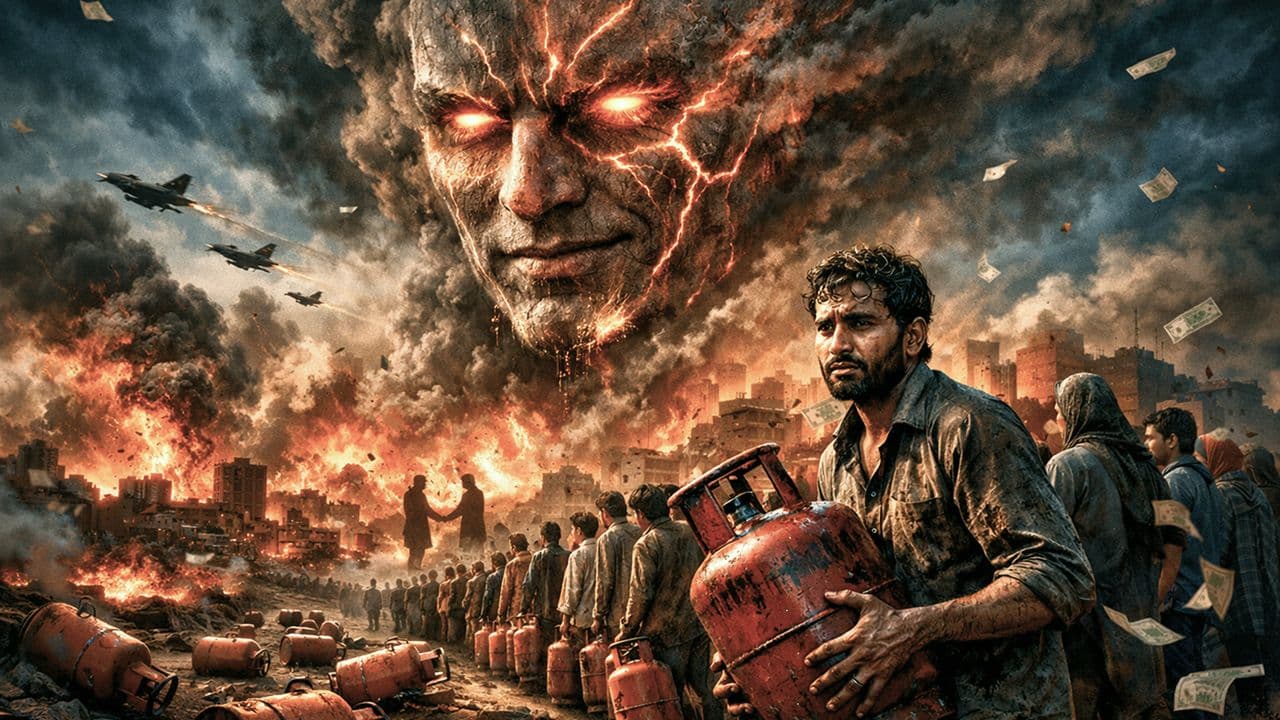
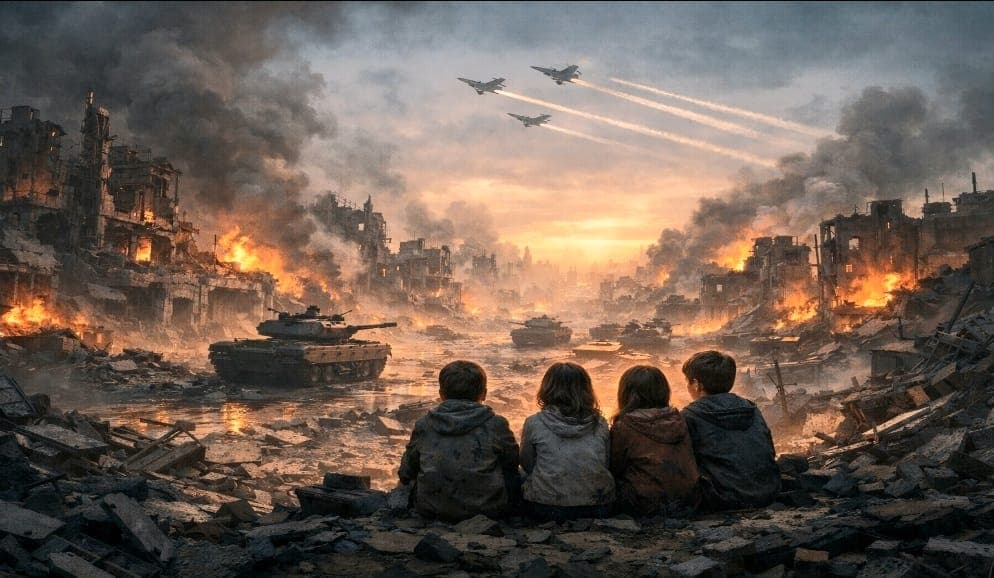
युद्ध, मुनाफाखोरी और हिंसा का मूल कारण अहंकार है, जो अपने स्वार्थ के लिए दूसरों ही नहीं, स्वयं को भी नष्ट कर सकता है। समाज अपनी बुराई को स्वीकार नहीं करता और खुद को अच्छा मानकर धोखे में जीता है। इसी अज्ञान से शोषण, युद्ध और अन्याय चलते रहते हैं। समाधान केवल आत्म-अवलोकन और भीतर की सच्चाई को ईमानदारी से देखने में है।
Global conflicts stem not from geopolitical interests but from the ego's fundamental incompleteness. Nations are merely expressions of collective egoic consciousness. Leaders represent humanity's worst tendencies, not its average. The ego requires duality and boundaries to survive. True disarmament means detoxifying the ego itself. External wars reflect internal disturbance. No diplomatic solution addresses the root cause, only wisdom and self-knowledge can dissolve the ego's need for conflict and separation.
The only principle that truly runs this world, created by all of us, is the principle of greed and power. What do you think that fellow has earned his billions for? He didn't become a politician to be noble. The only thing that separates us from animals is the intellect, not the center the intellect is operated from. Don't locate the problem and the responsibility somewhere out there. We change ourselves; the world changes.