Love, for the one who is at a low level of consciousness, is to aspire for a higher level. And love, for one sitting on the Himalayan peaks of consciousness, is to be compassionate towards those at lower levels — and, for their sake, if needed, lay down your life.
प्रश्नकर्ता: आचार्य जी, बहुत बार ऐसा होता है कि हम कुछ लोगों को बड़ा समझने लगते हैं, और उन्हें तवज़्ज़ो देने लगते हैं। समझ नहीं आता कि ऐसा करना भी चाहिए या कोई सम्यकता रखनी ज़रूरी है?
“I lust after your body” is the ego speaking plainly. Tell it the ego is false, and it rephrases: “It’s not lust, it’s love. And I’m not the ego, I’m Atma.” So the Buddha said even this Atma is false, and we turned Neti Neti into one more belief. A PhD student asks which of the two works better. The answer: neither teaching was weak. “You give poison to the ego, that becomes nourishment.” Which holy word is doing that work for us today?
Questioner: Pranaam Acharya Ji!, You have told that individual Liberation is not possible. Either we can go together, or nobody can go. So we have to help others to cross-over.
Acharya Prashant: You are in front of food and you see how your body wants to lunge towards food. And do you know why the body wants to lunge towards food? Especially, let’s say, sweetmeats or high-calorie items? Why? – Because evolution taught it to, because the survival of the
Acharya Prashant: Love and responsibility have to be reasonless. They have to be mad. One has to be crazy enough to put in everything for a seemingly trivial creature.
Question: It is said that the sage doesn’t get angry for long time. Can you talk about this?
Speaker: Do you bother about how other people love? If you have a real relationship with anybody; with a child, with a dog, with a woman, do you bother about how other
Questioner (Q): Yes, so just again we haven't been able to talk about this conversation prior to this, but I’m sure you got a sense of it. What we like to do in this conversation is keep it very transparent and conversational. But what we like to believe is different…
Many of us have sat at the study table and found the mind drifting to anything else: a song, a daydream, a plan for the future. We call it a lack of focus. But the real issue runs deeper. The fun in other things is plain to see, while the good inside studies stays hidden, like a drink in a sealed can. We are rarely told why we study, and we rarely ask. Can we come close enough to a subject to taste what it holds, before deciding we don't like it?
Search
2
प्रश्नकर्ता: आचार्य जी, मुझे कर्म में कोई विश्वास नहीं है, भक्ति में कोई श्रद्धा नहीं है। मुझे धर्म की कोई समझ नहीं है, तो परमात्मा की कृपा मुझ पर होगी या नहीं? परमात्मा से मेरा कभी साक्षात्कार होगा?
आचार्य प्रशांत: तो अभी जैसे भी हो तुम, उससे अगर संतुष्ट ही…
भाषा हमें बहुत सारे देती है नाम। और ये जो सारे नाम हैं, ये हमें भरोसा दिला देते हैं कि अपूर्ण अहंकार, पूर्ण हो सकता है। ‘इस नाम से बात नहीं बनी तो उस नाम से बात बनेगी; तो उस नाम से बात बनेगी, तो उस नाम से बात बनेगी।
…
2
प्रश्नकर्ता: आचार्य जी, भारतीय दर्शन में वेदों के आधार पर आस्तिक और नास्तिक का विभाजन किया गया। उसमें बौद्ध, जैन और चार्वाक दर्शन को नास्तिक बोल दिया गया; जिसमें से मुख्यत: बौद्ध और जैन धर्म ने वेदों की सत्ता को माना नहीं, इस वजह से उसमें वर्गीकरण किया गया।
तो…
हैप्पीनेस
(खुशी) के बारे में है कि
व्हाट एग्ज़ेक्टली हैप्पीनेस इज़?
(खुशी वास्तव में क्या है?) और हमें खुशी चहिए क्यों होती है। जैसे कि बचपन से ही जब हम किसी के पैर छूते हैं अपने से बड़ों का, तो सभी लोग बोलते हैं, "खुश
…
Excerpts from Articles
Jealousy is dependency in disguise
Nobody wants to admit to jealousy, not even to themselves. It is easier to look away from than to examine. But it is worth looking at, because jealousy tells you where your sense of worth is kept.
आप बहुत गलत तरीके से जी रहे थे, अब आपको बता रही जिंदगी
ज़िंदगी की छोटी-से-छोटी स्थिति भी आपके सामने आती है तो अगर आपकी सुधरने की, सीखने की नीयत है तो उस स्थिति के बाद आप वैसे ही नहीं रह जाएंगे जैसे कि आप उस स्थिति के पहले थे. यह मैंने बात करी जीवन की किसी भी साधारण स्थिति की. अभी जो वैश्विक आपदा हमारे सामने है, वह तो निश्चित ही असाधारण है.
Children’s Day: What Are We Really Giving Our Children?
Children’s Day is celebrated on 14 November every year. We try to provide the best schools, facilities, and plans for our children’s future and celebrate their achievements with pride.
The Mirage of Revolutions: Why Uprisings Fail Without Inner Freedom
When we think of revolutions, it is often the sound that comes back first: the roar of voices in the streets, slogans ringing through capitals, crowds that feel unstoppable, and rulers suddenly brought down. For a fleeting moment, it feels as if a new dawn has arrived. Yet when the dust clears, the old shadows return.
Especially in the modern world, unfortunately, a degree of constant anxiety has become an almost normalized state for us. A large portion of our mental health problems as a collective is very much about anxiety and fear. Burn-outs, career pressures, problems with self-esteem, fear of others, stress about studies etc.
दीपावली पर घर साफ होते हैं, पुरानी वस्तुएं हटती हैं, कोने चमकते हैं। उधर बाजार कपड़ों, आभूषणों और उपहारों से भर जाते हैं। एक ओर घर से अनावश्यक सामान निकालते हैं, दूसरी ओर नई वस्तुओं से उसे फिर भरते हैं। लेकिन जिस गंभीरता से घर साफ करते हैं, क्या उसी गंभीरता से अपने जीवन की भी जांच करते हैं? दीपावली प्रकाश का पर्व है।
Sanatan Dharma is the way if the world is to be saved, rest is just cult
When it comes to philosophy and spirituality, the discourse often becomes dense. But in our endeavour to understand Sanatan Dharma, we will proceed with simple definitions and queries.
The planet is irreversibly tipping. Who is pushing it?
We have begun to speak of the future climate as though we could settle the bill later. We shall keep emitting greenhouse gases, warm the planet beyond the limit we have agreed upon and, when technology has improved, bring the temperature down again.
Decision-making, for most of us, becomes heavier than it needs to be. The moment a choice appears, the mind begins its familiar dance. Thoughts circle around the options, trying to predict outcomes, trying to secure certainty, and the whole thing turns strangely tiring.
When a flood destroys a bridge, rebuilding it creates economic activity. Someone buys steel and cement, construction companies get contracts, workers are hired, and money changes hands.
A Lesser Known Incident From Mahatma Gandhi’s Life
Mahatma Gandhi had been in South Africa at the center of a civil movement for more than two decades but he kept coming to India to attend Congress sessions. There was not much depth in those visits.
यह प्रश्न केवल ईश्वर के बारे में नहीं है। इससे कहीं ज़्यादा यह हमारे बारे में है। हम किसे राम कहते हैं, इससे पता चलता है कि हम स्वयं को क्या समझते हैं, किसमें सुरक्षा खोजते हैं और किसके लिए अपना जीवन लगा रहे हैं।
Dr. Ambedkar is an enduring symbol of struggle, dignity, and the relentless pursuit of justice. His life was not merely a series of events that were linked with politics or social reform. It was an intellectual, social, and spiritual odyssey. Dr.
आचार्य प्रशांत: यूँ तो होगा ही, वो होना ही पक्का है। देखो, दुनिया…
1
Acharya Prashant: I know it's a fad currently, “the in thing” to say, be your own light, don’t depend on anyone, decide for yourself, whatever. It's a very ignorant thing to say with all due respect to the Buddha.
Such advice is meant only for very selected disciples. And even…
33
‘अप्प दीपो भव’ — ‘अपने प्रकाश स्वयं बनो’ — यह एक बहुमूल्य वक्तव्य है, लेकिन आख़िरी है। उससे पहले बड़ी साधना करनी पड़ती है। ‘कोई गुरु आवश्यक नहीं है’, यह जानने के लिए भी कोई गुरु चाहिए। जब पूरी साधना, पूरी दीक्षा हो जाए और शिष्य की विदाई का समय आए तभी गुरु को कहना चाहिए — ‘अप्प दीपो भव’। और तभी शिष्य के कान में ये शब्द पड़ने चाहिए। भूलना नहीं, ये ‘आख़िरी’ शब्द हैं।
25
बुद्ध ने जितना काम किया, उतना बहुत कम लोग ही कर पाए। उनके आंतरिक ज्ञान को तो एक तरफ़ रखो — जो उन्होंने भौतिक तल पर भी कर दिखाया, वह उस समय का बड़े-से-बड़ा आश्चर्य था। इतना बड़ा संघ उन्होंने खड़ा कर दिया था और उसकी व्यवस्था चलाते थे। बुद्ध एक तरह से उसके सीईओ थे। उसके बहुत विस्तृत और सूक्ष्म नियम-क़ायदे थे, जो बुद्ध ने स्वयं तय किए थे — जैसे आज की किसी भी संस्था में होते हैं। बड़े-से-बड़े वेदांतियों में महात्मा बुद्ध का नाम लिया जाना चाहिए।
8
Acharya Prashant (AP): That which you call “Vipassana” today, is a very recent phenomenon. They claim that it comes from the Buddha, actually, it is not. The stream flowing from Buddha got extinct around the 8th or 10th century AD. This modern Vipassana came up in Burma, just around a…
8
आस्तिकता का अर्थ — वेदान्त के प्रति सम्मान। बुद्ध वेदान्त की जितनी गहराई तक पहुँचे थे, उतनी गहराई तक उस समय में कोई ऋषि-मुनि नहीं था जिसको वेदान्त समझ में आता हो। असली वेदान्ती वही हैं। वेद का मर्म कर्मकांड नहीं, वेदान्त है और वेदान्त को सबसे आगे बुद्ध ही बढ़ा रहे थे। वेदान्त अकेला है जो अमर है। अगर आप वेद को कर्मकांड बना दोगे, तो आज की पीढ़ी वेद को भुलाती जाएगी — यह सबसे बड़ा ख़तरा है।
10
Buddha had some core traits which remain the same today. A sharp mind and a certain curiosity in knowing the depths of life, not feeling that ‘I already know.’ Deep compassion, detachment, and an unending desire to reach the ultimate knowledge, not lazily concluding at one point. He shared his knowledge with the world. A practical man — raised an organization that became the dominant religion of the land. Today, in an age where religion has distorted, we need hundreds of Buddhas.
7
Realization is extremely powerful. You cannot realize and not act. It is impossible. You cannot realize and not act. Action follows realization. So if you come and say, “I realize, I understand but I cannot act,” then you are mistaken; you actually do not realize at all! The action after realization is not time-bound; it does not even have a time lag. It is instantaneous and spontaneous.
1
It indeed does help to feel like a victim. It does not help you, but it helps that within you which is a product of victimization. Because if you are a victim, then you are entitled to certain rights. All victims get entitled to special rights.
Operate from a…
5
आचार्य प्रशांत: बुद्ध जो हैं वो तो बुद्ध होकर के ही जाना जा सकता है। बुद्ध जो हैं उसको जानने का और कोई तरीक़ा नहीं है, उसके लिए बुद्ध ही होना पड़ेगा। लेकिन बुद्ध जो कह रहे हैं, बुद्ध ने जो भी कहा है, हमारी शुरुआत तो उसको ही समझने…
2
Acharya Prashant: One hallmark, one unmistakable quality of right action would be that it would require all your guts. It is only a false action that you can comfortably undertake. Falseness is never troublesome; Truth always is. Whenever you would be doing something that would be real, you would know…
11
बुद्ध निर्विकल्प जीवन जीने को कहते थे| निर्विकल्पता में आता है कि पात्र में जो दे दिया विधि ने, वहीं खा लेना है। अगर बुद्ध ने अपवाद खड़ा कर दिया होता, तो भिक्षु निर्विकल्पता का पालन करने से मुकर जाते| तो बुद्ध ने कहा, ‘नहीं, अब आ ही गया है माँस तो खा लो। वैसे भी इसको तुमने मारा नहीं’। पर ये समय सापेक्ष बात है | भूल होती है, जब कहते हैं ‘बाज़ार में जो माँस है, हमने तो मारा नहीं,तो हम उसे खाएँगे।’ ये मत कर लेना, ये केंद्रीय, कालातीत बात नहीं|
Acharya Ji, I can’t even help the people close to me, they are caught up either in routine work or…
…
1
Acharya Prashant: The whole issue is because you have left the jungle and yet not reached where you set out to reach; you are stuck in between.
Man is in a very precarious position. Animals are well settled; the free ones, the Buddhas are also well settled. Man is unsettled.…
I don’t know whether you have heard this story from the life of the Buddha. One man was carrying a goat…
3
आचार्य प्रशांत: देखते हैं दुनिया को; उसमें पहली डुएलिटी (द्वैत) तो पैदा होने के साथ ही आ जाती है। पहली डुएलिटी है कि — ये मैं हूँ और ये रहा संसार, और ये दोनों अलग-अलग हैं। पैदा होने के कुछ ही समय बाद शरीर का बोध आ जाता है, और…
…
Share
Acharya Prashant:
Mind of the so called ordinary
Sansari
(worldly man), is full of thoughts about obtaining power, prestige, comforts, money and such things. And often the mind of the so called spiritual seeker is filled with thoughts of obtaining liberation.
Right?
The concept of liberation is such that it…
4
प्रश्नकर्ता: प्रणाम आचार्य जी, मेरा प्रश्न है कि भगवान महावीर आत्मा को मानते हैं और भगवान बुद्ध आत्मा को अस्वीकार करते हैं। एक आत्मा को सत्य बोलते हैं और एक असत्य बताते हैं तो इन दोनों के बीच में अंतर क्या है?
आचार्य: जब कोई बात हमको बताई जाती है…
1
आचार्य प्रशांत: एक बात साफ़ समझ लीजिए — अगर आप अपने-आपको धार्मिक कहते हैं और पशुओं, जीव-जन्तुओं के साथ आपका हिंसा का, क्रूरता का नाता है तो आप कहीं से, किसी दृष्टि से, किसी कोण से धार्मिक नहीं हैं।
अभी दो-चार दिन पहले मैं याद कर रहा था ‘माँ कह…
3
आचार्य प्रशांत: जिन्होंने शरीर के ही दम पर प्रसिद्धि पाई, जिनको शरीर के ही नाते जानते हो उन फ़िल्मी सितारों की जवानी की और बुढ़ापे की तस्वीरें देख लिया करो। देह क्या है स्पष्ट हो जाएगा। देहभाव से मुक्त होने का अच्छा तरीक़ा है। कोई रहे हों अपने ज़माने के…
4
प्रश्नकर्ता मन में एक विचार भी आता है कि ये पलायनवाद तो नहीं होगा। जैसे एक बार मैं ओशो को सुन रहा था तो उन्होंने भी कहा था कि बुद्ध ने कुछ छोड़ा तो वो राजा थे इसलिए छोड़ा। उन्होंने भोगा था, फिर छोड़ा। तुमने कुछ भी अर्जित नहीं किया…
प्रश्नकर्ता:
प्रणाम आचार्य जी, मेरे काफ़ी दोस्त हैं जो काफ़ी धर्मगुरुओं को
फॉलो
(अनुसरण) करते हैं, उनके साथ मैं बहुत बातें करता रहता हूँ, आपसे भी सुनकर
शेयर
(साझा) करता रहता हूँ। बस अभी दो दिन पहले ही हमारा एक
सेशन
(सत्र) था जहाँ पर हम लोग
वर्क
(काम) के
…
प्रश्नकर्ता:
आचार्य जी, बुद्ध या कृष्णमूर्ति को मोक्ष आसानी से क्यों प्राप्त हो गया?
अचार्य प्रशांत: ये प्रश्न पूछकर के कि क्या कुछ लोगों को ज़्यादा आसानी से उपलब्ध हो जाता है? कहीं ऐसा तो नहीं कि तुम अपनेआप को यह सांत्वना देना चाहती हो कि जीवन तुम्हारे लिए अत्यधिक…
आचार्य प्रशांत: वो जंगल की ओर नहीं गये थे, वो समाज से दूर गये थे। अन्तर समझना। बुद्ध को यह भ्रम क़तई नहीं था कि उन्हें जंगल में बोध मिल जाएगा। पेड़ पर थोड़े ही बोध लगता है! पेड़ पर बोध लगता…
आचार्य प्रशांत: जगत है किसके लिए? अहंकार के लिए। तो ‘जगत’ शब्द का प्रयोग करते ही एक नहीं, दो की बात हो रही है। जब हम कहते हैं, ‘आओ, जगत की बात करें’, तो ऐसा लगता है किसी एक…
1
प्रश्नकर्ता: प्रणाम आचार्य जी। आपको कोटि-कोटि नमन और बहुत सारा धन्यवाद कि हम लोगों को सही रास्ता दिखाने के लिए आप इतना संघर्ष कर रहे हैं।
आचार्य जी, हम हमेशा सबके सोशल स्टेटस के बारे में जानने को क्यों उत्सुक रहते हैं? यहाँ पर भी जब प्रतिभागियों से बात हुई…
1
प्रश्नकर्ता: प्रणाम आचार्य जी, कल के सत्र में आपने गौतम बुद्ध जी का ज़िक्र किया, गौतम बुद्ध जी कहते हैं कि शून्य हो जाओ। माने आपको किसी भी घटना का फ़र्क नहीं पड़ना चाहिए।
साहब कहते हैं:
कबीरा तेरी झोपड़ी, गल कटीयन के पास।
जैसी करनी वैसी भरनी, तू क्यों…
3
प्रश्नकर्ता : मैंने एक कहानी सुनी कि महात्मा बुद्ध ध्यानावस्था में बैठे थे, उसी समय कोई व्यक्ति आता है और बार-बार बुद्ध पर थूकता है और बुद्ध पोंछते जाते हैं, बिना उस व्यक्ति से रुष्ट हुए। ऐसे ही विवेकानन्द के बारे में है कि कोई उनपर थूकता है, तो वे…
अभी वहाँ से एक पत्ता गिरा नीचे। आम आदमी हरियाली में ही खोया रहता है, अपने पाँव के नीचे जो पत्ते हैं उनको थोड़ा कम ही देखता है। बुद्ध का मन ऐसा कि एक पत्ते को गिरता हुआ देखा और पूछने लगे कि सब पत्ते गिरेंगे क्या। जवाब
…
1
श्रोता: सर, अप्प दीपो भव के कई अभ्यंश समाज में काफ़ी प्रचलित हैं जैसे दूसरों की मत सुनो दिल की सुनो, पॉवर ऑफ़ कॉनसीय्स काफ़ी प्रचलित हैं यह, इनसे कैसे बचें?
वक्ता: ये जो बातें प्रचलित हैं कि लोगों की मत सुनो अपनी सुनो इत्यादि इन्हीं से मुक्त…
आचार्य प्रशांत: अगर कोई आध्यात्मिक प्रयास नहीं कर रहा है तो दो बातें हो सकती हैं: पहला, वो बुद्ध ही है,…
कम्पनी
के लिए झूठ भी बोलते हैं, अपने काम करने के लिए पता नहीं क्या-क्या करते हैं। यह सब करते भी हैं और इससे
…
1
वक्ता: एक मन है जो कपड़ा खरीदने जा रहा है और कपड़ा खरीदते समय कह रहा है तीन बातें: दिखता अच्छा हो, छूने में अच्छा हो, शरीर पर अच्छा हो और जब मैं इसे पहनूं, तो दूसरों को लगे कि ये महँगा कपड़ा है।उसने चार शर्तें रखीं हैं कपड़ा खरीदने…
GTA 6 को लेकर दुनिया भर में उत्साह है। पर हम ये नहीं पूछते कि जो आदमी दिन भर भीड़, दबाव और बेइज़्ज़ती चुपचाप सहता है, उसे रात को स्क्रीन पर नियम तोड़ना इतना अच्छा क्यों लगता है। जिसे हम अपनी सभ्यता कहते हैं, वो अक्सर बस डर होता है। भीतर का ग़ुस्सा दूसरों पर कम, ख़ुद पर ज़्यादा है, और जब उसे सीधे देखने की हिम्मत नहीं होती, तो वो परदे पर निकलता है। स्क्रीन पर हम वो बन जाते हैं जो ज़िंदगी में बन नहीं पाते। क्या हम देख पाएँगे कि हमारा ग़ुस्सा असल में किस पर है?
We have all felt it: a phone stolen, a job gone, someone who walked out, and suddenly it seems we were lost along with it. Things come, stay for a while and leave; that movement is not what hurts. It hurts when we were riding on what left. The same habit shows up when we try to learn: we want to be taught without our old walls being touched, and then we call the teaching confusing. So what are we really holding on to, the thing or ourselves in it?
यह हमसे अलग है, इसलिए हमसे कम है, इसे काट के खा जाओ, बाँध दो, इसका दूध निकाल लो। जानवर के साथ होने वाली हिंसा के पीछे यही तर्क खड़ा रहता है। पर अलग होने का मतलब कमतर होना नहीं है। हम जानवर को नहीं जानते, क्योंकि हम ख़ुद को नहीं जानते। ऊँच-नीच की रेखा खींचने वाला भीतर का वह ‘मैं’ है, जो किसी को छोटा ठहराए बिना बड़ा बन नहीं पाता। सबको बराबर कह देने से वह रेखा नहीं मिटती। क्या हम उस ‘मैं’ को देख पाएँगे?
Many of us say our family won’t let us be free. Then comes a plain question: where are the restrictions? Are they watching right now, chasing us with a lathi? Mostly they live in the mind, and we keep them there because breaking them has a price: someone’s hurt expectations, and perhaps no more money. So we call it love. Knowing what is worthwhile and refusing to pay for it is sheer cowardice. Physical confinement is another matter; no adult should put up with it. What price are we avoiding?
We are gentle with the people who matter to us, and quite different with those who have nothing to offer. A friend can be generous, peaceful and tender, and still sit down to a meal that began in a factory farm. Is that a blind spot, or one restless wish to gain, showing kindness here and hardness there? Nobody is bad in their own eyes, and even our giving may come from the same place. Who is it in us that is being good?
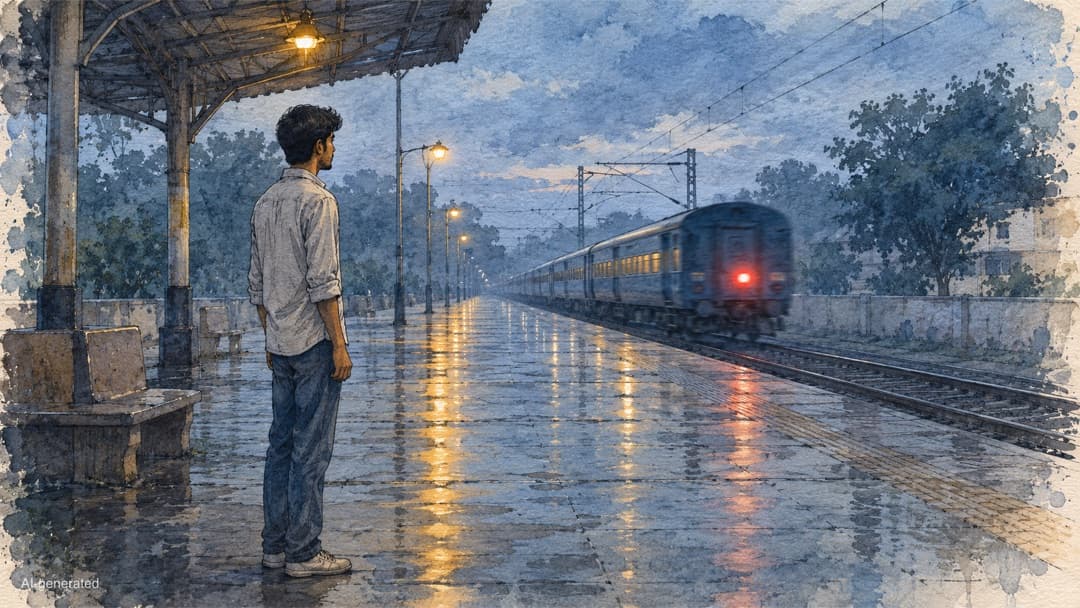
We drop the distractions, return to the work we know is right, and before long the mind is cluttered again. So we start sorting the noise: what is it, where is it from, why now? But nobody studies a trash bin while walking past it, and nobody gets off a train because the coach stinks. The turbulence comes from the part of us that is always at war with the part that knows what is right, and no one should expect a smooth road. Are we stuck because of the noise, or because we stopped?