J. Krishnamurti
Clarity
4min1.8kreads287
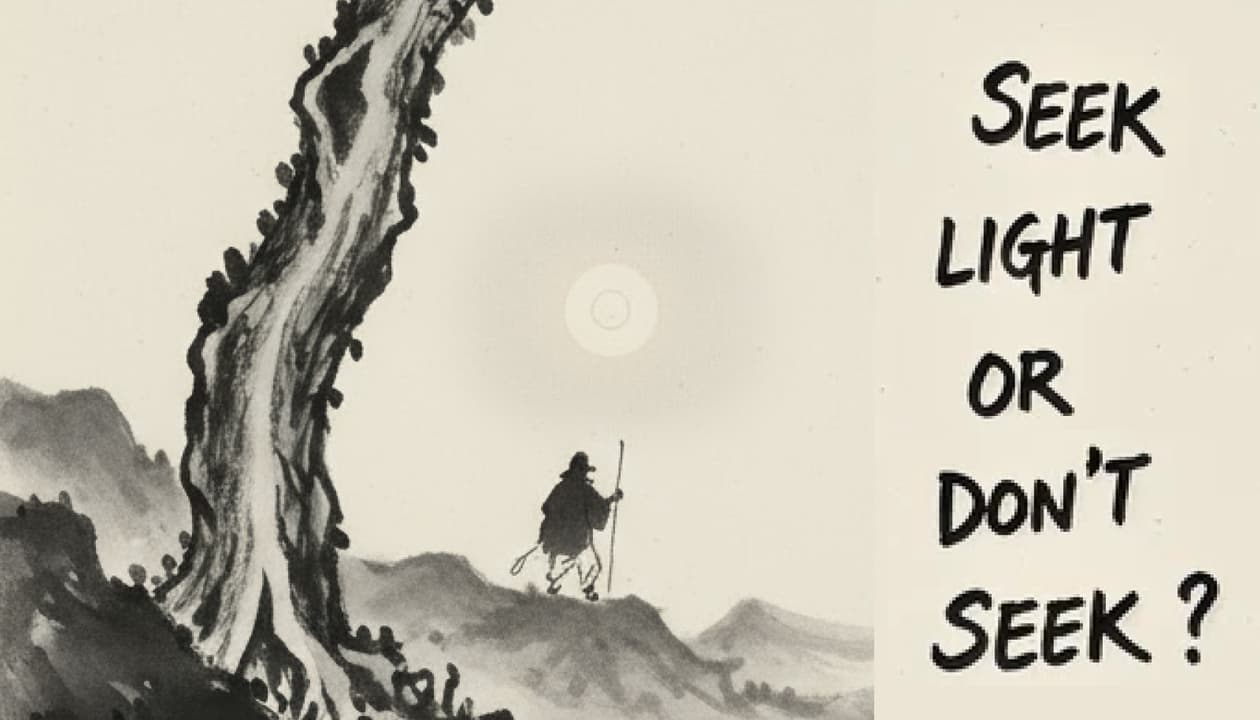
On one hand, there is a great danger that if you seek Light, you will seek the wrong kind of light; you will just seek darkness disguised as light. On the other hand, there is the equally dark option of not seeking at all. Between these two possibilities, I prefer the possibility of seeking Light, with all its associated dangers — that is still better than not seeking at all. Isn’t it better to die fighting in the battle than not fight at all?
Love
4min2.3kreads8810
The object of love is so big, so total, so filling, so occupying that it leaves no space for the subject to hide and survive. The task is so damn big that it can’t be done if you protect yourself. If you protect yourself, it won’t happen. Love involves a lot of bloodshed and demolition. And there are fireworks. Great structures collapse. Formidable enemies have to be defeated. All that is love.

J. Krishnamurti
16min1.2kreads335
The real problem is that you don’t ‘know’ the problem. Had you really known the problem, the problem would have very quickly faded away. Whenever you come across a problem, do not begin by saying that this is the problem and now I am going to solve it. First of all, drop all your pretensions about your understanding. You do not know anything, so you have to start from an absolute zero. You observe.
Happiness
3min2.2kreads9513
It is not really happiness that is to be found through self-knowledge. In fact, self-knowledge often is a danger to happiness. Self-knowledge dissolves both happiness and sadness, and you are left with nothing but a naked and silent joy. If you can see yourself clearly, without motivation, then the seeing itself is great fun.
J. Krishnamurti
11min1.1kreads9713
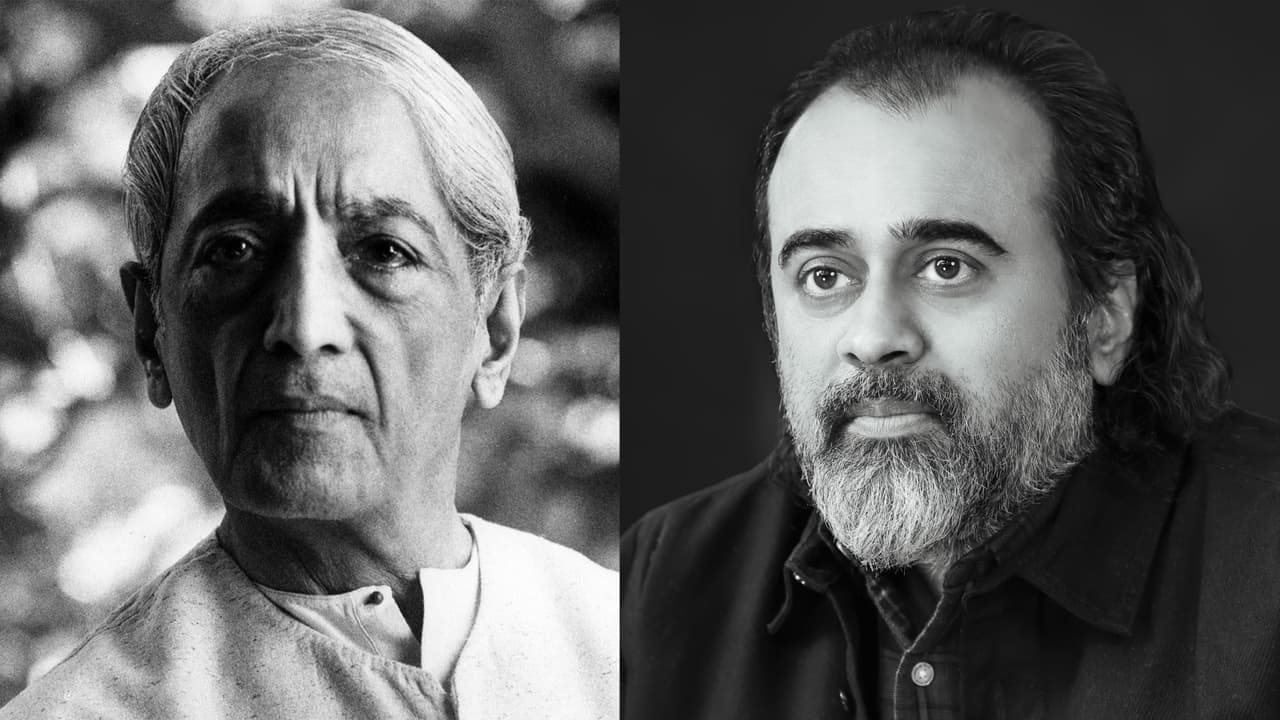
The words of a wise man must be read with wisdom, with empathy. When J. Krishnamurti says, “Become deeply aware,” read it as ‘Unbecoming Unaware.’ There is nothing called becoming aware. ‘Awareness Is.’ Over the innate awareness, there is a cloud of assumed unawareness. You just have to see that there is no fact in your assertion that there exists unawareness. So, you unbecome unaware. You cannot become aware. Awareness is not something that you can achieve or become or reach. It is.
Excerpts from Articles
फ़ालतू खर्च छोड़िए, अपनी ज़िंदगी पर खर्च करना सीखिए
आचार्य प्रशांत बताते हैं कि क्यों हम सही खान-पान, स्वास्थ्य और अपने ऊपर ज़रूरी खर्च से बचते हैं, लेकिन दिखावे और फ़ालतू सामाजिक परंपराओं पर पैसा बहा देते हैं। अधिकांश लोगों के लिए समस्या सिर्फ़ पैसों की कमी नहीं, बल्कि विवेक और सही प्राथमिकताओं की कमी भी है।
प्रूफ नहीं है, तो मानें क्यों?
अंधविश्वास या किसी दावे को केवल किताबों, परंपराओं या बड़ी-बड़ी हस्तियों के कहने से नहीं मानना चाहिए। भौतिक जगत से जुड़े हर दावे के लिए प्रमाण माँगना आवश्यक है। जो बात जाँची-परखी जा सकती है, उसे तर्क, प्रयोग और उपकरणों से जाना जाए; बिना जाने नहीं माना जाए। सच्ची जिज्ञासा वही है जो हर दावे के सामने प्रश्नचिह्न रखे और प्रमाण मिलने पर ही स्वीकार करे।
Climate Change: The Solution Is a Choice
Climate change is more than an environmental crisis—it is a crisis of human choices. Our patterns of consumption, consumerism and endless pursuit of more are putting increasing pressure on the planet. But meaningful change does not necessarily begin with new technology or stricter policies. It begins with a deeper question: what are we willing to change within ourselves?
Stuck Between Job Security and Your Real Passion?
Struggling to choose between a secure job and the path you actually feel drawn to? This isn't really a question about careers. It's about why other people's opinions have so much power over you in the first place. Real clarity doesn't come from finding the 'right' choice. It comes from honestly looking at your own fear, again and again, until it stops running the decision for you.
अंधविश्वास असल में झूठ को स्वीकृति पाने की चाह है
एक पुजारी जो रोज़ भूत-प्रेत, तंत्र-मंत्र और वशीकरण के नाम पर आए लोगों से मिलता है, आचार्य प्रशांत से पूछता है: जब वो ख़ुद जानता है कि कुछ भूत-चुड़ैल नहीं होता, तो लोग बार-बार इसी झूठ की शरण में क्यों जाते हैं? जवाब अंधविश्वास से कहीं गहरा निकलता है — यह हमारे भीतर के उस झूठ की कहानी है, जिसे हम हर कीमत पर बचाना चाहते हैं।
रक्षाबंधन: वो रक्षा माँग रही है - ज़रा सुनिए
रक्षाबंधन केवल भाई-बहन के रिश्ते और सुरक्षा की रस्म तक सीमित नहीं होना चाहिए। आज असली रक्षा उन चीज़ों की ज़रूरत है जो कमज़ोर और संकट में हैं—गौरैया, नदियाँ, पहाड़, पेड़, महासागर और पृथ्वी। साथ ही ईमानदारी, आत्मज्ञान और मानवीय मूल्यों की भी रक्षा जरूरी है। धर्म कर्मकांड नहीं, अपनी शक्ति और उससे जुड़ी व्यापक ज़िम्मेदारी को समझना है।
Justice Without Boundaries: Why Compassion Cannot Stop at Species
Oppression should not see caste, gender, creed or colour, and it should not see species either. The moral threshold is sentience, not intelligence. An animal feels pain as fully as a human does, whether or not it can explain its suffering.
ज्योतिष कितना सच है? कुंडली, ग्रह-नक्षत्र: इनका क्या अर्थ है?
वेदांत को केवल इसलिए सही या श्रेष्ठ नहीं माना जा सकता कि वह किसी विशेष परंपरा से आता है। विज्ञान जहाँ भौतिक जगत की वस्तुनिष्ठ जाँच करता है, वहीं अद्वैत वेदांत सीधे मनुष्य के ‘मैं’, उसके दुख, बंधन और मुक्ति की पड़ताल करता है। इसकी कसौटी वैज्ञानिक प्रमाण नहीं, बल्कि अपने जीवन में इसकी सच्चाई को देख पाना है। किसी दर्शन को मान लेना नहीं, बल्कि उससे स्वयं को मुक्त करना ही उसका वास्तविक उद्देश्य है।
Truth
12min1.5kreads1827
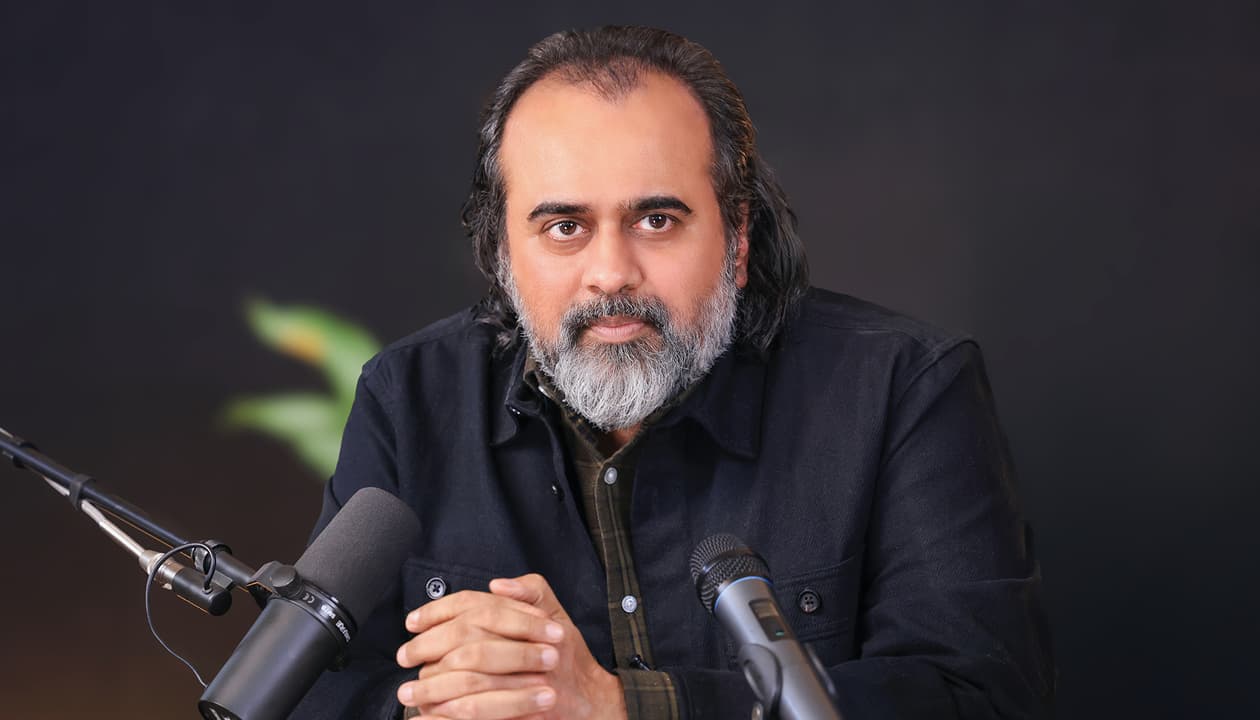
The Truth cannot be objectified as a thing, place, person, or book. So, don't be too quick to accept your own assessments, judgments, likes, dislikes, and experiences. Whatever you're seeing is seen by "you" — the Ego — and you are no absolute. Everything must be available to enquiry, investigation, and questioning — and questioning cannot happen if you declare that you’ve already come to the Truth. Never believe that the journey has ended or that the ego itself is the Truth.
Self Enquiry
8min2kreads2637
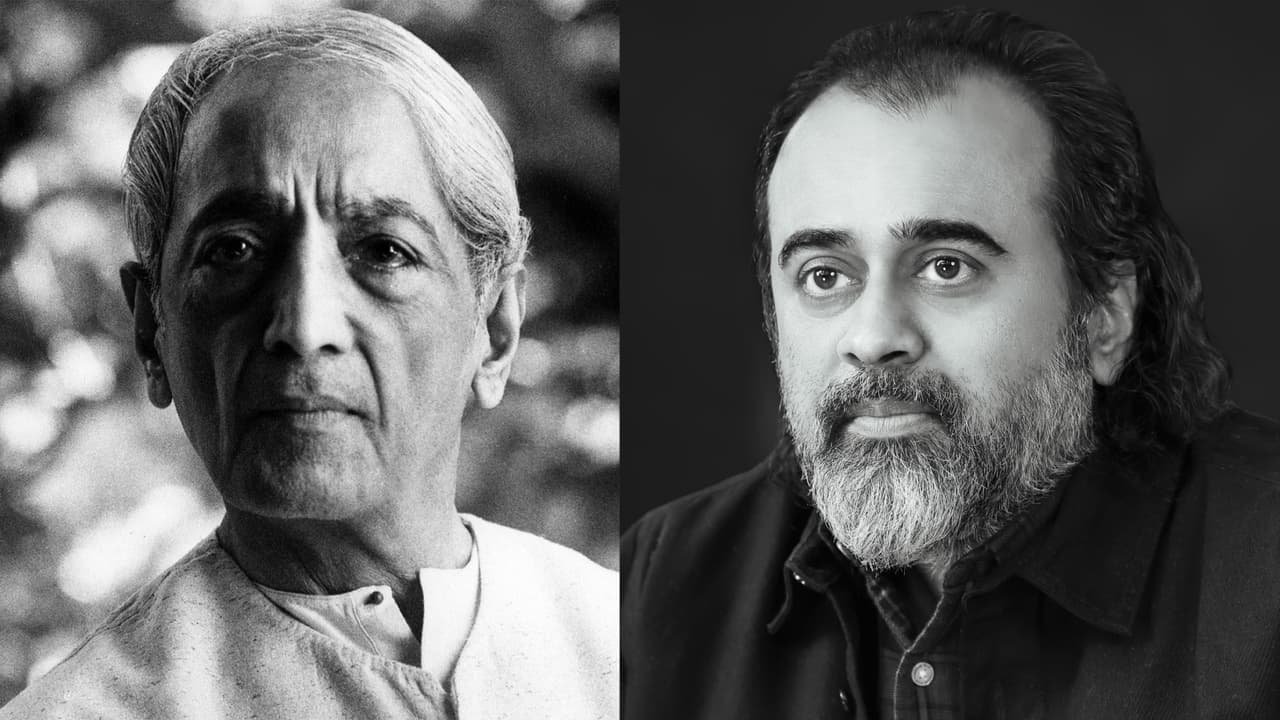
'The observer is the observed; an honest observation dissolves them both.' Or, 'The observer is the observed, and both are false.' We lay a lot of emphasis on the world, assuming it to be the Truth. If the world is an entity independent of everything, then it has to be the Truth, right? Truth is that which is independent of everything.
J. Krishnamurti
9min302reads104
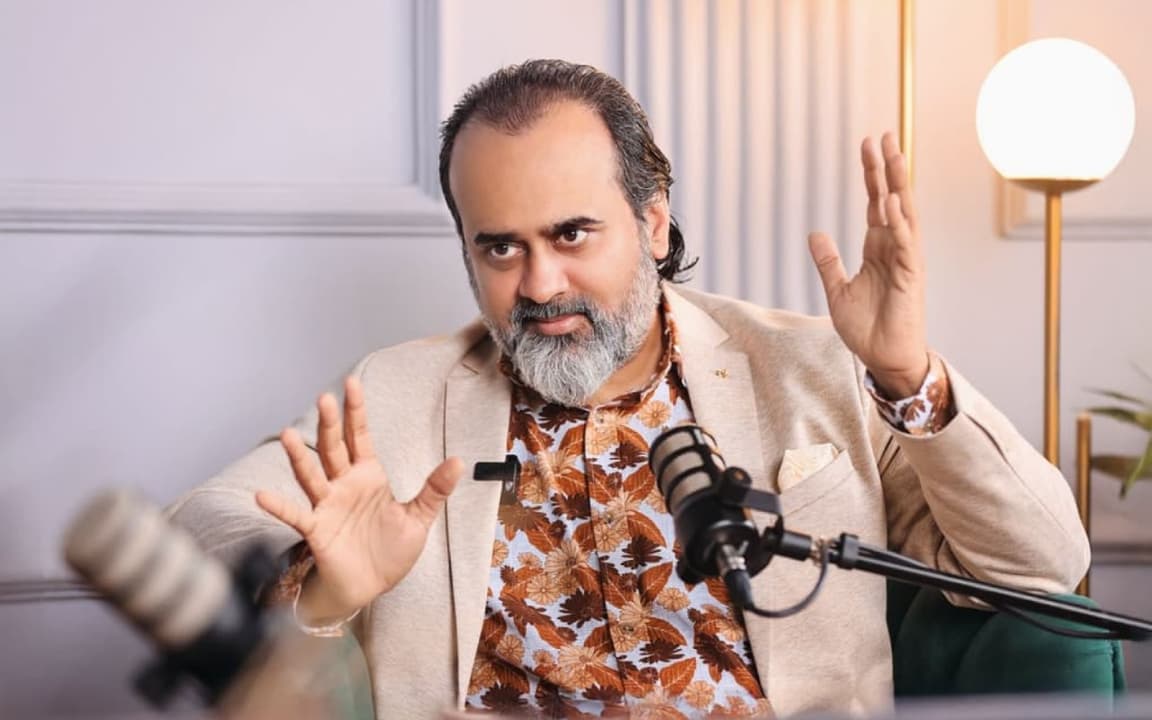
When you are not bothered about the other, that is when you are totally compassionate. When you are not trying to change the other, that is when you become an agent of change. Compassion is not about thinking all the time of others. You cannot try to be compassionate. When you are alright, then the sound of your footsteps is compassion. That is what compassion is.
Liberation
23min1.9kreads5112
प्रश्नकर्ता: बार-बार कृष्णमूर्ति साहब ये कहते हैं कि कोई गुरु की आवश्यकता नहीं है।
आचार्य प्रशांत: हाँ, क्योंकि सब अपना ही है, ज़िम्मेदारी सारी अपनी है, तो बाहर वाले का फिर नाम भी लेने की तकलीफ़ क्यों करनी है। और जो गुरु है वह सर्वप्रथम आंतरिक है। मैं कह रहा…
Clarity
9min1.1kreads2613
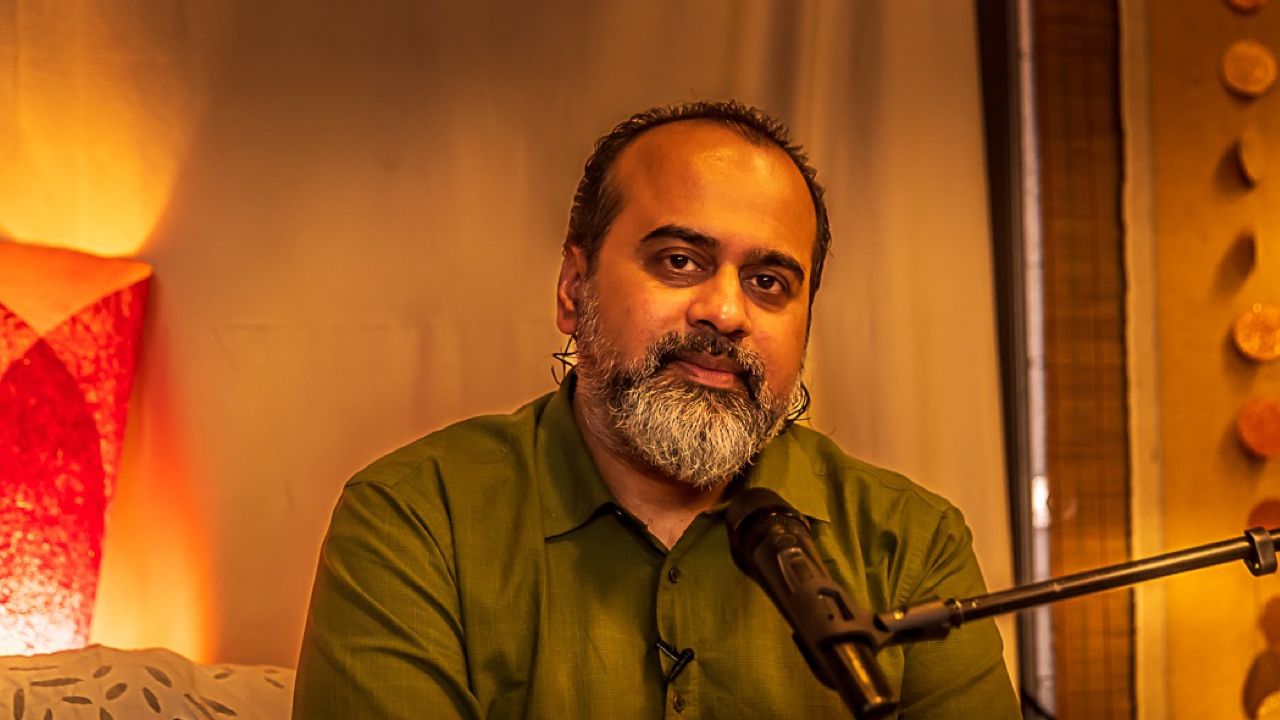
जिन्होंने कृष्णमूर्ति से मुलाक़ात की हुई है, वो बुल्लेशाह में और प्रगाढ़ता से प्रवेश कर पाएँगे, बल्कि मैं कहूँगा वही समझ पाएँगे बुल्लेशाह को। और जो बुल्लेशाह के कायल हैं, वो जब कृष्णमूर्ति के पास जाएँगे तो उन्हें ऐसा लगेगा किसी अपने के पास आएँ हैं, इनको तो हम जानते हैं, ये वही बात तो कह रहे हैं। ये वही बात कह रहे हैं, जिस पर हम नाच कर आये हैं। बस सफ़ाई से कह रहे हैं, ज़्यादा व्यवस्था के साथ कह रहे हैं, बिना रंगरोगन के कह रहे हैं।
Love
8min1.5kreads277
The ego says that my first priority is to remain, exist, and after that comes everything else. Even the Truth must be subservient to my first priority. So, liberation is alright as long as it is a second of liberation. Peace is alright as long as it is five minutes of peace. But if silence threatens to take over the entire life, if peace starts dominating noise to the extent that the noise might be completely annihilated, then the ego rejects. The ego wants Truth, but only a modicum of Truth. The ego wants peace, but only a sliver of peace.
Beliefs
12min5.1kreads8221
प्रश्नकर्ता: मेरा प्रश्न नोट्स में से है: "बीइंग अवेयर ऑफ़ डिमांड्स ऑफ बॉडी, बीइंग अवेयर ऑफ़ स्ट्रे थॉट्स, दिस इज़ इंटेलिजेंस। इट ऑकर्स थॉट् इज़ एन इनेडिक्वेट रिस्पांस टू स्टिमुलस। एन एडीक्वेट रिस्पांस इज स्पॉनटेनिटी।" ("शरीर की माँगों के प्रति जागरूक होना, आवारा विचारों से अवगत होना, यह बुद्धिमत्ता है।…
Love
7min775reads55
Acharya Prashant: You are in front of food and you see how your body wants to lunge towards food. And do you know why the body wants to lunge towards food? Especially, let’s say, sweetmeats or high-calorie items? Why? – Because evolution taught it to, because the survival of the…
J. Krishnamurti
8min901reads53
A religious man must be both masculine and feminine
~ J. Krishnamurti
Speaker: You could read it either way that – he must be both feminine and masculine, or he must be neither masculine nor feminine. You know what masculinity stands for in popular parlance, as a psychological state, as…
Clarity
21min394reads3
Questioner (Q): I am reading J. Krishnamurti’s Freedom from the Known, where the author talks about freedom from authority as a means to be free of the ego. What does he mean by authority? What does freedom from authority mean? He also says that we should not accept even…

Ego
8min717reads71
“Love is a state in which there is no ‘me’; love is a state in which there is no condemnation, no saying that sex is right or wrong, that this good and something else is bad.
Love is none of these contradictory things.
Contradiction does not exist in love.”
~…
J. Krishnamurti
6min328reads6
To understand the nature of sorrow, and the ending of sorrow, one must understand time and to understand time is to understand thought.J. Krishnamurti
Speaker: To understand sorrow, one must understand time, and to understand time is to understand thought.What is ego?We usually say the ego is “I am this”…
J. Krishnamurti
7min433reads1
Can you honestly, seriously, bring yourself to find out whether you are free from authority? It needs tremendous enquiry into yourself, great awareness.
From that clarity comes a totally different kind of action, an action that is not fragmentary, that is not divided politically or religiously – it is a…
Ego
13min267reads31
Questioner (Q): Acharya Ji, pranam. Is there any difference between being immersed and being alert? What we see in nature is that the animals are very much alert of their surroundings from moment to moment. What does J Krishnamurti mean when he says that great alertness is needed to remain…
J. Krishnamurti
37min470reads8
Question: Acharya Ji, J.Krishnamurti says, “In a right relationship, you come to know yourself.” Please explain.
Acharya Prashant: The question is, Krishnamurti says, “In the right relationship, you come to know yourself.” So, how does one know himself?
That which you have quoted, is in itself the solution. He is…
J. Krishnamurti
5min191reads1
Explanations blind you,
they prevent you from actually seeing ‘what is’.
~ Jiddu Krishnamurti
Questioner: Acharya Ji, JK says, “Explanations blind you, they prevent you from actually seeing ‘what is’.” But I require explanations all the time from the Guru.
Please throw some light on this.
Acharya Prashant: The problem…
J. Krishnamurti
3min624reads3
Question: “Observe the disorder without the observer.” How will it be possible?
Acharya Prashant: A man is driving his car in a drunk state. In an absolutely drunk state and the car is moving about in a very disorderly way. There are two rear seats. Will one seat know that…

J. Krishnamurti
11min341reads
Question: “To be alone, is to be against the whole set-up of the society.” J. Krishnamurti
Sir, what is ‘being alone’?
Speaker: Society is not one thing; society is the very substance of the conditioned mind. And it’s very deceptive.
(Here, ‘I’ is used for the conditioned mind)
‘I’ belong…
J. Krishnamurti
4min347reads1
When you teach a child that a bird is named ‘bird’, the child will never see the bird again. ~ J. Krishnamurti
Acharya Prashant (AP): Beautiful quotation.
Because naming comes with a total bundle of association, references, memories, past, prejudices. Having named something, having tagged or labeled something, you are…
J. Krishnamurti
7min368reads11
Question: Acharya Ji, what does J. Krishnamurti mean when he says, “To understand what is, is more important than to create and follow ideals.”
Acharya Prashant: Actually, the first part of that sentence, is the absolute, the second part is the actionable. Understanding what is, is not really a task.…
J. Krishnamurti
8min465reads2
Questioner (Q): Sir I have read that a few teachers have spoken about the consciousness and life after death. So, I am confused that how did they come to know about this. Are these just concepts or anything?
Acharya Prashant (AP): It’s just a concept.
It’s just that there are…
Truth
4min1.7kreads287
प्रश्नकर्ता: प्रणाम, आचार्य जी। 'निर्वाण षटकम्' की एक पंक्ति है —
'न धर्मो न चार्थो न कामो ना मोक्ष: चिदानन्द रूप: शिवोऽहम् शिवोऽहम्।'
तो इसमें जो मोक्ष के विषय में कहा गया है कि मैं मोक्ष भी नहीं हूँ, तो क्या शिव को मोक्ष भी नहीं चाहिए?
आचार्य प्रशांत: हाँ,…
J. Krishnamurti
3min433reads12
प्रश्नकर्ता: आचार्य जी, बुद्ध या कृष्णमूर्ति को मोक्ष आसानी से क्यों प्राप्त हो गया?
अचार्य प्रशांत: ये प्रश्न पूछकर के कि क्या कुछ लोगों को ज़्यादा आसानी से उपलब्ध हो जाता है? कहीं ऐसा तो नहीं कि तुम अपनेआप को यह सांत्वना देना चाहती हो कि जीवन तुम्हारे लिए अत्यधिक…
Love
10min199reads51
प्रश्नकर्ता: अभी हम ये उपनिषद् पढ़ रहे हैं और आपसे समझ रहे हैं, तो ये बार-बार आप बता रहे हैं कि जब पढ़ो ब्रह्म और परमात्मा के बारे में तो अपनी ओर देखो; लेकिन यदि कोई खुद से ही बैठकर पढ़ता है तो ये मुश्किल होता है। तो उस संदर्भ…
Truth
19min429reads72
प्रश्नकर्ता: आचार्य जी, भारतीय दर्शन में वेदों के आधार पर आस्तिक और नास्तिक का विभाजन किया गया। उसमें बौद्ध, जैन और चार्वाक दर्शन को नास्तिक बोल दिया गया; जिसमें से मुख्यत: बौद्ध और जैन धर्म ने वेदों की सत्ता को माना नहीं, इस वजह से उसमें वर्गीकरण किया गया।
तो…
J. Krishnamurti
15min228reads3
प्रश्नकर्ताः नमस्ते आचार्य जी। आपको मैं डेढ़ साल से सुन रही हूँ और काफ़ी बातें समझ में आने लगी हैं। जिसे आप झूठ, भ्रम कहते हैं वो समझ में आने लगा है।
मेरा सवाल मेरी बेटी के बारे में हैं। मेरी छ: साल की बेटी है, उसके मन पर पड़ने…
Karma
11min1.1kreads273
प्रश्नकर्ता: कृष्णमूर्ति साहब सभी वृत्तियों, विचारों, भावनाओं वगैरह को बिना निर्णय के देखने को कहते हैं। ये मुझे असंभव लगता है। किसी भी विचार या भावना के उठते ही मैं या तो उसके पक्ष में हो जाता हूँ या विपक्ष में। कृपया समझाएँ।
आचार्य प्रशांत: विचार जिसको उठ रहा है…
J. Krishnamurti
6min877reads291
प्रश्नकर्ता: कृष्णमूर्ति कहते हैं कि “हम ‘*अननोन*’ (अज्ञात) से तो डरते ही हैं, और तो और, हम ‘*नोन*’ (ज्ञात) से भी डरते हैं।”
ऐसा क्यों?
आचार्य प्रशांत: वास्तव में जो अननोन भी है, वो है तो मानसिक ही न। मन, अननोन भी जब कहता है तो अननोन की एक छवि…
Karma
3min664reads8
प्रश्नकर्ता: गिरते हुए समाज में मेरा सही कर्म क्या है?
आचार्य प्रशांत: समाज या दुनिया क्या है? हम हैं, आप हैं; जैसे हम हैं, आप हैं, वैसा ही संसार है। अगर आप समाज को और संसार को गिरता हुआ पाते हैं, तो उसका कारण यही है कि इंसान गिर रहा…
Related Articles
J. Krishnamurti
7min371reads4
प्रश्न: इसका क्या मतलब है कि, “ट्रू ऑब्ज़रवेशन इज़ विदाउट थॉट(असली अवलोकन बिना विचार के होता है)”? इसको कृष्णमूर्ति बहुत बार कहते हैं कि, “ट्रू ऑब्जरवेशन इज़ ऑलवेज़ विदाउट थॉट।”
वक्ता: सोच-सोच के कुछ भी देख कैसे सकते हैं? थॉट विल एनलाइज़, थॉट विल नॉट ओब्ज़र्व, थॉट विल नॉट…
Fear
6min58reads1
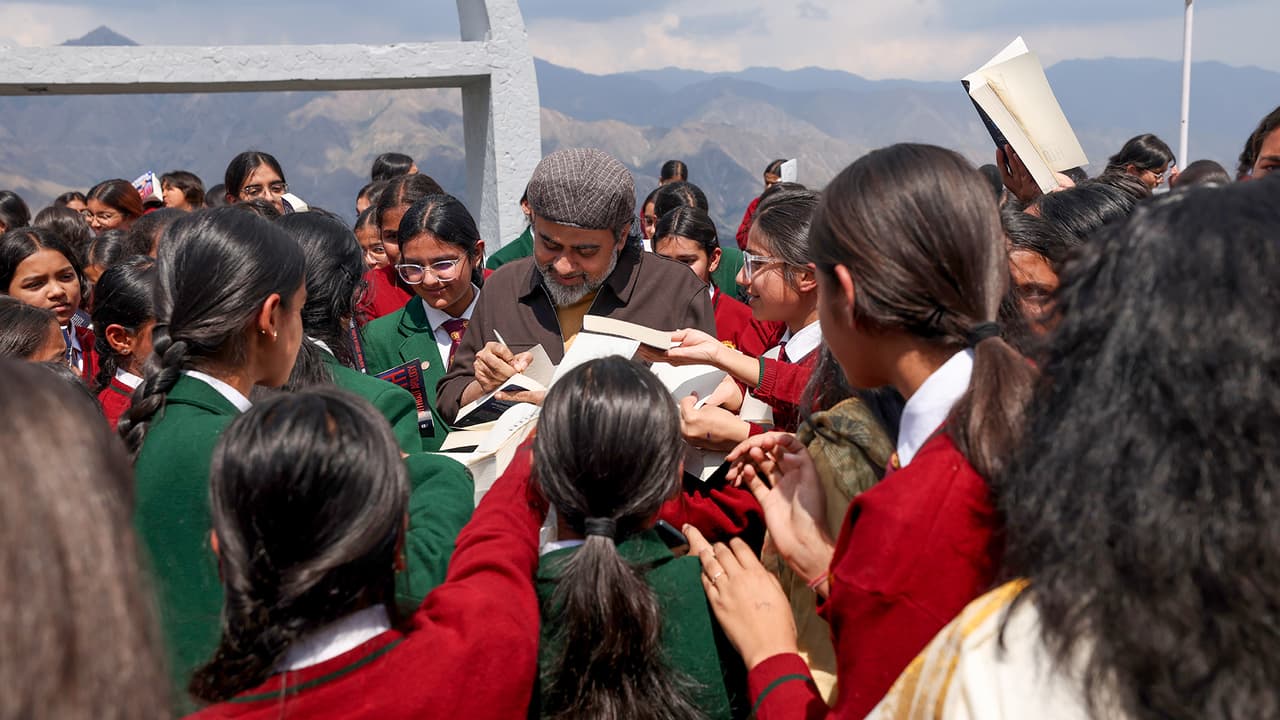
Many of us promise our parents high marks, and when the result falls short, the guilt can feel heavier than the exam itself. But no one controls results; they depend on far too many things outside us. What is in our hands is our intent, our effort and our honesty with what we study. The Bhagavad Gita says the same: our right is to action alone, never to its fruit. What if the only promise we made was to study honestly and with love?
Bhagavad Gita
24min112reads3
We often defend a bad choice by pointing to a worse one: stay dishonest or starve, keep the wrong grip or stop playing. But the real trouble is not the option we picked. It is the option we never let ourselves see. Action does not need greed or attachment to find its energy. The third way begins by rejecting both false choices, without knowing what comes next. Which of our everyday choices are really false dilemmas?
Women Empowerment
8min126reads125
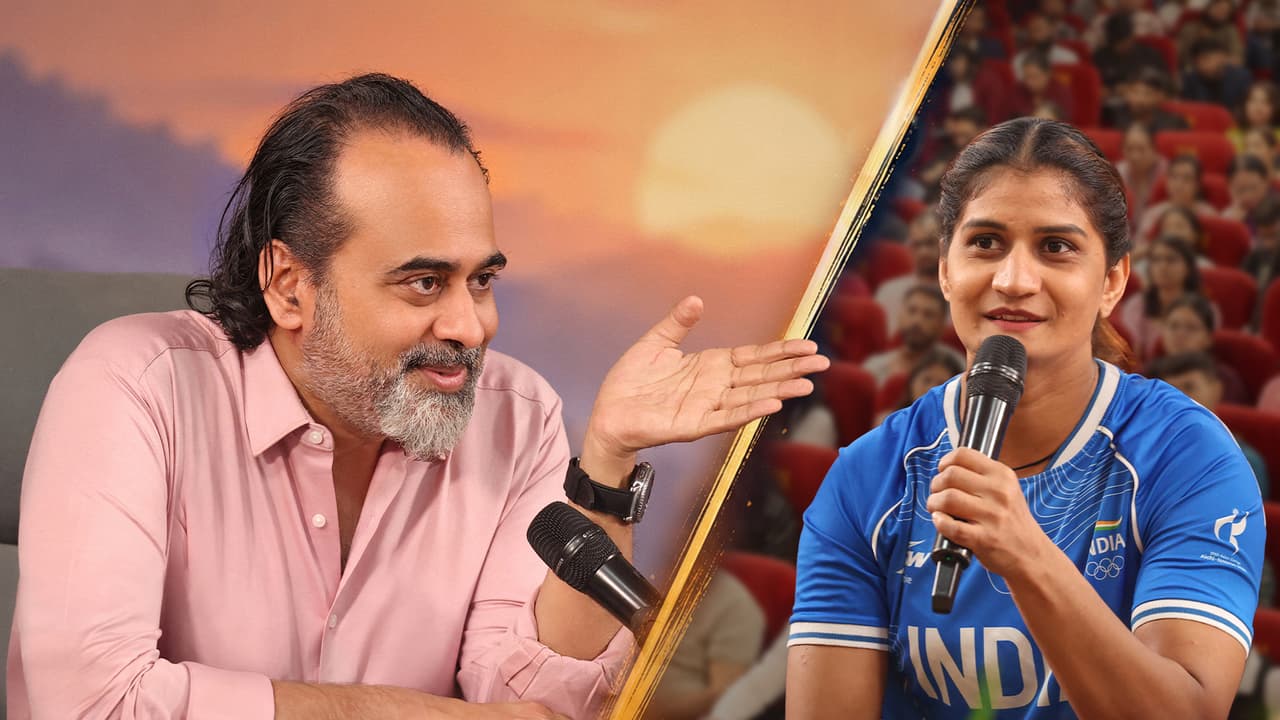
35 की उम्र आते ही खिलाड़ी महिला से कहा जाने लगता है कि अब खेल छोड़ो, बच्चों को मौका दो। हम मान लेते हैं कि यह उम्र और शरीर की मजबूरी है। पर ध्यान से देखें तो शरीर का तर्क टिकता ही नहीं। असल दबाव उस सिखाई गई मान्यता का है जो महिला को उसके शरीर और उससे जुड़ी भूमिकाओं से ही तौलती है, और जिसे हम अपनी ही सोच मान बैठे हैं। जो आवाज़ें हमें बताती हैं कि हमारी ज़िंदगी का क्या करना है, क्या हम ईमानदारी से देख पाएँगे कि वे आवाज़ें किसकी हैं?
Saint Kabir
9min467reads15
अहं अगनि हिरदै जरै, गुरू सों चाहै मान। तिनका जम न्यौता दिया, हो हमरे मिहमान॥
~ कबीर साहब
वक्ता :गुरु और शिष्य की कहानी है। उनके संबंधों के विषय में है। अहं की आग सीने में धकधक जल रही है। अहं कहता है, “मुझे मान्यता मिले, स्वीकृति मिले, प्रशंसा मिले”।…

Love
10min3.8kreads34140
प्रेम की गहराई हमेशा प्रेमी की अपनी चेतना जितनी होती है — जो जैसा है, उसका प्रेम भी वैसा ही होगा, चाहे उसे कितना भी पावन या अनोखा क्यों न मान लिया जाए। जिस चेतना ने खुद को कभी गहराई से नहीं जाना, वह प्रेम में भी सतह से आगे नहीं जा सकती। जो कोई अपने प्रेम को गहराई से परखने से बचता है, वह असल में खुद को परखने से बच रहा होता है — और यही बचाव, प्रेम के नाम पर पाला गया एक और भ्रम है।

Fear
7min784reads415
Struggling to choose between a secure job and the path you actually feel drawn to? This isn't really a question about careers. It's about why other people's opinions have so much power over you in the first place. Real clarity doesn't come from finding the 'right' choice. It comes from honestly looking at your own fear, again and again, until it stops running the decision for you.
Guru
16min600reads598
आध्यात्मिकता का उद्देश्य व्यक्ति को बाहरी अधिकारों से आगे आंतरिक स्वतंत्रता की ओर ले जाना है। विज्ञान और संविधान अपने-अपने क्षेत्र में महत्वपूर्ण हैं, लेकिन आत्म-भ्रम, गलत चुनाव और अहंकार से मुक्ति का मार्ग आत्मज्ञान से खुलता है। सच्चा गुरु शिष्य को निर्भर नहीं, स्वतंत्र बनाता है। साथ ही, शिष्य का आचरण उसके गुरु और शिक्षा का प्रतिनिधित्व करता है, इसलिए उसे नकल नहीं, समझ और विवेक के साथ जीना चाहिए।
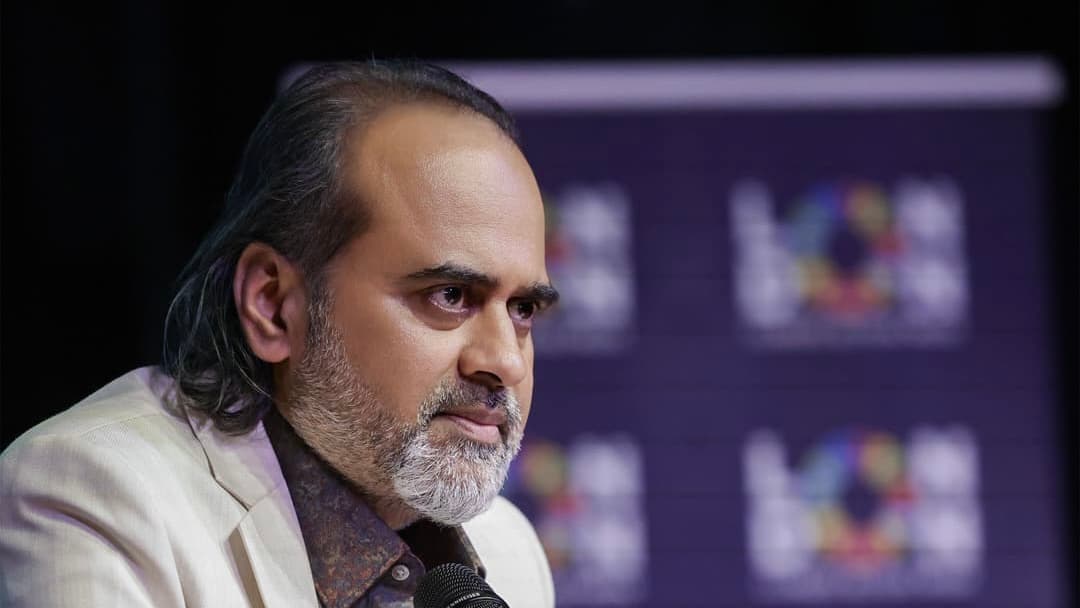
Love
10min249reads182
We often call something “help” or “love” while secretly expecting something in return. When that return does not come, we feel hurt, revealing that the relationship was a trade, not genuine help. The ego, being unfulfilled, cannot truly love or share. Likewise, desperation to be loved makes us controllable. Real love emerges when we stop seeking validation, work on ourselves, and become so inwardly fulfilled that we no longer need to be loved.

Fear
20min724reads219
कई तरह के डर—अकेले पड़ने, छवि खोने या छोटा समझे जाने—की जड़ अक्सर अतीत में बनी पहचान और कहानियों में होती है। शरीर की हाइट जैसी चीज़ों को समस्या मानकर उनसे जूझने के बजाय उनकी अप्रासंगिकता को समझकर आगे बढ़ना चाहिए। अतीत को दबाने से मुक्ति नहीं मिलती; उसके करीब जाकर अपनी स्मृतियों, धारणाओं और पुराने पैटर्न को निष्पक्षता से देखना ज़रूरी है।
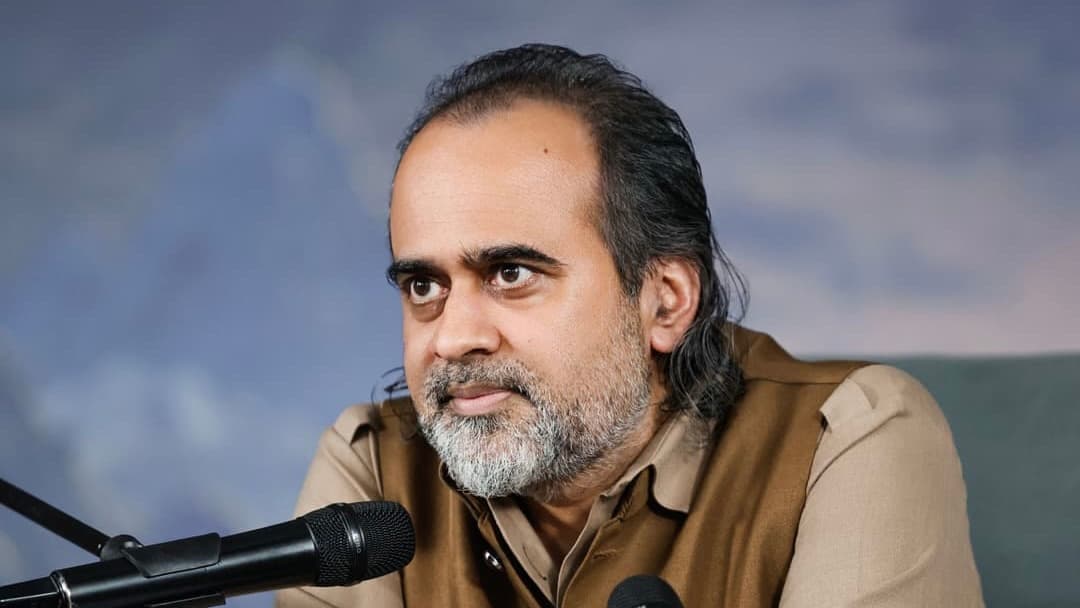
Fear
8min1.1kreads2410
भूतों का डर अक्सर किसी वास्तविक भूत से नहीं, बल्कि हमारी कल्पना, डर और सस्ते रोमांच की चाह से पैदा होता है। भूतिया फ़िल्में और कहानियाँ मन में ऐसी धारणाएँ बना देती हैं कि साधारण चीज़ें भी डरावनी लगने लगती हैं। डर से भागने के बजाय उसके आधार पर प्रश्न करना चाहिए। सस्ते रोमांच के बजाय ज्ञान, इतिहास और सार्थक चुनौतियों में वास्तविक आनंद और उत्साह खोजना अधिक उपयोगी है।

Fear
13min222reads3
Spirituality does not replace the fear of ghosts with belief in God. It asks us to question the mind that creates both fear and belief. Ghosts, gods, and stories can all become projections of imagination. The spiritual path begins by dropping assumptions, investigating “Who am I?” and understanding the source of suffering. With attention, right knowledge, and self-inquiry, fear loses its power and one becomes inwardly free.

Ambition
9min170reads11
Detachment and ambition are not opposites. Both arise from clear insight into what is truly valuable. Detachment means naturally dropping what is seen as false, futile, or harmful, while ambition means pursuing the highest and most meaningful truth with complete intensity. Spiritual surrender is continuous: as understanding deepens, false attachments are repeatedly abandoned, until renunciation becomes natural and almost choiceless.
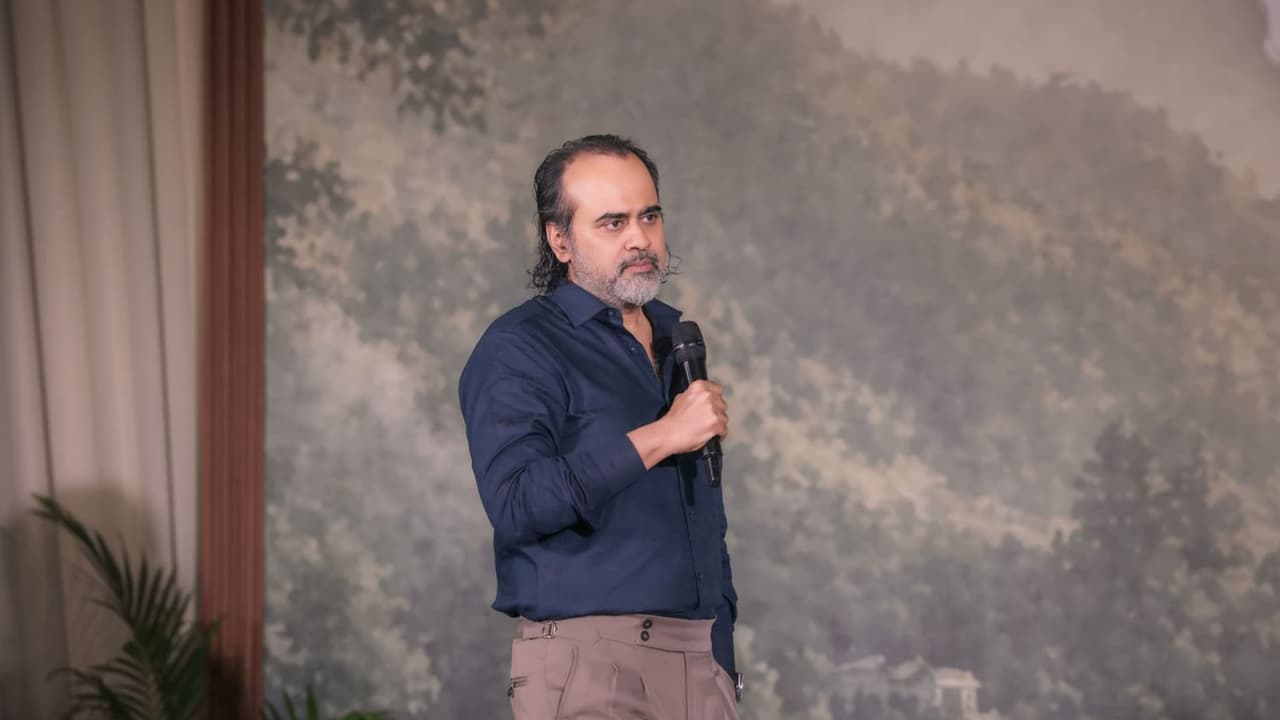
Individuality
26min296reads82
We often believe we are living freely, while our desires, dreams, beliefs, and choices are shaped by physical, social, cultural, religious, and psychological scripts. These scripts offer comfort and security, making us reluctant to examine our bondage. Freedom does not begin by imagining what lies beyond the script, but by deeply observing the cage we already live in, without fear, desire, or attachment.
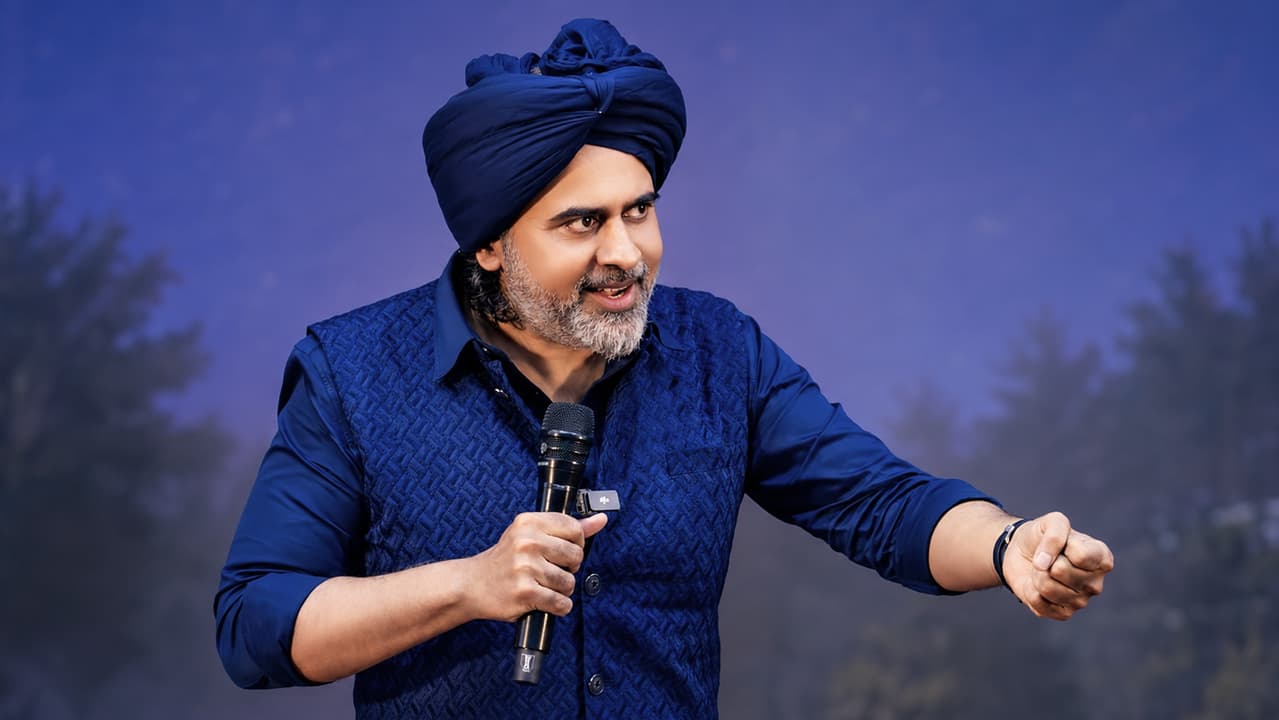
Guru
32min342reads243
सच्चा गुरु या मित्र पूजा का विषय नहीं, बल्कि दर्पण होता है, जो बिना स्वार्थ हमारी वास्तविक स्थिति दिखाता है। आध्यात्मिक मार्ग पर अंधभक्ति नहीं, बल्कि प्रेम, कृतज्ञता और व्यक्तिगत ज़िम्मेदारी आवश्यक है। मुक्ति किसी गुरु के भरोसे नहीं मिलती; स्वयं को बदलने का साहस स्वयं जुटाना पड़ता है। गुरु का कार्य केवल सत्य का प्रतिबिंब दिखाना है, चलना साधक को ही होता है।

Truth
16min177reads5
True freedom begins when we question the beliefs that make us feel trapped. Most of our suffering comes not from circumstances but from unquestioned assumptions, attachments, and imagined obligations. By suspending our beliefs, even briefly, we allow truth to enter, revealing that life always offers choice. Transformation is born from love for truth, the courage to let go, and the willingness to step beyond the boundaries created by the ego.