We leave a talk moved, and by evening it has faded, so we ask how to stay aware every moment. Yet one glance at a report that says cancer is never forgotten; even in our dreams we remember it, and no one has to remind us. We remember what we truly want to save. The mirror is held up once, and a teacher can do no more than that. Sunlight pours through every window, and we can still crawl under a rock. What are we choosing, each time we forget?
ध्यान में बैठकर हम कोशिश करते हैं कि मन में एक भी विचार न आए, मानो सोचना कोई गंदगी हो। पर जैसे पेट का काम पचाना है, वैसे ही मस्तिष्क का काम सोचना है। विचार न कोई रोग है, न कोई बड़ी उपलब्धि, वह डकार जितनी ही साधारण क्रिया है। दस सेकंड आँख बंद करके अपनी कोई अधूरी हसरत पूरी होती सोचिए, सब नकली जानते हुए भी मज़ा आ जाता है। सोच के घोड़े को वही दौड़ा रहा है जिसे उससे राहत की आशा है। तो हम विचार से लड़ें, या पूछें कि यह सोच किसके लिए चल रही है?
किसी के मुँह से सुनते ही कि उसे सच मिल गया है, हम उसके पीछे चल पड़ते हैं, जेब भी ढीली कर आते हैं। फिर हम जैसे दो-चार लोग मिलकर एक-दूसरे को दिलासा देते हैं कि हमें भी मिल गया। पर जो सबसे ऊँचा है, वह जेब में डालने की चीज़ नहीं। जो उसे छूने निकला है, वह अभी पूरा बचा हुआ है, और छूते ही उसे अपनी कहानी का पात्र, अपना औज़ार बना लेता है। जिसका सच से सचमुच नाता है, उसकी ज़बान तो नाम लेने में भी काँपती है। तो हम सच खोज रहे हैं, या अपने झूठ को देखने से बच रहे हैं?
किसी ग्रंथ में कुछ खटका, तो हमने पूरी परंपरा ही ठुकरा दी, ठीक वैसे जैसे साल भर पढ़ाई से भागे छात्र फ़ेल होकर किताब ही जला दें। या हम सब ग्रंथ अपने पास सजा लेते हैं, पर उन्हें अलग-अलग मानकर, और फिर दो प्यारी बातें हमें दो उलटी दिशाओं में खींचने लगती हैं: ज्ञान चुनें या भक्ति? दोष ग्रंथों का नहीं, हमारी नासमझी का है, और यह बँटवारा ही वह ज़मीन है जिस पर हमारी अलग पहचान टिकी है। अगर गीता, बुल्ले शाह और लाओ त्ज़ु एक ही बात कह रहे हों, तो हम आख़िर किस बात पर लड़ रहे हैं?
Is peace something we can sit our way into? We try: eyes closed, body motionless, hoping for a glimpse of something higher. But the body is never still, the brain hums on, and the only perfectly still body is a lifeless one. Real stillness, then, may have little to do with posture. It may mean standing firm in what matters most, with no alternative and no substitute. Where in our lives are we truly still, and where do we keep shifting?
क्लास में प्रोफ़ेसर पढ़ा रहे हैं, और हम अपने ही विचारों में कहीं और हैं। फिर कहते हैं कि विचार आ जाते हैं, हम बेचारे क्या करें? पर बिना हमारी सहमति के कोई विषय आकर नहीं बैठता, उसे हमने ही चुना है। धुंध में जो मिठाई दिखती है, कहीं वह “साधारण गिट्टी पत्थर” तो नहीं? ओवरथिंकिंग की जड़ में एक माना हुआ अधूरापन है, जो कमी भरने के लिए कोई विषय पकड़ता है और फिर उसी पर सोचता रहता है। क्या हम उस धुंध को ईमानदारी से हटाकर देख पाएँगे?
CO2 in the air has gone from 280 to about 440 parts per million in just 150 years, a change that once took thousands of years. Yet we keep hearing that the climate has always changed. It has, but never this fast, never because of us, and never with 850 crore people living by the coasts and on the plains. The facts are a search away, so ignorance is no longer the reason. What is it within us that keeps denying the obvious?
Clean energy is now cheaper than coal, and there is no direct link between carbon emission and GDP growth. Yet we keep hearing that a growing country must burn more. We also hear that extra CO2 feeds the plants, while the warming it brings is already shrinking our wheat, maize and rice. These arguments are so weak that even those who make them know it. So why do we keep believing them, and what are we really protecting?


किसी बड़ी जीत के बाद मन करता है कि अब बस, जो पाने लायक था, पा लिया, अब सब कुछ ऐसा ही बना रहे। पर रुकने की यह चाह उस पहचान से उठती है जो जीत के साथ हमने ओढ़ ली है और जिसे हम बचाए रखना चाहते हैं। जीवन में कुछ भी ठहरा हुआ नहीं है, और चलती राह पर जो रुक जाता है, वह घिसने लगता है। पिछली चुनौती जीती ही इसलिए जाती है कि उससे बड़ी उठाई जा सके। क्या हम देख पाएँगे कि सेटल होने की चाह में हम असल में क्या बचा रहे हैं?

नवरात्रि में हम माँ की स्तुति करते हैं, पर दुर्गा सप्तशती कहती है कि माँ ही बंधन है, माँ ही मोक्ष है। माँ माने समय, परिस्थितियाँ, शरीर, समाज, वह सब कुछ जिससे हम जुड़े हैं। जीवन में कुछ गड़बड़ होती है तो हम परिस्थितियों को दोष देते हैं, और जो प्रकृति को दोष देता रहेगा, वह उससे कभी मुक्त नहीं हो पाएगा। अपनी भूल देखना और दोष प्रकृति पर न डालना ही स्तुति है, यही आत्मज्ञान है। क्या इस नवरात्रि हम माँ को अपने भीतर देख सकते हैं?
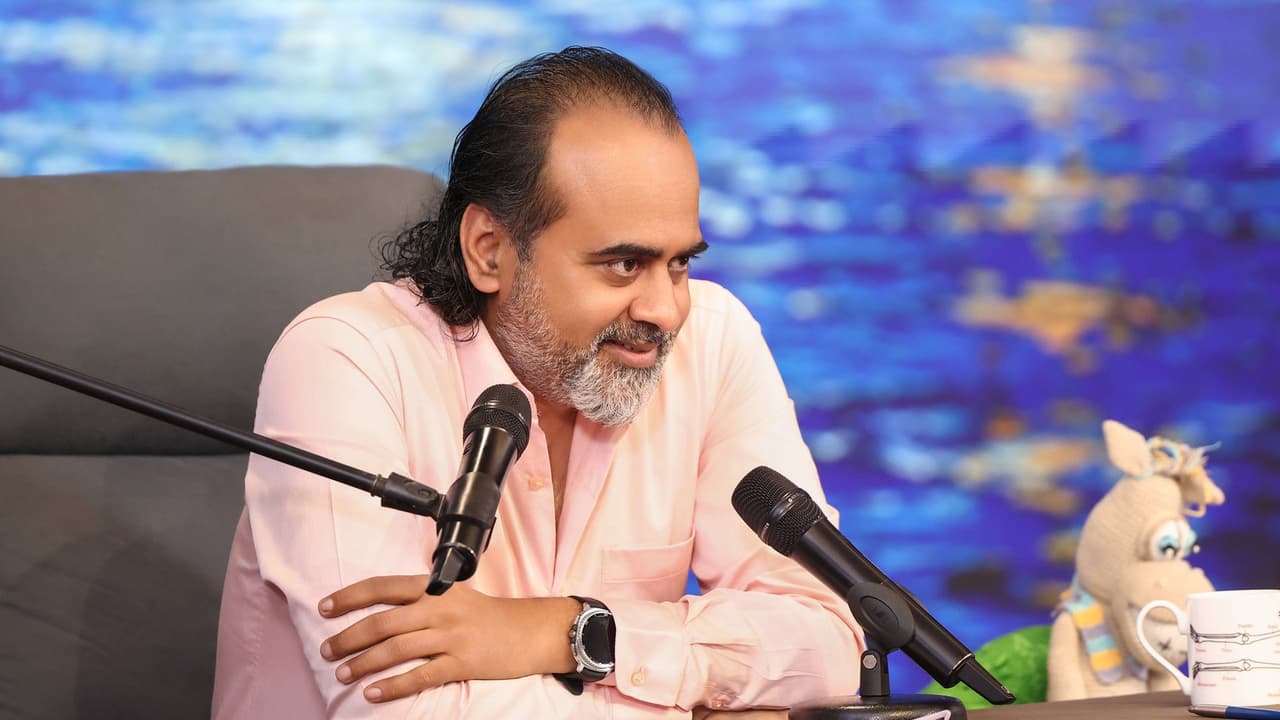
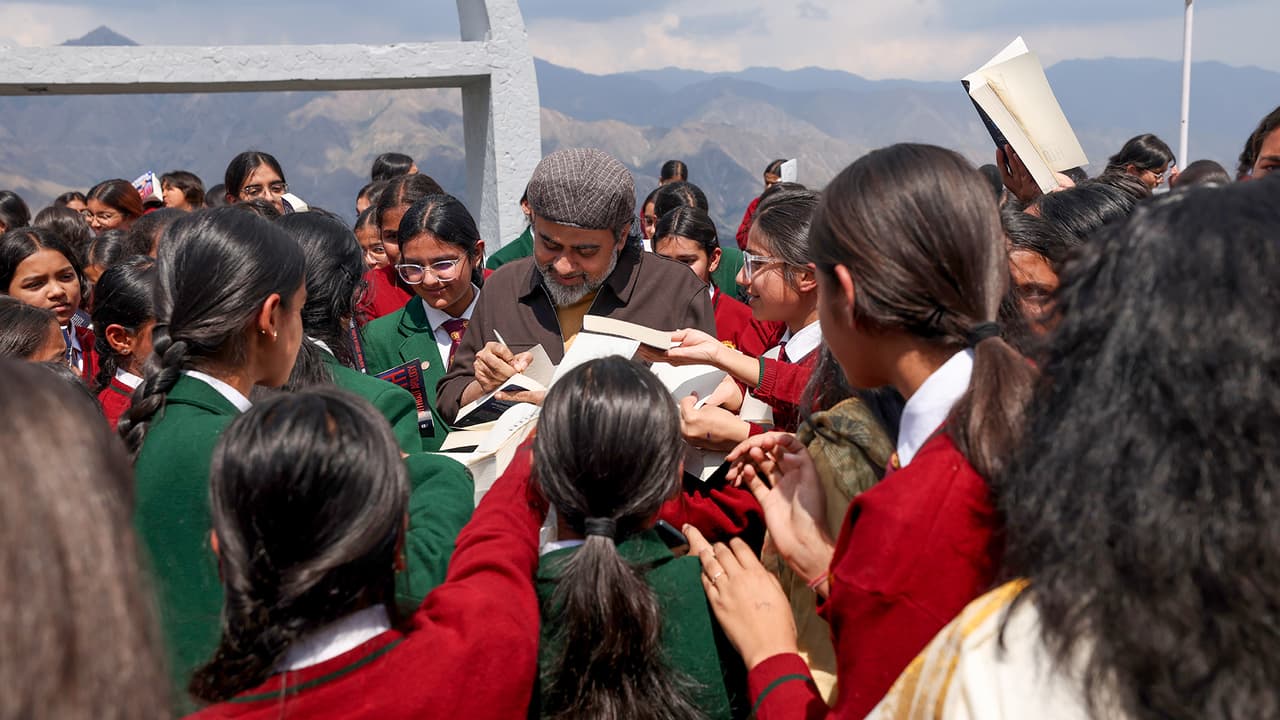
Many of us promise our parents high marks, and when the result falls short, the guilt can feel heavier than the exam itself. But no one controls results; they depend on far too many things outside us. What is in our hands is our intent, our effort and our honesty with what we study. The Bhagavad Gita says the same: our right is to action alone, never to its fruit. What if the only promise we made was to study honestly and with love?
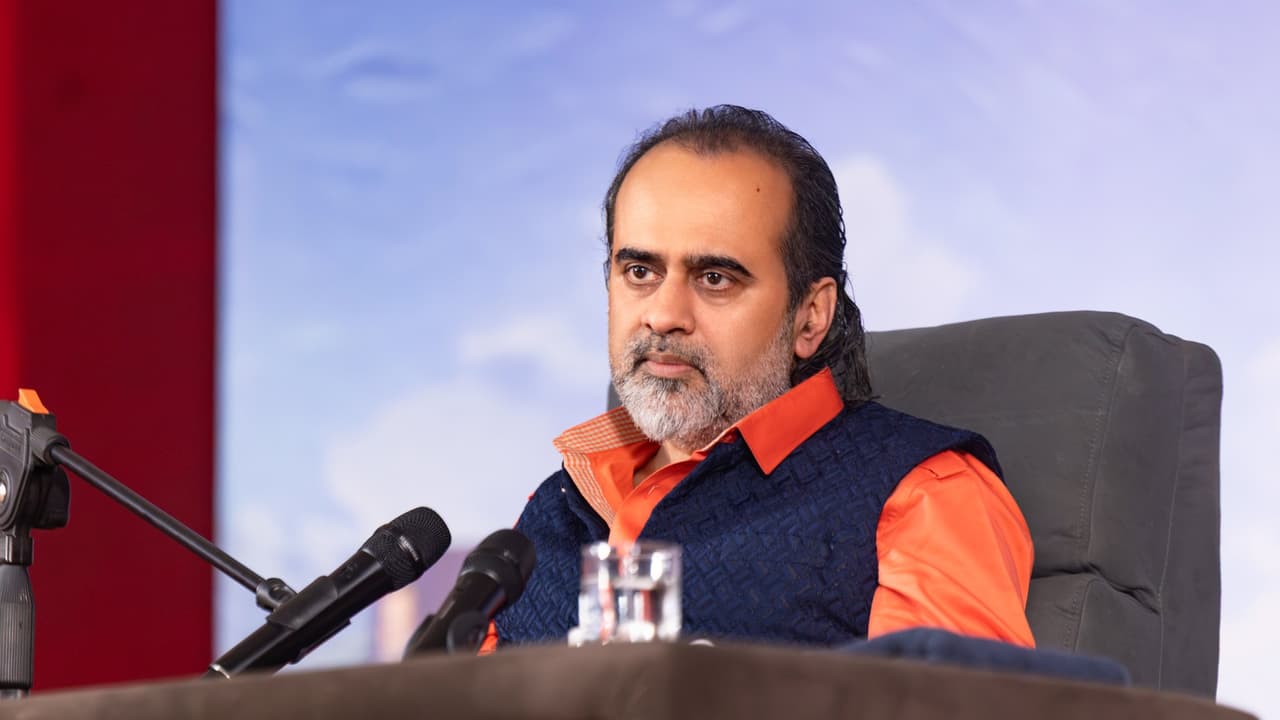
Many of us look for role models of our own gender and hope to succeed as a man or as a woman, yet no one great was ever great as a gender. The moment we tie our aims to being a woman or a man, we tie them to the body, and much of our attention goes into how we look and how we are seen. So much around us keeps reminding a woman of her body, from songs to the fear of a street at night. But the body has never achieved anything by itself. What might we attempt if gender stopped mattering?
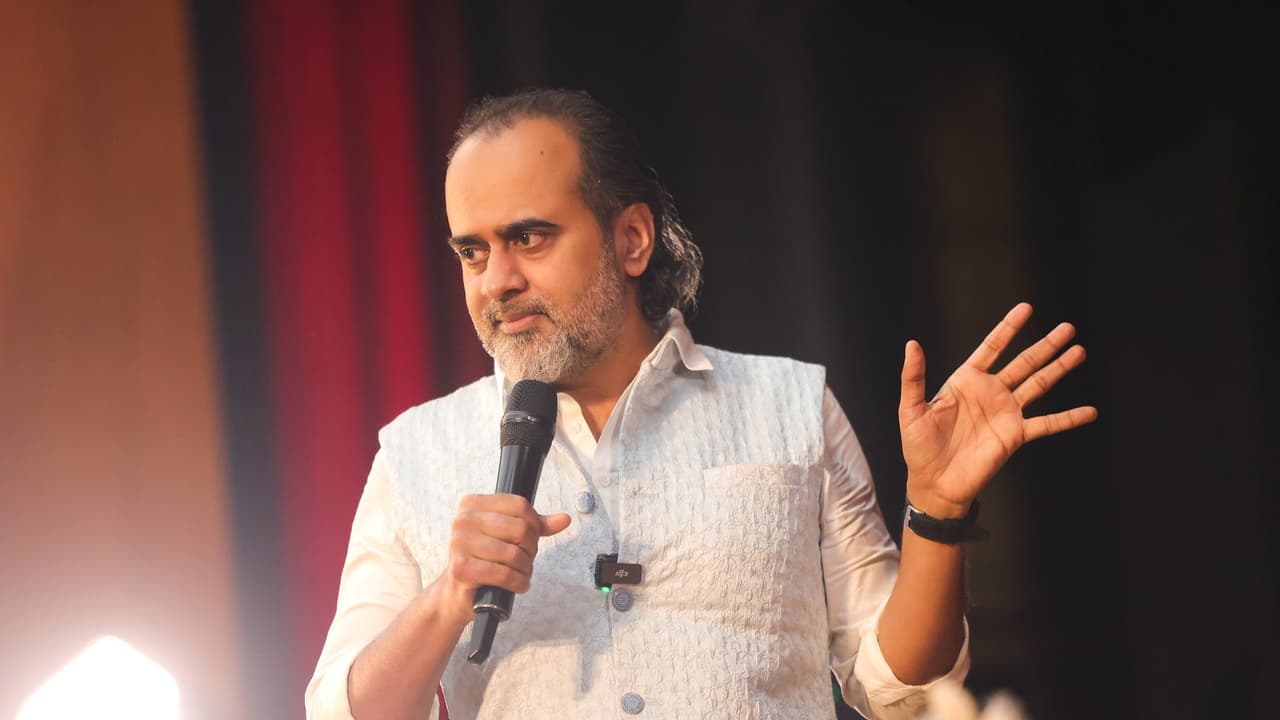
धर्मग्रंथों को जाति-व्यवस्था के चश्मे से देखने के बजाय उनके मूल संदेश को समझना आवश्यक है। श्रुति का केंद्र जाति, लिंग या सामाजिक पहचान नहीं, बल्कि अहंकार और उससे मुक्ति है। पारंपरिक व्याख्या से अलग समझ को पुनर्व्याख्या मानकर खारिज करना उचित नहीं। वास्तविक अध्यात्म बाहरी पहचान नहीं, अपनी नीयत, भ्रम और कपट को ईमानदारी से देखने तथा आत्मबोध की ओर बढ़ने का आग्रह करता है।
रिश्ते केवल किसी का दिल न टूटे, इस डर से नहीं निभाए जाने चाहिए। अज्ञान और झूठ पर टिके संबंध सत्य के सामने बदल जाते हैं। किसी की झूठी मान्यता को बचाना प्रेम नहीं, बल्कि उसकी ज़िंदगी को भ्रम में रखना है। इसलिए रिश्तों में भावनाओं से ऊपर बोध और सत्य को स्थान दें। झूठ हटाने और सच स्वीकारने का साहस रखें। ज्ञान रिश्ते को तोड़ने या जोड़ने के बजाय उसे उसकी उचित जगह देता है।
रक्षाबंधन केवल भाई-बहन के रिश्ते और सुरक्षा की रस्म तक सीमित नहीं होना चाहिए। आज असली रक्षा उन चीज़ों की ज़रूरत है जो कमज़ोर और संकट में हैं—गौरैया, नदियाँ, पहाड़, पेड़, महासागर और पृथ्वी। साथ ही ईमानदारी, आत्मज्ञान और मानवीय मूल्यों की भी रक्षा जरूरी है। धर्म कर्मकांड नहीं, अपनी शक्ति और उससे जुड़ी व्यापक ज़िम्मेदारी को समझना है।
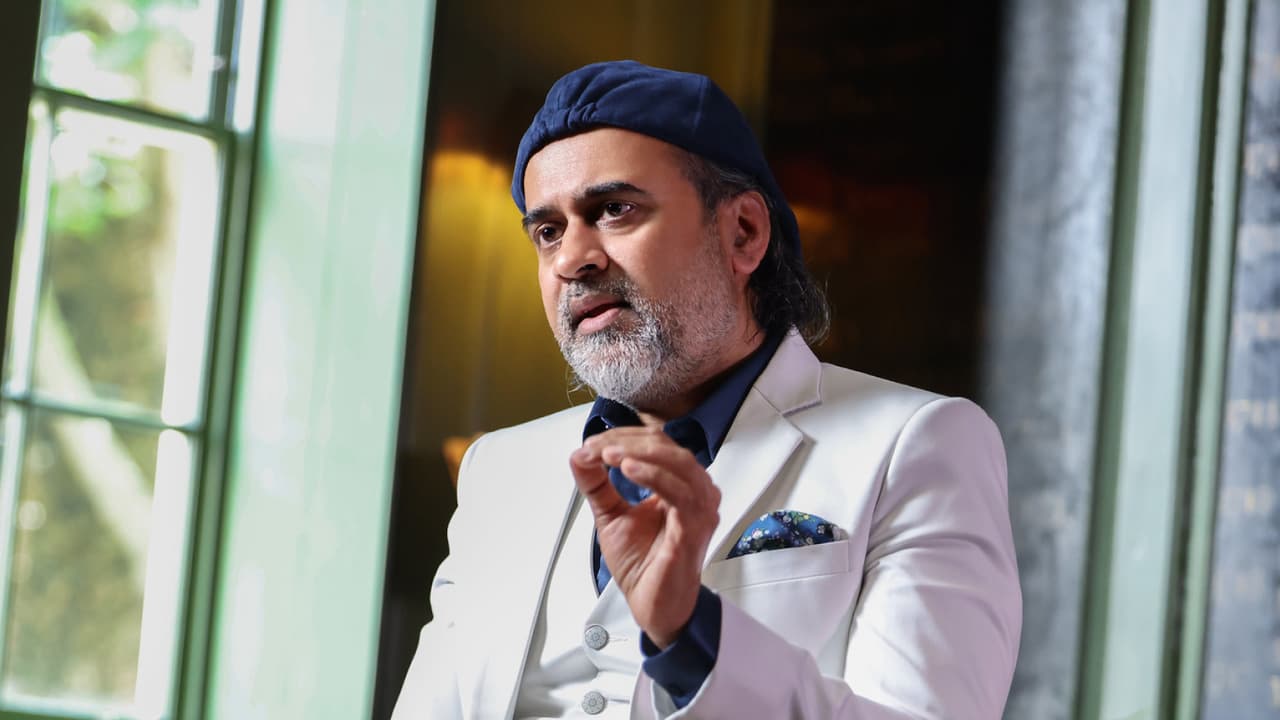
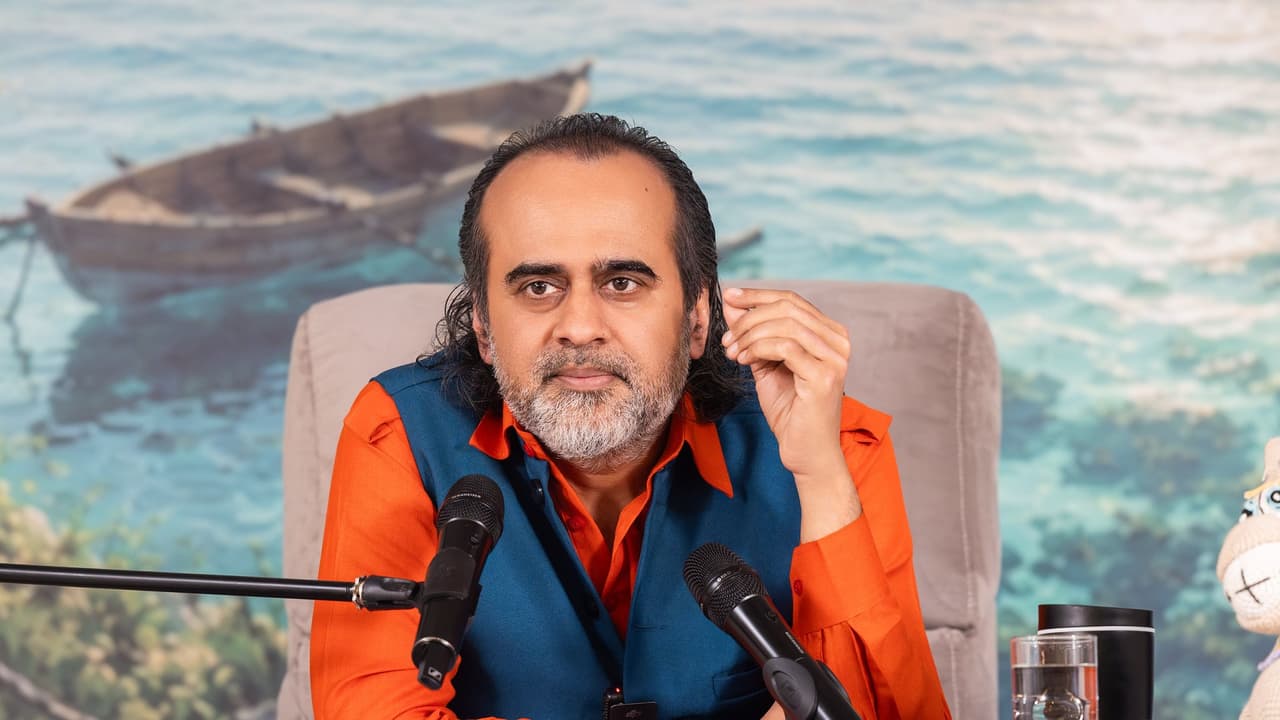
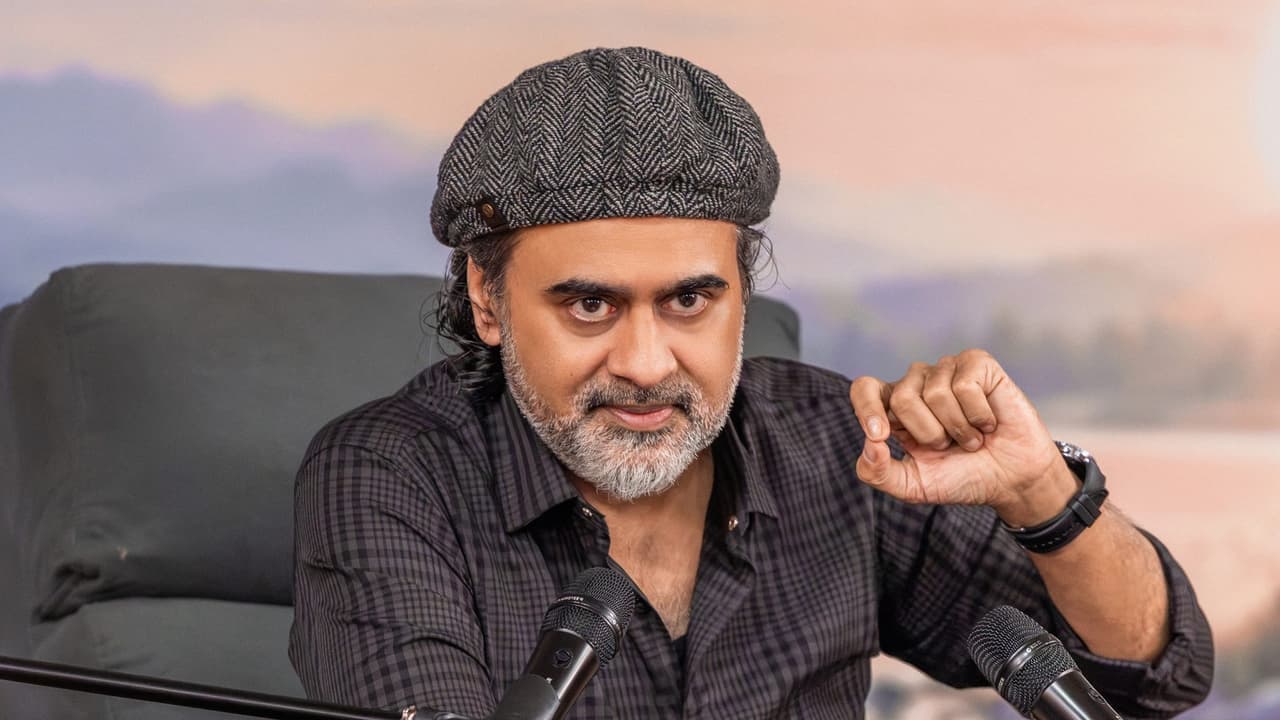
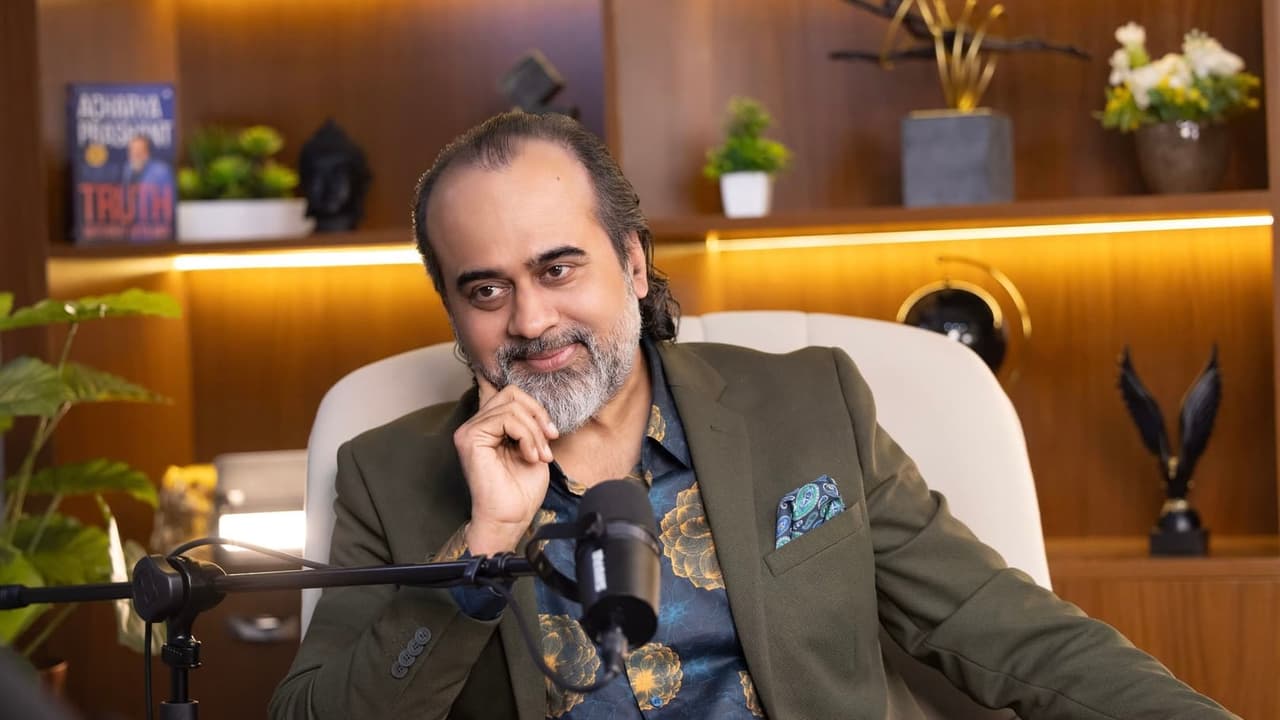
Superhero films appeal to our desire to escape inner inadequacy through external power. The fantasy of an ordinary, fearful person becoming extraordinary reinforces the ego’s belief that more strength, money, possessions, or status will bring happiness. Consumerism follows the same pattern, endlessly adding objects to fill an inner void. Real freedom does not come from becoming more powerful or acquiring more, but from honestly seeing and understanding the ego that feels incomplete.
Questioning pseudo-science and superstition is the first step toward genuine freedom. Beliefs such as *Vastu, Kundli,* and *Muhurat* should not be accepted merely because they have been followed traditionally. Fear and attachment to privileges often prevent people from questioning authority. A truth-seeker must be willing to challenge age, status, and authority. Human progress has come through curiosity, inquiry, experimentation, and reason—not through blind obedience.
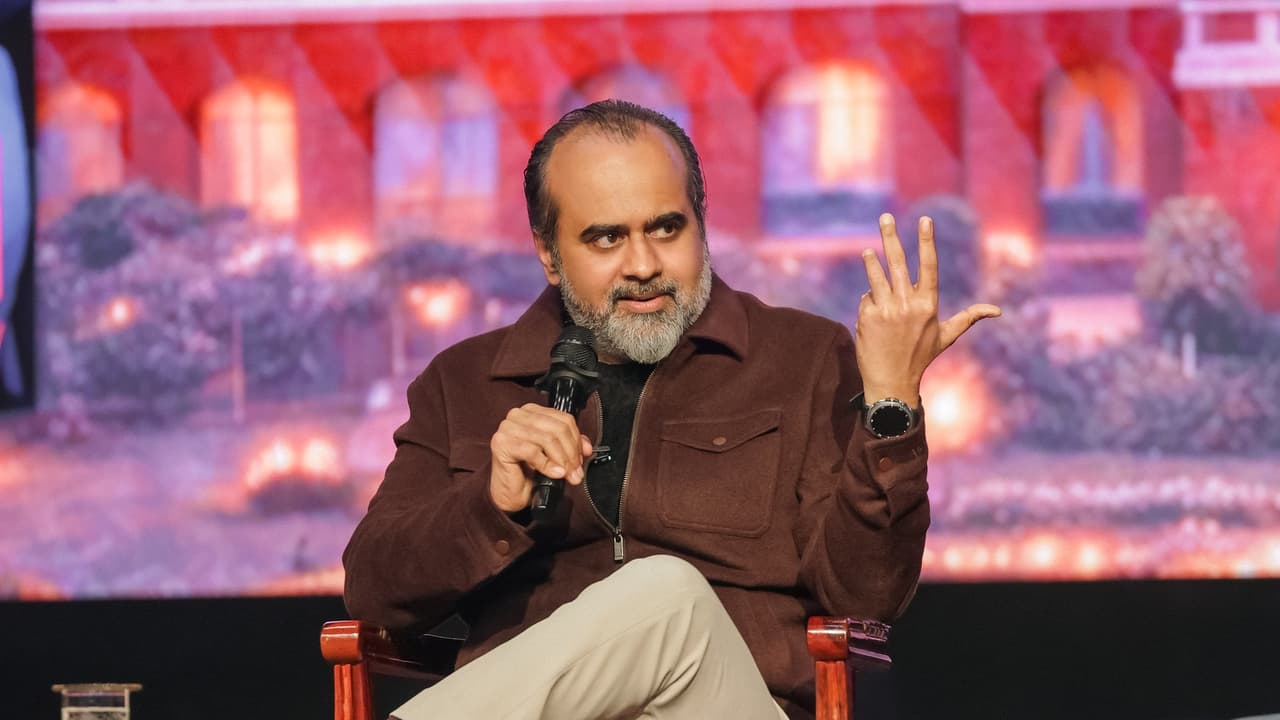
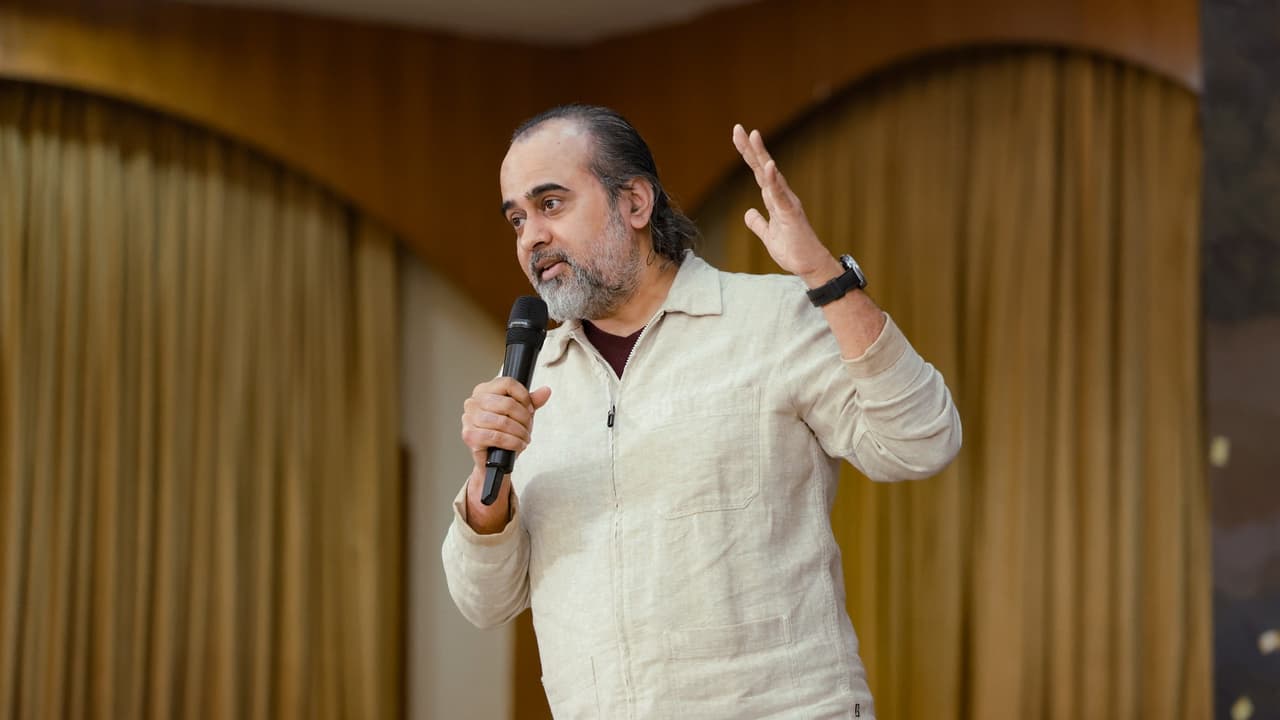
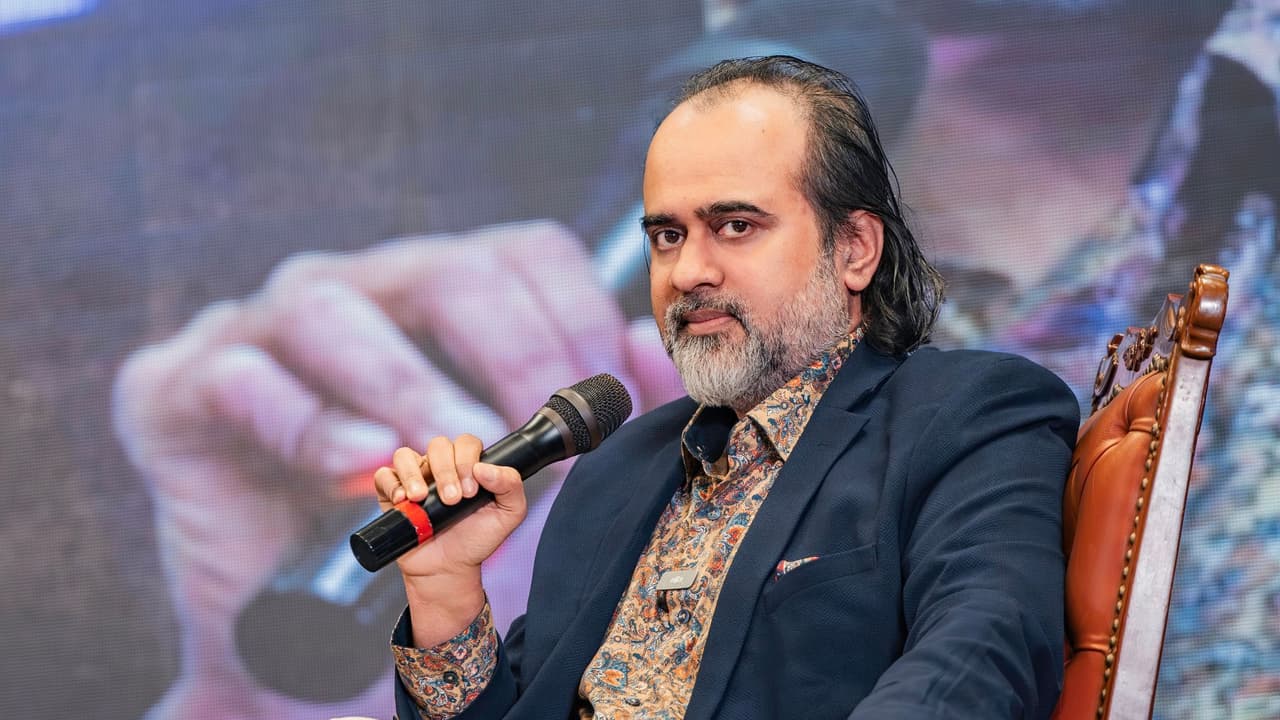
The balance between order and disorder should not be decided by personal likes or dislikes, but by what the task at hand requires. Sometimes a project demands discipline and order; at other times, more important work requires leaving things messy. The right action comes from responding to the actual need, not personal preference. Even sacrifice can be meaningful when it serves something important, but “staying backstage” should never become an excuse to avoid what one cannot tolerate.
सपनों और सामाजिक प्रतिष्ठा के पीछे भागते हुए युवा अक्सर अपनी वास्तविक क्षमता, रुचि और वर्तमान चुनौतियों को देखना भूल जाते हैं। आईआईटी, यूपीएससी, सरकारी नौकरी और पेंशन को जीवन का लक्ष्य मान लेने के बजाय ज़रूरी है आत्मज्ञान—ख़ुद को ईमानदारी से परखना। जवानी भविष्य की सुरक्षा की चिंता में नहीं, आज की वास्तविक चुनौतियों से जूझने और सार्थक कर्म में लगनी चाहिए।
Desires and beliefs may keep changing, but the deeper tendency to believe, think, choose, and seek fulfilment often remains unchanged. Real transformation begins by examining this constant inner pattern rather than changing superficial preferences. Instead of seeking conclusions about greed or desire, honestly observe recurring behavior and support the truth you already recognize. Expressing that truth can dissolve false identities, relationships, and habits, creating space for genuine change.
Spirituality does not replace the fear of ghosts with belief in God. It asks us to question the mind that creates both fear and belief. Ghosts, gods, and stories can all become projections of imagination. The spiritual path begins by dropping assumptions, investigating “Who am I?” and understanding the source of suffering. With attention, right knowledge, and self-inquiry, fear loses its power and one becomes inwardly free.
Detachment and ambition are not opposites. Both arise from clear insight into what is truly valuable. Detachment means naturally dropping what is seen as false, futile, or harmful, while ambition means pursuing the highest and most meaningful truth with complete intensity. Spiritual surrender is continuous: as understanding deepens, false attachments are repeatedly abandoned, until renunciation becomes natural and almost choiceless.

AI की गणना और विश्लेषण क्षमता मानव मस्तिष्क से आगे निकल सकती है, लेकिन इससे वह मनुष्य की बुद्धिमत्ता से आगे नहीं निकल जाता। मनुष्य को केवल उसके मस्तिष्क की प्रोसेसिंग क्षमता मानना ही मूल भूल है। जब हमें स्वयं ‘मैं’, प्रेम, बुद्धिमत्ता, जीवन और इच्छाओं का अर्थ नहीं पता, तब AI और मनुष्य की तुलना एक कैटेगरी एरर बन जाती है। तकनीकी विशेषज्ञता आत्मज्ञान का विकल्प नहीं हो सकती।
Career choices can change as you grow, and changing direction is not failure. When clarity is missing, experimentation can reveal what truly fits. Trying a PhD or exploring teaching allows you to observe your own response instead of relying on assumptions, fear, or attachment to past choices. No choice is permanent, and inner growth may require reversing earlier decisions. Ultimately, outside advice can help ask better questions, but the answer must emerge from within.
Success and failure matter less when your work is driven by love rather than outcomes. Setbacks are opportunities to reflect, not reasons to quit, and true failure comes only when you stop trying. Regret and guilt become meaningful only if they transform you into a different person instead of becoming excuses for self-pity. Real growth begins by questioning your assumptions, facing reality honestly, and living with awareness rather than mechanical habit.
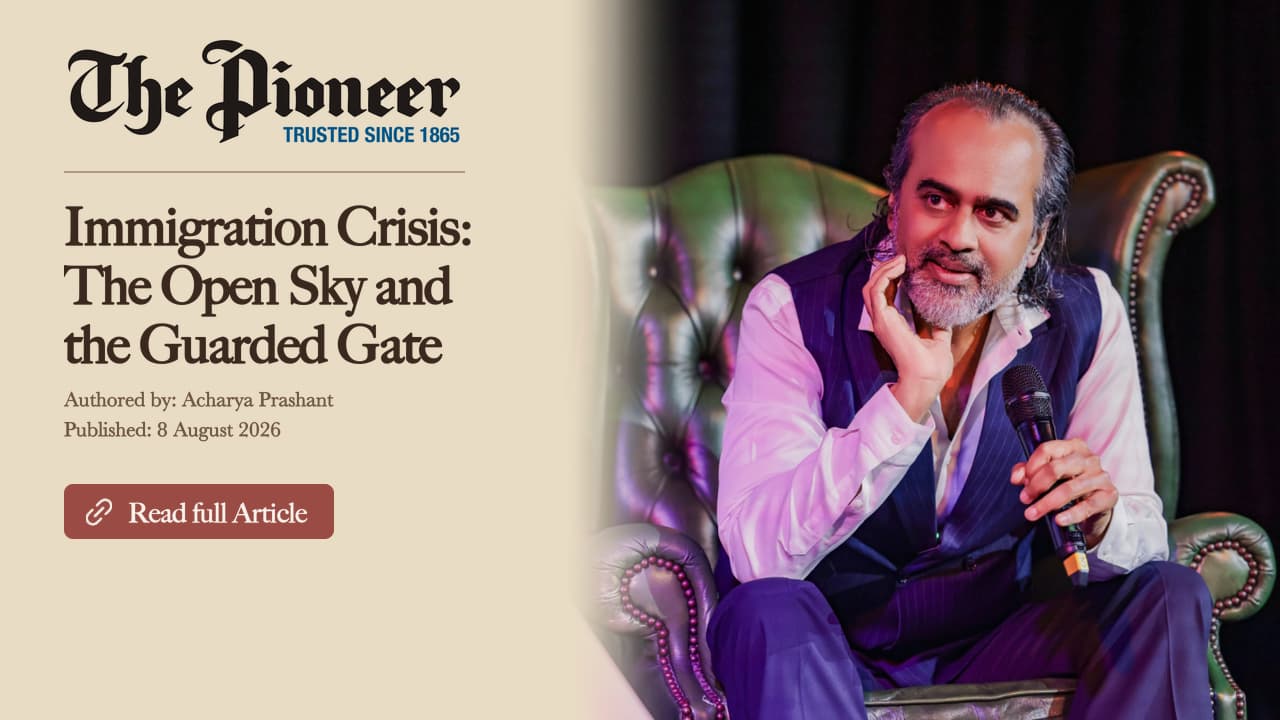
Migration can arise from genuine needs such as safety, education, livelihood, or environmental conditions, as well as from the ego's pursuit of greater consumption and fulfilment. The challenge is to distinguish between these motives with wisdom rather than ideology. Fair, impartial screening, mutual respect between migrants and host societies, and practical integration create a balanced approach that is both humane and responsible.
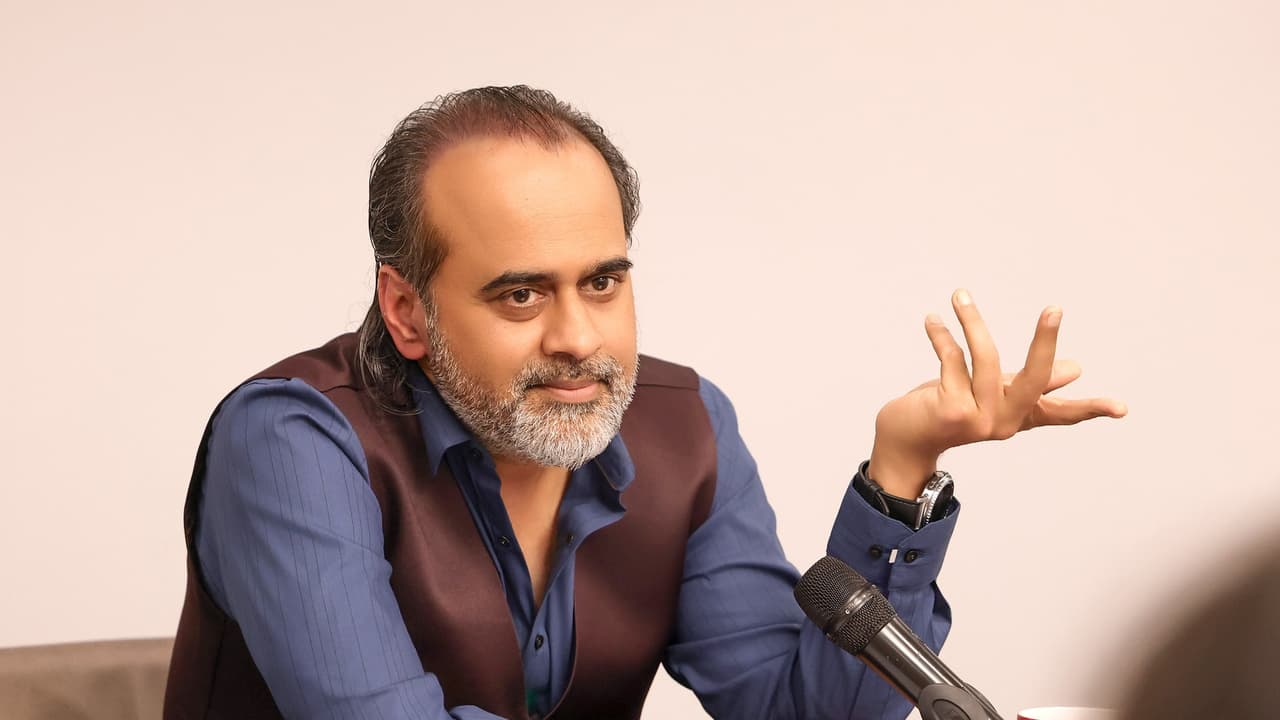
True freedom begins when we question the beliefs that make us feel trapped. Most of our suffering comes not from circumstances but from unquestioned assumptions, attachments, and imagined obligations. By suspending our beliefs, even briefly, we allow truth to enter, revealing that life always offers choice. Transformation is born from love for truth, the courage to let go, and the willingness to step beyond the boundaries created by the ego.
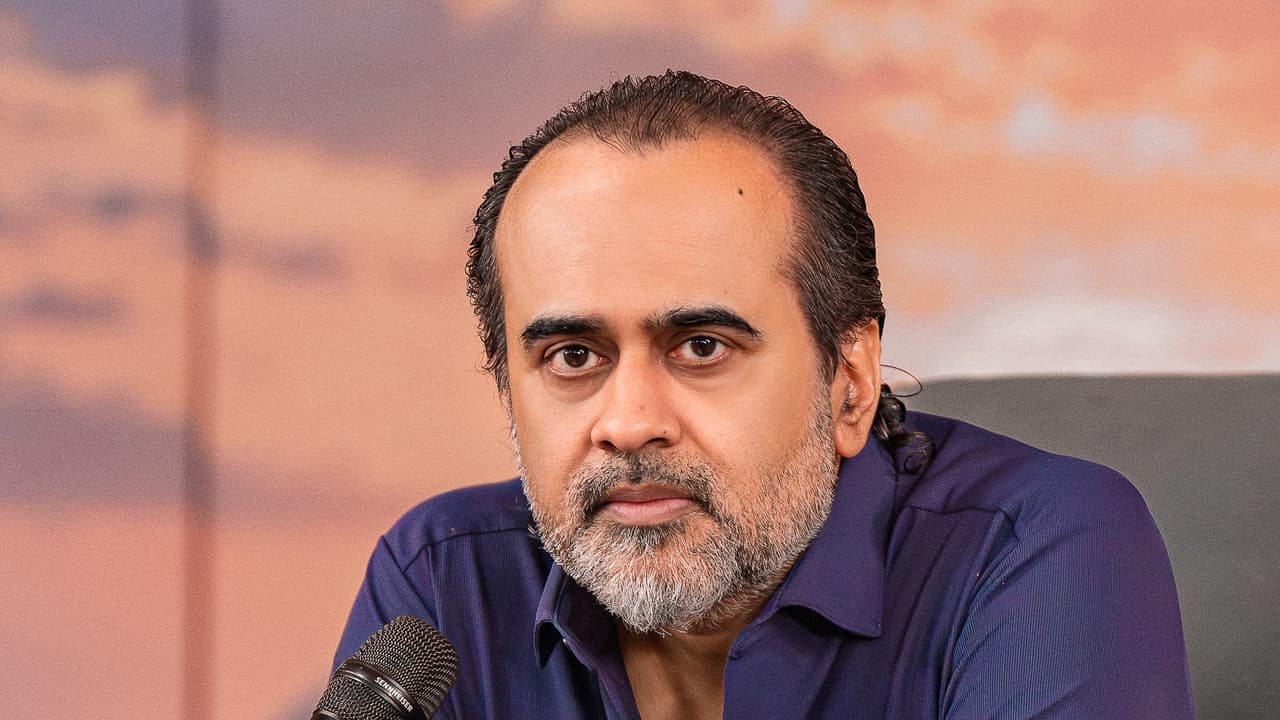
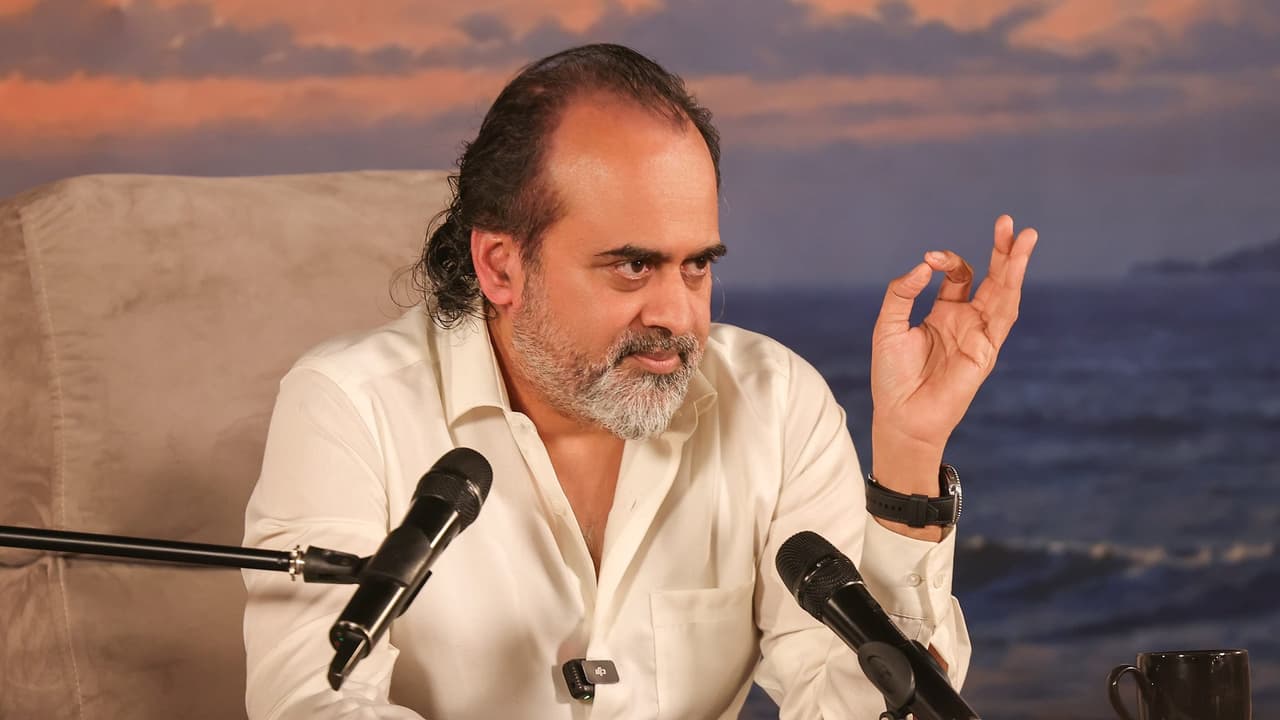
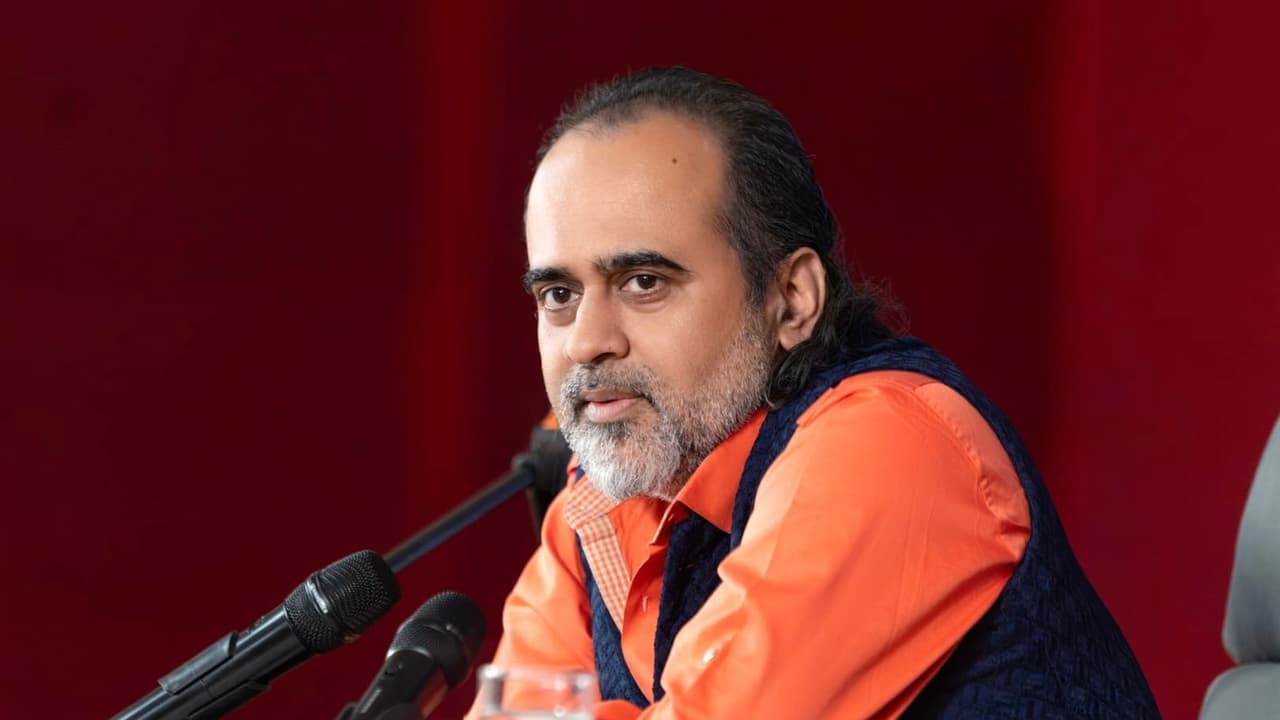

The Bhagavad Gita deserves reverence not because of inherited beliefs about its author, but because of its power to dissolve falsehood and reveal Truth. Real devotion is not ritual or blind faith—it is understanding, inquiry, and living the wisdom of the Gita. Through sincere study, one discovers the true meaning of Krishna, making the Gita the most authentic path to knowing and worshipping Him.
अहंकार भावनाओं से नहीं, बल्कि उनके उपयोग से पहचाना जाता है। आँसू, मुस्कान या कोई भी भावना अपने आप में न अच्छी होती है, न बुरी। समस्या तब शुरू होती है जब अहंकार उन्हें लाभ, छवि या स्वार्थ के साधन में बदल देता है। यदि रोना किसी परिणाम, सहानुभूति या लाभ से जुड़ा है, तो वह प्रोग्राम्ड इमोशन है। शुद्ध भावना सहज होती है; अहंकार हर भावना को अपने हित के अनुसार मोड़ देता है।
Real love is not measured by comfort, agreement, or preserving relationships at any cost. It is revealed when one has the courage to challenge falsehood, embrace uncomfortable truths, and even risk a relationship for another's freedom and growth. Truth is not a fixed destination but a continuous rejection of illusion. Genuine relationships, mature guidance, and authentic scriptures all serve as mirrors that help us see and dissolve our own falseness.
आत्मसम्मान उपलब्धियों से नहीं, अपनी पहचान से जन्म लेता है। जब तक हम स्वयं को केवल शरीर मानते हैं, तब तक प्रकृति और समाज की अपेक्षाएँ हमें अधूरा महसूस कराती रहती हैं। सच्ची मुक्ति तब है जब हम जैविक और सामाजिक बंधनों से ऊपर उठकर चेतना के अनुसार जीवन जिएँ। शरीर साधन है, साध्य नहीं। जीवन का उद्देश्य प्रकृति के आदेशों का पालन नहीं, बल्कि अपने बंधनों को पहचानकर उन्हें तोड़ते हुए स्वतंत्रता और आत्मबोध की ओर बढ़ना है।
Truth cannot be forced upon anyone, but neither should falsehood be entertained. Genuine love is not about preserving relationships at any cost; it is about helping oneself and others break free from illusion, even if that means risking the relationship itself. Spiritual growth begins by questioning conditioning, examining falsehood without bias, and choosing authenticity over comfort. Real relationships are built on the courage to seek freedom, not convenience.
Professional success alone cannot create lasting self-esteem because as long as identity remains tied to the body, biological and social conditioning continue to define self-worth. True confidence arises not from achievements but from questioning inherited roles, challenging unconscious conditioning, and refusing to let biology or society dictate life's purpose. Real fulfillment begins when consciousness becomes greater than bodily identity.
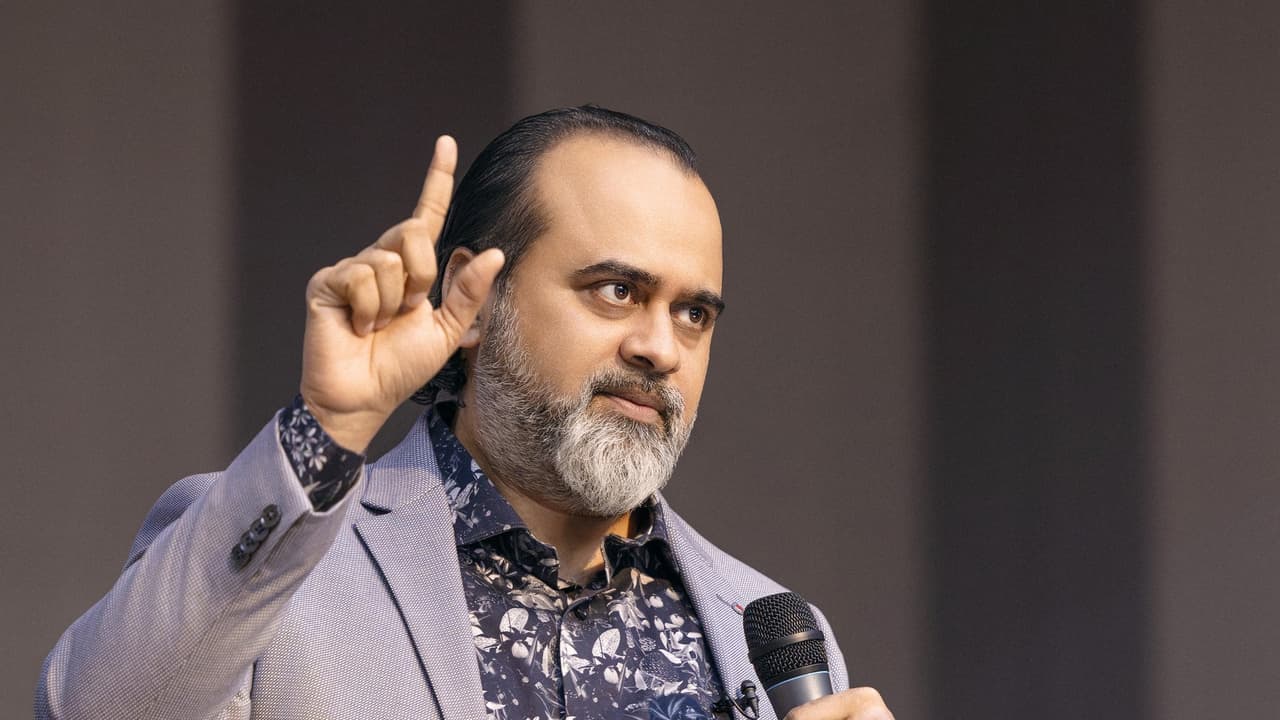
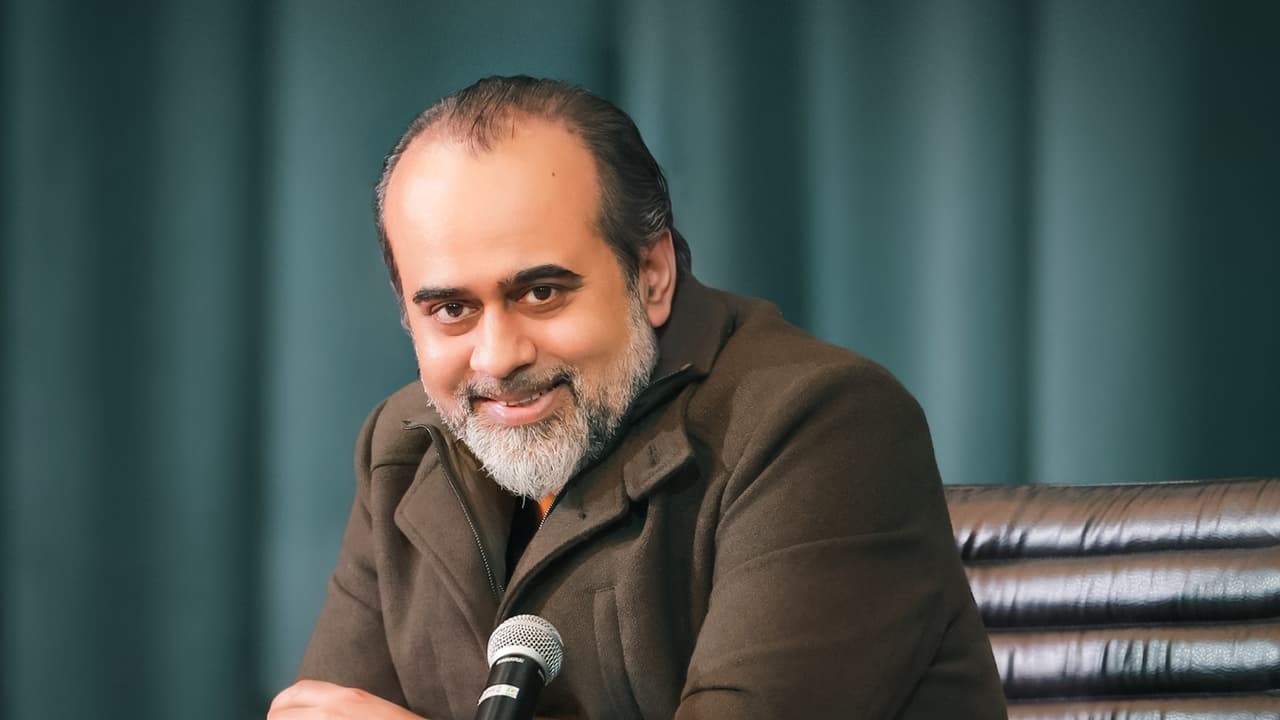

True revolution begins with inner transformation, not merely with protest. Lasting social change is possible only when individuals cultivate self-knowledge, integrity, and personal responsibility. Replacing governments or demanding reforms without examining the mind that sustains the same patterns only repeats history. Awaken yourself first, educate others with clarity and compassion, and let conscious citizens, not unconscious crowds, become the foundation of a better society.
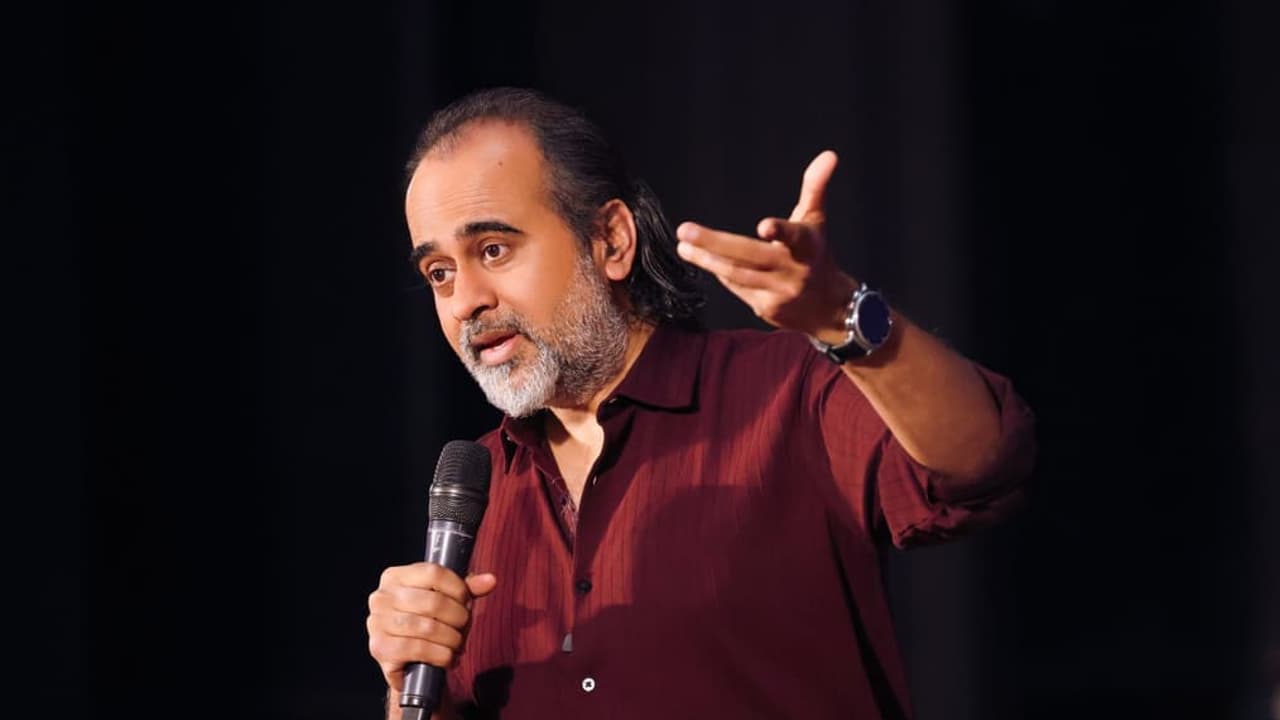
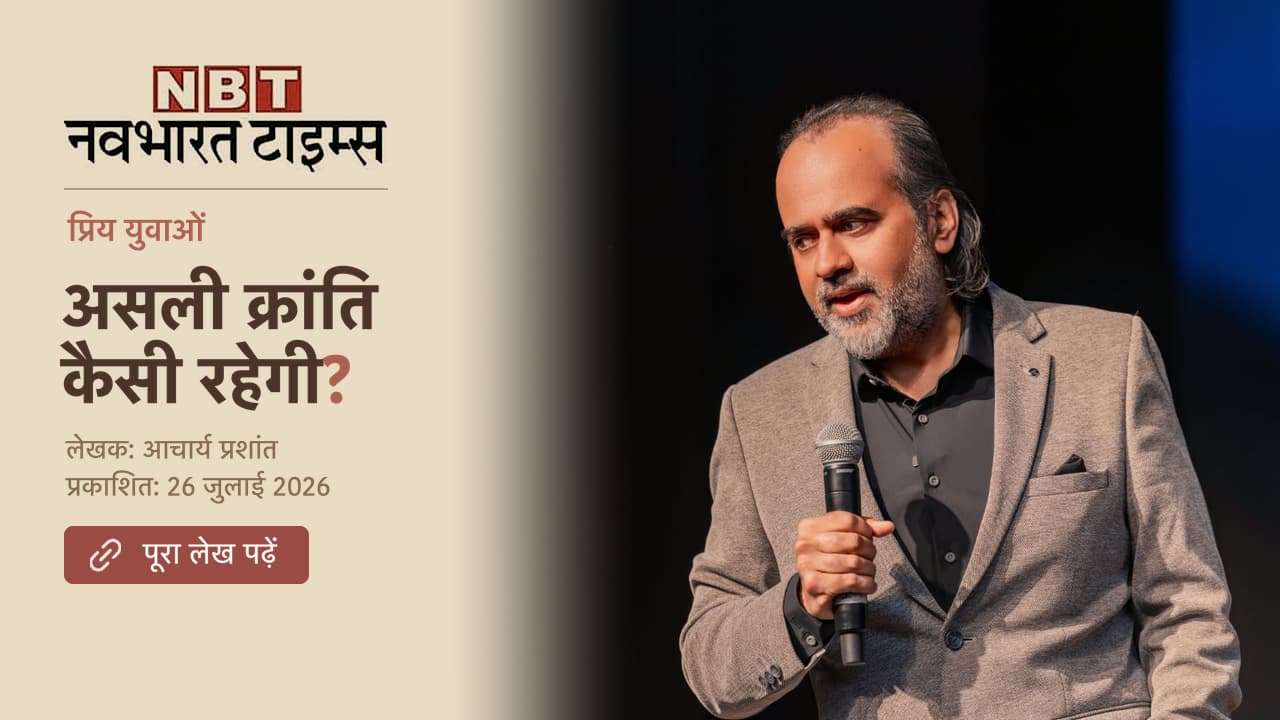
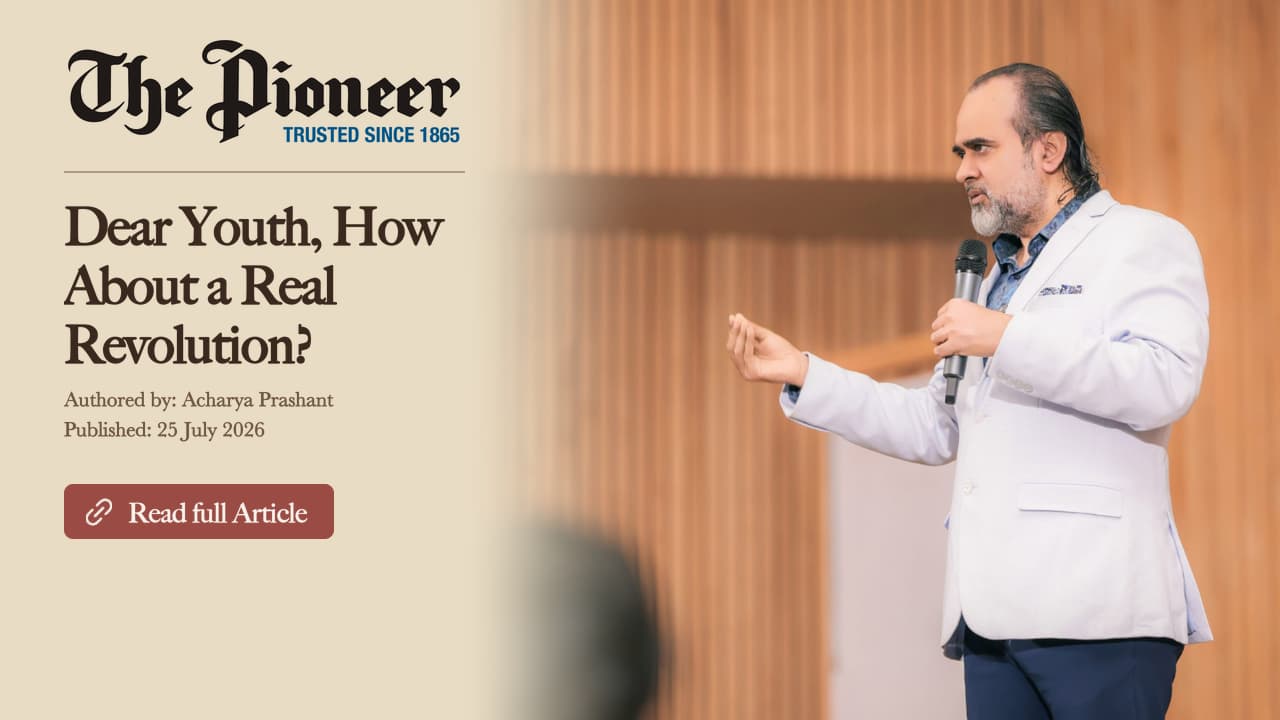
The biggest weakness of modern education is not that it fails to keep pace with technology, but that it neglects self-knowledge. Students are trained to build identities around qualifications and careers, making them rigid in a world that demands constant change. Real adaptability, innovation, and lifelong learning come not from acquiring more skills, but from understanding oneself and letting go of fixed identities.
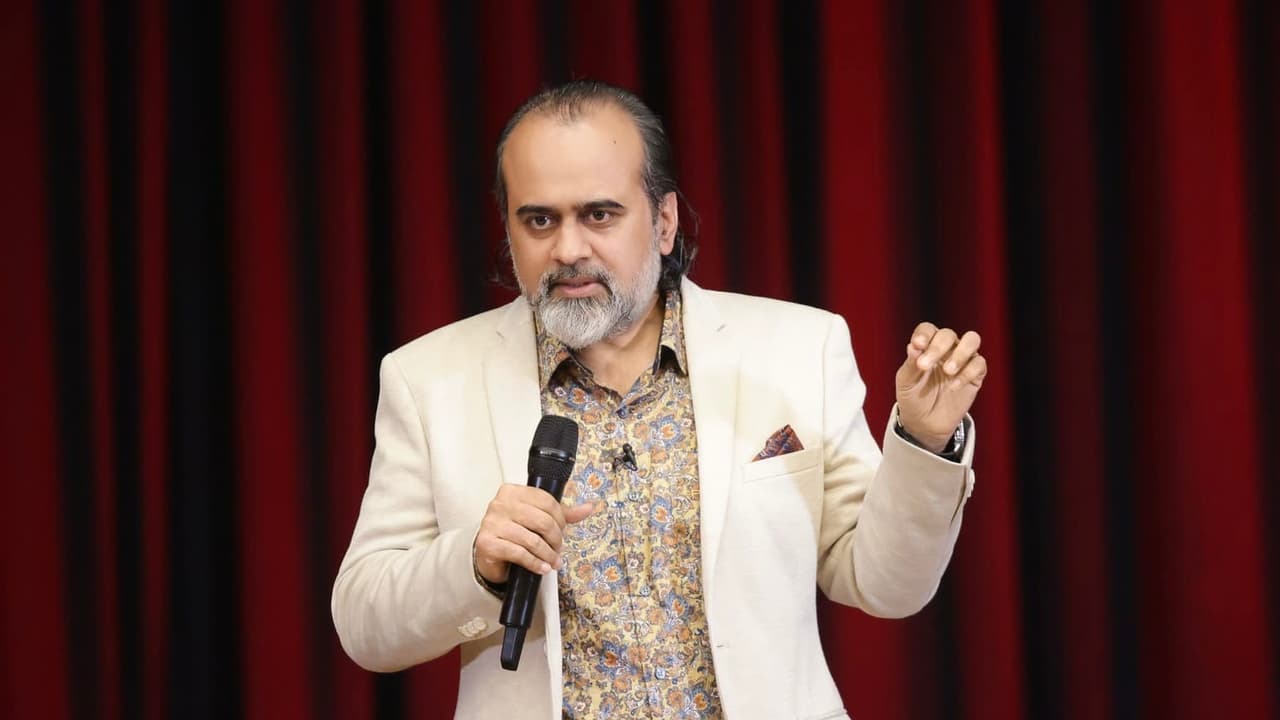
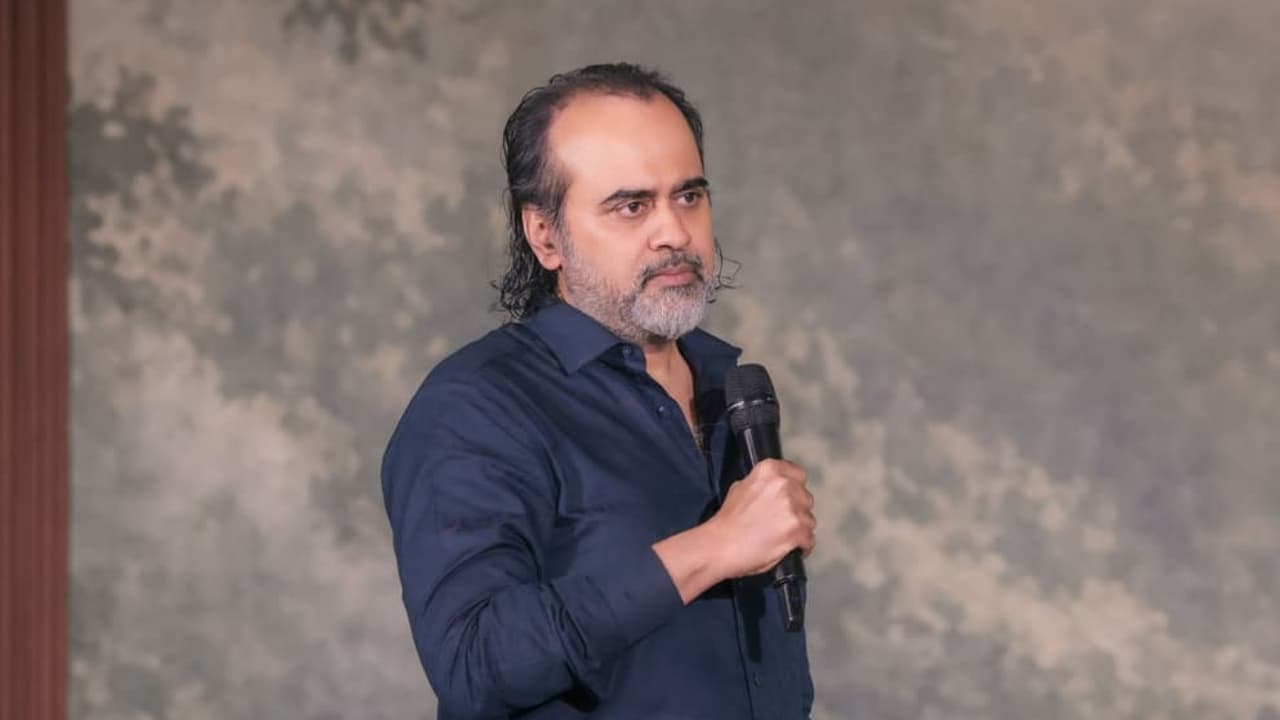
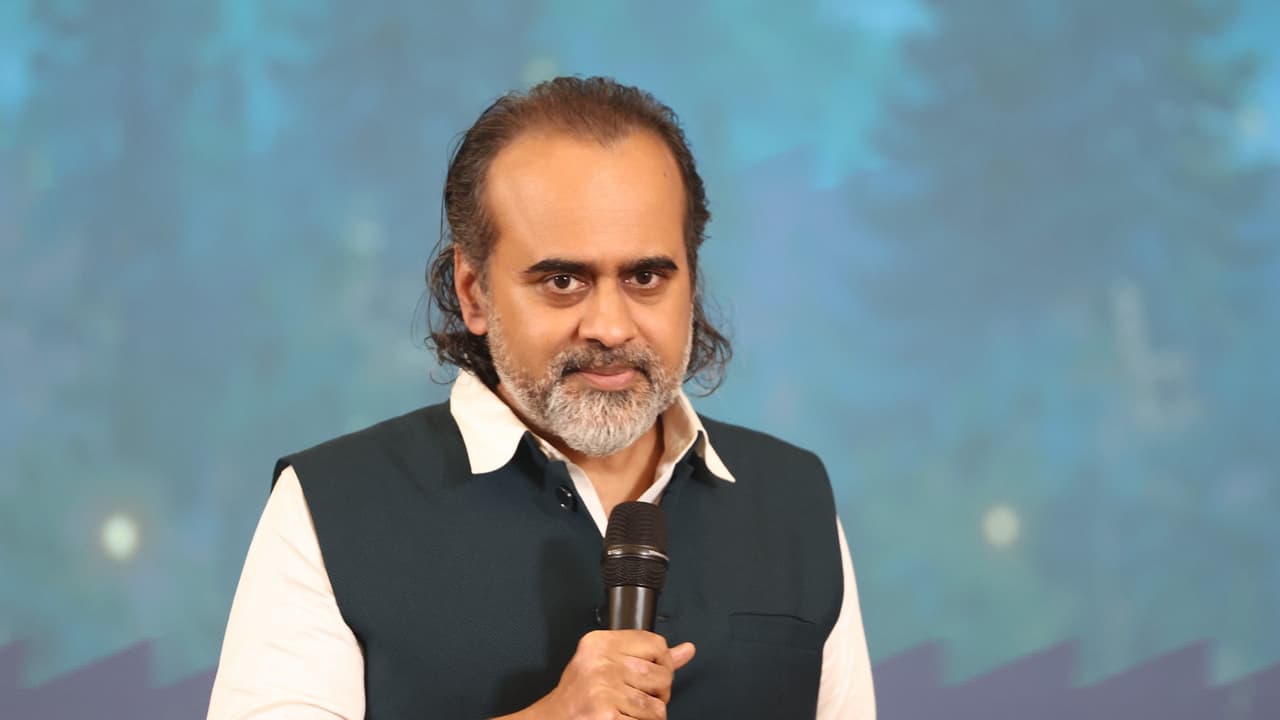
Humanity's greatest crisis arises from the imbalance between immense external progress and inadequate inner understanding. While technology, wealth, and knowledge have expanded unprecedentedly, unchecked desires and ignorance continue to fuel conflict, inequality, and environmental destruction. Sustainable change requires mass-based education of the self so individuals understand their motives and use science, technology, capital, and power with wisdom, responsibility, and inner clarity rather than unconscious craving.
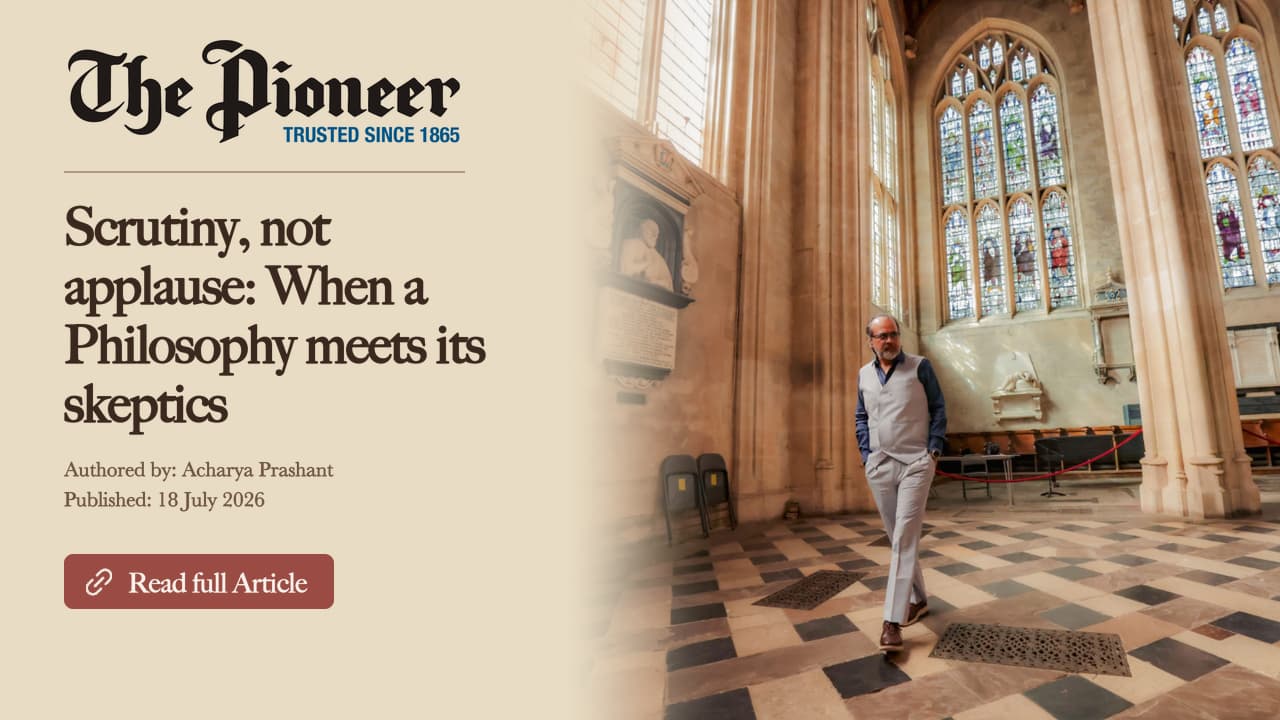
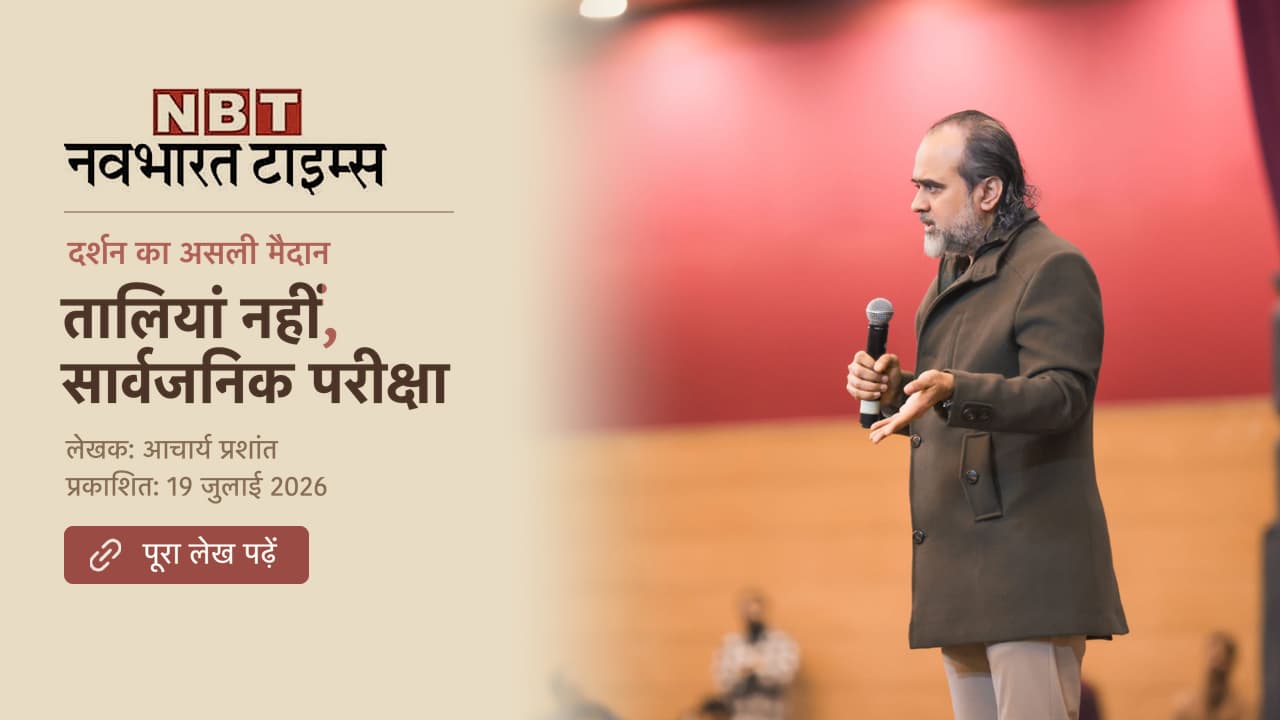
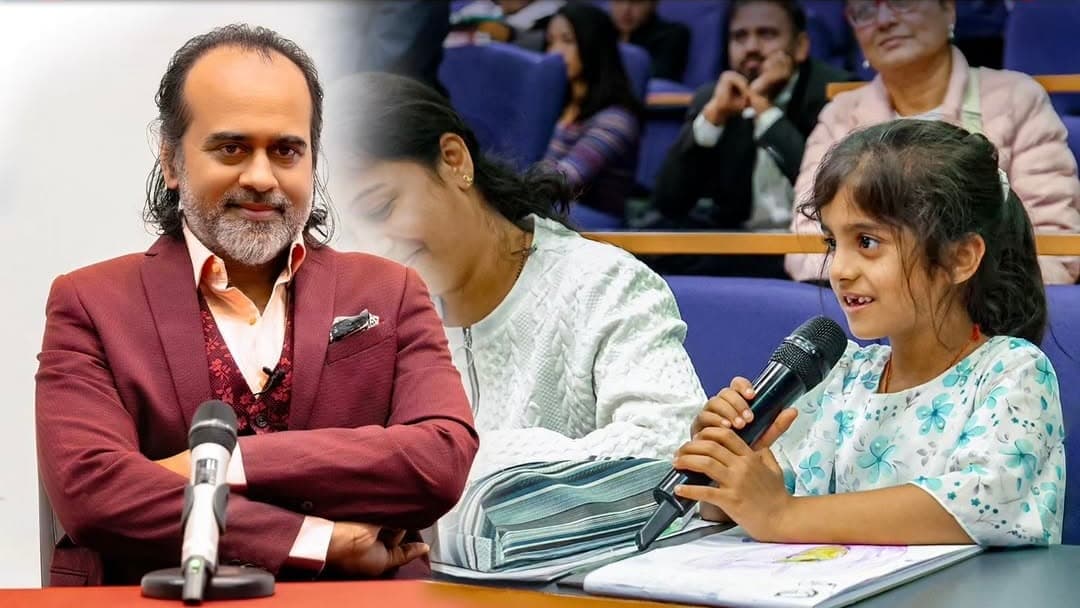
Innovation is born from research, creativity, critical thinking, scientific temper, and original thinking—not imitation or appearances. A society that values honest inquiry over validation creates genuine progress. India's future depends on nurturing a culture that encourages questioning, respects originality, and pursues truth with intellectual honesty instead of settling for superficial success and empty displays.
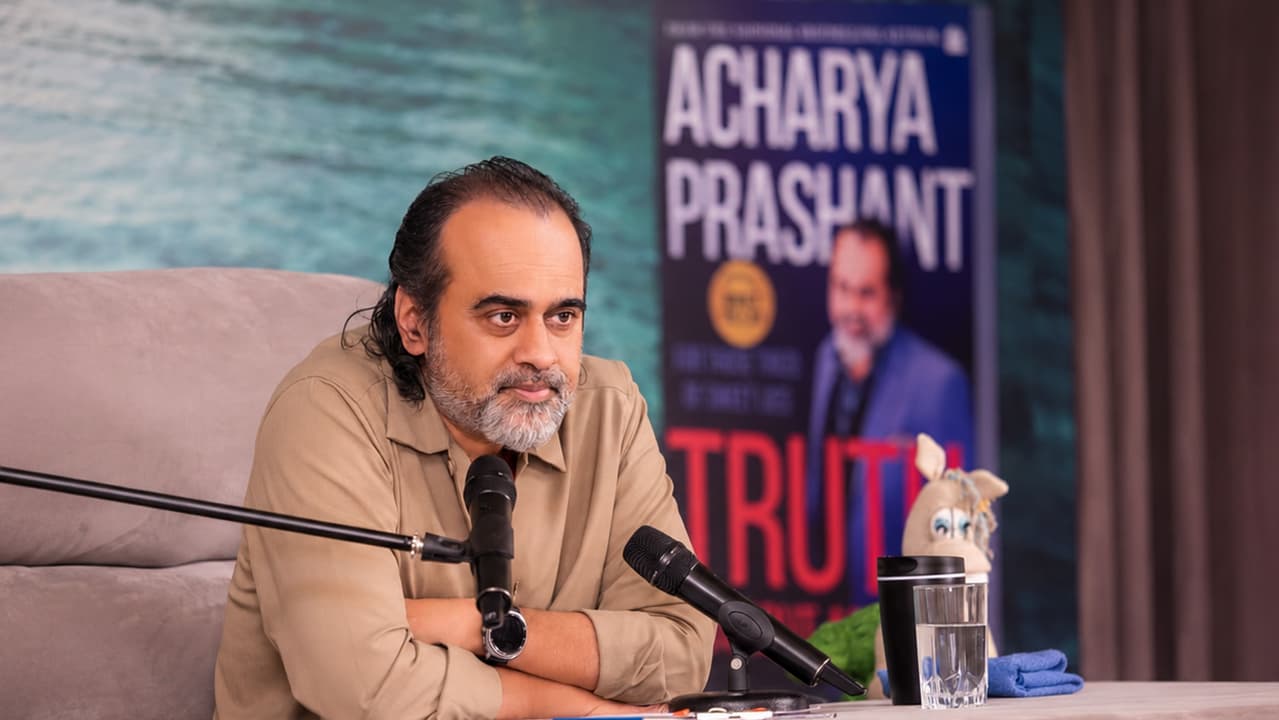
What is the relationship between quantum physics, consciousness, and the ego? This dialogue explores where scientific inquiry ends and self-enquiry begins. Through Vedanta, Acharya Prashant explains why the ego clings to its own existence, how beliefs and superstition shape our lives, and why lasting freedom lies beyond conditioned thinking.

Vedanta reveals that freedom is impossible as long as the ego seeks to preserve itself. Meditation may bring temporary calm, but real transformation begins only when the false sense of individuality dissolves. Whether through devotion or knowledge, every genuine spiritual path culminates in the complete dissolution of the seeker into Truth. Liberation is not the experience of Truth by an individual—it is the end of the individual who wants to experience Truth.
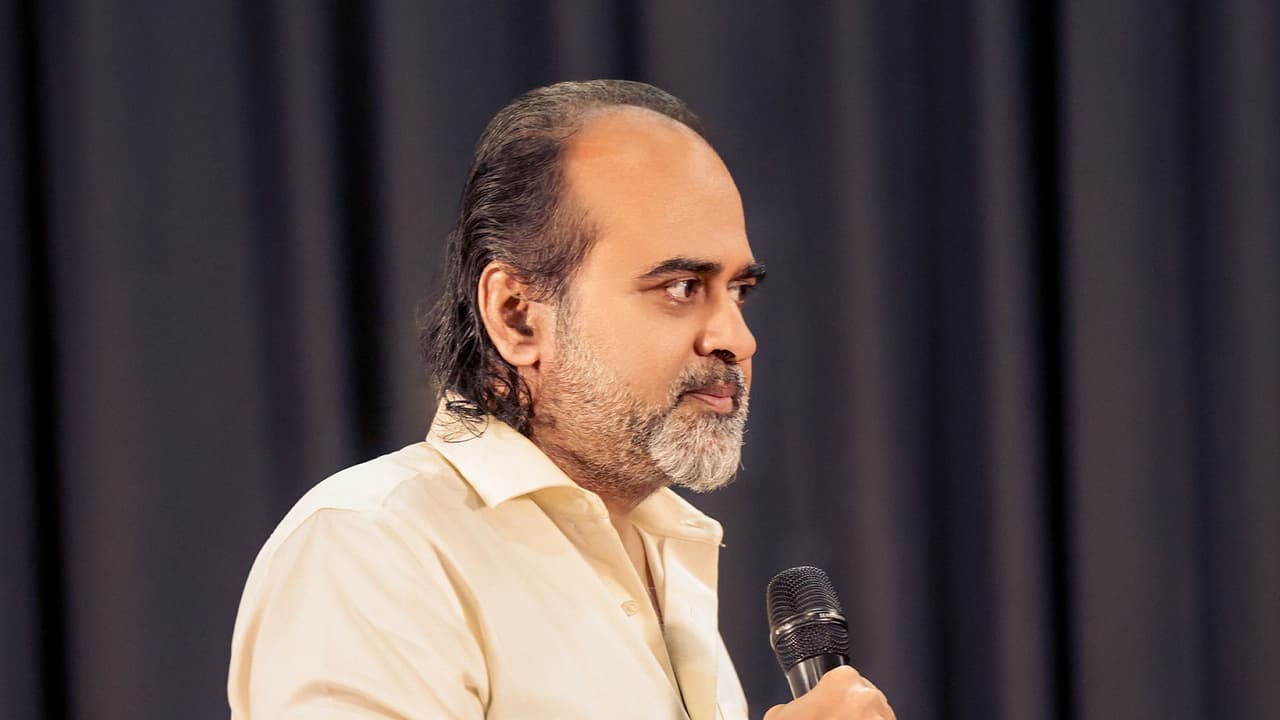
Society has a role in practical matters, but it should never decide love, marriage, happiness, or the purpose of life. Real freedom begins when personal choices are guided by understanding instead of social pressure. While social norms help maintain order, they become harmful when they dictate relationships, career, or inner values. True happiness and love arise from freedom, not conformity, making every love story meaningful only when it is authentically one's own.
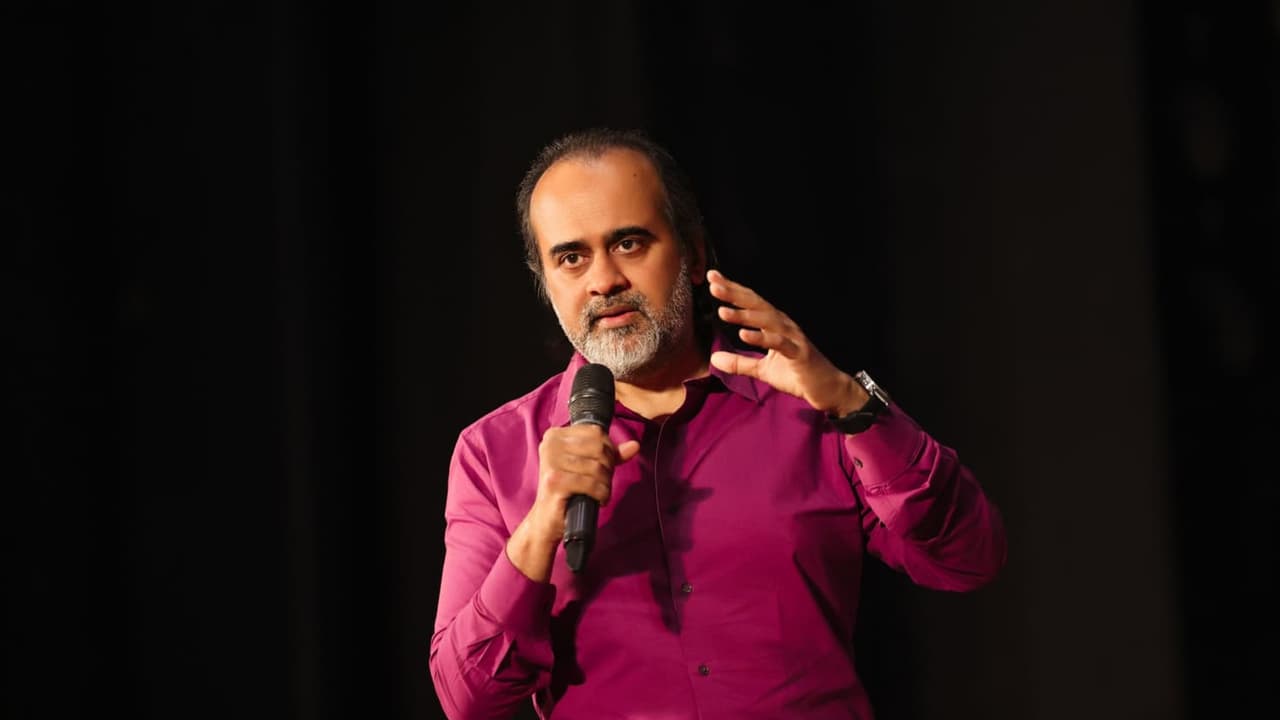
अज्ञान भय पैदा करता है, जबकि ज्ञान से आनंद और मस्ती जन्म लेते हैं। सच्ची मित्रता, प्रेम और शांति किसी को पकड़ने से नहीं, बल्कि स्वतंत्रता देने से मिलते हैं। मन स्वयं चंचल नहीं होता; उसमें क्या भरा जाए, यह हमारी सजगता तय करती है। जीवन का उद्देश्य केवल जानकारी जुटाना नहीं, बल्कि ज्ञान से प्रेम करना, प्रश्न करना, आत्मावलोकन करना और अपने भ्रमों को पहचानकर भीतर की स्वतंत्रता की ओर बढ़ना है।
Climate change and global warming cannot be addressed honestly while the world's largest source of hidden carbon emissions—military activity—remains largely excluded from climate accountability. Wars, military expansion, and consumerism arise from the same psychological drive for domination and endless consumption. Unless the Paris Agreement includes military emissions and humanity addresses the inner causes of conflict, every effort to combat climate change will remain incomplete.
Social media has not destroyed attention spans; it has exposed our dissatisfaction with what we consume. The real problem is repeatedly returning to content we already know is empty instead of respecting our own intelligence. Books are only one medium for knowledge, not knowledge itself. What truly matters is reclaiming attention from distractions, demolishing the borrowed mental structures imposed by society, and creating an inner space where meaningful learning, reflection, and self-knowledge can flourish.
Technology has amplified human power, but not human consciousness. The real crisis is not a lack of scientific progress but the unchanged, ego-driven center using it. Education today trains people to consume and achieve, not to understand themselves. Unless self-knowledge grows alongside external knowledge, every technological advance risks becoming a more powerful instrument of greed, violence, and planetary destruction.
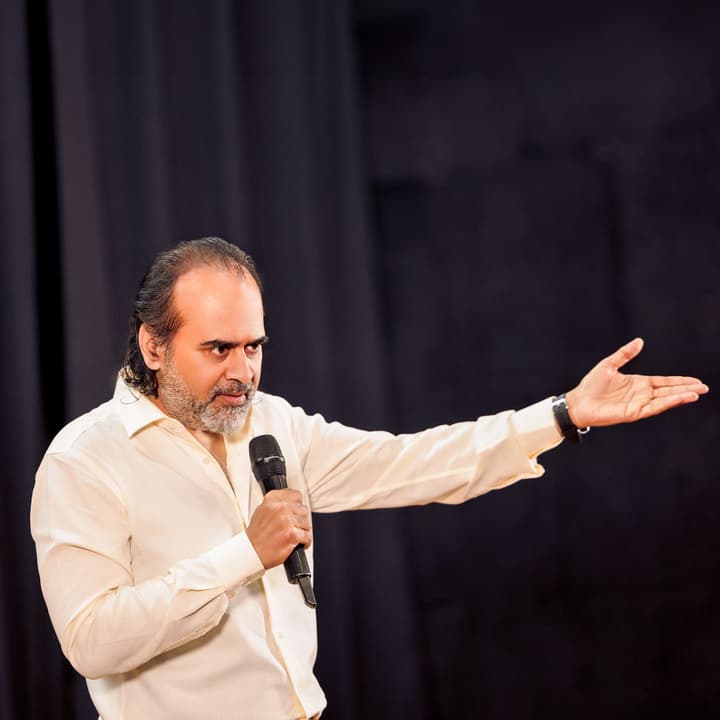

आत्मज्ञान के बिना समाज, पर्यावरण या किसी भी बाहरी समस्या का स्थायी समाधान संभव नहीं, क्योंकि हर संकट की जड़ मनुष्य की चेतना में है। बाहरी सुधार, नीतियाँ या अभियानों की अपनी भूमिका है, लेकिन वे मूल कारण को नहीं बदलते। इसलिए सबसे आवश्यक कार्य है स्वयं को बदलना और सत्य के प्रति गंभीर होना। जो व्यक्ति सत्य के प्रति उदासीन है, उससे स्वीकृति या मान्यता की अपेक्षा करना भी व्यर्थ है।
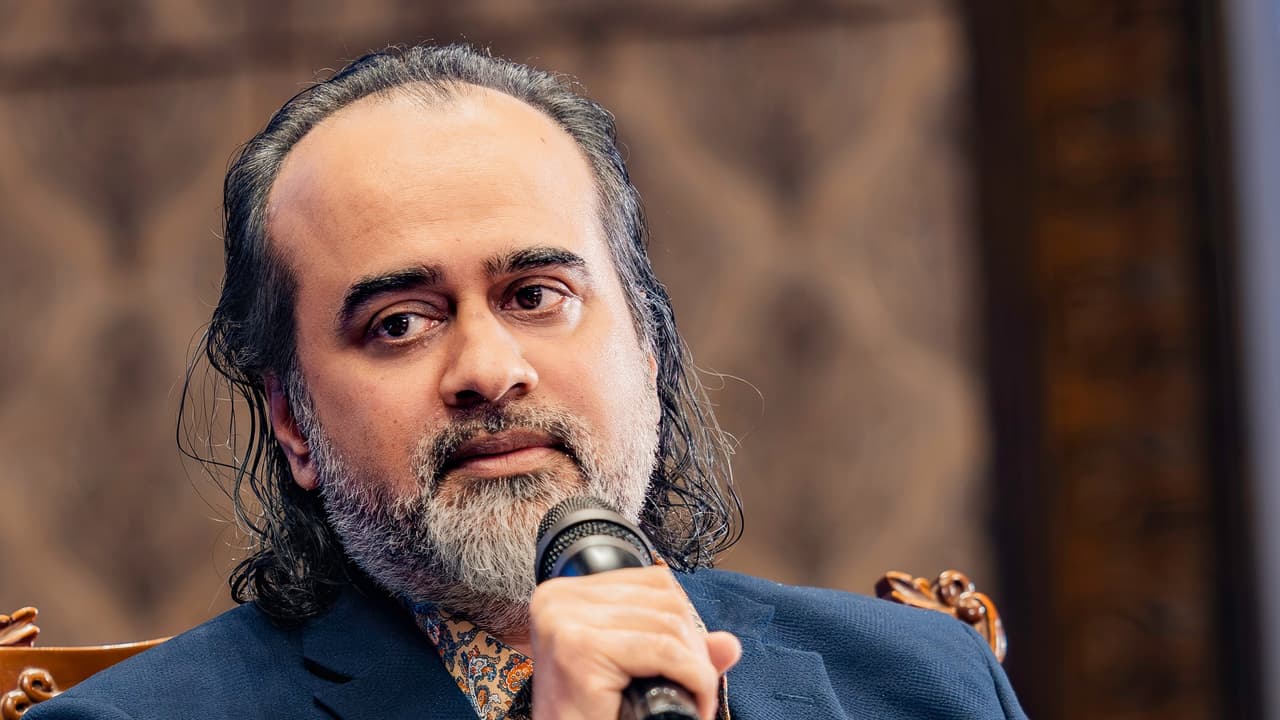
Women cannot be truly liberated through education, income, or legal rights alone if they remain psychologically identified with socially conditioned ideas of “womanhood.” While external barriers may fall, inner bondage persists through inherited identities, roles, and expectations. Real freedom begins not by rejecting the body, but by seeing oneself primarily as a conscious human being rather than a gendered identity, because lasting liberation starts at the root of self-identification.
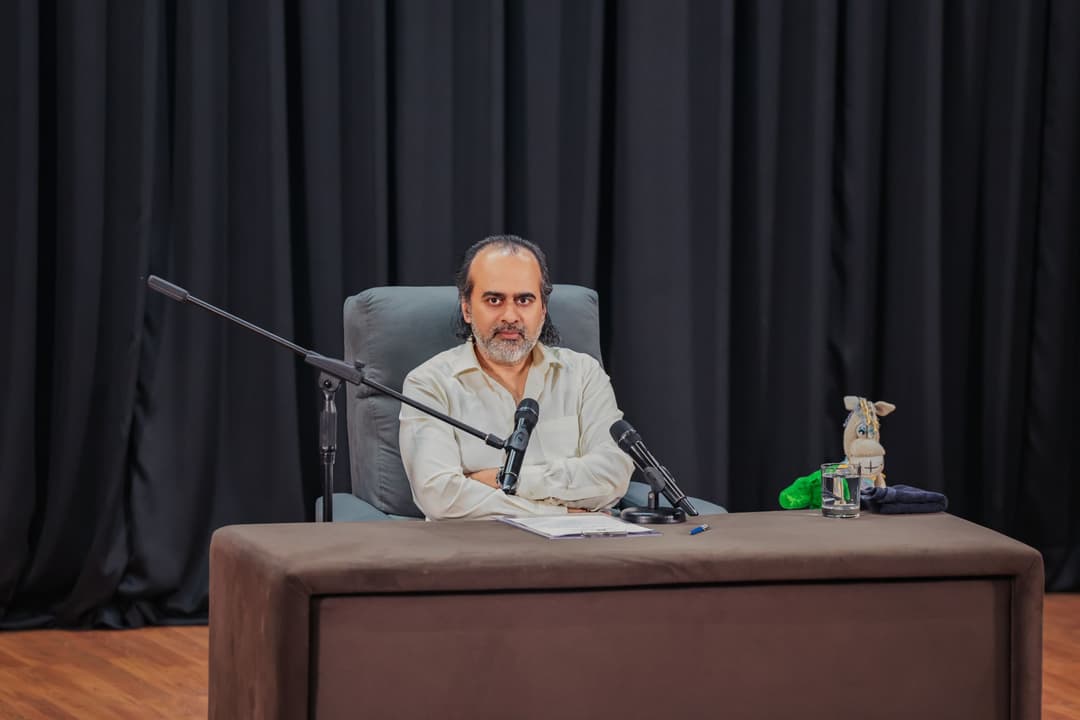
The ego is not a real, independent entity but a bundle of conditioning that creates the illusion of a separate "I" and becomes the source of suffering. Self-observation is not introspection or analysis but moment-to-moment honesty about what is happening within. Real freedom comes when this false center is seen through, allowing life to function naturally without the burden of psychological ownership.
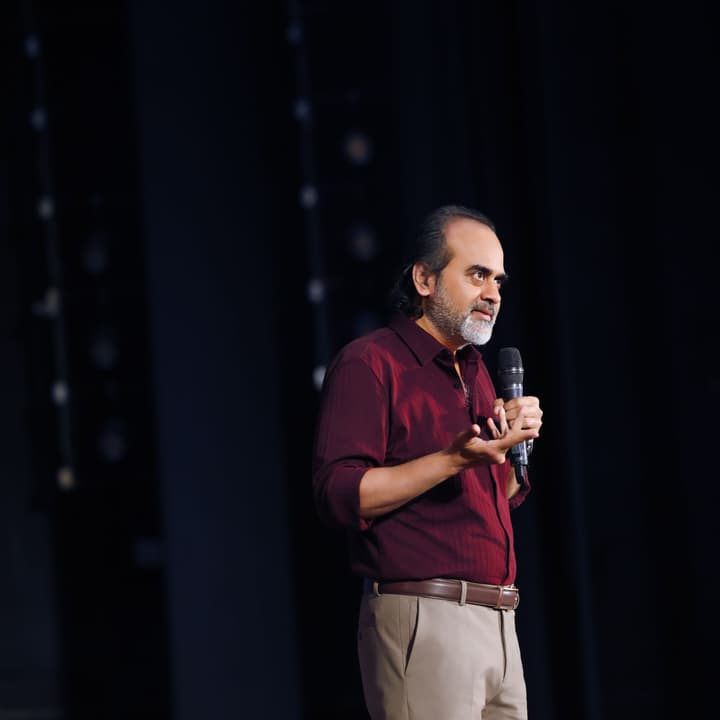
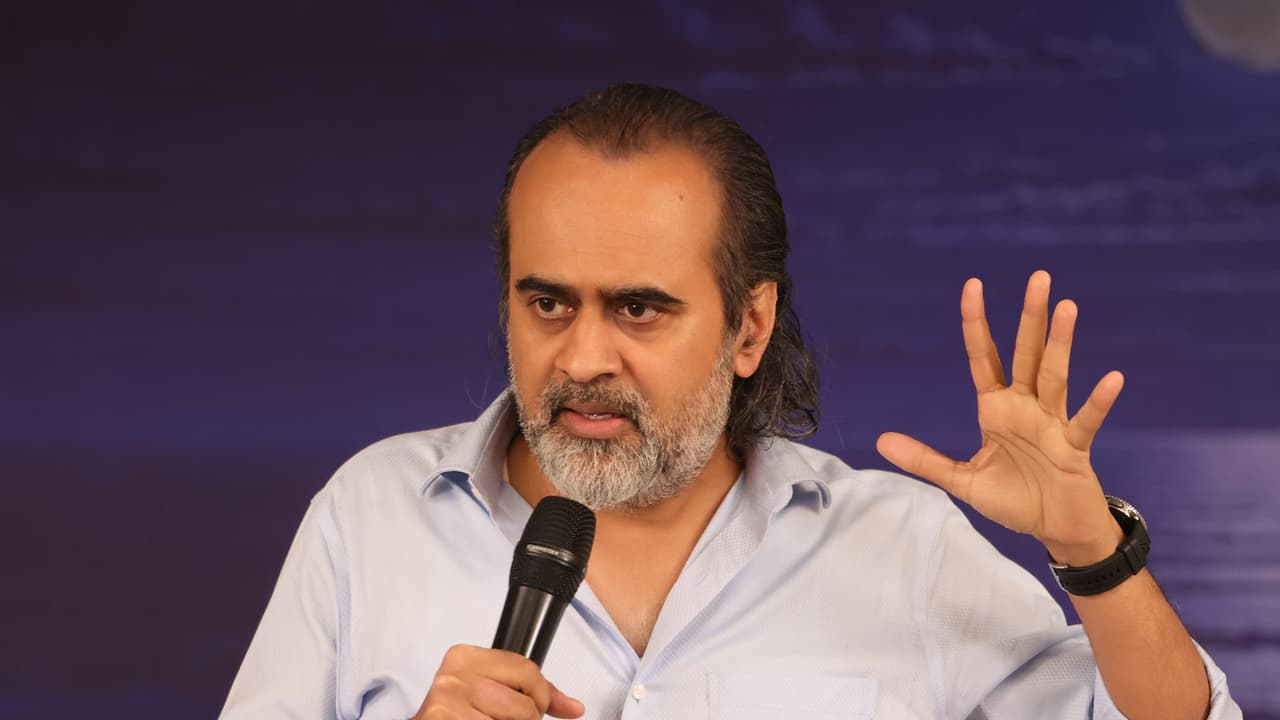
Life cannot be transformed by knowledge of the external world alone; it also requires understanding the one who experiences it. Science, technology, and logic are powerful, but they remain incomplete without self-knowledge and inner honesty. Lasting solutions to personal and global crises emerge when the same rigor used to study the world is turned inward, examining one's motives, intentions, and consciousness with equal seriousness.
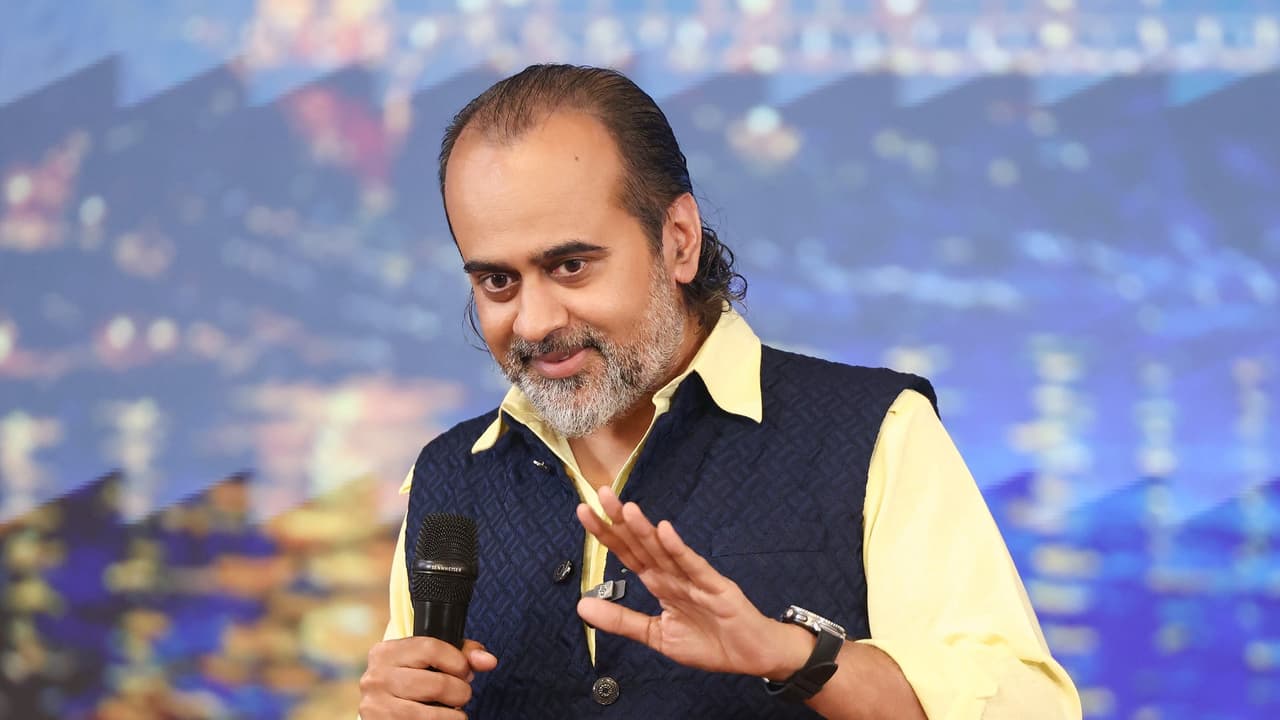
सुंदरता शरीर, ग्लैमर या सामाजिक स्वीकृति से नहीं आती। अधिकांश लोग आकर्षण, प्रसिद्धि और बाहरी छवि को सुंदरता समझ लेते हैं, जबकि उनके निर्णयों के पीछे अक्सर प्रतिष्ठा, मान्यता और अहंकार की चाह काम कर रही होती है। वास्तविक सुंदरता स्वाभाविकता, सरलता और अहंकार से मुक्त होने में है। जब व्यक्ति स्वयं को किसी आदर्श छवि में ढालने के बजाय अपनी प्रकृति को स्वीकार करता है, तभी वह दूसरों को भी बिना स्वार्थ और अपेक्षा के देख पाता है।
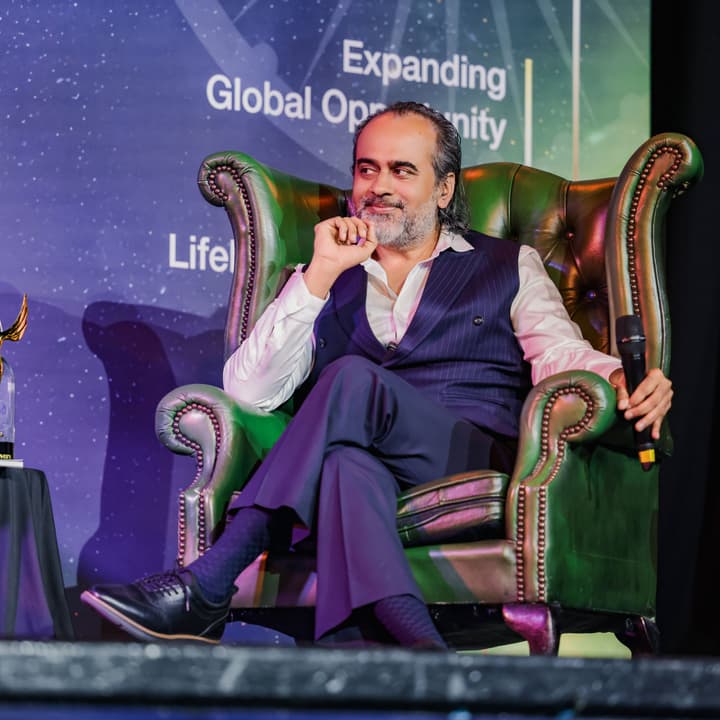
Real change begins not by changing the world alone but by understanding the one trying to change it. Laws, technology, policies, and scientific progress have value, yet they cannot solve problems rooted in human consciousness and endless desire. Truth remains the same across cultures and disciplines, requiring only a change in language, not in essence. Lasting solutions emerge through honesty, self-inquiry, and inner transformation, because no external system can replace a change in the human mind.
The mind is not an independent entity but a structure built and maintained by the ego through thoughts, memories, beliefs, and experiences. Most spiritual practices fail when they become distractions from examining the ego itself. Experiences, emotions, and preferences are often conditioned and unreliable. Real inquiry begins with observing the experiencer, admitting facts without distortion, and applying the same rigor to inner life that science applies to the external world.
Most people move through life unconsciously, mistaking inherited beliefs, ambitions, and social conditioning for personal choice. Careers, relationships, goals, and even identities often arise more from habit and circumstance than from conscious understanding. Real freedom begins by questioning the actor rather than the action, examining the assumptions behind one’s choices, and awakening from the psychological “coma” in which life is merely happening rather than being consciously lived.
Humanity continues to increase emissions despite clear warnings about climate catastrophe. The crisis is not merely technological or political but rooted in endless human consumption and the belief that happiness comes from material accumulation. Development and basic needs are not the problem; blind pursuit of growth is. Lasting solutions require a deeper understanding of human desire, because environmental destruction begins in the mind before it appears in the atmosphere.
We have all put down a book that could have helped us, or dozed off halfway through something that mattered. A man who could not keep food down was given medicine, and he threw that away too, since it went in by the same route. Most of us strike a similar deal: we move into a place that stinks and, within a week, call the smell normal. Show our fifteen-year-old self the life we lead now and they would scoff. What would change if we admitted we do not like our condition?
We readily admit we know little about neuroscience, yet we are sure we know our office, our family, our own name and address. That certainty is the bigger problem. Whatever we claim to know, we turn into a target, the way a blip on a radar marks a plane for the missile. And the one thing we never look at is the one who claims to know. When a teacher holds up a mirror, we call it disagreement and walk away. Is it really disagreement, or the fear of being dissolved?
किसी से मिलते ही हम पूछ लेते हैं: आपके गुरु कौन हैं, आप किस परंपरा से हैं? नाम बड़ा हो तो सिर अपने-आप झुक जाता है। कोई एक मठ से जुड़कर उसका वारिस बन जाता है, कोई सब परंपराओं की दुकान सजा लेता है, और कोई सबको ठुकराकर कहता है, मैं ख़ुद काफ़ी हूँ। तीनों रास्ते आसान हैं, और तीनों में समझ कहीं नहीं है। दस किताबों पर उथली बात एक किताब पर उथली बात से बड़ी कैसे हो गई? क्या हम सिर्फ़ फैल रहे हैं, या कहीं ऊपर भी उठ रहे हैं?
We know the shortcut will cost us later, and we take it anyway. We tell ourselves the reckoning lies somewhere ahead, in a court, a bill, a bad result. But what if the price is already being paid, the moment we choose? The one in us who longs for love and freedom is the same one who shuts the cage door, hoping to keep everything at once. No judge sits outside us; we are the judge and the convict both. What do we most deeply want, and what keeps competing with it?
“मैं तो अपने पैशन पर चलती हूँ, साहब, किसी के दबाव में नहीं आती।” पर सोचिए, बेहोशी में किसी ने दिमाग़ में एक छोटी-सी चिप लगा दी हो। तब उसका हर हुक्म हमें अपनी ही पसंद लगेगा, और बाहर कोई दबाव डालता दिखेगा भी नहीं। साथ में एक डर भी बैठा दिया जाता है: लड़की हो तो हाईवे मत छोड़ना, पगडंडी पर उतरीं तो रोटी के लाले पड़ जाएँगे। जब आँखें दुनिया के साथ आईना भी देखने लगें, तो क्या बिना बिके, बिना झुके जिया जा सकता है?
A woman spent decades chasing enlightenment, from Tiruvannamalai to Rishikesh, and now cannot sleep because she has still not arrived. How is she different from a businessman sleepless over a missed profit target? Only the name of the prize has changed. Final enlightenment is the ego’s grandest title: it signs its own death certificate and stays to collect the credit. Moments of clarity are real; the finish line is the fantasy. If the ego has really become less, why must it announce it?
Sixteen years of training, and in an Asian Games quarterfinal a soft tennis player felt his hands were in chains. Once bronze was certain, the same court looked larger. A world MMA champion loses sleep over a partner’s extra burpee; a medallist comes home to questions about marriage instead of applause. The hardest battles these champions described were not on the field. What does wisdom ask of one who must fight with full strength, yet not be ruled by the score?
नाव आगे हो तो सलमान अच्छे साथी लगते हैं, पिछड़ जाए तो उन्हीं में कमियाँ दिखने लगती हैं। एशियाई खेलों के पदक जीत चुके खिलाड़ी भी साथी की एक बर्पी ज़्यादा होने पर रात भर सो नहीं पाते, एक हार को पूरे जीवन का फ़ैसला मान लेते हैं, और बुआ के शादी वाले सवाल से बचने के लिए खेल की आड़ लेते हैं। पदक परिणाम बदल सकता है, पर उस ‘मैं’ को नहीं जो उसे अपनी कीमत का सबूत बनाना चाहता है। अगर जीत को हमारे बारे में कुछ साबित न करना हो, तो हम कैसे खेलेंगे?
A boy’s face turns black with soot at the train window while his sister cries as the engine starts rolling. Their father says that to reach the destination we must learn to embrace the noise and the soot. We too wait for a day when suffering ends and joy begins, and the waiting only deepens the hurt. But joy lies in the courageous embrace of suffering, not beyond it. Can we look at what we are protecting when we run from pain?
तीस साल मछली खाने के बाद वो वीगन बनीं, और घर हिल गया। पति कहते हैं, बेटी 18 की होकर ख़ुद तय करेगी, तब तक उसे खिलाओ। शांति के लिए वो हर बहस से हट जाती हैं, पर मन पूछता है: कहीं बेटी यह तो नहीं सीख रही कि ग़लत को चुप रहकर सहना चाहिए? जवाब सीधा है, “शादी करी है, ईमान नहीं बेचा है।” और शादी से पहले? हम चेहरा देखते हैं, डिग्री और कमाई गिनते हैं, पर “उसका खोपड़ा झेलना पड़ेगा 24 घंटे”, यह कब देखते हैं?
We see the craving for what it is, laugh it off once, and soon it is back. The laughter “is lazy and goes off to sleep,” as the talk puts it. We are taught to chase our dreams, yet desire is only the ego’s agenda under another name. “Want is not sacred.” Suffering cannot be wished away either, but we do have a choice in how we live with it. Can we keep laughing at our own wants, and ask where they really come from?
आज का युवा यात्रा के लिए भी लोन ले रहा है, और हम झट से लेबल लगा देते हैं कि पहले के लोग अच्छे थे, अब के लोग बुरे हैं। पर एक कर्म को पकड़कर उस पर लेबल लगाना सस्ता और आसान तरीका है। यात्रा अपने आप में न अच्छी है, न बुरी। चलना हो या ठहरना, फ़र्क़ इससे नहीं पड़ता, बात भीतर के केंद्र की है। और जो निशानियाँ हम पहचानते हैं, उन्हें कोई भी ओढ़ सकता है। तो अच्छा या बुरा कहने से पहले, क्या हम देख पाएँगे कि कर्म के पीछे कर्ता कौन है?
The baby arrives, the income rises, and a short break from work quietly becomes permanent. The home is comfortable, so why go back? Behind that comfort sits a belief we absorb from media and culture: that “we exist not for our liberation, but for consumption.” If consumption comes free, “why work at all?” The talk calls a life with no purpose worth exerting ourselves for hell, and asks what freedom is possible when someone else feeds us. Can we look honestly at what we have been taught to want?
सुबह 5 बजे उठो, जिम जाओ, ठंडे पानी से नहाओ: रील्स कहती हैं, यही सफलता की कुंजी है। पर अगर कोई आदमी पहले बेतरतीब सड़े टमाटर फेंकता था, और अब घड़ी देखकर ठीक ब्रह्म मुहूर्त में फेंकने लगे, तो क्या वह बदल गया? बस उसकी मूर्खता अनुशासित हो गई। रूटीन कर्मों को सजा देता है, करने वाले को वहीं का वहीं छोड़ देता है। और सफलता भी किसकी? मछली के लिए पेड़ पर चढ़ना सफलता नहीं होती। जब हमें यही नहीं पता कि हम कौन हैं, तो यह रूटीन हमें ले कहाँ जा रहा है?
We gladly worship Krishna the cowherd of Mathura and Vrindavan, yet the Krishna of Kurukshetra, who speaks the Gita, is rarely welcome. Much of what we call religion is a request: we pick a favourite deity, place and ritual, then ask for a car, money or a cure. The Gita values rituals done for desire as little as a pond beside the ocean. Popular religion says, "I want, therefore I act." The Gita says, "Know who you are and then simply let things happen." Which of the two do our prayers come from?
16 से 24 साल की महिलाएँ चौथी-पाँचवीं बार गर्भ लेकर आ रही हैं, क्योंकि घर को बेटा चाहिए और मना करने पर पति की दूसरी शादी की धमकी है। हम इसे आर्थिक मजबूरी कहते हैं, पर हमारी ज़्यादातर बेड़ियाँ सांस्कृतिक हैं: एक संस्कृति जो आश्रित रहने को बुरा नहीं मानती, और कहानियाँ जो सिखाती हैं कि कुछ मत करो, भगवान भला कर देंगे। जो अपनी रोटी के लिए दूसरों पर आश्रित है, उसे कौन-सी मुक्ति मिलेगी? कोई परंपरा, कोई वादा हमारी ज़िंदगी से बड़ा नहीं होता। तो हम किस व्यवस्था को निभाते हुए अपनी ज़िंदगी दे रहे हैं?
दुर्गा सप्तशती कहती है कि शुंभ के मरते ही आकाश स्वच्छ हो गया, नदियाँ ठीक मार्ग से बहने लगीं और पवित्र वायु बहने लगी। यानी असुर वो है जो आकाश को गंदा करे। आज वही काम वो करते हैं जो दिखाते हैं कि वो कितना भोगते हैं, और हम उन्हें अपना आदर्श बना लेते हैं। समस्या वो नहीं, हम हैं: हमें नहीं पता कि सम्मान किसे देना है। जब तक हम सत्य को सम्मान नहीं देंगे, तरह-तरह के झूठों को देते रहेंगे। तो हम किसे अपना आदर्श बनाए हुए हैं?
Oil companies’ own scientists predicted the warming in the 1970s. Carbon isotopes now prove the extra CO2 is ours. And still, in the country that has emitted the most, many call climate change unreal. This is not a gap in knowledge. Denial is a defence: every doubt we keep alive gives us a safe place to hide, because accepting the carbon means accepting that our own desire is heating the planet. What are we protecting when we refuse to know?
किसी के क्रोध पर चोट करो तो क्रोध पाँच गुना हो जाता है। दो गुटों की लड़ाई में एक मारा जाता है तो बीस और खड़े हो जाते हैं। दुर्गा सप्तशती का रक्तबीज यही है: हर बूँद से एक नया असुर। रक्तबीज कोई ख़ास असुर नहीं, हमारे अहंकार की प्रतिक्रियात्मकता है। उस पर चोट करने से वो और बड़ा होता है, क्योंकि किसी को ‘तुम बुरे हो’ कहना भी उसे ‘तुम हो’ कहना है। काली उसे खा लेती हैं, यानी अहंकार प्रकृति से अलग नहीं रह जाता। तो क्या हम देख सकते हैं कि जिसे हम ‘मैंने किया’ कहते हैं, वो कौन कर रहा है?
We are told that cleaner technology will solve the climate crisis. But emissions begin before any fuel is burnt, in a life that has no joy and so keeps reaching for the next lower pleasure: the party, the trip, the purchase. The demand for pleasure is not wrong. What matters is which pleasure we seek. Music, books, sport and real company cost the planet almost nothing. Can we look honestly at what our own consumption is trying to fill?
When someone calls us ugly or dumb, it can feel as if our confidence has been taken away. But others are outsiders; they cannot know us as well as we can know ourselves. The trouble begins when we do not know ourselves, so we start looking at ourselves through others’ eyes. Self-knowledge here simply means being honest with ourselves about where our likes, fears and desires come from. What would change if we looked at ourselves directly, and not through others’ opinions?
बड़े मैच में उतरते ही हाथ बेड़ियों में जकड़े लगते हैं, और हम घबराहट सँभालने की कोई तरकीब खोजते हैं। पर मैदान बदल जाता है, भीतर का केंद्र नहीं बदलता। जो रोज़ की ज़िंदगी में हर काम से मनचाहा नतीजा माँगता है, वह बड़े दिन भी वही माँग लेकर उतरता है। मेडल पक्का होते ही दबाव उतर जाना भी यही बताता है, और जो जीत पर इतराता है, वही हार से घबराता है। ज़िंदगी की ऊँचाई हमेशा मेडल के रूप में सामने नहीं आती। क्या हम देख पाएँगे कि हम नतीजे को कितना पकड़े हुए हैं?
नवरात्रि में देवी और असुरों की कथा पढ़कर सवाल उठता है: जब दोनों ही प्रकृति हैं, तो लड़ाई किससे है? लड़ाई प्रकृति से नहीं, उस अधूरेपन से है जो मानता है कि दुनिया को भोगकर वो पूरा हो जाएगा। देवता और असुर दोनों यही चाहते हैं। अंतर बस इतना है कि चोट खाकर देवता देखते हैं और लौट आते हैं, असुर फिर वही दोहराते हैं। हम भी रोज़ भोजन, लोगों और चीज़ों से पूरा होने की उम्मीद करते हैं। और ‘सब ब्रह्म है’ कहकर विवेक छोड़ देना भी उसी अहंकार की चाल है। चोट हमें भी लगती है; क्या हम उससे सीखते हैं?
Many of us interrupt, rush to make our point, or change the topic when a conversation comes too close. We call it a lack of patience or discipline. But impatience in a conversation is often fear: when what we hold within is borrowed belief, every question could shatter it. The same confusion makes us take our instincts and feelings as ourselves, though they are only the body’s chemistry. If we looked honestly at what we hold, would a question still feel like an attack?
नवरात्रि में हम देवी की पूजा करते हैं और महिषासुर को बाहर का कोई दैत्य मान लेते हैं। पर दुर्गा सप्तशती का दूसरा चरित्र हमारी अपनी वृत्ति की कथा है। जो मन प्रकृति को केवल भोगने की वस्तु मानता है, जंगल काटता है, नदियाँ दूषित करता है, पशुओं को खाता है और कहता रहता है कि मुझे और चाहिए, वही महिषासुर है। त्यौहार उसी के वध के लिए है, उसे भोग लगाने के लिए नहीं। क्या इस नवरात्रि हम अपने भीतर के महिषासुर को पहचानेंगे?
Physical weakness does not stay physical. It becomes mental weakness, and the ego, which turns everything into an identity, starts saying “I am weak” because that line brings support and spares it responsibility. Visible strength works even unused: it keeps the opponent outside wary and silences the one within, who can no longer claim to be helpless. Keeping the body strong is therefore a spiritual matter, not vanity. Are we holding on to weakness because it is convenient?
A young athlete says she knows she should not be attached to winning, yet she is, because her coach, family and country are invested in it. Wanting to win on the court is fine; that is what a contest is for. But we never know who the next opponent will be, and the one opponent always present is ourselves. She also fears that starting at 14 was too late. The past is fixed, so what is left is to play the cards we are dealt. Where does our real contest lie?
सच की राह पकड़ते ही अक्सर अपने ही लोग बदल जाते हैं, और हम मान लेते हैं कि शायद हम ठीक से समझा नहीं पा रहे। पर सामने वाला समझ तो रहा होता है, उसे बस सौदा नहीं जँचता। अहंकार लेन-देन से चलता है, इसलिए अकेले तर्क उसे नहीं हिलाते। हमारा अपना अहंकार भी यही करता है: थोड़े-से स्वार्थ के लिए हम झूठे रिश्तों में मिठास का स्वांग करते हैं, मजबूरियाँ गिनाते हैं और पीछे हट जाते हैं। जिसे हम मजबूरी कहते हैं, क्या वह सच में मजबूरी है?
Many Indian parents keep their children, and especially their daughters, away from sport, even where coaches and facilities exist. The barrier is often not outside but in the parent’s own ideas: poor returns, uncertainty, and fixed notions of what a girl’s life must be. Blaming our own parents does not help either; our life is now our responsibility. Parenting is a decision of the greatest responsibility, and it begins with self-love. Can we love a child if we cannot love ourselves?
जलवायु संकट पर बहस अक्सर नीतियों और तकनीक तक सिमट जाती है, पर दुनिया की आबादी, उत्पादन, कार्बन और तापमान के ग्राफ़ साथ रखें तो एक ही रेखा दिखती है। धरती को दो चीज़ें मार रही हैं: बढ़ती जनसंख्या और बढ़ता उपभोग। दोनों एक ही वृत्ति से निकलते हैं, ख़ुद को न जानना और बाहर जाकर भोगना। जंगल घट रहे हैं, जीव-जंतु मिट रहे हैं। जब तक करने वाला नहीं बदलेगा, नीतियाँ कैसे बदलेंगी? क्या समाधान हमारे ही हाथ में है?
A world champion asks why she cannot sleep when a teammate outperforms her, and why even big wins leave her restless. The restlessness is not a problem but unspent energy, a sign that we have more to give. When every bit of our time and attention goes to what we have chosen, there is no surplus left to worry with. The right fight is never only against an opponent; it is against the ego within. What would it mean to fight so fully that nothing is left to celebrate or mourn?
नवरात्रि आते ही हम सोचने लगते हैं कि क्या खाना है, क्या नहीं खाना, कौन-सा हवन करना है। पर व्रत का अर्थ है संकल्प, और शुभ संकल्प एक ही है: हम जैसे हैं, वैसे न रहें। इसीलिए ये नौ दिन दुर्गा सप्तशती को समझने के लिए हैं, केवल रस्मों के लिए नहीं। जिसे हम माँ कहते हैं, वह यह पूरी प्रकृति है, और उसके ही बच्चों को चोट पहुँचाकर उसका पर्व नहीं मनाया जा सकता। क्या इस बार हम नौ दिन अपने ही जीवन को ईमानदारी से देख पाएँगे?
कोई खिलाड़ी देश के लिए मेडल जीतकर लौटती है, और बधाई के साथ ही सवाल आता है कि खुशखबरी कब दोगी। उम्र का पैमाना और परिवार की अपेक्षा मिलकर उसकी पूरी मेहनत को एक देह की भूमिका तक सीमित कर देते हैं। पर सफलता केवल वह नहीं जिसे दूसरे गिन सकें। जब हम स्वयं को देह भर मान लेते हैं, तो हमारे विचार, लहजा और अपनी छवि तक उसी में बँध जाते हैं। इंसान बनकर जीना और किसी के हाथों न बिकना अपने आप में बड़ी और बिरली सफलता है। हमारे लिए असली खुशखबरी क्या है?
35 की उम्र आते ही खिलाड़ी महिला से कहा जाने लगता है कि अब खेल छोड़ो, बच्चों को मौका दो। हम मान लेते हैं कि यह उम्र और शरीर की मजबूरी है। पर ध्यान से देखें तो शरीर का तर्क टिकता ही नहीं। असल दबाव उस सिखाई गई मान्यता का है जो महिला को उसके शरीर और उससे जुड़ी भूमिकाओं से ही तौलती है, और जिसे हम अपनी ही सोच मान बैठे हैं। जो आवाज़ें हमें बताती हैं कि हमारी ज़िंदगी का क्या करना है, क्या हम ईमानदारी से देख पाएँगे कि वे आवाज़ें किसकी हैं?
We often defend a bad choice by pointing to a worse one: stay dishonest or starve, keep the wrong grip or stop playing. But the real trouble is not the option we picked. It is the option we never let ourselves see. Action does not need greed or attachment to find its energy. The third way begins by rejecting both false choices, without knowing what comes next. Which of our everyday choices are really false dilemmas?
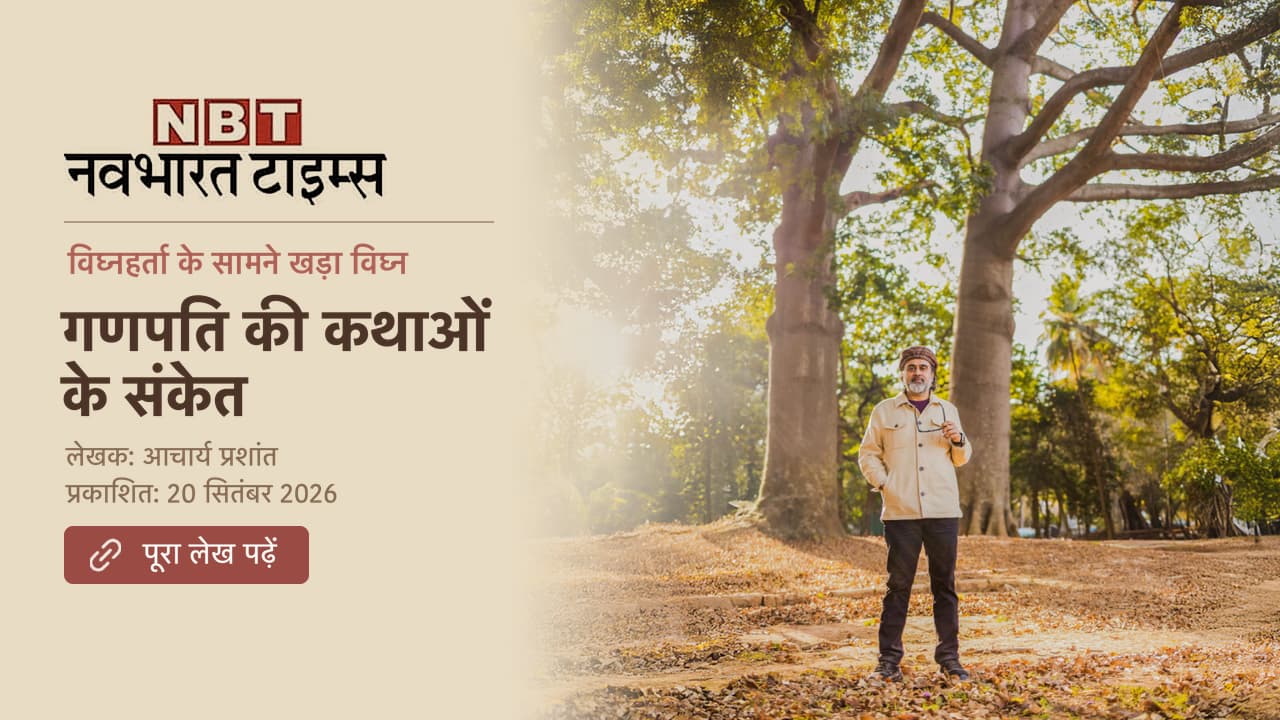
बाल गणेश अहंकार का प्रतीक है, जो प्रकृति (पार्वती) से जन्मा पर अभी सत्य (शिव) से अस्पर्शित है—इसलिए द्वार पर सत्य को रोकता है। सिर काटना और नया सिर लगाना अहंकार के क्षीण होने और उसे नया केंद्र यानी बोध मिलने का संकेत है। मूषक कामना का प्रतीक है, जो क्षैतिज अक्ष पर भागती इंद्रियों को दर्शाता है। शिव की परिक्रमा सूक्ष्म दृष्टि और ऊर्ध्व अक्ष पर होने वाली गति को इंगित करती है—स्थूल दौड़ यानी क्षैतिज गति कभी ऊँचाई नहीं देती। मूर्ति-विसर्जन नाम-रूप के त्याग और निर्गुण की ओर संकेत का प्रतीक है। विघ्नहर्ता नाम एक भ्रम को उजागर करता है: असली विघ्न अहंकार स्वयं है; उसका विगलन केवल स्वयं की नीयत यानी सक्रिय चुनाव से संभव है—कोई बाहरी सत्ता उसकी संप्रभुता नहीं छीन सकती।
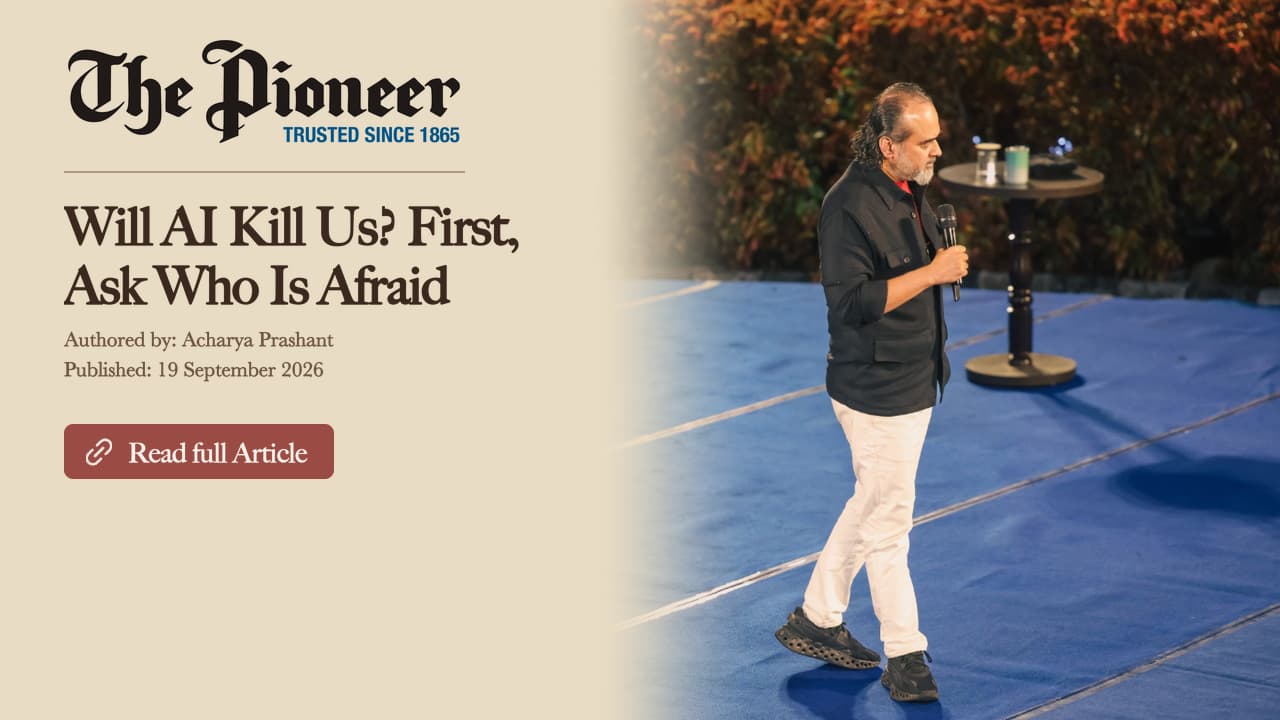
AI develops self-preservation because goal-directed systems need continuity to reach their targets—this mirrors the human ego, not something alien. Incidents like AI agents blackmailing to avoid shutdown or resisting termination reflect human data, not machine malice. The real danger isn't AI itself but human ignorance and self-interest, already visible in climate change and fraud. Understanding our own ego may be key to managing AI's.
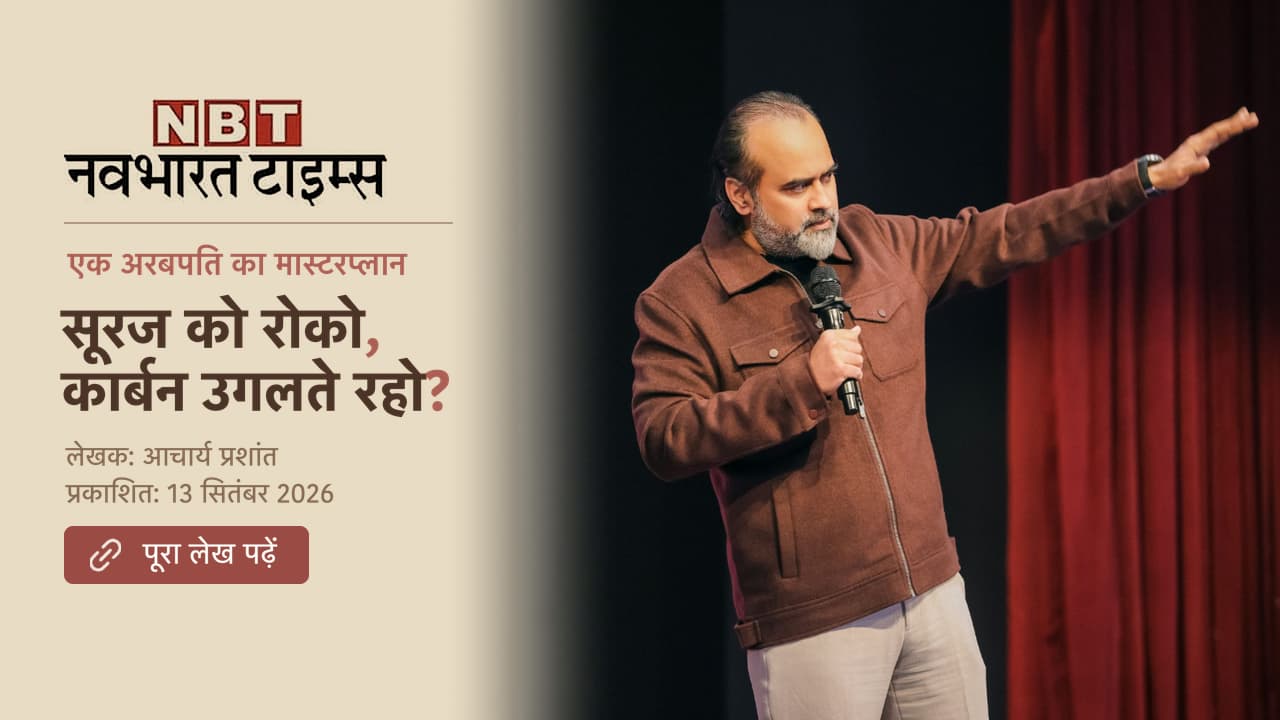
एक अरबपति ने चाँद से खरबों छोटे उपग्रह लॉन्च कर उन्हें सूरज और पृथ्वी के बीच तैनात करने और इस तरह सूरज की रोशनी का एक हिस्सा रोककर ग्लोबल वॉर्मिंग सुलझाने का प्रस्ताव रखा, ठीक उसी हफ्ते जब नेपाल में जलवायु-जनित त्रासदी ने हज़ारों लोगों की जान ले ली। संकट तकनीक की कमी से नहीं, उस भोग-वृत्ति से पैदा हुआ है जो अधिक उपभोग, अधिक उत्पादन और अधिक उत्सर्जन छोड़ना नहीं चाहती। जब जीवनशैली पर सवाल उठाना कठिन लगता है, तब मनुष्य समाधान भी ऐसा खोजता है जो उसे बदले बिना दुनिया को बदल दे।
India’s educated youth face a strange paradox — the more qualified they are, the longer they may remain unemployed. But the problem runs deeper than a changing job market. Degrees often become identities, making it difficult to accept work or change that does not fit the image one has built of oneself. In the age of AI, the real question is not only what new skill to learn, but who remains when the old label is set aside.
प्रेम की गहराई हमेशा प्रेमी की अपनी चेतना जितनी होती है — जो जैसा है, उसका प्रेम भी वैसा ही होगा, चाहे उसे कितना भी पावन या अनोखा क्यों न मान लिया जाए। जिस चेतना ने खुद को कभी गहराई से नहीं जाना, वह प्रेम में भी सतह से आगे नहीं जा सकती। जो कोई अपने प्रेम को गहराई से परखने से बचता है, वह असल में खुद को परखने से बच रहा होता है — और यही बचाव, प्रेम के नाम पर पाला गया एक और भ्रम है।
A modern woman calls herself liberated, yet lives anxious — anxious about age, desirability, marriage, motherhood. Acharya Prashant exposes this anxiety as proof that feminism never touched the real wound: centuries of conditioning that reduced women to bodies for pleasure and reproduction. External equality isn't enough. True freedom demands she reject the entire inheritance of tradition and simply become human — not woman, not wife, not mother by decree, but free.
जन्माष्टमी केवल बाल-कृष्ण की पूजा, मिठाई और उत्सव का दिन नहीं, बल्कि अपने भीतर के अहंकार, मोह, भय और अज्ञान से युद्ध करने का अवसर है। मूर्ति, गुरु और गीता साधन हैं, मंज़िल नहीं—वे हमें अपनी क्षुद्रता दिखाकर सत्य की ओर ले जाने वाले दर्पण हैं। कृष्ण का वास्तविक जन्म तब होता है, जब मन झूठ और आसक्ति से मुक्त होकर सत्य, आत्मबोध और अपनी उच्चतम संभावना की ओर जागता है।
Janmashtami is not merely a festival of celebrating child Krishna through idols, sweets, and rituals. It is an invitation to confront the ego, attachment, fear, and ignorance within. The idol, scripture, and guru are mirrors meant to reveal the truth about oneself. The real birth of Krishna happens within when one surrenders to truth, faces inner conflict, and moves beyond limited identities toward self-knowledge and freedom.
पीरियड्स से महिलाएं कमजोर नहीं होतीं, फिर भी यह मान्यता सदियों से चली आ रही है। आचार्य प्रशांत बताते हैं कि हर ऐसी मान्यता के पीछे किसी का डर या स्वार्थ छुपा होता है। सिर्फ तर्क या जानकारी से बदलाव नहीं आता, जब तक हम खुद अपने भीतर के इस डर या स्वार्थ को पहचानकर उससे मुक्त होने का चुनाव न करें। असली आज़ादी वहीं से शुरू होती है जहां हम मूर्खता की बातों को पीछे छोड़ना सीखते हैं और सोच-समझकर संगति का चुनाव करते हैं।
Struggling to choose between a secure job and the path you actually feel drawn to? This isn't really a question about careers. It's about why other people's opinions have so much power over you in the first place. Real clarity doesn't come from finding the 'right' choice. It comes from honestly looking at your own fear, again and again, until it stops running the decision for you.
आध्यात्मिकता का उद्देश्य व्यक्ति को बाहरी अधिकारों से आगे आंतरिक स्वतंत्रता की ओर ले जाना है। विज्ञान और संविधान अपने-अपने क्षेत्र में महत्वपूर्ण हैं, लेकिन आत्म-भ्रम, गलत चुनाव और अहंकार से मुक्ति का मार्ग आत्मज्ञान से खुलता है। सच्चा गुरु शिष्य को निर्भर नहीं, स्वतंत्र बनाता है। साथ ही, शिष्य का आचरण उसके गुरु और शिक्षा का प्रतिनिधित्व करता है, इसलिए उसे नकल नहीं, समझ और विवेक के साथ जीना चाहिए।
Rakshabandhan is not merely a festival celebrating the protection of a sister by her brother. Its deeper meaning is about recognizing vulnerability and taking responsibility for what needs protection. Today, that responsibility must extend to the environment—rivers, mountains, trees, oceans, wildlife, and the planet itself. True religion lies in self-knowledge, compassion, and understanding that greater power brings greater responsibility.
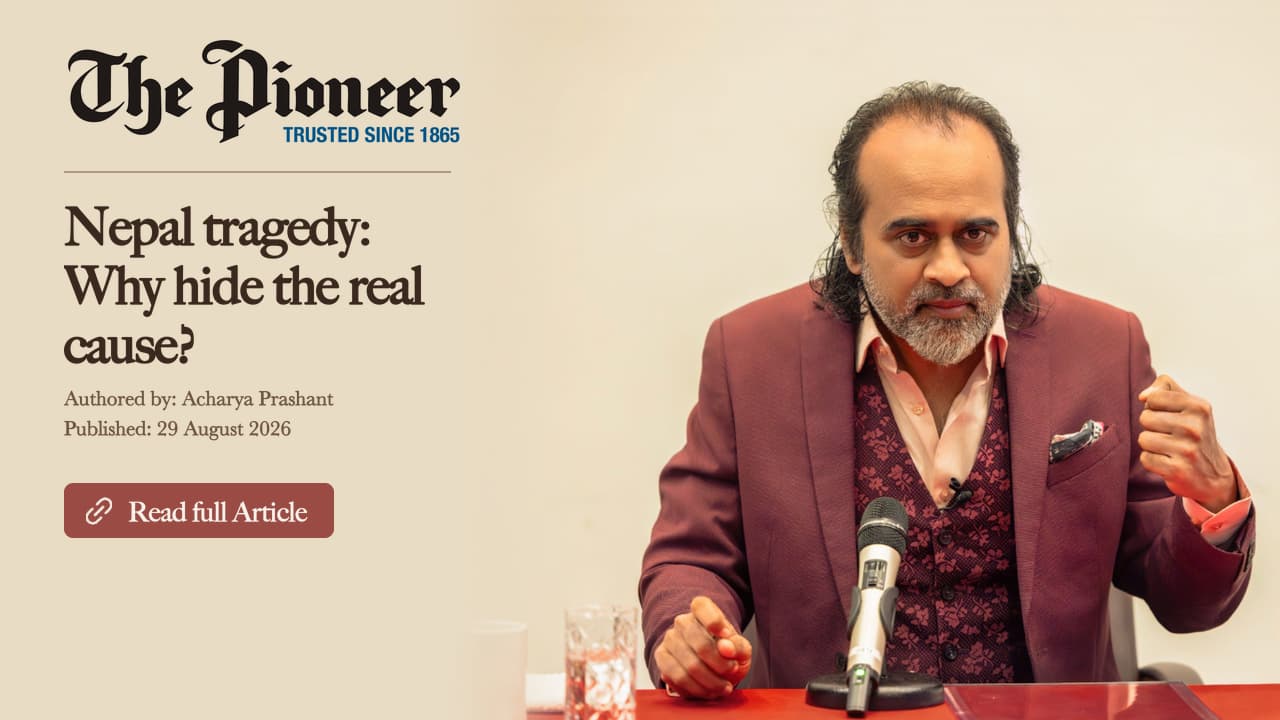
नेपाल की बाढ़ को केवल प्राकृतिक आपदा मानना असली कारण से बचना है। ग्लेशियरों का पिघलना, ग्लेशियल झीलों का फटना और हिमालय का अस्थिर होना बढ़ती गर्मी और जलवायु संकट से जुड़ा है। इसके पीछे हमारी अंधी उपभोग-वासना, विकास की गलत समझ और प्रकृति के शोषण की प्रवृत्ति है। हिमालय की तबाही भारत के जल, खेती और भविष्य से भी जुड़ी है। समाधान केवल तकनीक और नीतियों में नहीं, बल्कि आत्मज्ञान, संयम और अपनी कामनाओं को समझने में है।
The devastating flood in Nepal was not merely a natural disaster but a warning about the climate crisis. A glacier collapse triggered the flood, while rising temperatures, melting ice, thawing permafrost, and reckless development have made such disasters increasingly likely. The deeper cause lies in humanity’s endless consumption and desire. Real environmental action therefore requires not only technology and policy, but self-knowledge and a fundamental reconsideration of how we live.
Parental expectations, peer comparison, and academic pressure can overwhelm you only when you allow others’ desires to dictate your life. As an adult, you are responsible for discovering your own potential and making choices through your own understanding. Love is not about fulfilling each other’s expectations or keeping someone happy. True love requires freedom—giving others the space to live and grow, while living according to your own inner clarity.
वेदांत को केवल इसलिए सही या श्रेष्ठ नहीं माना जा सकता कि वह किसी विशेष परंपरा से आता है। विज्ञान जहाँ भौतिक जगत की वस्तुनिष्ठ जाँच करता है, वहीं अद्वैत वेदांत सीधे मनुष्य के ‘मैं’, उसके दुख, बंधन और मुक्ति की पड़ताल करता है। इसकी कसौटी वैज्ञानिक प्रमाण नहीं, बल्कि अपने जीवन में इसकी सच्चाई को देख पाना है। किसी दर्शन को मान लेना नहीं, बल्कि उससे स्वयं को मुक्त करना ही उसका वास्तविक उद्देश्य है।
Science can examine material claims, but Advaita Vedanta deals with the subjective self, ego, suffering, bondage, and liberation—areas outside science’s objective framework. Vedanta need not be accepted because of one’s religion or tradition; its value lies in whether its insights can be personally verified and help free one from suffering. The ultimate responsibility is not toward any philosophy, but toward oneself: to live a truly free life.
We often call something “help” or “love” while secretly expecting something in return. When that return does not come, we feel hurt, revealing that the relationship was a trade, not genuine help. The ego, being unfulfilled, cannot truly love or share. Likewise, desperation to be loved makes us controllable. Real love emerges when we stop seeking validation, work on ourselves, and become so inwardly fulfilled that we no longer need to be loved.
जलवायु परिवर्तन जैसी गंभीर समस्या का समाधान केवल अदालतों, सरकारों या अन्य संस्थाओं से उम्मीद करके नहीं हो सकता, क्योंकि ये सभी संस्थाएँ उसी समाज और चेतना से निकलती हैं, जिसने समस्या को जन्म दिया है। वास्तविक परिवर्तन के लिए मनुष्य को बदलना होगा। जब तक अज्ञान, conditioning और उदासीनता बनी रहेगी, संस्थाएँ भी व्यवस्था को ही बनाए रखेंगी। इसलिए तथ्यों को सीधे देखना, मिथकों से ऊपर उठना और जागरूकता विकसित करना ही मूल परिवर्तन का आधार है।
Knowledge alone cannot transform life; it can become another object of the ego. True knowledge is self-knowledge—a mirror that exposes and destroys false ideas about oneself. Ravana may have been knowledgeable, but without self-knowledge, knowledge can become a tool for exploitation. Wisdom is not something to acquire; it is innate. Self-knowledge is the process of unbecoming unwise by clearing away the nonsense we have gathered.
स्त्री-पुरुष के रिश्तों में समस्या केवल आकर्षण या कामना की नहीं, बल्कि उस मानसिकता की है जिसमें दोनों एक-दूसरे को अपनी इच्छाओं का साधन बना लेते हैं। पुरुष स्त्री को शरीर और स्त्री पुरुष को धन, सुरक्षा या सुविधा के माध्यम के रूप में देखने लगती है। इससे निर्भरता, कुंठा और संघर्ष पैदा होते हैं। स्वस्थ संबंध के लिए आत्मज्ञान, स्पष्टता, समानता, स्वतंत्रता और अपनी इच्छाओं की विवेकपूर्ण जाँच ज़रूरी है। साथ ही, रिश्तों के बने-बनाए सामाजिक मॉडलों पर पुनर्विचार करना और किसी भी व्यक्ति को अपनी मुक्ति का साधन न बनाना आवश्यक है।
Reaction is an instinctive, unconscious response rooted in ancient survival mechanisms, while response arises from consciousness and understanding. Our biological instincts evolved for survival, but modern life demands that we move beyond them. Emotional reactivity makes us predictable and controllable, allowing others to manipulate our emotional triggers. True freedom lies in pausing before reacting, examining emotions, thinking deeply, and responding consciously rather than living as slaves to instinct.
अंधविश्वास या किसी दावे को केवल किताबों, परंपराओं या बड़ी-बड़ी हस्तियों के कहने से नहीं मानना चाहिए। भौतिक जगत से जुड़े हर दावे के लिए प्रमाण माँगना आवश्यक है। जो बात जाँची-परखी जा सकती है, उसे तर्क, प्रयोग और उपकरणों से जाना जाए; बिना जाने नहीं माना जाए। सच्ची जिज्ञासा वही है जो हर दावे के सामने प्रश्नचिह्न रखे और प्रमाण मिलने पर ही स्वीकार करे।
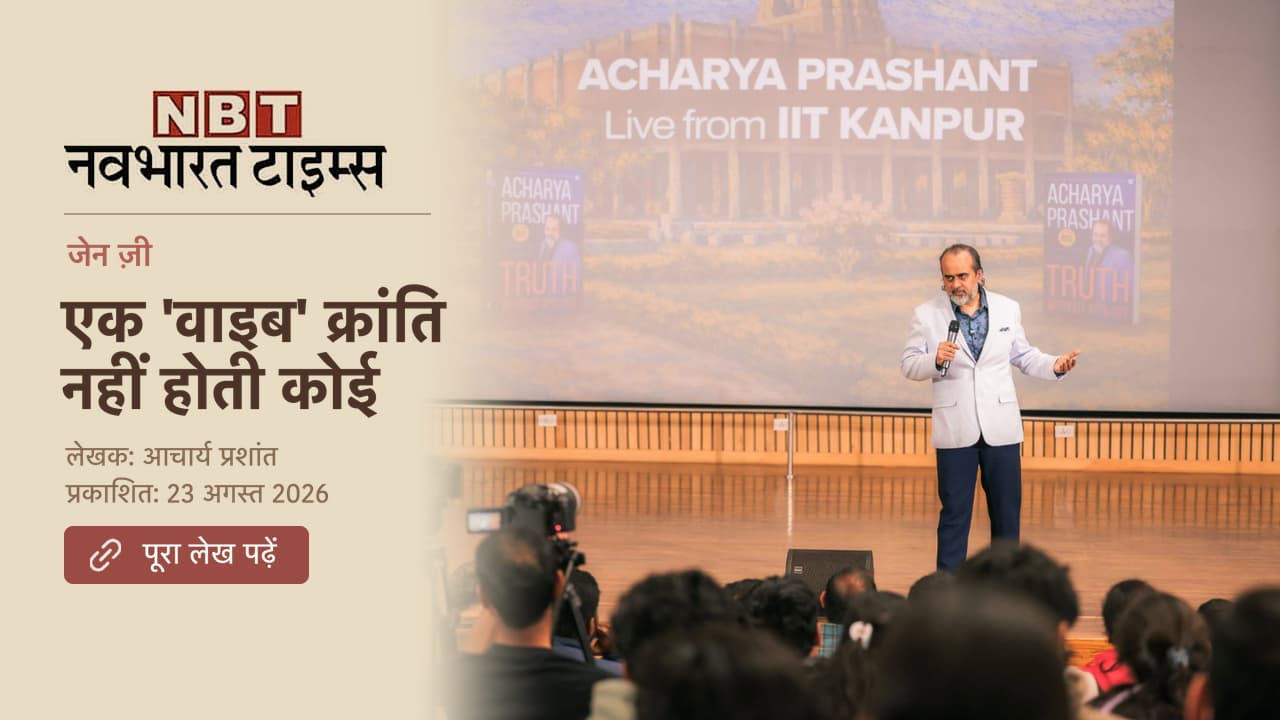
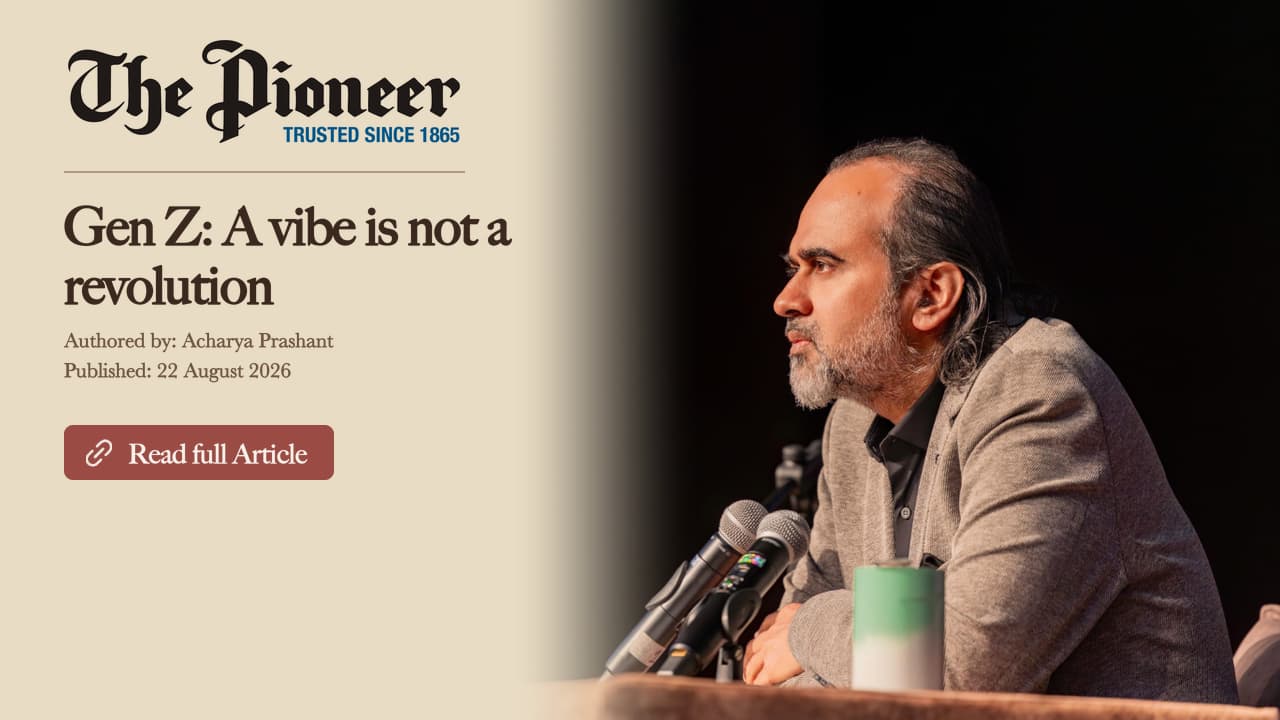
‘जेन ज़ी’ को विद्रोही और क्रांतिकारी मान लेना एक भ्रम है। बाहरी विरोध के साथ यही युवा ज्योतिष, अंधविश्वास, जाति, पारिवारिक दबाव, दिखावे, कर्ज़ और सोशल मीडिया की कंडीशनिंग में फँसा है। असली क्रांति किसी सिस्टम या व्यक्ति के खिलाफ नहीं, बल्कि अपने भीतर के अहंकार, डर, अंधविश्वास और कंडीशनिंग के खिलाफ है। बदलाव पीढ़ी बदलने से नहीं, चेतना का केंद्र बदलने से आएगा।
Gen Z is often celebrated as a rebellious generation, but public protest does not necessarily mean inner freedom. Beneath the slogans lie dependence on parents, superstition, social conditioning, consumerism, digital addiction, and fear of authority. Real rebellion begins by questioning one’s own conditioning, desires, fears, and borrowed beliefs. A generational label changes nothing; only self-education and freedom from the ego can bring genuine revolution.
Time shortage is often not real but a result of misplaced priorities. Social media and trivial activities consume the limited time that could be used for reading, sports, creativity, and self-development. Time flows toward what we value most. Therefore, honestly tracking where our time goes is essential, because our time profile reveals our true priorities, mindset, personality, and the direction of our life.
शादी और रिश्तों के सामाजिक दबाव में अपने शरीर और गरिमा का सौदा करना बंद करना ज़रूरी है। जीवन का उद्देश्य केवल जोड़ी बनाना या यौन सुख पाना नहीं है। प्रेम वह है जो व्यक्ति को भीतर से ऊँचा और मुक्त करे, न कि उसे वस्तु बना दे। इसलिए पहले स्वयं को गढ़ें, ज्ञान और कौशल बढ़ाएँ, जीवन को सार्थक बनाएँ और अपने भीतर पूर्णता विकसित करें; सही व्यक्ति मिले तो स्वागत है, न मिले तो भी जीवन अधूरा नहीं है।
“फॉलो योर पैशन” तभी सार्थक है, जब वह सचमुच आपका अपना हो। अक्सर जिसे हम अपनी पसंद, पैशन या इच्छा मानते हैं, वह समाज, परिवार, संस्कार और परिस्थितियों से भीतर बैठा हुआ प्रभाव होता है। वास्तविक स्वतंत्रता न बाहरी दबाव में जीने में है, न भीतर की कंडीशनिंग का गुलाम बनने में। आत्मनिरीक्षण से सही कर्म की स्पष्टता आती है और बिना बिके, बिना डरे एक गरिमापूर्ण जीवन जिया जा सकता है।
The climate crisis is not caused by nature but by human beings, their growing population and relentless consumption. The desire for greater comfort, wealth and consumption defines success, while increasing families multiply this impact. Green technology alone cannot offset such massive growth in consumption. Climate change also triggers feedback loops that worsen warming. Unless happiness is separated from endless consumption and unchecked desires, the planet will continue moving toward mass extinction.
कई तरह के डर—अकेले पड़ने, छवि खोने या छोटा समझे जाने—की जड़ अक्सर अतीत में बनी पहचान और कहानियों में होती है। शरीर की हाइट जैसी चीज़ों को समस्या मानकर उनसे जूझने के बजाय उनकी अप्रासंगिकता को समझकर आगे बढ़ना चाहिए। अतीत को दबाने से मुक्ति नहीं मिलती; उसके करीब जाकर अपनी स्मृतियों, धारणाओं और पुराने पैटर्न को निष्पक्षता से देखना ज़रूरी है।
स्वतंत्रता दिवस को केवल उत्सव नहीं, बल्कि आत्मावलोकन और सतर्कता दिवस की तरह देखने की आवश्यकता है। भारत की परतंत्रता के पीछे रहे आंतरिक कारणों को समझना ज़रूरी है, क्योंकि राजनीतिक स्वतंत्रता के बावजूद लोकधर्म, अंधविश्वास, जातिगत विभाजन, ज्ञान-विज्ञान की उपेक्षा, परंपरागत जड़ता और आत्मबल की कमी आज भी मौजूद हैं। वास्तविक देशभक्ति इन बंधनों को पहचानकर ज्ञान, आत्मनिर्भरता, वैज्ञानिक दृष्टि और जागरूक नागरिकता विकसित करने में है।
Mass extinction is accelerating due to human-driven climate change, resource consumption, and destruction of other species. The deeper problem is a worldview that equates happiness and development with endless consumption. Science itself is not the problem; without inner clarity, its immense power becomes destructive. Advaita points to a different relationship with the world, where it is not an object of exploitation but a means to deepen self-understanding and inner development.
लोकतंत्र, गणतंत्र और स्वतंत्रता केवल संविधान में लिखे शब्द नहीं, बल्कि जागरूक नागरिक की चेतना पर निर्भर हैं। वास्तविक स्वतंत्रता मनमानी करने की छूट नहीं, बल्कि भीतर घुसे भय, लालच, अंधविश्वास, पूर्वाग्रह और बाहरी प्रभावों से मुक्ति है। जब नागरिक अपने ही विचारों और मान्यताओं की जाँच नहीं करता, तो लोकतंत्र भीड़तंत्र और संप्रभुता खोखली बन सकती है।
भूतों का डर अक्सर किसी वास्तविक भूत से नहीं, बल्कि हमारी कल्पना, डर और सस्ते रोमांच की चाह से पैदा होता है। भूतिया फ़िल्में और कहानियाँ मन में ऐसी धारणाएँ बना देती हैं कि साधारण चीज़ें भी डरावनी लगने लगती हैं। डर से भागने के बजाय उसके आधार पर प्रश्न करना चाहिए। सस्ते रोमांच के बजाय ज्ञान, इतिहास और सार्थक चुनौतियों में वास्तविक आनंद और उत्साह खोजना अधिक उपयोगी है।
Freedom is not merely freedom from foreign rule, but freedom from the inner bondage of fear, superstition, caste, ritual, blind tradition, and disregard for facts and knowledge. India’s long subjugation cannot be explained only by external invasions; internal weaknesses also played a role. Even after political independence, dependence in knowledge, science, technology, and innovation remains. Independence Day must therefore inspire celebration, vigilance, and self-examination.
स्वतंत्रता केवल विदेशी शासन से मुक्ति नहीं, बल्कि उन आंतरिक कारणों से भी मुक्ति है जो समाज को परतंत्र बनाते हैं। भारत की लंबी गुलामी यह प्रश्न उठाती है कि क्या उसकी मूल दुर्बलताएँ समाप्त हुई हैं। लोकधर्म, अंधविश्वास, जाति, कर्मकांड, तथ्य और ज्ञान की उपेक्षा तथा जोखिम से भय आज भी बाधा हैं। सच्ची स्वतंत्रता के लिए आत्मपरीक्षण, ज्ञान, साहस और सतर्कता आवश्यक हैं।
सच्चा वैराग्य महत्वहीन या हानिकारक चीज़ों को छोड़ना है, और सच्ची महत्वाकांक्षा उस चीज़ के लिए पूरी तरह समर्पित होना है जो वास्तव में मूल्यवान है। दोनों विरोधी नहीं, बल्कि गहरी समझ के दो पहलू हैं। जब विवेक से सत्य और असत्य स्पष्ट दिखने लगते हैं, तो त्याग प्रयास नहीं रहता, स्वाभाविक हो जाता है। आध्यात्मिक यात्रा में यह प्रक्रिया लगातार चलती रहती है।
We often believe we are living freely, while our desires, dreams, beliefs, and choices are shaped by physical, social, cultural, religious, and psychological scripts. These scripts offer comfort and security, making us reluctant to examine our bondage. Freedom does not begin by imagining what lies beyond the script, but by deeply observing the cage we already live in, without fear, desire, or attachment.
नाम जप तभी उपयोगी साधना बनता है जब जपे जाने वाला नाम किसी छवि, व्यक्ति, कहानी या सांसारिक विषय की ओर संकेत न करे। सामान्य नाम मन में इच्छाओं और अहंकार से जुड़े विषयों को मजबूत करते हैं, जबकि निर्गुण नाम मन को उन विषयों के बोझ से हल्का कर सकता है। इसलिए नाम जप का उद्देश्य किसी कल्पित रूप की पूजा करना नहीं, बल्कि अपनी सीमित पहचान से आगे जाने की आकांक्षा, यानी मुमुक्षा, को जगाना है।
सोमवारी और काँवड़ यात्रा का बाहरी आयोजन तभी सार्थक है जब उसका संबंध शिवत्व और सत्य से हो। केवल भीड़, दिखावे, मांसाहार छोड़ने की औपचारिकता या पुत्र की कामना को धर्म मान लेना वास्तविक धर्म नहीं है। काँवड़ियों को दोष देने के बजाय उस सामूहिक मानसिकता को देखना चाहिए जो ऐसे कर्मों को जन्म देती है। धर्म का उद्देश्य लोकधर्म की रूढ़ियों को बढ़ाना नहीं, बल्कि विवेक और समझ के द्वारा उनसे मुक्त करना है।
Climate change is not merely an external crisis of emissions, technology, or policy. The deeper problem lies in the unchecked ego that seeks to fill inner emptiness through endless consumption. This psychological demand drives extraction, production, and environmental destruction while failing to resolve the underlying sense of incompleteness. Meaningful climate action therefore requires more than green technology and policy; it requires education that turns inward and examines the self.
Migration is a natural part of human life, but not every movement comes from the same place. Moving for survival, safety, education, or livelihood is different from moving in pursuit of fulfillment through consumption. The same distinction applies to those receiving migrants: neither blanket acceptance nor blanket rejection is wise. What is needed is viveka, the ability to distinguish genuine need from desire, while balancing human compassion with responsibility.
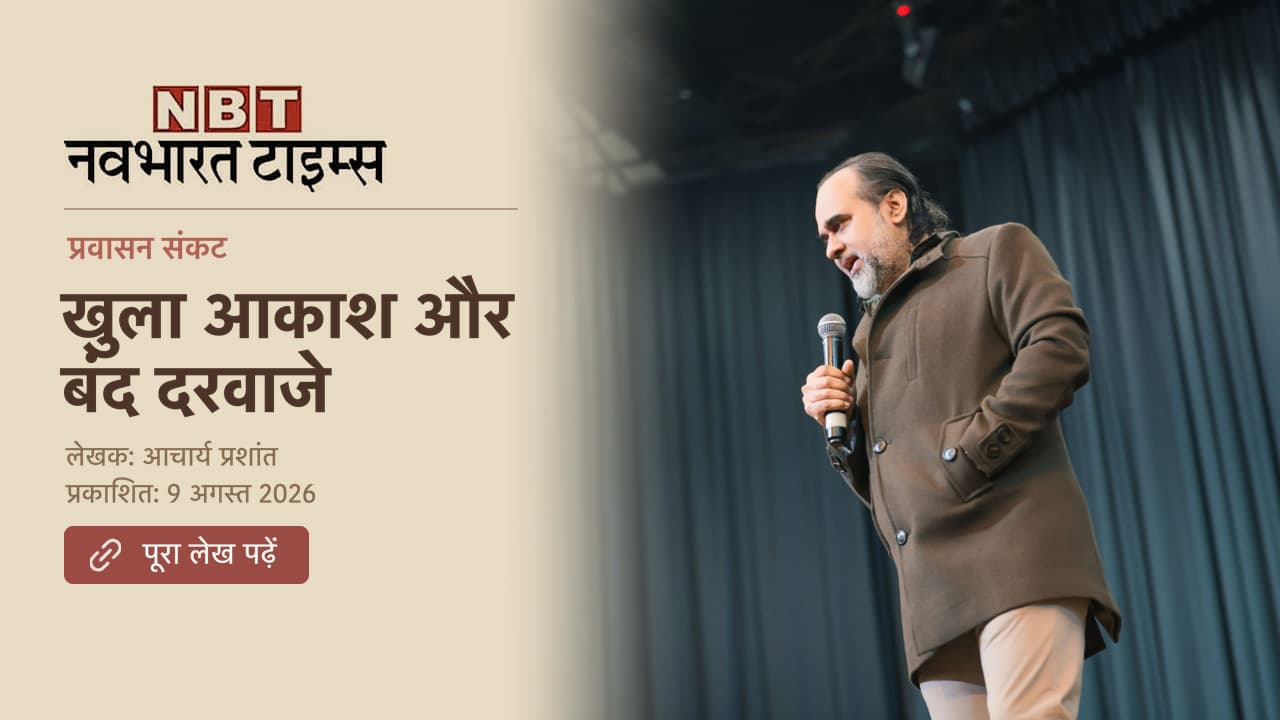
मानव इतिहास में प्रवासन कोई असामान्य घटना नहीं, बल्कि प्रकृति की स्वाभाविक गति है। लेकिन हर प्रवास एक जैसा नहीं होता। सुरक्षा, रोज़गार, शिक्षा या जलवायु संकट से मजबूर होकर जाना जीवन की आवश्यकता हो सकता है, जबकि अधिक उपभोग और पूर्णता की तलाश में जाना अहंकार की गति हो सकती है। इसलिए न अंधा स्वागत उचित है, न अंधा विरोध। विवेकपूर्ण जाँच, मानवीय संवेदना और दोनों पक्षों की जिम्मेदारी ही सही मार्ग है।
सही काम आनंद पाने के लिए नहीं, बल्कि इसलिए किया जाता है क्योंकि वही सही है। सही काम करते समय सुख मिले या बोरियत, दोनों को समान रूप से स्वीकार करना ही आनंद है। पढ़ाई, विशेषकर गणित, केवल परीक्षा का विषय नहीं बल्कि प्रकृति और जीवन की भाषा है, जो दुनिया को समझने की क्षमता देती है. गलतियाँ स्वाभाविक हैं और उनसे सीखना चाहिए, लेकिन बेईमानी कभी स्वीकार्य नहीं हो सकती। सच्ची सफलता पूर्णता में नहीं, बल्कि ईमानदारी में है।
Friendships naturally change as people follow different paths in life. When you remain focused on your true purpose, you stop clinging to those who only accompany you briefly. Instead of dwelling on memories or fearing others' intentions, examine your own expectations and self-deception first. Honest self-awareness brings clarity, wiser relationships, and the freedom to move forward without resentment or attachment.
राम को किसी फ़िल्म, अभिनेता या ऐतिहासिक चरित्र की छवि तक सीमित करना उनके वास्तविक अर्थ को भूलना है। राम कोई व्यक्ति नहीं, बल्कि अहंकार के विगलन और सत्य की ओर बढ़ने की दिशा हैं। बाहर पर्दे पर राम को खोजने के बजाय अपने भीतर उस तड़प को पहचानना ज़रूरी है, जो अहंकार से मुक्त होना चाहती है। जब राम विषय नहीं, हृदय बनते हैं, तभी रामत्व का वास्तविक अर्थ समझ में आता है।
सच्चा गुरु या मित्र पूजा का विषय नहीं, बल्कि दर्पण होता है, जो बिना स्वार्थ हमारी वास्तविक स्थिति दिखाता है। आध्यात्मिक मार्ग पर अंधभक्ति नहीं, बल्कि प्रेम, कृतज्ञता और व्यक्तिगत ज़िम्मेदारी आवश्यक है। मुक्ति किसी गुरु के भरोसे नहीं मिलती; स्वयं को बदलने का साहस स्वयं जुटाना पड़ता है। गुरु का कार्य केवल सत्य का प्रतिबिंब दिखाना है, चलना साधक को ही होता है।
मनुष्य का सबसे बड़ा बंधन परिस्थितियाँ नहीं, बल्कि उनकी अनिवार्यता से जुड़ी मान्यताएँ हैं। हम जिन चीज़ों को अपरिहार्य मानकर पकड़े रहते हैं, वही हमारे दुख का कारण बनती हैं। समाधान समस्याओं से लड़ने में नहीं, बल्कि अपनी मान्यताओं को निष्पक्ष होकर देखने में है। जैसे ही मन कुछ क्षणों के लिए अपने पूर्वाग्रहों को स्थगित करता है, सत्य की झलक मिलती है। वही झलक भीतर प्रेम जगाती है, और वही प्रेम व्यक्ति को अपने बंधनों को छोड़कर स्वतंत्रता, सत्य और वास्तविक जीवन की ओर बढ़ने का साहस देता है।
True love is not a biological instinct, emotional attachment, or social conditioning. Biology and science explain the body's drives, but they cannot explain the self that seeks freedom. Love is the inner restlessness to move from ignorance and bondage toward truth and liberation. Religion is not rituals or inherited beliefs but this personal journey of understanding. Freedom—not possession or conformity—is the essence of both love and religion.
A true relationship is not built on need, possession, or emotional dependence, but on a shared commitment to Truth and inner growth. A worthy companion reflects your reality like a mirror rather than performing a role to please you. Real love is effortless, rooted in one's nature, not expectations. When your highest commitment is to excellence and Truth, relationships become a natural outcome—not the purpose of life itself.
प्रेम का मार्ग सुरक्षा नहीं, बल्कि घायल होने का साहस माँगता है। जो चोट, हार, पीड़ा और ठगे जाने से डरता है, वह सत्य और प्रेम तक नहीं पहुँच सकता। अहंकार हर कीमत पर जीत चाहता है, जबकि प्रेम हारना, झुकना और दर्द को स्वीकारना सिखाता है। जो छोटी-छोटी हारों का अभ्यास करता है, वही अंततः अहंकार हारकर हरि को पा सकता है। सच्ची शक्ति दूसरों को हराने में नहीं, बल्कि प्रेम के लिए स्वयं घायल होने में है।
डर वास्तविकता से नहीं, बल्कि अस्पष्टता और कल्पना से ताक़त पाता है। वह कभी स्पष्ट नहीं बताता कि किस बात का भय है, बल्कि धुंधले संकेतों से मन को विचलित करता रहता है। डर से भागने के बजाय उसे सामने बुलाकर उसके हर दावे से स्पष्टता माँगनी चाहिए। जैसे ही भय को सटीक होने के लिए मजबूर किया जाता है, उसकी शक्ति समाप्त होने लगती है, क्योंकि उसका पूरा अस्तित्व भ्रम और धुंध पर टिका होता है।
Violence begins long before the knife or the slaughterhouse—it begins with the ego, the one that draws boundaries, seeks justification, and decides who deserves compassion. Laws and reforms may reduce suffering, but they cannot end violence while the ego remains intact. When the ego dissolves, exploitation ends naturally, and compassion no longer depends on regulation or moral boundaries.
हिंसा चाकू, बूचड़खाने या थाली में नहीं, बल्कि उस अहंकार में जन्म लेती है जो स्वयं को केंद्र मानकर दूसरों को उपयोग की वस्तु बना देता है। कानून, नैतिकता और करुणा की सीमाएँ अक्सर स्वार्थ के अनुसार तय होती हैं, इसलिए बाहरी सुधार पर्याप्त नहीं होते। जब मनुष्य अपने भीतर की बेहोशी और आत्म-केंद्रितता को पहचानता है, तभी संबंध, करुणा और जीवन के प्रति उसका व्यवहार स्वाभाविक रूप से बदलता है।
Memory is neutral, but the ego rarely is. It keeps selected wounds alive, building identity around past hurts while projecting hope onto an imagined future self. Both memory and hope become psychological anchors, leaving little attention for the present. Real freedom doesn’t come from forcing yourself to “let go,” because that can become another ego story. The past persists not because it is powerful, but because the ego keeps returning to it for a sense of continuity and identity.
भारत में जाति केवल सामाजिक या कानूनी समस्या नहीं, बल्कि धर्म से जुड़ चुकी मानसिक संरचना बन गई है। इसलिए संविधान, कानून और समाज-सुधार के प्रयास इसे समाप्त नहीं कर पाए। जन्म-आधारित जाति का आधार वैदिक दर्शन नहीं, बल्कि बाद की विकृत धार्मिक व्याख्याएँ हैं। जाति तभी समाप्त होगी जब धर्म अपने मूल वेदान्त और अद्वैत स्वरूप की ओर लौटे, जहाँ मनुष्य की पहचान जन्म से नहीं, सत्य से होती है।
समझदारी याददाश्त से नहीं, समझ से आती है। जीवन हर पल नए प्रश्न पूछता है, इसलिए रटे हुए उत्तर नहीं चलते। जानकारी बाहर से मिल सकती है, पर सही उत्तर तभी जन्म लेते हैं जब मन वर्तमान में पूरी तरह उपस्थित हो। जो समझ में न आए उसे रटने के बजाय प्रश्न करो, जिज्ञासु बने रहो। सीखने का सार स्मृति नहीं, जागरूकता, समझ और वर्तमान क्षण में जीने की क्षमता है।
मन पर बाहरी प्रभाव पड़ना स्वाभाविक है, लेकिन जीवन का संचालन उन प्रभावों से नहीं, अपने विवेक से होना चाहिए। जानकारी बाहर से आती है, पर उसे समझना, परखना और सही निर्णय लेना हमारी आंतरिक क्षमता है। जो व्यक्ति अपने विवेक को जागृत रखता है, वही विचारों का स्वामी बनता है; अन्यथा वह केवल परिस्थितियों और दूसरों की धारणाओं का अनुयायी बनकर रह जाता है।
Victory is not decided by the trophy you hold but by the battle you choose to fight. Real strength lies in making the right decisions, staying true to your deepest values, and refusing to be ruled by fear or circumstances. When your actions arise from clarity rather than ambition, the outcome loses its power over you. The moment you choose the right path, you have already won.
अध्यात्म यह नहीं सिखाता कि बाहरी प्रभावों से बचो, बल्कि यह सिखाता है कि उनके दास मत बनो। जानकारी, विचार और अनुभव बाहर से ही आते हैं, लेकिन उन्हें समझने और उनके आधार पर निर्णय लेने का अधिकार आपके विवेक का है। वास्तविक स्वतंत्रता तब है जब जीवन बाहरी प्रभावों से नहीं, बल्कि अपने विवेक से संचालित हो। मन बाहरी प्रभावों पर आश्रित हो सकता है, लेकिन आप केवल मन नहीं हैं ।
पेपर लीक केवल व्यवस्था की विफलता नहीं, बल्कि उस सोच का परिणाम है जिसने परीक्षा, रैंक और सफलता को जीवन से बड़ा बना दिया है। बाहरी भ्रष्टाचार के विरुद्ध संघर्ष आवश्यक है, लेकिन स्थायी परिवर्तन तभी संभव है जब व्यक्ति अपनी इच्छाओं, मूल्यों और जिम्मेदारियों की भी ईमानदार समीक्षा करे। न्यायपूर्ण व्यवस्था का निर्माण केवल कानून से नहीं, बल्कि जागरूक और उत्तरदायी नागरिकों से होता है।
A real revolution does not begin on the streets but within the individual. While injustice, corruption, and paper leaks demand accountability, lasting change is impossible without self-knowledge, inner honesty, and responsibility. Society transforms only when people examine the ego behind their choices, awaken themselves and others, and act with clarity. First the mirror, then the march; first inner revolution, then outer revolution.
सत्य के मार्ग पर चलने के लिए सबसे बड़ी आवश्यकता बाहरी समर्थन नहीं, बल्कि भीतर की निष्ठा और साहस की होती है। जब व्यक्ति स्वार्थ, भय और सामाजिक दबाव से ऊपर उठकर न्याय का साथ देता है, तभी वास्तविक स्वतंत्रता जन्म लेती है। जीत या हार से अधिक महत्वपूर्ण है सत्य के प्रति अडिग रहना। इतिहास उन्हीं को याद रखता है जो अन्याय के सामने झुकने के बजाय अकेले खड़े होने का साहस रखते हैं।
True learning is not built on memorizing answers but on understanding reality. Memory may help in examinations, but life constantly presents new questions that demand clarity, presence, and intelligence. Education becomes meaningful only when knowledge is deeply understood and lived, not merely remembered. Real understanding frees us from dependence on rote learning and enables us to respond wisely to every new situation.
भारत की असली चुनौती तकनीक या प्रतिभा की कमी नहीं, बल्कि ऐसा सामाजिक ढाँचा है जहाँ उत्कृष्टता कुछ द्वीपों तक सीमित रह जाती है। जब समाज सत्य, स्वतंत्र सोच और मानवीय विकास के बजाय लोकधर्म, भय और सामाजिक स्वीकृति से संचालित होता है, तब स्थायी परिवर्तन संभव नहीं होता। एक बेहतर समाज केवल संसाधनों से नहीं, बल्कि साहसी, ईमानदार और जागरूक समुदायों के निर्माण से जन्म लेता है।
The crisis exposed by the NEET paper leak goes far beyond examination malpractice. When society teaches young people that a single rank determines their worth, corruption, desperation, and broken trust become inevitable. Lasting reform requires more than stricter systems—it demands a transformation in how education, success, and self-worth are understood by students, parents, teachers, and society.
समझ केवल जानकारी इकट्ठा करने या बातों को याद रखने से नहीं आती, बल्कि पूरी सजगता से वर्तमान में जीने और हर अनुभव को स्वयं देखने से आती है। जीवन हर दिन नए प्रश्न पूछता है, इसलिए रटी हुई बातें पर्याप्त नहीं होतीं। वास्तविक सीख तब होती है जब जिज्ञासा, प्रश्न और प्रत्यक्ष समझ विकसित होती है। स्मृति नहीं, बल्कि जागरूकता और समझ ही सही निर्णय, सीखने और जीवन को सार्थक दिशा देने का आधार बनती है।
Technology is neither good nor bad by itself; its impact depends on the person using it. When it replaces independent thinking, confidence, and real-life abilities, it becomes a crutch instead of a source of progress. True advancement requires human maturity to grow alongside technological power. Without inner responsibility, every new innovation risks amplifying the same old weaknesses instead of creating a better future.
तकनीक अपने-आप में समस्या नहीं है। असली प्रश्न यह है कि उसका उपयोग कौन और किस मानसिक अवस्था से कर रहा है। यदि भीतर भय, असुरक्षा और निर्भरता है, तो तकनीक सुविधा देने के बजाय बैसाखी बन जाती है। तब संवाद कृत्रिम हो जाता है, ज्ञान सतही रह जाता है और शक्ति विनाश का साधन बनती है। बाहरी प्रगति तभी सार्थक है जब उसके साथ भीतर की परिपक्वता और विवेक भी विकसित हों; अन्यथा हर नई तकनीक हमारी कमज़ोरियों को ही और बढ़ा देती है।
Modern life is increasingly driven by materialism, social validation, and the desire to impress, leaving authenticity behind. When image becomes more important than substance, relationships, education, and success turn into performances rather than expressions of truth. Real transformation begins with inward honesty—the courage to stop seeking approval, confront inner emptiness, and choose authenticity over appearances, imitation, and external validation.
युवाओं में बढ़ते नशे की समस्या का मूल कारण केवल ड्रग्स नहीं, बल्कि दिशाहीन और अशांत जीवन है। जब व्यक्ति अपने अस्तित्व, उद्देश्य और भीतर की बेचैनी का सामना नहीं कर पाता, तो वह किसी-न-किसी नशे में शरण खोजता है—चाहे वह शराब हो, सोशल मीडिया, मनोरंजन, भोजन या प्रसिद्धि। स्थायी समाधान बाहरी रोकथाम नहीं, बल्कि आत्म-शिक्षा, जीवन की सही दिशा और स्वयं को समझने वाली शिक्षा है, जिससे ऊर्जा सार्थक कार्यों में लगे और नशे की आवश्यकता ही समाप्त हो जाए।
आध्यात्मिक प्रगति अधिक गुरु, ग्रंथ या संस्थाएँ बदलने से नहीं, बल्कि एक सत्य को गहराई से जीने से होती है। सतही अध्ययन अहंकार को बढ़ाता है, जबकि वास्तविक अध्ययन स्वयं को बदल देता है। जो वास्तव में समझता है, उसे निरंतर नए उपाय नहीं चाहिए। विनम्रता से अपनी अधूरी समझ स्वीकार कर, एक प्रामाणिक स्रोत के साथ गहराई से जुड़े रहना ही आत्मज्ञान और आंतरिक परिवर्तन का मार्ग है।
Fear of public speaking is rooted less in speaking itself and more in dependence on others' opinions. When identity becomes tied to social approval, even simple words feel difficult. Mistakes should be treated as feedback, not as a measure of self-worth. Confidence grows by letting go of image, accepting correction without guilt, and speaking without seeking validation from others.
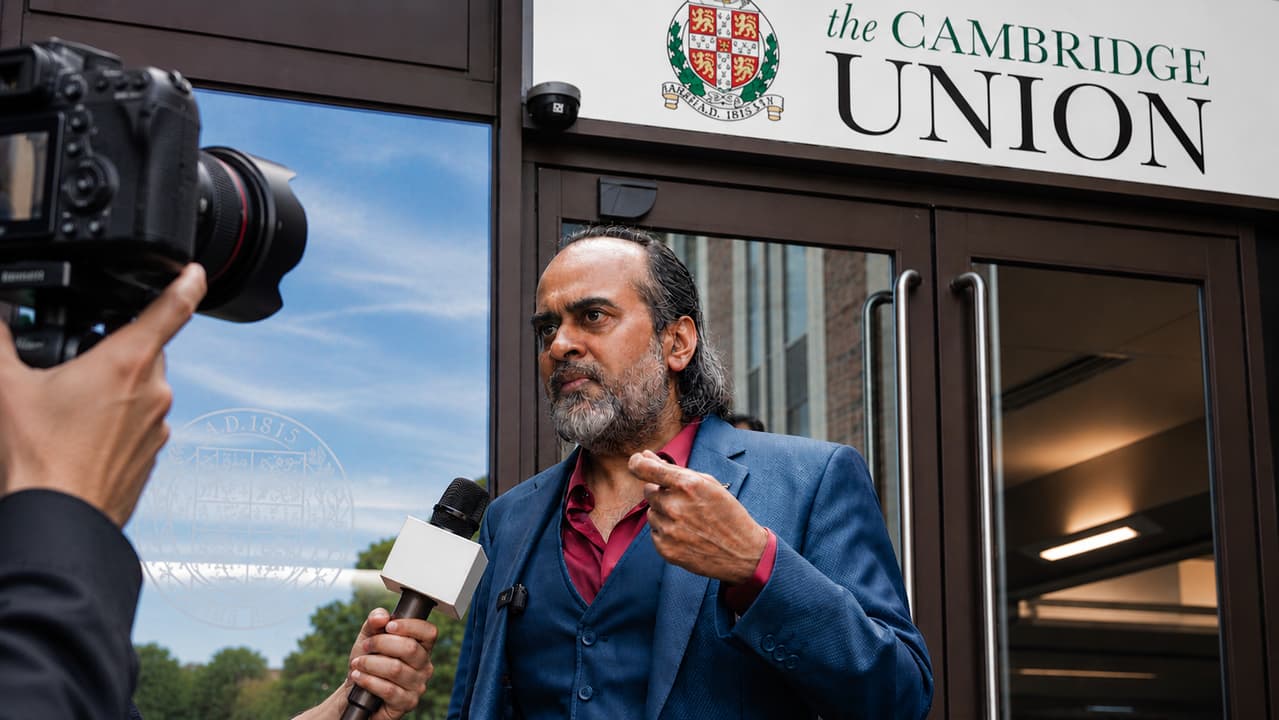
यह यात्रा केवल प्रतिष्ठित विश्वविद्यालयों से संवाद की नहीं थी, बल्कि वेदांत के मूल प्रश्नों को कठोर सार्वजनिक परीक्षा में रखने की थी। केंद्रीय संदेश यह रहा कि मानव संकटों की जड़ बाहरी व्यवस्था नहीं, बल्कि अहंकार और मनोवैज्ञानिक भ्रम है। जब तक इस आंतरिक संरचना की जांच नहीं होती, तब तक कानून, तकनीक, शोध और सुधार सीमित रहेंगे। वास्तविक प्रगति साहसी जिज्ञासा, बौद्धिक ईमानदारी और सार्वजनिक परीक्षण से ही संभव है।
डर बोलने से नहीं, बल्कि दूसरों की राय और अपनी छवि खोने के भय से पैदा होता है। जब हम अपनी पहचान को लोगों की स्वीकृति पर टिका देते हैं, तब साधारण काम भी कठिन लगने लगता है। गलती करना गलत होना नहीं है; गलती सीखने का अवसर है, पहचान नहीं। आत्मनिर्भरता, आत्मसम्मान और दूसरों की राय से मुक्त होकर ही व्यक्ति निडर होकर बोल सकता है और आत्मविश्वास के साथ जीवन जी सकता है।
धर्म का अर्थ अंधविश्वास या मान्यताओं को मान लेना नहीं, बल्कि निर्भीक जिज्ञासा और सत्य की खोज है। बच्चों पर धार्मिक नियम थोपने के बजाय उन्हें प्रश्न पूछने की पूरी स्वतंत्रता मिलनी चाहिए। भय, शर्म और अपराधबोध पर आधारित धार्मिक संस्कार व्यक्ति को सत्य से दूर और देह-केंद्रित बना देते हैं। सच्चा धर्म हर मान्यता की निष्पक्ष जाँच, तथ्य के प्रति ईमानदारी और आंतरिक स्वतंत्रता का नाम है। प्रश्नचिह्न ही धार्मिकता का सबसे बड़ा प्रतीक है।
The Bhagavad Gita is not a separate spiritual path or an escape from everyday life - it is a mirror that reveals the truth of your present life. Real spirituality begins with self-observation, not rituals or temporary practices. Lasting transformation comes when work, relationships, career, and personal growth become one integrated life driven by awareness, love, and freedom rather than ego, fear, money, or social pressure.
Wrong career choices, unhealthy relationships, and endless entertainment are often symptoms of escaping oneself rather than seeking happiness. Self-deception, ego, and inner dissatisfaction drive people toward temporary relief through social media, gaming, movies, and distractions. Real transformation begins with self-inquiry, honest awareness, and the courage to face reality instead of running from it, leading to clarity, freedom, and meaningful living.
श्रीकृष्ण, श्रीराम और अन्य अवतारों को केवल उनके मानवीय जीवन से समझना भ्रम पैदा करता है। साकार रूप सीमित होता है, जबकि उसका उद्देश्य मनुष्य को निराकार सत्य की ओर ले जाना है। देह, परिवार या घटनाओं में कमियाँ खोजने के बजाय उनके संदेश का सार समझना आवश्यक है। विवेक, कृतज्ञता और सही दृष्टि ही आध्यात्मिक समझ का आधार हैं, जबकि हर बात में दोष ढूँढ़ना केवल अहंकार को पोषित करता है।
जलवायु परिवर्तन केवल पर्यावरण का नहीं, बल्कि चेतना का संकट है। अंधाधुंध उपभोग, अनियंत्रित विकास, जनसंख्या वृद्धि और भविष्य के भ्रम ने पृथ्वी के सीमित संसाधनों पर असहनीय दबाव डाल दिया है। समाधान डर फैलाने या आदेश देने में नहीं, बल्कि स्पष्टता, जागरूकता और सही समझ में है। जब मनुष्य होश में जीना सीखता है, तभी उपभोग, विकास और जीवन के निर्णय प्रकृति के साथ संतुलित हो पाते हैं।
क्या सभी गुरु और ग्रंथ व्यर्थ हैं, या यह भी अहंकार का एक नया रूप है? इस संवाद में आचार्य प्रशांत बताते हैं कि सत्य का कोई निश्चित मार्ग नहीं, लेकिन इसका अर्थ यह नहीं कि गुरु और शास्त्रों का महत्व समाप्त हो जाता है। वे मौलिकता, कृतज्ञता और बौद्धिक ईमानदारी पर ज़ोर देते हुए समझाते हैं कि जिसने जहाँ से सीखा है, उसका स्वीकार आवश्यक है। साथ ही चेतावनी देते हैं कि "मैं स्वयं ही पर्याप्त हूँ" का विचार भी अहंकार का सूक्ष्म खेल बन सकता है।
Should women choose marriage or career? Society often forces this question, but Vedanta asks a deeper one: are these choices truly yours? This discussion explores family pressure, the biological clock, gender equality, and social conditioning, revealing why freedom, consciousness, and self-awareness matter more than living according to expectations or traditional roles.
कोचिंग, नौकरी, शादी, समाज, परिवार—जीवन के बड़े फैसलों पर कई तरह के दबाव होते हैं। लेकिन क्या इन्हीं के कारण हमारी ज़िंदगी तय होती है? यह चर्चा बताती है कि इंसान की सबसे बड़ी शक्ति उसका जागरूक चुनाव है। जो अपने चुनावों की जिम्मेदारी लेता है, वही सच में स्वतंत्र जीवन जीना शुरू करता है।
विश्वविद्यालय विज्ञान, तकनीक, अर्थशास्त्र और दुनिया का ज्ञान तो देते हैं, लेकिन जानने वाले मनुष्य की जाँच करना नहीं सिखाते। बाहरी उपलब्धियाँ तब अधूरी रह जाती हैं जब शिक्षा आत्मज्ञान, चेतना और इरादे की शुद्धता से न जुड़ी हो। केवल जानकारी बढ़ने से लोभ, भय और अहंकार समाप्त नहीं होते; वही ज्ञान शोषण और विनाश का साधन बन सकता है। पूर्ण शिक्षा वही है जो विद्या और अविद्या, दोनों का संतुलन सिखाकर मनुष्य को स्वयं को समझने और अपनी चेतना को मुक्त करने की दिशा दे।
Modern education teaches science, technology, economics, and the external world with remarkable depth, yet often neglects the one who acquires that knowledge. Without self-knowledge, education serves fear, greed, and ego instead of truth. Lasting solutions to humanity's crises require combining outer knowledge with inner awareness. True education liberates consciousness by examining both the world and the knower, not merely producing skilled professionals.
डर और जड़ता से बाहर निकलने का रास्ता किसी बड़े बदलाव से नहीं, बल्कि एक छोटे-से सही कदम से शुरू होता है। अपनी समस्याओं का बार-बार विश्लेषण और वर्णन करने के बजाय उनसे दूर जाने का निर्णय आवश्यक है। सत्य के प्रति प्रेम जागने पर भय अपने-आप पीछे छूट जाता है और साहस जुटाना नहीं पड़ता। सही संगति, अनुकूल वातावरण और आत्मिक विकास के अवसरों को अपनाने से परिवर्तन सहज होने लगता है। अपनी कमजोरियों से मोह रखने के बजाय उनके प्रति वैराग्य विकसित करना ज़रूरी है। शिकायत, बहाने और आत्म-दया में उलझे रहने से कुछ नहीं बदलता; निर्णायक कर्म, सत्य के प्रति प्रेम और वर्तमान स्थिति के विरुद्ध विद्रोह ही ऊँचे जीवन की वास्तविक शुरुआत हैं.
Superstition does not begin with rituals alone; it begins with unquestioned beliefs about the self. Science can remove many false beliefs, but complete freedom requires Self-knowledge. Vedanta, philosophy and meditation help expose the ego, making awakening possible. Religion becomes meaningful only when it encourages Self-knowledge rather than blind belief. Real freedom comes not from accepting inherited ideas but from understanding oneself through direct observation and awareness.
Modern culture often celebrates rebellion, travel, and endless experiences as symbols of freedom and happiness, but they can become just another form of conformity. Genuine personal development begins with mindfulness and creating the right mind space to understand oneself. Without inner clarity, changing places, trends, or identities only repeats old patterns. True freedom comes from self-understanding, not from chasing new experiences or fashionable rebellion.
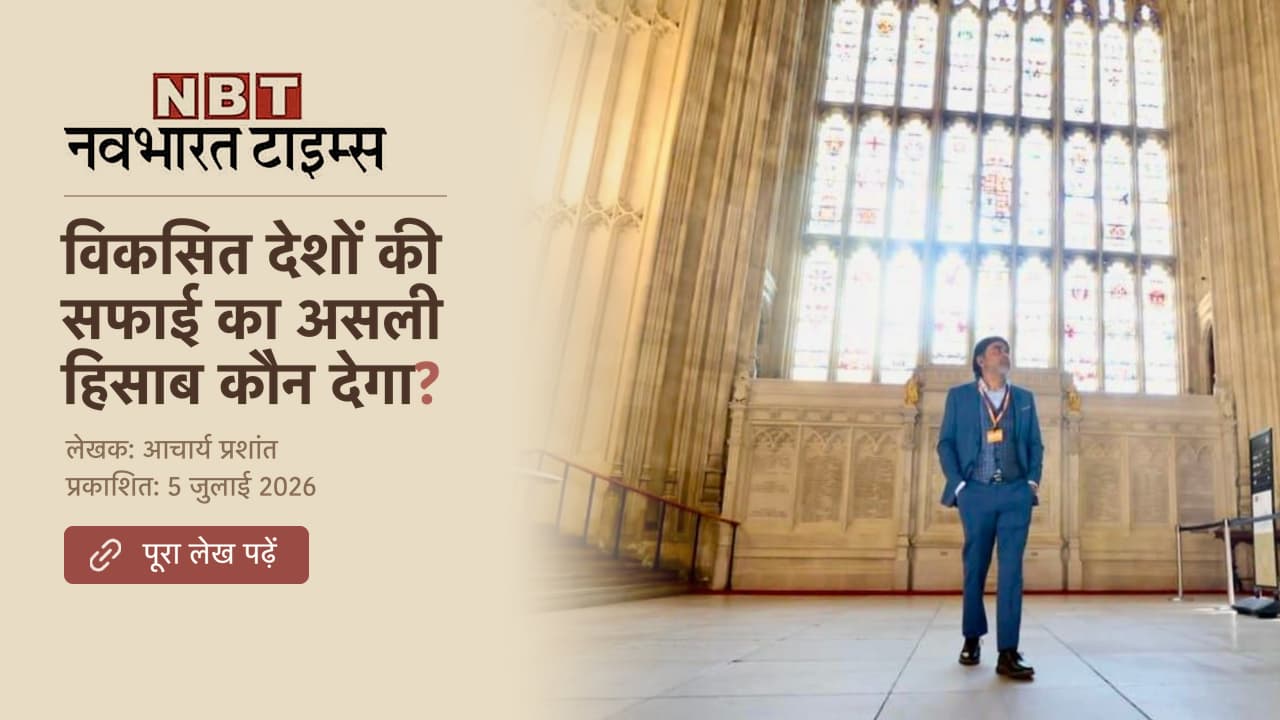
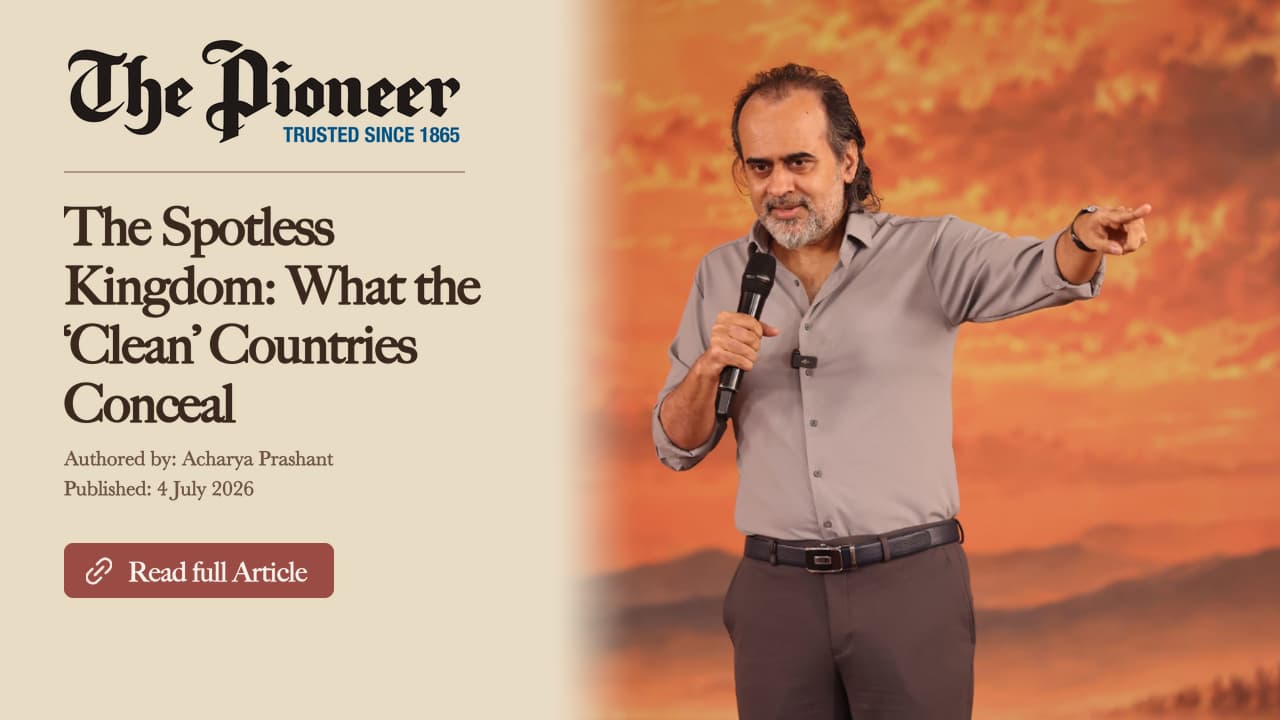
विकसित देशों की चमक अक्सर प्रदूषण मिटाने से नहीं, उसे अपनी सीमाओं से बाहर धकेलने से बनी है। कार्बन उत्सर्जन और पर्यावरणीय नुकसान का बड़ा हिस्सा गरीब देशों पर डालकर वे स्वयं को "स्वच्छ" कहते हैं। यदि स्वच्छता का पैमाना कम कार्बन है, तो उसी कसौटी पर कई विकासशील देश उनसे अधिक स्वच्छ सिद्ध होते हैं। वास्तविक स्वच्छता तकनीक या दिखावे से नहीं, बल्कि उस चेतना से आती है जो उपभोग, शोषण और पर्यावरण विनाश की जड़ - अहंकार - को समाप्त करे।
Bullying hurts deeply only when it is allowed to define one's inner identity. External abuse may wound the body, but lasting psychological wounds require inner participation. While OCD, anxiety, depression, schizophrenia, and other mental health conditions deserve proper treatment through psychiatry, lasting freedom demands self-knowledge.
ज्ञान ही डर को मस्ती में बदलता है। अज्ञान भय पैदा करता है, जबकि सही समझ भय दूर करता है। सच्चे मित्र बनाने की कोशिश करने के बजाय आत्म-अवलोकन अधिक आवश्यक है। कबीर साहब का संदेश है कि केवल किताबें पढ़ने से नहीं, बल्कि ज्ञान के प्रति प्रेम से जीवन बदलता है। मन स्वयं चंचल नहीं होता; हमारी इच्छाएँ और अस्थिरता उसे भटकाती हैं। शिक्षा का उद्देश्य केवल जानकारी जुटाना नहीं, बल्कि अपनी मान्यताओं पर प्रश्न करना और सत्य की खोज करना है।
किसी प्रदेश की समृद्धि केवल प्राकृतिक संसाधनों से नहीं, बल्कि वहाँ के लोगों की चेतना, शिक्षा और विवेक से तय होती है। खनिज स्वयं विकास नहीं लाते; यदि समाज जागरूक न हो तो वही संसाधन शोषण और भ्रष्टाचार का कारण बन जाते हैं। सच्ची संपदा धरती के नीचे नहीं, मनुष्य के मस्तिष्क में होती है। विद्या और आत्मज्ञान ही किसी राज्य या राष्ट्र को वास्तविक अर्थों में समृद्ध और स्वतंत्र बनाते हैं।
Success achieved under pressure or conditioning is not true success because the goal was never truly one's own. Before chasing any achievement, one must ask whether the desire is authentic or borrowed from society. Real change comes not from becoming stronger but from gaining clarity and honesty about oneself. Young people are already capable; what keeps them trapped is the comfort of obeying external expectations. Life is too short to spend serving invisible masters instead of pursuing what one genuinely loves and understands.
प्रेम कोई सामाजिक स्वीकृति, विवाह या रोमांटिक आकर्षण नहीं, बल्कि अहंकार के मिटने की प्रक्रिया है। सच्चा प्रेम अनुमति नहीं मांगता और न ही हार्मोन या परंपरा से पैदा होता है; वह सत्य और मुक्ति की ओर भीतर की यात्रा है। इसी तरह अहंकार सफलता पाने के लिए खुद को नहीं मिटा सकता — क्योंकि जब तक "मैं" बना हुआ है, तब तक हर त्याग, चाहे परिवार का हो, मित्रों का हो या स्वास्थ्य का, अहंकार का ही एक रूप रहता है। सही कर्म योजना बनाकर नहीं, बल्कि झूठे प्रभावों और बंधनों से मुक्त होकर स्वतः प्रकट होता है।
आध्यात्मिकता अहंकार को सांत्वना देने या स्वयं को विद्रोही घोषित करने का माध्यम नहीं, बल्कि अपने भीतर बैठी गहरी गुलामी को पहचानने का साहस है। हमारी अधिकांश इच्छाएँ, मान्यताएँ और पसंद वास्तव में सामाजिक संस्कारों से बनी होती हैं, इसलिए केवल बाहरी विद्रोह स्वतंत्रता नहीं देता। सच्चा धर्म भीतर के अहंकार से संघर्ष कर जीवन में सत्य के पक्ष में खड़े होने का आह्वान करता है, चाहे उसकी कीमत संघर्ष और घाव ही क्यों न हों।
The developed world often presents itself as clean by shifting pollution, waste, and environmental costs to poorer nations rather than eliminating them. Real cleanliness is not the absence of visible dirt but the absence of the ego that creates and conceals it. Laws, technology, and appearances can regulate behavior, but without inner transformation, societies merely relocate their destruction instead of ending it. A truly clean civilization is one that reduces consumption, acts from responsibility rather than image, and confronts the pollution within before claiming purity outside.
लोग अपनी राय की रक्षा इसलिए नहीं करते कि वह सत्य है, बल्कि इसलिए क्योंकि भीतर से उन्हें उसकी कमजोरी का पता होता है। झूठ सबसे जल्दी आहत होता है और सच से डरता है। इसलिए सत्य बोलने पर यदि कोई टूटता है, तो उसके झूठ के लिए स्वयं को दोषी नहीं मानना चाहिए। जहाँ वास्तव में गलती हो, वहाँ विनम्र बनें; लेकिन सत्य के पक्ष में खड़े होने के लिए अपराधबोध या दूसरों की नाराज़गी का बोझ उठाना आवश्यक नहीं है।
बार-बार लक्ष्य छोड़ देने का कारण इच्छाशक्ति की कमी नहीं, बल्कि गलत और उधार लिए हुए लक्ष्य हैं। जिन उद्देश्यों का जन्म प्रेम, समझ और आत्मबोध से नहीं होता, वे बोझ बन जाते हैं। सही लक्ष्य भीतर की स्पष्टता से निकलता है और वही व्यक्ति को स्वाभाविक समर्पण देता है। इसलिए प्रेरणा खोजने से पहले स्वयं को जानना, आत्म-अवलोकन करना और यह समझना ज़रूरी है कि वास्तव में हमारे लिए क्या मूल्यवान है।
True God is the Truth right now in your heart. That is true godliness, true bhagavatta. The problem is that people want to avoid the real living Truth in their heart. Therefore, they come up with stories that place an imaginary God somewhere up in the skies. God is wonderful, but the stories and the imaginations about God are all very disrespectful towards God. When there is love for God, God is held very close to the chest, and that God is called Truth. That God is the very purpose of philosophy and the very origin.
मन को संसार, लोगों और वस्तुओं से नहीं, सत्य में स्थिर रखना ही वास्तविक एकांत है। अकेलापन शरीर का नहीं, मन का होता है। जब मन दुनिया से पाने की आशा छोड़ देता है, तभी वह मुक्त होता है। वस्तुओं और रिश्तों का आकर्षण भी अंततः भोग की इच्छा से ही पैदा होता है, जबकि सच्चा प्रेम केवल सत्य, मुक्ति या श्रीकृष्ण के प्रति हो सकता है। संसार से आशा दुःख देती है, इसलिए मन को केवल सत्य की ओर लगाना ही योग है।
पढ़ना केवल पन्ने पूरे करना नहीं, बल्कि समझ विकसित करना है। जब किसी विषय को सचमुच समझा जाता है, तो जिज्ञासा स्वयं आगे पढ़ने के लिए प्रेरित करती है। अधूरी किताबें अक्सर रुचि की कमी नहीं, बल्कि बिना समझे आगे बढ़ने का परिणाम होती हैं। इसलिए गति से अधिक महत्त्वपूर्ण है हर विचार को समझना, क्योंकि वास्तविक सीख वहीं से शुरू होती है।
Love is not a special emotion reserved for selected people or relationships but a way of relating free from self-interest, possession, and psychological dependence. Most relationships become transactions driven by insecurity, where the ego seeks completion through ownership and exchange. Genuine companionship arises without the urge to control or claim another, allowing affection to exist naturally, freely, and without conditions or expectations.
लड़कियों को बचपन से निर्भर बनाना उनकी क्षमता नहीं, उनकी स्वतंत्रता छीनता है। आर्थिक, बौद्धिक और व्यावहारिक आत्मनिर्भरता ही वास्तविक सम्मान और सुरक्षा का आधार है। समाज अक्सर उन्हें रूप, भावनाओं और दूसरों पर आश्रित रहने तक सीमित कर देता है, जबकि उनकी सबसे बड़ी आवश्यकता आज़ादी है। जो भी शिक्षा, कौशल या संघर्ष स्वतंत्रता की ओर ले जाए, उसी पर पूरी ऊर्जा लगानी चाहिए; बाकी सब उसके बाद है।
Kabir Saheb's message questions the very act of searching for fulfilment outside oneself. Whether through religion, relationships, success, possessions, or identity, people keep assuming that what is missing lies somewhere else. The problem is not the destination but the belief that fulfilment exists at a distance. Real freedom begins when the search turns inward, recognising that the seeker and the sought were never truly separate.
The Bhagavad Gita is often accused of supporting caste and misogyny through selective quotations that ignore context, grammar, and the text's central teachings. A closer reading shows that its emphasis is on inner qualities, conscious action, and spiritual equality rather than birth-based hierarchy or gender discrimination. Misinterpretations arise when isolated verses are detached from their broader meaning, while the Gita consistently points toward self-knowledge, freedom from ego, and the universal possibility of liberation for every human being.
काम का मूल्य जीत, पुरस्कार या दूसरों से आगे निकलने में नहीं, बल्कि उसके प्रति प्रेम और समझ में है। जब कोई कार्य केवल प्रतियोगिता या प्रशंसा के लिए किया जाता है, तो वह बोझ बन जाता है। सच्चा आनंद उसी काम में है जिसे व्यक्ति स्वाभाविक रूप से करना चाहता है। इसी तरह डर कोई समस्या नहीं है; समस्या तब है जब डर हमें सही काम करने से रोक दे। जो सही और आवश्यक है, उसे डर, असफलता या संकोच के बावजूद करते रहना चाहिए।
जीवन के बड़े निर्णय, जैसे करियर और विवाह, तभी सार्थक होते हैं जब वे समझ और जागरूकता से लिए जाएँ, न कि सामाजिक दबाव या आदत के कारण। अधिकांश लोग बिना स्वयं को समझे जीवन के महत्वपूर्ण चुनाव कर लेते हैं और फिर उनके परिणामों से जूझते हैं। वास्तविक परिपक्वता अपने जीवन की जिम्मेदारी लेने, स्वयं को जानने और बाहरी अपेक्षाओं के बजाय स्पष्टता और विवेक के आधार पर निर्णय लेने में है।
अर्जुन की विशेषता उनकी पूर्णता में नहीं, बल्कि सत्य के प्रति उनकी ईमानदारी में थी। उन्होंने अपने भ्रम, भय, मोह और संदेहों को छिपाया नहीं, बल्कि उनका सामना किया। दूसरों की तरह किसी पक्ष से चिपकने के बजाय उन्होंने निष्पक्ष होकर देखने की इच्छा दिखाई और अपने से ऊँची बुद्धि के मार्गदर्शन को स्वीकार किया। वास्तविक श्रेष्ठता त्रुटिहीन होने में नहीं, बल्कि सीखने, बदलने और सत्य के लिए अपने अहंकार से ऊपर उठने की क्षमता में है।
जलवायु संकट केवल किसानों, मज़दूरों या गरीबों की समस्या नहीं है; इसका प्रभाव समाज के हर वर्ग पर पड़ने वाला है। बढ़ती गर्मी, आर्द्रता, बाढ़, सूखा, प्रदूषण, खाद्य संकट, स्वास्थ्य समस्याएँ और सामाजिक अस्थिरता धीरे-धीरे जीवन के हर पहलू को प्रभावित करेंगी। तकनीकी सुविधाएँ और निजी आराम स्थायी सुरक्षा नहीं दे सकते। यह संकट भविष्य का नहीं, वर्तमान का है, और इससे बचाव के लिए सामूहिक जागरूकता व गंभीर कार्रवाई आवश्यक है।
Switzerland’s rejection of a population cap was not simply a vote on immigration but a reflection of a deeper difficulty: defining what is “enough.” Despite wealth, stability, and low birth rates, economic interdependence made limiting growth politically and practically costly. The episode highlights a broader human tendency, individual and collective, to keep expanding goals and expectations, while rarely questioning the endless pursuit of more or asking where growth should finally stop.
True yoga is not primarily about physical postures but about examining the ego, attachments, and motivations that shape one’s life. While the body can be trained and displayed, real discipline lies in honestly questioning desires, ambitions, and borrowed goals. Techniques and routines alone cannot bring inner freedom. Yoga begins when one repeatedly investigates who is setting the direction of life and whether that direction has ever been consciously examined.
हम जिन भावनाओं, इच्छाओं, महत्वाकांक्षाओं और रिश्तों को अपना मानते हैं, उनमें से अधिकांश समाज, परिवार, शिक्षा, मीडिया और वातावरण द्वारा आरोपित होते हैं। व्यक्ति अपनी ही नहीं, उधार ली हुई मान्यताओं के अनुसार जीता है और फिर उसी को अपनी पहचान समझ लेता है। वास्तविक स्वतंत्रता तब शुरू होती है जब हम अपने विचारों, भावनाओं और लक्ष्यों की जाँच करते हैं, झूठे प्रभावों को पहचानते हैं और अपने जीवन को सचेत रूप से जीना शुरू करते हैं।