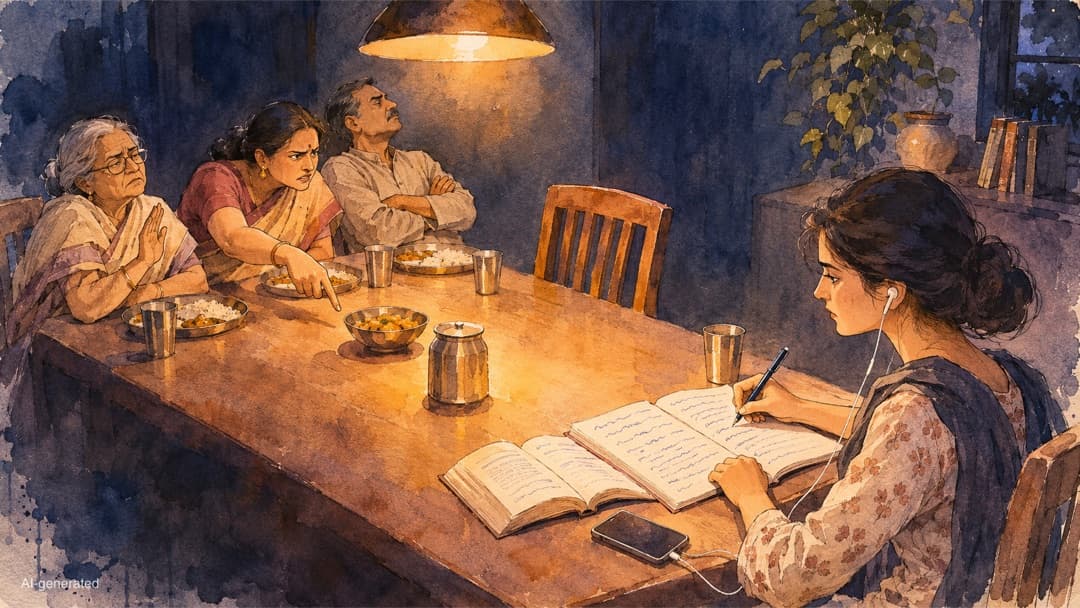
जब हम गीता से जुड़ते हैं और घरवाले उसका विरोध करते हैं, तो हमें हैरानी और दुख होता है। पर दिल्ली की ज़हरीली हवा जैसे पड़ोसी के घर में भी है और हमारे घर में भी, वैसे ही सबकी उलझन हमारे अपनों में भी है। वे भी उसी हाल में हैं जिसमें बाकी दुनिया है। असल तकलीफ़ यह है कि हम ख़ुद को ख़ास मान बैठे हैं, इसलिए अपनों से भी ख़ास होने की उम्मीद पालते हैं। क्या हम देख पाएँगे कि जो हमें इतने सस्ते में मिल गया, उसकी हमने कितनी कद्र की?

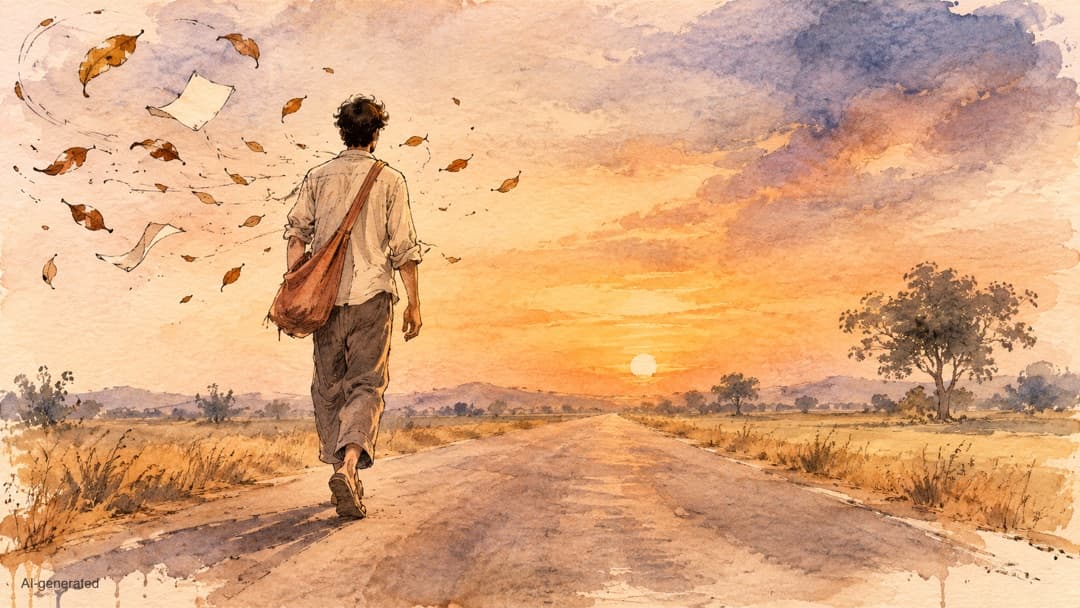
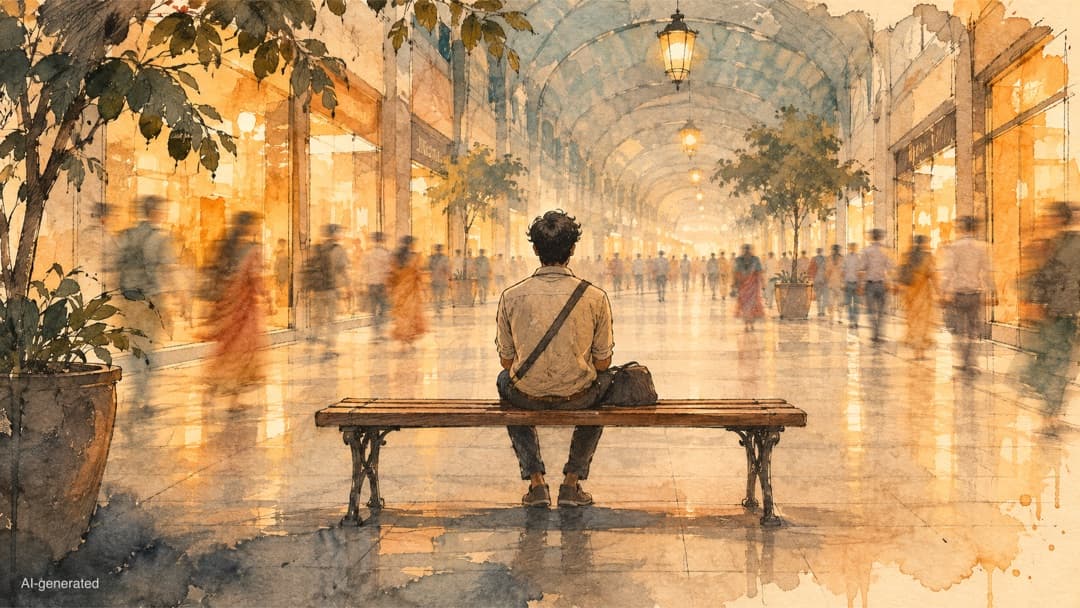
We drop the distractions, return to the work we know is right, and before long the mind is cluttered again. So we start sorting the noise: what is it, where is it from, why now? But nobody studies a trash bin while walking past it, and nobody gets off a train because the coach stinks. The turbulence comes from the part of us that is always at war with the part that knows what is right, and no one should expect a smooth road. Are we stuck because of the noise, or because we stopped?

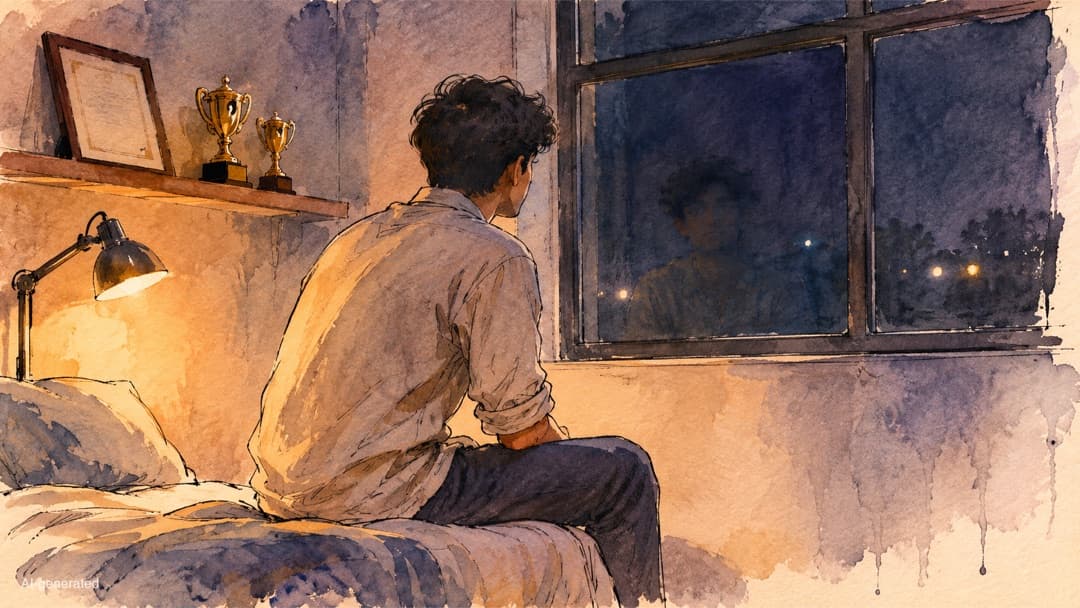
We sharpen the brain, collect the degrees, climb the ladder, and still feel strangled from within. The brain struggles with a hard maths problem, but who struggles with life? It is the one who uses the brain, the body and every opportunity, and calls all of it “mine”. We never examine that user, so its first claim, “I am important”, goes unchecked, and every value we build on it inherits the flaw. We chase prizes that give very little. Can we look at the one who is chasing?

When a flood destroys a bridge, rebuilding it creates economic activity. Someone buys steel and cement, construction companies get contracts, workers are hired, and money changes hands.

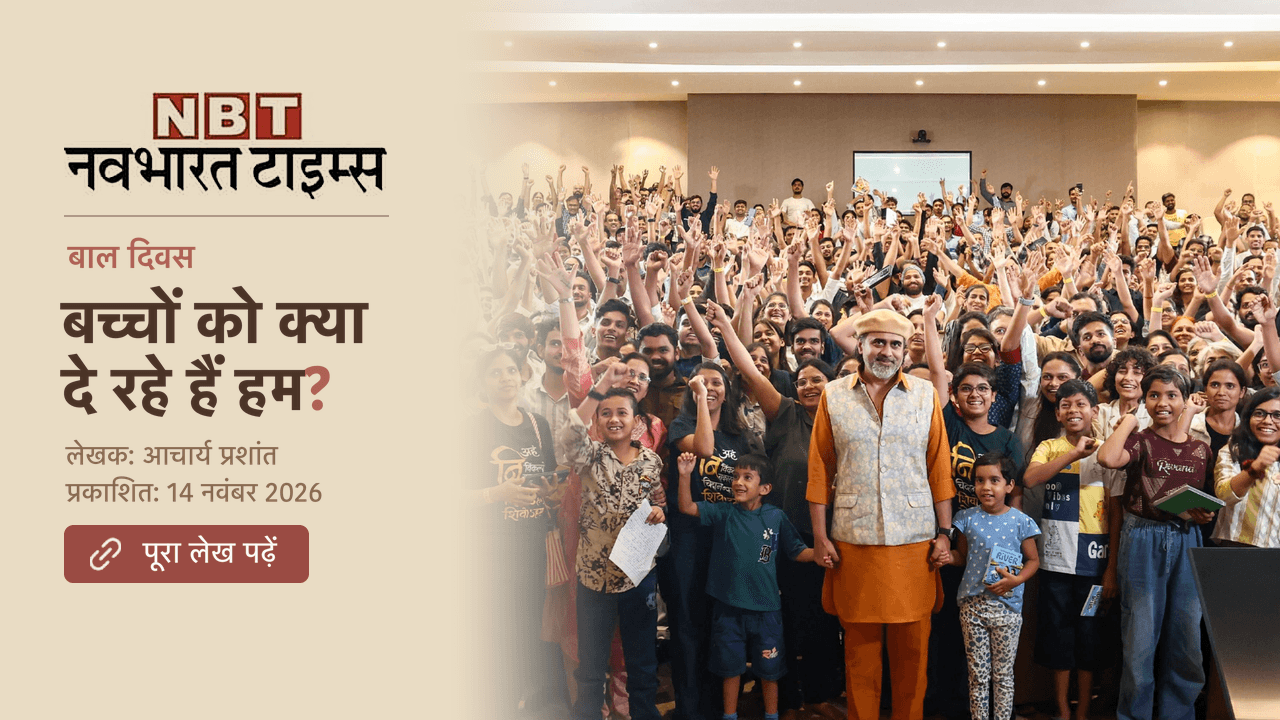
बच्चों के लिए हम बहुत कुछ करते हैं। अच्छे स्कूल में दाखिला दिलाते हैं, उनके लिए सुविधाएँ जुटाते हैं, भविष्य की योजनाएँ बनाते हैं।

बच्चों के लिए हम बहुत कुछ करते हैं। अच्छे स्कूल में दाखिला दिलाते हैं, उनके लिए सुविधाएँ जुटाते हैं, भविष्य की योजनाएँ बनाते हैं।
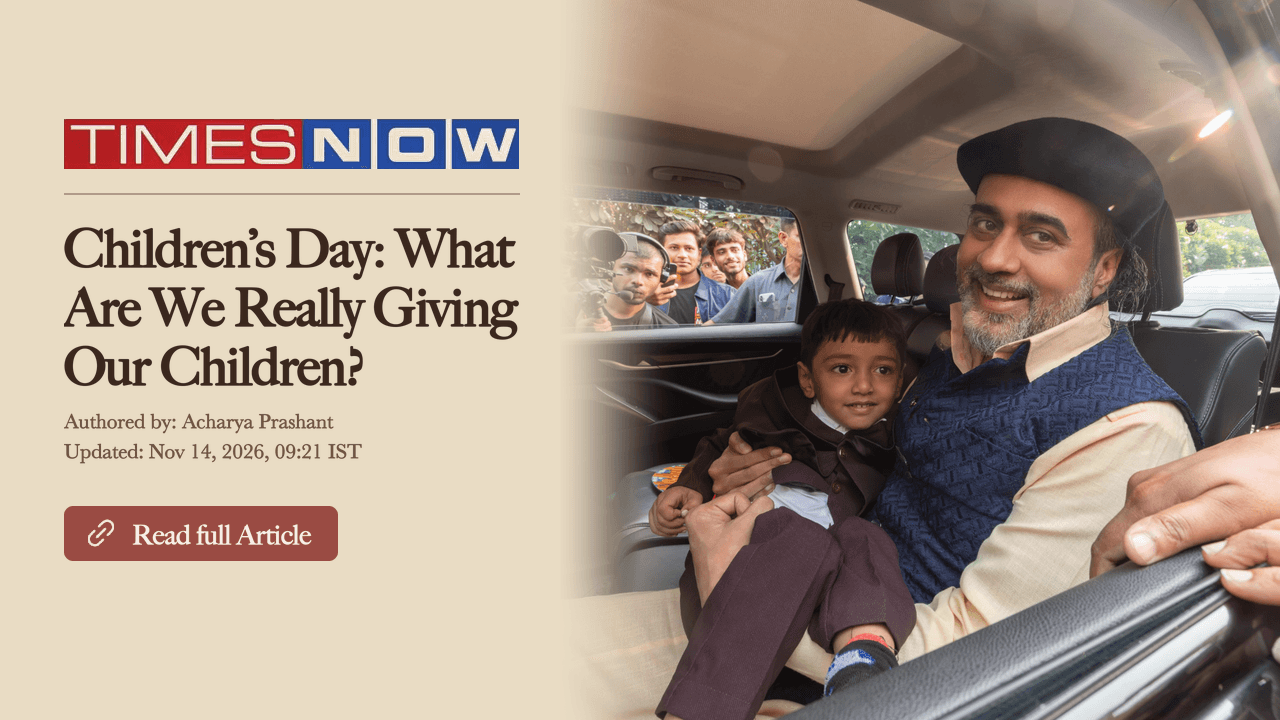
Children’s Day is celebrated on 14 November every year. We try to provide the best schools, facilities, and plans for our children’s future and celebrate their achievements with pride.

Children’s Day is celebrated on 14 November every year. We try to provide the best schools, facilities, and plans for our children’s future and celebrate their achievements with pride.

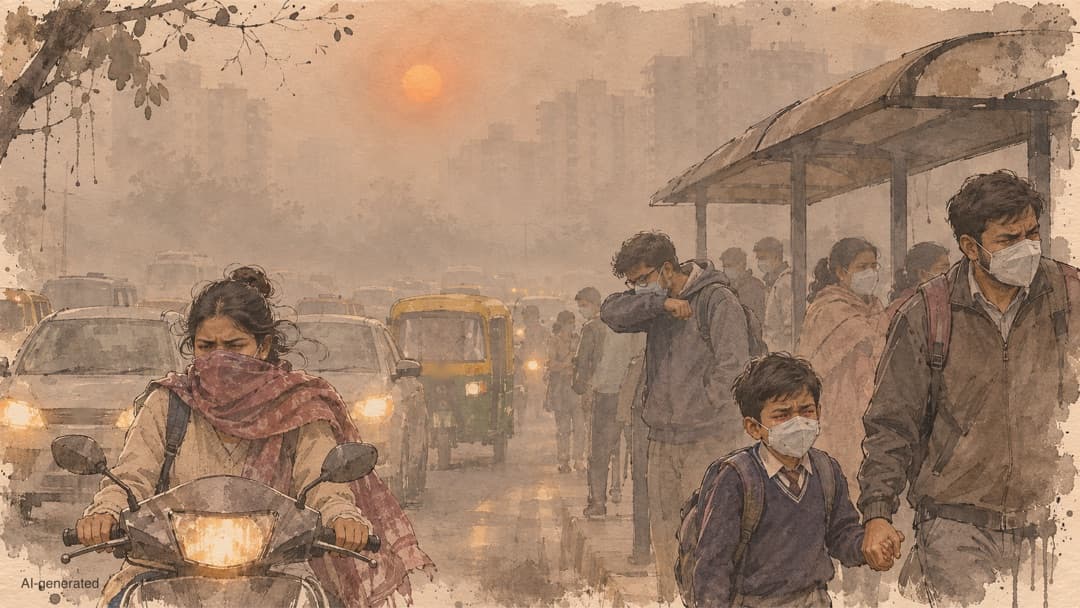
दिल्ली की हवा ज़हर बन चुकी है, गला जलता है, आँखों से पानी बहता है, फिर भी कहीं कोई आवाज़ नहीं उठती। क्योंकि हम तुरंत नहीं मर रहे। जलाने से धुआँ उठता है, और वही धुआँ AQI बन जाता है। और जलाना इसलिए है क्योंकि हमें और चाहिए: और कमाओ, और ख़रीदो, और भोगो। माल के साथ हमें मृत्युदंड भी मिल रहा है, पर हम समझते ही नहीं। जो सुख कुछ जलाए बिना मिलता है, एक किताब, एक गहरी बातचीत, नदी में तैरना, क्या हम उसे फिर से जान पाएँगे?
दूसरों की नज़र में हम अच्छे चरित्र के हैं, और यह प्रमाण पत्र छूट न जाए, इसलिए कामनाएँ दबाते हैं। फिर रात के तीन बजे, बिना बत्ती जलाए, धीरे से फ़्रिज खोलते हैं, और हर आहट पर दिल धड़कता है कि कोई देख न ले। दुख भी पूरा, पाखंड भी। फिर भी हम इसे छोड़ते नहीं, क्योंकि इंसान को अपने आप को ऊँचा और दूसरे को नीचा दिखाना है, और धर्म का सहारा मिल जाए तो बड़ा मज़ा आता है। जितना ऊँचा दावा, उतने ऊँचे दाँव। क्या हम कामना से डरते हैं, या उस प्रमाण पत्र के छिन जाने से?

दूसरों की नज़र में हम अच्छे चरित्र के हैं, और यह प्रमाण पत्र छूट न जाए, इसलिए कामनाएँ दबाते हैं। फिर रात के तीन बजे, बिना बत्ती जलाए, धीरे से फ़्रिज खोलते हैं, और हर आहट पर दिल धड़कता है कि कोई देख न ले। दुख भी पूरा, पाखंड भी। फिर भी हम इसे छोड़ते नहीं, क्योंकि इंसान को अपने आप को ऊँचा और दूसरे को नीचा दिखाना है, और धर्म का सहारा मिल जाए तो बड़ा मज़ा आता है। जितना ऊँचा दावा, उतने ऊँचे दाँव। क्या हम कामना से डरते हैं, या उस प्रमाण पत्र के छिन जाने से?

चोट खाई तो ठान लिया कि अब कामना नहीं। पर कामना लहर की तरह उठती है, रोके नहीं रुकती, और दबाई हुई कामना स्प्रिंग जैसी है: उस पर बैठ जाओ तो मिटती नहीं, बस चुभती रहती है, और खड़े होते ही उछल पड़ती है। दूध वाली चाय पिएँ तो ग्लानि, न पिएँ तो देह तड़पती है। कामना के पीछे चलने में दुख मिला, तो दबाने में महा दुख, और ऊपर से ओढ़ा हुआ पाखंड। गीता की नज़र कामना पर नहीं, उस पर है जो कामना करता है। क्या हम कभी उसे देख पाते हैं?

चोट खाई तो ठान लिया कि अब कामना नहीं। पर कामना लहर की तरह उठती है, रोके नहीं रुकती, और दबाई हुई कामना स्प्रिंग जैसी है: उस पर बैठ जाओ तो मिटती नहीं, बस चुभती रहती है, और खड़े होते ही उछल पड़ती है। दूध वाली चाय पिएँ तो ग्लानि, न पिएँ तो देह तड़पती है। कामना के पीछे चलने में दुख मिला, तो दबाने में महा दुख, और ऊपर से ओढ़ा हुआ पाखंड। गीता की नज़र कामना पर नहीं, उस पर है जो कामना करता है। क्या हम कभी उसे देख पाते हैं?

We leave a talk moved, and by evening it has faded, so we ask how to stay aware every moment. Yet one glance at a report that says cancer is never forgotten; even in our dreams we remember it, and no one has to remind us. We remember what we truly want to save. The mirror is held up once, and a teacher can do no more than that. Sunlight pours through every window, and we can still crawl under a rock. What are we choosing, each time we forget?

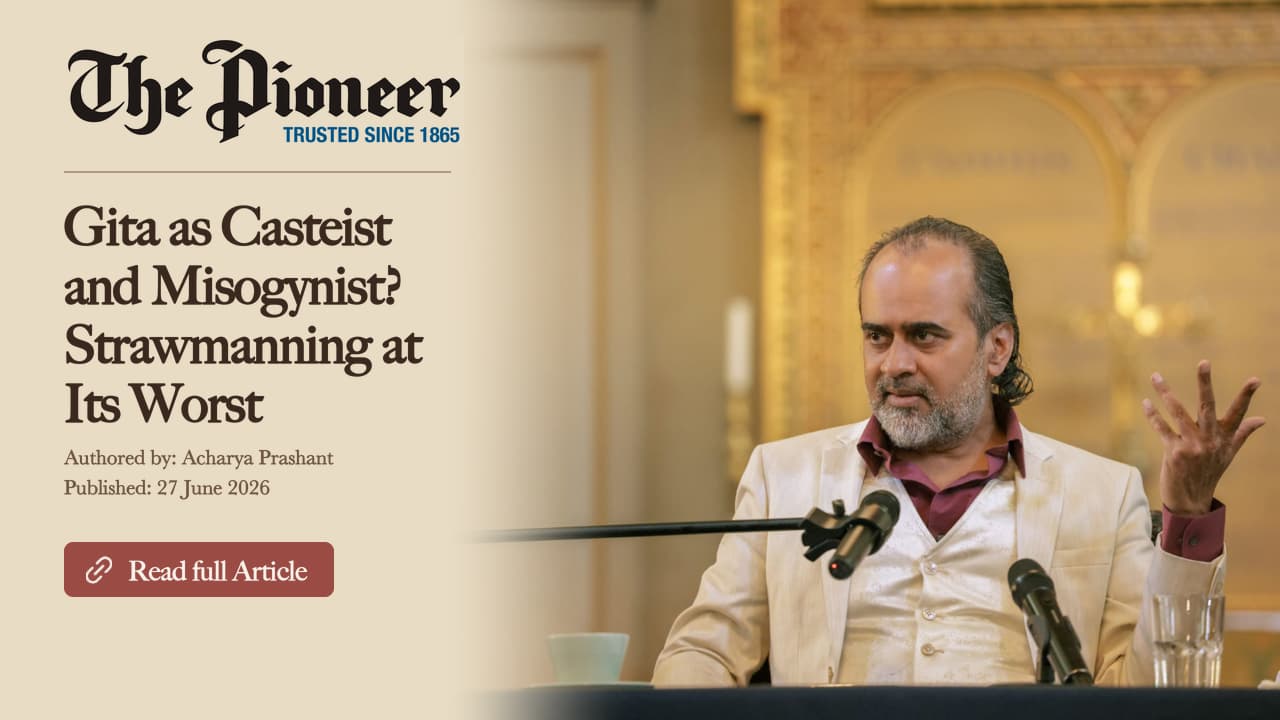
The Bhagavad Gita is often accused of supporting caste and misogyny through selective quotations that ignore context, grammar, and the text's central teachings. A closer reading shows that its emphasis is on inner qualities, conscious action, and spiritual equality rather than birth-based hierarchy or gender discrimination. Misinterpretations arise when isolated verses are detached from their broader meaning, while the Gita consistently points toward self-knowledge, freedom from ego, and the universal possibility of liberation for every human being.

The Bhagavad Gita is often accused of supporting caste and misogyny through selective quotations that ignore context, grammar, and the text's central teachings. A closer reading shows that its emphasis is on inner qualities, conscious action, and spiritual equality rather than birth-based hierarchy or gender discrimination. Misinterpretations arise when isolated verses are detached from their broader meaning, while the Gita consistently points toward self-knowledge, freedom from ego, and the universal possibility of liberation for every human being.

We have all put down a book that could have helped us, or dozed off halfway through something that mattered. A man who could not keep food down was given medicine, and he threw that away too, since it went in by the same route. Most of us strike a similar deal: we move into a place that stinks and, within a week, call the smell normal. Show our fifteen-year-old self the life we lead now and they would scoff. What would change if we admitted we do not like our condition?

We have all put down a book that could have helped us, or dozed off halfway through something that mattered. A man who could not keep food down was given medicine, and he threw that away too, since it went in by the same route. Most of us strike a similar deal: we move into a place that stinks and, within a week, call the smell normal. Show our fifteen-year-old self the life we lead now and they would scoff. What would change if we admitted we do not like our condition?

Many of us know the squeeze: a job that earns a living by making people want one more thing, and a nagging sense that this is not the life we want. It feels as though the world is pressing us into a deal. But a deal is signed, not imposed. The world offers a contract and something in us says yes, because it expects something in return. Can we be pressured by anyone we expect nothing from? Before asking whether to quit, can we look honestly at who is accepting the offer?

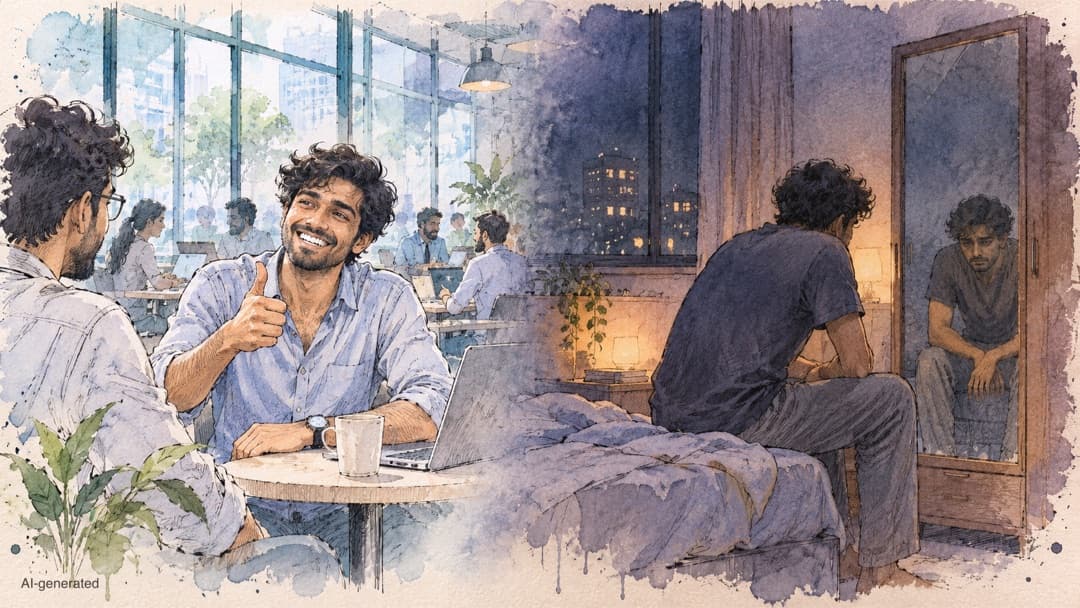
Someone asks how we are, and we say, “I am so good. I’m doing so well.” Then comes 3 a.m., and we know better. Nobody outside can check that claim, so the talk says an inner claim can be falsified only in the first person. Science runs on peer review; self-inquiry does not. A mirror can show where we stand, but whether we accept what it shows depends on honesty. Which of our own claims have we never allowed to be tested?

Someone asks how we are, and we say, “I am so good. I’m doing so well.” Then comes 3 a.m., and we know better. Nobody outside can check that claim, so the talk says an inner claim can be falsified only in the first person. Science runs on peer review; self-inquiry does not. A mirror can show where we stand, but whether we accept what it shows depends on honesty. Which of our own claims have we never allowed to be tested?

We believe we are born to be happy, and that happiness comes from more and more consumption. We keep consuming, and the lonely, anxious, restless feeling keeps returning. A sage, the talk says, has nothing to tell anyone who claims to be already fulfilled. The only question put to us is blunt: have all these objects and ideas worked on you? If not, why not be honest enough to discard them, instead of endlessly rolling on a flat plane? What could we learn by looking at the one who keeps trying?

We believe we are born to be happy, and that happiness comes from more and more consumption. We keep consuming, and the lonely, anxious, restless feeling keeps returning. A sage, the talk says, has nothing to tell anyone who claims to be already fulfilled. The only question put to us is blunt: have all these objects and ideas worked on you? If not, why not be honest enough to discard them, instead of endlessly rolling on a flat plane? What could we learn by looking at the one who keeps trying?

15 नवंबर को गीता सत्र से कुछ घंटे पहले, देश की बड़ी पशु कार्यकर्ता, गौरी मौलेखी जी का एक संदेश आया। उन्होंने आचार्य जी से नेपाल में होने वाले ‘गढ़ीमाई महोत्सव’ के विषय पर बिहार के, मुख्यमंत्री, मुख्य सचिव और प्रेस से बातचीत के लिए पटना आने का अनुरोध किया। यह एक गंभीर मुद्दा था—हजारों जानवरों की जान बचाने का और एक सदियों पुरानी कुप्रथा के विरुद्ध आवाज़ उठाने का।

On the evening of November 15, just hours before a scheduled Gita session, a message arrived from Gauri Maulekhi, a prominent animal rights activist. She requested Acharya Prashant to join her in Patna the following morning to meet the Chief Secretary of Bihar and address the press about the Gadhimai festival in Nepal. This was no ordinary request. It was a plea to save thousands of animals and to raise a voice against a centuries-old practice of cruelty disguised as tradition.

On the evening of November 15, just hours before a scheduled Gita session, a message arrived from Gauri Maulekhi, a prominent animal rights activist. She requested Acharya Prashant to join her in Patna the following morning to meet the Chief Secretary of Bihar and address the press about the Gadhimai festival in Nepal. This was no ordinary request. It was a plea to save thousands of animals and to raise a voice against a centuries-old practice of cruelty disguised as tradition.

नवरात्रि में हम देवी की पूजा करते हैं और महिषासुर को बाहर का कोई दैत्य मान लेते हैं। पर दुर्गा सप्तशती का दूसरा चरित्र हमारी अपनी वृत्ति की कथा है। जो मन प्रकृति को केवल भोगने की वस्तु मानता है, जंगल काटता है, नदियाँ दूषित करता है, पशुओं को खाता है और कहता रहता है कि मुझे और चाहिए, वही महिषासुर है। त्यौहार उसी के वध के लिए है, उसे भोग लगाने के लिए नहीं। क्या इस नवरात्रि हम अपने भीतर के महिषासुर को पहचानेंगे?

नवरात्रि में हम देवी की पूजा करते हैं और महिषासुर को बाहर का कोई दैत्य मान लेते हैं। पर दुर्गा सप्तशती का दूसरा चरित्र हमारी अपनी वृत्ति की कथा है। जो मन प्रकृति को केवल भोगने की वस्तु मानता है, जंगल काटता है, नदियाँ दूषित करता है, पशुओं को खाता है और कहता रहता है कि मुझे और चाहिए, वही महिषासुर है। त्यौहार उसी के वध के लिए है, उसे भोग लगाने के लिए नहीं। क्या इस नवरात्रि हम अपने भीतर के महिषासुर को पहचानेंगे?

पिछले वर्ष ईरान में 22 वर्षीया 'माशा अमीनी' की ईरानी पुलिस द्वारा हत्या हुई। पूरी दुनिया ने विरोध जताया। माशा ओमिनी का जुर्म क्या था? उसने हिजाब वैसे नहीं पहना था जैसा ईरानी सरकार का आदेश था।
इस बर्बर हत्या के बाद ईरान की सड़कों पर हज़ारों महिलाओं की भीड़…

Your only obligation is your liberation. These are just loveless social customs and economic structures where a woman is seen as a factor of production that produces babies. There’s no need to go to the husband’s place or even stay at your father’s if you are unloved and unwanted. The world is a vast opportunity. Live anywhere, stay anywhere, do whatever is the right work, and fly free—simple.

Your only obligation is your liberation. These are just loveless social customs and economic structures where a woman is seen as a factor of production that produces babies. There’s no need to go to the husband’s place or even stay at your father’s if you are unloved and unwanted. The world is a vast opportunity. Live anywhere, stay anywhere, do whatever is the right work, and fly free—simple.

प्रश्नकर्ता: प्रणाम, आचार्य जी! मेरे दो प्रश्न हैं। पहला प्रश्न है कि टिपिकली (आमतौर पर) ऐसा माना जाता है कि जो महिलाएँ होती हैं, वो थोड़ा प्राकृतिक रूप से केयर गिवर्स (देखभाल कर्ता),इमोशनल (भावुक), ह्वेरैज़ मेन (जबकि पुरुष) वो थोड़ा,लॉजिकल (तार्किक), गो-गेटर्स (उद्योगी), ऐम्बिशस (महत्वाकांक्षी) होते हैं।
जब…

"मुझे आश्चर्य होता है ये देखकर कि कैसे भगवान ने चार करोड़ बंगालियों को बनाते हुए, एक आदमी को भी जन्म दिया।"
जिस 'आदमी' की बात यहाँ गुरुदेव रबीन्द्रनाथ टैगोर कर रहे हैं, उनके लिए एक बार गांधी जी ने कहा था,
"विद्यासागर की उपाधि उन्हें उनके ज्ञान के लिए…

ISRO की हर उपलब्धि पर सभी देशवासी ख़ुशी से झूम उठते हैं। लेकिन बधाइयों के सैलाब में, और ढोल-नगाड़ों के बीच, आपने ध्यान दिया?
सारे परीक्षण जिस जगह पर होते हैं, उसे कहते हैं "सतीश धवन स्पेस सेंटर"।
ये 'सतीश धवन' जी कौन हैं? उनका क्या योगदान होगा…

ISRO की हर उपलब्धि पर सभी देशवासी ख़ुशी से झूम उठते हैं। लेकिन बधाइयों के सैलाब में, और ढोल-नगाड़ों के बीच, आपने ध्यान दिया?
सारे परीक्षण जिस जगह पर होते हैं, उसे कहते हैं "सतीश धवन स्पेस सेंटर"।
ये 'सतीश धवन' जी कौन हैं? उनका क्या योगदान होगा…

भगत सिंह कहते थे "बहरे कानों तक अपनी आवाज़ पहुँचाने के लिए अक्सर धमाकों की ज़रूरत पड़ती है।"
लेकिन उनको कहाँ पता था कि लोगों की स्मृति इतनी कमज़ोर है कि उनके जाने के बाद वे सिर्फ़ उनका 'धमाका' ही याद रखेंगे। और उनको भूल जाएँगे, उनके संघर्ष…

भगत सिंह कहते थे "बहरे कानों तक अपनी आवाज़ पहुँचाने के लिए अक्सर धमाकों की ज़रूरत पड़ती है।"
लेकिन उनको कहाँ पता था कि लोगों की स्मृति इतनी कमज़ोर है कि उनके जाने के बाद वे सिर्फ़ उनका 'धमाका' ही याद रखेंगे। और उनको भूल जाएँगे, उनके संघर्ष…

भीतर फौलाद तभी आता है जब जीवन फौलाद से टकराता है। जब तक सामने कोई बड़ी समस्या नहीं होगी, तुम्हारे भीतर ताकत बस सोई रहेगी, जगेगी नहीं। समस्या आविष्कृत नहीं करनी है। समस्याएँ तो होती ही हैं, हम उनसे मुँह चुराते हैं क्योंकि पता होता है कि समस्याओं का सामना करने का दम नहीं है। दम विकसित करना हो तो जिन समस्याओं से मुँह चुराते रहे हो, उनसे जूझ जाओ। मार पड़ेगी, चोट लगेगी, दर्द होगा, लेकिन ताकत विकसित हो जाएगी।

तुम्हारे घर में कोई चीज़ अँधेरे में रखी थी, कोई आकर उस पर थोड़ी रोशनी डाल सकता है। उस पर थोड़ा प्रयोग करके बता सकता है कि ये चीज़ सड़ी हुई है। उसके आगे का काम तो तुम्हारी नीयत का है। उसको उठा के बाहर तुम्हें ही फेंकना पड़ेगा। नीयत, फ़ैसला, ईमानदारी, इनका कोई विकल्प नहीं होता। डूबे रहो इधर-उधर की चीज़ों में, वासना हो, डर हो। जिस दिन तुम जलोगे, उस दिन डर और वासना भी जल जाएँगे। कहानी कभी न कभी तो ख़त्म होनी है। या तो ख़ुद अभी ख़त्म कर लो, नहीं तो चिता पर ख़त्म हो जाएगी। मर्ज़ी है।

तुम्हारे घर में कोई चीज़ अँधेरे में रखी थी, कोई आकर उस पर थोड़ी रोशनी डाल सकता है। उस पर थोड़ा प्रयोग करके बता सकता है कि ये चीज़ सड़ी हुई है। उसके आगे का काम तो तुम्हारी नीयत का है। उसको उठा के बाहर तुम्हें ही फेंकना पड़ेगा। नीयत, फ़ैसला, ईमानदारी, इनका कोई विकल्प नहीं होता। डूबे रहो इधर-उधर की चीज़ों में, वासना हो, डर हो। जिस दिन तुम जलोगे, उस दिन डर और वासना भी जल जाएँगे। कहानी कभी न कभी तो ख़त्म होनी है। या तो ख़ुद अभी ख़त्म कर लो, नहीं तो चिता पर ख़त्म हो जाएगी। मर्ज़ी है।

अज्ञान का दूसरा नाम शोषण है। जो आज अपनेआप को शोषित कह रहा है, वो भीतर- ही- भीतर तैयारी करके बैठा है कि कल शोषण करूँगा। तो जो आज का शोषित है, वो कल का शोषक बनता है। हमें ये नहीं करना है कि संतुलन ला दिया और संतुलन का मतलब हुआ कि अब दोनों बराबर का शोषण करेंगे। वो कोई संतुलन नहीं होता है। हमें ये करना है कि जो शोषण का मूल कारण ही है उसको मानव मात्र के भीतर से हटा दें।

अज्ञान का दूसरा नाम शोषण है। जो आज अपनेआप को शोषित कह रहा है, वो भीतर- ही- भीतर तैयारी करके बैठा है कि कल शोषण करूँगा। तो जो आज का शोषित है, वो कल का शोषक बनता है। हमें ये नहीं करना है कि संतुलन ला दिया और संतुलन का मतलब हुआ कि अब दोनों बराबर का शोषण करेंगे। वो कोई संतुलन नहीं होता है। हमें ये करना है कि जो शोषण का मूल कारण ही है उसको मानव मात्र के भीतर से हटा दें।

यह प्रश्न केवल ईश्वर के बारे में नहीं है। इससे कहीं ज़्यादा यह हमारे बारे में है। हम किसे राम कहते हैं, इससे पता चलता है कि हम स्वयं को क्या समझते हैं, किसमें सुरक्षा खोजते हैं और किसके लिए अपना जीवन लगा रहे हैं।

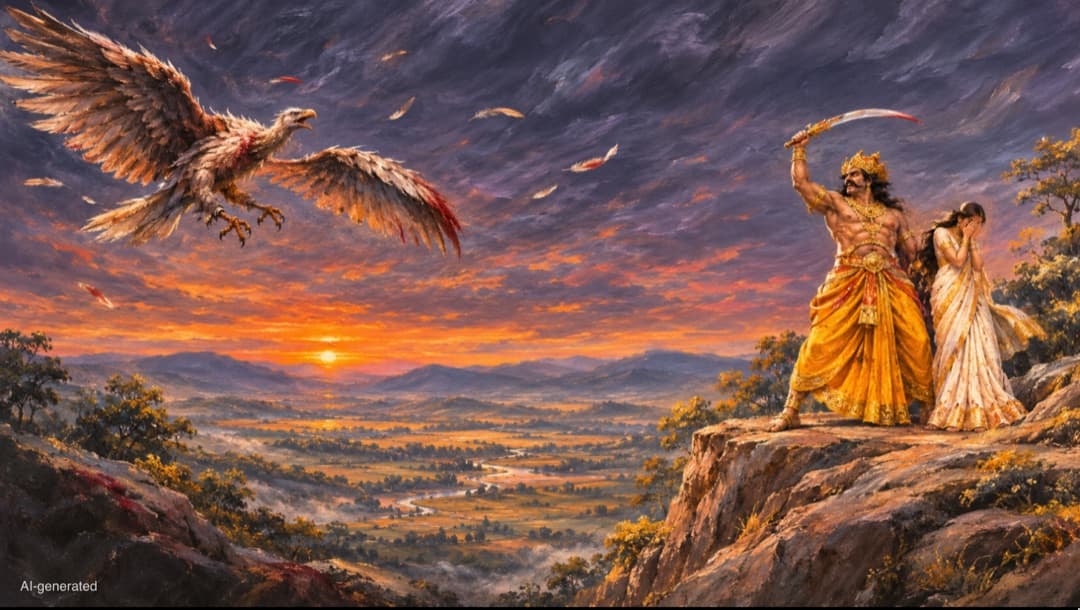
वृद्ध जटायु रावण के सामने खड़े हैं। पंख कट गए हैं, मौत सामने है, पर उनसे हाल पूछिए, तो एक ही उत्तर: “तेरा साथ है तो मुझे क्या कमी है?” आँख में रावण है, दिल में राम है। यही धर्मयुद्ध है, और इसमें विजेता तो हम पहले से हैं। पर भीतर वो उन्मादी प्रेम, वो जुनूनी इश्क़ न हो, तो एक गिलास पानी पिलाकर भी हम अच्छा आदमी होने का भाव खोजते हैं। राम से ऐसा प्रेम कैसे हो, कि कोई वजह न हो, फिर भी मौज हो?

वृद्ध जटायु रावण के सामने खड़े हैं। पंख कट गए हैं, मौत सामने है, पर उनसे हाल पूछिए, तो एक ही उत्तर: “तेरा साथ है तो मुझे क्या कमी है?” आँख में रावण है, दिल में राम है। यही धर्मयुद्ध है, और इसमें विजेता तो हम पहले से हैं। पर भीतर वो उन्मादी प्रेम, वो जुनूनी इश्क़ न हो, तो एक गिलास पानी पिलाकर भी हम अच्छा आदमी होने का भाव खोजते हैं। राम से ऐसा प्रेम कैसे हो, कि कोई वजह न हो, फिर भी मौज हो?

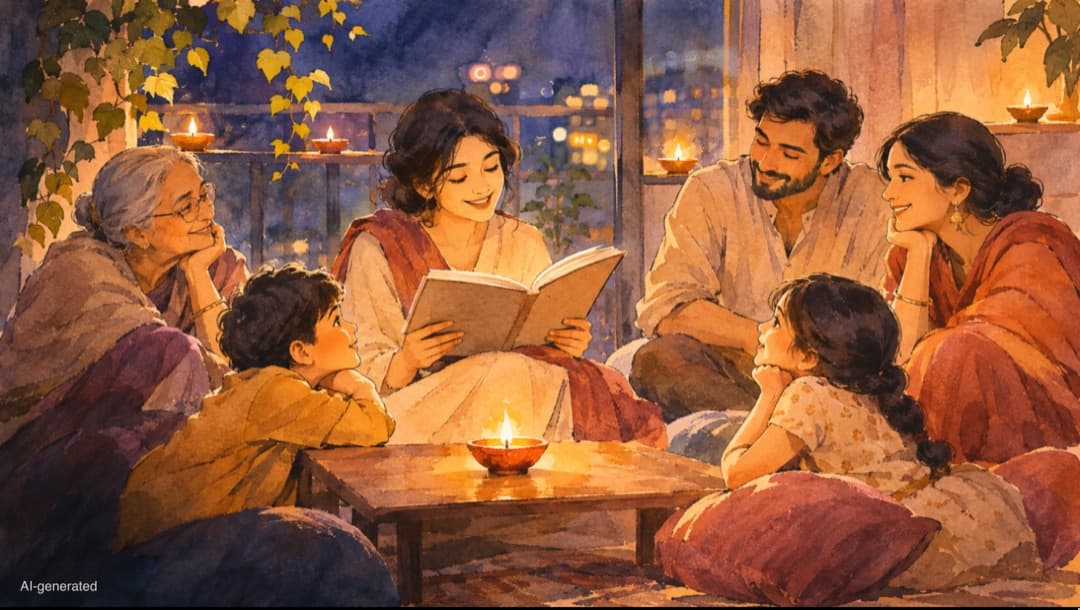
दिवाली आती है तो हम झालर लगाते हैं, पटाखे बजाते हैं, बर्फ़ी बाँटते हैं और मान लेते हैं कि त्योहार हो गया। पर प्रकाश माने वो, जिसमें दिखाई दे। उस रात घरवालों के साथ बैठकर प्रकाश पर, धन के अर्थ पर बात हो सकती है, कबीर के निर्गुणी भजन बज सकते हैं, बच्चे कोई दोहा गुनगुना सकते हैं। बिना जताए, बिना श्रेष्ठता के भाव के। और उस रात वही सामने आता है जो साल भर जिया गया। तो इस बार दिवाली की रात हम किस प्रकाश में बैठेंगे?

दिवाली आती है तो हम झालर लगाते हैं, पटाखे बजाते हैं, बर्फ़ी बाँटते हैं और मान लेते हैं कि त्योहार हो गया। पर प्रकाश माने वो, जिसमें दिखाई दे। उस रात घरवालों के साथ बैठकर प्रकाश पर, धन के अर्थ पर बात हो सकती है, कबीर के निर्गुणी भजन बज सकते हैं, बच्चे कोई दोहा गुनगुना सकते हैं। बिना जताए, बिना श्रेष्ठता के भाव के। और उस रात वही सामने आता है जो साल भर जिया गया। तो इस बार दिवाली की रात हम किस प्रकाश में बैठेंगे?