

When a flood destroys a bridge, rebuilding it creates economic activity. Someone buys steel and cement, construction companies get contracts, workers are hired, and money changes hands.
This summary is AI-generated. Please read the full article for complete understanding.
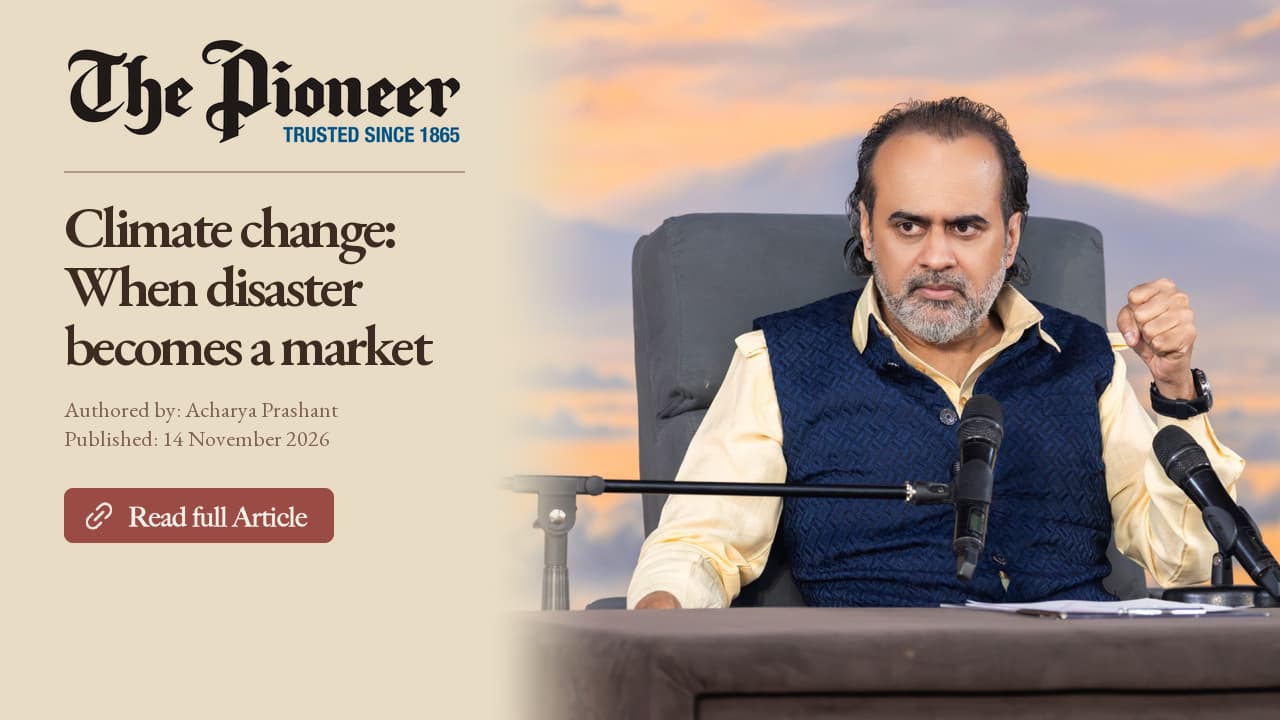
Originally published in The Pioneer on 14 November '26
When a flood destroys a bridge, rebuilding it creates economic activity. Someone buys steel and cement, construction companies get contracts, workers are hired, and money changes hands. All of it adds to GDP. But the people had a bridge before the flood. After spending hundreds of crores, they may have no more than the bridge they already had. Rebuilding, by itself, is no evidence that wealth has grown.
The industries that add to climate change make huge profits. As climate risks grow, other businesses earn money by protecting people and rebuilding damaged settlements. Both can do well while the world loses the natural and social wealth its future depends on. Oxfam's October 27 report, Disaster Divide, came out ahead of COP31, now underway in Turkiye. It looks at how the wealthiest add far more than their share to climate change, stay relatively shielded from its effects and sometimes profit from the response to disasters.
The profits are private. The losses are shared.