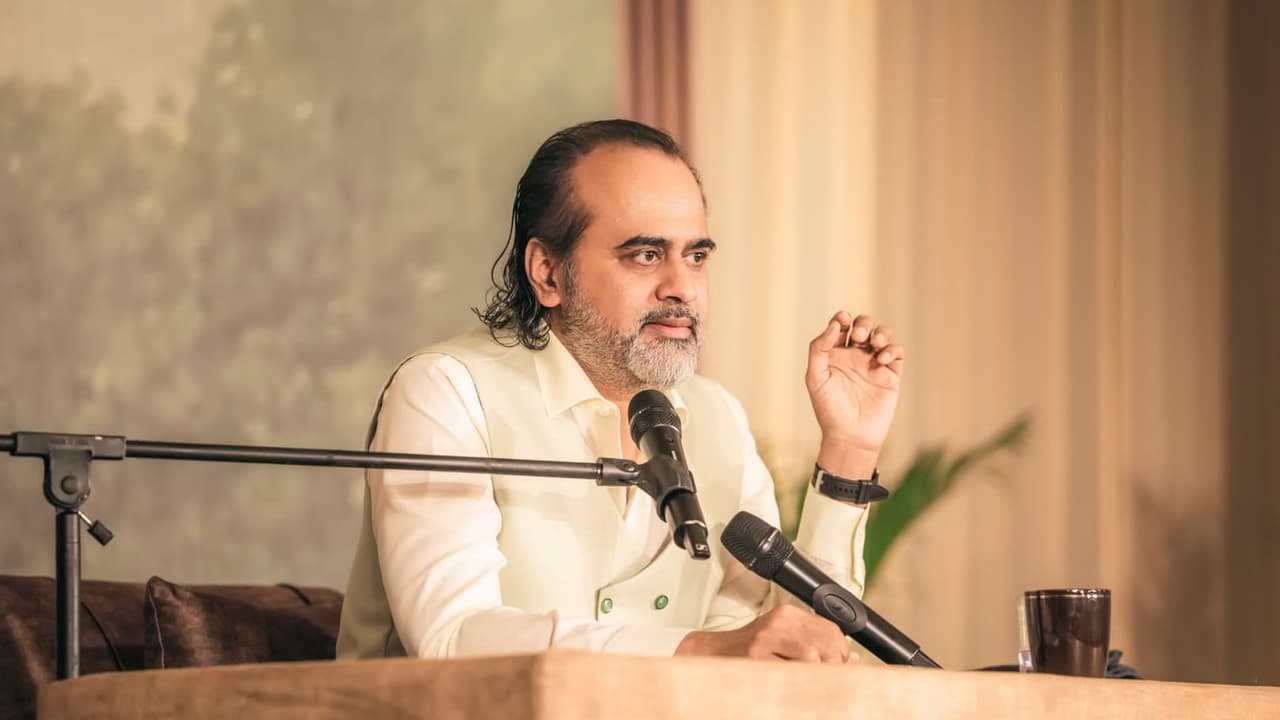
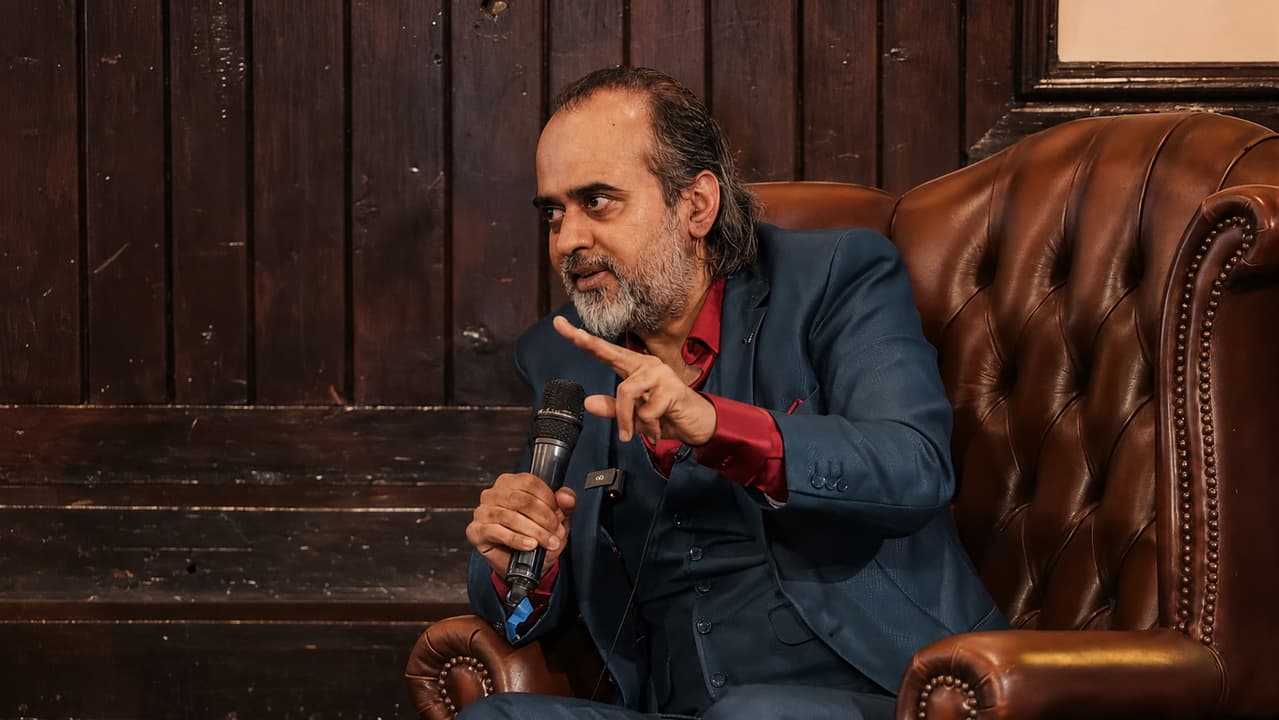
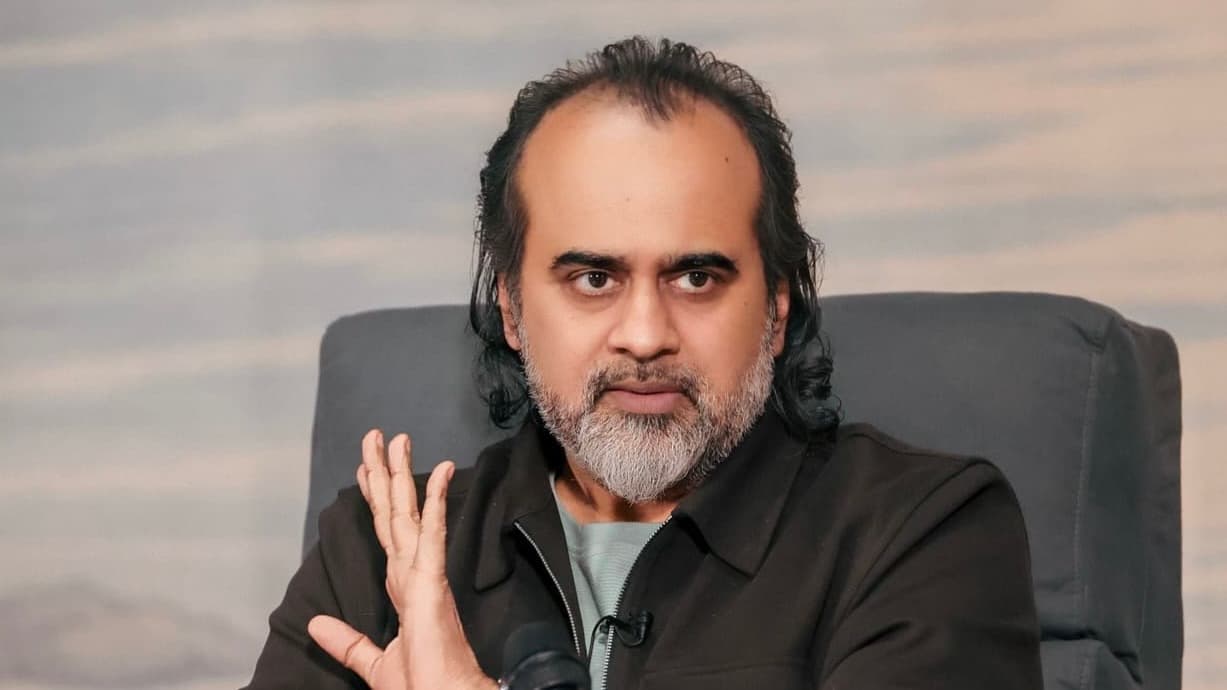
True God is the Truth right now in your heart. That is true godliness, true bhagavatta. The problem is that people want to avoid the real living Truth in their heart. Therefore, they come up with stories that place an imaginary God somewhere up in the skies. God is wonderful, but the stories and the imaginations about God are all very disrespectful towards God. When there is love for God, God is held very close to the chest, and that God is called Truth. That God is the very purpose of philosophy and the very origin.
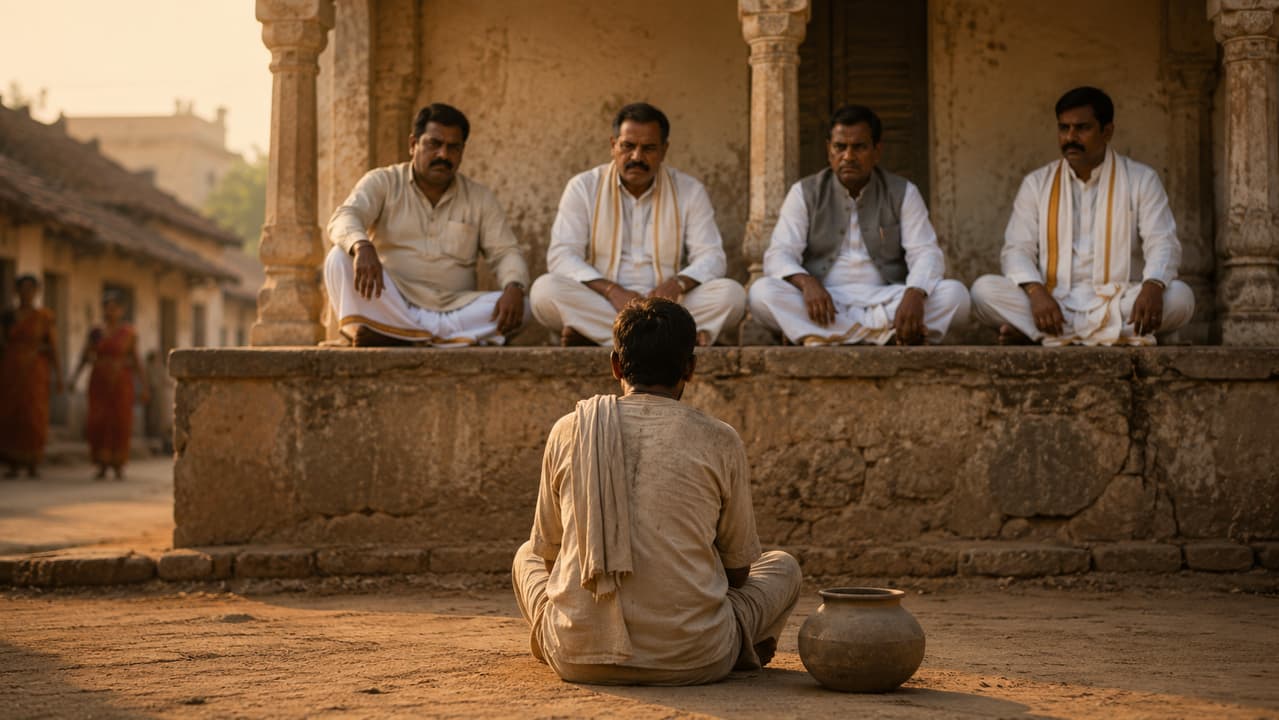
एक पुजारी जो रोज़ भूत-प्रेत, तंत्र-मंत्र और वशीकरण के नाम पर आए लोगों से मिलता है, आचार्य प्रशांत से पूछता है: जब वो ख़ुद जानता है कि कुछ भूत-चुड़ैल नहीं होता, तो लोग बार-बार इसी झूठ की शरण में क्यों जाते हैं? जवाब अंधविश्वास से कहीं गहरा निकलता है — यह हमारे भीतर के उस झूठ की कहानी है, जिसे हम हर कीमत पर बचाना चाहते हैं।
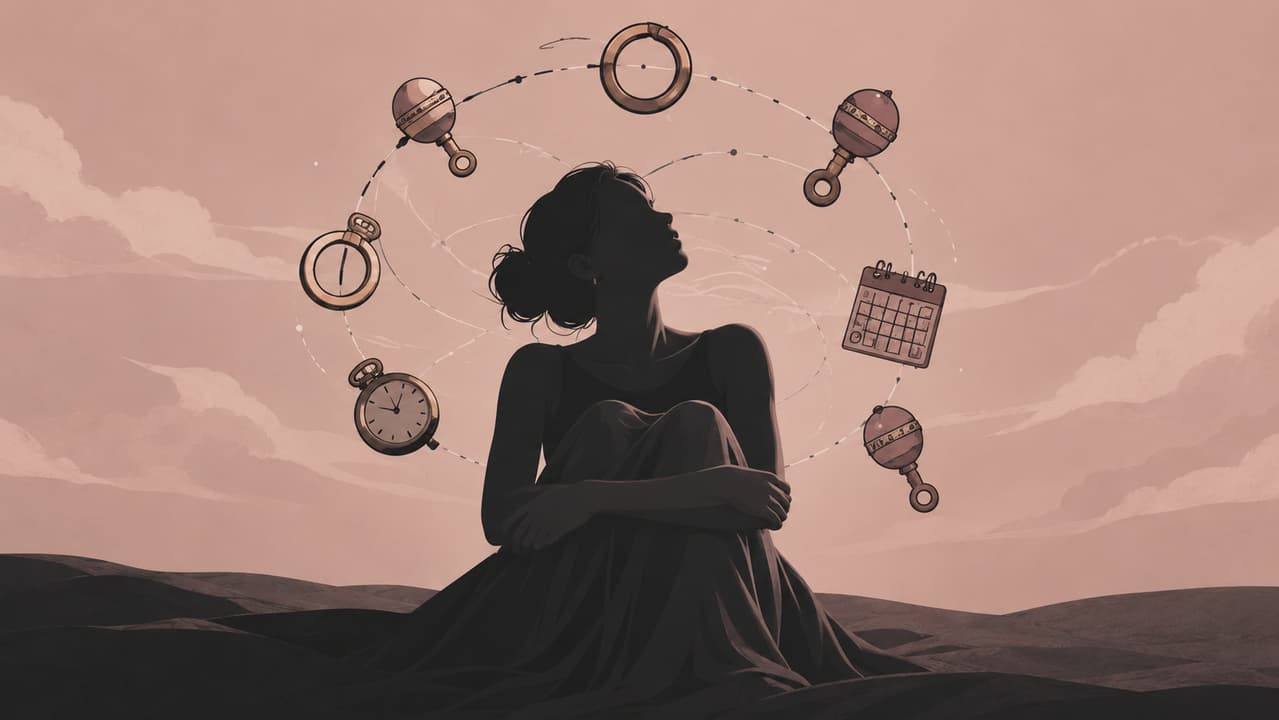
Success never quiets the anxiety underneath it. Hustle culture runs on karma — a restless cycle of chasing the next job, package, or achievement in hopes of filling an inner void. Young professionals in Bangalore who've "succeeded" on paper remain fearful, ashamed, and unsettled within, proof that success is a liar: it promises liberation but delivers only debt. Anxiety itself traces not to the future but to a present that's been neglected, and real freedom from restlessness begins only by turning inward.
धर्मग्रंथों को जाति-व्यवस्था के चश्मे से देखने के बजाय उनके मूल संदेश को समझना आवश्यक है। श्रुति का केंद्र जाति, लिंग या सामाजिक पहचान नहीं, बल्कि अहंकार और उससे मुक्ति है। पारंपरिक व्याख्या से अलग समझ को पुनर्व्याख्या मानकर खारिज करना उचित नहीं। वास्तविक अध्यात्म बाहरी पहचान नहीं, अपनी नीयत, भ्रम और कपट को ईमानदारी से देखने तथा आत्मबोध की ओर बढ़ने का आग्रह करता है।
Science can examine material claims, but Advaita Vedanta deals with the subjective self, ego, suffering, bondage, and liberation—areas outside science’s objective framework. Vedanta need not be accepted because of one’s religion or tradition; its value lies in whether its insights can be personally verified and help free one from suffering. The ultimate responsibility is not toward any philosophy, but toward oneself: to live a truly free life.
रक्षाबंधन केवल भाई-बहन के रिश्ते और सुरक्षा की रस्म तक सीमित नहीं होना चाहिए। आज असली रक्षा उन चीज़ों की ज़रूरत है जो कमज़ोर और संकट में हैं—गौरैया, नदियाँ, पहाड़, पेड़, महासागर और पृथ्वी। साथ ही ईमानदारी, आत्मज्ञान और मानवीय मूल्यों की भी रक्षा जरूरी है। धर्म कर्मकांड नहीं, अपनी शक्ति और उससे जुड़ी व्यापक ज़िम्मेदारी को समझना है।
Superhero films appeal to our desire to escape inner inadequacy through external power. The fantasy of an ordinary, fearful person becoming extraordinary reinforces the ego’s belief that more strength, money, possessions, or status will bring happiness. Consumerism follows the same pattern, endlessly adding objects to fill an inner void. Real freedom does not come from becoming more powerful or acquiring more, but from honestly seeing and understanding the ego that feels incomplete.
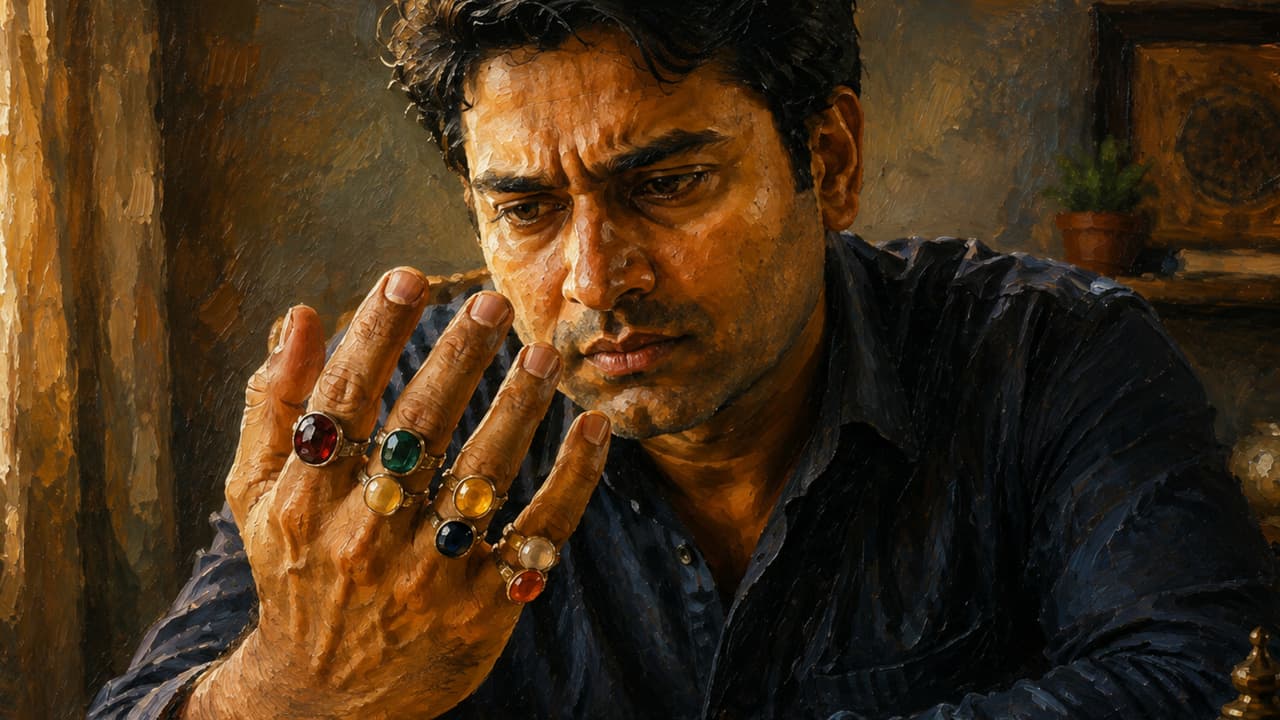
Questioning pseudo-science and superstition is the first step toward genuine freedom. Beliefs such as *Vastu, Kundli,* and *Muhurat* should not be accepted merely because they have been followed traditionally. Fear and attachment to privileges often prevent people from questioning authority. A truth-seeker must be willing to challenge age, status, and authority. Human progress has come through curiosity, inquiry, experimentation, and reason—not through blind obedience.
Desires and beliefs may keep changing, but the deeper tendency to believe, think, choose, and seek fulfilment often remains unchanged. Real transformation begins by examining this constant inner pattern rather than changing superficial preferences. Instead of seeking conclusions about greed or desire, honestly observe recurring behavior and support the truth you already recognize. Expressing that truth can dissolve false identities, relationships, and habits, creating space for genuine change.
True freedom begins when we question the beliefs that make us feel trapped. Most of our suffering comes not from circumstances but from unquestioned assumptions, attachments, and imagined obligations. By suspending our beliefs, even briefly, we allow truth to enter, revealing that life always offers choice. Transformation is born from love for truth, the courage to let go, and the willingness to step beyond the boundaries created by the ego.
True love is not a biological instinct, emotional attachment, or social conditioning. Biology and science explain the body's drives, but they cannot explain the self that seeks freedom. Love is the inner restlessness to move from ignorance and bondage toward truth and liberation. Religion is not rituals or inherited beliefs but this personal journey of understanding. Freedom—not possession or conformity—is the essence of both love and religion.
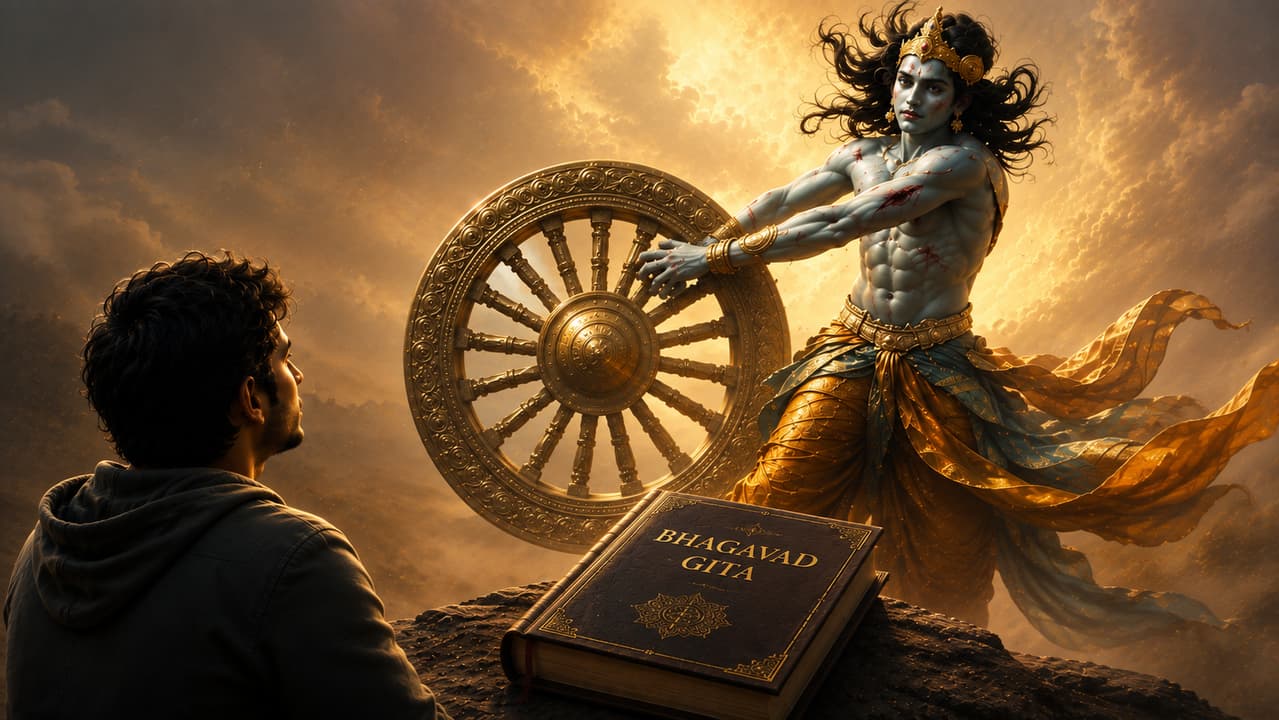
The Bhagavad Gita deserves reverence not because of inherited beliefs about its author, but because of its power to dissolve falsehood and reveal Truth. Real devotion is not ritual or blind faith—it is understanding, inquiry, and living the wisdom of the Gita. Through sincere study, one discovers the true meaning of Krishna, making the Gita the most authentic path to knowing and worshipping Him.
Real love is not measured by comfort, agreement, or preserving relationships at any cost. It is revealed when one has the courage to challenge falsehood, embrace uncomfortable truths, and even risk a relationship for another's freedom and growth. Truth is not a fixed destination but a continuous rejection of illusion. Genuine relationships, mature guidance, and authentic scriptures all serve as mirrors that help us see and dissolve our own falseness.
Truth cannot be forced upon anyone, but neither should falsehood be entertained. Genuine love is not about preserving relationships at any cost; it is about helping oneself and others break free from illusion, even if that means risking the relationship itself. Spiritual growth begins by questioning conditioning, examining falsehood without bias, and choosing authenticity over comfort. Real relationships are built on the courage to seek freedom, not convenience.
Professional success alone cannot create lasting self-esteem because as long as identity remains tied to the body, biological and social conditioning continue to define self-worth. True confidence arises not from achievements but from questioning inherited roles, challenging unconscious conditioning, and refusing to let biology or society dictate life's purpose. Real fulfillment begins when consciousness becomes greater than bodily identity.
The biggest weakness of modern education is not that it fails to keep pace with technology, but that it neglects self-knowledge. Students are trained to build identities around qualifications and careers, making them rigid in a world that demands constant change. Real adaptability, innovation, and lifelong learning come not from acquiring more skills, but from understanding oneself and letting go of fixed identities.
Humanity's greatest crisis arises from the imbalance between immense external progress and inadequate inner understanding. While technology, wealth, and knowledge have expanded unprecedentedly, unchecked desires and ignorance continue to fuel conflict, inequality, and environmental destruction. Sustainable change requires mass-based education of the self so individuals understand their motives and use science, technology, capital, and power with wisdom, responsibility, and inner clarity rather than unconscious craving.
श्रीकृष्ण, श्रीराम और अन्य अवतारों को केवल उनके मानवीय जीवन से समझना भ्रम पैदा करता है। साकार रूप सीमित होता है, जबकि उसका उद्देश्य मनुष्य को निराकार सत्य की ओर ले जाना है। देह, परिवार या घटनाओं में कमियाँ खोजने के बजाय उनके संदेश का सार समझना आवश्यक है। विवेक, कृतज्ञता और सही दृष्टि ही आध्यात्मिक समझ का आधार हैं, जबकि हर बात में दोष ढूँढ़ना केवल अहंकार को पोषित करता है।
What is the relationship between quantum physics, consciousness, and the ego? This dialogue explores where scientific inquiry ends and self-enquiry begins. Through Vedanta, Acharya Prashant explains why the ego clings to its own existence, how beliefs and superstition shape our lives, and why lasting freedom lies beyond conditioned thinking.
Vedanta reveals that freedom is impossible as long as the ego seeks to preserve itself. Meditation may bring temporary calm, but real transformation begins only when the false sense of individuality dissolves. Whether through devotion or knowledge, every genuine spiritual path culminates in the complete dissolution of the seeker into Truth. Liberation is not the experience of Truth by an individual—it is the end of the individual who wants to experience Truth.
अज्ञान भय पैदा करता है, जबकि ज्ञान से आनंद और मस्ती जन्म लेते हैं। सच्ची मित्रता, प्रेम और शांति किसी को पकड़ने से नहीं, बल्कि स्वतंत्रता देने से मिलते हैं। मन स्वयं चंचल नहीं होता; उसमें क्या भरा जाए, यह हमारी सजगता तय करती है। जीवन का उद्देश्य केवल जानकारी जुटाना नहीं, बल्कि ज्ञान से प्रेम करना, प्रश्न करना, आत्मावलोकन करना और अपने भ्रमों को पहचानकर भीतर की स्वतंत्रता की ओर बढ़ना है।
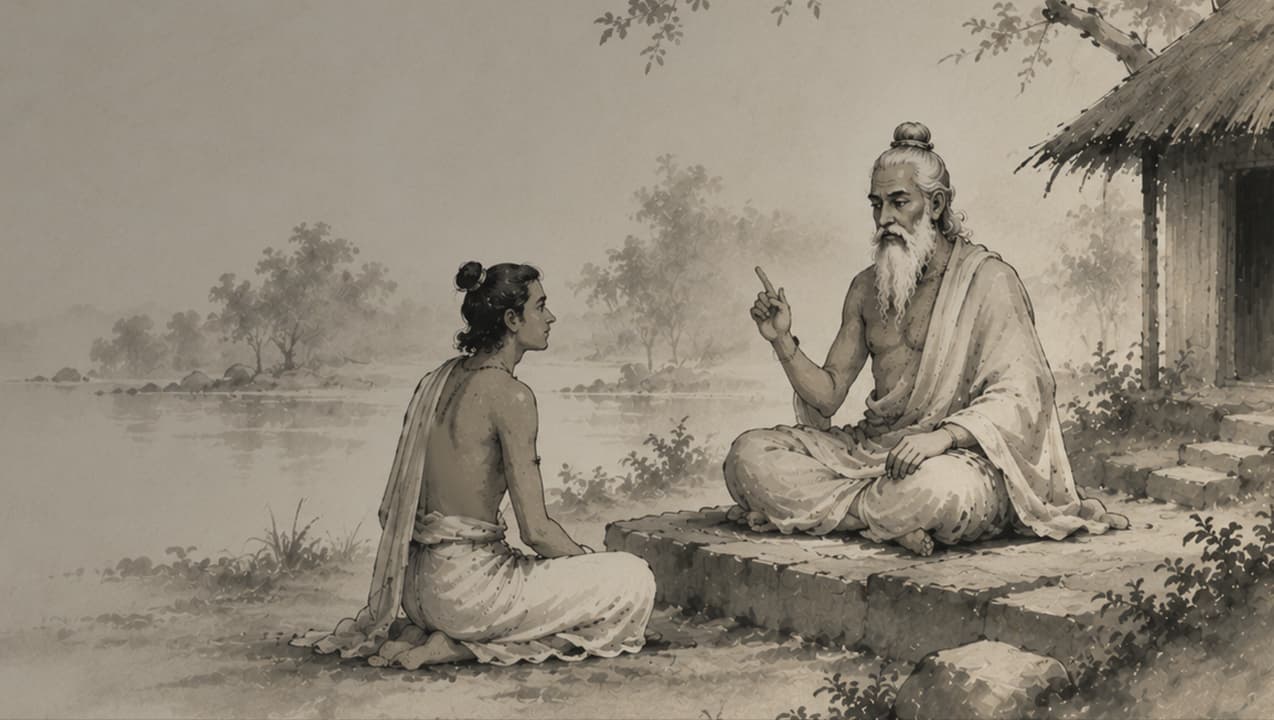
वक्ता :गुरु और शिष्य की कहानी है। उनके संबंधों के विषय में है। अहं की आग सीने में धकधक जल रही है। अहं कहता है, “मुझे मान्यता मिले, स्वीकृति मिले, प्रशंसा मिले”।…
A modern woman calls herself liberated, yet lives anxious — anxious about age, desirability, marriage, motherhood. Acharya Prashant exposes this anxiety as proof that feminism never touched the real wound: centuries of conditioning that reduced women to bodies for pleasure and reproduction. External equality isn't enough. True freedom demands she reject the entire inheritance of tradition and simply become human — not woman, not wife, not mother by decree, but free.
प्रेम की गहराई हमेशा प्रेमी की अपनी चेतना जितनी होती है — जो जैसा है, उसका प्रेम भी वैसा ही होगा, चाहे उसे कितना भी पावन या अनोखा क्यों न मान लिया जाए। जिस चेतना ने खुद को कभी गहराई से नहीं जाना, वह प्रेम में भी सतह से आगे नहीं जा सकती। जो कोई अपने प्रेम को गहराई से परखने से बचता है, वह असल में खुद को परखने से बच रहा होता है — और यही बचाव, प्रेम के नाम पर पाला गया एक और भ्रम है।
Excerpts from Articles
सपने, सरकारी नौकरी और पेंशन: जवानी किसके लिए है?
सपनों और सामाजिक प्रतिष्ठा के पीछे भागते हुए युवा अक्सर अपनी वास्तविक क्षमता, रुचि और वर्तमान चुनौतियों को देखना भूल जाते हैं। आईआईटी, यूपीएससी, सरकारी नौकरी और पेंशन को जीवन का लक्ष्य मान लेने के बजाय ज़रूरी है आत्मज्ञान—ख़ुद को ईमानदारी से परखना। जवानी भविष्य की सुरक्षा की चिंता में नहीं, आज की वास्तविक चुनौतियों से जूझने और सार्थक कर्म में लगनी चाहिए।
कई तरह के डर—अकेले पड़ने, छवि खोने या छोटा समझे जाने—की जड़ अक्सर अतीत में बनी पहचान और कहानियों में होती है। शरीर की हाइट जैसी चीज़ों को समस्या मानकर उनसे जूझने के बजाय उनकी अप्रासंगिकता को समझकर आगे बढ़ना चाहिए। अतीत को दबाने से मुक्ति नहीं मिलती; उसके करीब जाकर अपनी स्मृतियों, धारणाओं और पुराने पैटर्न को निष्पक्षता से देखना ज़रूरी है।
अंधविश्वास या किसी दावे को केवल किताबों, परंपराओं या बड़ी-बड़ी हस्तियों के कहने से नहीं मानना चाहिए। भौतिक जगत से जुड़े हर दावे के लिए प्रमाण माँगना आवश्यक है। जो बात जाँची-परखी जा सकती है, उसे तर्क, प्रयोग और उपकरणों से जाना जाए; बिना जाने नहीं माना जाए। सच्ची जिज्ञासा वही है जो हर दावे के सामने प्रश्नचिह्न रखे और प्रमाण मिलने पर ही स्वीकार करे।
जो खुद आज़ाद नहीं, वह लोकतंत्र को मजबूत कैसे करेगा?
लोकतंत्र, गणतंत्र और स्वतंत्रता केवल संविधान में लिखे शब्द नहीं, बल्कि जागरूक नागरिक की चेतना पर निर्भर हैं। वास्तविक स्वतंत्रता मनमानी करने की छूट नहीं, बल्कि भीतर घुसे भय, लालच, अंधविश्वास, पूर्वाग्रह और बाहरी प्रभावों से मुक्ति है। जब नागरिक अपने ही विचारों और मान्यताओं की जाँच नहीं करता, तो लोकतंत्र भीड़तंत्र और संप्रभुता खोखली बन सकती है।
ज्योतिष कितना सच है? कुंडली, ग्रह-नक्षत्र: इनका क्या अर्थ है?
वेदांत को केवल इसलिए सही या श्रेष्ठ नहीं माना जा सकता कि वह किसी विशेष परंपरा से आता है। विज्ञान जहाँ भौतिक जगत की वस्तुनिष्ठ जाँच करता है, वहीं अद्वैत वेदांत सीधे मनुष्य के ‘मैं’, उसके दुख, बंधन और मुक्ति की पड़ताल करता है। इसकी कसौटी वैज्ञानिक प्रमाण नहीं, बल्कि अपने जीवन में इसकी सच्चाई को देख पाना है। किसी दर्शन को मान लेना नहीं, बल्कि उससे स्वयं को मुक्त करना ही उसका वास्तविक उद्देश्य है।
रक्षाबंधन केवल भाई-बहन के रिश्ते और सुरक्षा की रस्म तक सीमित नहीं होना चाहिए। आज असली रक्षा उन चीज़ों की ज़रूरत है जो कमज़ोर और संकट में हैं—गौरैया, नदियाँ, पहाड़, पेड़, महासागर और पृथ्वी। साथ ही ईमानदारी, आत्मज्ञान और मानवीय मूल्यों की भी रक्षा जरूरी है। धर्म कर्मकांड नहीं, अपनी शक्ति और उससे जुड़ी व्यापक ज़िम्मेदारी को समझना है।
Justice Without Boundaries: Why Compassion Cannot Stop at Species
Oppression should not see caste, gender, creed or colour, and it should not see species either. The moral threshold is sentience, not intelligence. An animal feels pain as fully as a human does, whether or not it can explain its suffering.
फ़ालतू खर्च छोड़िए, अपनी ज़िंदगी पर खर्च करना सीखिए
आचार्य प्रशांत बताते हैं कि क्यों हम सही खान-पान, स्वास्थ्य और अपने ऊपर ज़रूरी खर्च से बचते हैं, लेकिन दिखावे और फ़ालतू सामाजिक परंपराओं पर पैसा बहा देते हैं। अधिकांश लोगों के लिए समस्या सिर्फ़ पैसों की कमी नहीं, बल्कि विवेक और सही प्राथमिकताओं की कमी भी है।
Climate change is more than an environmental crisis—it is a crisis of human choices. Our patterns of consumption, consumerism and endless pursuit of more are putting increasing pressure on the planet. But meaningful change does not necessarily begin with new technology or stricter policies. It begins with a deeper question: what are we willing to change within ourselves?
Struggling to choose between a secure job and the path you actually feel drawn to? This isn't really a question about careers. It's about why other people's opinions have so much power over you in the first place. Real clarity doesn't come from finding the 'right' choice. It comes from honestly looking at your own fear, again and again, until it stops running the decision for you.
एक पुजारी जो रोज़ भूत-प्रेत, तंत्र-मंत्र और वशीकरण के नाम पर आए लोगों से मिलता है, आचार्य प्रशांत से पूछता है: जब वो ख़ुद जानता है कि कुछ भूत-चुड़ैल नहीं होता, तो लोग बार-बार इसी झूठ की शरण में क्यों जाते हैं? जवाब अंधविश्वास से कहीं गहरा निकलता है — यह हमारे भीतर के उस झूठ की कहानी है, जिसे हम हर कीमत पर बचाना चाहते हैं।
Climate change is more than an environmental crisis—it is a crisis of human choices. Our patterns of consumption, consumerism and endless pursuit of more are putting increasing pressure on the planet. But meaningful change does not necessarily begin with new technology or stricter policies. It begins with a deeper question: what are we willing to change within ourselves?
8
आध्यात्मिकता का उद्देश्य व्यक्ति को बाहरी अधिकारों से आगे आंतरिक स्वतंत्रता की ओर ले जाना है। विज्ञान और संविधान अपने-अपने क्षेत्र में महत्वपूर्ण हैं, लेकिन आत्म-भ्रम, गलत चुनाव और अहंकार से मुक्ति का मार्ग आत्मज्ञान से खुलता है। सच्चा गुरु शिष्य को निर्भर नहीं, स्वतंत्र बनाता है। साथ ही, शिष्य का आचरण उसके गुरु और शिक्षा का प्रतिनिधित्व करता है, इसलिए उसे नकल नहीं, समझ और विवेक के साथ जीना चाहिए।
2
वेदांत को केवल इसलिए सही या श्रेष्ठ नहीं माना जा सकता कि वह किसी विशेष परंपरा से आता है। विज्ञान जहाँ भौतिक जगत की वस्तुनिष्ठ जाँच करता है, वहीं अद्वैत वेदांत सीधे मनुष्य के ‘मैं’, उसके दुख, बंधन और मुक्ति की पड़ताल करता है। इसकी कसौटी वैज्ञानिक प्रमाण नहीं, बल्कि अपने जीवन में इसकी सच्चाई को देख पाना है। किसी दर्शन को मान लेना नहीं, बल्कि उससे स्वयं को मुक्त करना ही उसका वास्तविक उद्देश्य है।
2
We often call something “help” or “love” while secretly expecting something in return. When that return does not come, we feel hurt, revealing that the relationship was a trade, not genuine help. The ego, being unfulfilled, cannot truly love or share. Likewise, desperation to be loved makes us controllable. Real love emerges when we stop seeking validation, work on ourselves, and become so inwardly fulfilled that we no longer need to be loved.
2
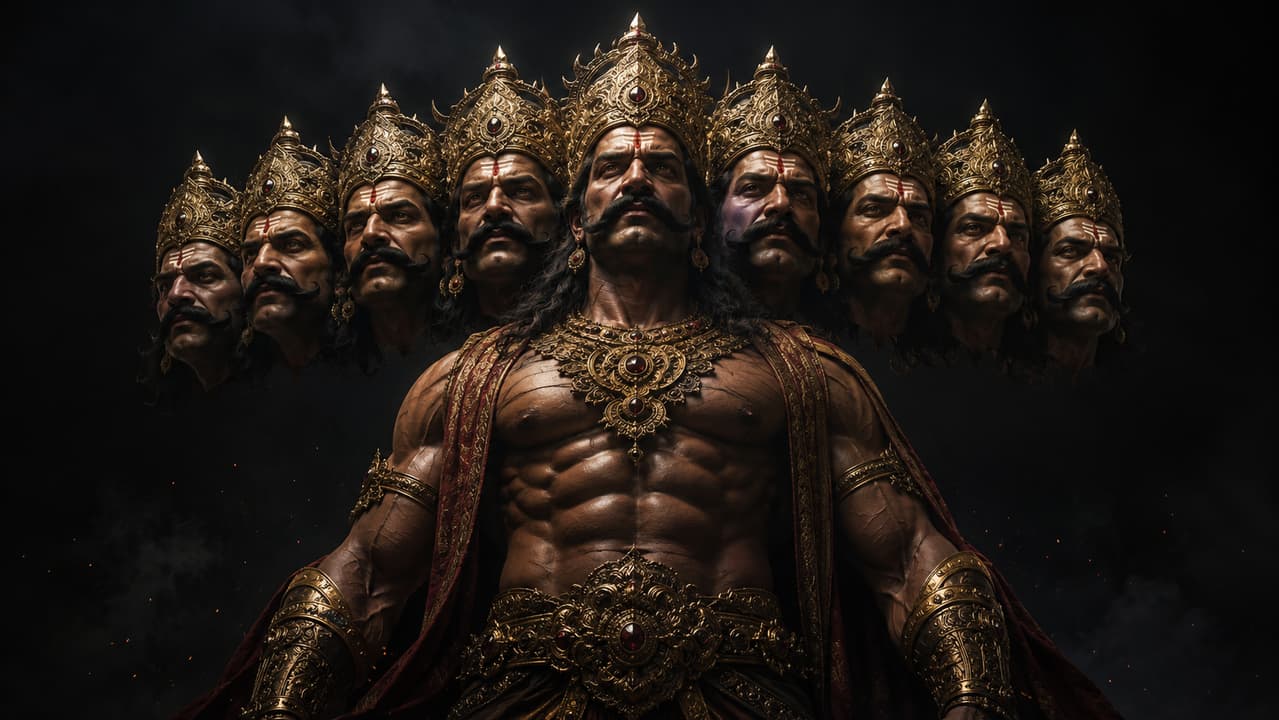
Knowledge alone cannot transform life; it can become another object of the ego. True knowledge is self-knowledge—a mirror that exposes and destroys false ideas about oneself. Ravana may have been knowledgeable, but without self-knowledge, knowledge can become a tool for exploitation. Wisdom is not something to acquire; it is innate. Self-knowledge is the process of unbecoming unwise by clearing away the nonsense we have gathered.
“फॉलो योर पैशन” तभी सार्थक है, जब वह सचमुच आपका अपना हो। अक्सर जिसे हम अपनी पसंद, पैशन या इच्छा मानते हैं, वह समाज, परिवार, संस्कार और परिस्थितियों से भीतर बैठा हुआ प्रभाव होता है। वास्तविक स्वतंत्रता न बाहरी दबाव में जीने में है, न भीतर की कंडीशनिंग का गुलाम बनने में। आत्मनिरीक्षण से सही कर्म की स्पष्टता आती है और बिना बिके, बिना डरे एक गरिमापूर्ण जीवन जिया जा सकता है।
स्वतंत्रता दिवस को केवल उत्सव नहीं, बल्कि आत्मावलोकन और सतर्कता दिवस की तरह देखने की आवश्यकता है। भारत की परतंत्रता के पीछे रहे आंतरिक कारणों को समझना ज़रूरी है, क्योंकि राजनीतिक स्वतंत्रता के बावजूद लोकधर्म, अंधविश्वास, जातिगत विभाजन, ज्ञान-विज्ञान की उपेक्षा, परंपरागत जड़ता और आत्मबल की कमी आज भी मौजूद हैं। वास्तविक देशभक्ति इन बंधनों को पहचानकर ज्ञान, आत्मनिर्भरता, वैज्ञानिक दृष्टि और जागरूक नागरिकता विकसित करने में है।
3
लोकतंत्र, गणतंत्र और स्वतंत्रता केवल संविधान में लिखे शब्द नहीं, बल्कि जागरूक नागरिक की चेतना पर निर्भर हैं। वास्तविक स्वतंत्रता मनमानी करने की छूट नहीं, बल्कि भीतर घुसे भय, लालच, अंधविश्वास, पूर्वाग्रह और बाहरी प्रभावों से मुक्ति है। जब नागरिक अपने ही विचारों और मान्यताओं की जाँच नहीं करता, तो लोकतंत्र भीड़तंत्र और संप्रभुता खोखली बन सकती है।
नाम जप तभी उपयोगी साधना बनता है जब जपे जाने वाला नाम किसी छवि, व्यक्ति, कहानी या सांसारिक विषय की ओर संकेत न करे। सामान्य नाम मन में इच्छाओं और अहंकार से जुड़े विषयों को मजबूत करते हैं, जबकि निर्गुण नाम मन को उन विषयों के बोझ से हल्का कर सकता है। इसलिए नाम जप का उद्देश्य किसी कल्पित रूप की पूजा करना नहीं, बल्कि अपनी सीमित पहचान से आगे जाने की आकांक्षा, यानी मुमुक्षा, को जगाना है।
1
Question: Why do I feel lost?
Acharya Prashant: Because, you are asking this question.
We ‘think’ that we are lost, equally, we ‘think’ that we are not lost. The same place from where the thought, the perception of being lost, or not lost arises, that place is the same place…
2
Friendships naturally change as people follow different paths in life. When you remain focused on your true purpose, you stop clinging to those who only accompany you briefly. Instead of dwelling on memories or fearing others' intentions, examine your own expectations and self-deception first. Honest self-awareness brings clarity, wiser relationships, and the freedom to move forward without resentment or attachment.
सच्चा गुरु या मित्र पूजा का विषय नहीं, बल्कि दर्पण होता है, जो बिना स्वार्थ हमारी वास्तविक स्थिति दिखाता है। आध्यात्मिक मार्ग पर अंधभक्ति नहीं, बल्कि प्रेम, कृतज्ञता और व्यक्तिगत ज़िम्मेदारी आवश्यक है। मुक्ति किसी गुरु के भरोसे नहीं मिलती; स्वयं को बदलने का साहस स्वयं जुटाना पड़ता है। गुरु का कार्य केवल सत्य का प्रतिबिंब दिखाना है, चलना साधक को ही होता है।
मनुष्य का सबसे बड़ा बंधन परिस्थितियाँ नहीं, बल्कि उनकी अनिवार्यता से जुड़ी मान्यताएँ हैं। हम जिन चीज़ों को अपरिहार्य मानकर पकड़े रहते हैं, वही हमारे दुख का कारण बनती हैं। समाधान समस्याओं से लड़ने में नहीं, बल्कि अपनी मान्यताओं को निष्पक्ष होकर देखने में है। जैसे ही मन कुछ क्षणों के लिए अपने पूर्वाग्रहों को स्थगित करता है, सत्य की झलक मिलती है। वही झलक भीतर प्रेम जगाती है, और वही प्रेम व्यक्ति को अपने बंधनों को छोड़कर स्वतंत्रता, सत्य और वास्तविक जीवन की ओर बढ़ने का साहस देता है।
प्रेम का मार्ग सुरक्षा नहीं, बल्कि घायल होने का साहस माँगता है। जो चोट, हार, पीड़ा और ठगे जाने से डरता है, वह सत्य और प्रेम तक नहीं पहुँच सकता। अहंकार हर कीमत पर जीत चाहता है, जबकि प्रेम हारना, झुकना और दर्द को स्वीकारना सिखाता है। जो छोटी-छोटी हारों का अभ्यास करता है, वही अंततः अहंकार हारकर हरि को पा सकता है। सच्ची शक्ति दूसरों को हराने में नहीं, बल्कि प्रेम के लिए स्वयं घायल होने में है।
भारत में जाति केवल सामाजिक या कानूनी समस्या नहीं, बल्कि धर्म से जुड़ चुकी मानसिक संरचना बन गई है। इसलिए संविधान, कानून और समाज-सुधार के प्रयास इसे समाप्त नहीं कर पाए। जन्म-आधारित जाति का आधार वैदिक दर्शन नहीं, बल्कि बाद की विकृत धार्मिक व्याख्याएँ हैं। जाति तभी समाप्त होगी जब धर्म अपने मूल वेदान्त और अद्वैत स्वरूप की ओर लौटे, जहाँ मनुष्य की पहचान जन्म से नहीं, सत्य से होती है।
Share
1
मन पर बाहरी प्रभाव पड़ना स्वाभाविक है, लेकिन जीवन का संचालन उन प्रभावों से नहीं, अपने विवेक से होना चाहिए। जानकारी बाहर से आती है, पर उसे समझना, परखना और सही निर्णय लेना हमारी आंतरिक क्षमता है। जो व्यक्ति अपने विवेक को जागृत रखता है, वही विचारों का स्वामी बनता है; अन्यथा वह केवल परिस्थितियों और दूसरों की धारणाओं का अनुयायी बनकर रह जाता है।
Victory is not decided by the trophy you hold but by the battle you choose to fight. Real strength lies in making the right decisions, staying true to your deepest values, and refusing to be ruled by fear or circumstances. When your actions arise from clarity rather than ambition, the outcome loses its power over you. The moment you choose the right path, you have already won.
अध्यात्म यह नहीं सिखाता कि बाहरी प्रभावों से बचो, बल्कि यह सिखाता है कि उनके दास मत बनो। जानकारी, विचार और अनुभव बाहर से ही आते हैं, लेकिन उन्हें समझने और उनके आधार पर निर्णय लेने का अधिकार आपके विवेक का है। वास्तविक स्वतंत्रता तब है जब जीवन बाहरी प्रभावों से नहीं, बल्कि अपने विवेक से संचालित हो। मन बाहरी प्रभावों पर आश्रित हो सकता है, लेकिन आप केवल मन नहीं हैं ।
1
Technology is neither good nor bad by itself; its impact depends on the person using it. When it replaces independent thinking, confidence, and real-life abilities, it becomes a crutch instead of a source of progress. True advancement requires human maturity to grow alongside technological power. Without inner responsibility, every new innovation risks amplifying the same old weaknesses instead of creating a better future.
तकनीक अपने-आप में समस्या नहीं है। असली प्रश्न यह है कि उसका उपयोग कौन और किस मानसिक अवस्था से कर रहा है। यदि भीतर भय, असुरक्षा और निर्भरता है, तो तकनीक सुविधा देने के बजाय बैसाखी बन जाती है। तब संवाद कृत्रिम हो जाता है, ज्ञान सतही रह जाता है और शक्ति विनाश का साधन बनती है। बाहरी प्रगति तभी सार्थक है जब उसके साथ भीतर की परिपक्वता और विवेक भी विकसित हों; अन्यथा हर नई तकनीक हमारी कमज़ोरियों को ही और बढ़ा देती है।
2
Modern life is increasingly driven by materialism, social validation, and the desire to impress, leaving authenticity behind. When image becomes more important than substance, relationships, education, and success turn into performances rather than expressions of truth. Real transformation begins with inward honesty—the courage to stop seeking approval, confront inner emptiness, and choose authenticity over appearances, imitation, and external validation.
The Bhagavad Gita is not a separate spiritual path or an escape from everyday life - it is a mirror that reveals the truth of your present life. Real spirituality begins with self-observation, not rituals or temporary practices. Lasting transformation comes when work, relationships, career, and personal growth become one integrated life driven by awareness, love, and freedom rather than ego, fear, money, or social pressure.
क्या सभी गुरु और ग्रंथ व्यर्थ हैं, या यह भी अहंकार का एक नया रूप है? इस संवाद में आचार्य प्रशांत बताते हैं कि सत्य का कोई निश्चित मार्ग नहीं, लेकिन इसका अर्थ यह नहीं कि गुरु और शास्त्रों का महत्व समाप्त हो जाता है। वे मौलिकता, कृतज्ञता और बौद्धिक ईमानदारी पर ज़ोर देते हुए समझाते हैं कि जिसने जहाँ से सीखा है, उसका स्वीकार आवश्यक है। साथ ही चेतावनी देते हैं कि "मैं स्वयं ही पर्याप्त हूँ" का विचार भी अहंकार का सूक्ष्म खेल बन सकता है।
डर और जड़ता से बाहर निकलने का रास्ता किसी बड़े बदलाव से नहीं, बल्कि एक छोटे-से सही कदम से शुरू होता है। अपनी समस्याओं का बार-बार विश्लेषण और वर्णन करने के बजाय उनसे दूर जाने का निर्णय आवश्यक है। सत्य के प्रति प्रेम जागने पर भय अपने-आप पीछे छूट जाता है और साहस जुटाना नहीं पड़ता। सही संगति, अनुकूल वातावरण और आत्मिक विकास के अवसरों को अपनाने से परिवर्तन सहज होने लगता है। अपनी कमजोरियों से मोह रखने के बजाय उनके प्रति वैराग्य विकसित करना ज़रूरी है। शिकायत, बहाने और आत्म-दया में उलझे रहने से कुछ नहीं बदलता; निर्णायक कर्म, सत्य के प्रति प्रेम और वर्तमान स्थिति के विरुद्ध विद्रोह ही ऊँचे जीवन की वास्तविक शुरुआत हैं.
1
Superstition does not begin with rituals alone; it begins with unquestioned beliefs about the self. Science can remove many false beliefs, but complete freedom requires Self-knowledge. Vedanta, philosophy and meditation help expose the ego, making awakening possible. Religion becomes meaningful only when it encourages Self-knowledge rather than blind belief. Real freedom comes not from accepting inherited ideas but from understanding oneself through direct observation and awareness.
किसी प्रदेश की समृद्धि केवल प्राकृतिक संसाधनों से नहीं, बल्कि वहाँ के लोगों की चेतना, शिक्षा और विवेक से तय होती है। खनिज स्वयं विकास नहीं लाते; यदि समाज जागरूक न हो तो वही संसाधन शोषण और भ्रष्टाचार का कारण बन जाते हैं। सच्ची संपदा धरती के नीचे नहीं, मनुष्य के मस्तिष्क में होती है। विद्या और आत्मज्ञान ही किसी राज्य या राष्ट्र को वास्तविक अर्थों में समृद्ध और स्वतंत्र बनाते हैं।