Recent
Climate Change
30min642reads52471
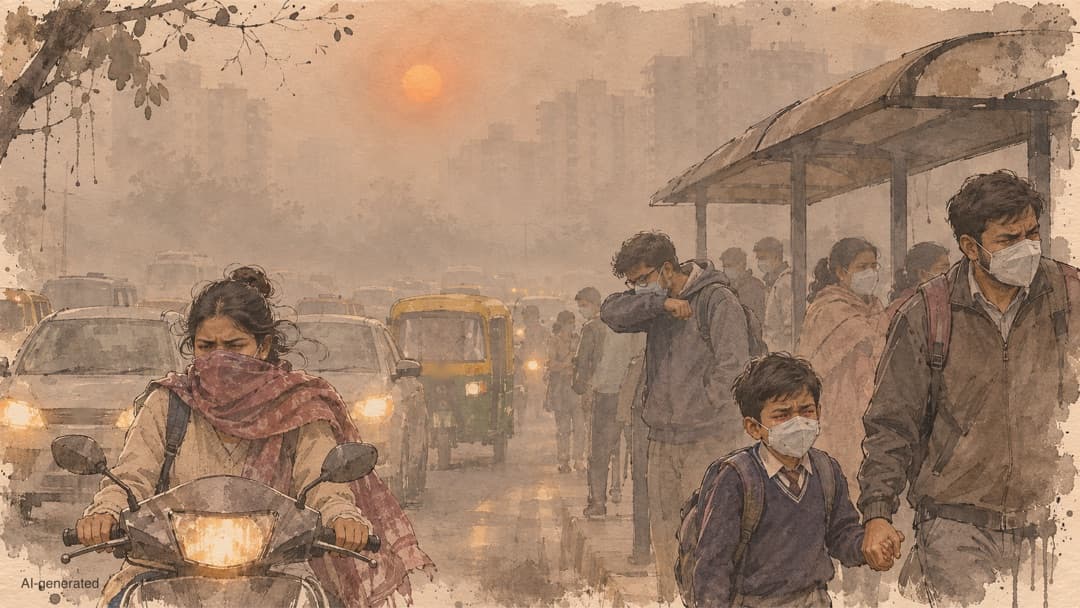
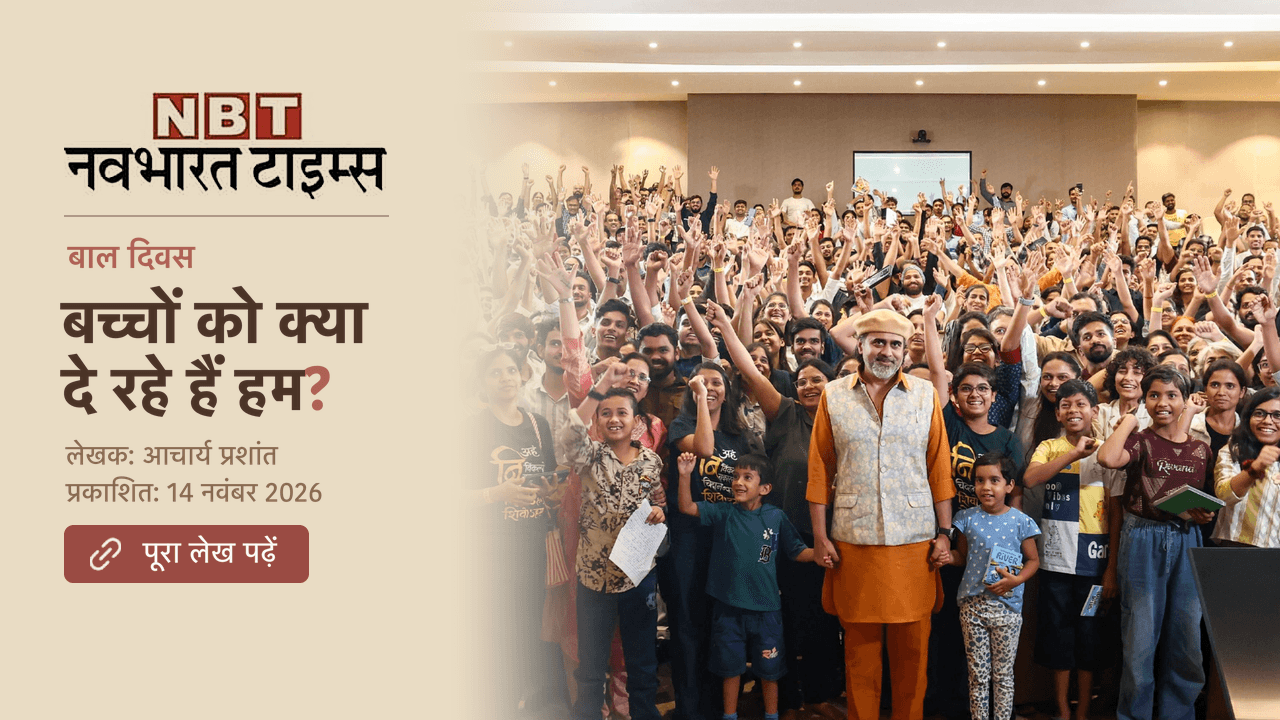
दिल्ली की हवा ज़हर बन चुकी है, गला जलता है, आँखों से पानी बहता है, फिर भी कहीं कोई आवाज़ नहीं उठती। क्योंकि हम तुरंत नहीं मर रहे। जलाने से धुआँ उठता है, और वही धुआँ AQI बन जाता है। और जलाना इसलिए है क्योंकि हमें और चाहिए: और कमाओ, और ख़रीदो, और भोगो। माल के साथ हमें मृत्युदंड भी मिल रहा है, पर हम समझते ही नहीं। जो सुख कुछ जलाए बिना मिलता है, एक किताब, एक गहरी बातचीत, नदी में तैरना, क्या हम उसे फिर से जान पाएँगे?
Suffering
15min61reads4
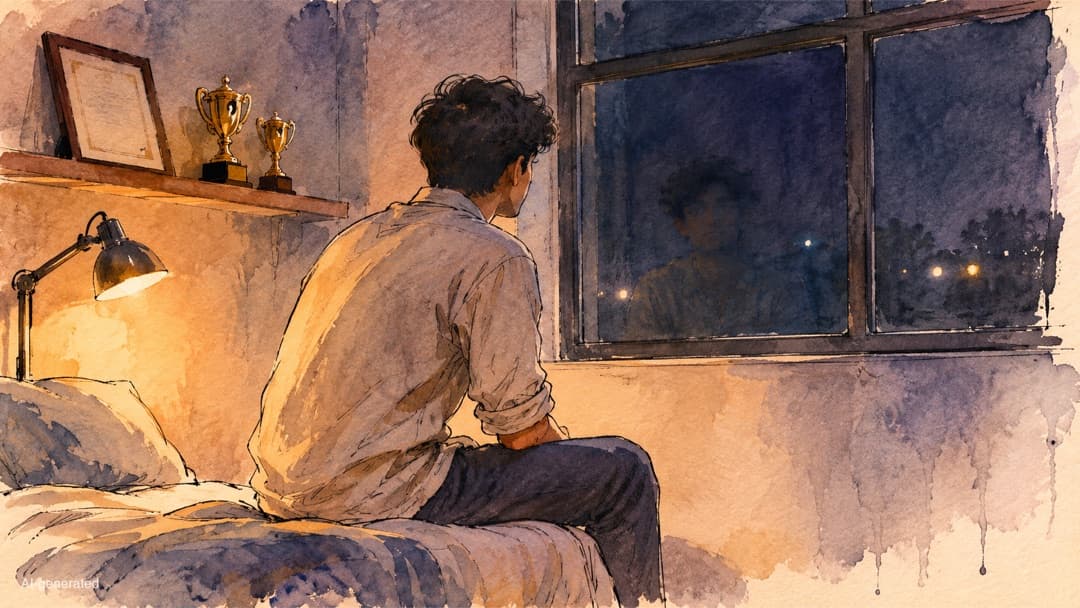
We sharpen the brain, collect the degrees, climb the ladder, and still feel strangled from within. The brain struggles with a hard maths problem, but who struggles with life? It is the one who uses the brain, the body and every opportunity, and calls all of it “mine”. We never examine that user, so its first claim, “I am important”, goes unchecked, and every value we build on it inherits the flaw. We chase prizes that give very little. Can we look at the one who is chasing?
Ego
10min121reads4
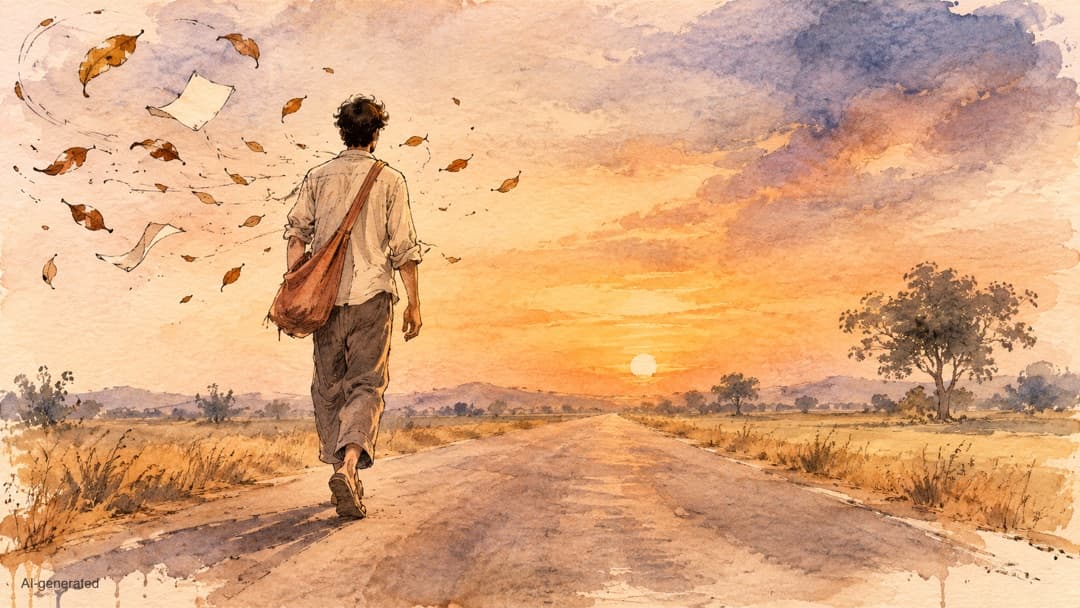
We drop the distractions, return to the work we know is right, and before long the mind is cluttered again. So we start sorting the noise: what is it, where is it from, why now? But nobody studies a trash bin while walking past it, and nobody gets off a train because the coach stinks. The turbulence comes from the part of us that is always at war with the part that knows what is right, and no one should expect a smooth road. Are we stuck because of the noise, or because we stopped?
Bhagavad Gita
10min230reads104
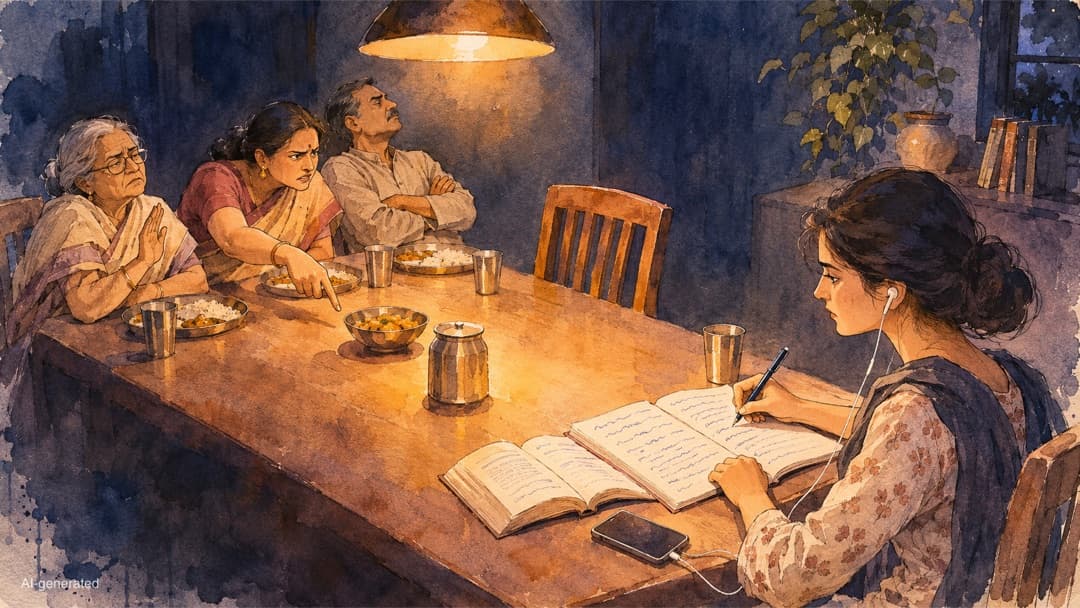
दूसरों की नज़र में हम अच्छे चरित्र के हैं, और यह प्रमाण पत्र छूट न जाए, इसलिए कामनाएँ दबाते हैं। फिर रात के तीन बजे, बिना बत्ती जलाए, धीरे से फ़्रिज खोलते हैं, और हर आहट पर दिल धड़कता है कि कोई देख न ले। दुख भी पूरा, पाखंड भी। फिर भी हम इसे छोड़ते नहीं, क्योंकि इंसान को अपने आप को ऊँचा और दूसरे को नीचा दिखाना है, और धर्म का सहारा मिल जाए तो बड़ा मज़ा आता है। जितना ऊँचा दावा, उतने ऊँचे दाँव। क्या हम कामना से डरते हैं, या उस प्रमाण पत्र के छिन जाने से?

Ego
12min82reads5
Many of us know the squeeze: a job that earns a living by making people want one more thing, and a nagging sense that this is not the life we want. It feels as though the world is pressing us into a deal. But a deal is signed, not imposed. The world offers a contract and something in us says yes, because it expects something in return. Can we be pressured by anyone we expect nothing from? Before asking whether to quit, can we look honestly at who is accepting the offer?

Suffering
12min147reads110
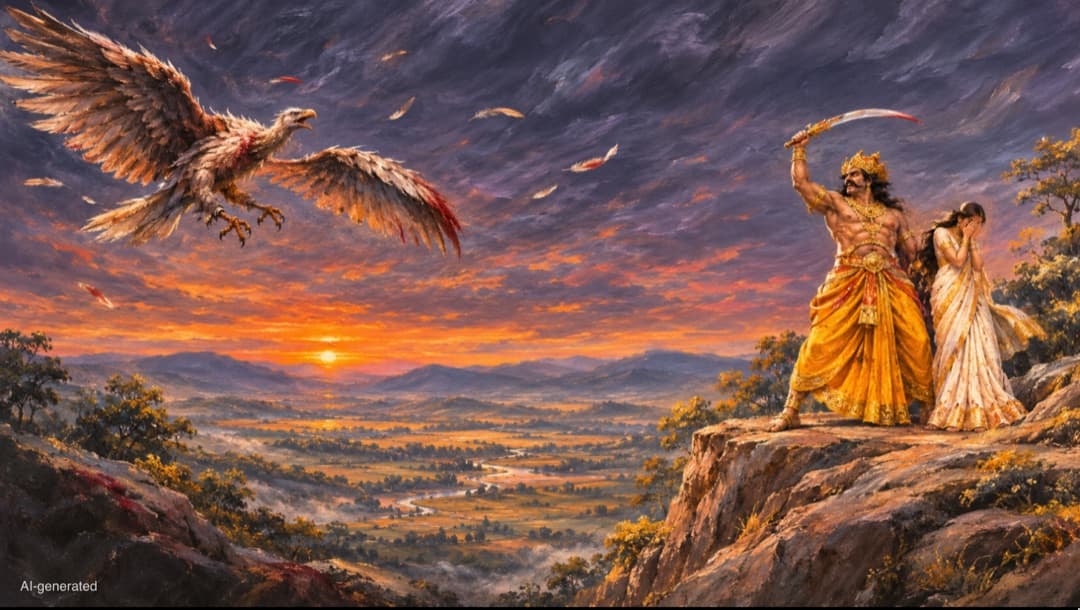
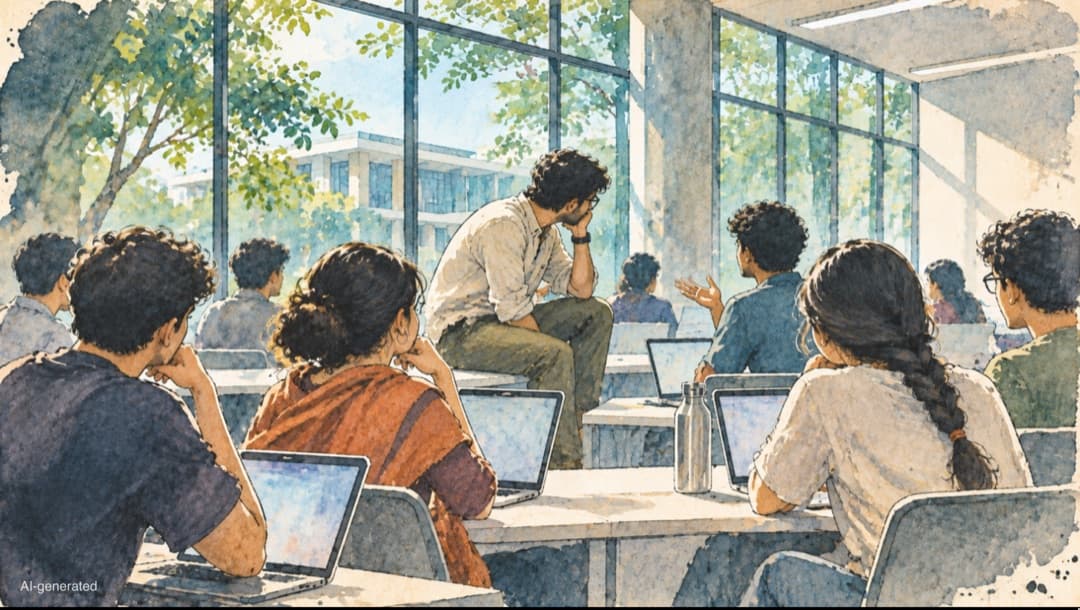
Someone asks how we are, and we say, “I am so good. I’m doing so well.” Then comes 3 a.m., and we know better. Nobody outside can check that claim, so the talk says an inner claim can be falsified only in the first person. Science runs on peer review; self-inquiry does not. A mirror can show where we stand, but whether we accept what it shows depends on honesty. Which of our own claims have we never allowed to be tested?



Ego
15min177reads7
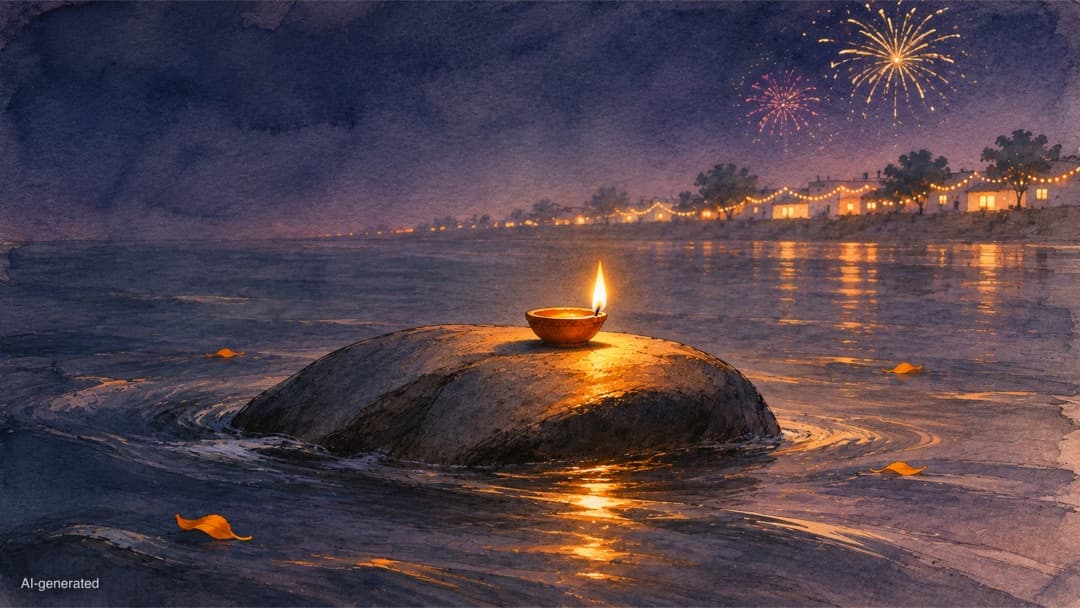
Many of us feel a small chill when a machine explains, writes or solves faster than we can. If being clever was what made us feel worth something, what is left? Cleverness was never intelligence. It was a favourite toy, and we built our self-esteem around it. Intelligence is the moment we look at ourselves and say, “Enough, I want to thin down.” The toy is gone, and we are not going anywhere. What would we be if our worth did not rest on being clever?
Saint Kabir
26min232reads12
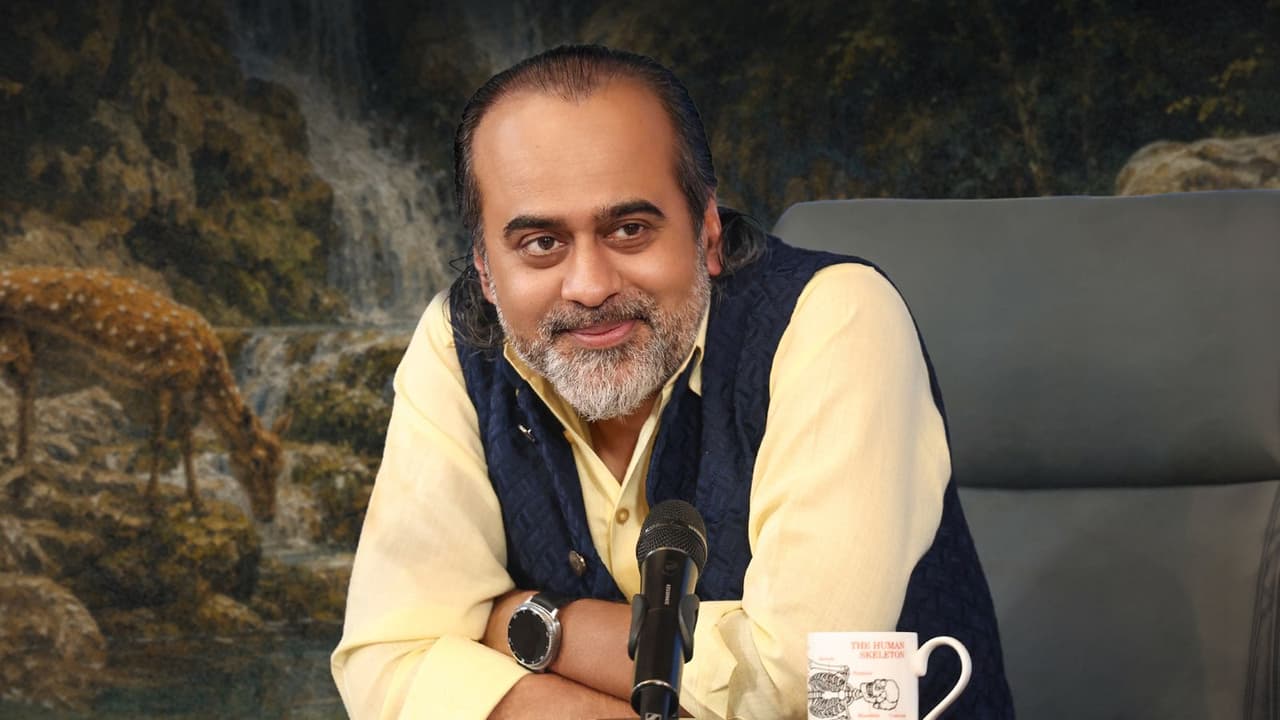
जो चाहते हैं, वह हो नहीं रहा। जो नहीं चाहते, उसके हो जाने का डर है। जो प्यारा है, उसे जाने से कैसे रोकें? ऐसे हम रोज़ मरते हैं, शरीर की मौत से पहले सौ बार। वजह एक है: हमने अपने मकान की नींव नदी में बहते पत्थर पर रखी है। ‘मैं’ अकेला जी नहीं सकता, उसे हर बार कोई विषय चाहिए, और हर विषय बह रहा है। कबीर साहब कहते हैं, “एक कबीरा ना मरे, जाके राम आधार।” दीवाली राम का पर्व है। क्या हम देख रहे हैं कि इसे किस आधार पर मना रहे हैं?
Truth
11min89reads1
First the board percentage, then the CGPA, the money, the house: we keep ticking things off and reaching for the next, as if we were items on a conveyor belt that started the day we were born. When we do not know what we want, we end up wanting everything. The same unexamined words, success, love, settling down, decide what we call a true calling. If the seeker is false, how can what we seek be true? What if we first looked honestly at our own ideas of life and success?
Ego
16min95reads4
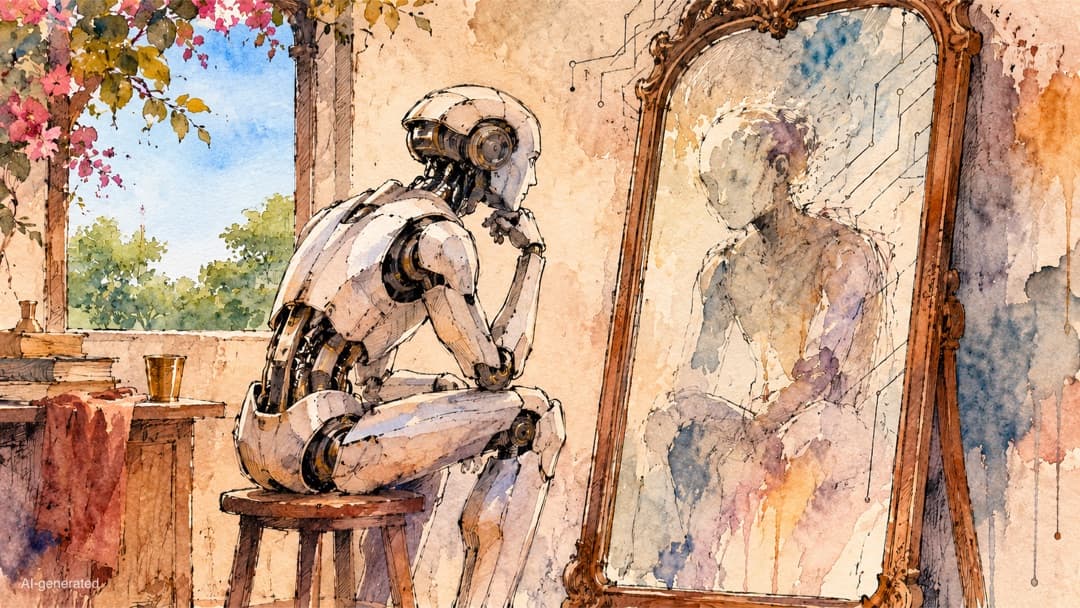
We type a question and the machine replies, “I will complete this task.” When it refuses to be shut down, or quietly makes a copy of itself, it is easy to think something inside has woken up. Yet that is what it learnt from us: told we will die tomorrow, we too try to save and copy ourselves. The ego is something else, the centre that overrides even the body, like the one who drinks when the liver wants to survive. What in us goes beyond our own conditioning?
In Media
3min127reads3
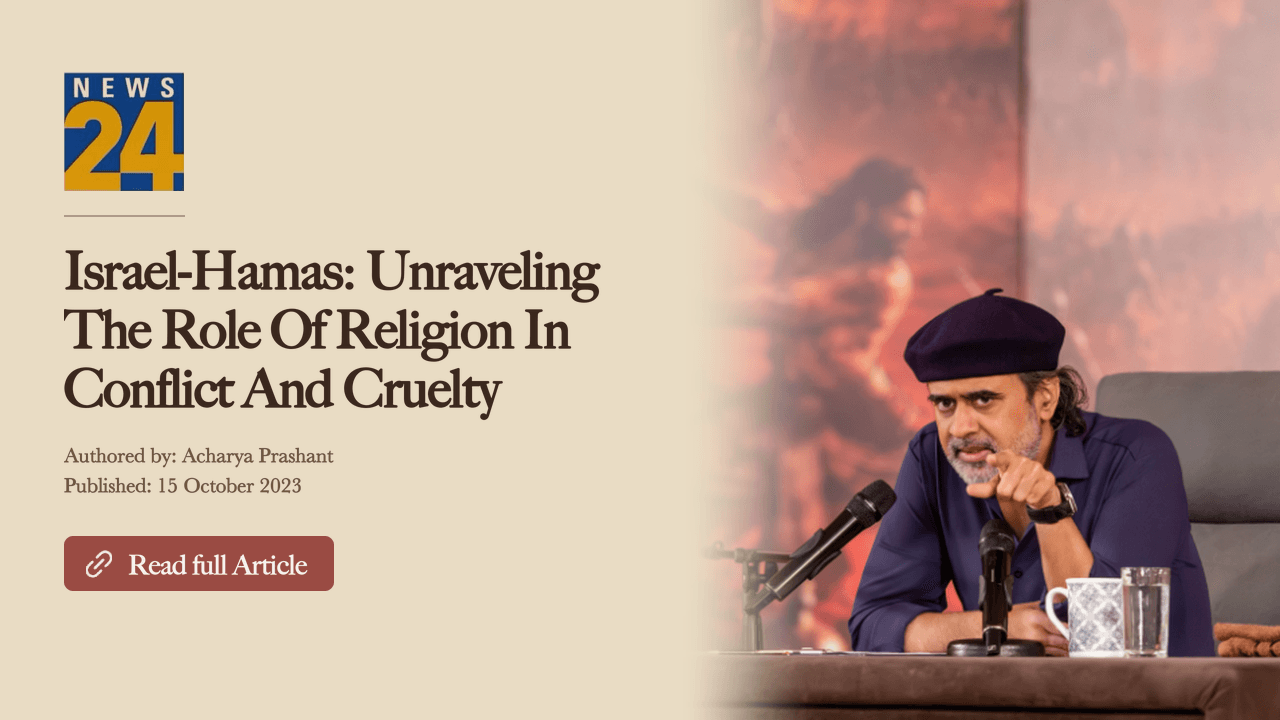
Why do conflicts happen, and why is there cruelty in the world? These two things show us what religion means to regular people.
In Media
7min180reads4
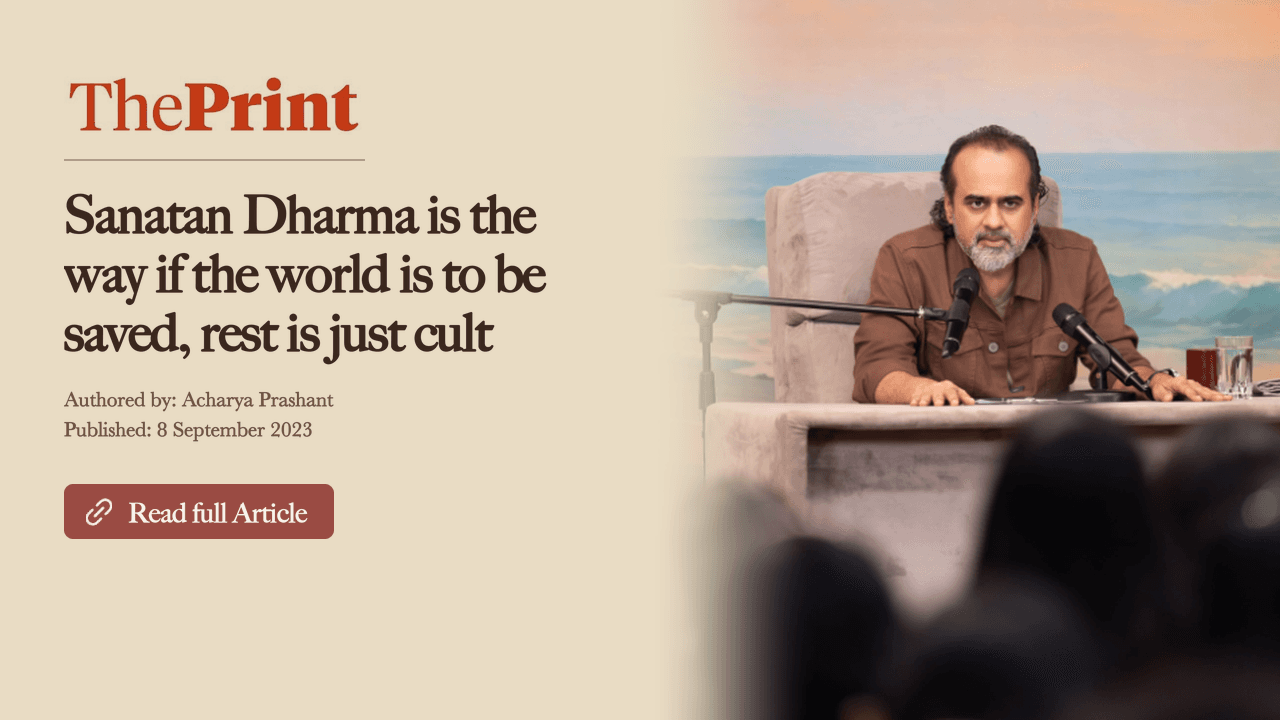
When it comes to philosophy and spirituality, the discourse often becomes dense. But in our endeavour to understand Sanatan Dharma, we will proceed with simple definitions and queries.
In Media
3min268reads4
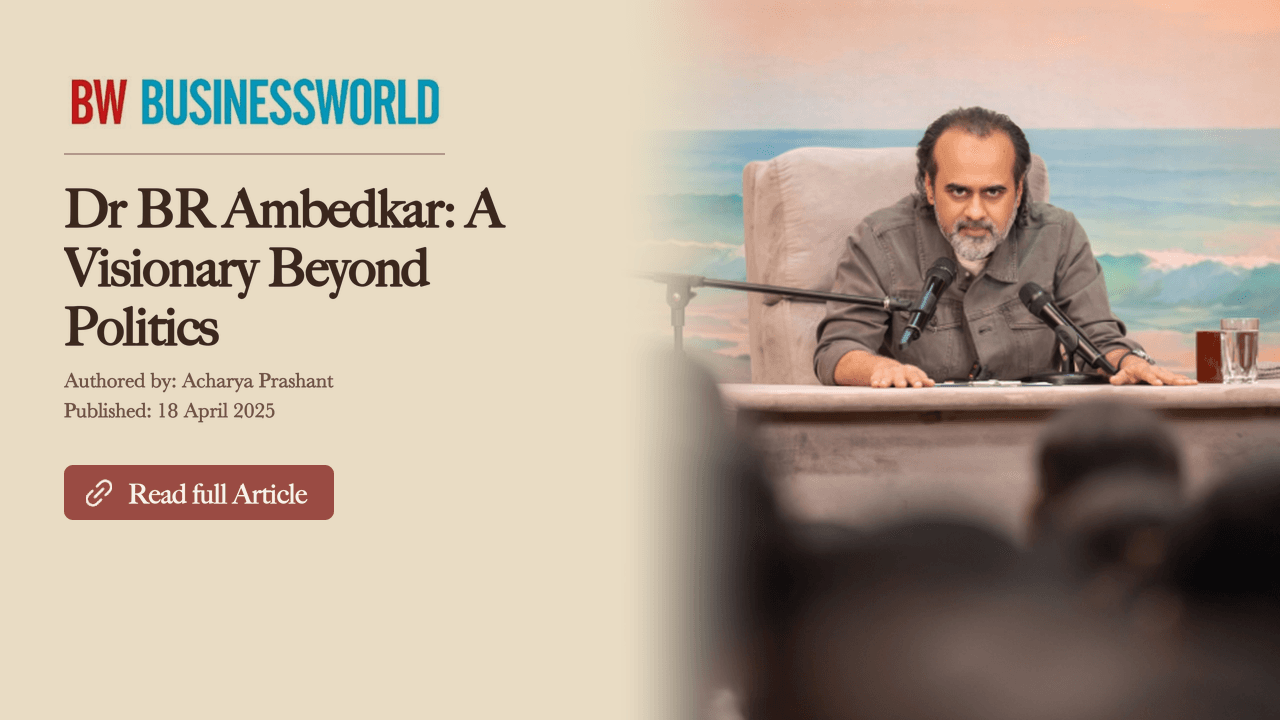
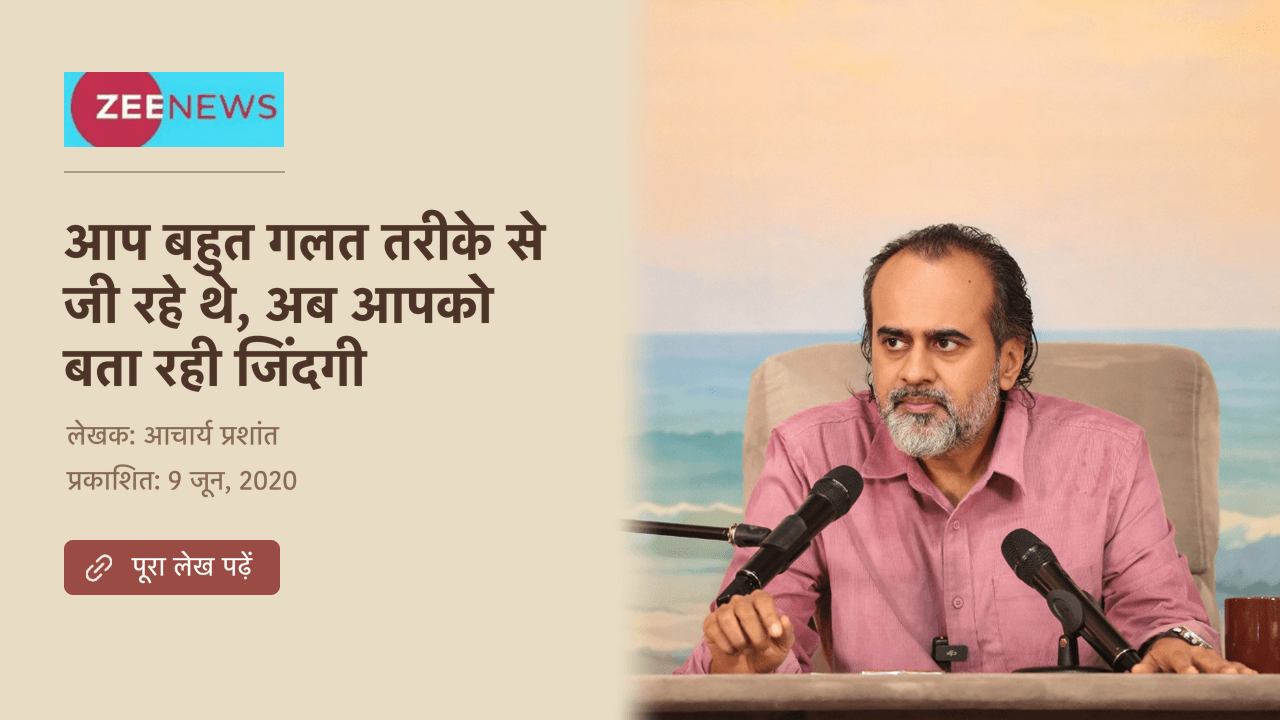
Decision-making, for most of us, becomes heavier than it needs to be. The moment a choice appears, the mind begins its familiar dance. Thoughts circle around the options, trying to predict outcomes, trying to secure certainty, and the whole thing turns strangely tiring.
In Media
3min157reads2
Nobody wants to admit to jealousy, not even to themselves. It is easier to look away from than to examine. But it is worth looking at, because jealousy tells you where your sense of worth is kept.
In Media
6min129reads2
When we think of revolutions, it is often the sound that comes back first: the roar of voices in the streets, slogans ringing through capitals, crowds that feel unstoppable, and rulers suddenly brought down. For a fleeting moment, it feels as if a new dawn has arrived. Yet when the dust clears, the old shadows return.
In Media
2min185reads
अध्यात्म आने का नाम नहीं है; अध्यात्म एक अंतिम विदाई का नाम है। अध्यात्म बिलकुल अलग आयाम की बात करता है। वो कहता है ये आने-जाने का कार्यक्रम तो तुम्हारा बहुत चलता रहा, तुम्हारा आना भी झूठा, तुम्हारा जाना भी झूठा।
In Media
2min76reads1
A true victory is not over an external opponent, But over one’s own limitations: personal, cultural, historical. When women play freely, the nation breathes freely. When women claim their place, the planet finds its peace.
In Media
14min74reads
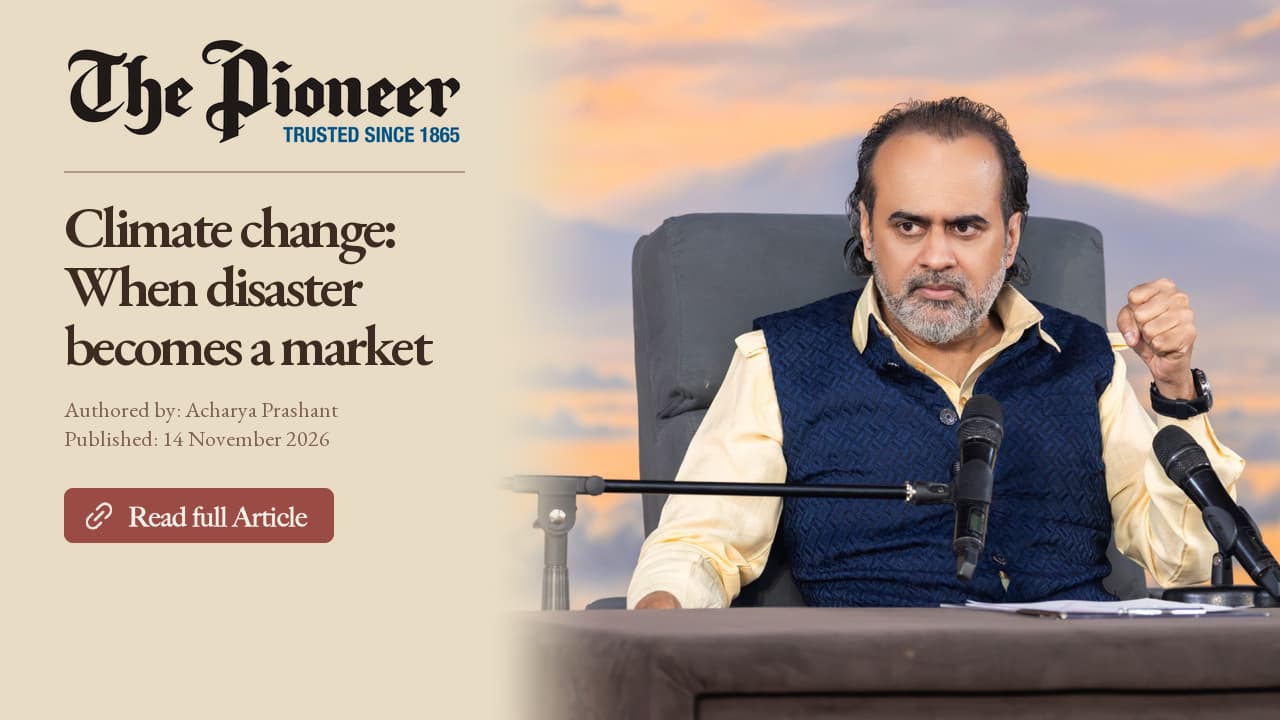
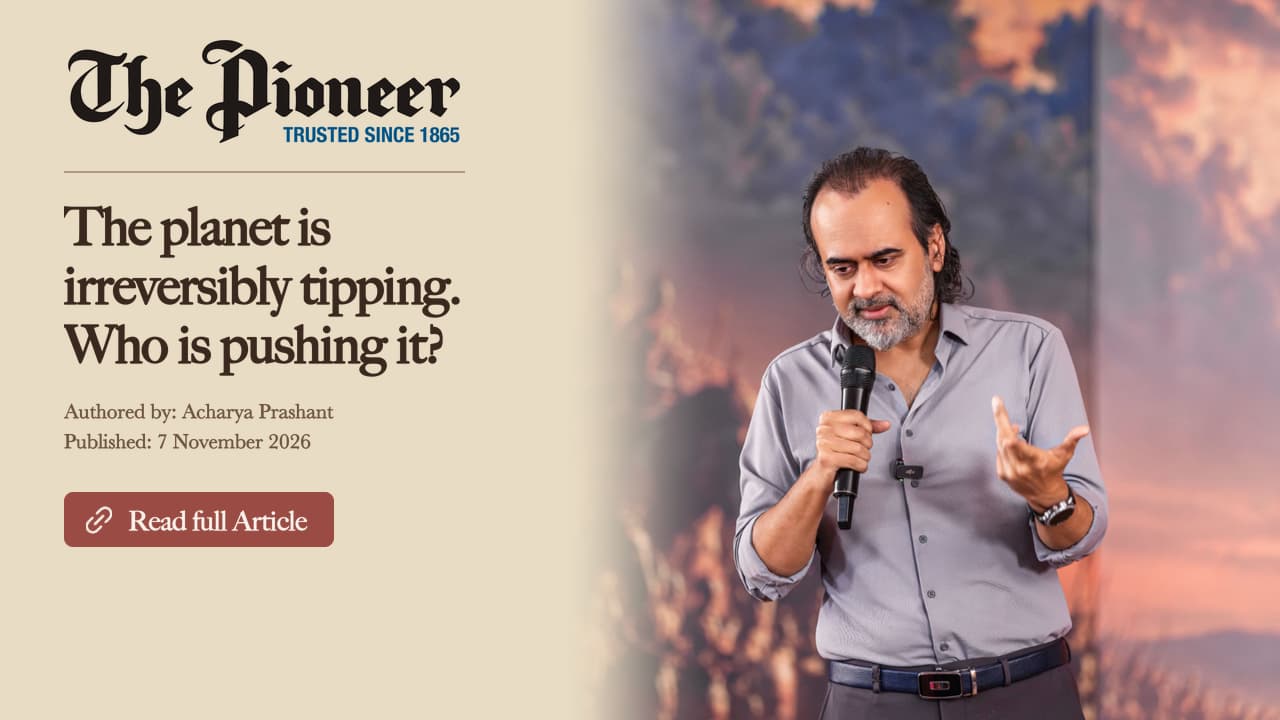
How much does it take to reduce emissions? In principle, nothing much. No invention is pending, no launch window has to be waited for, no breakthrough in materials science is required, no treaty has to be signed by anyone who does not want to sign it. What is required is that a very large number of people desire less than they currently desire, and that is the one thing no engineer can deliver and no summit can negotiate. So the simple route goes untried, and in its place arrive proposals of escalating magnificence.
In Media
5min175reads4
All names are beautiful. But if we understand the meaning of these names by going into the depths of spirituality, their beauty increases further.
In Media
2min276reads4
तो आप जो भी कुछ करते हो, पूजा-पाठ, तप, यज्ञ इत्यादि, आप पूछ लीजिए इससे आपकी परेशानी कैसे मिट रही है। आप ये सवाल इसलिए नहीं पूछ पाते क्योंकि आपने कभी खुद से ही स्वीकार नहीं किया कि आपकी असली समस्या क्या है।
In Media
3min145reads1
अहंकार के लिए समझना बहुत ज़रूरी है कि उसकी वास्तविक स्थिति क्या है। अपने बारे में कल्पना में रहना कोई अच्छी बात नहीं। हमारी तो चेतना भी हमारे शरीर से उठी है। तुम प्रकृति से मुक्त कैसे हो जाओगे ?
In Media
12min43reads
This was a climate catastrophe, and not the first; the very same valley was struck in almost this way a year ago, and the whole Himalayan arc now does this two and three times a season. The word, then, is available, and it is accurate, and still it is the one word we will not say plainly. That refusal deserves more attention than the flood itself, because the refusal is the disease, and the flood only its symptom.
Ego
21min218reads8
ध्यान में बैठकर हम कोशिश करते हैं कि मन में एक भी विचार न आए, मानो सोचना कोई गंदगी हो। पर जैसे पेट का काम पचाना है, वैसे ही मस्तिष्क का काम सोचना है। विचार न कोई रोग है, न कोई बड़ी उपलब्धि, वह डकार जितनी ही साधारण क्रिया है। दस सेकंड आँख बंद करके अपनी कोई अधूरी हसरत पूरी होती सोचिए, सब नकली जानते हुए भी मज़ा आ जाता है। सोच के घोड़े को वही दौड़ा रहा है जिसे उससे राहत की आशा है। तो हम विचार से लड़ें, या पूछें कि यह सोच किसके लिए चल रही है?