Bhagavad Gita

Bhagavad Gita
14min2.9kreads652
The Bhagavad Gita is often accused of supporting caste and misogyny through selective quotations that ignore context, grammar, and the text's central teachings. A closer reading shows that its emphasis is on inner qualities, conscious action, and spiritual equality rather than birth-based hierarchy or gender discrimination. Misinterpretations arise when isolated verses are detached from their broader meaning, while the Gita consistently points toward self-knowledge, freedom from ego, and the universal possibility of liberation for every human being.

Bhagavad Gita
34min668reads572
The climate crisis is not merely an external environmental problem but a reflection of inner human greed, desire, and psychological disorder. Drawing from the Gita’s idea of yagya as desireless action, it says real ecological healing requires inner transformation. Outer pollution, exploitation, and destruction mirror the ego’s inner confusion, making personal consciousness and planetary health deeply inseparable.
Bhagavad Gita
4min3.4kreads15021
Superficiality offers pleasures. Superficiality offers cheap salvation. Therefore, it is easy to be attracted to superficiality. On the other hand, true spirituality challenges you to pay a heavy price. So, you see, all this knowledge has existed since antiquity. Yet there are people who do not want to read the Gita.

Bhagavad Gita
42min4.8kreads1604
शुरुआत होगी प्रेम से; प्रेम माने, संवेदनशीलता; संवेदनशीलता माने, दुख। दुख का उदय नहीं, दुख का अनुभव। दुख तो है ही, पर असंवेदन बनकर हम उस दुख से किसी तरह बच लेते हैं। किसी चीज़ का होना और उसका अनुभव होना, दो अलग-अलग बातें हैं। दुख है, पर हम उसके अनुभव से बच जाते हैं। कैसे? सुन्न पड़कर। असंवेदनशील होकर हम दुख के अनुभव से कन्नी काट लेते हैं।
Bhagavad Gita
10min4.8kreads56637
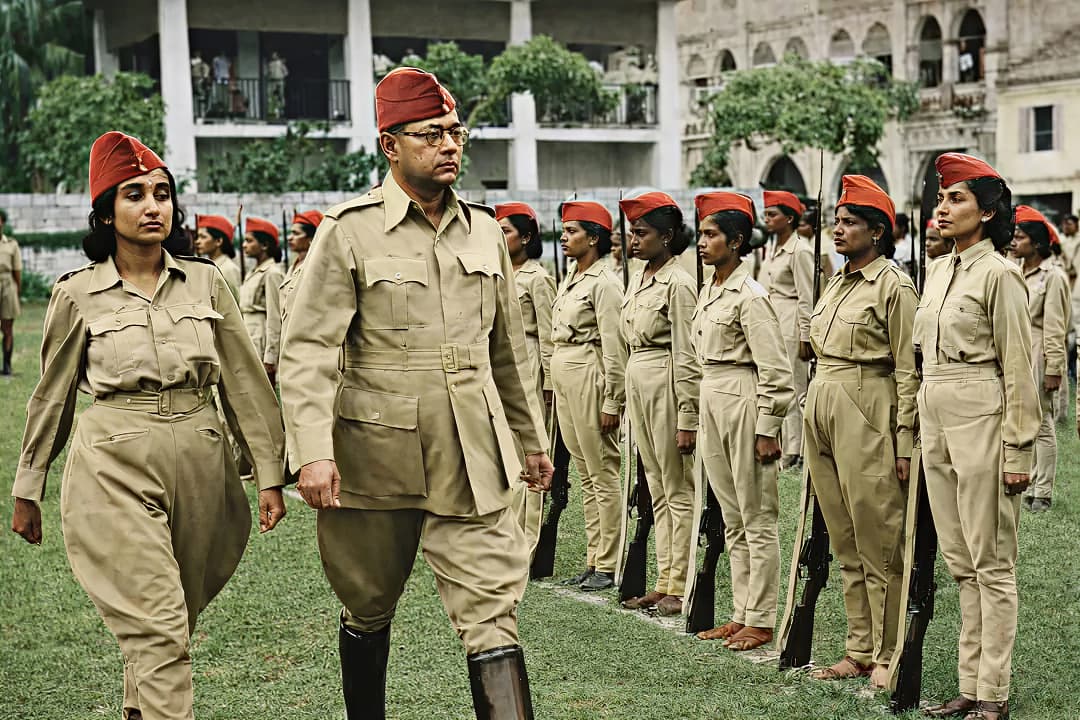
There is no revolution possible without the Gita. That’s the reason why even those who are not remembered particularly for their spiritual inclination, people like Subhash Chandra Bose, even they founded their core on Gita. What kind of revolution can you do if it’s the body that’s always at the top of your mind? You require a Gita to tell you that this body is perishable and would anyway go. Gita only teaches you, "Endure and fight."
Excerpts from Articles
ज्योतिष कितना सच है? कुंडली, ग्रह-नक्षत्र: इनका क्या अर्थ है?
वेदांत को केवल इसलिए सही या श्रेष्ठ नहीं माना जा सकता कि वह किसी विशेष परंपरा से आता है। विज्ञान जहाँ भौतिक जगत की वस्तुनिष्ठ जाँच करता है, वहीं अद्वैत वेदांत सीधे मनुष्य के ‘मैं’, उसके दुख, बंधन और मुक्ति की पड़ताल करता है। इसकी कसौटी वैज्ञानिक प्रमाण नहीं, बल्कि अपने जीवन में इसकी सच्चाई को देख पाना है। किसी दर्शन को मान लेना नहीं, बल्कि उससे स्वयं को मुक्त करना ही उसका वास्तविक उद्देश्य है।
Climate Change: The Solution Is a Choice
Climate change is more than an environmental crisis—it is a crisis of human choices. Our patterns of consumption, consumerism and endless pursuit of more are putting increasing pressure on the planet. But meaningful change does not necessarily begin with new technology or stricter policies. It begins with a deeper question: what are we willing to change within ourselves?
अंधविश्वास असल में झूठ को स्वीकृति पाने की चाह है
एक पुजारी जो रोज़ भूत-प्रेत, तंत्र-मंत्र और वशीकरण के नाम पर आए लोगों से मिलता है, आचार्य प्रशांत से पूछता है: जब वो ख़ुद जानता है कि कुछ भूत-चुड़ैल नहीं होता, तो लोग बार-बार इसी झूठ की शरण में क्यों जाते हैं? जवाब अंधविश्वास से कहीं गहरा निकलता है — यह हमारे भीतर के उस झूठ की कहानी है, जिसे हम हर कीमत पर बचाना चाहते हैं।
कद नहीं, अपनी कहानी बदलो
कई तरह के डर—अकेले पड़ने, छवि खोने या छोटा समझे जाने—की जड़ अक्सर अतीत में बनी पहचान और कहानियों में होती है। शरीर की हाइट जैसी चीज़ों को समस्या मानकर उनसे जूझने के बजाय उनकी अप्रासंगिकता को समझकर आगे बढ़ना चाहिए। अतीत को दबाने से मुक्ति नहीं मिलती; उसके करीब जाकर अपनी स्मृतियों, धारणाओं और पुराने पैटर्न को निष्पक्षता से देखना ज़रूरी है।
Stuck Between Job Security and Your Real Passion?
Struggling to choose between a secure job and the path you actually feel drawn to? This isn't really a question about careers. It's about why other people's opinions have so much power over you in the first place. Real clarity doesn't come from finding the 'right' choice. It comes from honestly looking at your own fear, again and again, until it stops running the decision for you.
सपने, सरकारी नौकरी और पेंशन: जवानी किसके लिए है?
सपनों और सामाजिक प्रतिष्ठा के पीछे भागते हुए युवा अक्सर अपनी वास्तविक क्षमता, रुचि और वर्तमान चुनौतियों को देखना भूल जाते हैं। आईआईटी, यूपीएससी, सरकारी नौकरी और पेंशन को जीवन का लक्ष्य मान लेने के बजाय ज़रूरी है आत्मज्ञान—ख़ुद को ईमानदारी से परखना। जवानी भविष्य की सुरक्षा की चिंता में नहीं, आज की वास्तविक चुनौतियों से जूझने और सार्थक कर्म में लगनी चाहिए।
जो खुद आज़ाद नहीं, वह लोकतंत्र को मजबूत कैसे करेगा?
लोकतंत्र, गणतंत्र और स्वतंत्रता केवल संविधान में लिखे शब्द नहीं, बल्कि जागरूक नागरिक की चेतना पर निर्भर हैं। वास्तविक स्वतंत्रता मनमानी करने की छूट नहीं, बल्कि भीतर घुसे भय, लालच, अंधविश्वास, पूर्वाग्रह और बाहरी प्रभावों से मुक्ति है। जब नागरिक अपने ही विचारों और मान्यताओं की जाँच नहीं करता, तो लोकतंत्र भीड़तंत्र और संप्रभुता खोखली बन सकती है।
Justice Without Boundaries: Why Compassion Cannot Stop at Species
Oppression should not see caste, gender, creed or colour, and it should not see species either. The moral threshold is sentience, not intelligence. An animal feels pain as fully as a human does, whether or not it can explain its suffering.
फ़ालतू खर्च छोड़िए, अपनी ज़िंदगी पर खर्च करना सीखिए
आचार्य प्रशांत बताते हैं कि क्यों हम सही खान-पान, स्वास्थ्य और अपने ऊपर ज़रूरी खर्च से बचते हैं, लेकिन दिखावे और फ़ालतू सामाजिक परंपराओं पर पैसा बहा देते हैं। अधिकांश लोगों के लिए समस्या सिर्फ़ पैसों की कमी नहीं, बल्कि विवेक और सही प्राथमिकताओं की कमी भी है।
रक्षाबंधन: वो रक्षा माँग रही है - ज़रा सुनिए
रक्षाबंधन केवल भाई-बहन के रिश्ते और सुरक्षा की रस्म तक सीमित नहीं होना चाहिए। आज असली रक्षा उन चीज़ों की ज़रूरत है जो कमज़ोर और संकट में हैं—गौरैया, नदियाँ, पहाड़, पेड़, महासागर और पृथ्वी। साथ ही ईमानदारी, आत्मज्ञान और मानवीय मूल्यों की भी रक्षा जरूरी है। धर्म कर्मकांड नहीं, अपनी शक्ति और उससे जुड़ी व्यापक ज़िम्मेदारी को समझना है।
प्रूफ नहीं है, तो मानें क्यों?
अंधविश्वास या किसी दावे को केवल किताबों, परंपराओं या बड़ी-बड़ी हस्तियों के कहने से नहीं मानना चाहिए। भौतिक जगत से जुड़े हर दावे के लिए प्रमाण माँगना आवश्यक है। जो बात जाँची-परखी जा सकती है, उसे तर्क, प्रयोग और उपकरणों से जाना जाए; बिना जाने नहीं माना जाए। सच्ची जिज्ञासा वही है जो हर दावे के सामने प्रश्नचिह्न रखे और प्रमाण मिलने पर ही स्वीकार करे।
Bhagavad Gita
13min1.4kreads285
Shri Krishna is saying: the mind is conditioned to move towards objects and perceive only their surface, periphery, or form. Develop the practice of penetrating further. Let Truth be your practice. The moment you would look at something, and you are in no position not to look at things being embodied, you would look at things. Nobody said that you have to practice lust. Lust just comes. You might be a total fool, an utter retard, and still you will find yourself getting sexually excited once you reach a particular age. Did you need some practice? No, you didn’t. It just happened. But if you are to understand lust, if you are to cross over, if you are to be a master of your body, then it will require a lot of practice, and that will necessarily and obviously tell you about your predicament.
Bhagavad Gita
24min2.8kreads1126
Drop the center of confusion, come to the center of clarity. Drop what the masses practice, come to the direct route of self-realization. That’s what it means.

Bhagavad Gita
8min4.7kreads11141
तुमने जब भी कोई संकल्प उठाया है, अपनी इच्छित वस्तु को पाने का ही तो उठाया है न? और तुम उसी वस्तु की इच्छा करोगे जो तुम्हारे ही जैसी होगी। इन संकल्पों को त्यागने की बात करी जा रही है। ये छोटे संकल्प हैं। संकल्प बनाओ, पर सब संकल्पों के केन्द्र में श्रीकृष्ण को बिठाओ। जो कुछ भी करने से श्रीकृष्ण मिलते हों, वो ज़रूर करो और जो करने से तुम संसार के कारागार में ही कैदी रह जाते हो, वो बिल्कुल मत करना।

Bhagavad Gita
51min8.9kreads20116
गीता आपको यह बताने के लिए है कि आपकी सब चिन्ताओं के साथ-साथ जो आपकी चिन्ताओं को नष्ट कर सकता है, वो भी आपको उपलब्ध है। आपको चुनाव करना है और मूल्य चुकाने को तैयार रहना है। अर्जुन के एक ओर माँ प्रकृति हैं जो कह रही हैं, ‘मेरे बहाव में बहो,’ और दूसरी ओर श्रीकृष्ण हैं जो कह रहे हैं, ‘मेरी ओर बढ़ो और रास्ते में जो भी आता है, उसे सहो।’ सही काम में जो पीड़ा मिले अगर उसे प्रेम का उपहार मान कर सीने से नहीं लगा सकते, तो उसे दवाई का कड़वा घूँट ही मानकर बस सह लो। सच्चाई के मार्ग पर जो तमाम अनुभवों में अडिग रहता है, वो आनन्द का अधिकारी है।

Bhagavad Gita
50min5.4kreads11610
कर्म के परित्याग से, श्रेष्ठ है नियत कर्म। कर्मयात्रा पर चल पड़े, जिस क्षण लिया जीव जन्म।

Bhagavad Gita
29min3.7kreads10819
“यज्ञ” का अर्थ है — जो कुछ भी किसी निचले स्तर पर है, उसे उठाकर ऊँचे स्तर पर रख देना। जो भी संसाधन आपके पास है — समय, ध्यान, चिंतन, धन, श्रम — उसे उच्चतम को समर्पित कर देना, यज्ञ है। एक बार जान जाओ कि कोई चीज़ ऊँची है, सर्वस्व समर्पित कर दो। अपने लिए कुछ बचाकर मत रखो। “आरोहण है गीता” — नीचे से ऊपर की ओर बढ़ते चलो, यही यज्ञ है।
Bhagavad Gita
11min14kreads306614
Overview
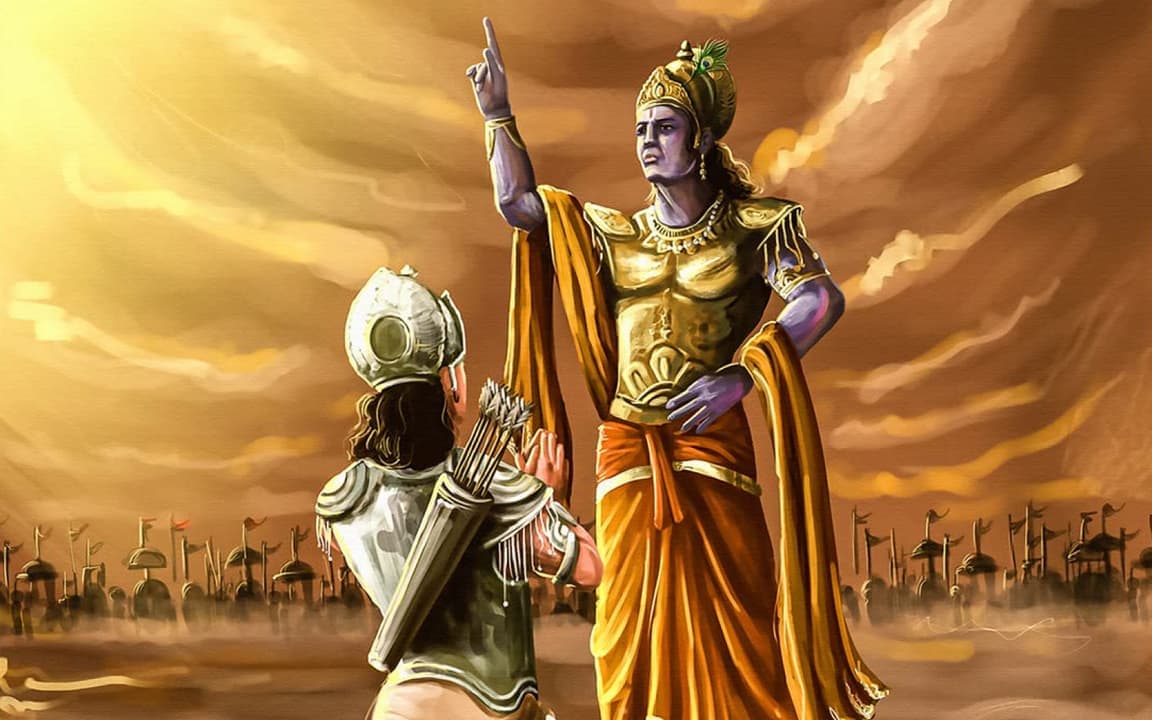
Fighting Duryodhana is Dharma. Fight Duryodhana in the way you can, that is swadharma. Dharma is the same for everybody, but swadharma varies according to your physical, social, temporal conditions.
But remember that swadharma can never be in contradiction of Dharma; swadharma will always be something…

Bhagavad Gita
48min2.3kreads656
बाहर से जो कुछ भी आ रहा है, सब अविद्या है। जानते हो, बड़े से बड़े विद्वान के वचन भी आपके लिए तो अविद्या ही हैं क्योंकि वो बाहर से आ रहे हैं। ऊँची से ऊँची बात भी अगर अभी किसी और की है, तो वो अविद्या है। और जिस क्षण आपने ध्यान में, अपना और उस बात का रिश्ता देख लिया, तब विद्या हुई।
Bhagavad Gita
16min9.5kreads100343
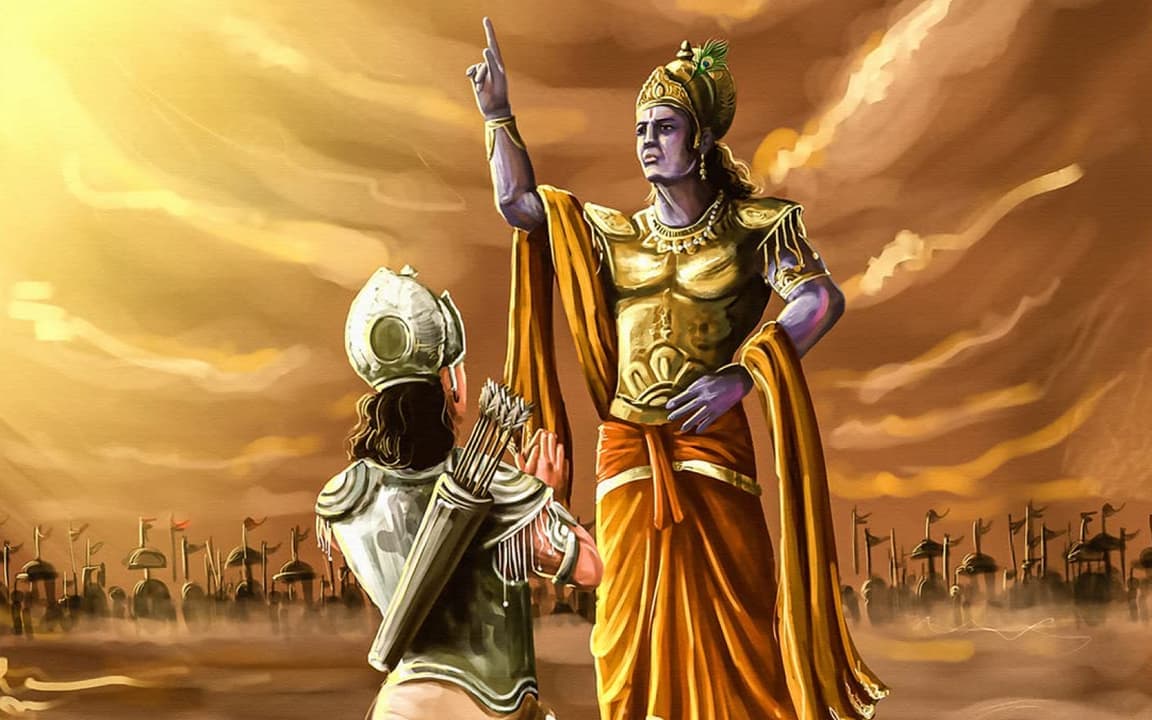
गीता में पहली बात तो कहीं लिखा नहीं है कि "कर्म कर और फल की चिंता मत कर" — ऐसा कोई श्लोक नहीं है। श्रीकृष्ण बस ये कहते हैं: सही कर्म कर, बस। अगर आपने सही काम उठा लिया, तो फल की चिंता आएगी ही नहीं। आपने सही काम उठाया है या नहीं — ये आप इसी बात से जाँच सकते हो कि आपको भविष्य कितना याद आ रहा है। अगर आपको बार-बार ये सोचना पड़ रहा है कि इस काम से मुझे क्या मिलेगा, तो आपने काम गलत उठाया है।

Bhagavad Gita
31min3.8kreads124127
गीता एक एलीट डॉक्यूमेंट है, उत्कृष्टता है इसमें। इससे प्यार वही कर पाएँगे, जिन्हें ऊँचाइयों से प्यार है, जिन्हें एक्सीलेंस चाहिए। और जिनको ऐसे ही बीच में पड़े रह जाना है — मिडियॉकर — उन्हें गीता रुचेगी ही नहीं। जीवन में जो भी ऊँचे-से-ऊँचा, श्रेष्ठ-से-श्रेष्ठतर हो सकता है, वो निष्काम कर्म से ही मिलेगा। घोर कर्म करना है, जज़्बे से खेलना है, दिल से चाहना है, डूबकर जीना है — ये श्रीकृष्ण का उपदेश है।
Bhagavad Gita
44min1kreads281
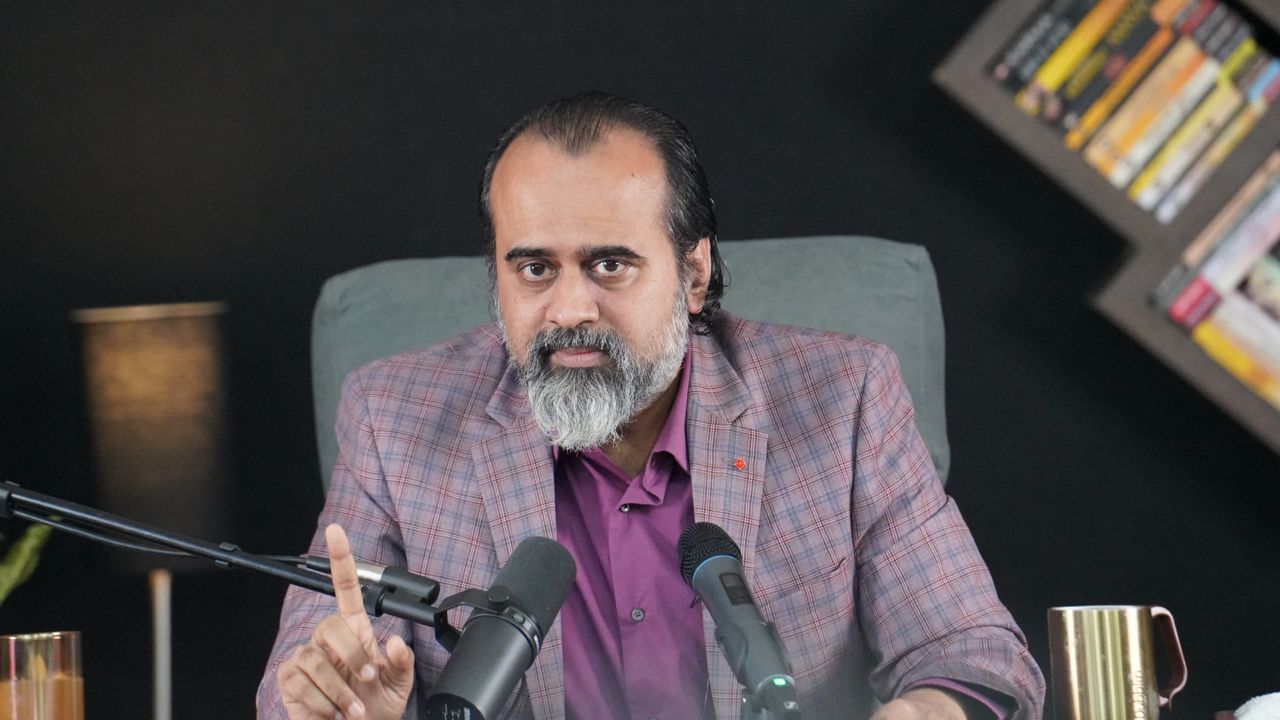
Acharya Prashant: You will see that I'm repeatedly stressing on Shri Krishna as the demolisher, on Shri Krishna as someone who not only does not accept our prevalent definitions of right-wrong, true and false, humility, authority, right action, non-violence but, in fact, unabashedly and actively demolishes them. It is one…
Bhagavad Gita
7min1.9kreads3384
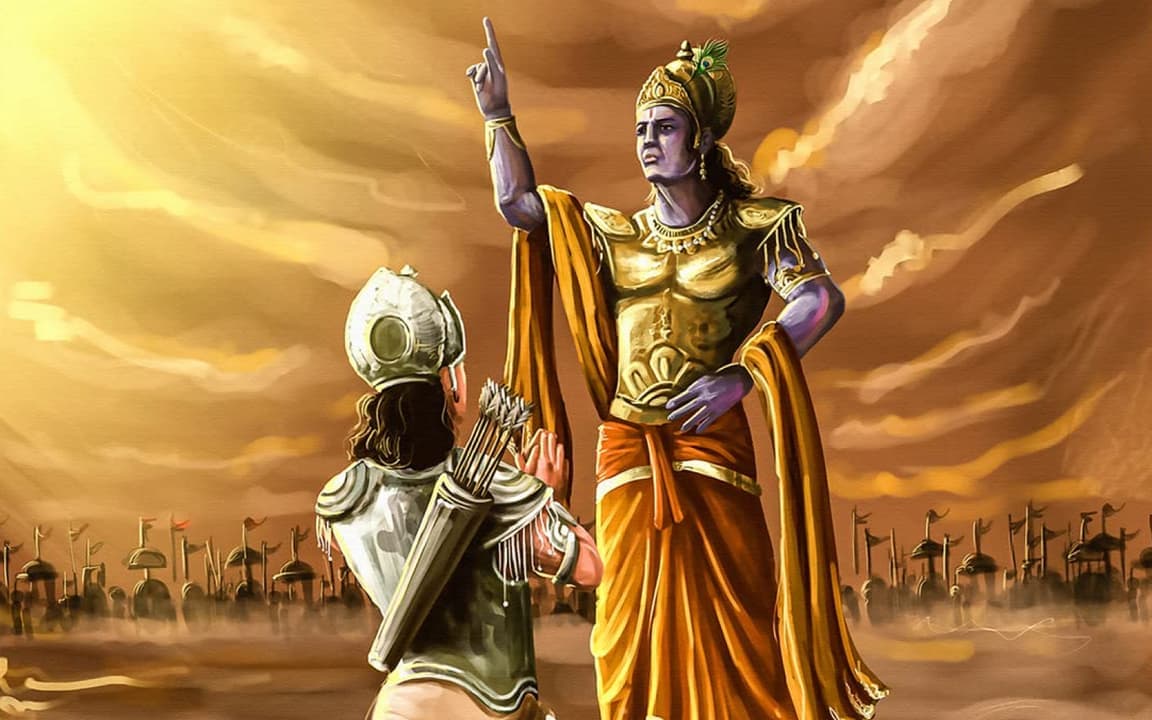
You look in the mirror, and if there is a speck or blemish on your face, you want to change something. If you look at the Gita and that doesn't result in changes in your life, then you are misusing it. Anybody who holds the Gita must be ready to look within and discard all that which is unnecessary, borrowed, antithetical to life. If that is not happening, then that's disrespect to the Gita.
Bhagavad Gita
7min2.9kreads5712
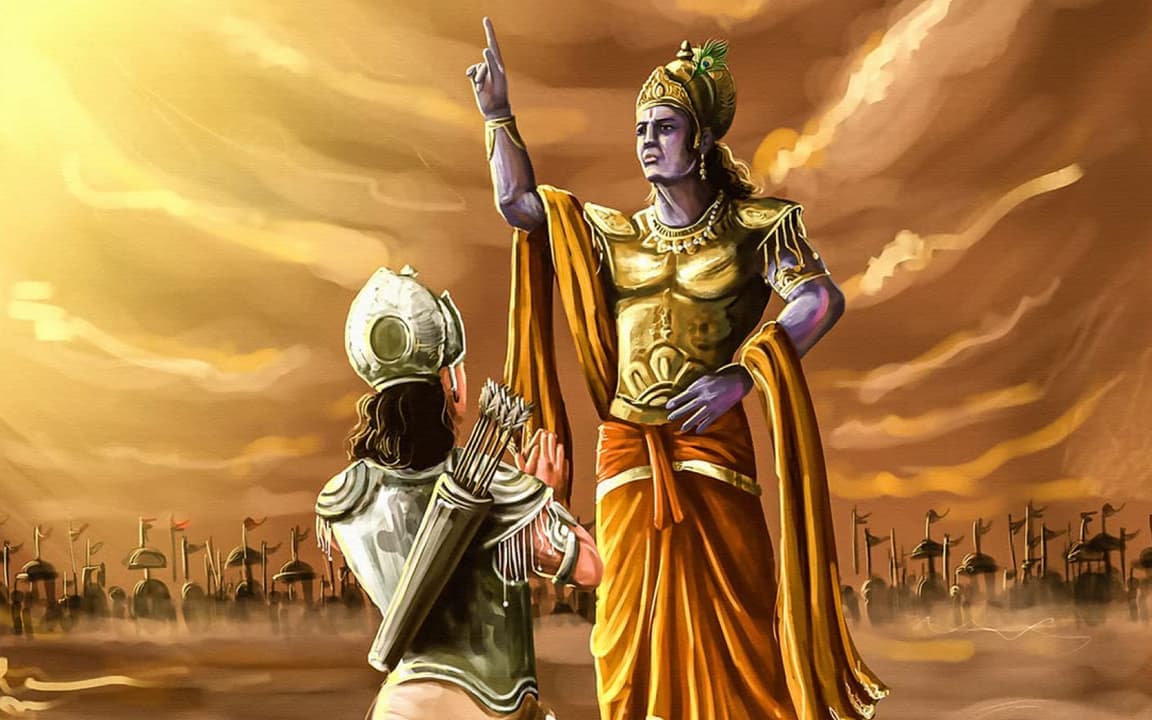
We often feel that the Mahabharata war was about avenging the atrocities that Duryodhana had been committing. But in fact, the war was to stop Duryodhana from wreaking havoc on the entire country in the future. If the state policies themselves promote Adharma, then the effect on the population would certainly be derogatory. Therefore, despite the likely great loss of lives, it was still important to fight the war.

Bhagavad Gita
28min5.6kreads16245
आजकल की जो पढ़ी-लिखी लड़कियाँ हैं, बोलती हैं कि धर्म का मतलब ही है नारी शोषण। नहीं, ऐसा नहीं है। धर्म के केंद्र पर जो ऋषि बैठे हैं, उन्होंने अपनी ओर से कभी भेदभाव नहीं किया। यह भेदभाव उस समाज ने किया है, जो कृषि और बाहुबल आधारित था। आज सौभाग्य की बात यह है कि महिलाओं के लिए ऊर्जा बाजुओं से नहीं आती, मस्तिष्क से आती है। तो परम आवश्यक है कि उनके हाथ मजबूत रहें और वे आर्थिक रूप से आत्मनिर्भर रहें।

Bhagavad Gita
69min2.1kreads512
Obsession with the future is a compulsion with the ego. The only way to be free of the future is to be free of yourself. Be free of yourself and flow like the wind. But will the right things happen to me then? Can you assure me? Is there a guarantee? So desireless, motiveless action and faith, they always go together. Somebody who's asking for guarantees, somebody who is craving for assurances, he is unfit to even touch the Bhagavad Gita. This is only for the courageous ones.

Bhagavad Gita
51min5.8kreads3758
टूटफूट ही वो जरिया है जो आपको बताएगा कि आपके पास कुछ ऐसा भी है जो टूट नहीं सकता। जब सब बिखरा पड़ा होगा उसके बीच ही अचानक आपको पता चलेगा, अरे एक ऐसी चीज है जो नहीं बिखरी बड़ा मजा आएगा। उसके बाद यही लगेगा कि इसको और बार-बार पटको और जितना बार-बार पटको और जितना यह नहीं टूटता उतना इसमें विश्वास और गहरा होता जाता है और आदमी और खुलकर खेलता है। यह सबके पास है। यह सबके पास है। हमें इसका पता इसीलिए नहीं है क्योंकि हमने इसको कभी आजमाया ही नहीं।
Bhagavad Gita
53min5.1kreads10013
यज्ञार्थात्कर्मणोऽन्यत्र लोकोऽयं कर्मबन्धन: | तदर्थं कर्म कौन्तेय मुक्तसङ्ग: समाचर ||3. 9||
अन्वय: यज्ञार्थात्कर्मणोऽन्यत्र (यज्ञ के लिए किए कर्म के अलावा अन्य कर्म में) लोकोऽयं (लगा हुआ) कर्मबन्धनः (कर्मों के बन्धन में फँसता है) कौन्तेय (हे अर्जुन) मुक्तसङ्गः (आसक्ति छोड़कर) तत्-अर्थ (यज्ञ के लिए) कर्म (कर्म) समाचर (करो)
काव्यात्मक अर्थ: बाँधते…

Bhagavad Gita
44min3.2kreads11815
The Gita is useful because its setting is extremely relatable. Just like us, Arjuna does not know himself—he's a victim of multiple identities and all kinds of conditioning. Therefore, the Gita is about letting Arjuna know who he is, and this illumination enables him to do what he must. So, first of all, see that you are Arjuna. Then, step by step, verse by verse, there will be some resolution.
Bhagavad Gita
25min1.8kreads446
देवान्भावयतानेन ते देवा भावयन्तु वः। परस्परं भावयन्तः श्रेयः परमवाप्स्यथ।।
~ श्रीमद्भगवद्गीता, अध्याय 3, श्लोक 11
अर्थ: यज्ञ से देवताओं को आगे बढ़ाओ, तो वो दैवत्य तुम्हारी उन्नति करेंगे। इस तरह परस्पर (आपस में) उन्नति करते हुए तुम परम श्रेय प्राप्त करते हो।
काव्यात्मक अर्थ: *यज्ञ से देवत्व बढ़े देवत्व से…
Bhagavad Gita
39min997reads295
Who are the people who never understand Shri Krishna? The ones whose minds are full of Karmakand. If your mind is full of Karmakand, Shri Krishna himself has very clearly said, you will never understand the Gita because Karma Kand deals with desire, because whatever you do, you do for the sake of desire.

Bhagavad Gita
70min1.8kreads523
सहयज्ञाः प्रजाः सृष्ट्वा पुरोवाच प्रजापतिः । अनेन प्रसविष्यध्वमेषः योऽस्त्विष्टकामधुक् ॥ १० ॥
अर्थ: सृष्टि के आरंभ में ही ब्रह्मा ने कहा था कि यज्ञ के द्वारा ही वृद्धि को प्राप्त करोगे। यह यज्ञ ही तुम लोगों को अभीष्ट फल देगा और कामधेनुतुल्य सर्वाभीष्टप्रद होगा।
काव्यात्मक अर्थ:
सगुण हो बंधन चुना…

Bhagavad Gita
37min1.2kreads272
If all that the Ego wants is liberation from itself, which means coming to see its own non-existence, then the only way to see its non-existence is by paying attention to itself. The more the Ego pays attention to itself, it sees that it does not exist. The more the Ego remains attached to this and that, all the sensory inputs, the Ego feels that is real and this is real.
Bhagavad Gita
47min1.1kreads4434
यह आदमी जो अपने ऊपर हंसना शुरू करता है, यह अकर्ता हो जाता है। नॉन-डूअर हो जाता है। नॉन-डूअर का मतलब यह नहीं कि अब नॉन-डूइंग हो गई। डूइंग तो बहुत होगी! ज़बरदस्त होगी! घनघोर होगी! कल्याणप्रद होगी! ऑसपिसियस होगी! डूइंग होगी, डूअर नहीं होगा। पर कर्ता नहीं होगा। और जो यह कर्ता-हीन कर्म होता है, "द डीड विदाउट डूअर", इसके क्या कहने! यह फिर अवतारों की लीला समान हो जाता है। यह जीवन को खेल बना देता है। यह पृथ्वी पर स्वर्ग उतार देता है। यह बहुत पुराना जो कैदी है, उसे आकाश की आज़ादी दे देता है।

Bhagavad Gita
45min1.1kreads251
मनुष्य की देह होने भर से आपको कोई विशेषाधिकार नहीं मिल जाता, यहाँ तक कि आपको जीवित कहलाने का अधिकार भी नहीं मिल जाता। सम्मान इत्यादि का अधिकार तो बहुत दूर की बात है, ये अधिकार भी नहीं मिलेगा कि कहा जाए कि ज़िन्दा हो।
Bhagavad Gita
38min854reads426
The center of the Gita is 'Nishkamta'—desireless action stemming from self-knowledge. Whereas popular religion is all about the fulfillment of desire. We go to a supernatural power and beg him to grant our desires. That is popular religion. You can either have the Gita or the entirety of religion as practiced in common culture. They are totally incompatible.

Bhagavad Gita
22min949reads175
गुरूनहत्वा हि महानुभावान् श्रेयो भोक्तुं भैक्ष्यमपीह लोके। हत्वार्थकामांस्तु गुरूनिहैव भुञ्जीय भोगान्तधिरप्रदिग्धान् ।।५।।
“मैं तो महानुभाव गुरुओं को न मारकर, इस लोक में भिक्षान्न भोजन करना कल्याणकर मानता हूँ, क्योंकि गुरुओं का वध करके मैं रक्त से सने हुए अर्थ और काम रूपी भोगों को ही तो भोगूँगा।“
~ श्रीमद्भगवद्गीता, श्लोक…

Bhagavad Gita
53min963reads22
आचार्य प्रशांत: हम देखेंगे कि श्रीकृष्ण अर्जुन के सब भावुक, मार्मिक वक्तव्यों को किस प्रकाश में देख रहे हैं। तो अपनी ही मोहजनित पीड़ा को आगे अभिव्यक्त करते हुए कहते हैं अर्जुन कि
यद्यप्येते न पश्यन्ति लोभोपहतचेतस:। कुलक्षयकृतं दोषं मित्रद्रोहे च पातकम्।।
कथं न ज्ञेयम स्माभि: पापादस्माननिवर्तितुम। कुलक्षयकृतं दोषं प्रपश्यदिर्जनार्दन।।…
Bhagavad Gita
54min1.1kreads234
आचार्य प्रशांत: तो शंखनाद होता है दोनों सेनाओं की ओर से। और संजय बताते हैं कि शंखनाद ने विशेषतया धृतराष्ट्र के पुत्रों के, कौरवों के हृदय में हलचल कर दी। मन उनके कम्पित हो गये, हृदय विदीर्ण हो गया। ये सुनने के बाद अब आते हैं दूसरे पक्ष पर। अर्जुन…

Bhagavad Gita
27min571reads83
The word for a Guru does not really exist in the English language. So, they have borrowed Guru itself, Guru. But they have borrowed the word Guru and rather misunderstood it and misapplied it. So, anybody who seems to be an expert at anything, can be justifiably called a Guru in the English language. Now that's not the proper usage in spirituality or in Sanskrit.

Bhagavad Gita
27min1.9kreads39411
In modern times, reading and respecting the Shastras is often seen in a derogatory light. An Asura disregards the scriptures, saying, “What I know is right. My own experience determines the Truth,” rejecting them because they will not allow him to do what he wants. We have come to a point where we are not merely ignoring but actually insulting the scriptures. If you're sincere about knowing life, why avoid a document with deep insights into it?

Clarity
12min1.2kreads254
प्रश्नकर्ता: आचार्य जी, प्रणाम। कई बार ऐसा होता है कि विरोधी पक्ष के लोग विनीत भाव से मदद वग़ैरह माँगने आ जाते हैं, जैसे दुर्योधन ने शल्य का सहयोग माँगा, दुर्योधन ने बलराम से गदा सीखने का निवेदन किया और दुर्योधन ने श्रीकृष्ण से उनकी नारायणी सेना माँगी। ऐसी स्थितियों…

Bhagavad Gita
14min2kreads747
You have to fight. The world is the battlefield. To be born is to be born as a warrior, to be born is to be born with weapons and armour. That is the message: you cannot run away. Shunning action is not possible.
Bhagavad Gita
7min874reads166
To qualify an entrance exam, and work towards it, without thinking of the results, that’s not what Karma Yoga is. Karma Yoga is not about setting tangible worldly targets and going after them. It’s a moment-to-moment thing in which you are very conscious whether the objective of your action is personal ingratiation or larger welfare. You are acting all the time, you are not acting merely when you act towards a distant and a larger cause.

Bhagavad Gita
11min1.9kreads528
In the name of yagya, if you continue to burn wood, you are doing no good to anybody. Yagya must be understood in its true spirit. Shri Krishna says, “Do not act for yourself or for your personal gain. Act for a higher cause; higher than yourself, beyond yourself. Do that action that takes you to your Niyati, which is your end. Yagya is that which dissolves you; that which reduces you.”

Clarity
5min2.8kreads17422
Arjuna’s hell was in his daily tasks, and so is yours. Arjuna could sense the evil in what appeared normal to others; you must also be able to sense that there is something extremely fishy in what seems normal to others. Your house, your workplace, your society—these are your Kurukshetra. That’s where you have to fight your Mahabharata. That’s where you need Shri Krishna and the Gita.

Clarity
17min1.6kreads204
You have ample gurus who come over and say, “You know, you do this and then you can do whatever you want to do.” Now the moment you hear this kind of philosophy that Yoga will help you do better whatever you want to do, I suppose one must run away. Because that’s exactly antithetical to Yoga. Yoga is not about doing whatever you want to do; it’s the ego that says that, not the dedicated, devoted, wise mind. That does not come from there.
Bhagavad Gita
5min869reads126
Questioner: Why is there a difference of intensity and love for mukti (liberation) between different human beings?
Acharya Prashant: The differences that you are talking of all relate to time; therefore, they all will be resolved in due course of time. Time gave rise to all those differences, and those…

Bhagavad Gita
7min2.3kreads9220
The Gita does not say that you must do whatever you do without caring for the result; it is also impossible to execute. That’s also the way so many popular gurus have sold the Gita. It’s very harmful. With false action, you will always have one eye on the result. The first thing is the right action; only right action can give you detachment from the result.
Bhagavad Gita
12min2.5kreads7010
There are only two kinds of relationships that are right in this world. If you connect with someone at a higher level of consciousness, hold their hand so they can uplift you. If you connect with someone at a lower level of consciousness, hold their hand to uplift them. Any other kind of relationship is junk.

Bhagavad Gita
24min4.1kreads24022
We love saying, 'Yada-yada hi dharmasya – whenever there is evil, then Krishna comes.' The Lord does not physically drop from the heavens. The metaphor must be understood. It simply means that whenever the ego inflates, it results in suffering, and suffering itself calls for its cessation. This call for cessation of suffering itself is the coming of the Lord.
Clarity
21min2.2kreads401
यस्वतंरतिरेव स्यादात्मतृप्तश्च मानव:। आत्मन्येव च सन्तुष्टस्तस्य कार्यं न विद्यते ।।१७।।
किन्तु जो लोग सत्य में ही अनुरक्त, तृप्त और संतुष्ट हैं उनके लिए तो कर्तव्य कर्म नहीं बचते।
~ श्रीमद्भगवद्गीता, तीसरा अध्याय, कर्मयोग, श्लोक १७
आचार्य प्रशांत: सुंदर बात कही है! पिछला श्लोक समाप्त हुआ था ये कहने पर कि…

Bhagavad Gita
28min922reads416
Shri Krishna is saying, “As long as you are the actor, please forget Yoga. Yoga is not for you.” Yoga is freedom from the false actor. The Yogi is the one who has realized that Yoga cannot be attained through any method. A yogi is healthy and alright with himself.
Bhagavad Gita
12min2.3kreads4911
आचार्य प्रशांत: केतन हैं, गीता के पाँचवे अध्याय से अट्ठारवाँ श्लोक उद्दृत किया है। श्लोक कहता है-
विद्याविनयसम्पन्ने ब्राह्मणे गवि हस्तिनी | शुनि चैव श्वपाके च पण्डिताः समदर्शिन: ||
“वे ज्ञानीजन विद्या और विनययुक्त ब्राह्मण में तथा गौ, हाथी, कुत्ते और चाण्डाल में भी समदर्शी ही होते हैं।”
भगवद्गीता,अध्याय…
Bhagavad Gita
5min907reads101
जो कुछ भी दिखाई दे रहा है, वो दृश्य, जो उसको देखने वाला है, वो दृष्टा। तो देवता, मनुष्य, ऋषि आदि दिखाई दे रहे हैं अर्जुन को, तो ये सब क्या हो गए? दृश्य। और इनको देखने वाला कौन है? दृष्टा, अर्जुन स्वयं। और दृश्य और दृष्टा के आधार में कौन बैठा है? परमात्मा। दृश्य और दृष्टा, दोनों किससे आए हैं और किसमें लीन हो जाने हैं? ये इन तीनों का किस्सा है।
Bhagavad Gita
13min1.5kreads2897
The first way, the topmost one, is the Sahaja way (natural way). Krishna prescribes no method there. He says, “Arjuna, just come to Me and be seated in Me, be affirmed in Me, pretty steadfastly. Just do it. Simply, obviously, instantly.” That is the Sahaja way. “Do it directly, Arjuna. If you really are sincere, and if you really have love for Me, then do it right now, right here, right away. What are you waiting for? What do you require a method for? Nothing is needed. You have the intention, you really want it, you aren’t fooling yourself. I am here, come and be settled in Me and that’s it.”