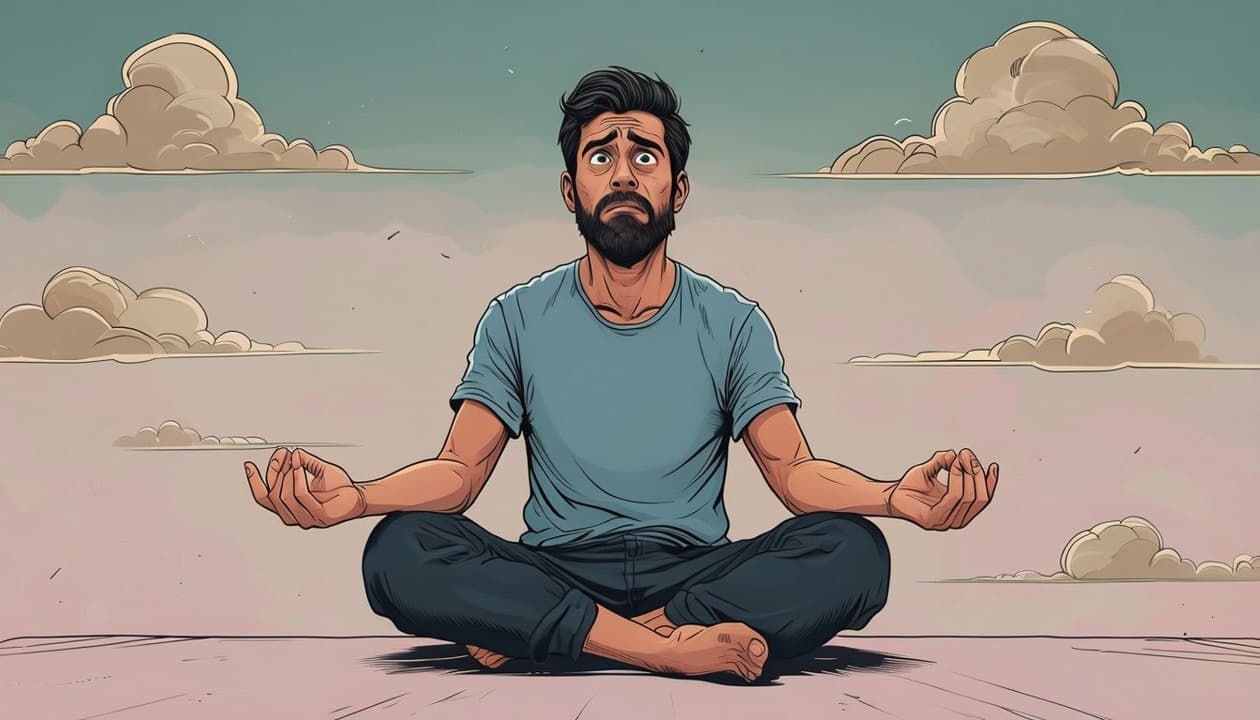
If the word ‘Yog’ comes to be synonymous with physical exercise, then it’s a joke. When you look at the mass of people, what is it that you find more unhealthy — the body or the mind? It is the mind that is extremely unhealthy. And all of that is because the mind is in ‘Viyog’ — the mind is separated from something that it desperately wants. So, Yog has to be an inquiry into who we are, and what it is that we really want.
Now success and failure cannot really matter because neither can they inflate you nor diminish you. Why won’t they inflate you? “Because I am already alright. Now, what can the fruit of my action give me? I require no fruit.” Ah, wonderful word: I
Questioner (Q): How to have the faith, strength and trust to let go of my identities and dissolve into the One? How to avoid being carried away by the fragmented identities in the middle of my everyday activities?
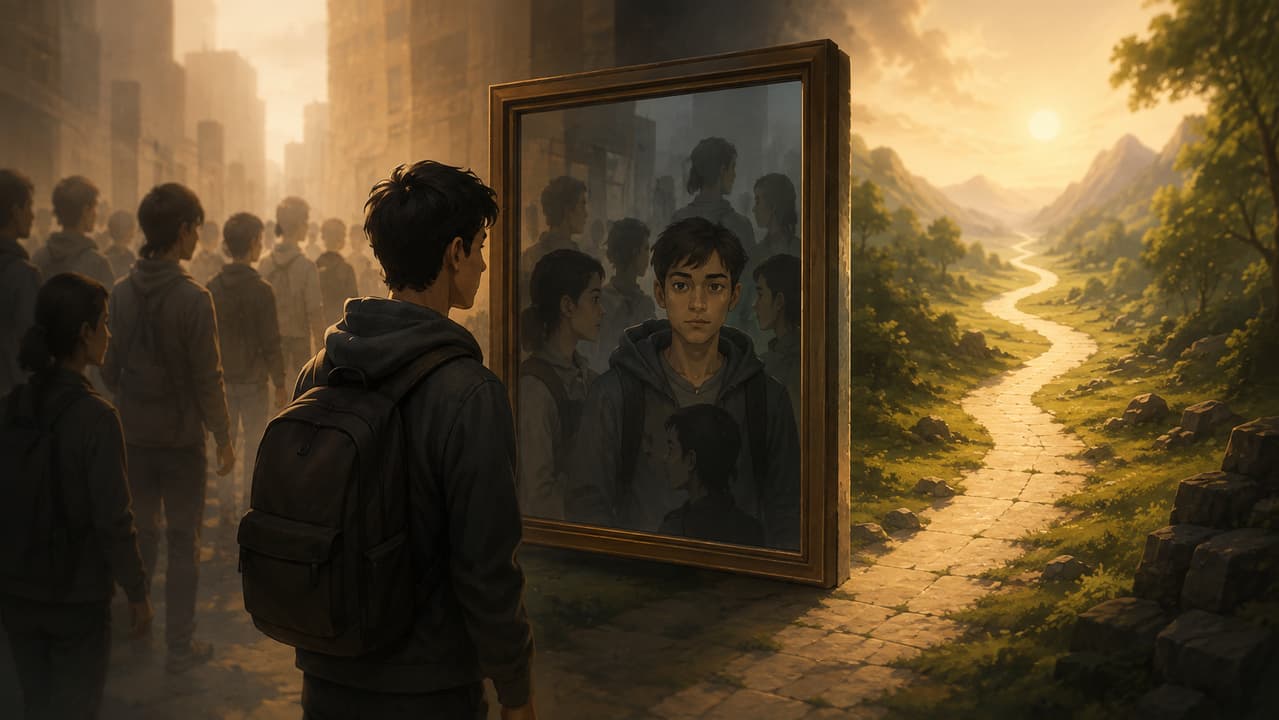
Questioner (Q): I was thinking about today's generation of youth in comparison to the Upanishadic Nachiketa. Nachiketa, where he is being offered all the great materials, sensual pleasures and as you said rightly while negating them he says ‘I'll get to them later but this is what I really want.’…
Questioner (Q): The yogi sings with a one-pointed mind, but I worship with a hidden desire and a hidden self-interest. Is my devotion wrong? What is one-pointed devotion?
प्रश्नकर्ताः आचार्य जी, मेरा मन हमेशा के लिए किसी एकांत जगह पर जाकर ध्यान साधना और भक्ति में डूबने को करता है लेकिन हिम्मत नहीं जुटा पाता। कृपया मार्गदर्शन करें।
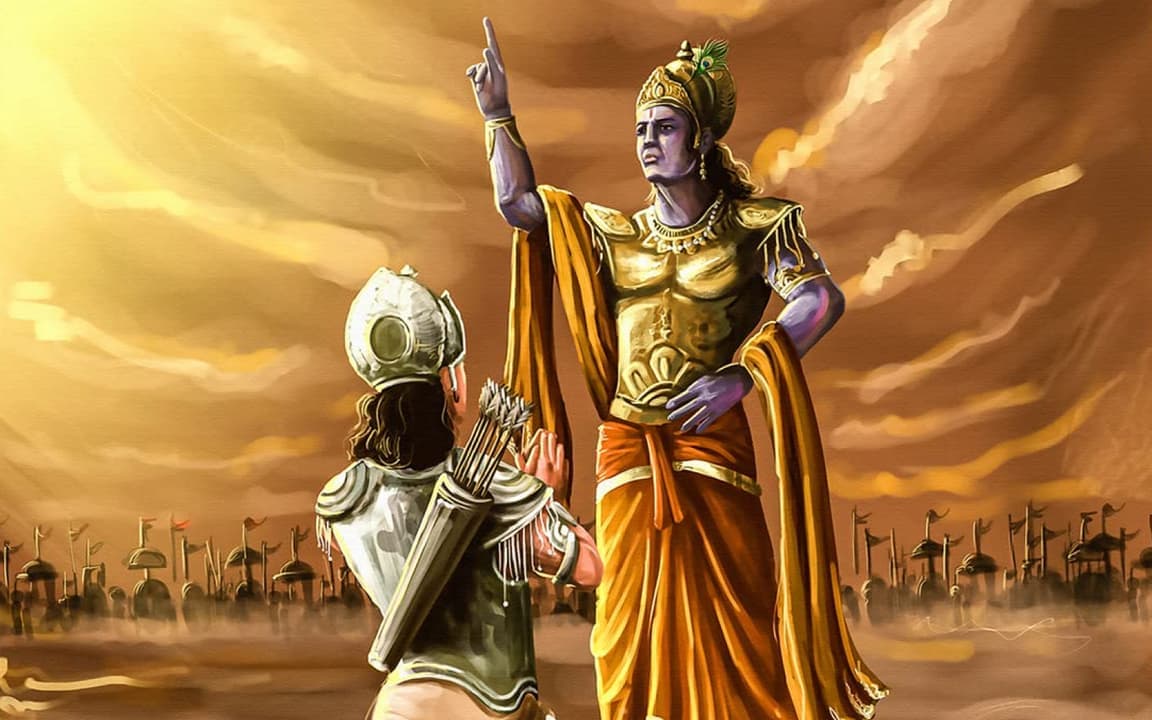
We gladly worship Krishna the cowherd of Mathura and Vrindavan, yet the Krishna of Kurukshetra, who speaks the Gita, is rarely welcome. Much of what we call religion is a request: we pick a favourite deity, place and ritual, then ask for a car, money or a cure. The Gita values rituals done for desire as little as a pond beside the ocean. Popular religion says, "I want, therefore I act." The Gita says, "Know who you are and then simply let things happen." Which of the two do our prayers come from?
Search
16
गुरु लोग और बड़े-बड़े पदाधिकारी भारत में और दुनिया भर से योग दिवस को अपना समर्थन दर्शाते हैं। लोग शारीरिक मुद्राओं में अपनी तस्वीरें डालते हैं — एक योगा मैट होता है, उसपर योगा करते हुए कहते हैं, "Celebrating Yoga Day!" लेकिन योग का संबंध व्यायाम और कसरत से नहीं, बल्कि मन से है। योग मन की बात है — क्योंकि मन परेशान है। और योग वास्तव में क्या है — यह जानना है, तो भगवद्गीता की ओर जाना ही पड़ेगा।
1
Acharya Prashant: You will see that I'm repeatedly stressing on Shri Krishna as the demolisher, on Shri Krishna as someone who not only does not accept our prevalent definitions of right-wrong, true and false, humility, authority, right action, non-violence but, in fact, unabashedly and actively demolishes them. It is one…
Yoga is action without attachment. Yoga is to refuse everything that keeps you little and limited. To live without a reason, to love without a cause, to act without greed and desire, that is Yoga. Total purposelessness is Yoga. Yoga is freedom from all whys.
4
You have ample gurus who come over and say, “You know, you do this and then you can do whatever you want to do.” Now the moment you hear this kind of philosophy that Yoga will help you do better whatever you want to do, I suppose one must run away. Because that’s exactly antithetical to Yoga. Yoga is not about doing whatever you want to do; it’s the ego that says that, not the dedicated, devoted, wise mind. That does not come from there.
Excerpts from Articles
Justice Without Boundaries: Why Compassion Cannot Stop at Species
Oppression should not see caste, gender, creed or colour, and it should not see species either. The moral threshold is sentience, not intelligence. An animal feels pain as fully as a human does, whether or not it can explain its suffering.
Shri Krishna is saying, “As long as you are the actor, please forget Yoga. Yoga is not for you.” Yoga is freedom from the false actor. The Yogi is the one who has realized that Yoga cannot be attained through any method. A yogi is healthy and alright with himself.
1
Acharya Prashant: How can I identify a master with my limited knowledge? How can I judge his words to be true or false? If I go by faith or seeing their simplicity or innocence, I’m labeled as a blind believer. What should I do?
What is all spirituality about? If…
3
Questioner: Sir, when you were growing up, is there any special memory, or any time you realized and had this aspiration to become, or go on the spiritual path? Is there something interesting related to your life, from your childhood, that you want us to know?
Acharya Prashant: First of…
2
Acharya Prashant: Arjun has been taught that respecting elders is a virtue. Arjun has been taught that non-violence is a virtue. Arjun, has also been taught that defending your territory is a virtue. Now, these two things clash with each other. If he must defend his territory, then he must…
1
प्रश्नकर्ता: आचार्य जी, साक्षीभाव से साधना के विषय में कहा जाता है कि किसी एक विशेष चीज़ पर आपका ध्यान लगा होना चाहिए, जैसे विपश्यना ध्यान जिसमें अपनी आती-जाती साँसों के प्रति होश पूर्ण रहा जाता है, लेकिन आप हमें जिस चीज़ के प्रति सचेत रहने को कहते हैं वो…
2
आचार्य प्रशांत: कर्मसंन्यास और कर्मयोग क्या हैं? दोनों में अन्तर क्या है? आमतौर पर हम जिसे कर्म कहते हैं; वो कैसे होता है? वो ऐसे होता है कि जैविक रूप से और सामाजिक रूप से मन संस्कारित रहता है। फ़िज़िकल, सोशल दोनों तरह के संस्कार। तो मन में पहले…
1
अयति: श्रद्धयोपेतो योगाच्चलितमानस:।
अप्राप्य योगसंसिद्धिं कां गतिं कृष्ण गच्छति।।६.३७।।
अर्जुन बोले — हे श्रीकृष्ण! जो योग में श्रद्धा रखने वाला है, किन्तु संयमी नहीं है, इस कारण जिसका मन अन्तकाल में योग से विचलित हो गया है, ऐसा साधक योग की सिद्धि को अर्थात भगवत्साक्षात्कार को न प्राप्त होकर किस…
1
श्रुतिविप्रतिपन्ना ते यदा स्थास्यति निश्चला।
समाधावचला बुद्धिस्तदा योगमवाप्स्यसि।।
śhruti-vipratipannā te yadā sthāsyati niśhchalā
samādhāv-achalā buddhis tadā Yogam avāpsyasi
When your mind, now perplexed by what you have heard, stands firm and steady, then you will have attained Yoga or Self-Realization.
~ Bhagavad Gita (Chapter 2, Verse 53)
Acharya Prashant: We…
require
no fruit.
“That doesn’t mean…
Acharya Prashant (AP): You will have to allow something big to take…
Share
Listener:
Likes and dislikes are hindrances but I still have likes and dislikes.
Speaker: Let’s go into this.
‘Likes and dislikes’ and whenever it is said that likes and dislikes are hindrance or that what you like and dislike is your conditioning, the easy and immediate conclusion is drop the…
Acharya Prashant (AP): It’s not about right or wrong; it’s about settling down with a little when a lot is available. When…
1
प्रश्नकर्ता: आचार्य जी, हम सारे योग के विद्यार्थी हैं और योग का दुनिया में बोल-बाला है। योग के विद्यार्थियों के लिए आपका क्या मार्गदर्शन है? वास्तविकता में योग क्या है?
आचार्य प्रशांत: खंडित मन दुख है और केन्द्र से विस्थापित मन दुख है, दोनो बातें समझनी होंगी।
आमतौर पर मन…
2
आचार्य प्रशांत: योग की दृष्टि से मन और शरीर दोनों न सिर्फ़ अन्तर्सम्बन्धित हैं बल्कि दोनों एक-दूसरे से परस्पर कार्य-कारण का सम्बन्ध भी रखते हैं। माने अगर मन पर काम करोगे तो उसका प्रभाव तन पर दिखाई देगा और तन पर काम करोगे तो उसका प्रभाव मन पर दिखाई देगा।…
यूट्यूब
पर बहुत सुनता हूँ जिनकी आप आलोचना करते हैं। मैं उनसे बहुत प्रभावित हूँ और वो मुझे बहुत
इंस्पायर्ड फील
करवाते हैं। हाल-फ़िलहाल में ही एक
वीडियो
…
3
प्रश्नकर्ता: आचार्य जी, आप ही के साथ रहकर पिछले कुछ समय से मुख्य उपनिषदों को पढ़ने का मौक़ा मिला। जब मुख्य उपनिषदों का पाठ कर रहा था तो मैंने एक बात उसमें देखी, जो बड़ी अजीब लगी। कि आज के समय में अध्यात्म का जो प्रचलित मतलब है, वो चक्रों…
1
प्रश्नकर्ता: आचार्य जी नमस्ते, आज योग दिवस है तो देश-दुनिया के जितने भी समाचार है हर जगह पर योग को लेकर ही चर्चा हो रही है। तो मैं काफ़ी चीज़ें पढ़ रहा था तो वहाँ पर एक चीज़ मुझे बार-बार पढ़ने को मिल रही थी जहाँ पर लोग कह रहे…
1
Share
आचार्य प्रशांतः देखो बेटा, अभी थोड़ी देर पहले ही मैं कह रहा था कि जब घर में आग लगी हो,…
आचार्य प्रशांत: मुक्त क्या होना है! अपने आप को याद दिलाना है कि – जब उसकी छाया ऐसी है, तो वो कैसा होगा।
बड़ी गर्मी पड़ रही हो। तपती गर्मी, लू, जेठ माह की। मान…
2
प्रश्नकर्ता: योग तो कालातीत है, पर उसके सामने समकालीन चुनौतियाँ क्या हैं?
आचार्य प्रशांत:
योग के सामने कोई चुनौतियाँ नहीं होती। योग तो मन की सहायता हेतु है। मन चुनौतियों से घिरा हुआ है, मन की सहायता के लिए योग है।
आपने कहा, “समकालीन चुनौतियाँ”, काल ही मन के लिए…
1
आचार्य प्रशांत: पतंजलि कहते हैं, “वृत्तियों से मुक्ति के लिए अभ्यास और वैराग्य।” अभ्यास और वैराग्य – समझेंगे दोनों को।
दोनों युक्तियाँ हैं। पहले तो ये जाने दोनों विधियाँ हैं, दोनों ही मन के तल पर विधियाँ हैं – अभ्यास और वैराग्य। पर दोनों में थोड़ा अन्तर है। क्या…
विस्मयो
योगभूमिका
:
अ सेंस ऑफ़ वंडर इज़ द फाउंडेशन ऑफ़ योग
वक्ता: विस्मय, अचरज, कौतुक – योग की पृष्ठभूमि है। विस्मय, वो आरम्भ है जिसका अंत योग में होता है। योग क्या? योग वो, जो हम सबको चाहिए। योग वो, जो हम सबकी मांग है। किसी और नाम से…
5
प्रश्नकर्ता: योग का अर्थ क्या है?
आचार्य प्रशांत: योग का अर्थ इतना ही है कि जो दो हिस्से मैंने कर रखे होते हैं–अच्छा और बुरा, ये दोनों एक हो गए, इनका योग हो गया क्योंकि योग होने के लिए और कोई दो होते नहीं हैं। योग तो तभी होगा न…
– जपुजी साहिब(पौड़ी १)
अनुवाद: मौन धारण करने से मन चुप नहीं होता और ना ही प्रभु से मिलाप होता है , चाहे मन लगातार ध्यान में लगा रहे!
वक्ता: चुपै चुप ना होवई, इसमें हमें कोई समस्या नहीं हैं| बात…
सुबह 5 बजे उठो, जिम जाओ, ठंडे पानी से नहाओ: रील्स कहती हैं, यही सफलता की कुंजी है। पर अगर कोई आदमी पहले बेतरतीब सड़े टमाटर फेंकता था, और अब घड़ी देखकर ठीक ब्रह्म मुहूर्त में फेंकने लगे, तो क्या वह बदल गया? बस उसकी मूर्खता अनुशासित हो गई। रूटीन कर्मों को सजा देता है, करने वाले को वहीं का वहीं छोड़ देता है। और सफलता भी किसकी? मछली के लिए पेड़ पर चढ़ना सफलता नहीं होती। जब हमें यही नहीं पता कि हम कौन हैं, तो यह रूटीन हमें ले कहाँ जा रहा है?
प्रश्नकर्ता: सुबह ध्यान करने के लिए जाते हैं पहाड़ी पर, अच्छा रहता है, सुबह ध्यान होता है। शाम को भी जाते हैं। फिर बीच में ऑफिस से आने के बाद, दोपहर में एक घंटा घर पर बैठे तो उस तरह का नहीं हो पाता।
किसी बड़ी जीत के बाद मन करता है कि अब बस, जो पाने लायक था, पा लिया, अब सब कुछ ऐसा ही बना रहे। पर रुकने की यह चाह उस पहचान से उठती है जो जीत के साथ हमने ओढ़ ली है और जिसे हम बचाए रखना चाहते हैं। जीवन में कुछ भी ठहरा हुआ नहीं है, और चलती राह पर जो रुक जाता है, वह घिसने लगता है। पिछली चुनौती जीती ही इसलिए जाती है कि उससे बड़ी उठाई जा सके। क्या हम देख पाएँगे कि सेटल होने की चाह में हम असल में क्या बचा रहे हैं?
बड़े मैच में उतरते ही हाथ बेड़ियों में जकड़े लगते हैं, और हम घबराहट सँभालने की कोई तरकीब खोजते हैं। पर मैदान बदल जाता है, भीतर का केंद्र नहीं बदलता। जो रोज़ की ज़िंदगी में हर काम से मनचाहा नतीजा माँगता है, वह बड़े दिन भी वही माँग लेकर उतरता है। मेडल पक्का होते ही दबाव उतर जाना भी यही बताता है, और जो जीत पर इतराता है, वही हार से घबराता है। ज़िंदगी की ऊँचाई हमेशा मेडल के रूप में सामने नहीं आती। क्या हम देख पाएँगे कि हम नतीजे को कितना पकड़े हुए हैं?
A world champion asks why she cannot sleep when a teammate outperforms her, and why even big wins leave her restless. The restlessness is not a problem but unspent energy, a sign that we have more to give. When every bit of our time and attention goes to what we have chosen, there is no surplus left to worry with. The right fight is never only against an opponent; it is against the ego within. What would it mean to fight so fully that nothing is left to celebrate or mourn?
Many of us promise our parents high marks, and when the result falls short, the guilt can feel heavier than the exam itself. But no one controls results; they depend on far too many things outside us. What is in our hands is our intent, our effort and our honesty with what we study. The Bhagavad Gita says the same: our right is to action alone, never to its fruit. What if the only promise we made was to study honestly and with love?
कोई खिलाड़ी देश के लिए मेडल जीतकर लौटती है, और बधाई के साथ ही सवाल आता है कि खुशखबरी कब दोगी। उम्र का पैमाना और परिवार की अपेक्षा मिलकर उसकी पूरी मेहनत को एक देह की भूमिका तक सीमित कर देते हैं। पर सफलता केवल वह नहीं जिसे दूसरे गिन सकें। जब हम स्वयं को देह भर मान लेते हैं, तो हमारे विचार, लहजा और अपनी छवि तक उसी में बँध जाते हैं। इंसान बनकर जीना और किसी के हाथों न बिकना अपने आप में बड़ी और बिरली सफलता है। हमारे लिए असली खुशखबरी क्या है?
We often defend a bad choice by pointing to a worse one: stay dishonest or starve, keep the wrong grip or stop playing. But the real trouble is not the option we picked. It is the option we never let ourselves see. Action does not need greed or attachment to find its energy. The third way begins by rejecting both false choices, without knowing what comes next. Which of our everyday choices are really false dilemmas?
Many of us look for role models of our own gender and hope to succeed as a man or as a woman, yet no one great was ever great as a gender. The moment we tie our aims to being a woman or a man, we tie them to the body, and much of our attention goes into how we look and how we are seen. So much around us keeps reminding a woman of her body, from songs to the fear of a street at night. But the body has never achieved anything by itself. What might we attempt if gender stopped mattering?
अहं अगनि हिरदै जरै, गुरू सों चाहै मान।
तिनका जम न्यौता दिया, हो हमरे मिहमान॥
~ कबीर साहब
वक्ता :गुरु और शिष्य की कहानी है। उनके संबंधों के विषय में है। अहं की आग सीने में धकधक जल रही है। अहं कहता है, “मुझे मान्यता मिले, स्वीकृति मिले, प्रशंसा मिले”।…
A modern woman calls herself liberated, yet lives anxious — anxious about age, desirability, marriage, motherhood. Acharya Prashant exposes this anxiety as proof that feminism never touched the real wound: centuries of conditioning that reduced women to bodies for pleasure and reproduction. External equality isn't enough. True freedom demands she reject the entire inheritance of tradition and simply become human — not woman, not wife, not mother by decree, but free.
Struggling to choose between a secure job and the path you actually feel drawn to? This isn't really a question about careers. It's about why other people's opinions have so much power over you in the first place. Real clarity doesn't come from finding the 'right' choice. It comes from honestly looking at your own fear, again and again, until it stops running the decision for you.
Time shortage is often not real but a result of misplaced priorities. Social media and trivial activities consume the limited time that could be used for reading, sports, creativity, and self-development. Time flows toward what we value most. Therefore, honestly tracking where our time goes is essential, because our time profile reveals our true priorities, mindset, personality, and the direction of our life.
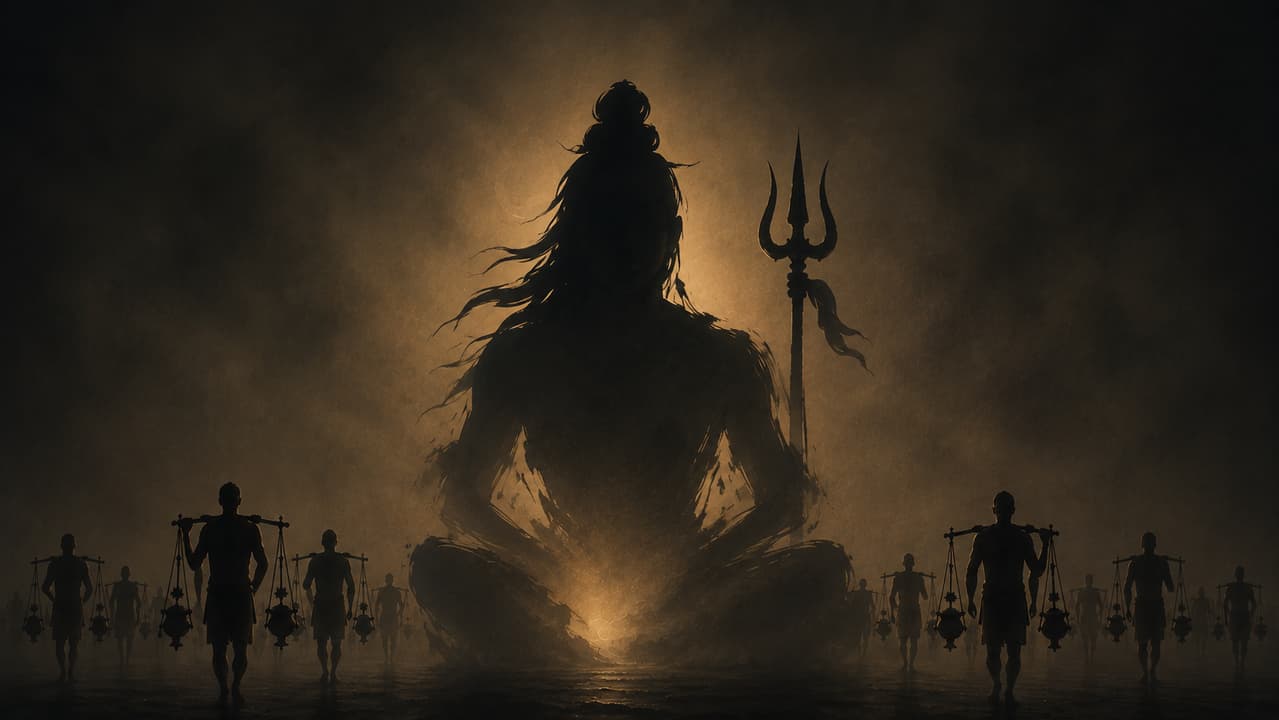
सोमवारी और काँवड़ यात्रा का बाहरी आयोजन तभी सार्थक है जब उसका संबंध शिवत्व और सत्य से हो। केवल भीड़, दिखावे, मांसाहार छोड़ने की औपचारिकता या पुत्र की कामना को धर्म मान लेना वास्तविक धर्म नहीं है। काँवड़ियों को दोष देने के बजाय उस सामूहिक मानसिकता को देखना चाहिए जो ऐसे कर्मों को जन्म देती है। धर्म का उद्देश्य लोकधर्म की रूढ़ियों को बढ़ाना नहीं, बल्कि विवेक और समझ के द्वारा उनसे मुक्त करना है।
Success and failure matter less when your work is driven by love rather than outcomes. Setbacks are opportunities to reflect, not reasons to quit, and true failure comes only when you stop trying. Regret and guilt become meaningful only if they transform you into a different person instead of becoming excuses for self-pity. Real growth begins by questioning your assumptions, facing reality honestly, and living with awareness rather than mechanical habit.
Victory is not decided by the trophy you hold but by the battle you choose to fight. Real strength lies in making the right decisions, staying true to your deepest values, and refusing to be ruled by fear or circumstances. When your actions arise from clarity rather than ambition, the outcome loses its power over you. The moment you choose the right path, you have already won.