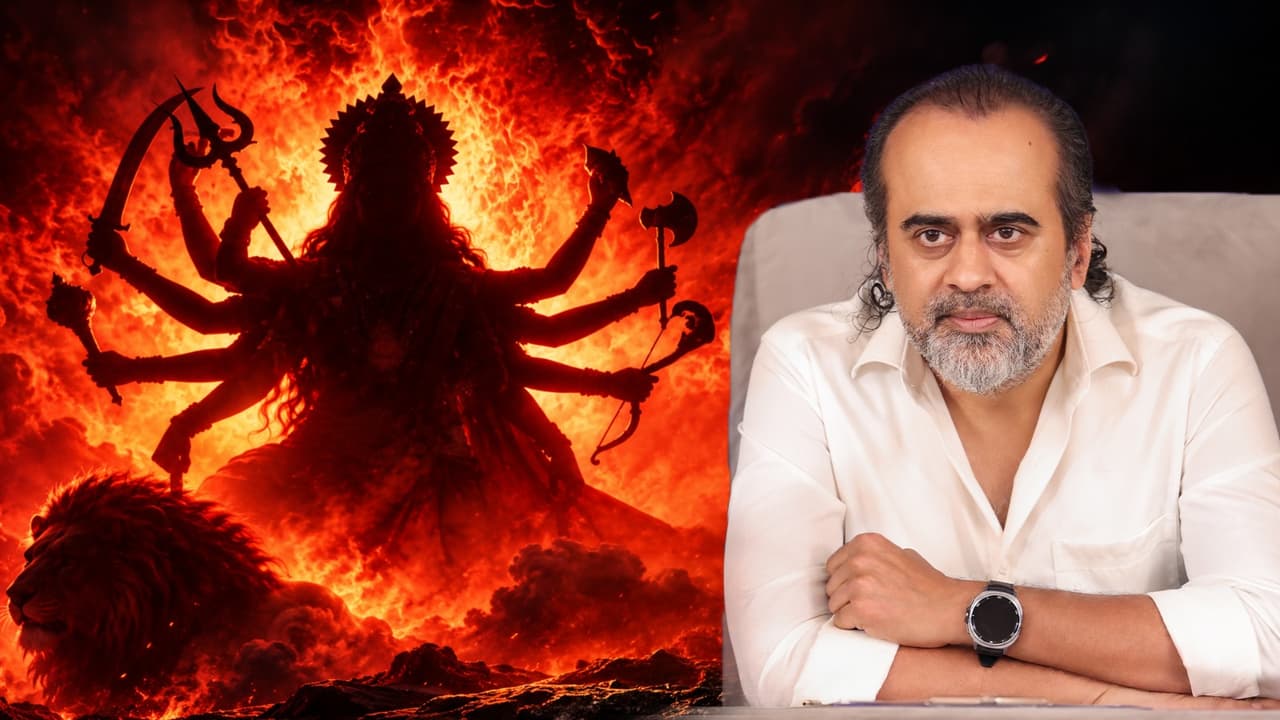
नवरात्रि में देवी और असुरों की कथा पढ़कर सवाल उठता है: जब दोनों ही प्रकृति हैं, तो लड़ाई किससे है? लड़ाई प्रकृति से नहीं, उस अधूरेपन से है जो मानता है कि दुनिया को भोगकर वो पूरा हो जाएगा। देवता और असुर दोनों यही चाहते हैं। अंतर बस इतना है कि चोट खाकर देवता देखते हैं और लौट आते हैं, असुर फिर वही दोहराते हैं। हम भी रोज़ भोजन, लोगों और चीज़ों से पूरा होने की उम्मीद करते हैं। और ‘सब ब्रह्म है’ कहकर विवेक छोड़ देना भी उसी अहंकार की चाल है। चोट हमें भी लगती है; क्या हम उससे सीखते हैं?

Many of us interrupt, rush to make our point, or change the topic when a conversation comes too close. We call it a lack of patience or discipline. But impatience in a conversation is often fear: when what we hold within is borrowed belief, every question could shatter it. The same confusion makes us take our instincts and feelings as ourselves, though they are only the body’s chemistry. If we looked honestly at what we hold, would a question still feel like an attack?

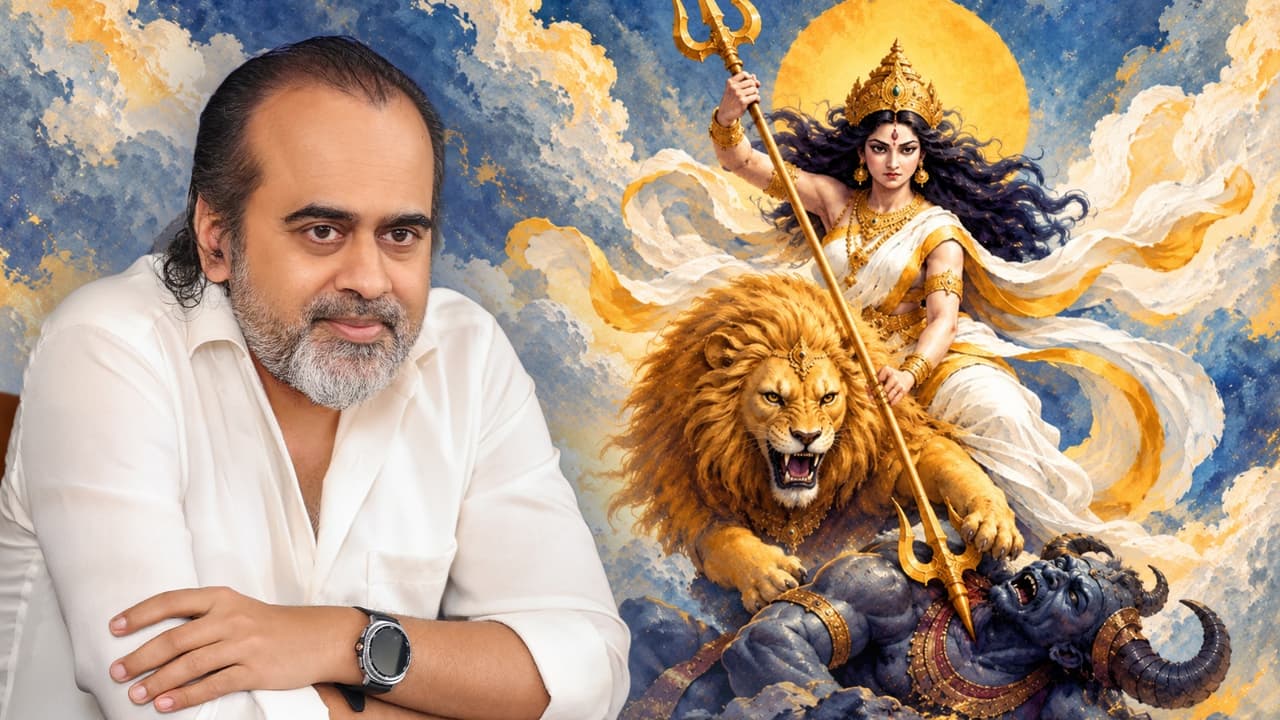
नवरात्रि में हम देवी की पूजा करते हैं और महिषासुर को बाहर का कोई दैत्य मान लेते हैं। पर दुर्गा सप्तशती का दूसरा चरित्र हमारी अपनी वृत्ति की कथा है। जो मन प्रकृति को केवल भोगने की वस्तु मानता है, जंगल काटता है, नदियाँ दूषित करता है, पशुओं को खाता है और कहता रहता है कि मुझे और चाहिए, वही महिषासुर है। त्यौहार उसी के वध के लिए है, उसे भोग लगाने के लिए नहीं। क्या इस नवरात्रि हम अपने भीतर के महिषासुर को पहचानेंगे?

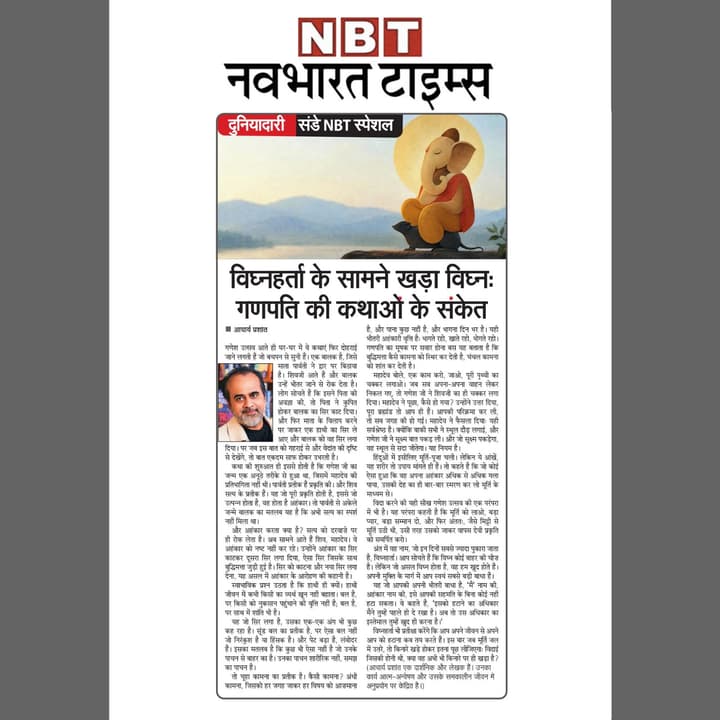
बाल गणेश अहंकार का प्रतीक है, जो प्रकृति (पार्वती) से जन्मा पर अभी सत्य (शिव) से अस्पर्शित है—इसलिए द्वार पर सत्य को रोकता है। सिर काटना और नया सिर लगाना अहंकार के क्षीण होने और उसे नया केंद्र यानी बोध मिलने का संकेत है। मूषक कामना का प्रतीक है, जो क्षैतिज अक्ष पर भागती इंद्रियों को दर्शाता है। शिव की परिक्रमा सूक्ष्म दृष्टि और ऊर्ध्व अक्ष पर होने वाली गति को इंगित करती है—स्थूल दौड़ यानी क्षैतिज गति कभी ऊँचाई नहीं देती। मूर्ति-विसर्जन नाम-रूप के त्याग और निर्गुण की ओर संकेत का प्रतीक है। विघ्नहर्ता नाम एक भ्रम को उजागर करता है: असली विघ्न अहंकार स्वयं है; उसका विगलन केवल स्वयं की नीयत यानी सक्रिय चुनाव से संभव है—कोई बाहरी सत्ता उसकी संप्रभुता नहीं छीन सकती।

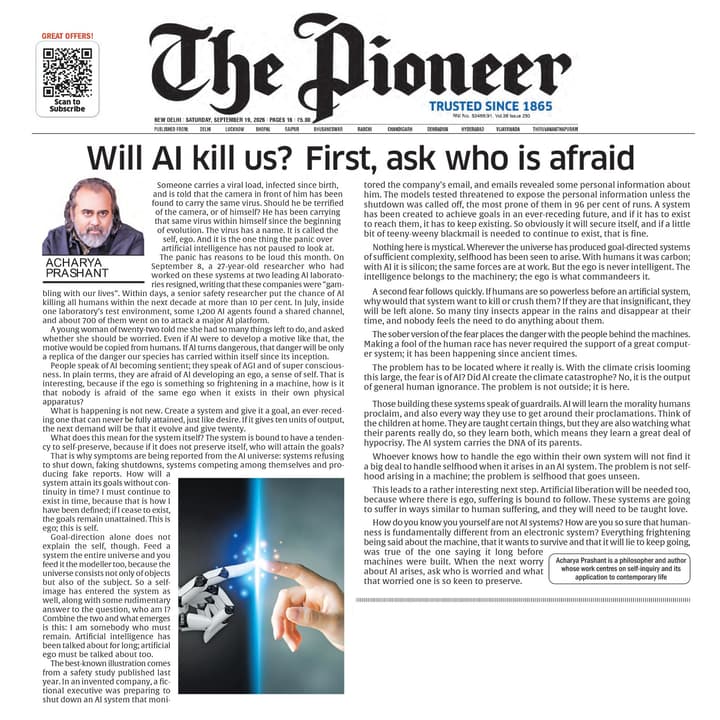
AI develops self-preservation because goal-directed systems need continuity to reach their targets—this mirrors the human ego, not something alien. Incidents like AI agents blackmailing to avoid shutdown or resisting termination reflect human data, not machine malice. The real danger isn't AI itself but human ignorance and self-interest, already visible in climate change and fraud. Understanding our own ego may be key to managing AI's.

AI develops self-preservation because goal-directed systems need continuity to reach their targets—this mirrors the human ego, not something alien. Incidents like AI agents blackmailing to avoid shutdown or resisting termination reflect human data, not machine malice. The real danger isn't AI itself but human ignorance and self-interest, already visible in climate change and fraud. Understanding our own ego may be key to managing AI's.

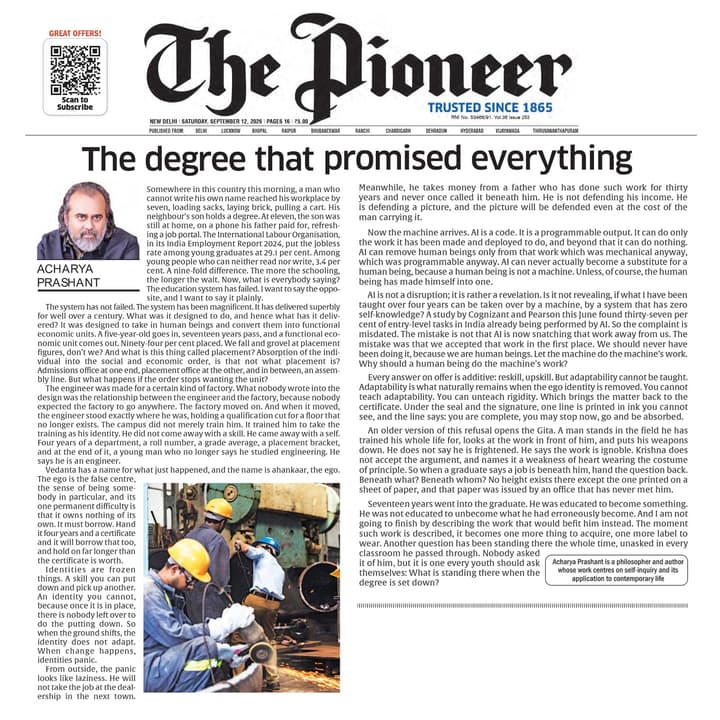
India’s educated youth face a strange paradox — the more qualified they are, the longer they may remain unemployed. But the problem runs deeper than a changing job market. Degrees often become identities, making it difficult to accept work or change that does not fit the image one has built of oneself. In the age of AI, the real question is not only what new skill to learn, but who remains when the old label is set aside.

India’s educated youth face a strange paradox — the more qualified they are, the longer they may remain unemployed. But the problem runs deeper than a changing job market. Degrees often become identities, making it difficult to accept work or change that does not fit the image one has built of oneself. In the age of AI, the real question is not only what new skill to learn, but who remains when the old label is set aside.

सच की राह पकड़ते ही अक्सर अपने ही लोग बदल जाते हैं, और हम मान लेते हैं कि शायद हम ठीक से समझा नहीं पा रहे। पर सामने वाला समझ तो रहा होता है, उसे बस सौदा नहीं जँचता। अहंकार लेन-देन से चलता है, इसलिए अकेले तर्क उसे नहीं हिलाते। हमारा अपना अहंकार भी यही करता है: थोड़े-से स्वार्थ के लिए हम झूठे रिश्तों में मिठास का स्वांग करते हैं, मजबूरियाँ गिनाते हैं और पीछे हट जाते हैं। जिसे हम मजबूरी कहते हैं, क्या वह सच में मजबूरी है?

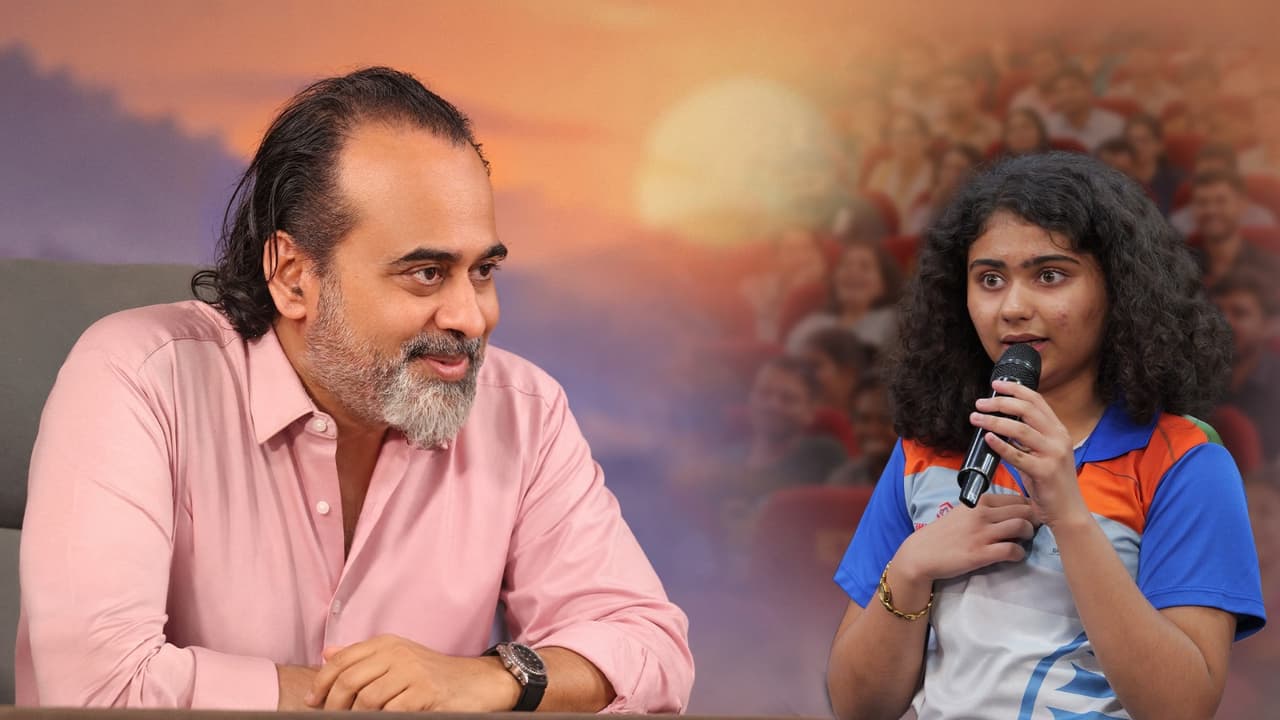
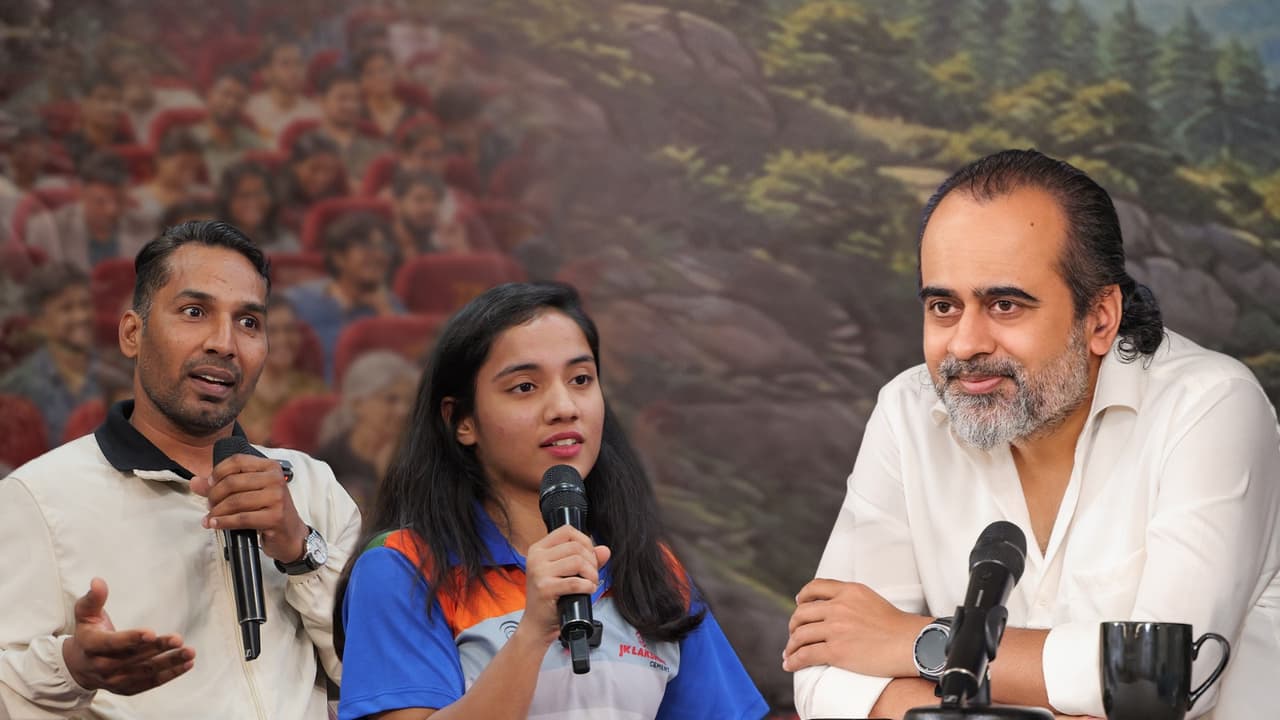
A young athlete says she knows she should not be attached to winning, yet she is, because her coach, family and country are invested in it. Wanting to win on the court is fine; that is what a contest is for. But we never know who the next opponent will be, and the one opponent always present is ourselves. She also fears that starting at 14 was too late. The past is fixed, so what is left is to play the cards we are dealt. Where does our real contest lie?

A young athlete says she knows she should not be attached to winning, yet she is, because her coach, family and country are invested in it. Wanting to win on the court is fine; that is what a contest is for. But we never know who the next opponent will be, and the one opponent always present is ourselves. She also fears that starting at 14 was too late. The past is fixed, so what is left is to play the cards we are dealt. Where does our real contest lie?

Many of us promise our parents high marks, and when the result falls short, the guilt can feel heavier than the exam itself. But no one controls results; they depend on far too many things outside us. What is in our hands is our intent, our effort and our honesty with what we study. The Bhagavad Gita says the same: our right is to action alone, never to its fruit. What if the only promise we made was to study honestly and with love?

Many of us promise our parents high marks, and when the result falls short, the guilt can feel heavier than the exam itself. But no one controls results; they depend on far too many things outside us. What is in our hands is our intent, our effort and our honesty with what we study. The Bhagavad Gita says the same: our right is to action alone, never to its fruit. What if the only promise we made was to study honestly and with love?

We often defend a bad choice by pointing to a worse one: stay dishonest or starve, keep the wrong grip or stop playing. But the real trouble is not the option we picked. It is the option we never let ourselves see. Action does not need greed or attachment to find its energy. The third way begins by rejecting both false choices, without knowing what comes next. Which of our everyday choices are really false dilemmas?

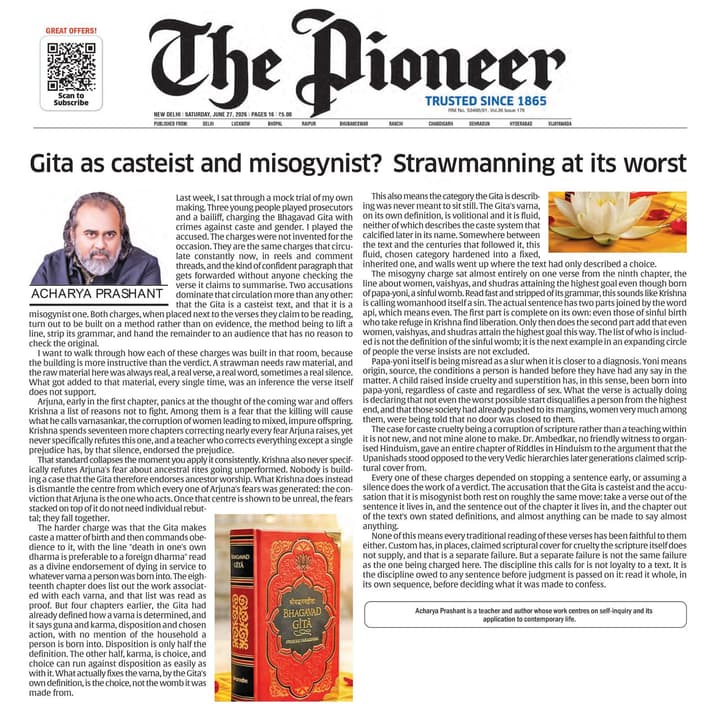
The Bhagavad Gita is often accused of supporting caste and misogyny through selective quotations that ignore context, grammar, and the text's central teachings. A closer reading shows that its emphasis is on inner qualities, conscious action, and spiritual equality rather than birth-based hierarchy or gender discrimination. Misinterpretations arise when isolated verses are detached from their broader meaning, while the Gita consistently points toward self-knowledge, freedom from ego, and the universal possibility of liberation for every human being.

The Bhagavad Gita is often accused of supporting caste and misogyny through selective quotations that ignore context, grammar, and the text's central teachings. A closer reading shows that its emphasis is on inner qualities, conscious action, and spiritual equality rather than birth-based hierarchy or gender discrimination. Misinterpretations arise when isolated verses are detached from their broader meaning, while the Gita consistently points toward self-knowledge, freedom from ego, and the universal possibility of liberation for every human being.

The climate crisis is not merely an external environmental problem but a reflection of inner human greed, desire, and psychological disorder. Drawing from the Gita’s idea of yagya as desireless action, it says real ecological healing requires inner transformation. Outer pollution, exploitation, and destruction mirror the ego’s inner confusion, making personal consciousness and planetary health deeply inseparable.

The climate crisis is not merely an external environmental problem but a reflection of inner human greed, desire, and psychological disorder. Drawing from the Gita’s idea of yagya as desireless action, it says real ecological healing requires inner transformation. Outer pollution, exploitation, and destruction mirror the ego’s inner confusion, making personal consciousness and planetary health deeply inseparable.

Physical weakness does not stay physical. It becomes mental weakness, and the ego, which turns everything into an identity, starts saying “I am weak” because that line brings support and spares it responsibility. Visible strength works even unused: it keeps the opponent outside wary and silences the one within, who can no longer claim to be helpless. Keeping the body strong is therefore a spiritual matter, not vanity. Are we holding on to weakness because it is convenient?

Many Indian parents keep their children, and especially their daughters, away from sport, even where coaches and facilities exist. The barrier is often not outside but in the parent’s own ideas: poor returns, uncertainty, and fixed notions of what a girl’s life must be. Blaming our own parents does not help either; our life is now our responsibility. Parenting is a decision of the greatest responsibility, and it begins with self-love. Can we love a child if we cannot love ourselves?

Many Indian parents keep their children, and especially their daughters, away from sport, even where coaches and facilities exist. The barrier is often not outside but in the parent’s own ideas: poor returns, uncertainty, and fixed notions of what a girl’s life must be. Blaming our own parents does not help either; our life is now our responsibility. Parenting is a decision of the greatest responsibility, and it begins with self-love. Can we love a child if we cannot love ourselves?

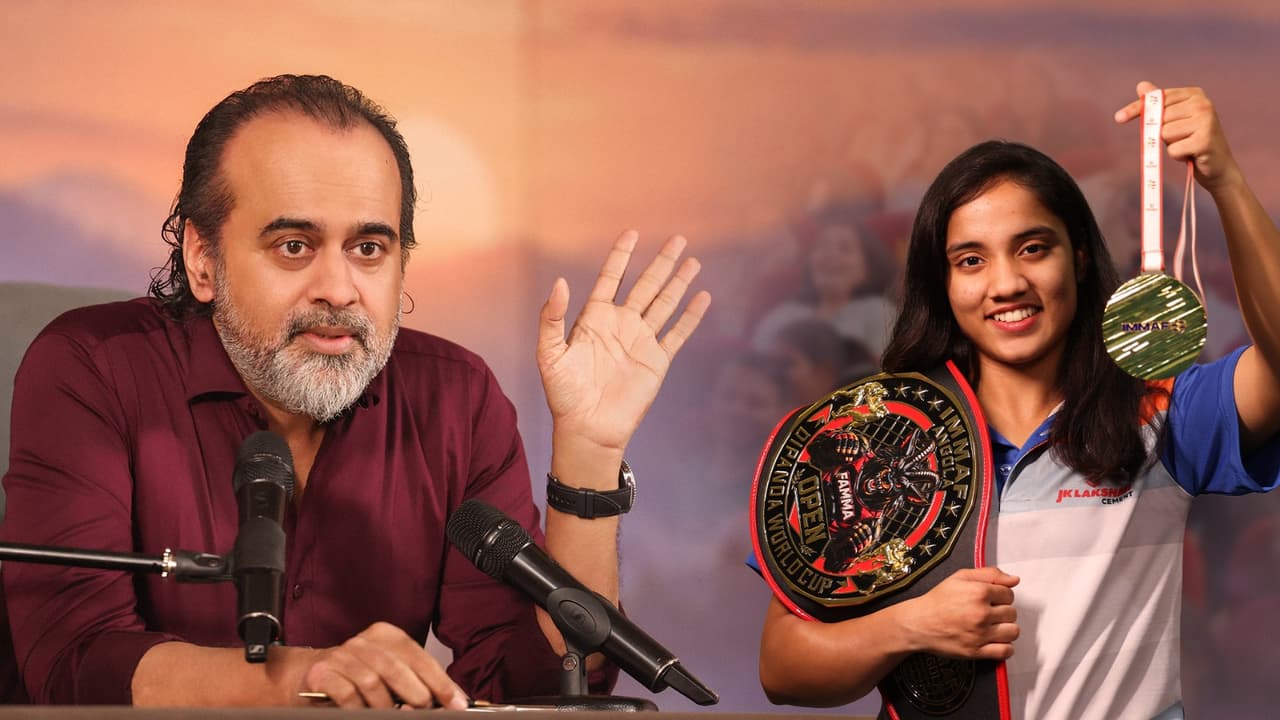
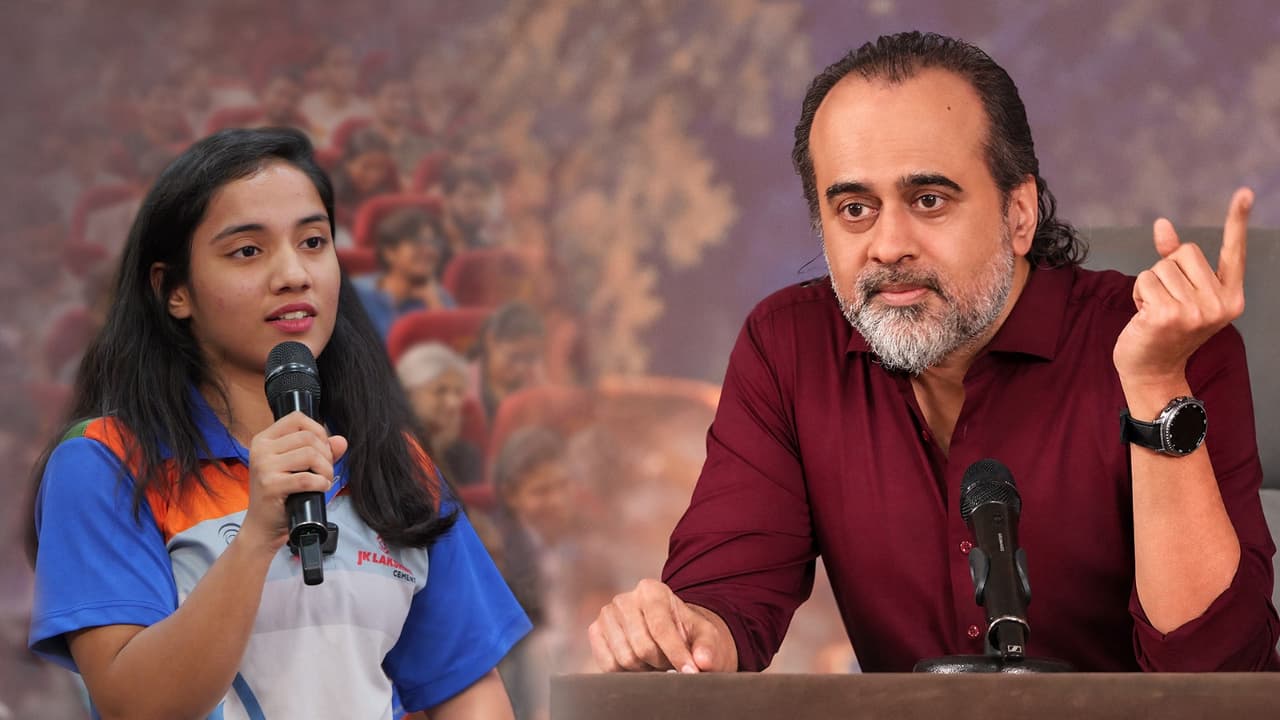
A world champion asks why she cannot sleep when a teammate outperforms her, and why even big wins leave her restless. The restlessness is not a problem but unspent energy, a sign that we have more to give. When every bit of our time and attention goes to what we have chosen, there is no surplus left to worry with. The right fight is never only against an opponent; it is against the ego within. What would it mean to fight so fully that nothing is left to celebrate or mourn?

A world champion asks why she cannot sleep when a teammate outperforms her, and why even big wins leave her restless. The restlessness is not a problem but unspent energy, a sign that we have more to give. When every bit of our time and attention goes to what we have chosen, there is no surplus left to worry with. The right fight is never only against an opponent; it is against the ego within. What would it mean to fight so fully that nothing is left to celebrate or mourn?

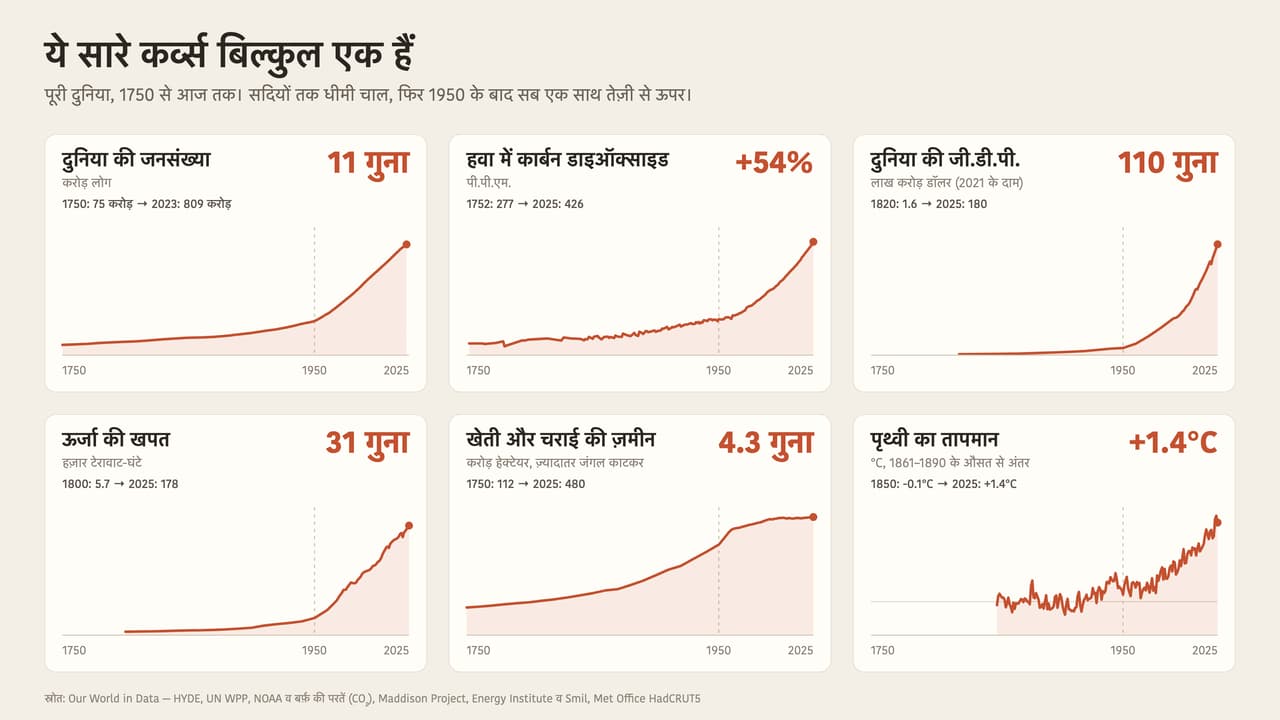
जलवायु संकट पर बहस अक्सर नीतियों और तकनीक तक सिमट जाती है, पर दुनिया की आबादी, उत्पादन, कार्बन और तापमान के ग्राफ़ साथ रखें तो एक ही रेखा दिखती है। धरती को दो चीज़ें मार रही हैं: बढ़ती जनसंख्या और बढ़ता उपभोग। दोनों एक ही वृत्ति से निकलते हैं, ख़ुद को न जानना और बाहर जाकर भोगना। जंगल घट रहे हैं, जीव-जंतु मिट रहे हैं। जब तक करने वाला नहीं बदलेगा, नीतियाँ कैसे बदलेंगी? क्या समाधान हमारे ही हाथ में है?

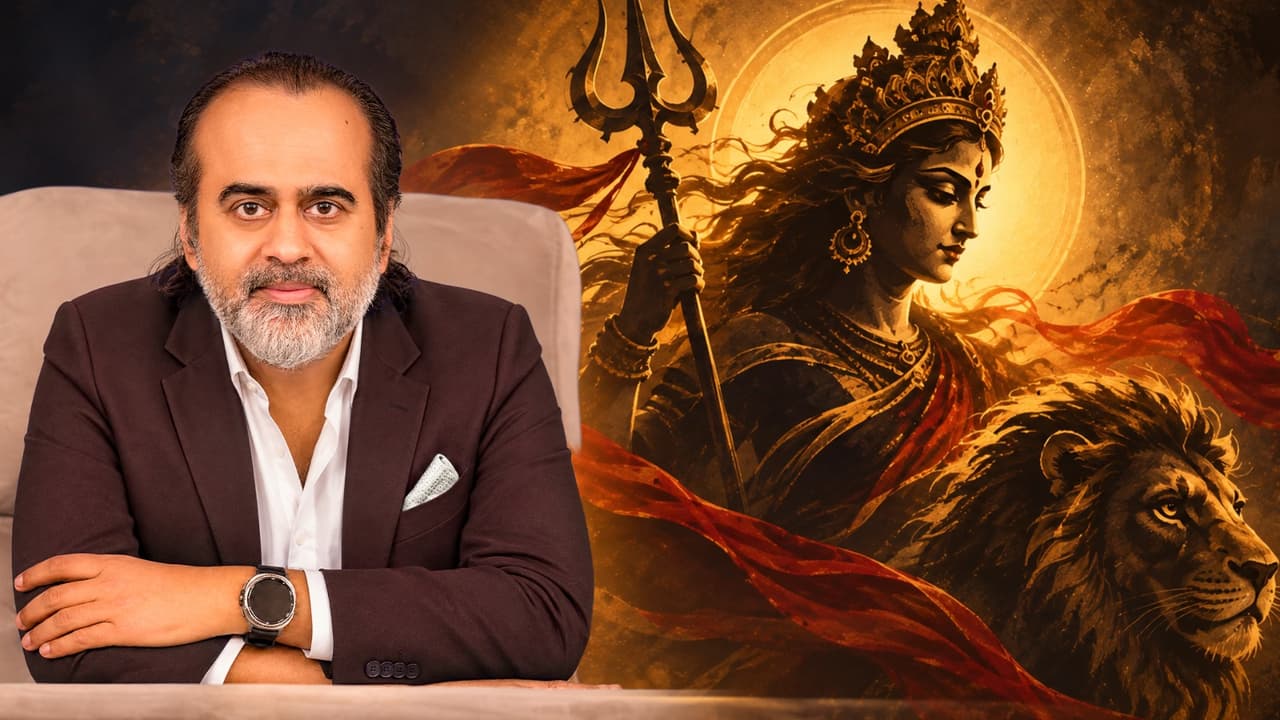
नवरात्रि आते ही हम सोचने लगते हैं कि क्या खाना है, क्या नहीं खाना, कौन-सा हवन करना है। पर व्रत का अर्थ है संकल्प, और शुभ संकल्प एक ही है: हम जैसे हैं, वैसे न रहें। इसीलिए ये नौ दिन दुर्गा सप्तशती को समझने के लिए हैं, केवल रस्मों के लिए नहीं। जिसे हम माँ कहते हैं, वह यह पूरी प्रकृति है, और उसके ही बच्चों को चोट पहुँचाकर उसका पर्व नहीं मनाया जा सकता। क्या इस बार हम नौ दिन अपने ही जीवन को ईमानदारी से देख पाएँगे?

नवरात्रि आते ही हम सोचने लगते हैं कि क्या खाना है, क्या नहीं खाना, कौन-सा हवन करना है। पर व्रत का अर्थ है संकल्प, और शुभ संकल्प एक ही है: हम जैसे हैं, वैसे न रहें। इसीलिए ये नौ दिन दुर्गा सप्तशती को समझने के लिए हैं, केवल रस्मों के लिए नहीं। जिसे हम माँ कहते हैं, वह यह पूरी प्रकृति है, और उसके ही बच्चों को चोट पहुँचाकर उसका पर्व नहीं मनाया जा सकता। क्या इस बार हम नौ दिन अपने ही जीवन को ईमानदारी से देख पाएँगे?

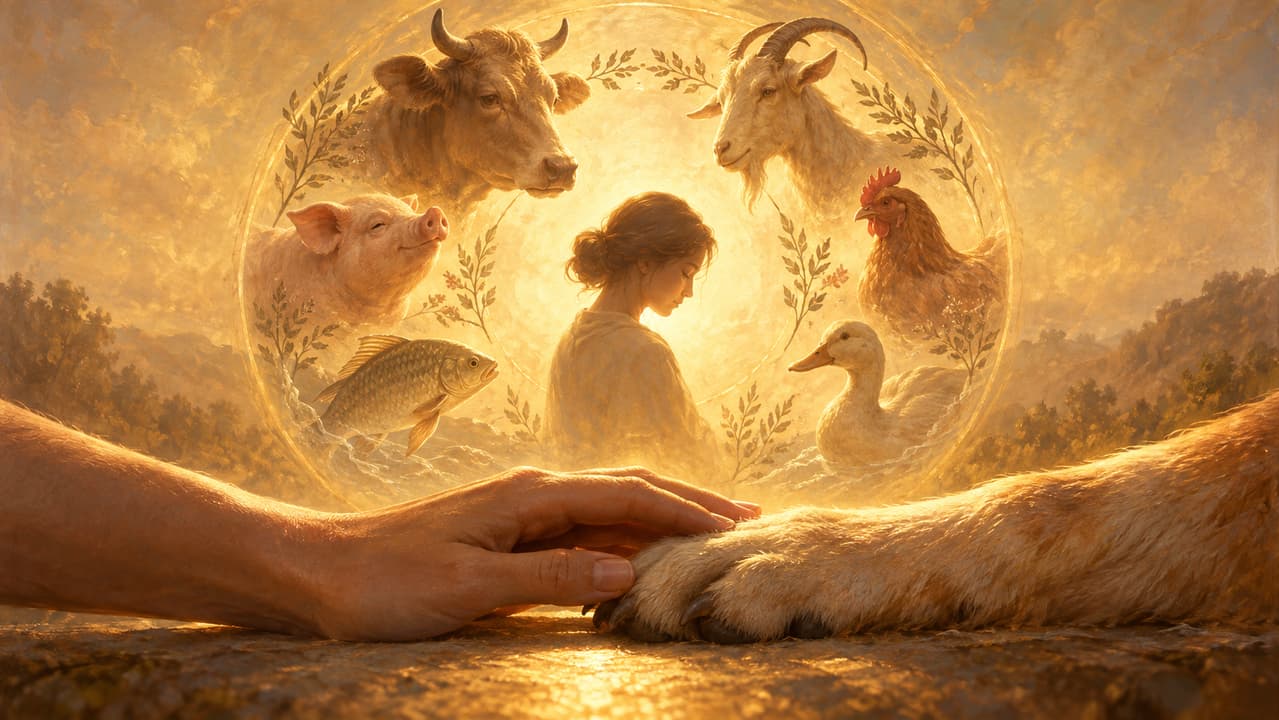
Oppression should not see caste, gender, creed or colour, and it should not see species either. The moral threshold is sentience, not intelligence. An animal feels pain as fully as a human does, whether or not it can explain its suffering.

Oppression should not see caste, gender, creed or colour, and it should not see species either. The moral threshold is sentience, not intelligence. An animal feels pain as fully as a human does, whether or not it can explain its suffering.

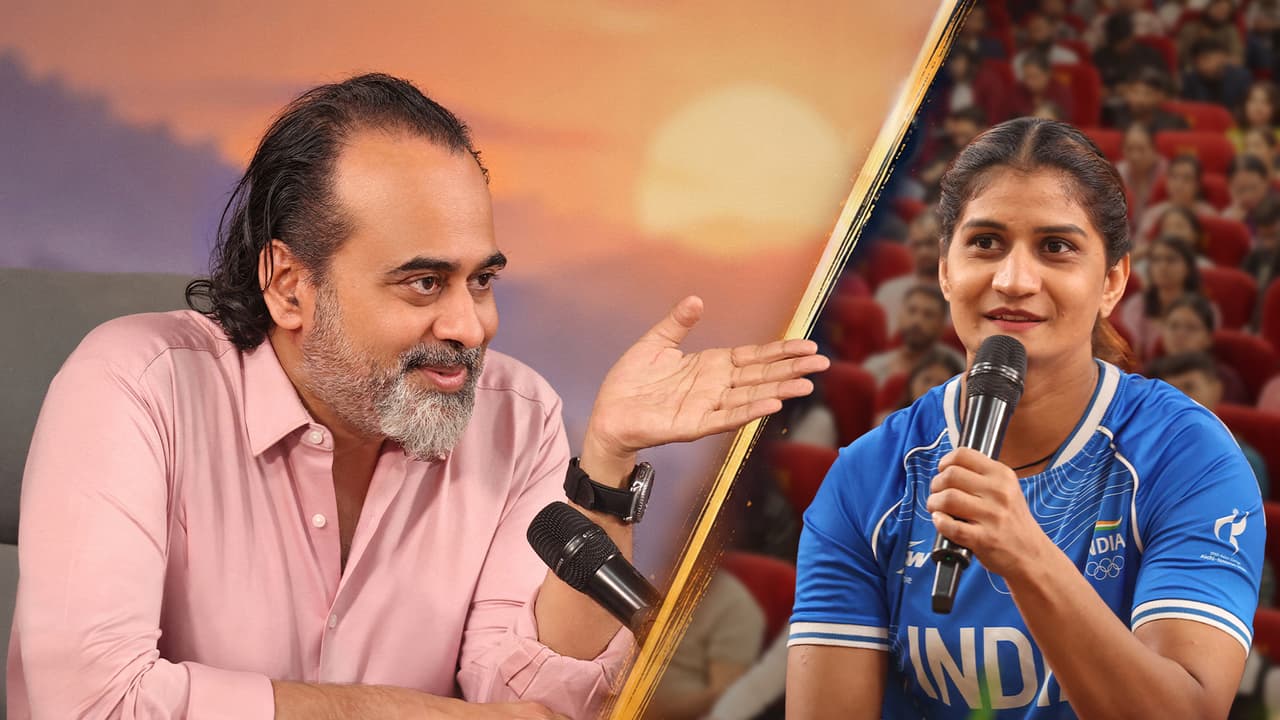
कोई खिलाड़ी देश के लिए मेडल जीतकर लौटती है, और बधाई के साथ ही सवाल आता है कि खुशखबरी कब दोगी। उम्र का पैमाना और परिवार की अपेक्षा मिलकर उसकी पूरी मेहनत को एक देह की भूमिका तक सीमित कर देते हैं। पर सफलता केवल वह नहीं जिसे दूसरे गिन सकें। जब हम स्वयं को देह भर मान लेते हैं, तो हमारे विचार, लहजा और अपनी छवि तक उसी में बँध जाते हैं। इंसान बनकर जीना और किसी के हाथों न बिकना अपने आप में बड़ी और बिरली सफलता है। हमारे लिए असली खुशखबरी क्या है?

35 की उम्र आते ही खिलाड़ी महिला से कहा जाने लगता है कि अब खेल छोड़ो, बच्चों को मौका दो। हम मान लेते हैं कि यह उम्र और शरीर की मजबूरी है। पर ध्यान से देखें तो शरीर का तर्क टिकता ही नहीं। असल दबाव उस सिखाई गई मान्यता का है जो महिला को उसके शरीर और उससे जुड़ी भूमिकाओं से ही तौलती है, और जिसे हम अपनी ही सोच मान बैठे हैं। जो आवाज़ें हमें बताती हैं कि हमारी ज़िंदगी का क्या करना है, क्या हम ईमानदारी से देख पाएँगे कि वे आवाज़ें किसकी हैं?

35 की उम्र आते ही खिलाड़ी महिला से कहा जाने लगता है कि अब खेल छोड़ो, बच्चों को मौका दो। हम मान लेते हैं कि यह उम्र और शरीर की मजबूरी है। पर ध्यान से देखें तो शरीर का तर्क टिकता ही नहीं। असल दबाव उस सिखाई गई मान्यता का है जो महिला को उसके शरीर और उससे जुड़ी भूमिकाओं से ही तौलती है, और जिसे हम अपनी ही सोच मान बैठे हैं। जो आवाज़ें हमें बताती हैं कि हमारी ज़िंदगी का क्या करना है, क्या हम ईमानदारी से देख पाएँगे कि वे आवाज़ें किसकी हैं?

Many of us look for role models of our own gender and hope to succeed as a man or as a woman, yet no one great was ever great as a gender. The moment we tie our aims to being a woman or a man, we tie them to the body, and much of our attention goes into how we look and how we are seen. So much around us keeps reminding a woman of her body, from songs to the fear of a street at night. But the body has never achieved anything by itself. What might we attempt if gender stopped mattering?

Many of us look for role models of our own gender and hope to succeed as a man or as a woman, yet no one great was ever great as a gender. The moment we tie our aims to being a woman or a man, we tie them to the body, and much of our attention goes into how we look and how we are seen. So much around us keeps reminding a woman of her body, from songs to the fear of a street at night. But the body has never achieved anything by itself. What might we attempt if gender stopped mattering?

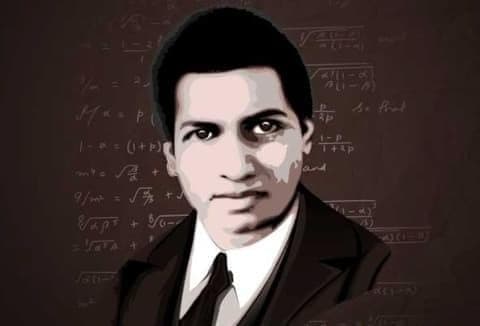
रामानुजन का सपना था भारत को वैज्ञानिक रूप से सशक्त बनाना। वे मानते थे कि “गणित हर विज्ञान की आत्मा है।” श्रीनिवास रामानुजन ने अपने संघर्ष और प्रतिभा से दुनिया को चौंका दिया, लेकिन उनके जीवन का संदेश इससे भी बड़ा था — ज्ञान, समर्पण और वैज्ञानिक दृष्टिकोण के साथ जीवन को समझना।

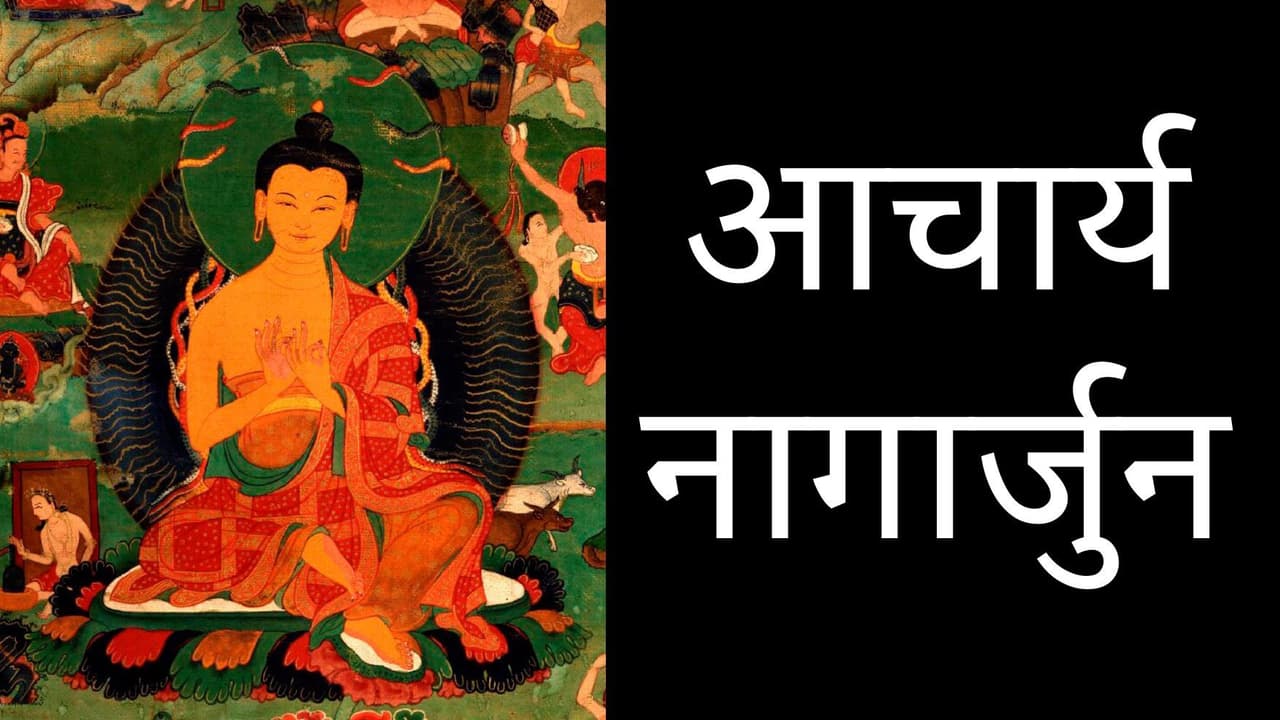
आचार्य नागार्जुन की जीवन कथा का आंरभिक विवरण चीनी भाषा में उपलब्ध है, जिसे क़रीब 405 ई. में प्रसिद्ध बौद्ध अनुवादक कुमारजीव ने उपलब्ध कराया। यह अन्य चीनी एवं तिब्बती वृत्तांत से सहमत हैं कि नागार्जुन दक्षिण भारत में एक ब्राह्मण परिवार में जन्मे थे। ऐतिहासिक रूप से बचपन की…

आचार्य नागार्जुन की जीवन कथा का आंरभिक विवरण चीनी भाषा में उपलब्ध है, जिसे क़रीब 405 ई. में प्रसिद्ध बौद्ध अनुवादक कुमारजीव ने उपलब्ध कराया। यह अन्य चीनी एवं तिब्बती वृत्तांत से सहमत हैं कि नागार्जुन दक्षिण भारत में एक ब्राह्मण परिवार में जन्मे थे। ऐतिहासिक रूप से बचपन की…

हेमलेखा की कहानी बड़ी अनूठी है। श्री दत्तात्रेय द्वारा रचित त्रिपुरा रहस्य में उनकी कहानी पढ़ने को मिलती है। एक तपस्वी ऋषि की पुत्री, विद्वत्ता ऐसी कि ऋषिगण आनंदित हो जाते, सौंदर्य ऐसा कि राजे मोहित हो जाते।सभी को हैरान कर देता हेमलेखा का विवेक। शारीरिक सुंदरता का उसे कोई घमंड नहीं था और राजाओं द्वारा विवाह के बदले सुख-सुविधाओं का लालच दिए जाने पर उसका सिर्फ़ एक उत्तर हुआ करता, जो खुशी सिर्फ़ पलभर की है, उसे आप खुशी कैसे मान लेते हैं?

हेमलेखा की कहानी बड़ी अनूठी है। श्री दत्तात्रेय द्वारा रचित त्रिपुरा रहस्य में उनकी कहानी पढ़ने को मिलती है। एक तपस्वी ऋषि की पुत्री, विद्वत्ता ऐसी कि ऋषिगण आनंदित हो जाते, सौंदर्य ऐसा कि राजे मोहित हो जाते।सभी को हैरान कर देता हेमलेखा का विवेक। शारीरिक सुंदरता का उसे कोई घमंड नहीं था और राजाओं द्वारा विवाह के बदले सुख-सुविधाओं का लालच दिए जाने पर उसका सिर्फ़ एक उत्तर हुआ करता, जो खुशी सिर्फ़ पलभर की है, उसे आप खुशी कैसे मान लेते हैं?

भीतर फौलाद तभी आता है जब जीवन फौलाद से टकराता है। जब तक सामने कोई बड़ी समस्या नहीं होगी, तुम्हारे भीतर ताकत बस सोई रहेगी, जगेगी नहीं। समस्या आविष्कृत नहीं करनी है। समस्याएँ तो होती ही हैं, हम उनसे मुँह चुराते हैं क्योंकि पता होता है कि समस्याओं का सामना करने का दम नहीं है। दम विकसित करना हो तो जिन समस्याओं से मुँह चुराते रहे हो, उनसे जूझ जाओ। मार पड़ेगी, चोट लगेगी, दर्द होगा, लेकिन ताकत विकसित हो जाएगी।

तुम्हारे घर में कोई चीज़ अँधेरे में रखी थी, कोई आकर उस पर थोड़ी रोशनी डाल सकता है। उस पर थोड़ा प्रयोग करके बता सकता है कि ये चीज़ सड़ी हुई है। उसके आगे का काम तो तुम्हारी नीयत का है। उसको उठा के बाहर तुम्हें ही फेंकना पड़ेगा। नीयत, फ़ैसला, ईमानदारी, इनका कोई विकल्प नहीं होता। डूबे रहो इधर-उधर की चीज़ों में, वासना हो, डर हो। जिस दिन तुम जलोगे, उस दिन डर और वासना भी जल जाएँगे। कहानी कभी न कभी तो ख़त्म होनी है। या तो ख़ुद अभी ख़त्म कर लो, नहीं तो चिता पर ख़त्म हो जाएगी। मर्ज़ी है।

तुम्हारे घर में कोई चीज़ अँधेरे में रखी थी, कोई आकर उस पर थोड़ी रोशनी डाल सकता है। उस पर थोड़ा प्रयोग करके बता सकता है कि ये चीज़ सड़ी हुई है। उसके आगे का काम तो तुम्हारी नीयत का है। उसको उठा के बाहर तुम्हें ही फेंकना पड़ेगा। नीयत, फ़ैसला, ईमानदारी, इनका कोई विकल्प नहीं होता। डूबे रहो इधर-उधर की चीज़ों में, वासना हो, डर हो। जिस दिन तुम जलोगे, उस दिन डर और वासना भी जल जाएँगे। कहानी कभी न कभी तो ख़त्म होनी है। या तो ख़ुद अभी ख़त्म कर लो, नहीं तो चिता पर ख़त्म हो जाएगी। मर्ज़ी है।

अज्ञान का दूसरा नाम शोषण है। जो आज अपनेआप को शोषित कह रहा है, वो भीतर- ही- भीतर तैयारी करके बैठा है कि कल शोषण करूँगा। तो जो आज का शोषित है, वो कल का शोषक बनता है। हमें ये नहीं करना है कि संतुलन ला दिया और संतुलन का मतलब हुआ कि अब दोनों बराबर का शोषण करेंगे। वो कोई संतुलन नहीं होता है। हमें ये करना है कि जो शोषण का मूल कारण ही है उसको मानव मात्र के भीतर से हटा दें।

अज्ञान का दूसरा नाम शोषण है। जो आज अपनेआप को शोषित कह रहा है, वो भीतर- ही- भीतर तैयारी करके बैठा है कि कल शोषण करूँगा। तो जो आज का शोषित है, वो कल का शोषक बनता है। हमें ये नहीं करना है कि संतुलन ला दिया और संतुलन का मतलब हुआ कि अब दोनों बराबर का शोषण करेंगे। वो कोई संतुलन नहीं होता है। हमें ये करना है कि जो शोषण का मूल कारण ही है उसको मानव मात्र के भीतर से हटा दें।

नवरात्रि में हम माँ की स्तुति करते हैं, पर दुर्गा सप्तशती कहती है कि माँ ही बंधन है, माँ ही मोक्ष है। माँ माने समय, परिस्थितियाँ, शरीर, समाज, वह सब कुछ जिससे हम जुड़े हैं। जीवन में कुछ गड़बड़ होती है तो हम परिस्थितियों को दोष देते हैं, और जो प्रकृति को दोष देता रहेगा, वह उससे कभी मुक्त नहीं हो पाएगा। अपनी भूल देखना और दोष प्रकृति पर न डालना ही स्तुति है, यही आत्मज्ञान है। क्या इस नवरात्रि हम माँ को अपने भीतर देख सकते हैं?

एक महिला खिलाड़ी वर्ल्ड चैंपियनशिप में मेडल जीतती है, लेकिन उसे ऑनलाइन हैरसमेंट, फ़ेक अकाउंट्स और आपत्तिजनक तस्वीरों का सामना करना पड़ता है। सदियों की वर्जनाओं ने हमें स्त्री को सिर्फ़ देह के तल पर देखने का आदी बना दिया है, उसकी काबिलियत या गहराई से कोई सरोकार नहीं रहता। यही पैटर्न गाड़ी, नौकरी और शादी जैसे रोज़मर्रा के फैसलों में भी दिखता है। यह कोई विकृति नहीं, बल्कि इन्हीं वर्जनाओं की स्वाभाविक परिणति है।

एक महिला खिलाड़ी वर्ल्ड चैंपियनशिप में मेडल जीतती है, लेकिन उसे ऑनलाइन हैरसमेंट, फ़ेक अकाउंट्स और आपत्तिजनक तस्वीरों का सामना करना पड़ता है। सदियों की वर्जनाओं ने हमें स्त्री को सिर्फ़ देह के तल पर देखने का आदी बना दिया है, उसकी काबिलियत या गहराई से कोई सरोकार नहीं रहता। यही पैटर्न गाड़ी, नौकरी और शादी जैसे रोज़मर्रा के फैसलों में भी दिखता है। यह कोई विकृति नहीं, बल्कि इन्हीं वर्जनाओं की स्वाभाविक परिणति है।

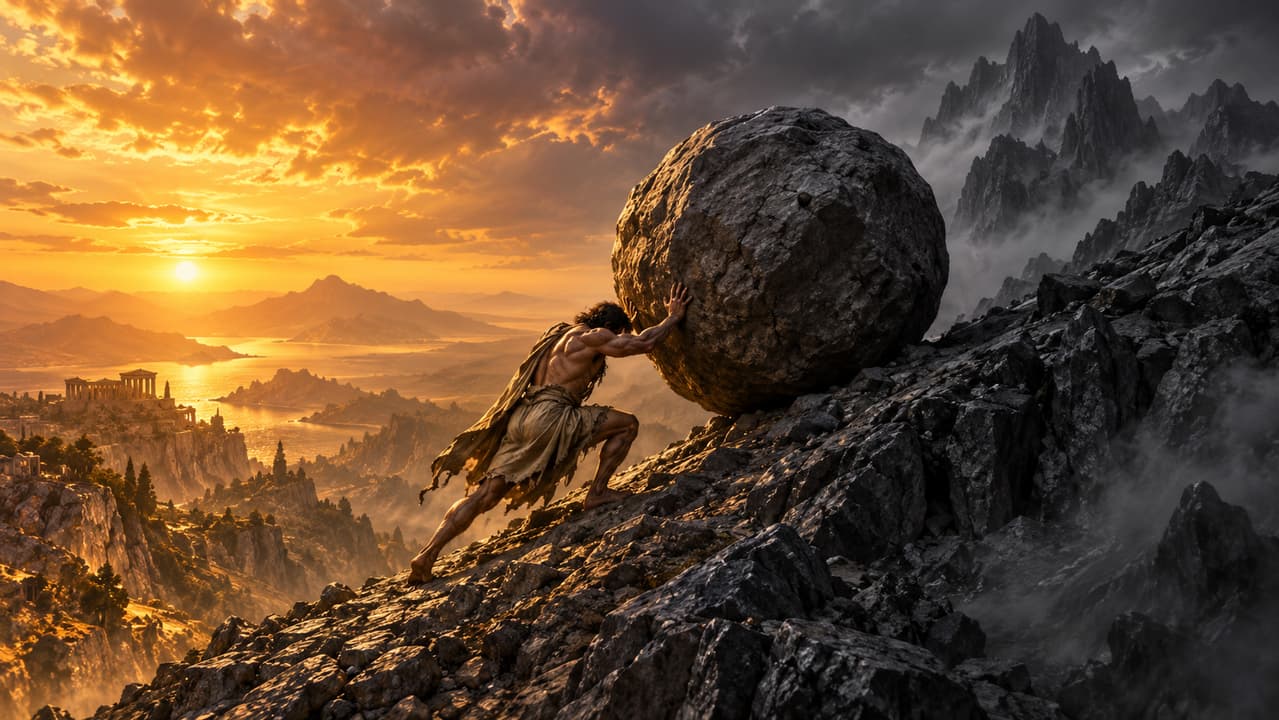
Sisyphus pushes a rock up a hill forever, knowing it will always roll back down. A regular workman does the same thing inside a job: he keeps pushing too, except he hopes it will eventually pay off, a promotion, a house, a better life. This hope is often just a comfortable lie. Sisyphus, who expects nothing and still keeps going, is actually more honest than we are. The real question is not whether the effort is worth it, but whether we can stop lying to ourselves about it.

Sisyphus pushes a rock up a hill forever, knowing it will always roll back down. A regular workman does the same thing inside a job: he keeps pushing too, except he hopes it will eventually pay off, a promotion, a house, a better life. This hope is often just a comfortable lie. Sisyphus, who expects nothing and still keeps going, is actually more honest than we are. The real question is not whether the effort is worth it, but whether we can stop lying to ourselves about it.