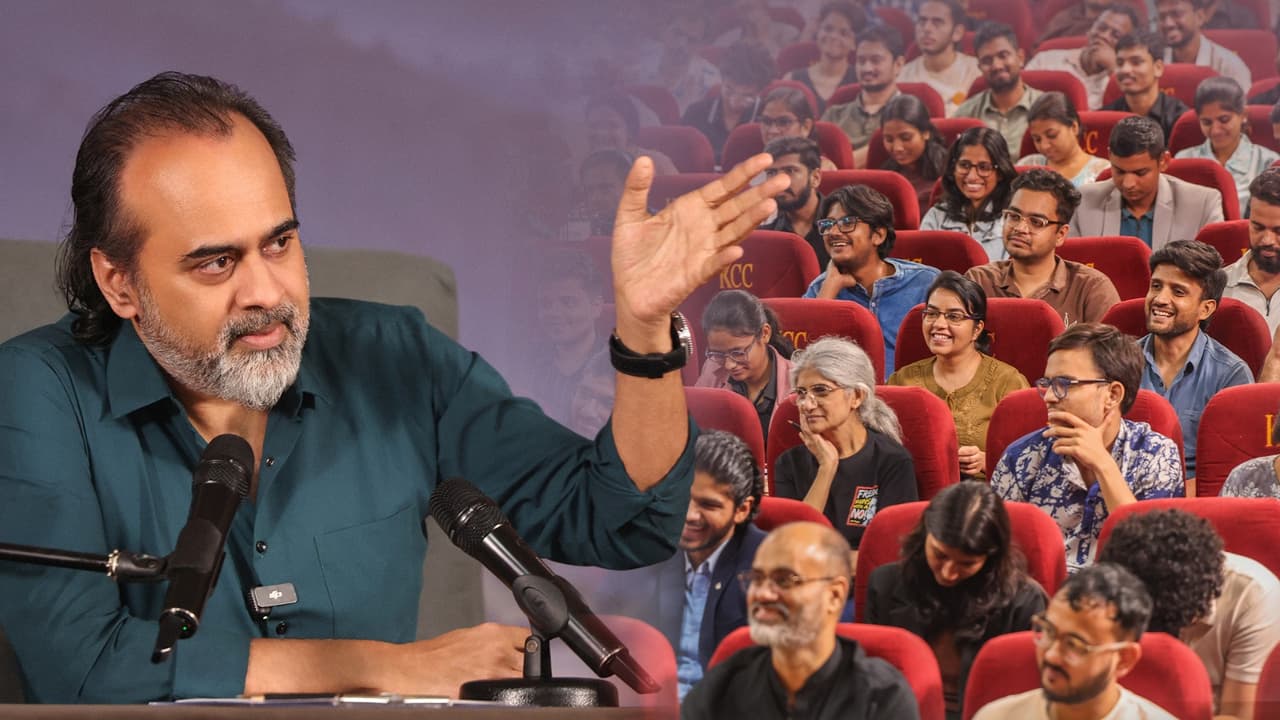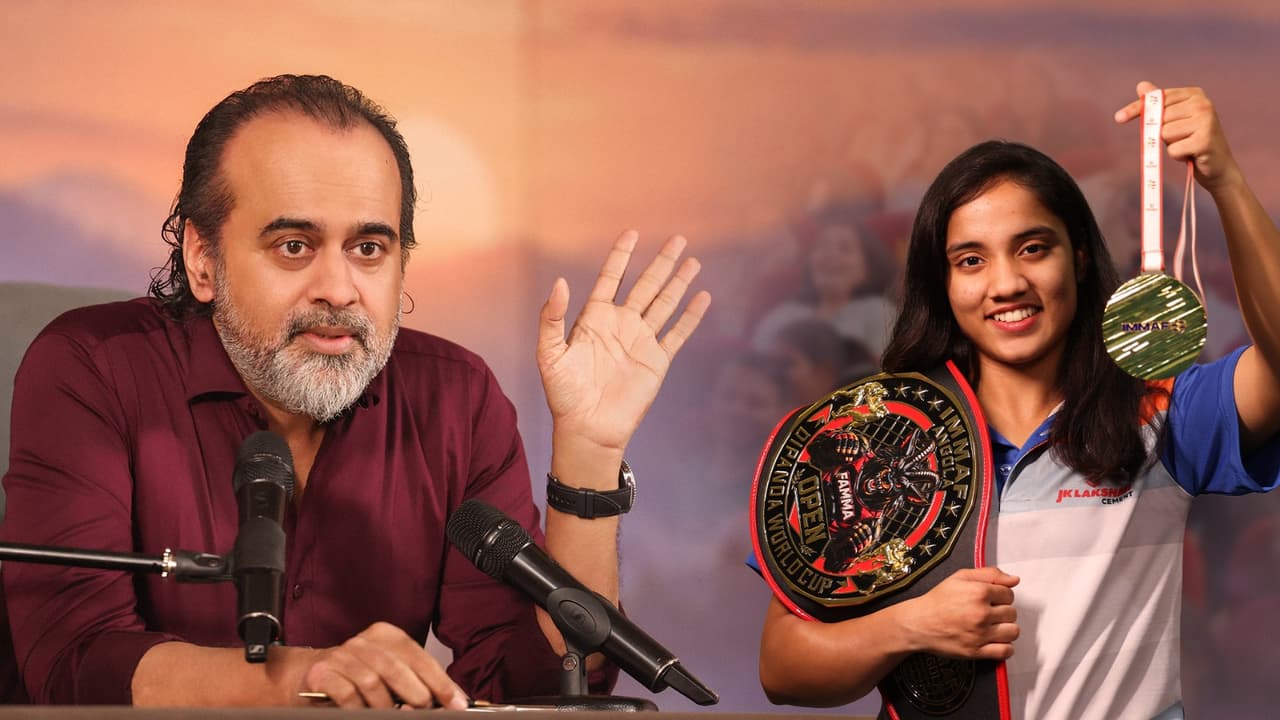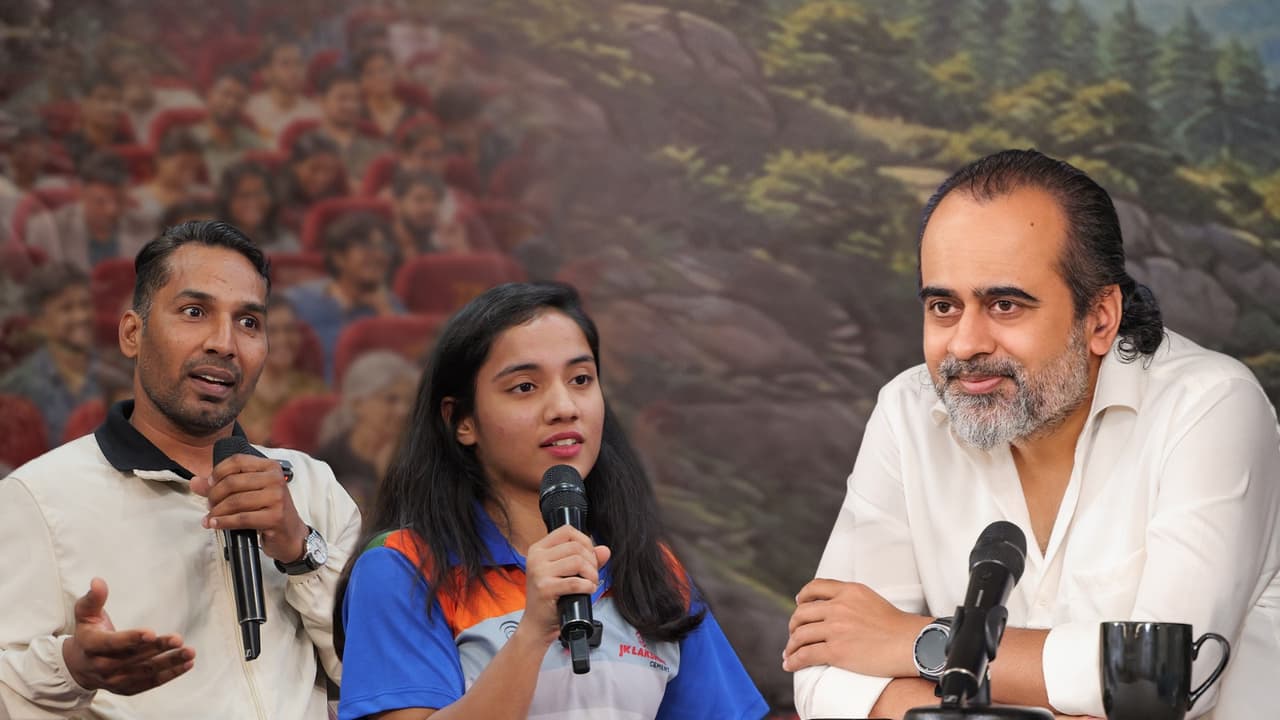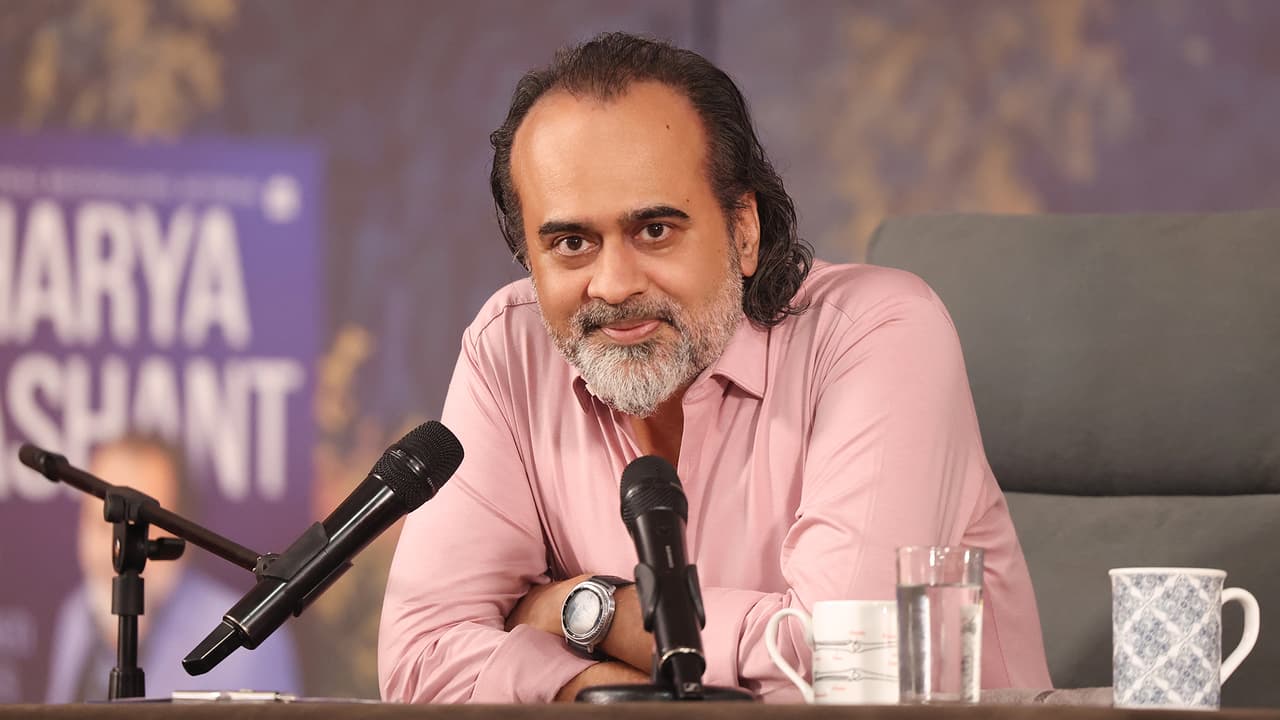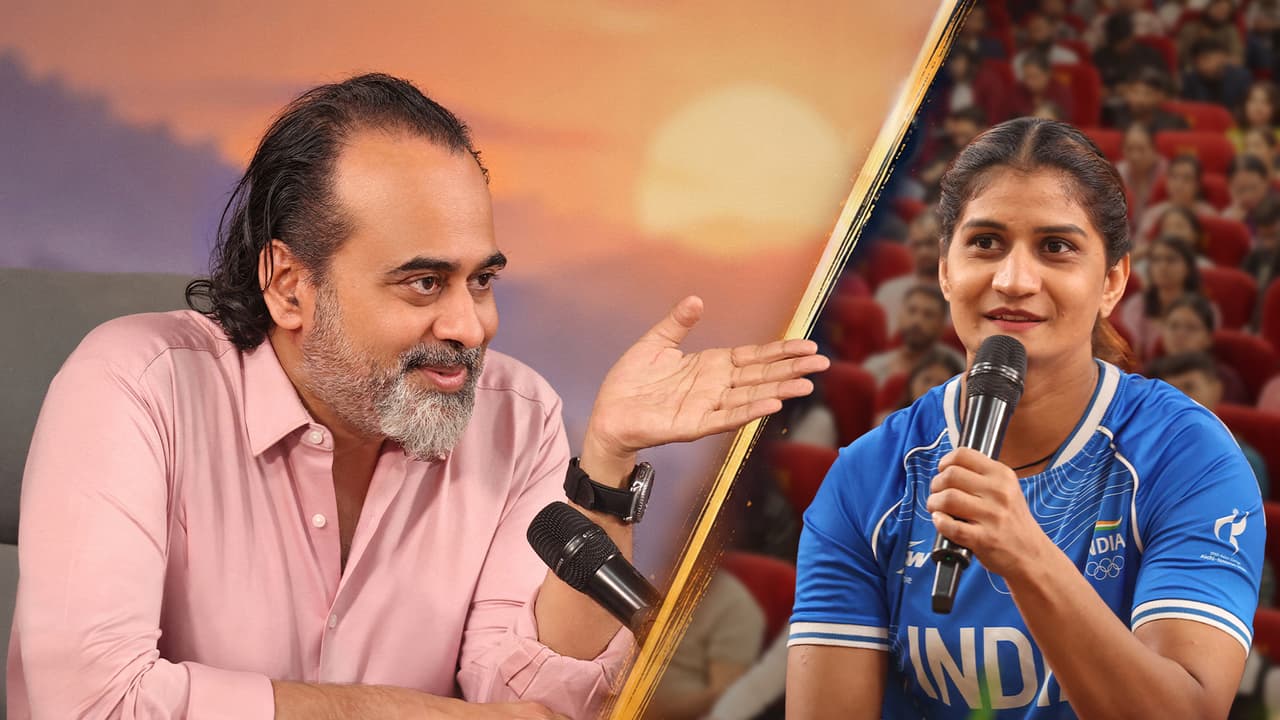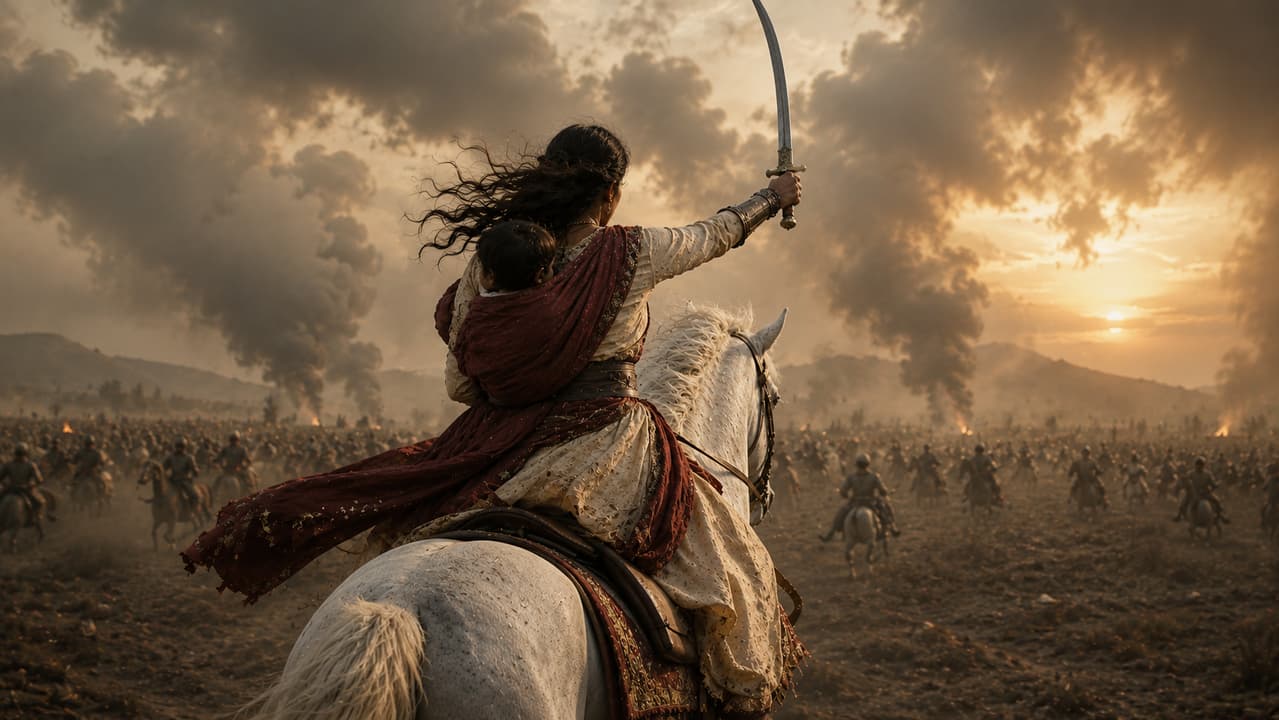
एक क्रांतिकारी को उसकी वीरता के लिए जितना श्रेय मिलता है, उससे ज़्यादा श्रेय उसकी माँ को मिलना चाहिए। माँ चाहिए, जो बताए बेटे को कि तुम वो हो, जो शरीर के जाने के बाद भी नहीं मर सकता; तो मौत से घबराना कैसा? "न हन्यते हन्यमाने शरीरे।" भारत को अगर वीरों का देश बनाना है तो सर्वप्रथम हमने माँ का जो विकृत आदर्श खड़ा कर दिया है, इसको ढहाना पड़ेगा।
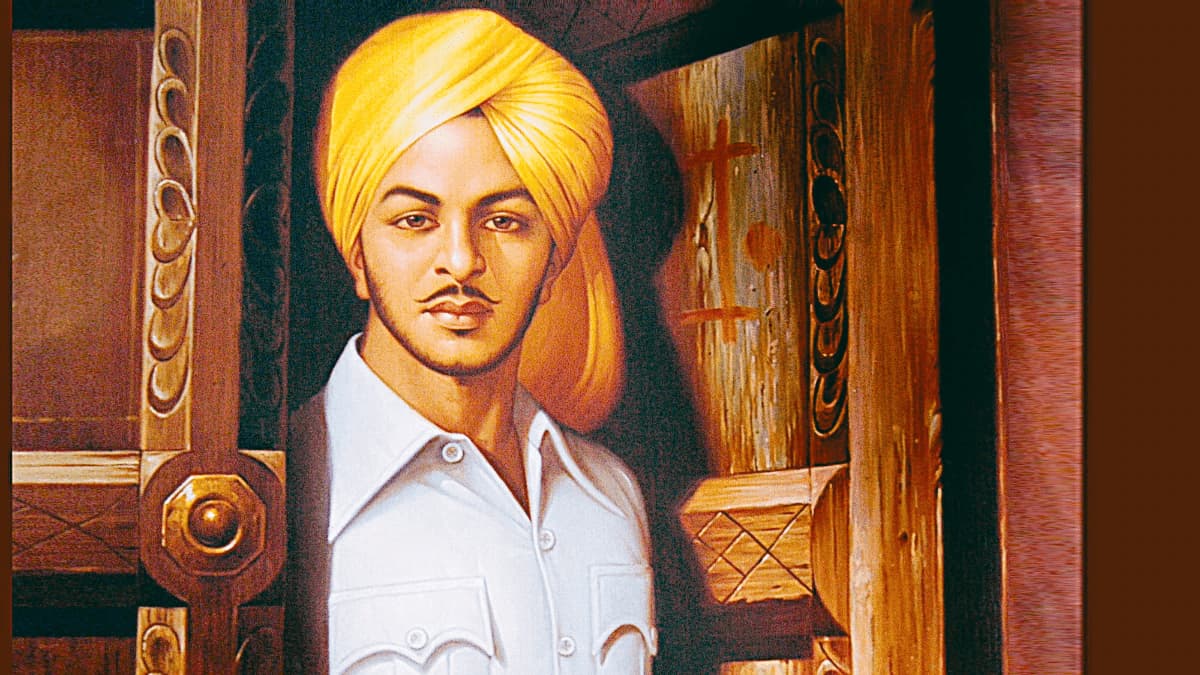
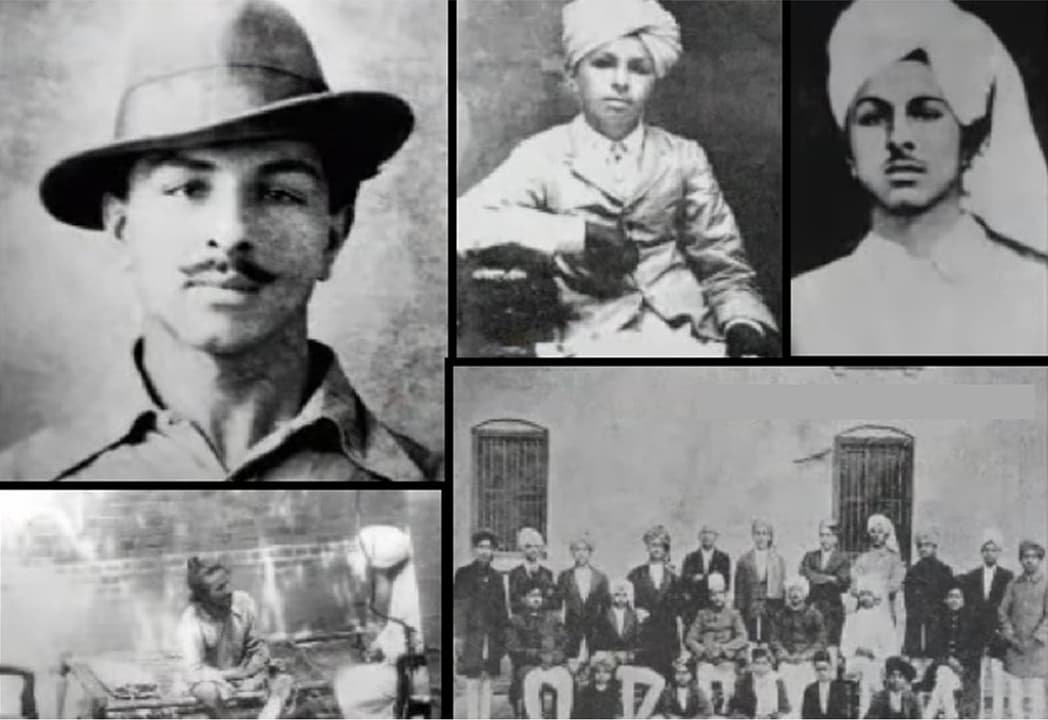
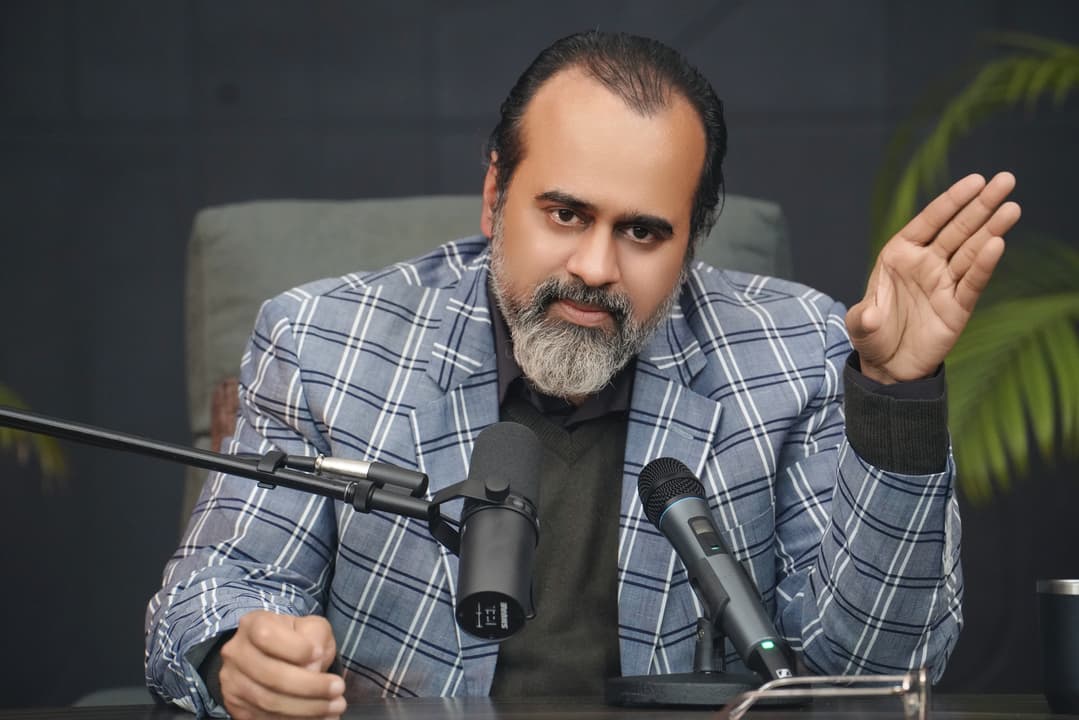
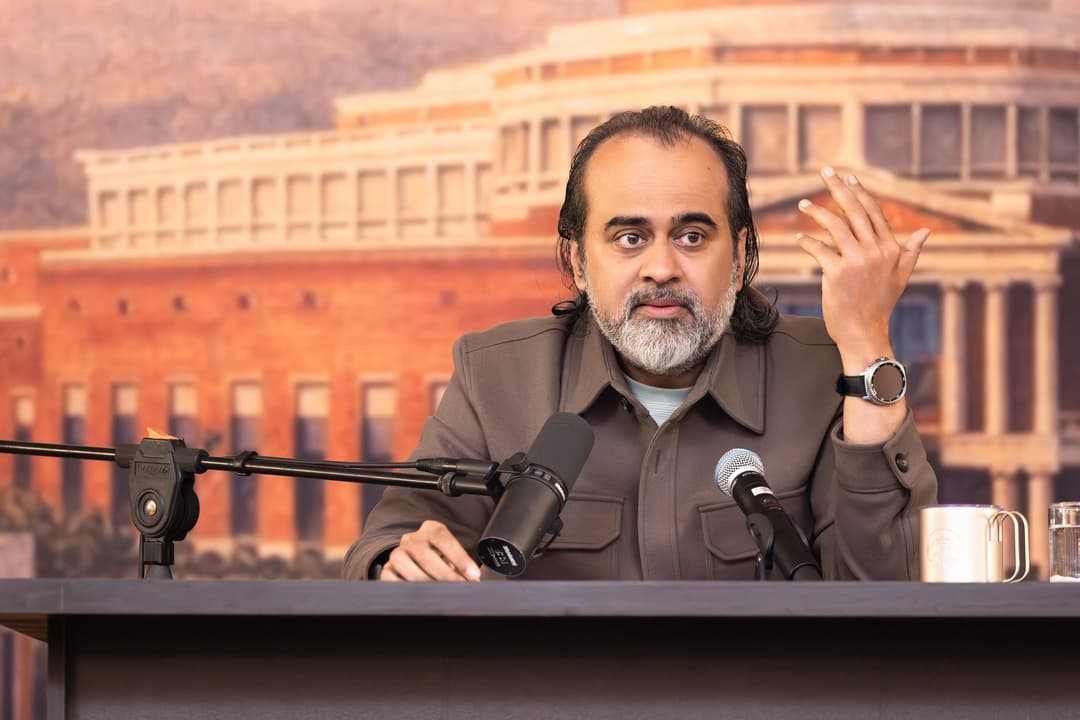
आचार्य प्रशांत: समझ में नहीं आ रहा क्या कि जब भगत सिंह कहते थे कि वो नास्तिक हैं तो वो वास्तव में परंपरागत धर्म, सड़े-गले धर्म, संस्थागत धर्म को नकार रहे थे। नहीं तो एक ऊँचे आदर्श के लिए शरीर की आहुति दे देने से बड़ा धार्मिक काम क्या होगा?

प्रश्नकर्ता: प्रणाम आचार्य जी, मेरा प्रश्न श्रीमद्भगवद्गीता से है। श्रीकृष्ण कर्मयोग की जब बात करते हैं, तो वो कहते हैं, "निधनं श्रेय:", तो उसका सजीव उदाहरण अगर मैंने कहीं पढ़ा है, या इतिहास में देखा जाए, तो शहीद-ए-आज़म भगतसिंह मुझे उसका बहुत बड़ा उदाहरण दिखते हैं।
प्रश्नकर्ता: नमस्कार आचार्य जी, मैं आपको 2014 से लगभग सुन रही हूँ। उस समय बहुत छोटे-छोटे ग्रुप में आप शिक्षा दिया करते थे। तो अचानक से एक दिन वीडियो पॉप-अप
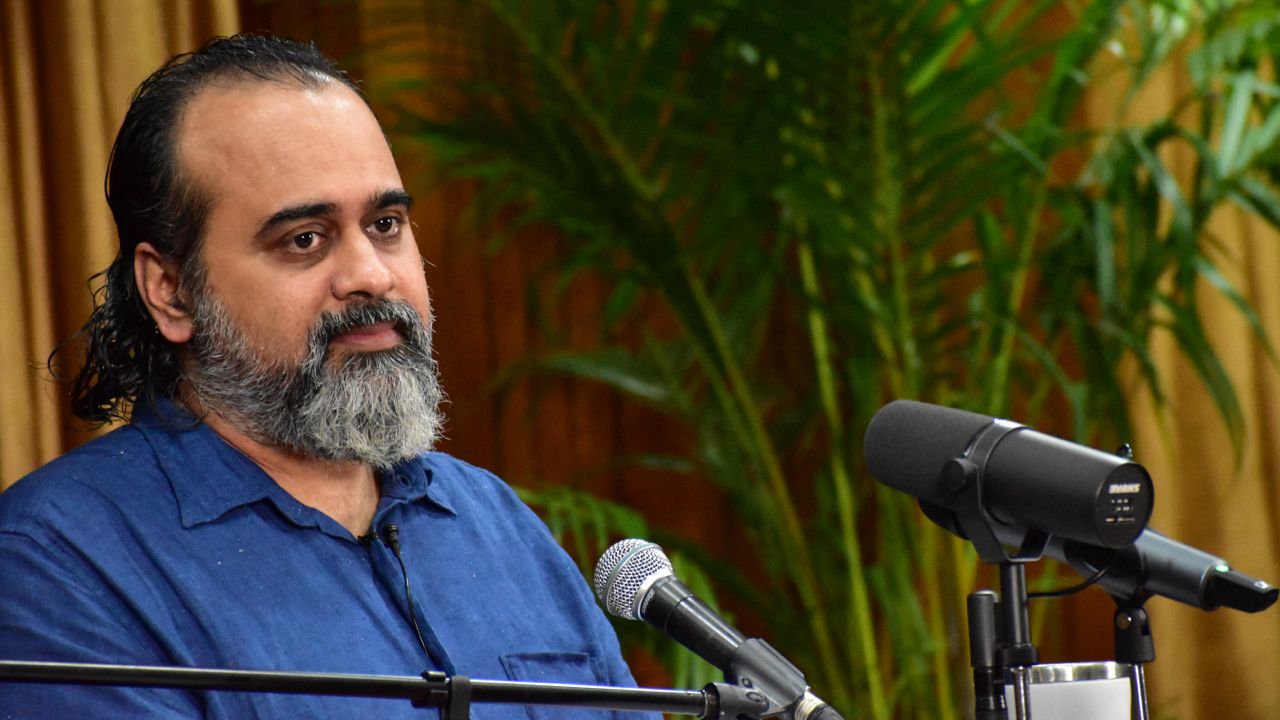


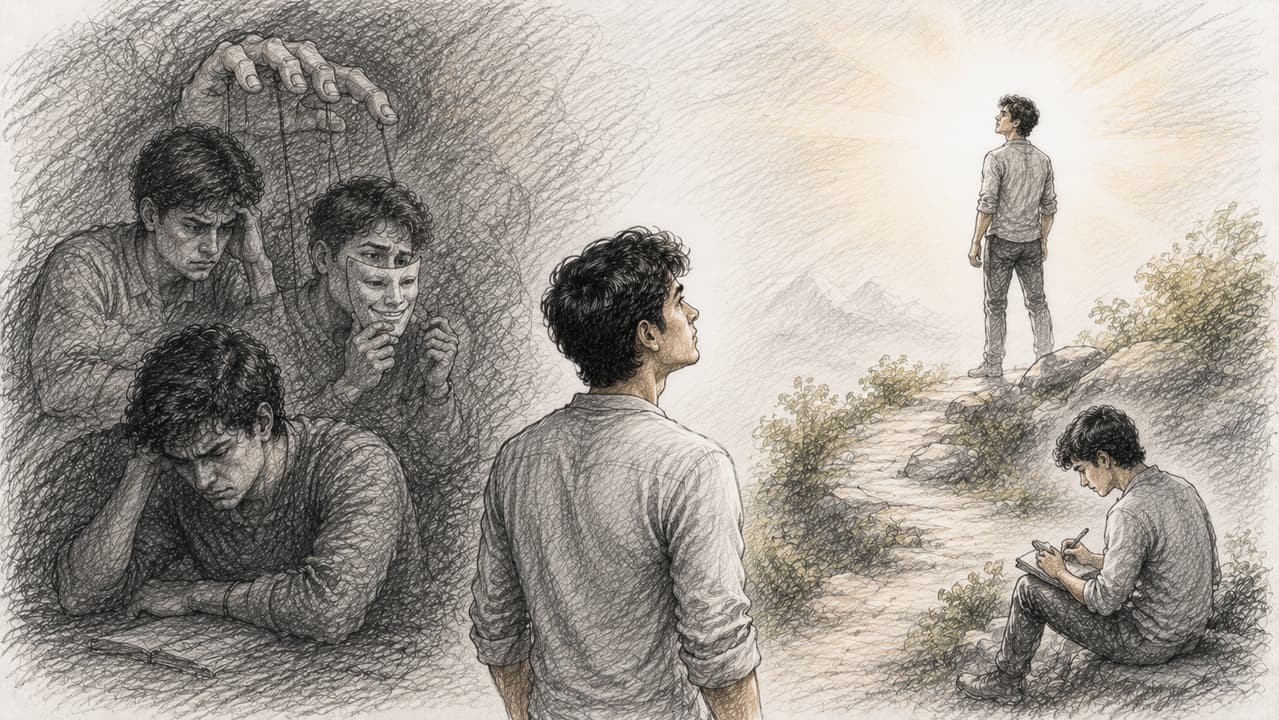
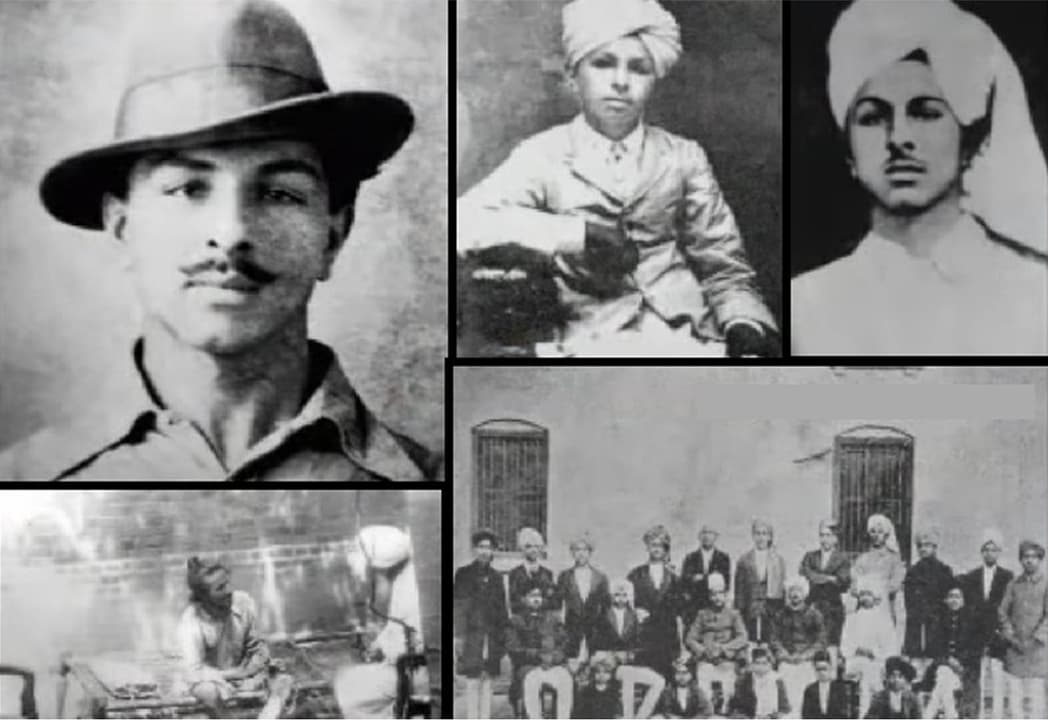
जिस उम्र में हम अपने-आपको दुधमुँहा बच्चा समझते हैं, उस उम्र में भगत सिंह फाँसी पर चढ़ गए थे। और यह कोई किशोरावस्था का साधारण उद्वेग नहीं था; भगत सिंह का ज्ञान गहरा था। जब कोई आम युवा जीवन की चकाचौंध और रंगीनियों के ख़्वाब देखता है, उस समय भगत सिंह अपने जीवन की निजी माँगों से बहुत आगे जा चुके थे। जवान हो, तो जीने का एक ही तरीक़ा है - किसी बहुत ऊँचे उद्देश्य को समर्पित हो जाओ। नहीं तो समस्याएँ, वासनाएँ, अतृप्तियाँ, समय की बर्बादी और फिर निराशाएँ घेरेंगी।
ये भगत सिंह हैं, जिन्होंने मुक़दमे और फाँसी की सज़ा के बाद कहा, 'मैं कोई खास नहीं हूँ; मेरे सीमित जीवन का मूल्य ही कितना है? मेरा जीवन शायद देश की उतनी सेवा न कर पाए, जितनी मेरी मृत्यु करेगी।' उनके लिए उनका ध्येय सर्वोपरि था—उच्च और महान। उन्होंने कहा, 'अगर मेरे जैसे पाँच सौ लोग भी इस ध्येय के लिए बलिदान हो जाएँ, तो क्या फ़र्क पड़ता है?' यह मात्र एक निष्काम कर्मयोगी का ही वक्तव्य हो सकता है।
Bhagat Singh was just twenty-three when he laid down his life, yet he remains immortal, while those who lived up to ninety years are just the dust of time. Who cares for them? That's the difference. He had no time for trivial things. Even on the eve of his hanging, he was reading the Bhagavad Gita, and that copy is still preserved. A voracious reader, well-read at a young age, he never wasted time. Does such a life not excite you?
भगत सिंह ने जब अपना घर छोड़ा, तो चिट्ठी के अंत में लिखा, "मेरी शादी की चिंता मत करना, मेरी दुल्हन आज़ादी है"।
एक ओर, जहाँ दुनिया को ये मुद्दा बड़ा गंभीर…
When his mother asked him, “Why don’t you get married?” Bhagat Singh replied, “I am already married, and her name is Freedom.”
Now, it behooves a Bhagat Singh to not get married to a woman because he has committed himself to freedom, but to every Tom, Dick and Harry it…
प्रश्नकर्ता: आचार्य जी कल हमने एक वीडियो पब्लिश किया था भगत सिंह के ऊपर, कल जन्मदिन भी था उनका, तो थोड़ा फिर मैंने रिसर्च( शोध) किया इंटरनेट पर उनके बारे में; फिर आपने एक आर्टिकल (लेख) भी फॉरवर्ड किया थाl तो कल मेरे को पहली बार पता लगा कि…
आचार्य प्रशांत: मुझे बिलकुल नहीं समझ आता कि छब्बीस, अट्ठाईस, तीस साल का कोई जवान लड़का या लड़की घर पर बैठकर कैसे खा सकता है, मेरे लिए ये एक भयानक बात है। मैं तो भगत सिंह को जानता हूँ, मैं राजगुरु को जानता हूँ, जो बाईस की उम्र में ही…
तो आज के युवा…
भगत सिंह कहते थे "बहरे कानों तक अपनी आवाज़ पहुँचाने के लिए अक्सर धमाकों की ज़रूरत पड़ती है।"
लेकिन उनको कहाँ पता था कि लोगों की स्मृति इतनी कमज़ोर है कि उनके जाने के बाद वे सिर्फ़ उनका 'धमाका' ही याद रखेंगे। और उनको भूल जाएँगे, उनके…
प्रश्न: आपने कहा कि आज के जितने भी लिबरल चिंतक इत्यादि हैं, वे कोई भी पराभौतिक हस्ती को पूर्णतया नकार देते हैं, और कहते हैं - "जो भी है वह यहीं आँखों के सामने है।" भगत सिंह ने भी कहा, "दुनिया में ईश्वर नाम की कोई चीज़ नहीं है," पेरियार…
Struggling to choose between a secure job and the path you actually feel drawn to? This isn't really a question about careers. It's about why other people's opinions have so much power over you in the first place. Real clarity doesn't come from finding the 'right' choice. It comes from honestly looking at your own fear, again and again, until it stops running the decision for you.

आचार्य प्रशांत बताते हैं कि क्यों हम सही खान-पान, स्वास्थ्य और अपने ऊपर ज़रूरी खर्च से बचते हैं, लेकिन दिखावे और फ़ालतू सामाजिक परंपराओं पर पैसा बहा देते हैं। अधिकांश लोगों के लिए समस्या सिर्फ़ पैसों की कमी नहीं, बल्कि विवेक और सही प्राथमिकताओं की कमी भी है।

The balance between order and disorder should not be decided by personal likes or dislikes, but by what the task at hand requires. Sometimes a project demands discipline and order; at other times, more important work requires leaving things messy. The right action comes from responding to the actual need, not personal preference. Even sacrifice can be meaningful when it serves something important, but “staying backstage” should never become an excuse to avoid what one cannot tolerate.

Detachment and ambition are not opposites. Both arise from clear insight into what is truly valuable. Detachment means naturally dropping what is seen as false, futile, or harmful, while ambition means pursuing the highest and most meaningful truth with complete intensity. Spiritual surrender is continuous: as understanding deepens, false attachments are repeatedly abandoned, until renunciation becomes natural and almost choiceless.

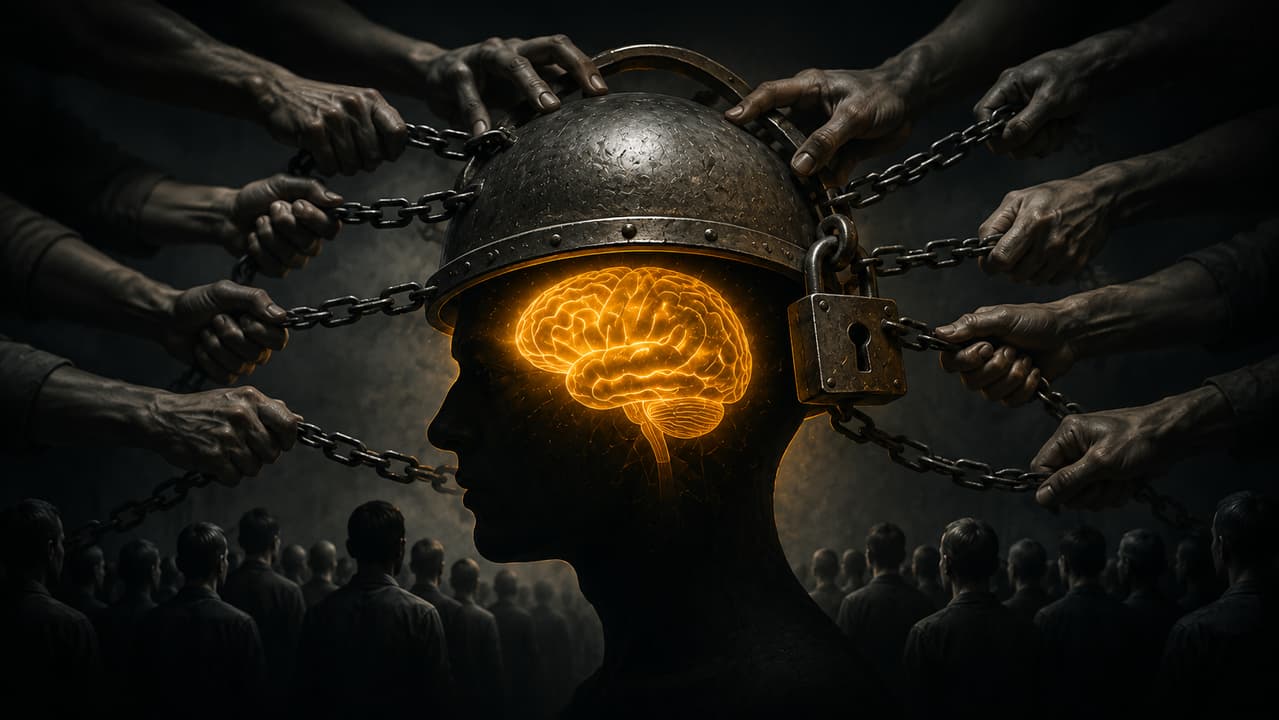
We often believe we are living freely, while our desires, dreams, beliefs, and choices are shaped by physical, social, cultural, religious, and psychological scripts. These scripts offer comfort and security, making us reluctant to examine our bondage. Freedom does not begin by imagining what lies beyond the script, but by deeply observing the cage we already live in, without fear, desire, or attachment.

सोमवारी और काँवड़ यात्रा का बाहरी आयोजन तभी सार्थक है जब उसका संबंध शिवत्व और सत्य से हो। केवल भीड़, दिखावे, मांसाहार छोड़ने की औपचारिकता या पुत्र की कामना को धर्म मान लेना वास्तविक धर्म नहीं है। काँवड़ियों को दोष देने के बजाय उस सामूहिक मानसिकता को देखना चाहिए जो ऐसे कर्मों को जन्म देती है। धर्म का उद्देश्य लोकधर्म की रूढ़ियों को बढ़ाना नहीं, बल्कि विवेक और समझ के द्वारा उनसे मुक्त करना है।

True freedom begins when we question the beliefs that make us feel trapped. Most of our suffering comes not from circumstances but from unquestioned assumptions, attachments, and imagined obligations. By suspending our beliefs, even briefly, we allow truth to enter, revealing that life always offers choice. Transformation is born from love for truth, the courage to let go, and the willingness to step beyond the boundaries created by the ego.

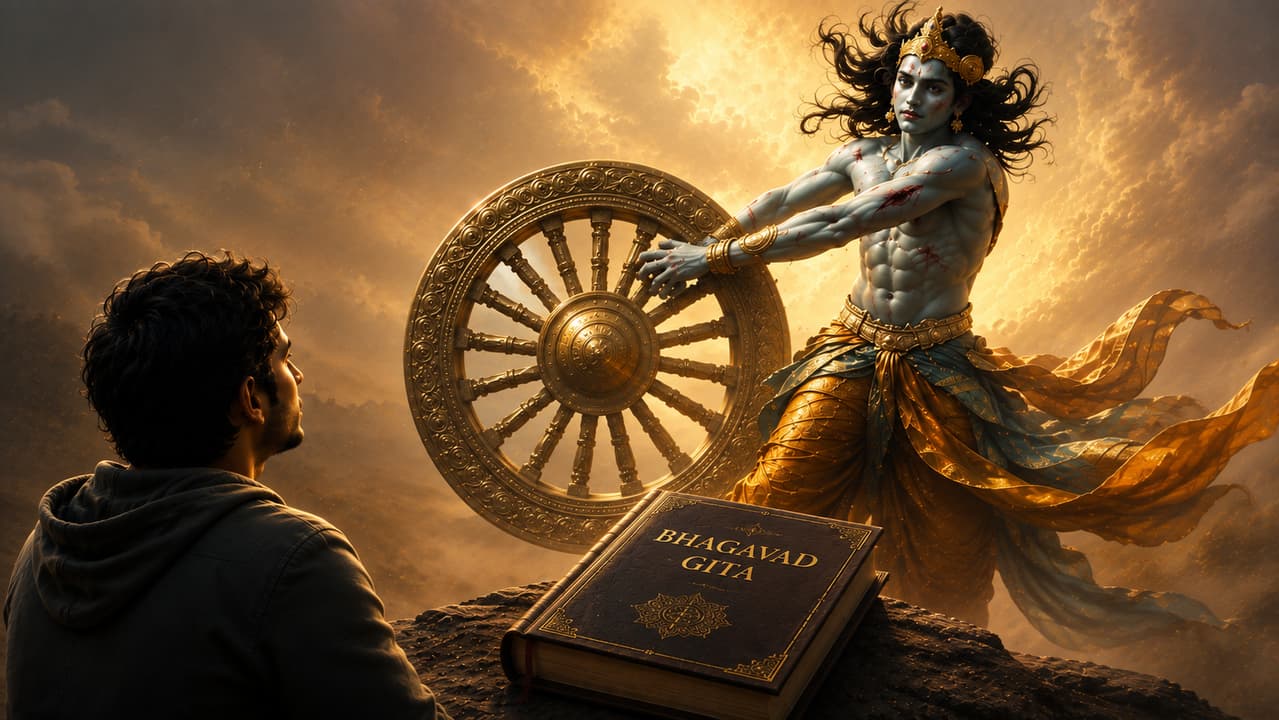
The Bhagavad Gita deserves reverence not because of inherited beliefs about its author, but because of its power to dissolve falsehood and reveal Truth. Real devotion is not ritual or blind faith—it is understanding, inquiry, and living the wisdom of the Gita. Through sincere study, one discovers the true meaning of Krishna, making the Gita the most authentic path to knowing and worshipping Him.

Victory is not decided by the trophy you hold but by the battle you choose to fight. Real strength lies in making the right decisions, staying true to your deepest values, and refusing to be ruled by fear or circumstances. When your actions arise from clarity rather than ambition, the outcome loses its power over you. The moment you choose the right path, you have already won.

सत्य के मार्ग पर चलने के लिए सबसे बड़ी आवश्यकता बाहरी समर्थन नहीं, बल्कि भीतर की निष्ठा और साहस की होती है। जब व्यक्ति स्वार्थ, भय और सामाजिक दबाव से ऊपर उठकर न्याय का साथ देता है, तभी वास्तविक स्वतंत्रता जन्म लेती है। जीत या हार से अधिक महत्वपूर्ण है सत्य के प्रति अडिग रहना। इतिहास उन्हीं को याद रखता है जो अन्याय के सामने झुकने के बजाय अकेले खड़े होने का साहस रखते हैं।

True learning is not built on memorizing answers but on understanding reality. Memory may help in examinations, but life constantly presents new questions that demand clarity, presence, and intelligence. Education becomes meaningful only when knowledge is deeply understood and lived, not merely remembered. Real understanding frees us from dependence on rote learning and enables us to respond wisely to every new situation.
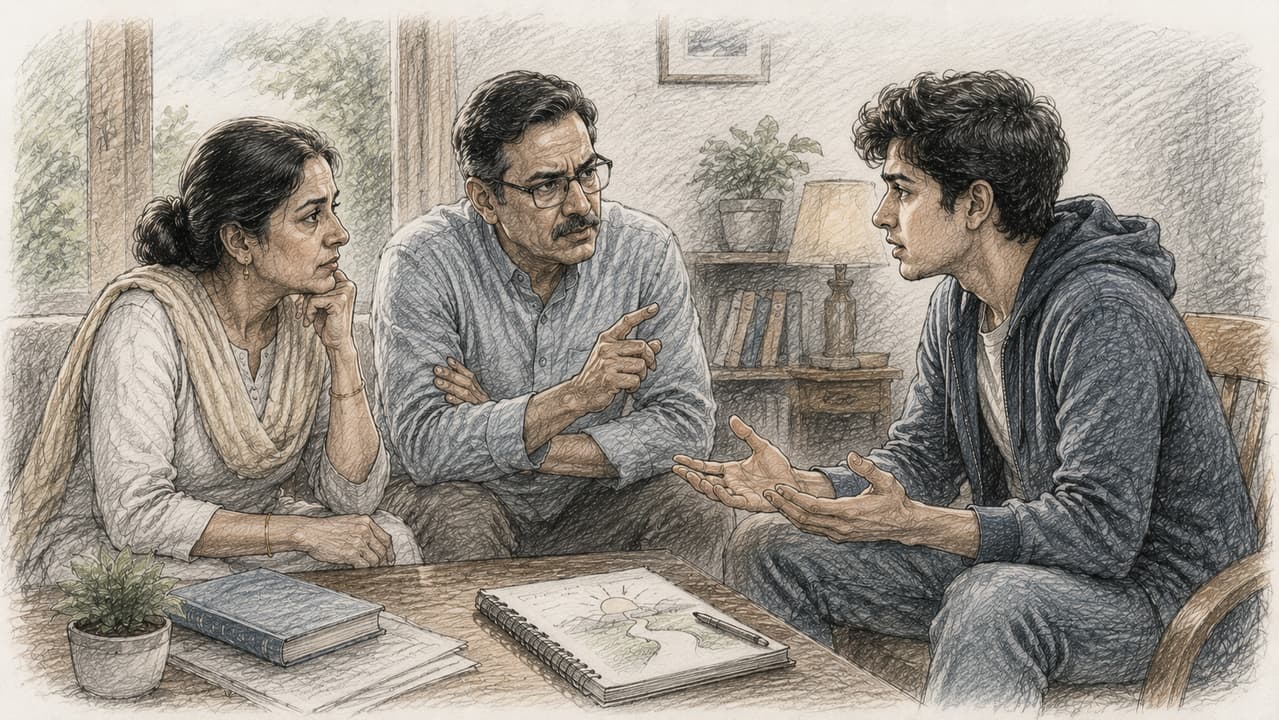
समझ केवल जानकारी इकट्ठा करने या बातों को याद रखने से नहीं आती, बल्कि पूरी सजगता से वर्तमान में जीने और हर अनुभव को स्वयं देखने से आती है। जीवन हर दिन नए प्रश्न पूछता है, इसलिए रटी हुई बातें पर्याप्त नहीं होतीं। वास्तविक सीख तब होती है जब जिज्ञासा, प्रश्न और प्रत्यक्ष समझ विकसित होती है। स्मृति नहीं, बल्कि जागरूकता और समझ ही सही निर्णय, सीखने और जीवन को सार्थक दिशा देने का आधार बनती है।

आध्यात्मिक प्रगति अधिक गुरु, ग्रंथ या संस्थाएँ बदलने से नहीं, बल्कि एक सत्य को गहराई से जीने से होती है। सतही अध्ययन अहंकार को बढ़ाता है, जबकि वास्तविक अध्ययन स्वयं को बदल देता है। जो वास्तव में समझता है, उसे निरंतर नए उपाय नहीं चाहिए। विनम्रता से अपनी अधूरी समझ स्वीकार कर, एक प्रामाणिक स्रोत के साथ गहराई से जुड़े रहना ही आत्मज्ञान और आंतरिक परिवर्तन का मार्ग है।

Innovation is born from research, creativity, critical thinking, scientific temper, and original thinking—not imitation or appearances. A society that values honest inquiry over validation creates genuine progress. India's future depends on nurturing a culture that encourages questioning, respects originality, and pursues truth with intellectual honesty instead of settling for superficial success and empty displays.
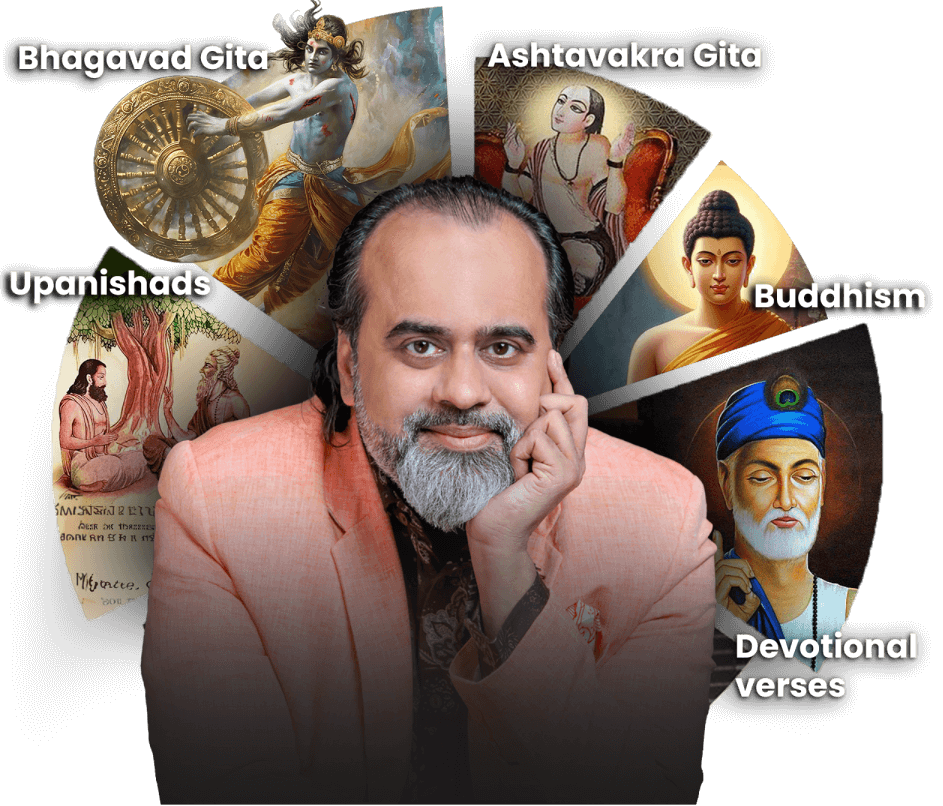
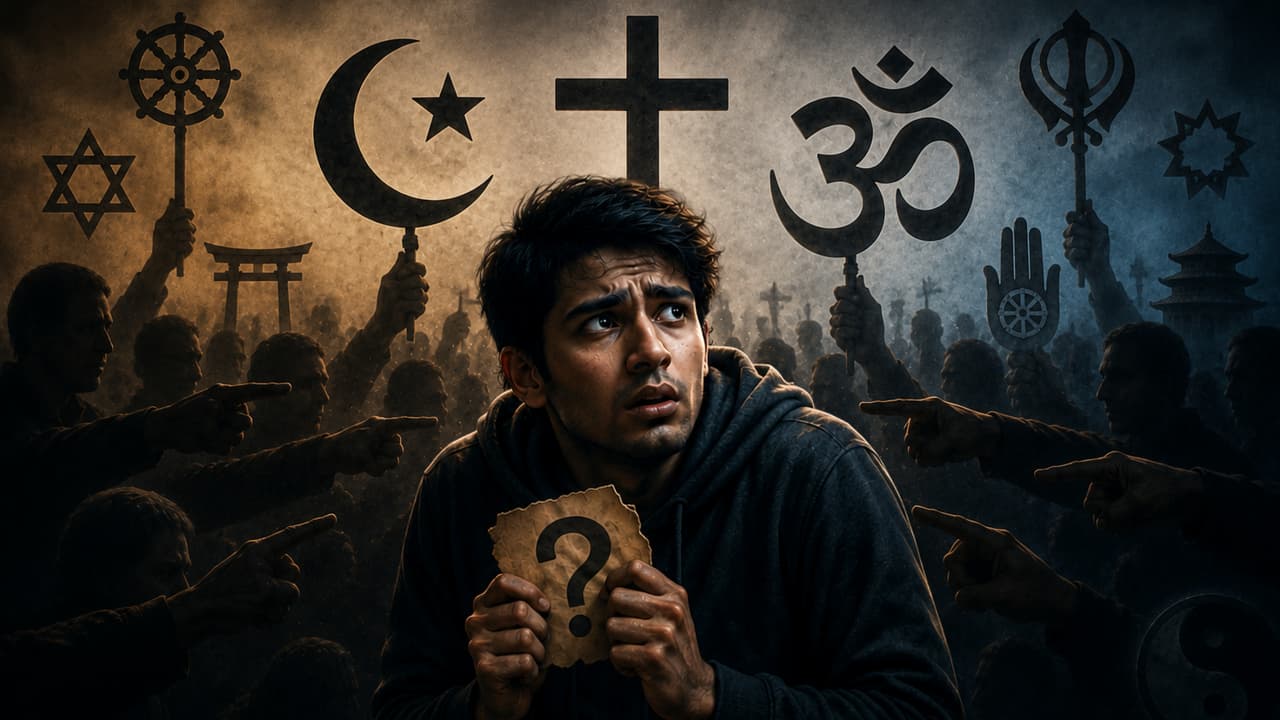
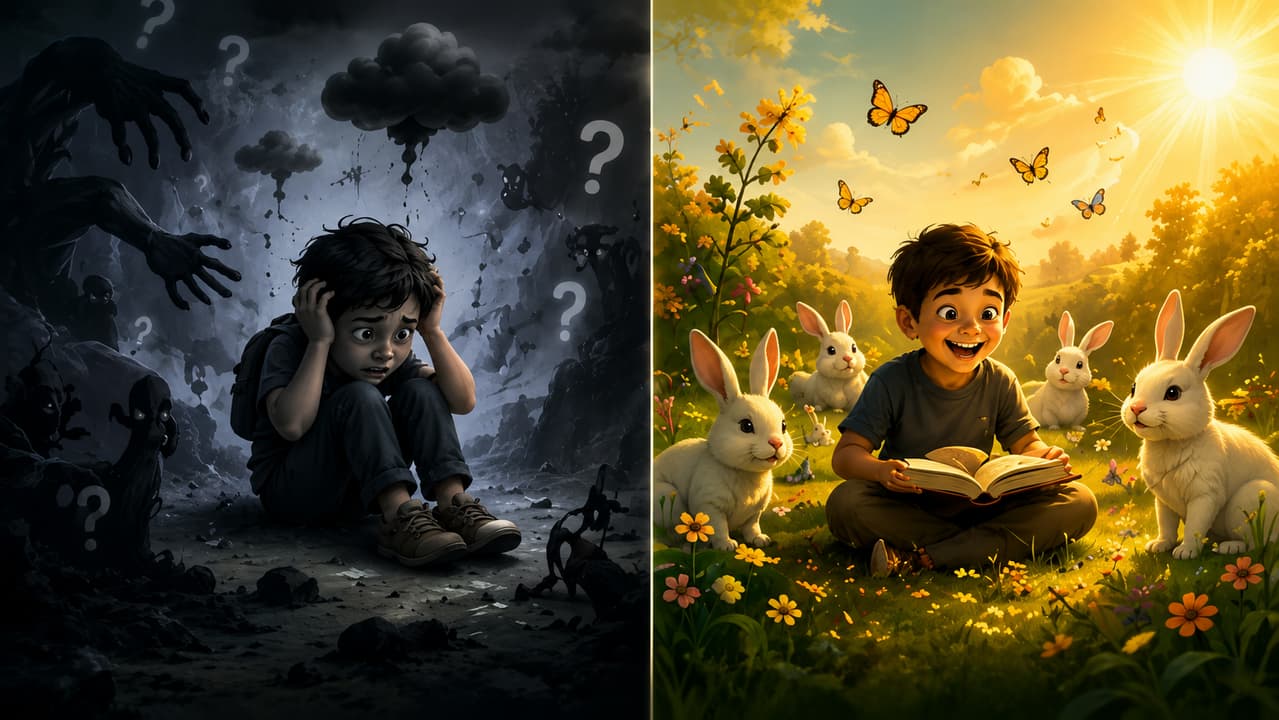
धर्म का अर्थ अंधविश्वास या मान्यताओं को मान लेना नहीं, बल्कि निर्भीक जिज्ञासा और सत्य की खोज है। बच्चों पर धार्मिक नियम थोपने के बजाय उन्हें प्रश्न पूछने की पूरी स्वतंत्रता मिलनी चाहिए। भय, शर्म और अपराधबोध पर आधारित धार्मिक संस्कार व्यक्ति को सत्य से दूर और देह-केंद्रित बना देते हैं। सच्चा धर्म हर मान्यता की निष्पक्ष जाँच, तथ्य के प्रति ईमानदारी और आंतरिक स्वतंत्रता का नाम है। प्रश्नचिह्न ही धार्मिकता का सबसे बड़ा प्रतीक है।

Society has a role in practical matters, but it should never decide love, marriage, happiness, or the purpose of life. Real freedom begins when personal choices are guided by understanding instead of social pressure. While social norms help maintain order, they become harmful when they dictate relationships, career, or inner values. True happiness and love arise from freedom, not conformity, making every love story meaningful only when it is authentically one's own.

ज्ञान ही डर को मस्ती में बदलता है। अज्ञान भय पैदा करता है, जबकि सही समझ भय दूर करता है। सच्चे मित्र बनाने की कोशिश करने के बजाय आत्म-अवलोकन अधिक आवश्यक है। कबीर साहब का संदेश है कि केवल किताबें पढ़ने से नहीं, बल्कि ज्ञान के प्रति प्रेम से जीवन बदलता है। मन स्वयं चंचल नहीं होता; हमारी इच्छाएँ और अस्थिरता उसे भटकाती हैं। शिक्षा का उद्देश्य केवल जानकारी जुटाना नहीं, बल्कि अपनी मान्यताओं पर प्रश्न करना और सत्य की खोज करना है।

लोग अपनी राय की रक्षा इसलिए नहीं करते कि वह सत्य है, बल्कि इसलिए क्योंकि भीतर से उन्हें उसकी कमजोरी का पता होता है। झूठ सबसे जल्दी आहत होता है और सच से डरता है। इसलिए सत्य बोलने पर यदि कोई टूटता है, तो उसके झूठ के लिए स्वयं को दोषी नहीं मानना चाहिए। जहाँ वास्तव में गलती हो, वहाँ विनम्र बनें; लेकिन सत्य के पक्ष में खड़े होने के लिए अपराधबोध या दूसरों की नाराज़गी का बोझ उठाना आवश्यक नहीं है।

बार-बार लक्ष्य छोड़ देने का कारण इच्छाशक्ति की कमी नहीं, बल्कि गलत और उधार लिए हुए लक्ष्य हैं। जिन उद्देश्यों का जन्म प्रेम, समझ और आत्मबोध से नहीं होता, वे बोझ बन जाते हैं। सही लक्ष्य भीतर की स्पष्टता से निकलता है और वही व्यक्ति को स्वाभाविक समर्पण देता है। इसलिए प्रेरणा खोजने से पहले स्वयं को जानना, आत्म-अवलोकन करना और यह समझना ज़रूरी है कि वास्तव में हमारे लिए क्या मूल्यवान है।

आत्मज्ञान के बिना समाज, पर्यावरण या किसी भी बाहरी समस्या का स्थायी समाधान संभव नहीं, क्योंकि हर संकट की जड़ मनुष्य की चेतना में है। बाहरी सुधार, नीतियाँ या अभियानों की अपनी भूमिका है, लेकिन वे मूल कारण को नहीं बदलते। इसलिए सबसे आवश्यक कार्य है स्वयं को बदलना और सत्य के प्रति गंभीर होना। जो व्यक्ति सत्य के प्रति उदासीन है, उससे स्वीकृति या मान्यता की अपेक्षा करना भी व्यर्थ है।

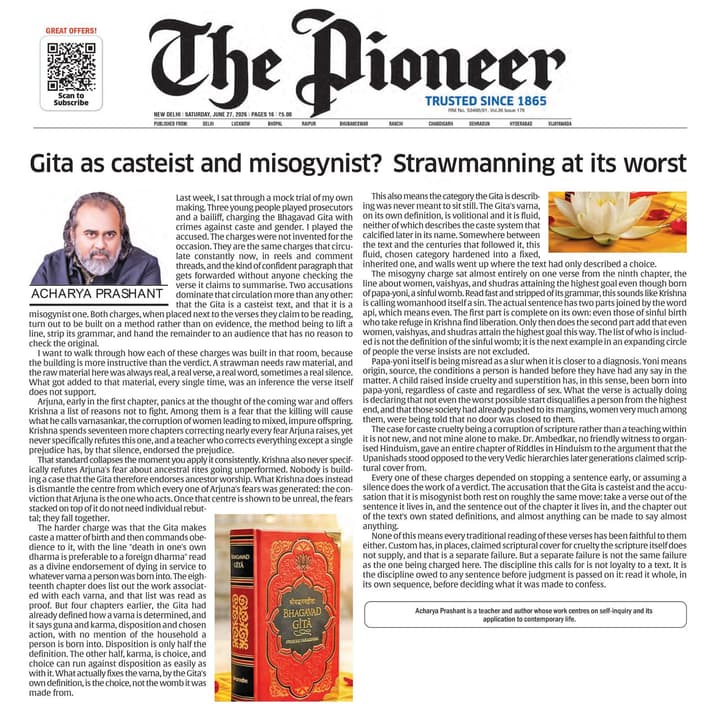
The Bhagavad Gita is often accused of supporting caste and misogyny through selective quotations that ignore context, grammar, and the text's central teachings. A closer reading shows that its emphasis is on inner qualities, conscious action, and spiritual equality rather than birth-based hierarchy or gender discrimination. Misinterpretations arise when isolated verses are detached from their broader meaning, while the Gita consistently points toward self-knowledge, freedom from ego, and the universal possibility of liberation for every human being.

पढ़ना केवल पन्ने पूरे करना नहीं, बल्कि समझ विकसित करना है। जब किसी विषय को सचमुच समझा जाता है, तो जिज्ञासा स्वयं आगे पढ़ने के लिए प्रेरित करती है। अधूरी किताबें अक्सर रुचि की कमी नहीं, बल्कि बिना समझे आगे बढ़ने का परिणाम होती हैं। इसलिए गति से अधिक महत्त्वपूर्ण है हर विचार को समझना, क्योंकि वास्तविक सीख वहीं से शुरू होती है।

काम का मूल्य जीत, पुरस्कार या दूसरों से आगे निकलने में नहीं, बल्कि उसके प्रति प्रेम और समझ में है। जब कोई कार्य केवल प्रतियोगिता या प्रशंसा के लिए किया जाता है, तो वह बोझ बन जाता है। सच्चा आनंद उसी काम में है जिसे व्यक्ति स्वाभाविक रूप से करना चाहता है। इसी तरह डर कोई समस्या नहीं है; समस्या तब है जब डर हमें सही काम करने से रोक दे। जो सही और आवश्यक है, उसे डर, असफलता या संकोच के बावजूद करते रहना चाहिए।

Real change begins not by changing the world alone but by understanding the one trying to change it. Laws, technology, policies, and scientific progress have value, yet they cannot solve problems rooted in human consciousness and endless desire. Truth remains the same across cultures and disciplines, requiring only a change in language, not in essence. Lasting solutions emerge through honesty, self-inquiry, and inner transformation, because no external system can replace a change in the human mind.

Human beings are born into uncertainty, surrounded by beliefs, identities, and social conditioning that offer ready-made answers to fundamental questions. Real spirituality begins not with accepting collective or personal beliefs, but with honestly examining one’s own suffering, fears, and false identities. The journey is not toward comforting ideas, but toward self-inquiry, where truth is discovered through questioning, observation, and the gradual rejection of illusion.

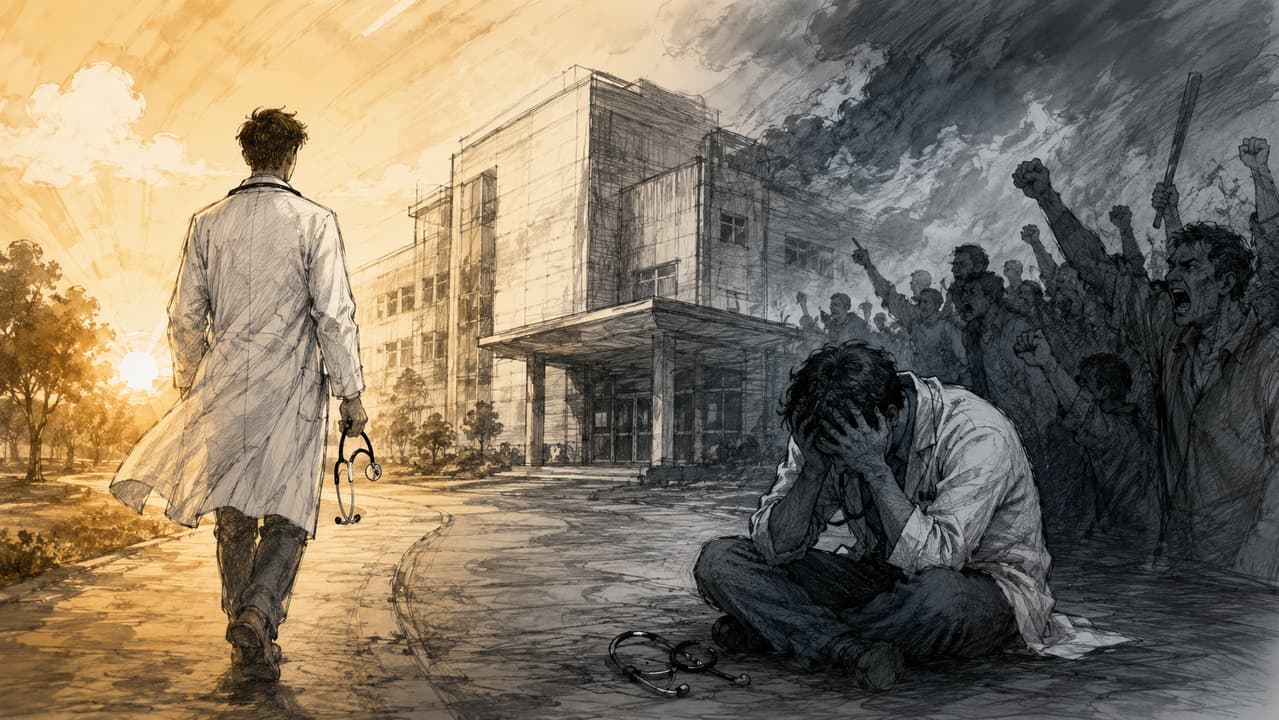
A society that loses its sense of sacredness begins to see every person and profession as merely transactional. When truth is replaced by the pursuit of happiness and consumption, trust erodes and cynicism becomes the norm. Doctors, teachers, and institutions are no longer respected but viewed with suspicion. The deeper crisis is not medical or social but philosophical: without self-understanding, people become consumers first and human beings second. True respect can return only when truth, integrity, and inner education become more important than personal gain.

Freedom begins when a person stops handing over the authority of life to others. Society, family, and tradition can offer opinions, rewards, or disapproval, but they cannot truly stop someone unless there is inner dependence on their approval. Many conflicts that appear external are rooted in psychological dependence, fear, greed, obligation, or the desire for validation. Clarity does not come from controlling every outcome; it comes from ensuring that decisions are not driven by inner confusion, and then allowing life to unfold naturally.

Operating from the highest inner point means living with honesty rather than self-created illusions. The ego becomes “higher” not through mystical growth but by dropping false self-images and testing its claims against reality. When honesty weakens, lower motives take control, creating inner conflict and disorder. Real growth lies in continuously questioning oneself, facing uncomfortable truths, and preventing the ego from being driven by comforting but deceptive beliefs.

व्यक्ति और उसके माता-पिता दोनों अक्सर प्रेम के नाम पर एक-दूसरे पर अधिकार जताते हैं, जबकि संबंधों में निर्णय सम्मान, समझ और स्वतंत्रता पर आधारित होने चाहिए। वयस्क होने के बाद जीवन के महत्वपूर्ण फैसले स्वयं लेने की क्षमता विकसित करना आवश्यक है। सच्ची परवरिश निर्भरता नहीं, आत्मनिर्भरता पैदा करती है। पारिवारिक दबाव का बड़ा हिस्सा प्रेम से नहीं, बल्कि भय, सुविधा, अपेक्षाओं और स्वार्थ से संचालित होता है। स्वस्थ संबंध वहीं संभव हैं जहाँ दोनों पक्ष एक-दूसरे की चेतना, स्वतंत्रता और गरिमा का सम्मान करें।

Inner freedom becomes impossible when identity is borrowed from family, friends, or social expectations. Fear, guilt, and pressure arise because people allow others to define their worth and choices. Relationships become healthy only when they support growth rather than control it. Real autonomy comes from self-understanding, continuous inner inquiry, and the courage to act from clarity rather than conformity. When there is inner certainty, labels, criticism, and social judgment lose their power.

True dedication does not feel like painful sacrifice. When a goal becomes love, unnecessary distractions quietly lose importance instead of being forcefully abandoned. Personal growth and contribution to society are not separate; meaningful work naturally benefits both oneself and others. Real freedom is not outward performance but inner clarity. Life should be measured by inner elevation, not by comparison with others’ achievements.

सच्चा जीवन समाज के दबाव या तथाकथित “पैशन” के पीछे चलने से नहीं, बल्कि भीतर और बाहर दोनों प्रकार की गुलामी से मुक्त होने से शुरू होता है। अक्सर जिसे अपनी पसंद या पैशन समझा जाता है, वह भी सामाजिक संस्कारों का परिणाम होता है। जब व्यक्ति स्वयं को गहराई से समझकर स्वतंत्र निर्णय लेता है, तब उसका कर्म स्वाभाविक, सार्थक और समाजोपयोगी बनता है। भय और सुरक्षा की मानसिकता से ऊपर उठकर भी गरिमापूर्ण, संतुलित और आर्थिक रूप से पर्याप्त जीवन जिया जा सकता है।

मुक्त कर्म वही है जिसमें आनंद किसी भविष्य के परिणाम में नहीं, बल्कि कर्म करने में ही होता है। बच्चा खेलते समय किसी पुरस्कार की अपेक्षा नहीं करता; खेल ही उसका सुख है। इसके विपरीत, बंधन और लालच से किए गए कर्म हमेशा हिसाब, मुआवज़े और भविष्य की आशा से भरे होते हैं। निष्काम कर्म वही है जहाँ कर्म स्वयं ही अपना पुरस्कार बन जाता है, और जीवन गणना नहीं बल्कि सहज उल्लास में बदल जाता है।

The climate crisis is not merely an external environmental problem but a reflection of inner human greed, desire, and psychological disorder. Drawing from the Gita’s idea of yagya as desireless action, it says real ecological healing requires inner transformation. Outer pollution, exploitation, and destruction mirror the ego’s inner confusion, making personal consciousness and planetary health deeply inseparable.

लोग ऋषिकेश शांति या आत्मबोध के लिए नहीं, बल्कि अपनी वही तनावपूर्ण और भ्रमित जीवनशैली को बनाए रखने के लिए आते हैं। महादेव का अर्थ अंत और अहंकार की समाप्ति है, पर तीर्थ भी मनोरंजन और पलायन का साधन बन गया है। दुख से मुक्त होने के बजाय लोग उसी दुख को बचाए रखने के उपाय खोजते रहते हैं।

बंगाल चुनाव सिर्फ़ सत्ता का संघर्ष नहीं, एक विचारधारा की थकान का भी संकेत हैं। मार्क्सवाद ने मनुष्य को वर्गों में बाँटकर यह मान लिया कि उसकी चेतना जन्म और परिस्थितियों से तय होती है। लेकिन इतिहास बार-बार दिखाता है कि इंसान कठपुतली नहीं है। अगर चेतना सिर्फ़ वर्ग से तय होती, तो स्वयं मार्क्स, विवेकानंद, कबीर या राजा राममोहन राय जैसे लोग अपने ही वर्ग के विरुद्ध खड़े कैसे होते?

आप आस्था खोज रहे हैं, पर क्या आस्था कभी ज़बरदस्ती पैदा होती है? आस्था फूल है, जो सही बीज, सही मिट्टी और सही संगति मिलने पर अपने आप खिलती है। शुरुआत श्रद्धा से नहीं, जिज्ञासा से होती है। सम्मान से नहीं, संदेह से होती है। परखिए, पूछिए, प्रयोग करिए। जहाँ वास्तविक लाभ होगा, वहाँ आस्था अपने आप जन्म लेगी, बनावटी नहीं।