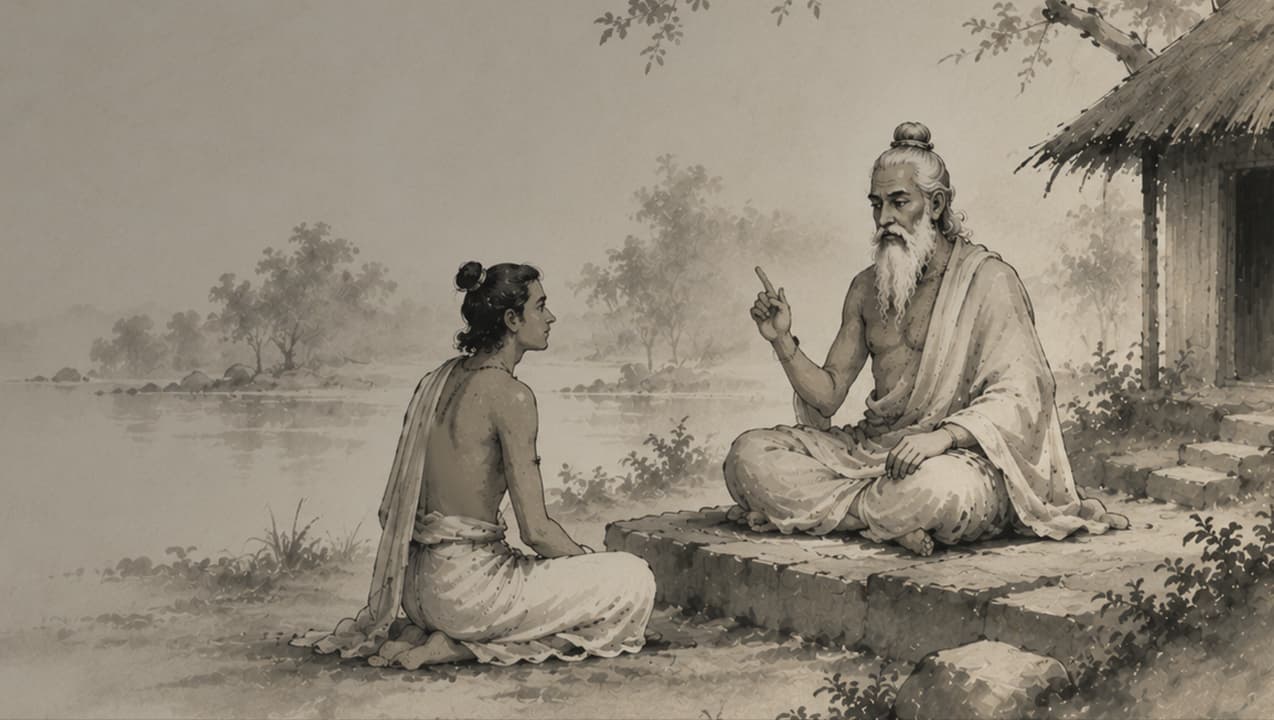
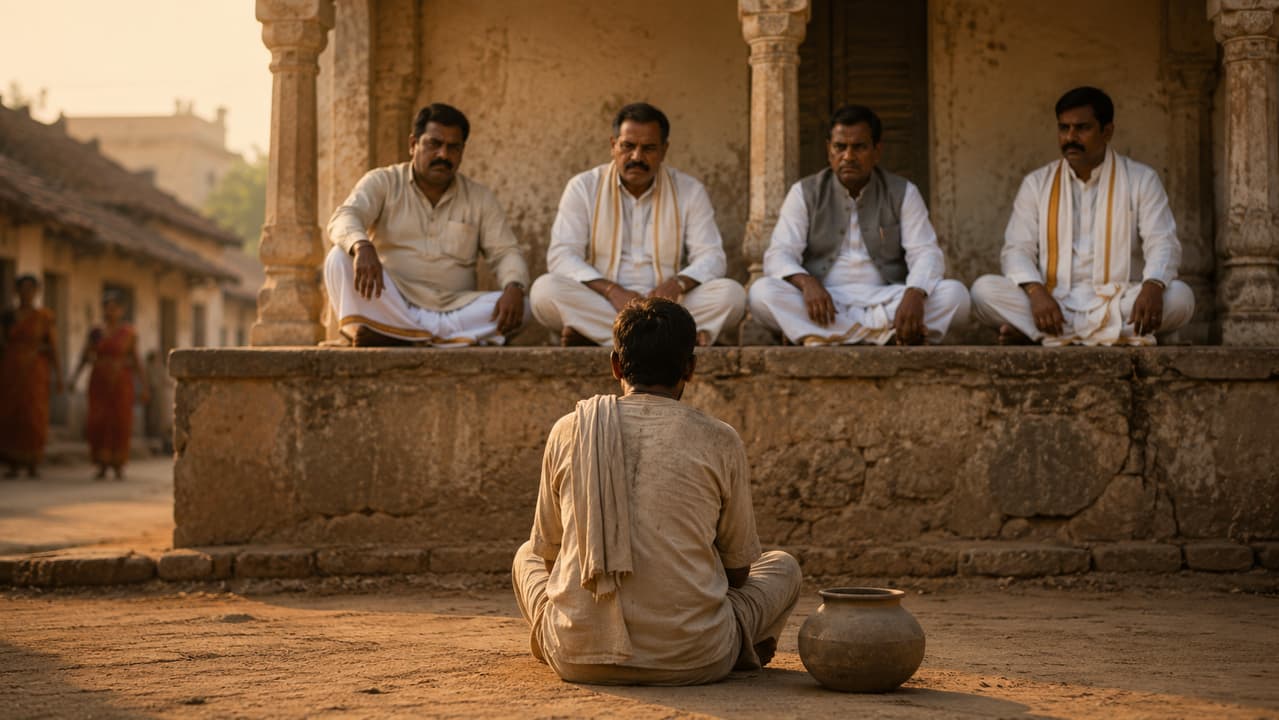
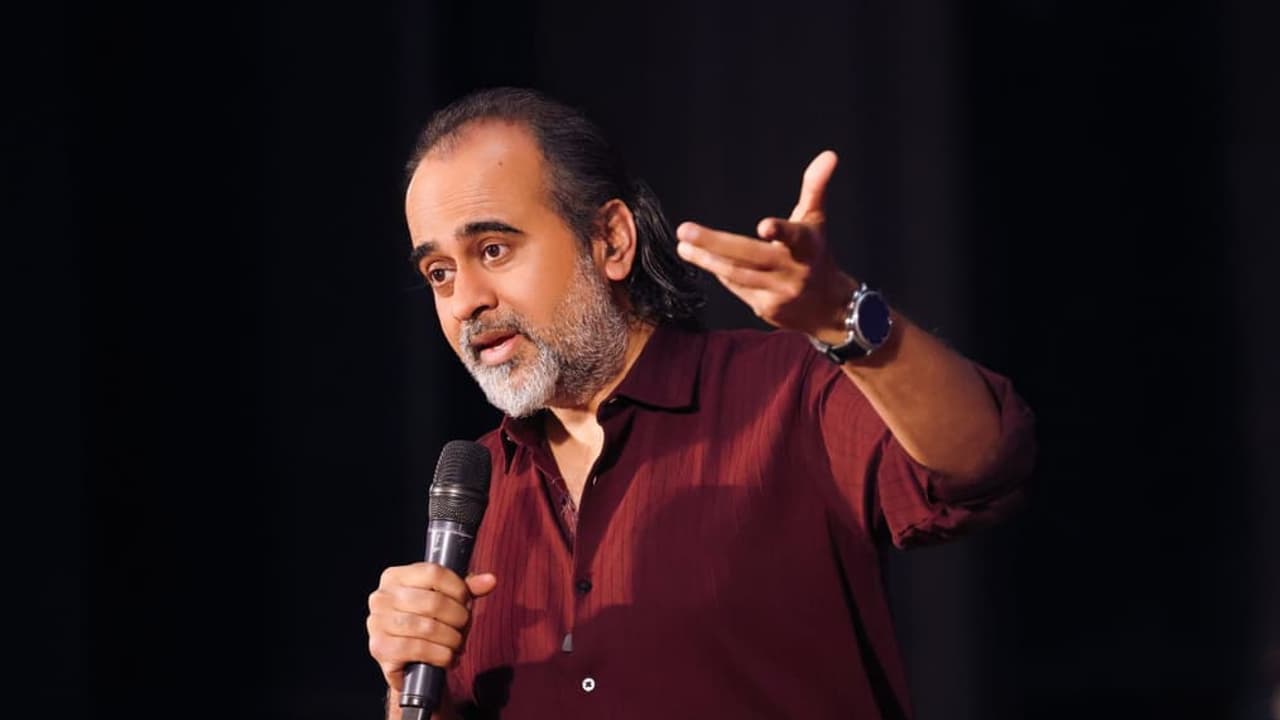
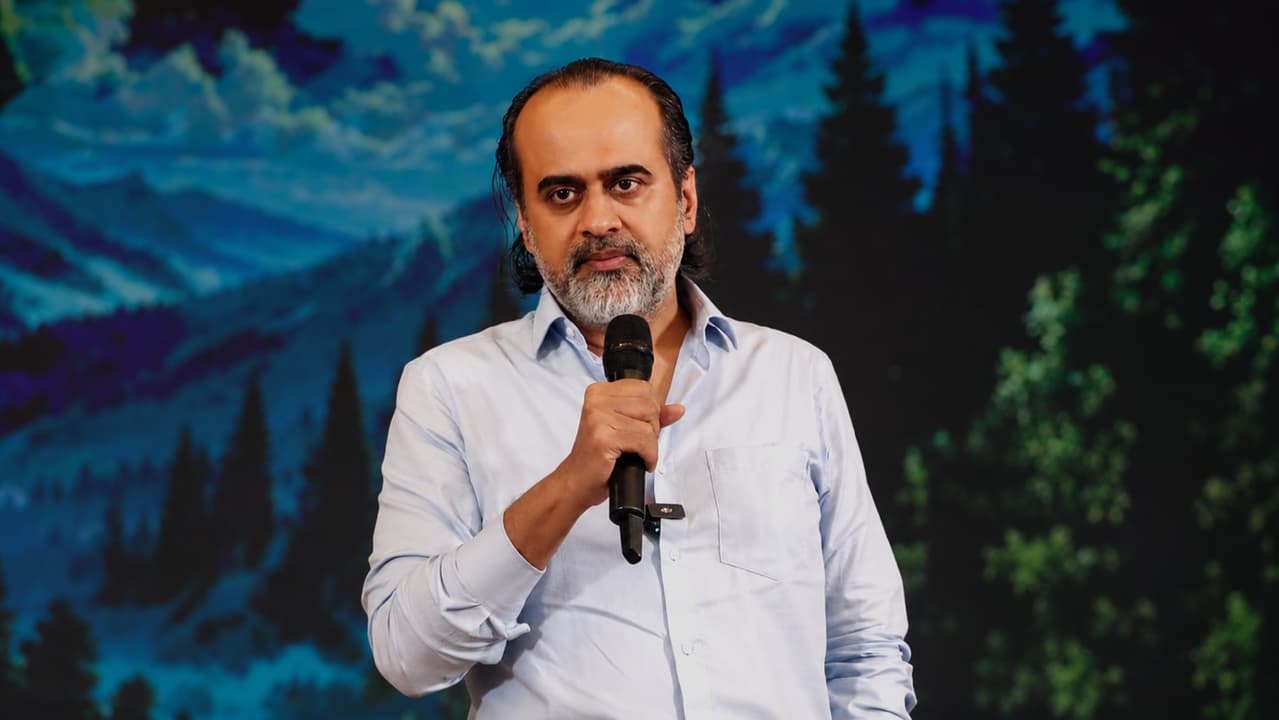
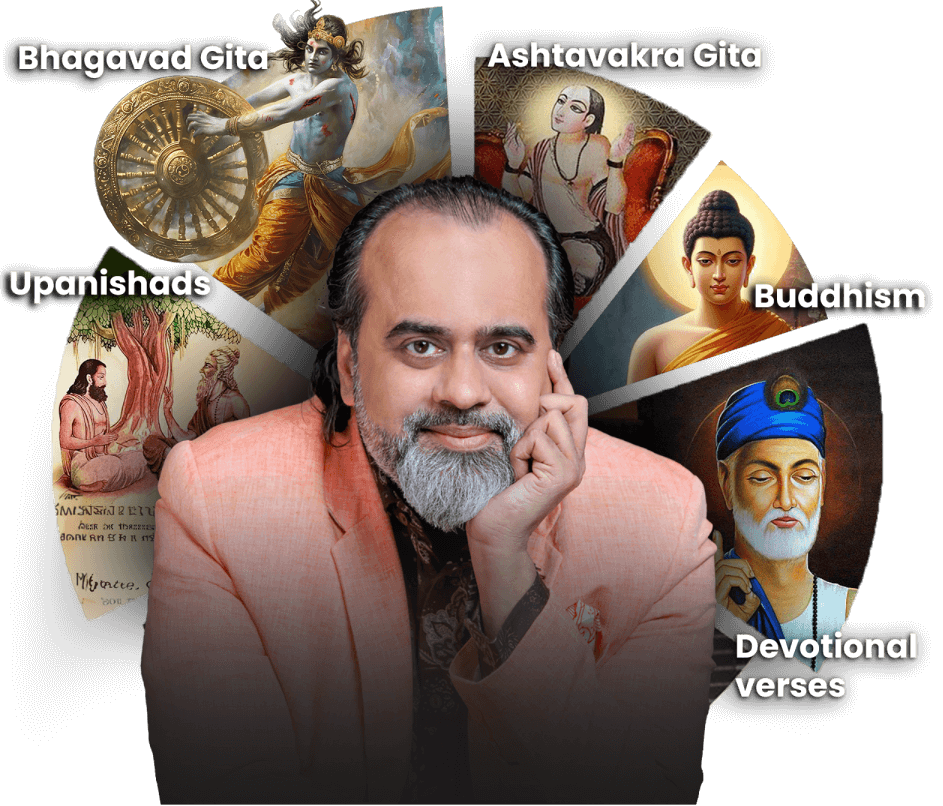
The world is a crooked place. You will have to be zig-zag, tangential; that is the nature of the world. Realization of crookedness is the only straight thing possible. If you want to become straight, let yourself be crooked. Once you know that the straight One, the innocent One, is sitting in your heart, then you no more feel the need to display a fake straightness. Now you can get rid of all morality. Whatever you are doing is coming out of your love and compassion or just enjoyment.
We are told that cleaner technology will solve the climate crisis. But emissions begin before any fuel is burnt, in a life that has no joy and so keeps reaching for the next lower pleasure: the party, the trip, the purchase. The demand for pleasure is not wrong. What matters is which pleasure we seek. Music, books, sport and real company cost the planet almost nothing. Can we look honestly at what our own consumption is trying to fill?
Search
2
मन नहीं चंचल होता, अहम् चंचल है और चंचल होना उसकी मजबूरी है, उसे चंचल होना पड़ेगा। रुककर, टिककर, थमकर तो वो बैठ सकता है न जिसको घर मिल गया हो, जिसको आश्वस्ति मिल गई हो। अहम् को न कोई घर है, न आश्वस्ति है। उसका तो यही है कि कहीं ज़रा सा कुछ खटका हुआ, उसकी नींद खुल जाती है, ‘मेरी चोरी पकड़ी तो नहीं गई? मेरी चोरी पकड़ी तो नहीं गई!’
लाओ त्सु चीनी इतिहास में एक रहस्यमय व्यक्ति हैं, जो रहस्य और किंवदंतियों से घिरे हुए हैं। ऐसा माना जाता है कि वह एक दार्शनिक, सलाहकार और शिक्षक थे और उनकी विरासत ज्ञान और आध्यात्मिक अंतर्दृष्टि में से एक है। उन्हें ताओवाद की दार्शनिक प्रणाली की स्थापना का श्रेय दिया…
7
If you want to really get to somebody, get to the Truth, do not get to the expression of one particular Lao Tzu. That is just one particular expression. And that was Lao Tzu’s expression. It can never be your own expression. Connect instead to the Source from where Lao Tzu drew his words. Do not connect to Lao Tzu. Lao Tzu is not original. Lao Tzu is an expression. The original is the Centre from where a thousand Lao Tzus emerge.
Keep sharpening your knife
and it will blunt.
Chase after money and security
and your heart will never unclench.
Care about people’s approval
and you will be their prisoner.
Do your work, then step back.
The only path to serenity.”
…
Excerpts from Articles
Justice Without Boundaries: Why Compassion Cannot Stop at Species
Oppression should not see caste, gender, creed or colour, and it should not see species either. The moral threshold is sentience, not intelligence. An animal feels pain as fully as a human does, whether or not it can explain its suffering.
ज्योतिष कितना सच है? कुंडली, ग्रह-नक्षत्र: इनका क्या अर्थ है?
वेदांत को केवल इसलिए सही या श्रेष्ठ नहीं माना जा सकता कि वह किसी विशेष परंपरा से आता है। विज्ञान जहाँ भौतिक जगत की वस्तुनिष्ठ जाँच करता है, वहीं अद्वैत वेदांत सीधे मनुष्य के ‘मैं’, उसके दुख, बंधन और मुक्ति की पड़ताल करता है। इसकी कसौटी वैज्ञानिक प्रमाण नहीं, बल्कि अपने जीवन में इसकी सच्चाई को देख पाना है। किसी दर्शन को मान लेना नहीं, बल्कि उससे स्वयं को मुक्त करना ही उसका वास्तविक उद्देश्य है।
एक पुजारी जो रोज़ भूत-प्रेत, तंत्र-मंत्र और वशीकरण के नाम पर आए लोगों से मिलता है, आचार्य प्रशांत से पूछता है: जब वो ख़ुद जानता है कि कुछ भूत-चुड़ैल नहीं होता, तो लोग बार-बार इसी झूठ की शरण में क्यों जाते हैं? जवाब अंधविश्वास से कहीं गहरा निकलता है — यह हमारे भीतर के उस झूठ की कहानी है, जिसे हम हर कीमत पर बचाना चाहते हैं।
Climate change is more than an environmental crisis—it is a crisis of human choices. Our patterns of consumption, consumerism and endless pursuit of more are putting increasing pressure on the planet. But meaningful change does not necessarily begin with new technology or stricter policies. It begins with a deeper question: what are we willing to change within ourselves?
Struggling to choose between a secure job and the path you actually feel drawn to? This isn't really a question about careers. It's about why other people's opinions have so much power over you in the first place. Real clarity doesn't come from finding the 'right' choice. It comes from honestly looking at your own fear, again and again, until it stops running the decision for you.
फ़ालतू खर्च छोड़िए, अपनी ज़िंदगी पर खर्च करना सीखिए
आचार्य प्रशांत बताते हैं कि क्यों हम सही खान-पान, स्वास्थ्य और अपने ऊपर ज़रूरी खर्च से बचते हैं, लेकिन दिखावे और फ़ालतू सामाजिक परंपराओं पर पैसा बहा देते हैं। अधिकांश लोगों के लिए समस्या सिर्फ़ पैसों की कमी नहीं, बल्कि विवेक और सही प्राथमिकताओं की कमी भी है।
In early ancient mankind, Tao has been in existence in one’s true nature.
Men possess It without knowing.
Tao-Te-Ching by Lao Tzu
(Chapter 17)
*S*peaker: In early ancient mankind, Tao has been in existence in one’s true nature. Men possess It without knowing.
What does Lao Tzu mean by…
(Lao Tzu, Tao Te Ching)
Speaker: Lao Tzu says, “True words are not beautiful. Beautiful words are not true.”
What could he mean probably? “True words are not beautiful. Beautiful words are not true.” And I would also want to…
– Lao Tzu
Speaker: Nothing can be looked at in isolation. (Pointing at the photo of a candle) You have a flame on the cover page of that calendar there.There is that flame. What else do you see there?…
~ Lao Tzu
Questioner (Q): Sir, we know this, as soon as the world regards something as beautiful, ugliness simultaneously becomes apparent. As soon as the world regards something…
10
आचार्य प्रशांत की गीता कम्यूनिटी इस सदी का एक अद्भुत आध्यात्मिक प्रयोग है।
आचार्य प्रशांत के यूं तो सोशल मीडिया इत्यादि पर तीन करोड़ से अधिक फॉलोवर और तीस करोड़ से अधिक श्रोता हैं, परंतु गीता कम्यूनिटी कुछ अलग ही बात है। इसमें मात्र वे गंभीर साधक सम्मिलित हैं…
आइ विल मेक दिस द बेसिस ऑफ़ माई टीचिंग।
लाओ त्सु
आचार्य प्रशांत: तरीके हैं लाओत्सु के। द वायलेंट वन कैननॉट हैव अ नैचुरल डेथ।
वायलेंस , हिंसा का अर्थ है – चाहना। जहाँ काम है, वहाँ क्रोध है।…
डैट्स वाय इट लास्ट्स फॉरएवर।।
~ लाओत्सू
जब भी कुछ होगा उसकी हस्ती हमेशा मिटेगी। कर्म फ़ल का सिद्धांत यह तो कहता ही है कि तुम्हें कर्मफ़ल भुगतना पड़ेगा, साथ ही यह भी कहता है कोई कर्म फ़ल स्थायी नहीं होता।…
किसी बड़ी जीत के बाद मन करता है कि अब बस, जो पाने लायक था, पा लिया, अब सब कुछ ऐसा ही बना रहे। पर रुकने की यह चाह उस पहचान से उठती है जो जीत के साथ हमने ओढ़ ली है और जिसे हम बचाए रखना चाहते हैं। जीवन में कुछ भी ठहरा हुआ नहीं है, और चलती राह पर जो रुक जाता है, वह घिसने लगता है। पिछली चुनौती जीती ही इसलिए जाती है कि उससे बड़ी उठाई जा सके। क्या हम देख पाएँगे कि सेटल होने की चाह में हम असल में क्या बचा रहे हैं?
When someone calls us ugly or dumb, it can feel as if our confidence has been taken away. But others are outsiders; they cannot know us as well as we can know ourselves. The trouble begins when we do not know ourselves, so we start looking at ourselves through others’ eyes. Self-knowledge here simply means being honest with ourselves about where our likes, fears and desires come from. What would change if we looked at ourselves directly, and not through others’ opinions?
Many of us interrupt, rush to make our point, or change the topic when a conversation comes too close. We call it a lack of patience or discipline. But impatience in a conversation is often fear: when what we hold within is borrowed belief, every question could shatter it. The same confusion makes us take our instincts and feelings as ourselves, though they are only the body’s chemistry. If we looked honestly at what we hold, would a question still feel like an attack?
Physical weakness does not stay physical. It becomes mental weakness, and the ego, which turns everything into an identity, starts saying “I am weak” because that line brings support and spares it responsibility. Visible strength works even unused: it keeps the opponent outside wary and silences the one within, who can no longer claim to be helpless. Keeping the body strong is therefore a spiritual matter, not vanity. Are we holding on to weakness because it is convenient?
सच की राह पकड़ते ही अक्सर अपने ही लोग बदल जाते हैं, और हम मान लेते हैं कि शायद हम ठीक से समझा नहीं पा रहे। पर सामने वाला समझ तो रहा होता है, उसे बस सौदा नहीं जँचता। अहंकार लेन-देन से चलता है, इसलिए अकेले तर्क उसे नहीं हिलाते। हमारा अपना अहंकार भी यही करता है: थोड़े-से स्वार्थ के लिए हम झूठे रिश्तों में मिठास का स्वांग करते हैं, मजबूरियाँ गिनाते हैं और पीछे हट जाते हैं। जिसे हम मजबूरी कहते हैं, क्या वह सच में मजबूरी है?
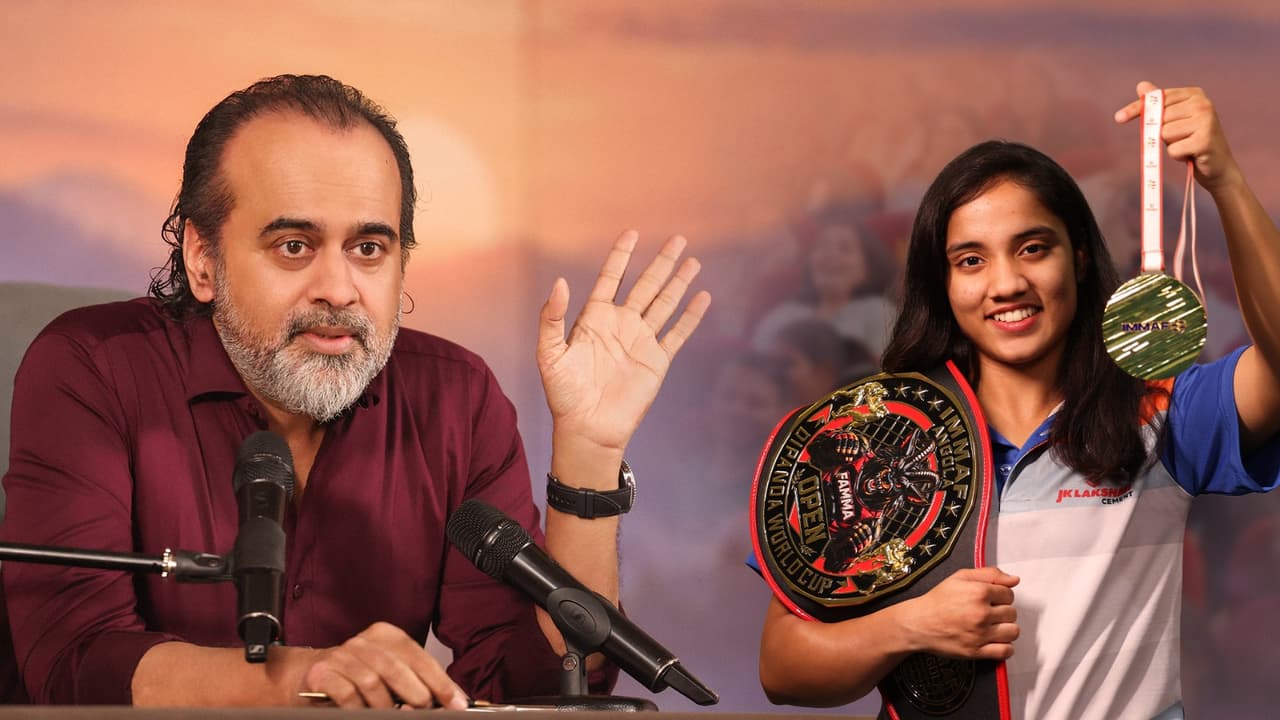
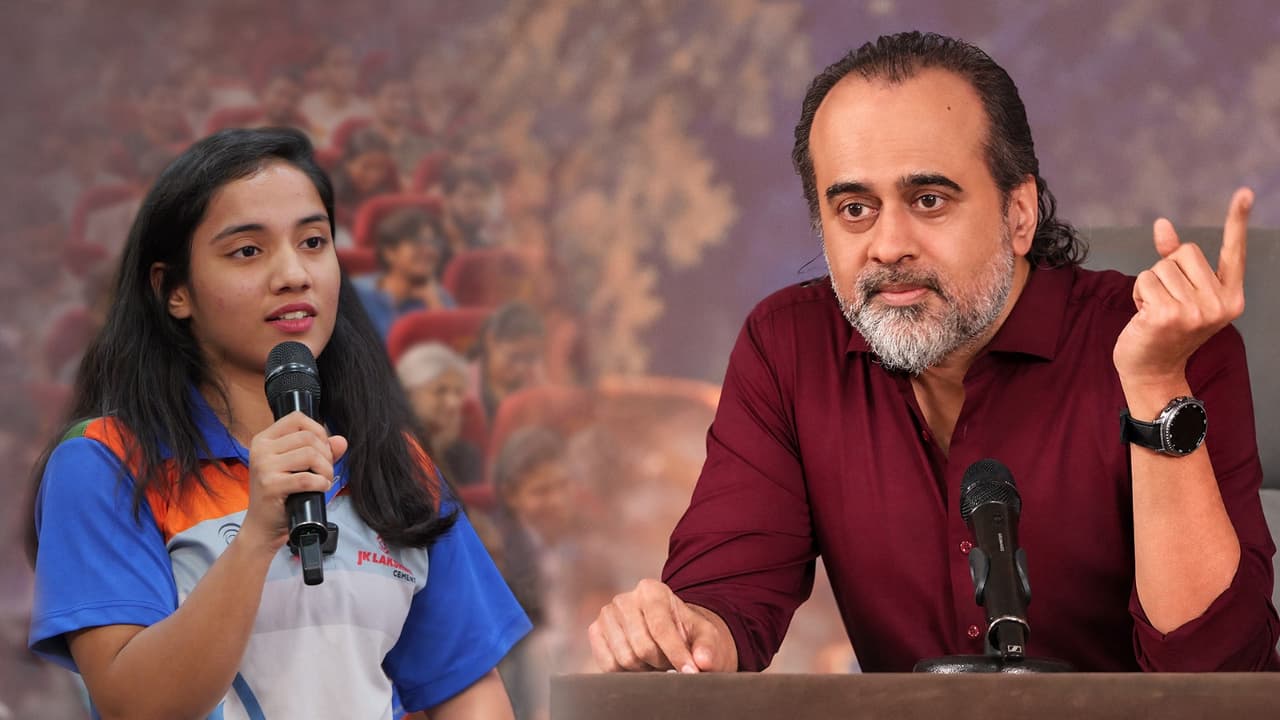
A world champion asks why she cannot sleep when a teammate outperforms her, and why even big wins leave her restless. The restlessness is not a problem but unspent energy, a sign that we have more to give. When every bit of our time and attention goes to what we have chosen, there is no surplus left to worry with. The right fight is never only against an opponent; it is against the ego within. What would it mean to fight so fully that nothing is left to celebrate or mourn?
We often defend a bad choice by pointing to a worse one: stay dishonest or starve, keep the wrong grip or stop playing. But the real trouble is not the option we picked. It is the option we never let ourselves see. Action does not need greed or attachment to find its energy. The third way begins by rejecting both false choices, without knowing what comes next. Which of our everyday choices are really false dilemmas?
अहं अगनि हिरदै जरै, गुरू सों चाहै मान।
तिनका जम न्यौता दिया, हो हमरे मिहमान॥
~ कबीर साहब
वक्ता :गुरु और शिष्य की कहानी है। उनके संबंधों के विषय में है। अहं की आग सीने में धकधक जल रही है। अहं कहता है, “मुझे मान्यता मिले, स्वीकृति मिले, प्रशंसा मिले”।…
Climate change is more than an environmental crisis—it is a crisis of human choices. Our patterns of consumption, consumerism and endless pursuit of more are putting increasing pressure on the planet. But meaningful change does not necessarily begin with new technology or stricter policies. It begins with a deeper question: what are we willing to change within ourselves?
Success never quiets the anxiety underneath it. Hustle culture runs on karma — a restless cycle of chasing the next job, package, or achievement in hopes of filling an inner void. Young professionals in Bangalore who've "succeeded" on paper remain fearful, ashamed, and unsettled within, proof that success is a liar: it promises liberation but delivers only debt. Anxiety itself traces not to the future but to a present that's been neglected, and real freedom from restlessness begins only by turning inward.
आध्यात्मिकता का उद्देश्य व्यक्ति को बाहरी अधिकारों से आगे आंतरिक स्वतंत्रता की ओर ले जाना है। विज्ञान और संविधान अपने-अपने क्षेत्र में महत्वपूर्ण हैं, लेकिन आत्म-भ्रम, गलत चुनाव और अहंकार से मुक्ति का मार्ग आत्मज्ञान से खुलता है। सच्चा गुरु शिष्य को निर्भर नहीं, स्वतंत्र बनाता है। साथ ही, शिष्य का आचरण उसके गुरु और शिक्षा का प्रतिनिधित्व करता है, इसलिए उसे नकल नहीं, समझ और विवेक के साथ जीना चाहिए।
वेदांत को केवल इसलिए सही या श्रेष्ठ नहीं माना जा सकता कि वह किसी विशेष परंपरा से आता है। विज्ञान जहाँ भौतिक जगत की वस्तुनिष्ठ जाँच करता है, वहीं अद्वैत वेदांत सीधे मनुष्य के ‘मैं’, उसके दुख, बंधन और मुक्ति की पड़ताल करता है। इसकी कसौटी वैज्ञानिक प्रमाण नहीं, बल्कि अपने जीवन में इसकी सच्चाई को देख पाना है। किसी दर्शन को मान लेना नहीं, बल्कि उससे स्वयं को मुक्त करना ही उसका वास्तविक उद्देश्य है।
Science can examine material claims, but Advaita Vedanta deals with the subjective self, ego, suffering, bondage, and liberation—areas outside science’s objective framework. Vedanta need not be accepted because of one’s religion or tradition; its value lies in whether its insights can be personally verified and help free one from suffering. The ultimate responsibility is not toward any philosophy, but toward oneself: to live a truly free life.
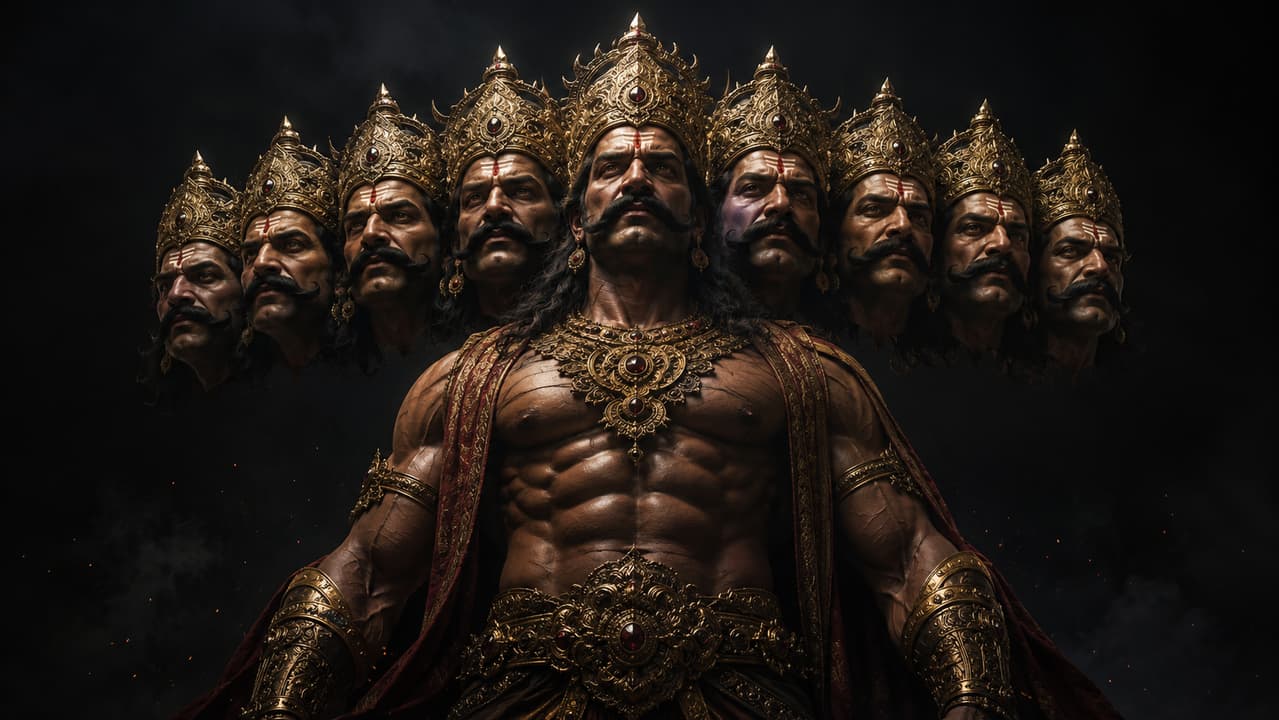
Knowledge alone cannot transform life; it can become another object of the ego. True knowledge is self-knowledge—a mirror that exposes and destroys false ideas about oneself. Ravana may have been knowledgeable, but without self-knowledge, knowledge can become a tool for exploitation. Wisdom is not something to acquire; it is innate. Self-knowledge is the process of unbecoming unwise by clearing away the nonsense we have gathered.
Reaction is an instinctive, unconscious response rooted in ancient survival mechanisms, while response arises from consciousness and understanding. Our biological instincts evolved for survival, but modern life demands that we move beyond them. Emotional reactivity makes us predictable and controllable, allowing others to manipulate our emotional triggers. True freedom lies in pausing before reacting, examining emotions, thinking deeply, and responding consciously rather than living as slaves to instinct.
Superhero films appeal to our desire to escape inner inadequacy through external power. The fantasy of an ordinary, fearful person becoming extraordinary reinforces the ego’s belief that more strength, money, possessions, or status will bring happiness. Consumerism follows the same pattern, endlessly adding objects to fill an inner void. Real freedom does not come from becoming more powerful or acquiring more, but from honestly seeing and understanding the ego that feels incomplete.
The balance between order and disorder should not be decided by personal likes or dislikes, but by what the task at hand requires. Sometimes a project demands discipline and order; at other times, more important work requires leaving things messy. The right action comes from responding to the actual need, not personal preference. Even sacrifice can be meaningful when it serves something important, but “staying backstage” should never become an excuse to avoid what one cannot tolerate.
Acharya Prashant: Because, you are asking this question.
We ‘think’ that we are lost, equally, we ‘think’ that we are not lost. The same place from where the thought, the perception of being lost, or not lost arises, that place is the same place…
Friendships naturally change as people follow different paths in life. When you remain focused on your true purpose, you stop clinging to those who only accompany you briefly. Instead of dwelling on memories or fearing others' intentions, examine your own expectations and self-deception first. Honest self-awareness brings clarity, wiser relationships, and the freedom to move forward without resentment or attachment.
सच्चा गुरु या मित्र पूजा का विषय नहीं, बल्कि दर्पण होता है, जो बिना स्वार्थ हमारी वास्तविक स्थिति दिखाता है। आध्यात्मिक मार्ग पर अंधभक्ति नहीं, बल्कि प्रेम, कृतज्ञता और व्यक्तिगत ज़िम्मेदारी आवश्यक है। मुक्ति किसी गुरु के भरोसे नहीं मिलती; स्वयं को बदलने का साहस स्वयं जुटाना पड़ता है। गुरु का कार्य केवल सत्य का प्रतिबिंब दिखाना है, चलना साधक को ही होता है।
Real love is not measured by comfort, agreement, or preserving relationships at any cost. It is revealed when one has the courage to challenge falsehood, embrace uncomfortable truths, and even risk a relationship for another's freedom and growth. Truth is not a fixed destination but a continuous rejection of illusion. Genuine relationships, mature guidance, and authentic scriptures all serve as mirrors that help us see and dissolve our own falseness.
भारत में जाति केवल सामाजिक या कानूनी समस्या नहीं, बल्कि धर्म से जुड़ चुकी मानसिक संरचना बन गई है। इसलिए संविधान, कानून और समाज-सुधार के प्रयास इसे समाप्त नहीं कर पाए। जन्म-आधारित जाति का आधार वैदिक दर्शन नहीं, बल्कि बाद की विकृत धार्मिक व्याख्याएँ हैं। जाति तभी समाप्त होगी जब धर्म अपने मूल वेदान्त और अद्वैत स्वरूप की ओर लौटे, जहाँ मनुष्य की पहचान जन्म से नहीं, सत्य से होती है।
मन पर बाहरी प्रभाव पड़ना स्वाभाविक है, लेकिन जीवन का संचालन उन प्रभावों से नहीं, अपने विवेक से होना चाहिए। जानकारी बाहर से आती है, पर उसे समझना, परखना और सही निर्णय लेना हमारी आंतरिक क्षमता है। जो व्यक्ति अपने विवेक को जागृत रखता है, वही विचारों का स्वामी बनता है; अन्यथा वह केवल परिस्थितियों और दूसरों की धारणाओं का अनुयायी बनकर रह जाता है।
अध्यात्म यह नहीं सिखाता कि बाहरी प्रभावों से बचो, बल्कि यह सिखाता है कि उनके दास मत बनो। जानकारी, विचार और अनुभव बाहर से ही आते हैं, लेकिन उन्हें समझने और उनके आधार पर निर्णय लेने का अधिकार आपके विवेक का है। वास्तविक स्वतंत्रता तब है जब जीवन बाहरी प्रभावों से नहीं, बल्कि अपने विवेक से संचालित हो। मन बाहरी प्रभावों पर आश्रित हो सकता है, लेकिन आप केवल मन नहीं हैं ।
The biggest weakness of modern education is not that it fails to keep pace with technology, but that it neglects self-knowledge. Students are trained to build identities around qualifications and careers, making them rigid in a world that demands constant change. Real adaptability, innovation, and lifelong learning come not from acquiring more skills, but from understanding oneself and letting go of fixed identities.
True learning is not built on memorizing answers but on understanding reality. Memory may help in examinations, but life constantly presents new questions that demand clarity, presence, and intelligence. Education becomes meaningful only when knowledge is deeply understood and lived, not merely remembered. Real understanding frees us from dependence on rote learning and enables us to respond wisely to every new situation.
समझ केवल जानकारी इकट्ठा करने या बातों को याद रखने से नहीं आती, बल्कि पूरी सजगता से वर्तमान में जीने और हर अनुभव को स्वयं देखने से आती है। जीवन हर दिन नए प्रश्न पूछता है, इसलिए रटी हुई बातें पर्याप्त नहीं होतीं। वास्तविक सीख तब होती है जब जिज्ञासा, प्रश्न और प्रत्यक्ष समझ विकसित होती है। स्मृति नहीं, बल्कि जागरूकता और समझ ही सही निर्णय, सीखने और जीवन को सार्थक दिशा देने का आधार बनती है।
तकनीक अपने-आप में समस्या नहीं है। असली प्रश्न यह है कि उसका उपयोग कौन और किस मानसिक अवस्था से कर रहा है। यदि भीतर भय, असुरक्षा और निर्भरता है, तो तकनीक सुविधा देने के बजाय बैसाखी बन जाती है। तब संवाद कृत्रिम हो जाता है, ज्ञान सतही रह जाता है और शक्ति विनाश का साधन बनती है। बाहरी प्रगति तभी सार्थक है जब उसके साथ भीतर की परिपक्वता और विवेक भी विकसित हों; अन्यथा हर नई तकनीक हमारी कमज़ोरियों को ही और बढ़ा देती है।
Humanity's greatest crisis arises from the imbalance between immense external progress and inadequate inner understanding. While technology, wealth, and knowledge have expanded unprecedentedly, unchecked desires and ignorance continue to fuel conflict, inequality, and environmental destruction. Sustainable change requires mass-based education of the self so individuals understand their motives and use science, technology, capital, and power with wisdom, responsibility, and inner clarity rather than unconscious craving.
आध्यात्मिक प्रगति अधिक गुरु, ग्रंथ या संस्थाएँ बदलने से नहीं, बल्कि एक सत्य को गहराई से जीने से होती है। सतही अध्ययन अहंकार को बढ़ाता है, जबकि वास्तविक अध्ययन स्वयं को बदल देता है। जो वास्तव में समझता है, उसे निरंतर नए उपाय नहीं चाहिए। विनम्रता से अपनी अधूरी समझ स्वीकार कर, एक प्रामाणिक स्रोत के साथ गहराई से जुड़े रहना ही आत्मज्ञान और आंतरिक परिवर्तन का मार्ग है।
क्या सभी गुरु और ग्रंथ व्यर्थ हैं, या यह भी अहंकार का एक नया रूप है? इस संवाद में आचार्य प्रशांत बताते हैं कि सत्य का कोई निश्चित मार्ग नहीं, लेकिन इसका अर्थ यह नहीं कि गुरु और शास्त्रों का महत्व समाप्त हो जाता है। वे मौलिकता, कृतज्ञता और बौद्धिक ईमानदारी पर ज़ोर देते हुए समझाते हैं कि जिसने जहाँ से सीखा है, उसका स्वीकार आवश्यक है। साथ ही चेतावनी देते हैं कि "मैं स्वयं ही पर्याप्त हूँ" का विचार भी अहंकार का सूक्ष्म खेल बन सकता है।
Superstition does not begin with rituals alone; it begins with unquestioned beliefs about the self. Science can remove many false beliefs, but complete freedom requires Self-knowledge. Vedanta, philosophy and meditation help expose the ego, making awakening possible. Religion becomes meaningful only when it encourages Self-knowledge rather than blind belief. Real freedom comes not from accepting inherited ideas but from understanding oneself through direct observation and awareness.
अज्ञान भय पैदा करता है, जबकि ज्ञान से आनंद और मस्ती जन्म लेते हैं। सच्ची मित्रता, प्रेम और शांति किसी को पकड़ने से नहीं, बल्कि स्वतंत्रता देने से मिलते हैं। मन स्वयं चंचल नहीं होता; उसमें क्या भरा जाए, यह हमारी सजगता तय करती है। जीवन का उद्देश्य केवल जानकारी जुटाना नहीं, बल्कि ज्ञान से प्रेम करना, प्रश्न करना, आत्मावलोकन करना और अपने भ्रमों को पहचानकर भीतर की स्वतंत्रता की ओर बढ़ना है।
Bullying hurts deeply only when it is allowed to define one's inner identity. External abuse may wound the body, but lasting psychological wounds require inner participation. While OCD, anxiety, depression, schizophrenia, and other mental health conditions deserve proper treatment through psychiatry, lasting freedom demands self-knowledge.
ज्ञान ही डर को मस्ती में बदलता है। अज्ञान भय पैदा करता है, जबकि सही समझ भय दूर करता है। सच्चे मित्र बनाने की कोशिश करने के बजाय आत्म-अवलोकन अधिक आवश्यक है। कबीर साहब का संदेश है कि केवल किताबें पढ़ने से नहीं, बल्कि ज्ञान के प्रति प्रेम से जीवन बदलता है। मन स्वयं चंचल नहीं होता; हमारी इच्छाएँ और अस्थिरता उसे भटकाती हैं। शिक्षा का उद्देश्य केवल जानकारी जुटाना नहीं, बल्कि अपनी मान्यताओं पर प्रश्न करना और सत्य की खोज करना है।
आध्यात्मिकता अहंकार को सांत्वना देने या स्वयं को विद्रोही घोषित करने का माध्यम नहीं, बल्कि अपने भीतर बैठी गहरी गुलामी को पहचानने का साहस है। हमारी अधिकांश इच्छाएँ, मान्यताएँ और पसंद वास्तव में सामाजिक संस्कारों से बनी होती हैं, इसलिए केवल बाहरी विद्रोह स्वतंत्रता नहीं देता। सच्चा धर्म भीतर के अहंकार से संघर्ष कर जीवन में सत्य के पक्ष में खड़े होने का आह्वान करता है, चाहे उसकी कीमत संघर्ष और घाव ही क्यों न हों।
The ego is not a real, independent entity but a bundle of conditioning that creates the illusion of a separate "I" and becomes the source of suffering. Self-observation is not introspection or analysis but moment-to-moment honesty about what is happening within. Real freedom comes when this false center is seen through, allowing life to function naturally without the burden of psychological ownership.
![क्या आप आचार्य प्रशांत की गीता कम्यूनिटी [इस सदी का एक अद्भुत आध्यात्मिक प्रयोग] के भाग हैं?](https://cimg.acharyaprashant.org/images/img-3dc72262-a991-4f45-a9d4-a0397e21022c/30/image.jpg)