Destiny
Destiny
15min247reads2
If you begin to define betterness, you'll find that betterness depends on some other word, and that word again is a concept. So then you finally realize that it is all a doing of the ego. Hence, I need not give any great respect to all these things.
Clarity
6min1.8kreads246
Destiny is the inviolable thing. You cannot get rid of it. You have to reach there. So, better choose in favour of your destiny. Now, destiny is something that can, at most, keep waiting till eternity. But you can never dismiss it. So, make a choice in the favour of destiny. Bow down to your destiny, surrender to your destiny. If it has to happen, why keep postponing it? Because that postponement is just suffering. Destiny is love. Destiny is what each of us craves, is crazy for.
Destiny
8min829reads5310
You say, “Anyway, nothing is going to happen. What is written is written. So what is the point of acting? Let me just sleep and rot.” All this concept of destiny is a dirty trick to justify your laziness and cowardice. There’s nothing called destiny. However, there is something called randomness, and that randomness you cannot control. But that randomness is not destiny. You have the agency to respond rightly to that randomness. You always have a choice. Always.
Destiny
14min455reads57
वेदांत कहता है, तुम हट जाओ। हट जाओ अपने रास्ते से हटो। यू आर द डिफरेंस बिटवीन यू एंड योरसेल्फ। यू आर योर ओन वर्स्ट एनिमी। तुम अपने रास्ते से हटो। वेदांत नहीं कहता अपने लिए कुछ अच्छा करो। वेदांत नहीं कहता कि तुम महान बन के दिखाओ। वेदांत कहता है, अपनी शूद्रताओं को देखो, तुम लीचड़ हो। और अगर तुम अपना लीचड़पन हटा दो, तो महान तो तुम हो ही तत्वमसि।
Destiny
5min1.1kreads98
तुम्हारा मन एक बेलगाम घोड़ा है और वो बेलगाम घोड़ा दुनिया भर में घूमना चाहता है, इसीलिए तुम दुनिया को जीतना चाहते हो। कोशिश करनी है, ख़ुद को जीतने की। जो बाहर से आ रहा है, वो भाग्य के अधीन है; उस पर आपका कोई नियंत्रण नहीं। सुख-दुःख, लाभ-हानि, जन्म-मरण — सब संयोग हैं।पहले खुद को जीतो, ताकि सुख-दुःख, अनुकूल-प्रतिकूल, लाभ-हानि एक से हो जाएं।
Excerpts from Articles
Dr BR Ambedkar: A Visionary Beyond Politics
Dr. Ambedkar is an enduring symbol of struggle, dignity, and the relentless pursuit of justice. His life was not merely a series of events that were linked with politics or social reform. It was an intellectual, social, and spiritual odyssey. Dr.
Jealousy is dependency in disguise
Nobody wants to admit to jealousy, not even to themselves. It is easier to look away from than to examine. But it is worth looking at, because jealousy tells you where your sense of worth is kept.
How To Get Freedom From Anxiety?
Especially in the modern world, unfortunately, a degree of constant anxiety has become an almost normalized state for us. A large portion of our mental health problems as a collective is very much about anxiety and fear. Burn-outs, career pressures, problems with self-esteem, fear of others, stress about studies etc.
The planet is irreversibly tipping. Who is pushing it?
We have begun to speak of the future climate as though we could settle the bill later. We shall keep emitting greenhouse gases, warm the planet beyond the limit we have agreed upon and, when technology has improved, bring the temperature down again.
बाल दिवस: बच्चों को क्या दे रहे हैं हम?
बच्चों के लिए हम बहुत कुछ करते हैं। अच्छे स्कूल में दाखिला दिलाते हैं, उनके लिए सुविधाएँ जुटाते हैं, भविष्य की योजनाएँ बनाते हैं।
Sanatan Dharma is the way if the world is to be saved, rest is just cult
When it comes to philosophy and spirituality, the discourse often becomes dense. But in our endeavour to understand Sanatan Dharma, we will proceed with simple definitions and queries.
आप बहुत गलत तरीके से जी रहे थे, अब आपको बता रही जिंदगी
ज़िंदगी की छोटी-से-छोटी स्थिति भी आपके सामने आती है तो अगर आपकी सुधरने की, सीखने की नीयत है तो उस स्थिति के बाद आप वैसे ही नहीं रह जाएंगे जैसे कि आप उस स्थिति के पहले थे. यह मैंने बात करी जीवन की किसी भी साधारण स्थिति की. अभी जो वैश्विक आपदा हमारे सामने है, वह तो निश्चित ही असाधारण है.
चार राम हैं जगत में, किस राम को चुनेंगे आप?
यह प्रश्न केवल ईश्वर के बारे में नहीं है। इससे कहीं ज़्यादा यह हमारे बारे में है। हम किसे राम कहते हैं, इससे पता चलता है कि हम स्वयं को क्या समझते हैं, किसमें सुरक्षा खोजते हैं और किसके लिए अपना जीवन लगा रहे हैं।
When clarity ends confusion
Decision-making, for most of us, becomes heavier than it needs to be. The moment a choice appears, the mind begins its familiar dance. Thoughts circle around the options, trying to predict outcomes, trying to secure certainty, and the whole thing turns strangely tiring.
A Lesser Known Incident From Mahatma Gandhi’s Life
Mahatma Gandhi had been in South Africa at the center of a civil movement for more than two decades but he kept coming to India to attend Congress sessions. There was not much depth in those visits.
नदी की सफाई में क्या छूट जाता है?
हम यमुना को माँ कहते हैं। घाट पर खड़ा आदमी जब उसे माँ कहता है, तो मुझे उसकी नीयत पर शक करने की कोई वजह नहीं दिखती।
Israel-Hamas: Unraveling The Role Of Religion In Conflict And Cruelty
Why do conflicts happen, and why is there cruelty in the world? These two things show us what religion means to regular people.
Climate change: When disaster becomes a market
When a flood destroys a bridge, rebuilding it creates economic activity. Someone buys steel and cement, construction companies get contracts, workers are hired, and money changes hands.
Children’s Day: What Are We Really Giving Our Children?
Children’s Day is celebrated on 14 November every year. We try to provide the best schools, facilities, and plans for our children’s future and celebrate their achievements with pride.
Bhagavad Gita
12min1.1kreads31
Overview
We want to reach the end of wanting. We want completion, fulfillment in such a final way that we are left with nothing to want anymore. That’s the destination. Born a human being, you will have to act. Act rightly. Act for the right purpose. Live for the right…
Bhagavad Gita
26min928reads121
So, when you have to decide what to do, when you are in a mess like Arjun, respond to the call of love, respond to the call of freedom. Go in that direction where truth lies even if it costs you a lot, even if it seems unreasonable, even if it scares and terrifies you, even if you cannot explain to others or even yourself, “Why are you moving in such a way or in such a direction? Still move in that way. Read more....
Destiny
14min380reads2
Question: Whatever we are doing in this life, whatever is happening in the universe, is this already defined by God, and we being mere players? Or is God nowhere in the picture?
Speaker: These are the two options that your mind has come up with. One- all is predestined, with…
Clarity
12min219reads3
Question: Is there anything called ‘destiny’?
Speaker: There is surely destiny. There is no doubt about it. You are born in a particular home, you are born as a human being, the color of your eyes, the situations of your birth, everything that goes around you in the universe, all…
Bhagavad Gita
11min305reads31
अयति: श्रद्धयोपेतो योगाच्चलितमानस:। अप्राप्य योगसंसिद्धिं कां गतिं कृष्ण गच्छति।।६.३७।।
अर्जुन बोले — हे श्रीकृष्ण! जो योग में श्रद्धा रखने वाला है, किन्तु संयमी नहीं है, इस कारण जिसका मन अन्तकाल में योग से विचलित हो गया है, ऐसा साधक योग की सिद्धि को अर्थात भगवत्साक्षात्कार को न प्राप्त होकर किस…
Free Will
8min907reads137
Questioner (Q): Can you talk about the relationship between free will, destiny, and the law of attraction?
Acharya Prashant (AP): All three do not exist.
(Laughter)
Free will belongs only to the Truth. Your destiny is to reach the Truth. And only the Truth really attracts you.
Free will —…
Destiny
3min704reads
Questioner (Q): Is our life destined?
Acharya Prashant (AP): Of course it is destined. Don’t you see that? Otherwise, why would life exist? Life exists, so that it may meet its destiny. And as long as it doesn’t, it remains restless. Mind exists, so that it may meet its destiny.…
Attachment
6min357reads21
*.*
Question: Are we born with destiny or choices? Why don’t things happen as per our wish?
Acharya Prashant: Is it not a great mercy that things don’t happen as per our wish? Do you really want existence to punish you by granting all your wishes?
Your wishes…
Confusion
1min368reads11
All powerlessness is just a pretense. Even in your feeblest moment, you are still powerful enough to exercise choice, and you must always hold this very close to your heart.
The world can take anything, everything away from you, but nothing and nobody ever can take away from you your…
Beliefs
1min203reads
We are being continuously told that there is something seriously wrong with us and we must do something about it.
You don’t have a house? There is something wrong with you.
Your car is small? There is something wrong with you.
Come buy our new product! Oh, you don’t wear…

Bhagavad Gita
12min346reads21
यज्ञदानतप:कर्म न त्याज्यं कार्यमेव तत् ।
यज्ञो दानं तपश्चैव पावनानि मनीषिणाम् ।। 18.5 ।।
yajña-dāna-tapaḥ-karma na tyājyaṁ kāryam eva tat
yajño dānaṁ tapaśh chaiva pāvanāni manīṣhiṇām
The work of Yagna, gift, and austerity should not be relinquished, but it should indeed be performed; (for) Yagna, gift, and austerity are purifying…
Passion
1min361reads5
Luck means that you are getting something unexpected and big, right? That’s what you call as being lucky.
Keep working hard. Do not wait for luck. You can force luck. You can tell him, “I am working so hard that you will have to come to me.”
Force luck. Don’t…
Destiny
44min369reads5
Acharya Prashant: The topic today is ‘Destiny and Freewill’. The mind has always been interested in knowing about these. The individual that we sometimes call as man, sometimes refer to as ego, sometimes as the self – the fragmented self – is always curious about this particular topic, because it…
Clarity
8min412reads2
Questioner (Q): There are some scriptures in the Hindu tradition which suggest that everything we do is predestined and we are actually being controlled by Brahman. If that is the case, what is the incentive for me to put any hard work into my life?
Acharya Prashant (AP): No,…
Beliefs
1min207reads
We have a very unfortunate ability to make peace with our circumstances, to settle down wherever luck situates us. You do not find many people fundamentally dissatisfied with life. Superficially, everybody is dissatisfied; that’s not really the case. People lead very satisfied lives at very wrong places. There are very…
Destiny
14min447reads1
Acharya Prashant: Well, here is this flower, it’s been plucked, its fate now is to shrivel down, lose its moisture, tenderness, and then meet the soil. If I toss it up, its fate is to? It’s entirely predictable. If I tell you, how much force I exert in tossing it…
Truth
9min358reads3
प्रश्नकर्ता: आचार्य जी प्रणाम। मेरा प्रश्न ये है कि मैं जिस राह में बढ़ रही हूँ मुक्ति को लेकर, तो वो दिशा मेरी सही है या नहीं इस चीज़ का पता कैसे चलेगा मुझे कि मुक्ति को लेकर मैं सही दिशा में जा रही हूँ या नहीं?
आचार्य जी: हमको…
Clarity
5min311reads11
प्रश्नकर्ता: आचार्य जी, अध्यात्म में भाग्य या किस्मत मान्य है?
आचार्य प्रशांत: मान्य क्या वो तो होता ही है। उसमें मान्य की क्या बात है? अध्यात्म तथ्य को पूरा सम्मान देता है और सत्य के सामने समर्पित रहता है; तथ्य को सम्मान और सत्य को समर्पण।
तो प्रारब्ध तो होता…
Maya
13min360reads6
प्रश्नकर्ता: प्रणाम, आचार्य जी। कल आपने अनुशासन के बारे में कहते हुए 'शासन' शब्द को अलग करके उसके विषय में भी बताया था। आपने कहा था कि, "व्यक्ति वास्तव में जान जाए कि कौन है, जो सच्चा है और उसमें शासित हो जाए।"
मैं जब अपना जीवन देखता हूँ तो…
Destiny
15min367reads1
(आचार्य जी के नवीन लेखों के बारे में जानने के लिए व उनसे मिलने का दुर्लभ अवसर प्राप्त करने हेतु यहाँ क्लिक करें)
हुकमी हुकमु चलाये राहु।
~ नितनेम
आचार्य प्रशांत: वो अपने हुक्म से राह पे चलाता है। राह तो सामने ही है। जहाँ खड़े हो वही से…
Destiny
56min357reads3
आचार्य जी: अच्छा, यह सब जो दिख रहा है, इसमें एक अपनी व्यवस्था है, या नहीं है? तुमनें कहा कि नदी दिख रही है, पेड़ दिख रहा है, सूरज है, पक्षी हैं, हवा चल रही है। यहाँ मछलियाँ हैं नदी में, बाहर और जानवर हैं, ये कुत्ता खड़ा है। कुछ…
Destiny
12min548reads156
प्रश्नकर्ता: आचार्य जी, मन में एक प्रश्न बहुत उठता है। जैसे आज आपने कहा कि जिसमें आनंद मिले वही सत्य, तो जैसे मुझे पढ़ने में बड़ा आनंद मिलता है, सिर्फ पढ़ने में और मैं काम भी करता हूँ, जॉब भी करता हूँ। तो बहुत बार लगता है कि जो रोज़…
Karma
9min311reads3
प्रश्नकर्ता: सर, मेरा प्रशन यह है कि भाग्य नाम की भी कोई चीज़ होती है जो ज़िंदगी से जुड़ी होती है या केवल कर्म ही सब कुछ होता है?
आचार्य प्रशांत: प्रश्नकर्ता ने कहा कि, "क्या कर्म ही सब कुछ होता है या भाग्य का भी कोई महत्व है?" दोनों…
Silence
7min125reads
प्रश्न: ‘असंबद्ध’ होने का भाव महसूस होने लगा है। चाहे वो किसी जगह से हो, लोगों से हो, या अपने ही मन के भावों से हो। खोया-खोया सा महसूस करती हूँ। कहीं भी अपनेपन का भाव नहीं महसूस नहीं होता। अपने आप को कहीं से, या किसी भी चीज़ से…
Destiny
9min135reads21
प्रश्न: ज्ञान और भाग्य में बड़ा क्या है? क्या ज़्यादा महत्व रखता है – ज्ञान या भाग्य?
वक्ता: पहली बात तो हमें यह समझना पड़ेगा कि प्रश्न क्या है। ज्ञान से तुम्हारा अर्थ है – वो सब कुछ जो तुमने अर्जित किया है, जो तुमने पाया है। ज्ञान से तुम…
Destiny
7min625reads101
आचार्य प्रशांत: ये भी संवाद का एक बड़ा आम सवाल रहता है कि प्रारब्ध ज़्यादा महत्वपूर्ण है या पुरुषार्थ। ‘पुरुषार्थ’ मतलब, ‘मैं करके दिखाऊँगा’ और प्रारब्ध मतलब, ‘मैं क्या करूँ? सब पहले से ही तय है।’ दोनों ही अहंकार के लिए ही हैं।
प्रारब्ध भी अहंकार का है और पुरुषार्थ…
Destiny
16min711reads61
*श्रोता:* सर क्या किस्मत जैसी कोई चीज़ होती है ?
*वक्ता:* जिसे तूम दुनिया कहते हो, उसमें जो भी कुछ तुम्हें दिखाई देता है, सुनाई देता है, जो भी भौतिक है, वो cause and effect के दायरे में आता है, कार्य-कारण के दायरे में।जैसे कि कोई…
Related Articles
Suffering
36min11reads1
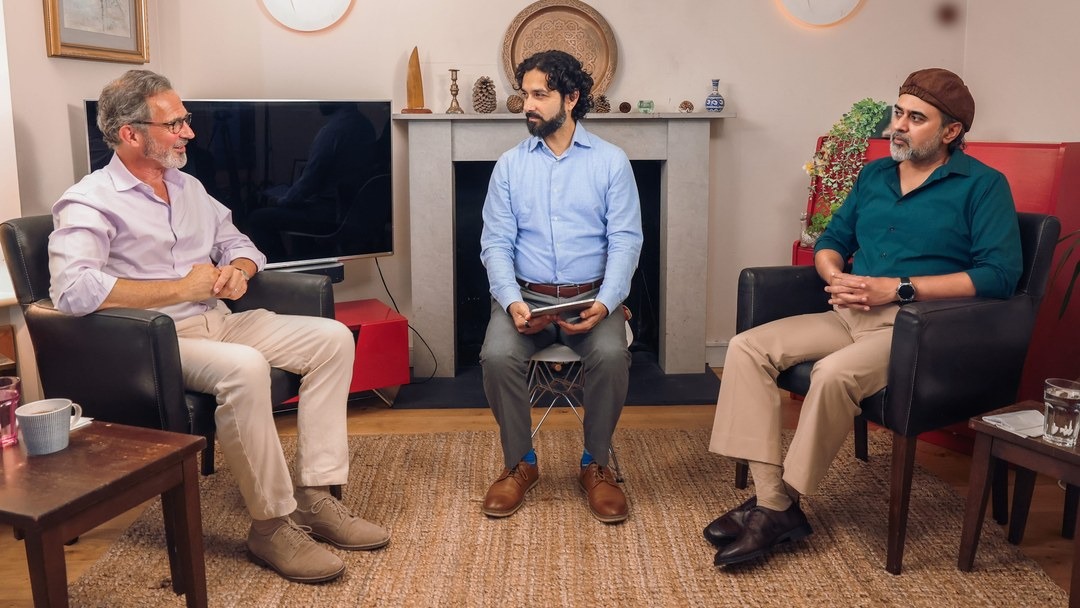
Most of us try to fix our suffering: a better job, a calmer mind, a new practice, a holier word to hide behind. But what if the trouble was never the pain itself? In this London dialogue with a teacher of non-duality, we look at who it is that says “I am”, why the sufferer hides in money and in holy concepts alike, and why non-duality is an intention, not a state. If the ego is a born lover, what does it truly want?
Ego
10min45reads
We say my body, my brain, my reason, my decision, and we never ask who is saying it. A boy who has tormented animals must be corrected, we all agree. Then he turns out to be our own son, and reasons to excuse him arrive without effort. Did reason change, or the one who owns it? Every courtroom shows how intent drives argument. The judge we admire may be the one who has learned to thin that owner down. When we decide, who is deciding?
Ego
14min261reads221
We study history, languages and money, and never the one who is reading, to whom all of it matters. Our interests feel like our own, and we call them freedom without asking where they came from. Had that stranger carried another name, would our view of him be the same? Self-inquiry cannot end in a final answer, because the one asking dissolves before it arrives, and returns the next morning. Do we want an answer, or do we want to look?

Liberation
10min35reads
Many of us say our family won’t let us be free. Then comes a plain question: where are the restrictions? Are they watching right now, chasing us with a lathi? Mostly they live in the mind, and we keep them there because breaking them has a price: someone’s hurt expectations, and perhaps no more money. So we call it love. Knowing what is worthwhile and refusing to pay for it is sheer cowardice. Physical confinement is another matter; no adult should put up with it. What price are we avoiding?
Ego
7min151reads83
हम सोचते यही हैं कि ईवी सस्ती हो जाएँ और सोलर, पवन ऊर्जा बढ़ जाए, तो सब ठीक हो जाएगा। पर ऊर्जा आख़िर किसलिए चाहिए? इच्छाओं के लिए। और इच्छा कोई तय मात्रा नहीं, जो एक जगह जाकर रुक जाए। वह एक गुना से हज़ार गुना तक भी चली जाती है, और ‘अब तो यह साफ़ है, तो मैं और कर सकता हूँ’ कहकर हम और माँगने लगते हैं। कहीं ईवी प्रदूषण घटाने से ज़्यादा अपना अपराध बोध सँभालने के काम तो नहीं आ रही? नवीकरणीय ऊर्जा चाहिए, पर क्या अपनी माँग को देखे बिना बात बनेगी?
Climate Change
30min752reads52471
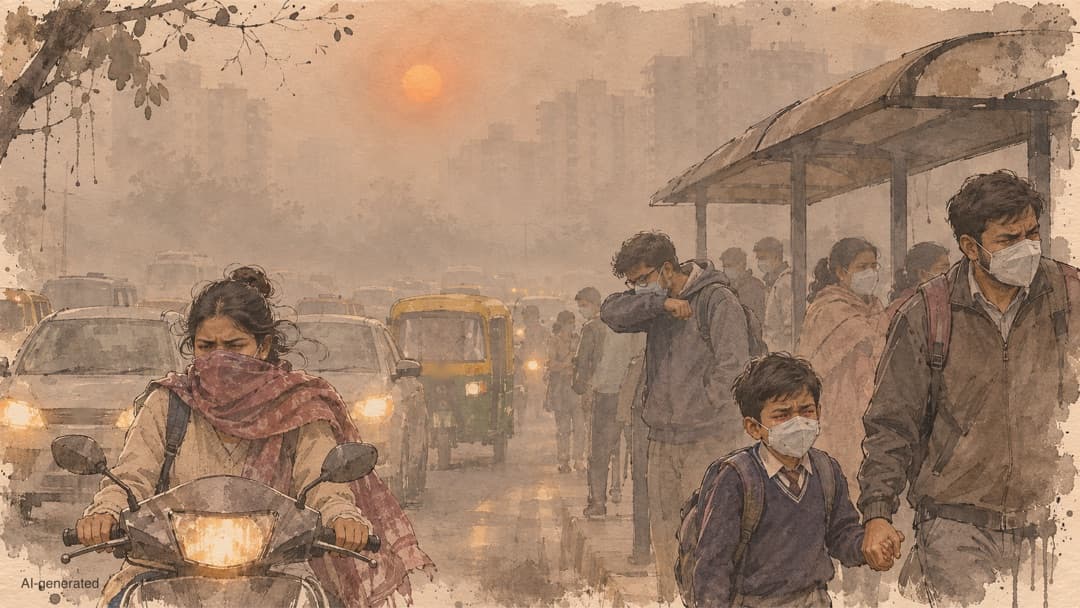
दिल्ली की हवा ज़हर बन चुकी है, गला जलता है, आँखों से पानी बहता है, फिर भी कहीं कोई आवाज़ नहीं उठती। क्योंकि हम तुरंत नहीं मर रहे। जलाने से धुआँ उठता है, और वही धुआँ AQI बन जाता है। और जलाना इसलिए है क्योंकि हमें और चाहिए: और कमाओ, और ख़रीदो, और भोगो। माल के साथ हमें मृत्युदंड भी मिल रहा है, पर हम समझते ही नहीं। जो सुख कुछ जलाए बिना मिलता है, एक किताब, एक गहरी बातचीत, नदी में तैरना, क्या हम उसे फिर से जान पाएँगे?
Suffering
15min163reads72
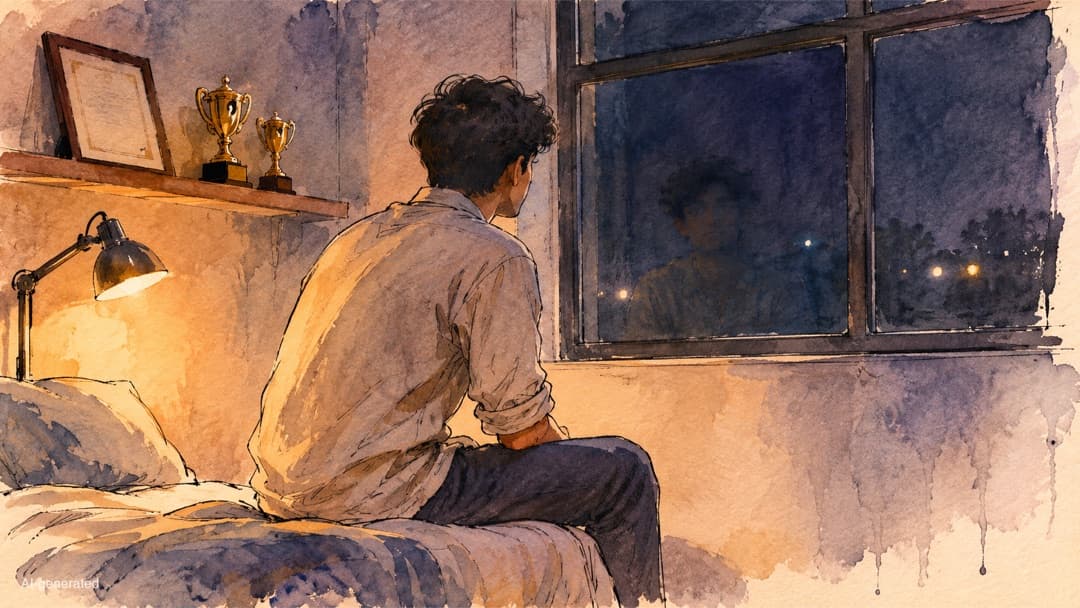
We sharpen the brain, collect the degrees, climb the ladder, and still feel strangled from within. The brain struggles with a hard maths problem, but who struggles with life? It is the one who uses the brain, the body and every opportunity, and calls all of it “mine”. We never examine that user, so its first claim, “I am important”, goes unchecked, and every value we build on it inherits the flaw. We chase prizes that give very little. Can we look at the one who is chasing?
Bhagavad Gita
10min395reads4231
दूसरों की नज़र में हम अच्छे चरित्र के हैं, और यह प्रमाण पत्र छूट न जाए, इसलिए कामनाएँ दबाते हैं। फिर रात के तीन बजे, बिना बत्ती जलाए, धीरे से फ़्रिज खोलते हैं, और हर आहट पर दिल धड़कता है कि कोई देख न ले। दुख भी पूरा, पाखंड भी। फिर भी हम इसे छोड़ते नहीं, क्योंकि इंसान को अपने आप को ऊँचा और दूसरे को नीचा दिखाना है, और धर्म का सहारा मिल जाए तो बड़ा मज़ा आता है। जितना ऊँचा दावा, उतने ऊँचे दाँव। क्या हम कामना से डरते हैं, या उस प्रमाण पत्र के छिन जाने से?
Bhagavad Gita
16min614reads101
चोट खाई तो ठान लिया कि अब कामना नहीं। पर कामना लहर की तरह उठती है, रोके नहीं रुकती, और दबाई हुई कामना स्प्रिंग जैसी है: उस पर बैठ जाओ तो मिटती नहीं, बस चुभती रहती है, और खड़े होते ही उछल पड़ती है। दूध वाली चाय पिएँ तो ग्लानि, न पिएँ तो देह तड़पती है। कामना के पीछे चलने में दुख मिला, तो दबाने में महा दुख, और ऊपर से ओढ़ा हुआ पाखंड। गीता की नज़र कामना पर नहीं, उस पर है जो कामना करता है। क्या हम कभी उसे देख पाते हैं?

Ego
12min100reads7
Many of us know the squeeze: a job that earns a living by making people want one more thing, and a nagging sense that this is not the life we want. It feels as though the world is pressing us into a deal. But a deal is signed, not imposed. The world offers a contract and something in us says yes, because it expects something in return. Can we be pressured by anyone we expect nothing from? Before asking whether to quit, can we look honestly at who is accepting the offer?

Suffering
12min174reads112
Someone asks how we are, and we say, “I am so good. I’m doing so well.” Then comes 3 a.m., and we know better. Nobody outside can check that claim, so the talk says an inner claim can be falsified only in the first person. Science runs on peer review; self-inquiry does not. A mirror can show where we stand, but whether we accept what it shows depends on honesty. Which of our own claims have we never allowed to be tested?

Ego
10min239reads111
We believe we are born to be happy, and that happiness comes from more and more consumption. We keep consuming, and the lonely, anxious, restless feeling keeps returning. A sage, the talk says, has nothing to tell anyone who claims to be already fulfilled. The only question put to us is blunt: have all these objects and ideas worked on you? If not, why not be honest enough to discard them, instead of endlessly rolling on a flat plane? What could we learn by looking at the one who keeps trying?
Truth
11min112reads1
First the board percentage, then the CGPA, the money, the house: we keep ticking things off and reaching for the next, as if we were items on a conveyor belt that started the day we were born. When we do not know what we want, we end up wanting everything. The same unexamined words, success, love, settling down, decide what we call a true calling. If the seeker is false, how can what we seek be true? What if we first looked honestly at our own ideas of life and success?
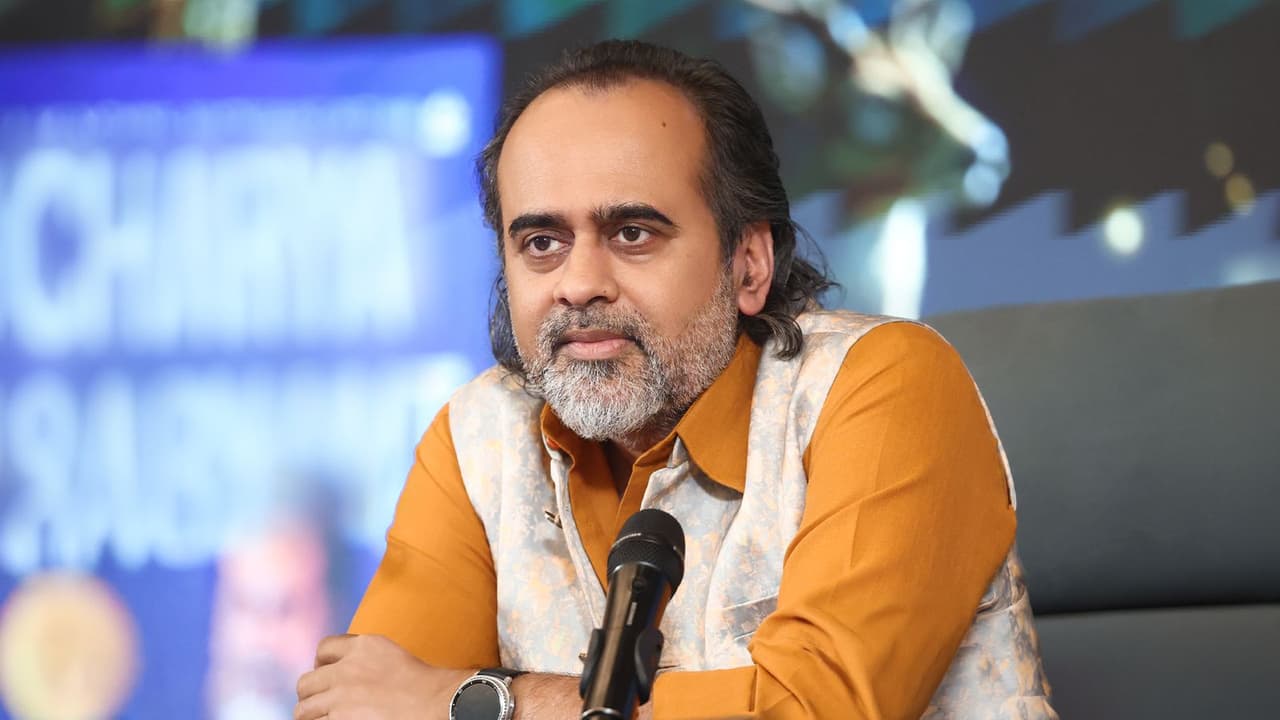
Ego
21min237reads8
ध्यान में बैठकर हम कोशिश करते हैं कि मन में एक भी विचार न आए, मानो सोचना कोई गंदगी हो। पर जैसे पेट का काम पचाना है, वैसे ही मस्तिष्क का काम सोचना है। विचार न कोई रोग है, न कोई बड़ी उपलब्धि, वह डकार जितनी ही साधारण क्रिया है। दस सेकंड आँख बंद करके अपनी कोई अधूरी हसरत पूरी होती सोचिए, सब नकली जानते हुए भी मज़ा आ जाता है। सोच के घोड़े को वही दौड़ा रहा है जिसे उससे राहत की आशा है। तो हम विचार से लड़ें, या पूछें कि यह सोच किसके लिए चल रही है?
Knowledge Capsule
3min4kreads51719
भगत सिंह कहते थे "बहरे कानों तक अपनी आवाज़ पहुँचाने के लिए अक्सर धमाकों की ज़रूरत पड़ती है।"
लेकिन उनको कहाँ पता था कि लोगों की स्मृति इतनी कमज़ोर है कि उनके जाने के बाद वे सिर्फ़ उनका 'धमाका' ही याद रखेंगे। और उनको भूल जाएँगे, उनके संघर्ष…
Women Empowerment
3min904reads567
पिछले वर्ष ईरान में 22 वर्षीया 'माशा अमीनी' की ईरानी पुलिस द्वारा हत्या हुई। पूरी दुनिया ने विरोध जताया। माशा ओमिनी का जुर्म क्या था? उसने हिजाब वैसे नहीं पहना था जैसा ईरानी सरकार का आदेश था।
इस बर्बर हत्या के बाद ईरान की सड़कों पर हज़ारों महिलाओं की भीड़…