Physical weakness does not stay physical. It becomes mental weakness, and the ego, which turns everything into an identity, starts saying “I am weak” because that line brings support and spares it responsibility. Visible strength works even unused: it keeps the opponent outside wary and silences the one within, who can no longer claim to be helpless. Keeping the body strong is therefore a spiritual matter, not vanity. Are we holding on to weakness because it is convenient?
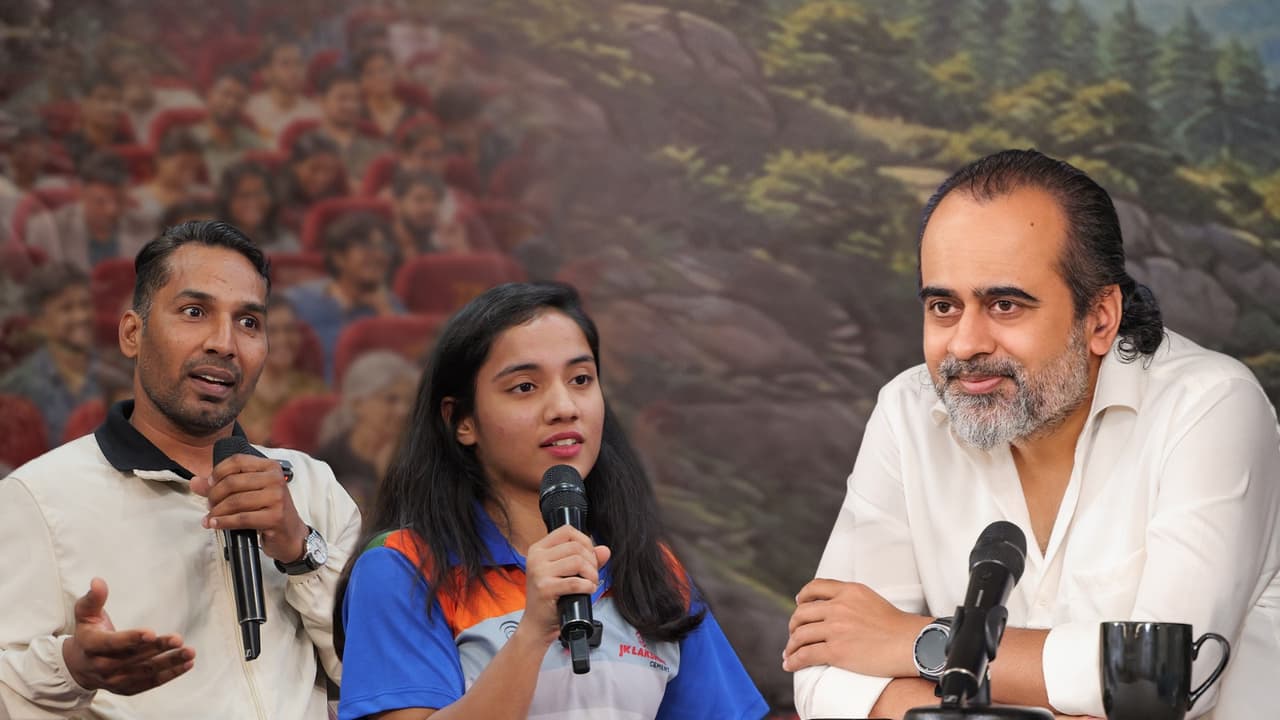
Many Indian parents keep their children, and especially their daughters, away from sport, even where coaches and facilities exist. The barrier is often not outside but in the parent’s own ideas: poor returns, uncertainty, and fixed notions of what a girl’s life must be. Blaming our own parents does not help either; our life is now our responsibility. Parenting is a decision of the greatest responsibility, and it begins with self-love. Can we love a child if we cannot love ourselves?


Many of us look for role models of our own gender and hope to succeed as a man or as a woman, yet no one great was ever great as a gender. The moment we tie our aims to being a woman or a man, we tie them to the body, and much of our attention goes into how we look and how we are seen. So much around us keeps reminding a woman of her body, from songs to the fear of a street at night. But the body has never achieved anything by itself. What might we attempt if gender stopped mattering?
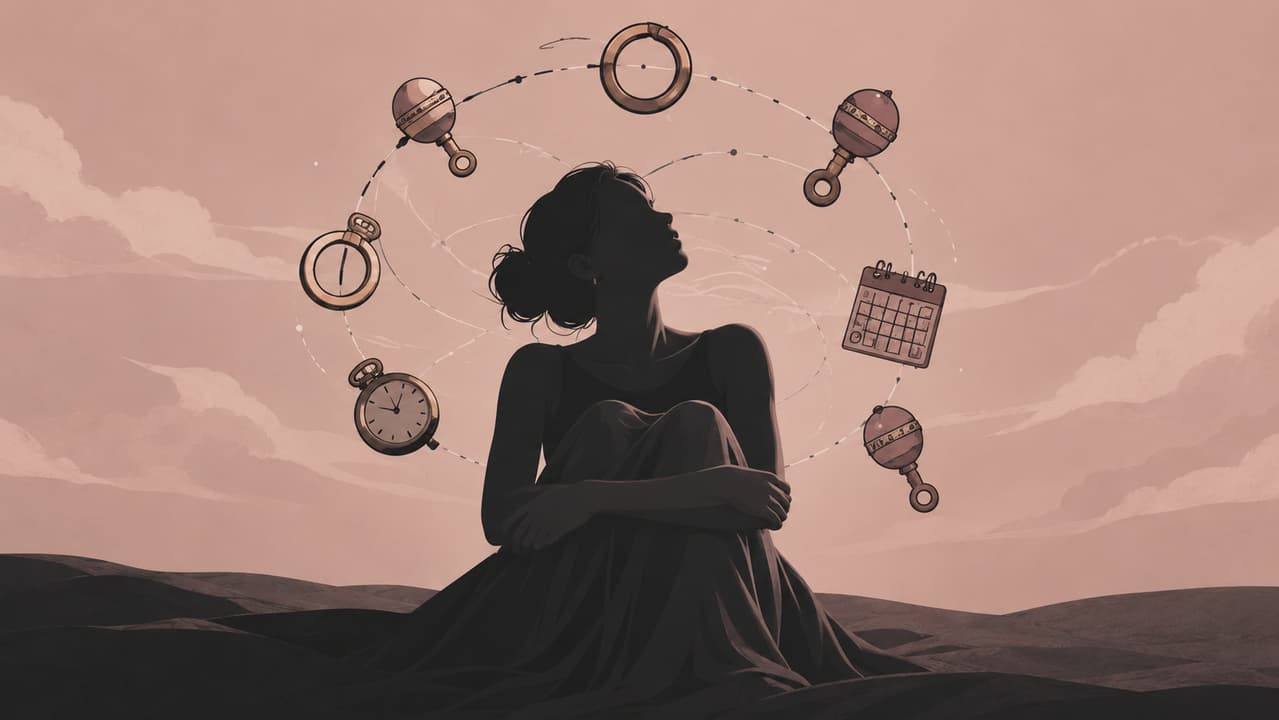

True freedom begins when we question the beliefs that make us feel trapped. Most of our suffering comes not from circumstances but from unquestioned assumptions, attachments, and imagined obligations. By suspending our beliefs, even briefly, we allow truth to enter, revealing that life always offers choice. Transformation is born from love for truth, the courage to let go, and the willingness to step beyond the boundaries created by the ego.
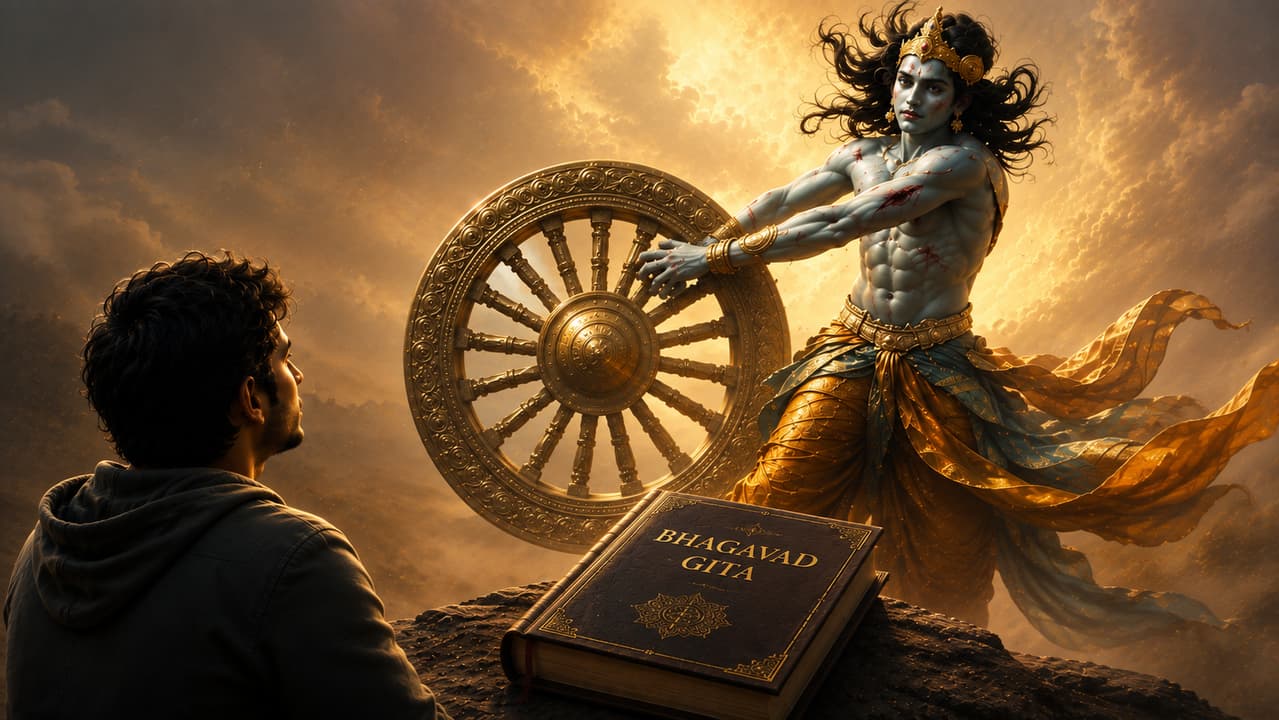
The Bhagavad Gita deserves reverence not because of inherited beliefs about its author, but because of its power to dissolve falsehood and reveal Truth. Real devotion is not ritual or blind faith—it is understanding, inquiry, and living the wisdom of the Gita. Through sincere study, one discovers the true meaning of Krishna, making the Gita the most authentic path to knowing and worshipping Him.
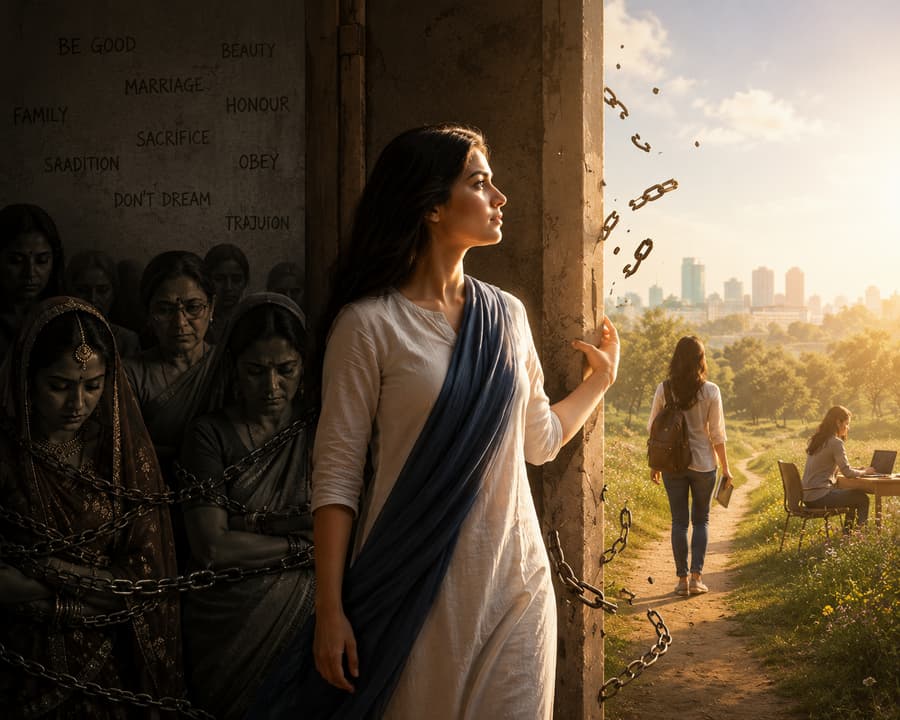
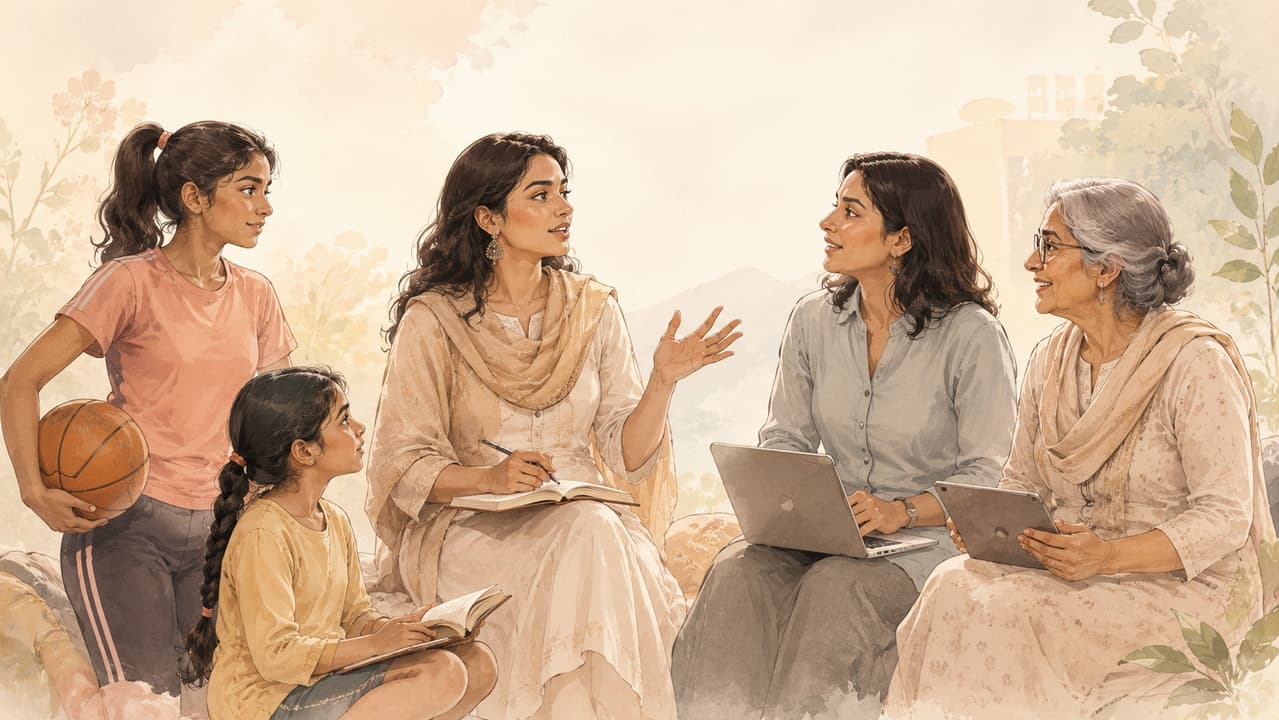
Women cannot be truly liberated through education, income, or legal rights alone if they remain psychologically identified with socially conditioned ideas of “womanhood.” While external barriers may fall, inner bondage persists through inherited identities, roles, and expectations. Real freedom begins not by rejecting the body, but by seeing oneself primarily as a conscious human being rather than a gendered identity, because lasting liberation starts at the root of self-identification.
Real change begins not by changing the world alone but by understanding the one trying to change it. Laws, technology, policies, and scientific progress have value, yet they cannot solve problems rooted in human consciousness and endless desire. Truth remains the same across cultures and disciplines, requiring only a change in language, not in essence. Lasting solutions emerge through honesty, self-inquiry, and inner transformation, because no external system can replace a change in the human mind.

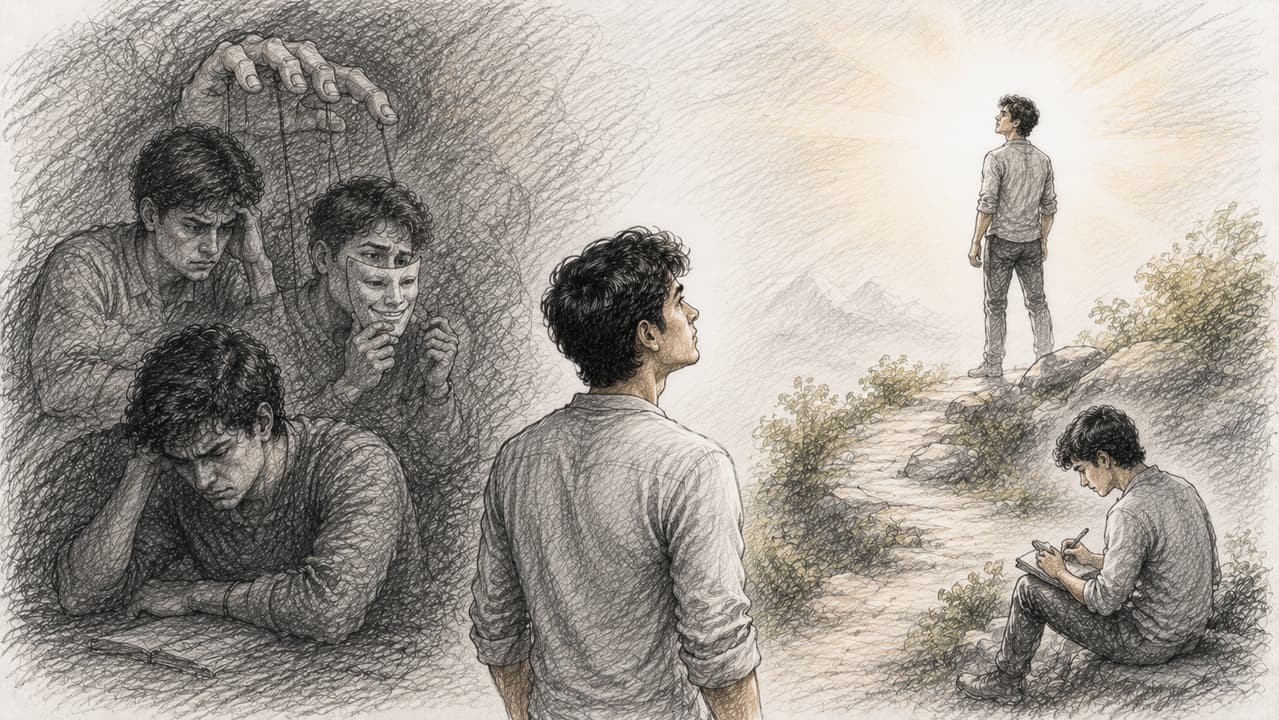
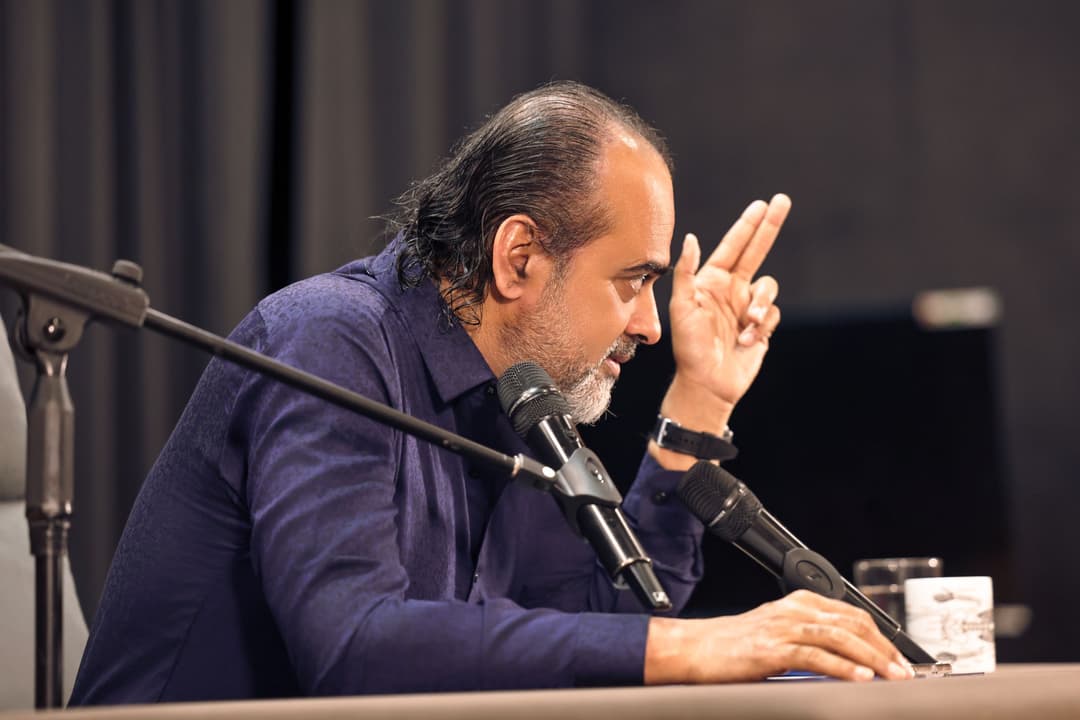

A world champion asks why she cannot sleep when a teammate outperforms her, and why even big wins leave her restless. The restlessness is not a problem but unspent energy, a sign that we have more to give. When every bit of our time and attention goes to what we have chosen, there is no surplus left to worry with. The right fight is never only against an opponent; it is against the ego within. What would it mean to fight so fully that nothing is left to celebrate or mourn?
A modern woman calls herself liberated, yet lives anxious — anxious about age, desirability, marriage, motherhood. Acharya Prashant exposes this anxiety as proof that feminism never touched the real wound: centuries of conditioning that reduced women to bodies for pleasure and reproduction. External equality isn't enough. True freedom demands she reject the entire inheritance of tradition and simply become human — not woman, not wife, not mother by decree, but free.
Should women choose marriage or career? Society often forces this question, but Vedanta asks a deeper one: are these choices truly yours? This discussion explores family pressure, the biological clock, gender equality, and social conditioning, revealing why freedom, consciousness, and self-awareness matter more than living according to expectations or traditional roles.
Women are often valued not only for their abilities but also for their appearance, desirability, and conformity to social expectations. This conditioning begins early and is reinforced through family, workplaces, media, and culture. As a result, many forms of discrimination continue not only because they are imposed from outside but also because they are accepted and normalized from within. Real freedom begins when a woman refuses to define herself through roles, approval, or standards created to keep her dependent on external validation.
Human beings are born into uncertainty, surrounded by beliefs, identities, and social conditioning that offer ready-made answers to fundamental questions. Real spirituality begins not with accepting collective or personal beliefs, but with honestly examining one’s own suffering, fears, and false identities. The journey is not toward comforting ideas, but toward self-inquiry, where truth is discovered through questioning, observation, and the gradual rejection of illusion.
Operating from the highest inner point means living with honesty rather than self-created illusions. The ego becomes “higher” not through mystical growth but by dropping false self-images and testing its claims against reality. When honesty weakens, lower motives take control, creating inner conflict and disorder. Real growth lies in continuously questioning oneself, facing uncomfortable truths, and preventing the ego from being driven by comforting but deceptive beliefs.
Women's oppression survives not only through external control but also through the internal acceptance of identities imposed by society. Freedom cannot be permanently granted from outside; it must arise from an individual's own sense of dignity, agency, and responsibility. While laws, institutions, and support systems matter, lasting liberation begins when people stop defining themselves through inherited limitations and choose to assert their own consciousness, freedom, and self-worth.
Curiosity and honest questioning do not oppose love; they deepen understanding. Blind obedience creates dullness, while genuine inquiry keeps the mind alive and engaged. True questioning is not self-defense but a sincere search for clarity. Most people remain psychologically hypnotized by fear, entertainment, and ego, yet a small conscious voice within always seeks truth. Real change begins when one chooses love and self-realization over fear and self-preservation.

The debate around nudity and movements like “Free the Nipple” miss a deeper issue: true freedom is not about clothing, but freedom from psychological conditioning and body-based identity. Clothes themselves neither oppress nor liberate. A truly free society is one where the body becomes ordinary and irrelevant, not a source of obsession, shame, validation, or social control.

Todays educated and financially independent woman says, “I am free,” yet still feels deeply confined within. Why? Because external freedom alone does not dissolve inner conditioning. The old idea of “womanness” still sits at the center of identity. Real liberation begins when one stops seeing oneself merely as a gendered body and starts living as human consciousness first.

You look at Iran, at revolutions, and ask: can systems really bring freedom? Revolutions keep replacing one system with another, yet the chaos remains. The real question is rarely asked: what within us creates these systems? Real freedom is not political or social; it is inward. Without inner change, every revolution only rotates power, never resolves suffering.

Question: A gentleman was saying that a person, who is drinking or is drunk, he still has got some kind of stability on mind, and he too, can judge. That is what I felt to be perhaps wrong. A person who is drunk probably loses his judgement and whatever we…

The one who is religion-less. A real Hindu does not have any religion. To go beyond all religions is to be a Hindu. There are religions that are on one plane, and then there is Sanatan Dharma, which is another dimension — the eternal religiousness. Liberation from religion is religiousness. Sanatan Dharma is awakened intelligence.

Listener: (Reading a quote of Acharya Prashant from a quote-calendar)
What lies beyond mind?More mind.What is more mind?What and lies and mind.Questions, perceptions on the concept of the mind.
Acharya Prashant: Any question about beyondness would be a useless question because the question itself is coming…

Questioner: All the forms of multimedia, the film industry and advertisements, have presented images of both sexes that are very often unrealistic and debatable. The very quality of femininity has been portrayed in the film industry, ironically, as victimizing them, merely pretty faces, and sidekicks. Why do you think women…

Often, in the name of financial pressure, what we are really kneeling down to is something else. But because that something else is not nice enough to be named, what we quote is financial pressure. Nothing is ever forced in a tangible way. The way is kept gentle in appearance. But there is something else at work inwardly. What is that thing? That is what you have to uncover. You have to be honest towards yourself, very honest.

If you are religious, then shouldn’t you be truly religious? Religion is about a total commitment to the Truth. You’ll have to recognize that the objective of religion is not to attain heaven, not to please a holy figure, but to come to your own inner Truth. All good books exist to awaken your consciousness. When it comes to you and the Truth, do you want somebody in between? And wherever you spot fakeness, falseness, hollowness or ignorance, drop it.

There is a search within the human being, always for the greatest, the absolute, and that is what differentiates humans from animals. India was fertile, and there was abundance. You had ample leisure, and in that leisure there was space for intellectual inquiry. The sages and the seers would talk to each other purposelessly. And from that purposeless discussion, from silent observation of life for hours, days, months, and years, came those insights that you today recognize as Indian philosophy.

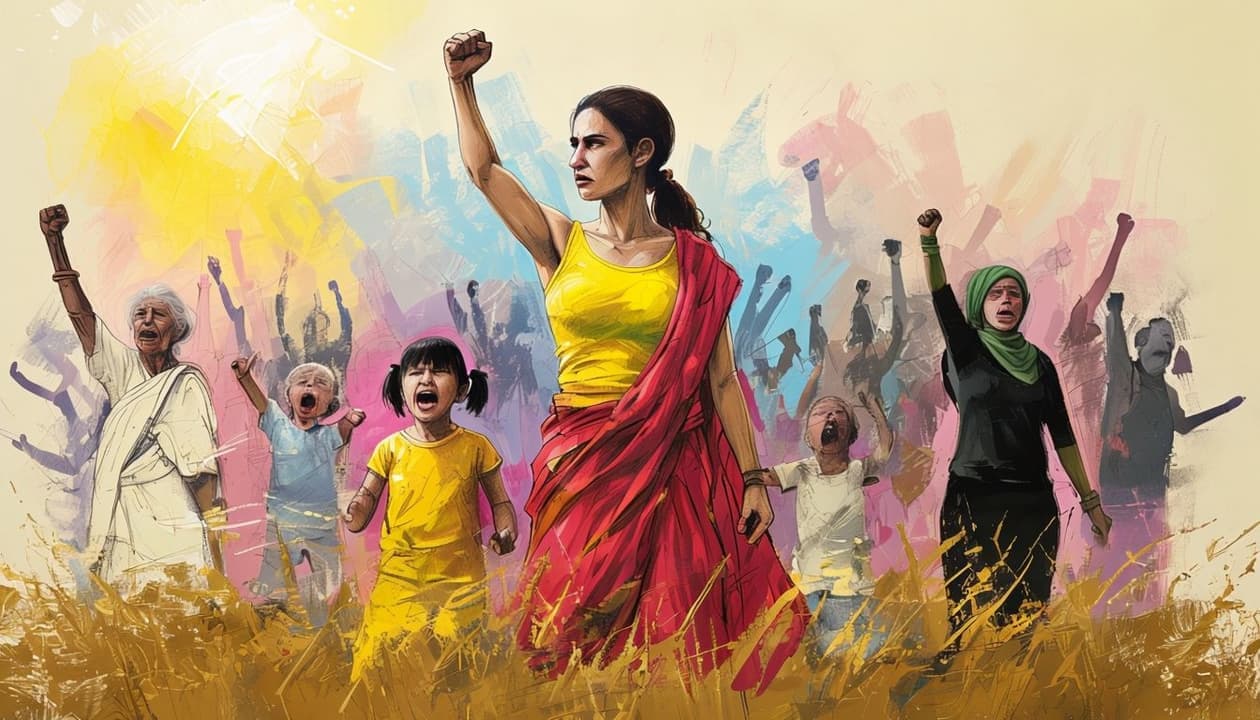
Women do not need sympathy, reservation, or compensation; they need awakening. Victimhood may offer temporary advantage, but it slowly erodes dignity and strength. Education that stops at jobs and numbers fails both men and women. Unless education addresses the inner fear, insecurity, and ignorance that sustain oppression, no policy can truly empower the girl child.

This has always been a hugely profit-making sector of all economies, just that it has always been a small sector controlled by the priestly class. Now the attempt is to make this sector really big and on an organized scale, because the profits are very tempting, and there is no quality control. There can be no external auditor. All kinds of objections, audits, and scrutinies are ruled out. Getting it? So it’s a very tempting sector.

Shri Krishna is saying: the mind is conditioned to move towards objects and perceive only their surface, periphery, or form. Develop the practice of penetrating further. Let Truth be your practice. The moment you would look at something, and you are in no position not to look at things being embodied, you would look at things. Nobody said that you have to practice lust. Lust just comes. You might be a total fool, an utter retard, and still you will find yourself getting sexually excited once you reach a particular age. Did you need some practice? No, you didn’t. It just happened. But if you are to understand lust, if you are to cross over, if you are to be a master of your body, then it will require a lot of practice, and that will necessarily and obviously tell you about your predicament.

That’s what the entire spiritual process is about, collecting the airfare. So that you can rise up, otherwise, you stay crawling on the highway. Life is not so that you just remain a crawler, a creeper. Life is so that you can take off.

We teach our kids to write applications: “Humbly I beg to submit that today I have an ache in my tooth.” “Humbly I beg to submit!” If you are stating a fact, if the toothache is real, why the hell are you groveling? If that is the Truth, why are you begging? Drool, drool, drool. That’s become our culture. If your philosophy tells you to submit and surrender to several masters, you will never be a truthful person, because in Truth there is no authority but the Truth.

There is no compulsion, it's either a slavery you buy into or just an expensive luxury that the rich afford. All this that we are doing: success, marriage, fidelity, money, prestige, whatever, all these are founded on self-ignorance. Somebody tells you, “Go get married, bear kids.” What do you know? You don't know your own birth, and you are giving birth. No point playing blind. Before you start walking, start opening your eyes.

Duality is Truth wanting to know itself. If there is no duality, what will the Truth do? Alone, absolutely alone. He too needs a partner. So, it divides itself into two. All our sufferings, all imperfections are important. There is no reason to feel small about it. Without you, how will the Source know what it is to fail, what it is to suffer? Indulge yourself fully, but remember what all this really is. Don’t forget that.

The point always to be proven and maintained is that the woman is weak and fragile, because that is exactly what patriarchy always sought to prove: “She can’t work.” Coming from a man it will appear harsh, but being a human being much like a woman, what I can broadly say is that I will not trade away my freedom for the sake of avoiding physical inconvenience. Even if favors are offered to you for free, refuse. There are no free lunches.

This in itself is a philosophical question. This is why you should study philosophy, because you already have this question. Philosophy is your affection for the Truth, your leaning towards the Truth. Don’t you want to know the Truth? How many of you are happy with lies? Nobody. So, it is this love for Truth that we all innately have; that’s called philosophy.

If the woman really understands herself and therefore her choices, why would there be a need to be affected by others? But we bother. That happens because we have borrowed our sense of self from history, tradition, and society. When dependence is glorified, be it physical, financial, emotional, or psychological, it definitely coexists with bondage. If you feel bulldozed or forced, there is only one reason: you’re not walking on your own legs. Go out and earn. No price is too big for freedom.

Drop the center of confusion, come to the center of clarity. Drop what the masses practice, come to the direct route of self-realization. That’s what it means.

In the rule books of the courts, there are offenses of a thousand kinds, but when it comes to life, there is just one offense, ‘Did you live by the Truth or did you betray it?’ Remember that chap called Bhagat Singh and his associates. The courts declared they were guilty, and they were still joyful because they were absolutely not guilty in front of life. Live rightly, and then don’t apologize. That’s it.

Some battles need to be fought just because they deserve to be fought, not for the sake of victory but for the sake of the fight itself. And victory is indeed possible. We are not fundamentally evil. We are all hypnotized since birth. That’s what is called Maya. Just as somebody can hypnotize us, somebody can also break the hypnosis. It is possible! Never, never lose Faith.

“That brother is such a rascal. He roams all over the city and does this and does that. But this one is such a nice girl. She follows all the parental instructions, does her homework properly, gets good grades in school, and the brother is a rascal.” But the brother will end up in Silicon Valley, and the sister will end up in the kitchen. Don't be a good girl with your mother sitting next to you. That's the advice I'm offering.

Our definitions of beauty and greatness are all egoistic. Something is beautiful if it corresponds with our likes and with our taste — then we call it beautiful. Whereas the real definition of beauty is that which silences you, that which does not leave you even in a position to utter a "Wow!" That's beauty. That which takes you beyond yourself — that's beauty.

The worldly philosophy says, “Even if you lead a corrupt life, at the last moment you utter ‘Ram, Ram’, and you are redeemed.” I say just the opposite. Even if you have lived a life of wisdom, you can still lose it in your last breath. Even your wisdom requires a supporting and nourishing ecosystem. You can never afford to be complacent.

The Bhagavad Gita, in essence, is a struggle of mukti (liberation) against sanskriti (culture). Shri Krishna urges Arjun to discard misogyny and cultural superstitions; the only thing that matters is mukti — liberation. Culture and traditions are time-bound; they hold meaning only when they point towards Truth — timeless, Sanatan. Have great traditions, and always be careful that your traditions are pointing towards the Truth. Only then do the traditions have life.

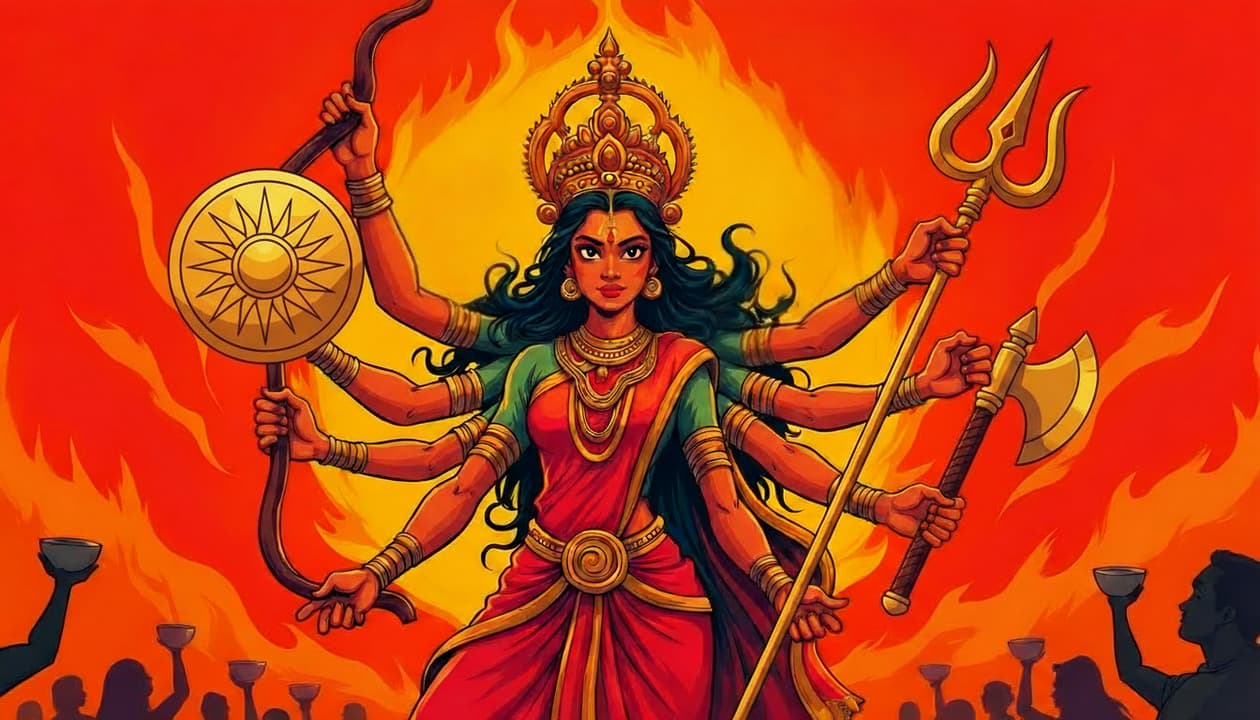
You are the subject, Puruṣa, and everything you can experience, perceive, speak, imagine, or think is Prakṛti. The only real spiritual question is to determine the right relationship between Puruṣa and Prakṛti. India came up with a beautiful answer: Worship Prakṛti with reverence, but do not try to possess or exploit her. The Shakti tradition with the Devi-puja is nothing but an answer to this question of right relationship. Durga, Ambika, and Kali — they all represent Prakṛti.

The wish remains unfulfilled because that which we want by extending our dead life cannot be had through extension. It can be had only through termination of the dead life. So our ways are stupid. That which must be terminated is rather extended by us. We need to give death to death. This dead life needs to be brought to death, and then you will give death to a dead life, death to death, which is good. Instead we keep trying to prolong the dead life. And if you are prolonging a dead life, you are only prolonging the death that you are living.

Irrespective of her station in life, it has been drilled deeply into the Indian woman that her life is foremost about the husband, kids, bed, and meals. But how can this be the primary reason for a conscious human being's existence? We use decorated phrases like “Queen of the House”, but the moment the "queen" gets some money, all her queenly tasks are dumped onto somebody else. So, we are just deceiving ourselves. Give yourself the courage to question things and not accept them blindly — it will give you a blossomed personality and a great life.
![Truth Without Apology [Book Launch]](https://cimg.acharyaprashant.org/images/img-db3ddbf9-ebdf-4baa-8b47-9373d316d478/30/image.jpg)
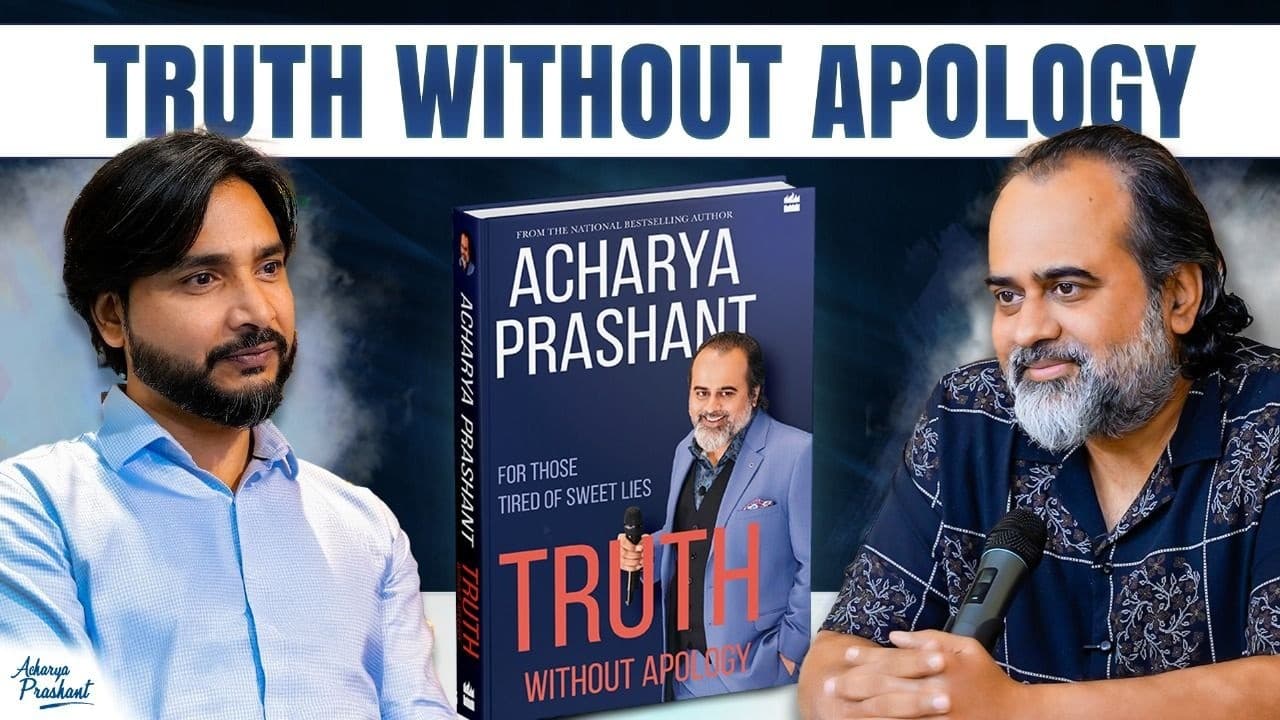
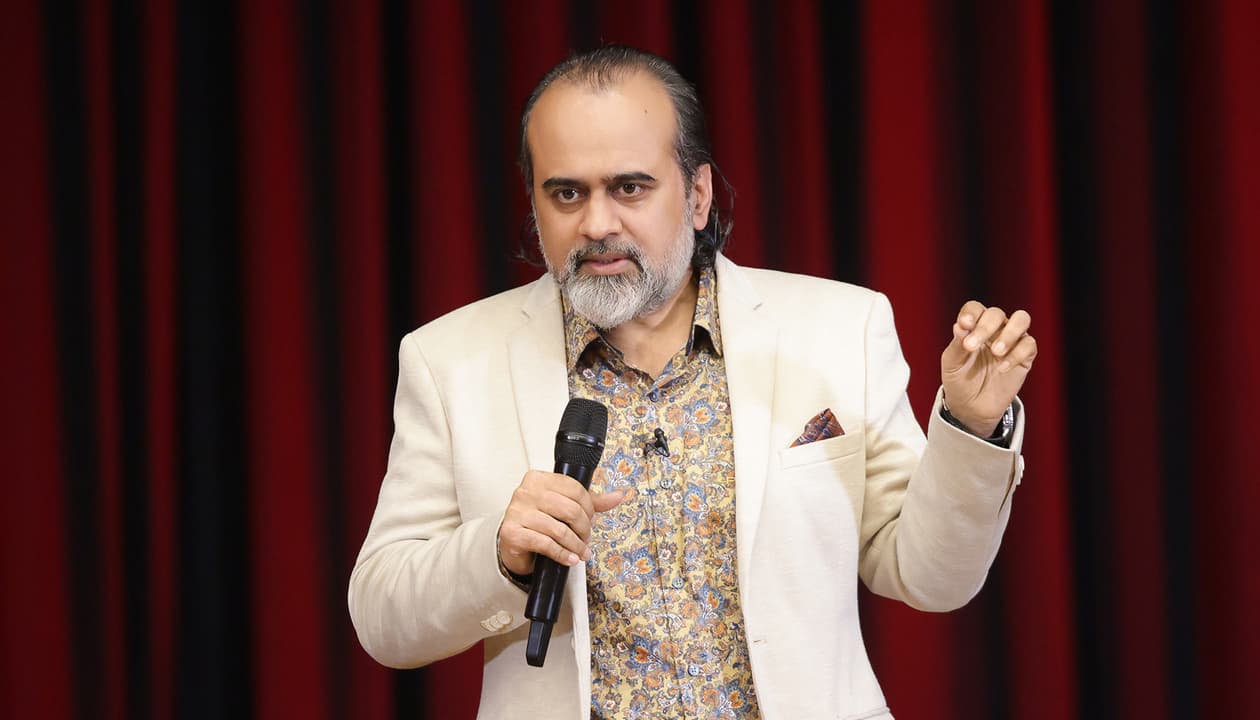
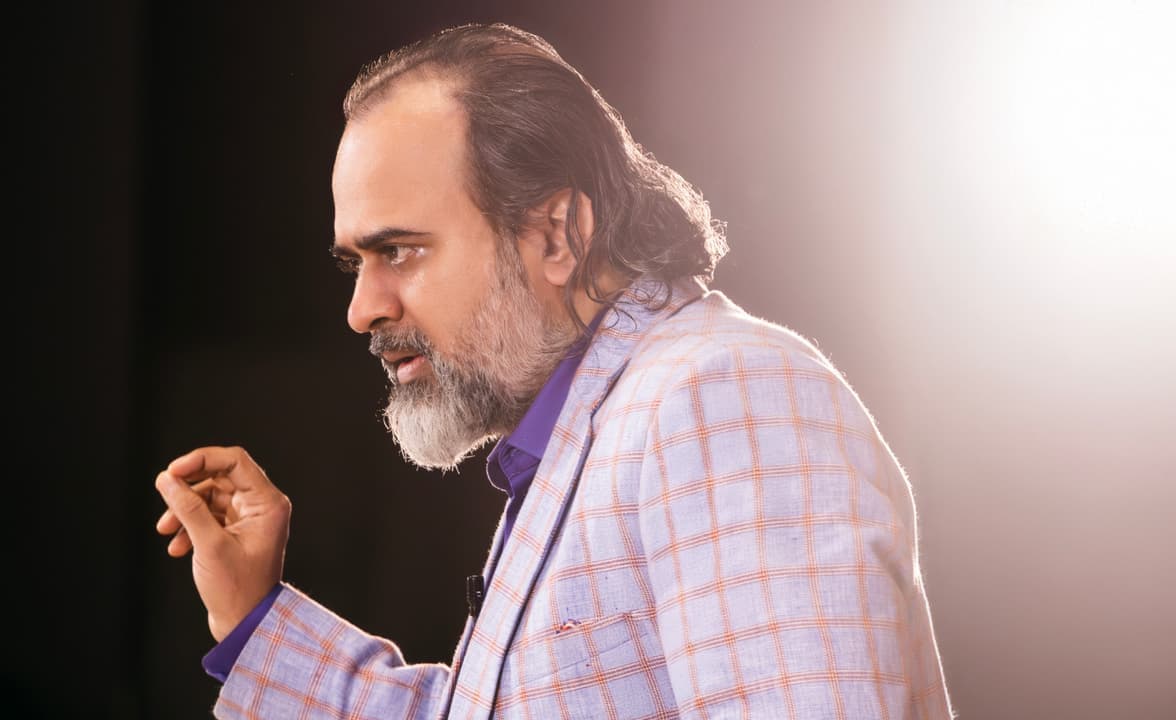
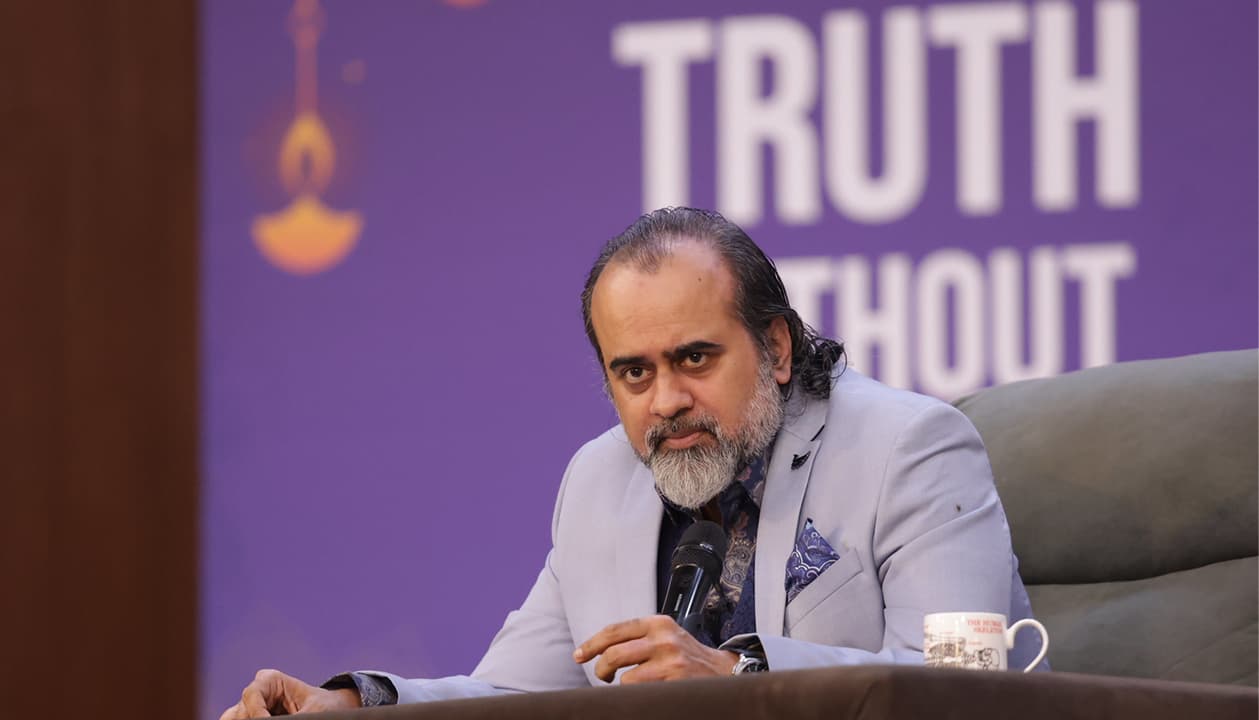
This evening in Delhi, a new book steps into the world—Truth Without Apology by Acharya Prashant. The launch takes place amidst seekers, readers, and companions of his work. In times when words are often polished to please and truths are dressed in comforting disguises, Truth Without Apology arrives like an uninvited storm—direct, raw, and uncompromising.

Life comes to us in an unending number of ways and you never know what's going to happen next. We are starved of something that really penetrates the surface. So, it is the intensity that this book brings — arrow-like depth, striking like lightning, immediately, so you don't have a chance to escape away from it. Like a Zen koan: very brief, very effective, and does its work in a snap. You could open just any chapter from anywhere and find it as if it was written just for you.

Remember, if you want men to look at just your body, they would actually always be looking down at you. But if people, men or women, look at you because of your qualities, they would always be looking up to you.

Religion is the way that brings the lost mind back to its center, its home. That is religion.

In Zen, the student asks a question to the master, and the reply brings sudden enlightenment. It means something had long cluttered the mind, and in one deft stroke, like a genius, the master cuts the relationship between the ego and its belief. What Vedanta does through persuasive argument, the koan does through an abrupt shock.