Marriage Without Consent: Why Can't Even Educated Women Say No?

Acharya Prashant

14 min
8 reads
Marriage Without Consent: Why Can't Even Educated Women Say No?
Women cannot be truly liberated through education, income, or legal rights alone if they remain psychologically identified with socially conditioned ideas of “womanhood.” While external barriers may fall, inner bondage persists through inherited identities, roles, and expectations. Real freedom begins not by rejecting the body, but by seeing oneself primarily as a conscious human being rather than a gendered identity, because lasting liberation starts at the root of self-identification. This summary is AI-generated. Please read the full article for complete understanding.

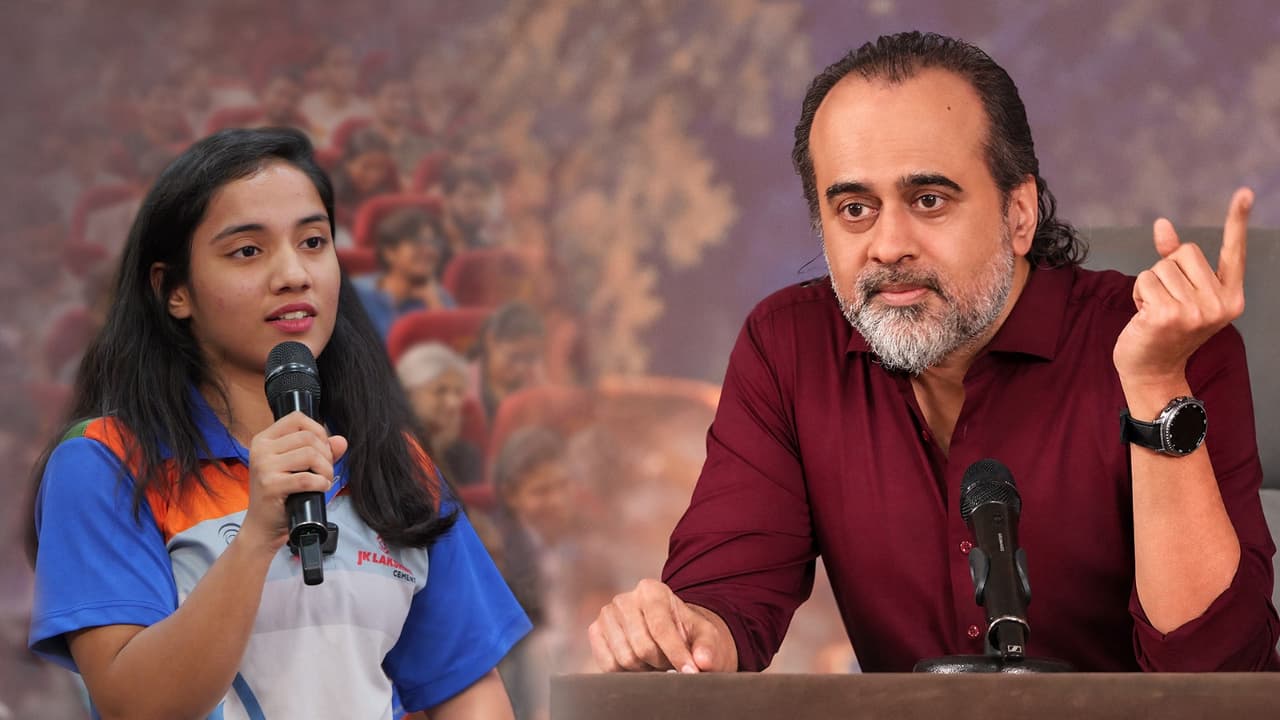
Questioner: Achara Ji, we, as medical professionals, often come across women who, when asked about, say, their medical history or even menstrual details, are baffled and refer to their husbands or in-laws for decisions or to take their decisions.

My sister, during her residency in gynecology, met patients on a daily basis like this, who simply say, “Are mere mard ko bula do.”* And will not be able to recount what their test reports were…

Acharya Prashant: The patient would say that?

Questioner: Yes. What their results were, what their present condition is. So, in such a society where perhaps it's not the lack of intelligence or education, what truly does freedom or independence for women mean? And if marriage is such a structure that pulls them back into, pulls them back into being dependent on someone else, on another family, where exactly does education or income stand finally?
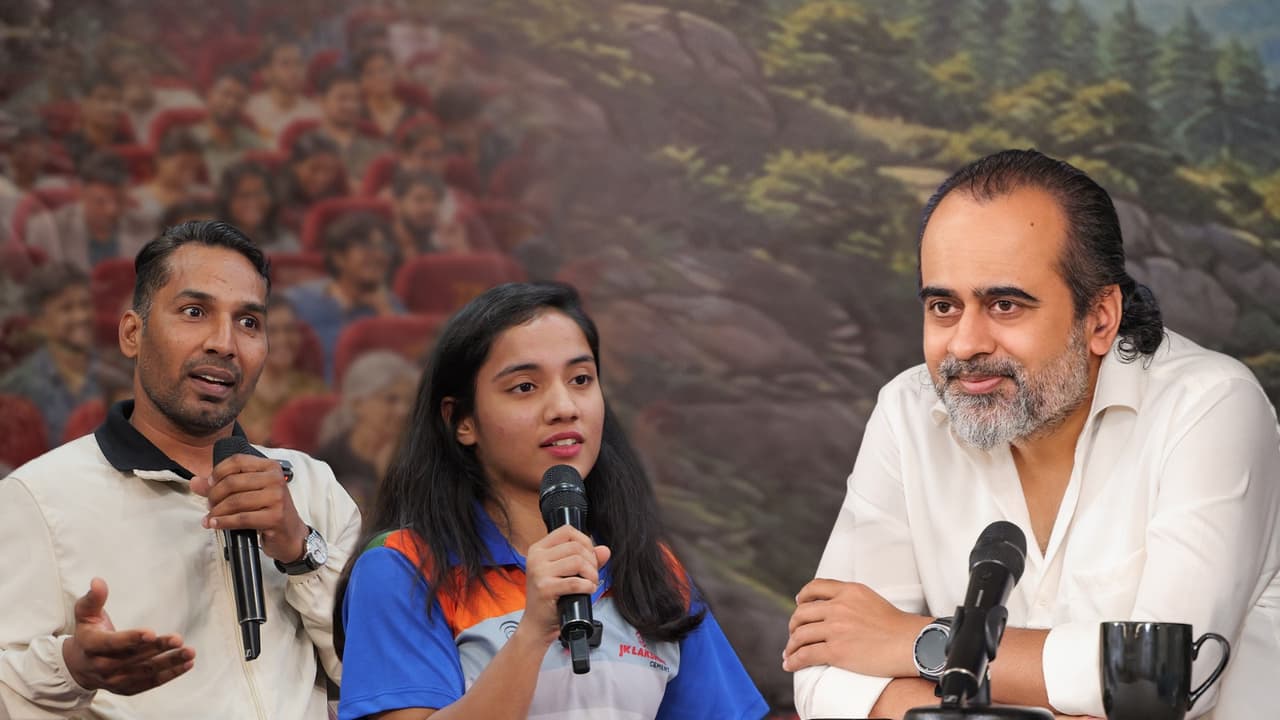
Acharya Prashant: Education helps, but not by much. Income liberates, but again, not by much. Yes, obviously, all these are factors that contribute to the woman's welfare. You must have a fair legal system. You must have provisions for due security. You must have adequate representation in the legislatures, right? And you must have the right FLPR number. Women must be present in the workforce, right? You must have all these things. They are necessary, but not sufficient.

Any number of women, highly educated, coming from top-notch schools and colleges, even in professional streams, right? Awaited vocations, are still just refined versions of the model you narrated.

See what a tragedy. Here, you probably could imply that the woman is coming from a rural background, is not educated, does not even have a bank account of her own. Therefore, she is dependent on the male members and others, right? So, you wanted to imply some kind of correlation or causality. She is in bondage because of lack of education and lack of financial independence. That's the link you want to establish.

Yes, that link does exist. But that link does not explain everything. There is much more to it. You have women coming from IIT backgrounds, IIM backgrounds. You have women coming from maybe even your own prestigious institution, or the Ivy League institutions abroad. You have women coming from all these places. And those women, inwardly, you would be shocked and surprised, are still versions of the story you narrated.

How does that happen? Now they have education, they know the world, they have already earned a lot, and yet they are psychologically unfree. How does that happen? Yes, they have put aside illiteracy. They have put aside financial dependence, right? They live in relatively liberal and emancipated societies. Yes, they have also put aside the usual kind of dogma and superstition and the very obvious load of tradition. All that they have put aside. They speak differently, they wear differently, they walk differently. But there is still one thing that they have not put aside. You help me with that. What's that?

They have put aside the sari, right? Now they are in corporate attire. So that's gone. They're not wearing even the usual traditional symbols like bangles, let's say. So that too has been put aside, right? They don't speak the rural, rustic kind of vernacular. They have picked up English. So there is a lot that they have discarded. But still, there is one central thing that they are carrying. Yeah, but let her come within.

Questioner: So, in general, they might have put aside the materialistic shackles, but what about the shackles in the mind? Have we been able to put them aside?

Acharya Prashant: The stuff of mind has largely been replaced, largely. So, the rural housewife keeps thinking of the next meal, what to cook, how to serve, where are the kids, is their laundry done, and that's the usual content of the mind there. And when you talk of the so-called liberated woman in a metro, the stuff of mind too has changed. She's thinking of other things, and yet something very central has not changed.

Maybe she's thinking of the next party or the next promotion in her office. The mind stuff is this: one is thinking of the next Ramleela and, will I be able to attend that? Will my in-laws grant me permission to watch that? And that one is thinking of the next Hollywood release, the woman in the metro. She's thinking of other things. WhatsApp or Netflix next. Fine.

So, the stuff of mind is not much the same, yet something central remains the same. What's that? You put these two side by side, and you would not notice much in common. From appearance to language to concerns, everything would appear different. Yet I insist something has remained unchanged. What's that?

Questioner: Acharya Ji, is this because that's how nature made us? Men and women are different.

Acharya Prashant: No, no, no. I'm not talking of the physical organs. No.

Questioner: No, not the physical organs. Like a corporate woman, a daughter of a rich man, has a wife who is a housewife, not much literate. If she is stuck at midnight somewhere, she will still call her husband, and the daughter, working in the corporate culture...

Acharya Prashant: You're assuming a lot. You're assuming a lot. You're assuming that the woman is a wife. You're assuming that the husband will definitely come over and save. You're assuming that being a woman means being helpless in the middle of the night. You're assuming a lot.

If I am a woman, obviously I would be stuck out somewhere and feel helpless at midnight. That's an assumption.

What's still remaining within her in spite of all the external changes? The dress has changed, the food has changed, the language has changed, even the ideology has changed. The one in the metro might be a staunch feminist holding so-called very progressive views, and yet something remains unchanged. What?

Now, it's so obvious that you don't want to mention it. I'm a woman. She is the rural one. I'm the urban one. Yet, I am a woman. She remains identified with the body and the gender, the gender remaining a very primary identity. And as long as that remains, bondages will remain.

Physicality cannot be challenged. Yeah, that is sexual, that is biological, that is anatomy. You cannot change it, and there is no need to challenge it. But gender is a construct. Gender comes to you by way of conditioning, right? And it is a part of gender to take yourself as your body.

"I am a woman." She'll say, "I am a woman in bondages, constraints, limits within the household." And this one will say, "I am a woman with wings, flying free, educated, empowered." But still, "I am a woman." That's it. And as long as that remains, the final shackles have not been challenged. All change will remain superficial.

In fact, the woman will become a double-load carrier. She will carry the burden of modernity while simultaneously carrying the burden of her womanly identity.

She'll be doing double shifts.

"I'm a modern woman, so I'll do everything that modernity demands of me. At the same time, I remain a woman at the core. Therefore, all that comes with that identity has to be maintained and serviced." Why must the human being be so closely identified with her body? Why not human rather than a woman? Why must physicality be so central to her existence?

The same question we can ask about the man as well, but that's not the topic right now. Why must the sexual aspect of the anatomy be so overwhelming? Why can't she take herself as consciousness rather than the body?

You remember how we closed the last discussion? Who am I? I am the one who knows, sees, understands, Bodho Aham.” Classically, again returning to that, you don't simply say "Brahmasmi." That's the final statement of liberation. That's like the dying breath of the ego, "Brahmasmi." Much before that, you start with "Naham Dehasmi." I need not be identified with the, deha, body.

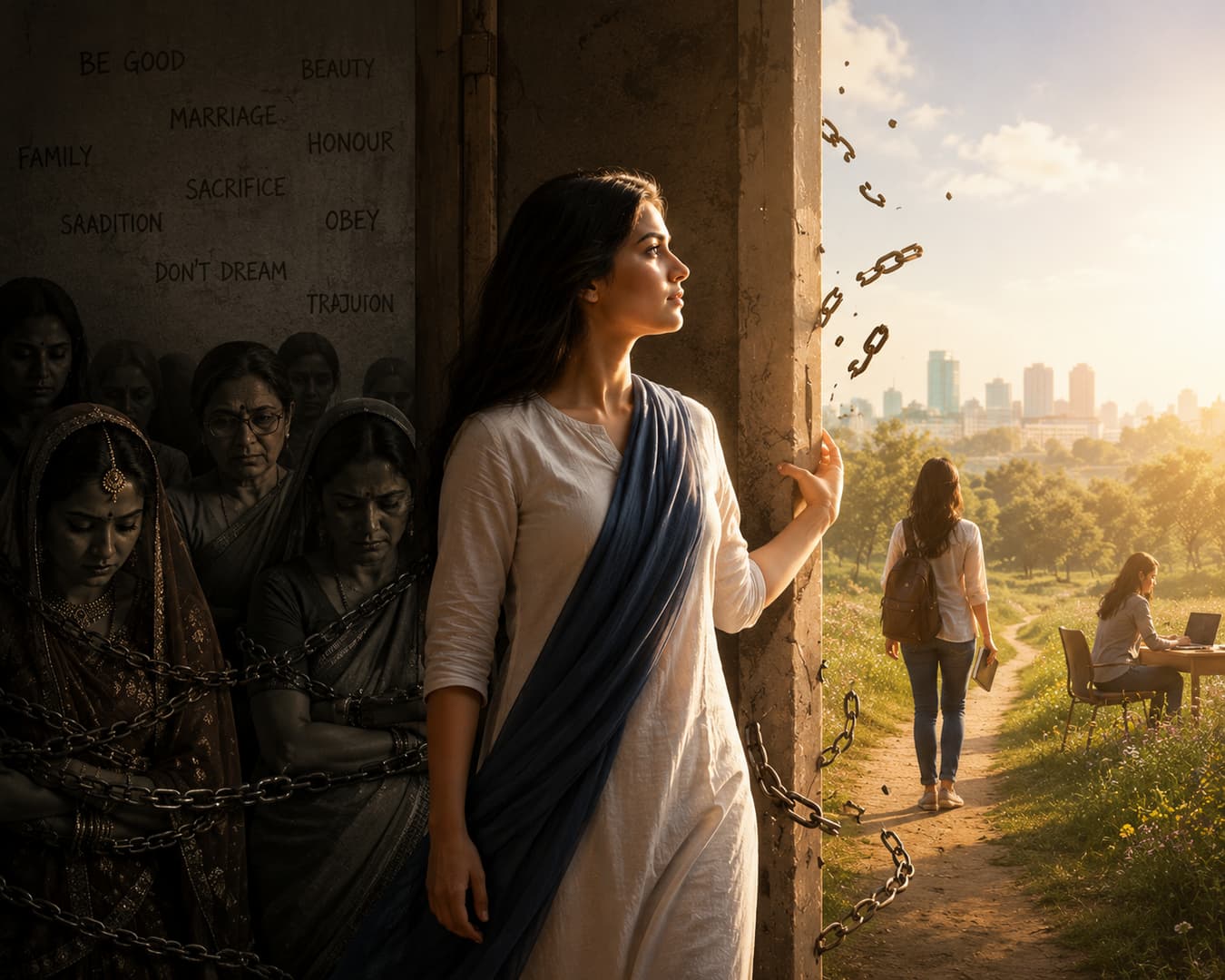
And you are not empowered, not emancipated, not liberated, if the first thing you say about yourself is, "I am a woman." You have started with a lot of burden. How can the journey be light now? It's a huge burden to have your first identity as physical, right? And if that is there, then the womanness will not leave you. You can decorate it. You can replace one part with the other. You can paint the walls. But, you know, the prison will remain the same, with the new paint and the new wallpaper.

Who am I?

"I am a woman."

Liberation from womanness has to be the first thing because that is the place from which all other bondages arise.

No point keeping the source intact and trimming the branches. The womanness is the root of bondage.

The other things that you see, discrimination at the workplace and many other things that you see, demand for dowry, the unequal representation of women at the institutional level, be it academic institutions or corporate boardrooms or legislatures, all these things we know of, right? Women hold just 3 or 4% of global property. We know of all these things.

They are all products of a fundamental cause. First of all, that cause has to be addressed. The cause is: "I am the woman." The moment you say, "I am the woman," you have entered something dangerous. Calling yourself a female is all right. That is a purely physical description. "I am a female." That's fine.

The moment you say, "I'm a woman," the definition takes you into the lanes and bylanes of history, and you have quagmires there. You sink there because the woman is a mental construct. It's a socio-historical thing. Female is prakritic, natural. Fine. Chromosomes. female. Fine. But a woman is a man-made definition. You say female lion, lioness. Do you ever say lady lion, or this lion is a wo lion? You don't say that, right? That's a man-made construct.

Female is all right. Womanness is not all right. Having a body is fine. Who can argue for or against that? But having concepts related to the body is a totally different thing altogether. "I'm a female." That's fine. But being a female has a certain meaning. That's called womanness. Do you get this?

I have a female body. Fine. But having a female body means a certain narrative starts rolling. That's womanness. And that must not be accepted. Not be accepted. And that narrative is very powerful. It will eat you up.

The narrative says: since you are a woman, obviously you'll feel attachment towards certain things. Obviously, being a mother is very important. You saw how your friend came up with a story. In that story, not only did you have a female, you even had a woman. You rather had a wife. That's the power of the narrative. Since she is a woman, she will be a wife to somebody. But why? Why necessarily?

Do you get this?

Who am I? I'm a human being, and that's enough. That's enough. I'm a human being, and the body belongs to a particular sexual type, which is fine. And nature is known to produce not just two but even more than two types, which is fine. Any of those types, I'm a human being. And the moment you see that, the moment you disown the woman concept, it's really liberating. Really liberating. Otherwise, in spite of all your education, all your knowledge, all your money, you'd still find yourself handicapped. And you'll keep wondering why.

And then the only possible answer, even if a fake one, would be: "You know, that's how life is for a woman. She has to be subordinated. What can I do? That's what nature has done to me. Nature produced me this way. Therefore, I have to live a little submissively. Therefore, I have to think in particular ways. Therefore, I have to accept certain boundaries because that's what nature wanted of me."

No, that's not what nature wanted of you. That's what womanness wants of you.

The popular concepts of liberation, they don't run very deep. Feminism, etc., are just ideologies. They do not address the very root of bondage. You can be a very furious feminist, yet a woman inside, and then your feminism is just womanly feminism, and that doesn't amount to much.

Can you think of all the stories that come with womanness? Very obvious stories. Since you are a woman, across the world, across cultures, you ought to have long hair. All four of us probably cleared the same entrance exam, no? Wearing the same appearance, studying the same courses.

Out of these four human beings, how is it that two are carrying long hair? Two are longer in height, fine. That is prakritic, natural. But how is it that two of the four human beings... I don't know. I don't know anatomy. I don't know. All that is hidden under clothes. I'm just looking at what is visible. How is it that two human beings are carrying long hair? I'm not against long hair. I want to have them myself. Just that nature is not allowing it anymore.

But how is it that two human beings almost compulsorily hold long hair? That's womanness. How is it that two of them probably can afford to raise their voice, but the other two are much more likely to remain soft-spoken? That's womanness. That's not found in other species. You know, the behaviors do not vary so much in the other species in nature, do they? No.

Lions. They are just more or less passive security providers to the pack. The hunting is done by the lioness. They are not soft-spoken, are they? But how is it so that among human beings, the woman is necessarily soft, soft in voice, soft in expression, soft in emotion, soft to touch? How? That's womanness. And what does culture do? It accentuates the womanness by glorifying it.

"Look at her. She's so soft because she's a mother, because she's a wife. Oh, because she is a woman." So, it's cultural. It's man-made. Do not accept it.

If you remain a woman, any kind of liberation will simply be some kind of dressing up. The wound is there, and you are bandaging it without healing the wound altogether.

You just keep decorating it with colorful bandages. Doesn't sound intelligent, does it? Colorful bandages, entertaining bandages, expensive bandages. The bandage with bold "Liberation" written on it. "I am liberated." Does that help? No.

This article has been created by volunteers of the PrashantAdvait Foundation from transcriptions of sessions by Acharya Prashant
Comments
LIVE Sessions
Experience Transformation Everyday from the Convenience of your Home
Live Bhagavad Gita Sessions with Acharya Prashant
Categories