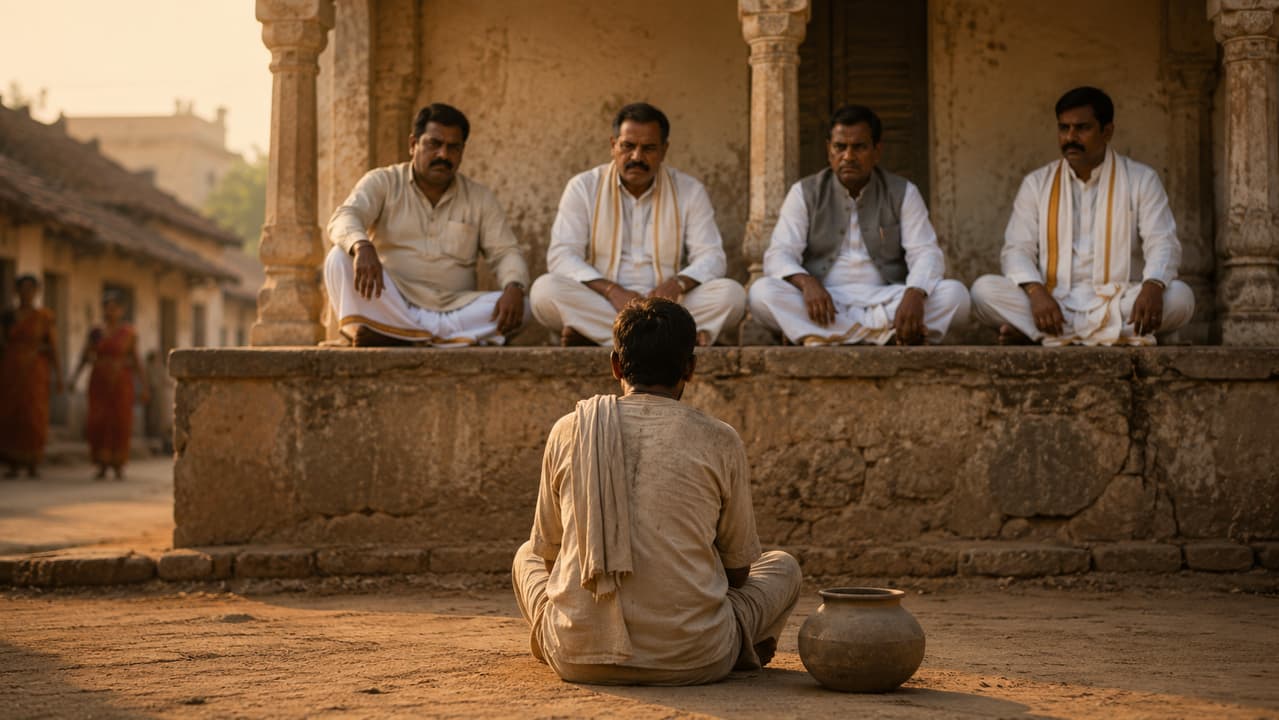
सांसारिक कर्म आप कर ही नहीं रहे हैं। सांसारिक कर्म हो रहे हैं अपनेआप। मूल भ्रम यही है कि सांसारिक कर्म करने वाले आप हैं। इन्द्रियाँ हैं, मस्तिष्क है, बुद्धि है, अंतःकरण है, स्मृति है, ये सब अपना काम करना बख़ूबी जानते हैं। आप न जाने किस दंभ में हैं कि ये सब काम दुनिया के आप कर रहे हैं!

आचार्य प्रशांत बताते हैं कि क्यों हम सही खान-पान, स्वास्थ्य और अपने ऊपर ज़रूरी खर्च से बचते हैं, लेकिन दिखावे और फ़ालतू सामाजिक परंपराओं पर पैसा बहा देते हैं। अधिकांश लोगों के लिए समस्या सिर्फ़ पैसों की कमी नहीं, बल्कि विवेक और सही प्राथमिकताओं की कमी भी है।
श्रवणादिभिरुद्दीप्तज्ञानाग्निपरितापितः । जीवः सर्वमलान्मुक्तः स्वर्णवद्द्योतते स्वयम् ॥
हृदाकाशोदितो ह्यात्मा बोधभानुस्तमोऽपहृत् । सर्वव्यापी सर्वधारी भाति भासयतेऽखिलम् ॥
दिग्देशकालाद्यनपेक्ष्य सर्वगं शीतादिहृन्नित्यसुखं निरंजनम् । यः स्वात्मतीर्थं भजते विनिष्क्रियः स सर्ववित्सर्वगतोऽमृतो भवेत् ॥
जब जीव श्रवण आदि द्वारा प्रज्वलित ज्ञानाग्नि में भलीभाँति तप्त होता है, तो वह साड़ी मलिनताओं से मुक्त होकर स्वर्ण की…
तपोभिः क्षीणपापानां शान्तानां वीतरागिणाम्। मुमुक्षूणामपेक्ष्योऽयमात्मबोधो विधीयते ॥ १॥
तपों के अभ्यास द्वारा जिन लोगों के पाप क्षीण हो गए हैं, जिनके चित्त शान्ति और राग-द्वेष या आसक्तियों से रहित हो गए हैं, ऐसे मोक्ष प्राप्ति की तीव्र इच्छा रखनेवाले साधकों के लिए 'आत्मबोध' नामक इस ग्रन्थ की रचना की जा…

वेदांत को केवल इसलिए सही या श्रेष्ठ नहीं माना जा सकता कि वह किसी विशेष परंपरा से आता है। विज्ञान जहाँ भौतिक जगत की वस्तुनिष्ठ जाँच करता है, वहीं अद्वैत वेदांत सीधे मनुष्य के ‘मैं’, उसके दुख, बंधन और मुक्ति की पड़ताल करता है। इसकी कसौटी वैज्ञानिक प्रमाण नहीं, बल्कि अपने जीवन में इसकी सच्चाई को देख पाना है। किसी दर्शन को मान लेना नहीं, बल्कि उससे स्वयं को मुक्त करना ही उसका वास्तविक उद्देश्य है।

Science can examine material claims, but Advaita Vedanta deals with the subjective self, ego, suffering, bondage, and liberation—areas outside science’s objective framework. Vedanta need not be accepted because of one’s religion or tradition; its value lies in whether its insights can be personally verified and help free one from suffering. The ultimate responsibility is not toward any philosophy, but toward oneself: to live a truly free life.

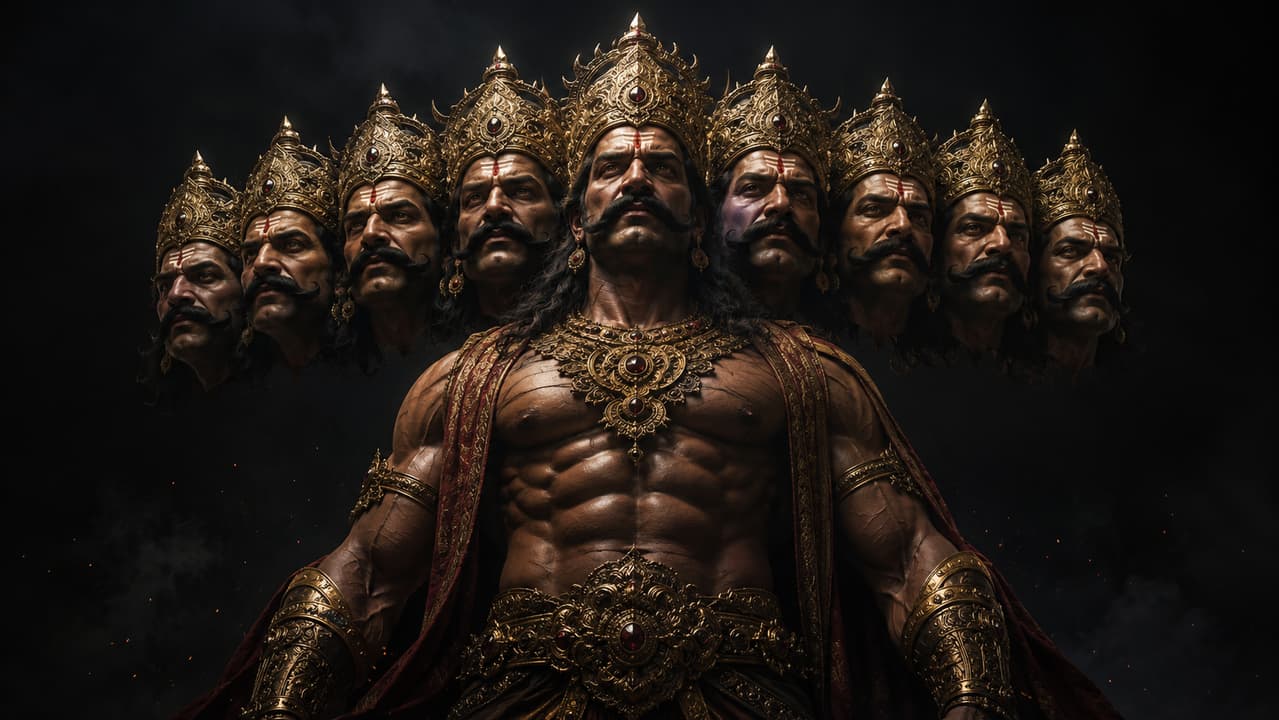
Knowledge alone cannot transform life; it can become another object of the ego. True knowledge is self-knowledge—a mirror that exposes and destroys false ideas about oneself. Ravana may have been knowledgeable, but without self-knowledge, knowledge can become a tool for exploitation. Wisdom is not something to acquire; it is innate. Self-knowledge is the process of unbecoming unwise by clearing away the nonsense we have gathered.

“फॉलो योर पैशन” तभी सार्थक है, जब वह सचमुच आपका अपना हो। अक्सर जिसे हम अपनी पसंद, पैशन या इच्छा मानते हैं, वह समाज, परिवार, संस्कार और परिस्थितियों से भीतर बैठा हुआ प्रभाव होता है। वास्तविक स्वतंत्रता न बाहरी दबाव में जीने में है, न भीतर की कंडीशनिंग का गुलाम बनने में। आत्मनिरीक्षण से सही कर्म की स्पष्टता आती है और बिना बिके, बिना डरे एक गरिमापूर्ण जीवन जिया जा सकता है।

स्वतंत्रता दिवस को केवल उत्सव नहीं, बल्कि आत्मावलोकन और सतर्कता दिवस की तरह देखने की आवश्यकता है। भारत की परतंत्रता के पीछे रहे आंतरिक कारणों को समझना ज़रूरी है, क्योंकि राजनीतिक स्वतंत्रता के बावजूद लोकधर्म, अंधविश्वास, जातिगत विभाजन, ज्ञान-विज्ञान की उपेक्षा, परंपरागत जड़ता और आत्मबल की कमी आज भी मौजूद हैं। वास्तविक देशभक्ति इन बंधनों को पहचानकर ज्ञान, आत्मनिर्भरता, वैज्ञानिक दृष्टि और जागरूक नागरिकता विकसित करने में है।

The balance between order and disorder should not be decided by personal likes or dislikes, but by what the task at hand requires. Sometimes a project demands discipline and order; at other times, more important work requires leaving things messy. The right action comes from responding to the actual need, not personal preference. Even sacrifice can be meaningful when it serves something important, but “staying backstage” should never become an excuse to avoid what one cannot tolerate.

लोकतंत्र, गणतंत्र और स्वतंत्रता केवल संविधान में लिखे शब्द नहीं, बल्कि जागरूक नागरिक की चेतना पर निर्भर हैं। वास्तविक स्वतंत्रता मनमानी करने की छूट नहीं, बल्कि भीतर घुसे भय, लालच, अंधविश्वास, पूर्वाग्रह और बाहरी प्रभावों से मुक्ति है। जब नागरिक अपने ही विचारों और मान्यताओं की जाँच नहीं करता, तो लोकतंत्र भीड़तंत्र और संप्रभुता खोखली बन सकती है।

Question: Why do I feel lost?
Acharya Prashant: Because, you are asking this question.
We ‘think’ that we are lost, equally, we ‘think’ that we are not lost. The same place from where the thought, the perception of being lost, or not lost arises, that place is the same place…

सोमवारी और काँवड़ यात्रा का बाहरी आयोजन तभी सार्थक है जब उसका संबंध शिवत्व और सत्य से हो। केवल भीड़, दिखावे, मांसाहार छोड़ने की औपचारिकता या पुत्र की कामना को धर्म मान लेना वास्तविक धर्म नहीं है। काँवड़ियों को दोष देने के बजाय उस सामूहिक मानसिकता को देखना चाहिए जो ऐसे कर्मों को जन्म देती है। धर्म का उद्देश्य लोकधर्म की रूढ़ियों को बढ़ाना नहीं, बल्कि विवेक और समझ के द्वारा उनसे मुक्त करना है।

Friendships naturally change as people follow different paths in life. When you remain focused on your true purpose, you stop clinging to those who only accompany you briefly. Instead of dwelling on memories or fearing others' intentions, examine your own expectations and self-deception first. Honest self-awareness brings clarity, wiser relationships, and the freedom to move forward without resentment or attachment.

True freedom begins when we question the beliefs that make us feel trapped. Most of our suffering comes not from circumstances but from unquestioned assumptions, attachments, and imagined obligations. By suspending our beliefs, even briefly, we allow truth to enter, revealing that life always offers choice. Transformation is born from love for truth, the courage to let go, and the willingness to step beyond the boundaries created by the ego.

The Bhagavad Gita deserves reverence not because of inherited beliefs about its author, but because of its power to dissolve falsehood and reveal Truth. Real devotion is not ritual or blind faith—it is understanding, inquiry, and living the wisdom of the Gita. Through sincere study, one discovers the true meaning of Krishna, making the Gita the most authentic path to knowing and worshipping Him.

Real love is not measured by comfort, agreement, or preserving relationships at any cost. It is revealed when one has the courage to challenge falsehood, embrace uncomfortable truths, and even risk a relationship for another's freedom and growth. Truth is not a fixed destination but a continuous rejection of illusion. Genuine relationships, mature guidance, and authentic scriptures all serve as mirrors that help us see and dissolve our own falseness.

भारत में जाति केवल सामाजिक या कानूनी समस्या नहीं, बल्कि धर्म से जुड़ चुकी मानसिक संरचना बन गई है। इसलिए संविधान, कानून और समाज-सुधार के प्रयास इसे समाप्त नहीं कर पाए। जन्म-आधारित जाति का आधार वैदिक दर्शन नहीं, बल्कि बाद की विकृत धार्मिक व्याख्याएँ हैं। जाति तभी समाप्त होगी जब धर्म अपने मूल वेदान्त और अद्वैत स्वरूप की ओर लौटे, जहाँ मनुष्य की पहचान जन्म से नहीं, सत्य से होती है।

मन पर बाहरी प्रभाव पड़ना स्वाभाविक है, लेकिन जीवन का संचालन उन प्रभावों से नहीं, अपने विवेक से होना चाहिए। जानकारी बाहर से आती है, पर उसे समझना, परखना और सही निर्णय लेना हमारी आंतरिक क्षमता है। जो व्यक्ति अपने विवेक को जागृत रखता है, वही विचारों का स्वामी बनता है; अन्यथा वह केवल परिस्थितियों और दूसरों की धारणाओं का अनुयायी बनकर रह जाता है।

अध्यात्म यह नहीं सिखाता कि बाहरी प्रभावों से बचो, बल्कि यह सिखाता है कि उनके दास मत बनो। जानकारी, विचार और अनुभव बाहर से ही आते हैं, लेकिन उन्हें समझने और उनके आधार पर निर्णय लेने का अधिकार आपके विवेक का है। वास्तविक स्वतंत्रता तब है जब जीवन बाहरी प्रभावों से नहीं, बल्कि अपने विवेक से संचालित हो। मन बाहरी प्रभावों पर आश्रित हो सकता है, लेकिन आप केवल मन नहीं हैं ।

सत्य के मार्ग पर चलने के लिए सबसे बड़ी आवश्यकता बाहरी समर्थन नहीं, बल्कि भीतर की निष्ठा और साहस की होती है। जब व्यक्ति स्वार्थ, भय और सामाजिक दबाव से ऊपर उठकर न्याय का साथ देता है, तभी वास्तविक स्वतंत्रता जन्म लेती है। जीत या हार से अधिक महत्वपूर्ण है सत्य के प्रति अडिग रहना। इतिहास उन्हीं को याद रखता है जो अन्याय के सामने झुकने के बजाय अकेले खड़े होने का साहस रखते हैं।

The biggest weakness of modern education is not that it fails to keep pace with technology, but that it neglects self-knowledge. Students are trained to build identities around qualifications and careers, making them rigid in a world that demands constant change. Real adaptability, innovation, and lifelong learning come not from acquiring more skills, but from understanding oneself and letting go of fixed identities.

True learning is not built on memorizing answers but on understanding reality. Memory may help in examinations, but life constantly presents new questions that demand clarity, presence, and intelligence. Education becomes meaningful only when knowledge is deeply understood and lived, not merely remembered. Real understanding frees us from dependence on rote learning and enables us to respond wisely to every new situation.
समझ केवल जानकारी इकट्ठा करने या बातों को याद रखने से नहीं आती, बल्कि पूरी सजगता से वर्तमान में जीने और हर अनुभव को स्वयं देखने से आती है। जीवन हर दिन नए प्रश्न पूछता है, इसलिए रटी हुई बातें पर्याप्त नहीं होतीं। वास्तविक सीख तब होती है जब जिज्ञासा, प्रश्न और प्रत्यक्ष समझ विकसित होती है। स्मृति नहीं, बल्कि जागरूकता और समझ ही सही निर्णय, सीखने और जीवन को सार्थक दिशा देने का आधार बनती है।

तकनीक अपने-आप में समस्या नहीं है। असली प्रश्न यह है कि उसका उपयोग कौन और किस मानसिक अवस्था से कर रहा है। यदि भीतर भय, असुरक्षा और निर्भरता है, तो तकनीक सुविधा देने के बजाय बैसाखी बन जाती है। तब संवाद कृत्रिम हो जाता है, ज्ञान सतही रह जाता है और शक्ति विनाश का साधन बनती है। बाहरी प्रगति तभी सार्थक है जब उसके साथ भीतर की परिपक्वता और विवेक भी विकसित हों; अन्यथा हर नई तकनीक हमारी कमज़ोरियों को ही और बढ़ा देती है।

Humanity's greatest crisis arises from the imbalance between immense external progress and inadequate inner understanding. While technology, wealth, and knowledge have expanded unprecedentedly, unchecked desires and ignorance continue to fuel conflict, inequality, and environmental destruction. Sustainable change requires mass-based education of the self so individuals understand their motives and use science, technology, capital, and power with wisdom, responsibility, and inner clarity rather than unconscious craving.
आध्यात्मिक प्रगति अधिक गुरु, ग्रंथ या संस्थाएँ बदलने से नहीं, बल्कि एक सत्य को गहराई से जीने से होती है। सतही अध्ययन अहंकार को बढ़ाता है, जबकि वास्तविक अध्ययन स्वयं को बदल देता है। जो वास्तव में समझता है, उसे निरंतर नए उपाय नहीं चाहिए। विनम्रता से अपनी अधूरी समझ स्वीकार कर, एक प्रामाणिक स्रोत के साथ गहराई से जुड़े रहना ही आत्मज्ञान और आंतरिक परिवर्तन का मार्ग है।

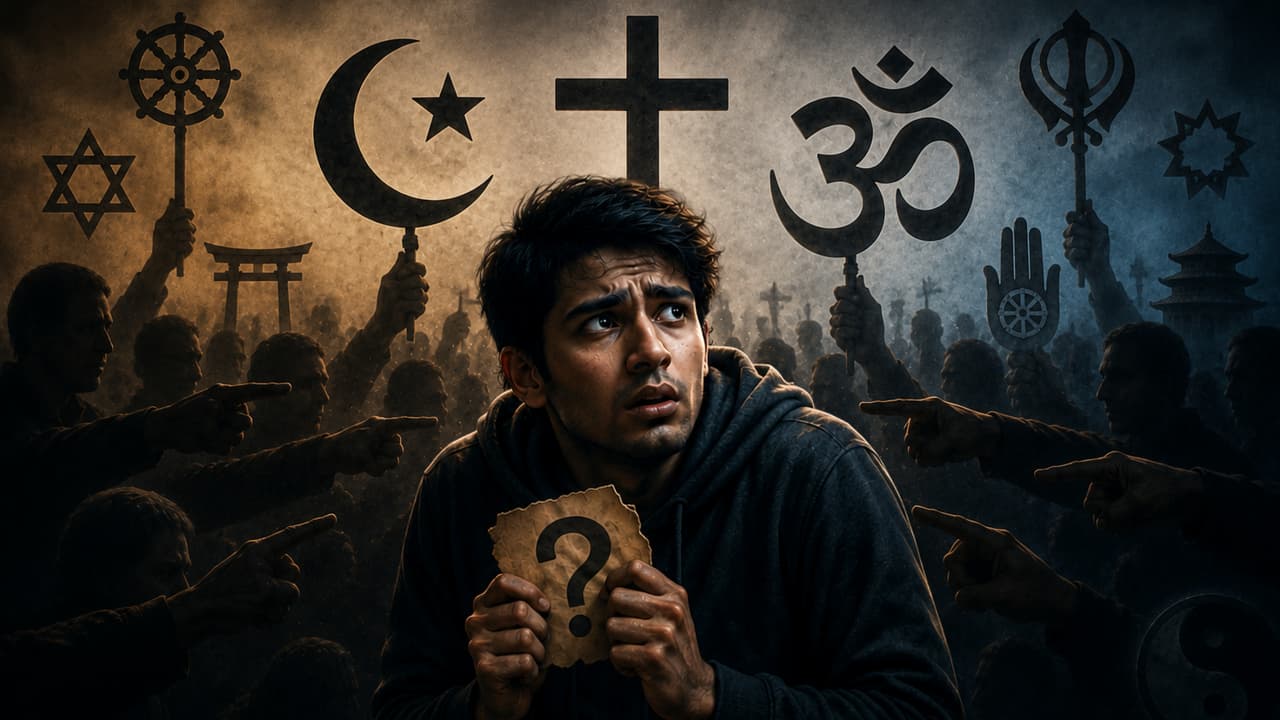
धर्म का अर्थ अंधविश्वास या मान्यताओं को मान लेना नहीं, बल्कि निर्भीक जिज्ञासा और सत्य की खोज है। बच्चों पर धार्मिक नियम थोपने के बजाय उन्हें प्रश्न पूछने की पूरी स्वतंत्रता मिलनी चाहिए। भय, शर्म और अपराधबोध पर आधारित धार्मिक संस्कार व्यक्ति को सत्य से दूर और देह-केंद्रित बना देते हैं। सच्चा धर्म हर मान्यता की निष्पक्ष जाँच, तथ्य के प्रति ईमानदारी और आंतरिक स्वतंत्रता का नाम है। प्रश्नचिह्न ही धार्मिकता का सबसे बड़ा प्रतीक है।

Superstition does not begin with rituals alone; it begins with unquestioned beliefs about the self. Science can remove many false beliefs, but complete freedom requires Self-knowledge. Vedanta, philosophy and meditation help expose the ego, making awakening possible. Religion becomes meaningful only when it encourages Self-knowledge rather than blind belief. Real freedom comes not from accepting inherited ideas but from understanding oneself through direct observation and awareness.

ज्ञान ही डर को मस्ती में बदलता है। अज्ञान भय पैदा करता है, जबकि सही समझ भय दूर करता है। सच्चे मित्र बनाने की कोशिश करने के बजाय आत्म-अवलोकन अधिक आवश्यक है। कबीर साहब का संदेश है कि केवल किताबें पढ़ने से नहीं, बल्कि ज्ञान के प्रति प्रेम से जीवन बदलता है। मन स्वयं चंचल नहीं होता; हमारी इच्छाएँ और अस्थिरता उसे भटकाती हैं। शिक्षा का उद्देश्य केवल जानकारी जुटाना नहीं, बल्कि अपनी मान्यताओं पर प्रश्न करना और सत्य की खोज करना है।

आध्यात्मिकता अहंकार को सांत्वना देने या स्वयं को विद्रोही घोषित करने का माध्यम नहीं, बल्कि अपने भीतर बैठी गहरी गुलामी को पहचानने का साहस है। हमारी अधिकांश इच्छाएँ, मान्यताएँ और पसंद वास्तव में सामाजिक संस्कारों से बनी होती हैं, इसलिए केवल बाहरी विद्रोह स्वतंत्रता नहीं देता। सच्चा धर्म भीतर के अहंकार से संघर्ष कर जीवन में सत्य के पक्ष में खड़े होने का आह्वान करता है, चाहे उसकी कीमत संघर्ष और घाव ही क्यों न हों।

लोग अपनी राय की रक्षा इसलिए नहीं करते कि वह सत्य है, बल्कि इसलिए क्योंकि भीतर से उन्हें उसकी कमजोरी का पता होता है। झूठ सबसे जल्दी आहत होता है और सच से डरता है। इसलिए सत्य बोलने पर यदि कोई टूटता है, तो उसके झूठ के लिए स्वयं को दोषी नहीं मानना चाहिए। जहाँ वास्तव में गलती हो, वहाँ विनम्र बनें; लेकिन सत्य के पक्ष में खड़े होने के लिए अपराधबोध या दूसरों की नाराज़गी का बोझ उठाना आवश्यक नहीं है।

The ego is not a real, independent entity but a bundle of conditioning that creates the illusion of a separate "I" and becomes the source of suffering. Self-observation is not introspection or analysis but moment-to-moment honesty about what is happening within. Real freedom comes when this false center is seen through, allowing life to function naturally without the burden of psychological ownership.

आत्मज्ञान के बिना समाज, पर्यावरण या किसी भी बाहरी समस्या का स्थायी समाधान संभव नहीं, क्योंकि हर संकट की जड़ मनुष्य की चेतना में है। बाहरी सुधार, नीतियाँ या अभियानों की अपनी भूमिका है, लेकिन वे मूल कारण को नहीं बदलते। इसलिए सबसे आवश्यक कार्य है स्वयं को बदलना और सत्य के प्रति गंभीर होना। जो व्यक्ति सत्य के प्रति उदासीन है, उससे स्वीकृति या मान्यता की अपेक्षा करना भी व्यर्थ है।

पढ़ना केवल पन्ने पूरे करना नहीं, बल्कि समझ विकसित करना है। जब किसी विषय को सचमुच समझा जाता है, तो जिज्ञासा स्वयं आगे पढ़ने के लिए प्रेरित करती है। अधूरी किताबें अक्सर रुचि की कमी नहीं, बल्कि बिना समझे आगे बढ़ने का परिणाम होती हैं। इसलिए गति से अधिक महत्त्वपूर्ण है हर विचार को समझना, क्योंकि वास्तविक सीख वहीं से शुरू होती है।

Life cannot be transformed by knowledge of the external world alone; it also requires understanding the one who experiences it. Science, technology, and logic are powerful, but they remain incomplete without self-knowledge and inner honesty. Lasting solutions to personal and global crises emerge when the same rigor used to study the world is turned inward, examining one's motives, intentions, and consciousness with equal seriousness.

Real change begins not by changing the world alone but by understanding the one trying to change it. Laws, technology, policies, and scientific progress have value, yet they cannot solve problems rooted in human consciousness and endless desire. Truth remains the same across cultures and disciplines, requiring only a change in language, not in essence. Lasting solutions emerge through honesty, self-inquiry, and inner transformation, because no external system can replace a change in the human mind.

Most people move through life unconsciously, mistaking inherited beliefs, ambitions, and social conditioning for personal choice. Careers, relationships, goals, and even identities often arise more from habit and circumstance than from conscious understanding. Real freedom begins by questioning the actor rather than the action, examining the assumptions behind one’s choices, and awakening from the psychological “coma” in which life is merely happening rather than being consciously lived.

Materialism and emotionality are not opposites; emotions themselves often arise from material desires, fears, and biological conditioning. The real distinction is between the material-emotional world and spiritual understanding. Spirituality is not another belief, emotion, or acquisition but the clear observation of thoughts, desires, and assumptions. Many personal and social crises stem from unexamined beliefs, and meaningful change begins by questioning them, speaking truthfully, and paying attention to what occupies the mind.

Human beings are born into uncertainty, surrounded by beliefs, identities, and social conditioning that offer ready-made answers to fundamental questions. Real spirituality begins not with accepting collective or personal beliefs, but with honestly examining one’s own suffering, fears, and false identities. The journey is not toward comforting ideas, but toward self-inquiry, where truth is discovered through questioning, observation, and the gradual rejection of illusion.

A society that loses its sense of sacredness begins to see every person and profession as merely transactional. When truth is replaced by the pursuit of happiness and consumption, trust erodes and cynicism becomes the norm. Doctors, teachers, and institutions are no longer respected but viewed with suspicion. The deeper crisis is not medical or social but philosophical: without self-understanding, people become consumers first and human beings second. True respect can return only when truth, integrity, and inner education become more important than personal gain.

Freedom begins when a person stops handing over the authority of life to others. Society, family, and tradition can offer opinions, rewards, or disapproval, but they cannot truly stop someone unless there is inner dependence on their approval. Many conflicts that appear external are rooted in psychological dependence, fear, greed, obligation, or the desire for validation. Clarity does not come from controlling every outcome; it comes from ensuring that decisions are not driven by inner confusion, and then allowing life to unfold naturally.

Operating from the highest inner point means living with honesty rather than self-created illusions. The ego becomes “higher” not through mystical growth but by dropping false self-images and testing its claims against reality. When honesty weakens, lower motives take control, creating inner conflict and disorder. Real growth lies in continuously questioning oneself, facing uncomfortable truths, and preventing the ego from being driven by comforting but deceptive beliefs.

जीवन की बाहरी समस्याओं का समाधान केवल तकनीक, नीतियों या आर्थिक प्रगति से नहीं हो सकता, क्योंकि उनके पीछे मनुष्य की आंतरिक अवस्था काम करती है। विज्ञान और तकनीक उपयोगी हैं, लेकिन यदि मनुष्य स्वयं को नहीं समझता, तो वही उपलब्धियाँ विनाश का कारण भी बन सकती हैं। जलवायु संकट, अत्यधिक उपभोग और सामाजिक चुनौतियों की जड़ मानव की अतृप्त इच्छाओं और अचेतन जीवन में है। स्थायी परिवर्तन तभी संभव है जब बाहरी प्रगति के साथ आत्मज्ञान, ईमानदारी और आत्मबोध भी विकसित हो।

अध्यात्म कोई अलग विषय या पुरानी परंपरा नहीं, बल्कि स्वयं को जानने की सतत जागरूकता है। विज्ञान, चिकित्सा या एआई जैसे सभी क्षेत्र बाहरी ज्ञान से जुड़े हैं, जबकि अध्यात्म उस व्यक्ति को समझने की प्रक्रिया है जो इनका उपयोग करता है। यदि इंसान स्वयं को नहीं समझता, तो उसका ज्ञान दिशाहीन हो सकता है। सही समझ ही तकनीक और शक्ति को मानव कल्याण की दिशा देती है।

लोग ऋषिकेश शांति या आत्मबोध के लिए नहीं, बल्कि अपनी वही तनावपूर्ण और भ्रमित जीवनशैली को बनाए रखने के लिए आते हैं। महादेव का अर्थ अंत और अहंकार की समाप्ति है, पर तीर्थ भी मनोरंजन और पलायन का साधन बन गया है। दुख से मुक्त होने के बजाय लोग उसी दुख को बचाए रखने के उपाय खोजते रहते हैं।

The debate around nudity and movements like “Free the Nipple” miss a deeper issue: true freedom is not about clothing, but freedom from psychological conditioning and body-based identity. Clothes themselves neither oppress nor liberate. A truly free society is one where the body becomes ordinary and irrelevant, not a source of obsession, shame, validation, or social control.

बंगाल चुनाव सिर्फ़ सत्ता का संघर्ष नहीं, एक विचारधारा की थकान का भी संकेत हैं। मार्क्सवाद ने मनुष्य को वर्गों में बाँटकर यह मान लिया कि उसकी चेतना जन्म और परिस्थितियों से तय होती है। लेकिन इतिहास बार-बार दिखाता है कि इंसान कठपुतली नहीं है। अगर चेतना सिर्फ़ वर्ग से तय होती, तो स्वयं मार्क्स, विवेकानंद, कबीर या राजा राममोहन राय जैसे लोग अपने ही वर्ग के विरुद्ध खड़े कैसे होते?

आप आस्था खोज रहे हैं, पर क्या आस्था कभी ज़बरदस्ती पैदा होती है? आस्था फूल है, जो सही बीज, सही मिट्टी और सही संगति मिलने पर अपने आप खिलती है। शुरुआत श्रद्धा से नहीं, जिज्ञासा से होती है। सम्मान से नहीं, संदेह से होती है। परखिए, पूछिए, प्रयोग करिए। जहाँ वास्तविक लाभ होगा, वहाँ आस्था अपने आप जन्म लेगी, बनावटी नहीं।

आप ‘अद्वैत’ को कोई सिद्धांत समझते हैं? जब तक ‘मैं’ है, तब तक दुनिया और दूसरा भी है, यही द्वैत है। अद्वैत तब होता है जब ‘मैं’ ही अपने मिथ्यात्व को देख ले। तब न कहने वाला बचता है, न कहने को कुछ। अद्वैत कोई विचार नहीं, अस्तित्व का अनुभव है। यह अहंकार के समाप्त होने का नाम है, जहाँ सिर्फ़ बोध शेष रह जाता है।