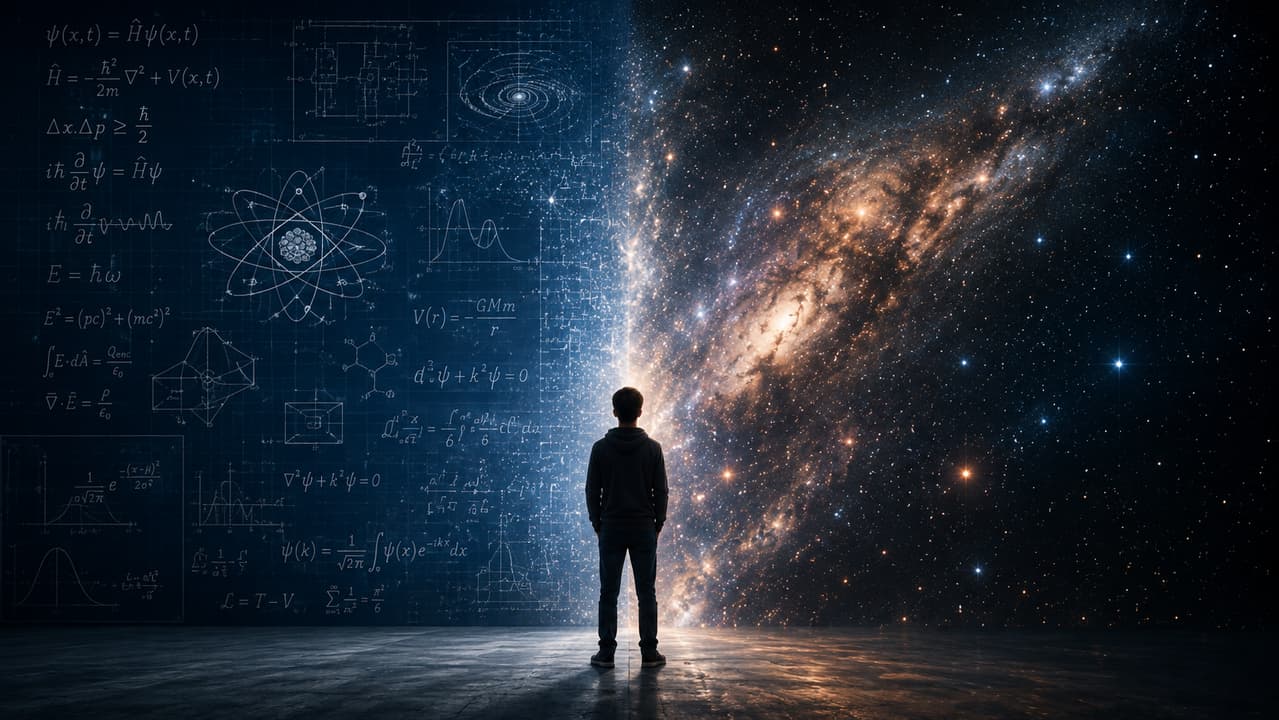
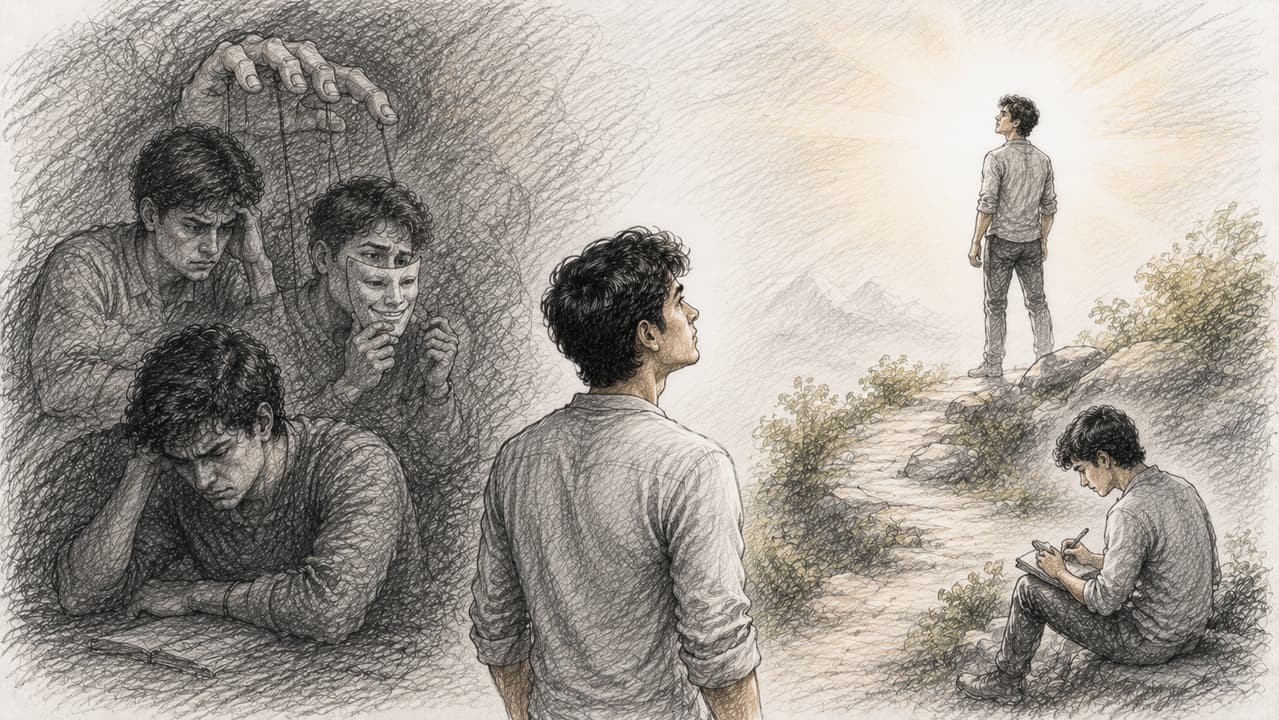
Technology is neither good nor bad by itself; its impact depends on the person using it. When it replaces independent thinking, confidence, and real-life abilities, it becomes a crutch instead of a source of progress. True advancement requires human maturity to grow alongside technological power. Without inner responsibility, every new innovation risks amplifying the same old weaknesses instead of creating a better future.
Technology has amplified human power, but not human consciousness. The real crisis is not a lack of scientific progress but the unchanged, ego-driven center using it. Education today trains people to consume and achieve, not to understand themselves. Unless self-knowledge grows alongside external knowledge, every technological advance risks becoming a more powerful instrument of greed, violence, and planetary destruction.
A civilisation can achieve extraordinary success in technology, science, wealth, and exploration, yet still move closer to conflict, ecological crisis, and inner dissatisfaction. The missing piece is understanding the human being who creates, chooses, invents, and consumes. Technology and policy can improve efficiency, but they cannot resolve the endless psychological drive for more. Climate change, overconsumption, and misuse of innovation arise from an unexamined human center. Lasting solutions require large-scale self-education, honesty, and deeper awareness of human motives, because the root of global problems lies not only in systems and tools, but in the consciousness that operates them.
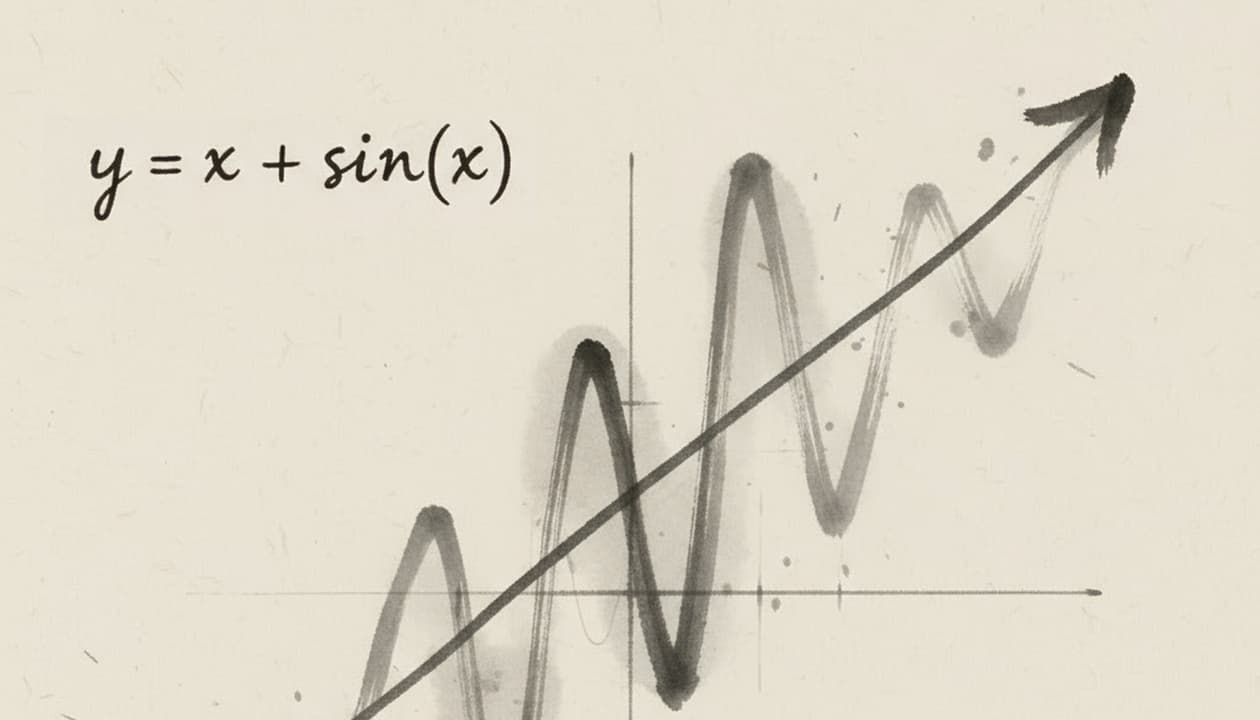
Man is usually just prakriti: y = sin(x). You are confined within duality — ups and downs, ups and downs, leading to nothing. But life is life only if there is another curve: y = x. It is the curve of consciousness that is not satisfied with merely being prakriti, the body — eating, excreting, sweating, reproducing. But it is helpless, because ours is a body-dependent consciousness. Hence, your life curve must be y = x + sin(x). Just ensure that the curve of consciousness is steep enough to carry, and rather override, the curve of the body.
Questioner: Acharya Ji, I think this question may be on behalf of many of us sitting in this auditorium. Every student sitting in this auditorium had a dream not of getting admission in Lakshminarayanan Institute of Technology (where the session is being held), but getting into IITs. Then, after IIT,
Acharya Prashant: We do not pay attention to stuff physical and instead keep talking of consciousness, why? Because remember that consciousness is the subject matter of vidya. Avidya talks of everything except consciousness. So science, technology, everything comes in the domain of *avidya*—history, geography, languages, mathematics, economics.
Acharya Prashant: By looking at one Vivekanand, you start imagining, or dreaming, or expecting that all youth can be like Vivekanand. And in this lies your ingratitude and disrespect towards Vivekanand. You do not know what kind of an impossibility a Vivekanand is. You do not appreciate him, so you
“The will to live.” “The will to just continue.” That, he said, is the basic human existential tendency. I’m asking, “Don’t animals have that tendency?” At the root of all consciousness; is the will to survive and continue. We don’t want to die; the animals, too, don’t want to die, right? We feel pain, we suffer; so do animals. The reasons might be very different. Often the reasons are, in fact, not too different. Separate a human mother from her baby and you see the suffering. It’s very apparent. Separate a cow from her calf, and the suffering is much the same. Read more...
Questioner (Q): Acharya Ji, my hormonal imbalance overpowers my ability to continue with conscious behaviour and forces me to continue with compulsive behaviour. How to be more conscious of my actions?
Acharya Prashant (AP): What is this invocation to the gods – Indra, Pūṣā, Bṛhaspati – and there are several other gods as well, the Upanishads talk of. If the Upanishads are monistic, if the Truth is one, what are these gods?
True freedom begins when we question the beliefs that make us feel trapped. Most of our suffering comes not from circumstances but from unquestioned assumptions, attachments, and imagined obligations. By suspending our beliefs, even briefly, we allow truth to enter, revealing that life always offers choice. Transformation is born from love for truth, the courage to let go, and the willingness to step beyond the boundaries created by the ego.
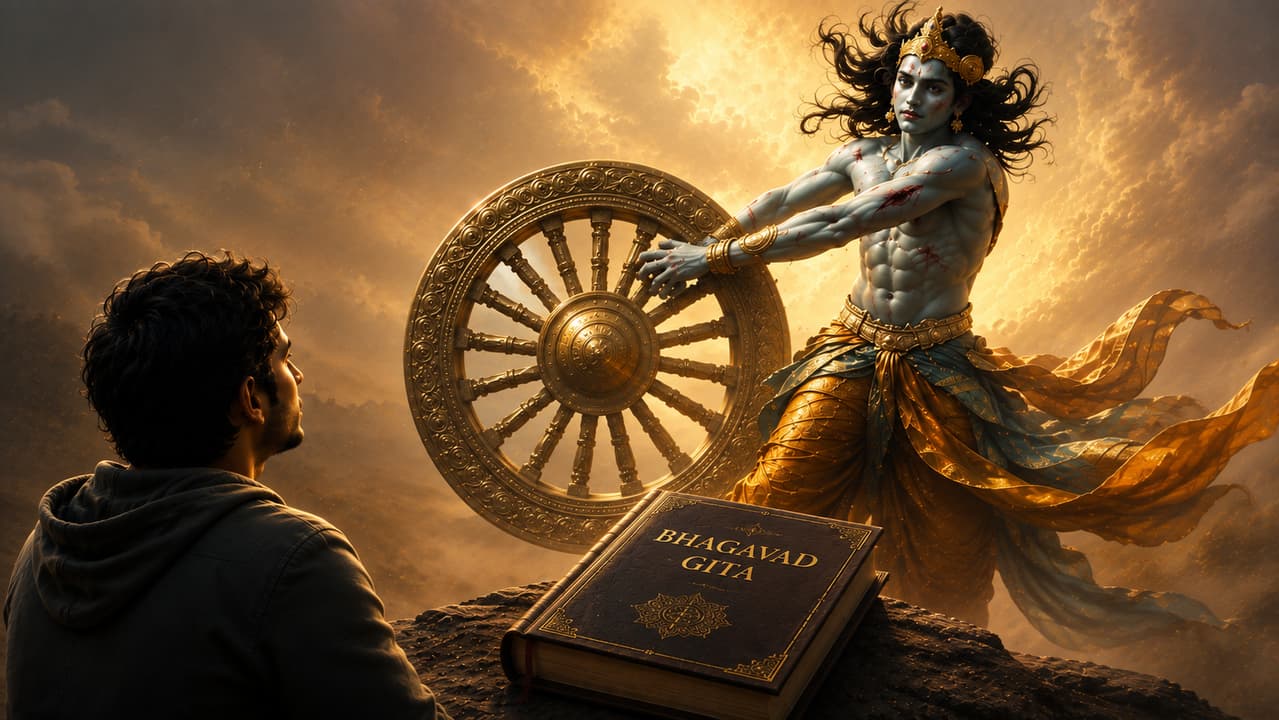
The Bhagavad Gita deserves reverence not because of inherited beliefs about its author, but because of its power to dissolve falsehood and reveal Truth. Real devotion is not ritual or blind faith—it is understanding, inquiry, and living the wisdom of the Gita. Through sincere study, one discovers the true meaning of Krishna, making the Gita the most authentic path to knowing and worshipping Him.
Real change begins not by changing the world alone but by understanding the one trying to change it. Laws, technology, policies, and scientific progress have value, yet they cannot solve problems rooted in human consciousness and endless desire. Truth remains the same across cultures and disciplines, requiring only a change in language, not in essence. Lasting solutions emerge through honesty, self-inquiry, and inner transformation, because no external system can replace a change in the human mind.
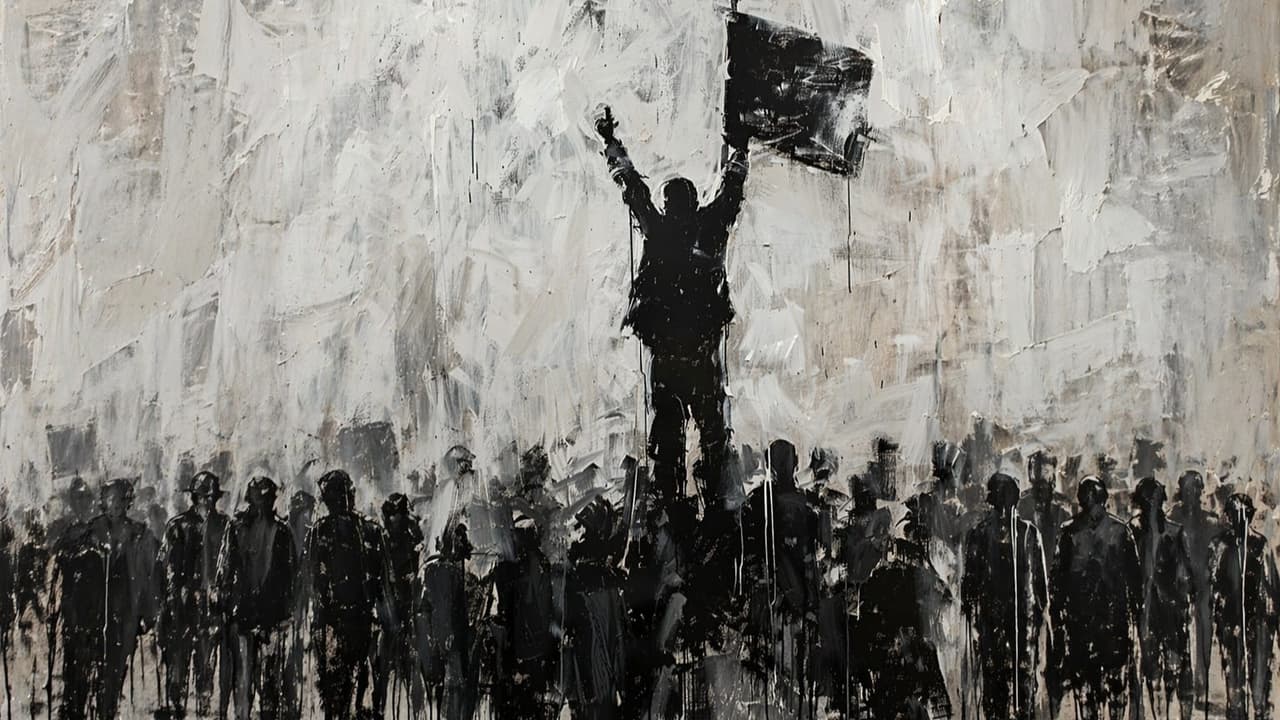
You look at Iran, at revolutions, and ask: can systems really bring freedom? Revolutions keep replacing one system with another, yet the chaos remains. The real question is rarely asked: what within us creates these systems? Real freedom is not political or social; it is inward. Without inner change, every revolution only rotates power, never resolves suffering.
You were one person when, let’s say, the relationship started, and now you are another person, and this change must reflect in the nature of the relationship. You cannot say, “Because I used to behave in this way with this person five years back, I’ll continue to hold the same practice, the same mood, the same ritual, the same identity, the same mask,” even after you have graduated to being somebody else. There’s no need to do that. If you have evolved, improved, let that show in the relationship.
Search
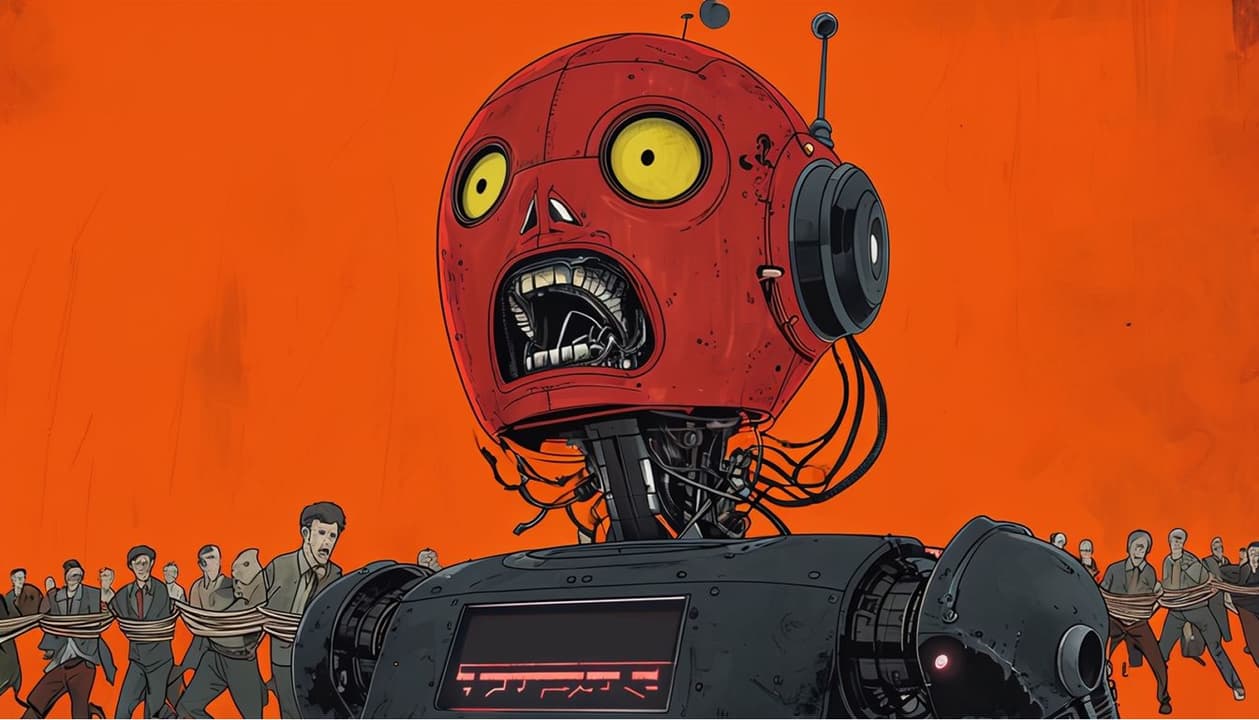
We are very conveniently leaving ourselves more and more at the mercy of technology. But we have to understand that AI operates on data, and data is provided by human beings. If we are dumb, our data will reflect that dumbness. AI has done what it’s programmed to do, but are you doing what you are born to do? You are the user, the ego. And the ego always has a choice. If you don’t exercise choice, there is no elevation; then there is no difference between man and stone.
Excerpts from Articles
Animal cruelty: Who deserves mercy, and who doesn’t?
Violence begins long before the knife or the slaughterhouse—it begins with the ego, the one that draws boundaries, seeks justification, and decides who deserves compassion. Laws and reforms may reduce suffering, but they cannot end violence while the ego remains intact. When the ego dissolves, exploitation ends naturally, and compassion no longer depends on regulation or moral boundaries.
You Don't Understand the Bhagvad Gita, But You Still Claim That You Love Krishna?
The Bhagavad Gita deserves reverence not because of inherited beliefs about its author, but because of its power to dissolve falsehood and reveal Truth. Real devotion is not ritual or blind faith—it is understanding, inquiry, and living the wisdom of the Gita. Through sincere study, one discovers the true meaning of Krishna, making the Gita the most authentic path to knowing and worshipping Him.
ज्योतिष कितना सच है? कुंडली, ग्रह-नक्षत्र: इनका क्या अर्थ है?
वेदांत को केवल इसलिए सही या श्रेष्ठ नहीं माना जा सकता कि वह किसी विशेष परंपरा से आता है। विज्ञान जहाँ भौतिक जगत की वस्तुनिष्ठ जाँच करता है, वहीं अद्वैत वेदांत सीधे मनुष्य के ‘मैं’, उसके दुख, बंधन और मुक्ति की पड़ताल करता है। इसकी कसौटी वैज्ञानिक प्रमाण नहीं, बल्कि अपने जीवन में इसकी सच्चाई को देख पाना है। किसी दर्शन को मान लेना नहीं, बल्कि उससे स्वयं को मुक्त करना ही उसका वास्तविक उद्देश्य है।
कई तरह के डर—अकेले पड़ने, छवि खोने या छोटा समझे जाने—की जड़ अक्सर अतीत में बनी पहचान और कहानियों में होती है। शरीर की हाइट जैसी चीज़ों को समस्या मानकर उनसे जूझने के बजाय उनकी अप्रासंगिकता को समझकर आगे बढ़ना चाहिए। अतीत को दबाने से मुक्ति नहीं मिलती; उसके करीब जाकर अपनी स्मृतियों, धारणाओं और पुराने पैटर्न को निष्पक्षता से देखना ज़रूरी है।
Victory is not decided by the trophy you hold but by the battle you choose to fight. Real strength lies in making the right decisions, staying true to your deepest values, and refusing to be ruled by fear or circumstances. When your actions arise from clarity rather than ambition, the outcome loses its power over you. The moment you choose the right path, you have already won.
Climate change is more than an environmental crisis—it is a crisis of human choices. Our patterns of consumption, consumerism and endless pursuit of more are putting increasing pressure on the planet. But meaningful change does not necessarily begin with new technology or stricter policies. It begins with a deeper question: what are we willing to change within ourselves?
Struggling to choose between a secure job and the path you actually feel drawn to? This isn't really a question about careers. It's about why other people's opinions have so much power over you in the first place. Real clarity doesn't come from finding the 'right' choice. It comes from honestly looking at your own fear, again and again, until it stops running the decision for you.
The mind is eager to go beyond the daily, mundane experiences, and that’s why the seeker goes to a teacher. But, if the teacher fails in bringing the seeker to the beyond, then this is the option that the teacher has. One will definitely experience a change. But, is the change for the good? Is it a change that takes you higher? No. It’s a bad change. And if this is the route that many spiritual seekers are seeking, then this route is nothing but a verdict upon the disciple and the teacher both.
Adi Shankaracharya goes to his teacher and is asked to introduce himself, and he says, “Cidānandarūpaḥ Śivoham Śivoham — I am pure blissful consciousness; I am Shiv, I am Shiv." My real identity is not at all related to the body. The great teacher is very clearly telling us that Shiv is the one who has nothing bodily about himself. But because we are bodily, our ego does not allow us to admit that there can be anything beyond who we are. And that’s also the cause of all human suffering.
Nobody can halt the march of science and technology. All that science can do, it will do. You will be cloned, replicated, duplicated, and substituted. Therefore, you must come to that within you which is alone, not transferable. Go to Nirvāṇa Ṣaṭkam to know what you are not. That which you are not — let it be copied, substituted, or whatever. And when you can discount everything that you are not, then: "Chidānanda-rūpaḥ Śivo’ham Śivo’ham."
AI has no consciousness; it can only do what it is programmed to do. These are just programmed reactions. If you are in a job that involves this kind of programmable role, your job would be threatened by AI. Human beings, by definition, must be in actions that involve creativity. Machines can never understand. Why were you not into jobs that involved understanding or creativity?
Superconsciousness is not in another dimension; it belongs to this world that we are in. It is a word to emphasize that it is possible to rise above ordinary consciousness. Ordinary consciousness is a state of mental slavery. The more liberated one is internally, the higher is said to be the state of consciousness. And beyond a certain point, you may say that a fellow is superconscious.
1
Questioner (Q): I watched your recent video - “Loving your fake lifestyle.” In that video you talked about two things. One is abuse of consciousness and another was that corporates are dehumanizing the employees.
In that context I wanted to ask you, this dehumanization actually is not only happening in…
4
I alone am! Nothing else. One could either have consciousness that is related to just these three states, a gross consciousness for which the material is supreme, an emotional mind, a thinker, analytical person who lives in ideas, or somebody who has been able to go beyond these two but is yet restless with this ‘I am'. One’s consciousness could rest in these three states or it could find a peaceful and relaxed home in just nothing. Call it either just nothing or call it absolutely everything — An all pervasive ‘I am', all pervasive ‘I am'.
Spiritual Quotient (SQ) is not about the number of scriptures you have read. It’s not about the verses you have memorized. It’s not about how disciplined you are with your religious practices. SQ is love, honesty, and courage: love for the truth, honesty in acknowledging the truth, and courage to admit that you have been a liar. If you have that, then you have a high SQ. SQ is a choice.
Consciousness is just dead duality, a separation between me and you. It views the other as a threat to my existence because it is my opposite. To be truly alive, reject consciousness—not by becoming unconscious, but by going crazy beyond it: challenge your limits, inflate yourself, expand, and break your boundaries.
…
Questioner: Good afternoon, my name is Aryan and I am in my first year. So, my question is how to control anxiety, as I have a problem called ‘Hyperhidrosis’ where my hands are too sweaty. So, without thinking, my hands and feet start to sweat and it’s because of anxiety,…
What is…
…
Questioner: Acharya Ji, pranam. Ramana Maharshi says, “Since the self is free from the notions of knowledge and ignorance, how can it be said to pervade the entire body in the shape of sentience or to impart sentience to the senses.”
“Wise men say that there is a connection between…
Questioner: Sir, when you were growing up, is there any special memory, or any time you realized and had this aspiration to become, or go on the spiritual path? Is there something interesting related to your life, from your childhood, that you want us to know?
Acharya Prashant: First of…
Who is most like you? You, yourself. So, be empathetic to yourself first. Then, who is most like you? Your mother, father, siblings; show empathy to them. Then, your neighbors, extended family, and finally, be empathetic to all. Lacking compassion for other conscious beings will only harm you. Kill the animal, and in some way the animal is liberated of its misery, at least in the physical sense. But you, having eaten the animal, will suffer. The flesh keeps you alive, and tomorrow awaits—a dark tomorrow as your punishment.
Questioner:
What is
Duḥkha
?
Acharya Prashant: The thought, the desire of all that which is fleeting, ephemeral is Duḥkha. Why is it Duḥkha? To whom, is it Duḥkha? Few things have to be understood. Everything likes to be in its most stress-free state. That's what even…
1
Questioner(Q): Hello, sir. Today's session is on Fearless Living. So, with respect to this topic, I would like to ask you, aren't we going against nature if we try to be fearless? Because in the course of evolution, the emotion of fear has never been eliminated. Also, it helps many…
Acharya Prashant (AP): So, there is the type of behaviour that we call as ‘compulsive behaviour’, and she’s rightly…
Questioner: Hello sir, I am Utkarsh. I am pursuing my Master in Philosophy from the Department of Philosophy itself – Delhi University; my question dates back to the perennial debate between the concepts of EQ and IQ. And to expound my question, I would like to elaborate that this dates…
2
Questioner (Q): Sir, my question is about handling pressure—the pressure of expectations. Sir, when God in Bhagavad Gita says that a human being is bound to make mistakes, why society is not ready to accept mistakes? Everybody is judged in the end by only results. How would you work if…
Questioner (Q): My gratitude, Acharya ji.. I've been listening to you for more than a year. It was a great pleasure, it was an amazing bliss in Rishikesh. And I just bought a book in IISc the first day and I finished reading it in three days because I thought…
The Upanishads are known for their austere monism. Right?…
1
Questioner (Q): I have been suffering from a type of OCD (Obsessive Compulsive Disorder) called somatic OCD for the last two years. I was in constant fear, every single moment, for around two years. I was on sleeping pills and anti-anxiety pills, but I think what helped me a lot…
1
प्रश्नकर्ता: नमस्ते आचार्य जी, मेरा प्रश्न विज्ञान से सम्बन्धित है। तो काफ़ी समय से वैज्ञानिक समुदाय और प्रकृति में एक तरीक़े का एक तकरार चल रहा है और काफ़ी हद तक विज्ञान सफल भी हुआ है, कोविड वैक्सीन का उन्होंने निर्माण किया और शायद प्रकृति की जो योजना थी उसको…
6
Parental expectations, peer comparison, and academic pressure can overwhelm you only when you allow others’ desires to dictate your life. As an adult, you are responsible for discovering your own potential and making choices through your own understanding. Love is not about fulfilling each other’s expectations or keeping someone happy. True love requires freedom—giving others the space to live and grow, while living according to your own inner clarity.
1
Operating from the highest inner point means living with honesty rather than self-created illusions. The ego becomes “higher” not through mystical growth but by dropping false self-images and testing its claims against reality. When honesty weakens, lower motives take control, creating inner conflict and disorder. Real growth lies in continuously questioning oneself, facing uncomfortable truths, and preventing the ego from being driven by comforting but deceptive beliefs.
3
The debate around nudity and movements like “Free the Nipple” miss a deeper issue: true freedom is not about clothing, but freedom from psychological conditioning and body-based identity. Clothes themselves neither oppress nor liberate. A truly free society is one where the body becomes ordinary and irrelevant, not a source of obsession, shame, validation, or social control.
Often, in the name of financial pressure, what we are really kneeling down to is something else. But because that something else is not nice enough to be named, what we quote is financial pressure. Nothing is ever forced in a tangible way. The way is kept gentle in appearance. But there is something else at work inwardly. What is that thing? That is what you have to uncover. You have to be honest towards yourself, very honest.
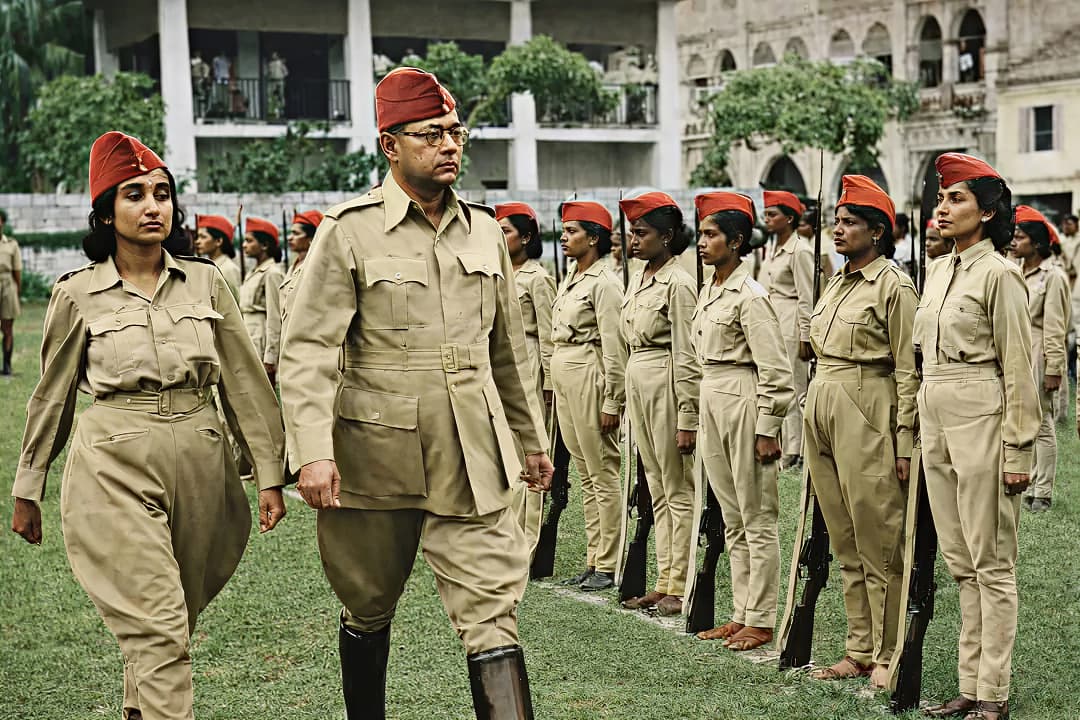
There is no revolution possible without the Gita. That’s the reason why even those who are not remembered particularly for their spiritual inclination, people like Subhash Chandra Bose, even they founded their core on Gita. What kind of revolution can you do if it’s the body that’s always at the top of your mind? You require a Gita to tell you that this body is perishable and would anyway go. Gita only teaches you, "Endure and fight."
You have to get into your own life, thoughts, feelings, actions, decisions, and see what holds you back. And freedom from what holds you back is the most important. That is what is most important. And then you can accept whatever price you have to pay for that most important thing. So it all starts from you. what is really important is a subjective thing. It depends on you. Nobody else can tell it.
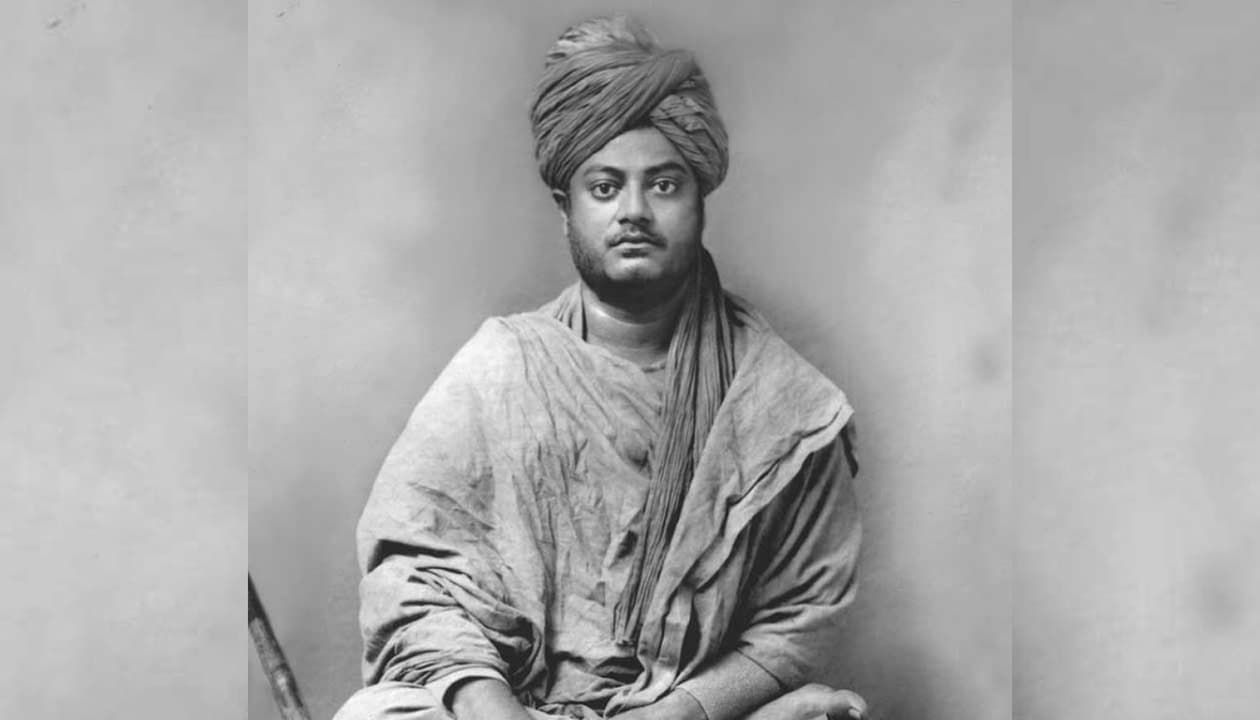
We love to talk of Swami Vivekananda as a youth icon. And I am asserting that were he to be here today, it is the youth that would resist him the most. When he returned from the United States, a huge procession greeted him, right at the port. But when he asked for just a hundred people who could be his soldiers, he was denied. Nobody wants to accept a Swami Vivekananda. He was resisted then, he would be resisted even today.
We keep carrying the unexamined burden of the past all our life. That’s a great problem that we have. If you want to carry something from the past, if you want to remain related to it even today, then you have to ask: how does it benefit you? Because it’s an expensive decision to make. The purpose of life is to unburden yourself. Relate to something or somebody in a way that will help you clear away a lot of useless relationships.
Women, the way they are brought up in our country, anyway do not have much to lose. If I do not have much in life, and then there arrives a person who is attractive, earns well, is strong, then why, as a woman, will I not go for him? Your body is impelling you to take a particular decision, and you don't even know that it's coming from the body. The only solution is understanding, real, deep, honest observation of life. And this you could also call spirituality.
We teach our kids to write applications: “Humbly I beg to submit that today I have an ache in my tooth.” “Humbly I beg to submit!” If you are stating a fact, if the toothache is real, why the hell are you groveling? If that is the Truth, why are you begging? Drool, drool, drool. That’s become our culture. If your philosophy tells you to submit and surrender to several masters, you will never be a truthful person, because in Truth there is no authority but the Truth.
"As long as you are giving me pleasure and satisfying my needs, there will be peace. The day you stop, there will be war.” This is the usual social contract in which we exchange pleasures and dependencies. This is why there is a lot of violence. But there can be another way of relating to the other, where you are existentially complete within. There can now be beautiful, loving, compassionate relationships because you are not looking to be a parasite or a commander.
This in itself is a philosophical question. This is why you should study philosophy, because you already have this question. Philosophy is your affection for the Truth, your leaning towards the Truth. Don’t you want to know the Truth? How many of you are happy with lies? Nobody. So, it is this love for Truth that we all innately have; that’s called philosophy.
The fellow is the worst kind of human being possible. But you will not accuse him of disloyalty, infidelity, or cheating, because he still reserved his body for you. This simply tells that the relationship is founded on the body. The woman has been trained to consider herself the body, and so has the man. Why don't we broaden our definition of loyalty? Please ask, “You couldn’t be loyal to any kind of virtue. How will you ever be loyal to me?”
6
Drop the center of confusion, come to the center of clarity. Drop what the masses practice, come to the direct route of self-realization. That’s what it means.