The secrets of various gods and goddesses || Acharya Prashant, on Vedanta (2020)



Acharya Prashant (AP): What is this invocation to the gods – Indra, Pūṣā, Bṛhaspati – and there are several other gods as well, the Upanishads talk of. If the Upanishads are monistic, if the Truth is one, what are these gods?
The Upanishads are known for their austere monism. Right? From where do the gods come then? Brahma Vidya and these innumerable gods – how are they dotting the same? Who are they? These are the questions you must ask.
If the Upanishads are all about Brahm and Ātman and they address the aham, then only these three should be appearing and reappearing in the texts – Brahm, Ātman, aham. With some kind of smattering of man (मन्, mind), indriya – all these things too can be present but where are these gods coming from?
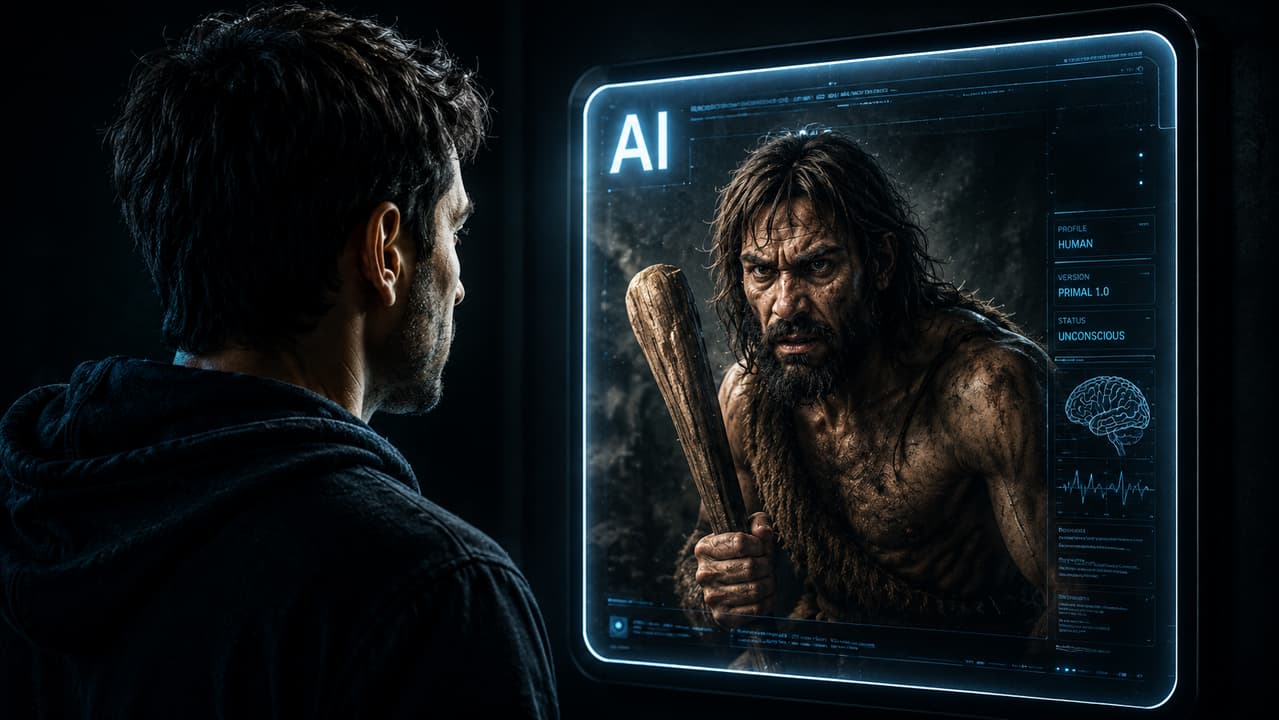
These gods represent the various faces of Prakṛti as seen by the ego. The ego is in the middle of Prakṛti. The ego is purusha. Going by Sankhya Yog, purusha and Prakṛti constitute a duality. Going by the Bhagavad Gita purusha is just another kind of Prakṛti.
Jada(जड़, unconscious) and chetan are not separāte, but a continuity. Do you see the beauty in this? Purusha is chetan (conscious), Prakṛti is supposed to be jada(जड़, unconscious). Sankhya Yog says they are different. Purusha is the watcher, Prakṛti is the watched – seer and the scene.