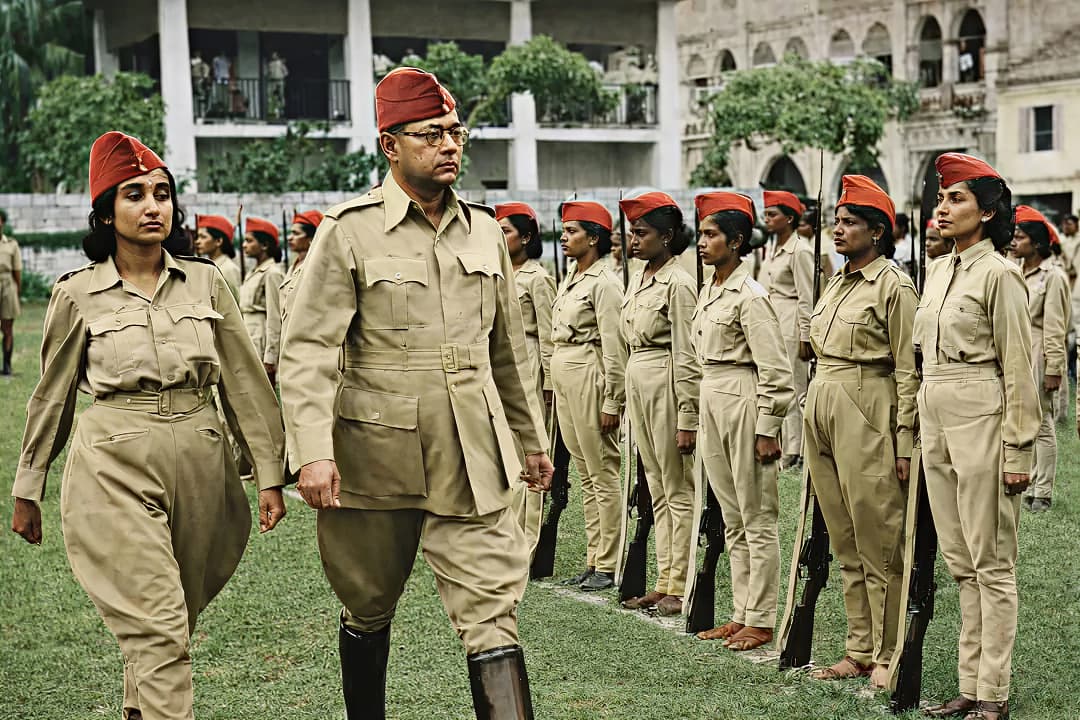
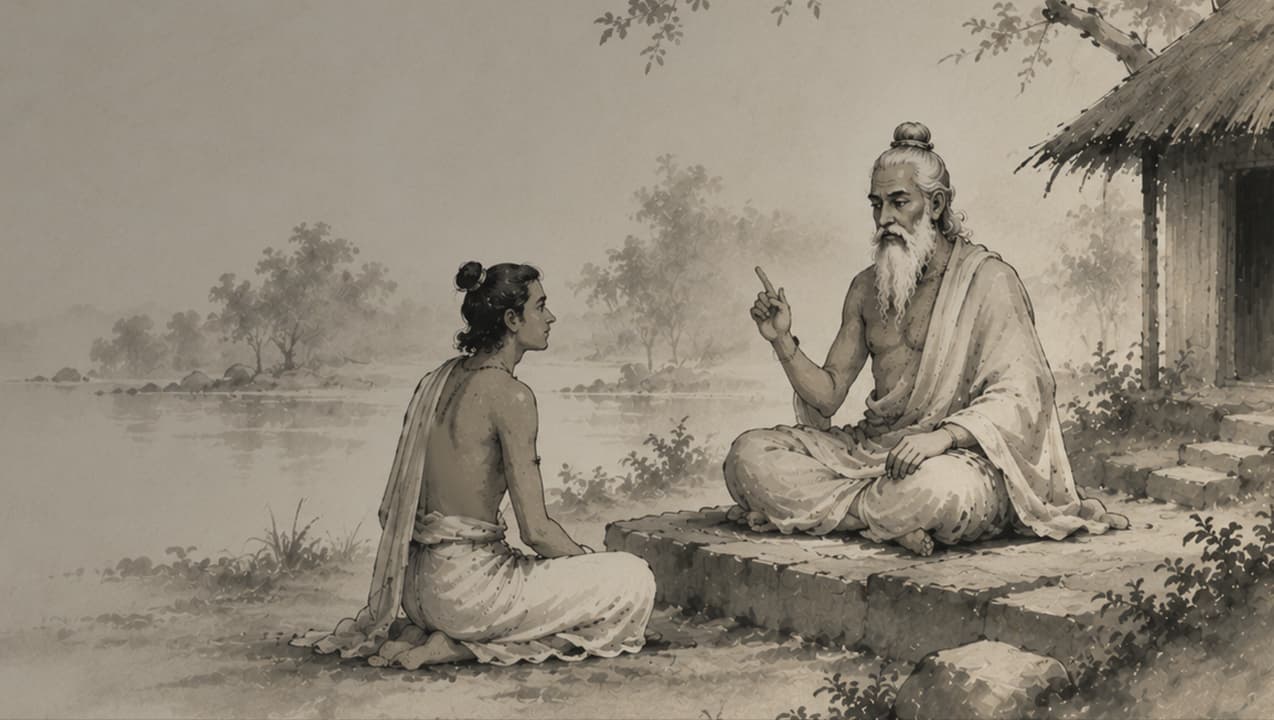
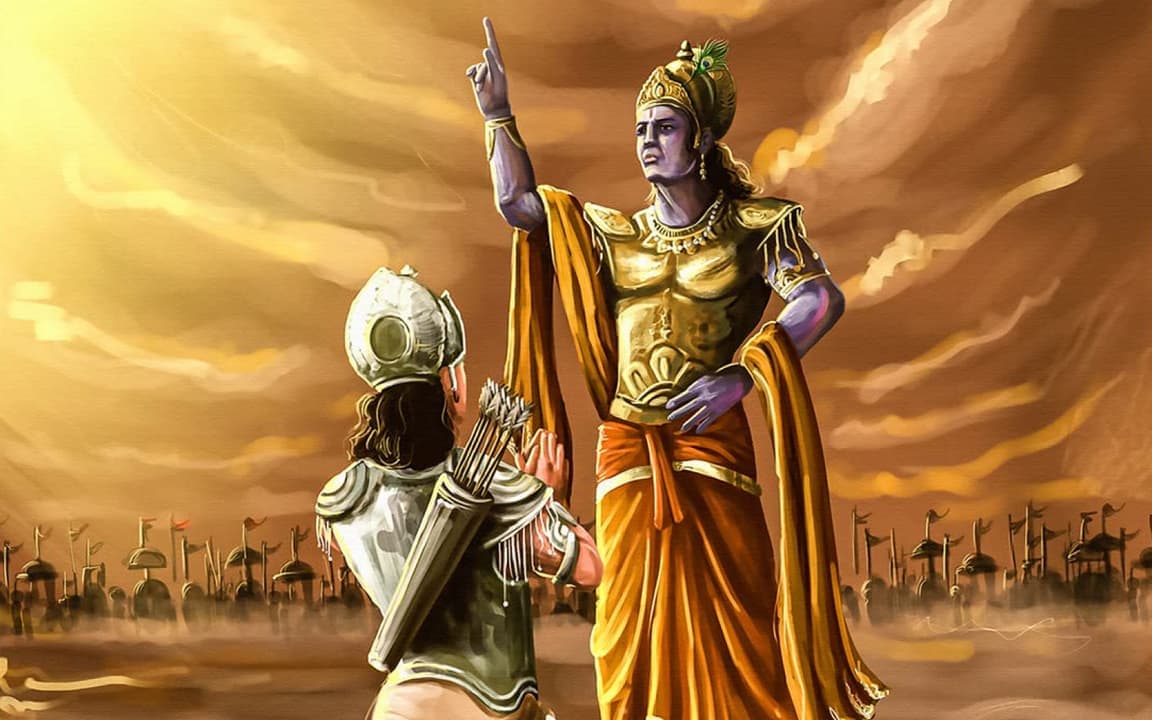
There is no revolution possible without the Gita. That’s the reason why even those who are not remembered particularly for their spiritual inclination, people like Subhash Chandra Bose, even they founded their core on Gita. What kind of revolution can you do if it’s the body that’s always at the top of your mind? You require a Gita to tell you that this body is perishable and would anyway go. Gita only teaches you, "Endure and fight."
Questioner: What are the practical ways by which we can move towards dropping personality?
Speaker: No! Going by the discussion we have had so far, look at the semantics of your question – “What are the practical ways in which we can move towards dropping personality?”
There are cuisines around the world where animals are eaten alive. You like to have an octopus, a living octopus on your plate, and then you take the octopus and you take it in.
Acharya Prashant: The question is from Simone from the Netherlands and it says, "I get easily get influenced by others. How do I learn to stand my ground?"
Questioner: There is a lot happening in my life. The whole day is full of actions and reactions. There are times when I catch myself slipping when I see chaos. And there are times when I have glimpses of Truth. What is it to be at the center, and then
Question: Sir, when it is said that ‘Individuality is nothing’, then how is it correct to say that ‘Individuality is being yourself with self-awareness’
Acharya Prashant (AP): It is also an assignment, correct? You did not write it on your own accord; somebody assigned this work to you, right? Is there any difference? Is this sheet of paper any more or any less significant with all the heaps of assignments that you have created
Questioner (Q): I lack confidence when it comes to decision-making. I am always doubtful of whether I am making the right decision or not, and this results in a lot of stress and having to take a lot of time to decide anything. How can I be more confident in
Questioner: Sir, sometimes, outside incidents become so pinching that I feel like running away. But then, again, everything goes alright. These ‘lows’ tremble me. How can the lows be stopped?
You asked me how I became a mad man. It happened thus: one day, long before many Gods were born, I woke up from a deep sleep and found all my masks were stolen- the seven masks I have fashioned and worn in seven lives- I ran maskless through the
Acharya Prashant (AP): Vikram is asking, “Sir, I can kind of see that personality is a mask, but then why is the world giving the personality so much of importance? Why does everybody seem to be giving the personality so much of importance?” Right, Vikram, that’s what you are asking?…
Science can examine material claims, but Advaita Vedanta deals with the subjective self, ego, suffering, bondage, and liberation—areas outside science’s objective framework. Vedanta need not be accepted because of one’s religion or tradition; its value lies in whether its insights can be personally verified and help free one from suffering. The ultimate responsibility is not toward any philosophy, but toward oneself: to live a truly free life.
Superhero films appeal to our desire to escape inner inadequacy through external power. The fantasy of an ordinary, fearful person becoming extraordinary reinforces the ego’s belief that more strength, money, possessions, or status will bring happiness. Consumerism follows the same pattern, endlessly adding objects to fill an inner void. Real freedom does not come from becoming more powerful or acquiring more, but from honestly seeing and understanding the ego that feels incomplete.
Global conflicts stem not from geopolitical interests but from the ego's fundamental incompleteness. Nations are merely expressions of collective egoic consciousness. Leaders represent humanity's worst tendencies, not its average. The ego requires duality and boundaries to survive. True disarmament means detoxifying the ego itself. External wars reflect internal disturbance. No diplomatic solution addresses the root cause, only wisdom and self-knowledge can dissolve the ego's need for conflict and separation.
There can be no self-respect without self-knowledge. And we have been repeatedly saying that the ego survives only in lack of self-knowledge. The less you know yourself, the denser and more crystallized your ego is. Self-respect is nothing but self-awareness. The more you know yourself, the more you realize who you are not, and that brings you to who you are. That is real self-respect, knowing oneself.
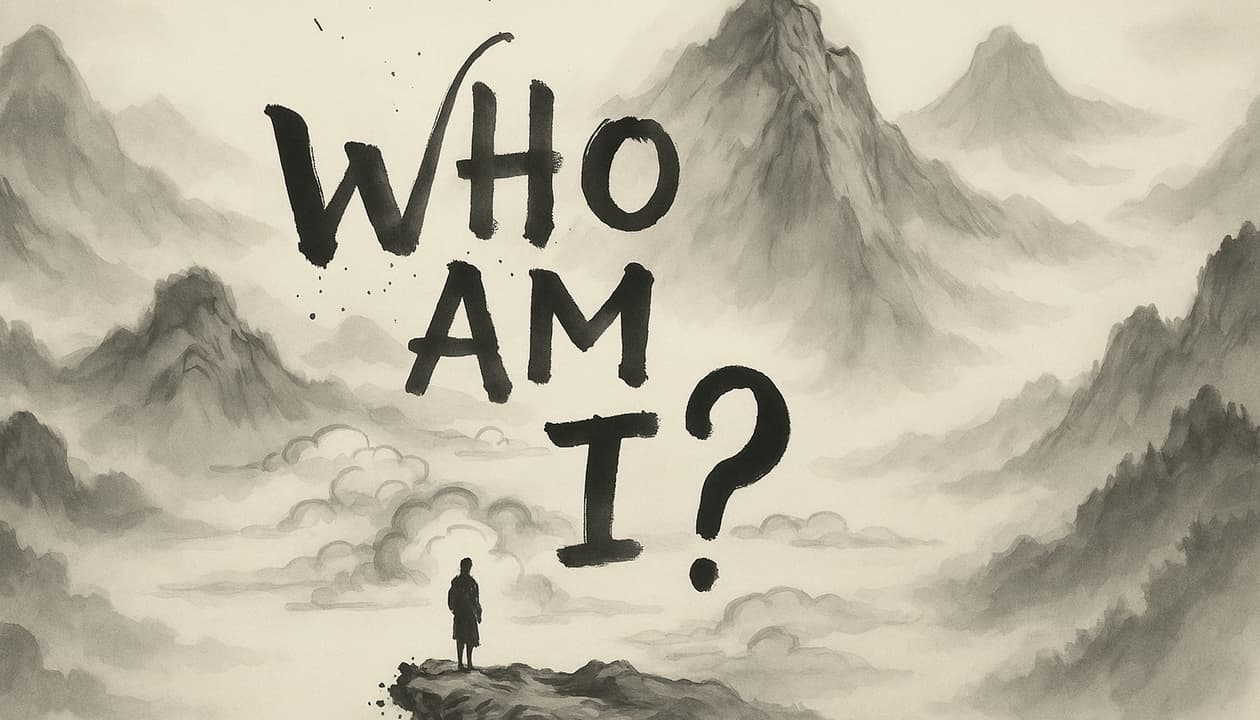
You are the quality of your present action. You are, right now, attention itself, if you are indeed listening to me. Unfortunately, this identity won't last. Soon you will be distracted. You'll become somebody else. The discipline lies in holding on to the highest identity possible, that which you know to be the highest, given your limited capacity. That's who you should be. That's the answer to — ‘Who am I?’
In the universe, there is no good, no evil. Ask instead, ‘To whom is good, and to whom is evil?’ The self, the ‘I,’ the ‘me,’ the one who wants to define good, the one who wants to define evil — he is evil, because he does not exist. Spirituality is giving the evil something right to do. If you do not give the evil the right thing to do, it will pick something else, making itself feel relevant, whereas the fact is that it has zero relevance. Work to remove yourself. That's your task.
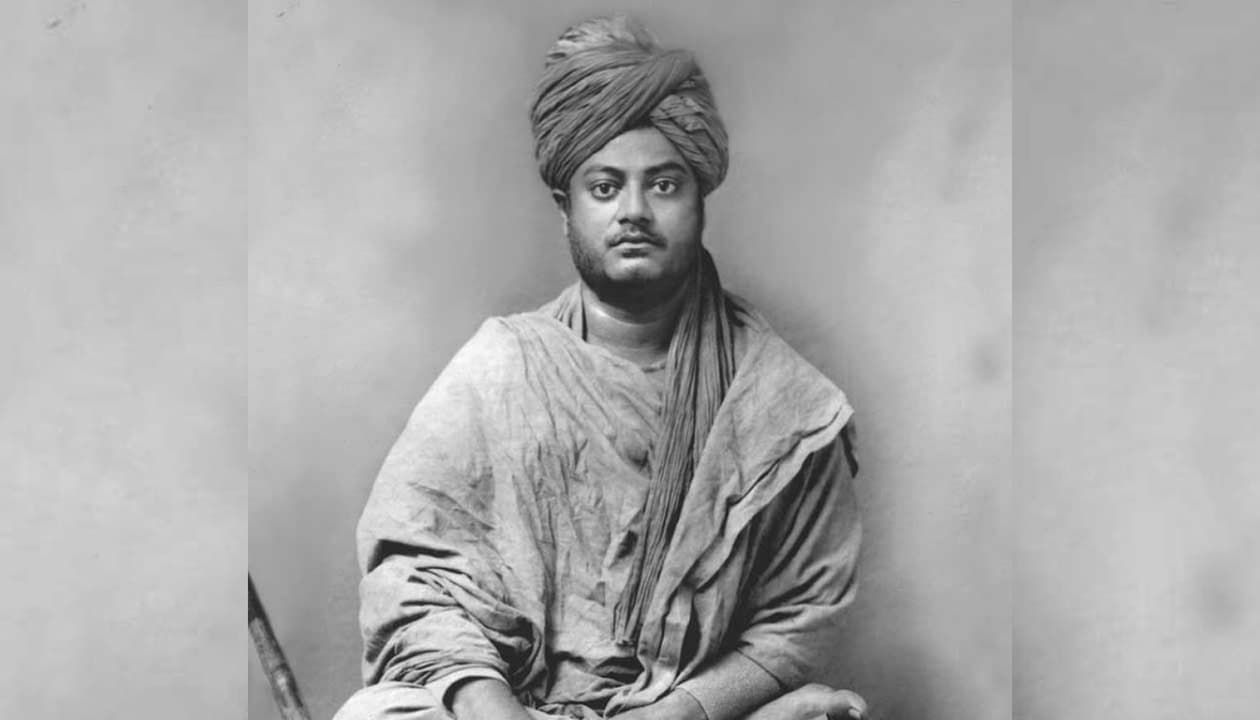
We love to talk of Swami Vivekananda as a youth icon. And I am asserting that were he to be here today, it is the youth that would resist him the most. When he returned from the United States, a huge procession greeted him, right at the port. But when he asked for just a hundred people who could be his soldiers, he was denied. Nobody wants to accept a Swami Vivekananda. He was resisted then, he would be resisted even today.
What does imperfection look like? The face in the mirror — that’s imperfect. Every imperfect person, according to his or her conditioning, dreams of perfection in his or her particular way. Perfection is a concept, an imagination. So, should I chase this imaginary ideal called perfection, or should I just look at my current state? We are not okay as we are. And in this lies the inspiration to get better, to move on.
A. Objective and Fear
Wherever there is an objective, there would be fear associated with it. You hope to get something, and you fear that you may not get it. Don’t you see that a man who is chasing goals has condemned himself to live in fear?
It is possible…
Speaker:
The word ‘vulnerability’ is not a very likable word. ‘Vulnerability’ to us is a consequence of the fact that there are forces outside of us that are hostile, aggressive and inimical, because we need to protect and defend ourselves against these
…
Excerpts from Articles
You Don't Understand the Bhagvad Gita, But You Still Claim That You Love Krishna?
The Bhagavad Gita deserves reverence not because of inherited beliefs about its author, but because of its power to dissolve falsehood and reveal Truth. Real devotion is not ritual or blind faith—it is understanding, inquiry, and living the wisdom of the Gita. Through sincere study, one discovers the true meaning of Krishna, making the Gita the most authentic path to knowing and worshipping Him.
Climate change is more than an environmental crisis—it is a crisis of human choices. Our patterns of consumption, consumerism and endless pursuit of more are putting increasing pressure on the planet. But meaningful change does not necessarily begin with new technology or stricter policies. It begins with a deeper question: what are we willing to change within ourselves?
ज्योतिष कितना सच है? कुंडली, ग्रह-नक्षत्र: इनका क्या अर्थ है?
वेदांत को केवल इसलिए सही या श्रेष्ठ नहीं माना जा सकता कि वह किसी विशेष परंपरा से आता है। विज्ञान जहाँ भौतिक जगत की वस्तुनिष्ठ जाँच करता है, वहीं अद्वैत वेदांत सीधे मनुष्य के ‘मैं’, उसके दुख, बंधन और मुक्ति की पड़ताल करता है। इसकी कसौटी वैज्ञानिक प्रमाण नहीं, बल्कि अपने जीवन में इसकी सच्चाई को देख पाना है। किसी दर्शन को मान लेना नहीं, बल्कि उससे स्वयं को मुक्त करना ही उसका वास्तविक उद्देश्य है।
कई तरह के डर—अकेले पड़ने, छवि खोने या छोटा समझे जाने—की जड़ अक्सर अतीत में बनी पहचान और कहानियों में होती है। शरीर की हाइट जैसी चीज़ों को समस्या मानकर उनसे जूझने के बजाय उनकी अप्रासंगिकता को समझकर आगे बढ़ना चाहिए। अतीत को दबाने से मुक्ति नहीं मिलती; उसके करीब जाकर अपनी स्मृतियों, धारणाओं और पुराने पैटर्न को निष्पक्षता से देखना ज़रूरी है।
Struggling to choose between a secure job and the path you actually feel drawn to? This isn't really a question about careers. It's about why other people's opinions have so much power over you in the first place. Real clarity doesn't come from finding the 'right' choice. It comes from honestly looking at your own fear, again and again, until it stops running the decision for you.
Victory is not decided by the trophy you hold but by the battle you choose to fight. Real strength lies in making the right decisions, staying true to your deepest values, and refusing to be ruled by fear or circumstances. When your actions arise from clarity rather than ambition, the outcome loses its power over you. The moment you choose the right path, you have already won.
Animal cruelty: Who deserves mercy, and who doesn’t?
Violence begins long before the knife or the slaughterhouse—it begins with the ego, the one that draws boundaries, seeks justification, and decides who deserves compassion. Laws and reforms may reduce suffering, but they cannot end violence while the ego remains intact. When the ego dissolves, exploitation ends naturally, and compassion no longer depends on regulation or moral boundaries.
You have to address the entire value system. You have to ask man: Who are you?
…
The mind is a crying vacancy. It is an undue emptiness. It is an unclean half-filled emptiness. The mind will always need
…
Acharya Prashant (AP):
Is there anybody here who is not all, not at all concerned with the word ‘personality’? I don’t suppose there is anybody here, so just again, as I said, it is not only his question. This is not only
…
…
Speaker:
Influences never come to influence you. The question is: how can the mind be free of influence? Does the influence come and say that I want to influence you? Go into this. There is a hoarding on the
…
AP:
Ankush, who told you that
Life
is a big ‘sacrifice’? And whenever there is a ‘sacrifice’, there is somebody collecting the sacrifice. Who is collecting the sacrifice? You
…
?
Acharya Prashant: Very pertinent question.
At the root of the question lies image-formation.
“When we say individuality is just nothing, then how is…
…
…
…
Acharya Prashant:
Stop the highs.
As far as you are concerned, the lows are real; the highs are an escape.…
Questioner (Q): How is personality related to ego and how does individuality relate with both personality and ego?
Acharya Prashant (AP): Personality is what is visible to others. Personality is your behaviour. Personality is your way you look, walk, talk. Personality is the attitude that you display. Are you getting…
…
Share
Climate change is more than an environmental crisis—it is a crisis of human choices. Our patterns of consumption, consumerism and endless pursuit of more are putting increasing pressure on the planet. But meaningful change does not necessarily begin with new technology or stricter policies. It begins with a deeper question: what are we willing to change within ourselves?
2
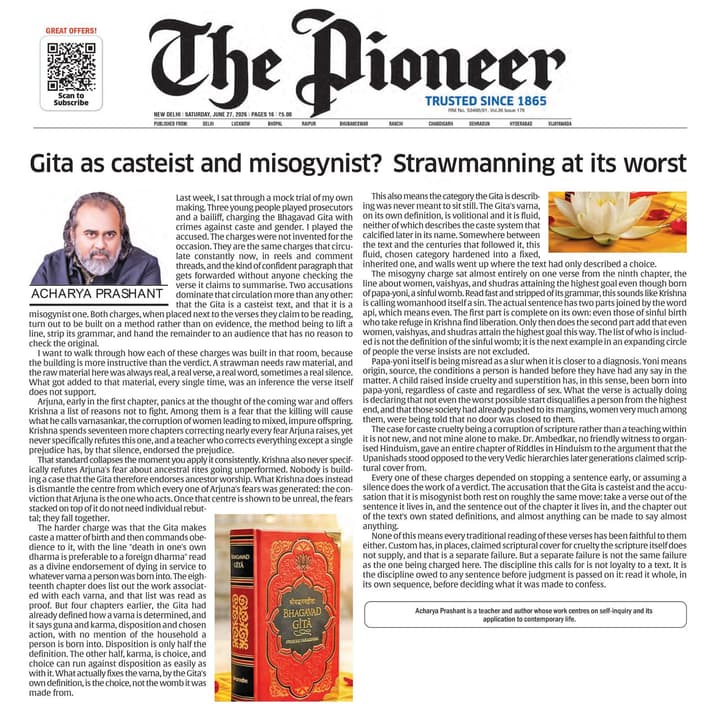
The Bhagavad Gita is often accused of supporting caste and misogyny through selective quotations that ignore context, grammar, and the text's central teachings. A closer reading shows that its emphasis is on inner qualities, conscious action, and spiritual equality rather than birth-based hierarchy or gender discrimination. Misinterpretations arise when isolated verses are detached from their broader meaning, while the Gita consistently points toward self-knowledge, freedom from ego, and the universal possibility of liberation for every human being.
Science and philosophy arise from different kinds of inquiry. Matter seeks continuity of state, while the ego seeks continuity of existence and constantly changes identities to preserve itself. Fear, danger, and suffering are rooted in the ego’s sense of “I,” not in material reality itself. Questions are valuable because they expose hidden beliefs, and genuine learning requires challenging assumptions through inquiry, dialogue, and self-examination.
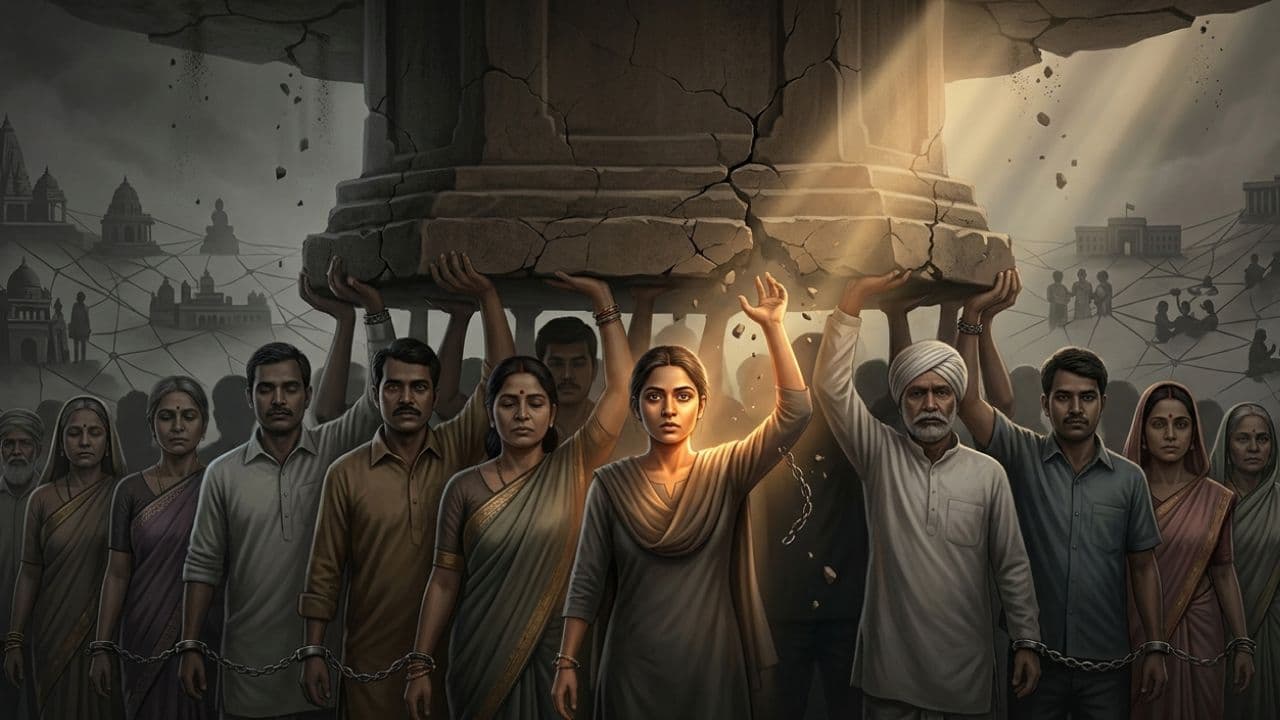
If most people are oppressed, why do unjust systems still survive? Because the oppressed themselves unknowingly support them through inner ignorance. No structure can sustain without the participation of those it exploits. Real change cannot begin outside; it must begin within. When individuals see clearly and refuse to remain complicit, the system collapses. Blaming the system is easy, but transformation demands responsibility for one’s own life.
The only principle that truly runs this world, created by all of us, is the principle of greed and power. What do you think that fellow has earned his billions for? He didn't become a politician to be noble. The only thing that separates us from animals is the intellect, not the center the intellect is operated from. Don't locate the problem and the responsibility somewhere out there. We change ourselves; the world changes.
Let’s separate two things clearly. One, physical harm. If you are in a jungle, you must know how to protect yourself from the beasts, right? That’s a matter of basic intelligence and rationality. Two, feeling inferior, that does involve your consent. Nobody can make you feel inferior if you are not participating in that phenomenon. Somebody abuses you, slaps you, insults you; that is something he can do. But feeling inferior, that is something you do to yourself.
5
Shri Krishna is saying: the mind is conditioned to move towards objects and perceive only their surface, periphery, or form. Develop the practice of penetrating further. Let Truth be your practice. The moment you would look at something, and you are in no position not to look at things being embodied, you would look at things. Nobody said that you have to practice lust. Lust just comes. You might be a total fool, an utter retard, and still you will find yourself getting sexually excited once you reach a particular age. Did you need some practice? No, you didn’t. It just happened. But if you are to understand lust, if you are to cross over, if you are to be a master of your body, then it will require a lot of practice, and that will necessarily and obviously tell you about your predicament.
Every living being, from humans to the smallest species, is trying to change the world to suit its own needs. But this is not intended to do any good to the world, it is just coming from the little ego. And the ego will not say, “I'm not all right;” it will try to change the world. So, if your idea of ‘good’ is only relative to your personal self, is it right to impose it on others? You must be clear about why you aspire to change the world, and whether you have brought about any change in yourself first.
6
Drop the center of confusion, come to the center of clarity. Drop what the masses practice, come to the direct route of self-realization. That’s what it means.
Confidence is your enemy. Catch the inner thief red-handed. Look at its functioning. See how it manipulates and distorts. See how it has preset conclusions and then fabricates arguments in favor of the conclusions.
Joy is not a problem. Suffering is a problem. I am the sufferer. And if this ‘I’ is the problem, the sufferer, then firstly the ‘I’ itself has to be approached. And when I find that my efforts are getting saturated, I will have to go to a book that talks exclusively of the ‘I.’ The Upanishads are such books, because their subject matter is nothing but the ‘I.’ So, if you come across something that is dealing in stories, beliefs, and deviating from the self, you must know that it is not Vedanta at all.
The theoretical reply would be that if condemnation hurts you, then somewhere you are looking for praise. Even if it’s implicit praise or subtle praise, there is some hunger for praise. Or the inner condition that the ego has set is, don’t give me praise, but don’t condemn me either. So there is some condition that the ego is setting on the world. The fact is, the world has a movement, a flow of its own. You cannot set any condition on it. If you are getting hurt, it means there is an expectation, a condition.
At the level of the body, this world will have an influence on you, and there is no need to even contest that. Let it happen, because it is going to happen anyway. But inwardly, let there be a place so sacred that nobody is allowed to enter — not even you. And when that is there, you can freely participate in the world because you'll no longer be afraid. You'll say, “Come what may, I'm secure within.” Then you will live in deep security, and we all know how pleasing security is.
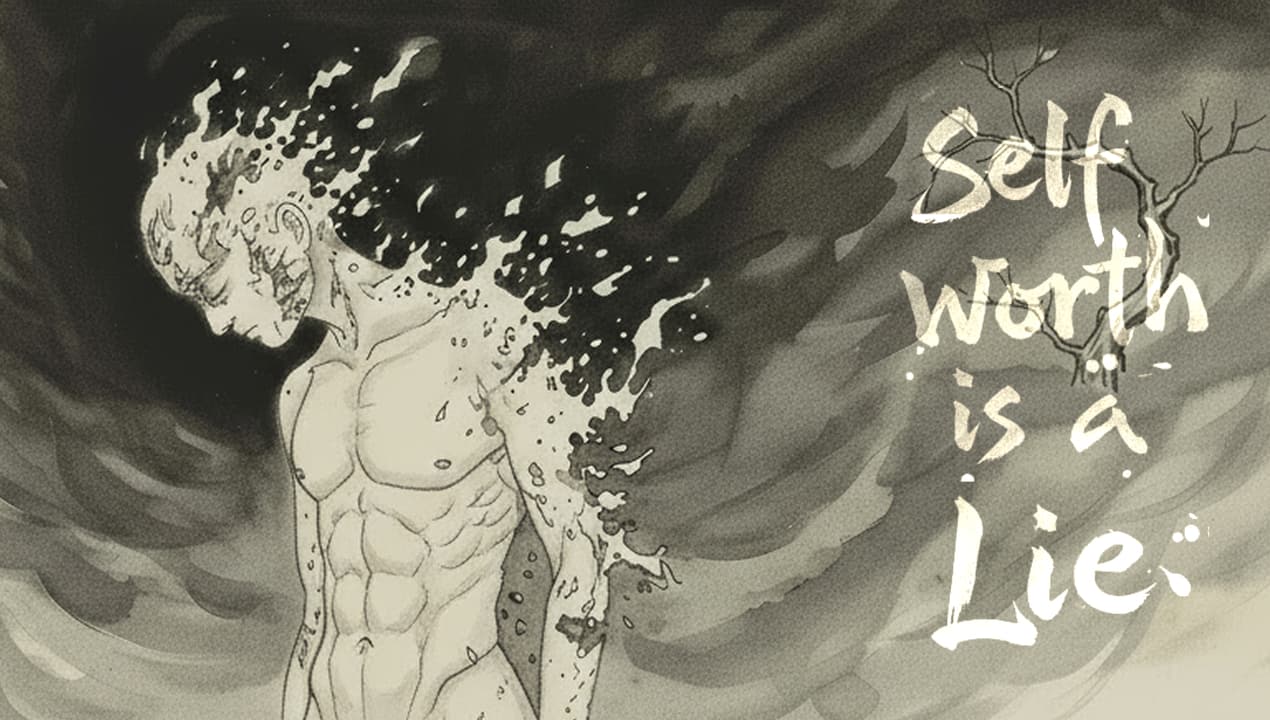
The self is a hollow, incomplete thing by its own admission. It has no free existence of its own; it is nothing but associations with the objects around it, absorbing its worth from the environment. To hide this absence of self-worth, you keep running after all kinds of things, yet the promise of fulfillment is never kept, and you are deceived. Therefore, to have any self-worth, you must have clarity about the self. All wisdom literature is about clearing away your false notions of the self.
5
Question: If love is death of ego, then how will we live? Man is made of only these things. So, the only thing left will be ‘soul’. So we can say that we have moksha (liberation).
Speaker: The question is: If love is death of ego, then a loving man…
1
Questioner: If love is death of ego, then loving man will be just soul. So, is love Moksha (Salvation)?
Acharya Prashant: Everything that you just said, is a concept in your mind. Ego lives on concepts; ego lives on thoughts—concepts are thoughts.
What is the definition of a concept? Where…
13
For you to benefit from the darshan of Shri Krishna's statue, you should already have a relationship with Shri Krishna and the Gita. If you have had no prior connection with the Gita, then darshan makes no sense. Darshan is a great way to immediately bring back all that has been hidden under the dust of time. You could either re-read the entire Gita or simply look at Shri Krishna’s statue. It’s a fantastic method — but only for Gita lovers.
Fighting Duryodhana is Dharma. Fight Duryodhana in the way you can, that is swadharma. Dharma is the same for everybody, but swadharma varies according to your physical, social, temporal conditions.
But remember that swadharma can never be in contradiction of Dharma; swadharma will always be something…
Doing or not doing — both are functions of the doer. The doer is the instrument. Is the instrument, first of all, reliable? Know who you are. Know what it is that you lack. Know what it is that you need to shed. And then the deed is right. Then you know the one right direction for you — choicelessly. It's not just about doing something. It's about knowing the doer.
To the one who believes in ghosts (Bhūta-Piśāca) — for him, they exist. When you are asleep and are engaged in some nightmare, you feel it actually exists. Bhūta-Piśāca Nikata Nahiṁ Āve, Mahāvīra Jab Nāma Sunāve: Mahavira Hanuman, devoted to Shri Ram, is to be taken as the representative of Truth. If you can be close to the representative of the Truth, you will get rid of all nonsensical and horrifying imaginations.
A common misconception that many of us have is that ‘ego is pride’, but it is far more pervasive than pride. It is the sum total of everything that we have taken from the outside and accepted as our beliefs and identities without applying intelligence. But we are not a sum total of external influences. Even if everything external is taken away, the pure existence still remains — we have an existence of our own. Ego is this forgetfulness of our pure existence.
Don’t think of heaven and hell as the afterlife; both are here, right now. As the Niralamba Upanishad says: Right company is heaven; wrong company is hell. If you are someone who loves to be with people who will take you towards truth, joy, and simplicity, you are already in heaven. And if you surround yourself with people who pull down your consciousness, then verily, you are—right now—in hell.
Acharya Prashant: You will see that I'm repeatedly stressing on Shri Krishna as the demolisher, on Shri Krishna as someone who not only does not accept our prevalent definitions of right-wrong, true and false, humility, authority, right action, non-violence but, in fact, unabashedly and actively demolishes them. It is one…
You look at a Swami Vivekanand and then you want the others to be like that. But a Swami Vivekanand is not normal. He's an aberration. He's a great exception. Just by looking at him, if you start assuming that all young human beings by default should be like him, then you are missing the fact of what it means to be a human being.