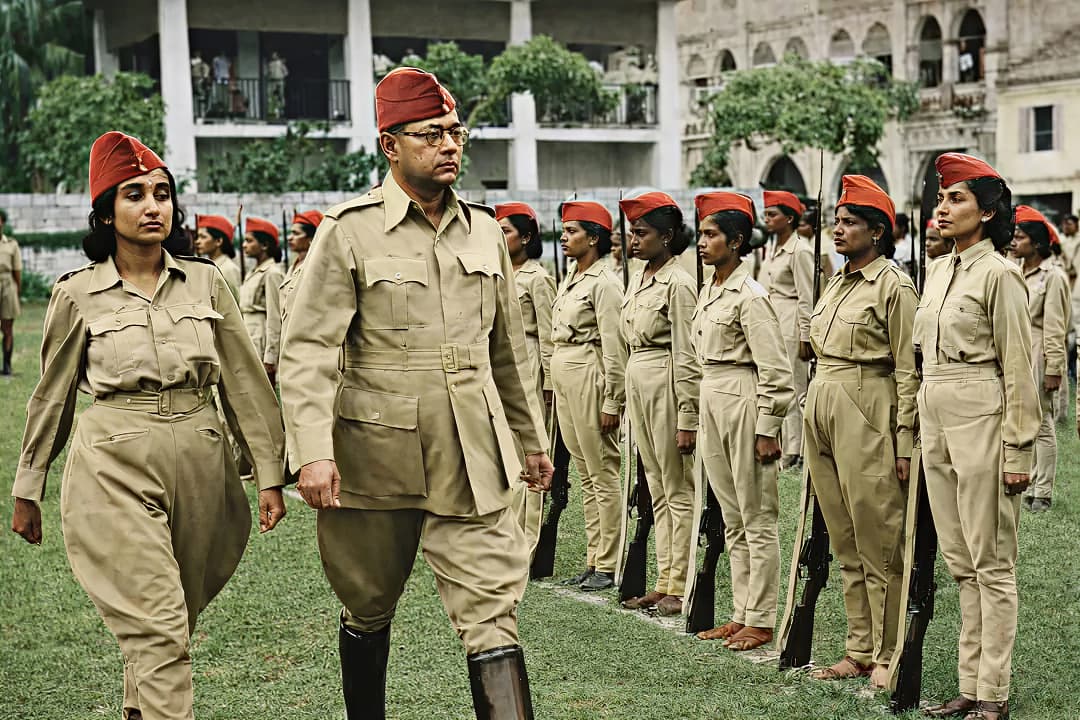
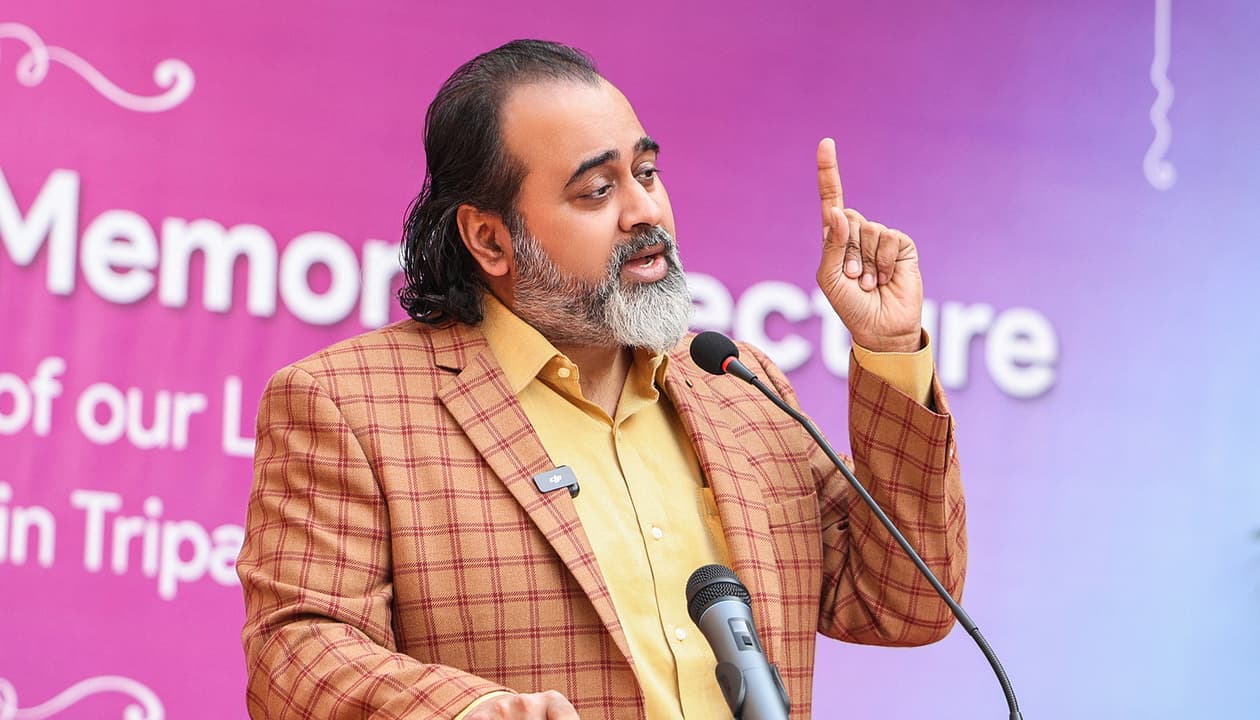
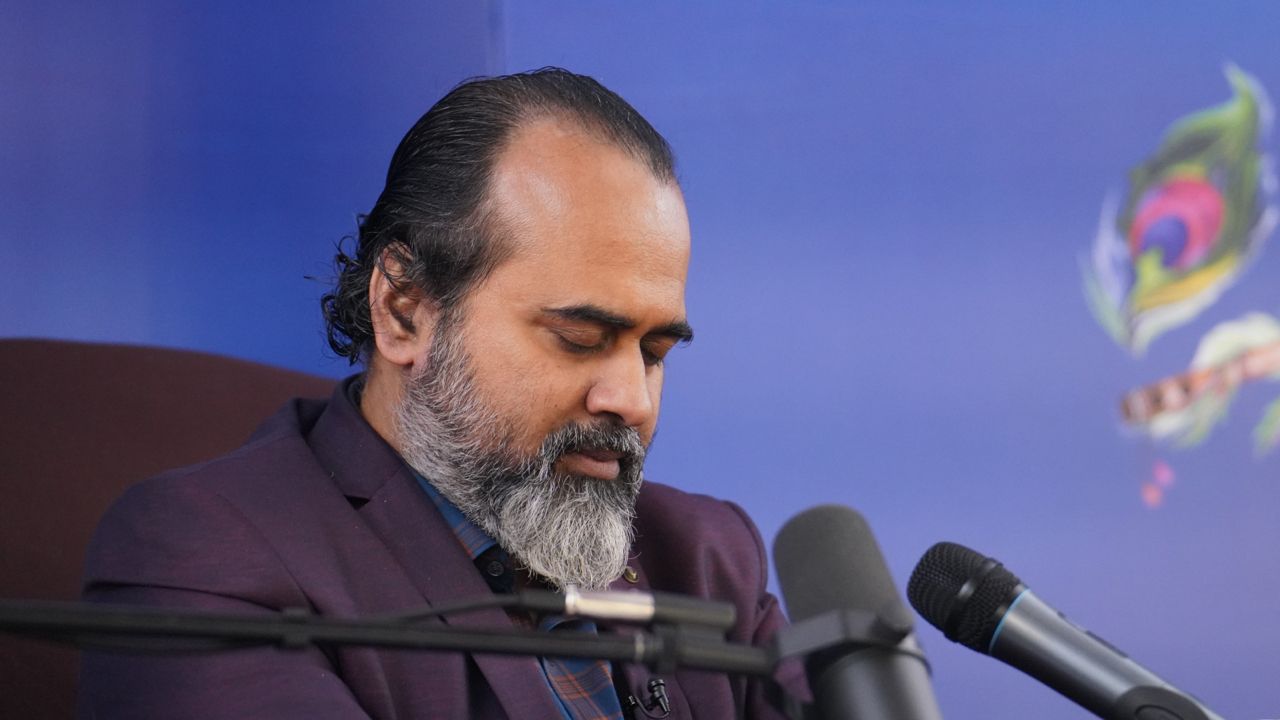
There is no revolution possible without the Gita. That’s the reason why even those who are not remembered particularly for their spiritual inclination, people like Subhash Chandra Bose, even they founded their core on Gita. What kind of revolution can you do if it’s the body that’s always at the top of your mind? You require a Gita to tell you that this body is perishable and would anyway go. Gita only teaches you, "Endure and fight."
Questioner: What are the practical ways by which we can move towards dropping personality?
Speaker: No! Going by the discussion we have had so far, look at the semantics of your question – “What are the practical ways in which we can move towards dropping personality?”
प्रश्नकर्ता: नमस्कार सर। सर, दुनिया में दो तरह के सिद्धांत चलते हैं — एक ये कि जवान लोग कहते हैं कि खाओ-पियो बिंदास जियो, और दूसरी ये कि बुज़ुर्ग या दार्शनिक लोग कहते हैं कि जीवन क्या है इसको समझो, अपना पुरुषार्थ दिखाओ, अपनेआप को जानो, इस तरह की बातें।
There are cuisines around the world where animals are eaten alive. You like to have an octopus, a living octopus on your plate, and then you take the octopus and you take it in.
Acharya Prashant: The question is from Simone from the Netherlands and it says, "I get easily get influenced by others. How do I learn to stand my ground?"
Questioner: There is a lot happening in my life. The whole day is full of actions and reactions. There are times when I catch myself slipping when I see chaos. And there are times when I have glimpses of Truth. What is it to be at the center, and then
Acharya Prashant (AP): It is also an assignment, correct? You did not write it on your own accord; somebody assigned this work to you, right? Is there any difference? Is this sheet of paper any more or any less significant with all the heaps of assignments that you have created
Questioner (Q): I lack confidence when it comes to decision-making. I am always doubtful of whether I am making the right decision or not, and this results in a lot of stress and having to take a lot of time to decide anything. How can I be more confident in
Questioner: Sir, sometimes, outside incidents become so pinching that I feel like running away. But then, again, everything goes alright. These ‘lows’ tremble me. How can the lows be stopped?
You asked me how I became a mad man. It happened thus: one day, long before many Gods were born, I woke up from a deep sleep and found all my masks were stolen- the seven masks I have fashioned and worn in seven lives- I ran maskless through the
Acharya Prashant (AP): Vikram is asking, “Sir, I can kind of see that personality is a mask, but then why is the world giving the personality so much of importance? Why does everybody seem to be giving the personality so much of importance?” Right, Vikram, that’s what you are asking?…
प्रश्नकर्ता: मेरे व्यक्तित्व के दो भाग हैं और मैं उन दोनों के बीच में ही डोलती रहती हूँ। पहला भाग मुझे जीवन के प्रति उत्सुक रखता है और दूसरा भाग मुझे आलसी बनाता है। पहला भाग योजनाएँ बनाता है आगे की, और दूसरा वाला आगे की सोचता ही नहीं। आचार्य
आचार्य प्रशांत: एक बार मुझसे पूछा था कि उपनिषद कहाँ से आते हैं। ‘न’ से उठता है उपनिषद्। न से। तो वेदान्त ‘न’ है। ‘न’। नकार — नहीं, नहीं। किसके खिलाफ़ नहीं? ‘ये जो मेरी हालत है, ऐसे नहीं जीना है।’ इसको वेदान्त कहते हैं। और अगर मेरी हालत ऐसी
आचार्य प्रशांत: अगर हमारे बीच वास्तव में कोई रिश्ता है तो मैं बर्दाश्त नहीं कर पाऊँगा कि आप वैसे ही कोई ज़िन्दगी जी रहे हो जैसे कोई आम आदमी जीता है। मुझे अपनेआप पर और अपनी बात पर घिन आएगी। आप अगर कहते हो आप दो साल से मेरे साथ
प्रश्नकर्ता: प्रणाम आचार्य जी। मेरा नाम अमन है। और पिछले दो साल से आपको सुन रहा हूँ। बाय नेचर मैं इंट्रोवर्ट (अंतर्मुखी) हूँ। इन्होंने भी इंट्रोवर्ट होने की बात करी थी। काफी लम्बे समय से इंट्रोवर्ट ही रहा हूँ। तो जब आपकी टीचिंग मिली मुझे और क्लैरिटी (स्पष्टता) आयी तो
आचार्य प्रशांत: ये बहुत गहरा शब्द नहीं है। अध्यात्म की दृष्टि से अंतर्मुखी-बहिर्मुखी सब एक हैं। आमतौर पर आप बहिर्मुखी उसे बोल देते हो जो संसार से ज़्यादा वास्ता रखता है। और जो अपने में ही ज़्यादा सीमित…
दुनिया के सामने इंसान की तरह खड़े होना सीखो भाई! केंचुए की तरह थोड़े ही कि किसी के भी पाँव के नीचे आ गए। इस चेहरे पर तेज होना चाहिए, आँखों में ताक़त झलकनी चाहिए, कुछ बोलो तो उसमें साहस और संकल्प हो, आवाज़ काँपे नहीं, थरथराए नहीं। एक ज़िंदगी
आचार्य प्रशांत: एक आदमी था बड़ा भुल्लकड़। कोई एक चीज़ उसके साथ रहती थी, वो थी उसकी विस्मृतिशीलता। भूलता गया, भूलता गया, और एक दिन पाता है कि वो अपनी हँसी भी भूल गया; भूल ही गया कि हँसना कैसे है।
प्रश्नकर्ता: सर बात दाएँ-बाएँ इसलिए हो गई क्योंकि आपने हमें एक दर्जे से ऊपर बात कही, पर कुछ समझ नहीं आया। मेरा स्तर इतना नहीं कि उतना तक सोच पाऊँ। मैं सोचने की कोशिश कर रही थी लेकिन समझ नहीं आ रहा था।
वक्ता: तुम्हें कुछ पसंद नहीं आ रहा ना? उस बिंदु पर प्रतिक्रिया करने के दो तरीके होते हैं। समझना इस बात को। आमतौर पर हमें ये सिखाया जाता है कि अगर कुछ पसंद ना आए तो उसे बदलने की कोशिश करनी चाहिए और इस बात को बड़े विद्वान लोग भी
किसी बड़ी जीत के बाद मन करता है कि अब बस, जो पाने लायक था, पा लिया, अब सब कुछ ऐसा ही बना रहे। पर रुकने की यह चाह उस पहचान से उठती है जो जीत के साथ हमने ओढ़ ली है और जिसे हम बचाए रखना चाहते हैं। जीवन में कुछ भी ठहरा हुआ नहीं है, और चलती राह पर जो रुक जाता है, वह घिसने लगता है। पिछली चुनौती जीती ही इसलिए जाती है कि उससे बड़ी उठाई जा सके। क्या हम देख पाएँगे कि सेटल होने की चाह में हम असल में क्या बचा रहे हैं?
Search
3
यहाँ जीसस एक तरह से हँस रहे हैं उनके ऊपर। कह रहे हैं, सत्य थोड़ी छुपा हुआ है, दरवाज़ा थोड़ी बंद है। “नॉक एंड द डोर विल बी ओपनड।” हो सकता है दरवाज़ा खुला ही हुआ हो, नॉक करके तुमको पता चले कि ये तो पहले ही खुला हुआ था। और नहीं भी खुला हुआ है, तो तुम्हारे नॉक करने की देर है। दरवाज़े ने कोई ठान नहीं रखी है कि बंद रहना है। पूछो और जवाब मिलेगा। चाहो और मिल जाएगा। तो बात तुम्हारी चॉइस की है।
36
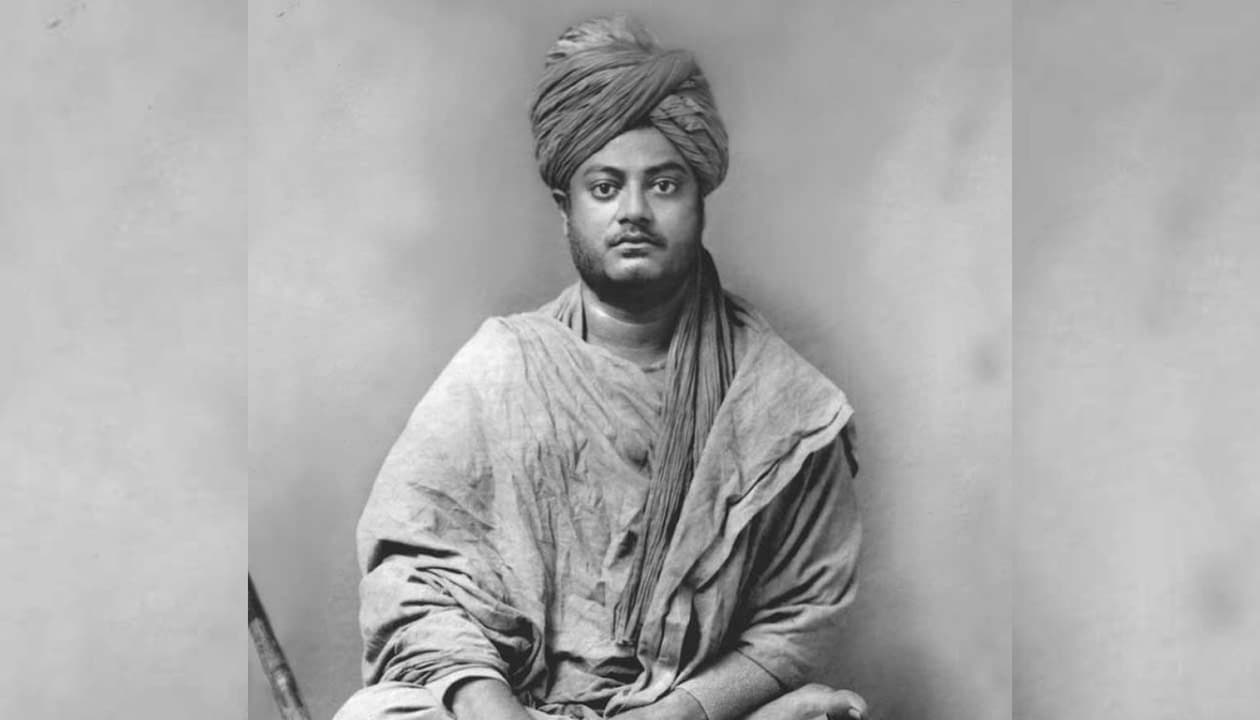
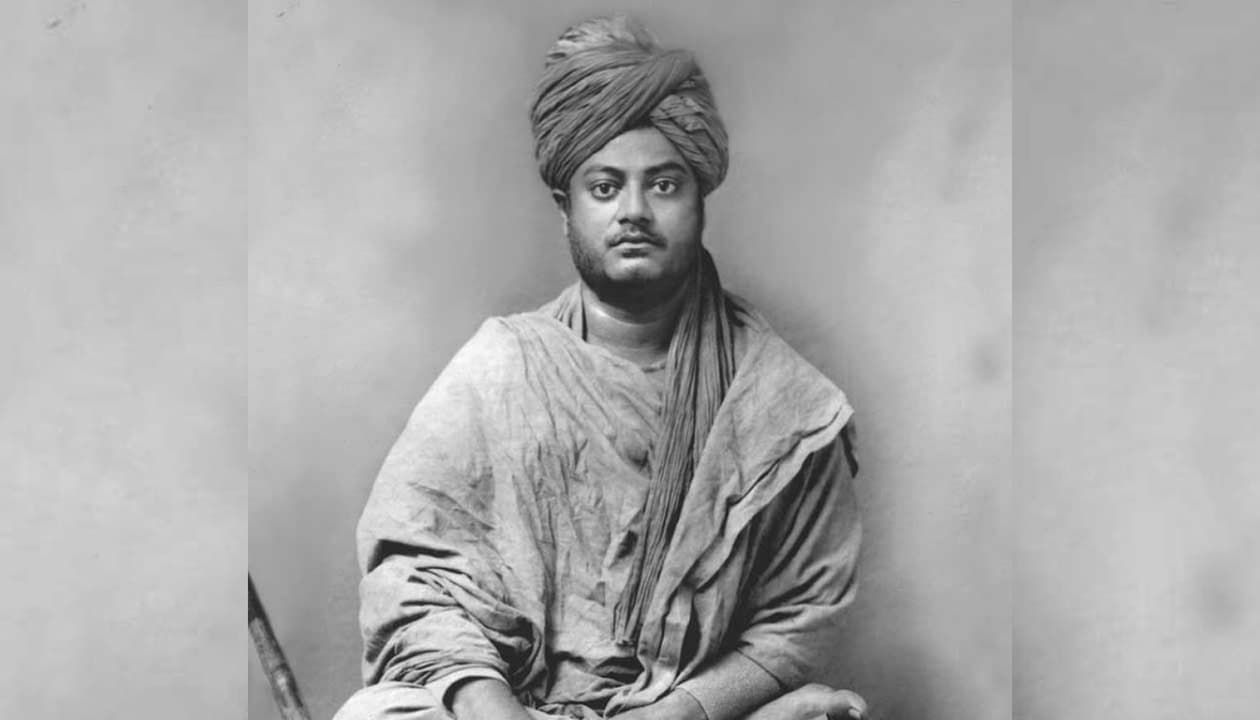
भारत में यह मान्यता रही है कि अध्यात्म बुढ़ापे का काम है। लेकिन जहाँ भी स्वामी विवेकानंद की मूर्ति खड़ी होगी, उस जवान आदमी का तेज गवाही देता होगा कि अध्यात्म बुढ़ापे का नहीं, जवानी का काम है। जवानी अगर, जो सबसे ऊँचा काम हो सकता है, उसको नहीं दी, तो और क्या काम आएगी? उन्होंने युवाओं से कहा, ज़रा चुनौती स्वीकार करना सीखो, प्रतिस्पर्धा करना सीखो। बल ही जीवन है और दुर्बलता ही मृत्यु है। उचित ही है कि युवा दिवस मनाया जाता है उन्हीं के नाम पर।
We love to talk of Swami Vivekananda as a youth icon. And I am asserting that were he to be here today, it is the youth that would resist him the most. When he returned from the United States, a huge procession greeted him, right at the port. But when he asked for just a hundred people who could be his soldiers, he was denied. Nobody wants to accept a Swami Vivekananda. He was resisted then, he would be resisted even today.
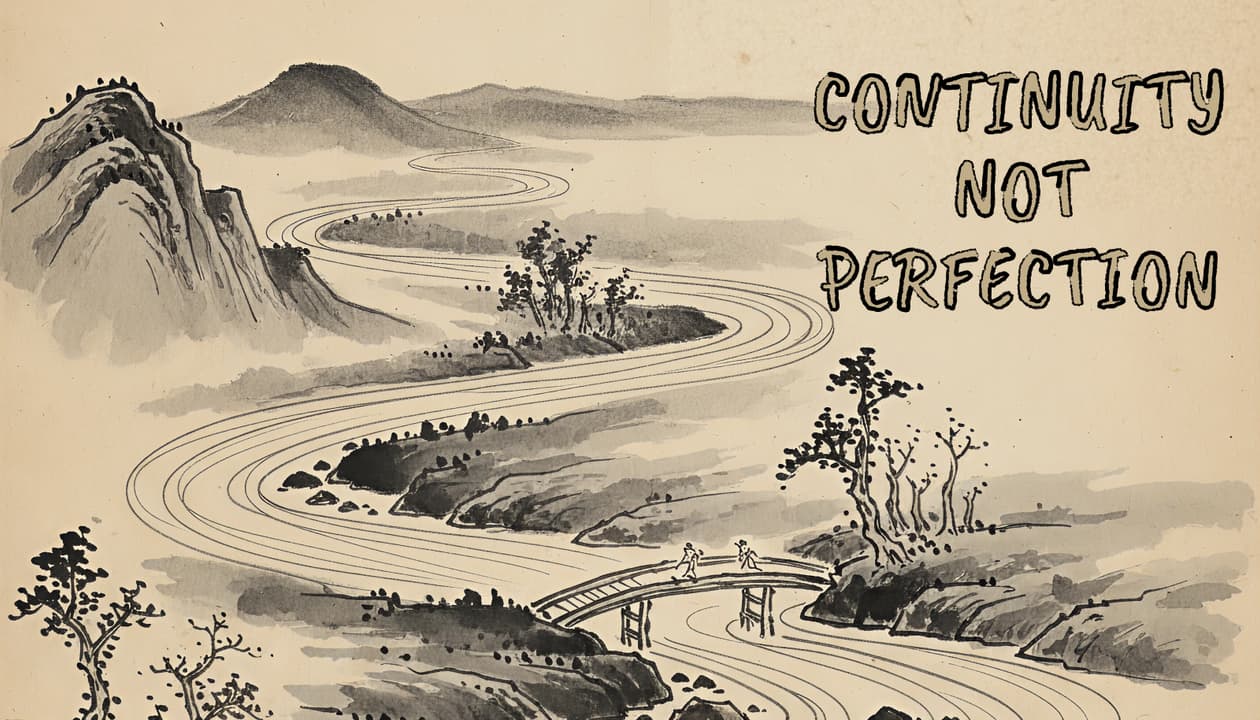
What does imperfection look like? The face in the mirror — that’s imperfect. Every imperfect person, according to his or her conditioning, dreams of perfection in his or her particular way. Perfection is a concept, an imagination. So, should I chase this imaginary ideal called perfection, or should I just look at my current state? We are not okay as we are. And in this lies the inspiration to get better, to move on.
Excerpts from Articles
Climate Change: The Solution Is a Choice
Climate change is more than an environmental crisis—it is a crisis of human choices. Our patterns of consumption, consumerism and endless pursuit of more are putting increasing pressure on the planet. But meaningful change does not necessarily begin with new technology or stricter policies. It begins with a deeper question: what are we willing to change within ourselves?
एक पुजारी जो रोज़ भूत-प्रेत, तंत्र-मंत्र और वशीकरण के नाम पर आए लोगों से मिलता है, आचार्य प्रशांत से पूछता है: जब वो ख़ुद जानता है कि कुछ भूत-चुड़ैल नहीं होता, तो लोग बार-बार इसी झूठ की शरण में क्यों जाते हैं? जवाब अंधविश्वास से कहीं गहरा निकलता है — यह हमारे भीतर के उस झूठ की कहानी है, जिसे हम हर कीमत पर बचाना चाहते हैं।
ज्योतिष कितना सच है? कुंडली, ग्रह-नक्षत्र: इनका क्या अर्थ है?
वेदांत को केवल इसलिए सही या श्रेष्ठ नहीं माना जा सकता कि वह किसी विशेष परंपरा से आता है। विज्ञान जहाँ भौतिक जगत की वस्तुनिष्ठ जाँच करता है, वहीं अद्वैत वेदांत सीधे मनुष्य के ‘मैं’, उसके दुख, बंधन और मुक्ति की पड़ताल करता है। इसकी कसौटी वैज्ञानिक प्रमाण नहीं, बल्कि अपने जीवन में इसकी सच्चाई को देख पाना है। किसी दर्शन को मान लेना नहीं, बल्कि उससे स्वयं को मुक्त करना ही उसका वास्तविक उद्देश्य है।
फ़ालतू खर्च छोड़िए, अपनी ज़िंदगी पर खर्च करना सीखिए
आचार्य प्रशांत बताते हैं कि क्यों हम सही खान-पान, स्वास्थ्य और अपने ऊपर ज़रूरी खर्च से बचते हैं, लेकिन दिखावे और फ़ालतू सामाजिक परंपराओं पर पैसा बहा देते हैं। अधिकांश लोगों के लिए समस्या सिर्फ़ पैसों की कमी नहीं, बल्कि विवेक और सही प्राथमिकताओं की कमी भी है।
Struggling to choose between a secure job and the path you actually feel drawn to? This isn't really a question about careers. It's about why other people's opinions have so much power over you in the first place. Real clarity doesn't come from finding the 'right' choice. It comes from honestly looking at your own fear, again and again, until it stops running the decision for you.
Justice Without Boundaries: Why Compassion Cannot Stop at Species
Oppression should not see caste, gender, creed or colour, and it should not see species either. The moral threshold is sentience, not intelligence. An animal feels pain as fully as a human does, whether or not it can explain its suffering.
सबसे बड़ा दोष है — कमज़ोरी, जो कहता है हम संकुचित हैं, सीमित हैं जबकि हमारे ऋषियों ने प्रेम में हमें बताया — 'अमृत की औलाद हो तुम, इतनी आसानी से कैसे लड़खड़ा सकते हो?' 'न दैन्यं न पलायनम्' — ना हम छोटे हैं, ना हम मैदान छोड़कर भागते हैं।
कोई होगा बहुत ऊँचा, उसको बोलो "अपनी ऊँचाई अपनी जेब में रखे। हमारे पास हमारी ज़िंदगी है, हमारा दुख है और हमें बेहतर होना है।" श्रीकृष्ण कहते हैं कि "योग: कर्मसु कौशलम्" माने बेहतर काम चुनूँगा और उस बेहतर काम को रोज़, क्रमशः बेहतर तरीक़े से करूँगा, क्योंकि कोई चमत्कार नहीं होता। अचानक से उड़कर के, छलांग मारकर कोई ऊँचाई तक नहीं पहुँच सकता। सीढ़ी दर सीढ़ी, लगातार ऊपर चढ़ते हुए ही उत्कृष्टता हासिल करनी पड़ती है।
हम ठीक वैसा ही देखते हैं, जैसा हम होते हैं। जो यह तय करना चाहता है कि दूसरा नकली है या नहीं, उसे पहले अपने आपको असली करना पड़ेगा। दूसरों से सतर्क मत रहो, अपने आप से सतर्क रहो। तुम्हारा सबसे बड़ा दुश्मन तुम्हारे भीतर ही बैठा हुआ है। तुम्हें एक क्षण नहीं लगेगा नकली को नकली जान लेने में, अगर तुम असली हो गए। जिसको दूसरे की सच्चाई जाननी है, उसको पहले अपनी सच्चाई जाननी पड़ेगी। अपने भीतर ही समाधान खोजना पड़ेगा।
6
प्रश्नकर्ता: प्रणाम, आचार्य जी। मैं बचपन से एक धार्मिक परिवार में पला-बढ़ा हूँ। बचपन से पूजा-पाठ हमारे घर में चलता था। रामायण-महाभारत हमारे घर में चलता था। तो उन सब का देखा-देखी मैं भी सबसे रामायण-महाभारत साझा करता था। लोग खुश होते थे और मुझे भी एक तरह का प्रोत्साहन…
A. Objective and Fear
Wherever there is an objective, there would be fear associated with it. You hope to get something, and you fear that you may not get it. Don’t you see that a man who is chasing goals has condemned himself to live in fear?
It is possible…
10
एक ओर तो शरीर को बनाकर रखना है, और दूसरी ओर शरीर से चिपक भी नहीं जाना है - जैसे शरीर एक उपकरण है, एक संसाधन है; इस्तेमाल करना है उसका। लेकिन जिस चीज़ का इस्तेमाल करना है, उसको इस्तेमाल करने के लिए ही सही, स्वस्थ और मज़बूत तो रखोगे न? मज़बूत रखना है, लेकिन इससे पहचान नहीं बाँध लेनी है। जब मौक़ा आएगा, इसको हँसते-हँसते त्याग भी देंगे। और शरीर की जितनी हम सेवा कर रहे हैं, जितना इसको तेल पिला रहे हैं, जितना इसको व्यायाम दे रहे हैं, इससे दूना इससे काम लेंगे।
Speaker:
The word ‘vulnerability’ is not a very likable word. ‘Vulnerability’ to us is a consequence of the fact that there are forces outside of us that are hostile, aggressive and inimical, because we need to protect and defend ourselves against these
…
The solution is here,
…
…
You have to address the entire value system. You have to ask man: Who are you?…
The mind is a crying vacancy. It is an undue emptiness. It is an unclean half-filled emptiness. The mind will always need…
Acharya Prashant (AP):
Is there anybody here who is not all, not at all concerned with the word ‘personality’? I don’t suppose there is anybody here, so just again, as I said, it is not only his question. This is not only
…
…
Speaker:
Influences never come to influence you. The question is: how can the mind be free of influence? Does the influence come and say that I want to influence you? Go into this. There is a hoarding on the
…
AP:
Ankush, who told you that
Life
is a big ‘sacrifice’? And whenever there is a ‘sacrifice’, there is somebody collecting the sacrifice. Who is collecting the sacrifice? You
…
‘Individuality is being yourself with self-awareness’
?
Acharya Prashant: Very pertinent question.
At the root of the question lies image-formation.
“When we say individuality is just nothing, then how is…
…
…
…
Acharya Prashant: Stop the highs.
As far as you are concerned, the lows are real; the highs are an escape.…
Questioner (Q): How is personality related to ego and how does individuality relate with both personality and ego?
Acharya Prashant (AP): Personality is what is visible to others. Personality is your behaviour. Personality is your way you look, walk, talk. Personality is the attitude that you display. Are you getting…
…
Share
…
वीडियो था ‘अपनी कमज़ोरियों से भिड़ जाओ’ तो उसके सम्बन्ध में थोड़ा प्रतिवाद है— अपनी कमज़ोरियों से कभी मत भिड़ो क्योंकि कमज़ोरियाँ भी आपके व्यक्तित्व का पहलू है। अपनी कमज़ोरियों पर विजय पानी हो तो स्वीकार करो कि हाँ, मैं हूँ ऐसा, कमज़ोरियों को स्वीकार करते ही कमज़ोरियाँ आपकी
…
…
…
…
Share
…
1
देश का जो सबसे बड़ा लफंगा हो, अगर वह देश का सबसे बड़ा टीनएज सेलिब्रिटी भी बन गया हो, तो माँ-बाप को समझ जाना चाहिए कि अब बहुत ज़बरदस्त ख़तरा है।
टीनएज (किशोर) लड़कियों को भगत सिंह का पता हो न हो, खुदीराम बोस का पता हो न हो, विनय…
तो गया एक विशेषज्ञ के पास, कि, “हँसना भूल…
5
प्रश्नकर्ता: आचार्य जी, हाल ही में मुझे अभी वॉलन्टीयरिंग (स्वयं सेवा) का मौका मिला था तो मैं और मेरे सहयोगी ने तय किया कि हम आपके द्वारा जो पुस्तकें प्रकाशित हैं उनका स्टॉल लगाएँगे। जब वहाँ पहुँचा तो पाया कि इतने सारे लोगों में कौन इन किताबों का पात्र है…
आचार्य प्रशांत: तुमको इसलिए समझ में नहीं…
वक्ता: कितने लोग ऐसे हैं जिनकी यही कहानी है कि अपने निर्णयों के लिए दूसरोँ पर आश्रित रहना पड़ता है? हाथ खड़े करें।
*(**सभी श्रोतागण हाथ खड़े करते हैं)*ये हम…
…
1
आचार्य प्रशांत: मुझे बड़ी ख़ुशी होती इस सवाल का कोई सकरात्मक जवाब देकर। सवाल तुमने इस तरीके से पूछा है कि लगता है, “लक्ष्य ‘मेरे’ हैं और दुनिया उनमें बाधा डाल रही है। तो मैं क्या करूँ?” लेकिन बात थोड़ी-सी इससे अलग है। बात असल में यह है कि वो…
When someone calls us ugly or dumb, it can feel as if our confidence has been taken away. But others are outsiders; they cannot know us as well as we can know ourselves. The trouble begins when we do not know ourselves, so we start looking at ourselves through others’ eyes. Self-knowledge here simply means being honest with ourselves about where our likes, fears and desires come from. What would change if we looked at ourselves directly, and not through others’ opinions?
Physical weakness does not stay physical. It becomes mental weakness, and the ego, which turns everything into an identity, starts saying “I am weak” because that line brings support and spares it responsibility. Visible strength works even unused: it keeps the opponent outside wary and silences the one within, who can no longer claim to be helpless. Keeping the body strong is therefore a spiritual matter, not vanity. Are we holding on to weakness because it is convenient?
सच की राह पकड़ते ही अक्सर अपने ही लोग बदल जाते हैं, और हम मान लेते हैं कि शायद हम ठीक से समझा नहीं पा रहे। पर सामने वाला समझ तो रहा होता है, उसे बस सौदा नहीं जँचता। अहंकार लेन-देन से चलता है, इसलिए अकेले तर्क उसे नहीं हिलाते। हमारा अपना अहंकार भी यही करता है: थोड़े-से स्वार्थ के लिए हम झूठे रिश्तों में मिठास का स्वांग करते हैं, मजबूरियाँ गिनाते हैं और पीछे हट जाते हैं। जिसे हम मजबूरी कहते हैं, क्या वह सच में मजबूरी है?
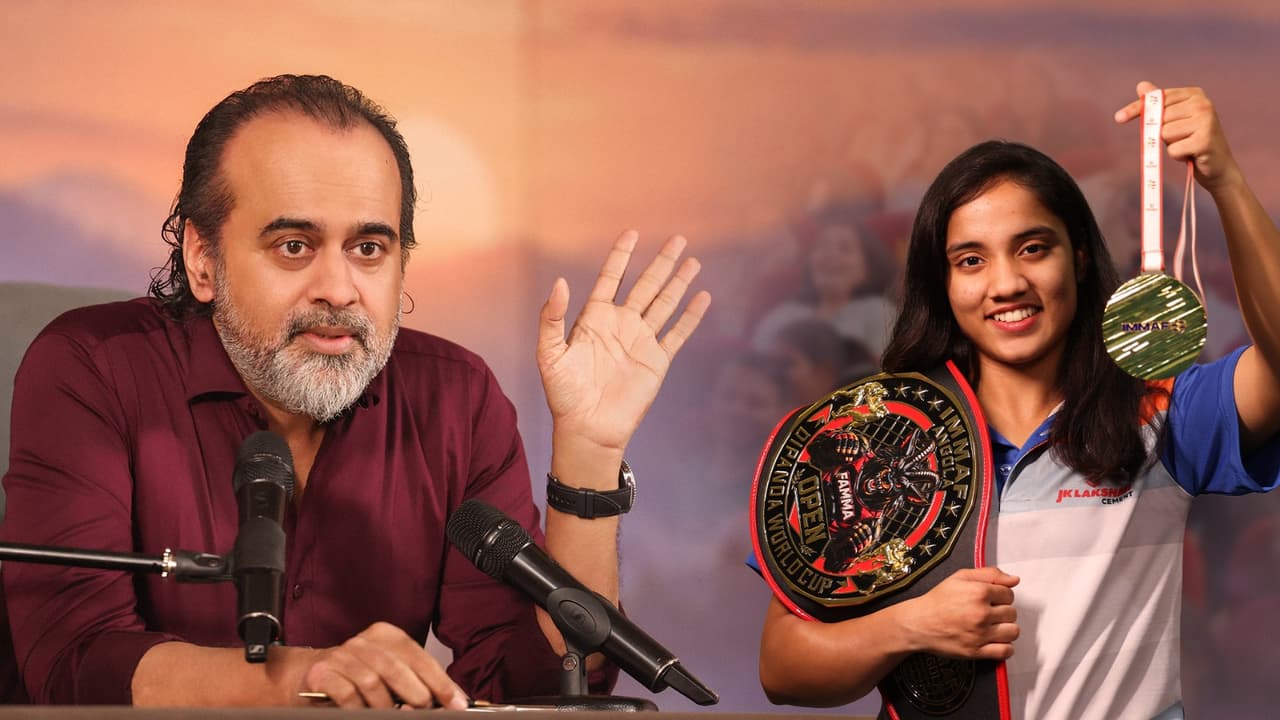
A world champion asks why she cannot sleep when a teammate outperforms her, and why even big wins leave her restless. The restlessness is not a problem but unspent energy, a sign that we have more to give. When every bit of our time and attention goes to what we have chosen, there is no surplus left to worry with. The right fight is never only against an opponent; it is against the ego within. What would it mean to fight so fully that nothing is left to celebrate or mourn?
We often defend a bad choice by pointing to a worse one: stay dishonest or starve, keep the wrong grip or stop playing. But the real trouble is not the option we picked. It is the option we never let ourselves see. Action does not need greed or attachment to find its energy. The third way begins by rejecting both false choices, without knowing what comes next. Which of our everyday choices are really false dilemmas?
प्रेम की गहराई हमेशा प्रेमी की अपनी चेतना जितनी होती है — जो जैसा है, उसका प्रेम भी वैसा ही होगा, चाहे उसे कितना भी पावन या अनोखा क्यों न मान लिया जाए। जिस चेतना ने खुद को कभी गहराई से नहीं जाना, वह प्रेम में भी सतह से आगे नहीं जा सकती। जो कोई अपने प्रेम को गहराई से परखने से बचता है, वह असल में खुद को परखने से बच रहा होता है — और यही बचाव, प्रेम के नाम पर पाला गया एक और भ्रम है।
Climate change is more than an environmental crisis—it is a crisis of human choices. Our patterns of consumption, consumerism and endless pursuit of more are putting increasing pressure on the planet. But meaningful change does not necessarily begin with new technology or stricter policies. It begins with a deeper question: what are we willing to change within ourselves?