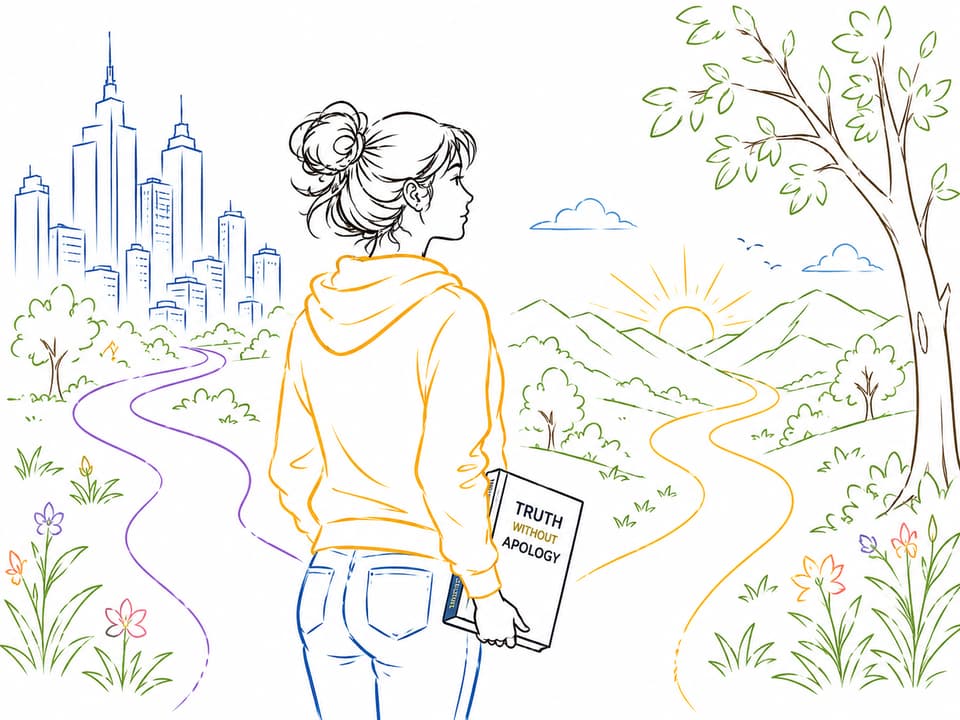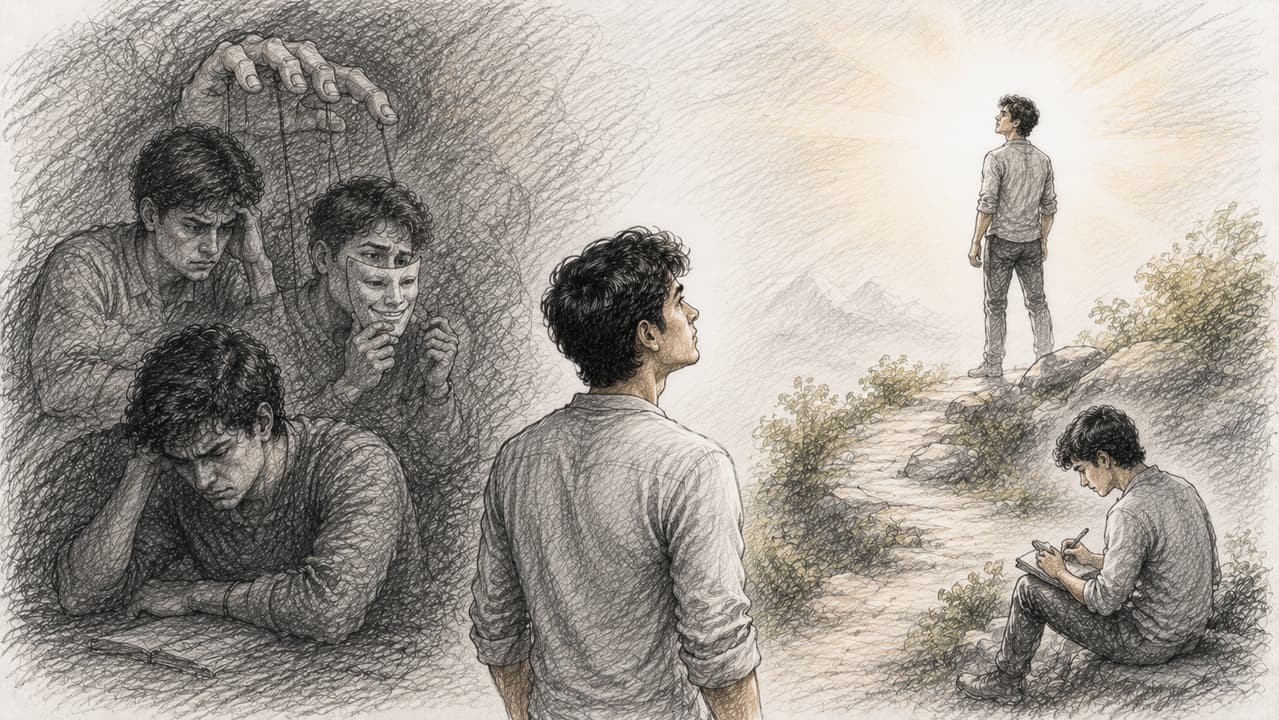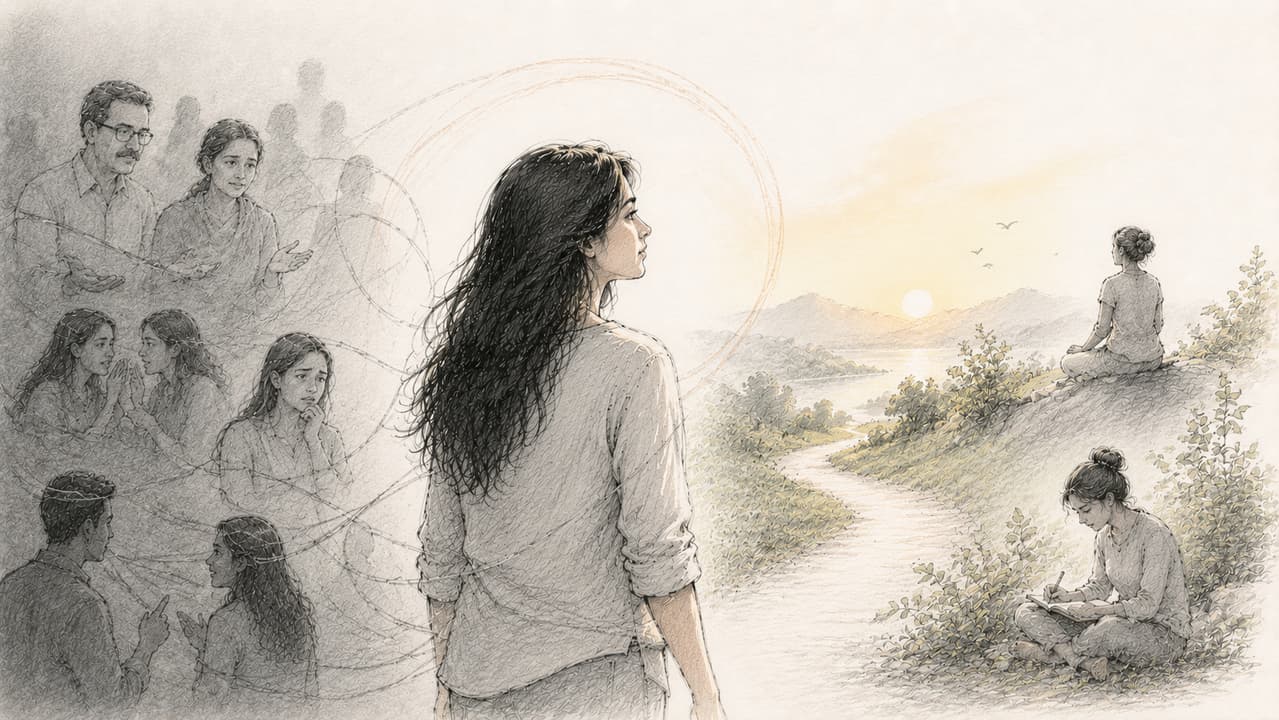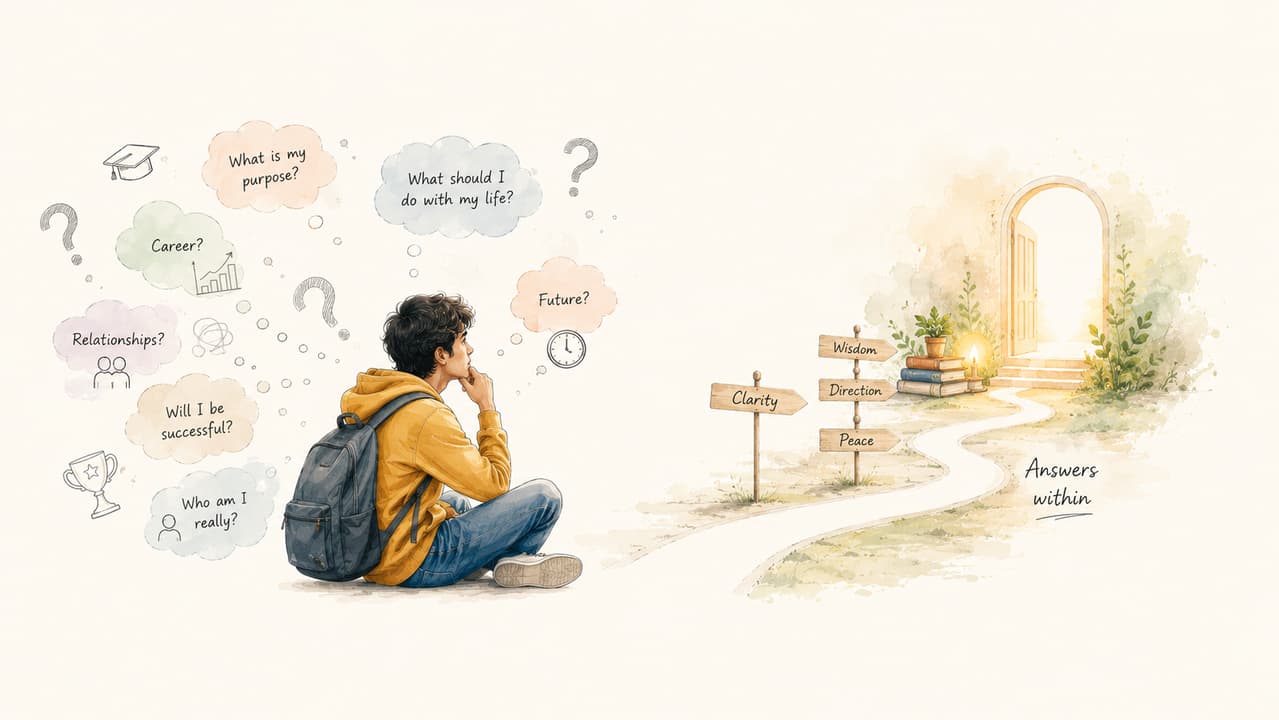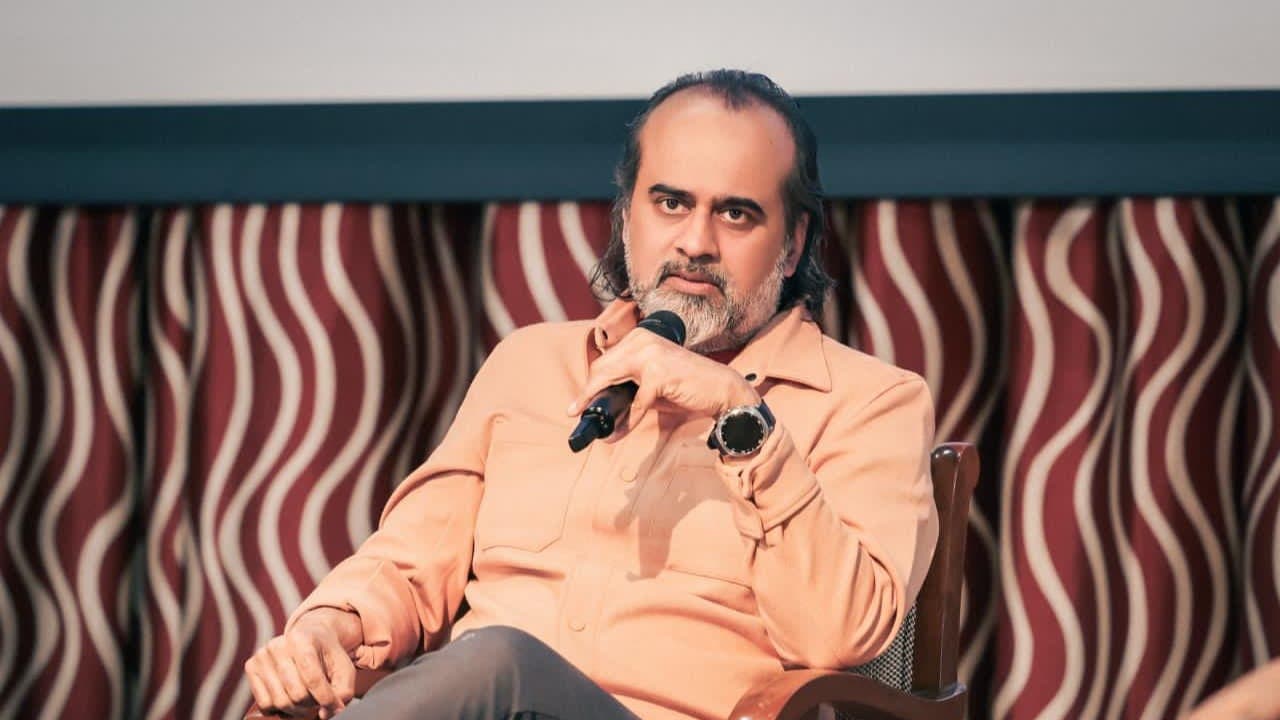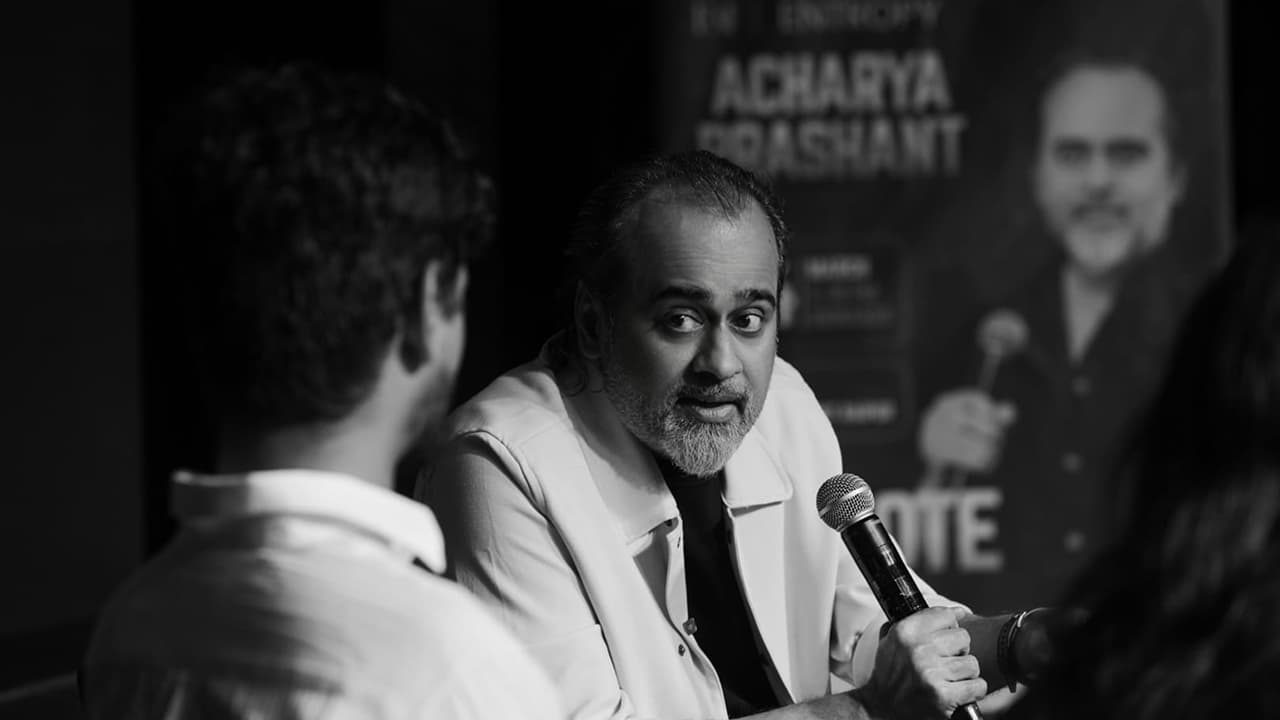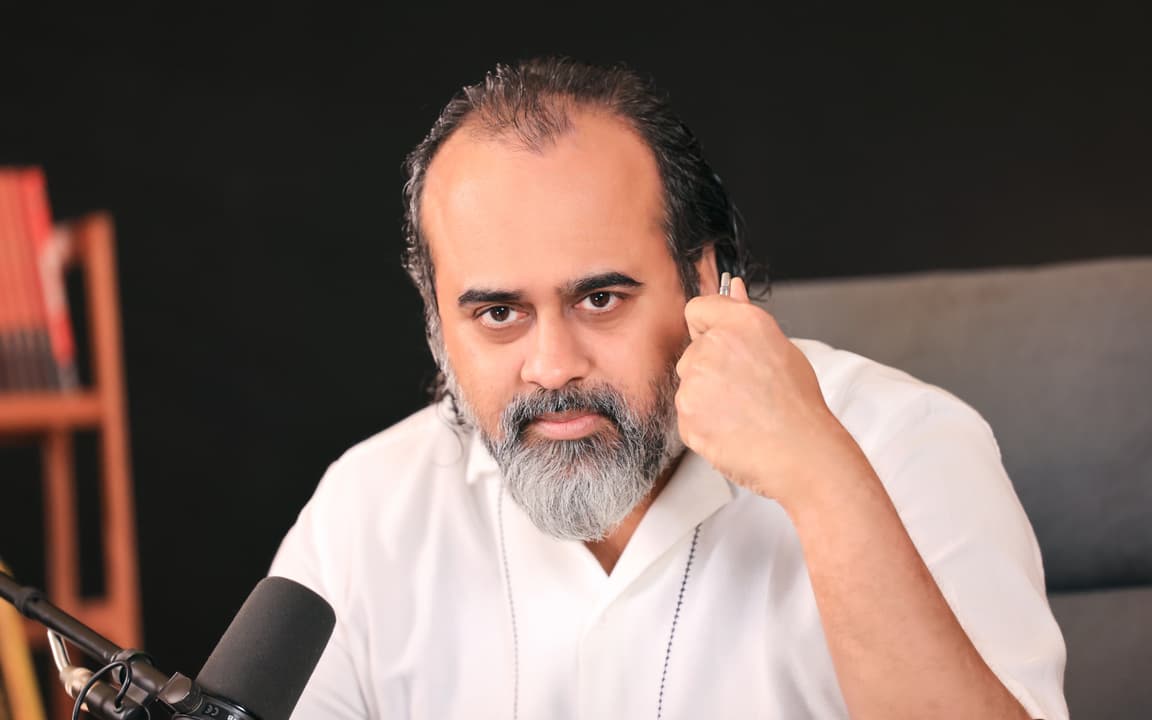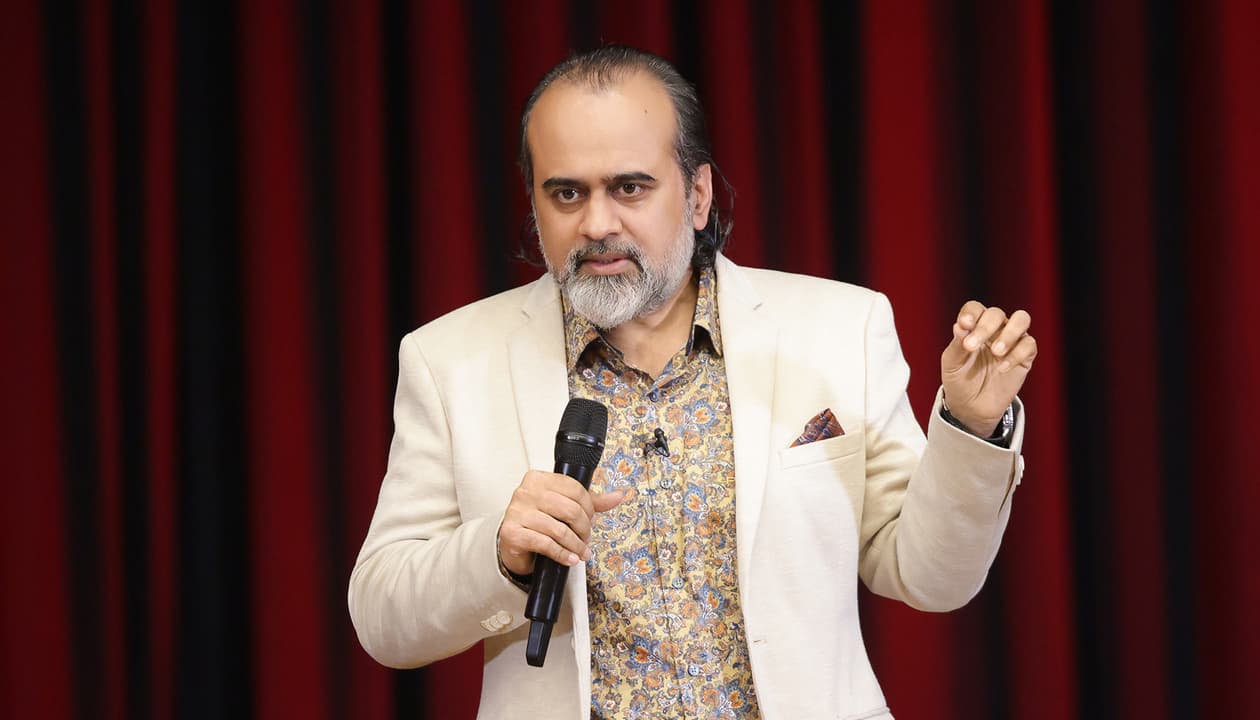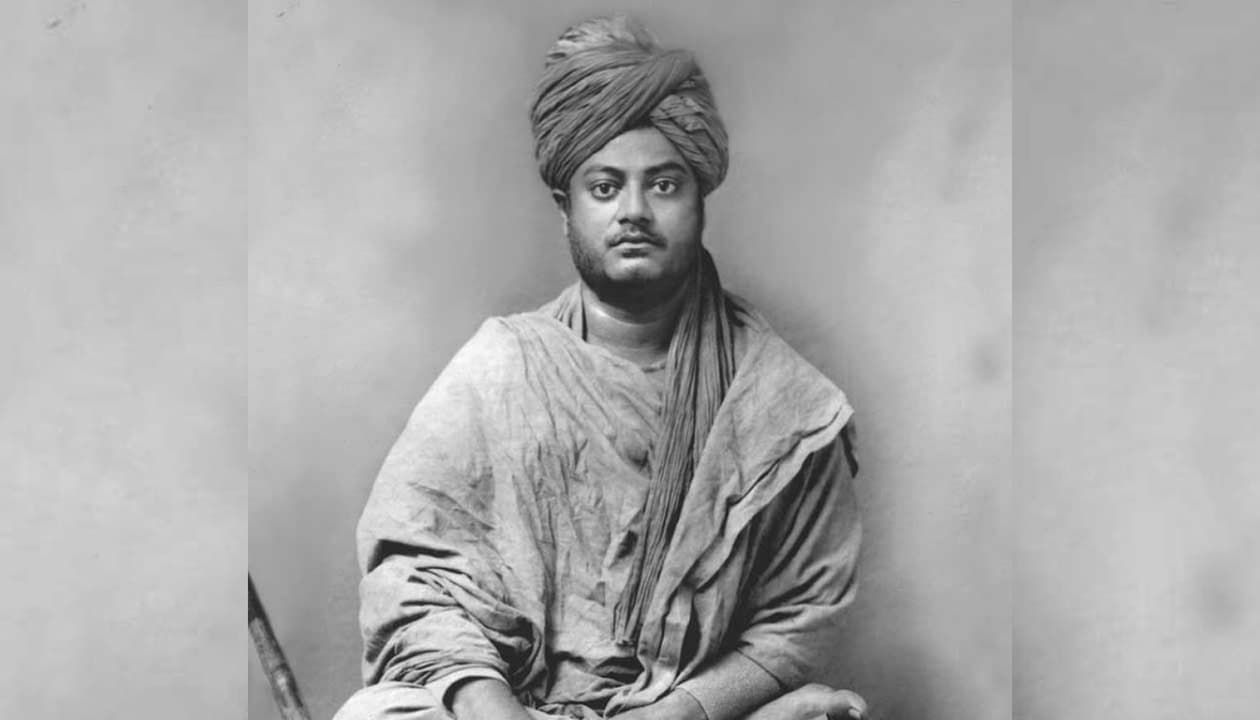
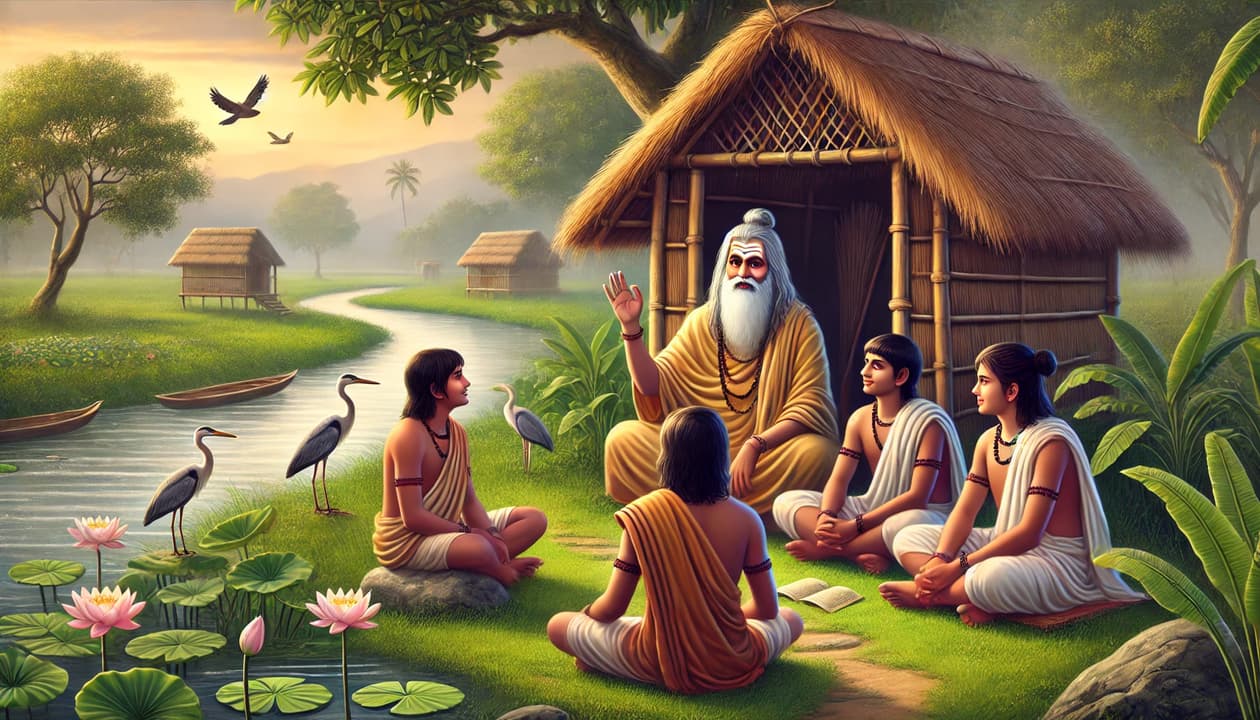
We love to talk of Swami Vivekananda as a youth icon. And I am asserting that were he to be here today, it is the youth that would resist him the most. When he returned from the United States, a huge procession greeted him, right at the port. But when he asked for just a hundred people who could be his soldiers, he was denied. Nobody wants to accept a Swami Vivekananda. He was resisted then, he would be resisted even today.




Swami Vivekananda has said, “First of all, our young men must be strong; religion will come afterwards. Be strong, my young friends; that is my advice to you. You will be nearer to heaven through football than through the study of the Gita.”



Many Indian parents keep their children, and especially their daughters, away from sport, even where coaches and facilities exist. The barrier is often not outside but in the parent’s own ideas: poor returns, uncertainty, and fixed notions of what a girl’s life must be. Blaming our own parents does not help either; our life is now our responsibility. Parenting is a decision of the greatest responsibility, and it begins with self-love. Can we love a child if we cannot love ourselves?
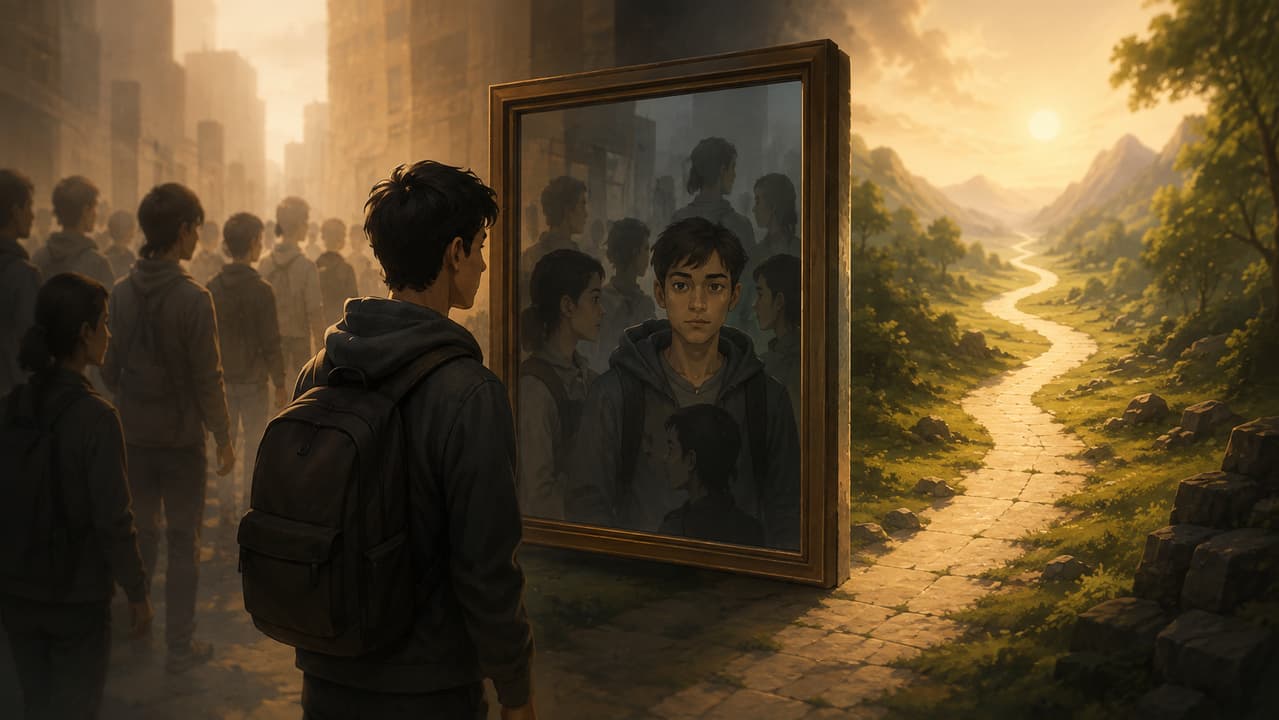
Detachment and ambition are not opposites. Both arise from clear insight into what is truly valuable. Detachment means naturally dropping what is seen as false, futile, or harmful, while ambition means pursuing the highest and most meaningful truth with complete intensity. Spiritual surrender is continuous: as understanding deepens, false attachments are repeatedly abandoned, until renunciation becomes natural and almost choiceless.


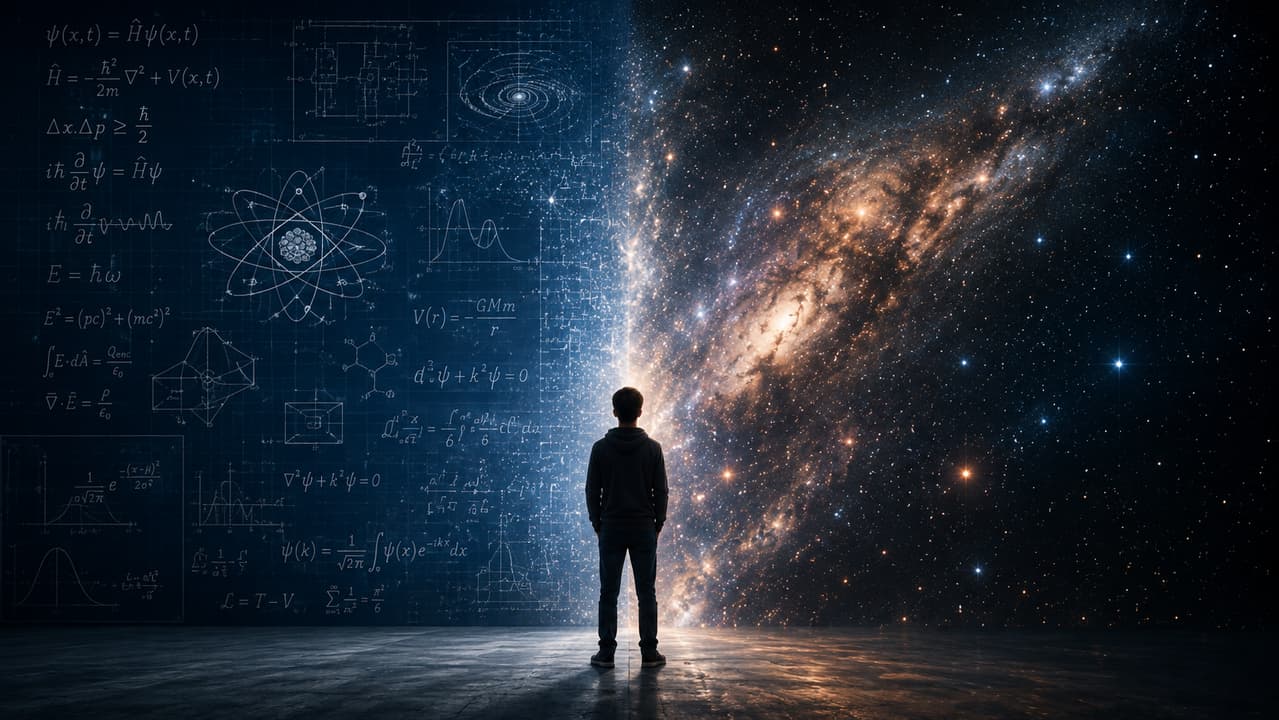
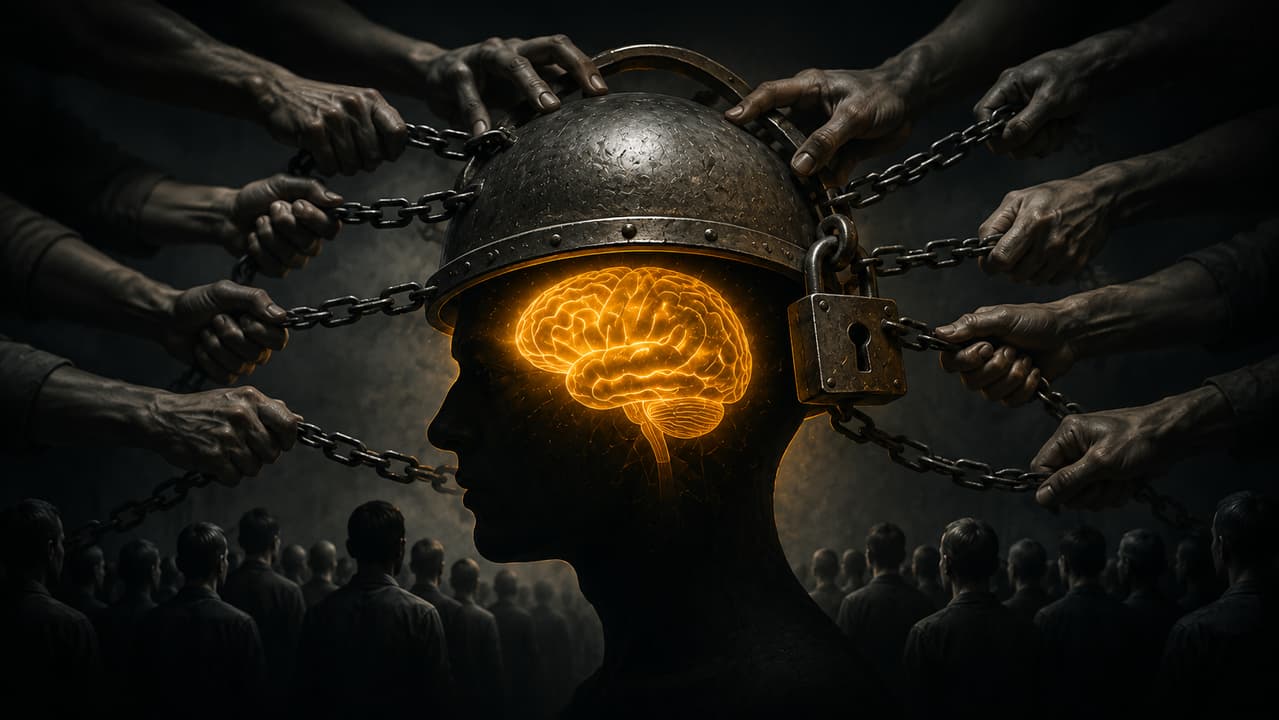
True freedom begins when we question the beliefs that make us feel trapped. Most of our suffering comes not from circumstances but from unquestioned assumptions, attachments, and imagined obligations. By suspending our beliefs, even briefly, we allow truth to enter, revealing that life always offers choice. Transformation is born from love for truth, the courage to let go, and the willingness to step beyond the boundaries created by the ego.
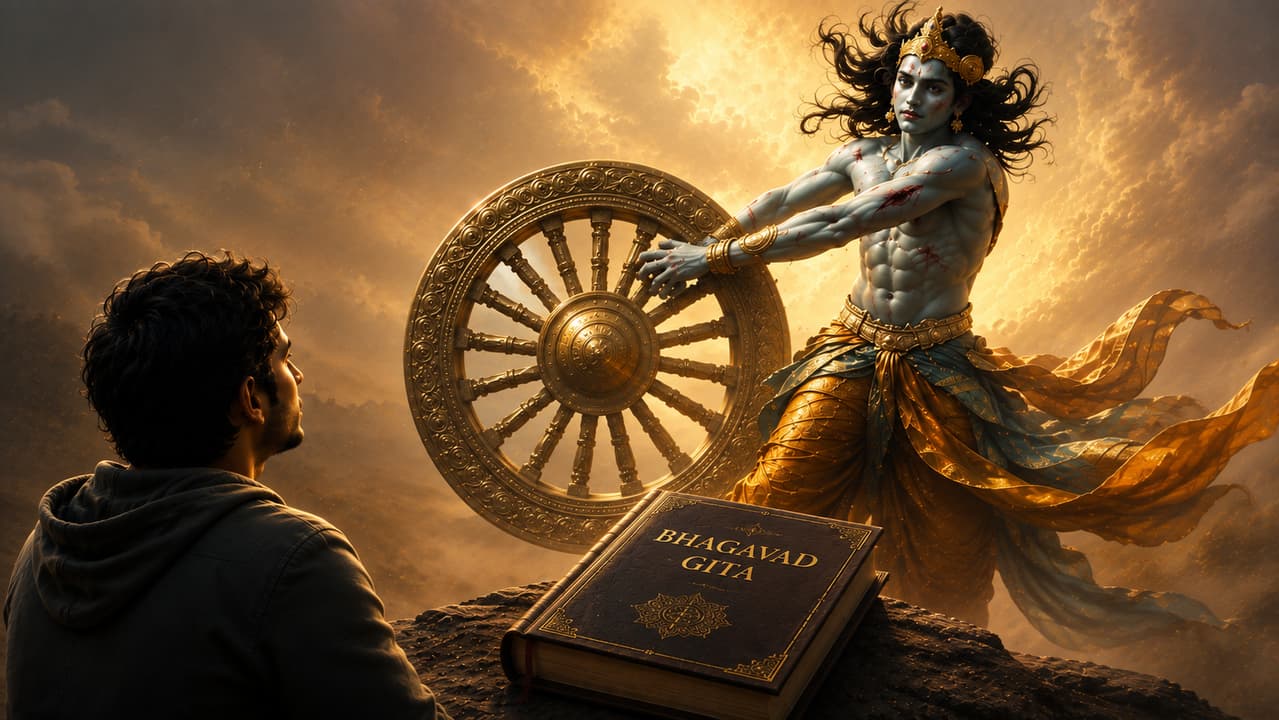
The Bhagavad Gita deserves reverence not because of inherited beliefs about its author, but because of its power to dissolve falsehood and reveal Truth. Real devotion is not ritual or blind faith—it is understanding, inquiry, and living the wisdom of the Gita. Through sincere study, one discovers the true meaning of Krishna, making the Gita the most authentic path to knowing and worshipping Him.
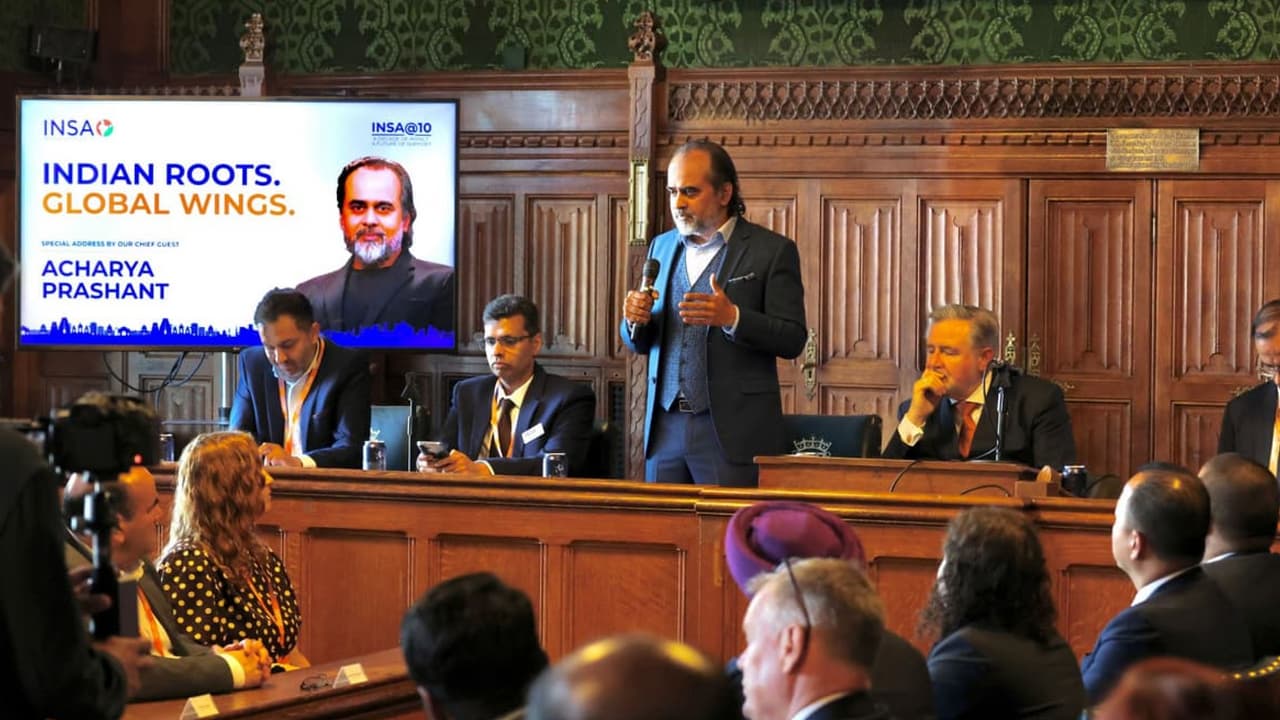
Real love is not measured by comfort, agreement, or preserving relationships at any cost. It is revealed when one has the courage to challenge falsehood, embrace uncomfortable truths, and even risk a relationship for another's freedom and growth. Truth is not a fixed destination but a continuous rejection of illusion. Genuine relationships, mature guidance, and authentic scriptures all serve as mirrors that help us see and dissolve our own falseness.

The biggest weakness of modern education is not that it fails to keep pace with technology, but that it neglects self-knowledge. Students are trained to build identities around qualifications and careers, making them rigid in a world that demands constant change. Real adaptability, innovation, and lifelong learning come not from acquiring more skills, but from understanding oneself and letting go of fixed identities.
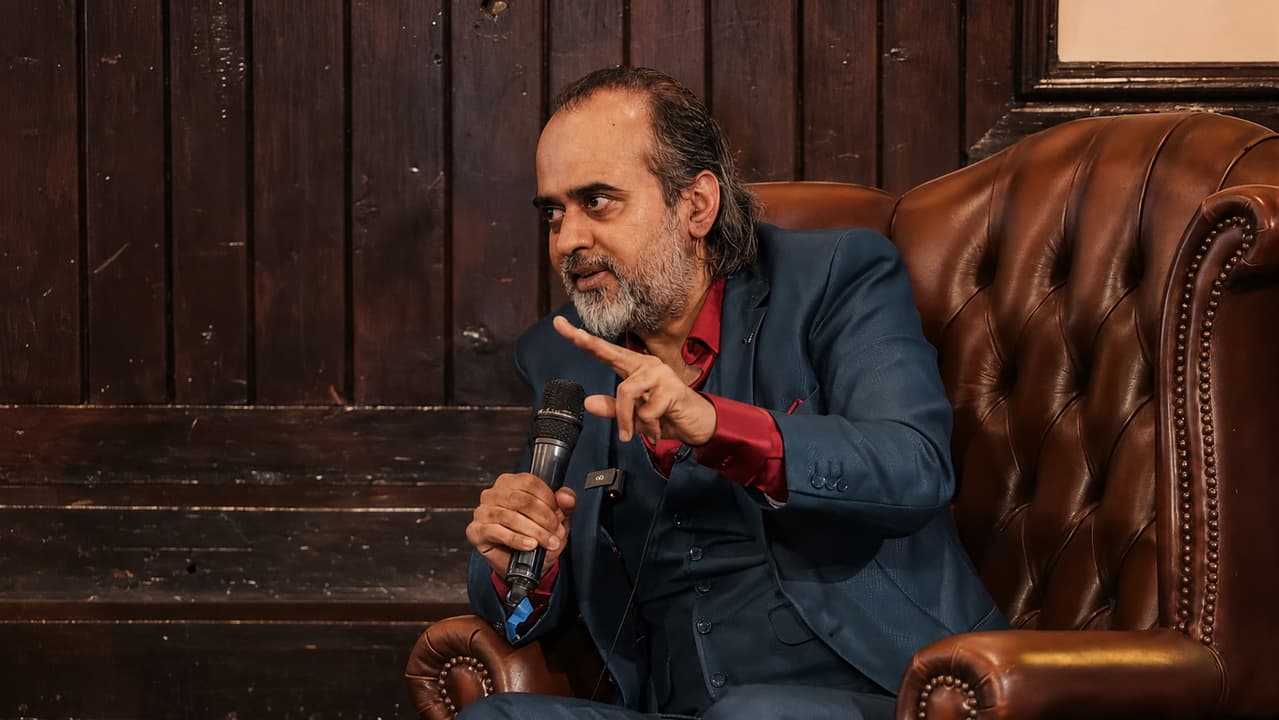
Don’t think of heaven and hell as the afterlife; both are here, right now. As the Niralamba Upanishad says: Right company is heaven; wrong company is hell. If you are someone who loves to be with people who will take you towards truth, joy, and simplicity, you are already in heaven. And if you surround yourself with people who pull down your consciousness, then verily, you are—right now—in hell.
You look at a Swami Vivekanand and then you want the others to be like that. But a Swami Vivekanand is not normal. He's an aberration. He's a great exception. Just by looking at him, if you start assuming that all young human beings by default should be like him, then you are missing the fact of what it means to be a human being.
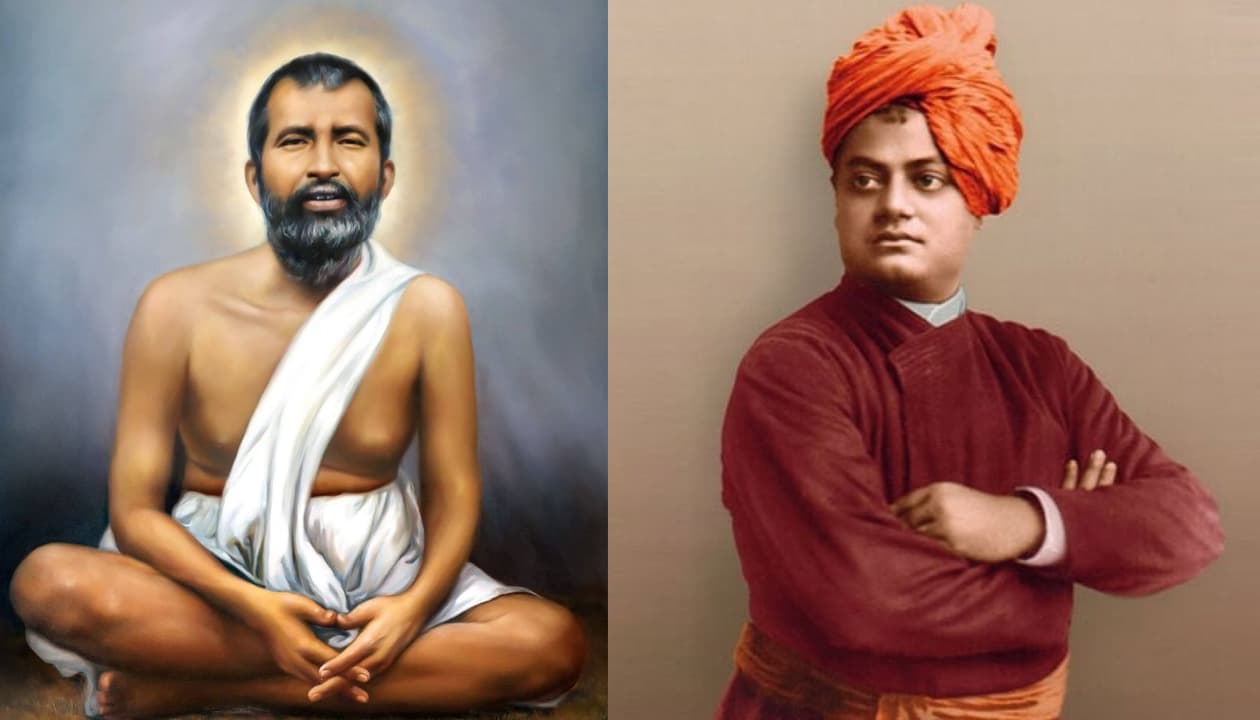
Swami Vivekananda was an ordinary man—Narendra, and he too had his ordinary pursuits. It was the magical touch of Paramhans, that turned him into Vivekananda. And he wasn't too eager either. Many times, he ran away from Ramakrishna. It is a gigantic task, it doesn't just happen on its own. If you leave the youth to how they are, it is not liberation that would happen.
It is not others that you have to be cautious of. You have to be cautious of that within you which gets influenced by others, which does not know others but gets influenced by others. It does not live in knowing. It lives in indoctrination. How to know the real master? See, who is treating your disease. How do you know a doctor? Not by his degrees but by his ability to treat you.
Destiny is the inviolable thing. You cannot get rid of it. You have to reach there. So, better choose in favour of your destiny. Now, destiny is something that can, at most, keep waiting till eternity. But you can never dismiss it. So, make a choice in the favour of destiny. Bow down to your destiny, surrender to your destiny. If it has to happen, why keep postponing it? Because that postponement is just suffering. Destiny is love. Destiny is what each of us craves, is crazy for.
The world is like an open book to the one whose eyes are open; if you cannot read the world, then you have to look at yourself first, then you have to be mindful of your own condition. Read more...
Questioner: Namskar Acharya ji. Pardon me for not remembering exactly but in one of the shivirs where we had read ‘Gospel of Sri Ramakrishna’ to come to terms with this expression called ‘Adhikar Bhed.’
So therein Ramakrishna was saying that, “now in modern times there cannot be any Adhikar Bhed,…
Swami Vivekananda was no soccer evangelist. His…
Acharya Prashant: By being in the world you reach the source of all strength, what happens in the gymnasium by being in the gymnasium? Where do you reach?
To your strength.
The implication is, the…
Questioner: I am very inspired by Swami Vivekananda. How can I challenge my conditioning, reject distractions, and maintain continuity with the scriptures?
Acharya Prashant: You have a giant no less than Swami Vivekananda to get your answers from. See what he did: he lived by his conviction. Merely being impressed…
Take up one idea.
Make that one idea your life – think of it, dream of it, live on that idea.
Let the brain, muscles, nerves, every part of your body, be full of that idea, and just leave every other idea alone.
This is the way to success, and…
Questioner (Q): What is the purpose of our current education system? Why can’t this system produce more Vivekanandas? What will it take for the system to create one?
Acharya Prashant (AP): Every system is designed by someone, for some purpose. Can you blame the car if it doesn’t travel to…
When someone calls us ugly or dumb, it can feel as if our confidence has been taken away. But others are outsiders; they cannot know us as well as we can know ourselves. The trouble begins when we do not know ourselves, so we start looking at ourselves through others’ eyes. Self-knowledge here simply means being honest with ourselves about where our likes, fears and desires come from. What would change if we looked at ourselves directly, and not through others’ opinions?
Physical weakness does not stay physical. It becomes mental weakness, and the ego, which turns everything into an identity, starts saying “I am weak” because that line brings support and spares it responsibility. Visible strength works even unused: it keeps the opponent outside wary and silences the one within, who can no longer claim to be helpless. Keeping the body strong is therefore a spiritual matter, not vanity. Are we holding on to weakness because it is convenient?
Struggling to choose between a secure job and the path you actually feel drawn to? This isn't really a question about careers. It's about why other people's opinions have so much power over you in the first place. Real clarity doesn't come from finding the 'right' choice. It comes from honestly looking at your own fear, again and again, until it stops running the decision for you.
वेदांत को केवल इसलिए सही या श्रेष्ठ नहीं माना जा सकता कि वह किसी विशेष परंपरा से आता है। विज्ञान जहाँ भौतिक जगत की वस्तुनिष्ठ जाँच करता है, वहीं अद्वैत वेदांत सीधे मनुष्य के ‘मैं’, उसके दुख, बंधन और मुक्ति की पड़ताल करता है। इसकी कसौटी वैज्ञानिक प्रमाण नहीं, बल्कि अपने जीवन में इसकी सच्चाई को देख पाना है। किसी दर्शन को मान लेना नहीं, बल्कि उससे स्वयं को मुक्त करना ही उसका वास्तविक उद्देश्य है।
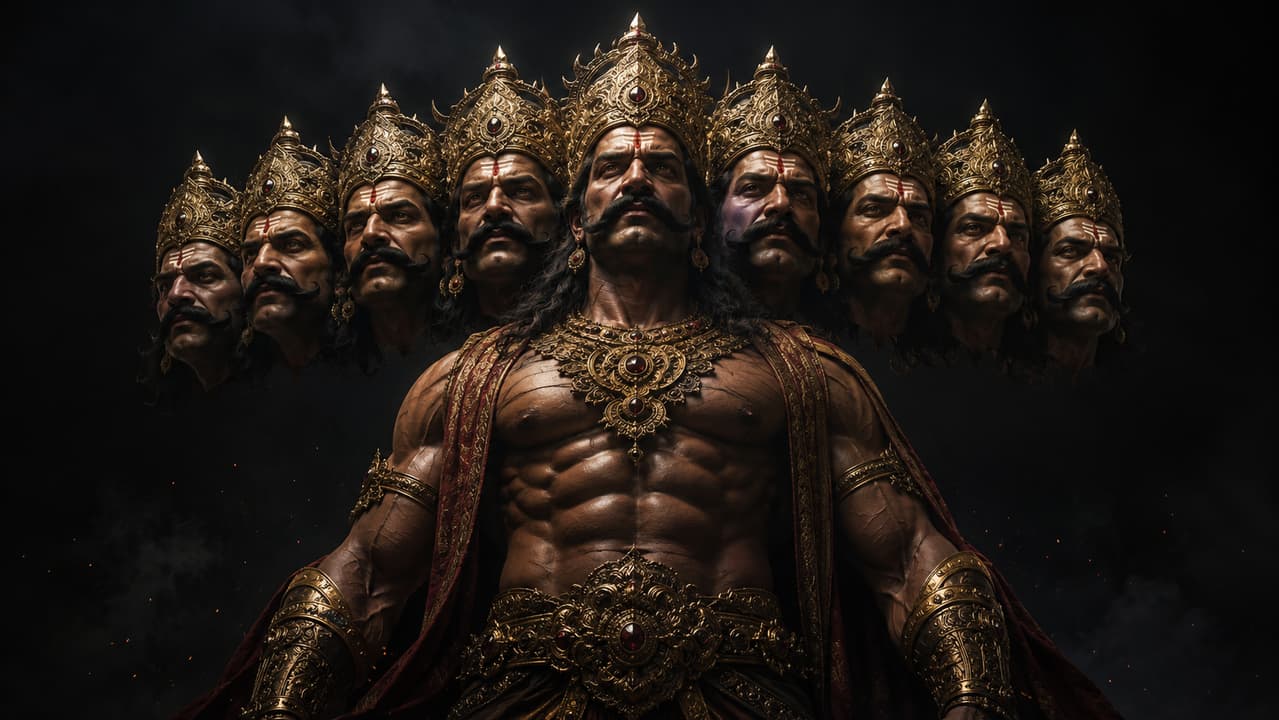
Knowledge alone cannot transform life; it can become another object of the ego. True knowledge is self-knowledge—a mirror that exposes and destroys false ideas about oneself. Ravana may have been knowledgeable, but without self-knowledge, knowledge can become a tool for exploitation. Wisdom is not something to acquire; it is innate. Self-knowledge is the process of unbecoming unwise by clearing away the nonsense we have gathered.
We often believe we are living freely, while our desires, dreams, beliefs, and choices are shaped by physical, social, cultural, religious, and psychological scripts. These scripts offer comfort and security, making us reluctant to examine our bondage. Freedom does not begin by imagining what lies beyond the script, but by deeply observing the cage we already live in, without fear, desire, or attachment.
Question: Why do I feel lost?
Acharya Prashant: Because, you are asking this question.
We ‘think’ that we are lost, equally, we ‘think’ that we are not lost. The same place from where the thought, the perception of being lost, or not lost arises, that place is the same place…
Friendships naturally change as people follow different paths in life. When you remain focused on your true purpose, you stop clinging to those who only accompany you briefly. Instead of dwelling on memories or fearing others' intentions, examine your own expectations and self-deception first. Honest self-awareness brings clarity, wiser relationships, and the freedom to move forward without resentment or attachment.

Humanity's greatest crisis arises from the imbalance between immense external progress and inadequate inner understanding. While technology, wealth, and knowledge have expanded unprecedentedly, unchecked desires and ignorance continue to fuel conflict, inequality, and environmental destruction. Sustainable change requires mass-based education of the self so individuals understand their motives and use science, technology, capital, and power with wisdom, responsibility, and inner clarity rather than unconscious craving.

Innovation is born from research, creativity, critical thinking, scientific temper, and original thinking—not imitation or appearances. A society that values honest inquiry over validation creates genuine progress. India's future depends on nurturing a culture that encourages questioning, respects originality, and pursues truth with intellectual honesty instead of settling for superficial success and empty displays.

Vedanta reveals that freedom is impossible as long as the ego seeks to preserve itself. Meditation may bring temporary calm, but real transformation begins only when the false sense of individuality dissolves. Whether through devotion or knowledge, every genuine spiritual path culminates in the complete dissolution of the seeker into Truth. Liberation is not the experience of Truth by an individual—it is the end of the individual who wants to experience Truth.

Superstition does not begin with rituals alone; it begins with unquestioned beliefs about the self. Science can remove many false beliefs, but complete freedom requires Self-knowledge. Vedanta, philosophy and meditation help expose the ego, making awakening possible. Religion becomes meaningful only when it encourages Self-knowledge rather than blind belief. Real freedom comes not from accepting inherited ideas but from understanding oneself through direct observation and awareness.

Society has a role in practical matters, but it should never decide love, marriage, happiness, or the purpose of life. Real freedom begins when personal choices are guided by understanding instead of social pressure. While social norms help maintain order, they become harmful when they dictate relationships, career, or inner values. True happiness and love arise from freedom, not conformity, making every love story meaningful only when it is authentically one's own.

The ego is not a real, independent entity but a bundle of conditioning that creates the illusion of a separate "I" and becomes the source of suffering. Self-observation is not introspection or analysis but moment-to-moment honesty about what is happening within. Real freedom comes when this false center is seen through, allowing life to function naturally without the burden of psychological ownership.

Life cannot be transformed by knowledge of the external world alone; it also requires understanding the one who experiences it. Science, technology, and logic are powerful, but they remain incomplete without self-knowledge and inner honesty. Lasting solutions to personal and global crises emerge when the same rigor used to study the world is turned inward, examining one's motives, intentions, and consciousness with equal seriousness.

Real change begins not by changing the world alone but by understanding the one trying to change it. Laws, technology, policies, and scientific progress have value, yet they cannot solve problems rooted in human consciousness and endless desire. Truth remains the same across cultures and disciplines, requiring only a change in language, not in essence. Lasting solutions emerge through honesty, self-inquiry, and inner transformation, because no external system can replace a change in the human mind.

Most people move through life unconsciously, mistaking inherited beliefs, ambitions, and social conditioning for personal choice. Careers, relationships, goals, and even identities often arise more from habit and circumstance than from conscious understanding. Real freedom begins by questioning the actor rather than the action, examining the assumptions behind one’s choices, and awakening from the psychological “coma” in which life is merely happening rather than being consciously lived.

Materialism and emotionality are not opposites; emotions themselves often arise from material desires, fears, and biological conditioning. The real distinction is between the material-emotional world and spiritual understanding. Spirituality is not another belief, emotion, or acquisition but the clear observation of thoughts, desires, and assumptions. Many personal and social crises stem from unexamined beliefs, and meaningful change begins by questioning them, speaking truthfully, and paying attention to what occupies the mind.

Operating from the highest inner point means living with honesty rather than self-created illusions. The ego becomes “higher” not through mystical growth but by dropping false self-images and testing its claims against reality. When honesty weakens, lower motives take control, creating inner conflict and disorder. Real growth lies in continuously questioning oneself, facing uncomfortable truths, and preventing the ego from being driven by comforting but deceptive beliefs.

Inner freedom becomes impossible when identity is borrowed from family, friends, or social expectations. Fear, guilt, and pressure arise because people allow others to define their worth and choices. Relationships become healthy only when they support growth rather than control it. Real autonomy comes from self-understanding, continuous inner inquiry, and the courage to act from clarity rather than conformity. When there is inner certainty, labels, criticism, and social judgment lose their power.

True dedication does not feel like painful sacrifice. When a goal becomes love, unnecessary distractions quietly lose importance instead of being forcefully abandoned. Personal growth and contribution to society are not separate; meaningful work naturally benefits both oneself and others. Real freedom is not outward performance but inner clarity. Life should be measured by inner elevation, not by comparison with others’ achievements.

The debate around nudity and movements like “Free the Nipple” miss a deeper issue: true freedom is not about clothing, but freedom from psychological conditioning and body-based identity. Clothes themselves neither oppress nor liberate. A truly free society is one where the body becomes ordinary and irrelevant, not a source of obsession, shame, validation, or social control.

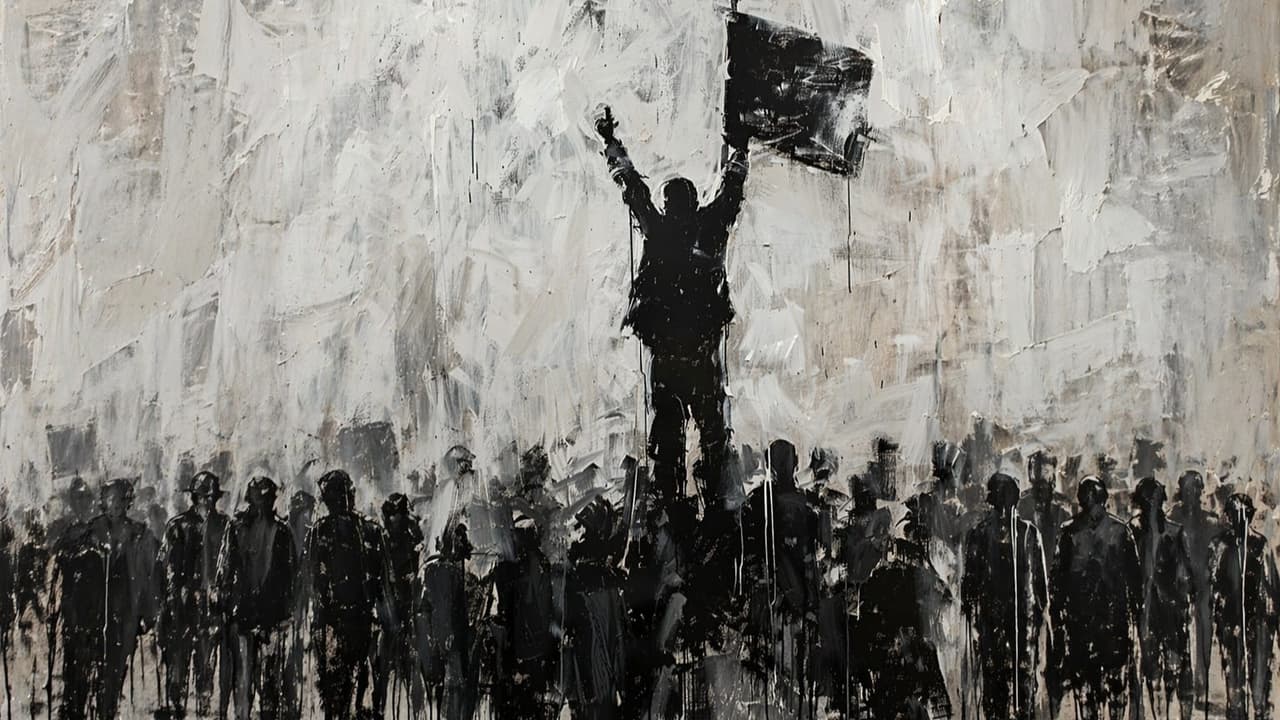
You look at Iran, at revolutions, and ask: can systems really bring freedom? Revolutions keep replacing one system with another, yet the chaos remains. The real question is rarely asked: what within us creates these systems? Real freedom is not political or social; it is inward. Without inner change, every revolution only rotates power, never resolves suffering.

Gen Z isn't rebellious or individualistic - they're simply following their generation's conditioning, just as previous generations followed theirs. Real rebellion begins with honest inquiry into why you live as you do. The primitive restlessness driving all humans remains unchanged; only its expression differs. True freedom requires questioning borrowed desires, recognizing that your ambitions, tastes, and choices aren't genuinely yours. Vedanta teaches this: stop chasing false questions and confront who you actually are beneath all conditioning.

It’s far easier to sit on a greatly decorated stage and talk about the virtues of Rudrākṣa, and what kind of water to drink, and why copper is useful; and all kinds of pseudo-scientific nonsense. But to really speak upon a Kabir or an Ashtavakra requires a tremendous understanding which does not come to everybody. If you are a spiritual teacher and you are saying you have not read any scripture, that raises questions on your love for the Truth.

Listener: Why is it that people don’t recognise?
Acharya Prashant: There is nobody who does not recognises. Everybody recognises. They just don’t speak about it, it’s a secret. It’s a well kept secret. If you speak about it you will be ostracized.
L1: Because you are then a threat…

Question: Dear Sir, a few questions:
Why am I so attracted to the personality and mannerisms of all my teachers, often curious about their lives than the truth of their teachings? When I read Jiddu Krishnamurti(JK), am I conditioned by him? Is JK’s method really ‘via negativa’ all the time?…

Questioner (Q): Why do we forget?
Acharya Prashant (AP): The question is, "Why do we forget? Why forgetting is a property of the mind?"
Do not ask, "Why do we forget?" Just remember that we forget. Because when you forget then you don’t ask this question that, "Why do we…

Often, in the name of financial pressure, what we are really kneeling down to is something else. But because that something else is not nice enough to be named, what we quote is financial pressure. Nothing is ever forced in a tangible way. The way is kept gentle in appearance. But there is something else at work inwardly. What is that thing? That is what you have to uncover. You have to be honest towards yourself, very honest.

I am asking you, who is more important? The mobile phone or the man holding the mobile phone more important? Unfortunately, your education is such that it will tell you everything about the mobile phone, but nothing about the man. They ask you to keep looking outwards but they never tell you to look inwards. Self-education is more valuable than the rest of your education put together. Has your education ever brought you close to yourself? Now you decide what is more important.

All of us want a new future. But the brain cannot want anything new. How many of you would want to taste a dish like Kakatua? Forget about tasting it, you haven’t even heard the name before. So, there is a golden rule: all desire is nothing but a stale repetition of memories. Ambition is nothing but a repetition of the past. What you didn’t know in the past, you can’t want in the future. New is new only when it is totally unrelated to the past. The truly new comes as a surprise.