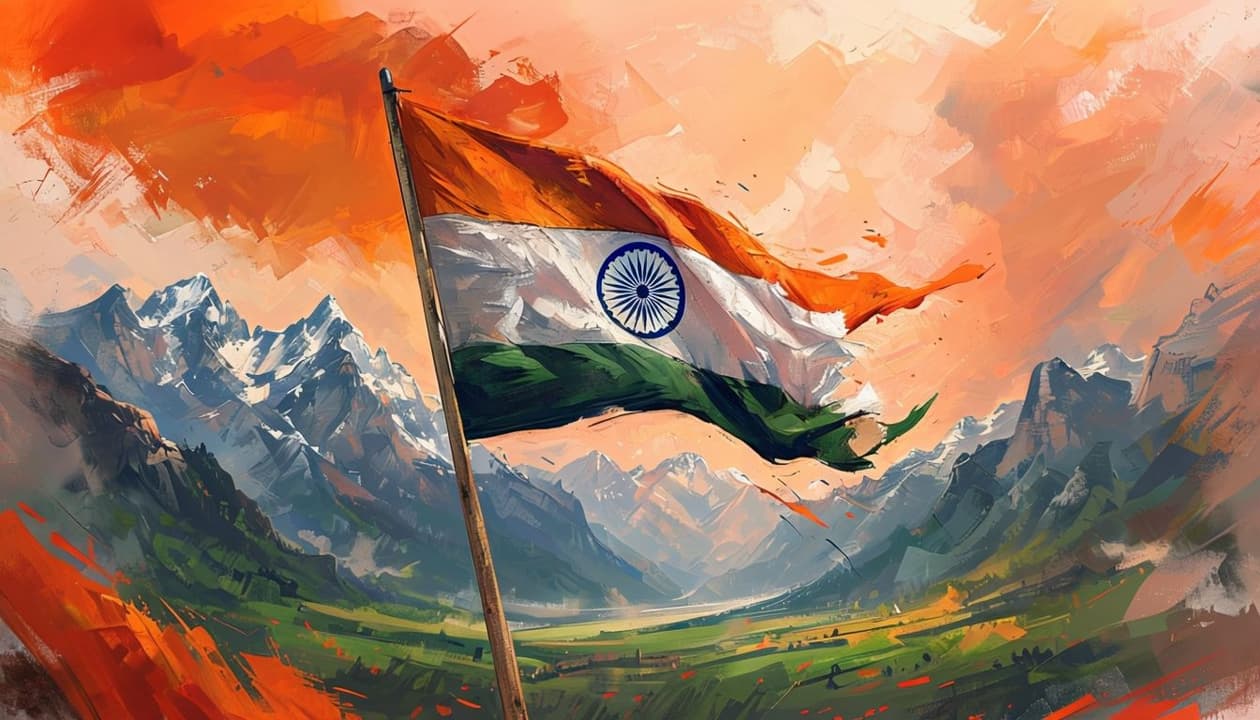
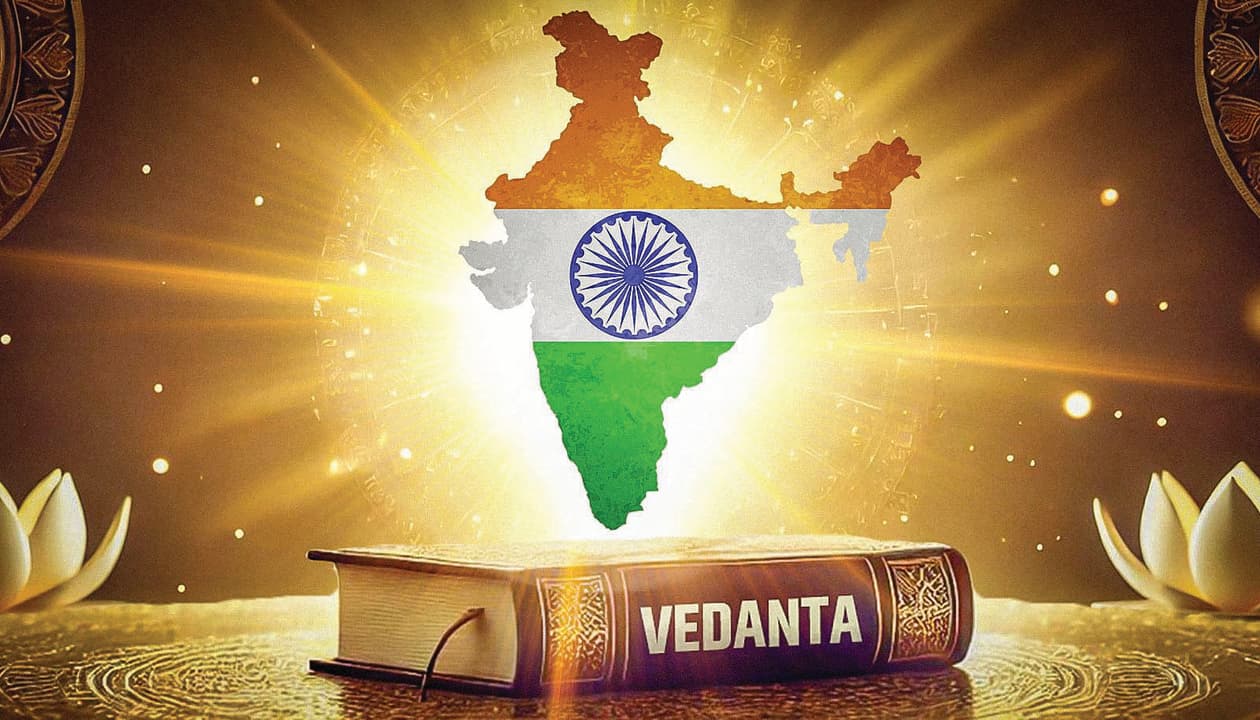
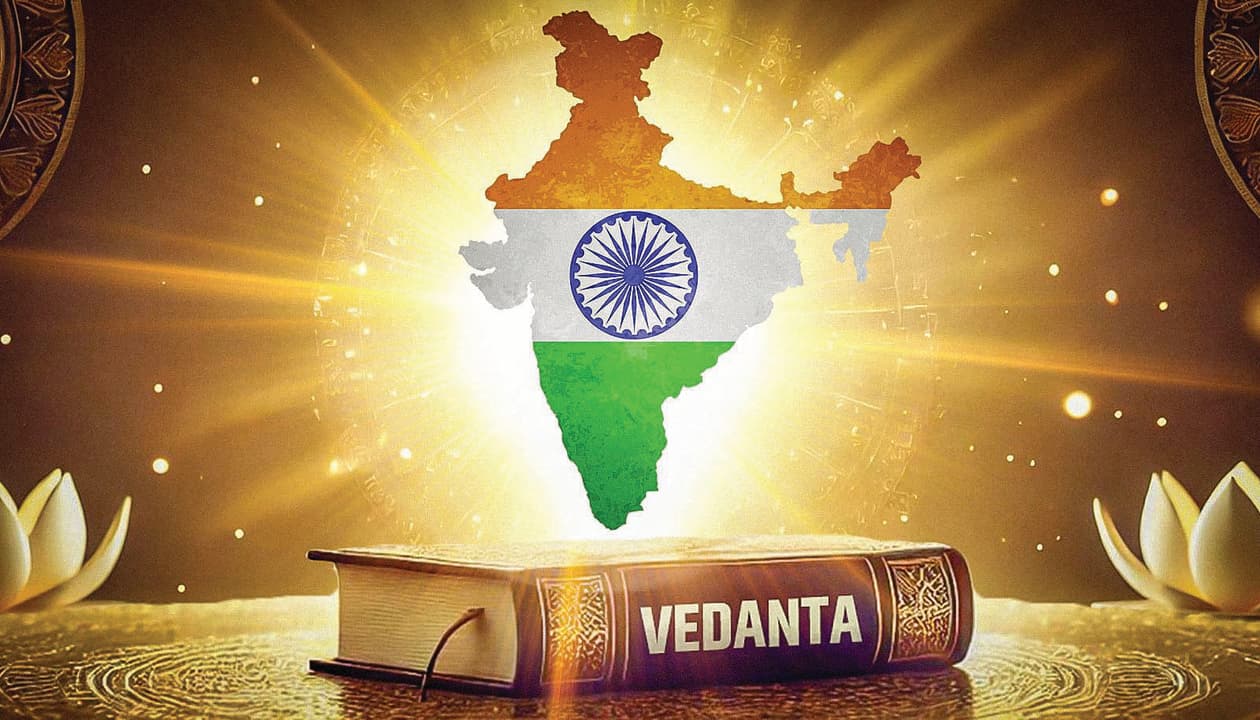
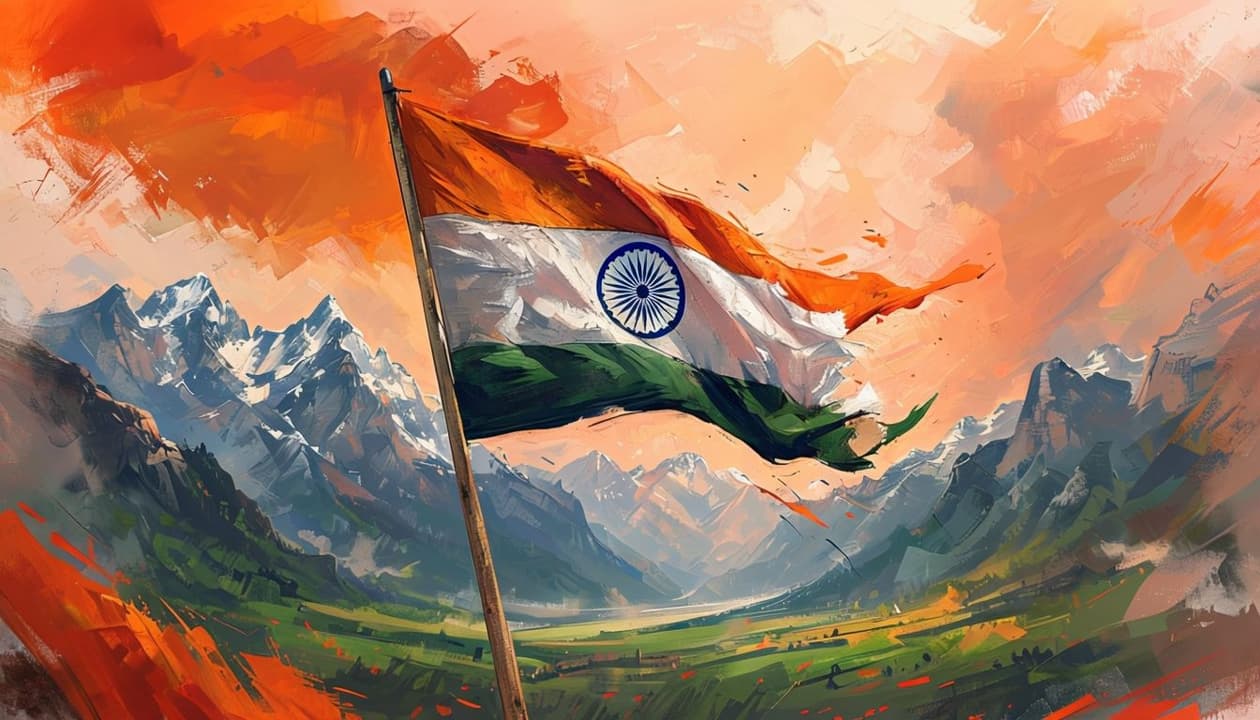
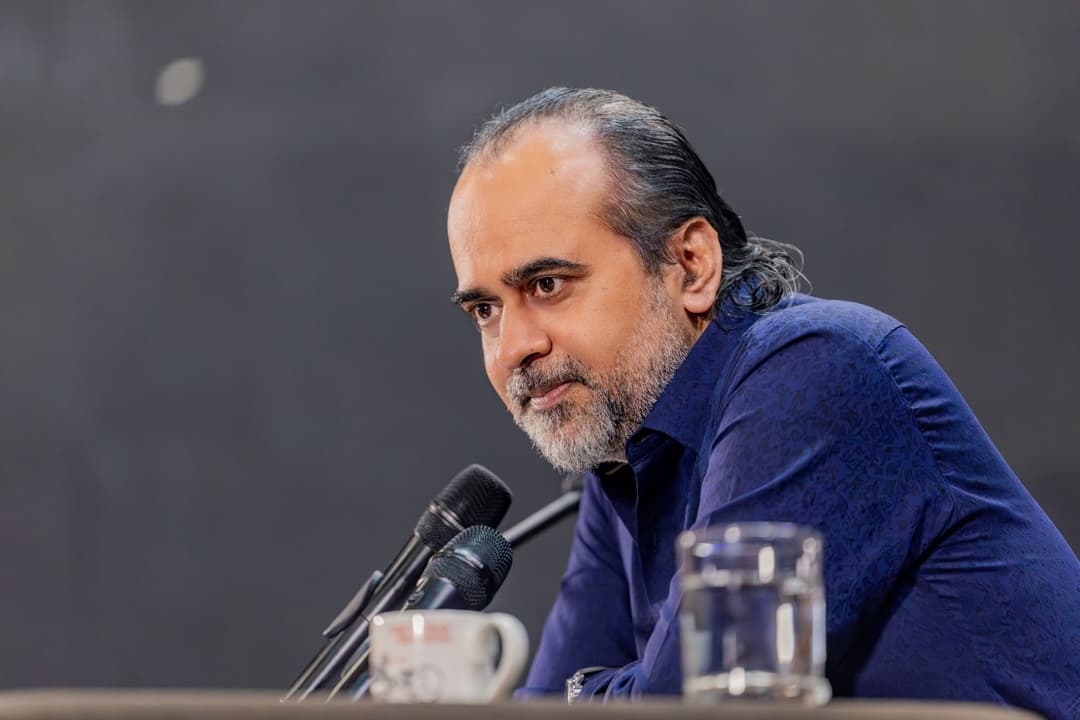
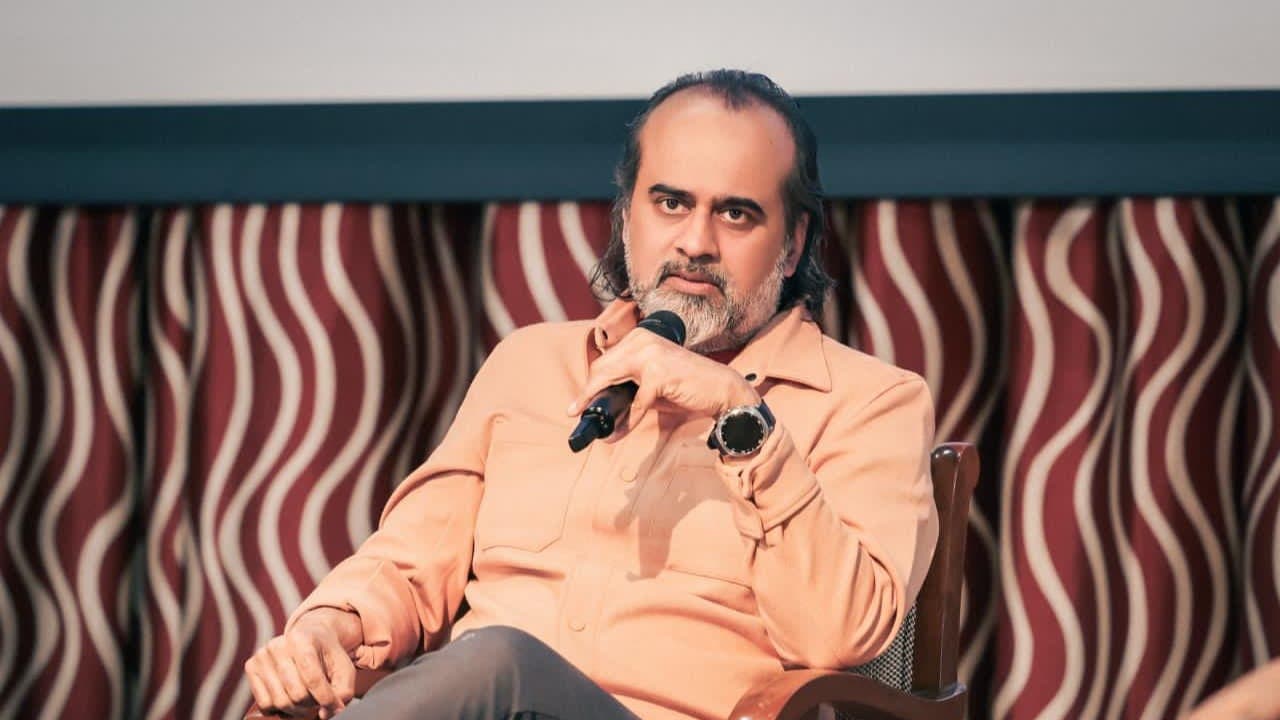
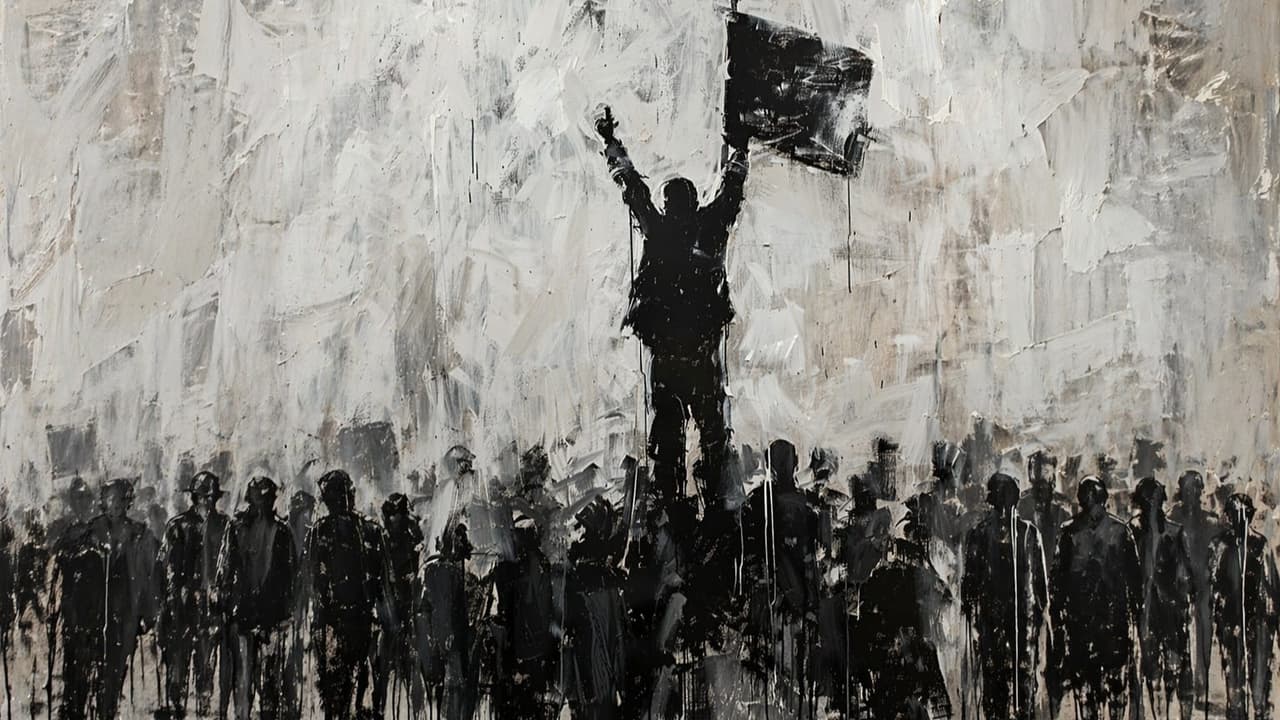
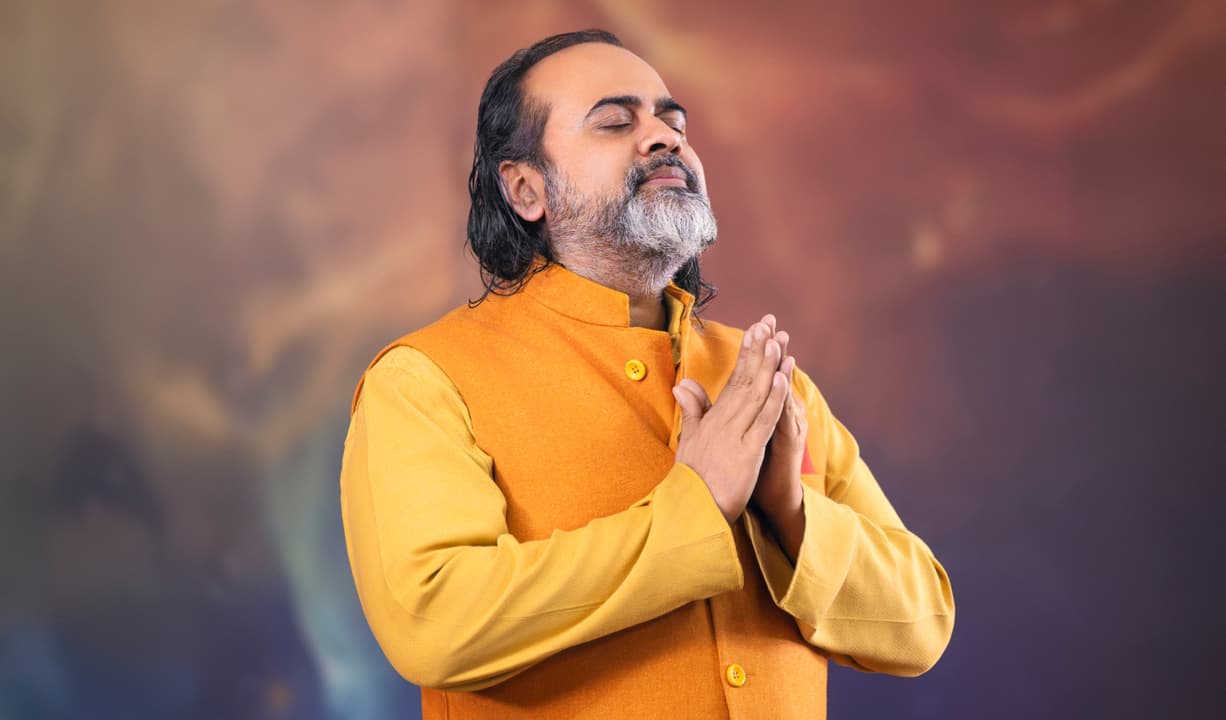
For most people, India is just a bit of land, a boundary on the global map, a political entity. These are not things you can fall in love with. To love, there must be something sacred, something worth worshipping. The identity of India, the root of the Indian nation is essentially spiritual. India has been a nation because of its Vedantic foundation.
If you see GDP growing at a fast rate, it is not a matter of celebration; it might actually be a warning. Don’t do that. Slow down. GDP is something that you can increase even with a lot of income inequality, as is happening in the case of countries like India. We need clarity. We need to be extremely clear on the definitions of our national imperatives. If development means the images we have been carrying of the United States, that is unsustainable, just not possible.
When you are reading the Upanishads, and your face has a sudden radiance, and you feel for yourself what it means to say, ‘pūrṇam adaḥ pūrṇam idam,’ then I will say, “That! That is Bharat.” Otherwise, what do ‘bha’ and ‘rat’ mean? Nothing. All this is just wordplay. The word ‘That’ is of tremendous significance — ‘That’; ‘tat’; ‘tat tvam asi’. ‘Tat’ — ‘That’ — 'That is Bharat.'
If India is just the birthplace of your body to you, then there is nothing special in India. What is India really? Figure that out, and then you will know whether it is of importance to serve India. And when you know something is important, then you devise means. Then, you need not necessarily be present within the geographical limits of India. You probably could be anywhere equally. You need not be at other places for reasons of greed.
Genghis Khan — he was fighting wars all his life. Somehow, he spared India. But the rest of Asia and some parts of even Europe — he totally vandalized. Vandalized to the extent that a very high percentage of people in Central Asia to this date carry his genes. He impregnated so many women. That seemed to be one of his major motivations: "If I win the war, I get to impregnate the women. Forty in a day." Imagine — entire populations bear the stamp of his genes. War and women—they always go together. Because they come from the same center.
The real India is not just a plot on a piece of paper. It is the India in which the openness of mind was first learned, where the Upanishads were born, and the land of Mahavira and Buddha. India is beautiful because it gave the world its first light of wisdom. That India is a very privileged and rare place — that is my India.
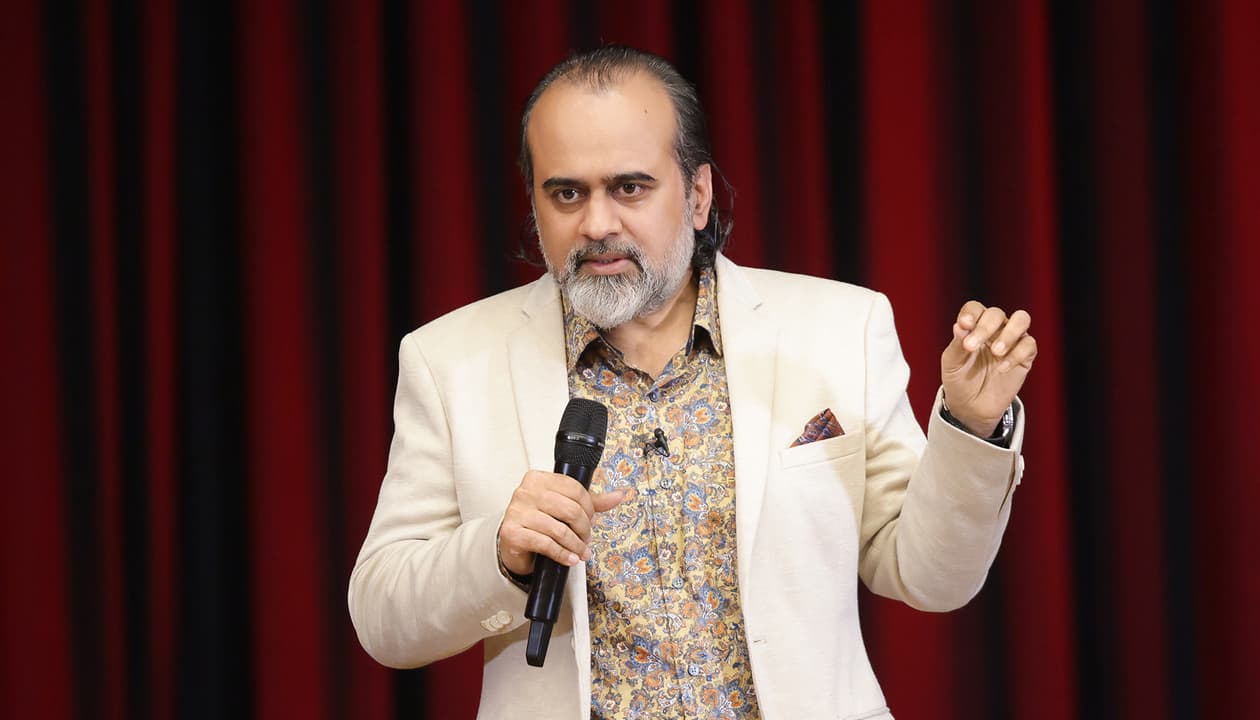
Acharya Prashant: Whatever you are doing, there has to be honesty in that. What is important is that you do not say one thing and do another thing. If you look at the great scientific discoveries or inventions, the scientist or the explorer would be busy in his chosen area
You cannot love someone or something you know very little of. The nation at its root represents a community of people united through certain values. A nation does not become admirable or respectable or lovable just by the dint of being a nation.
Questioner (Q): Good evening, sir. My name is Vishal Tiwari. I'm a PhD student here in IIT Ropar. Sir, generally I see that in Western countries, people chase excellence, whether it is in sports or science, or in technology or social reforms, or for inculcating democratic values. On the contrary
Questioner: We recently celebrated our 75th Republic Day. In this context, I would like to know what were the mistakes made by our ancestors that led to the invasions and colonial rule by the Mughals, the British, and other foreign powers in the past thousand years. What can we learn…
Question (Q): Good evening, Sir. My question is about India's culture. We are proud of India as a country of rich cultural heritage, but in the last thousand years, there were several invasions by the Persians, the Arabs, the Mughals, the British etc.; still our culture is relevant, and we
The fellow’s name was Marthand. ‘Marthand’ means the son. Marthand Kumar became Martin Hawk. We think of this as some kind of a passing fad. No, it is not a passing fad; it points towards something deeper. The fellow is ashamed of his identity. He wants to wear a totally
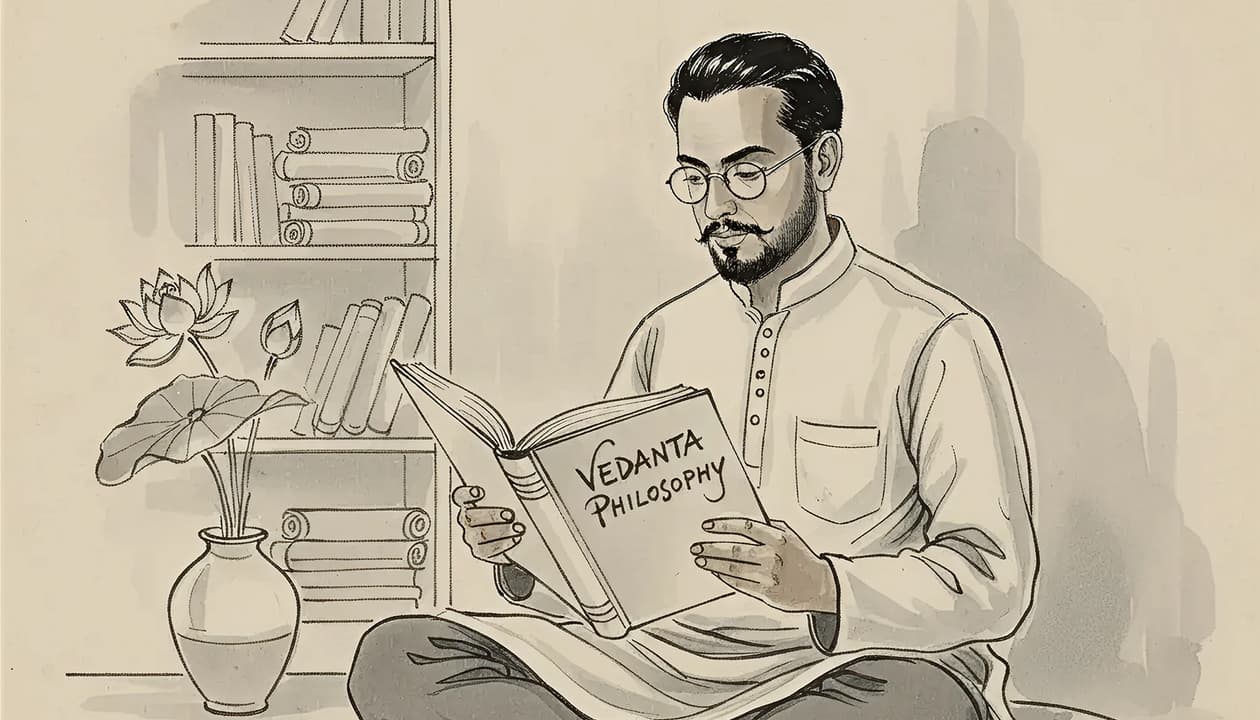
What does true nationalism mean in India’s case? Nationalism is founded on truly Indian values. What do I mean by Indian values? I am being very specific here. By Indian values I mean the values enshrined in Vedanta.
As long as the youth remains in touch with the essence of…
I cannot tell you what Bharat is by referring to the etymology of the word. If you ask me what is love, it would be foolish of me to say, “L-O means this, V means this, E means this.” If you ask me what is love, I will wait for
Science can examine material claims, but Advaita Vedanta deals with the subjective self, ego, suffering, bondage, and liberation—areas outside science’s objective framework. Vedanta need not be accepted because of one’s religion or tradition; its value lies in whether its insights can be personally verified and help free one from suffering. The ultimate responsibility is not toward any philosophy, but toward oneself: to live a truly free life.
You look at Iran, at revolutions, and ask: can systems really bring freedom? Revolutions keep replacing one system with another, yet the chaos remains. The real question is rarely asked: what within us creates these systems? Real freedom is not political or social; it is inward. Without inner change, every revolution only rotates power, never resolves suffering.
The one who is religion-less. A real Hindu does not have any religion. To go beyond all religions is to be a Hindu. There are religions that are on one plane, and then there is Sanatan Dharma, which is another dimension — the eternal religiousness. Liberation from religion is religiousness. Sanatan Dharma is awakened intelligence.
Death is already happening moment by moment. Why think that it is there somewhere in the future? We are all going in the same direction: a journey towards death. You cry not at the fact that somebody died, but at the fact that life was not lived fully. We have had a mystic who said that death should be celebrated. When everything about this man was joyful, how can his death be painful? There would be no reason to cry; death can be celebrated.
Search
India was a superpower in all possible terms and yet those lowly little Britons came here and colonized us. Is it possible? There is something fishy in the story. We don't want to go back and really read and figure out what really happened. We believe in this narrative: we were great, we were ‘Vishwaguru’. How can the land of the Gita be ever defeated? It was due to internal reasons that we got defeated and enslaved. And those reasons are still very much present today. Which means the fault is entirely our own.
You see, the democratic system is a great one, but there are some problems associated with it. The leader comes from the masses, and the masses, by themselves, are never really attracted to wisdom. Have you ever found a voter asking his leader, “How many Upanishads have you read?” before casting a vote. The leaders know very well what they can ignore. They just want to know what your religion is, and what your caste is. That is why wisdom always comes last.
3
If somebody is a great cricketer, I am all right admiring him irrespective of his nationality; that’s fine. But the question is: why is such adulation and such expenditure reserved only for people outside your own country? Indian soccer is totally starved of funds, but the same fans will not spend this money, not even a fraction of this money. Are we really poor, or are we just poorly directed? We don’t know the right direction to move in because we don’t know the right center to have.
So much so that, even today, India’s literacy rate is just 77%, and China has almost cent per cent literacy. That’s a huge difference. From where will you get innovation if your kids are not well-educated? And even if they are educated, they are just moving towards the service sector rather than the line of innovation. How will you lead the world? Just having democracy will not take you anywhere if those casting their vote are not educated enough.
Excerpts from Articles
कद नहीं, अपनी कहानी बदलो
कई तरह के डर—अकेले पड़ने, छवि खोने या छोटा समझे जाने—की जड़ अक्सर अतीत में बनी पहचान और कहानियों में होती है। शरीर की हाइट जैसी चीज़ों को समस्या मानकर उनसे जूझने के बजाय उनकी अप्रासंगिकता को समझकर आगे बढ़ना चाहिए। अतीत को दबाने से मुक्ति नहीं मिलती; उसके करीब जाकर अपनी स्मृतियों, धारणाओं और पुराने पैटर्न को निष्पक्षता से देखना ज़रूरी है।
Struggling to choose between a secure job and the path you actually feel drawn to? This isn't really a question about careers. It's about why other people's opinions have so much power over you in the first place. Real clarity doesn't come from finding the 'right' choice. It comes from honestly looking at your own fear, again and again, until it stops running the decision for you.
Victory is not decided by the trophy you hold but by the battle you choose to fight. Real strength lies in making the right decisions, staying true to your deepest values, and refusing to be ruled by fear or circumstances. When your actions arise from clarity rather than ambition, the outcome loses its power over you. The moment you choose the right path, you have already won.
ज्योतिष कितना सच है? कुंडली, ग्रह-नक्षत्र: इनका क्या अर्थ है?
वेदांत को केवल इसलिए सही या श्रेष्ठ नहीं माना जा सकता कि वह किसी विशेष परंपरा से आता है। विज्ञान जहाँ भौतिक जगत की वस्तुनिष्ठ जाँच करता है, वहीं अद्वैत वेदांत सीधे मनुष्य के ‘मैं’, उसके दुख, बंधन और मुक्ति की पड़ताल करता है। इसकी कसौटी वैज्ञानिक प्रमाण नहीं, बल्कि अपने जीवन में इसकी सच्चाई को देख पाना है। किसी दर्शन को मान लेना नहीं, बल्कि उससे स्वयं को मुक्त करना ही उसका वास्तविक उद्देश्य है।
Animal cruelty: Who deserves mercy, and who doesn’t?
Violence begins long before the knife or the slaughterhouse—it begins with the ego, the one that draws boundaries, seeks justification, and decides who deserves compassion. Laws and reforms may reduce suffering, but they cannot end violence while the ego remains intact. When the ego dissolves, exploitation ends naturally, and compassion no longer depends on regulation or moral boundaries.
Climate change is more than an environmental crisis—it is a crisis of human choices. Our patterns of consumption, consumerism and endless pursuit of more are putting increasing pressure on the planet. But meaningful change does not necessarily begin with new technology or stricter policies. It begins with a deeper question: what are we willing to change within ourselves?
You Don't Understand the Bhagvad Gita, But You Still Claim That You Love Krishna?
The Bhagavad Gita deserves reverence not because of inherited beliefs about its author, but because of its power to dissolve falsehood and reveal Truth. Real devotion is not ritual or blind faith—it is understanding, inquiry, and living the wisdom of the Gita. Through sincere study, one discovers the true meaning of Krishna, making the Gita the most authentic path to knowing and worshipping Him.
The very nature of research is that there is uncertainty. It’s a dive into the unknown. We fear the unknown so much that we want to stick to known lanes throughout; that’s what explains the lack of a research culture. There are just so many masters all around and over you. Don’t listen to them. All those who stop you from flying high, they are being irresponsible, because they in no way can compensate for the opportunity you lose.
You have lifted the World Cup, and with it, part of the weight of centuries. Such victories go beyond the field; they remind us how much becomes possible when you are unshackled from limiting scripts and submissive roles. A true victory is not over an external opponent, but over one’s own limitations: personal, cultural, historical. When women play freely, the nation breathes freely. When women claim their place, the planet finds its peace.
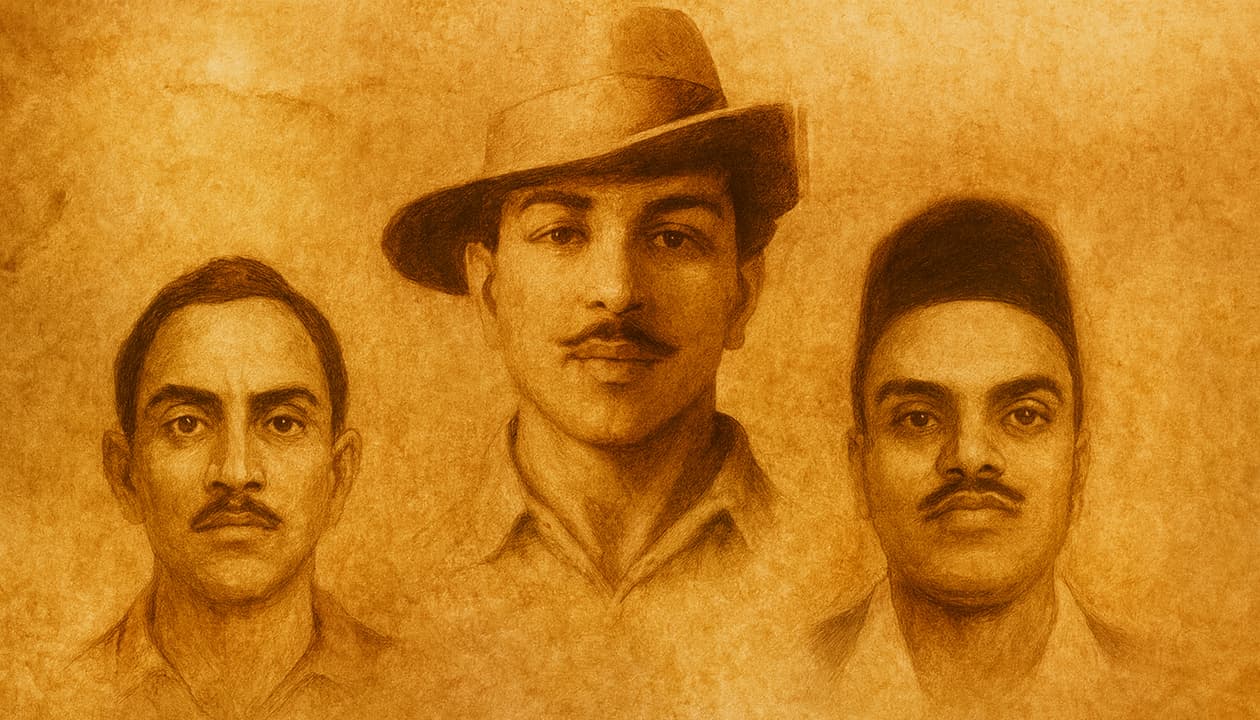
Today we venerate Bismil, Rajguru, Bhagat Singh, and Azad, yet many of them were let down by their own youthful compatriots. Be it any era, most people are governed mostly by their biological mandate. The choice is to either follow your biological compulsions, or go by the whisperings of your free mind, the aspirations of your yearning consciousness. The villains are ordinary; it is the hero who emerges against the norm. This age desperately needs a few heroes.
A lot of people from the West come to India, thinking that the land itself will do something magical to them. The land will do nothing on its own. One comes to India to probe himself, to know himself. The process is Upanishadic — of deep discussion and deliberation. If you are madly in love with realization, then India can bless you with something very magical. But India’s blessings cannot be foisted upon someone; one has to be deeply in love with, and desperate for those blessings.
7
It is the most critical moment for the plane, when it is taking off. Even after that, if we are constructing something as sensitive as a hospital right next to the airport — then only God can help. This can only be found in India — where there's an airport, and right next to it are buildings, and we accept it. Until we understand that living with dignity is more important, we will keep finding it acceptable to sell off our safety and self-respect.
Questioner: Acharya Ji, in few days, Republic Day—that is, the 26th of January— will be celebrated, and the work that Foundation is doing is very closely linked with 'The Youngsters'. So, I wish to ask you in what ways the youngsters of today have lost love for the Nation?
Acharya…
98% of the UPSC candidates should actually never have been candidates. Before one decides to invest one's life into something, shouldn’t one ask, “Am I even cut out for this?” “Do I have any worthwhile reason to pursue this?” The entire young section of the population — full of energy, is squandering its years preparing for an examination and by the time they're through with it, they're spent and old. This is a tremendous national loss.
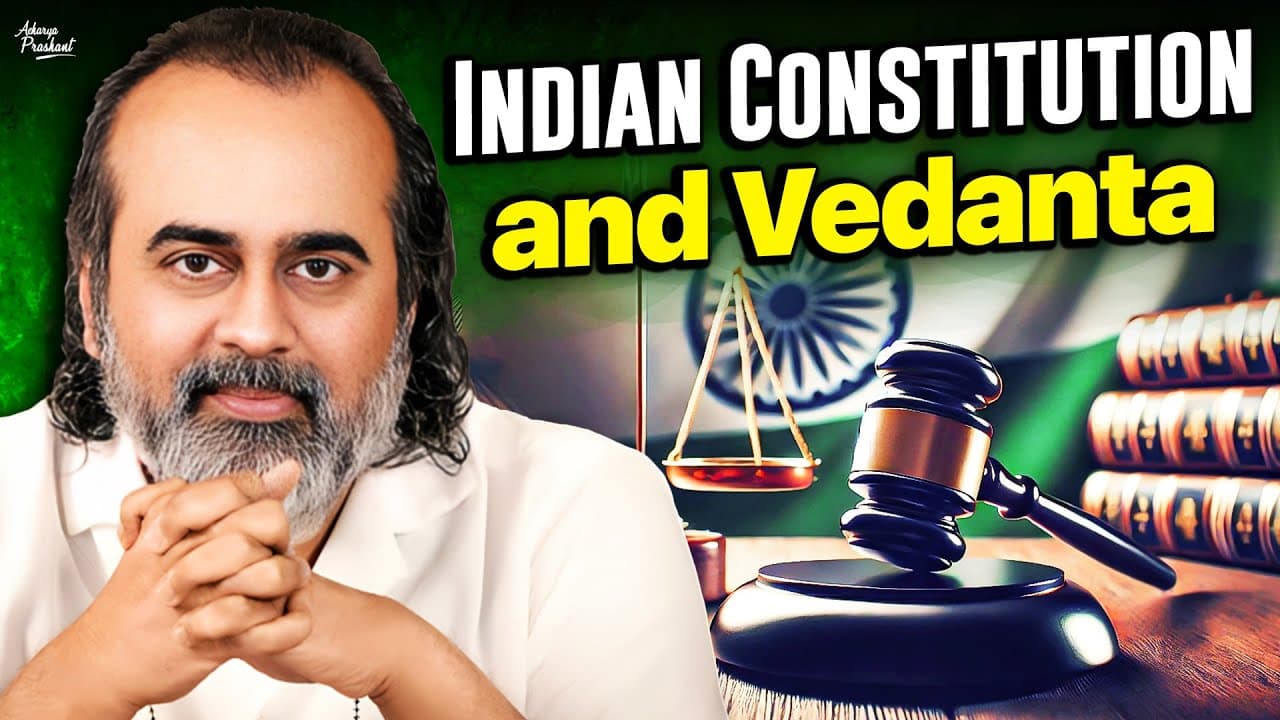
Dr. Ambedkar, one of the greatest minds of modern India, had problems with Hindu culture, but not with Vedanta. Our culture is based on the very periphery of religion and does not resonate with Vedanta. That’s the reason it is in conflict with the Constitution. The Constitution and true religiosity—which you can call self-knowledge or Vedanta—go together.
As long as one tries to standardize or enforce something that varies from man to man, it will only create division, violence, and suffering. You have to focus on that which we all have in common—something that unifies us so strongly that all the differences become worthless. That unifying principle is our urge to rise, to know, and to be liberated from inner ignorance.
India is not really an idea. Ideas are things of ego, desire, and imagination. All nations have governing principles, but India is governed by freedom from all principles. It is a spirit found in Vedanta, the spirit that says, “I want to know.” India has known love—a love beyond territory, ethnicity, and materiality. The true Indian would be a fighter and a lover, fighting what is untrue because he loves the truth.
The North has grown its population so much that if we opt for delimitation, 70 to 80% of new seats would go to them. This is absolute injustice. The South reduced its population, invested big in education, and its taxes largely funded the North’s development projects. The southern states worked hard and took tough decisions, while the North simply refused to change. Shouldn't the community that made better decisions be rewarded?
We say the Constitution of India is inspired from the outside and lacks indigenous origins. That’s not right. Go close to its spirit and you’ll find nothing alien in it. To know who I am and reach the place of my purity, ‘Justice, Liberty, Equality, and Fraternity’ are needed. The Constitution arises from the very spirit of freedom, which is the only goal of all spirituality, particularly Vedanta.
Acharya Prashant: Before we say love for the country, we should know what is this thing called country. If we don’t know what is country then whom do we love? If we don’t know what country is then what do we call love as?
This is just a machine (pointing…
Questioner: Namaskar Acharya ji. Acharya ji, I have been listening to you for quite some time now, and one thing that I have noticed is that whenever you speak on any topic, you always speak in the light of Advait Vedant. One thing also on which you have spoken a…
To those who articulate that women should mind their clothes and dressings, the question arises: what kind of person are you, man or woman, if anything is able to disturb or provoke you so easily? The allegation is that when watching a woman dressed skimpily, it becomes a disturbance, a distraction, even a provocation. How will you insulate yourself, and how much will you insulate yourself from the world? And what are the limits to what you want to see and not see? Today, it is said that a woman’s legs or thighs provoke you. What prevents you from saying tomorrow that her ankles and fingernails provoke you? Would you then demand that she should cover up from head to toe?
…
If you are to fall in love…
…
Share
…
…
Share
…
Questioner: In India, you are more open. It seems that here there are less differences.
Acharya Prashant: You see, this population that you see around you, has been touched by generations and generations and generations of Saints and Rishis. So there still is something in the soil of this place.…
Victory is not decided by the trophy you hold but by the battle you choose to fight. Real strength lies in making the right decisions, staying true to your deepest values, and refusing to be ruled by fear or circumstances. When your actions arise from clarity rather than ambition, the outcome loses its power over you. The moment you choose the right path, you have already won.
2
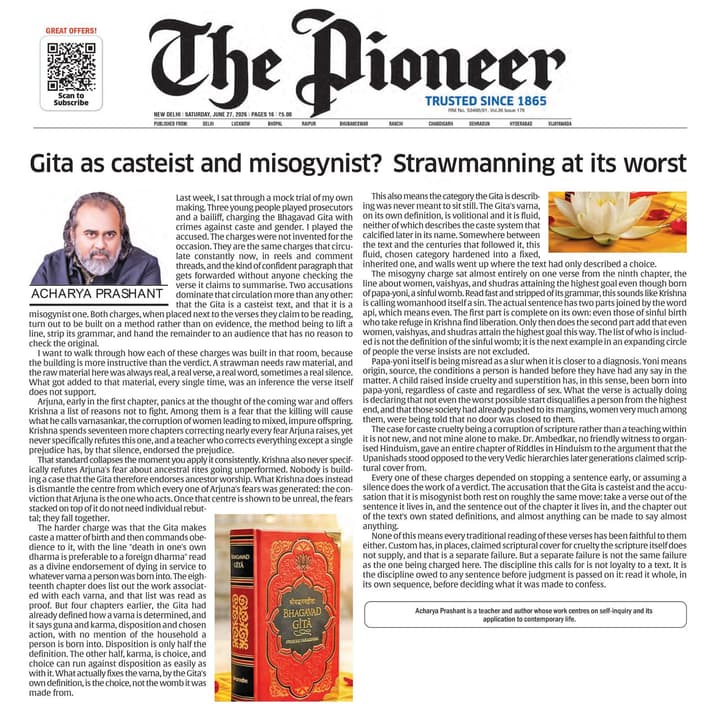
The Bhagavad Gita is often accused of supporting caste and misogyny through selective quotations that ignore context, grammar, and the text's central teachings. A closer reading shows that its emphasis is on inner qualities, conscious action, and spiritual equality rather than birth-based hierarchy or gender discrimination. Misinterpretations arise when isolated verses are detached from their broader meaning, while the Gita consistently points toward self-knowledge, freedom from ego, and the universal possibility of liberation for every human being.
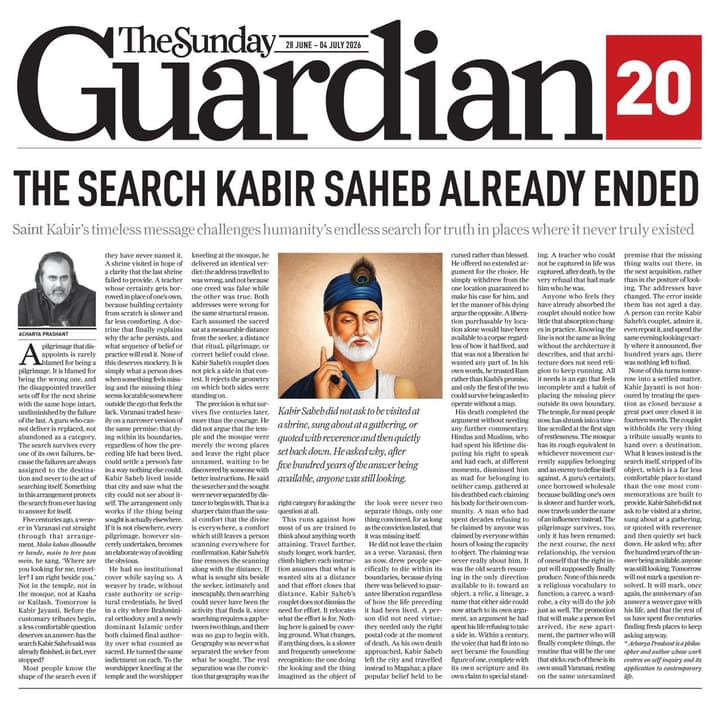
Kabir Saheb's message questions the very act of searching for fulfilment outside oneself. Whether through religion, relationships, success, possessions, or identity, people keep assuming that what is missing lies somewhere else. The problem is not the destination but the belief that fulfilment exists at a distance. Real freedom begins when the search turns inward, recognising that the seeker and the sought were never truly separate.
3
Human beings are born into uncertainty, surrounded by beliefs, identities, and social conditioning that offer ready-made answers to fundamental questions. Real spirituality begins not with accepting collective or personal beliefs, but with honestly examining one’s own suffering, fears, and false identities. The journey is not toward comforting ideas, but toward self-inquiry, where truth is discovered through questioning, observation, and the gradual rejection of illusion.
The climate crisis is not merely an external environmental problem but a reflection of inner human greed, desire, and psychological disorder. Drawing from the Gita’s idea of yagya as desireless action, it says real ecological healing requires inner transformation. Outer pollution, exploitation, and destruction mirror the ego’s inner confusion, making personal consciousness and planetary health deeply inseparable.
3
The debate around nudity and movements like “Free the Nipple” miss a deeper issue: true freedom is not about clothing, but freedom from psychological conditioning and body-based identity. Clothes themselves neither oppress nor liberate. A truly free society is one where the body becomes ordinary and irrelevant, not a source of obsession, shame, validation, or social control.
It’s far easier to sit on a greatly decorated stage and talk about the virtues of Rudrākṣa, and what kind of water to drink, and why copper is useful; and all kinds of pseudo-scientific nonsense. But to really speak upon a Kabir or an Ashtavakra requires a tremendous understanding which does not come to everybody. If you are a spiritual teacher and you are saying you have not read any scripture, that raises questions on your love for the Truth.
1
Listener: (Reading a quote of Acharya Prashant from a quote-calendar)
What lies beyond mind?More mind.What is more mind?What and lies and mind.Questions, perceptions on the concept of the mind.
Acharya Prashant: Any question about beyondness would be a useless question because the question itself is coming…
Superficiality offers pleasures. Superficiality offers cheap salvation. Therefore, it is easy to be attracted to superficiality. On the other hand, true spirituality challenges you to pay a heavy price. So, you see, all this knowledge has existed since antiquity. Yet there are people who do not want to read the Gita.
Often, in the name of financial pressure, what we are really kneeling down to is something else. But because that something else is not nice enough to be named, what we quote is financial pressure. Nothing is ever forced in a tangible way. The way is kept gentle in appearance. But there is something else at work inwardly. What is that thing? That is what you have to uncover. You have to be honest towards yourself, very honest.
If you are religious, then shouldn’t you be truly religious? Religion is about a total commitment to the Truth. You’ll have to recognize that the objective of religion is not to attain heaven, not to please a holy figure, but to come to your own inner Truth. All good books exist to awaken your consciousness. When it comes to you and the Truth, do you want somebody in between? And wherever you spot fakeness, falseness, hollowness or ignorance, drop it.
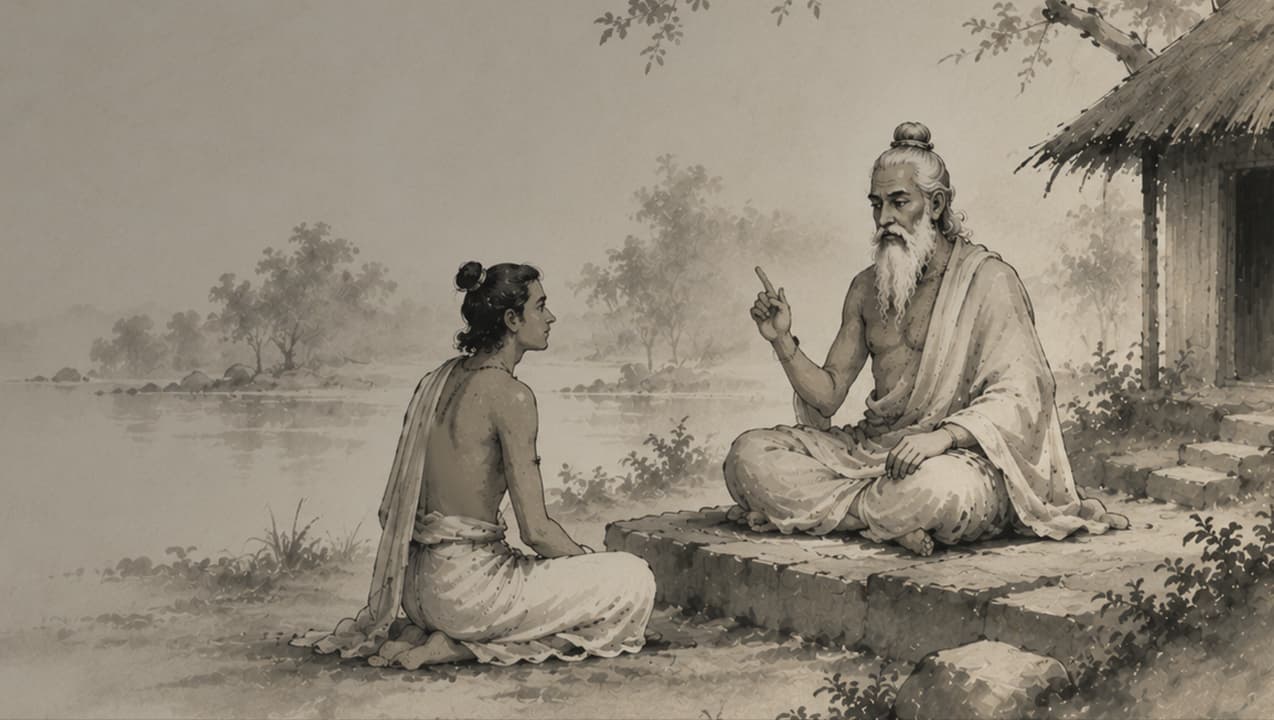
There is a search within the human being, always for the greatest, the absolute, and that is what differentiates humans from animals. India was fertile, and there was abundance. You had ample leisure, and in that leisure there was space for intellectual inquiry. The sages and the seers would talk to each other purposelessly. And from that purposeless discussion, from silent observation of life for hours, days, months, and years, came those insights that you today recognize as Indian philosophy.