Death is already happening moment by moment. Why think that it is there somewhere in the future? We are all going in the same direction: a journey towards death. You cry not at the fact that somebody died, but at the fact that life was not lived fully. We have had a mystic who said that death should be celebrated. When everything about this man was joyful, how can his death be painful? There would be no reason to cry; death can be celebrated.

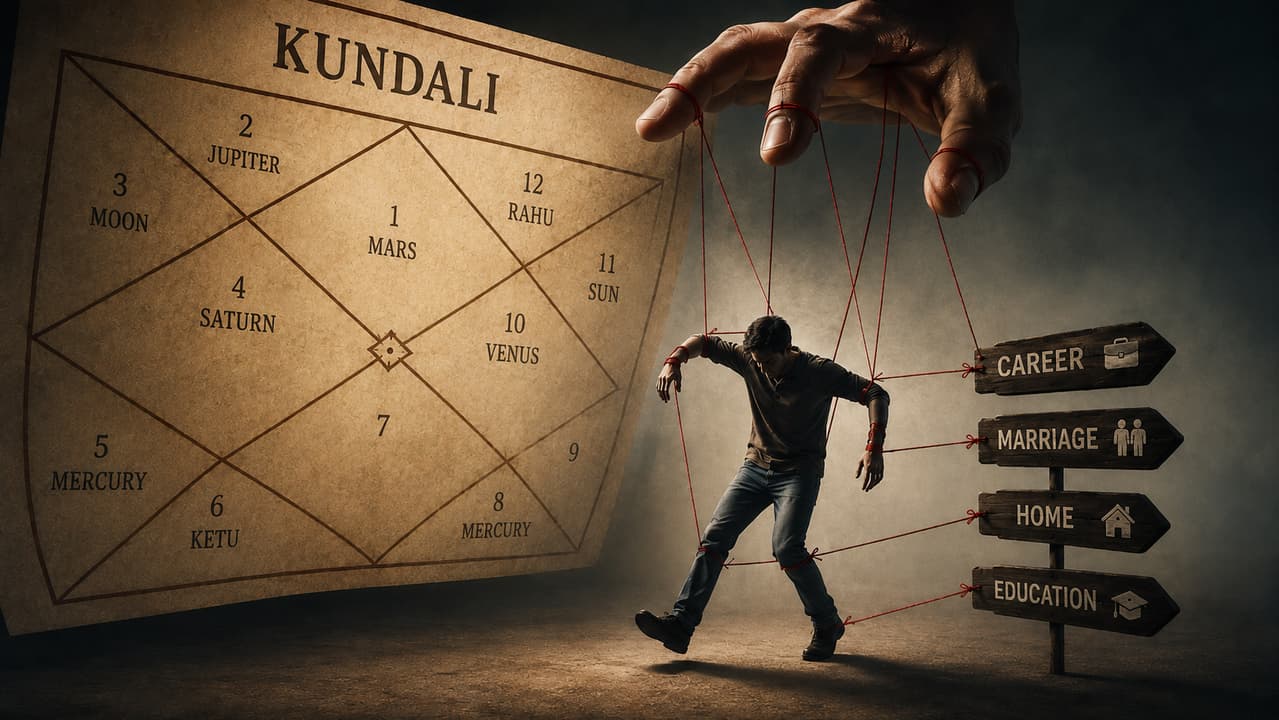
Questioning pseudo-science and superstition is the first step toward genuine freedom. Beliefs such as *Vastu, Kundli,* and *Muhurat* should not be accepted merely because they have been followed traditionally. Fear and attachment to privileges often prevent people from questioning authority. A truth-seeker must be willing to challenge age, status, and authority. Human progress has come through curiosity, inquiry, experimentation, and reason—not through blind obedience.
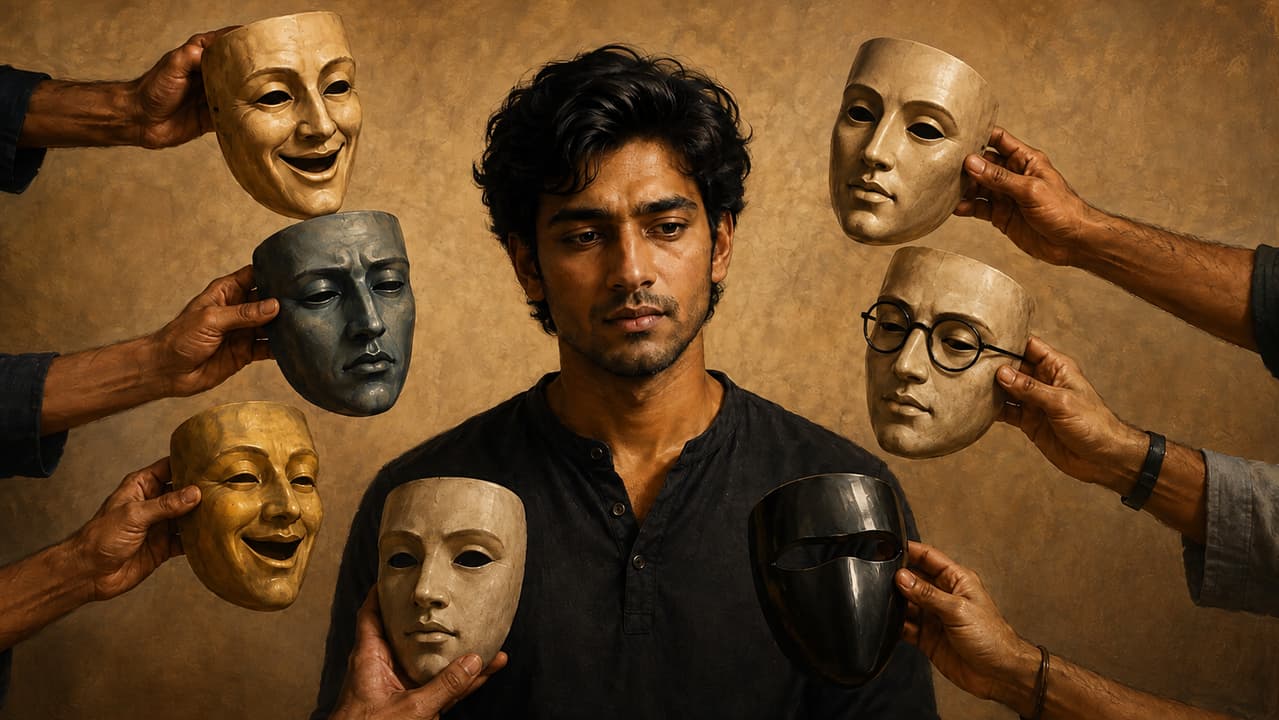
Desires and beliefs may keep changing, but the deeper tendency to believe, think, choose, and seek fulfilment often remains unchanged. Real transformation begins by examining this constant inner pattern rather than changing superficial preferences. Instead of seeking conclusions about greed or desire, honestly observe recurring behavior and support the truth you already recognize. Expressing that truth can dissolve false identities, relationships, and habits, creating space for genuine change.
Innovation is born from research, creativity, critical thinking, scientific temper, and original thinking—not imitation or appearances. A society that values honest inquiry over validation creates genuine progress. India's future depends on nurturing a culture that encourages questioning, respects originality, and pursues truth with intellectual honesty instead of settling for superficial success and empty displays.
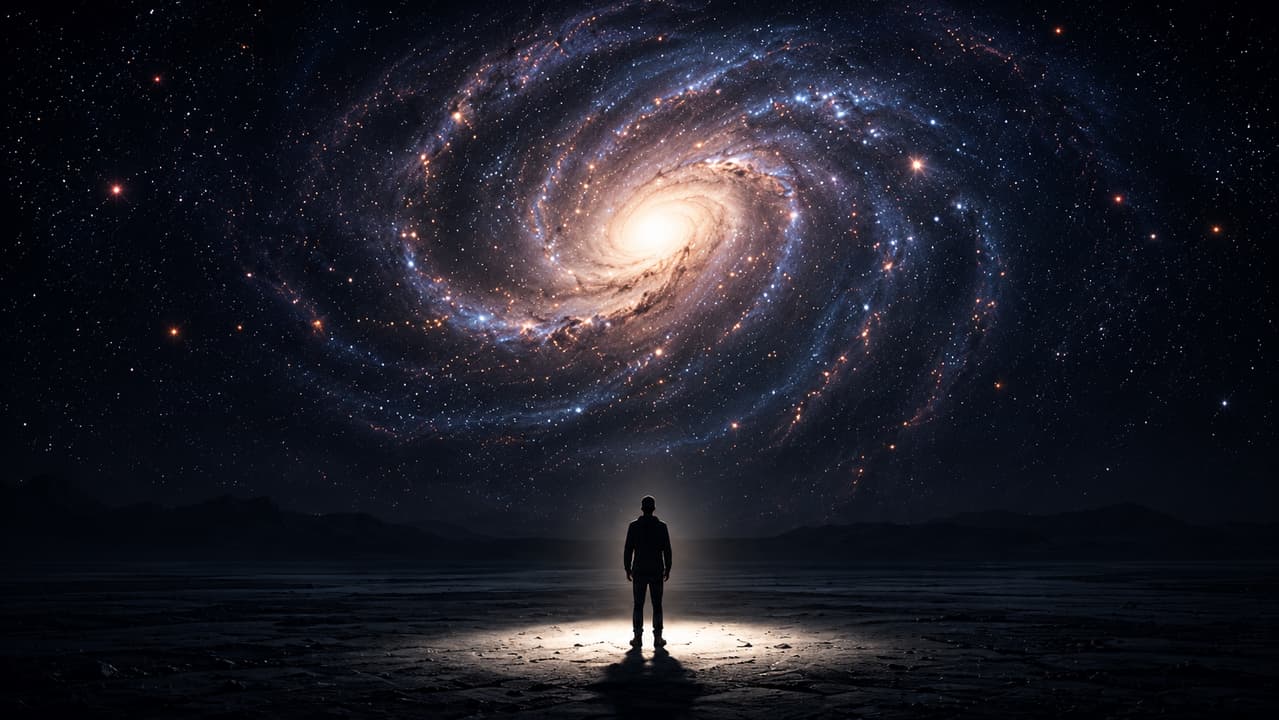
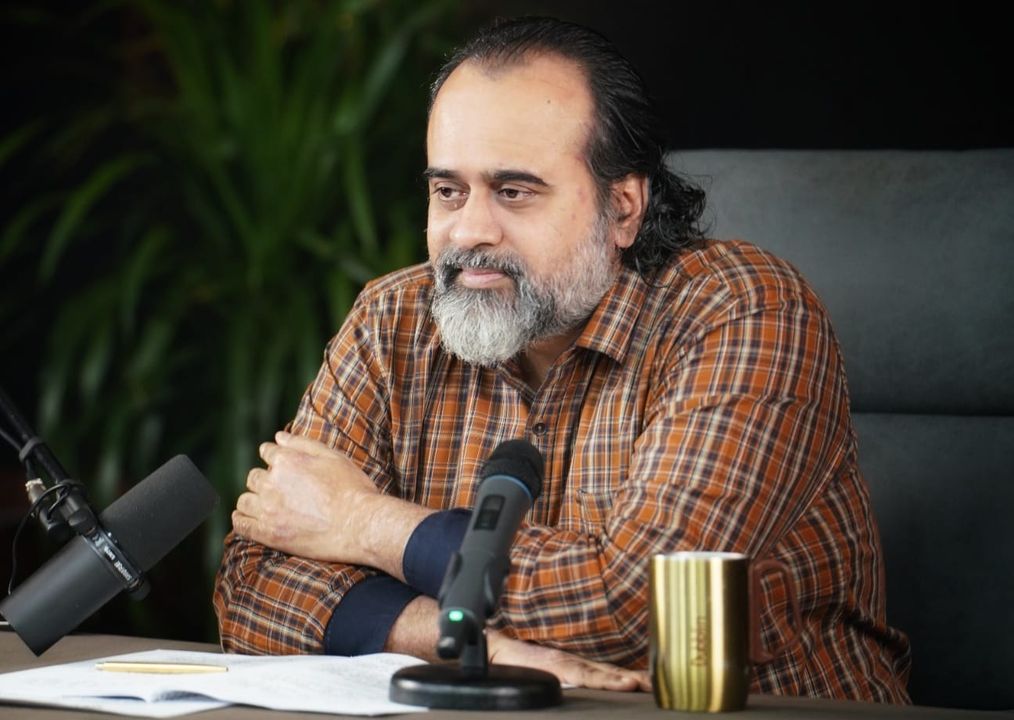
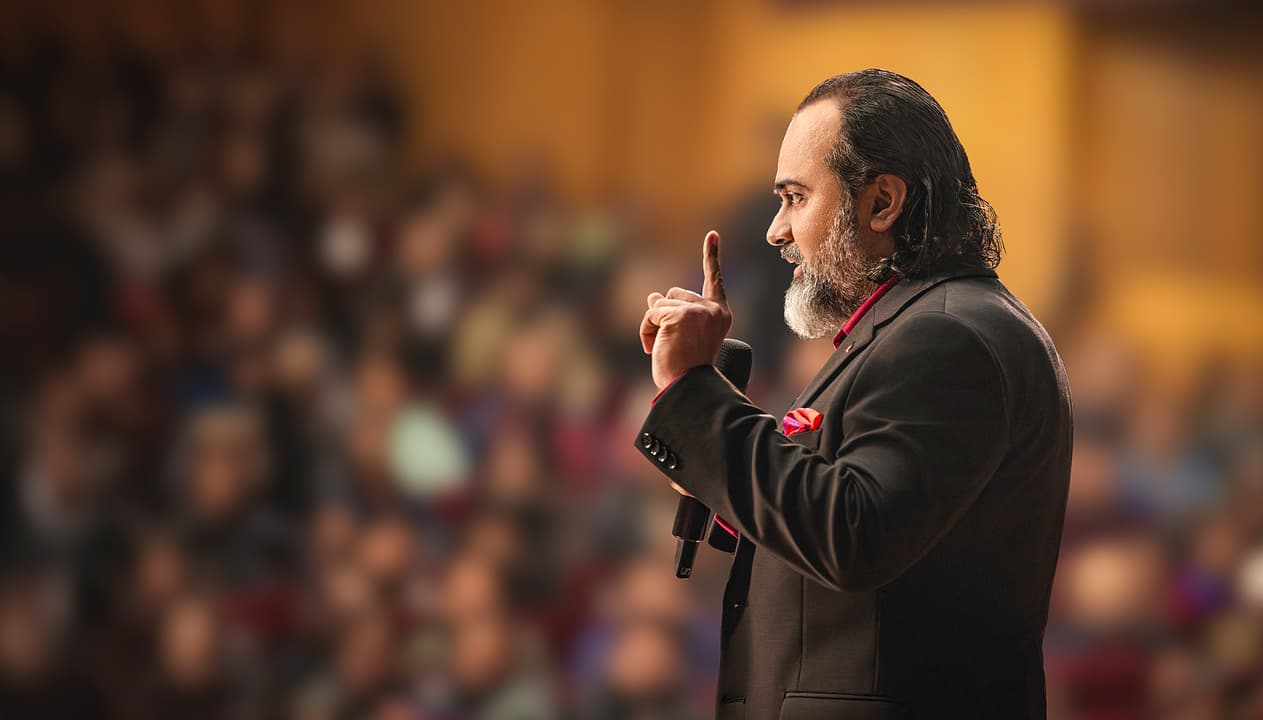
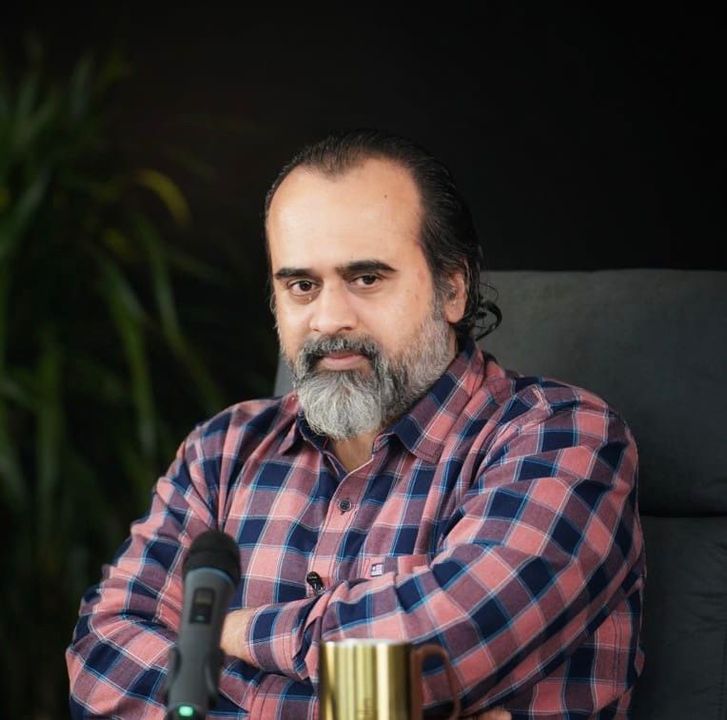
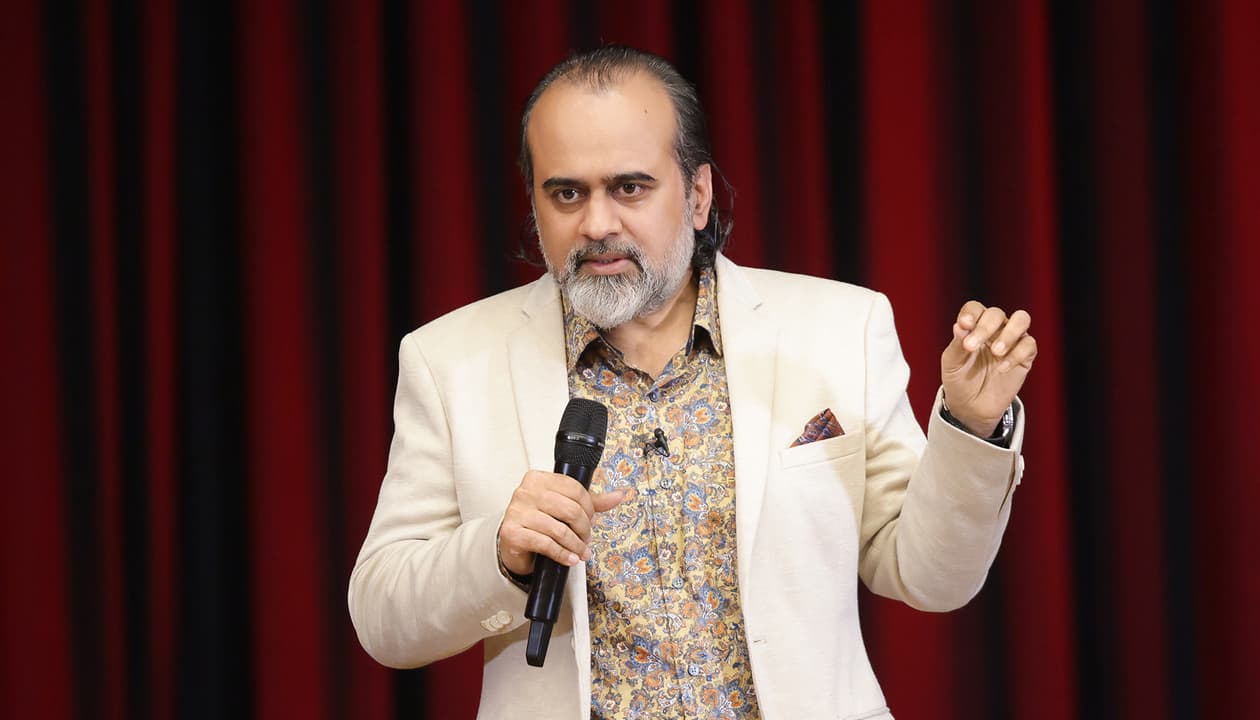
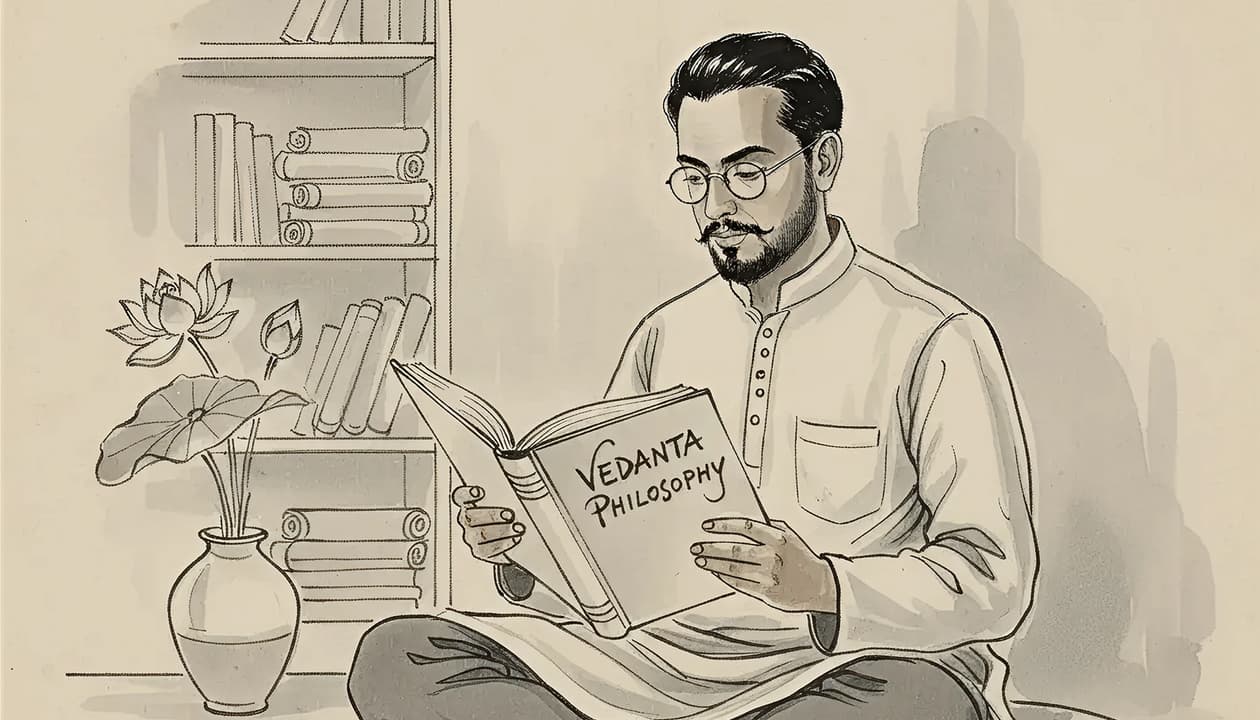
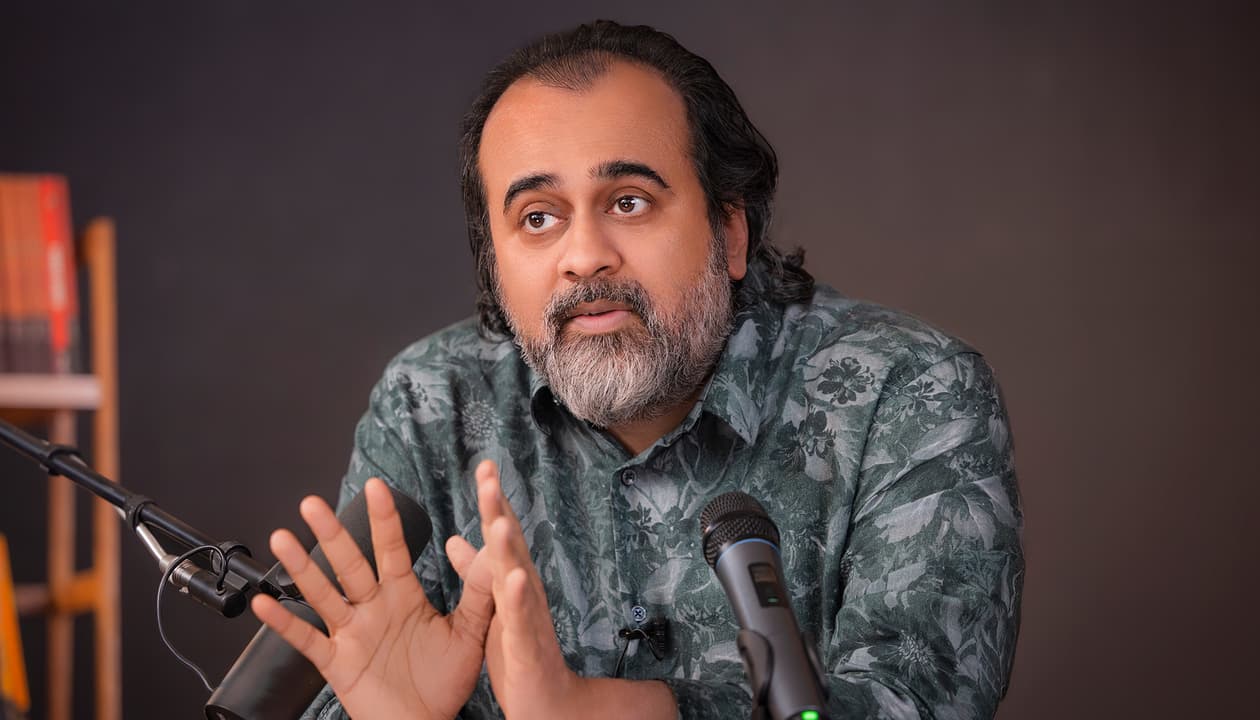
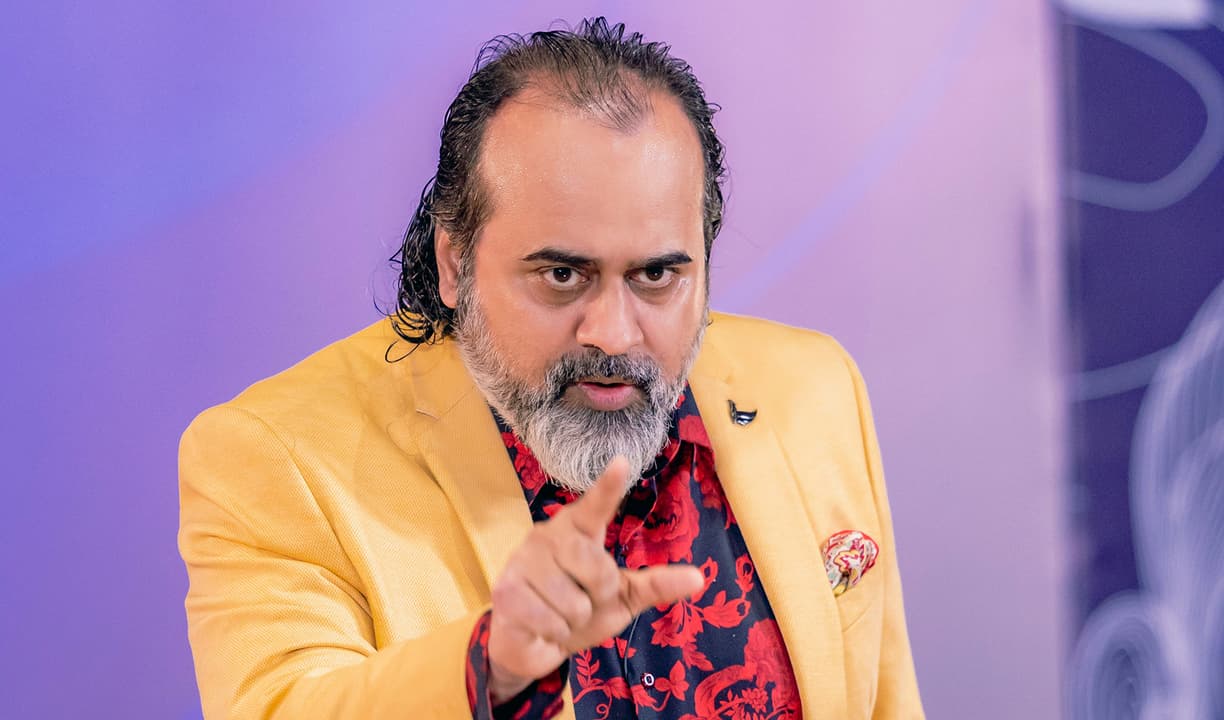
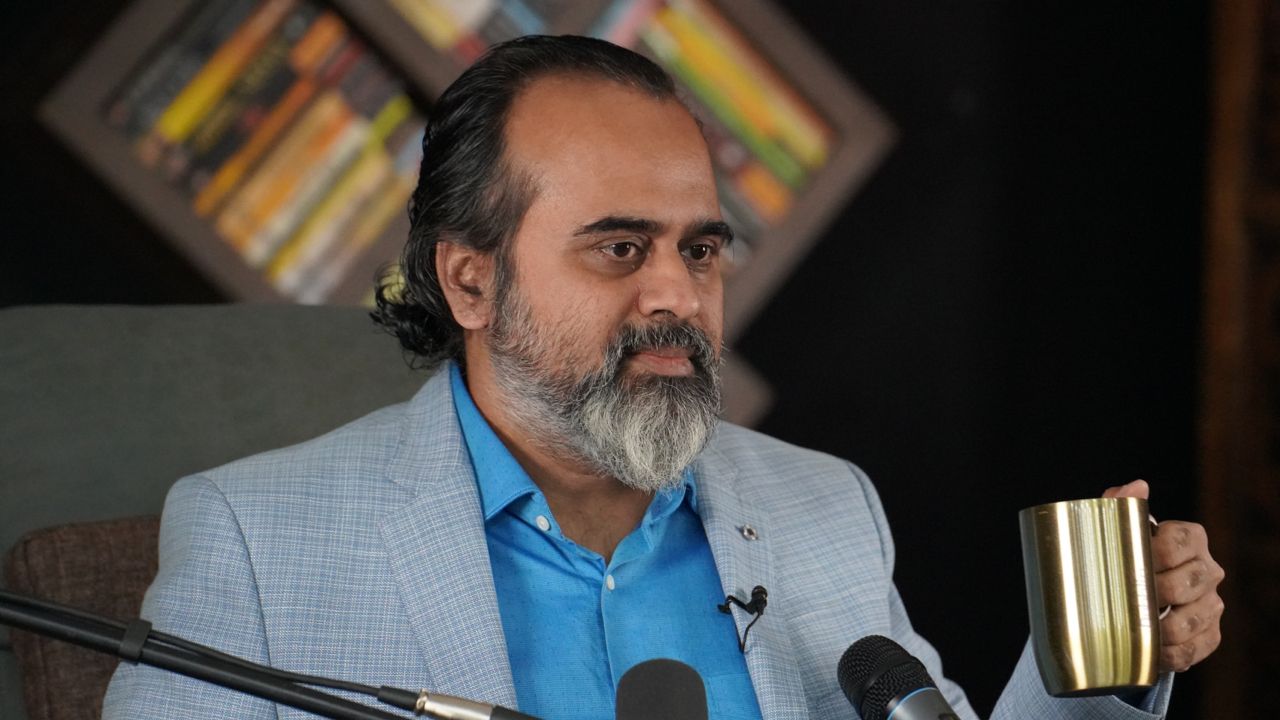
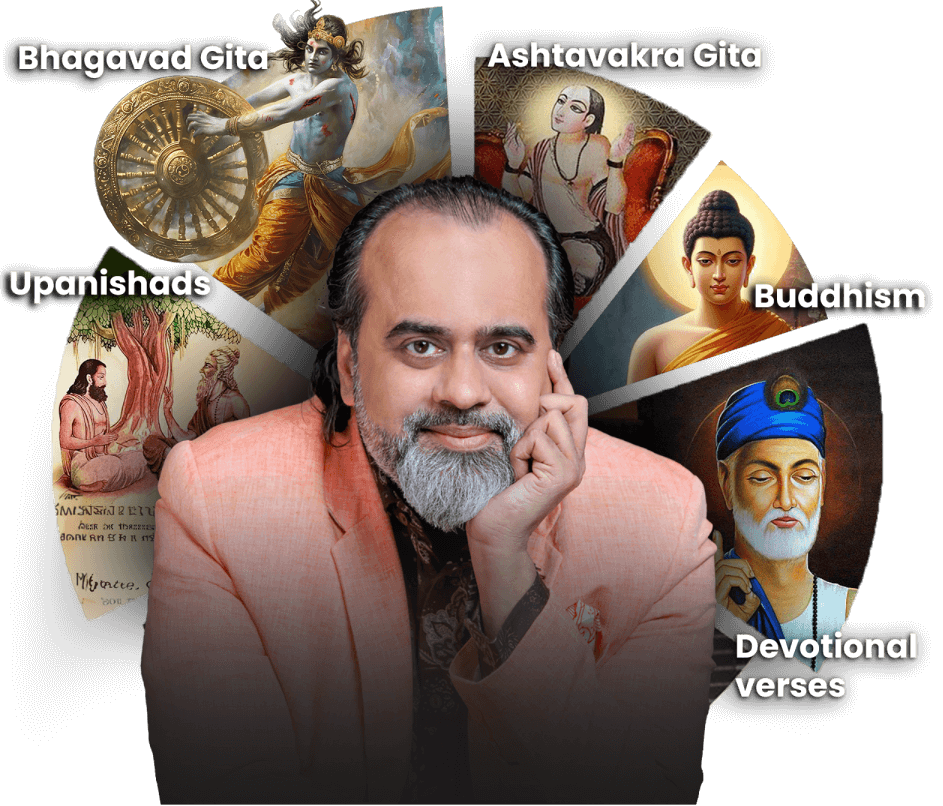
What is the relationship between quantum physics, consciousness, and the ego? This dialogue explores where scientific inquiry ends and self-enquiry begins. Through Vedanta, Acharya Prashant explains why the ego clings to its own existence, how beliefs and superstition shape our lives, and why lasting freedom lies beyond conditioned thinking.

Society has a role in practical matters, but it should never decide love, marriage, happiness, or the purpose of life. Real freedom begins when personal choices are guided by understanding instead of social pressure. While social norms help maintain order, they become harmful when they dictate relationships, career, or inner values. True happiness and love arise from freedom, not conformity, making every love story meaningful only when it is authentically one's own.

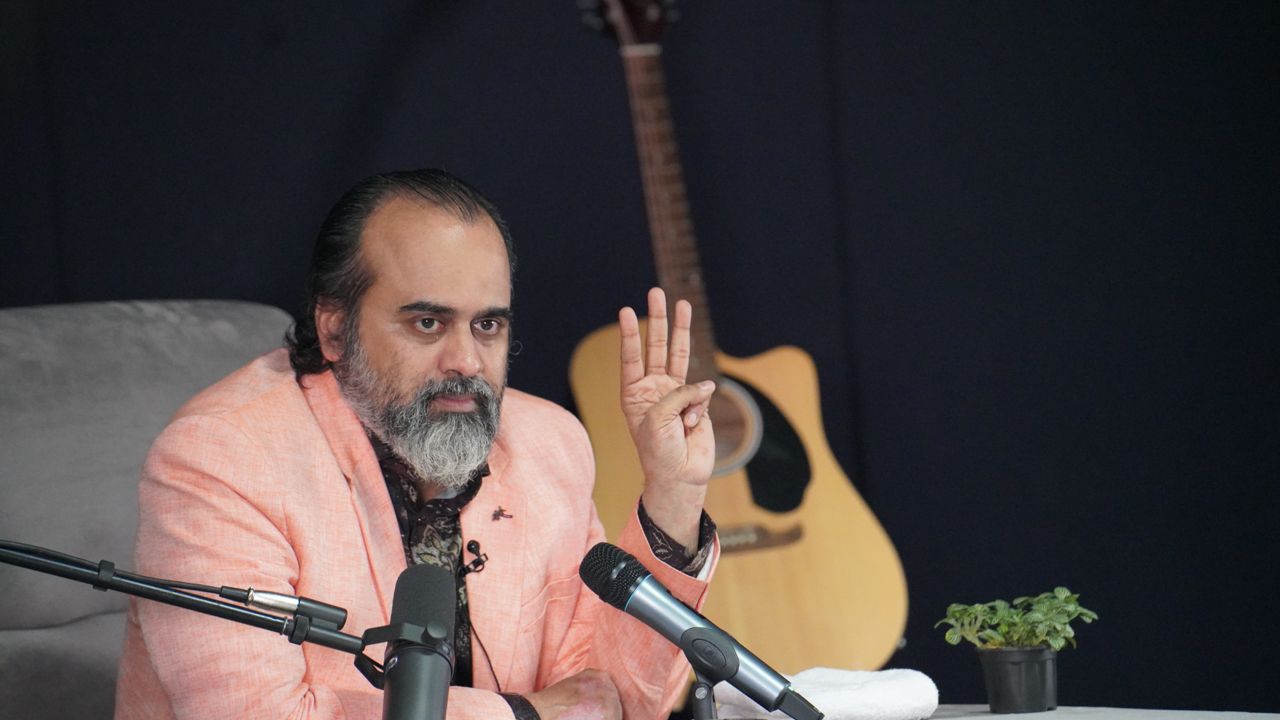


It is not really the action that counts. One has to look at the constitution of the actor. If you want to become India’s soldier because you understand the great principles that India stands for and realize that those principles are worth laying down your life for — then you should definitely become a soldier. However, if becoming a soldier is about defending just a piece of land, or your own self-worth or ego, then there is not much in this choice.
Questioner (Q): Sir, how to differentiate between these two things – being patriotic, and to not to identify with an identity?
If we say that we are patriotic to our country, this means that we are involved with an identity that is – being an Indian. So how to differentiate…
True God is the Truth right now in your heart. That is true godliness, true bhagavatta. The problem is that people want to avoid the real living Truth in their heart. Therefore, they come up with stories that place an imaginary God somewhere up in the skies. God is wonderful, but the stories and the imaginations about God are all very disrespectful towards God. When there is love for God, God is held very close to the chest, and that God is called Truth. That God is the very purpose of philosophy and the very origin.
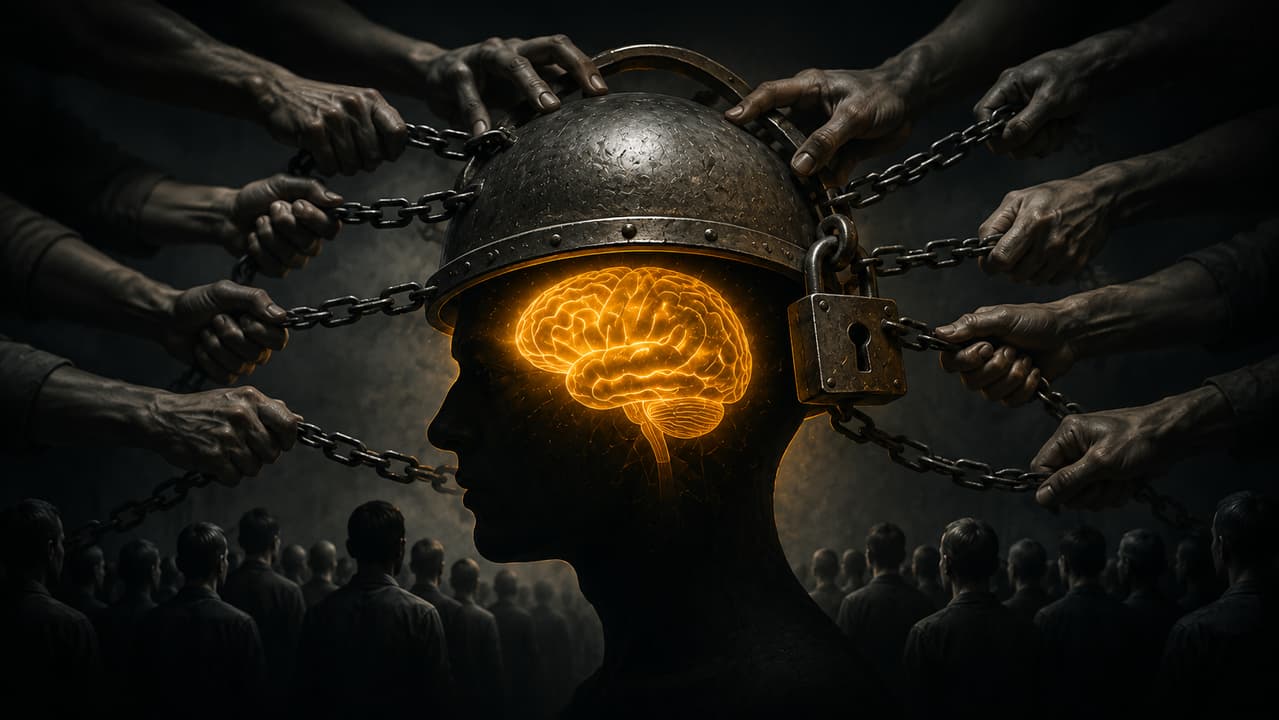
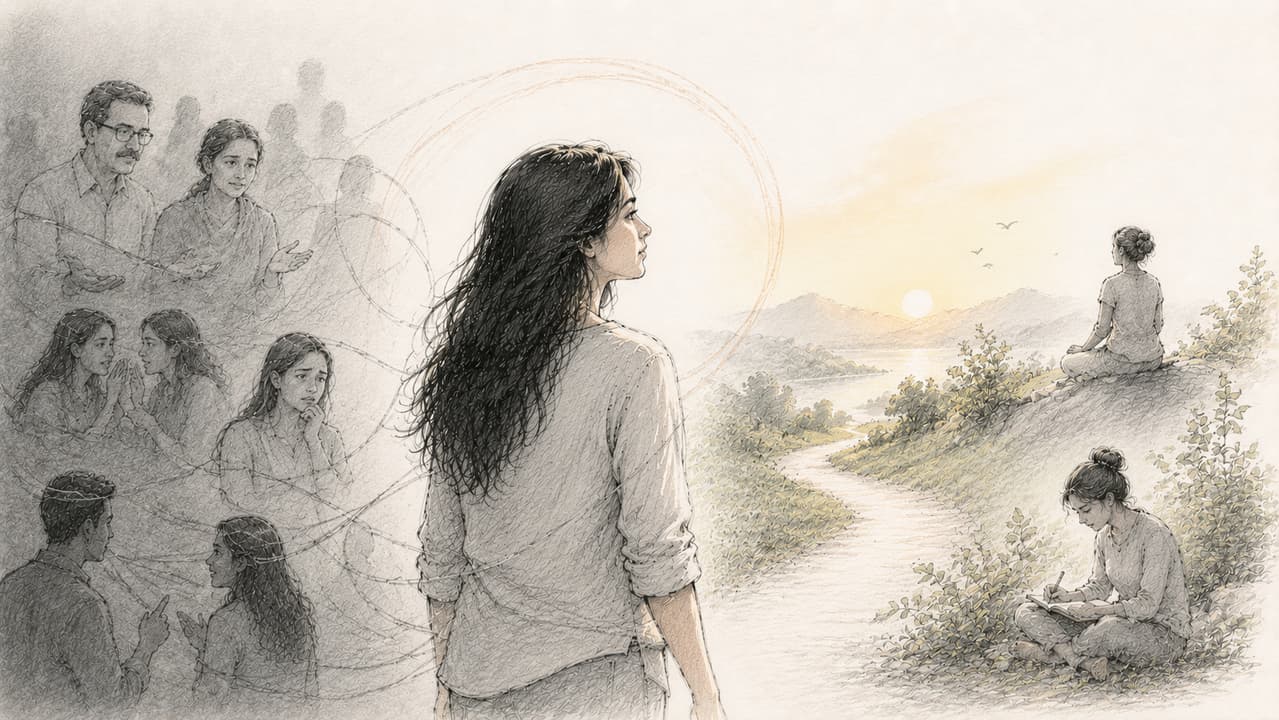
We often believe we are living freely, while our desires, dreams, beliefs, and choices are shaped by physical, social, cultural, religious, and psychological scripts. These scripts offer comfort and security, making us reluctant to examine our bondage. Freedom does not begin by imagining what lies beyond the script, but by deeply observing the cage we already live in, without fear, desire, or attachment.
Modern life is increasingly driven by materialism, social validation, and the desire to impress, leaving authenticity behind. When image becomes more important than substance, relationships, education, and success turn into performances rather than expressions of truth. Real transformation begins with inward honesty—the courage to stop seeking approval, confront inner emptiness, and choose authenticity over appearances, imitation, and external validation.
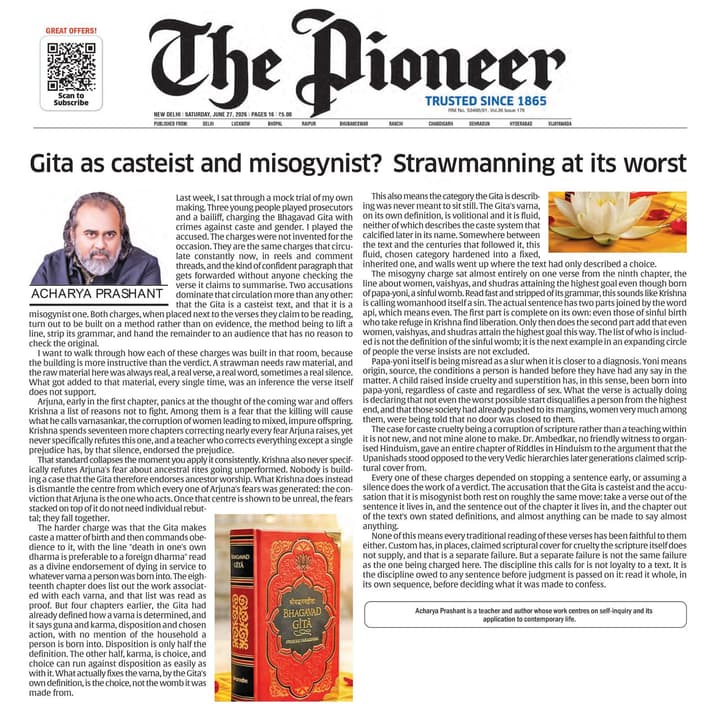
The Bhagavad Gita is often accused of supporting caste and misogyny through selective quotations that ignore context, grammar, and the text's central teachings. A closer reading shows that its emphasis is on inner qualities, conscious action, and spiritual equality rather than birth-based hierarchy or gender discrimination. Misinterpretations arise when isolated verses are detached from their broader meaning, while the Gita consistently points toward self-knowledge, freedom from ego, and the universal possibility of liberation for every human being.
Inner freedom becomes impossible when identity is borrowed from family, friends, or social expectations. Fear, guilt, and pressure arise because people allow others to define their worth and choices. Relationships become healthy only when they support growth rather than control it. Real autonomy comes from self-understanding, continuous inner inquiry, and the courage to act from clarity rather than conformity. When there is inner certainty, labels, criticism, and social judgment lose their power.
The climate crisis is not merely an external environmental problem but a reflection of inner human greed, desire, and psychological disorder. Drawing from the Gita’s idea of yagya as desireless action, it says real ecological healing requires inner transformation. Outer pollution, exploitation, and destruction mirror the ego’s inner confusion, making personal consciousness and planetary health deeply inseparable.
Many so-called spiritual practices falsely promote intoxication as a path to higher consciousness. In reality, this only deepens confusion. True spirituality is about clarity and self-understanding, not external experiences or blind belief. Neither gurus nor media can offer truth. It must be discovered within by honestly observing and rejecting inner falseness, with awareness and sincerity.
Question: A gentleman was saying that a person, who is drinking or is drunk, he still has got some kind of stability on mind, and he too, can judge. That is what I felt to be perhaps wrong. A person who is drunk probably loses his judgement and whatever we…
Superficiality offers pleasures. Superficiality offers cheap salvation. Therefore, it is easy to be attracted to superficiality. On the other hand, true spirituality challenges you to pay a heavy price. So, you see, all this knowledge has existed since antiquity. Yet there are people who do not want to read the Gita.
For most people, India is just a bit of land, a boundary on the global map, a political entity. These are not things you can fall in love with. To love, there must be something sacred, something worth worshipping. The identity of India, the root of the Indian nation is essentially spiritual. India has been a nation because of its Vedantic foundation.
India was a superpower in all possible terms and yet those lowly little Britons came here and colonized us. Is it possible? There is something fishy in the story. We don't want to go back and really read and figure out what really happened. We believe in this narrative: we were great, we were ‘Vishwaguru’. How can the land of the Gita be ever defeated? It was due to internal reasons that we got defeated and enslaved. And those reasons are still very much present today. Which means the fault is entirely our own.

The universe does not care for any human being. The universe is a very, very neutral place and a very random place. We are all products of randomness. Do you get this? The universe is not going to have any specific intention towards a specific individual. All that we are experiencing is episodes and events of random distribution. That’s all. Please understand the philosophy.

You see, the democratic system is a great one, but there are some problems associated with it. The leader comes from the masses, and the masses, by themselves, are never really attracted to wisdom. Have you ever found a voter asking his leader, “How many Upanishads have you read?” before casting a vote. The leaders know very well what they can ignore. They just want to know what your religion is, and what your caste is. That is why wisdom always comes last.

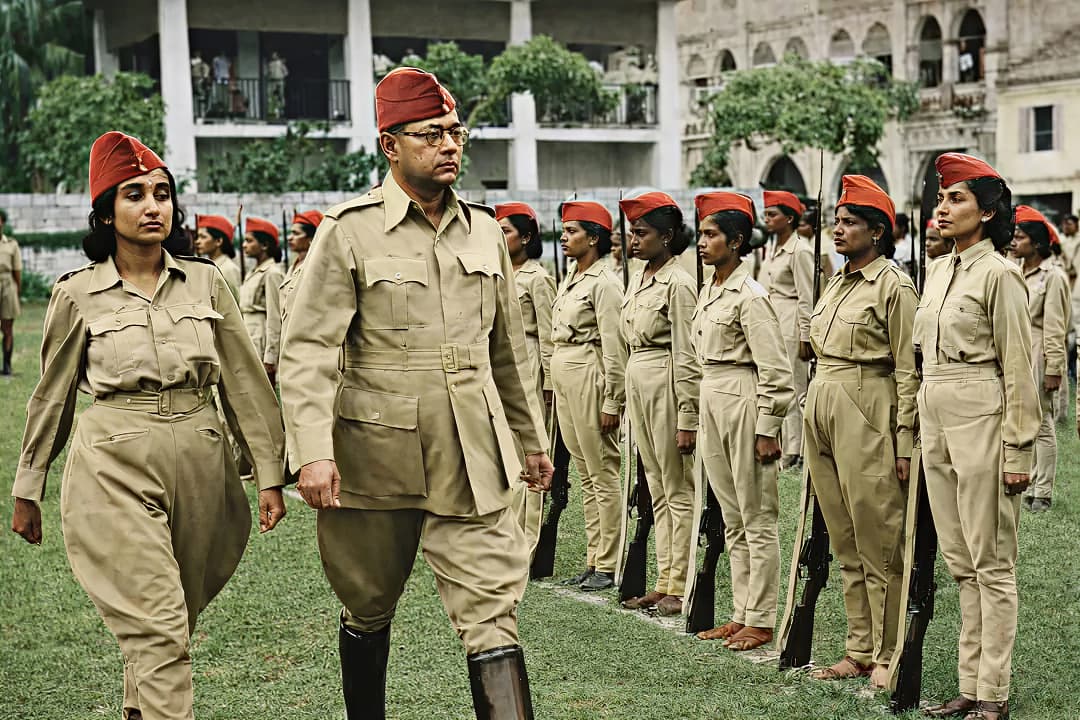
There is no revolution possible without the Gita. That’s the reason why even those who are not remembered particularly for their spiritual inclination, people like Subhash Chandra Bose, even they founded their core on Gita. What kind of revolution can you do if it’s the body that’s always at the top of your mind? You require a Gita to tell you that this body is perishable and would anyway go. Gita only teaches you, "Endure and fight."

Shri Krishna is saying: the mind is conditioned to move towards objects and perceive only their surface, periphery, or form. Develop the practice of penetrating further. Let Truth be your practice. The moment you would look at something, and you are in no position not to look at things being embodied, you would look at things. Nobody said that you have to practice lust. Lust just comes. You might be a total fool, an utter retard, and still you will find yourself getting sexually excited once you reach a particular age. Did you need some practice? No, you didn’t. It just happened. But if you are to understand lust, if you are to cross over, if you are to be a master of your body, then it will require a lot of practice, and that will necessarily and obviously tell you about your predicament.

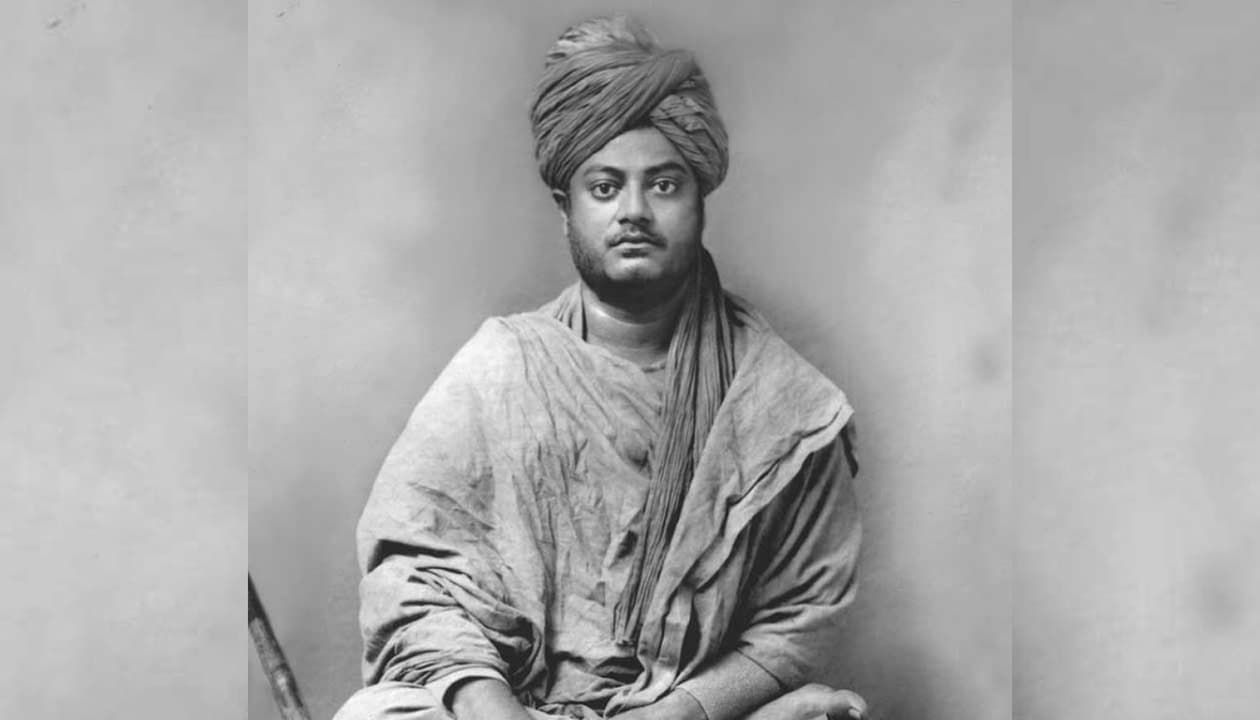
We love to talk of Swami Vivekananda as a youth icon. And I am asserting that were he to be here today, it is the youth that would resist him the most. When he returned from the United States, a huge procession greeted him, right at the port. But when he asked for just a hundred people who could be his soldiers, he was denied. Nobody wants to accept a Swami Vivekananda. He was resisted then, he would be resisted even today.

Beliefs can’t talk to each other. You will say, ‘The world was created on a Sunday.’ He’ll say, ‘No, on a Monday.’ He’ll say, ‘Tuesday.’ He’ll say, ‘Wednesday.’ Now talk, how will you reconcile this? You can only fight. Why do you need to believe? You look at the question, "What should I believe in?” Well, nothing.

If somebody is a great cricketer, I am all right admiring him irrespective of his nationality; that’s fine. But the question is: why is such adulation and such expenditure reserved only for people outside your own country? Indian soccer is totally starved of funds, but the same fans will not spend this money, not even a fraction of this money. Are we really poor, or are we just poorly directed? We don’t know the right direction to move in because we don’t know the right center to have.

So much so that, even today, India’s literacy rate is just 77%, and China has almost cent per cent literacy. That’s a huge difference. From where will you get innovation if your kids are not well-educated? And even if they are educated, they are just moving towards the service sector rather than the line of innovation. How will you lead the world? Just having democracy will not take you anywhere if those casting their vote are not educated enough.

You are given an image to pursue, and that image is a distant one, far off in the future. A villa of your own, two nice cars, two cute kids, a light-skinned wife, such things. That's the worst concept you can subscribe to in life: settling down. What does that mean? Not changing anymore, not improving further, not having the guts or the stamina to be disruptive anymore. We are very loveless people. All we care for is security, and that's why there is so little creativity and innovation here.

If you see GDP growing at a fast rate, it is not a matter of celebration; it might actually be a warning. Don’t do that. Slow down. GDP is something that you can increase even with a lot of income inequality, as is happening in the case of countries like India. We need clarity. We need to be extremely clear on the definitions of our national imperatives. If development means the images we have been carrying of the United States, that is unsustainable, just not possible.

If you are offering something to somebody without expecting much in return, then you'll never be afraid. Fear comes only from greed and desire. If your aim is to bring the Truth to the other without expecting anything or without expecting much, then you will never be afraid. Never.

What surrounds you is 99.99% trash. And if, by glorious chance, there is 0.01% greatness, brilliance, selfless compassion, you will never accept it because you are used to the usual 99.99%. You will think even this one is of the same type. You need to be very careful about this because it’s a double trap. One, you are surrounded by idiots. Two, when you meet the one exception, you are so conditioned to idiots that you take even the exception as an idiot.

The very nature of research is that there is uncertainty. It’s a dive into the unknown. We fear the unknown so much that we want to stick to known lanes throughout; that’s what explains the lack of a research culture. There are just so many masters all around and over you. Don’t listen to them. All those who stop you from flying high, they are being irresponsible, because they in no way can compensate for the opportunity you lose.

The authentic one can never be harmed because he lives freely and without dependence. If someone can inflate you with their words, they can also deflate you. By accepting your identity from someone else, you have needlessly made yourself a beggar. The authentic person does not want anything from any external being. He can have a relationship, but he’ll always be ready to leave. And that does not mean the relationship cannot have love. Love and desire are different things; desire means: I want to exploit; love is about giving without expectation.

Drop the center of confusion, come to the center of clarity. Drop what the masses practice, come to the direct route of self-realization. That’s what it means.

You have lifted the World Cup, and with it, part of the weight of centuries. Such victories go beyond the field; they remind us how much becomes possible when you are unshackled from limiting scripts and submissive roles. A true victory is not over an external opponent, but over one’s own limitations: personal, cultural, historical. When women play freely, the nation breathes freely. When women claim their place, the planet finds its peace.

Spirituality is not belief. Please, please. In fact, spirituality is constantly sniffing for belief. And if I smell belief there, I’ll come hunting. Spirituality is the unrelenting enquiry into all beliefs in life. “Why am I living on imaginations? I want to question.” Enquiry does yield results, but it requires honesty. If you honestly look at yourself, you’ll discover there is a reason why you are irritated. In the absence of honesty, belief is the crutch.

Prasad is what you get by being in contact with a luminous source. You are close to the Bhagavad Gita, there are insights, you start living those insights, others look at you and see something special, something luminous, and feel inspired — that is prasad. There is a certain realization, and you want to share it with everybody — that is prasad. Your own inner illumination is prasad.

Had you not been told what to do, would you have done even one of the things that you currently do? Think of it. If nobody tells you to take a particular kind of education or a particular career, would you still go in that stream? Very unlikely. Most of that which we want is something we have been ‘made to want.’ You are not even a puppet. You are a bubble — a bubble blown by society. Once you start looking directly at yourself, the need for external validation then reduces.

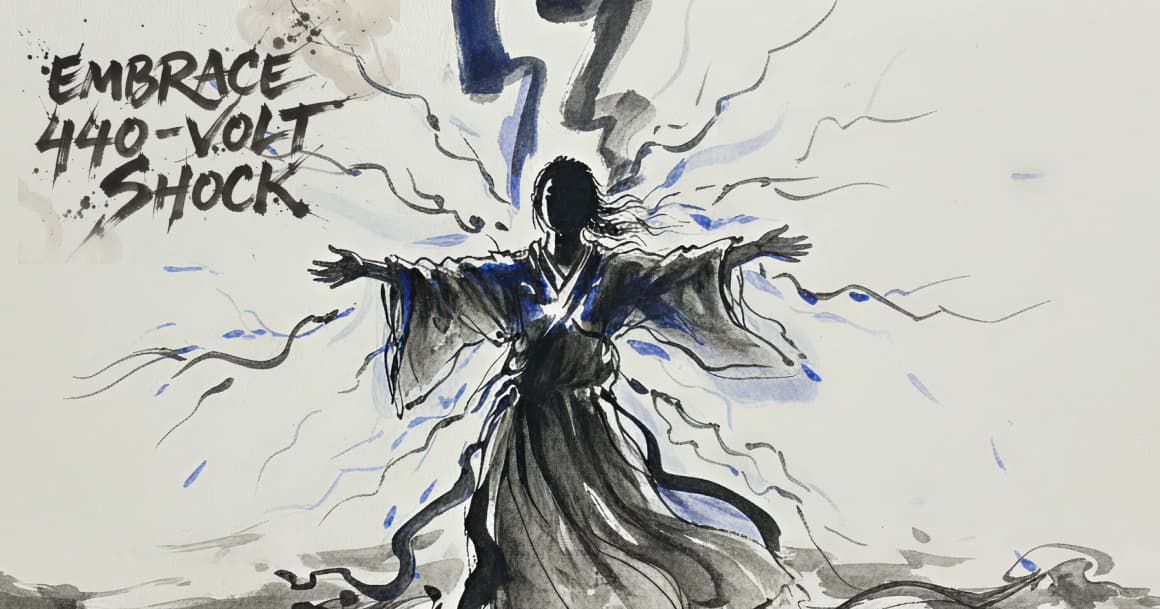
Life will give you a 440-volt shock, embrace her. The moment you embrace, you will be thrown away. Embrace her again. Develop stamina. After a while, you discover this is what you have always wanted; this is your deepest longing. Remaining protected, covered, insulated, secured — that's not the way of life. Those who cannot bear pain will never know joy. It's in the depths of your pain that joy will emerge.

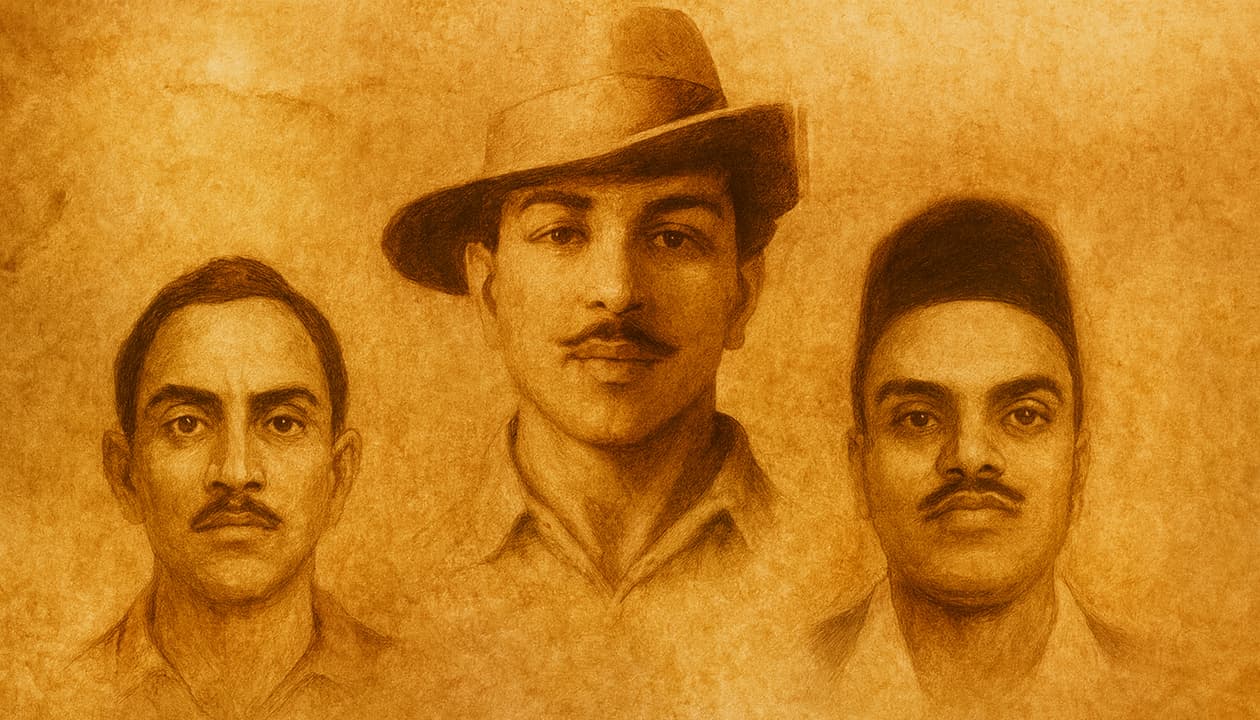
Today we venerate Bismil, Rajguru, Bhagat Singh, and Azad, yet many of them were let down by their own youthful compatriots. Be it any era, most people are governed mostly by their biological mandate. The choice is to either follow your biological compulsions, or go by the whisperings of your free mind, the aspirations of your yearning consciousness. The villains are ordinary; it is the hero who emerges against the norm. This age desperately needs a few heroes.

Real spirituality is actually a shameless path — not something that sounds elevated or admirable. In contrast, conventional spirituality or ‘Lokdharm’ feels poetic and enchanting — romantic mysticism. The most common statements are often the ones that deserve your scrutiny. Whenever you're bombarded with high-sounding fluff, ask: “What exactly do you mean by that?” Expect answers rooted in bare facts, not in abstractions, idioms, or euphemisms.

Existence does not allow multi-tasking. It says, “One thing at a time.” Rule one is that whatever is happening, it must happen fully, 100%. Second thing is what is happening right now, must happen only right now. It should live in this moment, be fully alive, and then it should die. It should not carry forward into the next moment. The first formula is the rule of complete life and the second one is the rule of complete death and these two must go together.

As young people, we mistakenly take tradition to be the Truth. Tradition tells you in advance, "This is important," and you believe it. This has to stop. You must question, inquire, and experiment. Because if you have readymade definitions of what is important, then you will never come to what is truly important. And when you independently inquire, a lot of unimportant nonsense disappears from life, and fresh space is revealed. Now, through your own discretion and wisdom, if you decide that these things are indeed important, then so be it.

There is nothing that can continue in time unchallenged, untested, undefeated. The moment anything starts journeying in time, it is bound to be defeated and die. So, how is immortality or eternity possible at all? It is possible only when your association with things in time is deep. Eternity lies in the quality of time, not in the expanse of time. And the depth of association is known by seeing how we usually superficially relate, without attention or inquiry into what they really are. This superficiality is mortality.

You are promoting belief, and religion's mandate is to demolish belief. Religion's mandate is to promote inquiry. But as your example suggests, that has never really been the case. First of all, religion gets into all kinds of worldly things. Who made the rivers? Which tree is sacred and which tree is not? What to wear? Where to sleep? Whom to marry? What to eat? Religion gets into all these things which are none of religion's business. True religion is just an inquiry into the ego, the self. "Who am I?" That's religion.

The first level of your nourishment must come from your textbooks — immerse yourself in them. The book is not just about passing exams and moving to the next class; the book turns you into the individual that you would be. Be very, very affectionate towards your books. Textbooks lay the foundation, and if you can master them at your stage — 12 years or 13 years of age — it goes a long way because you have laid a good foundation for yourself.

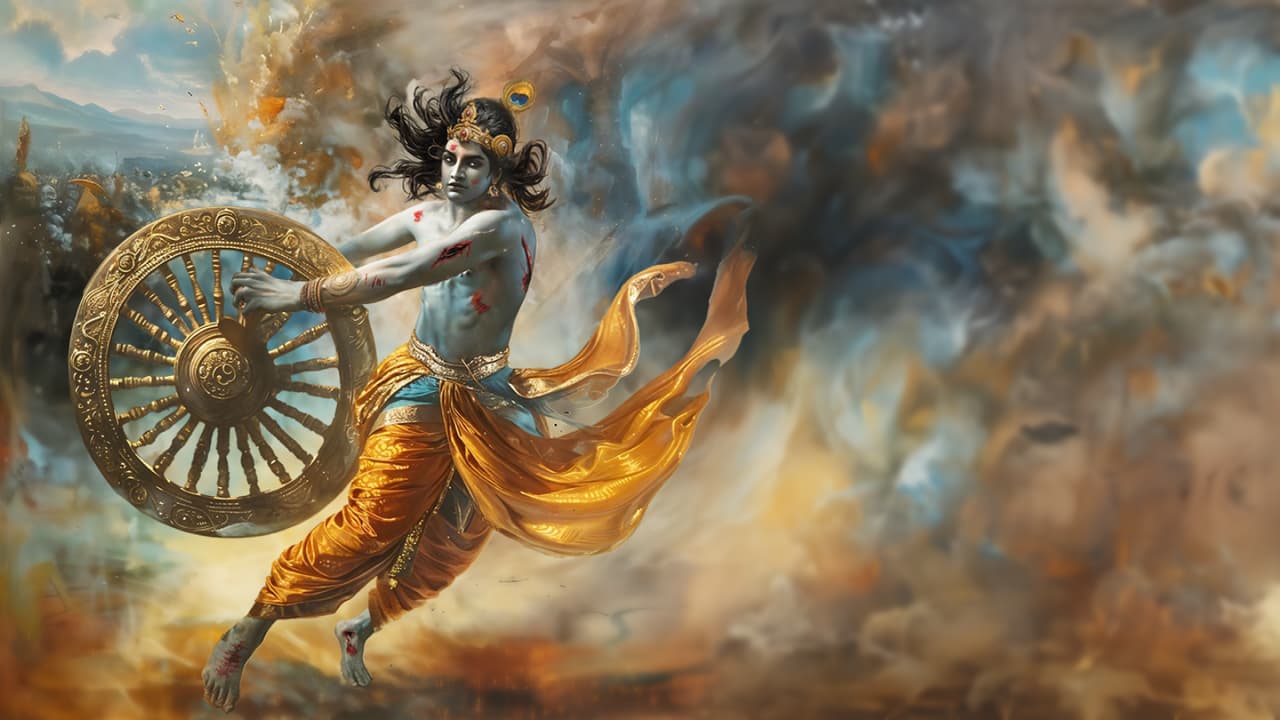
We have images of peace. When you look at the image of Shri Krishna rushing towards Bhishma to attack him personally, going beyond his brief as a charioteer, you don’t think that this is peace. You feel as if Shri Krishna is being violent. The expression of peace often looks very much like violence. Truth, Peace, Love, Freedom — these must never be searched in ‘actions’. Peace and Truth are no different. Peace is about the right action.

When you are reading the Upanishads, and your face has a sudden radiance, and you feel for yourself what it means to say, ‘pūrṇam adaḥ pūrṇam idam,’ then I will say, “That! That is Bharat.” Otherwise, what do ‘bha’ and ‘rat’ mean? Nothing. All this is just wordplay. The word ‘That’ is of tremendous significance — ‘That’; ‘tat’; ‘tat tvam asi’. ‘Tat’ — ‘That’ — 'That is Bharat.'

Overview
Fighting Duryodhana is Dharma. Fight Duryodhana in the way you can, that is swadharma. Dharma is the same for everybody, but swadharma varies according to your physical, social, temporal conditions.
But remember that swadharma can never be in contradiction of Dharma; swadharma will always be something…

A lot of people from the West come to India, thinking that the land itself will do something magical to them. The land will do nothing on its own. One comes to India to probe himself, to know himself. The process is Upanishadic — of deep discussion and deliberation. If you are madly in love with realization, then India can bless you with something very magical. But India’s blessings cannot be foisted upon someone; one has to be deeply in love with, and desperate for those blessings.