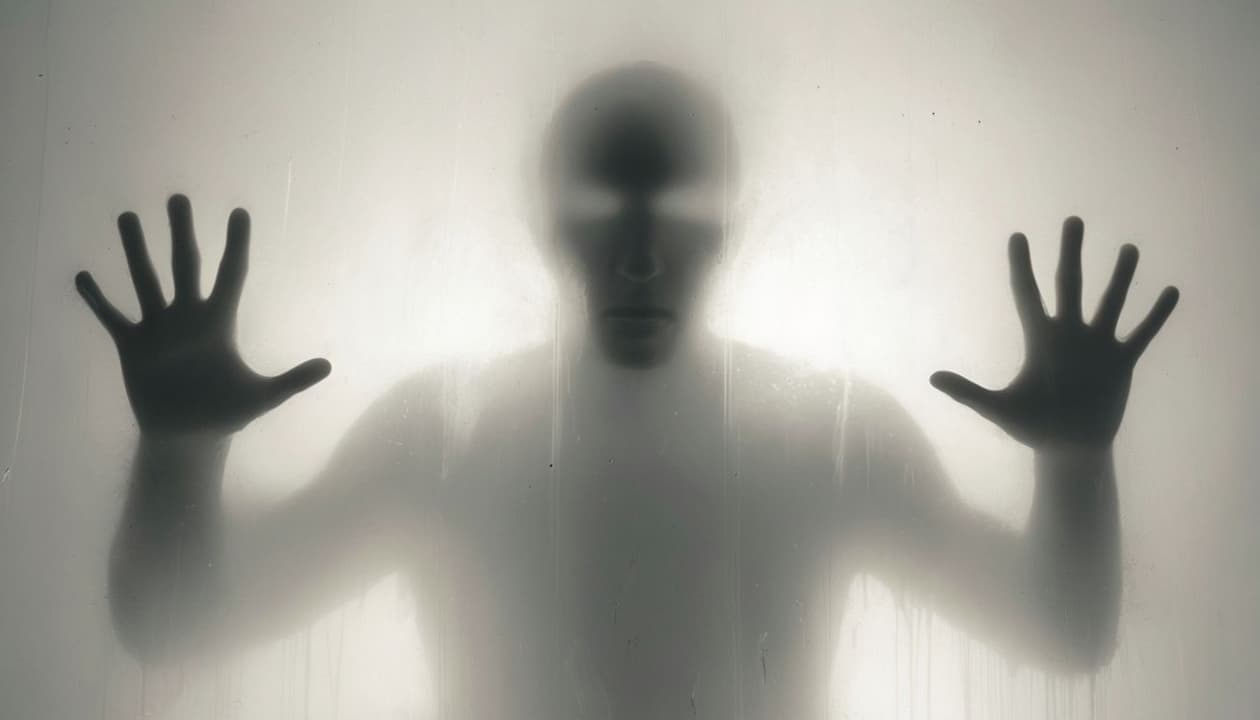
To the one who believes in ghosts (Bhūta-Piśāca) — for him, they exist. When you are asleep and are engaged in some nightmare, you feel it actually exists. Bhūta-Piśāca Nikata Nahiṁ Āve, Mahāvīra Jab Nāma Sunāve: Mahavira Hanuman, devoted to Shri Ram, is to be taken as the representative of Truth. If you can be close to the representative of the Truth, you will get rid of all nonsensical and horrifying imaginations.
This summary is AI-generated. Please read the full article for complete understanding.
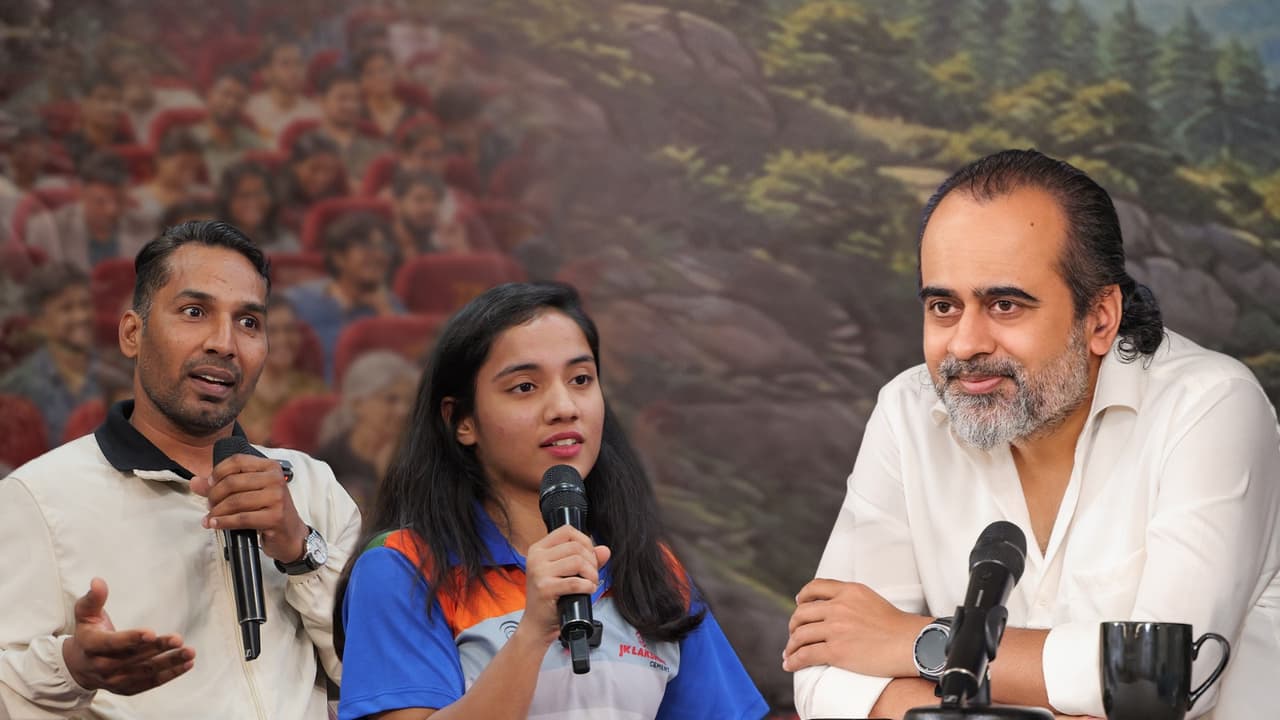
Questioner: I'm a second-year student, and I'm pursuing chemical engineering.
So, there's this line I'd like to quote from the Hanuman Chalisa, (Hanumān Cālīsā) which is pretty famous:-
Bhūta-Piśāca Nikata Nahiṁ Āve, Mahāvīra Jab Nāma Sunāve.
This, among many other literary pieces, has been misconstrued and obviously used to justify the presence of ghosts. I have a couple of questions springing from this. One, what does this line exactly imply? And two, is most of the andhbhakti in India because of the poor understanding of literary devices? Thank you.
Acharya Prashant: See, one of the issues is we do not put people and books in perspective. There is a difference between, let's say, Sage Ashtavakra, Shri Krishna, Sage Yajnavalkya or philosophers like Kapil Muni, Kanad Muni, Gautam Muni, and Sant Tulsidas. Except for Sant Tulsidas, all others belong almost to antiquity, and what lies at the root of their work is philosophy. Sant Tulsidas is a great and very recent poet. That should answer your question. A wonderful poet, a very recent one — just 500-700 years back, that's all.