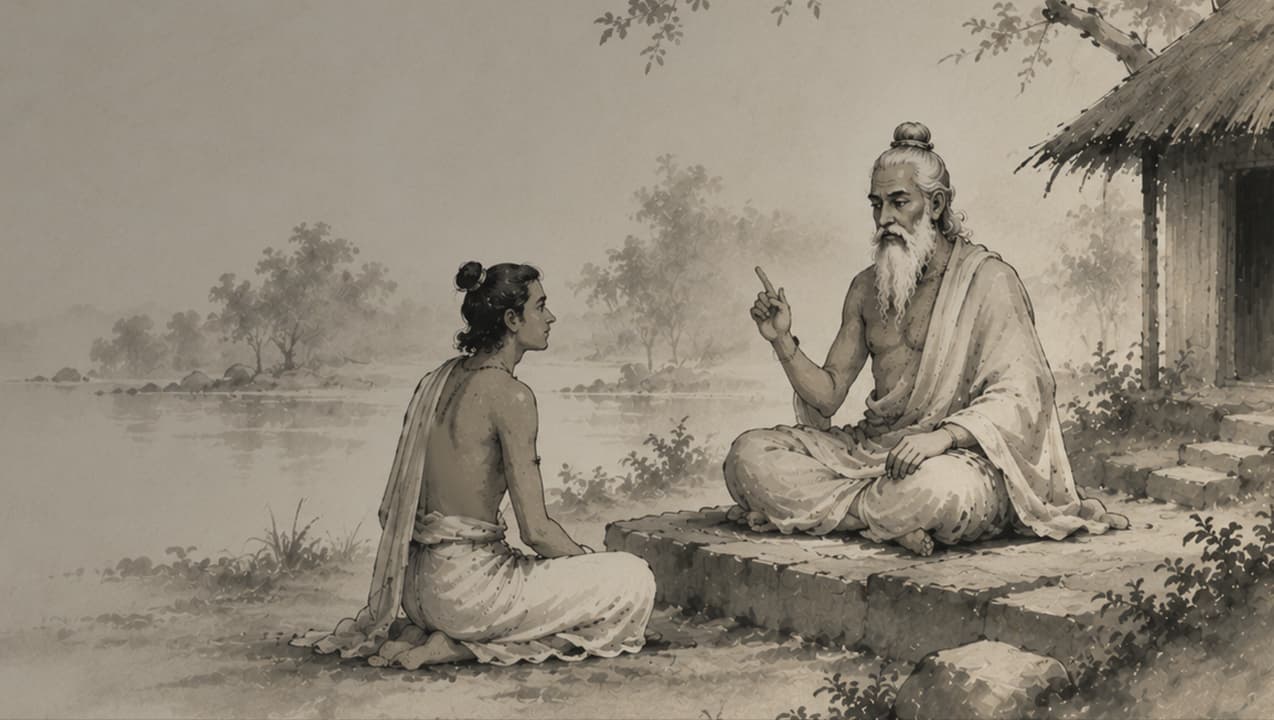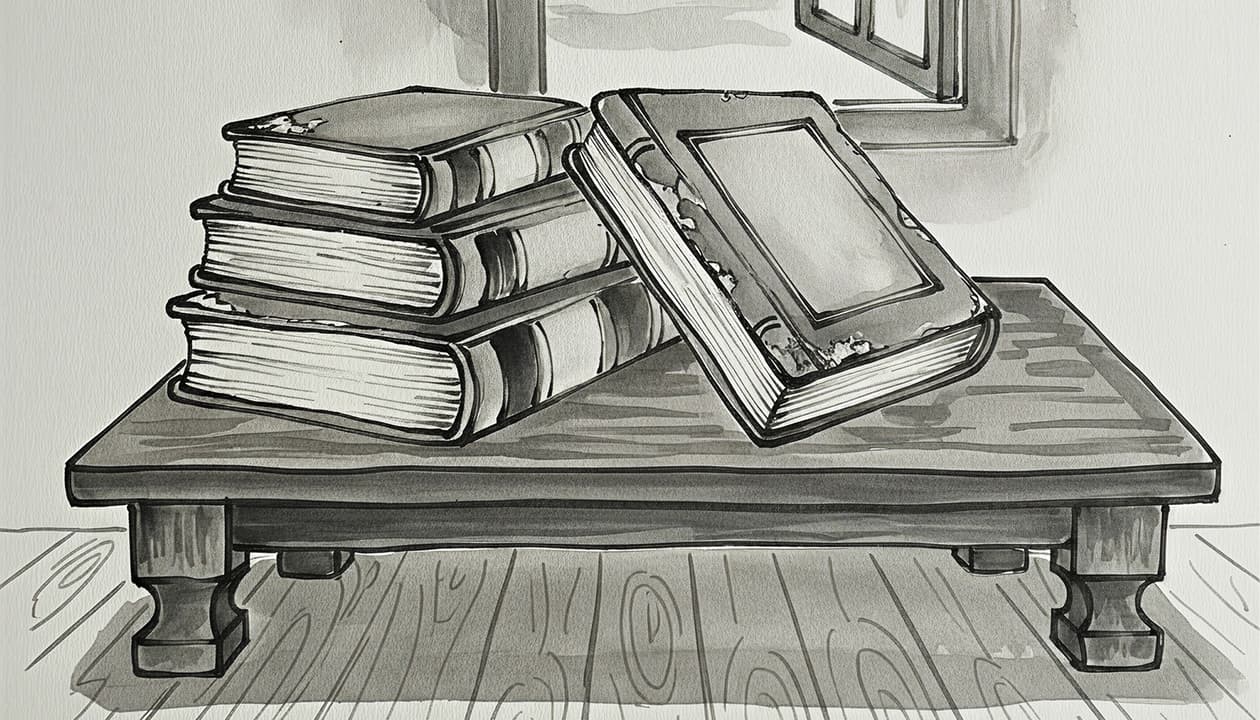
Only when you drink from the river of silence,
shall you indeed sing.
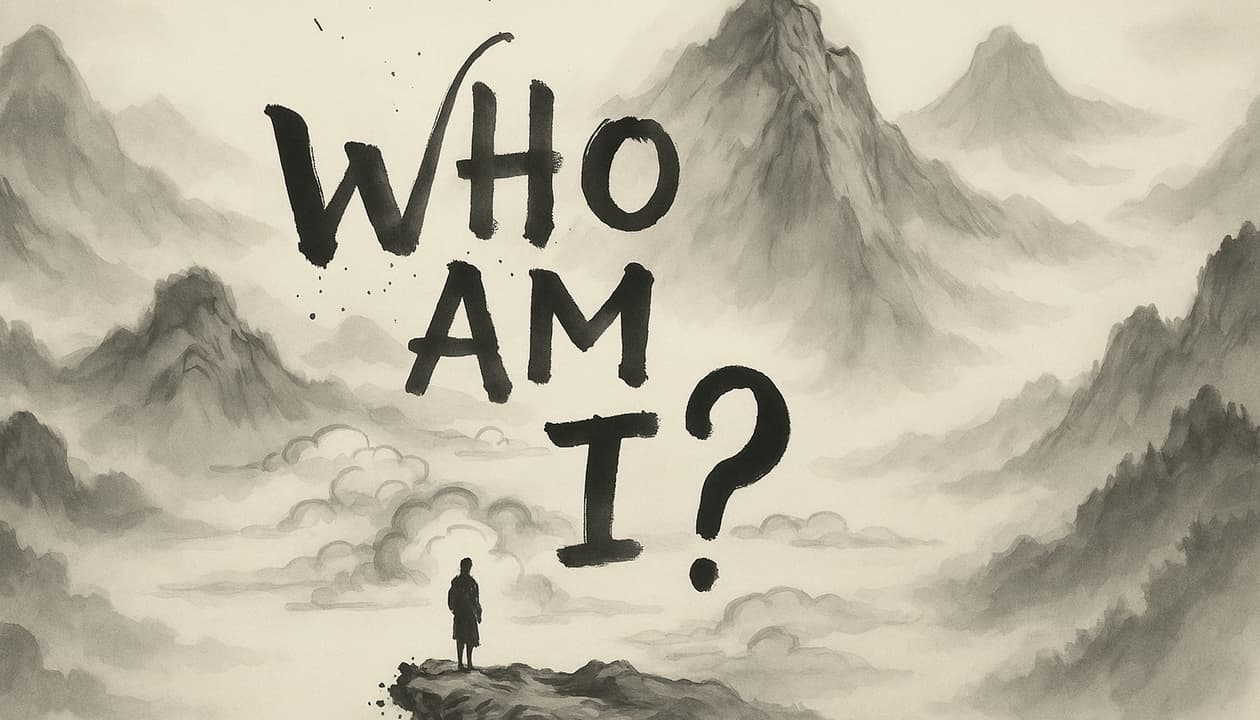
Only when you have reached the mountain top,
then you shall begin to climb.
And when the earth shall claim your limbs,
then shall you truly dance.
Khalil Gibran
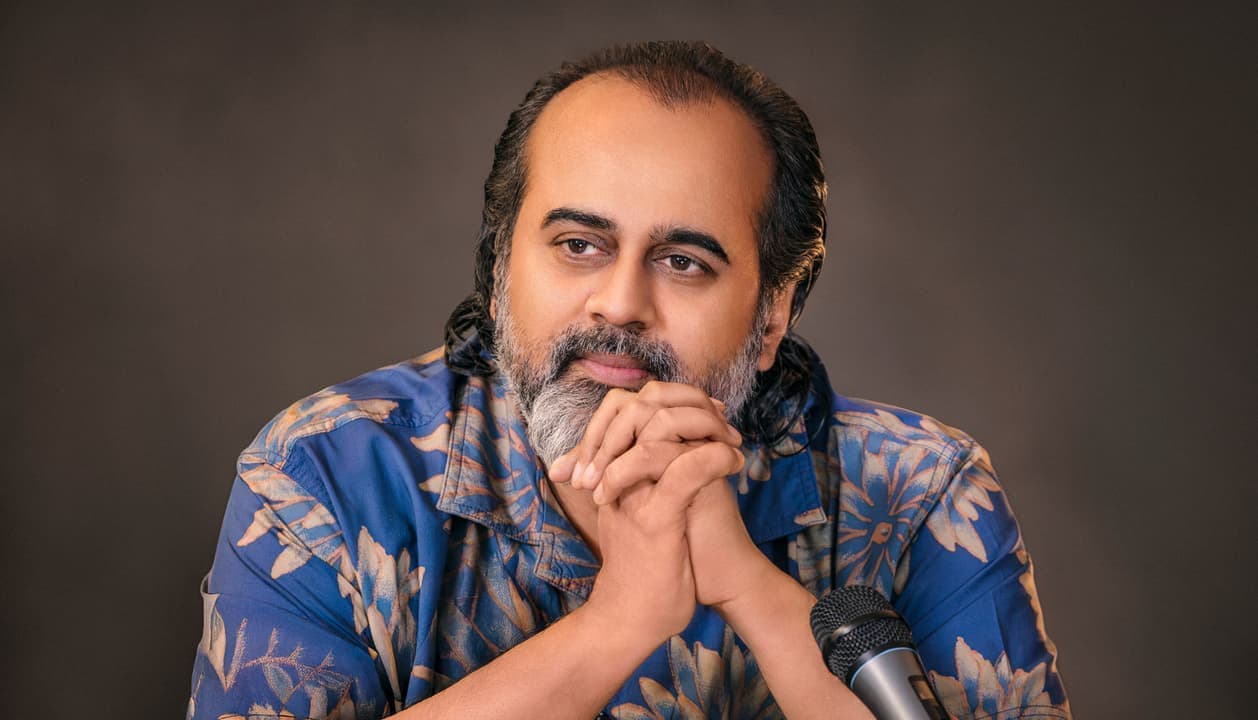
Acharya Prashant: “Only when you have reached…


Science can examine material claims, but Advaita Vedanta deals with the subjective self, ego, suffering, bondage, and liberation—areas outside science’s objective framework. Vedanta need not be accepted because of one’s religion or tradition; its value lies in whether its insights can be personally verified and help free one from suffering. The ultimate responsibility is not toward any philosophy, but toward oneself: to live a truly free life.

Climate change is more than an environmental crisis—it is a crisis of human choices. Our patterns of consumption, consumerism and endless pursuit of more are putting increasing pressure on the planet. But meaningful change does not necessarily begin with new technology or stricter policies. It begins with a deeper question: what are we willing to change within ourselves?

Superhero films appeal to our desire to escape inner inadequacy through external power. The fantasy of an ordinary, fearful person becoming extraordinary reinforces the ego’s belief that more strength, money, possessions, or status will bring happiness. Consumerism follows the same pattern, endlessly adding objects to fill an inner void. Real freedom does not come from becoming more powerful or acquiring more, but from honestly seeing and understanding the ego that feels incomplete.

Science and philosophy arise from different kinds of inquiry. Matter seeks continuity of state, while the ego seeks continuity of existence and constantly changes identities to preserve itself. Fear, danger, and suffering are rooted in the ego’s sense of “I,” not in material reality itself. Questions are valuable because they expose hidden beliefs, and genuine learning requires challenging assumptions through inquiry, dialogue, and self-examination.

The debate around nudity and movements like “Free the Nipple” miss a deeper issue: true freedom is not about clothing, but freedom from psychological conditioning and body-based identity. Clothes themselves neither oppress nor liberate. A truly free society is one where the body becomes ordinary and irrelevant, not a source of obsession, shame, validation, or social control.

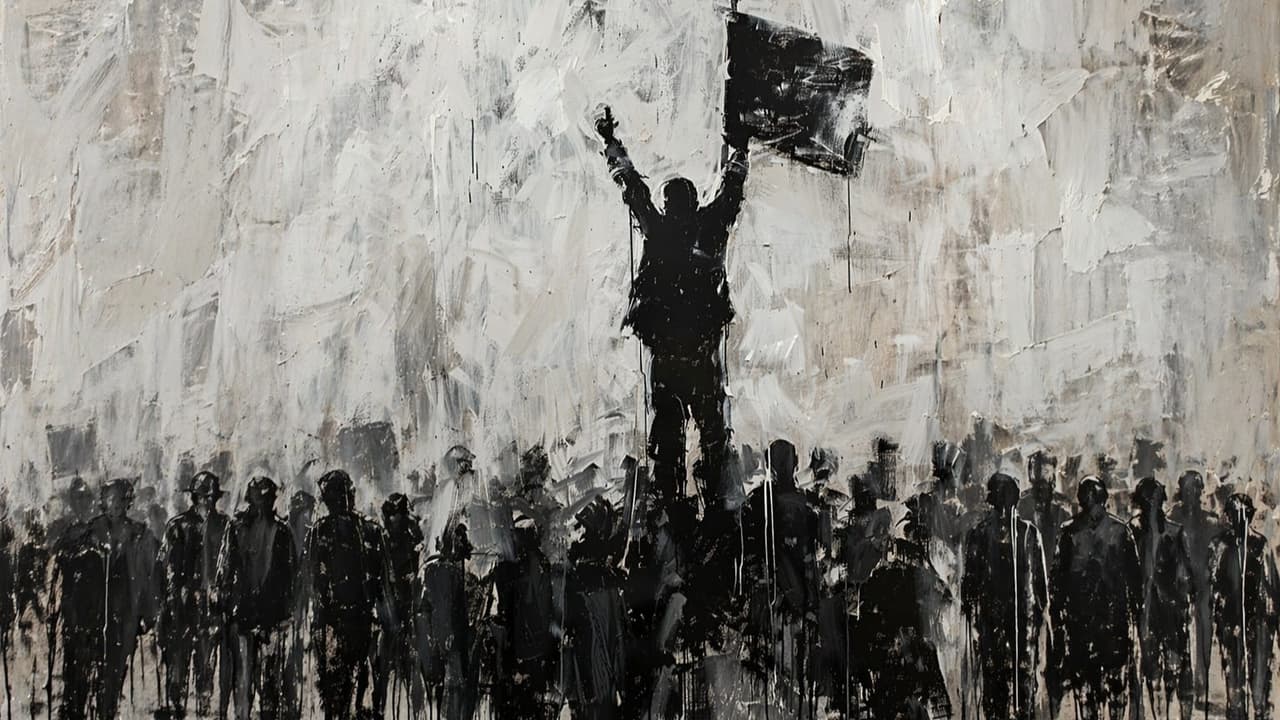
You look at Iran, at revolutions, and ask: can systems really bring freedom? Revolutions keep replacing one system with another, yet the chaos remains. The real question is rarely asked: what within us creates these systems? Real freedom is not political or social; it is inward. Without inner change, every revolution only rotates power, never resolves suffering.

Global conflicts stem not from geopolitical interests but from the ego's fundamental incompleteness. Nations are merely expressions of collective egoic consciousness. Leaders represent humanity's worst tendencies, not its average. The ego requires duality and boundaries to survive. True disarmament means detoxifying the ego itself. External wars reflect internal disturbance. No diplomatic solution addresses the root cause, only wisdom and self-knowledge can dissolve the ego's need for conflict and separation.

Our mood is always dependent on others and situations. Results have not been up to your expectations. So now you require a morale booster, some motivating speaker. The moment that fellow is gone, your energy also goes away. But there is another way of living. Deep within myself, I find a point that no external situation can touch. Whatever happens, happens on the surface. That will remain stable, uninvolved, a non-participant. Then you are really free.

What do you call as ‘bipolar disorder’? Is this disorder fundamentally not present in everybody? Mind lives in dualities; that is what you call as the ‘poles’. Sitting on one pole you feel attracted to the other. There is always a need to change and become something else. Won’t it be great to firstly understand the mind itself–its urges, its actions? There has to be determination to go into the route of the swings, desires and urges, to be free and well. And it is quite possible that the right medication need not be a pill.

The only principle that truly runs this world, created by all of us, is the principle of greed and power. What do you think that fellow has earned his billions for? He didn't become a politician to be noble. The only thing that separates us from animals is the intellect, not the center the intellect is operated from. Don't locate the problem and the responsibility somewhere out there. We change ourselves; the world changes.

The world is a crooked place. You will have to be zig-zag, tangential; that is the nature of the world. Realization of crookedness is the only straight thing possible. If you want to become straight, let yourself be crooked. Once you know that the straight One, the innocent One, is sitting in your heart, then you no more feel the need to display a fake straightness. Now you can get rid of all morality. Whatever you are doing is coming out of your love and compassion or just enjoyment.

Often, in the name of financial pressure, what we are really kneeling down to is something else. But because that something else is not nice enough to be named, what we quote is financial pressure. Nothing is ever forced in a tangible way. The way is kept gentle in appearance. But there is something else at work inwardly. What is that thing? That is what you have to uncover. You have to be honest towards yourself, very honest.

There can be no self-respect without self-knowledge. And we have been repeatedly saying that the ego survives only in lack of self-knowledge. The less you know yourself, the denser and more crystallized your ego is. Self-respect is nothing but self-awareness. The more you know yourself, the more you realize who you are not, and that brings you to who you are. That is real self-respect, knowing oneself.

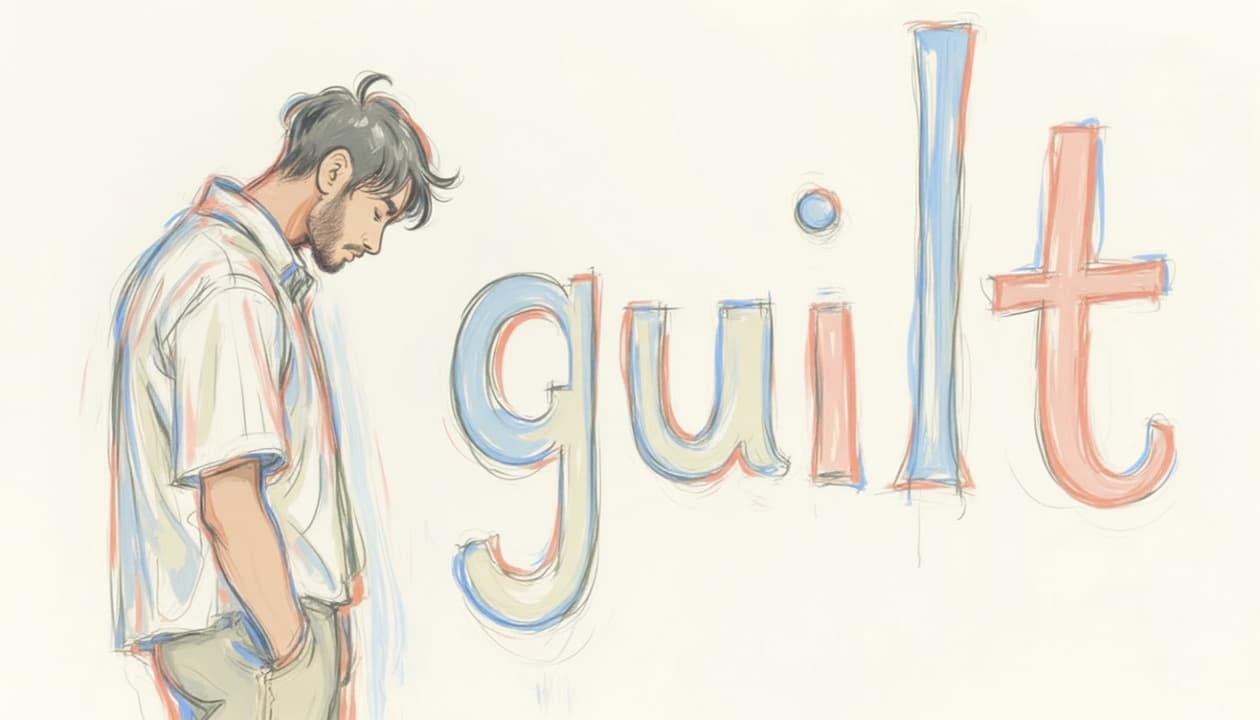
Guilt says, “I am better than how and what I did.” Right? There need not be any imagination in this. Far better than guilt is the realization of one’s actual state. And once you realize where your choices and decisions have brought you, there is a certain sublimation. That honest realization does not shout too loudly, but it has great power. For that power to arise, you first have to acknowledge where you really are.

I am being told to work hard, but not for myself. I am being told to slog for something I don’t really care for. This is the situation of each one of us: no purpose and high pressure. The very system is designed to rob you of having any innate, heartfelt purpose of your own. Pressure alone is not the problem. The very nature of a great purpose is that it brings pressure, but such pressure now is life-saving, even life-giving, because you love what you want to achieve.

The other must exist in your life, and vice versa, only for the sake of internal elevation, to make you into a better person. Don't you see the impact the other one is having on your life? Seeing is the key. What does seeing mean? Seeing implies understanding. See and ask yourself: What is the impact upon me? And if you see that, you'll just push it aside. It will be spontaneous. You won't even require to think, because now you have seen.

Every living being, from humans to the smallest species, is trying to change the world to suit its own needs. But this is not intended to do any good to the world, it is just coming from the little ego. And the ego will not say, “I'm not all right;” it will try to change the world. So, if your idea of ‘good’ is only relative to your personal self, is it right to impose it on others? You must be clear about why you aspire to change the world, and whether you have brought about any change in yourself first.

As a doctor, can we limit our responsibility to the one particular body or to the set of few bodies that come to us for treatment? Or is the patient actually a representative of an entire society, an entire ecosystem? Can I really be a good doctor of the lungs, if I support a society that pollutes the environment in the name of development? So, if I'm a doctor, then health is my responsibility in the holistic sense, not just one patient.

It’s not going to be right when the patient starts playing the doctor. We need to grow up; and having a kid, in that sense, is an opportunity. You want to be of some use to the kid, then grow up with the kid.

Joy is not a problem. Suffering is a problem. I am the sufferer. And if this ‘I’ is the problem, the sufferer, then firstly the ‘I’ itself has to be approached. And when I find that my efforts are getting saturated, I will have to go to a book that talks exclusively of the ‘I.’ The Upanishads are such books, because their subject matter is nothing but the ‘I.’ So, if you come across something that is dealing in stories, beliefs, and deviating from the self, you must know that it is not Vedanta at all.

The theoretical reply would be that if condemnation hurts you, then somewhere you are looking for praise. Even if it’s implicit praise or subtle praise, there is some hunger for praise. Or the inner condition that the ego has set is, don’t give me praise, but don’t condemn me either. So there is some condition that the ego is setting on the world. The fact is, the world has a movement, a flow of its own. You cannot set any condition on it. If you are getting hurt, it means there is an expectation, a condition.

At the level of the body, this world will have an influence on you, and there is no need to even contest that. Let it happen, because it is going to happen anyway. But inwardly, let there be a place so sacred that nobody is allowed to enter — not even you. And when that is there, you can freely participate in the world because you'll no longer be afraid. You'll say, “Come what may, I'm secure within.” Then you will live in deep security, and we all know how pleasing security is.

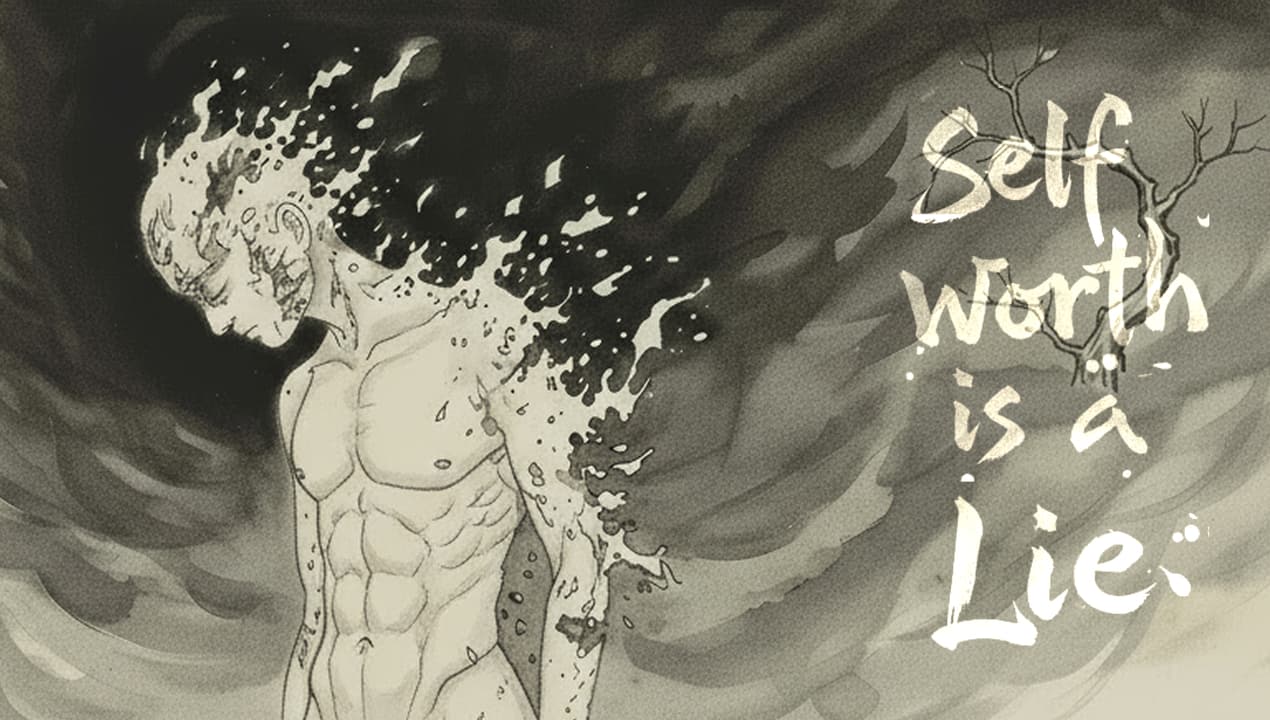
The self is a hollow, incomplete thing by its own admission. It has no free existence of its own; it is nothing but associations with the objects around it, absorbing its worth from the environment. To hide this absence of self-worth, you keep running after all kinds of things, yet the promise of fulfillment is never kept, and you are deceived. Therefore, to have any self-worth, you must have clarity about the self. All wisdom literature is about clearing away your false notions of the self.

Question: If love is death of ego, then how will we live? Man is made of only these things. So, the only thing left will be ‘soul’. So we can say that we have moksha (liberation).
Speaker: The question is: If love is death of ego, then a loving man…

Questioner: If love is death of ego, then loving man will be just soul. So, is love Moksha (Salvation)?
Acharya Prashant: Everything that you just said, is a concept in your mind. Ego lives on concepts; ego lives on thoughts—concepts are thoughts.
What is the definition of a concept? Where…

Our definitions of beauty and greatness are all egoistic. Something is beautiful if it corresponds with our likes and with our taste — then we call it beautiful. Whereas the real definition of beauty is that which silences you, that which does not leave you even in a position to utter a "Wow!" That's beauty. That which takes you beyond yourself — that's beauty.

A suicide is a sad event because it prevents us from realizing our possibility and potential — there was an opportunity to live, learn, grow, realize, and be liberated, but it was wasted. But how many of us actually manage to realize our potential even if we live to 80 years? Hardly anybody. For our species, the extent of aliveness is proportional to the freedom and height of our consciousness. So ask yourself honestly: How close am I to the best I could have been?

You are the quality of your present action. You are, right now, attention itself, if you are indeed listening to me. Unfortunately, this identity won't last. Soon you will be distracted. You'll become somebody else. The discipline lies in holding on to the highest identity possible, that which you know to be the highest, given your limited capacity. That's who you should be. That's the answer to — ‘Who am I?’

In the universe, there is no good, no evil. Ask instead, ‘To whom is good, and to whom is evil?’ The self, the ‘I,’ the ‘me,’ the one who wants to define good, the one who wants to define evil — he is evil, because he does not exist. Spirituality is giving the evil something right to do. If you do not give the evil the right thing to do, it will pick something else, making itself feel relevant, whereas the fact is that it has zero relevance. Work to remove yourself. That's your task.

Acharya Prashant: That's why the rājasika mind is better than the tāmsika mind. The rājasika says, “I’m not alright. I need to do something to become better. I feel inferior. I feel incomplete. I need to rise. I need to achieve.” That’s the rājasika mind. The rājasika mind at least…

The hurt that you have received is a result of your own lack of understanding about the nature of life. This is an opportunity to understand life. It is an opportunity to not let the previous mistakes be repeated.

I'm not asking you to be a loner or an avoider of human company. It's just that things must be given their due place — and their due place depends on their quality. If you do not have good quality people around you, there are many other better options. Why not spend your evenings learning to swim or sing? And there could be so many other things. I mean, you would know better.

Doing or not doing — both are functions of the doer. The doer is the instrument. Is the instrument, first of all, reliable? Know who you are. Know what it is that you lack. Know what it is that you need to shed. And then the deed is right. Then you know the one right direction for you — choicelessly. It's not just about doing something. It's about knowing the doer.

For change to happen, somebody has to be a change agent. But if that agent starts thinking, “I’m not exploited; I benefit from this discriminatory system too,” then who will demand change? My employer earns 11X from my intellectual labor, pays me X, and saves 10X. But that X enables me to run my household and fulfill my dreams. So, will I ever rise and rebel? The system bribes you into submission. The exploiter incentivizes the exploited to stay exploited.

Figuratively, we say that Om, comprising ‘A, U, M’ (Akār–Ukār–Makār), representing the three states of consciousness, dissolves into silence, and silence is the target. Similarly, the mind, leaving behind all its three states, disappears into the target. Pass through all that you can experience — all that is possible in waking, dreaming, sleeping — and then transcend into 'non-being'. Within the three states, you are you, but when you leave the three states behind, you have left yourself behind. And when there is no you, then there is no mind, no ego. That is. That is.

The parts of the Upanishads that do not deal with self-enquiry can be taken as outdated. They do not want to address things that change with time. Mankind today is more prosperous than it has ever been in its history — but internally, are you not still afraid? Are you still not greedy? That’s the problem of the self that the scriptures seek to address. The Upanishads are dealing with a very peculiar problem that time alone cannot address — and that is the problem of fundamental human suffering.

It was Guru Nanak who said, "You may try as hard as you can, but you will never get to know the mind of the liberated one." That's from the Adi Granth. You keep trying. You keep speculating. And the ego has a serious urge to know what is going on in the mind of the Buddha. But you'll never know what's there in the mind of the Buddha. Being who you are, how will you know the mind of the Buddha?

The moment your kid crosses four or five, the right kind of literature should be brought to him or her. If they can't read, then in the beginning, just through oral instruction. And later on, books can be given. So that too is very important. A well-read kid will not fall prey to easy temptations or all kinds of griefs.

A common misconception that many of us have is that ‘ego is pride’, but it is far more pervasive than pride. It is the sum total of everything that we have taken from the outside and accepted as our beliefs and identities without applying intelligence. But we are not a sum total of external influences. Even if everything external is taken away, the pure existence still remains — we have an existence of our own. Ego is this forgetfulness of our pure existence.

Our culture has turned attachment into value, very proximate to love. However, attachment is poison and has nothing to do with love. We don’t feel ashamed admitting that we are attached, as if something beautiful is happening. If you are with the wrong one, and not even prepared to see that you are with the wrong one — that’s attachment. And you can never be attached to the Right One; there is only dissolution.

The Gita has nothing to do with sāttvikatā. Even sāttvikatā is to be rejected as destiny, while even rājasikatā is to be embraced if it serves as a means to freedom. Everything and anything is fine if it is usable in the context of liberation. Even sattva can become an object of consumption — don’t we see learned people whose knowledge becomes their identity? The Gita is about getting rid of all traps — be it sattva, rajas, tamas, or anything.

Whenever the past bothers you, you should immediately know that some danger is lurking in the present. Had the right thing been happening to you right now, then you couldn’t have been bothered with the past. And that is what the past does. It serves as a very deceptive distraction from the present. Figure out what is happening today.

The reason is that we have internalized a utopian image of a suffering-free life. And our current state of suffering, compared with the utopian heaven, makes us very frustrated. So, keep this comparison aside by seeing that this utopia is purely imaginary. You are not born to be in bliss. In fact, suffering is an inevitable part of life. Take life as it is, and then do your best to raise it as much as possible — this is excellence.
Acharya Prashant (AP): Great things are happening on the screen, don't get so excited, it's just the screen. Irrespective of what happens on the screen, it's not real. That's how you have to look at things. Great silence on the screen. Is it silence? No, it is the silence of…

Question: What do I do to cross the river? To me, it is such a challenge.
Acharya Prashant: Crossing the river is easy. Just hold the hand of someone who knows the other side, and cross. You have already crossed the river a thousand times with me. Your failure is…

Attachment is just a promise. A lack of fulfilment. It is a substitute for love because the real thing is not available. If you find yourself attached, it means there is a desire for love; it means there is a call for love. Know that a fake is presenting itself as a substitute for the real thing.

The same suffering that we hide behind so many things— entertainment, even knowledge, so-called distractions, achievements, pleasures, accumulations, prestige, sanctions, and approvals from all around. We hide that fact of human suffering behind all these things. So, it's a big problem. It's a big problem that we want to address. So now, I want to look at — why am I suffering? Why am I suffering?

There has never, ever been anybody 100% sorted. There are always challenges, and those challenges arise from the body itself; your enemy is within you, and it will remain as long as you are alive. So, learn to revel in this situation — it's called life. And instead of asking for a final victory, start asking for a good battle — battles where, even in your pain, you can say, “This one was good!”
Questioner (Q): I watched your recent video - “Loving your fake lifestyle.” In that video you talked about two things. One is abuse of consciousness and another was that corporates are dehumanizing the employees.
In that context I wanted to ask you, this dehumanization actually is not only happening in…