Who Am I?

Acharya Prashant

7 min
1.5k reads
Who Am I?
You are the quality of your present action. You are, right now, attention itself, if you are indeed listening to me. Unfortunately, this identity won't last. Soon you will be distracted. You'll become somebody else. The discipline lies in holding on to the highest identity possible, that which you know to be the highest, given your limited capacity. That's who you should be. That's the answer to — ‘Who am I?’ This summary is AI-generated. Please read the full article for complete understanding.

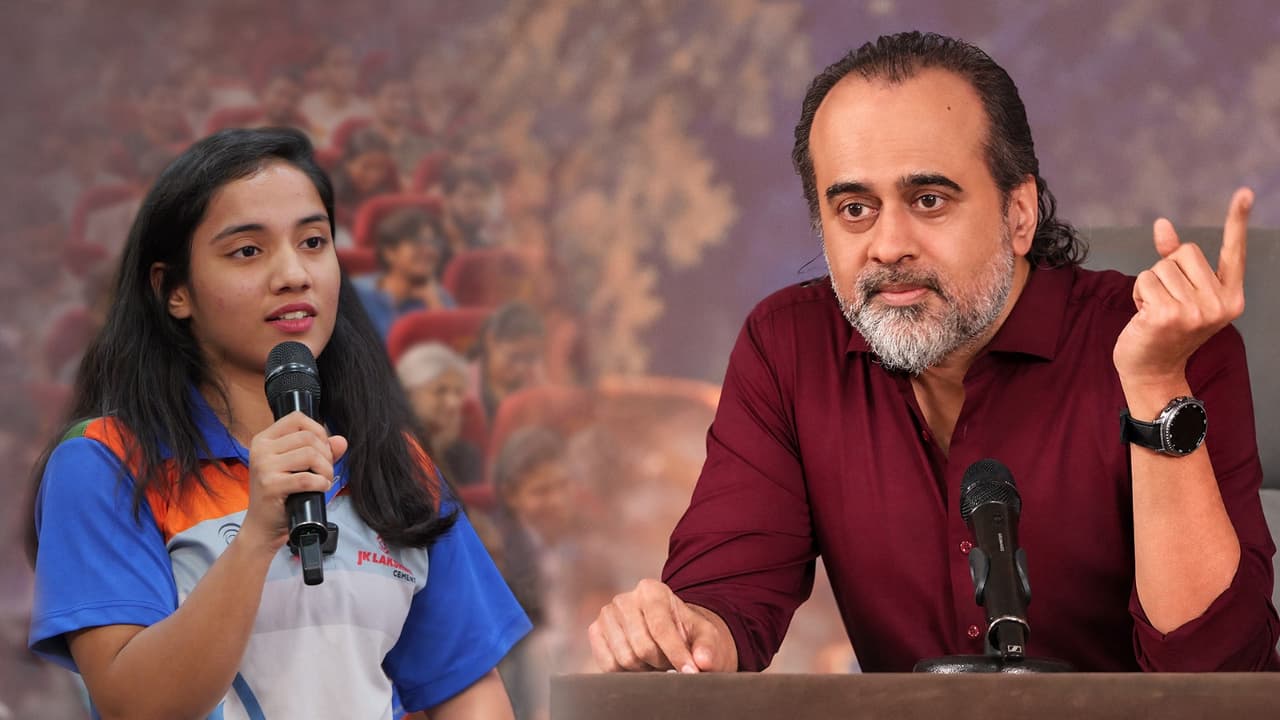
Questioner: Hello sir, my question is that I'm fully aware of the thoughts that I'm having most of the time. So I feel like ever since, for a year and a half, I’ve been going through something. It's a low phase. I can acknowledge the suffering and I know how to come out of it. But then I feel like I keep getting stuck in the same thought cycle again and again. I find an answer and then I'm back at it. Something small happens and then I'm back at the same cycle.

The intensity reduces over time. So I feel like if I look back a year and a half ago, maybe it was this big, and now it's just this, and I'm almost out. But then the thing is that it still keeps coming back. It's the same thought process, it's the same conclusion, and then it repeats. So how do you break it? Ki matlab solution to aa raha hai dimaag me ki ye iska solution hai, but wo karne ke baad fir wo problem aa rahi hai to matlab solution galat hua?

Acharya Prashant: You don't need a solution for the existing mental pattern. If you think in terms of what to do with what's going on in the mind, then you are only providing it with more energy, more respect, more consideration, that just continues the cycle.
Thought is important. Thought is necessary. One needs a higher plane of thought. One needs a higher object to think about. Involve yourself with something so humongous, so implacable, and so tremendously important that you cannot ignore it even for a second. And then all the petty kinds of little thoughts and nonsense that invade the mind and clutter it, you'll find they don't have space. They are crowded out.

If you keep your mind available to anything that the world wants to keep in it, then the mind will become a storehouse of random thoughts, experiences, memories, desires. And the mind does want something. You cannot just say, "I'll keep my mind clean and there'll be nothing in it." That's humanly impossible.

Even if that's possible, that's the last stage of wisdom, when the mind is absolutely free of all content. Where you are, you need content, and you need pure, proper, solid content in the mind. So help yourself with that.

Give yourself something worth living for — more importantly, something worth dying for.

Questioner: So the follow-up question comes even from the previous things that you mentioned. I often find myself asking, ‘Who am I?’ Then I have the answer, because I've been exposed to spiritual knowledge since birth. So I feel like I have the knowledge but I keep forgetting. I don't know how to frame the question. It's just that — okay, I need to find something, like you said, worth dying for, so that I don't have anything that is not worth thinking about. I'm not giving it that much importance. But then how does it come? How do I find that answer?

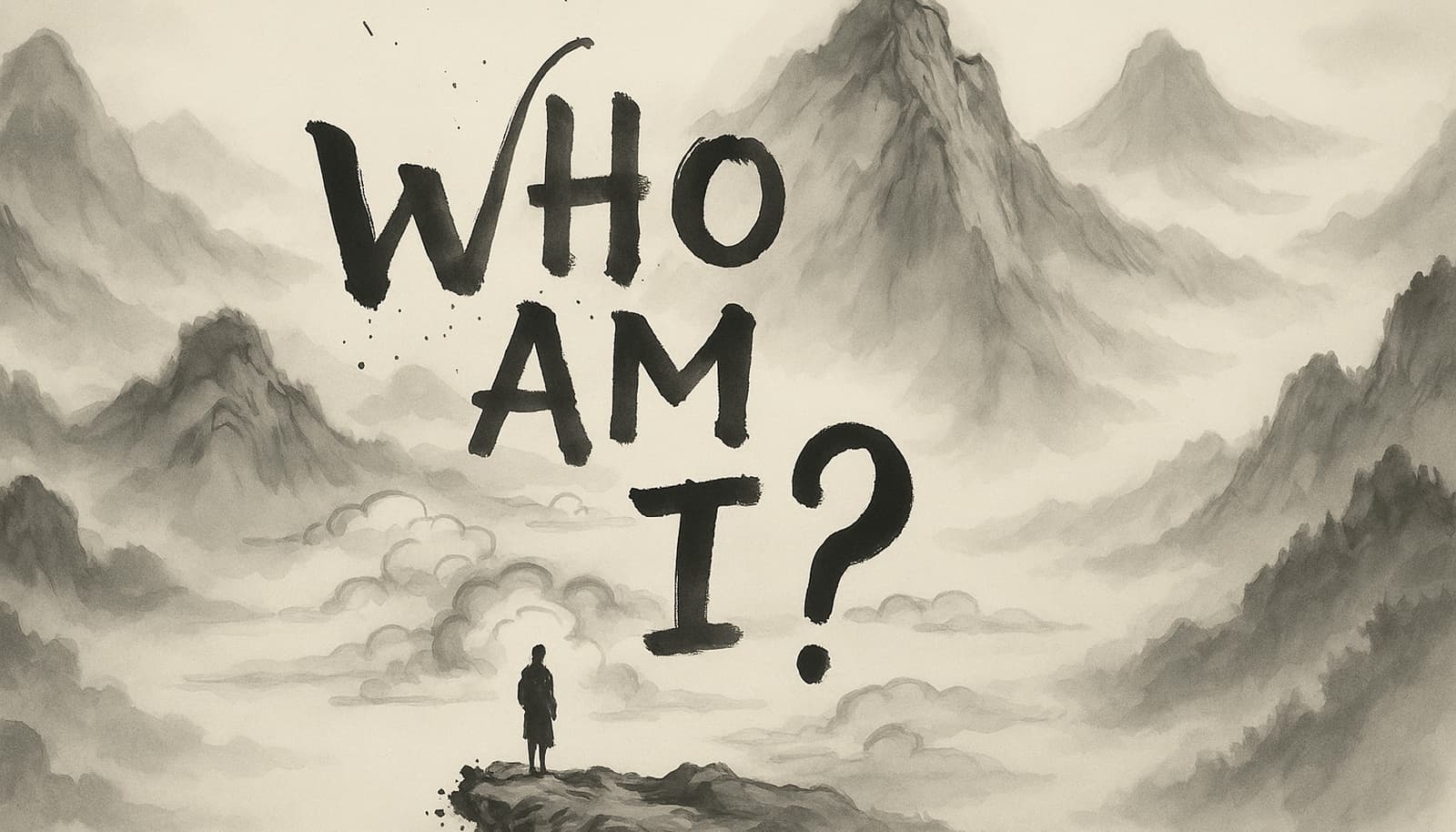
Acharya Prashant: You don't have to find an answer. You have to let that answer be admitted, because the answer is right there in front of you. You don't have to ask, ‘Who am I?’ You have to see who you are. When you say, Oh, I ask who I am but sometimes I forget who I am, then isn't it obvious who you are? You are the forgetful one.

You are the quality of your present action. You are not some theoretical answer of identity. Some book says, Oh, you are the fragmented consciousness, and you start saying, Oh, I'm fragmented consciousness. Some say, I'm the absolute self, and you become the absolute self. No. You are, right now, attention itself, if you are indeed listening to me. So, who are you? Attention. Unfortunately, this identity won't last. Soon you will be distracted and dissipated. You'll become somebody else.

The discipline lies in holding on to the highest identity possible. And the highest identity is not an abstraction. The highest identity simply means that which you know to be the highest, given your limited capacity. In your limited capacity, limited age, limited experience, limited knowledge, whatever, you still know to be the highest right now, and I am talking of knowing, not borrowing. From your own inner honesty, you know something to be important, right? Now, stick to that. That's who you should be. That's what should be the proper answer to — ‘Who am I?’

‘Who am I?’ is not a question that you ask yourself in solitude, so that having done the usual chores of the day you sit in a corner and you ask yourself in a ritualistic way, ‘Who am I?’ And you already know the answer in advance, because the spiritual path has provided you with a readymade answer. So it's a nice game going on with the self — I'll ask myself a question; the question is readymade, and then I'll give myself an answer; and the answer too is readymade.

So, ‘Who am I?’ I am the Ātman. Happy, walk away. What is this? Is this an inquiry? Do you call this kind of a thing inquiry, where the answer is pre-ordered, readymade, well known in advance? No, this is not an inquiry. ‘Who am I?,’ is.....

Questioner: ‘Who am I', — in existence is always changing.

Acharya Prashant: Ma'am, you totally changed 'who I am.’

‘Who am I?’ is a burning torch. It is supposed to totally destroy your illusions.

So, you are just feasting on something, and two minutes before that you had told yourself that you are the Śuddh Ātmā. And now you are swallowing the samosa. So who you really are? Please tell me.

I'm the gluttonous one. That's all.

Questioner: Can I be both?

Acharya Prashant: No.

Though it's quite tempting to say, "Oh, I am the Ātmā currently lost in samosa. Kindly don't yield to that temptation. If the samosa is what is dominating your mind, then the samosa is your identity. Accept that even if it humiliates you. That's the tragedy. It keeps changing.

Questioner: What should be the state of mind while having the samosa?

Acharya Prashant: You already decided that the samosa is a must. But even if the samosa is a must, at least be honest enough to say, "I am the samosa lover." Don't say, "I am Ātmā, I am the samosa lover."

Questioner: Is this change good or bad?

Acharya Prashant: Obviously please tell me from your own experience. What does this change mean?

This change means that you are at the mercy of conditions, and obviously this change is not something....Sitting here, engaging in this discussion, you are at a certain level, and that's your identity. And then you'll walk out and other things will take over, and all the attentiveness will be lost. Do you think that is good? So this change is obviously not good.

This article has been created by volunteers of the PrashantAdvait Foundation from transcriptions of sessions by Acharya Prashant
Comments
LIVE Sessions
Experience Transformation Everyday from the Convenience of your Home
Live Bhagavad Gita Sessions with Acharya Prashant
Categories