Avadhut Gita
Avadhut Gita
1min341reads11
Question: Manish Bansal has asked, Acharya Ji, The Avadhuta Gita says, “svarupa-nirvanam anamayoaham”, then why do we get hurt? Why do we get sick?
Acharya Prashant:
The fundamental does not get hurt and the fundamental does not get sick.
That in you which is central, fundamental, incorruptible, unbreakable can neither…
Avadhut Gita
24min236reads31
येनेदं पूरितं सर्वमात्मनैवाअत्मनात्मनि ।निराकारं कथं वन्दे ह्यभिन्नं शिवमव्ययम् ।।२।।
yenedaṃ pūritaṃ sarvamātmanaivātmanātmani ।nirākāraṃ kathaṃ vande hyabhinnaṃ śivamavyayam ॥ 2॥
All that exists in the world of forms is nothing else but the Self, and the Self alone. How, then, shall the Infinite worship Itself? Shiva is one divided…

Avadhut Gita
6min614reads21
Acharya Prashant (AP):
दहनपवनहीनं विद्धि विज्ञानमेकमवनिजलविहीनं विद्धि विज्ञानरूपम्। समगमनविहीनं विद्धि विज्ञानमेकंगगनमिव विशालं विद्धि विज्ञानमेकम्।।
Understand that it is neither fire nor air. Realize the One. Understand that it is neither Earth nor water. Realise the One. Understand that it neither comes nor goes. Realize the One. Understand that it is…
Avadhut Gita
4min419reads3
Questioner: Pranam Acharya Ji, the Shlok being quoted is-
“Through the grace alone, the desire for non-duality arises in wise men to save them from great fear.” ~ Avadhuta Gita (Chapter 1, Verse 1)
The verses sound nice but I am not one with them. I see my mind is…
Women Empowerment
5min1kreads606
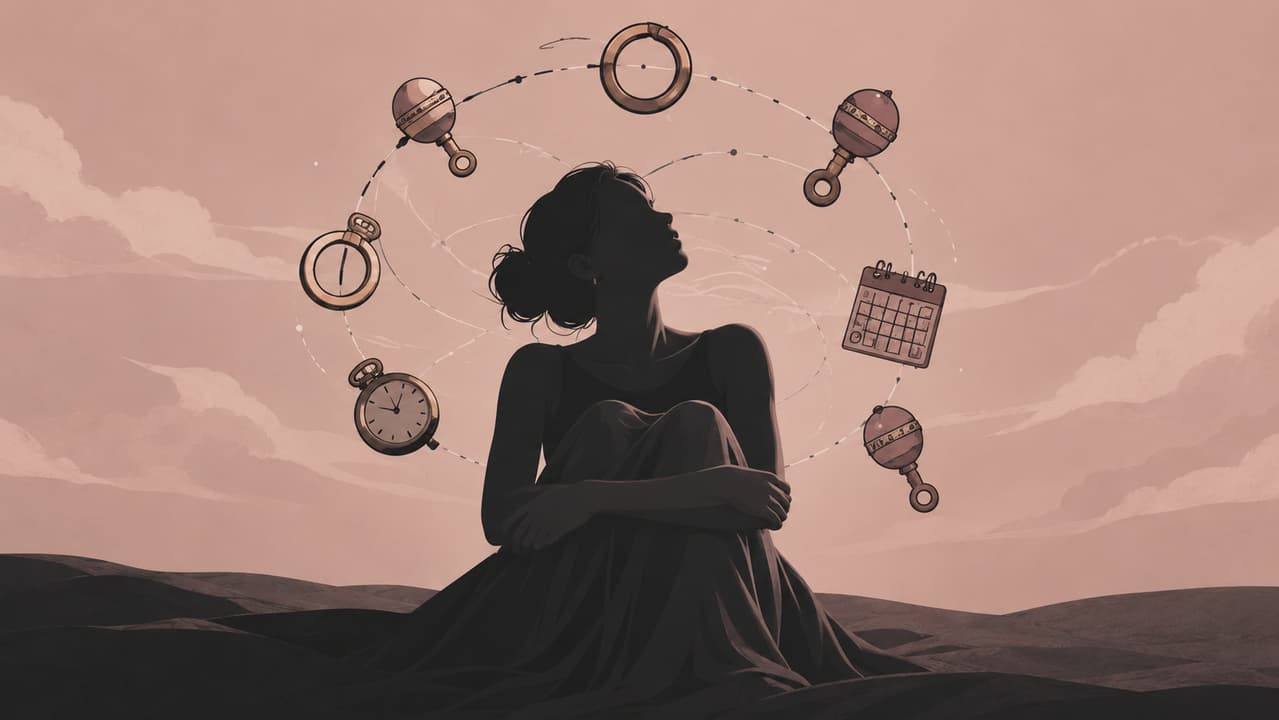
A modern woman calls herself liberated, yet lives anxious — anxious about age, desirability, marriage, motherhood. Acharya Prashant exposes this anxiety as proof that feminism never touched the real wound: centuries of conditioning that reduced women to bodies for pleasure and reproduction. External equality isn't enough. True freedom demands she reject the entire inheritance of tradition and simply become human — not woman, not wife, not mother by decree, but free.
Excerpts from Articles
Stuck Between Job Security and Your Real Passion?
Struggling to choose between a secure job and the path you actually feel drawn to? This isn't really a question about careers. It's about why other people's opinions have so much power over you in the first place. Real clarity doesn't come from finding the 'right' choice. It comes from honestly looking at your own fear, again and again, until it stops running the decision for you.
You Don't Understand the Bhagvad Gita, But You Still Claim That You Love Krishna?
The Bhagavad Gita deserves reverence not because of inherited beliefs about its author, but because of its power to dissolve falsehood and reveal Truth. Real devotion is not ritual or blind faith—it is understanding, inquiry, and living the wisdom of the Gita. Through sincere study, one discovers the true meaning of Krishna, making the Gita the most authentic path to knowing and worshipping Him.
कद नहीं, अपनी कहानी बदलो
कई तरह के डर—अकेले पड़ने, छवि खोने या छोटा समझे जाने—की जड़ अक्सर अतीत में बनी पहचान और कहानियों में होती है। शरीर की हाइट जैसी चीज़ों को समस्या मानकर उनसे जूझने के बजाय उनकी अप्रासंगिकता को समझकर आगे बढ़ना चाहिए। अतीत को दबाने से मुक्ति नहीं मिलती; उसके करीब जाकर अपनी स्मृतियों, धारणाओं और पुराने पैटर्न को निष्पक्षता से देखना ज़रूरी है।
Animal cruelty: Who deserves mercy, and who doesn’t?
Violence begins long before the knife or the slaughterhouse—it begins with the ego, the one that draws boundaries, seeks justification, and decides who deserves compassion. Laws and reforms may reduce suffering, but they cannot end violence while the ego remains intact. When the ego dissolves, exploitation ends naturally, and compassion no longer depends on regulation or moral boundaries.
ज्योतिष कितना सच है? कुंडली, ग्रह-नक्षत्र: इनका क्या अर्थ है?
वेदांत को केवल इसलिए सही या श्रेष्ठ नहीं माना जा सकता कि वह किसी विशेष परंपरा से आता है। विज्ञान जहाँ भौतिक जगत की वस्तुनिष्ठ जाँच करता है, वहीं अद्वैत वेदांत सीधे मनुष्य के ‘मैं’, उसके दुख, बंधन और मुक्ति की पड़ताल करता है। इसकी कसौटी वैज्ञानिक प्रमाण नहीं, बल्कि अपने जीवन में इसकी सच्चाई को देख पाना है। किसी दर्शन को मान लेना नहीं, बल्कि उससे स्वयं को मुक्त करना ही उसका वास्तविक उद्देश्य है।
The Secret to True Victory
Victory is not decided by the trophy you hold but by the battle you choose to fight. Real strength lies in making the right decisions, staying true to your deepest values, and refusing to be ruled by fear or circumstances. When your actions arise from clarity rather than ambition, the outcome loses its power over you. The moment you choose the right path, you have already won.
Climate Change: The Solution Is a Choice
Climate change is more than an environmental crisis—it is a crisis of human choices. Our patterns of consumption, consumerism and endless pursuit of more are putting increasing pressure on the planet. But meaningful change does not necessarily begin with new technology or stricter policies. It begins with a deeper question: what are we willing to change within ourselves?
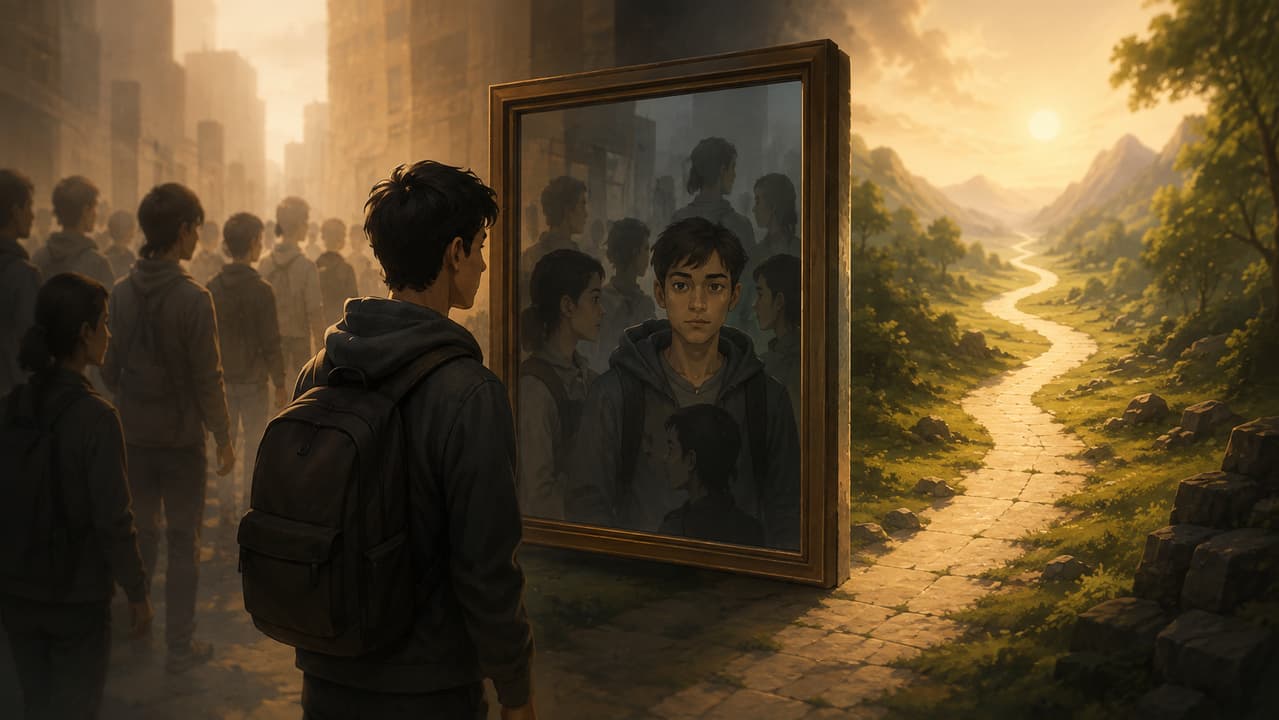
Fear
7min692reads355
Struggling to choose between a secure job and the path you actually feel drawn to? This isn't really a question about careers. It's about why other people's opinions have so much power over you in the first place. Real clarity doesn't come from finding the 'right' choice. It comes from honestly looking at your own fear, again and again, until it stops running the decision for you.

Fear
20min707reads219
कई तरह के डर—अकेले पड़ने, छवि खोने या छोटा समझे जाने—की जड़ अक्सर अतीत में बनी पहचान और कहानियों में होती है। शरीर की हाइट जैसी चीज़ों को समस्या मानकर उनसे जूझने के बजाय उनकी अप्रासंगिकता को समझकर आगे बढ़ना चाहिए। अतीत को दबाने से मुक्ति नहीं मिलती; उसके करीब जाकर अपनी स्मृतियों, धारणाओं और पुराने पैटर्न को निष्पक्षता से देखना ज़रूरी है।

Fear
13min217reads3
Spirituality does not replace the fear of ghosts with belief in God. It asks us to question the mind that creates both fear and belief. Ghosts, gods, and stories can all become projections of imagination. The spiritual path begins by dropping assumptions, investigating “Who am I?” and understanding the source of suffering. With attention, right knowledge, and self-inquiry, fear loses its power and one becomes inwardly free.
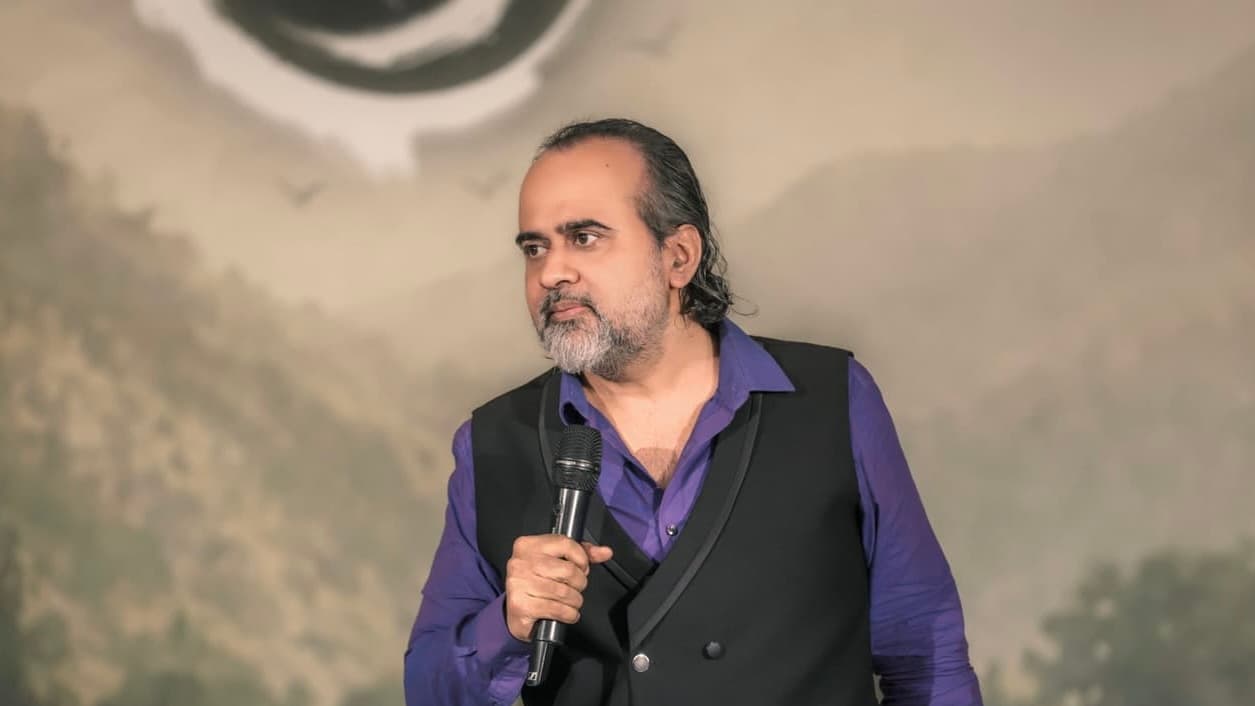
Social Issues
20min75reads
Migration can arise from genuine needs such as safety, education, livelihood, or environmental conditions, as well as from the ego's pursuit of greater consumption and fulfilment. The challenge is to distinguish between these motives with wisdom rather than ideology. Fair, impartial screening, mutual respect between migrants and host societies, and practical integration create a balanced approach that is both humane and responsible.

Truth
16min170reads5
True freedom begins when we question the beliefs that make us feel trapped. Most of our suffering comes not from circumstances but from unquestioned assumptions, attachments, and imagined obligations. By suspending our beliefs, even briefly, we allow truth to enter, revealing that life always offers choice. Transformation is born from love for truth, the courage to let go, and the willingness to step beyond the boundaries created by the ego.
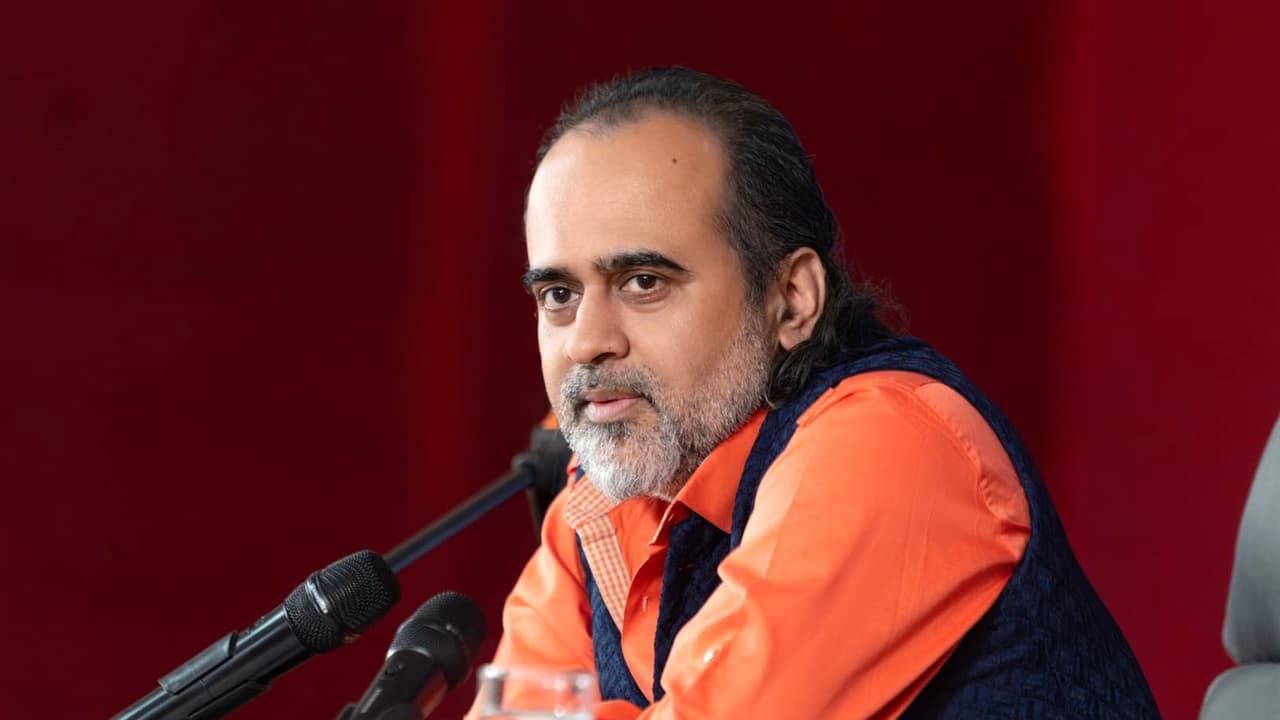
Fear
38min473reads111
A true relationship is not built on need, possession, or emotional dependence, but on a shared commitment to Truth and inner growth. A worthy companion reflects your reality like a mirror rather than performing a role to please you. Real love is effortless, rooted in one's nature, not expectations. When your highest commitment is to excellence and Truth, relationships become a natural outcome—not the purpose of life itself.
Related Articles
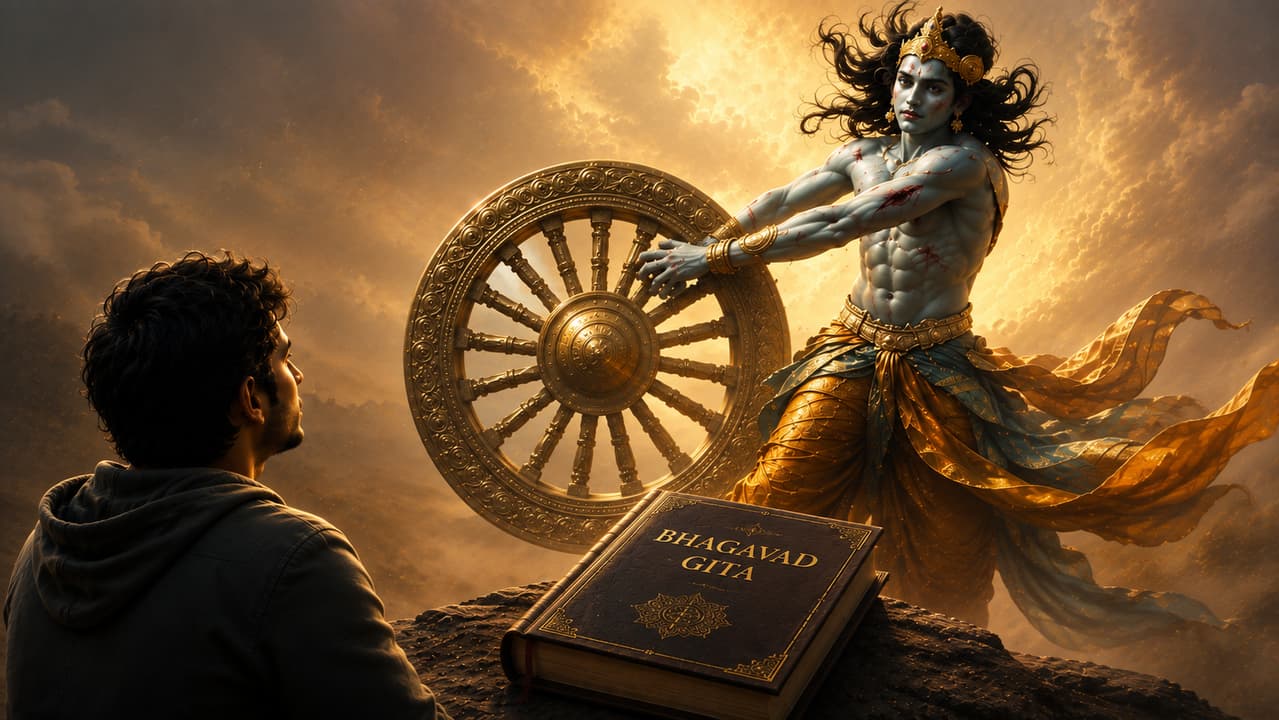
Truth
11min150reads7
The Bhagavad Gita deserves reverence not because of inherited beliefs about its author, but because of its power to dissolve falsehood and reveal Truth. Real devotion is not ritual or blind faith—it is understanding, inquiry, and living the wisdom of the Gita. Through sincere study, one discovers the true meaning of Krishna, making the Gita the most authentic path to knowing and worshipping Him.

Social Issues
43min151reads5
True revolution begins with inner transformation, not merely with protest. Lasting social change is possible only when individuals cultivate self-knowledge, integrity, and personal responsibility. Replacing governments or demanding reforms without examining the mind that sustains the same patterns only repeats history. Awaken yourself first, educate others with clarity and compassion, and let conscious citizens, not unconscious crowds, become the foundation of a better society.
Social Issues
19min209reads91
The crisis exposed by the NEET paper leak goes far beyond examination malpractice. When society teaches young people that a single rank determines their worth, corruption, desperation, and broken trust become inevitable. Lasting reform requires more than stricter systems—it demands a transformation in how education, success, and self-worth are understood by students, parents, teachers, and society.

Truth
16min154reads160
Real change begins not by changing the world alone but by understanding the one trying to change it. Laws, technology, policies, and scientific progress have value, yet they cannot solve problems rooted in human consciousness and endless desire. Truth remains the same across cultures and disciplines, requiring only a change in language, not in essence. Lasting solutions emerge through honesty, self-inquiry, and inner transformation, because no external system can replace a change in the human mind.
Fear
37min391reads236
Sixty million followers do not necessarily indicate a transformation in consciousness. Large numbers may reflect persistent outreach rather than deep commitment. Truth is often avoided not through opposition but through indifference, convenience, and self-deception. Real change requires sustained effort, inner honesty, testing one's understanding, and the courage to face uncomfortable truths instead of seeking comfort, validation, or easy inspiration.
Truth
16min371reads161
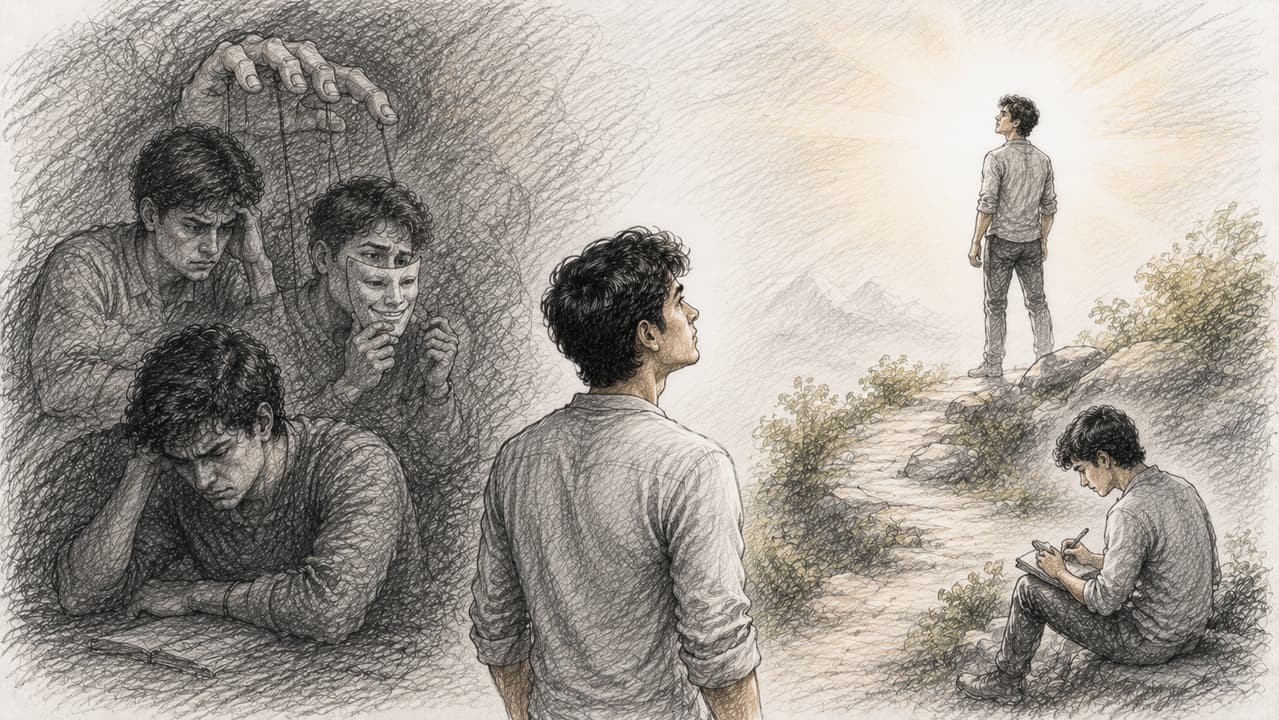
Operating from the highest inner point means living with honesty rather than self-created illusions. The ego becomes “higher” not through mystical growth but by dropping false self-images and testing its claims against reality. When honesty weakens, lower motives take control, creating inner conflict and disorder. Real growth lies in continuously questioning oneself, facing uncomfortable truths, and preventing the ego from being driven by comforting but deceptive beliefs.

Free Will
21min159reads2
Freedom is often assumed to be the ability to choose, yet most decisions arise from conditioning, biology, social influences, and habit. Real freedom begins by seeing how mechanical and unconscious life usually is. As awareness deepens, confusion and endless options gradually diminish, making life simpler and more direct. Liberation lies not in imagining freedom, but in recognising and understanding the forces that keep one bound.
Fear
18min792reads192
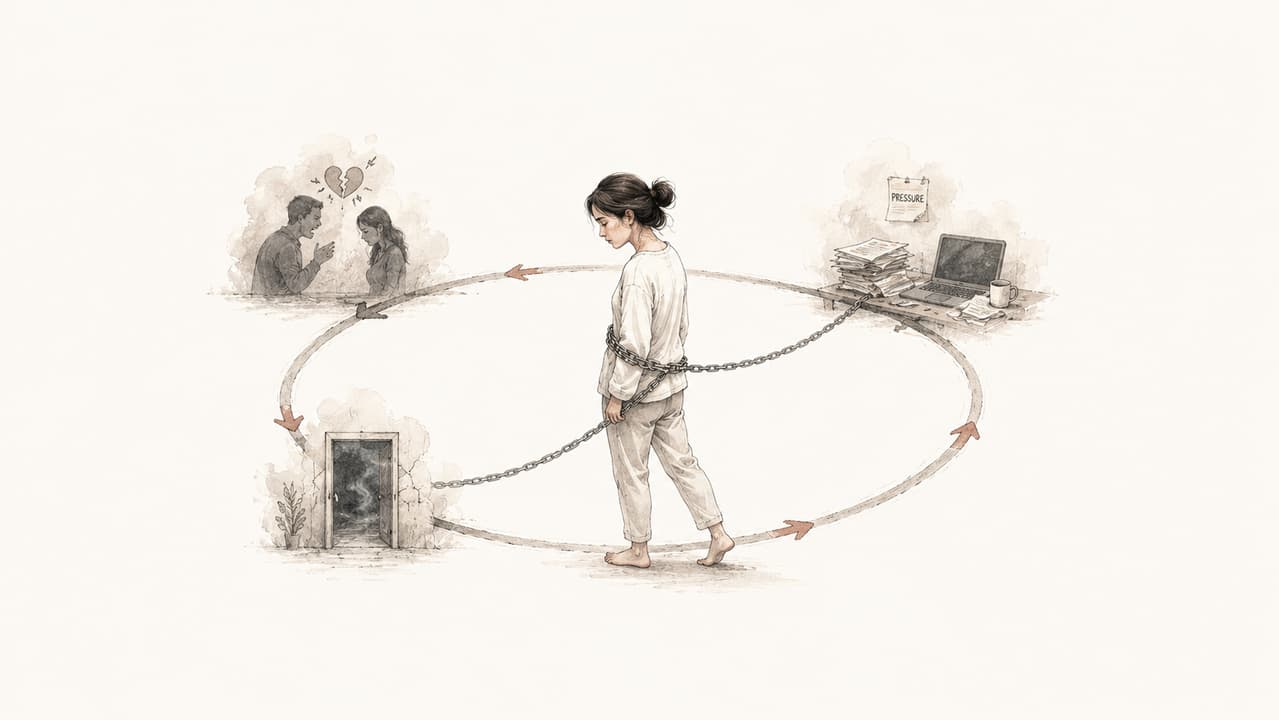
Fear, social conditioning, and painful memories often shape how people live and make choices. True growth begins by questioning inherited beliefs, refusing to remain trapped by past wounds, and acting from understanding rather than conformity. What appears to be sacrifice is often just the abandonment of conditioned habits. Freedom comes not from external systems, but from the courage to see clearly, learn, and move beyond fear.

Liberation
7min677reads213
The debate around nudity and movements like “Free the Nipple” miss a deeper issue: true freedom is not about clothing, but freedom from psychological conditioning and body-based identity. Clothes themselves neither oppress nor liberate. A truly free society is one where the body becomes ordinary and irrelevant, not a source of obsession, shame, validation, or social control.

Social Issues
8min373reads102
Will another revolution really change anything, or are we just changing faces while keeping the same consciousness intact? The article argues that societies often rush toward rebellion because it feels easier than responsibility. We blame systems, governments, and institutions, but the deeper crisis lies in the collective ego that creates them. Without inner education and self-understanding, every revolution risks becoming another cycle of the same story.
Social Issues
11min868reads1636
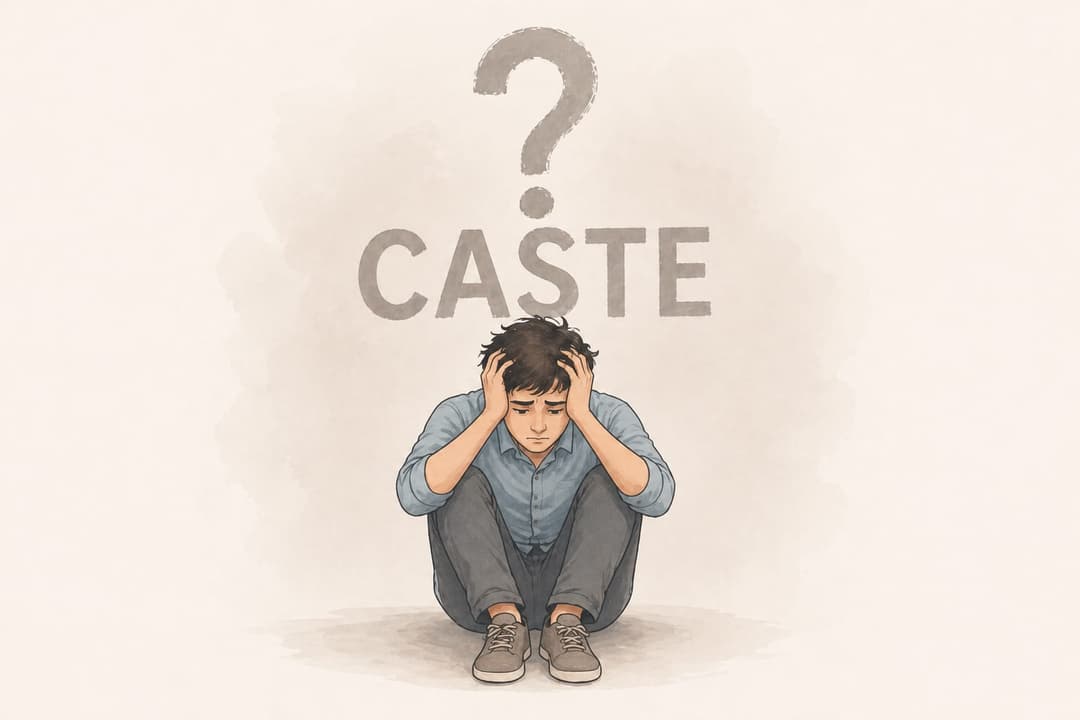
Do you still feel the need to know someone’s caste? That urge itself is the problem. Caste exists neither in the body nor in consciousness; it is a construct of the mind. Society keeps it alive because the ego thrives on division. Until you see a person simply as a person, caste will persist. The real solution lies in understanding and dropping inner ignorance.
Liberation
21min649reads26
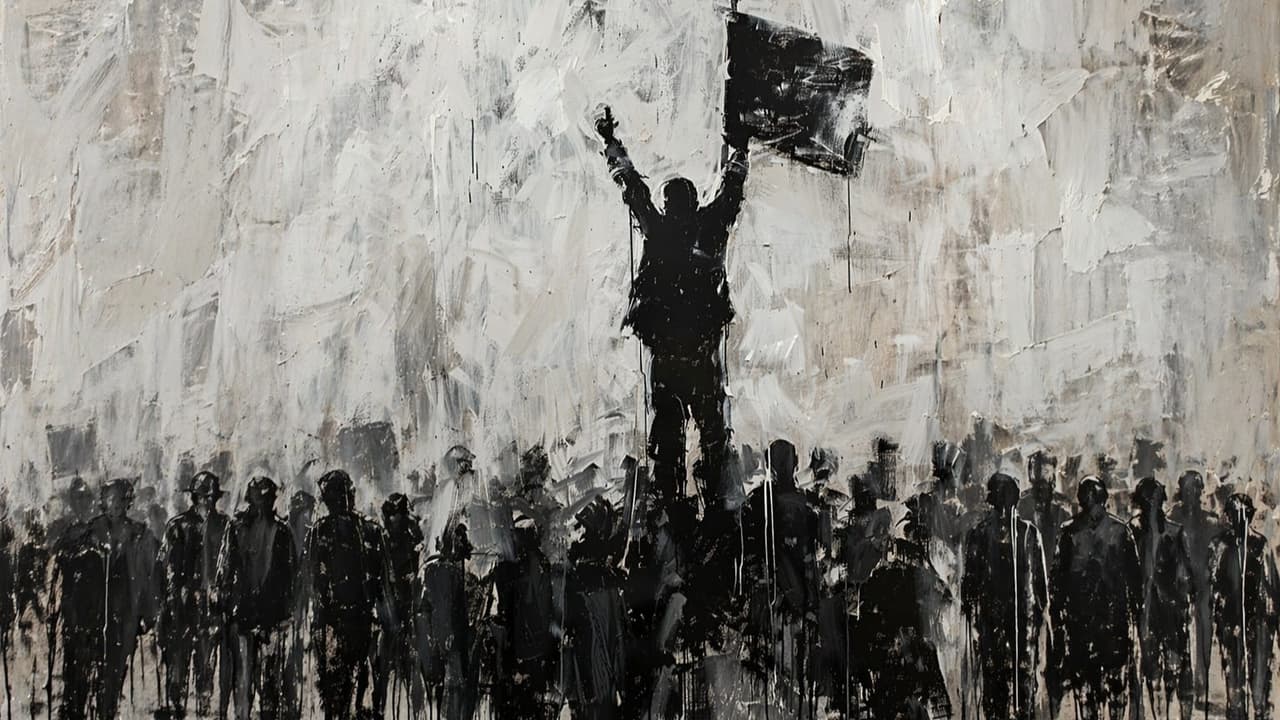
You look at Iran, at revolutions, and ask: can systems really bring freedom? Revolutions keep replacing one system with another, yet the chaos remains. The real question is rarely asked: what within us creates these systems? Real freedom is not political or social; it is inward. Without inner change, every revolution only rotates power, never resolves suffering.

Guru
9min1.4kreads10418
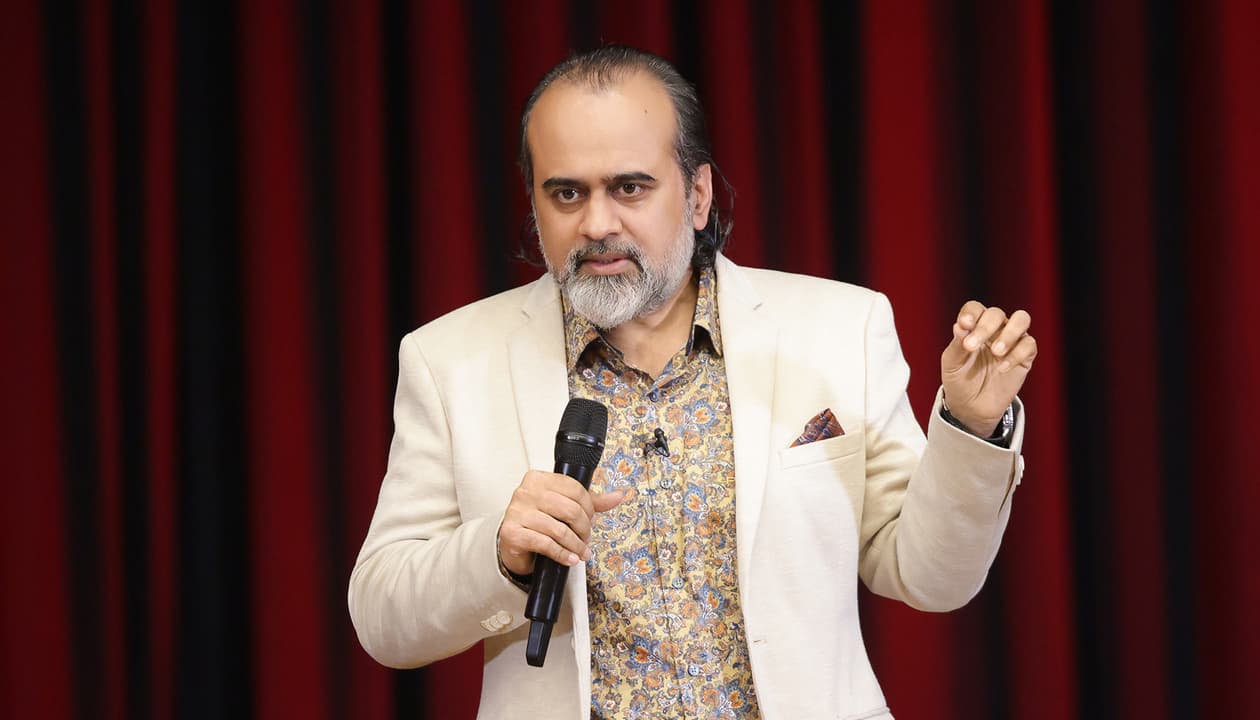
It’s far easier to sit on a greatly decorated stage and talk about the virtues of Rudrākṣa, and what kind of water to drink, and why copper is useful; and all kinds of pseudo-scientific nonsense. But to really speak upon a Kabir or an Ashtavakra requires a tremendous understanding which does not come to everybody. If you are a spiritual teacher and you are saying you have not read any scripture, that raises questions on your love for the Truth.
Liberation
14min937reads368
Often, in the name of financial pressure, what we are really kneeling down to is something else. But because that something else is not nice enough to be named, what we quote is financial pressure. Nothing is ever forced in a tangible way. The way is kept gentle in appearance. But there is something else at work inwardly. What is that thing? That is what you have to uncover. You have to be honest towards yourself, very honest.

Social Issues
17min816reads4827
If you leave yourself weak and vulnerable, you are submitting to the ecosystem of rape. What’s worse? It won’t even be reported. The first thing is: empower yourself through education, through exposure, through wisdom. When it comes to sexual urges, no lessons of morality really succeed. You’ll just be left complaining to the benevolent power up there, “You know, I’m such a pious woman. Why was I violated?” Because that’s how it happens in the jungle. That’s the answer. That’s all.
Guru
5min1.8kreads598
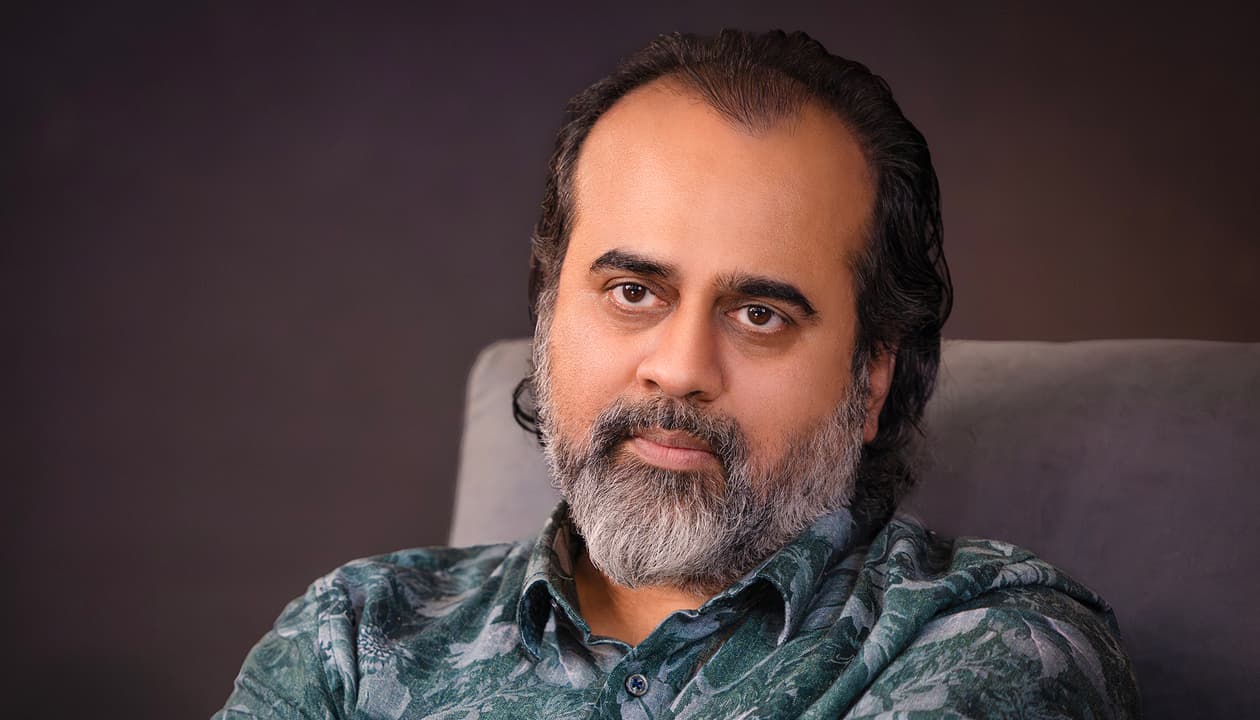
You can tell someone, “Kid, this is the path of destruction. Leave it!” But you cannot forcefully pick the kid up and take her away. You know something is not right for the other person, and yet you can’t help her from doing it. You can’t give up, you can’t get angry, and you can’t stop what is happening. Great powerlessness. That’s how a Teacher feels.

Truth
4min916reads5110
We teach our kids to write applications: “Humbly I beg to submit that today I have an ache in my tooth.” “Humbly I beg to submit!” If you are stating a fact, if the toothache is real, why the hell are you groveling? If that is the Truth, why are you begging? Drool, drool, drool. That’s become our culture. If your philosophy tells you to submit and surrender to several masters, you will never be a truthful person, because in Truth there is no authority but the Truth.

Attachment
6min1.9kreads8811
The other must exist in your life, and vice versa, only for the sake of internal elevation, to make you into a better person. Don't you see the impact the other one is having on your life? Seeing is the key. What does seeing mean? Seeing implies understanding. See and ask yourself: What is the impact upon me? And if you see that, you'll just push it aside. It will be spontaneous. You won't even require to think, because now you have seen.
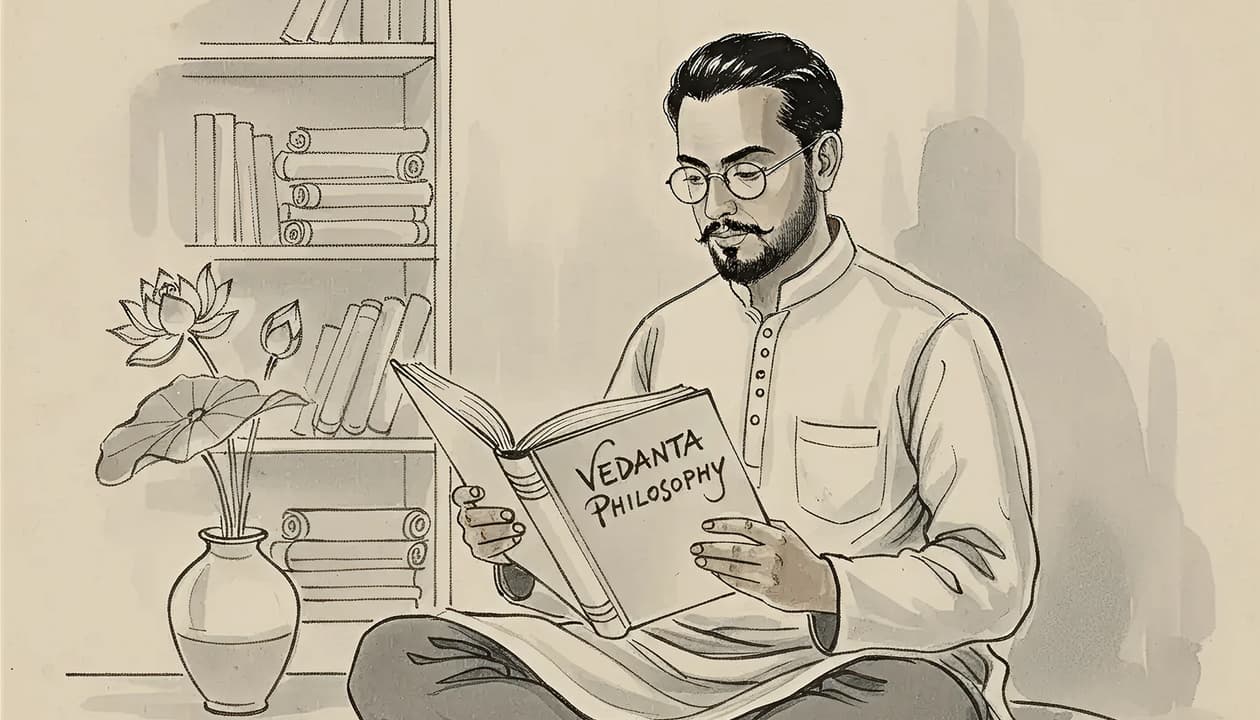
Truth
11min1.3kreads502
This in itself is a philosophical question. This is why you should study philosophy, because you already have this question. Philosophy is your affection for the Truth, your leaning towards the Truth. Don’t you want to know the Truth? How many of you are happy with lies? Nobody. So, it is this love for Truth that we all innately have; that’s called philosophy.
Social Issues
8min175reads2
You know, if your husband is gone, your finances are gone. Therefore, you will guard your husband very, very strongly, very possessively. It’s not love, it’s dependence. In love, you often allow the other to fly free. But if you are acting as that possessive wife or girlfriend or whatever, that is also because you are dependent, and that is violence, is it not?
Bhagavad Gita
24min2.8kreads1126
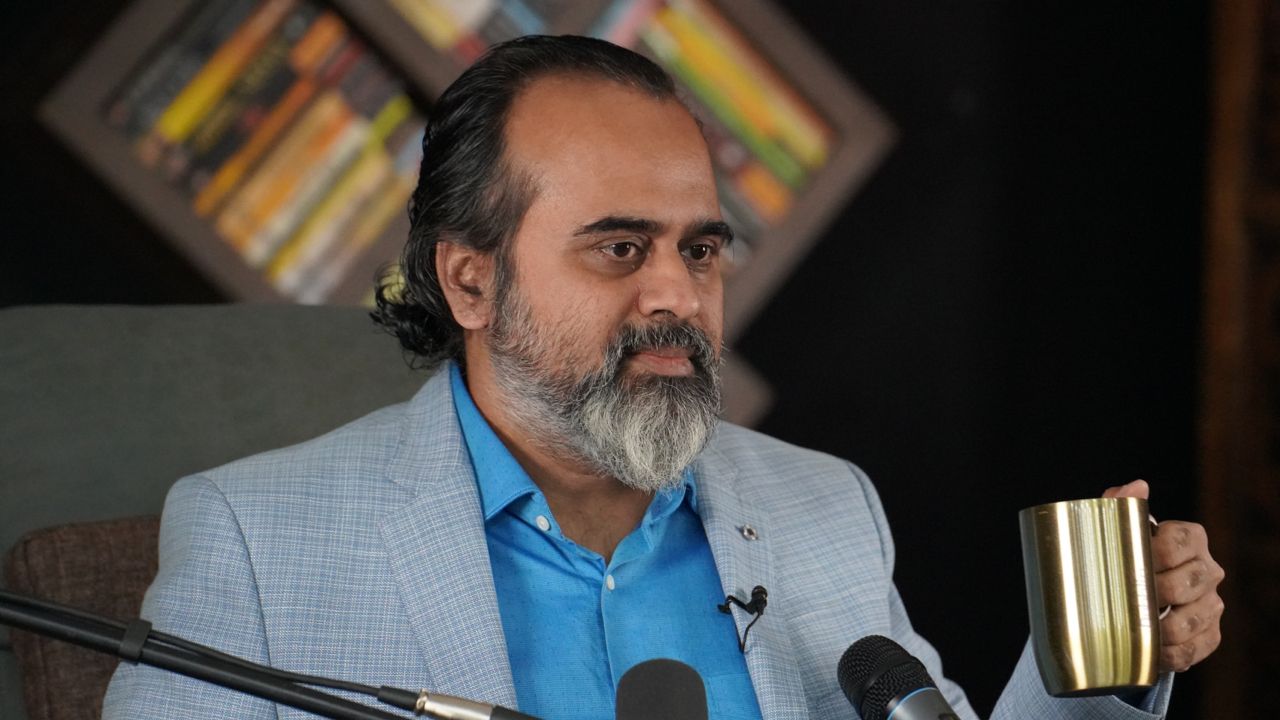
Drop the center of confusion, come to the center of clarity. Drop what the masses practice, come to the direct route of self-realization. That’s what it means.
Social Issues
10min93reads2
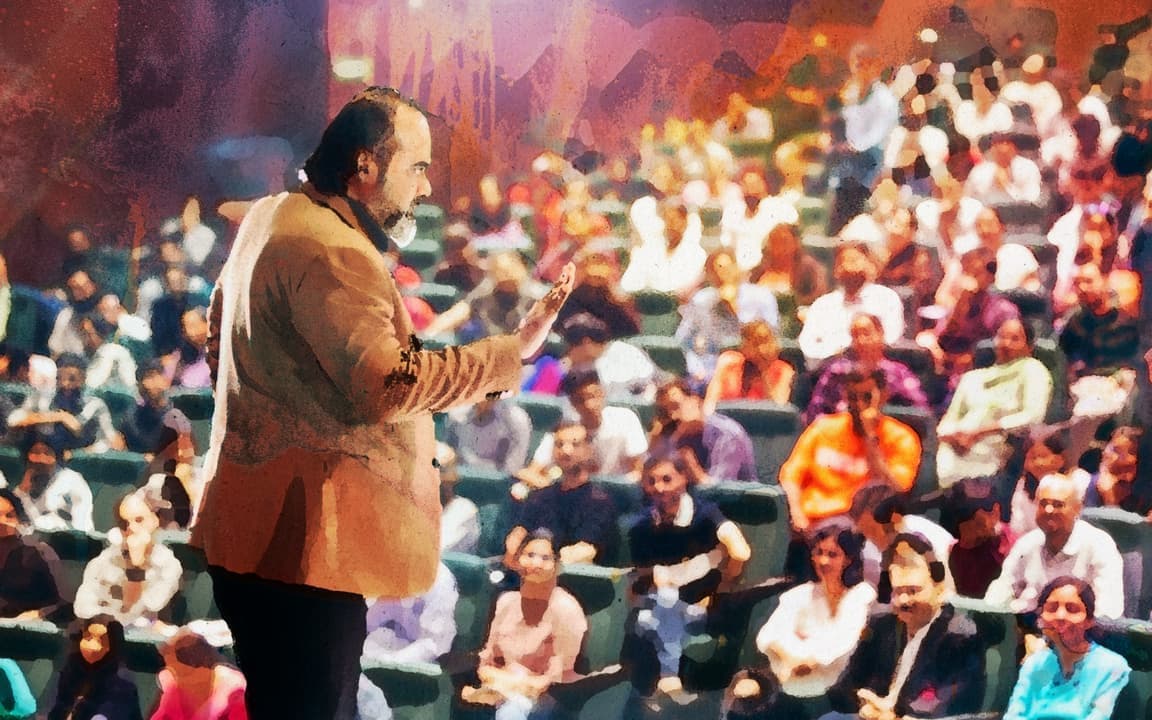
The biggest problem is when we succeed in these little acts of charity, goodness, kindness. Had you succeeded in somehow persuading the kids away, you wouldn’t even have raised this question, and a self-awarded sense of morality and righteousness would have held you high. That’s the whole problem. When you said the kids wouldn’t go away because it is a festival and it is crackers, then do we really understand why the kids wouldn’t go away?
Truth
10min738reads277
In the rule books of the courts, there are offenses of a thousand kinds, but when it comes to life, there is just one offense, ‘Did you live by the Truth or did you betray it?’ Remember that chap called Bhagat Singh and his associates. The courts declared they were guilty, and they were still joyful because they were absolutely not guilty in front of life. Live rightly, and then don’t apologize. That’s it.
Truth
10min539reads182
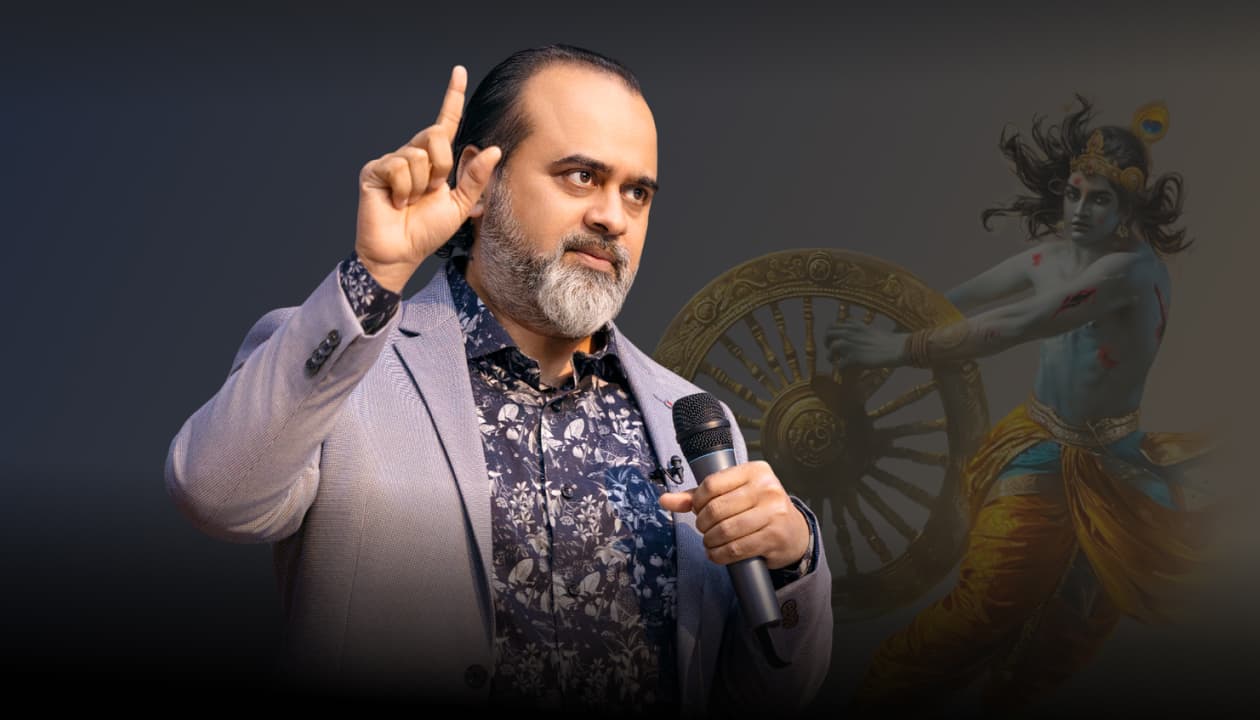
The Bhagavad Gita, in essence, is a struggle of mukti (liberation) against sanskriti (culture). Shri Krishna urges Arjun to discard misogyny and cultural superstitions; the only thing that matters is mukti — liberation. Culture and traditions are time-bound; they hold meaning only when they point towards Truth — timeless, Sanatan. Have great traditions, and always be careful that your traditions are pointing towards the Truth. Only then do the traditions have life.
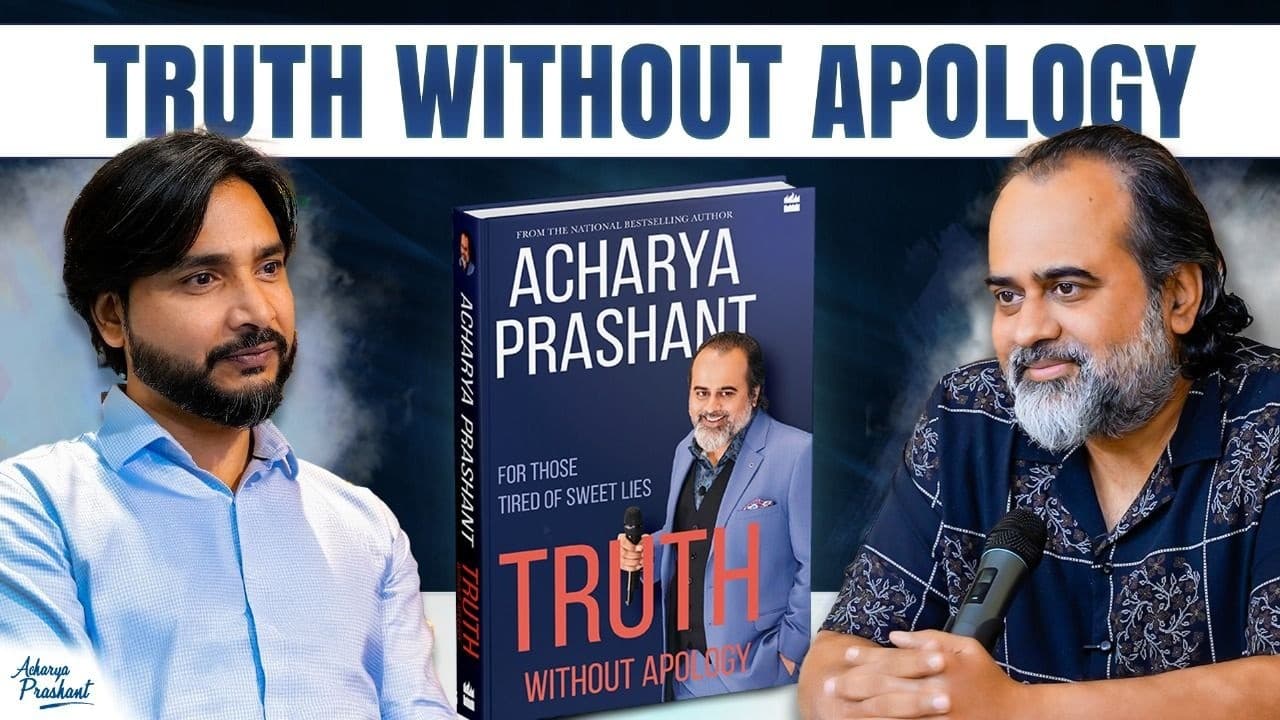
![Truth Without Apology [Book Launch]](https://cimg.acharyaprashant.org/images/img-db3ddbf9-ebdf-4baa-8b47-9373d316d478/30/image.jpg)
Truth
1min1.8kreads2018
This evening in Delhi, a new book steps into the world—Truth Without Apology by Acharya Prashant. The launch takes place amidst seekers, readers, and companions of his work. In times when words are often polished to please and truths are dressed in comforting disguises, Truth Without Apology arrives like an uninvited storm—direct, raw, and uncompromising.
Truth
25min4kreads44312
Life comes to us in an unending number of ways and you never know what's going to happen next. We are starved of something that really penetrates the surface. So, it is the intensity that this book brings — arrow-like depth, striking like lightning, immediately, so you don't have a chance to escape away from it. Like a Zen koan: very brief, very effective, and does its work in a snap. You could open just any chapter from anywhere and find it as if it was written just for you.
Truth
10min924reads587
The Truth is not a complicated puzzle. Everything is laid open, right in front of you. So, if it is not happening even now, then it is just because of your own mischief. We give preference to the trivial and miss out on the important. We drift from one thing to another, with no thing meaning anything to us. You are not missing the secret; you are missing the obvious.
Truth
16min348reads11
When words arise from an honest observation of life, then those words are called "divine."
Social Issues
27min1.3kreads224
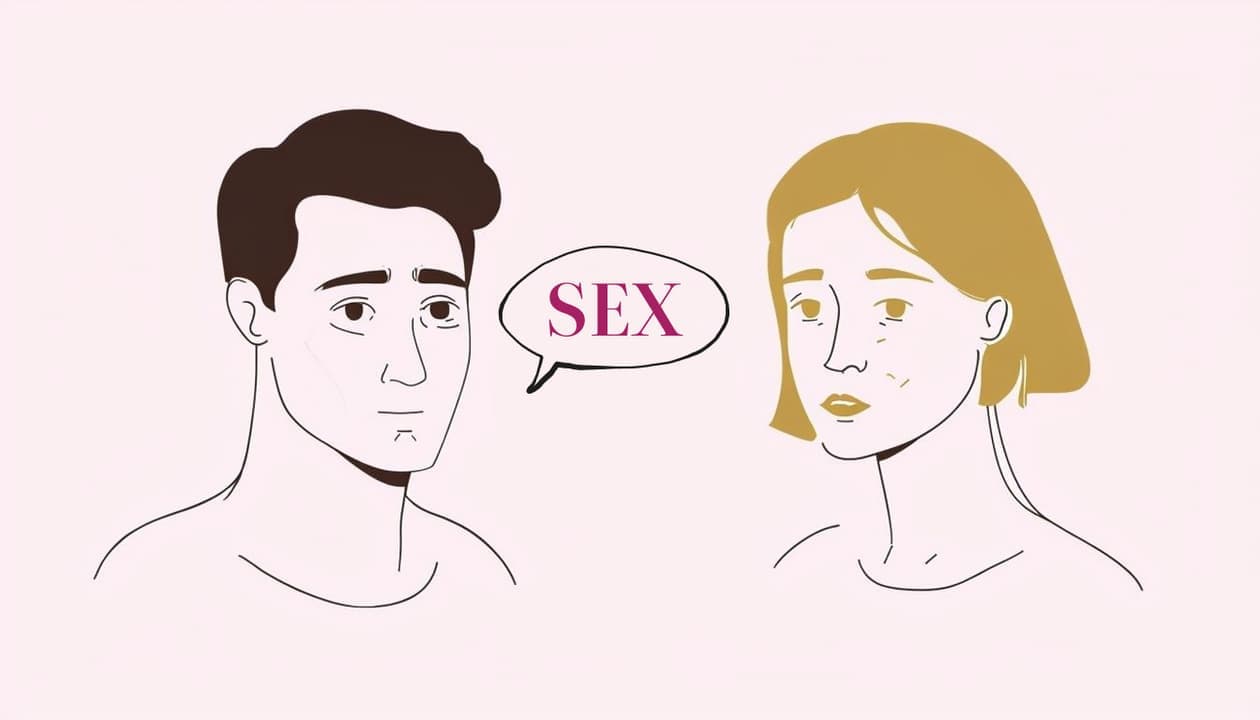
You have inflated the reproductive process much beyond its worth. Psychologically, a girl carries it throughout her life as something big, whereas it's nothing — just another process in the human body. And because of the stigma you have attached to this purely biological thing, countless women suffer silently because they can't openly talk about gynaecological problems. Indian philosophical systems have zero space for any belief, assumption, or tradition. So, obviously, this culture has to be outrightly rejected.
Truth
9min1.1kreads29
The distinction between spiritual life and worldly life is a false distinction. Spirituality is not morality or a set of commandments. It is never instructive. You do not need great formulations or special practices. Spirituality is basic honesty. Just see and acknowledge what is going on, and then the right action follows. Nothing else is needed.

Liberation
4min1.4kreads276
Acharya Prashant: That's why the rājasika mind is better than the tāmsika mind. The rājasika says, “I’m not alright. I need to do something to become better. I feel inferior. I feel incomplete. I need to rise. I need to achieve.” That’s the rājasika mind. The rājasika mind at least…

Truth
15min702reads106
DANCE NAKED
Dance, Lalla, with nothing on
But air: Sing, Lalla,
wearing the sky.
Look at this glowing day! What clothes
Could be so beautiful or
more sacred?
~Lal Ded
Acharya Prashant- what does it mean to dance with nothing on?
L1- No causes.
AP- What does it mean to…
Truth
5min1.5kreads161
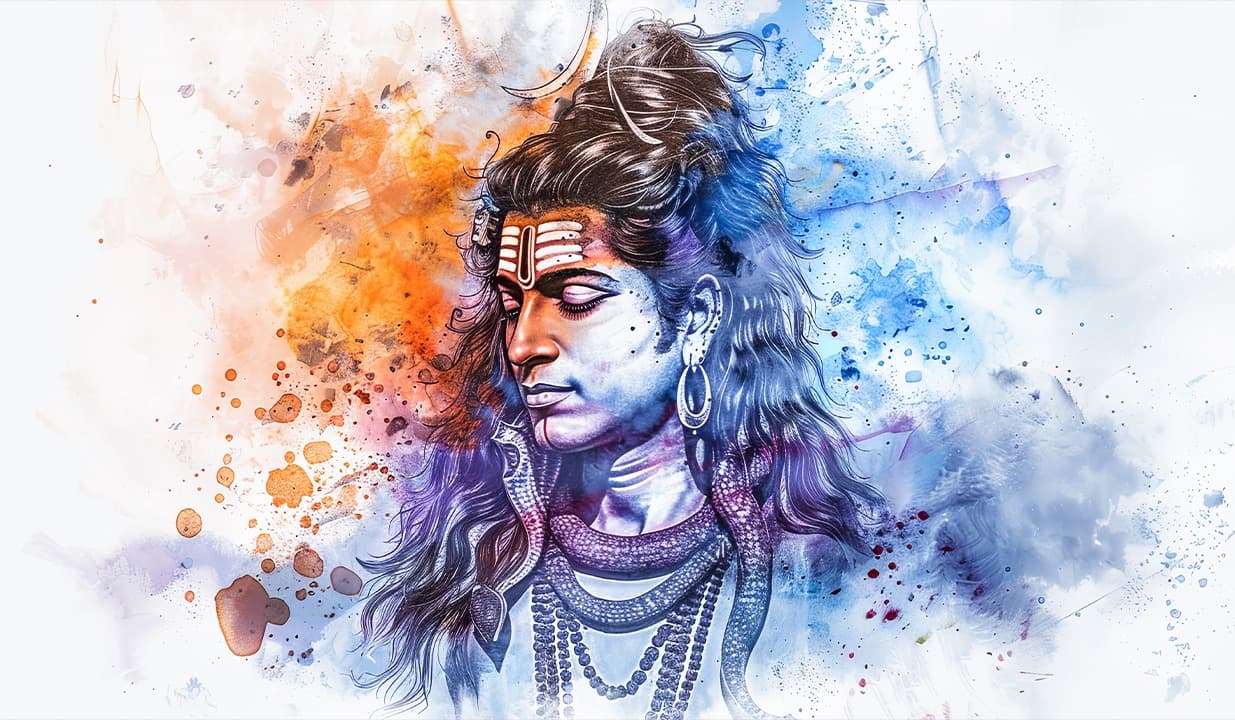
Explore Books on Lord Shiv by Acharya Prashant, revealing deep Vedantic insights into Shiv’s true essence, symbols, and spiritual wisdom beyond misconceptions.
Truth
12min1.2kreads4514
All forms of gods and goddesses have emerged from man's mind — they are our own projections. Even if you show a god in the form of an animal, the animal will still be anthropomorphic, very closely related to human beings. So, this proves that we are worshipping our own form. Therefore, if any form does not remind you of a Truth beyond the form, then the form has not succeeded on you. This is why the highest spiritual philosophies have always said that the Truth is formless.

Social Issues
20min990reads6994
Just because we don't hear gunshots doesn't mean that things are peaceful between partners or between parents and kids — especially daughters. Not at all. There are clear boundaries and those boundaries have been mined. As long as you remain within the boundaries, you will entertain the illusion that you are free and loved. Try to step out, and you'll be blown to pieces. So, the violence was always cooking but you didn't see it because you were blinded by your emotions, need for security, and conditioning.

Social Issues
11min1.9kreads10163
Vedanta says that the body of the woman is her cage, just as the body of the man is the man's cage. Vedantic feminism would say, ‘Disown your physical self — you are much beyond that, girl.’ As long as you identify with the body, enjoy being called a girl or woman, there’s no freedom for you, and the same goes for the man. Saying, ‘I am the woman, I am the man’ is the real problem. Equality is a high ideal, but liberation is the purpose of life.
Free Will
10min942reads784
Neuroscience says there is no free will. Vedanta also comes to the absence of free will, but through the route of choiceless understanding. It says that the right action will never be a product of your choice because there's no such thing. The right action happens when you just don't see options — not because you're an idiot, but because you're in love with the right one. So, you don't require choice. You require observation. And then, you don’t have to choose. It’s an effortless flow.
Social Issues
10min118reads
The building is raised on a weak foundation, and now you want to penalize everybody who comes and shakes it up even a little? You don't do this. Why did you allow this building to stand on such a weak foundation, and now you are trying to protect it through legislation? What kind of stupidity is this?

Social Issues
13min786reads11310
We don't really look at a woman as a human being, but rather as her physical identity. Even in murder, we fail to see the human being. The sexual lenses are always on. Sri Ramakrishna Paramhans, the great saint, used to say that the ordinary person is driven by two objectives — kanchan (money) and kamini (lucrative girl). Sex is not so much a need of the body, it's a need of the mind. Unless this thinking changes, we'll have to live through the pain of seeing more such incidents.