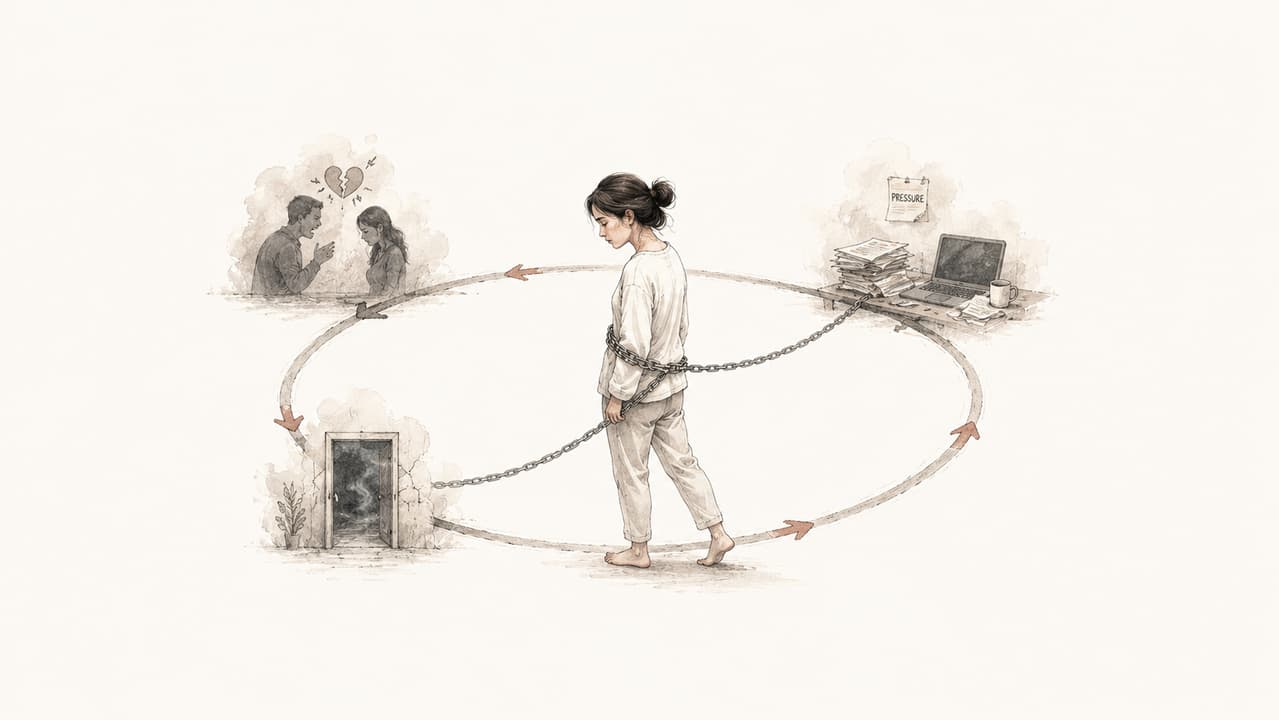
तुम्हारे जीवन में अगर मक्खियाँ ही भरी हुई हैं बहुत सारी और भिना रही हैं बिल्कुल और जीना मुश्किल कर रखा है। भिन-भिन-भिन-भिन, एकदम खोपड़ा खा गई हैं। तो इसका मतलब ये है कि तुमने बहुत सारा गुड़ इकट्ठा कर लिया है, अब तुम उस गुड़ को नहीं खा रहे, गुड़ तुमको खा रहा है।
Many of us interrupt, rush to make our point, or change the topic when a conversation comes too close. We call it a lack of patience or discipline. But impatience in a conversation is often fear: when what we hold within is borrowed belief, every question could shatter it. The same confusion makes us take our instincts and feelings as ourselves, though they are only the body’s chemistry. If we looked honestly at what we hold, would a question still feel like an attack?
Search
1
Question: Manish Bansal has asked, Acharya Ji, The Avadhuta Gita says, “svarupa-nirvanam anamayoaham”, then why do we get hurt? Why do we get sick?
Acharya Prashant:
The fundamental does not get hurt and the fundamental does not get sick.
That in you which is central, fundamental, incorruptible, unbreakable can neither…
1
येनेदं पूरितं सर्वमात्मनैवाअत्मनात्मनि ।निराकारं कथं वन्दे ह्यभिन्नं शिवमव्ययम् ।।२।।
All that exists in the world of forms is nothing else but the Self, and the Self alone. How, then, shall the Infinite worship Itself? Shiva is one divided…
Understand that it is neither fire nor air. Realize the One. Understand that it is neither Earth nor water. Realise the One. Understand that it neither comes nor goes. Realize the One. Understand that it is…
“Through the grace alone, the desire for non-duality arises in wise men to save them from great fear.”
~ Avadhuta Gita
(Chapter 1, Verse 1)
The verses sound nice but I am not one with them. I see my mind is…
Excerpts from Articles
अंधविश्वास असल में झूठ को स्वीकृति पाने की चाह है
एक पुजारी जो रोज़ भूत-प्रेत, तंत्र-मंत्र और वशीकरण के नाम पर आए लोगों से मिलता है, आचार्य प्रशांत से पूछता है: जब वो ख़ुद जानता है कि कुछ भूत-चुड़ैल नहीं होता, तो लोग बार-बार इसी झूठ की शरण में क्यों जाते हैं? जवाब अंधविश्वास से कहीं गहरा निकलता है — यह हमारे भीतर के उस झूठ की कहानी है, जिसे हम हर कीमत पर बचाना चाहते हैं।
फ़ालतू खर्च छोड़िए, अपनी ज़िंदगी पर खर्च करना सीखिए
आचार्य प्रशांत बताते हैं कि क्यों हम सही खान-पान, स्वास्थ्य और अपने ऊपर ज़रूरी खर्च से बचते हैं, लेकिन दिखावे और फ़ालतू सामाजिक परंपराओं पर पैसा बहा देते हैं। अधिकांश लोगों के लिए समस्या सिर्फ़ पैसों की कमी नहीं, बल्कि विवेक और सही प्राथमिकताओं की कमी भी है।
Climate change is more than an environmental crisis—it is a crisis of human choices. Our patterns of consumption, consumerism and endless pursuit of more are putting increasing pressure on the planet. But meaningful change does not necessarily begin with new technology or stricter policies. It begins with a deeper question: what are we willing to change within ourselves?
ज्योतिष कितना सच है? कुंडली, ग्रह-नक्षत्र: इनका क्या अर्थ है?
वेदांत को केवल इसलिए सही या श्रेष्ठ नहीं माना जा सकता कि वह किसी विशेष परंपरा से आता है। विज्ञान जहाँ भौतिक जगत की वस्तुनिष्ठ जाँच करता है, वहीं अद्वैत वेदांत सीधे मनुष्य के ‘मैं’, उसके दुख, बंधन और मुक्ति की पड़ताल करता है। इसकी कसौटी वैज्ञानिक प्रमाण नहीं, बल्कि अपने जीवन में इसकी सच्चाई को देख पाना है। किसी दर्शन को मान लेना नहीं, बल्कि उससे स्वयं को मुक्त करना ही उसका वास्तविक उद्देश्य है।
Struggling to choose between a secure job and the path you actually feel drawn to? This isn't really a question about careers. It's about why other people's opinions have so much power over you in the first place. Real clarity doesn't come from finding the 'right' choice. It comes from honestly looking at your own fear, again and again, until it stops running the decision for you.
Justice Without Boundaries: Why Compassion Cannot Stop at Species
Oppression should not see caste, gender, creed or colour, and it should not see species either. The moral threshold is sentience, not intelligence. An animal feels pain as fully as a human does, whether or not it can explain its suffering.
राजन, जितने भी घट-मठ आदि पदार्थ हैं वो चाहे चल हों, अचल हों, उनके कारण भिन्न-भिन्न प्रतीत होने पर भी वास्तव में आकाश ‘एक और अपरिछिन्न है’। वैसे ही चर-अचर जितने भी सूक्ष्म-स्थूल शरीर हैं उनमें आत्मा रूप…
2
आचार्य प्रशांत: दत्तात्रेय कह रहे हैं कि जो व्याप्य और व्यापक दोनों से मुक्त है, उस एक — बस एक कहा है — उस एक के प्रति यदि तुम सफल हो, तो फिर तुम कैसे कहोगे कि आत्मा प्रत्यक्ष है कि परोक्ष है।
बात मीठी है और बात इतनी–सी ही…
आचार्य प्रशांत: महाशिवरात्रि का समय है और आपकी बहुत-सी जिज्ञासाएँ आयी हैं। आपने कहा कि जैसे अभी पूरी बात समझायी आपने कि ईश्वर माने क्या, आत्मा माने क्या, माया माने क्या, चार राम कौन से होते हैं — और श्री कृष्ण की गीता पर तो लंबे और पूरे व्याख्यान होते…
2
‘स्वरूप निर्वाणं,’ ऋषि मंत्र दे रहे हैं —
स्वरुप निर्वाणं
निर्वापित होने का अर्थ होता है जो जल रहा है उसका शमित हो जाना | जहाँ आग लगी हुई है उसका बुझ जाना, बहुत महत्वपूर्ण सूत्र है जो ऋषि नें हमें दे दिया है दो ही शब्दों में, स्वरुप निर्वाणं…
रतिविरतिविहीनं निर्मलं निष्प्रपञ्चम् ।
गुणविगुणविहीनं व्यापकं विश्वरूपं
कथमहमिह वन्दे व्योमरूपं शिवं वै ।।
-अवधूत गीता, तृतीयोऽध्याय, श्लोक १
अनुवाद:
गुण और अवगुण का विभाजन ब्रह्म में पूरी तरह से अनुपस्थित है। ब्रह्म शुद्ध, अव्यक्त और राग और वैराग्य से रहित है। मैं कैसे उस सर्वोच्च परमगति…
आचार्य प्रशांत:
यह सब जो दिखाई दे रहा है, यह एक ही है, जो 'मैं' हूँ।
आत्म माने ‘मैं’। इसका और मेरा तत्व एक है, अलग-अलग नहीं है।
प्रश्नकर्ता: यहाँ ‘स्व’ का प्रयोग क्यों है?
आचार्य: ‘स्व’ माने मेरा। जब ‘आत्मा’ कहा जाता है, तो…
सच की राह पकड़ते ही अक्सर अपने ही लोग बदल जाते हैं, और हम मान लेते हैं कि शायद हम ठीक से समझा नहीं पा रहे। पर सामने वाला समझ तो रहा होता है, उसे बस सौदा नहीं जँचता। अहंकार लेन-देन से चलता है, इसलिए अकेले तर्क उसे नहीं हिलाते। हमारा अपना अहंकार भी यही करता है: थोड़े-से स्वार्थ के लिए हम झूठे रिश्तों में मिठास का स्वांग करते हैं, मजबूरियाँ गिनाते हैं और पीछे हट जाते हैं। जिसे हम मजबूरी कहते हैं, क्या वह सच में मजबूरी है?
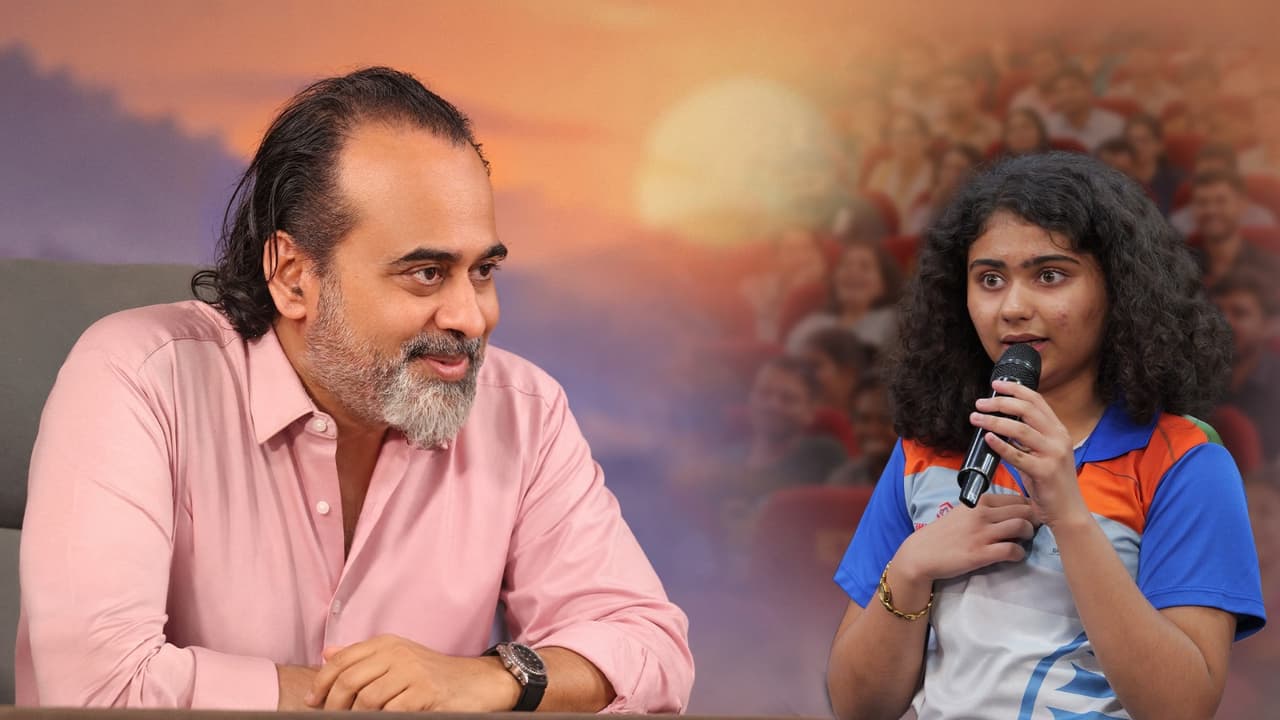
A young athlete says she knows she should not be attached to winning, yet she is, because her coach, family and country are invested in it. Wanting to win on the court is fine; that is what a contest is for. But we never know who the next opponent will be, and the one opponent always present is ourselves. She also fears that starting at 14 was too late. The past is fixed, so what is left is to play the cards we are dealt. Where does our real contest lie?
Many of us promise our parents high marks, and when the result falls short, the guilt can feel heavier than the exam itself. But no one controls results; they depend on far too many things outside us. What is in our hands is our intent, our effort and our honesty with what we study. The Bhagavad Gita says the same: our right is to action alone, never to its fruit. What if the only promise we made was to study honestly and with love?
We often defend a bad choice by pointing to a worse one: stay dishonest or starve, keep the wrong grip or stop playing. But the real trouble is not the option we picked. It is the option we never let ourselves see. Action does not need greed or attachment to find its energy. The third way begins by rejecting both false choices, without knowing what comes next. Which of our everyday choices are really false dilemmas?
अहं अगनि हिरदै जरै, गुरू सों चाहै मान।
तिनका जम न्यौता दिया, हो हमरे मिहमान॥
~ कबीर साहब
वक्ता :गुरु और शिष्य की कहानी है। उनके संबंधों के विषय में है। अहं की आग सीने में धकधक जल रही है। अहं कहता है, “मुझे मान्यता मिले, स्वीकृति मिले, प्रशंसा मिले”।…
A modern woman calls herself liberated, yet lives anxious — anxious about age, desirability, marriage, motherhood. Acharya Prashant exposes this anxiety as proof that feminism never touched the real wound: centuries of conditioning that reduced women to bodies for pleasure and reproduction. External equality isn't enough. True freedom demands she reject the entire inheritance of tradition and simply become human — not woman, not wife, not mother by decree, but free.
Struggling to choose between a secure job and the path you actually feel drawn to? This isn't really a question about careers. It's about why other people's opinions have so much power over you in the first place. Real clarity doesn't come from finding the 'right' choice. It comes from honestly looking at your own fear, again and again, until it stops running the decision for you.
आध्यात्मिकता का उद्देश्य व्यक्ति को बाहरी अधिकारों से आगे आंतरिक स्वतंत्रता की ओर ले जाना है। विज्ञान और संविधान अपने-अपने क्षेत्र में महत्वपूर्ण हैं, लेकिन आत्म-भ्रम, गलत चुनाव और अहंकार से मुक्ति का मार्ग आत्मज्ञान से खुलता है। सच्चा गुरु शिष्य को निर्भर नहीं, स्वतंत्र बनाता है। साथ ही, शिष्य का आचरण उसके गुरु और शिक्षा का प्रतिनिधित्व करता है, इसलिए उसे नकल नहीं, समझ और विवेक के साथ जीना चाहिए।
“फॉलो योर पैशन” तभी सार्थक है, जब वह सचमुच आपका अपना हो। अक्सर जिसे हम अपनी पसंद, पैशन या इच्छा मानते हैं, वह समाज, परिवार, संस्कार और परिस्थितियों से भीतर बैठा हुआ प्रभाव होता है। वास्तविक स्वतंत्रता न बाहरी दबाव में जीने में है, न भीतर की कंडीशनिंग का गुलाम बनने में। आत्मनिरीक्षण से सही कर्म की स्पष्टता आती है और बिना बिके, बिना डरे एक गरिमापूर्ण जीवन जिया जा सकता है।
कई तरह के डर—अकेले पड़ने, छवि खोने या छोटा समझे जाने—की जड़ अक्सर अतीत में बनी पहचान और कहानियों में होती है। शरीर की हाइट जैसी चीज़ों को समस्या मानकर उनसे जूझने के बजाय उनकी अप्रासंगिकता को समझकर आगे बढ़ना चाहिए। अतीत को दबाने से मुक्ति नहीं मिलती; उसके करीब जाकर अपनी स्मृतियों, धारणाओं और पुराने पैटर्न को निष्पक्षता से देखना ज़रूरी है।
स्वतंत्रता दिवस को केवल उत्सव नहीं, बल्कि आत्मावलोकन और सतर्कता दिवस की तरह देखने की आवश्यकता है। भारत की परतंत्रता के पीछे रहे आंतरिक कारणों को समझना ज़रूरी है, क्योंकि राजनीतिक स्वतंत्रता के बावजूद लोकधर्म, अंधविश्वास, जातिगत विभाजन, ज्ञान-विज्ञान की उपेक्षा, परंपरागत जड़ता और आत्मबल की कमी आज भी मौजूद हैं। वास्तविक देशभक्ति इन बंधनों को पहचानकर ज्ञान, आत्मनिर्भरता, वैज्ञानिक दृष्टि और जागरूक नागरिकता विकसित करने में है।
लोकतंत्र, गणतंत्र और स्वतंत्रता केवल संविधान में लिखे शब्द नहीं, बल्कि जागरूक नागरिक की चेतना पर निर्भर हैं। वास्तविक स्वतंत्रता मनमानी करने की छूट नहीं, बल्कि भीतर घुसे भय, लालच, अंधविश्वास, पूर्वाग्रह और बाहरी प्रभावों से मुक्ति है। जब नागरिक अपने ही विचारों और मान्यताओं की जाँच नहीं करता, तो लोकतंत्र भीड़तंत्र और संप्रभुता खोखली बन सकती है।
भूतों का डर अक्सर किसी वास्तविक भूत से नहीं, बल्कि हमारी कल्पना, डर और सस्ते रोमांच की चाह से पैदा होता है। भूतिया फ़िल्में और कहानियाँ मन में ऐसी धारणाएँ बना देती हैं कि साधारण चीज़ें भी डरावनी लगने लगती हैं। डर से भागने के बजाय उसके आधार पर प्रश्न करना चाहिए। सस्ते रोमांच के बजाय ज्ञान, इतिहास और सार्थक चुनौतियों में वास्तविक आनंद और उत्साह खोजना अधिक उपयोगी है।
Spirituality does not replace the fear of ghosts with belief in God. It asks us to question the mind that creates both fear and belief. Ghosts, gods, and stories can all become projections of imagination. The spiritual path begins by dropping assumptions, investigating “Who am I?” and understanding the source of suffering. With attention, right knowledge, and self-inquiry, fear loses its power and one becomes inwardly free.
Migration can arise from genuine needs such as safety, education, livelihood, or environmental conditions, as well as from the ego's pursuit of greater consumption and fulfilment. The challenge is to distinguish between these motives with wisdom rather than ideology. Fair, impartial screening, mutual respect between migrants and host societies, and practical integration create a balanced approach that is both humane and responsible.
सच्चा गुरु या मित्र पूजा का विषय नहीं, बल्कि दर्पण होता है, जो बिना स्वार्थ हमारी वास्तविक स्थिति दिखाता है। आध्यात्मिक मार्ग पर अंधभक्ति नहीं, बल्कि प्रेम, कृतज्ञता और व्यक्तिगत ज़िम्मेदारी आवश्यक है। मुक्ति किसी गुरु के भरोसे नहीं मिलती; स्वयं को बदलने का साहस स्वयं जुटाना पड़ता है। गुरु का कार्य केवल सत्य का प्रतिबिंब दिखाना है, चलना साधक को ही होता है।
True freedom begins when we question the beliefs that make us feel trapped. Most of our suffering comes not from circumstances but from unquestioned assumptions, attachments, and imagined obligations. By suspending our beliefs, even briefly, we allow truth to enter, revealing that life always offers choice. Transformation is born from love for truth, the courage to let go, and the willingness to step beyond the boundaries created by the ego.
A true relationship is not built on need, possession, or emotional dependence, but on a shared commitment to Truth and inner growth. A worthy companion reflects your reality like a mirror rather than performing a role to please you. Real love is effortless, rooted in one's nature, not expectations. When your highest commitment is to excellence and Truth, relationships become a natural outcome—not the purpose of life itself.
डर वास्तविकता से नहीं, बल्कि अस्पष्टता और कल्पना से ताक़त पाता है। वह कभी स्पष्ट नहीं बताता कि किस बात का भय है, बल्कि धुंधले संकेतों से मन को विचलित करता रहता है। डर से भागने के बजाय उसे सामने बुलाकर उसके हर दावे से स्पष्टता माँगनी चाहिए। जैसे ही भय को सटीक होने के लिए मजबूर किया जाता है, उसकी शक्ति समाप्त होने लगती है, क्योंकि उसका पूरा अस्तित्व भ्रम और धुंध पर टिका होता है।
The Bhagavad Gita deserves reverence not because of inherited beliefs about its author, but because of its power to dissolve falsehood and reveal Truth. Real devotion is not ritual or blind faith—it is understanding, inquiry, and living the wisdom of the Gita. Through sincere study, one discovers the true meaning of Krishna, making the Gita the most authentic path to knowing and worshipping Him.
आत्मसम्मान उपलब्धियों से नहीं, अपनी पहचान से जन्म लेता है। जब तक हम स्वयं को केवल शरीर मानते हैं, तब तक प्रकृति और समाज की अपेक्षाएँ हमें अधूरा महसूस कराती रहती हैं। सच्ची मुक्ति तब है जब हम जैविक और सामाजिक बंधनों से ऊपर उठकर चेतना के अनुसार जीवन जिएँ। शरीर साधन है, साध्य नहीं। जीवन का उद्देश्य प्रकृति के आदेशों का पालन नहीं, बल्कि अपने बंधनों को पहचानकर उन्हें तोड़ते हुए स्वतंत्रता और आत्मबोध की ओर बढ़ना है।
True revolution begins with inner transformation, not merely with protest. Lasting social change is possible only when individuals cultivate self-knowledge, integrity, and personal responsibility. Replacing governments or demanding reforms without examining the mind that sustains the same patterns only repeats history. Awaken yourself first, educate others with clarity and compassion, and let conscious citizens, not unconscious crowds, become the foundation of a better society.
भारत की असली चुनौती तकनीक या प्रतिभा की कमी नहीं, बल्कि ऐसा सामाजिक ढाँचा है जहाँ उत्कृष्टता कुछ द्वीपों तक सीमित रह जाती है। जब समाज सत्य, स्वतंत्र सोच और मानवीय विकास के बजाय लोकधर्म, भय और सामाजिक स्वीकृति से संचालित होता है, तब स्थायी परिवर्तन संभव नहीं होता। एक बेहतर समाज केवल संसाधनों से नहीं, बल्कि साहसी, ईमानदार और जागरूक समुदायों के निर्माण से जन्म लेता है।
The crisis exposed by the NEET paper leak goes far beyond examination malpractice. When society teaches young people that a single rank determines their worth, corruption, desperation, and broken trust become inevitable. Lasting reform requires more than stricter systems—it demands a transformation in how education, success, and self-worth are understood by students, parents, teachers, and society.
डर बोलने से नहीं, बल्कि दूसरों की राय और अपनी छवि खोने के भय से पैदा होता है। जब हम अपनी पहचान को लोगों की स्वीकृति पर टिका देते हैं, तब साधारण काम भी कठिन लगने लगता है। गलती करना गलत होना नहीं है; गलती सीखने का अवसर है, पहचान नहीं। आत्मनिर्भरता, आत्मसम्मान और दूसरों की राय से मुक्त होकर ही व्यक्ति निडर होकर बोल सकता है और आत्मविश्वास के साथ जीवन जी सकता है।
क्या सभी गुरु और ग्रंथ व्यर्थ हैं, या यह भी अहंकार का एक नया रूप है? इस संवाद में आचार्य प्रशांत बताते हैं कि सत्य का कोई निश्चित मार्ग नहीं, लेकिन इसका अर्थ यह नहीं कि गुरु और शास्त्रों का महत्व समाप्त हो जाता है। वे मौलिकता, कृतज्ञता और बौद्धिक ईमानदारी पर ज़ोर देते हुए समझाते हैं कि जिसने जहाँ से सीखा है, उसका स्वीकार आवश्यक है। साथ ही चेतावनी देते हैं कि "मैं स्वयं ही पर्याप्त हूँ" का विचार भी अहंकार का सूक्ष्म खेल बन सकता है।
लोग अपनी राय की रक्षा इसलिए नहीं करते कि वह सत्य है, बल्कि इसलिए क्योंकि भीतर से उन्हें उसकी कमजोरी का पता होता है। झूठ सबसे जल्दी आहत होता है और सच से डरता है। इसलिए सत्य बोलने पर यदि कोई टूटता है, तो उसके झूठ के लिए स्वयं को दोषी नहीं मानना चाहिए। जहाँ वास्तव में गलती हो, वहाँ विनम्र बनें; लेकिन सत्य के पक्ष में खड़े होने के लिए अपराधबोध या दूसरों की नाराज़गी का बोझ उठाना आवश्यक नहीं है।
मन को संसार, लोगों और वस्तुओं से नहीं, सत्य में स्थिर रखना ही वास्तविक एकांत है। अकेलापन शरीर का नहीं, मन का होता है। जब मन दुनिया से पाने की आशा छोड़ देता है, तभी वह मुक्त होता है। वस्तुओं और रिश्तों का आकर्षण भी अंततः भोग की इच्छा से ही पैदा होता है, जबकि सच्चा प्रेम केवल सत्य, मुक्ति या श्रीकृष्ण के प्रति हो सकता है। संसार से आशा दुःख देती है, इसलिए मन को केवल सत्य की ओर लगाना ही योग है।
आत्मज्ञान के बिना समाज, पर्यावरण या किसी भी बाहरी समस्या का स्थायी समाधान संभव नहीं, क्योंकि हर संकट की जड़ मनुष्य की चेतना में है। बाहरी सुधार, नीतियाँ या अभियानों की अपनी भूमिका है, लेकिन वे मूल कारण को नहीं बदलते। इसलिए सबसे आवश्यक कार्य है स्वयं को बदलना और सत्य के प्रति गंभीर होना। जो व्यक्ति सत्य के प्रति उदासीन है, उससे स्वीकृति या मान्यता की अपेक्षा करना भी व्यर्थ है।
Real change begins not by changing the world alone but by understanding the one trying to change it. Laws, technology, policies, and scientific progress have value, yet they cannot solve problems rooted in human consciousness and endless desire. Truth remains the same across cultures and disciplines, requiring only a change in language, not in essence. Lasting solutions emerge through honesty, self-inquiry, and inner transformation, because no external system can replace a change in the human mind.
अर्जुन की विशेषता उनकी पूर्णता में नहीं, बल्कि सत्य के प्रति उनकी ईमानदारी में थी। उन्होंने अपने भ्रम, भय, मोह और संदेहों को छिपाया नहीं, बल्कि उनका सामना किया। दूसरों की तरह किसी पक्ष से चिपकने के बजाय उन्होंने निष्पक्ष होकर देखने की इच्छा दिखाई और अपने से ऊँची बुद्धि के मार्गदर्शन को स्वीकार किया। वास्तविक श्रेष्ठता त्रुटिहीन होने में नहीं, बल्कि सीखने, बदलने और सत्य के लिए अपने अहंकार से ऊपर उठने की क्षमता में है।
Sixty million followers do not necessarily indicate a transformation in consciousness. Large numbers may reflect persistent outreach rather than deep commitment. Truth is often avoided not through opposition but through indifference, convenience, and self-deception. Real change requires sustained effort, inner honesty, testing one's understanding, and the courage to face uncomfortable truths instead of seeking comfort, validation, or easy inspiration.
Operating from the highest inner point means living with honesty rather than self-created illusions. The ego becomes “higher” not through mystical growth but by dropping false self-images and testing its claims against reality. When honesty weakens, lower motives take control, creating inner conflict and disorder. Real growth lies in continuously questioning oneself, facing uncomfortable truths, and preventing the ego from being driven by comforting but deceptive beliefs.
Freedom is often assumed to be the ability to choose, yet most decisions arise from conditioning, biology, social influences, and habit. Real freedom begins by seeing how mechanical and unconscious life usually is. As awareness deepens, confusion and endless options gradually diminish, making life simpler and more direct. Liberation lies not in imagining freedom, but in recognising and understanding the forces that keep one bound.
Fear, social conditioning, and painful memories often shape how people live and make choices. True growth begins by questioning inherited beliefs, refusing to remain trapped by past wounds, and acting from understanding rather than conformity. What appears to be sacrifice is often just the abandonment of conditioned habits. Freedom comes not from external systems, but from the courage to see clearly, learn, and move beyond fear.
अध्यात्म कोई अलग विषय या पुरानी परंपरा नहीं, बल्कि स्वयं को जानने की सतत जागरूकता है। विज्ञान, चिकित्सा या एआई जैसे सभी क्षेत्र बाहरी ज्ञान से जुड़े हैं, जबकि अध्यात्म उस व्यक्ति को समझने की प्रक्रिया है जो इनका उपयोग करता है। यदि इंसान स्वयं को नहीं समझता, तो उसका ज्ञान दिशाहीन हो सकता है। सही समझ ही तकनीक और शक्ति को मानव कल्याण की दिशा देती है।
गरीबी केवल बाहरी परिस्थितियों से नहीं, बल्कि गलत सोच, अंधविश्वास, भाग्यवाद और अविवेकपूर्ण आदतों से भी बढ़ती है। शिक्षा, जिम्मेदारी और सही मूल्यों की कमी इंसान को पीढ़ियों तक गरीब बनाए रखती है। कर्मकांड, दिखावा और बिना समझ के खर्च आर्थिक संकट को गहरा करते हैं। बदलाव तभी संभव है जब व्यक्ति अपनी बुद्धि, विवेक और जिम्मेदारी के साथ सही निर्णय लेना शुरू करे।
The debate around nudity and movements like “Free the Nipple” miss a deeper issue: true freedom is not about clothing, but freedom from psychological conditioning and body-based identity. Clothes themselves neither oppress nor liberate. A truly free society is one where the body becomes ordinary and irrelevant, not a source of obsession, shame, validation, or social control.