Lord Shiv is often depicted with a Trishul in one hand, a Damru in the other, adorned with Rudraksha, and smeared in ash, seated on Mount Kailash. But when we failed to find peace through such representations, we even depicted Shiv as intoxicated, sitting on the ground. Over time, these misconceptions have shaped how we imagine Lord Shiv.
However, the great sages who revered Lord Shiv didn’t see Him in this limited and distorted form. They understood Shiv as formless (Nirakar), beyond qualities (Nirgun), and eternal.
But can the infinite, formless Shiv truly be understood by us?
In this article, we’ll explore Acharya Prashant's books on Shiv, which will help you connect with the true essence of Lord Shiv, beyond these misconceptions.
So, what are we waiting for? Let’s dive into the first book.

This book begins with a powerful question: "Shiv kaun hai?" (Who is Shiv?). The way we’ve always understood Shiv, through popular depictions, is only the surface. Shivoham takes you deeper and reveals the Vedantic significance behind every symbol and story connected to Lord Shiv.
Instead of just stories, this book reveals the true meaning behind symbols like the Shiv Lingam, Mahadev's third eye, Rudraksha, and more. It leads you to understand Shiv through the wisdom of great masters like Adi Guru Shankaracharya, Lalleshwari Devi, and Mahadevi Akka, who realized Shiv's true essence.
If you seek a deeper connection with Shiv beyond the usual imagery, Shivoham is one of the best books on Lord Shiv in Hindi. It guides you through their teachings, helping you understand the eternal and formless Shiv, beyond conventional comprehension.

The Mahamrityunjay Mantra, as described in the Rudra chapter of the Yajurveda, is a revered hymn dedicated to Lord Shiv. It is often believed that chanting this mantra helps remove the fear of death and brings various other benefits. However, simply repeating the mantra without understanding its true meaning will not lead to any internal transformation.
In this Ebook, Acharya Prashant unveils the Vedantic significance of the Mahamrityunjay Mantra, helping us connect with its essence. This is one of the best books on God Shiv, offering insights into the profound power of this mantra and guiding us towards spiritual awakening.

The depiction of Lord Shiv is often accompanied by Shakti. The image of Ardhanarishwar, symbolizing the union of Shiv and Shakti, can be seen in temples and idols across the world. But does this representation truly capture the essence of Shiv and Shakti? Perhaps not.
Who is Shiv, and who is Shakti? What does the Ardhanarishwar form truly signify? What is the deeper meaning behind the stories and symbols associated with Shiv? What sets Shiv apart from Shankar?
These are the questions this Ebook answers. Om Namah Shivay is one of the finest books based on Shiv, offering clear, accurate insights into the profound relationship between Shiv and Shakti. It helps dismantle misconceptions surrounding Shiv and brings you closer to understanding his true essence. A must-read for those seeking to connect deeply with Lord Shiv.

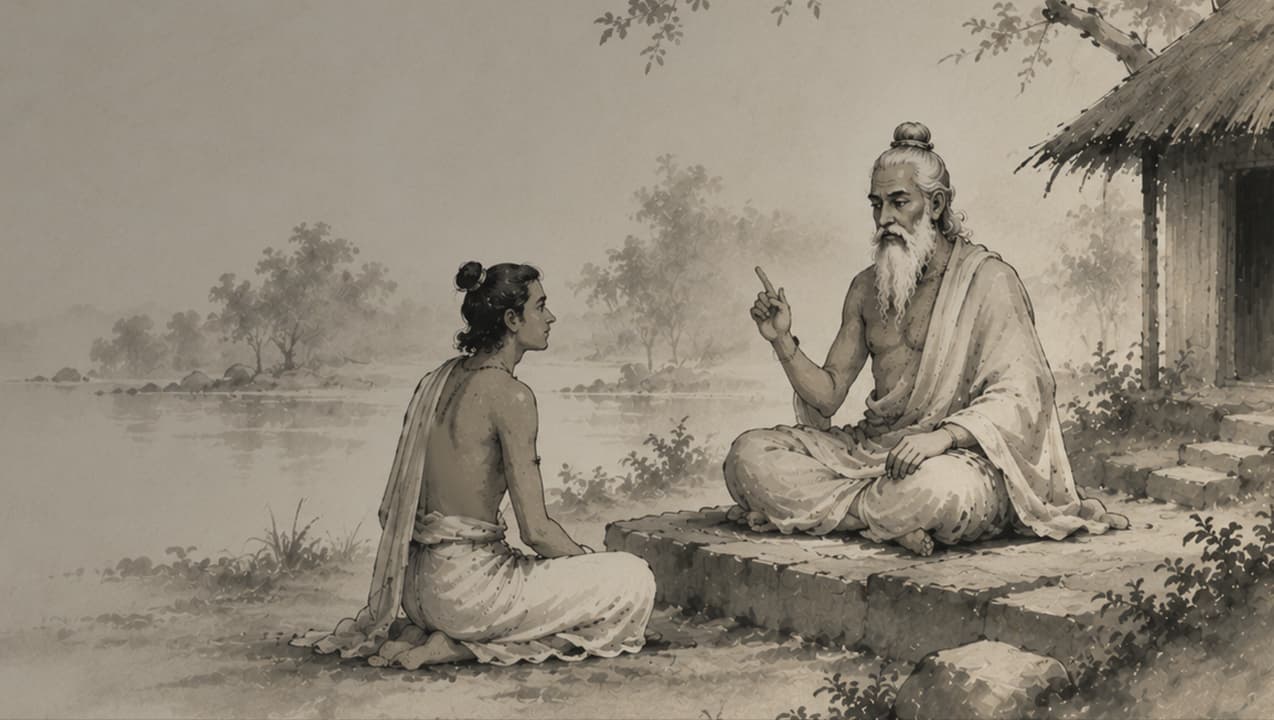
You might be wondering how the Niralamba Upanishad relates to Lord Shiv. Well, in the very first verse of the Niralamba Upanishad, Lord Shiv is mentioned. It describes Lord Shiv in the form of a "Guru". So, if you wish to understand Lord Shiv from the perspective of the Upanishads, this book can be a great starting point for you.
Additionally, this book covers profound concepts like Ishvara, Brahman, happiness, sorrow, heaven, hell, and many other such terms that we often misinterpret in our everyday lives. When someone embarks on the path of spirituality or religion, this Upanishad can serve as a key for understanding those complex spiritual terminologies.
In exploring the Top Books on Lord Shiv by Acharya Prashant, we’ve journeyed beyond the commonly accepted images of Shiv, venturing into the deeper, formless, and eternal aspects of the deity. Each book offers a unique lens through which we can better understand the true essence of Lord Shiv — beyond myths, symbols, and superficial representations.