चोट खाई तो ठान लिया कि अब कामना नहीं। पर कामना लहर की तरह उठती है, रोके नहीं रुकती, और दबाई हुई कामना स्प्रिंग जैसी है: उस पर बैठ जाओ तो मिटती नहीं, बस चुभती रहती है, और खड़े होते ही उछल पड़ती है। दूध वाली चाय पिएँ तो ग्लानि, न पिएँ तो देह तड़पती है। कामना के पीछे चलने में दुख मिला, तो दबाने में महा दुख, और ऊपर से ओढ़ा हुआ पाखंड। गीता की नज़र कामना पर नहीं, उस पर है जो कामना करता है। क्या हम कभी उसे देख पाते हैं?
Acharya Prashant: By looking at one Vivekanand, you start imagining, or dreaming, or expecting that all youth can be like Vivekanand. And in this lies your ingratitude and disrespect towards Vivekanand. You do not know what kind of an impossibility a Vivekanand is. You do not appreciate him, so you
Speaker: You see we are outrageously arrogant when it comes to small things, we are so fond of claiming that which we do not have, but we are absurdly humble when it comes to claiming that which we really have. You don’t have a large house but you would not
Question: Given that all our relationships seem to be arising purely out of a sense of imagined need, is it possible to have any other kind of relationship?
Questioner (Q): We have just read about the Saints or people who are meditative and who stay in meditation for years or days. In what kind of state they are? Like, they are neither in joy or sorrow or...
प्रश्नकर्ता: आचार्य जी को नमन, सर मैं आपका बहुत-बहुत धन्यवाद करना चाहूँगी कि आपने जो कुछ सिखाया है वो बहुत अमूल्य है और सर मैं बहुत बड़ी प्रशंसक हूँ, आपकी समर्पित प्रशंसक हूँ और सर मैं, जीवन में आपने जो कुछ सिखाया है वो पहले किसी ने बताया होता तो
प्रश्नकर्ता: प्रणाम आचार्य जी। बचपन से यही शिक्षा दी जाती है कि पढ़ाई कर लो, अच्छे नंबर लाओगे तो अच्छे बच्चे कहलाओगे या फिर आगे चलकर अच्छी नौकरी मिलेगी तो समाज में प्रतिष्ठा मिलेगी। तो इन सब में जो एक निष्कामता की जो चीज़ है, वो कहीं-न-कहीं कम ही रहती
प्रश्नकर्ता: पिछले बीस-चालीस साल से ऐसा क्यों हो रहा है कि लोगों को राम पसंद आने बहुत कम हो गए हैं? तो आम जनमानस को ख़ासतौर पर जो नई पीढ़ी है उसे तो नहीं ही पसंद आते राम, इधर पिछले बीस-चालीस साल के कुछ प्रसिद्ध गुरुओं ने भी राम का
आचार्य प्रशांत: ये बड़ा रूमानी सपना रहता है कि, "हम सन्यासी हो जाएँगे, और जैसे बुद्ध के चेले थे, बोलेंगे, 'भिक्षाम देहि', और द्वार से सुंदरी प्रकट होगी पात्र लेकर के, दाल-चावल, और हमारी अंजुली में डाल देगी और हम बिल्कुल नयन नीचे करे, मुक्त पुरुष की तरह खड़े रहेंगे।"
प्रश्नकर्ता: आचार्य जी अभी आपने जो बताया, आपके पास आने से पहले, जो भी समझा, जो भी पढ़ा था तो उसमें ये था कि कामना की पूर्ति करते-करते मुक्ति तक पहुँच जाएँगे। लेकिन जब आप, आपके प्रकाश में ये पता चला कि कामना की पूर्ति ये जानकर कि हो नहीं…
योऽन्तःसुखोऽन्तरारामस्तथान्तर्ज्योतिरेव यः।
स योगी ब्रह्मनिर्वाणं ब्रह्मभूतोऽधिगच्छति।।
जो पुरुष अंतरात्मा में ही सुखवाला है, आत्मा में ही रमण करने वाला है तथा जो आत्मा में ही ज्ञान वाला है, वह सच्चिदानंदघन परब्रह्म परमात्मा के साथ एकीभाव को प्राप्त सांख्य योगी शांत ब्रह्म को प्राप्त होता है।
—श्रीमद्भगवद्गीता, अध्याय ५, श्लोक २४
आचार्य प्रशांत: आलोक जी कह रहे है कि आचार्य जी अब कुछ उल्टा होने लगा है। दुनिया महत्वपूर्ण लगने लगी है। मौत का क्यों सोचूं, जीवन भी तो अच्छा ही लगने लगा। आत्मा को खोजने की ज़रूरत ज़रा कम हो गई है, क्योंकि शरीर भी तो बढ़िया चीज़ है। पेड़,
आचार्य प्रशांत: परम त्याग नहीं, परम प्राप्ति। ये सिर्फ शब्दों की बात नहीं है। ये पूरा-पूरा दृष्टि का ही अंतर है। सत्य आपके समक्ष आएगा ही नहीं अगर आप पाने की भाषा में बात नहीं करेंगे। अगर आपकी संतोष की वही धारणा है, जो आमतौर पर चली आ रही है,
हम अक्सर चुपचाप सह लेने को बड़प्पन मान लेते हैं और उसे अपनी शक्ति कहते हैं। पर भगवान महावीर का सहना हमारे झुकने जैसा नहीं था। उन्होंने बाहर नहीं, भीतर के दुश्मन से युद्ध किया, और उनकी तितिक्षा संघर्ष के साथ चलती थी, उसके बदले नहीं। उनके सहने के पीछे संकल्प था; हमारे सहने के पीछे अक्सर बल की कमी, डर या किसी लाभ की आशा होती है। जो तितिक्षा संघर्ष का विकल्प बन जाए, वह तितिक्षा नहीं, कायरता है। तो हमारा सहना वीरता है या बस डर?
Search
यं संन्यासमिति प्राहुर्योगं तं विद्धि पांडव।
न ह्यसंन्यस्तसङ्कल्पो योगी भवति कश्चन।।
~ श्रीमद्भगवद्गीता, छठा अध्याय, दूसरा श्लोक।
जिसको संन्यास कहते हैं उसको तू योग जान क्योंकि संकल्पों का त्याग न करने वाला कोई भी व्यक्ति योगी नहीं होता।
प्रश्नकर्ता: आचार्य जी प्रणाम। मैं संकल्पों के त्याग का तात्पर्य समझना चाहता…
प्रश्नकर्ता:
आप कहते रहते हैं कि जिसको जिसमें सहजता हो और सुविधा हो वो वैसे कपड़े पहने। आप ये भी कहते हैं कि ऋषियों को, मुनियों को स्वेच्छापूर्वक वस्त्र धारण करने का अधिकार है, उन्हें कुछ पहनना हो तो पहनें, न पहनना हो तो ना पहनें।
बहुत सारे पुराने ऋषि…
प्रश्नकर्ता:
आचार्य जी, कल आपने सत्संग में आत्म-प्रेम के विषय में कहा था, कैसे मन यह जानते हुए, यह देखते हुए कि उसमें सारी गन्दगी मौजूद है, बहुत विकार मौजूद हैं, खुद को प्रेम कर सकता है। यह रास्ता बहुत कठिन मालूम होता है, जब भी आत्म-प्रेम,
सेल्फ़-लव
की ओर
…
Excerpts from Articles
Israel-Hamas: Unraveling The Role Of Religion In Conflict And Cruelty
Why do conflicts happen, and why is there cruelty in the world? These two things show us what religion means to regular people.
Nobody wants to admit to jealousy, not even to themselves. It is easier to look away from than to examine. But it is worth looking at, because jealousy tells you where your sense of worth is kept.
Children’s Day: What Are We Really Giving Our Children?
Children’s Day is celebrated on 14 November every year. We try to provide the best schools, facilities, and plans for our children’s future and celebrate their achievements with pride.
Sanatan Dharma is the way if the world is to be saved, rest is just cult
When it comes to philosophy and spirituality, the discourse often becomes dense. But in our endeavour to understand Sanatan Dharma, we will proceed with simple definitions and queries.
A Lesser Known Incident From Mahatma Gandhi’s Life
Mahatma Gandhi had been in South Africa at the center of a civil movement for more than two decades but he kept coming to India to attend Congress sessions. There was not much depth in those visits.
When a flood destroys a bridge, rebuilding it creates economic activity. Someone buys steel and cement, construction companies get contracts, workers are hired, and money changes hands.
आप बहुत गलत तरीके से जी रहे थे, अब आपको बता रही जिंदगी
ज़िंदगी की छोटी-से-छोटी स्थिति भी आपके सामने आती है तो अगर आपकी सुधरने की, सीखने की नीयत है तो उस स्थिति के बाद आप वैसे ही नहीं रह जाएंगे जैसे कि आप उस स्थिति के पहले थे. यह मैंने बात करी जीवन की किसी भी साधारण स्थिति की. अभी जो वैश्विक आपदा हमारे सामने है, वह तो निश्चित ही असाधारण है.
यह प्रश्न केवल ईश्वर के बारे में नहीं है। इससे कहीं ज़्यादा यह हमारे बारे में है। हम किसे राम कहते हैं, इससे पता चलता है कि हम स्वयं को क्या समझते हैं, किसमें सुरक्षा खोजते हैं और किसके लिए अपना जीवन लगा रहे हैं।
Especially in the modern world, unfortunately, a degree of constant anxiety has become an almost normalized state for us. A large portion of our mental health problems as a collective is very much about anxiety and fear. Burn-outs, career pressures, problems with self-esteem, fear of others, stress about studies etc.
The planet is irreversibly tipping. Who is pushing it?
We have begun to speak of the future climate as though we could settle the bill later. We shall keep emitting greenhouse gases, warm the planet beyond the limit we have agreed upon and, when technology has improved, bring the temperature down again.
Dr. Ambedkar is an enduring symbol of struggle, dignity, and the relentless pursuit of justice. His life was not merely a series of events that were linked with politics or social reform. It was an intellectual, social, and spiritual odyssey. Dr.
Decision-making, for most of us, becomes heavier than it needs to be. The moment a choice appears, the mind begins its familiar dance. Thoughts circle around the options, trying to predict outcomes, trying to secure certainty, and the whole thing turns strangely tiring.
आचार्य प्रशांत: ‘आनन्द साहिब’ से है कि उसने शरीर के वाद्य यन्त्र में साँस फूँकी और नौ द्वार खोल दिये लेकिन दसवें को छुपाकर रखा। दसवाँ द्वार कौनसा है? कौनसा हो सकता है दसवाँ द्वार? मन…
4
We all have our moments, our episodes of failures. We all let ourselves down at some time or the other. What to do then? Rule number one – do not go down tamely. If there is an inner conflict, and you know which side should win, fight hard to ensure that the right side prevails. Rule number two – keep fighting till your victory and keep fighting in your defeat. Even in defeat, remain a winner.
3
Why is it that what you call the ‘spiritual path’ must be equated with leaving something? Do you find any renunciation in existence? Do you find anything in existence that is bent upon giving up something, or dropping something? If life were meant for dropping, then that whom you call as ‘God’ should have first of all dropped the universe. When he is running the universe, not dropping it, in spite of the world being as silly, as pointless and as rotten as it is, then why must you think of leaving all the desires behind, and going to the spiritual life, leaving all material behind, and doing something else?
Beautiful. “He who claims liberation as his own, as an attainment of a person is neither enlightened nor a seeker. He suffers his own…
8
प्रश्नकर्ता: आचार्य जी, बहुत पहले से देख रहा हूँ। इमैजिनेशन (कल्पनाएँ करने) की आदत है। अब यहाँ तीन महीने से हूँ तो इसे और गहराई से देखने के लिए मिला। बहुत ज़्यादा गहराई तक है यह।
मैं सही-सही बताऊँ तो कोई मुझसे बात करता है तो मुझे उसकी आधी बात…
10
It's not the object of renunciation or attachment that matters, but the idea you hold of it. Suffering lies not in giving up the object but in letting go of its idea. The mind lives in narratives. Once the narratives are gone, the attachment is gone. Then, renunciation becomes celebration, for what you’re dropping is not precious but your misery itself.
…
Speaker:
Ashish says, “Whatever was once important to me now seems insignificant. I wonder whether there is anything worth doing. The feeling has made me lethargic. Or is that just another trick of the mind?”
You have got it right. It is just another trick of the mind.
Now, let’s…
…
2
आचार्य प्रशांत: कर्मसंन्यास और कर्मयोग क्या हैं? दोनों में अन्तर क्या है? आमतौर पर हम जिसे कर्म कहते हैं; वो कैसे होता है? वो ऐसे होता है कि जैविक रूप से और सामाजिक रूप से मन संस्कारित रहता है। फ़िज़िकल, सोशल दोनों तरह के संस्कार। तो मन में पहले…
1
Acharya Prashant (AP): (Reads question) Mohit Sharma from the USA, “Pranam Acharya Ji, I am paying attention to what and how I do. I have observed four states of mind. Is it natural to observe this? Are these all the same or different? And by doing it, will I go…
Those who are free of the world, are free to relate with the world in a healthy way. And
…
Acharya Prashant (AP):
Have you fulfilled my condition, first of all?
Q: Yes, Yes, I went to one nightclub. I video-called Anmol Sir from there. One Saturday I went.
AP: What did you do there?
Q: I was just sitting, and had one orange juice,…
Acharya Prashant (AP): See, anybody, who quits life to stay in…
1
“He who cherishes desires and his mind dwells with his longings is by his desires born again wherever they lead him but the man who has won all his desires and has found his soul for him, even here in this world vanish away all desires.”
~Mundaka Upanishad
Questioner (Q):…
तस्मिन्ननन्यता तद्विरोधिषूदासीनता च
~ नारद भक्ति सूत्र: ९
In the Lord whole-hearted, single-minded devotion and all else that are contrary to it, complete indifference.
This is the nature of renunciation.
~ Narad Bhakti Sutra: 9
Questioner: How is this sutra relevant in daily life?
Acharya Prashant: The man whose mind…
1
प्रश्नकर्ता: पूज्य गुरुजी, सत्य की पुकार पर किसी दिशा में चल पड़ना एक चीज़ है और किसी जगह से भागकर भगोड़ा हो जाना, दूसरी चीज़ है। इन दोनों में अन्तर कैसे करूँ?
आचार्य प्रशांत: अन्तर बहुत साफ़ है भानु। भगोड़ा भागता ही नहीं, भगोड़ा मात्र स्थान परिवर्तित करता है। भगोड़ा…
…
…
…
…
Share
4
प्रश्नकर्ता मन में एक विचार भी आता है कि ये पलायनवाद तो नहीं होगा। जैसे एक बार मैं ओशो को सुन रहा था तो उन्होंने भी कहा था कि बुद्ध ने कुछ छोड़ा तो वो राजा थे इसलिए छोड़ा। उन्होंने भोगा था, फिर छोड़ा। तुमने कुछ भी अर्जित नहीं किया…
प्रश्नकर्ता:
आचार्य जी, बुद्ध या कृष्णमूर्ति को मोक्ष आसानी से क्यों प्राप्त हो गया?
अचार्य प्रशांत: ये प्रश्न पूछकर के कि क्या कुछ लोगों को ज़्यादा आसानी से उपलब्ध हो जाता है? कहीं ऐसा तो नहीं कि तुम अपनेआप को यह सांत्वना देना चाहती हो कि जीवन तुम्हारे लिए अत्यधिक…
आचार्य प्रशांत: वो जंगल की ओर नहीं गये थे, वो समाज से दूर गये थे। अन्तर समझना। बुद्ध को यह भ्रम क़तई नहीं था कि उन्हें जंगल में बोध मिल जाएगा। पेड़ पर थोड़े ही बोध लगता है! पेड़ पर बोध लगता…
9
प्रश्नकर्ता: ब्रह्मचर्य और विवाह में क्या सम्बन्ध है? जो भी जितने भी ब्रह्मचारी लोग हुए हैं, उनके जीवन को पढ़ते हुए बड़ा आनन्द आता है। मतलब जो ब्रह्मचर्य के नियम पर चले हैं। जैसे– स्वामी दयानन्द हो गए, महात्मा बुद्ध हो गए, भगवान महावीर हो गए या स्वामी विवेकानन्द हो…
3
प्रश्नकर्ता : मैंने एक कहानी सुनी कि महात्मा बुद्ध ध्यानावस्था में बैठे थे, उसी समय कोई व्यक्ति आता है और बार-बार बुद्ध पर थूकता है और बुद्ध पोंछते जाते हैं, बिना उस व्यक्ति से रुष्ट हुए। ऐसे ही विवेकानन्द के बारे में है कि कोई उनपर थूकता है, तो वे…
2
…
…
ड्रामा
क्यों?
आचार्य प्रशांत: आप बताओ क्यों? कहीं बाहर से थोड़े ही टपक रहा है, रोज़ हम ही करते हैं। आप बताओ क्यों?
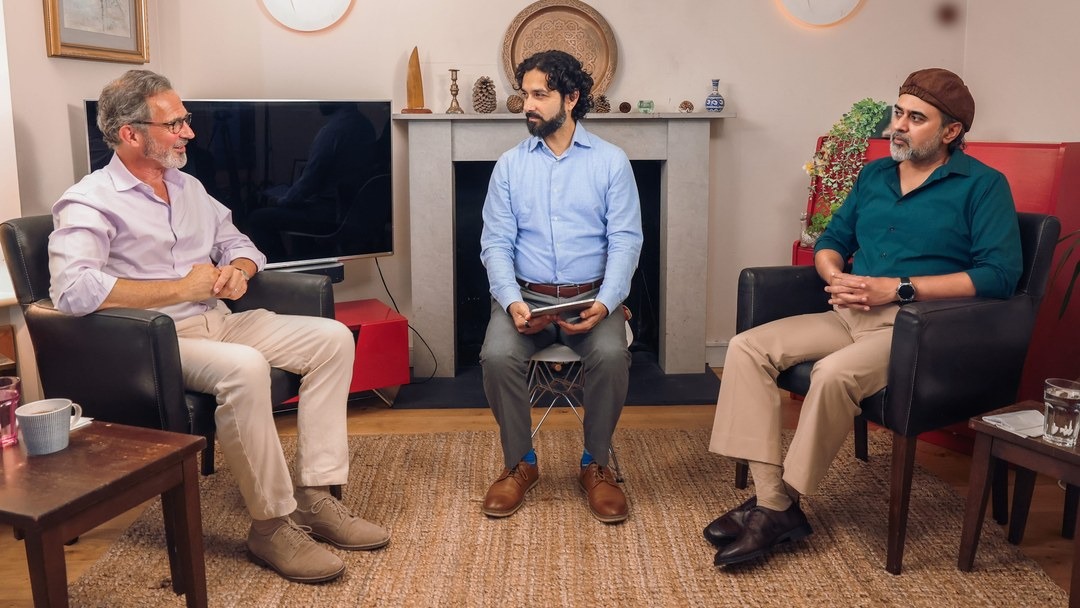
Most of us try to fix our suffering: a better job, a calmer mind, a new practice, a holier word to hide behind. But what if the trouble was never the pain itself? In this London dialogue with a teacher of non-duality, we look at who it is that says “I am”, why the sufferer hides in money and in holy concepts alike, and why non-duality is an intention, not a state. If the ego is a born lover, what does it truly want?
We have all felt it: a phone stolen, a job gone, someone who walked out, and suddenly it seems we were lost along with it. Things come, stay for a while and leave; that movement is not what hurts. It hurts when we were riding on what left. The same habit shows up when we try to learn: we want to be taught without our old walls being touched, and then we call the teaching confusing. So what are we really holding on to, the thing or ourselves in it?
We say my body, my brain, my reason, my decision, and we never ask who is saying it. A boy who has tormented animals must be corrected, we all agree. Then he turns out to be our own son, and reasons to excuse him arrive without effort. Did reason change, or the one who owns it? Every courtroom shows how intent drives argument. The judge we admire may be the one who has learned to thin that owner down. When we decide, who is deciding?
We study history, languages and money, and never the one who is reading, to whom all of it matters. Our interests feel like our own, and we call them freedom without asking where they came from. Had that stranger carried another name, would our view of him be the same? Self-inquiry cannot end in a final answer, because the one asking dissolves before it arrives, and returns the next morning. Do we want an answer, or do we want to look?
यह हमसे अलग है, इसलिए हमसे कम है, इसे काट के खा जाओ, बाँध दो, इसका दूध निकाल लो। जानवर के साथ होने वाली हिंसा के पीछे यही तर्क खड़ा रहता है। पर अलग होने का मतलब कमतर होना नहीं है। हम जानवर को नहीं जानते, क्योंकि हम ख़ुद को नहीं जानते। ऊँच-नीच की रेखा खींचने वाला भीतर का वह ‘मैं’ है, जो किसी को छोटा ठहराए बिना बड़ा बन नहीं पाता। सबको बराबर कह देने से वह रेखा नहीं मिटती। क्या हम उस ‘मैं’ को देख पाएँगे?
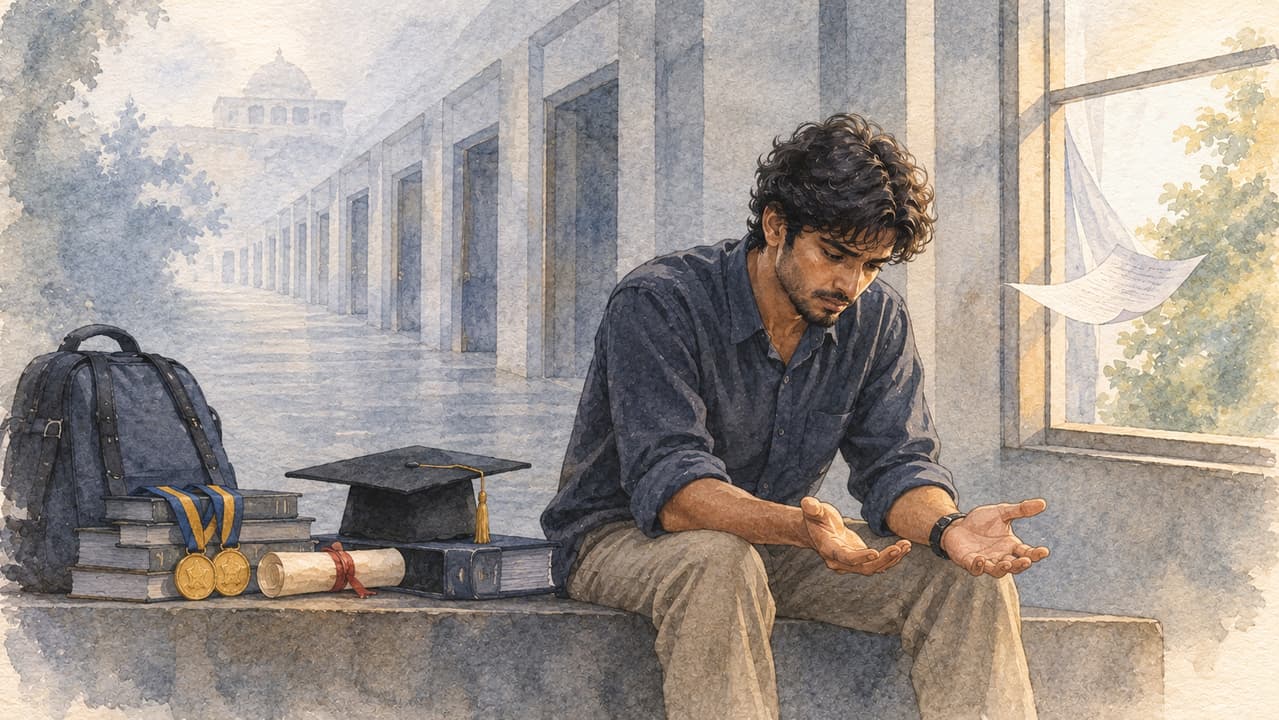
A degree, then a gold medal, then a PhD, and each time we tell ourselves this is the last milestone. Yet something still feels missing. Wanting to know what comes next is wanting to control it, and years of control have produced exactly this dissatisfaction. Even “I should be happy” is control. A mug that weighed 100 grams should not come back from the wash at 106: what we hear is meant to dissolve what we carry, not add to it. What if we simply stopped standing in the way?
दशहरे पर हम हर साल रावण का पुतला जलाते हैं, और फ़िल्मों में वही रावण ज्ञानी, वीर और महादेव का भक्त दिखता है। तो क्या उसे महिमामंडित किया जा रहा है? बात उलटी है। रावण में दम दिखाया जाता है ताकि दिखे कि महिमा कितनी भी हो, राम के विरुद्ध जाओगे तो पिटोगे। जिसके पास जितना ज्ञान और बल, उसकी ज़िम्मेदारी उतनी ही बड़ी; उसकी विद्वत्ता बचाव की दलील नहीं, सज़ा का तर्क बनती है। ज्ञान लाइसेंस नहीं, कर्तव्य है। हमें जो मिला है, क्या हम उसे बाँट रहे हैं?