Living in the Present

Living in the Present
17min56reads
Success never quiets the anxiety underneath it. Hustle culture runs on karma — a restless cycle of chasing the next job, package, or achievement in hopes of filling an inner void. Young professionals in Bangalore who've "succeeded" on paper remain fearful, ashamed, and unsettled within, proof that success is a liar: it promises liberation but delivers only debt. Anxiety itself traces not to the future but to a present that's been neglected, and real freedom from restlessness begins only by turning inward.
Living in the Present
16min388reads31
Question: Sir, people these days emphasis on the idea of the ‘Power of now’. But you say that the present is different from the now. Please elaborate.
Speaker: This whole talk about the power of now is a great sham. It is deep materialism disguised as spirituality. The present is…
Liberation
4min1.4kreads276
Acharya Prashant: That's why the rājasika mind is better than the tāmsika mind. The rājasika says, “I’m not alright. I need to do something to become better. I feel inferior. I feel incomplete. I need to rise. I need to achieve.” That’s the rājasika mind. The rājasika mind at least…
Living in the Present
10min1.3kreads368
You see all time movement is in the brain but the mind is brain plus something else, what is that? It's Intelligence, and intelligence operates in the present and in present there is no purpose. Do not run after purpose. Just be present. Presence, not purpose. Presence is intelligence, purpose is conditioning. So, there is no purpose in life except what is happening right now. And this right now is called presence. Whatever you will call as the purpose of your life will essentially be your conditioning.
Mind
8min495reads72
Questioner: Why does the mind wander when we sit to study? How to control the mind?
Acharya Prashant: What’s your name?
Questioner: Aman.
Acharya Prashant: Aman is asking, “How to control the mind.” What he is saying is we sit down to study, right? And the mind wanders here and…
Excerpts from Articles
You Don't Understand the Bhagvad Gita, But You Still Claim That You Love Krishna?
The Bhagavad Gita deserves reverence not because of inherited beliefs about its author, but because of its power to dissolve falsehood and reveal Truth. Real devotion is not ritual or blind faith—it is understanding, inquiry, and living the wisdom of the Gita. Through sincere study, one discovers the true meaning of Krishna, making the Gita the most authentic path to knowing and worshipping Him.
Climate Change: The Solution Is a Choice
Climate change is more than an environmental crisis—it is a crisis of human choices. Our patterns of consumption, consumerism and endless pursuit of more are putting increasing pressure on the planet. But meaningful change does not necessarily begin with new technology or stricter policies. It begins with a deeper question: what are we willing to change within ourselves?
The Secret to True Victory
Victory is not decided by the trophy you hold but by the battle you choose to fight. Real strength lies in making the right decisions, staying true to your deepest values, and refusing to be ruled by fear or circumstances. When your actions arise from clarity rather than ambition, the outcome loses its power over you. The moment you choose the right path, you have already won.
कद नहीं, अपनी कहानी बदलो
कई तरह के डर—अकेले पड़ने, छवि खोने या छोटा समझे जाने—की जड़ अक्सर अतीत में बनी पहचान और कहानियों में होती है। शरीर की हाइट जैसी चीज़ों को समस्या मानकर उनसे जूझने के बजाय उनकी अप्रासंगिकता को समझकर आगे बढ़ना चाहिए। अतीत को दबाने से मुक्ति नहीं मिलती; उसके करीब जाकर अपनी स्मृतियों, धारणाओं और पुराने पैटर्न को निष्पक्षता से देखना ज़रूरी है।
ज्योतिष कितना सच है? कुंडली, ग्रह-नक्षत्र: इनका क्या अर्थ है?
वेदांत को केवल इसलिए सही या श्रेष्ठ नहीं माना जा सकता कि वह किसी विशेष परंपरा से आता है। विज्ञान जहाँ भौतिक जगत की वस्तुनिष्ठ जाँच करता है, वहीं अद्वैत वेदांत सीधे मनुष्य के ‘मैं’, उसके दुख, बंधन और मुक्ति की पड़ताल करता है। इसकी कसौटी वैज्ञानिक प्रमाण नहीं, बल्कि अपने जीवन में इसकी सच्चाई को देख पाना है। किसी दर्शन को मान लेना नहीं, बल्कि उससे स्वयं को मुक्त करना ही उसका वास्तविक उद्देश्य है।
Stuck Between Job Security and Your Real Passion?
Struggling to choose between a secure job and the path you actually feel drawn to? This isn't really a question about careers. It's about why other people's opinions have so much power over you in the first place. Real clarity doesn't come from finding the 'right' choice. It comes from honestly looking at your own fear, again and again, until it stops running the decision for you.
Animal cruelty: Who deserves mercy, and who doesn’t?
Violence begins long before the knife or the slaughterhouse—it begins with the ego, the one that draws boundaries, seeks justification, and decides who deserves compassion. Laws and reforms may reduce suffering, but they cannot end violence while the ego remains intact. When the ego dissolves, exploitation ends naturally, and compassion no longer depends on regulation or moral boundaries.
Mind
15min227reads70
Acharya Prashant: You see you are a human being. It is neither possible nor advisable for you to just give up on the past. The body is nothing but a flow of the past stretching over time. So, you cannot just wish away the past. It won’t happen.
If the…
Living in the Present
4min232reads2
Speaker: The question asked is that why can’t the brain be in the present? Because the present is not. You see, your mind makes sense of the world around. Your mind continuously makes sense of this world all around. But can your mind make sense of this moment? This moment…
Living in the Present
21min174reads42
Speaker: Before we chase something and want to be consistent in our chase, it’s very important to understand whether consistency is a worthy thing at all. Is that not important? Before you chase something, won’t you want to know whether the thing is worth chasing or not? Otherwise, you…
Living in the Present
16min160reads3
Question: Is acceptance of everything that comes in life is same as living in the present?
Speaker: What is acceptance? What are these things that come to life? What do you mean by ‘my life’? What do you mean by ‘acceptance’?
Listener 1: ‘Acceptance’ means that the things that are…
Mind
14min693reads1
Questioner (Q): How can we, in daily life, go closer to the Truth? Is that through sitting, walking, working, meditation, by living mindfully in the present moment? Isn’t mindfulness taught by the Buddha himself?
Acharya Prashant (AP): Which Buddha are you referring to (asking the questioner)? The Buddha of the…
Values
3min245reads52
Question: Sir, my question is, ‘How to focus on the present?’
Acharya Prashant: Do you need to focus on the present?
Listener: Sir, that is my only problem. When I study, all the shortcomings of my past keep coming to my mind.
AP: Present is there. You don’t need to…
Clarity
3min209reads61
Acharya Prashant (AP): You may plan to go and meet somebody, will you also plan how to hug him and what all to say to him? Will you also plan that?
Now, what is essential, the time at which you meet him, or the time that you spend with him?…
Living in the Present
3min179reads
Questioner: When I am busy in doing certain activities that I enjoy doing, there are expectations from the future, but no frustrations at present. What is this state? Can it remain forever?
Acharya Prashant: If this can happen, it is a very welcome thing. There are certain actions that produce…
Confusion
1min293reads1
You might be twenty-five today; where is the one who was twenty yesterday? Isn’t he gone? How can you stop the other from departing when you couldn’t prevent even your own old self from departing?
Remember your old self, the one that was there at the age of five, ten,…
Guru
1min286reads1
“Enjoy the moment! Go with the flow!” What is that flow? Where is it coming from? Why should I go with it? Why don’t you just pause and ask, which flow are we talking of?
The tsunamis are coming to take you away, and the great master is teaching you:…
Truth
9min318reads21
Questioner (Q): Most often we are asked to live in the present and be here and now and mindful. Can you talk to us about that?
Acharya Prashant (AP): The same thing, I mean, when we were talking about what to do with knowledge, I said it depends on the…
Living in the Present
11min143reads
Acharya Prashant (AP): There is this question about direct observation and how the world when ‘directly’ observed appears muddled up, appears quite confusing. There is a question that what is all this. One of the aspects of the question is, ‘What is love? When I look at the world around,…
Living in the Present
1min256reads
Worrying is nothing but an unauthorized concern for results. First of all, it is a concern for results. Secondly, it is an unauthorized concern for results. You are trying to speculate about something you are not authorized to think about. You have no authorization, no locus standi to think about…
Clarity
1min172reads1
Attentiveness can only be to that which is present. The past is a filler. Do not blame the past. If you have nothing right now with you, then as a filler, past and future would flow in. Do you want to blame them?
The present is not merely engagement in…
Living in the Present
10min292reads2
Speaker : What is the present? We keep on talking of the present, what is the present?
The present is the source, present is nothing but the Truth.
The present is that from which everything emanates. The present is all, there is nothing but the present and the present is…
Thoughts
1min380reads
The mark of the one living rightly is that he doesn’t have the need to think too much. Thought, in some way, is a compensatory mechanism: what you couldn’t do right you want to think right. But you cannot think right what you have done wrongly, or can you?
In…
Living in the Present
1min353reads
Immerse yourself in the right action, and then where is the space and the time to worry? Surely you are stealing time away from work so that you can indulge in worries and anxieties and fancies of all kinds.
Young people fantasize, don’t they? Some fantasize about beautiful, pretty, exciting…
Living in the Present
5min132reads3
Questioner: What is the exact way to live life?
Acharya Prashant: Are we right now living inexactly? Is there something wrong right now? You want to correct it?
What do you mean by exact? What is missing that you want to achieve? What exactness are you running after? When you…
Clarity
1min256reads3
The past is a great resource. It is not to be wasted away or thrown away or forgotten. If you do not really decode your past, you are bound to repeat your past. Forget all the propaganda coming from the neo-spiritual circles that say that the past is something to…
Living in the Present
1min342reads1
When you say that you go to your workplace for a purpose, is the purpose ever the work? The purpose is the salary cheque. In fact, if work could be bypassed and you could straightaway reach the salary cheque, then who would want to work? Is work the purpose really?…
Fear
1min185reads
Why do the regular events of life succeed in deceiving you? Because you are not available to them; because you are not looking at them as they are; because you are not listening to what they are really saying right now. Instead, you are carrying images and echos—images of scenes…
Living in the Present
4min290reads1
Listener 1: Sir we talked about ‘now’. We look at the past, conditioning starts getting activated. If we look at the future, fear gets activated. But if we look at the ‘now’, because there is only this moment, this ‘now’, so can we say that this moment is timeless? It’s…
Living in the Present
1min172reads
Let’s assume for a while that your worries about the future are founded in facts. Let’s say some grand evil army is invading your little fortress and you can see them all coming with your binoculars, and you are estimating that they will reach you in another four hours. They…
Living in the Present
8min492reads1
Question: Is it real that human beings can live forever?
Acharya Prashant: It depends on what you think of human beings. If you think that they are born, then they will die.
L1: I mean the human body.
AP: The body never dies!
L1: The body never dies?
AP: Never…
Clarity
4min441reads135
Speaker: Be present to life and that is sufficient, improvement will come. It will happen on its own. You know, there are people who when they want to reduce weight make great plans. When it comes to the moment of exercising and jogging, then I am absent. After that, what…
Living in the Present
1min371reads2
Worrying is the other name of hope. When you think negatively about the future, you call it worry. When you think positively about the future, you call it hope. So, worrying is just as equally bad as hoping.
Conserve your energy. Train your thoughts. Discipline your little self. Time is…
Beliefs
1min380reads51
You don’t have to think of the final victory. The final victory will always be a gift immense beyond your imagination or desire. You have to think of your current daily battles. You have to think of your little daily victories. If you think of the final victory, all you…
Truth
1min219reads1
The old would either turn into the new or will have to go away. And if it is not turning into the new, then it will keep you too old. If you are moving towards the new, now there can be no carrying of the old. Either the old will…
Depression and Anxiety
1min346reads
There is a subtle pleasure in worrying. Surely you are stealing time away from work so that you can indulge in worries and anxieties and fancies of all kinds.
The opposite of this self-centered worry is immersion in action. Immerse yourself in the right action, and then where is the…
Compassion
6min368reads2
A. Living in the Present
The Present is not an object of thought. To live in the Present, first of all you must know what is really ‘Present’. You know what is meant by Present? What really is ‘Presence’? Living in the Present means living in the Truth, because only…
Self Enquiry
13min323reads2072
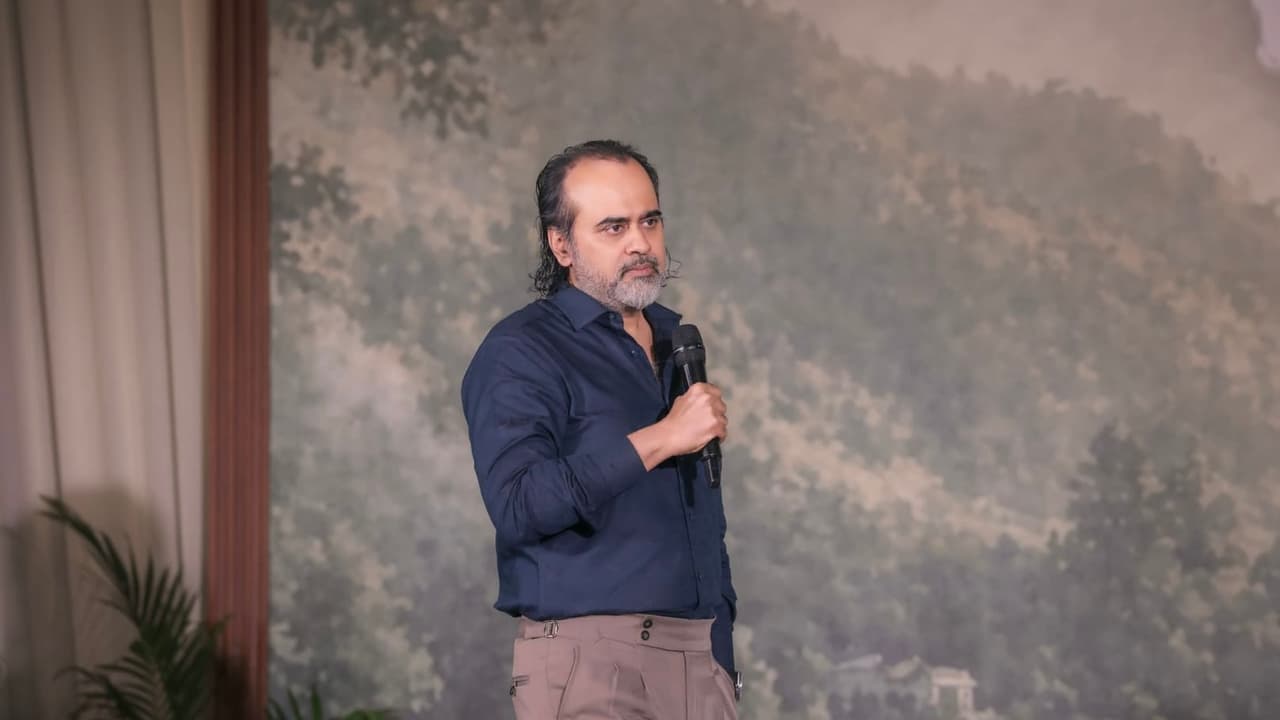
वेदांत को केवल इसलिए सही या श्रेष्ठ नहीं माना जा सकता कि वह किसी विशेष परंपरा से आता है। विज्ञान जहाँ भौतिक जगत की वस्तुनिष्ठ जाँच करता है, वहीं अद्वैत वेदांत सीधे मनुष्य के ‘मैं’, उसके दुख, बंधन और मुक्ति की पड़ताल करता है। इसकी कसौटी वैज्ञानिक प्रमाण नहीं, बल्कि अपने जीवन में इसकी सच्चाई को देख पाना है। किसी दर्शन को मान लेना नहीं, बल्कि उससे स्वयं को मुक्त करना ही उसका वास्तविक उद्देश्य है।
Self Enquiry
6min171reads102
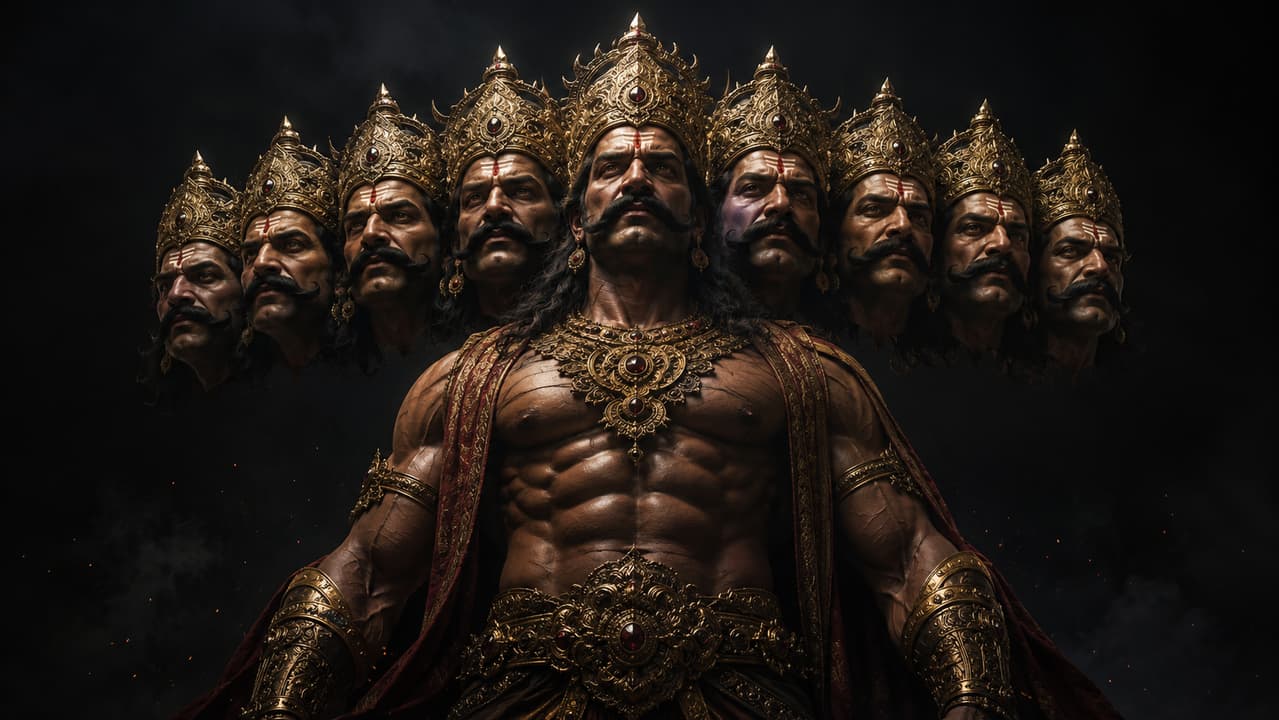
Knowledge alone cannot transform life; it can become another object of the ego. True knowledge is self-knowledge—a mirror that exposes and destroys false ideas about oneself. Ravana may have been knowledgeable, but without self-knowledge, knowledge can become a tool for exploitation. Wisdom is not something to acquire; it is innate. Self-knowledge is the process of unbecoming unwise by clearing away the nonsense we have gathered.
Clarity
4min354reads14
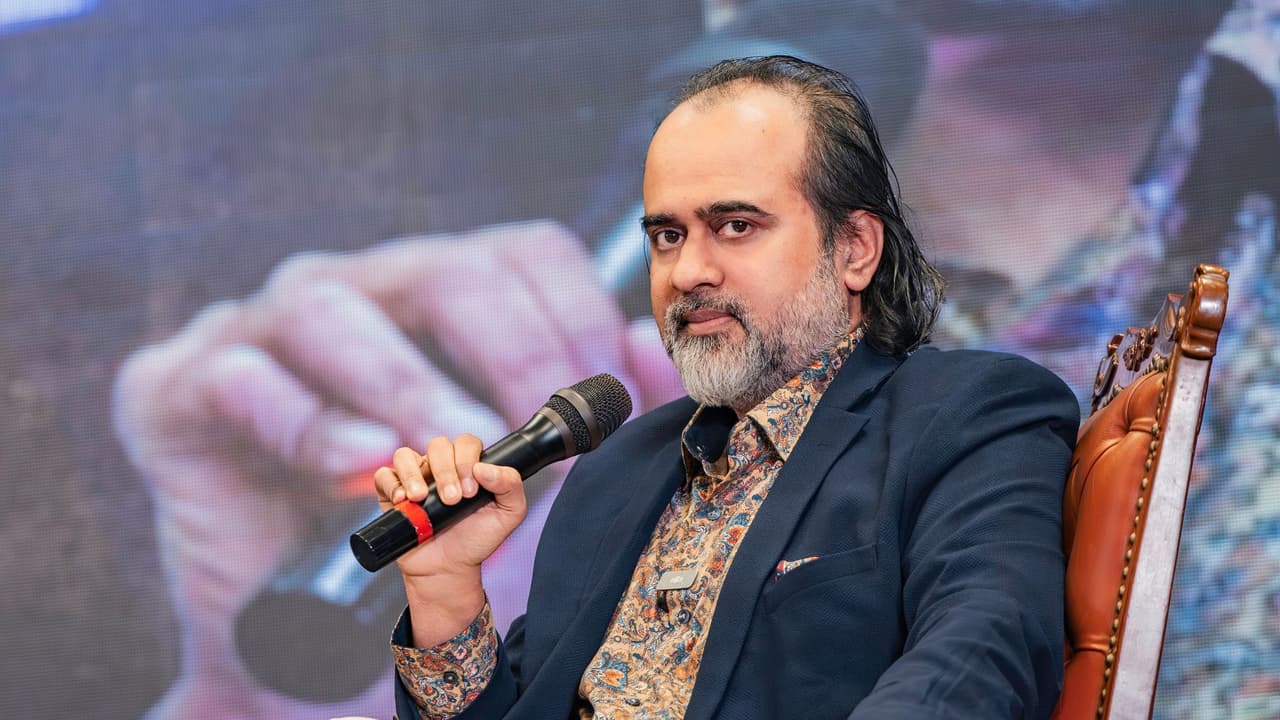
The balance between order and disorder should not be decided by personal likes or dislikes, but by what the task at hand requires. Sometimes a project demands discipline and order; at other times, more important work requires leaving things messy. The right action comes from responding to the actual need, not personal preference. Even sacrifice can be meaningful when it serves something important, but “staying backstage” should never become an excuse to avoid what one cannot tolerate.
Self Enquiry
12min202reads11
Question: Why do I feel lost?
Acharya Prashant: Because, you are asking this question.
We ‘think’ that we are lost, equally, we ‘think’ that we are not lost. The same place from where the thought, the perception of being lost, or not lost arises, that place is the same place…

Self Enquiry
11min274reads252
Friendships naturally change as people follow different paths in life. When you remain focused on your true purpose, you stop clinging to those who only accompany you briefly. Instead of dwelling on memories or fearing others' intentions, examine your own expectations and self-deception first. Honest self-awareness brings clarity, wiser relationships, and the freedom to move forward without resentment or attachment.
Self Enquiry
37min70reads2
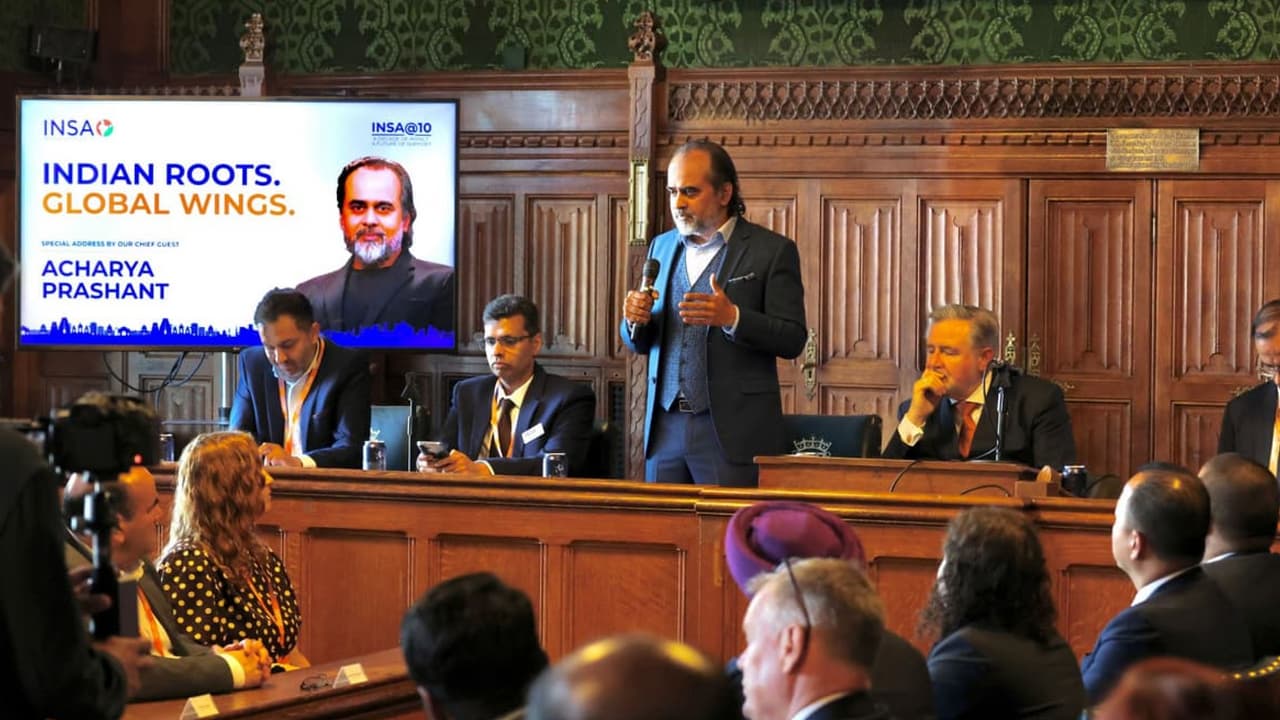
Real love is not measured by comfort, agreement, or preserving relationships at any cost. It is revealed when one has the courage to challenge falsehood, embrace uncomfortable truths, and even risk a relationship for another's freedom and growth. Truth is not a fixed destination but a continuous rejection of illusion. Genuine relationships, mature guidance, and authentic scriptures all serve as mirrors that help us see and dissolve our own falseness.
Self Enquiry
14min144reads27
The biggest weakness of modern education is not that it fails to keep pace with technology, but that it neglects self-knowledge. Students are trained to build identities around qualifications and careers, making them rigid in a world that demands constant change. Real adaptability, innovation, and lifelong learning come not from acquiring more skills, but from understanding oneself and letting go of fixed identities.

Clarity
24min350reads251
True learning is not built on memorizing answers but on understanding reality. Memory may help in examinations, but life constantly presents new questions that demand clarity, presence, and intelligence. Education becomes meaningful only when knowledge is deeply understood and lived, not merely remembered. Real understanding frees us from dependence on rote learning and enables us to respond wisely to every new situation.
Self Enquiry
36min118reads8
Humanity's greatest crisis arises from the imbalance between immense external progress and inadequate inner understanding. While technology, wealth, and knowledge have expanded unprecedentedly, unchecked desires and ignorance continue to fuel conflict, inequality, and environmental destruction. Sustainable change requires mass-based education of the self so individuals understand their motives and use science, technology, capital, and power with wisdom, responsibility, and inner clarity rather than unconscious craving.
Self Enquiry
19min107reads61
Superstition does not begin with rituals alone; it begins with unquestioned beliefs about the self. Science can remove many false beliefs, but complete freedom requires Self-knowledge. Vedanta, philosophy and meditation help expose the ego, making awakening possible. Religion becomes meaningful only when it encourages Self-knowledge rather than blind belief. Real freedom comes not from accepting inherited ideas but from understanding oneself through direct observation and awareness.

Concentration
12min167reads9
Social media has not destroyed attention spans; it has exposed our dissatisfaction with what we consume. The real problem is repeatedly returning to content we already know is empty instead of respecting our own intelligence. Books are only one medium for knowledge, not knowledge itself. What truly matters is reclaiming attention from distractions, demolishing the borrowed mental structures imposed by society, and creating an inner space where meaningful learning, reflection, and self-knowledge can flourish.
Self Enquiry
18min171reads4
The ego is not a real, independent entity but a bundle of conditioning that creates the illusion of a separate "I" and becomes the source of suffering. Self-observation is not introspection or analysis but moment-to-moment honesty about what is happening within. Real freedom comes when this false center is seen through, allowing life to function naturally without the burden of psychological ownership.
Self Enquiry
8min88reads4
Life cannot be transformed by knowledge of the external world alone; it also requires understanding the one who experiences it. Science, technology, and logic are powerful, but they remain incomplete without self-knowledge and inner honesty. Lasting solutions to personal and global crises emerge when the same rigor used to study the world is turned inward, examining one's motives, intentions, and consciousness with equal seriousness.
Meditation
17min212reads4
The mind is not an independent entity but a structure built and maintained by the ego through thoughts, memories, beliefs, and experiences. Most spiritual practices fail when they become distractions from examining the ego itself. Experiences, emotions, and preferences are often conditioned and unreliable. Real inquiry begins with observing the experiencer, admitting facts without distortion, and applying the same rigor to inner life that science applies to the external world.
Self Enquiry
12min79reads2
Most people move through life unconsciously, mistaking inherited beliefs, ambitions, and social conditioning for personal choice. Careers, relationships, goals, and even identities often arise more from habit and circumstance than from conscious understanding. Real freedom begins by questioning the actor rather than the action, examining the assumptions behind one’s choices, and awakening from the psychological “coma” in which life is merely happening rather than being consciously lived.