Your responsibility is to be better than yourself, not to compare with others. Ask, “How much better am I than yesterday?” You are on your own journey. Competing with others is neither wise nor possible. Focus on where you started and where you are today. The real battle is not with others but with yourself. The question is always, “How far have I come?” That’s the essence of wisdom and bravery—being your own best self through constant self-improvement.
You've heard there's competition and you must plan to survive, but without understanding 'career' or knowing that a mind that is always competing becomes diseased. This fear is also implanted by others. It isn't yours, yet you've imbibed it. Understand the mind, the world. Then you will know what is worth doing.

Questioner (Q): Recently you had a talk at IIT Delhi, and now you are here at IIM Ahmedabad, and both of these universities are your alma mater. Today, your batchmates would be at various corporate positions, but you have taken an unconventional path of becoming a spiritual teacher. So, how
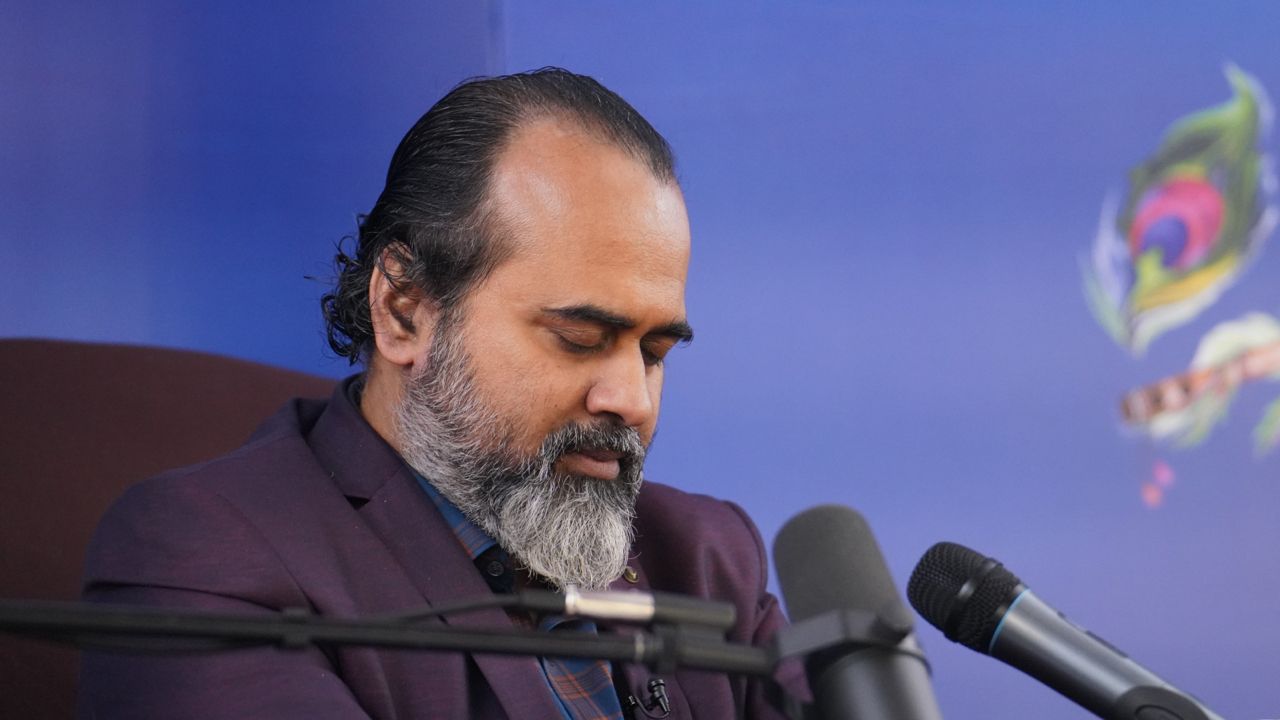
Questioner (Q): In this age of competition, we try very hard for various types of exams, and sometimes it is possible that we come very close but may still end up on the losing side. If that keeps continuing, then won’t the repeated failures hamper our self-confidence? If they do,

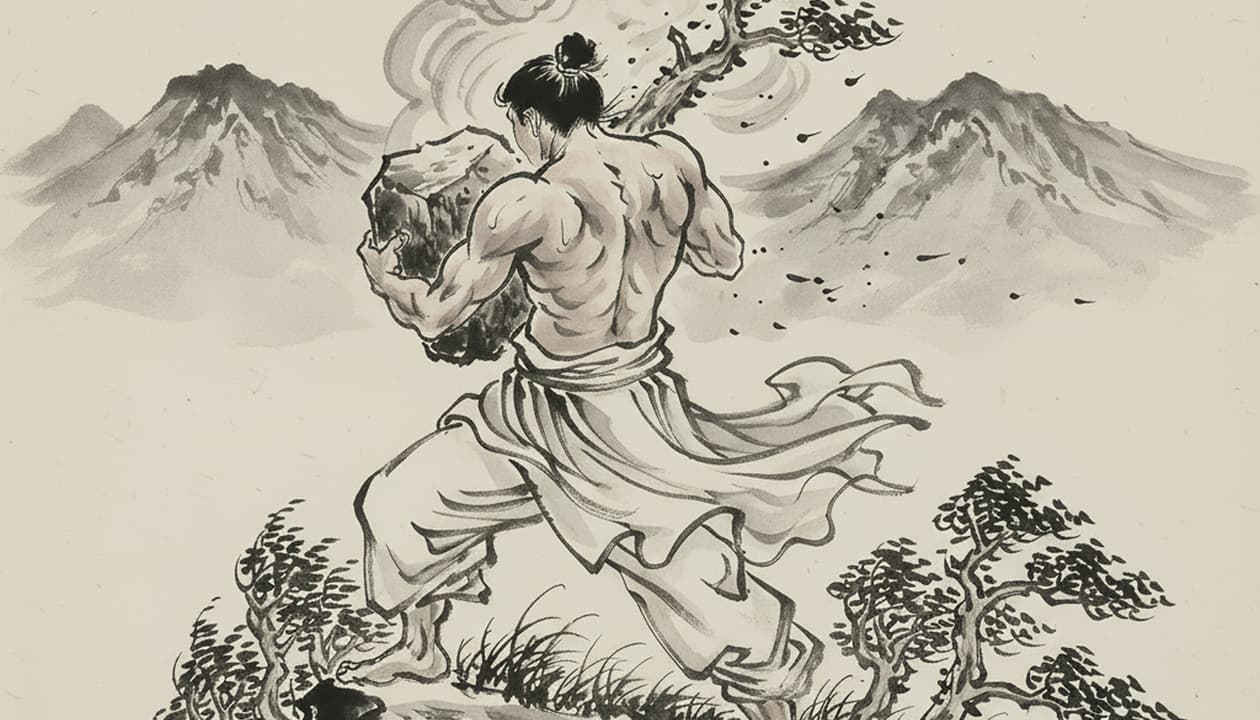
Man is born in a battlefield. Man will have to deal with challenges. Now, it is upon you which challenges you choose to deal with. You could either fight several miscellaneous, worthless wars—that cannot really even be called as wars, call them skirmishes, squabbles—or you could devote yourself to the
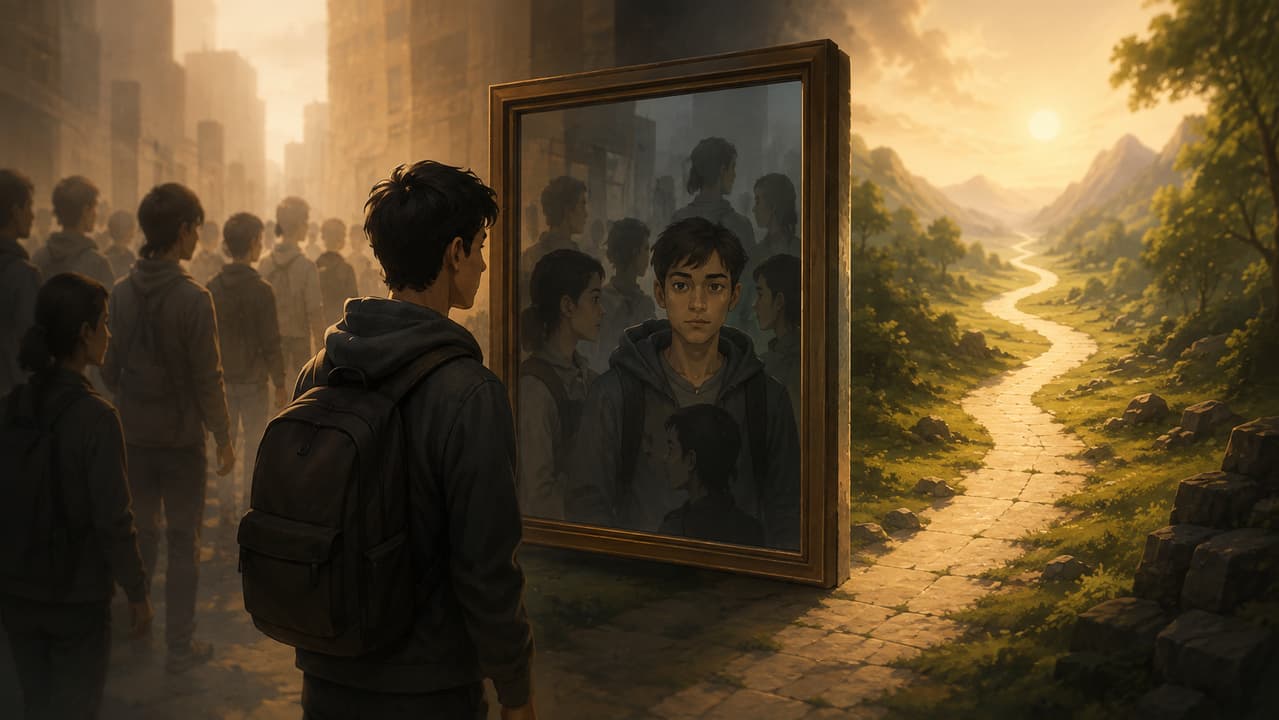

Success and failure matter less when your work is driven by love rather than outcomes. Setbacks are opportunities to reflect, not reasons to quit, and true failure comes only when you stop trying. Regret and guilt become meaningful only if they transform you into a different person instead of becoming excuses for self-pity. Real growth begins by questioning your assumptions, facing reality honestly, and living with awareness rather than mechanical habit.


Social media has not destroyed attention spans; it has exposed our dissatisfaction with what we consume. The real problem is repeatedly returning to content we already know is empty instead of respecting our own intelligence. Books are only one medium for knowledge, not knowledge itself. What truly matters is reclaiming attention from distractions, demolishing the borrowed mental structures imposed by society, and creating an inner space where meaningful learning, reflection, and self-knowledge can flourish.



Questioner (Q): I think that life is a race and a competition. If you do not compete, you will lag behind and you will have to face the consequences.
Acharya Prashant (AP): What are the consequences?
Q: If we do not compete with the rest of the students, then we…
Every human being wants to feel special, and therefore we want to believe that our own conditions are extraordinary. Competitiveness is there in our genes. We bring competitiveness to the corporate world, to the world of trade, business, governance, education, etc. from the jungle. If you go to the jungle—the place we all come from—what do you find there? Continuous competition. And if you listen to Darwin, he says evolution itself is a result of competition.
Questioner: Hello sir, my name is Pradeep. I am a third year student from IIT, Hyderabad. So, my question is — In spite of being told that we shouldn't compare ourselves with others, it's told, that everyone is different and they have their own journey, but still, we tend to…
Question: We generally say, “Let me do this task and then I will be in awareness.” Why do we defer awareness? Why do we keep on postponing awareness?
Why are there forces, psychological and physiological, that work against awareness? If one must live in awareness, then why is maya against…
Listener: Life is a race and it is a competitive fast going generation. If you do not become a part of the race then you will lag behind and will have to face the consequences.
Speaker: What are the consequences?
Listener: Sir, if we do not compete with the rest…
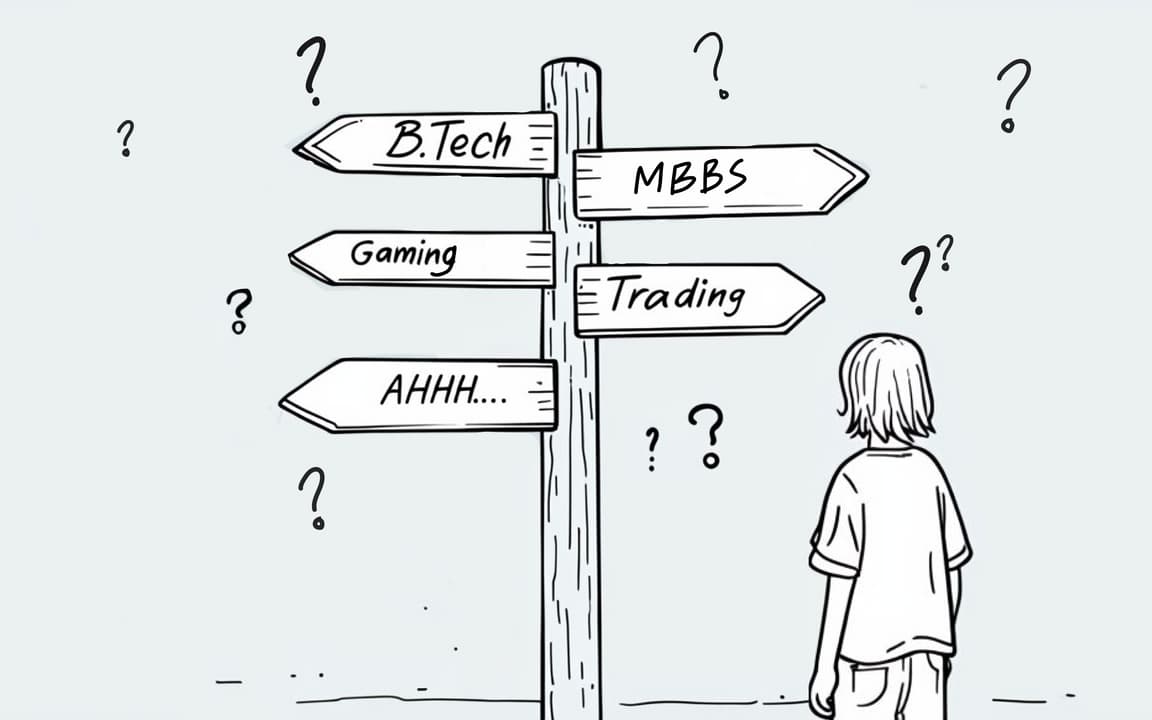
Struggling to choose between a secure job and the path you actually feel drawn to? This isn't really a question about careers. It's about why other people's opinions have so much power over you in the first place. Real clarity doesn't come from finding the 'right' choice. It comes from honestly looking at your own fear, again and again, until it stops running the decision for you.
Time shortage is often not real but a result of misplaced priorities. Social media and trivial activities consume the limited time that could be used for reading, sports, creativity, and self-development. Time flows toward what we value most. Therefore, honestly tracking where our time goes is essential, because our time profile reveals our true priorities, mindset, personality, and the direction of our life.
Wrong career choices, unhealthy relationships, and endless entertainment are often symptoms of escaping oneself rather than seeking happiness. Self-deception, ego, and inner dissatisfaction drive people toward temporary relief through social media, gaming, movies, and distractions. Real transformation begins with self-inquiry, honest awareness, and the courage to face reality instead of running from it, leading to clarity, freedom, and meaningful living.
Success achieved under pressure or conditioning is not true success because the goal was never truly one's own. Before chasing any achievement, one must ask whether the desire is authentic or borrowed from society. Real change comes not from becoming stronger but from gaining clarity and honesty about oneself. Young people are already capable; what keeps them trapped is the comfort of obeying external expectations. Life is too short to spend serving invisible masters instead of pursuing what one genuinely loves and understands.
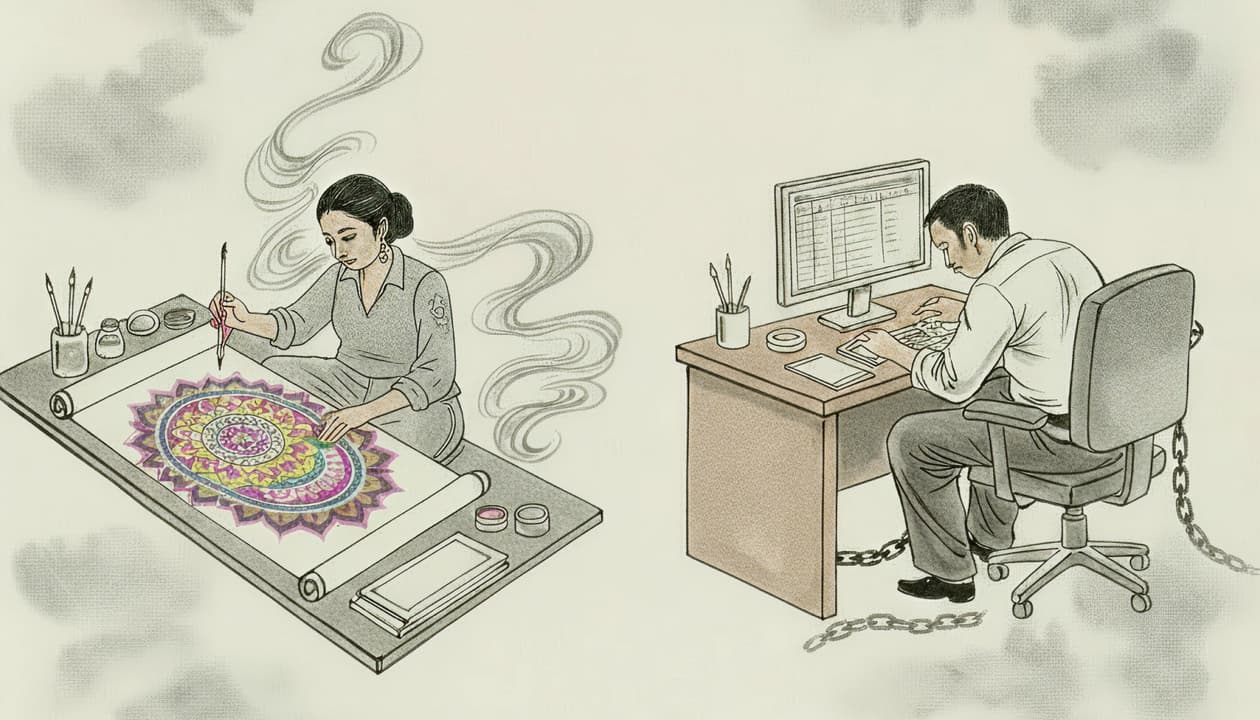
True dedication does not feel like painful sacrifice. When a goal becomes love, unnecessary distractions quietly lose importance instead of being forcefully abandoned. Personal growth and contribution to society are not separate; meaningful work naturally benefits both oneself and others. Real freedom is not outward performance but inner clarity. Life should be measured by inner elevation, not by comparison with others’ achievements.
Saurabh Netravalakar, a software engineer and cricketer, discusses balancing multiple pursuits with Acharya Prashant. They explore how hidden wastage of time and energy prevents genuine progress. The conversation extends to team sports teaching ego-dissolution, broadening identity beyond self-interest, and addressing planetary crises through inner transformation. They examine how religion's core purpose—freedom from suffering—unites humanity despite different practices, and discuss practical solutions to environmental exploitation through proper pricing and intent.
Question: A gentleman was saying that a person, who is drinking or is drunk, he still has got some kind of stability on mind, and he too, can judge. That is what I felt to be perhaps wrong. A person who is drunk probably loses his judgement and whatever we…
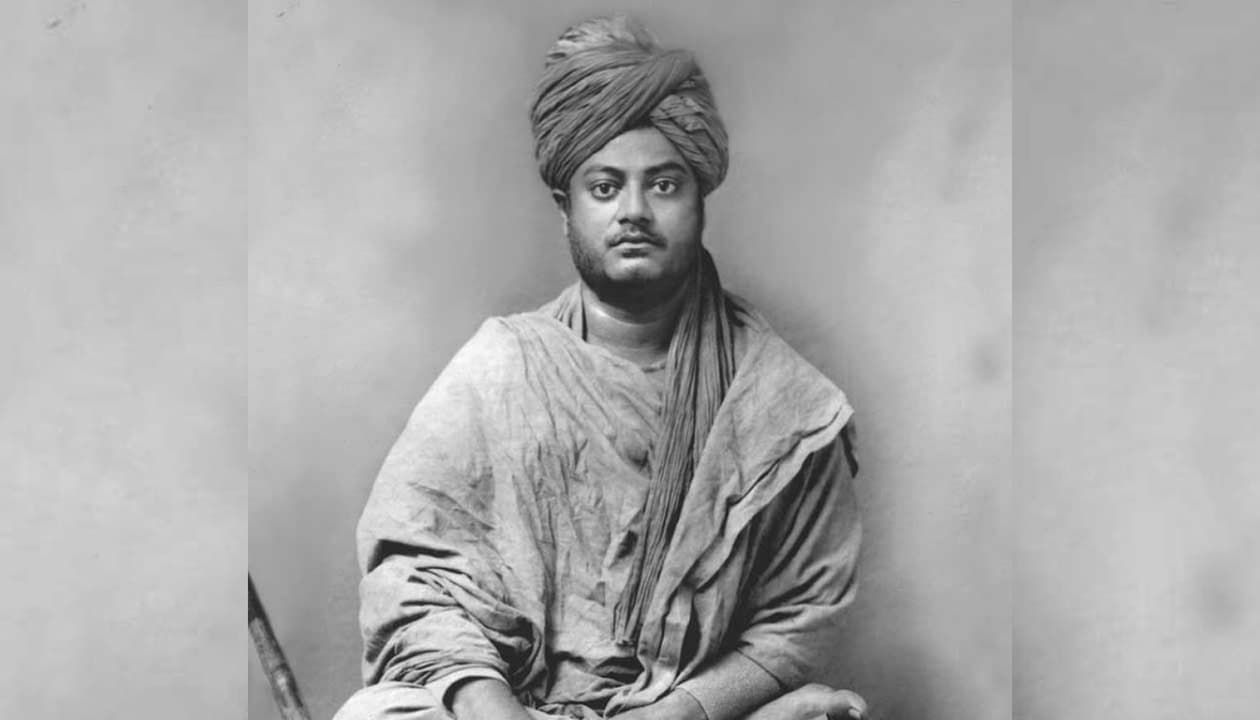
We love to talk of Swami Vivekananda as a youth icon. And I am asserting that were he to be here today, it is the youth that would resist him the most. When he returned from the United States, a huge procession greeted him, right at the port. But when he asked for just a hundred people who could be his soldiers, he was denied. Nobody wants to accept a Swami Vivekananda. He was resisted then, he would be resisted even today.

Be in love with your work and give it just everything that you have. The quality of the relationship must be so high that you are left choiceless in attending to it. Once you have given it all that you have, you will be left with very little time, space, or energy to bother about the result. “I gave everything that I had; now it is difficult to differentiate between defeat and victory.” Live so intensely that, in the end, you are left with no energy to be concerned with the result.

Duality is Truth wanting to know itself. If there is no duality, what will the Truth do? Alone, absolutely alone. He too needs a partner. So, it divides itself into two. All our sufferings, all imperfections are important. There is no reason to feel small about it. Without you, how will the Source know what it is to fail, what it is to suffer? Indulge yourself fully, but remember what all this really is. Don’t forget that.

When you are passionate about the one right thing, then you become impervious to many other things. Come pleasure, come pain, come attractions, come distractions, nothing matters to me, because now I have something extremely worthwhile in my life. One thing, one life, one love, one passion. Isn’t that a great way of living life?

What is life without real passion, real commitment, real love? What do you live for? Just wake up each day and say, "Another day, another day," and a day will come when you will run out of days. They will tell you, "Look at that beggar on that street, that will be you in 20 years." They will paint all these terrifying pictures. Don't listen. The real deal is work, not money. Just do not be afraid.

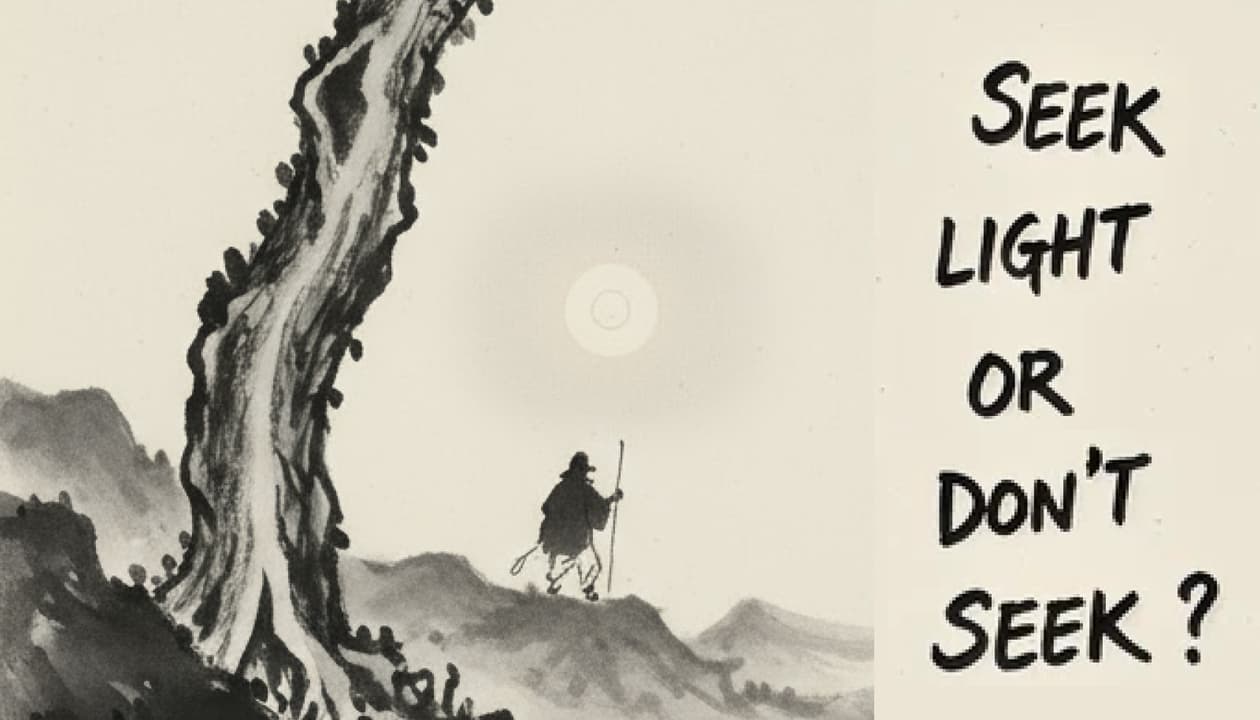
On one hand, there is a great danger that if you seek Light, you will seek the wrong kind of light; you will just seek darkness disguised as light. On the other hand, there is the equally dark option of not seeking at all. Between these two possibilities, I prefer the possibility of seeking Light, with all its associated dangers — that is still better than not seeking at all. Isn’t it better to die fighting in the battle than not fight at all?

The object of love is so big, so total, so filling, so occupying that it leaves no space for the subject to hide and survive. The task is so damn big that it can’t be done if you protect yourself. If you protect yourself, it won’t happen. Love involves a lot of bloodshed and demolition. And there are fireworks. Great structures collapse. Formidable enemies have to be defeated. All that is love.

The real problem is that you don’t ‘know’ the problem. Had you really known the problem, the problem would have very quickly faded away. Whenever you come across a problem, do not begin by saying that this is the problem and now I am going to solve it. First of all, drop all your pretensions about your understanding. You do not know anything, so you have to start from an absolute zero. You observe.

It is not really happiness that is to be found through self-knowledge. In fact, self-knowledge often is a danger to happiness. Self-knowledge dissolves both happiness and sadness, and you are left with nothing but a naked and silent joy. If you can see yourself clearly, without motivation, then the seeing itself is great fun.

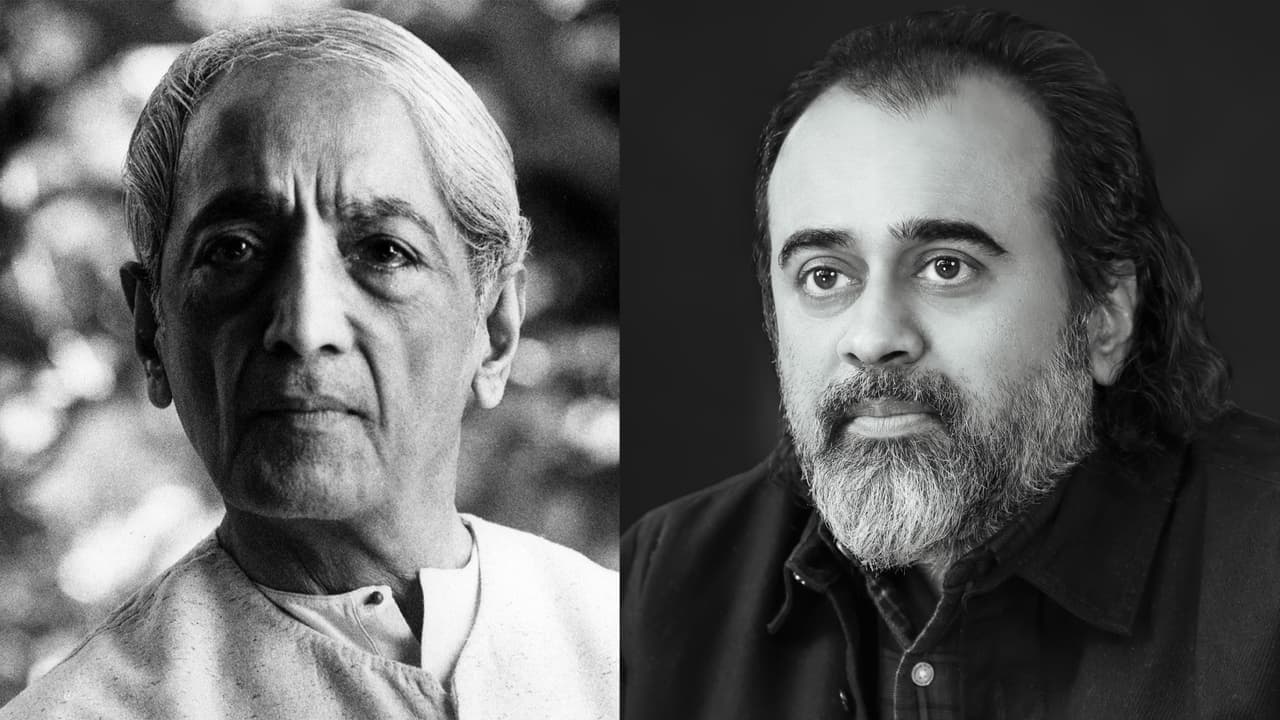
The words of a wise man must be read with wisdom, with empathy. When J. Krishnamurti says, “Become deeply aware,” read it as ‘Unbecoming Unaware.’ There is nothing called becoming aware. ‘Awareness Is.’ Over the innate awareness, there is a cloud of assumed unawareness. You just have to see that there is no fact in your assertion that there exists unawareness. So, you unbecome unaware. You cannot become aware. Awareness is not something that you can achieve or become or reach. It is.

We are all distinctly different people — our genders, ages, religions, and houses are all different. Despite this, there is something that we all commonly value. If that is revealed, then the fault lines disappear. But without it, all you have are divisions, conflicts, and wastage of energy. This common meeting point is the subject matter of all philosophy — particularly Vedanta. If you really want to unite two people coming from different backgrounds, both of them have to be devoted to one common thing. Vedanta calls it ‘Atman’ — the True Self.

We all have been trained to buy respect and barter it for life itself — through riches, status, etc. This means that you're a big man only as long as the small ones approve of you. But what is the point of being big, rich, and powerful, if it is still the small ones that call the shots for you? And this is not exclusive to the successful ones. Every single person who does not know the foundations of living will live in a secondhanded way — secondhanded love, success, and respect. And this will not allow you any kind of peace.

Your entire identity comes from the world — society, religion, family, tradition. Had your identity been independent of the world, then you wouldn't have needed to get ahead or prove anything to the world. And when there is more internal hollowness and insecurity, there is more need to ostentate. The deeper the lovelessness, the more lavish the wedding is. So, the fundamental problem is the framework in which you cannot be successful without being ahead of the world. Real success is when you drop this framework.

Explore life-changing books on success by Acharya Prashant. These top success books help shift your mindset and redefine what success truly means.

It has been a tradition in India that when you donate, you bow down to the one you are donating to, because he has done you a favour by accepting your donation. Being what we are, it is hardly possible for us to do anything for others. Kindly get over this notion that we live for others. That is the privilege granted only to a Buddha. Only in a state of inner fulfilment can one really do something for others.

The Truth cannot be objectified as a thing, place, person, or book. So, don't be too quick to accept your own assessments, judgments, likes, dislikes, and experiences. Whatever you're seeing is seen by "you" — the Ego — and you are no absolute. Everything must be available to enquiry, investigation, and questioning — and questioning cannot happen if you declare that you’ve already come to the Truth. Never believe that the journey has ended or that the ego itself is the Truth.

Don’t think of heaven and hell as the afterlife; both are here, right now. As the Niralamba Upanishad says: Right company is heaven; wrong company is hell. If you are someone who loves to be with people who will take you towards truth, joy, and simplicity, you are already in heaven. And if you surround yourself with people who pull down your consciousness, then verily, you are—right now—in hell.

Questioner (Q): The theme of today’s interaction is inner growth. Usually when we talk of growth, we talk of external growth. For example, for an individual growth usually means job promotions, better income, or more comforts, etc. For a company, growth may mean growing in profits. For an institution, it…

You look at a Swami Vivekanand and then you want the others to be like that. But a Swami Vivekanand is not normal. He's an aberration. He's a great exception. Just by looking at him, if you start assuming that all young human beings by default should be like him, then you are missing the fact of what it means to be a human being.

For those who already have a certain level of financial, social, intellectual, and familial attainment but are still not satisfied, the only thing that can fulfill them is forgetfulness towards their personal success. Serve a cause bigger than yourself, and there will be no time or opportunity to keep wondering whether your demands have been met. This is when you have really succeeded.

Those who work towards 'an end' find that they are defeated both in the work and in achieving 'the end' because even if they somehow manage to reach that end, they find that it's not really what they wanted. So, they proceed to the next destination; this is a vicious cycle. On the other hand, those who work because the work itself is a celebration, they win doubly because the work itself is the end, and they celebrate all the way to success.

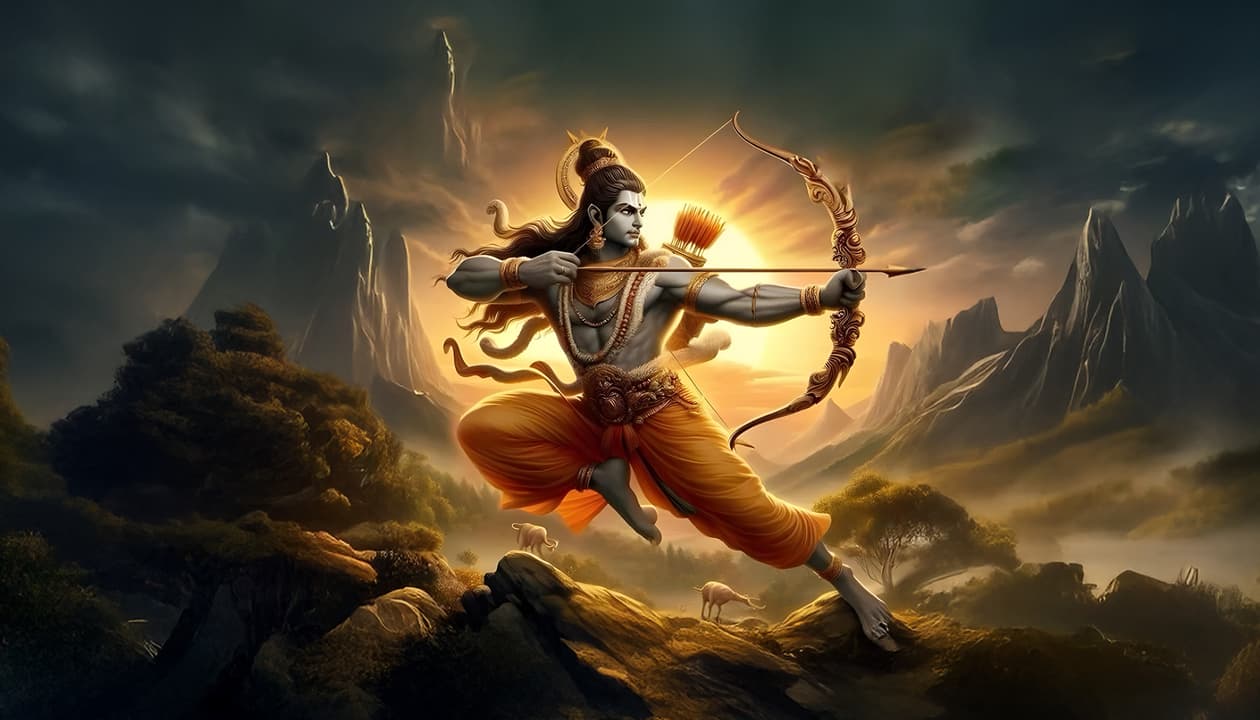
Shri Ram is the source of all excellence—Kabir Sahab’s excellence, the excellence of an astronaut, the excellence of a deep-sea diver, the excellence of a professional, etc. If you don’t have excellence in what you do, it is because you have been disloyal to Ram. Without Ram, you can’t do anything nicely.

So the opposite of cruelty is not compassion. The opposite of cruelty is often either attachment or possessiveness or taking care of those who are related to you by way of self-interest. So that's the domain of duality. So yes, it is true that the mind wanders about in duality and then there is hope and there is hopelessness and then there is friendship and then there is enmity. So all these are aspects of duality but compassion does not sit anywhere in the dualistic framework.

No wise man will ever take your problem seriously, believe me. For the wise one, all your problems are bad jokes—not even worthy of a sound laughter. But then he says, "You know, I can see through. You cannot. So, I'll give up my right to laugh at you. I'll instead pretend to be serious." "Yes, yes, yes, of course! We have a problem!" He says, "You know, there was a time I was so much like you. These same things were big issues even to me. But I know they can be outgrown.

You are born in India — hardly anyone does not play cricket and what if you go to Brazil or Argentina? So, is cricket a choice, or is it rather an imposition of the circumstances? I’m asking you. You say you love cricket. Do you really love cricket? Love involves a very, very conscious choice. If cricket has come to you only because you are born in a particular country, how is cricket a choice? Now, cricket is some kind of helplessness, choice-lessness. What do I do, being born in India, I’ll have to love cricket. Is it a choice then?

By all means, have goals. But the goal should not be more important than the game itself. If there is any meaning, the meaning is in the game. The goal might be achieved in the process of the game—fine. But the meaning does not lie in the goal. The meaning lies in the game. Play with abandon. You’ll forget to count the number of goals. Somebody will have to draw your attention towards the scoreboard. "I got so much into the game, I lost count of goals." This is not some impractical, utopian fiction. This is what the greats have lived by. This is the very substance of greatness.

So, in your day-to-day life, practically, obviously, you will have these goals—you have to go to your workplace, you have to go to this thing, that thing—fine, those goals are there. But you have to remember that, ultimately, going to your workplace yields you nothing—maybe financial or physical sustenance, that's all. So the illusion of meaning has to be destroyed. The ego will otherwise keep looking for meaning where there can be no meaning—and in that lies a lot of suffering.

A worthy motive would always have something to do with your current condition. It would either be something that gives you joy, or it would be something that gives you liberation. And even these two, after a point, you will see, are identical. It would either be something that gives you unconditional joy—purposeless joy. It is something you can do without getting any reward. If there is something that attracts you this way, then it's fit to be your goal.

Ambition is a very stale thing. It’s a dead thing. Do not forget where it comes from; it comes from your past in the jungle. You are conditioned to be desirous, and social forces just encourage you to be even more desirous of the same things that you have been wanting since a million years. The same things.

If you choose a goal that's not worthy, you'll try hard to concentrate on it, but you'll invariably get distracted. That's not because the distractions are powerful; it's because your goal is powerless. If your goal offers you unconditional joy or leads to your freedom and liberation, you will never be distracted.

Just try figuring out where the thing is coming from. You'll not always succeed. It's a bit of a guesswork but it at least tells you that the thing is not original or authentic, it is coming from somewhere. So you find, for example, some descendant of an aristocratic lineage talking to you and he's talking in a particular manner and if you can see that the manner belongs to his great grandfather that brings a smile to you. Where is the thing coming from? That's not him talking, that's his great grandfather talking.