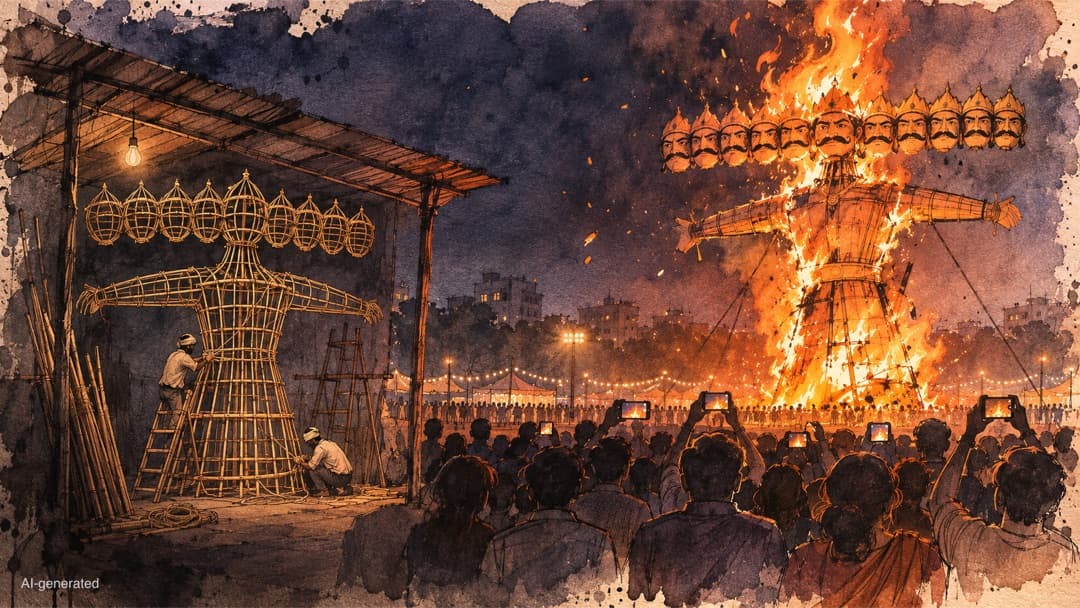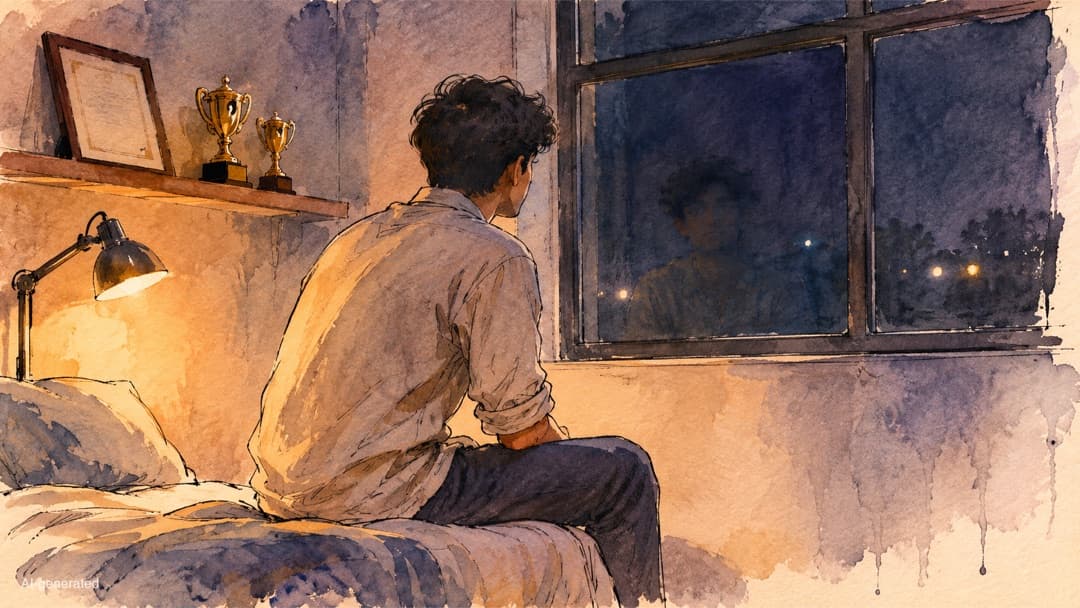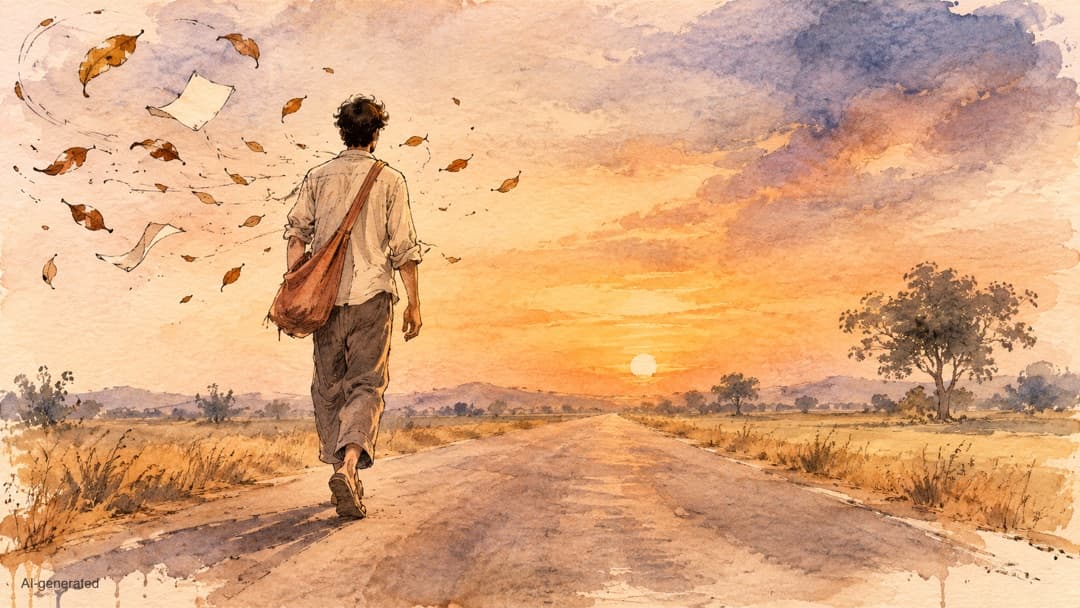


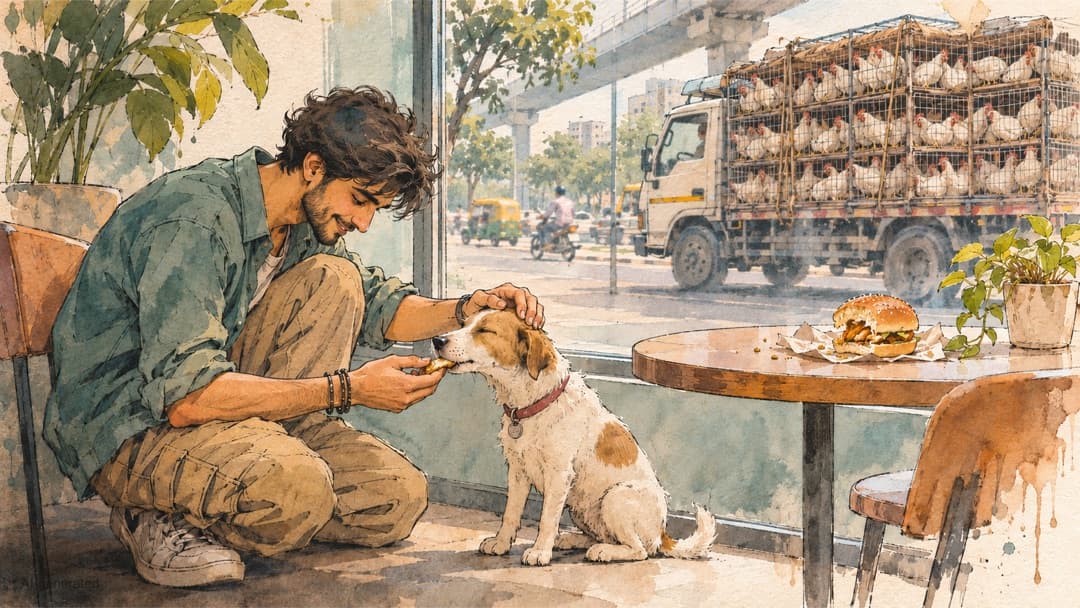
We are gentle with the people who matter to us, and quite different with those who have nothing to offer. A friend can be generous, peaceful and tender, and still sit down to a meal that began in a factory farm. Is that a blind spot, or one restless wish to gain, showing kindness here and hardness there? Nobody is bad in their own eyes, and even our giving may come from the same place. Who is it in us that is being good?
This summary is AI-generated. Please read the full article for complete understanding.
[From a conversation between Acharya Prashant and Peter Singer, Professor Emeritus of Bioethics at Princeton University and author of Animal Liberation, 2026. They begin with the suffering of animals in factory farms, and ask what lies behind it: a blind spot, or something in the human being that runs through everything he does.]
Peter Singer: So firstly, it’s a pleasure to be talking to you. I find your thought very interesting, and clearly one of the things that we have in common is a concern for non-human animals, an expansion of the circle of moral concern beyond our own species. So, I would like to start with that and perhaps raise the question of the vast suffering of non-human animals that is going on all the time, and particularly, I believe, and I think you share this, connected with the production of animals for food, which of course nowadays is not usually done with animals roaming freely outside or being in, like, small social groups that are natural to their species, but rather it’s an industrial process where the animals are commodities.
They are produced by the hundreds of thousands or often millions, with no real thought for their well-being, simply the drive to produce the products as cheaply as possible. So, I’ve been very concerned about this for more than 50 years since discovering this fact at the age of 24 when I was a graduate student in Oxford and subsequently writing the book Animal Liberation, which I recently updated, called Animal Liberation Now. But sadly, despite writing those books, I have to acknowledge that over that 50 years and more, the number of animals suffering in factory farms has not declined. In fact, globally, it’s increased. So I wonder what your thought is about this. How can we possibly reduce this enormous ongoing moral atrocity as I see it, and I believe you see it too?