In the Upanishads, "Om" is used as a powerful symbol of transcendence. It consists of three sounds: "A", "U" and "M". These correspond to the three states of consciousness. "Om" begins where one currently is—obviously, there can be no other place to begin with. You can only begin from where you are. So "Om' begins with "A", which is your current state of consciousness.

The atman is called 'the enjoyer' in the sense of the watcher, just as in a cinema hall you enjoy the show. How do you enjoy the show? By leaping into the screen? In the cinema hall, you enjoy the show by relaxing in your seat. That's what the atma does—it keeps relaxing in its seat. Even suffering is enjoyed in this detached manner, much like how we can enjoy tragic scenes in a movie. For the atma, there is no tragedy, as all suffering is false.

Many of us interrupt, rush to make our point, or change the topic when a conversation comes too close. We call it a lack of patience or discipline. But impatience in a conversation is often fear: when what we hold within is borrowed belief, every question could shatter it. The same confusion makes us take our instincts and feelings as ourselves, though they are only the body’s chemistry. If we looked honestly at what we hold, would a question still feel like an attack?
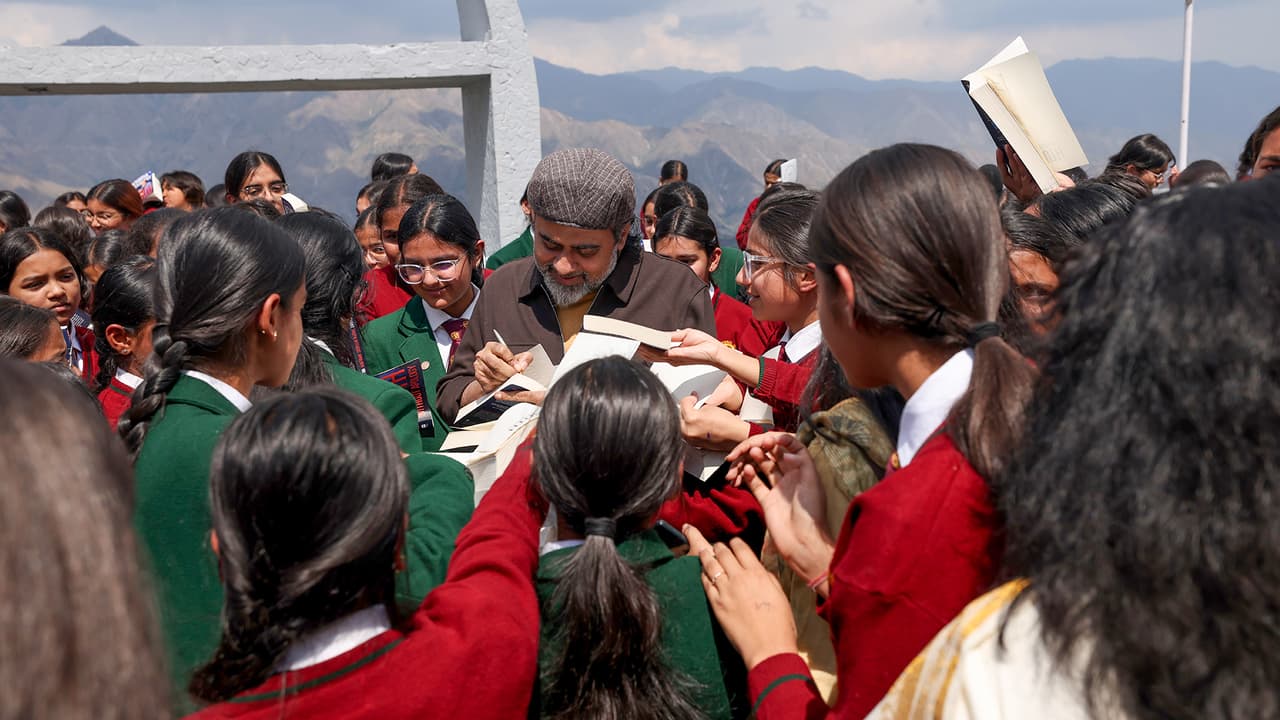
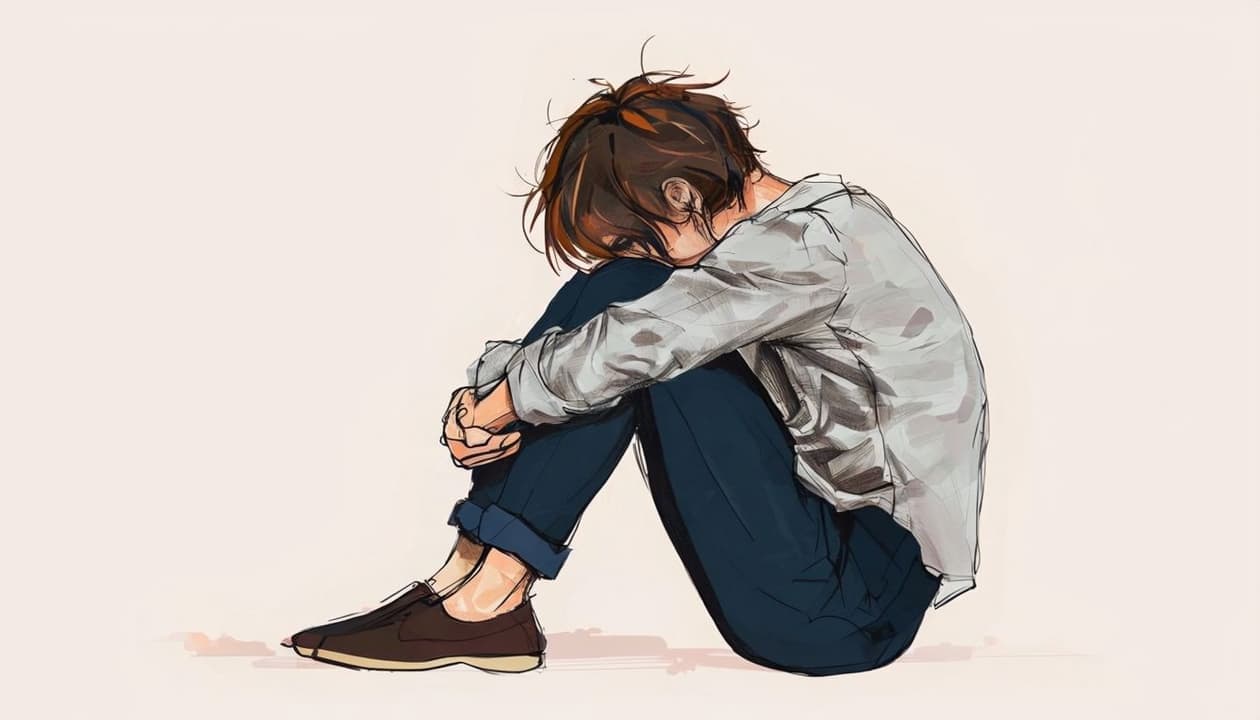
Many of us promise our parents high marks, and when the result falls short, the guilt can feel heavier than the exam itself. But no one controls results; they depend on far too many things outside us. What is in our hands is our intent, our effort and our honesty with what we study. The Bhagavad Gita says the same: our right is to action alone, never to its fruit. What if the only promise we made was to study honestly and with love?

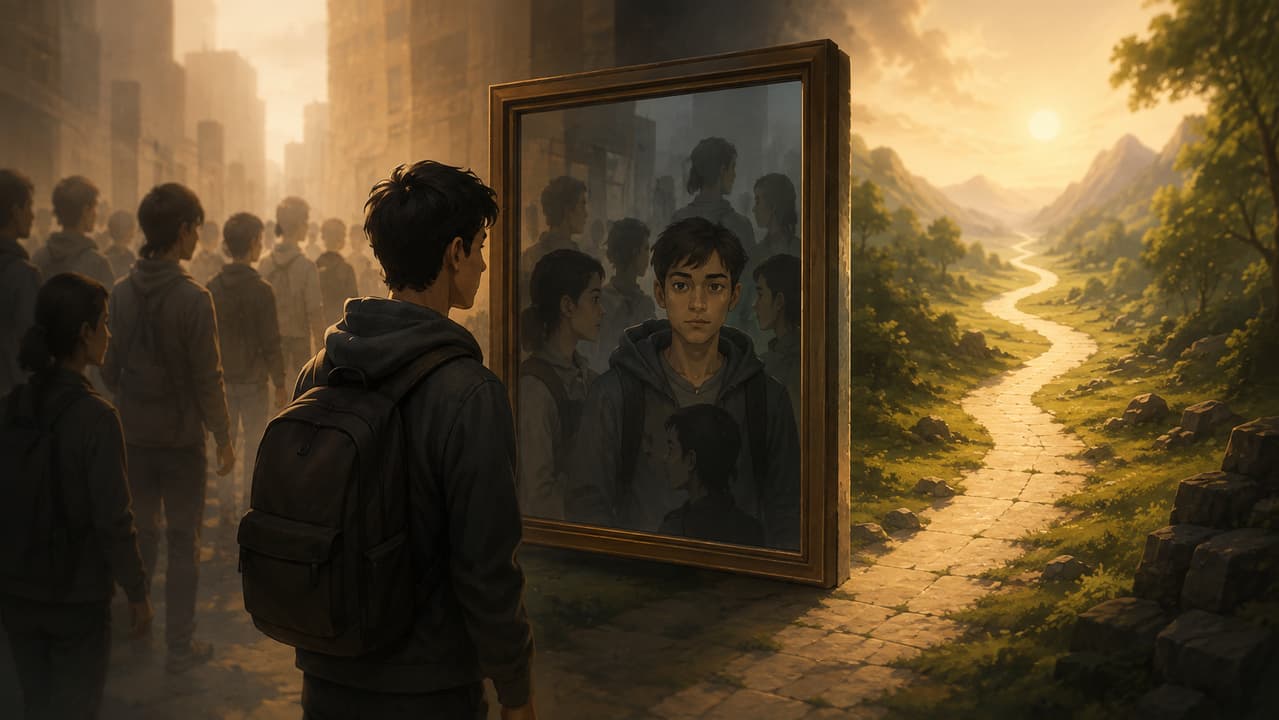

Spirituality does not replace the fear of ghosts with belief in God. It asks us to question the mind that creates both fear and belief. Ghosts, gods, and stories can all become projections of imagination. The spiritual path begins by dropping assumptions, investigating “Who am I?” and understanding the source of suffering. With attention, right knowledge, and self-inquiry, fear loses its power and one becomes inwardly free.
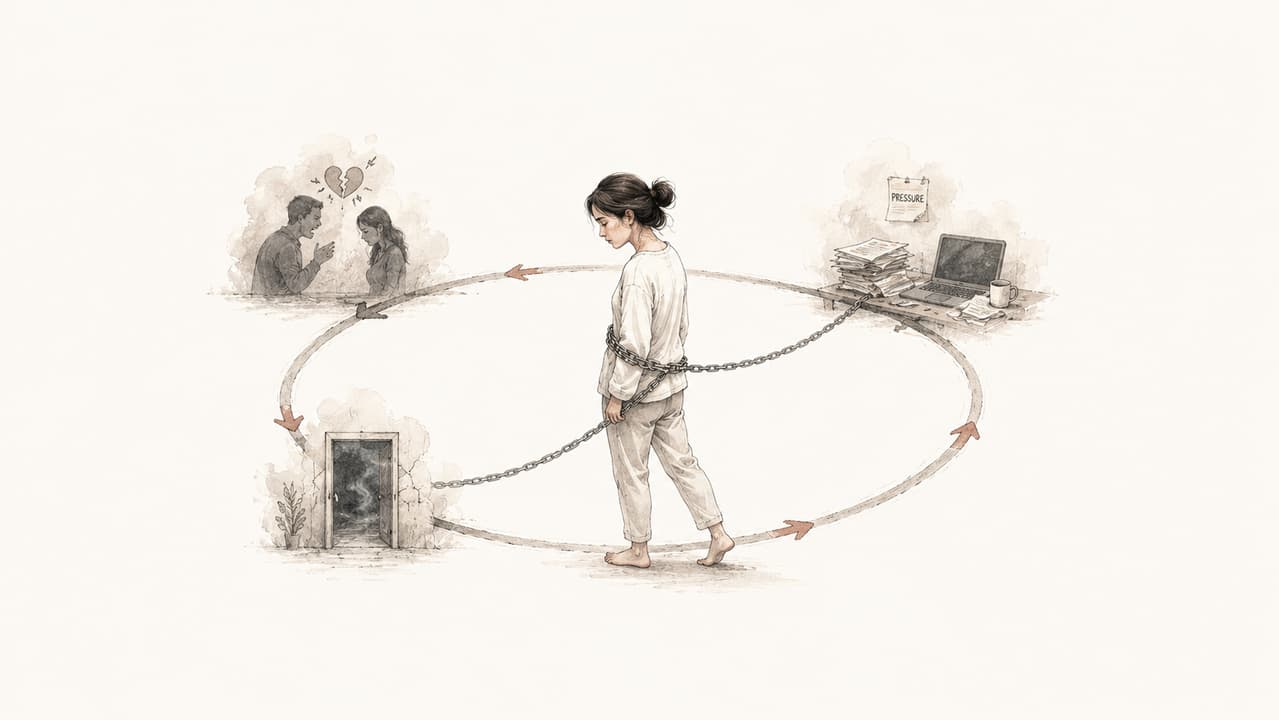
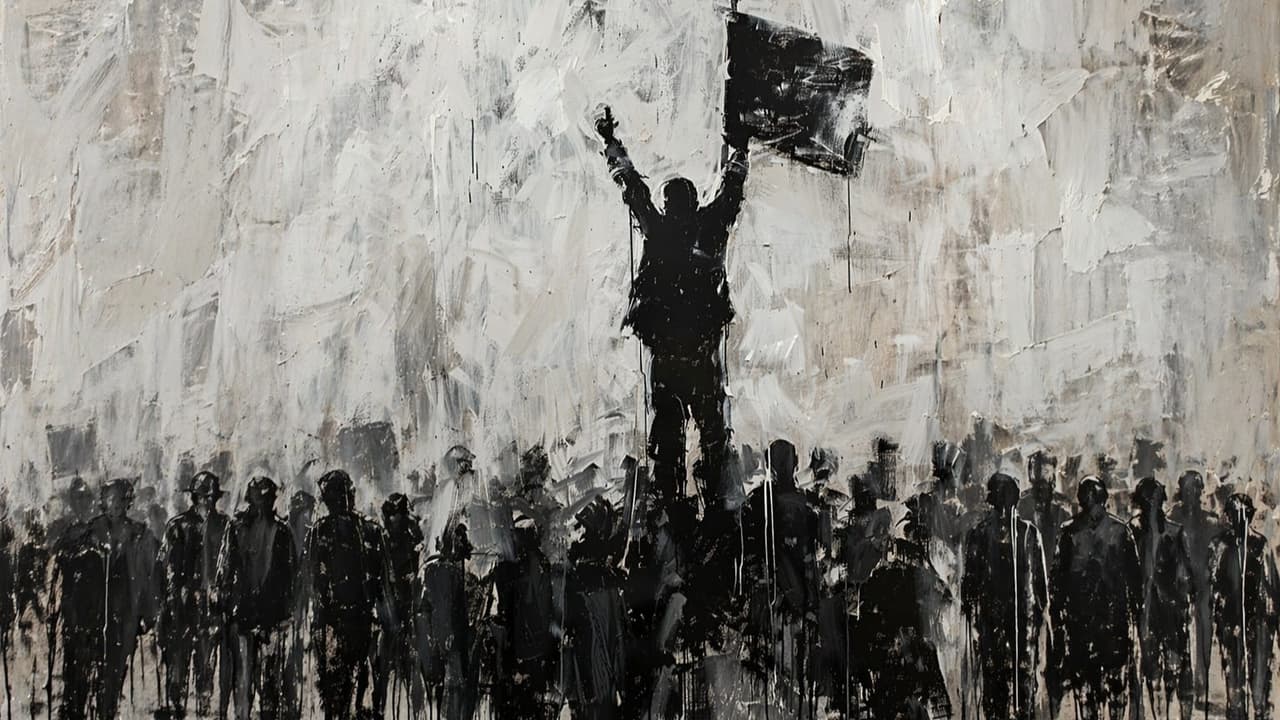
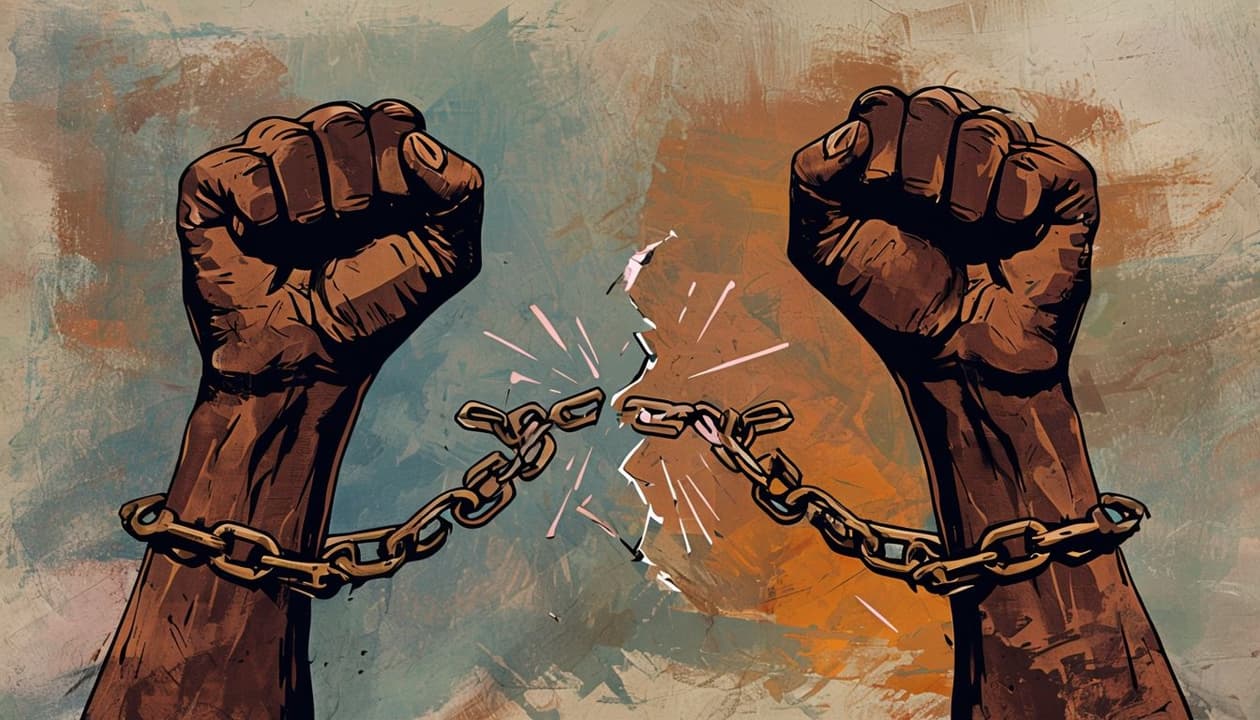
You look at Iran, at revolutions, and ask: can systems really bring freedom? Revolutions keep replacing one system with another, yet the chaos remains. The real question is rarely asked: what within us creates these systems? Real freedom is not political or social; it is inward. Without inner change, every revolution only rotates power, never resolves suffering.

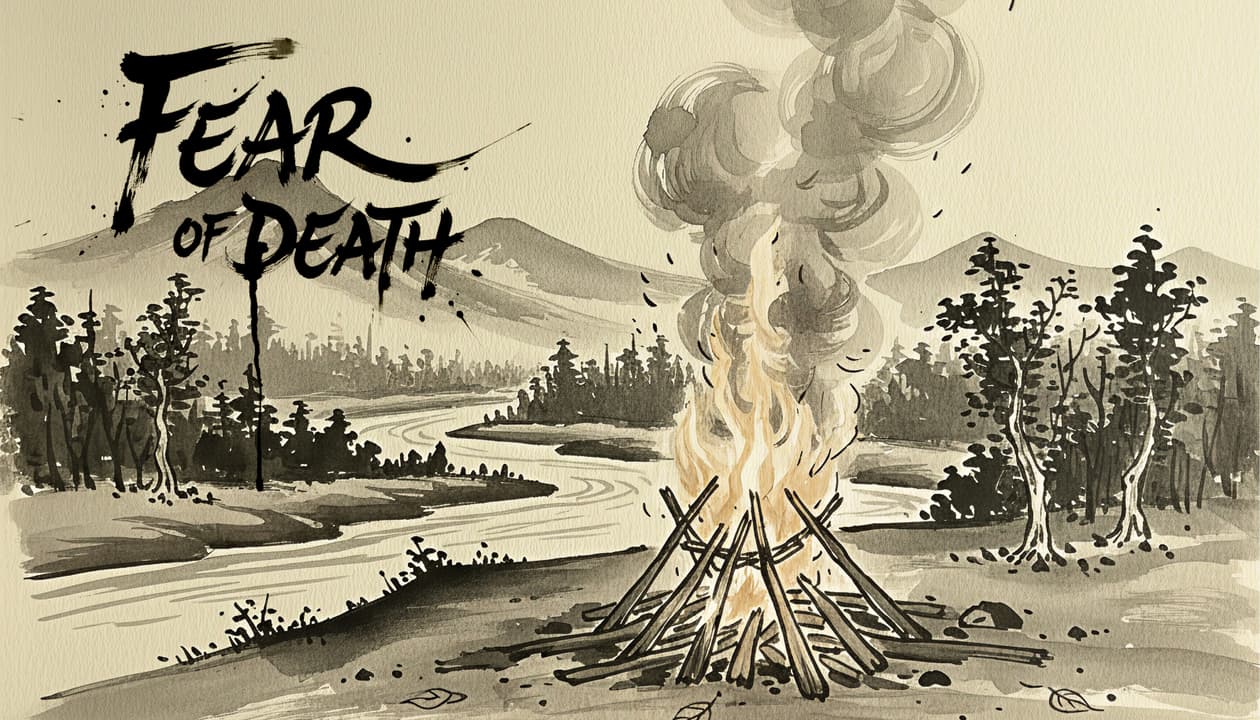
We don’t remember death. We think of death as something ugly. But facts cannot be ugly. Facts are just facts. But in the moment of love, in the moment of ownership, attachment, possessiveness, we hate to remember death.


Acharya Prashant: Nachiketa is a mere boy dependent on his father, and he has the honesty and the guts to go to his father and say, “Of what use is all this that you are doing? Who will benefit from these old and sick and milkless cows?” I assure you…
nāyam ātmā pravacanena labhyo na medhayā, na bahunā śrutena:yamevaiṣa vṛṇute, tena labhyas tasyaiṣa ātmā vivṛṇute tanῡṁ svām.
-(Katho Upanishad, 1.2, 23)
Translation: This Self cannot be attained by study of the Scriptures, nor by intellectual perception, nor by frequent hearing (of It). He whom the Self chooses, by him alone…
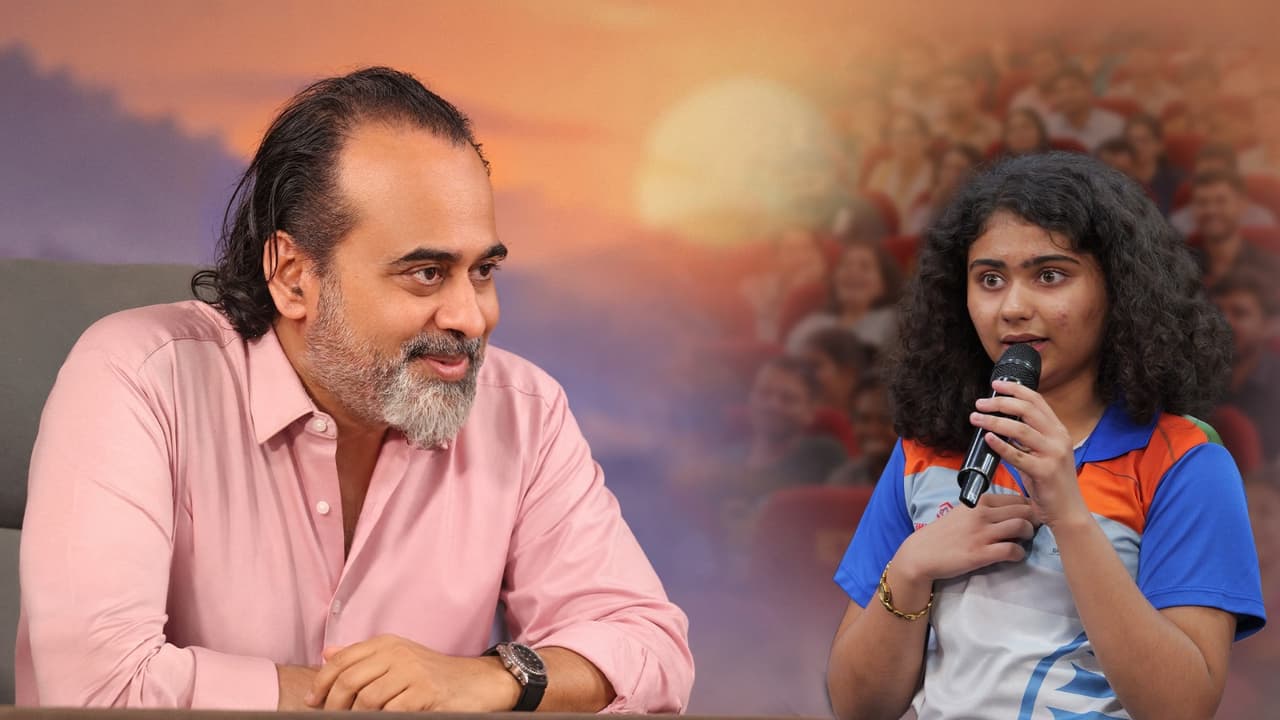
A young athlete says she knows she should not be attached to winning, yet she is, because her coach, family and country are invested in it. Wanting to win on the court is fine; that is what a contest is for. But we never know who the next opponent will be, and the one opponent always present is ourselves. She also fears that starting at 14 was too late. The past is fixed, so what is left is to play the cards we are dealt. Where does our real contest lie?
We often defend a bad choice by pointing to a worse one: stay dishonest or starve, keep the wrong grip or stop playing. But the real trouble is not the option we picked. It is the option we never let ourselves see. Action does not need greed or attachment to find its energy. The third way begins by rejecting both false choices, without knowing what comes next. Which of our everyday choices are really false dilemmas?
Struggling to choose between a secure job and the path you actually feel drawn to? This isn't really a question about careers. It's about why other people's opinions have so much power over you in the first place. Real clarity doesn't come from finding the 'right' choice. It comes from honestly looking at your own fear, again and again, until it stops running the decision for you.
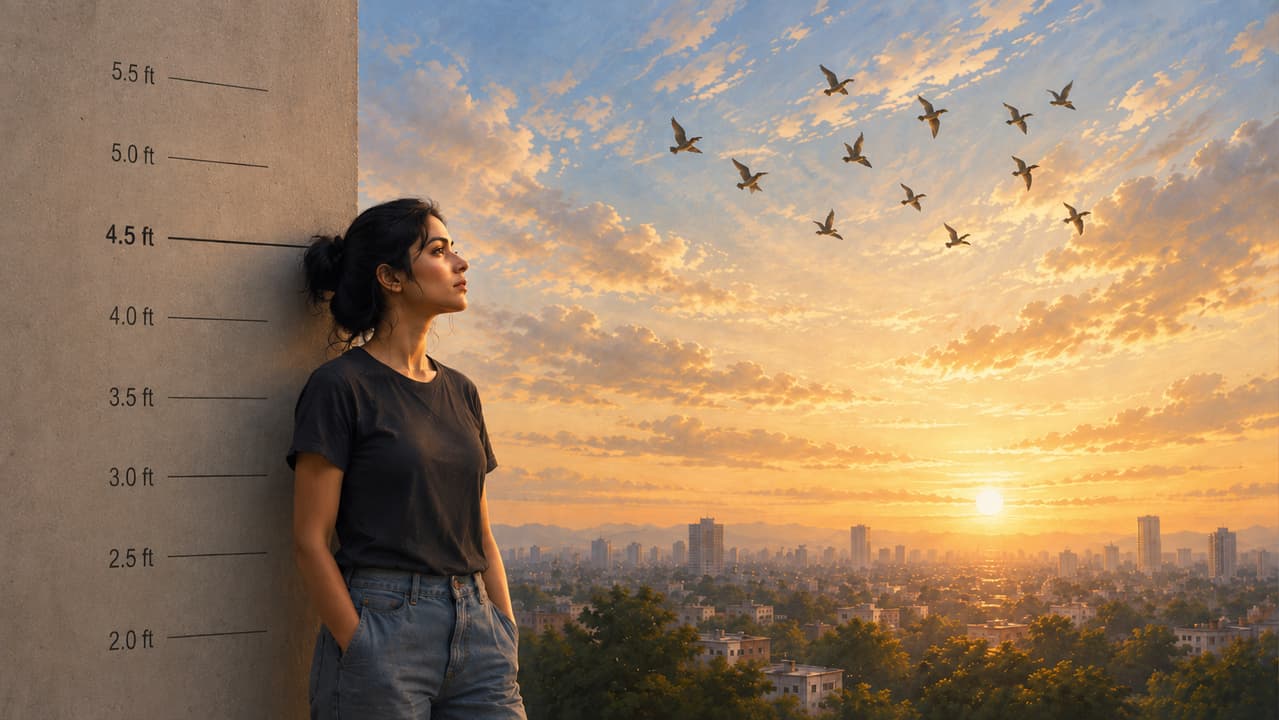
कई तरह के डर—अकेले पड़ने, छवि खोने या छोटा समझे जाने—की जड़ अक्सर अतीत में बनी पहचान और कहानियों में होती है। शरीर की हाइट जैसी चीज़ों को समस्या मानकर उनसे जूझने के बजाय उनकी अप्रासंगिकता को समझकर आगे बढ़ना चाहिए। अतीत को दबाने से मुक्ति नहीं मिलती; उसके करीब जाकर अपनी स्मृतियों, धारणाओं और पुराने पैटर्न को निष्पक्षता से देखना ज़रूरी है।
A true relationship is not built on need, possession, or emotional dependence, but on a shared commitment to Truth and inner growth. A worthy companion reflects your reality like a mirror rather than performing a role to please you. Real love is effortless, rooted in one's nature, not expectations. When your highest commitment is to excellence and Truth, relationships become a natural outcome—not the purpose of life itself.
Sixty million followers do not necessarily indicate a transformation in consciousness. Large numbers may reflect persistent outreach rather than deep commitment. Truth is often avoided not through opposition but through indifference, convenience, and self-deception. Real change requires sustained effort, inner honesty, testing one's understanding, and the courage to face uncomfortable truths instead of seeking comfort, validation, or easy inspiration.
Fear, social conditioning, and painful memories often shape how people live and make choices. True growth begins by questioning inherited beliefs, refusing to remain trapped by past wounds, and acting from understanding rather than conformity. What appears to be sacrifice is often just the abandonment of conditioned habits. Freedom comes not from external systems, but from the courage to see clearly, learn, and move beyond fear.
The debate around nudity and movements like “Free the Nipple” miss a deeper issue: true freedom is not about clothing, but freedom from psychological conditioning and body-based identity. Clothes themselves neither oppress nor liberate. A truly free society is one where the body becomes ordinary and irrelevant, not a source of obsession, shame, validation, or social control.
Often, in the name of financial pressure, what we are really kneeling down to is something else. But because that something else is not nice enough to be named, what we quote is financial pressure. Nothing is ever forced in a tangible way. The way is kept gentle in appearance. But there is something else at work inwardly. What is that thing? That is what you have to uncover. You have to be honest towards yourself, very honest.
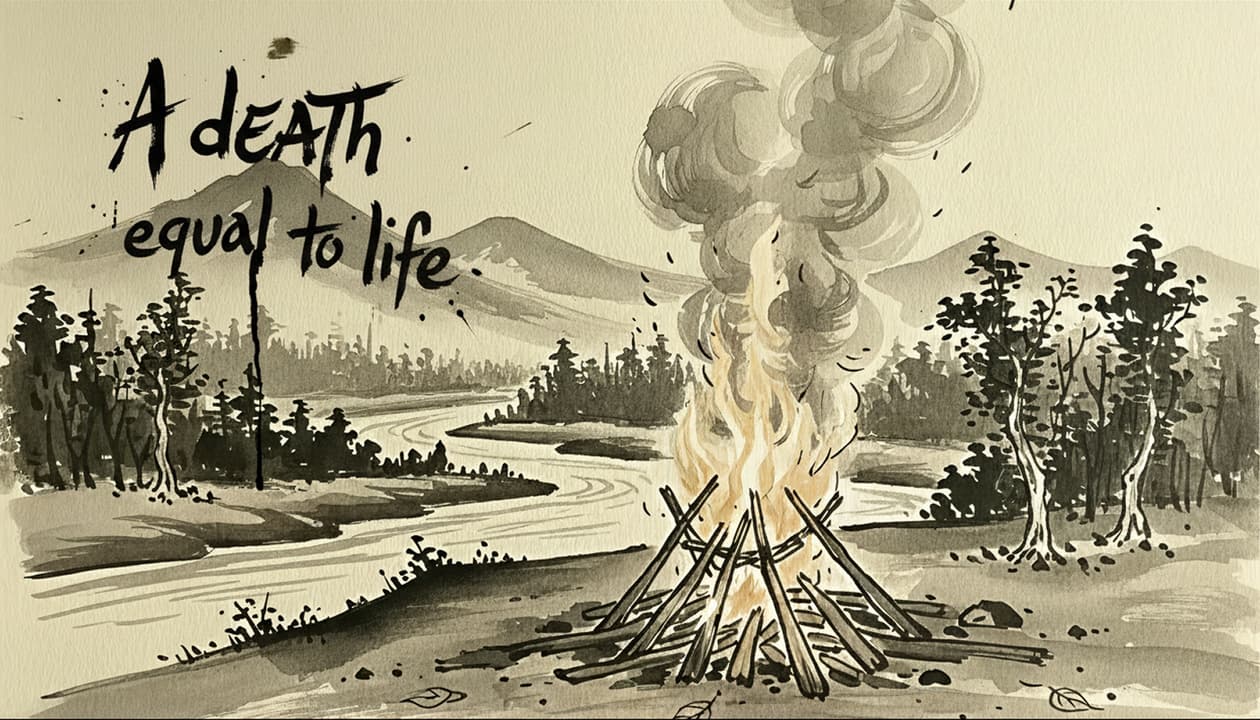
A dignified life includes a death of dignity. If everything in life must be subject to your conscious choice, then so must be your death. Death is not something that we should ever leave to chance. Choice must not lie only in extending life, choice must lie also in ending life. That decision cannot be made in a moment of desperation or despondency. Let your life be high and let your death be an equal to your life.
When the person is dead, you remember that person. But when the person is alive, do you remember death? Who is not dying every moment? Please tell me. Then why do you want to believe that the person, as you see him right now, would be carried over to the future? No one gets carried over to the future. No one. Death has to be seen as a fact, not a fact at the end of a string, but as a present reality. It is not death that scares us. Unlived life is what we grieve for.
The other must exist in your life, and vice versa, only for the sake of internal elevation, to make you into a better person. Don't you see the impact the other one is having on your life? Seeing is the key. What does seeing mean? Seeing implies understanding. See and ask yourself: What is the impact upon me? And if you see that, you'll just push it aside. It will be spontaneous. You won't even require to think, because now you have seen.
Death is certain for everybody in the future. What matters is that today, you are alive. Wasting time is bad even for an otherwise healthy young person. But when you know that your clock is ticking, then wasting time makes no sense at all. Let every day be a celebration of some kind or the other. Be free, sit together, eat together, travel together, and make the best use of whatever time is there.
Death has a certain significance. But rituals, whether at the time of birth or death, mean nothing to Prakriti. And even at the level of the Truth, where there is neither birth nor death, rituals don’t matter. In between these two is the level of the social mind — this is where rituals seem to matter. Not an absolute significance but if you are heavily influenced by society, going against it has consequences. Those who still can't take blows don't need to get into needless rebellions. There are bigger battles to fight. But those who are ready; there has to be resolve within and tact outside.
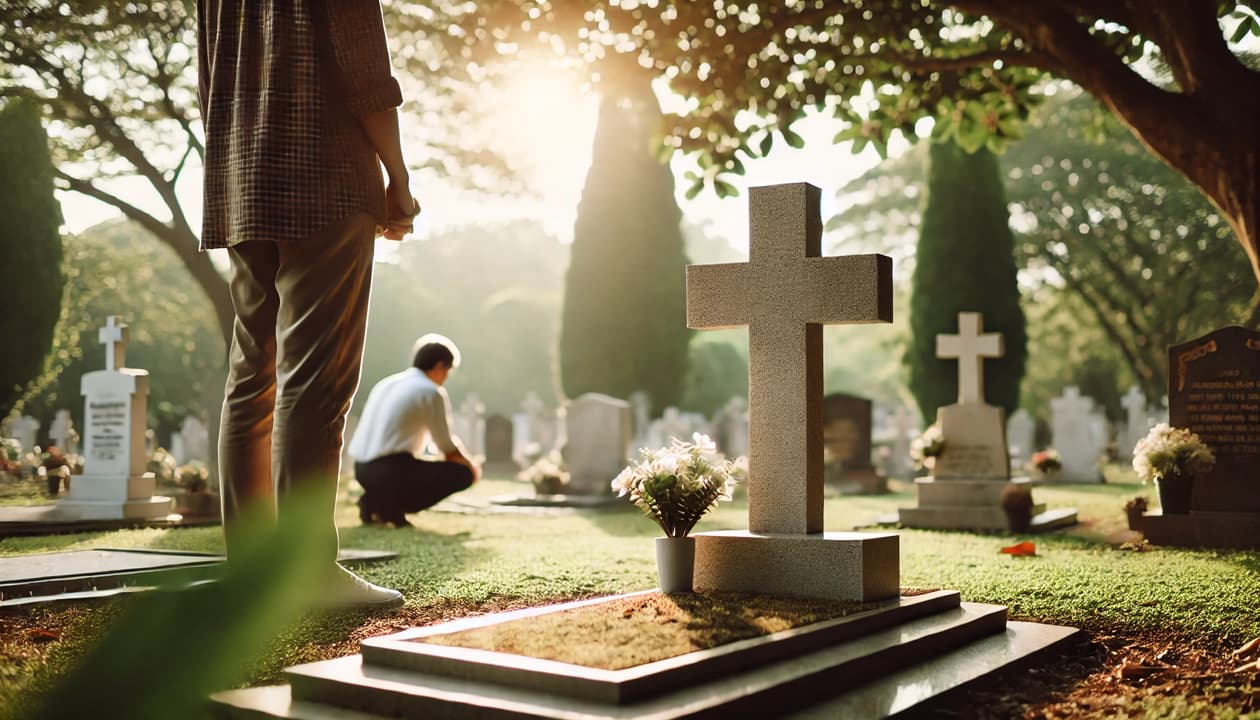
Death is a fact of the body. Whatever took birth, will die. Whatever is yours, will die. There is no need to entertain the notion that even after death, some part of oneself will remain or that one will take birth again. Go to graveyards, watch dead bodies. See a body burning and you will lose all seriousness that you have about your own body. Those who are afraid of dying, they will never be able to live. So, die fully and die completely, so that you may live. Order a pizza. Go and dance, have fun.

Acharya Prashant: That's why the rājasika mind is better than the tāmsika mind. The rājasika says, “I’m not alright. I need to do something to become better. I feel inferior. I feel incomplete. I need to rise. I need to achieve.” That’s the rājasika mind. The rājasika mind at least…

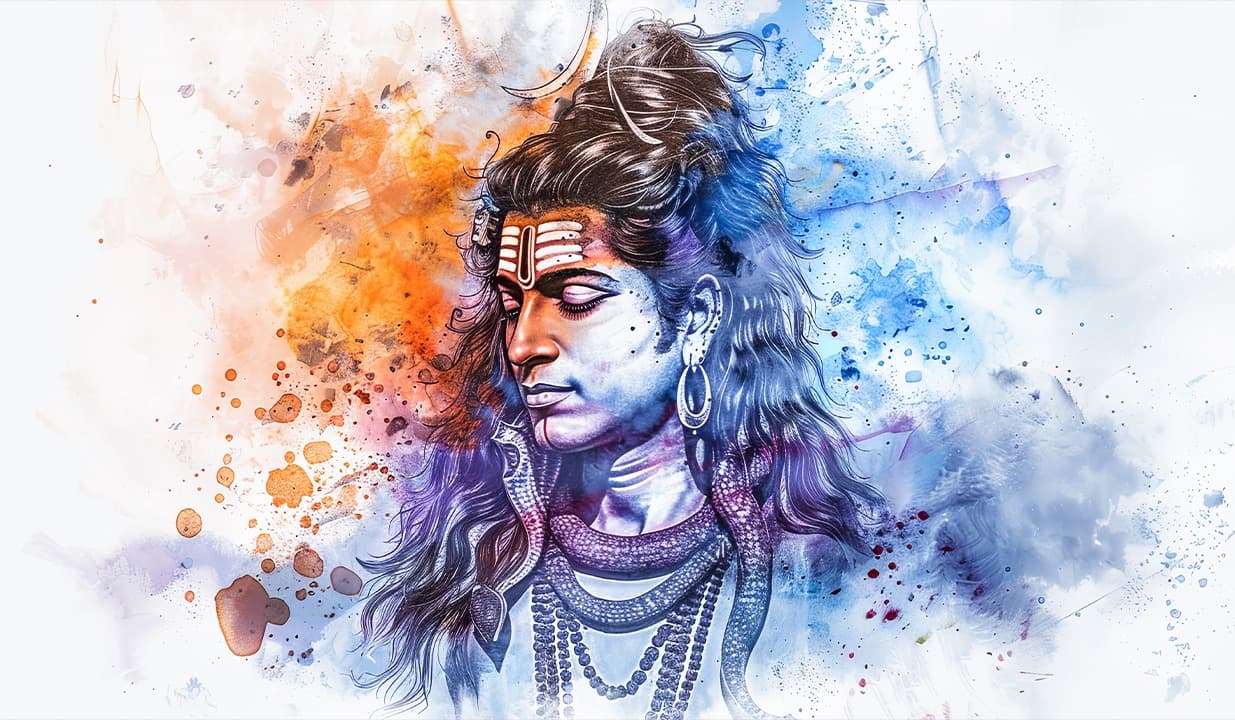
Explore Books on Lord Shiv by Acharya Prashant, revealing deep Vedantic insights into Shiv’s true essence, symbols, and spiritual wisdom beyond misconceptions.

It was Guru Nanak who said, "You may try as hard as you can, but you will never get to know the mind of the liberated one." That's from the Adi Granth. You keep trying. You keep speculating. And the ego has a serious urge to know what is going on in the mind of the Buddha. But you'll never know what's there in the mind of the Buddha. Being who you are, how will you know the mind of the Buddha?

A surgeon’s table is never a beautiful sight to look at. Poets will find nothing there. There are scissors and instruments, and iron and blood and flesh cut apart. There is no happiness there. There is nothing pleasant there. Seekers of pleasantness will be disappointed looking at a surgeon’s table. But that table saves lives.

Our culture has turned attachment into value, very proximate to love. However, attachment is poison and has nothing to do with love. We don’t feel ashamed admitting that we are attached, as if something beautiful is happening. If you are with the wrong one, and not even prepared to see that you are with the wrong one — that’s attachment. And you can never be attached to the Right One; there is only dissolution.

Don’t think of heaven and hell as the afterlife; both are here, right now. As the Niralamba Upanishad says: Right company is heaven; wrong company is hell. If you are someone who loves to be with people who will take you towards truth, joy, and simplicity, you are already in heaven. And if you surround yourself with people who pull down your consciousness, then verily, you are—right now—in hell.

The Gita has nothing to do with sāttvikatā. Even sāttvikatā is to be rejected as destiny, while even rājasikatā is to be embraced if it serves as a means to freedom. Everything and anything is fine if it is usable in the context of liberation. Even sattva can become an object of consumption — don’t we see learned people whose knowledge becomes their identity? The Gita is about getting rid of all traps — be it sattva, rajas, tamas, or anything.

Death comes to teach us. Let's learn the lesson. Death is a liberator — not so much to the one who has died, but to the one who is still alive. Your normal work, relationships, worldview — all these will appear hollow when you're struck by the fragility of everything. Death disturbs us precisely because it challenges the assumptions on which we base our day-to-day life. Once you have seen something, you cannot be the same ignorant mind.

Organized religion is just an elaborate conspiracy to keep you away from Mukti. And you put it very nicely: nobody talks of Mukti when they are alive. Now, after they are gone, their kith and kin are supposed to be worried about their Mukti, which is all quite nonsensical. Once you are gone, the opportunity is gone. There is no liberation for the dead. No liberation at all for the dead. And that is why the opportunity called life is so precious.

Behind all FOMO is the fear of missing out on what life has the potential to deliver to each of us. Since we don't know ourselves fully enough, there is a general kind of anxiety — "I'm missing out on something." Let's identify what we are really missing. And the process is of negation and rejection. Reject what is not needed. If the inner rubbish can be cleaned up, you realize — that's all.

Acharya Prashant (AP): Great things are happening on the screen, don't get so excited, it's just the screen. Irrespective of what happens on the screen, it's not real. That's how you have to look at things. Great silence on the screen. Is it silence? No, it is the silence of…

Attachment is just a promise. A lack of fulfilment. It is a substitute for love because the real thing is not available. If you find yourself attached, it means there is a desire for love; it means there is a call for love. Know that a fake is presenting itself as a substitute for the real thing.

Death scares the ego because there was something that the ego wanted from its existence that has not yet been achieved. The technical problem there is that what the ego wants from its existence can only be attained from its non-existence. Therefore, the only way to avoid death is by dying before death.

One has to come to a certain purposelessness with respect to what one has always been doing. And when one comes to that purposelessness, that’s now like being with a clean slate. One does not like the words futility. So something within us just silently conspires from inside. So there is futility but then in that futility some meaning will be found. And that’s a conspiracy. There is purposelessness but some meaning will be attached to the word purposeless and that defeats the whole thing.

When it comes to death, we think so much about divine intervention, as if there is some conscious entity at work with a deliberate plan. Just realize that life doesn’t follow our plan or any divine plan. We come and go, just as waves rise and fall in the ocean. There is no rhyme or reason to it. We die just as we come—randomly. Nobody is doing it. It’s hard to swallow, but if we can acknowledge this, it would set us free.

Fear is biological. You are not supposed to fight fear because, even to fight it, you would have to enter the domain of the body. Ignore fear and attend to the task that your consciousness is suggesting to you. Let fear be there; you do what you must. You don't need willpower or motivation—rather, you need wisdom to ignore these things.

People talk of personal time as opposed to professional time, right? They forget that the profession that they have chosen has also been chosen by the person. So, even that which they are mistakenly calling as professional time is only personal time.
Our lives have only personal time. To be…

You have to fight. The world is the battlefield. To be born is to be born as a warrior, to be born is to be born with weapons and armour. That is the message: you cannot run away. Shunning action is not possible.

Realization is extremely powerful. You cannot realize and not act. It is impossible. You cannot realize and not act. Action follows realization. So if you come and say, “I realize, I understand but I cannot act,” then you are mistaken; you actually do not realize at all! The action after realization is not time-bound; it does not even have a time lag. It is instantaneous and spontaneous.

Attachment is not a problem; the problem is being attached to something totally unworthy. If you are attached to someone, check out the facts of their importance. Ask yourself, “Does this person bring Truth, Fearlessness & Light into my life?” If you have been wise enough, or simply lucky enough to have the right person in your life, then continue to remain attached. But assess them well with Truth at your core.

Questioner: Why is there a difference of intensity and love for mukti (liberation) between different human beings?
Acharya Prashant: The differences that you are talking of all relate to time; therefore, they all will be resolved in due course of time. Time gave rise to all those differences, and those…

The body will not allow you to do things where your physical sustenance gets threatened. 'What will happen to this body?’ is the fear. The one who can go without food and sleep in the streets under the open sky can never be enslaved. Have the guts to sleep in the fields, and learn to go without comforts—then the world cannot dominate you!

The sword is hanging over everybody’s head. It can fall here or there. Nobody is conspiring against anybody, and nobody has been blessed with special fortune. There is a random chance it falls here; it falls there. I am not talking of cases in which, let’s say, the family atmosphere is so toxic that it compels a couple of members to commit suicide. I am not talking of such cases. I am talking of accidental deaths. Accidental deaths are exactly that: accidents.

If following others is slavery, the mind quickly wants to conclude that following oneself is freedom. No, following oneself is deeper slavery because what we call the 'self' is just an aggregate of internalized, pervasive influences, like a crow mistaking a cuckoo’s eggs for its own. True freedom is to be free of others and, more importantly, yourself.

To the loved ones who have died, pay the holiest tribute possible. There are others still here; ensure you have right relationships with them. If a relationship is right, the end won't hurt much. The end might even be glorious, a true pinnacle. The relationship was an upward journey all along, and death now becomes the peak of that connection.

Fulfillment is what you want, don’t you? There won’t be any fulfillment until you break your inner bondages. And the most central, critical, and primary bondage is body-identification.
Use everything that your birth, your body, and Prakriti (physical nature) have given you. Use all of that for the sake of…