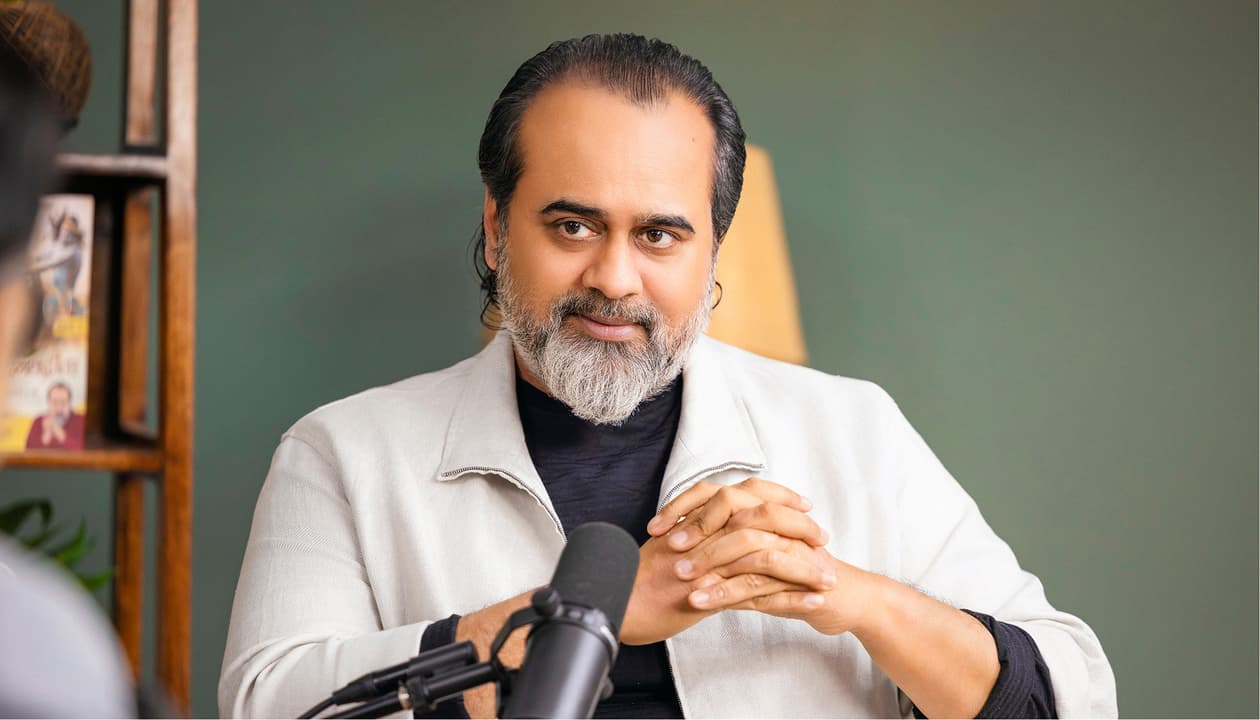
यमराज तो यमराज ठहरे। हमारे स्वार्थों और हमारी भावनाओं से क्या लेना देना? तो वह पहली बात यह स्पष्ट कर देते हैं कि श्रेय और प्रेय आपस में अलग-अलग हैं। या तो यह पकड़ लो या यह पकड़ लो। यह दो नावों पर तुम एक साथ सवारी नहीं कर पाओगे। अपनी चालाकियां अपनी जेब में रखो। दुनिया भी ना छूटे और दिलदार भी मिल जाए, ऐसा नहीं होगा। जो दिलदार दुनिया छोड़े बिना मिल जाए वो दुनिया की ही धूल होता है। वहां फिर दिल जैसा कुछ होता भी नहीं। यह किसी की फिजूल जिद नहीं है कि दो में से एक ही मिल सकता है। यह अस्तित्व का एक साधारण नियम है।
The atman is called 'the enjoyer' in the sense of the watcher, just as in a cinema hall you enjoy the show. How do you enjoy the show? By leaping into the screen? In the cinema hall, you enjoy the show by relaxing in your seat. That's what the atma does—it keeps relaxing in its seat. Even suffering is enjoyed in this detached manner, much like how we can enjoy tragic scenes in a movie. For the atma, there is no tragedy, as all suffering is false.
प्रश्नकर्ता: नमस्ते आचार्य जी, मैं आपकी काफ़ी सारी यूट्यूब लेक्चर्स देखे या सेशन (सत्र) देखे। तो जो आप चेतना की जो बात करते हो, अगर जो आपकी इच्छा या आपकी कोशिश है, मुझे पता नहीं कोशिश है कि नहीं। अगर एक कामना करते हैं या एक हाइपॉथेटिकल सिचुएशन (काल्पनिक स्थिति)…
प्रश्नकर्ता: आचार्य जी, आप कह रहे हैं कि व्यक्ति में ख़ुद के प्रति प्रेम होना चाहिए। आपके अनुसार हमें अपने आन्तरिक कष्ट से मुक्ति की कोशिश करनी चाहिए। एक तरीक़े से यह स्वार्थ तो गहन अहंकार हुआ।
आचार्य प्रशांत: (प्रश्न पढ़ते हुए) कठोपनिषद, द्वितीय अध्याय की द्वितीय वल्ली, श्लोक संख्या पंद्रह पर देवेश (प्रश्नकर्ता) जिज्ञासा कर रहे हैं। कह रहे हैं कि, "इस श्लोक में ऐसा लग रहा है जैसे परम अवस्था, ब्राह्मी अवस्था एक गहरी नींद है जहाँ कुछ भी चेतना में नहीं है, और उससे
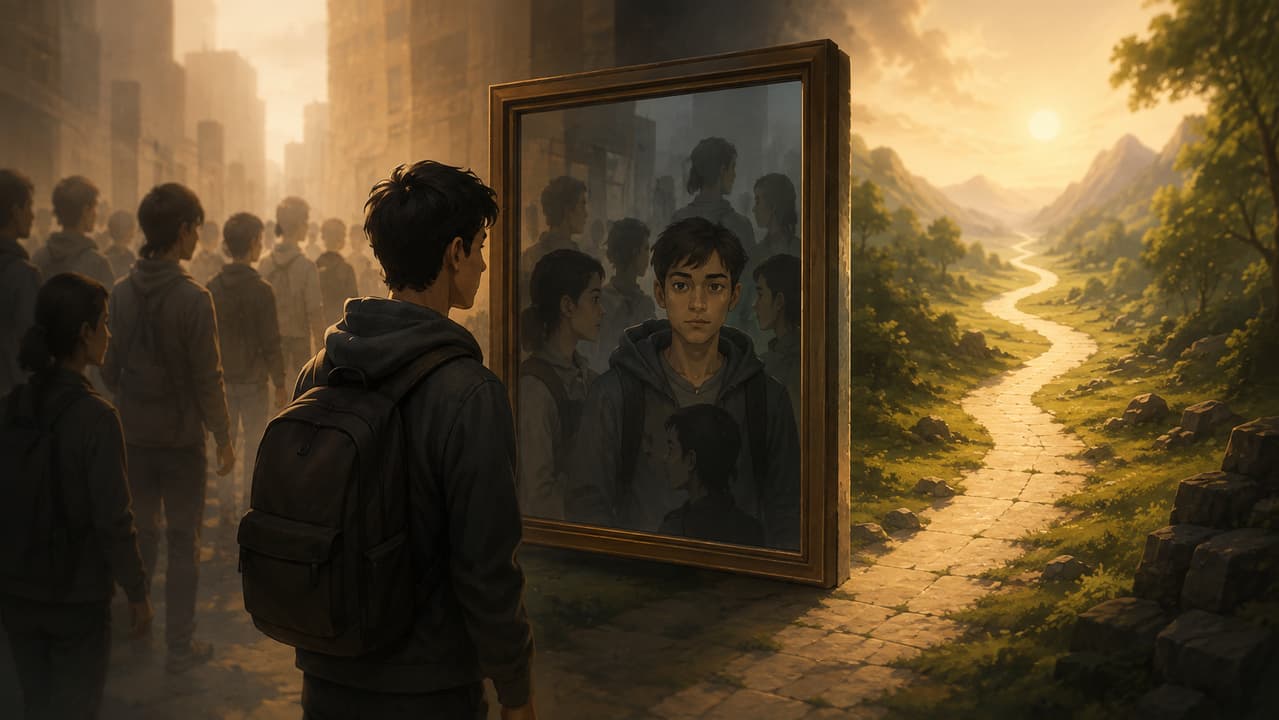
आचार्य प्रशांत: एक पिछले सत्र में, मैंने गुफ़ाओं और दर्पणों की बात करी थी। मैंने कहा था कि "सत्य के साधक का कर्तव्य होता है कि वो अपने जीवन को दर्पणों से भर ले, वो अपने-आपको अपने हक़ीक़त के इतने साक्ष्य दे कि उसके लिए न बदलना असंभव हो जाए।
प्रश्नकर्ता: प्रणाम आचार्य जी, एक द्वैत है जो मुझमें लगातार बना रहता है, सदैव डरा रहता है, मुझे बचाए रखना चाहता है। मेरी जितनी भी संपदा है उसे भी बचाना चाहता है। घबराता है कि मेरी मृत्यु के पश्चात मेरे परिवार का क्या होगा। और दूसरा भी एक हिस्सा है
आचार्य प्रशांत: प्रश्नकर्ता पूछते हैं, "आचार्य जी, प्रणाम। कई बार ये प्रश्न मेरे मन में उठता है, आज के सूत्रों से फिर उठ बैठा।" सूत्र संख्या लिखी नहीं। आगे कहते हैं, "हमारी इन्द्रियाँ बहिर्मुखी हैं, ये तो तथ्य है, इनका मूल स्त्रोत परमात्मा है, ये भी ठीक, और इन्द्रियों के
Many of us interrupt, rush to make our point, or change the topic when a conversation comes too close. We call it a lack of patience or discipline. But impatience in a conversation is often fear: when what we hold within is borrowed belief, every question could shatter it. The same confusion makes us take our instincts and feelings as ourselves, though they are only the body’s chemistry. If we looked honestly at what we hold, would a question still feel like an attack?
Search
In the Upanishads, "Om" is used as a powerful symbol of transcendence. It consists of three sounds: "A", "U" and "M". These correspond to the three states of consciousness. "Om" begins where one currently is—obviously, there can be no other place to begin with. You can only begin from where you are. So "Om' begins with "A", which is your current state of consciousness.
1
Acharya Prashant: Nachiketa is a mere boy dependent on his father, and he has the honesty and the guts to go to his father and say, “Of what use is all this that you are doing? Who will benefit from these old and sick and milkless cows?” I assure you…
2
nāyam ātmā pravacanena labhyo na medhayā, na bahunā śrutena:yamevaiṣa vṛṇute, tena labhyas tasyaiṣa ātmā vivṛṇute tanῡṁ svām.
-(Katho Upanishad, 1.2, 23)
Translation: This Self cannot be attained by study of the Scriptures, nor by intellectual perception, nor by frequent hearing (of It). He whom the Self chooses, by him alone…
Excerpts from Articles
Climate Change: The Solution Is a Choice
Climate change is more than an environmental crisis—it is a crisis of human choices. Our patterns of consumption, consumerism and endless pursuit of more are putting increasing pressure on the planet. But meaningful change does not necessarily begin with new technology or stricter policies. It begins with a deeper question: what are we willing to change within ourselves?
एक पुजारी जो रोज़ भूत-प्रेत, तंत्र-मंत्र और वशीकरण के नाम पर आए लोगों से मिलता है, आचार्य प्रशांत से पूछता है: जब वो ख़ुद जानता है कि कुछ भूत-चुड़ैल नहीं होता, तो लोग बार-बार इसी झूठ की शरण में क्यों जाते हैं? जवाब अंधविश्वास से कहीं गहरा निकलता है — यह हमारे भीतर के उस झूठ की कहानी है, जिसे हम हर कीमत पर बचाना चाहते हैं।
Justice Without Boundaries: Why Compassion Cannot Stop at Species
Oppression should not see caste, gender, creed or colour, and it should not see species either. The moral threshold is sentience, not intelligence. An animal feels pain as fully as a human does, whether or not it can explain its suffering.
Struggling to choose between a secure job and the path you actually feel drawn to? This isn't really a question about careers. It's about why other people's opinions have so much power over you in the first place. Real clarity doesn't come from finding the 'right' choice. It comes from honestly looking at your own fear, again and again, until it stops running the decision for you.
ज्योतिष कितना सच है? कुंडली, ग्रह-नक्षत्र: इनका क्या अर्थ है?
वेदांत को केवल इसलिए सही या श्रेष्ठ नहीं माना जा सकता कि वह किसी विशेष परंपरा से आता है। विज्ञान जहाँ भौतिक जगत की वस्तुनिष्ठ जाँच करता है, वहीं अद्वैत वेदांत सीधे मनुष्य के ‘मैं’, उसके दुख, बंधन और मुक्ति की पड़ताल करता है। इसकी कसौटी वैज्ञानिक प्रमाण नहीं, बल्कि अपने जीवन में इसकी सच्चाई को देख पाना है। किसी दर्शन को मान लेना नहीं, बल्कि उससे स्वयं को मुक्त करना ही उसका वास्तविक उद्देश्य है।
फ़ालतू खर्च छोड़िए, अपनी ज़िंदगी पर खर्च करना सीखिए
आचार्य प्रशांत बताते हैं कि क्यों हम सही खान-पान, स्वास्थ्य और अपने ऊपर ज़रूरी खर्च से बचते हैं, लेकिन दिखावे और फ़ालतू सामाजिक परंपराओं पर पैसा बहा देते हैं। अधिकांश लोगों के लिए समस्या सिर्फ़ पैसों की कमी नहीं, बल्कि विवेक और सही प्राथमिकताओं की कमी भी है।
“जो यज्ञ करने वालों के लिए सेतु के समान है, उस नाचिकेत अग्नि को, तथा जो भय शून्य है और संसार को पार करने की इच्छा वालों का परम आश्रय है, उस अक्षर ब्रह्म को जानने में हम समर्थ हों।”
~ (कठोपनिषद, प्रथम अध्याय, तृतीय वल्ली, श्लोक २)
प्रश्नकर्ता: आचार्य…
Share
2
प्रश्नकर्ता: आचार्य जी, मेरा रेगुलर वर्क (नियमित कार्य) ही नहीं ख़त्म हो पाता है। मैं अपना काम समय से पूरा नहीं कर पाती हूँ। आप कहते हैं कि गीता सत्र सुनो पर वो भी नहीं सुन पाती हूँ, नियमित काम ही चलता रहता है। मैं न स्पोर्ट्स जा पाती हूँ…
‘उठो, जागो, वरिष्ठ पुरुषों को पाकर उनसे बोध प्राप्त करो। छुरी की तीक्ष्ण धार पर चलकर उसे पार करने के समान दुर्गम है यह पथ – ऐसा ऋषिगण कहते हैं।‘
~ कठोपनिषद्, अध्याय १, वल्ली ३, श्लोक १४…
1
आचार्य प्रशांत: मुक्ति तो हो ही जानी है। जो हाथ आपको मुक्त करने के लिए आ रहा है, वो आपकी इच्छा की प्रतीक्षा नहीं करेगा, आपकी सहमति का इंतज़ार करता नहीं बैठेगा, हो जाएगा। पर आप ज़रा सुविधा दें, आप ज़रा स्वीकृति दें तो काम जल्दी बन सकता है। आरम्भ…
आचार्य प्रशांत: (प्रश्न पढ़ते हुए) कठोपनिषद्, तृतीय वल्ली, श्लोक क्रमांक चौदह। "उपनिषद्कार कहते हैं कि सत्य छुरे की धार जैसा है, 'क्षुरस्य धारा'।" तो पूछ रही हैं कि, "जो ध्यानस्थ हो, उसके लिए तो सत्य सहज और सरल भी है। तो, क्यों उसको छुरे की धार जैसा कहा जा रहा…
प्रश्नकर्ता: नचिकेता को तो मौत के पास उनके पिता ने भेजा। क्या संभव है कि किसी माध्यम के बिना मौत तक पहुँचा जाए, मौत का सामना किया जाए?
आचार्य प्रशांत: कितनी भोली हैं आप। कह यूँ रही हैं जैसे मौत कोई दूर की कौड़ी हो। पूछ रही हैं, "क्या संभव…
…
…
…
आचार्य प्रशांत:
एक छोटी सी कहानी सुनाऊँगा, अच्छा प्रश्न है। मैं कॉलेज में था तो ऐसा बहुत होता था कि जो लोग
…
आचार्य प्रशांत:
मृत्यु से बात करने का अर्थ क्या है? पर जबतक हम ये समझ नहीं रहें हैं तब तक हम नहीं समझेंगे क्योंकि बाकी सारे काम तो अपने आप हो ही जाएँगे। एक बार आप यम के सामने खड़े
A young athlete says she knows she should not be attached to winning, yet she is, because her coach, family and country are invested in it. Wanting to win on the court is fine; that is what a contest is for. But we never know who the next opponent will be, and the one opponent always present is ourselves. She also fears that starting at 14 was too late. The past is fixed, so what is left is to play the cards we are dealt. Where does our real contest lie?
Many of us promise our parents high marks, and when the result falls short, the guilt can feel heavier than the exam itself. But no one controls results; they depend on far too many things outside us. What is in our hands is our intent, our effort and our honesty with what we study. The Bhagavad Gita says the same: our right is to action alone, never to its fruit. What if the only promise we made was to study honestly and with love?
We often defend a bad choice by pointing to a worse one: stay dishonest or starve, keep the wrong grip or stop playing. But the real trouble is not the option we picked. It is the option we never let ourselves see. Action does not need greed or attachment to find its energy. The third way begins by rejecting both false choices, without knowing what comes next. Which of our everyday choices are really false dilemmas?
Struggling to choose between a secure job and the path you actually feel drawn to? This isn't really a question about careers. It's about why other people's opinions have so much power over you in the first place. Real clarity doesn't come from finding the 'right' choice. It comes from honestly looking at your own fear, again and again, until it stops running the decision for you.
“फॉलो योर पैशन” तभी सार्थक है, जब वह सचमुच आपका अपना हो। अक्सर जिसे हम अपनी पसंद, पैशन या इच्छा मानते हैं, वह समाज, परिवार, संस्कार और परिस्थितियों से भीतर बैठा हुआ प्रभाव होता है। वास्तविक स्वतंत्रता न बाहरी दबाव में जीने में है, न भीतर की कंडीशनिंग का गुलाम बनने में। आत्मनिरीक्षण से सही कर्म की स्पष्टता आती है और बिना बिके, बिना डरे एक गरिमापूर्ण जीवन जिया जा सकता है।
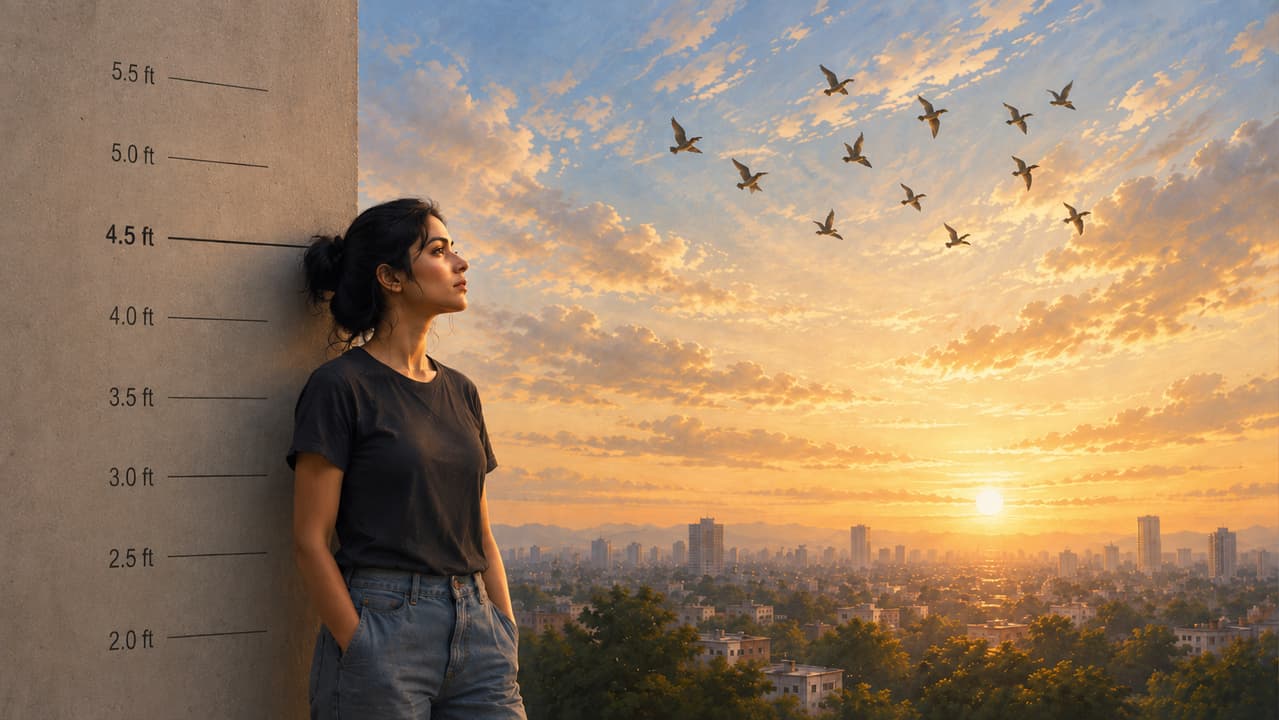
कई तरह के डर—अकेले पड़ने, छवि खोने या छोटा समझे जाने—की जड़ अक्सर अतीत में बनी पहचान और कहानियों में होती है। शरीर की हाइट जैसी चीज़ों को समस्या मानकर उनसे जूझने के बजाय उनकी अप्रासंगिकता को समझकर आगे बढ़ना चाहिए। अतीत को दबाने से मुक्ति नहीं मिलती; उसके करीब जाकर अपनी स्मृतियों, धारणाओं और पुराने पैटर्न को निष्पक्षता से देखना ज़रूरी है।
स्वतंत्रता दिवस को केवल उत्सव नहीं, बल्कि आत्मावलोकन और सतर्कता दिवस की तरह देखने की आवश्यकता है। भारत की परतंत्रता के पीछे रहे आंतरिक कारणों को समझना ज़रूरी है, क्योंकि राजनीतिक स्वतंत्रता के बावजूद लोकधर्म, अंधविश्वास, जातिगत विभाजन, ज्ञान-विज्ञान की उपेक्षा, परंपरागत जड़ता और आत्मबल की कमी आज भी मौजूद हैं। वास्तविक देशभक्ति इन बंधनों को पहचानकर ज्ञान, आत्मनिर्भरता, वैज्ञानिक दृष्टि और जागरूक नागरिकता विकसित करने में है।
लोकतंत्र, गणतंत्र और स्वतंत्रता केवल संविधान में लिखे शब्द नहीं, बल्कि जागरूक नागरिक की चेतना पर निर्भर हैं। वास्तविक स्वतंत्रता मनमानी करने की छूट नहीं, बल्कि भीतर घुसे भय, लालच, अंधविश्वास, पूर्वाग्रह और बाहरी प्रभावों से मुक्ति है। जब नागरिक अपने ही विचारों और मान्यताओं की जाँच नहीं करता, तो लोकतंत्र भीड़तंत्र और संप्रभुता खोखली बन सकती है।
भूतों का डर अक्सर किसी वास्तविक भूत से नहीं, बल्कि हमारी कल्पना, डर और सस्ते रोमांच की चाह से पैदा होता है। भूतिया फ़िल्में और कहानियाँ मन में ऐसी धारणाएँ बना देती हैं कि साधारण चीज़ें भी डरावनी लगने लगती हैं। डर से भागने के बजाय उसके आधार पर प्रश्न करना चाहिए। सस्ते रोमांच के बजाय ज्ञान, इतिहास और सार्थक चुनौतियों में वास्तविक आनंद और उत्साह खोजना अधिक उपयोगी है।
Spirituality does not replace the fear of ghosts with belief in God. It asks us to question the mind that creates both fear and belief. Ghosts, gods, and stories can all become projections of imagination. The spiritual path begins by dropping assumptions, investigating “Who am I?” and understanding the source of suffering. With attention, right knowledge, and self-inquiry, fear loses its power and one becomes inwardly free.
A true relationship is not built on need, possession, or emotional dependence, but on a shared commitment to Truth and inner growth. A worthy companion reflects your reality like a mirror rather than performing a role to please you. Real love is effortless, rooted in one's nature, not expectations. When your highest commitment is to excellence and Truth, relationships become a natural outcome—not the purpose of life itself.
डर वास्तविकता से नहीं, बल्कि अस्पष्टता और कल्पना से ताक़त पाता है। वह कभी स्पष्ट नहीं बताता कि किस बात का भय है, बल्कि धुंधले संकेतों से मन को विचलित करता रहता है। डर से भागने के बजाय उसे सामने बुलाकर उसके हर दावे से स्पष्टता माँगनी चाहिए। जैसे ही भय को सटीक होने के लिए मजबूर किया जाता है, उसकी शक्ति समाप्त होने लगती है, क्योंकि उसका पूरा अस्तित्व भ्रम और धुंध पर टिका होता है।
डर बोलने से नहीं, बल्कि दूसरों की राय और अपनी छवि खोने के भय से पैदा होता है। जब हम अपनी पहचान को लोगों की स्वीकृति पर टिका देते हैं, तब साधारण काम भी कठिन लगने लगता है। गलती करना गलत होना नहीं है; गलती सीखने का अवसर है, पहचान नहीं। आत्मनिर्भरता, आत्मसम्मान और दूसरों की राय से मुक्त होकर ही व्यक्ति निडर होकर बोल सकता है और आत्मविश्वास के साथ जीवन जी सकता है।
मन को संसार, लोगों और वस्तुओं से नहीं, सत्य में स्थिर रखना ही वास्तविक एकांत है। अकेलापन शरीर का नहीं, मन का होता है। जब मन दुनिया से पाने की आशा छोड़ देता है, तभी वह मुक्त होता है। वस्तुओं और रिश्तों का आकर्षण भी अंततः भोग की इच्छा से ही पैदा होता है, जबकि सच्चा प्रेम केवल सत्य, मुक्ति या श्रीकृष्ण के प्रति हो सकता है। संसार से आशा दुःख देती है, इसलिए मन को केवल सत्य की ओर लगाना ही योग है।
जीवन सीमित है, इसलिए उसका केंद्र मृत्यु के बाद की कल्पनाएँ नहीं, बल्कि जीवित रहते हुए जागरूकता और मुक्ति होनी चाहिए। रस्में, कर्मकांड और मृत्यु के बाद की कथाएँ अक्सर जीवन की वास्तविक ज़िम्मेदारियों से ध्यान हटाती हैं। जो प्रेम, सहायता और सम्मान देना है, वह जीवित लोगों को देना सार्थक है। मृत्यु की स्मृति समय का मूल्य सिखाती है, अधूरी कहानियों को छोड़ना सिखाती है, और वर्तमान जीवन को पूरी गंभीरता और ईमानदारी से जीने की प्रेरणा देती है।
Sixty million followers do not necessarily indicate a transformation in consciousness. Large numbers may reflect persistent outreach rather than deep commitment. Truth is often avoided not through opposition but through indifference, convenience, and self-deception. Real change requires sustained effort, inner honesty, testing one's understanding, and the courage to face uncomfortable truths instead of seeking comfort, validation, or easy inspiration.
Fear, social conditioning, and painful memories often shape how people live and make choices. True growth begins by questioning inherited beliefs, refusing to remain trapped by past wounds, and acting from understanding rather than conformity. What appears to be sacrifice is often just the abandonment of conditioned habits. Freedom comes not from external systems, but from the courage to see clearly, learn, and move beyond fear.
The debate around nudity and movements like “Free the Nipple” miss a deeper issue: true freedom is not about clothing, but freedom from psychological conditioning and body-based identity. Clothes themselves neither oppress nor liberate. A truly free society is one where the body becomes ordinary and irrelevant, not a source of obsession, shame, validation, or social control.
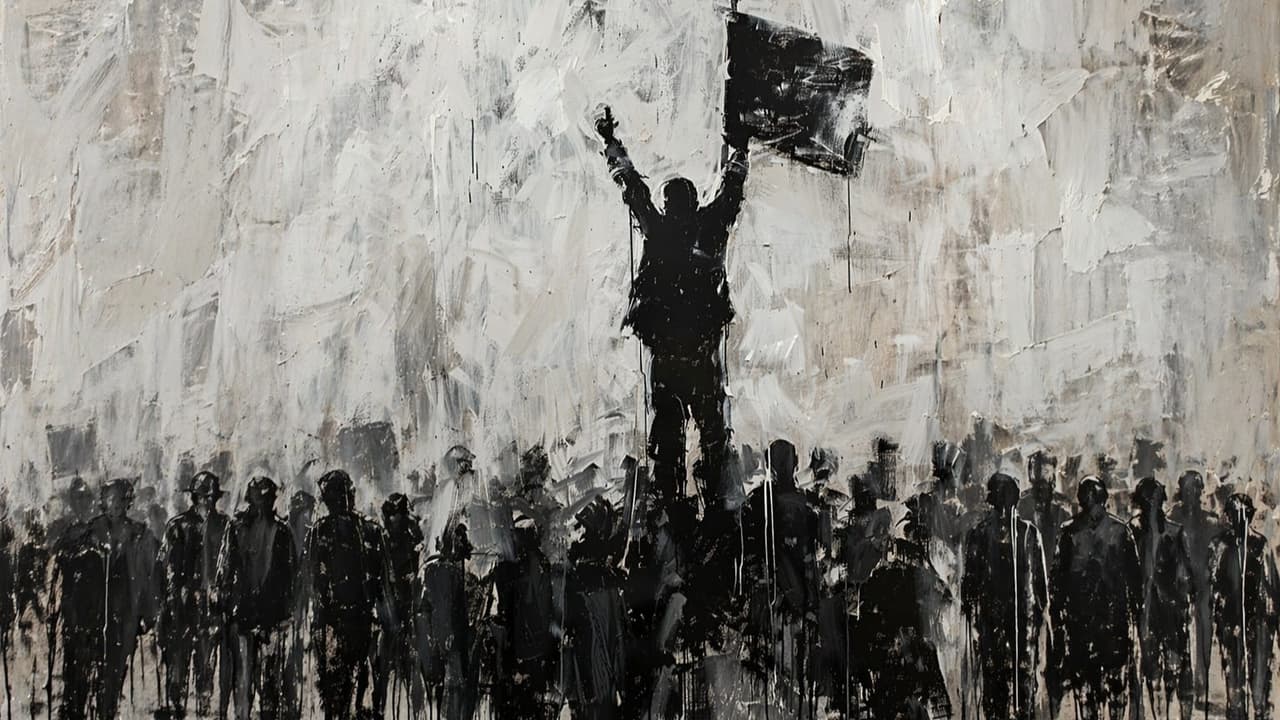
You look at Iran, at revolutions, and ask: can systems really bring freedom? Revolutions keep replacing one system with another, yet the chaos remains. The real question is rarely asked: what within us creates these systems? Real freedom is not political or social; it is inward. Without inner change, every revolution only rotates power, never resolves suffering.
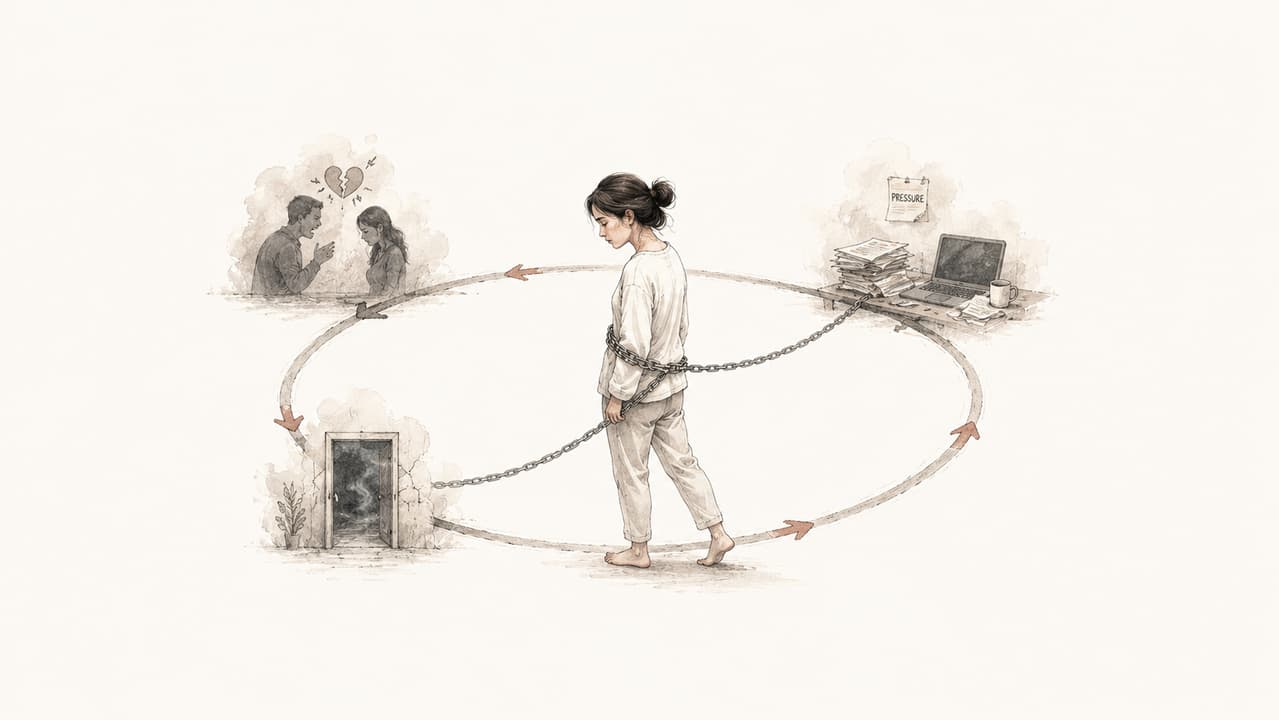
मजबूरी एक झूठ है जिसे अहंकार स्वार्थ छुपाने के लिए गढ़ता है। जो दबता है वो किसी सौदे में दब रहा है। माँ-बाप की धमकी, समाज का दबाव - ये सब तभी काम करते हैं जब भीतर डर हो और डर तभी होता है जब कोई चीज़ पानी हो। आज़ादी के लिए आखिरी कीमत भी चुकाने की तैयारी ही असली जीवन है।
Often, in the name of financial pressure, what we are really kneeling down to is something else. But because that something else is not nice enough to be named, what we quote is financial pressure. Nothing is ever forced in a tangible way. The way is kept gentle in appearance. But there is something else at work inwardly. What is that thing? That is what you have to uncover. You have to be honest towards yourself, very honest.
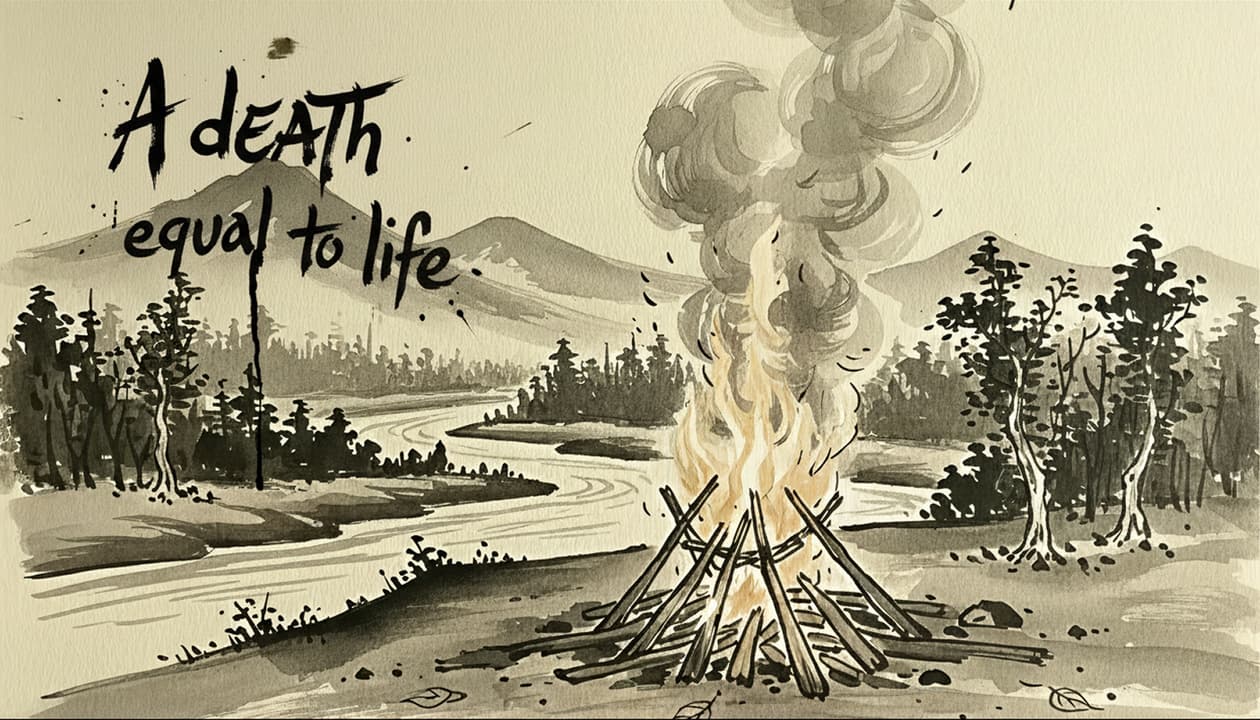
A dignified life includes a death of dignity. If everything in life must be subject to your conscious choice, then so must be your death. Death is not something that we should ever leave to chance. Choice must not lie only in extending life, choice must lie also in ending life. That decision cannot be made in a moment of desperation or despondency. Let your life be high and let your death be an equal to your life.
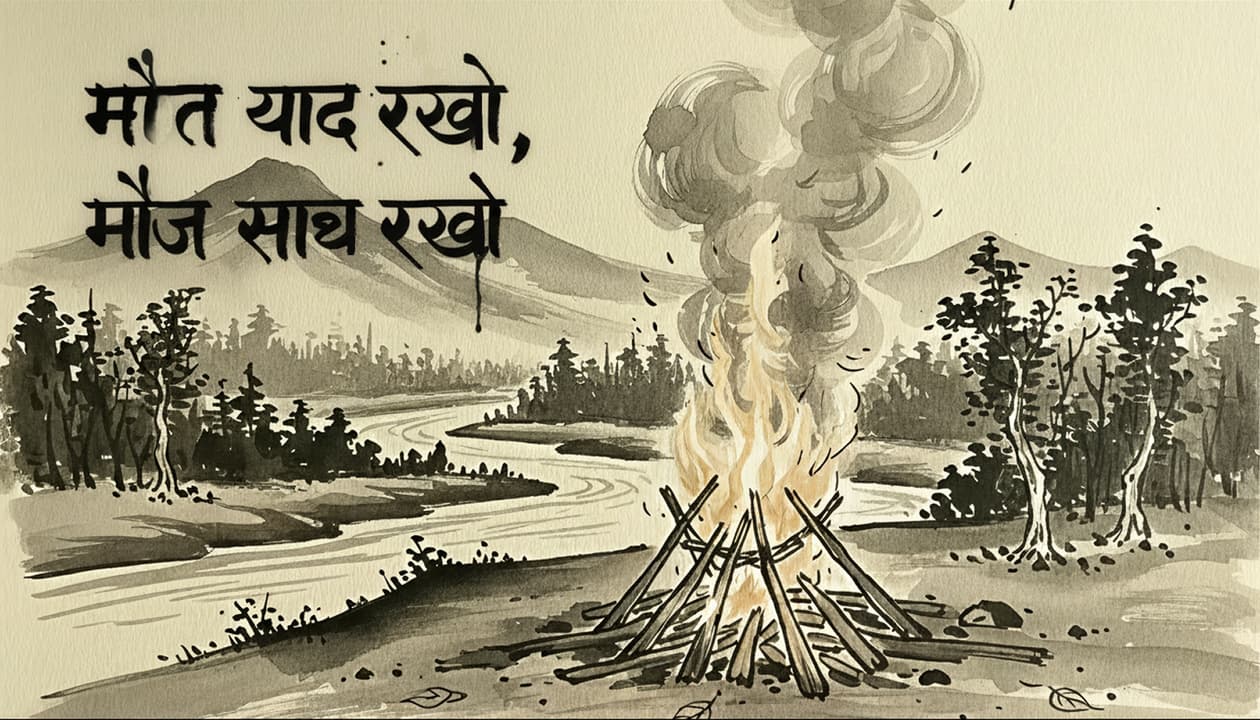
दुनिया में मुझे बताना, कौन-सी चीज़ है जो कभी नष्ट नहीं हुई? सभ्यताएँ मिट गईं, संस्कृतियाँ बह गईं, धर्म ख़ाक हो गए; आदमी का बनाया कुछ भी नहीं बचता। जो चीज़ हमें पता है कि मरण-धर्मा है, वह मिट ही जाएगी; उससे पहले उसका उपयोग चेतना को बढ़ाने के लिए कर डालो। हर पल में ऐसे सतर्क रहो, जैसे यही बस एक पल हो। जिसने मृत्यु और मृत्यु की अनिवार्यता को स्वीकार कर लिया, जो मौत के होश में जीने लगा, उससे ज़्यादा मस्त कोई नहीं जीता। मौत को लगातार याद रखो, तब मौज आएगी!
When the person is dead, you remember that person. But when the person is alive, do you remember death? Who is not dying every moment? Please tell me. Then why do you want to believe that the person, as you see him right now, would be carried over to the future? No one gets carried over to the future. No one. Death has to be seen as a fact, not a fact at the end of a string, but as a present reality. It is not death that scares us. Unlived life is what we grieve for.
We don’t remember death. We think of death as something ugly. But facts cannot be ugly. Facts are just facts. But in the moment of love, in the moment of ownership, attachment, possessiveness, we hate to remember death.
बहुत लोग होते हैं, जिनको दूसरों को तकलीफ़ देने में खुशी मिलती है। बहुत लोग हैं, जिन्हें जानवरों का गला काट करके खाने में खुशी मिलती है। वो कहेंगे, “मैं तो वही करूँगा, जिसमें खुशी मिलती है।” पहले तो यह सीखना पड़ेगा न कि यह जो मेरा खुशी का सिद्धांत है, यह आया कहाँ से? आज की समस्या है, ब्लाइंड फ़्रीडम; जहाँ आदमी बाहर वाली तो किसी ताक़त का ग़ुलाम नहीं है, पर भीतरी ताक़त का ग़ुलाम हो गया है। और वो भीतरी ताक़त क्या है? अहंकार।