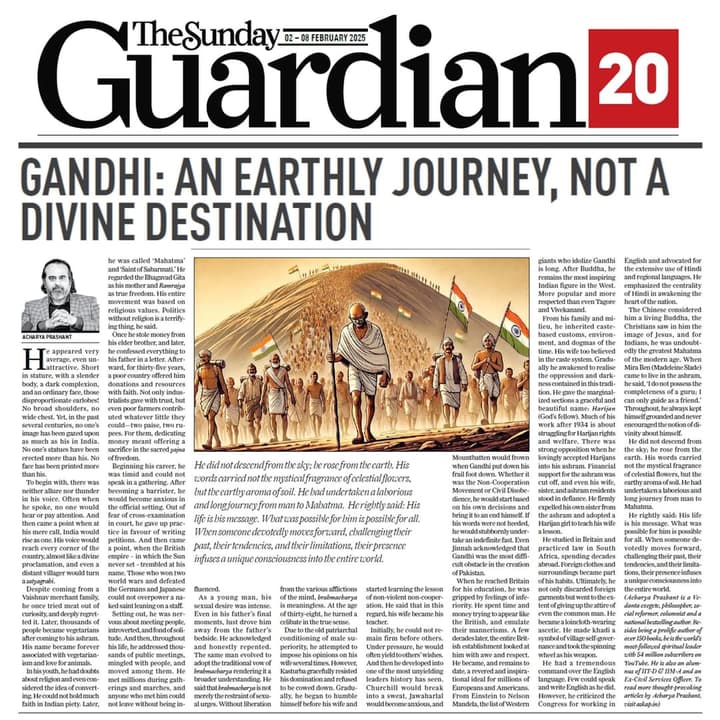
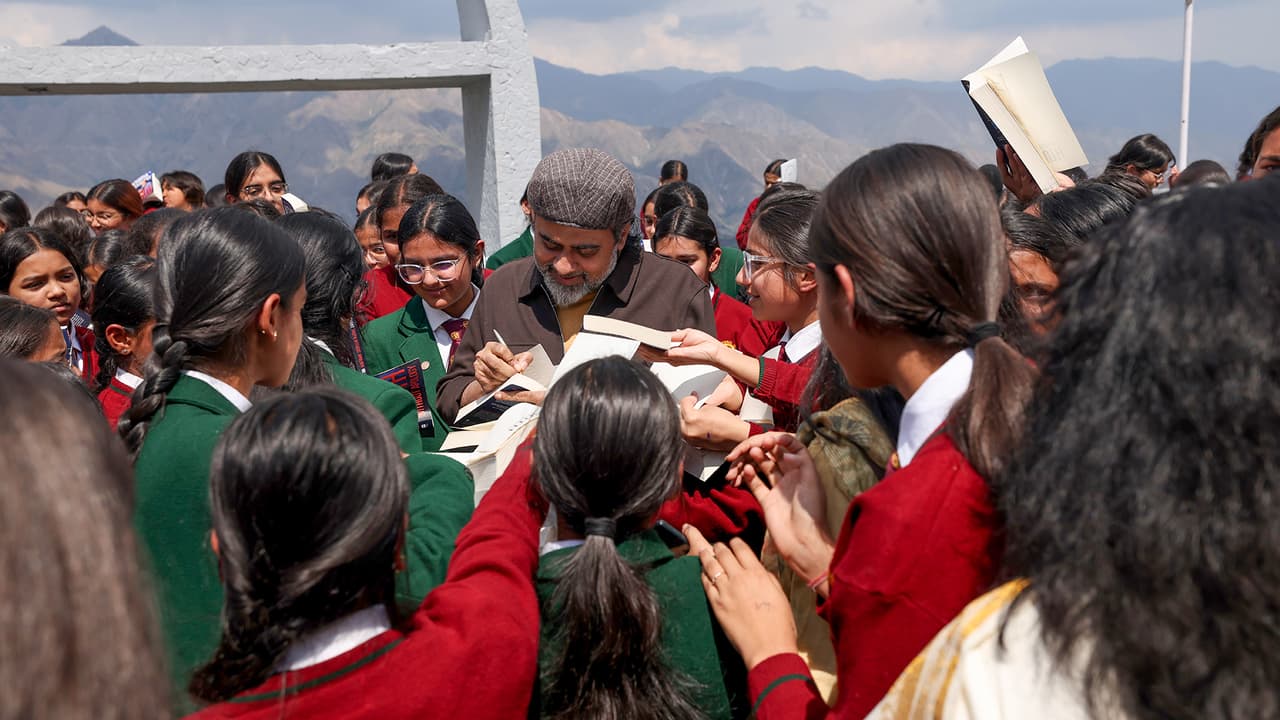
Gandhi did not descend from the sky; he rose from the earth. He undertook a laborious and long journey from man to Mahatma. And he rightly said that his life is his message — what was possible for him is possible for all. When someone devotedly moves forward, challenging their past, their tendencies, and their limitations, their presence infuses a unique consciousness into the entire world.
Practices do not determine the core of spirituality; consciousness does. If someone is feeding you practices in the name of spirituality, then that fellow is either ignorant or cunning or both, which is actually the same thing.
Questioner: In The Fountainhead it is said, “I take the only desire one can really permit oneself. Freedom, Alvah, freedom. To ask nothing. To expect nothing. To depend on nothing.”
Many of us promise our parents high marks, and when the result falls short, the guilt can feel heavier than the exam itself. But no one controls results; they depend on far too many things outside us. What is in our hands is our intent, our effort and our honesty with what we study. The Bhagavad Gita says the same: our right is to action alone, never to its fruit. What if the only promise we made was to study honestly and with love?
We often defend a bad choice by pointing to a worse one: stay dishonest or starve, keep the wrong grip or stop playing. But the real trouble is not the option we picked. It is the option we never let ourselves see. Action does not need greed or attachment to find its energy. The third way begins by rejecting both false choices, without knowing what comes next. Which of our everyday choices are really false dilemmas?
Many of us look for role models of our own gender and hope to succeed as a man or as a woman, yet no one great was ever great as a gender. The moment we tie our aims to being a woman or a man, we tie them to the body, and much of our attention goes into how we look and how we are seen. So much around us keeps reminding a woman of her body, from songs to the fear of a street at night. But the body has never achieved anything by itself. What might we attempt if gender stopped mattering?
Sisyphus pushes a rock up a hill forever, knowing it will always roll back down. A regular workman does the same thing inside a job: he keeps pushing too, except he hopes it will eventually pay off, a promotion, a house, a better life. This hope is often just a comfortable lie. Sisyphus, who expects nothing and still keeps going, is actually more honest than we are. The real question is not whether the effort is worth it, but whether we can stop lying to ourselves about it.
Success never quiets the anxiety underneath it. Hustle culture runs on karma — a restless cycle of chasing the next job, package, or achievement in hopes of filling an inner void. Young professionals in Bangalore who've "succeeded" on paper remain fearful, ashamed, and unsettled within, proof that success is a liar: it promises liberation but delivers only debt. Anxiety itself traces not to the future but to a present that's been neglected, and real freedom from restlessness begins only by turning inward.
Superhero films appeal to our desire to escape inner inadequacy through external power. The fantasy of an ordinary, fearful person becoming extraordinary reinforces the ego’s belief that more strength, money, possessions, or status will bring happiness. Consumerism follows the same pattern, endlessly adding objects to fill an inner void. Real freedom does not come from becoming more powerful or acquiring more, but from honestly seeing and understanding the ego that feels incomplete.
Spirituality does not replace the fear of ghosts with belief in God. It asks us to question the mind that creates both fear and belief. Ghosts, gods, and stories can all become projections of imagination. The spiritual path begins by dropping assumptions, investigating “Who am I?” and understanding the source of suffering. With attention, right knowledge, and self-inquiry, fear loses its power and one becomes inwardly free.
Detachment and ambition are not opposites. Both arise from clear insight into what is truly valuable. Detachment means naturally dropping what is seen as false, futile, or harmful, while ambition means pursuing the highest and most meaningful truth with complete intensity. Spiritual surrender is continuous: as understanding deepens, false attachments are repeatedly abandoned, until renunciation becomes natural and almost choiceless.
Success and failure matter less when your work is driven by love rather than outcomes. Setbacks are opportunities to reflect, not reasons to quit, and true failure comes only when you stop trying. Regret and guilt become meaningful only if they transform you into a different person instead of becoming excuses for self-pity. Real growth begins by questioning your assumptions, facing reality honestly, and living with awareness rather than mechanical habit.
Migration can arise from genuine needs such as safety, education, livelihood, or environmental conditions, as well as from the ego's pursuit of greater consumption and fulfilment. The challenge is to distinguish between these motives with wisdom rather than ideology. Fair, impartial screening, mutual respect between migrants and host societies, and practical integration create a balanced approach that is both humane and responsible.
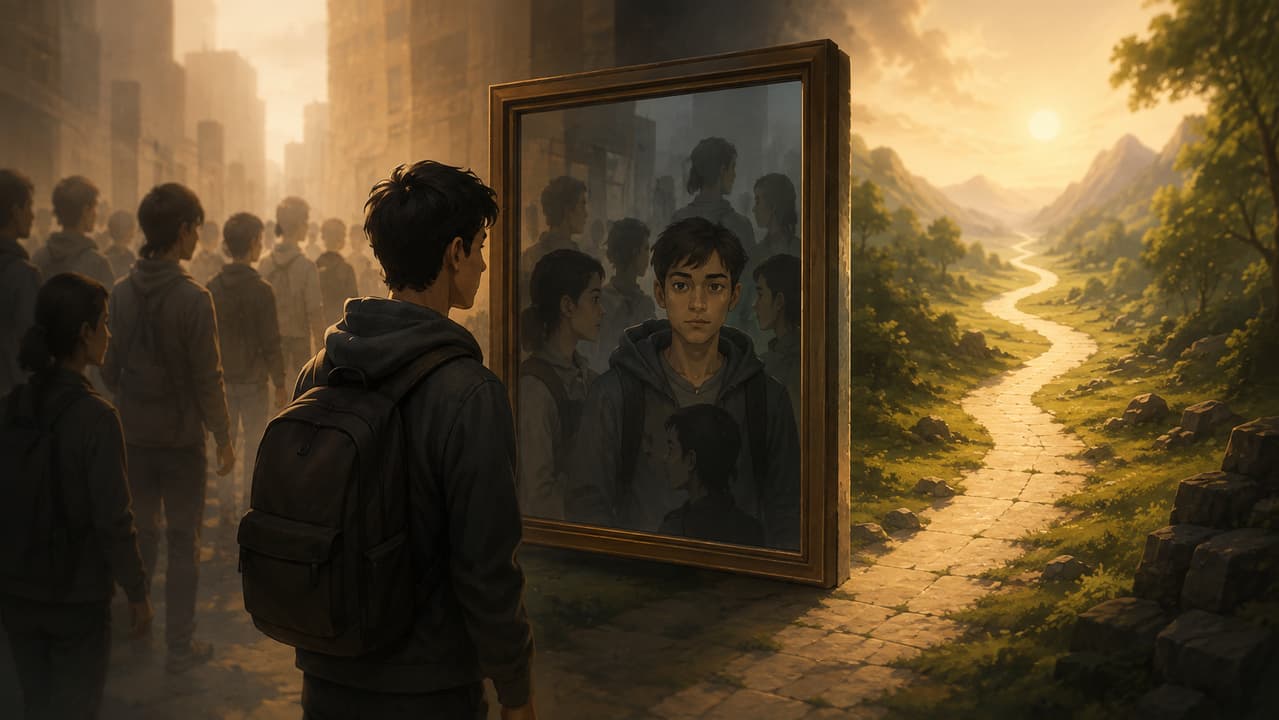
True freedom begins when we question the beliefs that make us feel trapped. Most of our suffering comes not from circumstances but from unquestioned assumptions, attachments, and imagined obligations. By suspending our beliefs, even briefly, we allow truth to enter, revealing that life always offers choice. Transformation is born from love for truth, the courage to let go, and the willingness to step beyond the boundaries created by the ego.
True love is not a biological instinct, emotional attachment, or social conditioning. Biology and science explain the body's drives, but they cannot explain the self that seeks freedom. Love is the inner restlessness to move from ignorance and bondage toward truth and liberation. Religion is not rituals or inherited beliefs but this personal journey of understanding. Freedom—not possession or conformity—is the essence of both love and religion.
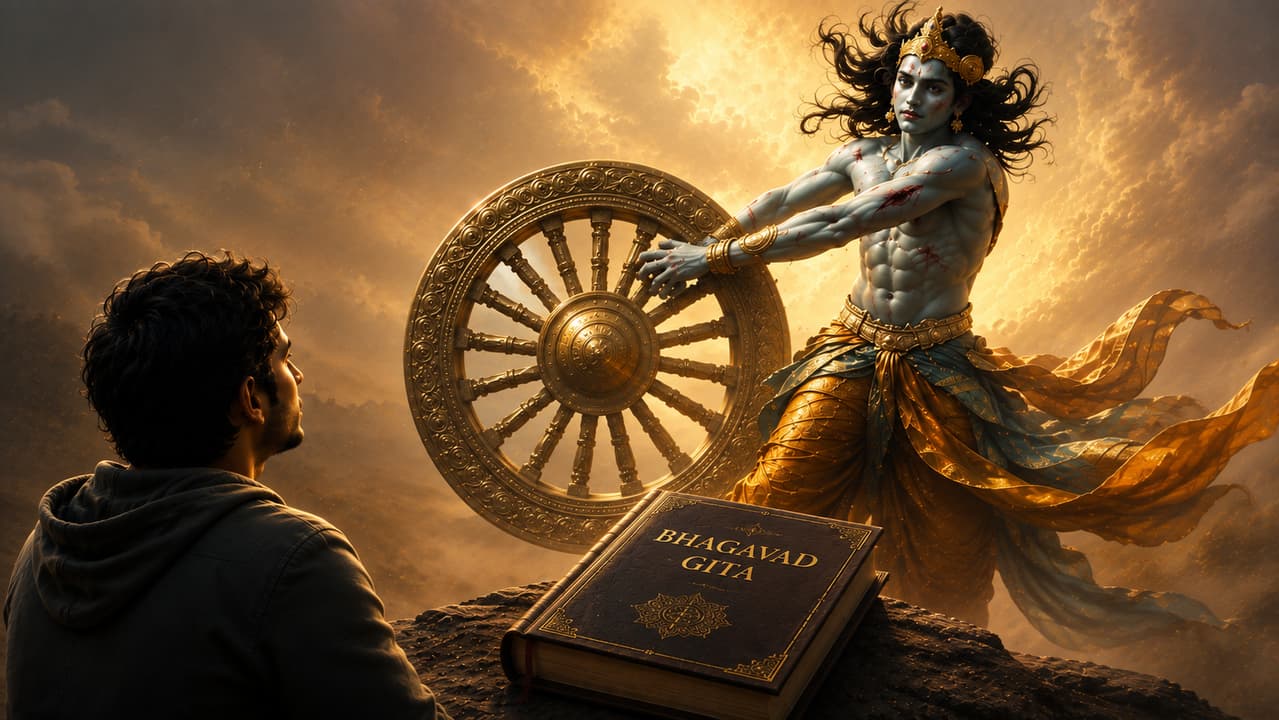
The Bhagavad Gita deserves reverence not because of inherited beliefs about its author, but because of its power to dissolve falsehood and reveal Truth. Real devotion is not ritual or blind faith—it is understanding, inquiry, and living the wisdom of the Gita. Through sincere study, one discovers the true meaning of Krishna, making the Gita the most authentic path to knowing and worshipping Him.
Real love is not measured by comfort, agreement, or preserving relationships at any cost. It is revealed when one has the courage to challenge falsehood, embrace uncomfortable truths, and even risk a relationship for another's freedom and growth. Truth is not a fixed destination but a continuous rejection of illusion. Genuine relationships, mature guidance, and authentic scriptures all serve as mirrors that help us see and dissolve our own falseness.
Search
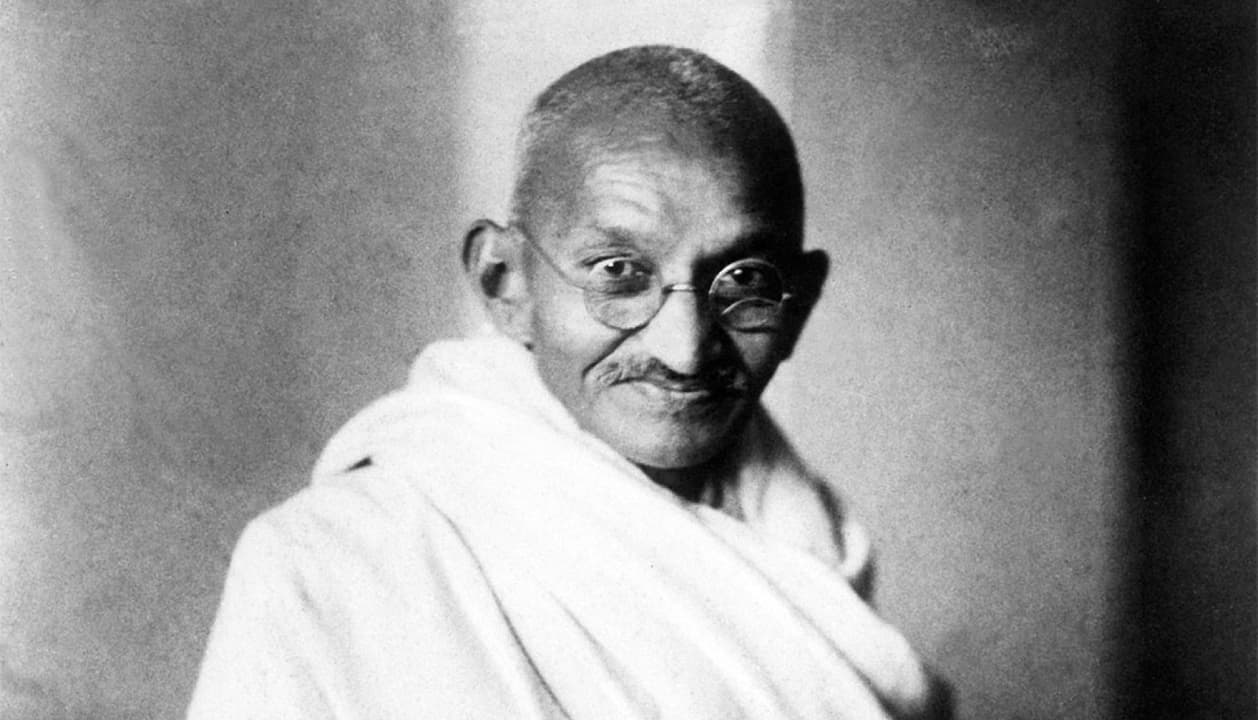
Those abusing Gandhi Ji are least interested in him—they try to achieve something, and Gandhi Ji stands in the way. If one wants to create a society that is highly illiberal and deeply fractured on communal lines, then the symbol of liberalism and communal harmony has to be abused. Gandhi Ji is not just a person but a thought. Gandhi Ji was killed once, and that didn't suffice. Now, he’s being killed in abusive ways, yet some things cannot be killed.
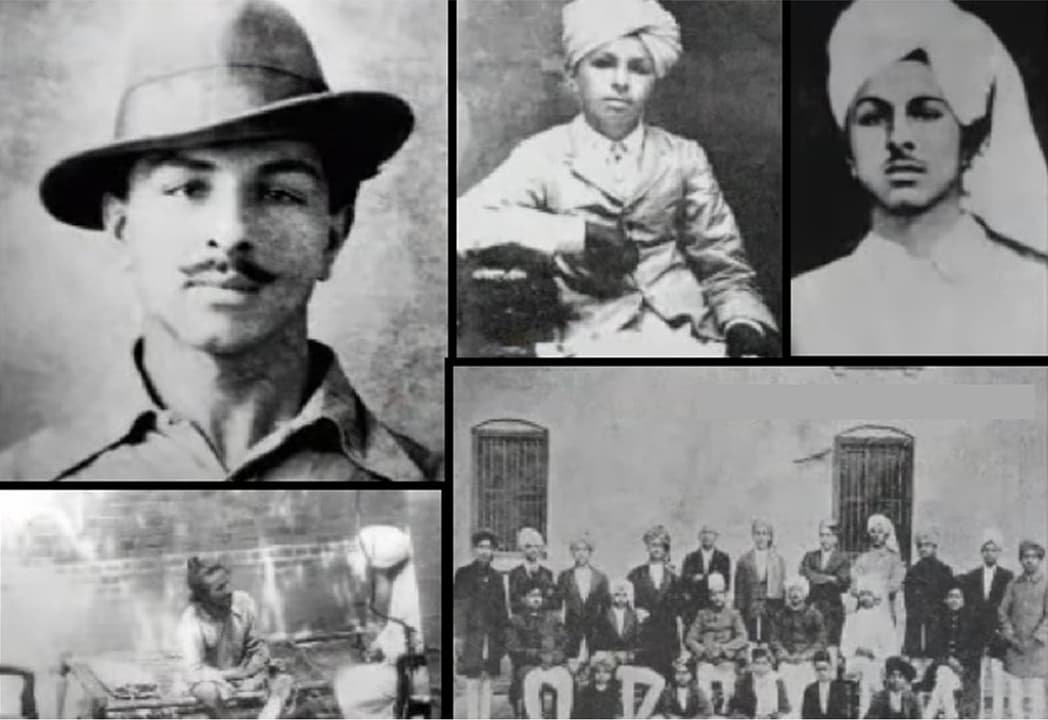
Bhagat Singh was just twenty-three when he laid down his life, yet he remains immortal, while those who lived up to ninety years are just the dust of time. Who cares for them? That's the difference. He had no time for trivial things. Even on the eve of his hanging, he was reading the Bhagavad Gita, and that copy is still preserved. A voracious reader, well-read at a young age, he never wasted time. Does such a life not excite you?
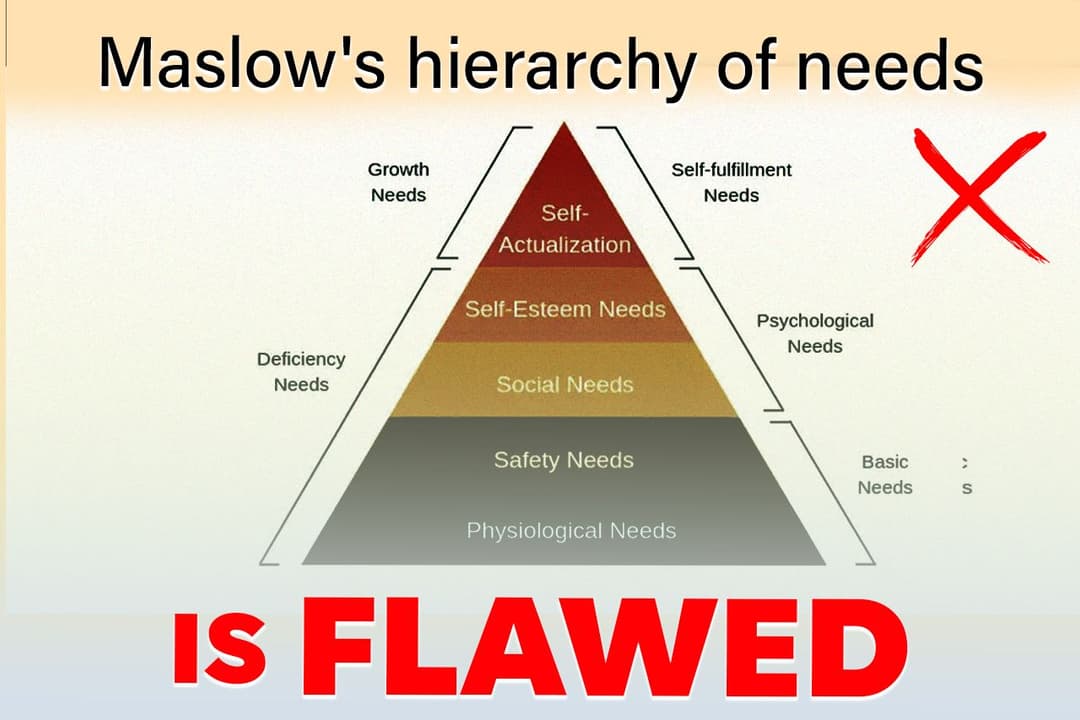
The way Maslow constructed his pyramid is good, but not very exact. The ladder goes like “Food, security, self-esteem, and only then self-actualization.” No, that is not how it actually is. Self-actualization is not the top of the pyramid; it is the foundation of everything that you do; it is the foundation of your activity even when you are fulfilling your lower needs. Whatever you do, your entire universe, all your deeds, thoughts, purposes, motivations—all arises for the sake of actualization.
If freedom is important to you, you will secure it, you will get it. Do you love being free? Are you really a free bird? No, you had accepted slavery long back. And then you complain, and then you put up miserable faces, that won’t do. These faces are masks. The one who wants it, gets it.
Excerpts from Articles
कद नहीं, अपनी कहानी बदलो
कई तरह के डर—अकेले पड़ने, छवि खोने या छोटा समझे जाने—की जड़ अक्सर अतीत में बनी पहचान और कहानियों में होती है। शरीर की हाइट जैसी चीज़ों को समस्या मानकर उनसे जूझने के बजाय उनकी अप्रासंगिकता को समझकर आगे बढ़ना चाहिए। अतीत को दबाने से मुक्ति नहीं मिलती; उसके करीब जाकर अपनी स्मृतियों, धारणाओं और पुराने पैटर्न को निष्पक्षता से देखना ज़रूरी है।
ज्योतिष कितना सच है? कुंडली, ग्रह-नक्षत्र: इनका क्या अर्थ है?
वेदांत को केवल इसलिए सही या श्रेष्ठ नहीं माना जा सकता कि वह किसी विशेष परंपरा से आता है। विज्ञान जहाँ भौतिक जगत की वस्तुनिष्ठ जाँच करता है, वहीं अद्वैत वेदांत सीधे मनुष्य के ‘मैं’, उसके दुख, बंधन और मुक्ति की पड़ताल करता है। इसकी कसौटी वैज्ञानिक प्रमाण नहीं, बल्कि अपने जीवन में इसकी सच्चाई को देख पाना है। किसी दर्शन को मान लेना नहीं, बल्कि उससे स्वयं को मुक्त करना ही उसका वास्तविक उद्देश्य है।
Struggling to choose between a secure job and the path you actually feel drawn to? This isn't really a question about careers. It's about why other people's opinions have so much power over you in the first place. Real clarity doesn't come from finding the 'right' choice. It comes from honestly looking at your own fear, again and again, until it stops running the decision for you.
Climate change is more than an environmental crisis—it is a crisis of human choices. Our patterns of consumption, consumerism and endless pursuit of more are putting increasing pressure on the planet. But meaningful change does not necessarily begin with new technology or stricter policies. It begins with a deeper question: what are we willing to change within ourselves?
Justice Without Boundaries: Why Compassion Cannot Stop at Species
Oppression should not see caste, gender, creed or colour, and it should not see species either. The moral threshold is sentience, not intelligence. An animal feels pain as fully as a human does, whether or not it can explain its suffering.
Animal cruelty: Who deserves mercy, and who doesn’t?
Violence begins long before the knife or the slaughterhouse—it begins with the ego, the one that draws boundaries, seeks justification, and decides who deserves compassion. Laws and reforms may reduce suffering, but they cannot end violence while the ego remains intact. When the ego dissolves, exploitation ends naturally, and compassion no longer depends on regulation or moral boundaries.
You Don't Understand the Bhagvad Gita, But You Still Claim That You Love Krishna?
The Bhagavad Gita deserves reverence not because of inherited beliefs about its author, but because of its power to dissolve falsehood and reveal Truth. Real devotion is not ritual or blind faith—it is understanding, inquiry, and living the wisdom of the Gita. Through sincere study, one discovers the true meaning of Krishna, making the Gita the most authentic path to knowing and worshipping Him.
“There’s always been war,
But people quickly get accustomed to peace.
So they think it’s normal.
No, war is what’s normal.”
~ Albert Camus
Questioner: Acharya Ji, which ‘war’ is Albert Camus referring to?
Acharya Prashant: The questioner has asked that Albert Camus has said that ‘war’ is what is…
In the above lines, Ayn Rand has said that freedom is to not expect and depend on the desired outcome.…
When his mother asked him, “Why don’t you get married?” Bhagat Singh replied, “I am already married, and her name is Freedom.”
Now, it behooves a Bhagat Singh to not get married to a woman because he has committed himself to freedom, but to every Tom, Dick and Harry it…
Share
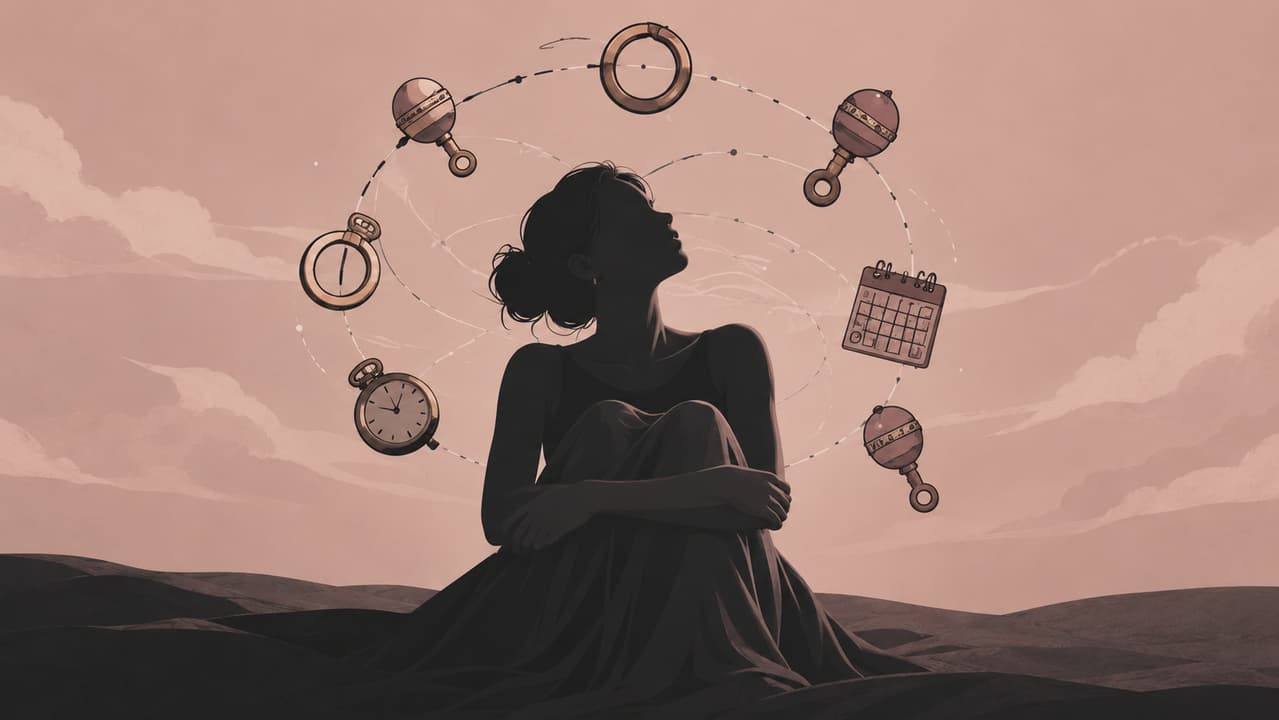
A modern woman calls herself liberated, yet lives anxious — anxious about age, desirability, marriage, motherhood. Acharya Prashant exposes this anxiety as proof that feminism never touched the real wound: centuries of conditioning that reduced women to bodies for pleasure and reproduction. External equality isn't enough. True freedom demands she reject the entire inheritance of tradition and simply become human — not woman, not wife, not mother by decree, but free.
Struggling to choose between a secure job and the path you actually feel drawn to? This isn't really a question about careers. It's about why other people's opinions have so much power over you in the first place. Real clarity doesn't come from finding the 'right' choice. It comes from honestly looking at your own fear, again and again, until it stops running the decision for you.
Climate change is more than an environmental crisis—it is a crisis of human choices. Our patterns of consumption, consumerism and endless pursuit of more are putting increasing pressure on the planet. But meaningful change does not necessarily begin with new technology or stricter policies. It begins with a deeper question: what are we willing to change within ourselves?
2
वेदांत को केवल इसलिए सही या श्रेष्ठ नहीं माना जा सकता कि वह किसी विशेष परंपरा से आता है। विज्ञान जहाँ भौतिक जगत की वस्तुनिष्ठ जाँच करता है, वहीं अद्वैत वेदांत सीधे मनुष्य के ‘मैं’, उसके दुख, बंधन और मुक्ति की पड़ताल करता है। इसकी कसौटी वैज्ञानिक प्रमाण नहीं, बल्कि अपने जीवन में इसकी सच्चाई को देख पाना है। किसी दर्शन को मान लेना नहीं, बल्कि उससे स्वयं को मुक्त करना ही उसका वास्तविक उद्देश्य है।
1
Science can examine material claims, but Advaita Vedanta deals with the subjective self, ego, suffering, bondage, and liberation—areas outside science’s objective framework. Vedanta need not be accepted because of one’s religion or tradition; its value lies in whether its insights can be personally verified and help free one from suffering. The ultimate responsibility is not toward any philosophy, but toward oneself: to live a truly free life.
2
We often call something “help” or “love” while secretly expecting something in return. When that return does not come, we feel hurt, revealing that the relationship was a trade, not genuine help. The ego, being unfulfilled, cannot truly love or share. Likewise, desperation to be loved makes us controllable. Real love emerges when we stop seeking validation, work on ourselves, and become so inwardly fulfilled that we no longer need to be loved.
2
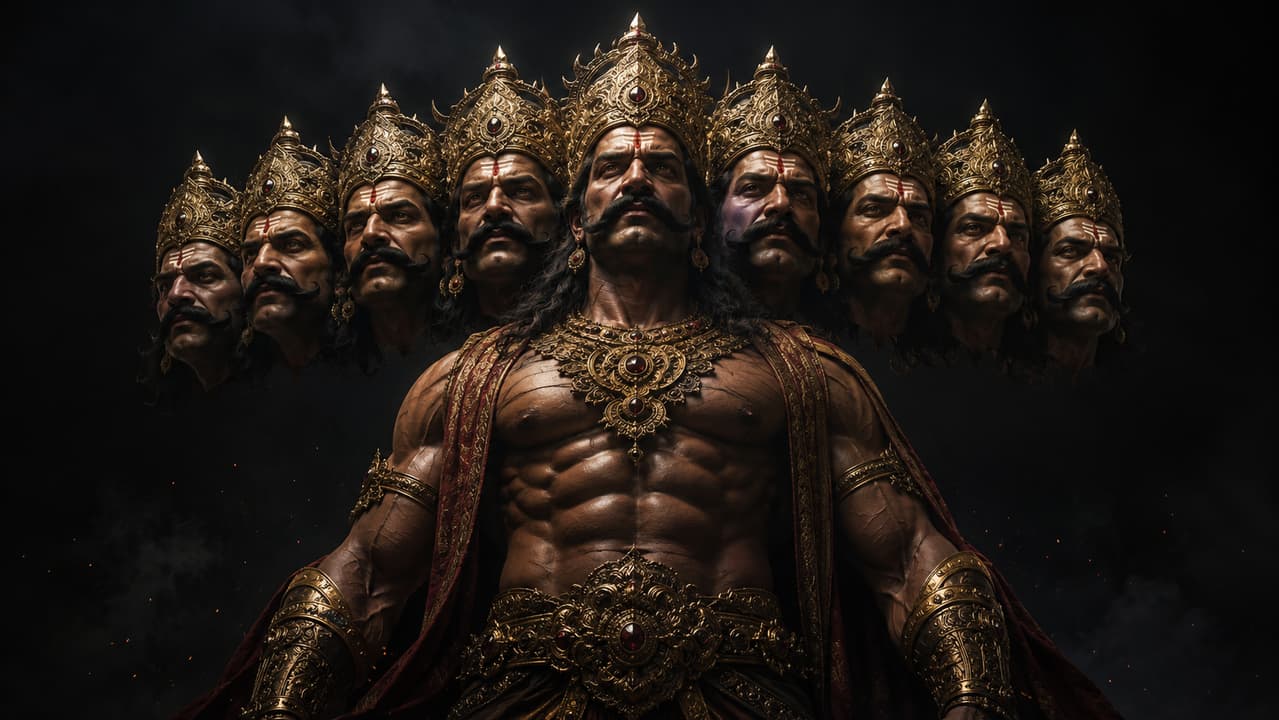
Knowledge alone cannot transform life; it can become another object of the ego. True knowledge is self-knowledge—a mirror that exposes and destroys false ideas about oneself. Ravana may have been knowledgeable, but without self-knowledge, knowledge can become a tool for exploitation. Wisdom is not something to acquire; it is innate. Self-knowledge is the process of unbecoming unwise by clearing away the nonsense we have gathered.
Reaction is an instinctive, unconscious response rooted in ancient survival mechanisms, while response arises from consciousness and understanding. Our biological instincts evolved for survival, but modern life demands that we move beyond them. Emotional reactivity makes us predictable and controllable, allowing others to manipulate our emotional triggers. True freedom lies in pausing before reacting, examining emotions, thinking deeply, and responding consciously rather than living as slaves to instinct.
कई तरह के डर—अकेले पड़ने, छवि खोने या छोटा समझे जाने—की जड़ अक्सर अतीत में बनी पहचान और कहानियों में होती है। शरीर की हाइट जैसी चीज़ों को समस्या मानकर उनसे जूझने के बजाय उनकी अप्रासंगिकता को समझकर आगे बढ़ना चाहिए। अतीत को दबाने से मुक्ति नहीं मिलती; उसके करीब जाकर अपनी स्मृतियों, धारणाओं और पुराने पैटर्न को निष्पक्षता से देखना ज़रूरी है।
We often believe we are living freely, while our desires, dreams, beliefs, and choices are shaped by physical, social, cultural, religious, and psychological scripts. These scripts offer comfort and security, making us reluctant to examine our bondage. Freedom does not begin by imagining what lies beyond the script, but by deeply observing the cage we already live in, without fear, desire, or attachment.
1
Question: Why do I feel lost?
Acharya Prashant: Because, you are asking this question.
We ‘think’ that we are lost, equally, we ‘think’ that we are not lost. The same place from where the thought, the perception of being lost, or not lost arises, that place is the same place…
Share
2
Friendships naturally change as people follow different paths in life. When you remain focused on your true purpose, you stop clinging to those who only accompany you briefly. Instead of dwelling on memories or fearing others' intentions, examine your own expectations and self-deception first. Honest self-awareness brings clarity, wiser relationships, and the freedom to move forward without resentment or attachment.
A true relationship is not built on need, possession, or emotional dependence, but on a shared commitment to Truth and inner growth. A worthy companion reflects your reality like a mirror rather than performing a role to please you. Real love is effortless, rooted in one's nature, not expectations. When your highest commitment is to excellence and Truth, relationships become a natural outcome—not the purpose of life itself.
Truth cannot be forced upon anyone, but neither should falsehood be entertained. Genuine love is not about preserving relationships at any cost; it is about helping oneself and others break free from illusion, even if that means risking the relationship itself. Spiritual growth begins by questioning conditioning, examining falsehood without bias, and choosing authenticity over comfort. Real relationships are built on the courage to seek freedom, not convenience.
Victory is not decided by the trophy you hold but by the battle you choose to fight. Real strength lies in making the right decisions, staying true to your deepest values, and refusing to be ruled by fear or circumstances. When your actions arise from clarity rather than ambition, the outcome loses its power over you. The moment you choose the right path, you have already won.
True revolution begins with inner transformation, not merely with protest. Lasting social change is possible only when individuals cultivate self-knowledge, integrity, and personal responsibility. Replacing governments or demanding reforms without examining the mind that sustains the same patterns only repeats history. Awaken yourself first, educate others with clarity and compassion, and let conscious citizens, not unconscious crowds, become the foundation of a better society.
The biggest weakness of modern education is not that it fails to keep pace with technology, but that it neglects self-knowledge. Students are trained to build identities around qualifications and careers, making them rigid in a world that demands constant change. Real adaptability, innovation, and lifelong learning come not from acquiring more skills, but from understanding oneself and letting go of fixed identities.
The crisis exposed by the NEET paper leak goes far beyond examination malpractice. When society teaches young people that a single rank determines their worth, corruption, desperation, and broken trust become inevitable. Lasting reform requires more than stricter systems—it demands a transformation in how education, success, and self-worth are understood by students, parents, teachers, and society.
Humanity's greatest crisis arises from the imbalance between immense external progress and inadequate inner understanding. While technology, wealth, and knowledge have expanded unprecedentedly, unchecked desires and ignorance continue to fuel conflict, inequality, and environmental destruction. Sustainable change requires mass-based education of the self so individuals understand their motives and use science, technology, capital, and power with wisdom, responsibility, and inner clarity rather than unconscious craving.
Innovation is born from research, creativity, critical thinking, scientific temper, and original thinking—not imitation or appearances. A society that values honest inquiry over validation creates genuine progress. India's future depends on nurturing a culture that encourages questioning, respects originality, and pursues truth with intellectual honesty instead of settling for superficial success and empty displays.
The Bhagavad Gita is not a separate spiritual path or an escape from everyday life - it is a mirror that reveals the truth of your present life. Real spirituality begins with self-observation, not rituals or temporary practices. Lasting transformation comes when work, relationships, career, and personal growth become one integrated life driven by awareness, love, and freedom rather than ego, fear, money, or social pressure.
Wrong career choices, unhealthy relationships, and endless entertainment are often symptoms of escaping oneself rather than seeking happiness. Self-deception, ego, and inner dissatisfaction drive people toward temporary relief through social media, gaming, movies, and distractions. Real transformation begins with self-inquiry, honest awareness, and the courage to face reality instead of running from it, leading to clarity, freedom, and meaningful living.
Should women choose marriage or career? Society often forces this question, but Vedanta asks a deeper one: are these choices truly yours? This discussion explores family pressure, the biological clock, gender equality, and social conditioning, revealing why freedom, consciousness, and self-awareness matter more than living according to expectations or traditional roles.
Vedanta reveals that freedom is impossible as long as the ego seeks to preserve itself. Meditation may bring temporary calm, but real transformation begins only when the false sense of individuality dissolves. Whether through devotion or knowledge, every genuine spiritual path culminates in the complete dissolution of the seeker into Truth. Liberation is not the experience of Truth by an individual—it is the end of the individual who wants to experience Truth.
Superstition does not begin with rituals alone; it begins with unquestioned beliefs about the self. Science can remove many false beliefs, but complete freedom requires Self-knowledge. Vedanta, philosophy and meditation help expose the ego, making awakening possible. Religion becomes meaningful only when it encourages Self-knowledge rather than blind belief. Real freedom comes not from accepting inherited ideas but from understanding oneself through direct observation and awareness.
Society has a role in practical matters, but it should never decide love, marriage, happiness, or the purpose of life. Real freedom begins when personal choices are guided by understanding instead of social pressure. While social norms help maintain order, they become harmful when they dictate relationships, career, or inner values. True happiness and love arise from freedom, not conformity, making every love story meaningful only when it is authentically one's own.