Realization is your essential nature, and that nature means nothing. That nature is neither solid nor liquid. That nature is not hot nor cold. That nature is not beautiful, not ugly. That nature is not expansive, not limited.
Acharya Prashant: Joshu went to Hermit and asked, “What’s up? What’s up?” The Hermit lifted up his fist and Joshu said, “Water is too shallow to enter here and went away”. Joshu visited the Hermit once again, a few days later and said, “What’s up? What’s up?” The Hermit raised
आचार्य प्रशांत: ध्यान की तीन बेहतरीन विधियाँ हैं। हज़ारों हो सकती हैं, इसमें ये तीन सर्वश्रेष्ठ हैं। पहला — जप; जप का अर्थ है दोहराना, रिपिटिशन, ताकि भूलें नहीं, लगातार याद रहे,
प्रश्नकर्ता: आचार्य जी, एक चैप्टर पढ़ा ‘सम्बन्ध’ पुस्तक से, उसमें एक चीज़ थी जो समझ नहीं आई, 'हमारे रिश्ते ख़राब इसलिए होते हैं क्योंकि वो हमारी अपूर्णता से निकलते हैं'। पूरा जीवन जब सम्बन्ध ही है और अकेले हम रह नहीं पाते, अकेलापन महसूस भी होता है। तो फिर यह
In Zen, the student asks a question to the master, and the reply brings sudden enlightenment. It means something had long cluttered the mind, and in one deft stroke, like a genius, the master cuts the relationship between the ego and its belief. What Vedanta does through persuasive argument, the koan does through an abrupt shock.
A dirty plate is a dirty mind. It is carrying traces. It is carrying stuff from somewhere else. Go clean the plate. If your plate is clean, if your mind is clean, what is left to be done? But cleaning the mind, making it lighter, comes like a threat. “Oh! Something in me is getting reduced. I am under attack. My notions are getting shaken up.” That’s what Zen is all about, a total shake-up! Such a shake-up that clears away all the rubbish.
2
THE SHORT STAFF
Shuzan held out his short staff and said,
“If you call this short staff, you oppose its reality.”
“If you do not call it a short staff, you ignore the fact.”
“Now what do you wish to call this?”
Questioner: Acharya Ji, Pranaam! Please help me understand…
“I thank the Lord for all that he has given me.” This is a totally nonsensical prayer. You should thank for what he has not given you. "Thanks for not giving me disease." It's very easy to miss that you do not have a disease. Truth is so easy to miss because it is an absence. Truth is always ‘not’ something. It is the absences that you must be thankful for.
Excerpts from Articles
Climate Change: The Solution Is a Choice
Climate change is more than an environmental crisis—it is a crisis of human choices. Our patterns of consumption, consumerism and endless pursuit of more are putting increasing pressure on the planet. But meaningful change does not necessarily begin with new technology or stricter policies. It begins with a deeper question: what are we willing to change within ourselves?
ज्योतिष कितना सच है? कुंडली, ग्रह-नक्षत्र: इनका क्या अर्थ है?
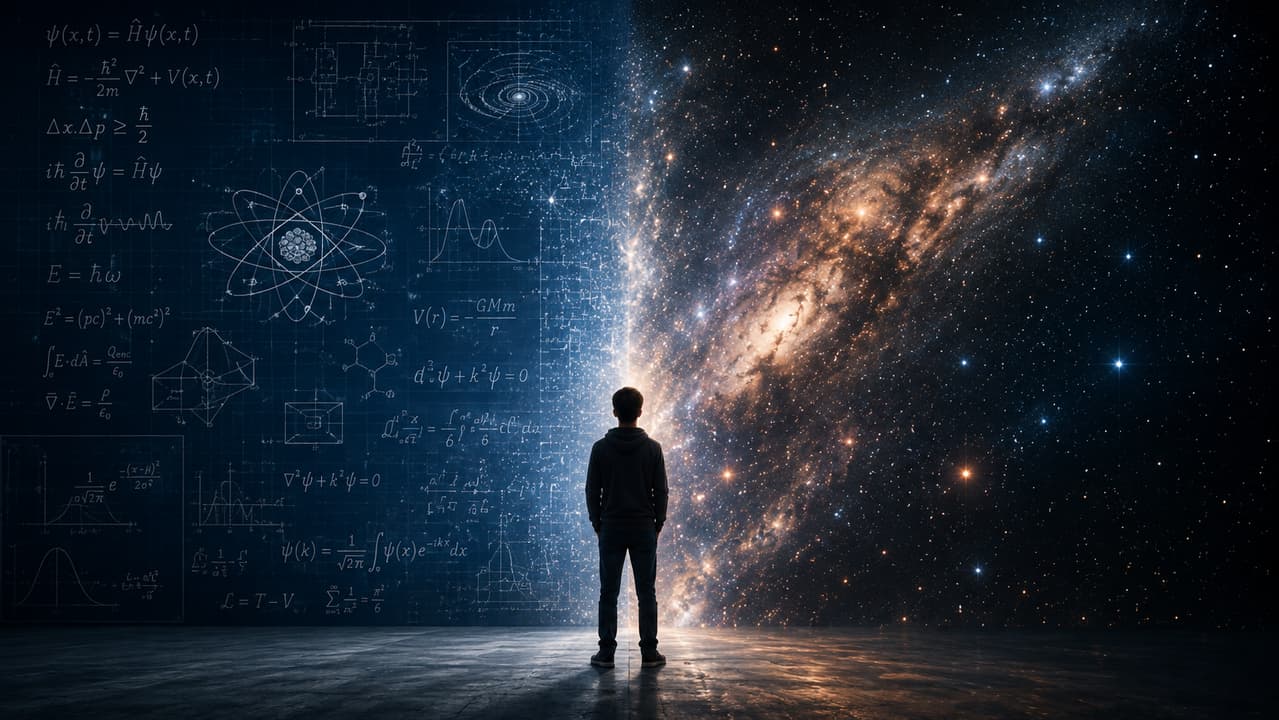
वेदांत को केवल इसलिए सही या श्रेष्ठ नहीं माना जा सकता कि वह किसी विशेष परंपरा से आता है। विज्ञान जहाँ भौतिक जगत की वस्तुनिष्ठ जाँच करता है, वहीं अद्वैत वेदांत सीधे मनुष्य के ‘मैं’, उसके दुख, बंधन और मुक्ति की पड़ताल करता है। इसकी कसौटी वैज्ञानिक प्रमाण नहीं, बल्कि अपने जीवन में इसकी सच्चाई को देख पाना है। किसी दर्शन को मान लेना नहीं, बल्कि उससे स्वयं को मुक्त करना ही उसका वास्तविक उद्देश्य है।
अंधविश्वास या किसी दावे को केवल किताबों, परंपराओं या बड़ी-बड़ी हस्तियों के कहने से नहीं मानना चाहिए। भौतिक जगत से जुड़े हर दावे के लिए प्रमाण माँगना आवश्यक है। जो बात जाँची-परखी जा सकती है, उसे तर्क, प्रयोग और उपकरणों से जाना जाए; बिना जाने नहीं माना जाए। सच्ची जिज्ञासा वही है जो हर दावे के सामने प्रश्नचिह्न रखे और प्रमाण मिलने पर ही स्वीकार करे।
फ़ालतू खर्च छोड़िए, अपनी ज़िंदगी पर खर्च करना सीखिए
आचार्य प्रशांत बताते हैं कि क्यों हम सही खान-पान, स्वास्थ्य और अपने ऊपर ज़रूरी खर्च से बचते हैं, लेकिन दिखावे और फ़ालतू सामाजिक परंपराओं पर पैसा बहा देते हैं। अधिकांश लोगों के लिए समस्या सिर्फ़ पैसों की कमी नहीं, बल्कि विवेक और सही प्राथमिकताओं की कमी भी है।
कई तरह के डर—अकेले पड़ने, छवि खोने या छोटा समझे जाने—की जड़ अक्सर अतीत में बनी पहचान और कहानियों में होती है। शरीर की हाइट जैसी चीज़ों को समस्या मानकर उनसे जूझने के बजाय उनकी अप्रासंगिकता को समझकर आगे बढ़ना चाहिए। अतीत को दबाने से मुक्ति नहीं मिलती; उसके करीब जाकर अपनी स्मृतियों, धारणाओं और पुराने पैटर्न को निष्पक्षता से देखना ज़रूरी है।
जो खुद आज़ाद नहीं, वह लोकतंत्र को मजबूत कैसे करेगा?
लोकतंत्र, गणतंत्र और स्वतंत्रता केवल संविधान में लिखे शब्द नहीं, बल्कि जागरूक नागरिक की चेतना पर निर्भर हैं। वास्तविक स्वतंत्रता मनमानी करने की छूट नहीं, बल्कि भीतर घुसे भय, लालच, अंधविश्वास, पूर्वाग्रह और बाहरी प्रभावों से मुक्ति है। जब नागरिक अपने ही विचारों और मान्यताओं की जाँच नहीं करता, तो लोकतंत्र भीड़तंत्र और संप्रभुता खोखली बन सकती है।
Struggling to choose between a secure job and the path you actually feel drawn to? This isn't really a question about careers. It's about why other people's opinions have so much power over you in the first place. Real clarity doesn't come from finding the 'right' choice. It comes from honestly looking at your own fear, again and again, until it stops running the decision for you.
Justice Without Boundaries: Why Compassion Cannot Stop at Species
Oppression should not see caste, gender, creed or colour, and it should not see species either. The moral threshold is sentience, not intelligence. An animal feels pain as fully as a human does, whether or not it can explain its suffering.
एक पुजारी जो रोज़ भूत-प्रेत, तंत्र-मंत्र और वशीकरण के नाम पर आए लोगों से मिलता है, आचार्य प्रशांत से पूछता है: जब वो ख़ुद जानता है कि कुछ भूत-चुड़ैल नहीं होता, तो लोग बार-बार इसी झूठ की शरण में क्यों जाते हैं? जवाब अंधविश्वास से कहीं गहरा निकलता है — यह हमारे भीतर के उस झूठ की कहानी है, जिसे हम हर कीमत पर बचाना चाहते हैं।
सपनों और सामाजिक प्रतिष्ठा के पीछे भागते हुए युवा अक्सर अपनी वास्तविक क्षमता, रुचि और वर्तमान चुनौतियों को देखना भूल जाते हैं। आईआईटी, यूपीएससी, सरकारी नौकरी और पेंशन को जीवन का लक्ष्य मान लेने के बजाय ज़रूरी है आत्मज्ञान—ख़ुद को ईमानदारी से परखना। जवानी भविष्य की सुरक्षा की चिंता में नहीं, आज की वास्तविक चुनौतियों से जूझने और सार्थक कर्म में लगनी चाहिए।
रक्षाबंधन केवल भाई-बहन के रिश्ते और सुरक्षा की रस्म तक सीमित नहीं होना चाहिए। आज असली रक्षा उन चीज़ों की ज़रूरत है जो कमज़ोर और संकट में हैं—गौरैया, नदियाँ, पहाड़, पेड़, महासागर और पृथ्वी। साथ ही ईमानदारी, आत्मज्ञान और मानवीय मूल्यों की भी रक्षा जरूरी है। धर्म कर्मकांड नहीं, अपनी शक्ति और उससे जुड़ी व्यापक ज़िम्मेदारी को समझना है।
Two monks were washing their bowls in the river when they noticed a scorpion that was drowning. One monk immediately scooped it up and set it upon the bank. In the process he was stung. He went back to washing his bowl and again the scorpion fell in. The monk saved the scorpion and was again stung. The other monk asked him, “Friend, why do you continue to save the scorpion when you know its nature is to sting?” “Because”, the monk replied, “to save it is my nature.”
आचार्य प्रशांत: देखते हैं दुनिया को; उसमें पहली डुएलिटी (द्वैत) तो पैदा होने के साथ ही आ जाती है। पहली डुएलिटी है कि — ये मैं हूँ और ये रहा संसार, और ये दोनों अलग-अलग हैं। पैदा होने के कुछ ही समय बाद शरीर का बोध आ जाता है, और…
Whenever anyone asked him about Zen,
the great master Gutei would quietly raise one finger into the air.
A boy in the village began to imitate this behaviour.
Whenever he heard people talking about Gutei’s teachings,
he would interrupt the discussion and raise his finger.
Gutei heard about boy’s mischief.…
2
A monk asked Seijo, “Daitsu Chisho Buddha did zazen (meditated) for ten kalpas in a Meditation Hall, could not realize the highest truth, and so could not become fully emancipated. Why was this?”
Seijo said, “Your question is a very appropriate one!”
The monk asked again, “Why did he not…
…
Joshu replied, “Moo”
Acharya Prashant: Moo stands for nothing. Everything about the dog and the Buddha is different. As long as you compare a thing about the dog and the Buddha, you’ll only find differences. As long as the dog is…
1
Questioner (Q): Spiritual way tends to be more direct and I feel Zen-Buddhism actually misleads from the direct path.
Acharya Prashant (AP): Zen never imposes any rule. Or does it? Is that your question that Zen imposes rule?
Q: Yes.
AP: What kind of rules?
Q: Rules of the way…
1
Suiwo, the disciple of Hakuin, was a good teacher. During one summer seclusion period, a pupil came to him from a southern island of Japan. Suiwo gave him the problem: ‘Hear the sound of one hand.’ The pupil remained three years but couldn’t pass this test. One night he came…
Questioner (Q): Sir, ‘The sound of one hand clapping’. Please explain the Koan.
Acharya Prashant (AP): All our life, only that has happened to us, which has a cause and an effect. All our life, only that has happened to us, which is dualistic. When the Zen Master is saying…
Nansen answered: ‘Ordinary mind is the way.’
‘Then should we direct ourselves towards it or not? asked Joshu.
Nansen said: ‘If you try to direct yourself toward it, you go away from it.
‘Joshu then continued: ‘If we do not try how can…
कोंस्टेंट रिमेंबरेन्स
(सतत स्मरण)। लगातार नाम लिया जाता रहे, लगातार नाम लिया जाता रहे।
जब जीव श्रवण आदि द्वारा प्रज्वलित ज्ञानाग्नि में भलीभाँति तप्त होता है, तो वह साड़ी मलिनताओं से मुक्त होकर स्वर्ण की…
…
ज़ेन कोआन: मोकुसेन का हाथ
मोकुसेन तांबे के घर में रहते थे। एक अनुयायी ने एक दिन मोकुसेन को अपनी पत्नी के कंजूस व्यवहार के बारे में बताया। मोकुसेन उस अनुयायी के घर गए और उसकी पत्नी को अपनी बंद मुट्ठी दिखाई।
अनुयायी की पत्नी ने आश्चर्य से पूछा, “इसका…
एंटरिंग द वाटर ही मेक्स नॉट अ रिप्पल
~ जेनरिन कुशु
वक्ता: यही जीवन जीने का तरीका है। एक कविता है, बड़ी खूबसूरत है, जो बिलकुल ऐसे ही है कि किसी के कमरे में प्रवेश करना हो और चाहे किसी के…
1
Climate change is more than an environmental crisis—it is a crisis of human choices. Our patterns of consumption, consumerism and endless pursuit of more are putting increasing pressure on the planet. But meaningful change does not necessarily begin with new technology or stricter policies. It begins with a deeper question: what are we willing to change within ourselves?
Science can examine material claims, but Advaita Vedanta deals with the subjective self, ego, suffering, bondage, and liberation—areas outside science’s objective framework. Vedanta need not be accepted because of one’s religion or tradition; its value lies in whether its insights can be personally verified and help free one from suffering. The ultimate responsibility is not toward any philosophy, but toward oneself: to live a truly free life.
Superhero films appeal to our desire to escape inner inadequacy through external power. The fantasy of an ordinary, fearful person becoming extraordinary reinforces the ego’s belief that more strength, money, possessions, or status will bring happiness. Consumerism follows the same pattern, endlessly adding objects to fill an inner void. Real freedom does not come from becoming more powerful or acquiring more, but from honestly seeing and understanding the ego that feels incomplete.
True freedom begins when we question the beliefs that make us feel trapped. Most of our suffering comes not from circumstances but from unquestioned assumptions, attachments, and imagined obligations. By suspending our beliefs, even briefly, we allow truth to enter, revealing that life always offers choice. Transformation is born from love for truth, the courage to let go, and the willingness to step beyond the boundaries created by the ego.
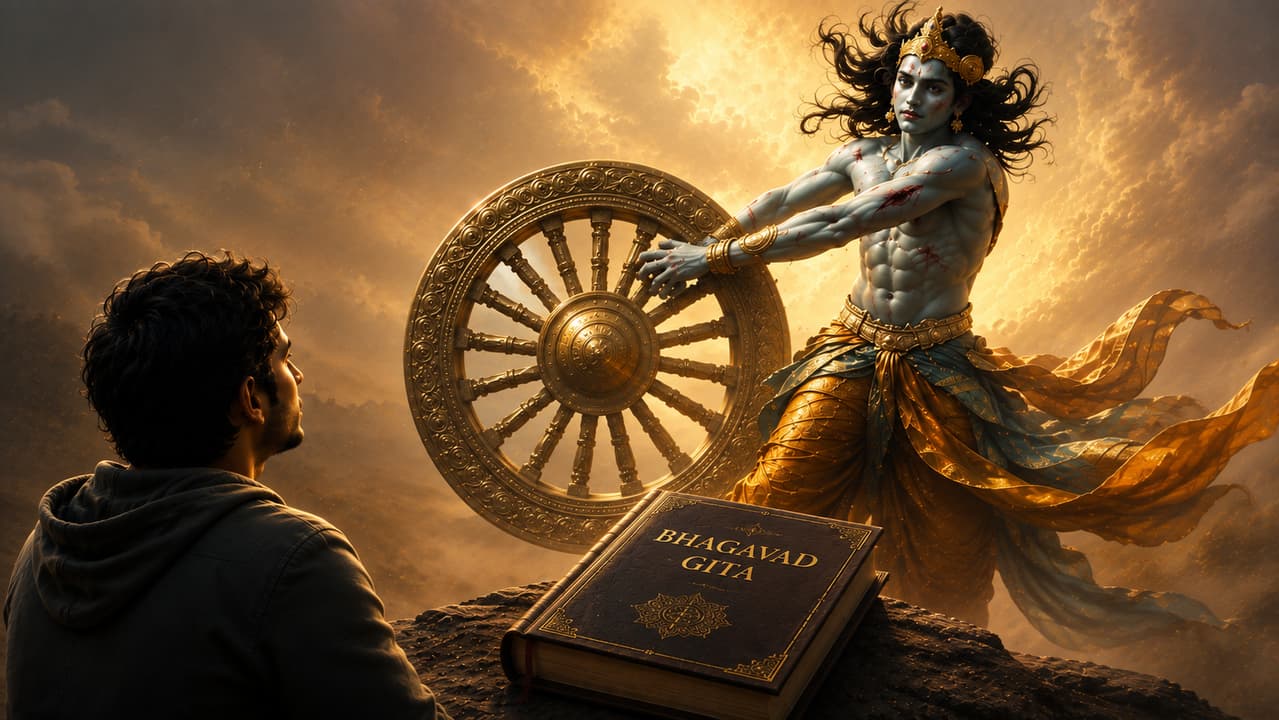
The Bhagavad Gita deserves reverence not because of inherited beliefs about its author, but because of its power to dissolve falsehood and reveal Truth. Real devotion is not ritual or blind faith—it is understanding, inquiry, and living the wisdom of the Gita. Through sincere study, one discovers the true meaning of Krishna, making the Gita the most authentic path to knowing and worshipping Him.
अज्ञान भय पैदा करता है, जबकि ज्ञान से आनंद और मस्ती जन्म लेते हैं। सच्ची मित्रता, प्रेम और शांति किसी को पकड़ने से नहीं, बल्कि स्वतंत्रता देने से मिलते हैं। मन स्वयं चंचल नहीं होता; उसमें क्या भरा जाए, यह हमारी सजगता तय करती है। जीवन का उद्देश्य केवल जानकारी जुटाना नहीं, बल्कि ज्ञान से प्रेम करना, प्रश्न करना, आत्मावलोकन करना और अपने भ्रमों को पहचानकर भीतर की स्वतंत्रता की ओर बढ़ना है।
लोग अपनी राय की रक्षा इसलिए नहीं करते कि वह सत्य है, बल्कि इसलिए क्योंकि भीतर से उन्हें उसकी कमजोरी का पता होता है। झूठ सबसे जल्दी आहत होता है और सच से डरता है। इसलिए सत्य बोलने पर यदि कोई टूटता है, तो उसके झूठ के लिए स्वयं को दोषी नहीं मानना चाहिए। जहाँ वास्तव में गलती हो, वहाँ विनम्र बनें; लेकिन सत्य के पक्ष में खड़े होने के लिए अपराधबोध या दूसरों की नाराज़गी का बोझ उठाना आवश्यक नहीं है।
मन को संसार, लोगों और वस्तुओं से नहीं, सत्य में स्थिर रखना ही वास्तविक एकांत है। अकेलापन शरीर का नहीं, मन का होता है। जब मन दुनिया से पाने की आशा छोड़ देता है, तभी वह मुक्त होता है। वस्तुओं और रिश्तों का आकर्षण भी अंततः भोग की इच्छा से ही पैदा होता है, जबकि सच्चा प्रेम केवल सत्य, मुक्ति या श्रीकृष्ण के प्रति हो सकता है। संसार से आशा दुःख देती है, इसलिए मन को केवल सत्य की ओर लगाना ही योग है।
आत्मज्ञान के बिना समाज, पर्यावरण या किसी भी बाहरी समस्या का स्थायी समाधान संभव नहीं, क्योंकि हर संकट की जड़ मनुष्य की चेतना में है। बाहरी सुधार, नीतियाँ या अभियानों की अपनी भूमिका है, लेकिन वे मूल कारण को नहीं बदलते। इसलिए सबसे आवश्यक कार्य है स्वयं को बदलना और सत्य के प्रति गंभीर होना। जो व्यक्ति सत्य के प्रति उदासीन है, उससे स्वीकृति या मान्यता की अपेक्षा करना भी व्यर्थ है।
Real change begins not by changing the world alone but by understanding the one trying to change it. Laws, technology, policies, and scientific progress have value, yet they cannot solve problems rooted in human consciousness and endless desire. Truth remains the same across cultures and disciplines, requiring only a change in language, not in essence. Lasting solutions emerge through honesty, self-inquiry, and inner transformation, because no external system can replace a change in the human mind.
The mind is not an independent entity but a structure built and maintained by the ego through thoughts, memories, beliefs, and experiences. Most spiritual practices fail when they become distractions from examining the ego itself. Experiences, emotions, and preferences are often conditioned and unreliable. Real inquiry begins with observing the experiencer, admitting facts without distortion, and applying the same rigor to inner life that science applies to the external world.
Science and philosophy arise from different kinds of inquiry. Matter seeks continuity of state, while the ego seeks continuity of existence and constantly changes identities to preserve itself. Fear, danger, and suffering are rooted in the ego’s sense of “I,” not in material reality itself. Questions are valuable because they expose hidden beliefs, and genuine learning requires challenging assumptions through inquiry, dialogue, and self-examination.
Operating from the highest inner point means living with honesty rather than self-created illusions. The ego becomes “higher” not through mystical growth but by dropping false self-images and testing its claims against reality. When honesty weakens, lower motives take control, creating inner conflict and disorder. Real growth lies in continuously questioning oneself, facing uncomfortable truths, and preventing the ego from being driven by comforting but deceptive beliefs.
क्या आपके विचार भी आपको सच जैसे लगते हैं? यही भ्रम है। विचार कभी सत्य नहीं होते, वे सिर्फ़ मन की गतिविधि हैं। जब तक “मैं हूँ” का भाव है, तब तक वस्तु, व्यक्ति और विचार रहेंगे ही। उनसे भागना नहीं, उन पर विवेक लगाना है। जो अहंकार को पोषित करे उसे छोड़ो, जो उससे टकराए वही सही दिशा है। यही चुनाव जीवन को बंधन या मुक्ति की ओर ले जाता है।
युद्ध, मुनाफाखोरी और हिंसा का मूल कारण अहंकार है, जो अपने स्वार्थ के लिए दूसरों ही नहीं, स्वयं को भी नष्ट कर सकता है। समाज अपनी बुराई को स्वीकार नहीं करता और खुद को अच्छा मानकर धोखे में जीता है। इसी अज्ञान से शोषण, युद्ध और अन्याय चलते रहते हैं। समाधान केवल आत्म-अवलोकन और भीतर की सच्चाई को ईमानदारी से देखने में है।
Global conflicts stem not from geopolitical interests but from the ego's fundamental incompleteness. Nations are merely expressions of collective egoic consciousness. Leaders represent humanity's worst tendencies, not its average. The ego requires duality and boundaries to survive. True disarmament means detoxifying the ego itself. External wars reflect internal disturbance. No diplomatic solution addresses the root cause, only wisdom and self-knowledge can dissolve the ego's need for conflict and separation.
Overthinking trivial matters stems from inner emptiness. Fill your life with something genuinely important, a worthy cause, a meaningful pursuit. When you're truly immersed in what matters, random anxieties lose power. Develop strong inner immunity through purpose, not by fighting thoughts. Like Bhagat Singh, marry yourself to something noble. Immersion in the essential is the best meditation and antidote to mental suffering. Without importance, life becomes scattered doing nothing in particular.
अहंकार मनुष्य की मूल समस्या है। हम ज्ञान समझते हैं पर उस पर चल नहीं पाते क्योंकि अहंकार को अपनी पहचान के लिए दूसरों की आवश्यकता है। परिवार, समाज, विचारधारा से हम सौदा करते हैं - अपनी स्वतंत्रता बेचते हैं। सच्चा प्रेम स्वयं को और दूसरों को मुक्त करना है, न कि बंधन में रखना। ईमानदारी से अपने झूठ को देखना ही सत्य है।
प्रश्नकर्ता: आचार्य जी, जैसे मैं पहले ओशो जी और जिद्दू कृष्णमूर्ति जी के रंग में रंगा हुआ था और अब आपके रंग में रंगा हुआ हूँ। मुझे ये समझ नहीं आता कि यह मेरी जिज्ञासा मात्र है, प्रेम है या पागलपन?
Acharya Prashant (AP): That which you call “Vipassana” today, is a very recent phenomenon. They claim that it comes from the Buddha, actually, it is not. The stream flowing from Buddha got extinct around the 8th or 10th century AD. This modern Vipassana came up in Burma, just around a…
Our mood is always dependent on others and situations. Results have not been up to your expectations. So now you require a morale booster, some motivating speaker. The moment that fellow is gone, your energy also goes away. But there is another way of living. Deep within myself, I find a point that no external situation can touch. Whatever happens, happens on the surface. That will remain stable, uninvolved, a non-participant. Then you are really free.
The only principle that truly runs this world, created by all of us, is the principle of greed and power. What do you think that fellow has earned his billions for? He didn't become a politician to be noble. The only thing that separates us from animals is the intellect, not the center the intellect is operated from. Don't locate the problem and the responsibility somewhere out there. We change ourselves; the world changes.
जो जितना ज़्यादा दूसरों की नज़रों में अपनी झूठी छवि बनाकर रखना चाहता है, उस पर तानों का उतना ज़्यादा असर होता है। अगर तानों से बचना है, तो दूसरों की नज़रों में अपनी छवि की परवाह करना छोड़ो। आपको इसलिए बुरा नहीं लगता कि किसी ने आपको कुछ ग़लत बोल दिया, आपको इसलिए बुरा लगता है कि जो सच आपने छुपा रखा था, उसने वह खोल दिया। इतने बेहतर हो जाओ कि छुपाने के लिए कम-से-कम रहे। और बेहतर होने के बाद भी जो कमज़ोरियाँ बची रहें, उनको उद्घाटित रखो, प्रकट रखो।
There can be no self-respect without self-knowledge. And we have been repeatedly saying that the ego survives only in lack of self-knowledge. The less you know yourself, the denser and more crystallized your ego is. Self-respect is nothing but self-awareness. The more you know yourself, the more you realize who you are not, and that brings you to who you are. That is real self-respect, knowing oneself.
कभी स्कूल गए हो वहाँ कभी किसी तीसरी क्लास के लड़के को पहली क्लास के लड़के को धुनते देखा है? देखा है? तो वही है ये। तीसरी क्लास वाले ने पहली क्लास वाले को पकड़ के पटापट- पटापट- धुन दिया, और यही है। इसका कुछ नहीं है।
“Immersing myself in deep meditation.” What do you mean by meditation? And who is being immersed? Please tell me, beyond a trick of words, what is this? But you’ll never ask these questions, because some Baba-ji totally dominated your faculty to question with his get-up and demeanour. Real spirituality is not about something that sounds elevated or respectable. Whenever you are bombarded with high-sounding fluff, learn to ask this question; what exactly does that mean?
This breath-in, breath-out, stomach-in, tummy-out; this is not meditation. Even animals do not need training in breathing, and we are being taught how to breathe. What’s going on? You know, you should breathe mindfully. Why? Is there anything wrong with your breath? Meditation is nothing but an observation of the naked inner fact. That is meditation. To stand naked and honest in front of what is, that is meditation.
यह जो ‘मैं’ है, जिसे सेल्फ कहते हैं, यह अपने आप में बहुत तपती हुई और अशांत चीज़ है। यह निरुद्देश्य हो कैसे सकती है? जैसे किसी आदमी को एक-सौ-चार डिग्री बुखार हो और वो कहे कि मैं डिज़ीज़लेस हूँ। एक-सौ-चार डिग्री बुखार हो तो आपके पास एक धधकता हुआ उद्देश्य होना चाहिए। क्या? बुखार उतारना है भाई! इसी तरह से जब तक ‘मैं’ है, उद्देश्य होना चाहिए। और वो उद्देश्य होगा उस ‘मैं’ की शांति।
We teach our kids to write applications: “Humbly I beg to submit that today I have an ache in my tooth.” “Humbly I beg to submit!” If you are stating a fact, if the toothache is real, why the hell are you groveling? If that is the Truth, why are you begging? Drool, drool, drool. That’s become our culture. If your philosophy tells you to submit and surrender to several masters, you will never be a truthful person, because in Truth there is no authority but the Truth.
The other must exist in your life, and vice versa, only for the sake of internal elevation, to make you into a better person. Don't you see the impact the other one is having on your life? Seeing is the key. What does seeing mean? Seeing implies understanding. See and ask yourself: What is the impact upon me? And if you see that, you'll just push it aside. It will be spontaneous. You won't even require to think, because now you have seen.