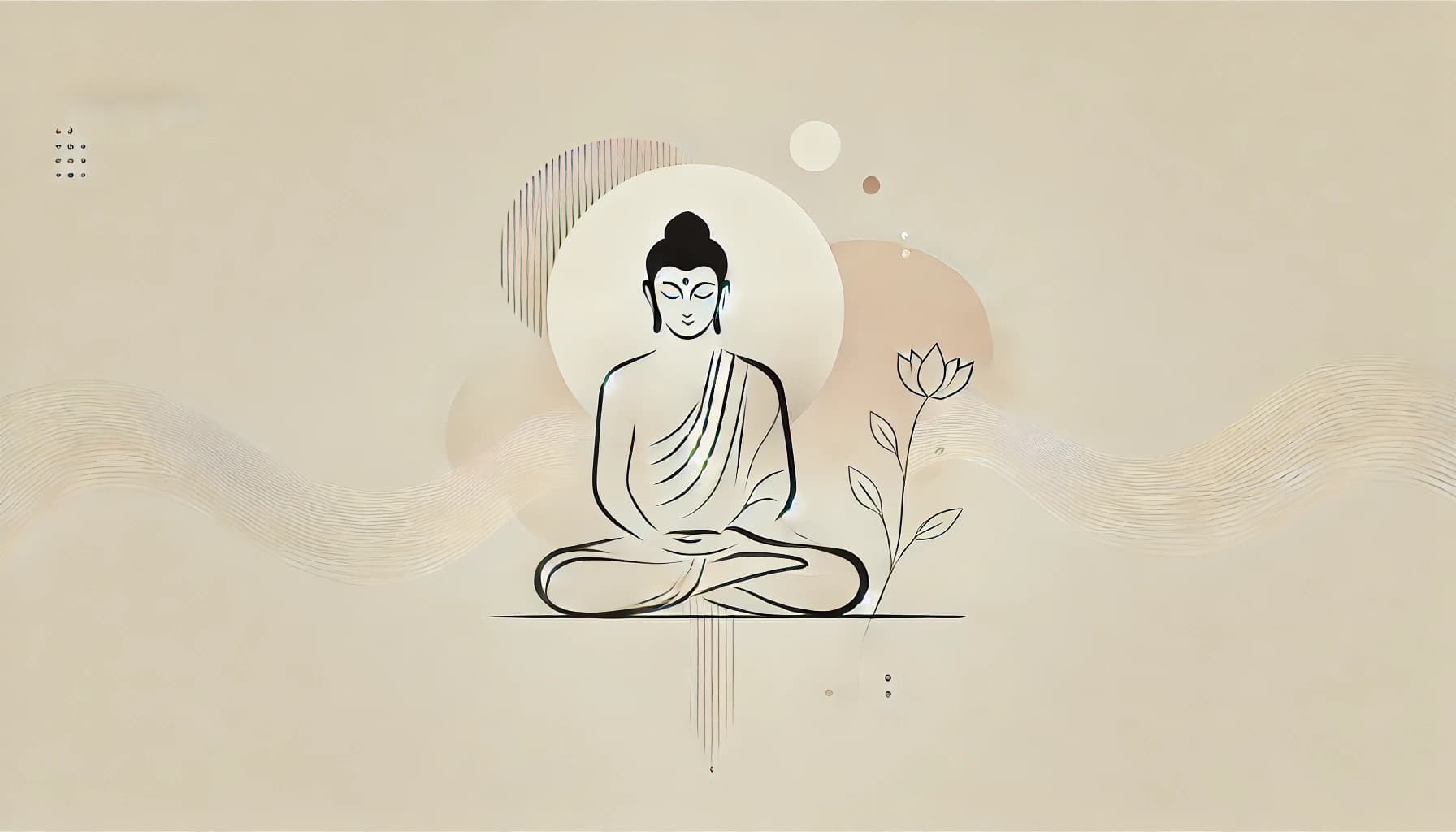
Meditation is the submergence of the ego in its essential nature. It is at the root of all self-knowledge and wisdom. However, most often, what we call meditation is just escapism—using some ‘method of meditation’ to superficially soothe our restlessness or gain temporary and deceptive relief from stress.
True meditation begins when you face your inner chaos head-on, not run away from it. It’s not about feeling good; it’s about coming face-to-face with uncomfortable facts. Real meditation is the fire that destroys your false identities, your conditioning, and, therefore, your suffering.
Are we really ready to allow the false within them to be burned down? This inner annealing is meditation; anything less is just a feel-good exercise. The Gita emphasizes that true meditation is about self-observation. This impartial, silent self-observation is meditation. The fruit of self-observation is freedom from all that is superfluous.
Meditation is not about sitting with closed eyes for fifteen minutes every morning. It is about being aware every moment. You cannot schedule awareness. You cannot say, ‘I will meditate for twenty minutes and then go back to living a chaotic, unconscious life.’ True meditation means you are fully observant in everything you do—whether you are studying, working, or just sitting silently. Meditation is not something you do at a particular time of day; it is about the quality of your whole life, your being itself. In this regard, allowing oneself to observe, enquire, and understand is central. The meditative mind gets into the reality of everything—its reactions, beliefs, ambitions, relationships, and life choices. It begins to see the conditioning that governs life and hence moves into clarity and freedom.