Ignorance is not about not having some particular knowledge. Ignorance is not an absence; ignorance is having knowledge. That which your mind is full of is ignorance. Ignorance is your basic sustenance. In such a situation, this utterance, “In reality, you are the One,” I repeat, must not be taken as the Truth in the sense of an affirmation. It is a method to help you drop that which fills you up. All it is telling you is this: “You are an entire universe sitting in your mind; you are not that.”

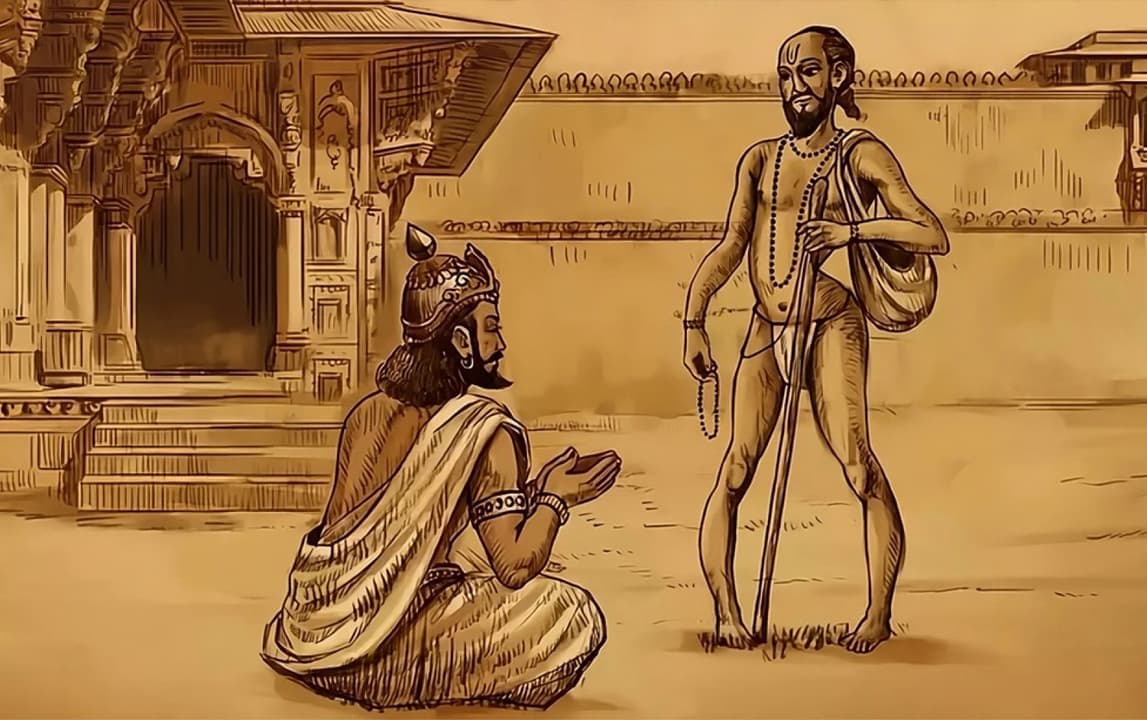
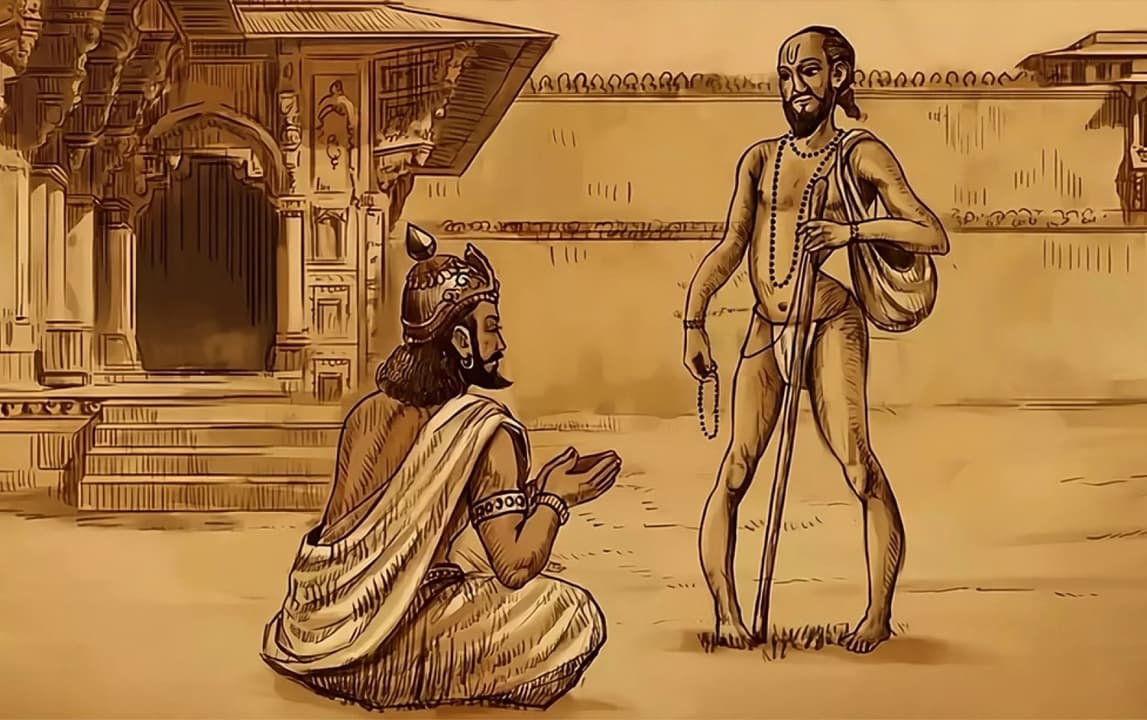

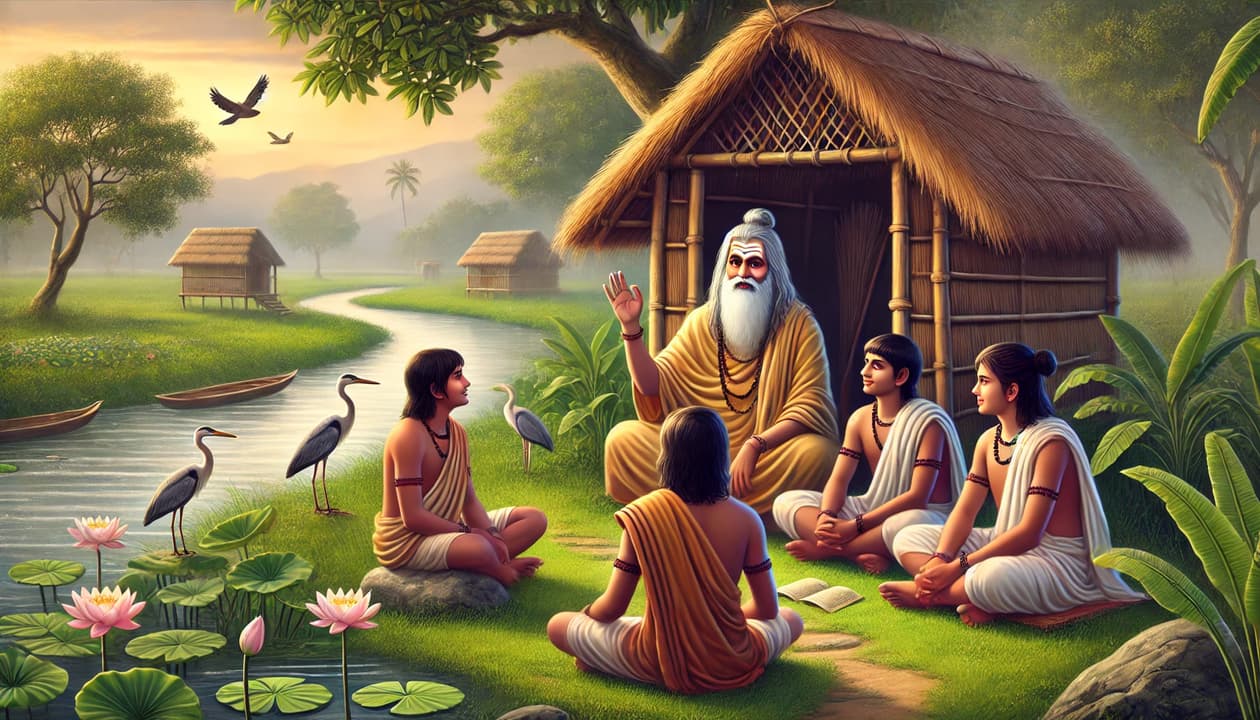

Look on such things as friends, land, money, property, wife, and bequests as nothing but a dream, a magician’s show lasting three days, five days. Read more....



Questioner: My question is about the relationships we share with our near ones. I find so many limitations in every relationship I have. What to do in situations where my parents do not understand me? What should I do to make them understand me?




ज्ञः सचिन्तोऽपि निश्चिन्तः सेन्द्रियोऽपि निरिन्द्रियः।सुबुद्धिरपि निर्बुद्धिः साहंकारोऽनहङ्कृतिः॥ ॥१८- ९५॥


We are told that cleaner technology will solve the climate crisis. But emissions begin before any fuel is burnt, in a life that has no joy and so keeps reaching for the next lower pleasure: the party, the trip, the purchase. The demand for pleasure is not wrong. What matters is which pleasure we seek. Music, books, sport and real company cost the planet almost nothing. Can we look honestly at what our own consumption is trying to fill?


Success never quiets the anxiety underneath it. Hustle culture runs on karma — a restless cycle of chasing the next job, package, or achievement in hopes of filling an inner void. Young professionals in Bangalore who've "succeeded" on paper remain fearful, ashamed, and unsettled within, proof that success is a liar: it promises liberation but delivers only debt. Anxiety itself traces not to the future but to a present that's been neglected, and real freedom from restlessness begins only by turning inward.
The balance between order and disorder should not be decided by personal likes or dislikes, but by what the task at hand requires. Sometimes a project demands discipline and order; at other times, more important work requires leaving things messy. The right action comes from responding to the actual need, not personal preference. Even sacrifice can be meaningful when it serves something important, but “staying backstage” should never become an excuse to avoid what one cannot tolerate.

True freedom begins when we question the beliefs that make us feel trapped. Most of our suffering comes not from circumstances but from unquestioned assumptions, attachments, and imagined obligations. By suspending our beliefs, even briefly, we allow truth to enter, revealing that life always offers choice. Transformation is born from love for truth, the courage to let go, and the willingness to step beyond the boundaries created by the ego.
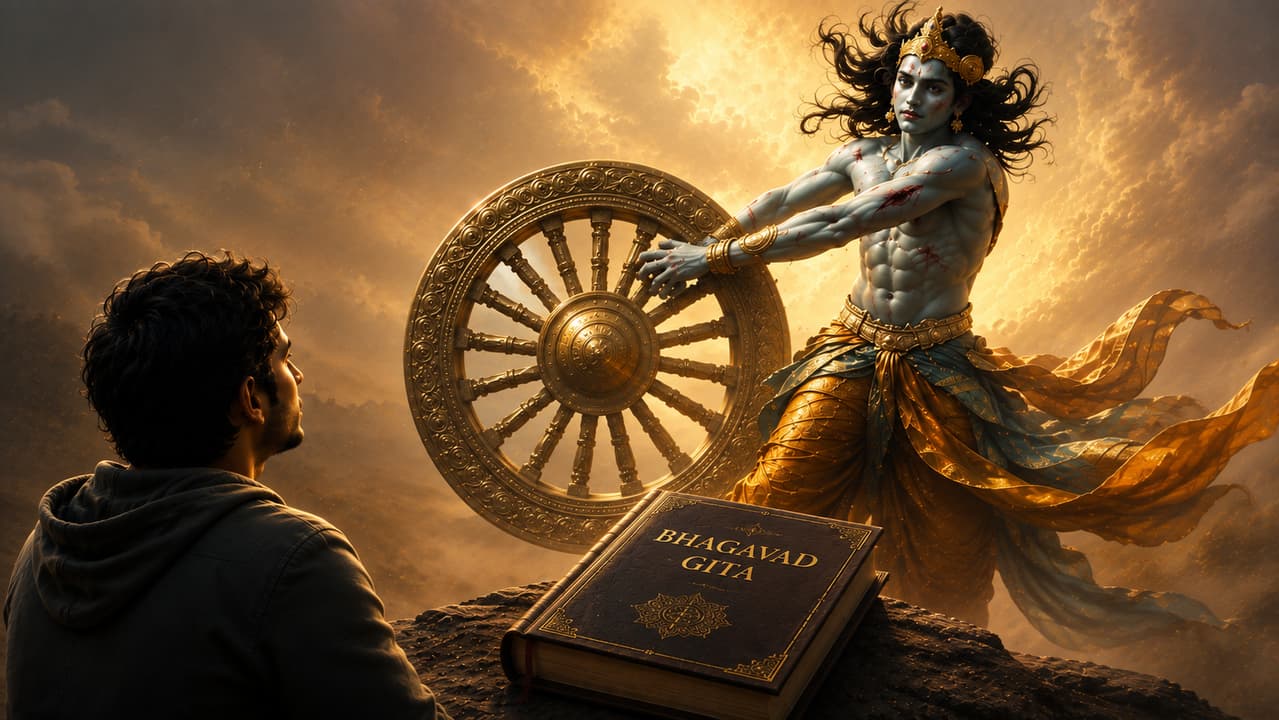
The Bhagavad Gita deserves reverence not because of inherited beliefs about its author, but because of its power to dissolve falsehood and reveal Truth. Real devotion is not ritual or blind faith—it is understanding, inquiry, and living the wisdom of the Gita. Through sincere study, one discovers the true meaning of Krishna, making the Gita the most authentic path to knowing and worshipping Him.


Real change begins not by changing the world alone but by understanding the one trying to change it. Laws, technology, policies, and scientific progress have value, yet they cannot solve problems rooted in human consciousness and endless desire. Truth remains the same across cultures and disciplines, requiring only a change in language, not in essence. Lasting solutions emerge through honesty, self-inquiry, and inner transformation, because no external system can replace a change in the human mind.
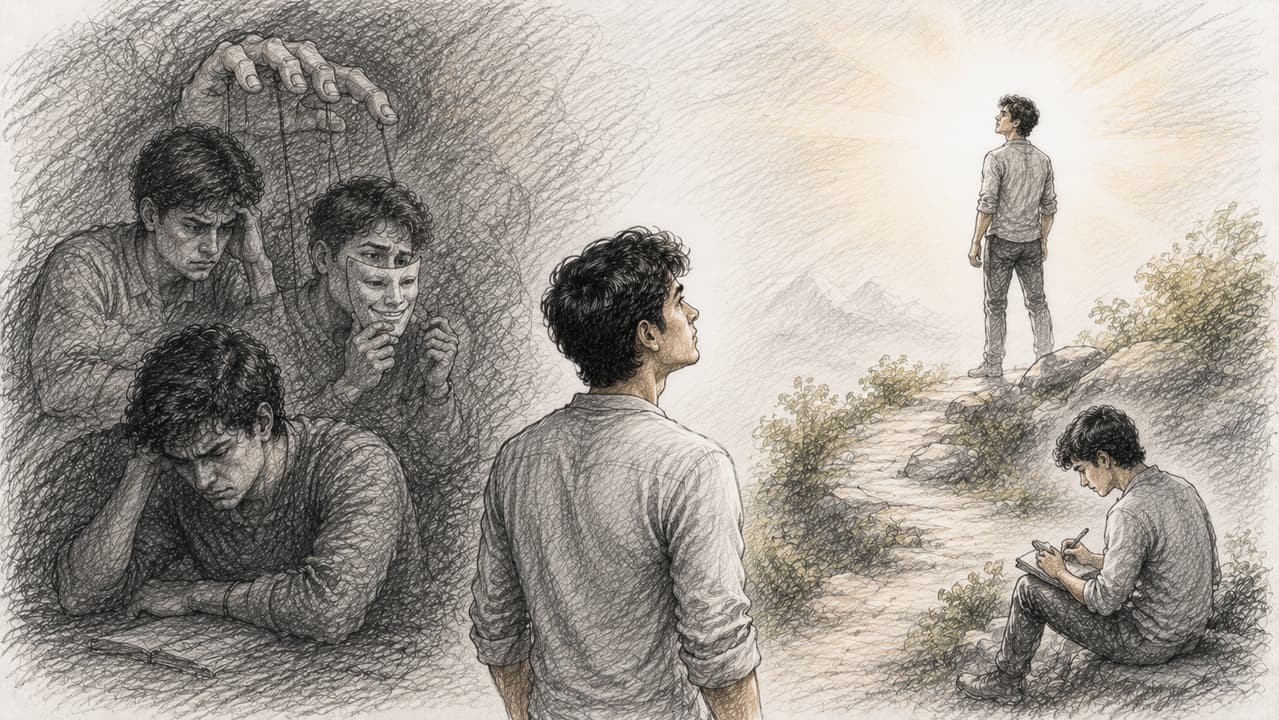

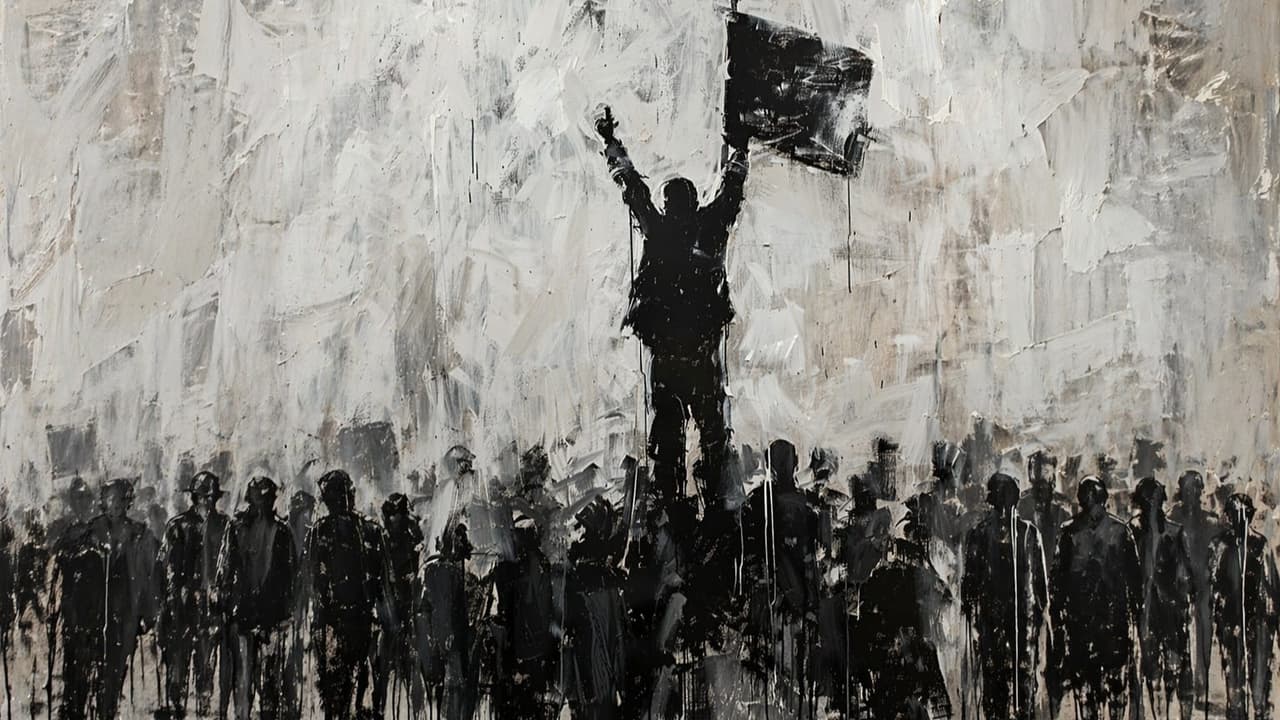
You look at Iran, at revolutions, and ask: can systems really bring freedom? Revolutions keep replacing one system with another, yet the chaos remains. The real question is rarely asked: what within us creates these systems? Real freedom is not political or social; it is inward. Without inner change, every revolution only rotates power, never resolves suffering.

Do the right thing before you can be a non-doer. You are anyway used to doing, and you have been doing all the wrong things. Now that you have been doing the wrong things, wake up to your power to choose, your right to choose, and do a few things right. And then you will slowly discover that you don’t even need to do. That is called ‘non-doership.’ For choicelessness to descend upon you, at least first make good choices.
If you have not been benefitting from the Guru, either you are too full of yourself or you are not really devoted and putting in the right efforts. Ashtavakra puts it very simply: Even if Brahma, Vishnu, or Shiva are your teachers, yet if you cannot get rid of yourself, you will not benefit. Only somebody who has seen the total failure of his ways is so determined to get rid of suffering that he can sacrifice anything, anybody — only such a person, such a mind, can be helped by the Guru.
When you look at the body, you see that the body was founded by something outside of itself: one cell from the father, one cell from the mother. And whatever the body feeds on — food, water, air, sunlight — all of that comes from outside the body. You, who are conscious, have hardly anything in common with the body. Also, the wise man says, “The body is not mine,” because he doesn't control the body. The body will die one day whether one wants it or not.
What is the world? You will see the world exactly as you are. As the subject changes so do the world. As the subject becomes lighter and lighter, the world also keeps becoming lighter and lighter. And as the subject dissolves totally, the world too, in its present form dissolves totally.
नाना मतं महर्षीणां साधूनां योगिनां तथा । दृष्ट्वा निर्वेदमापन्नः को न शाम्यति मानवः ॥
nānā mataṃ maharṣīṇāṃ sādhūnāṃ yogināṃ tathā dṛṣṭvā nirvedamāpannaḥ ko na śāmyati mānavaḥ
Where is that man who having observed the diversities of opinions amongst the seers, sages, and yogis, and thus becoming completely indifferent, does not…
It is not others that you have to be cautious of. You have to be cautious of that within you which gets influenced by others, which does not know others but gets influenced by others. It does not live in knowing. It lives in indoctrination. How to know the real master? See, who is treating your disease. How do you know a doctor? Not by his degrees but by his ability to treat you.
Acharya Prashant: Leaving what is not, That is all right, but that leaving is not done with an objective to get joy. Had the thing been so transactional that you could leave one thing and as an exchange offer get another thing, then everybody would have taken the deal. Were…
The world’s problems are solved by those who do not contribute to those problems. The world’s problems are not solved by those who take the world seriously. The world’s problems are actually solved by those who know that the world does not mean anything; hence they leave the world to itself. Read more....
Acharya Prashant: First of all, you…
Acharya Prashant: Latha is saying, why does she get angry so often even over small matters? Especially with some people, she is unable to control anger and she says she tried to change her attitude but hasn’t been quite successful. She is saying, now, how to change myself. Because anger…
Questioner: My question is, why is creativity, like poetry, dying these days? And poetry is a part of literature. And how much contribution of literature is there on the way to Adhyatma?
Acharya Prashant: See, the more you will lose touch with yourself, the more material your world will get.…
You go to a Dattatreya, or a Ribhu, or an Rishi Ashtavakra—they all will be quick to denounce virtues as much as they denounce vices because they focus on the actor and not the action. They focus on the doer and not on the deeds. Because they do not focus on the deeds, so for them, pious deeds are only as good or bad as profane deeds. For them, pious deeds or profanity both belong to the same dimension. They are talking of something beyond that dimension.
Questioner: Sir, is the root here the ego? And if the ego is without any support, how can it still continue to nourish samsara (world)?
Acharya Prashant: Yes, you could say the root is the ego.
Then you are saying, “If the ego is without any support, how can it…
śuddhamadvayamātmānaṁ bhāvayanti kubuddhayaḥna tu jānanti saṁmohādyāvajjīvamanirvṛtāḥ-Ashtavakra Gita(18-43)
Translation: The stupid one thinks of himself, and lives in the confusion of concepts.The wise one knows himself and lives in the joy of clarity.
Speaker: The question is: If one doesn’t meditate upon the aatman and still be redeemed, then what to…
देहाभिमानपाशेन चिरं बद्धोऽसि पुत्रक । बोधोऽहं ज्ञानखंगेन तन्निष्कृत्य सुखी भव ॥
dehābhimānapāśena ciraṃ baddho'si putraka bodho'haṃ jñānakhaḍgena tanniṣkṛtya sukhī bhava
O son, you have become habitual of thinking “I am body” since long. Experience the Self and by this sword of knowledge cut that bondage and be happy.
~ Chapter…
वाग्मिप्राज्ञामहोद्योगं जनं मूकजडालसम् ।करोति तत्त्वबोधोऽयमतस्त्यक्तो बुभुक्षभिः ॥ १५-३॥
vāgmiprājñāmahodyogaṃ janaṃ mūkajaḍālasam ।karoti tattvabodho’yamatastyakto bubhukṣabhiḥ ॥ 15-3॥
This awareness of the Truth makes an eloquent, clever and energetic man dumb, stupid and lazy,and therefore Truth is avoided by those whose aim is pleasure. || 15.3 ||
Question: Acharaya…
वाग्मिप्राज्ञामहोद्योगं जनं मूकजडालसं।
करोति तत्त्वबोधोऽयम-तस्त्यक्तो बुभुक्षभिः॥ 15.३ ॥
vāgmiprājñānamahodyogaṁ janaṁ mūkajaḍālasam karoti
tattvabodho'yamatastyakto bubhukṣabhiḥ || 15.3 ||
This awareness of the Truth makes an eloquent, clever and energetic man dumb, stupid and lazy, so it is avoided by those whose aim is enjoyment.
~ Ashatavakra Gita, Chapter 15, Verse 3…
शून्या दृष्टिर्वृथा चेष्टा विकलानीन्द्रियाणि च ।
न स्पृहा न विरक्तिर्वा क्षीणसंसारसागरे ॥ 17.९ ॥
śūnyā dṛṣṭirvṛthā ceṣṭā vikalānīndriyāṇi ca
na spṛhā na viraktirvā kṣīṇasaṃsārasāgare || 17.9 ||
In him for whom the ocean of samsara (world) has dried up, there is neither attachment nor aversion. His gaze is vacant, his…
prakṛtyā śūnyacitto yaḥ pramādād bhāvabhāvanaḥnidrito bodhita iva kṣīṇasaṁsmaraṇo hi saḥ.
(Ashtavakra Gita 14.1)
Translation: He indeed has his recollections of worldly life extinguished – who becomes void-minded spontaneously, who thinks of sense objects only by chance, and who is, as it were, awake though physically asleep.
Question: Why is it…
The thought ‘I am the doer’ is the bite of the poisonous snake.
To know ‘I do nothing’ is the wisdom of faith. Be joyful.
Ashtavakra Gita
(Chapter 1, VERSE 8)
Acharya Prashant: Ashtavakra Gita has been quoted.
“The thought ‘I am the doer’ is the bite of the…
आचक्ष्व शृणु वा तात नानाशास्त्राण्यनेकशः। तथापि न तव स्वास्थ्यं सर्वविस्मरणाद् ऋते॥
– अष्टावक्र गीता (अध्याय-१६ सूत्र-१)
Translation: Even after hearing from many scholars or reading many scriptures, you will not be established in self, as after forgetting every single thing.
Speaker: The question is: What does ‘forgetting’ imply?
Whatever we…
समाध्यासादिविक्षिप्तौ व्यवहारः समाधये ।एवं विलोक्य नियमं एवमेवाहमास्थितः ॥ १२-३॥
samādhyāsādivikṣiptau vyavahāraḥ samādhaye ।evaṃ vilokya niyamaṃ evamevāhamāsthitaḥ ॥ 12-3॥
Seeing the transitions between abnormal states of incorrect perception and the meditative states as a (natural) rule,
I stay as I am. (12-3)
~ Ashtavakra Gita (Chapter-12, Verse-3)
Question: Acharya…
कूटस्थं बोधमद्वैतमात्मानं परिभावय ।आभासोऽहं भ्रमं मुक्त्वा भावं बाह्यमथान्तरम् ॥ १-१३॥
kūṭasthaṃ bodhamadvaitamātmānaṃ paribhāvaya ।ābhāso’haṃ bhramaṃ muktvā bhāvaṃ bāhyamathāntaram ॥ 1-13॥
Meditate on this: ‘I am Awareness alone, Unity itself.’Give up the idea that you are separate, a person, that there is within and without.
~ Ashtavakra Gita…
निराधारा ग्रहव्यग्रा मूढाः संसारपोषकाः ।एतस्यानर्थमूलस्य मूलच्छेदः कृतो बुधैः ॥ १८–३८॥
nirādhārā grahavyagrā mūḍhāḥ saṃsārapoṣakāḥ ।etasyānarthamūlasya mūlacchedaḥ kṛto budhaiḥ ॥ 18-38॥
Translation:
Without any support and eager for the attainment of freedom, the fools only keep up the world!
The wise cut at the very root…
निःसंगो निष्क्रियोऽसि त्वं स्वप्रकाशो निरंजनः। अयमेव हि ते बन्धः समाधिमनुतिष्ठति॥१-१५॥
~ अष्टावक्र गीता
Translation: You are now and forever free, luminous, transparent, and still. The practice of meditation keeps one in bondage.
~ Ashtavakra Gita (Chapter 1, Verse 15)
Questioner (Q): What is meditation? Why the practice of meditation keeps…
Acharya Prashant: Two excerpts are with us.
“Do not love the world or anything in the world. If anyone loves the world, love for the Father is not in them.”
BIBLE
(JOHN 2:15)
“Prosperity, pleasure, pious deeds. Enough! In the dreary forest of the world, the mind finds no rest.”…
jñaḥ sacinto’pi niścintaḥ sendriyo’pi nirindriyaḥ ।subuddhirapi nirbuddhiḥ sāhaṅkāro’nahaṅkṛtiḥ ॥ 18-95॥
The realised one is free of thoughts and worries even in the middle of thoughts and worries. Is free of senses even in the middle of all sensory perception.…
यदि देहं पृथक् कृत्य चिति विश्राम्य तिष्ठसि।
अधुनैव सुखी शान्तो बन्धमुक्तो भविष्यसि॥
– अष्टावक्र गीता (१.४)
Translation: If you detach yourself from the body and rest in consciousness, you will become content, peaceful and free from bondage immediately.
Question: How to detach oneself from the body?
Speaker: We remember the…
Question: Ashtavakra Gita, chapter 16 verse 1:
“Son! Even if you read many scriptures many times, or you listen to them, yet you will not attain to your nature until and unless you forget all of them.”
Acharya Prashant: The mind proceeds on its spiritual pursuit, because it…
सुखे दुःखे नरे नायाॆं संपत्सु विपत्सुच ।
विशेषो नैव धीरस्य सर्वत्र समदर्शिनः।।
अष्टावक्र गीता ।।१७-१५।।
For the one of still mind, for the one of equanimous vision, there is no difference between pleasure and pain, Man and woman, good luck and bad luck, circumstantial happiness and circumstantial sadness.
Ashtavakra Gita,…
निर्वासनं हरिं दृष्ट्वा तूष्णीं विषयदन्तिनः ।
पलायन्ते न शक्तास्ते सेवन्ते कृतचाटवः ॥ 18.४६ ॥
nirvāsanaṃ hariṃ dṛṣṭvā tūṣṇīṃ viṣayadantinaḥ
palāyante na śaktāste sevante kṛtacāṭavaḥ
Seeing the desireless lion, the elephants of the senses silently run away, and if that is impossible, serve him like courtiers.
~ Ashtavakra Gita, Chapter 18,…
Questioner (Q): Is ego pride? What is enlightenment?
Acharya Prashant (AP): Ego is the ‘I’-feeling that causes you suffering.
Pride causes you suffering, but it is not merely pride that causes you suffering: even the opposite of pride causes you suffering. Taking yourself as too big will cause suffering, but…
A young athlete says she knows she should not be attached to winning, yet she is, because her coach, family and country are invested in it. Wanting to win on the court is fine; that is what a contest is for. But we never know who the next opponent will be, and the one opponent always present is ourselves. She also fears that starting at 14 was too late. The past is fixed, so what is left is to play the cards we are dealt. Where does our real contest lie?
We often defend a bad choice by pointing to a worse one: stay dishonest or starve, keep the wrong grip or stop playing. But the real trouble is not the option we picked. It is the option we never let ourselves see. Action does not need greed or attachment to find its energy. The third way begins by rejecting both false choices, without knowing what comes next. Which of our everyday choices are really false dilemmas?
True learning is not built on memorizing answers but on understanding reality. Memory may help in examinations, but life constantly presents new questions that demand clarity, presence, and intelligence. Education becomes meaningful only when knowledge is deeply understood and lived, not merely remembered. Real understanding frees us from dependence on rote learning and enables us to respond wisely to every new situation.
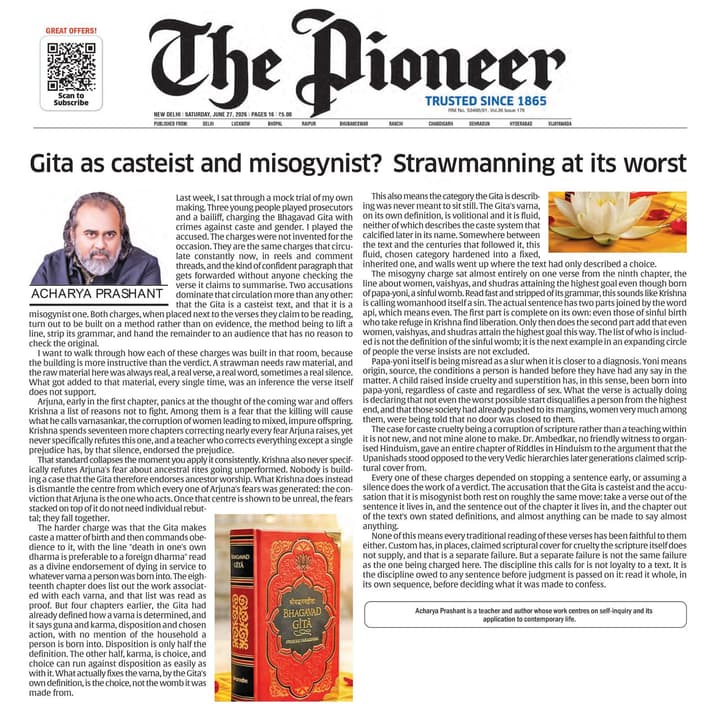
The Bhagavad Gita is often accused of supporting caste and misogyny through selective quotations that ignore context, grammar, and the text's central teachings. A closer reading shows that its emphasis is on inner qualities, conscious action, and spiritual equality rather than birth-based hierarchy or gender discrimination. Misinterpretations arise when isolated verses are detached from their broader meaning, while the Gita consistently points toward self-knowledge, freedom from ego, and the universal possibility of liberation for every human being.
Freedom begins when a person stops handing over the authority of life to others. Society, family, and tradition can offer opinions, rewards, or disapproval, but they cannot truly stop someone unless there is inner dependence on their approval. Many conflicts that appear external are rooted in psychological dependence, fear, greed, obligation, or the desire for validation. Clarity does not come from controlling every outcome; it comes from ensuring that decisions are not driven by inner confusion, and then allowing life to unfold naturally.
Operating from the highest inner point means living with honesty rather than self-created illusions. The ego becomes “higher” not through mystical growth but by dropping false self-images and testing its claims against reality. When honesty weakens, lower motives take control, creating inner conflict and disorder. Real growth lies in continuously questioning oneself, facing uncomfortable truths, and preventing the ego from being driven by comforting but deceptive beliefs.
Freedom is often assumed to be the ability to choose, yet most decisions arise from conditioning, biology, social influences, and habit. Real freedom begins by seeing how mechanical and unconscious life usually is. As awareness deepens, confusion and endless options gradually diminish, making life simpler and more direct. Liberation lies not in imagining freedom, but in recognising and understanding the forces that keep one bound.
The climate crisis is not merely an external environmental problem but a reflection of inner human greed, desire, and psychological disorder. Drawing from the Gita’s idea of yagya as desireless action, it says real ecological healing requires inner transformation. Outer pollution, exploitation, and destruction mirror the ego’s inner confusion, making personal consciousness and planetary health deeply inseparable.
The debate around nudity and movements like “Free the Nipple” miss a deeper issue: true freedom is not about clothing, but freedom from psychological conditioning and body-based identity. Clothes themselves neither oppress nor liberate. A truly free society is one where the body becomes ordinary and irrelevant, not a source of obsession, shame, validation, or social control.