अविवेकी जीव के मन में, ‘मैं’ और ‘मेरे’ का विचार उठता है, फिर रजस मन पर छा जाती है, उस मन पर जो वास्तव में, मौलिक रूप से सात्विक है।
~ उद्भव गीता, अध्याय १८, श्लोक ९
प्रसंग:
रज का क्या अर्थ होता है? अविवेकी आदमी "मै" का भाव क्यों…

Many of us interrupt, rush to make our point, or change the topic when a conversation comes too close. We call it a lack of patience or discipline. But impatience in a conversation is often fear: when what we hold within is borrowed belief, every question could shatter it. The same confusion makes us take our instincts and feelings as ourselves, though they are only the body’s chemistry. If we looked honestly at what we hold, would a question still feel like an attack?

सच की राह पकड़ते ही अक्सर अपने ही लोग बदल जाते हैं, और हम मान लेते हैं कि शायद हम ठीक से समझा नहीं पा रहे। पर सामने वाला समझ तो रहा होता है, उसे बस सौदा नहीं जँचता। अहंकार लेन-देन से चलता है, इसलिए अकेले तर्क उसे नहीं हिलाते। हमारा अपना अहंकार भी यही करता है: थोड़े-से स्वार्थ के लिए हम झूठे रिश्तों में मिठास का स्वांग करते हैं, मजबूरियाँ गिनाते हैं और पीछे हट जाते हैं। जिसे हम मजबूरी कहते हैं, क्या वह सच में मजबूरी है?

नवरात्रि आते ही हम सोचने लगते हैं कि क्या खाना है, क्या नहीं खाना, कौन-सा हवन करना है। पर व्रत का अर्थ है संकल्प, और शुभ संकल्प एक ही है: हम जैसे हैं, वैसे न रहें। इसीलिए ये नौ दिन दुर्गा सप्तशती को समझने के लिए हैं, केवल रस्मों के लिए नहीं। जिसे हम माँ कहते हैं, वह यह पूरी प्रकृति है, और उसके ही बच्चों को चोट पहुँचाकर उसका पर्व नहीं मनाया जा सकता। क्या इस बार हम नौ दिन अपने ही जीवन को ईमानदारी से देख पाएँगे?

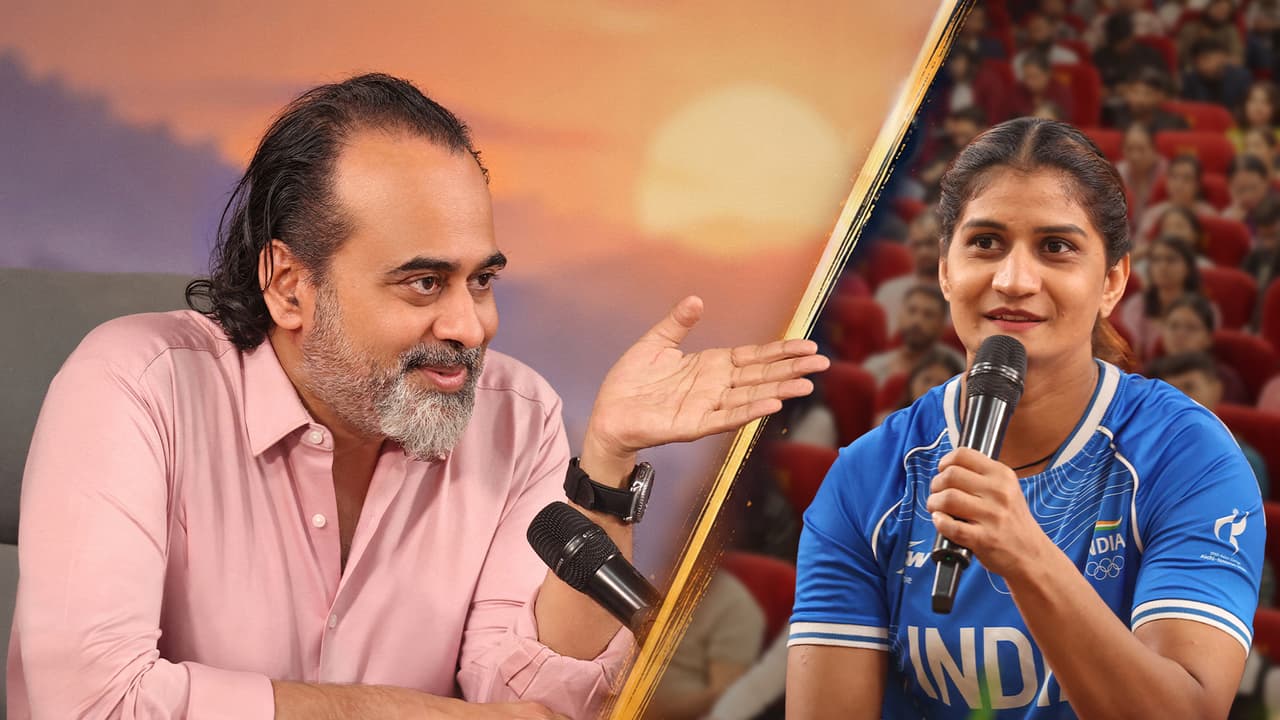
कोई खिलाड़ी देश के लिए मेडल जीतकर लौटती है, और बधाई के साथ ही सवाल आता है कि खुशखबरी कब दोगी। उम्र का पैमाना और परिवार की अपेक्षा मिलकर उसकी पूरी मेहनत को एक देह की भूमिका तक सीमित कर देते हैं। पर सफलता केवल वह नहीं जिसे दूसरे गिन सकें। जब हम स्वयं को देह भर मान लेते हैं, तो हमारे विचार, लहजा और अपनी छवि तक उसी में बँध जाते हैं। इंसान बनकर जीना और किसी के हाथों न बिकना अपने आप में बड़ी और बिरली सफलता है। हमारे लिए असली खुशखबरी क्या है?

We often defend a bad choice by pointing to a worse one: stay dishonest or starve, keep the wrong grip or stop playing. But the real trouble is not the option we picked. It is the option we never let ourselves see. Action does not need greed or attachment to find its energy. The third way begins by rejecting both false choices, without knowing what comes next. Which of our everyday choices are really false dilemmas?

35 की उम्र आते ही खिलाड़ी महिला से कहा जाने लगता है कि अब खेल छोड़ो, बच्चों को मौका दो। हम मान लेते हैं कि यह उम्र और शरीर की मजबूरी है। पर ध्यान से देखें तो शरीर का तर्क टिकता ही नहीं। असल दबाव उस सिखाई गई मान्यता का है जो महिला को उसके शरीर और उससे जुड़ी भूमिकाओं से ही तौलती है, और जिसे हम अपनी ही सोच मान बैठे हैं। जो आवाज़ें हमें बताती हैं कि हमारी ज़िंदगी का क्या करना है, क्या हम ईमानदारी से देख पाएँगे कि वे आवाज़ें किसकी हैं?

प्रेम की गहराई हमेशा प्रेमी की अपनी चेतना जितनी होती है — जो जैसा है, उसका प्रेम भी वैसा ही होगा, चाहे उसे कितना भी पावन या अनोखा क्यों न मान लिया जाए। जिस चेतना ने खुद को कभी गहराई से नहीं जाना, वह प्रेम में भी सतह से आगे नहीं जा सकती। जो कोई अपने प्रेम को गहराई से परखने से बचता है, वह असल में खुद को परखने से बच रहा होता है — और यही बचाव, प्रेम के नाम पर पाला गया एक और भ्रम है।

सोमवारी और काँवड़ यात्रा का बाहरी आयोजन तभी सार्थक है जब उसका संबंध शिवत्व और सत्य से हो। केवल भीड़, दिखावे, मांसाहार छोड़ने की औपचारिकता या पुत्र की कामना को धर्म मान लेना वास्तविक धर्म नहीं है। काँवड़ियों को दोष देने के बजाय उस सामूहिक मानसिकता को देखना चाहिए जो ऐसे कर्मों को जन्म देती है। धर्म का उद्देश्य लोकधर्म की रूढ़ियों को बढ़ाना नहीं, बल्कि विवेक और समझ के द्वारा उनसे मुक्त करना है।

True freedom begins when we question the beliefs that make us feel trapped. Most of our suffering comes not from circumstances but from unquestioned assumptions, attachments, and imagined obligations. By suspending our beliefs, even briefly, we allow truth to enter, revealing that life always offers choice. Transformation is born from love for truth, the courage to let go, and the willingness to step beyond the boundaries created by the ego.

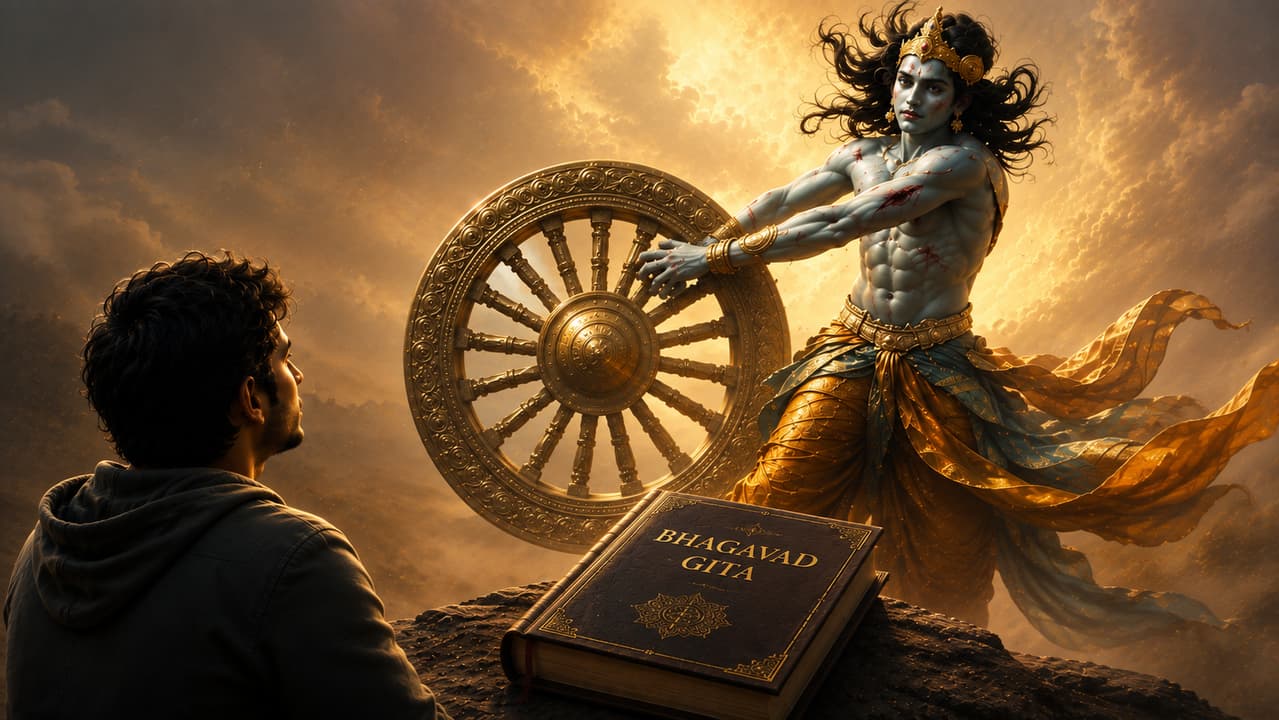
The Bhagavad Gita deserves reverence not because of inherited beliefs about its author, but because of its power to dissolve falsehood and reveal Truth. Real devotion is not ritual or blind faith—it is understanding, inquiry, and living the wisdom of the Gita. Through sincere study, one discovers the true meaning of Krishna, making the Gita the most authentic path to knowing and worshipping Him.

Victory is not decided by the trophy you hold but by the battle you choose to fight. Real strength lies in making the right decisions, staying true to your deepest values, and refusing to be ruled by fear or circumstances. When your actions arise from clarity rather than ambition, the outcome loses its power over you. The moment you choose the right path, you have already won.

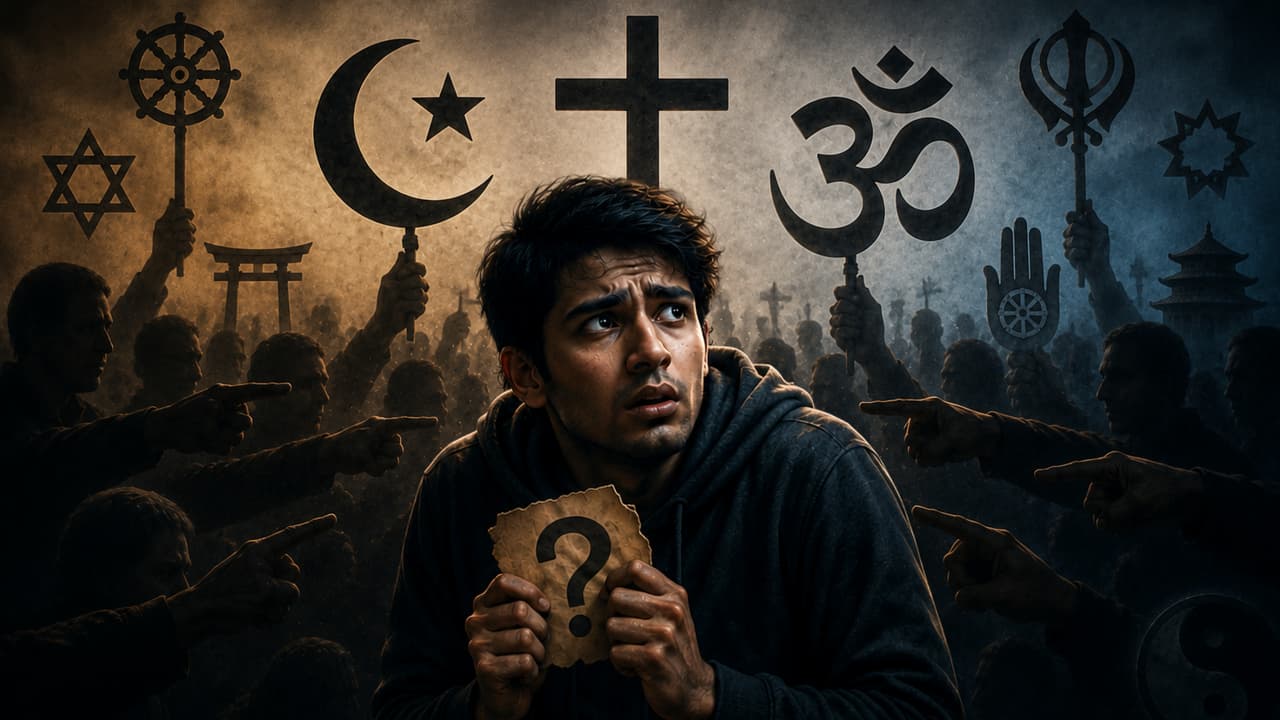
धर्म का अर्थ अंधविश्वास या मान्यताओं को मान लेना नहीं, बल्कि निर्भीक जिज्ञासा और सत्य की खोज है। बच्चों पर धार्मिक नियम थोपने के बजाय उन्हें प्रश्न पूछने की पूरी स्वतंत्रता मिलनी चाहिए। भय, शर्म और अपराधबोध पर आधारित धार्मिक संस्कार व्यक्ति को सत्य से दूर और देह-केंद्रित बना देते हैं। सच्चा धर्म हर मान्यता की निष्पक्ष जाँच, तथ्य के प्रति ईमानदारी और आंतरिक स्वतंत्रता का नाम है। प्रश्नचिह्न ही धार्मिकता का सबसे बड़ा प्रतीक है।

लोग अपनी राय की रक्षा इसलिए नहीं करते कि वह सत्य है, बल्कि इसलिए क्योंकि भीतर से उन्हें उसकी कमजोरी का पता होता है। झूठ सबसे जल्दी आहत होता है और सच से डरता है। इसलिए सत्य बोलने पर यदि कोई टूटता है, तो उसके झूठ के लिए स्वयं को दोषी नहीं मानना चाहिए। जहाँ वास्तव में गलती हो, वहाँ विनम्र बनें; लेकिन सत्य के पक्ष में खड़े होने के लिए अपराधबोध या दूसरों की नाराज़गी का बोझ उठाना आवश्यक नहीं है।

आत्मज्ञान के बिना समाज, पर्यावरण या किसी भी बाहरी समस्या का स्थायी समाधान संभव नहीं, क्योंकि हर संकट की जड़ मनुष्य की चेतना में है। बाहरी सुधार, नीतियाँ या अभियानों की अपनी भूमिका है, लेकिन वे मूल कारण को नहीं बदलते। इसलिए सबसे आवश्यक कार्य है स्वयं को बदलना और सत्य के प्रति गंभीर होना। जो व्यक्ति सत्य के प्रति उदासीन है, उससे स्वीकृति या मान्यता की अपेक्षा करना भी व्यर्थ है।

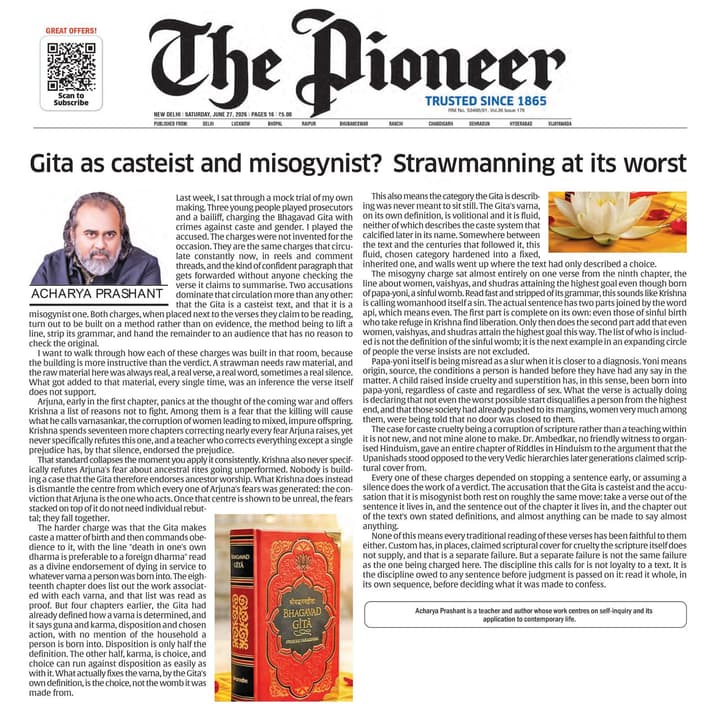
The Bhagavad Gita is often accused of supporting caste and misogyny through selective quotations that ignore context, grammar, and the text's central teachings. A closer reading shows that its emphasis is on inner qualities, conscious action, and spiritual equality rather than birth-based hierarchy or gender discrimination. Misinterpretations arise when isolated verses are detached from their broader meaning, while the Gita consistently points toward self-knowledge, freedom from ego, and the universal possibility of liberation for every human being.

काम का मूल्य जीत, पुरस्कार या दूसरों से आगे निकलने में नहीं, बल्कि उसके प्रति प्रेम और समझ में है। जब कोई कार्य केवल प्रतियोगिता या प्रशंसा के लिए किया जाता है, तो वह बोझ बन जाता है। सच्चा आनंद उसी काम में है जिसे व्यक्ति स्वाभाविक रूप से करना चाहता है। इसी तरह डर कोई समस्या नहीं है; समस्या तब है जब डर हमें सही काम करने से रोक दे। जो सही और आवश्यक है, उसे डर, असफलता या संकोच के बावजूद करते रहना चाहिए।

Real change begins not by changing the world alone but by understanding the one trying to change it. Laws, technology, policies, and scientific progress have value, yet they cannot solve problems rooted in human consciousness and endless desire. Truth remains the same across cultures and disciplines, requiring only a change in language, not in essence. Lasting solutions emerge through honesty, self-inquiry, and inner transformation, because no external system can replace a change in the human mind.

The mind is not an independent entity but a structure built and maintained by the ego through thoughts, memories, beliefs, and experiences. Most spiritual practices fail when they become distractions from examining the ego itself. Experiences, emotions, and preferences are often conditioned and unreliable. Real inquiry begins with observing the experiencer, admitting facts without distortion, and applying the same rigor to inner life that science applies to the external world.

Human beings are born into uncertainty, surrounded by beliefs, identities, and social conditioning that offer ready-made answers to fundamental questions. Real spirituality begins not with accepting collective or personal beliefs, but with honestly examining one’s own suffering, fears, and false identities. The journey is not toward comforting ideas, but toward self-inquiry, where truth is discovered through questioning, observation, and the gradual rejection of illusion.

Operating from the highest inner point means living with honesty rather than self-created illusions. The ego becomes “higher” not through mystical growth but by dropping false self-images and testing its claims against reality. When honesty weakens, lower motives take control, creating inner conflict and disorder. Real growth lies in continuously questioning oneself, facing uncomfortable truths, and preventing the ego from being driven by comforting but deceptive beliefs.

मुक्त कर्म वही है जिसमें आनंद किसी भविष्य के परिणाम में नहीं, बल्कि कर्म करने में ही होता है। बच्चा खेलते समय किसी पुरस्कार की अपेक्षा नहीं करता; खेल ही उसका सुख है। इसके विपरीत, बंधन और लालच से किए गए कर्म हमेशा हिसाब, मुआवज़े और भविष्य की आशा से भरे होते हैं। निष्काम कर्म वही है जहाँ कर्म स्वयं ही अपना पुरस्कार बन जाता है, और जीवन गणना नहीं बल्कि सहज उल्लास में बदल जाता है।

The climate crisis is not merely an external environmental problem but a reflection of inner human greed, desire, and psychological disorder. Drawing from the Gita’s idea of yagya as desireless action, it says real ecological healing requires inner transformation. Outer pollution, exploitation, and destruction mirror the ego’s inner confusion, making personal consciousness and planetary health deeply inseparable.

आप आस्था खोज रहे हैं, पर क्या आस्था कभी ज़बरदस्ती पैदा होती है? आस्था फूल है, जो सही बीज, सही मिट्टी और सही संगति मिलने पर अपने आप खिलती है। शुरुआत श्रद्धा से नहीं, जिज्ञासा से होती है। सम्मान से नहीं, संदेह से होती है। परखिए, पूछिए, प्रयोग करिए। जहाँ वास्तविक लाभ होगा, वहाँ आस्था अपने आप जन्म लेगी, बनावटी नहीं।

आस्था और ज़िम्मेदारी अलग नहीं हैं; सच्ची आस्था खुद ज़िम्मेदारी बन जाती है। धर्म के नाम पर प्रकृति का नुकसान और अंधविश्वास, धर्म नहीं बल्कि अज्ञान है। वास्तविक धर्म समझ और सत्य पर आधारित है, न कि परंपराओं की अंधी नकल पर। अंधविश्वास पर प्रश्न उठाना धर्म के खिलाफ नहीं, बल्कि उसे बचाने का काम है।

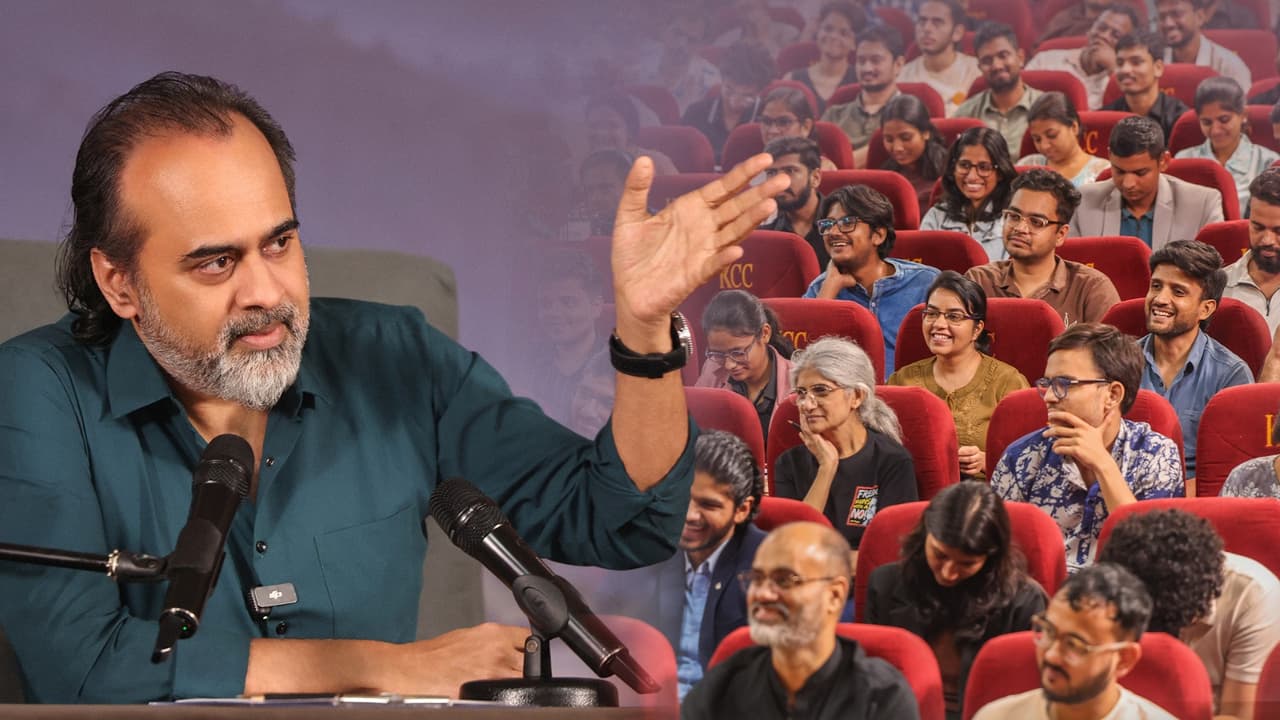
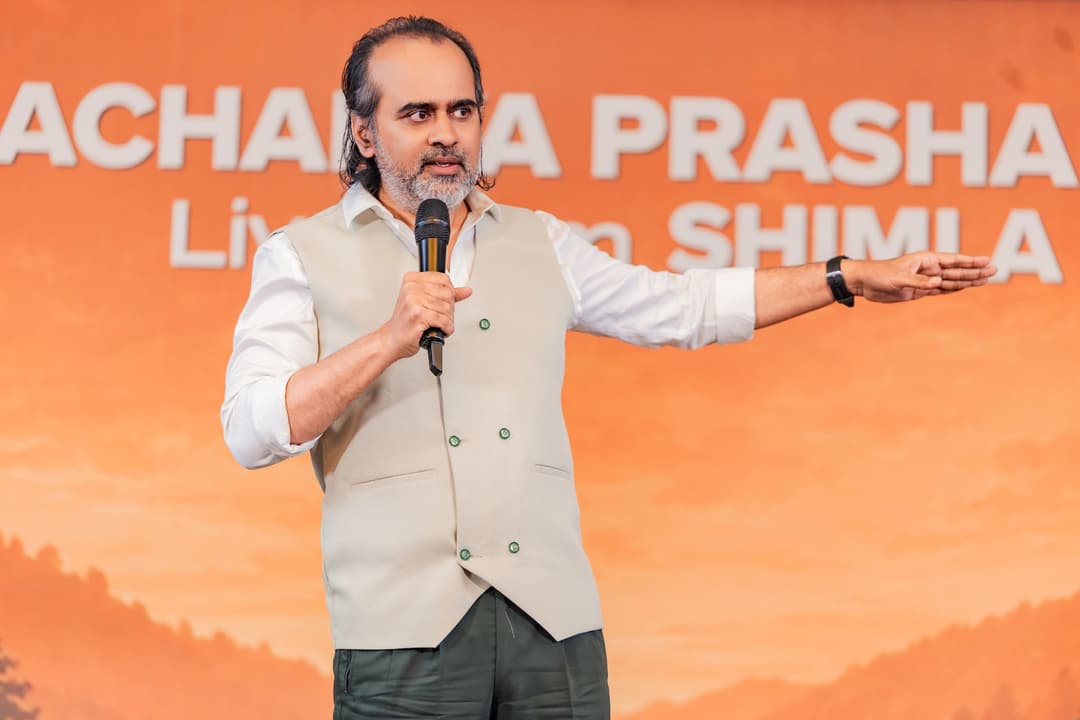
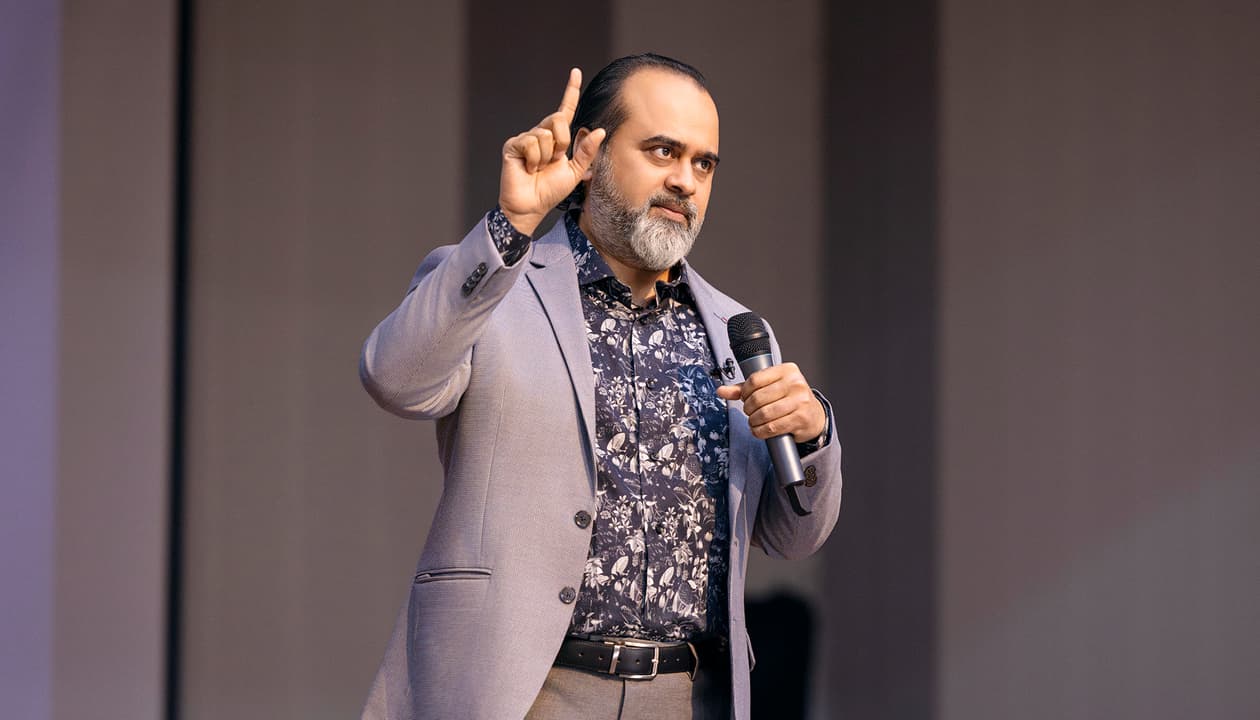
आचार्य प्रशांत कलिंग में युवाओं से संवाद करते हैं। वे कहते हैं कि दर्शन सत्य की खोज है, जो आत्म-अनुसंधान से शुरू होती है। परंपरा सदा से चली आ रही है, बस रूप बदल गया है। विकृत धर्म बाजार बन गया है। युवाओं को अपनी बीमारी पहचानी चाहिए। सोशल मीडिया एल्गोरिदम मन को नियंत्रित कर रहा है। सच्चा शिक्षक वह है जो आपकी झूठी धारणाओं को चुनौती दे।

अहंकार मनुष्य की मूल समस्या है। हम ज्ञान समझते हैं पर उस पर चल नहीं पाते क्योंकि अहंकार को अपनी पहचान के लिए दूसरों की आवश्यकता है। परिवार, समाज, विचारधारा से हम सौदा करते हैं - अपनी स्वतंत्रता बेचते हैं। सच्चा प्रेम स्वयं को और दूसरों को मुक्त करना है, न कि बंधन में रखना। ईमानदारी से अपने झूठ को देखना ही सत्य है।

प्रश्नकर्ता: आचार्य जी, जैसे मैं पहले ओशो जी और जिद्दू कृष्णमूर्ति जी के रंग में रंगा हुआ था और अब आपके रंग में रंगा हुआ हूँ। मुझे ये समझ नहीं आता कि यह मेरी जिज्ञासा मात्र है, प्रेम है या पागलपन?
आचार्य प्रशांत: जैसे आपने कहा था कि मन में…

Question: A gentleman was saying that a person, who is drinking or is drunk, he still has got some kind of stability on mind, and he too, can judge. That is what I felt to be perhaps wrong. A person who is drunk probably loses his judgement and whatever we…

The one who is religion-less. A real Hindu does not have any religion. To go beyond all religions is to be a Hindu. There are religions that are on one plane, and then there is Sanatan Dharma, which is another dimension — the eternal religiousness. Liberation from religion is religiousness. Sanatan Dharma is awakened intelligence.

Listener: (Reading a quote of Acharya Prashant from a quote-calendar)
What lies beyond mind?More mind.What is more mind?What and lies and mind.Questions, perceptions on the concept of the mind.
Acharya Prashant: Any question about beyondness would be a useless question because the question itself is coming…

Superficiality offers pleasures. Superficiality offers cheap salvation. Therefore, it is easy to be attracted to superficiality. On the other hand, true spirituality challenges you to pay a heavy price. So, you see, all this knowledge has existed since antiquity. Yet there are people who do not want to read the Gita.

समसामयिक हिन्दू धर्म पुराणों, स्मृति ग्रंथ और स्थानीय क़िस्म की परंपराओं पर चल रहा है। वो हिन्दू धर्म है ही नहीं। हिन्दू धर्म से अगर हमारा आशय है वेदों के दर्शन पर आधारित धर्म, तो हिन्दू धर्म न अगड़ा है, न पिछड़ा है; हिन्दू धर्म एकमात्र धर्म है। धर्म तो एक ही है, ये जो दुख में बैठा हुआ है, इसका दुख दूर करना। बाक़ी सब कुछ किसी धर्म, पंथ, मज़हब में हो रहा हो, वो सब अंधविश्वास है। हिन्दू धर्म कहता है, “वो है कौन जो दुःखी है? प्रश्न करो, और प्रश्न का जवाब परंपरा नहीं, प्रयोग देगा।”

गीता का सबसे प्रसिद्ध श्लोक है, “कर्मण्येवाधिकारस्ते मा फलेषु कदाचन।” कर्म पर ही अधिकार है, फल पर कतई नहीं है। एक सच्चे ईमानदार आदमी की स्थिति यह होती है, “सही काम चुनूँगा, और आगे जो कुछ होगा, उससे कोई लेना-देना नहीं। अच्छा हुआ तो अच्छी बात है, और बुरा हो गया तो भी हम पर कोई फ़र्क़ नहीं पड़ेगा।” सफलता तो संयोग होती है। एकदम दो कौड़ी के आदमी को भी आप पाएँगे कि सफलता मिल सकती है। महत्त्व प्रयास का होता है, सफलता का नहीं। सही काम चुनो, अधिकतम प्रयास करो।

शुरुआत होगी प्रेम से; प्रेम माने, संवेदनशीलता; संवेदनशीलता माने, दुख। दुख का उदय नहीं, दुख का अनुभव। दुख तो है ही, पर असंवेदन बनकर हम उस दुख से किसी तरह बच लेते हैं। किसी चीज़ का होना और उसका अनुभव होना, दो अलग-अलग बातें हैं। दुख है, पर हम उसके अनुभव से बच जाते हैं। कैसे? सुन्न पड़कर। असंवेदनशील होकर हम दुख के अनुभव से कन्नी काट लेते हैं।

गीता की ब्रांडिंग एक लोकधार्मिक बुक के रूप में हो गई है। तो ये जो जेन-ज़ी है, जब लोकधर्म को ठुकराती है, तो लोकधर्म के साथ-साथ गीता को भी ठुकरा देती है। थ्रोइंग द बेबी अवे विद द बाथ-वॉटर। तो उनके लिए गीता, पुराण सब एक है। और जो चलती है, रावण संहिता उनके लिए वो सब एक है।

If you are religious, then shouldn’t you be truly religious? Religion is about a total commitment to the Truth. You’ll have to recognize that the objective of religion is not to attain heaven, not to please a holy figure, but to come to your own inner Truth. All good books exist to awaken your consciousness. When it comes to you and the Truth, do you want somebody in between? And wherever you spot fakeness, falseness, hollowness or ignorance, drop it.

There is a search within the human being, always for the greatest, the absolute, and that is what differentiates humans from animals. India was fertile, and there was abundance. You had ample leisure, and in that leisure there was space for intellectual inquiry. The sages and the seers would talk to each other purposelessly. And from that purposeless discussion, from silent observation of life for hours, days, months, and years, came those insights that you today recognize as Indian philosophy.

यह जो अलग-अलग दिखाई देता है, यह वास्तव में कुछ है क्या? यह जो अलग-अलग दिखाई देता है, यह संसार है, प्रकृति। प्रकृति में बस विविधताएँ होती हैं, अनेकताएँ होती हैं। उसमें वास्तव में कुछ अलग-अलग है क्या? अलग-अलग जो दृष्टा होते हैं, उन्हीं के कारण यह संसार सबके लिए अलग-अलग हो जाता है। तो अद्वैत कहता है, हम दृष्टा की पहले जाँच-पड़ताल करेंगे, दृश्य की बाद में बात करेंगे।

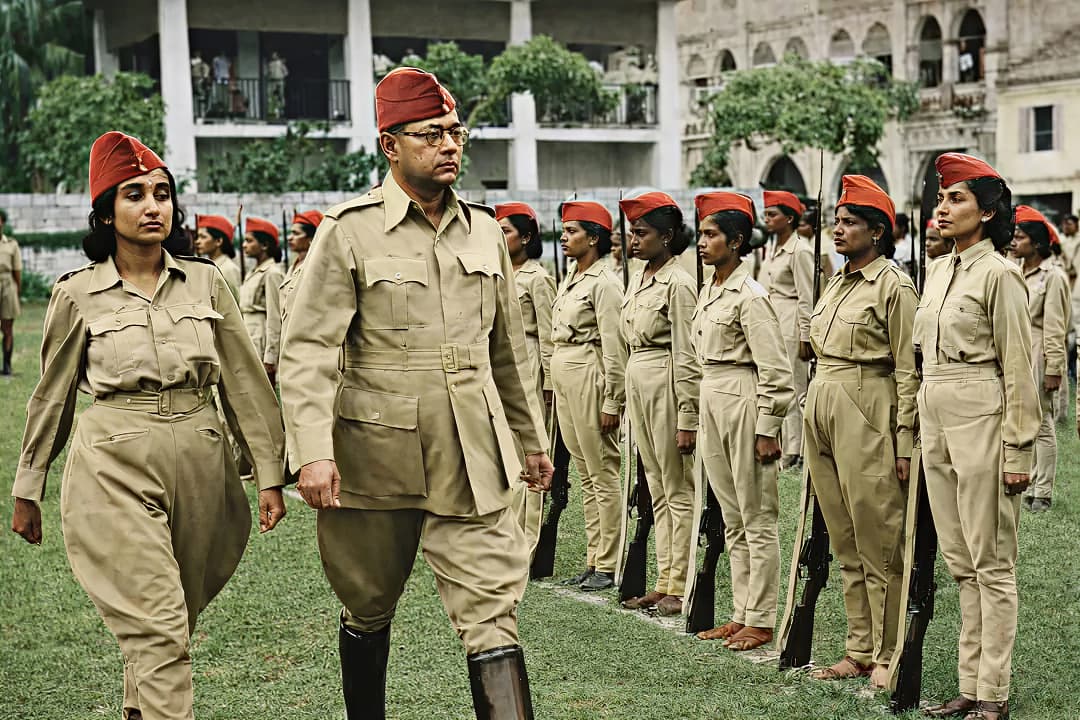
There is no revolution possible without the Gita. That’s the reason why even those who are not remembered particularly for their spiritual inclination, people like Subhash Chandra Bose, even they founded their core on Gita. What kind of revolution can you do if it’s the body that’s always at the top of your mind? You require a Gita to tell you that this body is perishable and would anyway go. Gita only teaches you, "Endure and fight."

This has always been a hugely profit-making sector of all economies, just that it has always been a small sector controlled by the priestly class. Now the attempt is to make this sector really big and on an organized scale, because the profits are very tempting, and there is no quality control. There can be no external auditor. All kinds of objections, audits, and scrutinies are ruled out. Getting it? So it’s a very tempting sector.

Shri Krishna is saying: the mind is conditioned to move towards objects and perceive only their surface, periphery, or form. Develop the practice of penetrating further. Let Truth be your practice. The moment you would look at something, and you are in no position not to look at things being embodied, you would look at things. Nobody said that you have to practice lust. Lust just comes. You might be a total fool, an utter retard, and still you will find yourself getting sexually excited once you reach a particular age. Did you need some practice? No, you didn’t. It just happened. But if you are to understand lust, if you are to cross over, if you are to be a master of your body, then it will require a lot of practice, and that will necessarily and obviously tell you about your predicament.

“Immersing myself in deep meditation.” What do you mean by meditation? And who is being immersed? Please tell me, beyond a trick of words, what is this? But you’ll never ask these questions, because some Baba-ji totally dominated your faculty to question with his get-up and demeanour. Real spirituality is not about something that sounds elevated or respectable. Whenever you are bombarded with high-sounding fluff, learn to ask this question; what exactly does that mean?

एक जगह धोखा खाया। अच्छा, वहाँ गए क्यों थे? धोखा खाने तो नहीं गए थे। वहाँ पर कुछ आशा थी, कुछ कामना थी, कुछ अच्छा-अच्छा सा लगा होगा। क्या फ़र्क़ पड़ता है कि सामने जलेबी आई या कचौड़ी आई; लार तो वही की वही थी न। ये सब लोकधर्म है कि आपका किसी ने बुरा करा है, तो उसका कार्मिक बैलेंस ख़राब हो जाएगा। बाहर जो कुछ हो रहा है, सब रैंडम है। आपके पास एक ही चीज़ है: चॉइस, जिसको आप कह सकते हो कि आपकी है। उसके अलावा मत सोचिए कि आसमानों पर कहानियाँ लिखी गई हैं; मिट्टी हैं हम, धूल हैं हम।

आम आदमी को भले ही कम चोट लगती हो, आप धार्मिक आदमी को कहोगे, उसे खट से चोट लगती है। अभी यहाँ कोई बैठा हो बहुत धार्मिक आदमी, वह भीतर से छलनी हुआ जा रहा होगा, “क्या बोल रहे हैं! महापाप!” तुमने अनंत को इतनी छोटी चीज़ क्यों बना दिया कि कोई उसको घाव दे सके, बताओ न। आकाश पर चोट लग सकती है? मारो गोली, आकाश को लगेगी चोट? थूको आकाश पर, आकाश गंदा हो जाएगा? सत्य तो आकाश है, जिसमें घुला जा सकता है उसमें लीन हुआ जा सकता है।

That’s what the entire spiritual process is about, collecting the airfare. So that you can rise up, otherwise, you stay crawling on the highway. Life is not so that you just remain a crawler, a creeper. Life is so that you can take off.

This breath-in, breath-out, stomach-in, tummy-out; this is not meditation. Even animals do not need training in breathing, and we are being taught how to breathe. What’s going on? You know, you should breathe mindfully. Why? Is there anything wrong with your breath? Meditation is nothing but an observation of the naked inner fact. That is meditation. To stand naked and honest in front of what is, that is meditation.

We teach our kids to write applications: “Humbly I beg to submit that today I have an ache in my tooth.” “Humbly I beg to submit!” If you are stating a fact, if the toothache is real, why the hell are you groveling? If that is the Truth, why are you begging? Drool, drool, drool. That’s become our culture. If your philosophy tells you to submit and surrender to several masters, you will never be a truthful person, because in Truth there is no authority but the Truth.

A thousand feelings: envy, fear, hatred, competition will come to you. You cannot fight them all, and there is no need to fight them. Be courageous when that feeling comes, and sit down like friends and talk. Be honest that you are the one who is nurturing that feeling all the time. Be aware that it is coming. Let it not enter like a thief. And when it comes, don’t feel small. You only need to understand, not control.

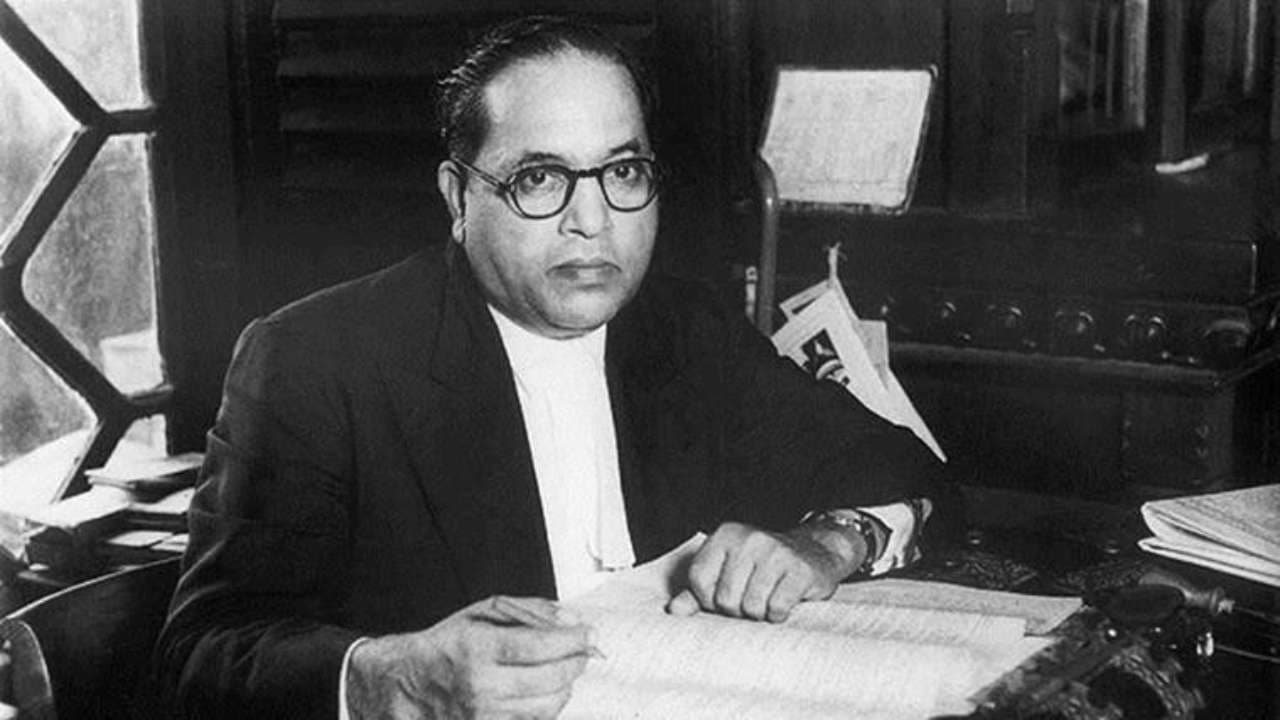
डॉक्टर अंबेडकर मृत्यु की रात को भी क्या कर रहे थे? वह धर्म पर ही किताब लिख रहे थे, और उन्हें बड़ी हड़बड़ी थी कि इसको पूरा कर दें। तबीयत बहुत ख़राब थी, दिख रहा था कि जाने वाले हैं। उनकी मृत्यु के बाद वह किताब प्रकाशित हुई, ‘The Buddha and His Dhamma.’ वह कोई पॉलिटिकल या इकोनॉमिक्स की किताब नहीं लिख रहे थे। वह धर्म पर लिख रहे थे। जो भारतीय दर्शन रहा है, उसकी सारी खूबियाँ बौद्ध धर्म में ज़बरदस्त तरीके से मौजूद हैं। बौद्ध धर्म तो पूरा ही जिज्ञासा का धर्म है, रूढ़ियों के लिए वहाँ एकदम ही कोई जगह नहीं है।