Acharya Prashant: Chandogya Upanishad — Chapter 3, part 11, verses 2 and 3:
न वै तत्र न निम्लोच नोदियाय कदाचन । देवास्तेनाहंसत्येन मा विराधिषि ब्रह्मणेति ॥ ३.११.२ ॥
na vai tatra na nimloca nodiyāya kadācana | devāstenāhaṃsatyena mā virādhiṣi Brahmaṇeti || 3.11.2 ||
Never does this happen there; never did…
Acharya Prashant (AP): What’s happening here, firstly I will read it out to you and then explain.


प्रश्नकर्ता: प्रणाम गुरुजी, मेरा प्रश्न हैप्पीनेस (खुशी) के बारे में है कि व्हाट एग्ज़ेक्टली हैप्पीनेस इज़? (खुशी वास्तव में क्या है?) और हमें खुशी चहिए क्यों होती है। जैसे कि बचपन से ही जब हम किसी के पैर छूते हैं अपने से बड़ों का, तो सभी लोग बोलते हैं, "खुश
प्रश्नकर्ता: आम लोगों में अध्यात्म की जो बातें चलती हैं वहाँ ‘अल्प' की भाषा उपयोग की जाती है, और आजकल जैसे कि नए आध्यात्मिक केंद्रों में मिनिमलिज़्म (न्यूनतमवाद), अल्प की भाषा का प्रयोग हो रहा है। तो आचार्य जी, अध्यात्म में इस 'अल्प' का अर्थ क्या है?

प्रश्नकर्ता: आपसे प्रेरणा मिली है कि अध्यात्म, गीता, उपनिषद् का जीवन में बहुत महत्व है और जितनी जल्दी हो सके ज़िन्दगी में उतनी जल्दी इन ग्रंथों से परिचय हो जाना चाहिए। अब मेरा चौदह साल का बेटा है, उसे बहकते देख रहा हूँ। उपनिषद् इत्यादि उसे बताता हूँ तो उसे

True freedom begins when we question the beliefs that make us feel trapped. Most of our suffering comes not from circumstances but from unquestioned assumptions, attachments, and imagined obligations. By suspending our beliefs, even briefly, we allow truth to enter, revealing that life always offers choice. Transformation is born from love for truth, the courage to let go, and the willingness to step beyond the boundaries created by the ego.
The mind of a sage is continuously sensing a reality beyond appearances, a reality beyond limits. There is a constant realization that all the diversities share commonalities and there is something beyond the diversities that contain all the diversities. This feeling is being given a poetic manifestation in this particular verse. What matters here is the sense that there is something definitely beyond; that which is perceivable, all that which can be experienced between the Earth and the sky is of little importance compared to that.
प्रश्नकर्ता: सर, जैसे कि अभी दशहरा आ रहा है और हर साल दशहरा मनाते भी हैं, लेकिन दशहरे का वास्तविक अर्थ क्या है?
आचार्य प्रशांत: जिसके दस सिर वही रावण। रावण वो नहीं जिसके दस सिर थे, जिसके ही दस सिर हैं वही रावण है। और हममें से कोई ऐसा…
प्रश्नकर्ता: प्रणाम, आचार्य जी। 'निर्वाण षटकम्' की एक पंक्ति है —
'न धर्मो न चार्थो न कामो ना मोक्ष: चिदानन्द रूप: शिवोऽहम् शिवोऽहम्।'
तो इसमें जो मोक्ष के विषय में कहा गया है कि मैं मोक्ष भी नहीं हूँ, तो क्या शिव को मोक्ष भी नहीं चाहिए?
आचार्य प्रशांत: हाँ,…
आचार्य प्रशांत: 'अल्प'…
1. अहं ब्रह्मास्मि — "मैं ब्रह्म हूँ" (बृहदारण्यक उपनिषद्, प्रथम अध्याय, चतुर्थ ब्राह्मण, श्लोक क्रमांक १०)
2. तत्त्वमसि — "वह ब्रह्म तू है" (छान्दोग्य उपनिषद्, अध्याय ६, अष्टम खण्ड, श्लोक क्रमांक ७)
3. अयम् आत्मा ब्रह्म — "यह आत्मा ब्रह्म है" (माण्डूक्य उपनिषद्, अध्याय १, श्लोक २)
4. प्रज्ञानं ब्रह्म…
स य एषोऽणिमैतदात्म्यमिद सर्वं तत्सत्यं स आत्मा तत्त्वमसि श्वेतकेतो इति भूय एव मा भगवान्विज्ञापयत्विति तथा सोम्येति होवाच॥
‘वह जो यह अणिमा है, एतद्रूप ही यह सब है। वह सत्य है, वह आत्मा है। और हे श्वेतकेतो! वही तू है। ऐसा कहे जाने पर श्वेतकेतु बोला – ‘भगवन्! आप मुझे फिर…

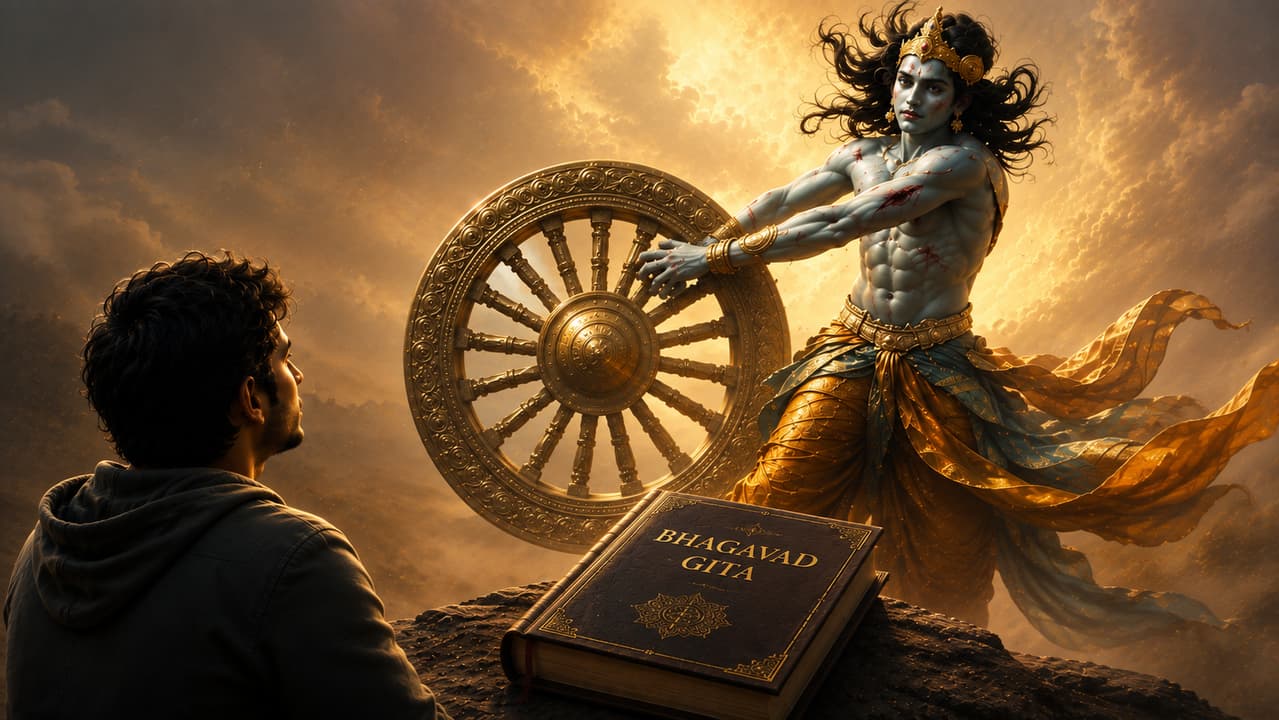
The Bhagavad Gita deserves reverence not because of inherited beliefs about its author, but because of its power to dissolve falsehood and reveal Truth. Real devotion is not ritual or blind faith—it is understanding, inquiry, and living the wisdom of the Gita. Through sincere study, one discovers the true meaning of Krishna, making the Gita the most authentic path to knowing and worshipping Him.

लोग अपनी राय की रक्षा इसलिए नहीं करते कि वह सत्य है, बल्कि इसलिए क्योंकि भीतर से उन्हें उसकी कमजोरी का पता होता है। झूठ सबसे जल्दी आहत होता है और सच से डरता है। इसलिए सत्य बोलने पर यदि कोई टूटता है, तो उसके झूठ के लिए स्वयं को दोषी नहीं मानना चाहिए। जहाँ वास्तव में गलती हो, वहाँ विनम्र बनें; लेकिन सत्य के पक्ष में खड़े होने के लिए अपराधबोध या दूसरों की नाराज़गी का बोझ उठाना आवश्यक नहीं है।

आत्मज्ञान के बिना समाज, पर्यावरण या किसी भी बाहरी समस्या का स्थायी समाधान संभव नहीं, क्योंकि हर संकट की जड़ मनुष्य की चेतना में है। बाहरी सुधार, नीतियाँ या अभियानों की अपनी भूमिका है, लेकिन वे मूल कारण को नहीं बदलते। इसलिए सबसे आवश्यक कार्य है स्वयं को बदलना और सत्य के प्रति गंभीर होना। जो व्यक्ति सत्य के प्रति उदासीन है, उससे स्वीकृति या मान्यता की अपेक्षा करना भी व्यर्थ है।


Real change begins not by changing the world alone but by understanding the one trying to change it. Laws, technology, policies, and scientific progress have value, yet they cannot solve problems rooted in human consciousness and endless desire. Truth remains the same across cultures and disciplines, requiring only a change in language, not in essence. Lasting solutions emerge through honesty, self-inquiry, and inner transformation, because no external system can replace a change in the human mind.

The mind is not an independent entity but a structure built and maintained by the ego through thoughts, memories, beliefs, and experiences. Most spiritual practices fail when they become distractions from examining the ego itself. Experiences, emotions, and preferences are often conditioned and unreliable. Real inquiry begins with observing the experiencer, admitting facts without distortion, and applying the same rigor to inner life that science applies to the external world.

Operating from the highest inner point means living with honesty rather than self-created illusions. The ego becomes “higher” not through mystical growth but by dropping false self-images and testing its claims against reality. When honesty weakens, lower motives take control, creating inner conflict and disorder. Real growth lies in continuously questioning oneself, facing uncomfortable truths, and preventing the ego from being driven by comforting but deceptive beliefs.

समुद्र के लिए ही यहाँ आया समुद्र से ही मेरा आखिरी नाता
पर आज सुबह से व्यस्त रहा रेतीले मसले ये गिनती वो घाटा
साँझ अब जब तट पर आया समुद्र लहराता बोला मुस्कुराता
रेत के कणों में मन फँस जाता रेत गिनते सूरज ढ़ल जाता
रेत का कण विशाल…

क्या आपके विचार भी आपको सच जैसे लगते हैं? यही भ्रम है। विचार कभी सत्य नहीं होते, वे सिर्फ़ मन की गतिविधि हैं। जब तक “मैं हूँ” का भाव है, तब तक वस्तु, व्यक्ति और विचार रहेंगे ही। उनसे भागना नहीं, उन पर विवेक लगाना है। जो अहंकार को पोषित करे उसे छोड़ो, जो उससे टकराए वही सही दिशा है। यही चुनाव जीवन को बंधन या मुक्ति की ओर ले जाता है।

अहंकार मनुष्य की मूल समस्या है। हम ज्ञान समझते हैं पर उस पर चल नहीं पाते क्योंकि अहंकार को अपनी पहचान के लिए दूसरों की आवश्यकता है। परिवार, समाज, विचारधारा से हम सौदा करते हैं - अपनी स्वतंत्रता बेचते हैं। सच्चा प्रेम स्वयं को और दूसरों को मुक्त करना है, न कि बंधन में रखना। ईमानदारी से अपने झूठ को देखना ही सत्य है।

प्रश्नकर्ता: आचार्य जी, जैसे मैं पहले ओशो जी और जिद्दू कृष्णमूर्ति जी के रंग में रंगा हुआ था और अब आपके रंग में रंगा हुआ हूँ। मुझे ये समझ नहीं आता कि यह मेरी जिज्ञासा मात्र है, प्रेम है या पागलपन?
आचार्य प्रशांत: जैसे आपने कहा था कि मन में…

Our mood is always dependent on others and situations. Results have not been up to your expectations. So now you require a morale booster, some motivating speaker. The moment that fellow is gone, your energy also goes away. But there is another way of living. Deep within myself, I find a point that no external situation can touch. Whatever happens, happens on the surface. That will remain stable, uninvolved, a non-participant. Then you are really free.

“Immersing myself in deep meditation.” What do you mean by meditation? And who is being immersed? Please tell me, beyond a trick of words, what is this? But you’ll never ask these questions, because some Baba-ji totally dominated your faculty to question with his get-up and demeanour. Real spirituality is not about something that sounds elevated or respectable. Whenever you are bombarded with high-sounding fluff, learn to ask this question; what exactly does that mean?

This breath-in, breath-out, stomach-in, tummy-out; this is not meditation. Even animals do not need training in breathing, and we are being taught how to breathe. What’s going on? You know, you should breathe mindfully. Why? Is there anything wrong with your breath? Meditation is nothing but an observation of the naked inner fact. That is meditation. To stand naked and honest in front of what is, that is meditation.

We teach our kids to write applications: “Humbly I beg to submit that today I have an ache in my tooth.” “Humbly I beg to submit!” If you are stating a fact, if the toothache is real, why the hell are you groveling? If that is the Truth, why are you begging? Drool, drool, drool. That’s become our culture. If your philosophy tells you to submit and surrender to several masters, you will never be a truthful person, because in Truth there is no authority but the Truth.

मुक्ति का मतलब ये नहीं है कि किसी को छूना नहीं है; नदी से कहना है, दूर हट, मैं पुरुष हूँ, तू प्रकृति है। आ गई भ्रष्ट करने बार-बार चली आती है। तू भी आ जाती है। न जाने कितनी सारी तो तुम हो; कोई इधर से घुस रही, कोई उधर से घुस रही। छोटी, बड़ी, लंबी, चौड़ी, हरी, काली, नीली, पीली, हर रंग की होती हैं, आ जाती हैं। किसी को मना नहीं कर रहा, वो सबको आलिंगन में ले रहा है और कह रहा है, तुम सब भी आ जाओ, तो भी मैं तो रहूँगा सागर ही।

This in itself is a philosophical question. This is why you should study philosophy, because you already have this question. Philosophy is your affection for the Truth, your leaning towards the Truth. Don’t you want to know the Truth? How many of you are happy with lies? Nobody. So, it is this love for Truth that we all innately have; that’s called philosophy.

दुनिया ऐसी हो जाए और ज़िंदगी ऐसी हो जाए कि किसी विरोध की ज़रूरत ही न पड़े। पर आज ऐसा नहीं है, आज बहुत कुछ ऐसा है जिसे विरोध की ज़रूरत है। तो मैं वो विरोध कर रहा हूँ ताकि जो कुछ हटाया जाना है, मैं उसको हटा दूँ और मेरे बाद, मेरे अलावा कम ज़रूरत पड़े किसी को उतना जूझने की। लेकिन मान लो, मैं काम नहीं कर पाता पूरा, जिसकी बहुत संभावना है, तो जूझने से डरना मत। याद रखना कि संघर्ष इसीलिए है ताकि एक दिन संघर्ष न करना पड़े।

Drop the center of confusion, come to the center of clarity. Drop what the masses practice, come to the direct route of self-realization. That’s what it means.

कभी भी आपके साथ ऐसा हो रहा हो कि कोई चीज़ बाद में समझ में आ रही हो, तो ये याद रख लीजिए, जो चीज़ आपको बाद में समझ में आ रही है, वो आपको हमेशा से ही समझ में आ रही थी। बाद में कुछ नया नहीं समझ में आया। बाद में आपने बस उसको एकनॉलेज करा है। बाद में आपने उसको बस अभिस्वीकृति दी है। पता पहले से था, पर हम उसको एक्सेप्ट नहीं कर रहे थे। हम में यह क्षमता होती है, नोइंग बट नॉट एक्सेप्टिंग। पता पहले से था पर उसको एक्सेप्ट नहीं कर रहे थे, क्योंकि उम्मीद थी कि क्या पता मज़े आ ही जाएँ आगे। अब जब मज़े नहीं आए, उम्मीद टूट गई, तो हम एकनॉलेज कर लेते हैं कि हाँ, गड़बड़ हो गई। गड़बड़ हो रही है, ये शुरू से ही पता था।

मेरे साथ चलने का ये मतलब है कि आप कहीं नहीं पहुँचने वाले, आप बस मिटने वाले हो। कौन चलेगा मेरे साथ, न आप चल सकते हो, न मैं आपसे उम्मीद रखता हूँ कि आप अंत तक मेरे साथ चल सकते हो, क्योंकि वो अंत यात्रा का अंत नहीं होगा, वो अंत आपका अंत होगा। कौन ऐसा पागल है जो अपना अंत कराने के लिए मेरे साथ चले? कभी-न-कभी तो आप टपकोगे ही। और जो जितने ज़्यादा अवधि तक मेरे साथ रहकर टपकता है, वो उतना ज़्यादा ज़हरीला होकर फिर डसता है।

आप तो किसी को समर्पित नहीं हो, न सच को, न झूठ को। आप दोनों को आधे-आधे हो, झूठा आदमी आपसे हमेशा जीतेगा।

In the rule books of the courts, there are offenses of a thousand kinds, but when it comes to life, there is just one offense, ‘Did you live by the Truth or did you betray it?’ Remember that chap called Bhagat Singh and his associates. The courts declared they were guilty, and they were still joyful because they were absolutely not guilty in front of life. Live rightly, and then don’t apologize. That’s it.

हम अपने आराध्यों की कथा, चरित्र, मूर्ति, छवि अपने ही हिसाब से बना देते हैं। हम अपनी सहूलियत, मान्यता और स्वार्थ के अनुसार कालातीत को भी बदल डालते हैं। यह समस्या राम के निर्गुण–निराकार रूप के साथ बिल्कुल नहीं है क्योंकि जो निर्गुण और निराकार है, उसकी कोई मूर्ति ही नहीं, कोई छवि ही नहीं; तुम उसको कैसे ख़राब कर लोगे? इसलिए ज्ञानियों ने कहा कि उनको तो ब्रह्मस्वरूप ही मानना — “राम ब्रह्म परमारथ रूपा, अबिगत अलख अनादि अनूपा।” मात्र वही राम हैं जो कालातीत हैं।

The Bhagavad Gita, in essence, is a struggle of mukti (liberation) against sanskriti (culture). Shri Krishna urges Arjun to discard misogyny and cultural superstitions; the only thing that matters is mukti — liberation. Culture and traditions are time-bound; they hold meaning only when they point towards Truth — timeless, Sanatan. Have great traditions, and always be careful that your traditions are pointing towards the Truth. Only then do the traditions have life.

सब देवताओं ने अपनी-अपनी शक्ति एकीकृत कर दी, तो देवी प्रकट हो गईं। आपके पास जो भी सद्गुण हैं — बुद्धि, धैर्य, बल, जो कुछ भी है — उसको बस सत्य की जीत के लिए अभियान करना है, तब देवी प्रकट होती हैं। सत्य की सेवा में नियुक्त रहो। जब आप अपनी सारी शक्तियों को बस एक लक्ष्य के लिए तैनात कर देते हैं, तो देवी का जन्म हो जाता है।

गीता आपको यह बताने के लिए है कि आपकी सब चिन्ताओं के साथ-साथ जो आपकी चिन्ताओं को नष्ट कर सकता है, वो भी आपको उपलब्ध है। आपको चुनाव करना है और मूल्य चुकाने को तैयार रहना है। अर्जुन के एक ओर माँ प्रकृति हैं जो कह रही हैं, ‘मेरे बहाव में बहो,’ और दूसरी ओर श्रीकृष्ण हैं जो कह रहे हैं, ‘मेरी ओर बढ़ो और रास्ते में जो भी आता है, उसे सहो।’ सही काम में जो पीड़ा मिले अगर उसे प्रेम का उपहार मान कर सीने से नहीं लगा सकते, तो उसे दवाई का कड़वा घूँट ही मानकर बस सह लो। सच्चाई के मार्ग पर जो तमाम अनुभवों में अडिग रहता है, वो आनन्द का अधिकारी है।

प्रश्नकर्ता: सर, नमस्कार। सर, बारह तारीख को स्वामी विवेकानन्द जी की अभी जयंती आने वाली है। तो बचपन से काफ़ी उनको पढ़ा है, उनकी जीवनी के बारे में। हमेशा काफ़ी अट्रैक्टिव(आकर्षक) रहा है उनको पढ़ना, उनको जानना। हालाँकि जितना मैंने उनकी जीवनी पढ़ी तो उनके बारे में पता लगा…
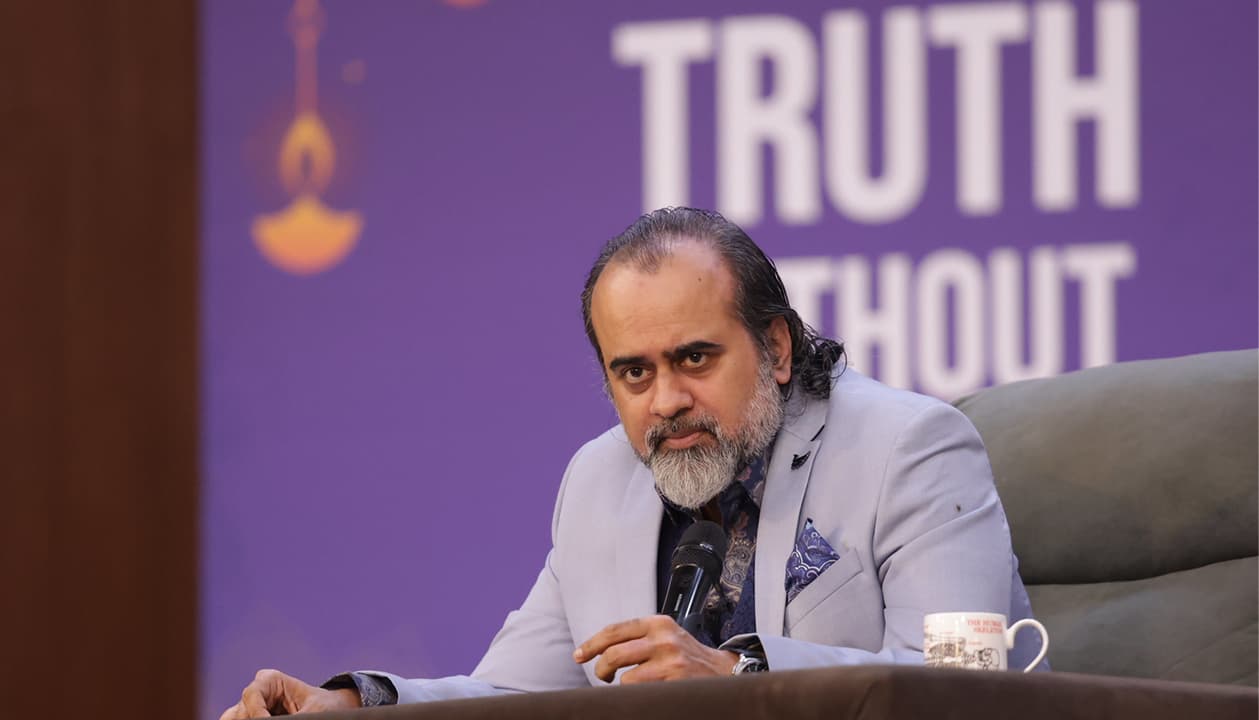
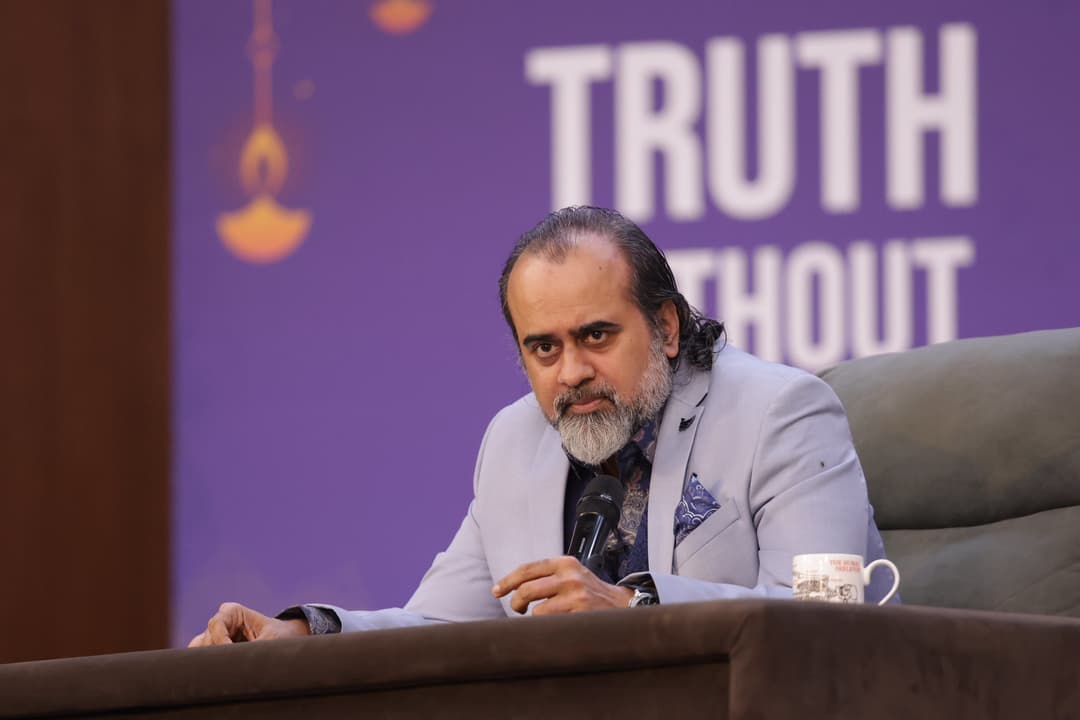
![Truth Without Apology [Book Launch]](https://cimg.acharyaprashant.org/images/img-db3ddbf9-ebdf-4baa-8b47-9373d316d478/30/image.jpg)
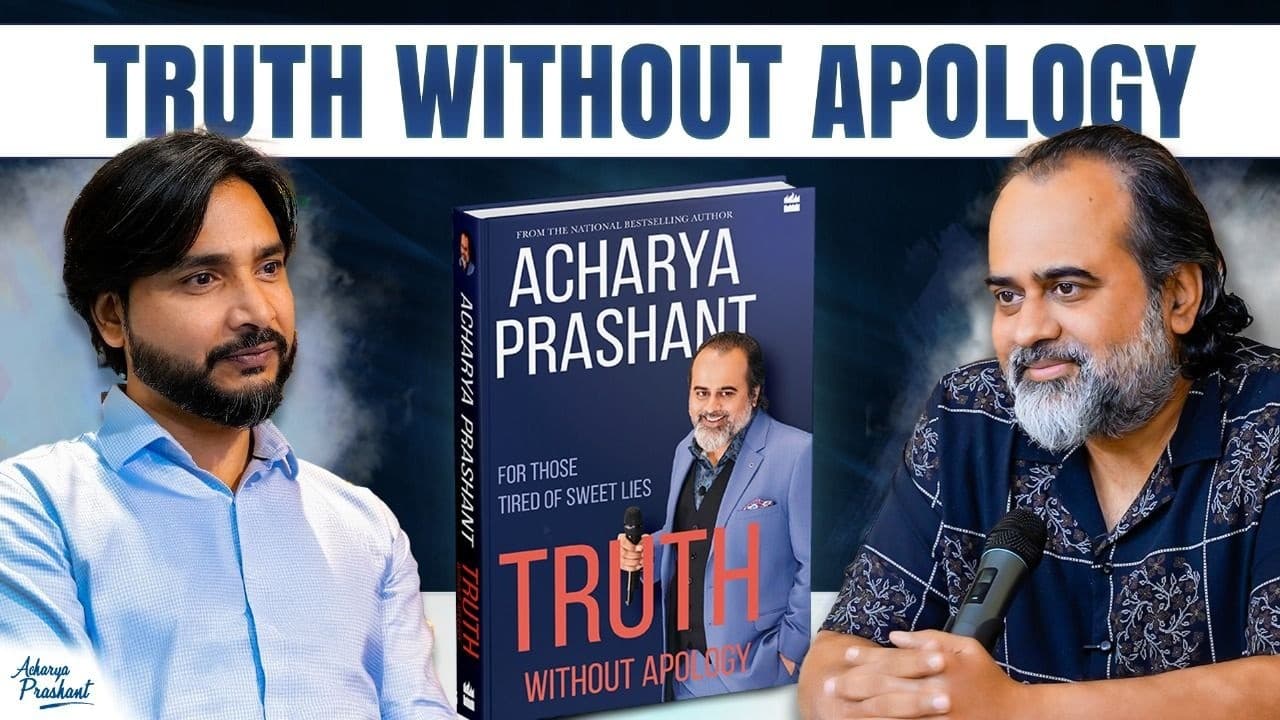
This evening in Delhi, a new book steps into the world—Truth Without Apology by Acharya Prashant. The launch takes place amidst seekers, readers, and companions of his work. In times when words are often polished to please and truths are dressed in comforting disguises, Truth Without Apology arrives like an uninvited storm—direct, raw, and uncompromising.

Life comes to us in an unending number of ways and you never know what's going to happen next. We are starved of something that really penetrates the surface. So, it is the intensity that this book brings — arrow-like depth, striking like lightning, immediately, so you don't have a chance to escape away from it. Like a Zen koan: very brief, very effective, and does its work in a snap. You could open just any chapter from anywhere and find it as if it was written just for you.

We never know the total. The mind, the senses, the grasping power are all limited. The total is available to you, but not through the root of intellectualization, not through the root of causation. The total is available in silence, in noise, in movement, in appearance, in grasping, in holding, in intellect. When you are still, then that which is to be known is known just by itself — without reason, without cause, without preparation, without desire.

पारमार्थिक तल पर — “सत्यमेव जयते” — सत्य ही जीता हुआ है। लेकिन हम जिस दुनिया में हैं, वहाँ सत्य को जिताने के लिए कमर तोड़ मेहनत करनी पड़ती है; असत्य को हराने के लिए बहुत जान लगानी पड़ती है। “सत्यमेव जयते” हमें यह बताने के लिए है कि सच जीत नहीं रहा है, उसे जिताओ। सत्य हमारे लिए एक छोटे बच्चे और नन्हे पौधे जैसा है। उसको हम जिताएँगे या हरवाएँगे, वह हमारे ऊपर है।

उपनिषदों के दर्शन ने आदिकाल से ही भारत और पूरे विश्व में श्रेष्ठतम चिंतकों को प्रेरित किया है। पॉल ड्यूसेन ने कहा, “वेदांत मानव चेतना की सबसे उत्कृष्ट कृतियों में है।” भारत की सुधारवादी धाराओं के मूल में भी उपनिषदों का ही चिंतन है। राजा राममोहन राय, स्वामी दयानंद सरस्वती, रमण महर्षि, जिद्दू कृष्णमूर्ति, स्वामी विवेकानंद, महात्मा गाँधी इत्यादि उपनिषदों से गहराई से प्रभावित थे। पश्चिम पहुँचने के दो सौ वर्षों के भीतर ही उपनिषदों ने पाश्चात्य दार्शनिकों, विचारकों, लेखकों व कलाकारों पर परिवर्तनकारी प्रभाव डाला।

दुनिया भर की कामना हमने पहले से पकड़ रखी है। तो जो तरीक़ा होता है आत्मज्ञान का, वो नकार का होता है। जो कुछ पकड़-पकड़ रखा है, उसका अवलोकन करा जाता है। ये कहाँ से आ गया मेरे पास? कैसे मैंने इसको पकड़ लिया? और पकड़ने पश्चात इससे पाया क्या? ये होता है। सत्य की कामना मत करने लग जाइएगा। झूठ से पिंड छुड़ाना होता है, सत्य की कोई कामना नहीं होती।

कहीं ऐसा तो नहीं कि आपका श्रम बस मोह और ममता की वजह से है। कहीं ऐसा तो नहीं कि जैसा हमने कहा आप पत्थर को ही घिसे जा रही हैं। कहीं ऐसा तो नहीं कि उतना ही श्रम अगर आप ज़्यादा काबिल और तैयार लोगों पर करें, तो ज़्यादा अच्छा परिणाम आएगा। तो निसंदेह हमारे घर वाले हमारे साथ रहते हैं। समझाने की शुरुआत आप अपनों से, परिवार जनों से ही करोगे। उन्हें ही समझाने की कोशिश करोगे। और मैं कह रहा हूँ, पूरी कोशिश, भरपूर प्रयास करिए उन्हें समझाने का। पर अगर दिखाई दे कि नहीं ही समझ रहे हैं, तो अटक मत जाइए, आगे निकलिए।

कोई आदत अच्छी नहीं होती; ‘अच्छी आदत’ जैसा कुछ नहीं होता है। एक आदमी सुबह उठते ही वॉक पर निकल जाता है — न सोचा, न समझा। उसकी मूल आदत वॉकिंग नहीं है, मूल आदत है न सोचना, न समझना। जो कुछ अंधेपन या बेहोशी में किया जाए, वही आदत है। आप जो कुछ कर रहे हो, देखो कि वो आदतवश ही हो रहा है। एक बार यह देख लोगे, तो कर्ता बदल जाता है।

The Truth is not a complicated puzzle. Everything is laid open, right in front of you. So, if it is not happening even now, then it is just because of your own mischief. We give preference to the trivial and miss out on the important. We drift from one thing to another, with no thing meaning anything to us. You are not missing the secret; you are missing the obvious.

When words arise from an honest observation of life, then those words are called "divine."

मन में नामों का पूरा एक भंडार है। पूरी एक भीड़ है मन में नामों की। तुम सर्वप्रथम तो अपने लिए एक ऐसा नाम तैयार करो जो उस भीड़ को भगाना जानता हो, जो उस भीड़ का हिस्सा नहीं हो। वो जो पूरी भीड़ है उससे तुम्हारा संबंध अहंकार का है। वो जो पूरी भीड़ है उससे हमने पोषण पाया है, अहंकार उसी के सहारे खड़ा रहता है। कोई ऐसा नाम लेकर के आओ जो उस भीड़ से किसी तरह का रिश्ता न रखता हो। और सिर्फ़ तभी उस नाम को जपने से लाभ है, नहीं तो आप जप-जप के बस अपने अहंकार को ही और दृढ़ कर रहे हो।