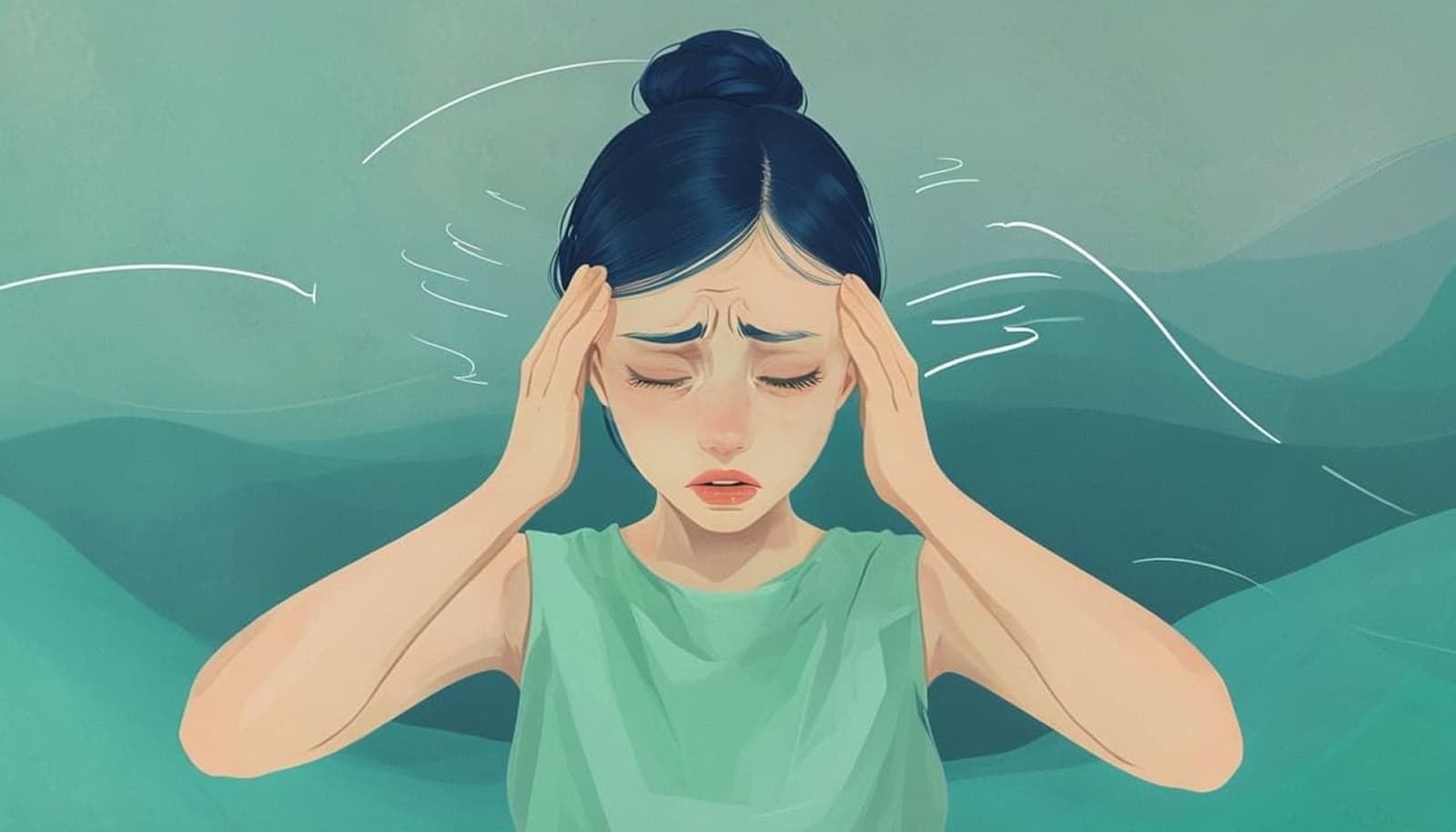
If you know that a thought is not beneficial to you, you won't support it, and it cannot survive. So, if a bad thought continues in your mind, it means you're only calling it a "bad thought," yet deep down, you support it. Deep down, you think it is a ‘good thought.’ Had you really known it was ‘bad', it would have gone. But our minds are full of so-called bad thoughts. What does that mean? We call them ‘bad', but we do not truly consider them bad. We enjoy them.
This summary is AI-generated. Please read the full article for complete understanding.
Acharya Prashant: If you have a thought and you do not favor it, support it, energize it, you do not turn it into action, then that thought gets weakened. It loses its power because it is not gaining any sympathy from you.
So, the thought is arising, and the thought is prompting you to act in a certain way, and you refuse to go by the demand of that thought. You refuse to act; you freeze the action. As the verse says, “You destroy the action.” You do not let the thought turn into action. The thought itself will die down, because the thought requires your support.
How do you express your support to the thought? By turning it into action. When you do not turn the thought into action, what have you told the thought? “I do not respect you. You have come to me and you are saying that act this way, and I am not going by your advice. I do not respect you. I will not fuel you. I am not your ally.”
And the thought, humiliated and de-energized, falls down. Similar is the relationship between the latent tendency that gives rise to thoughts and thoughts. Thought demands action, tendency demands thought.