

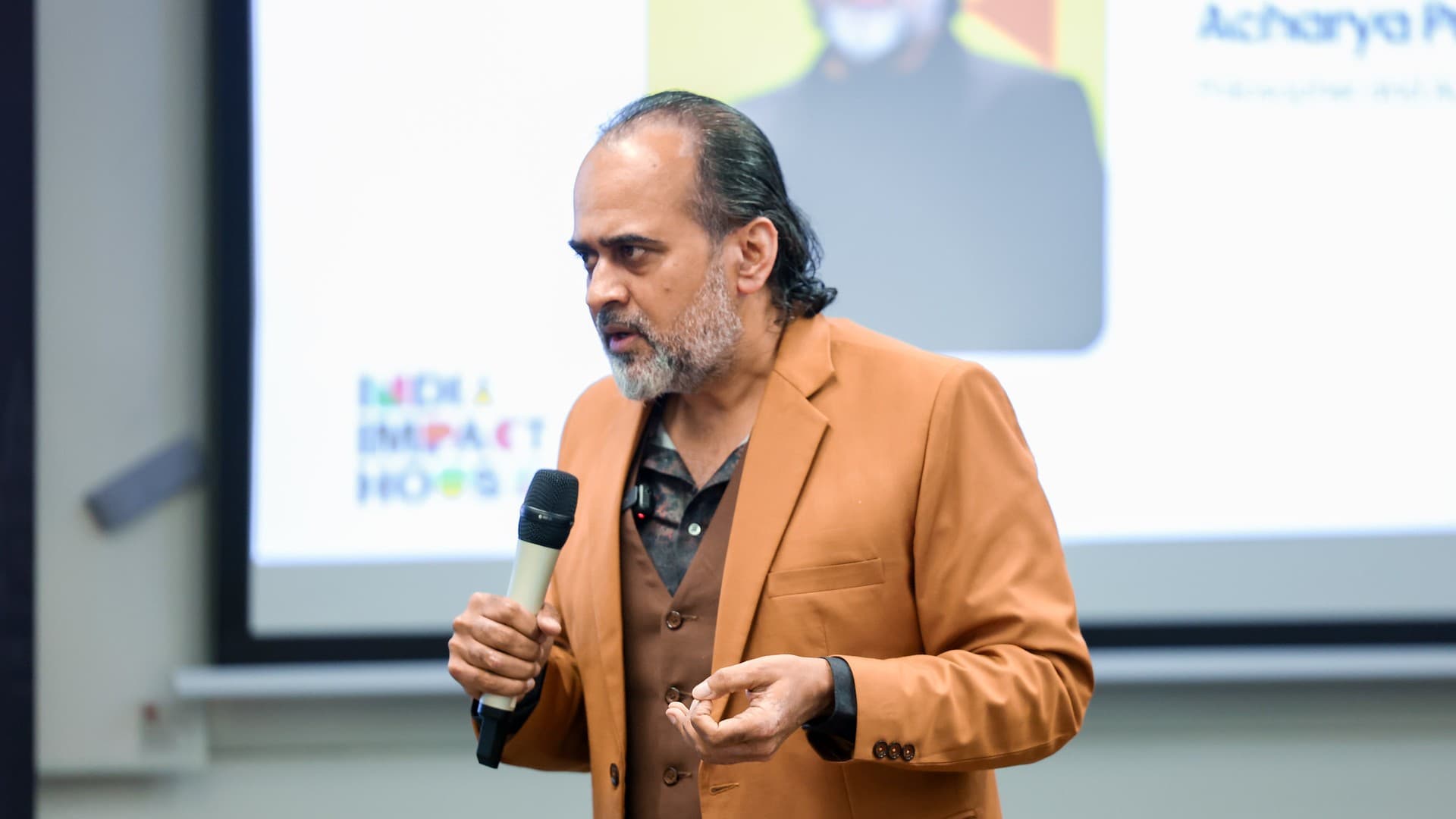
Religions fight one another, and within each, sects fight too, each sure its own path is best. Faced with humanity’s vast religious past, we usually take one of three easy paths: inherit a single tradition, collect a little from many, or reject them all. A fourth path is harder: to be a prisoner of no tradition, to discard what is false or violent in each, and to use what they offer to look honestly at our own fear, craving and restlessness. Why does this path stay so empty?
This summary is AI-generated. Please read the full article for complete understanding.
Originally published in Times Now on 9 October '26
Muslims and Jews have long fought each other, Vaishnavas and Shaivas have shed each other’s blood, the Shia-Sunni quarrel goes on, and the Catholic-Protestant one has gone on too. And the clash is not only between religions. Within a single stream there are sub-streams, within those further sub-streams, and in every one of them someone sits convinced that his path alone is the best. Man ties his identity to some object and then, on that basis, fashions an “us” and a “them”. Religion is merely one example of this; the same process runs through caste, nation, language and ideology.
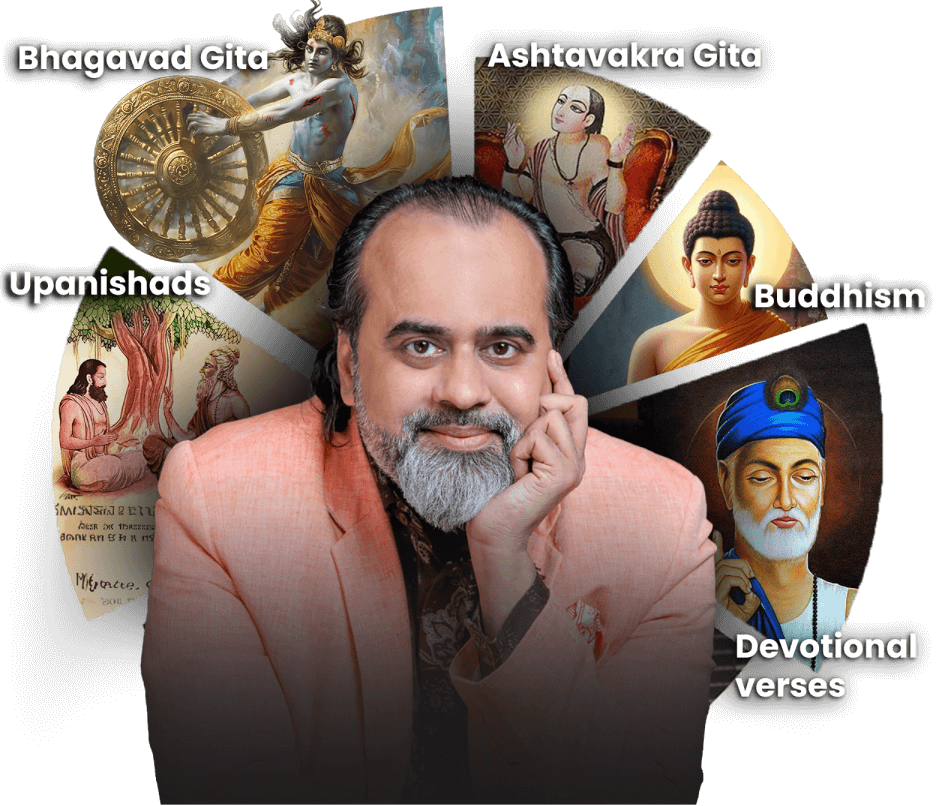
So the question arises: what should our relationship be with humanity’s vast religious past, with its countless scriptures, saints, philosophies and creeds? Broadly, four paths can be seen. The first three are easy, and through history it is mostly these that have been walked.